


Processing
Likes
Comments
Share


@MELs_Garden
Follow
Empieza el show
20 de julio
Realizamos cambio a 12h. Se avecina una muy gorda, intentaré realizar actualizaciones diarias a poder ser porque me interesa muchísimo ver como se desarrolla y espero que vosotros también.
SEMANA 0
20 al 26 de julio
En diferencia a mis cultivos habituales esta vez voy a empezar desde la semana 0. Nuestros compañeros de Crazy Roots nos están ayudando y con la experiencia que tienen nos lanzamos con los ojos cerrados 😝
Ya empieza a levantar las ramas a las que hicimos supercropin. Estamos muy contento con el entrenamiento que realizamos, los resultados están siendo muy buenos.
21 de julio
Riego con unos 2.2l
1 vitamax + 2.5 Sólo tec + 2 bloom fuel + 0.3 silica power
PH : 5.6/5.7
Th20 : 25°C
Da gusto verla, la verdad es que se está poniendo bonita, pero otra vez pide de comer. Iremos suavemente que esta es una larga batalla y mejor quedarnos cortos que ir pasados.
23 de julio
Riego foliar con tierra de diatomeas como preventivo.
24 de julio
Se nos han quedado restos blancos de la tierra de diatomeas en las hojas pero no es nada preocupante, más bien estético. Además aprovechamos para hacer poda foliar que ya tocaba y teníamos un arbusto... hacemos limpia y vamos dejando las ramas que nos interesa para floración. Las temperaturas rondan los 27°C pero hot hacemos un cambio importante. Vamos a cambiar nuestro lec de 315w por 2 jackson (placa led) de 150w de la marca Grow the jungle, veremos que sale, seguro que algo bueno. Esperamos bajar las temperaturas un poco con este cambio y conseguir más homogeneidad en el cultivo.
25 de julio
Hacemos un riego más ligero para no pasarnos con la fertilización. Regalos con 1.5l aprox
2.5 ml Bud fuel pro + 2.5 ml bloom fuel
PH 6.2
EC 0.6ms
Th20: 22.5°C
26 de julio
Se acaba esa primera semana 0. Hoy ponemos el quemador de azufre a funcionar por unas 5h, tenemos que prevenir todo lo que se pueda porque una vez salgan las flores no habrá margen de error. También hacemos un riego foliar con Delta nueve usando 4,5ml•l
Por comentar como reflexion:
Nunca en mi vida había visto algo así. Ya había leído que era una planta compleja, que hay que darle de comer con cuenta gotas, que estira mucho.. Pero vivirlo en primera persona es diferente, y todavía no estamos en una floración avanzada..
Hace mucho que esta planta dejo de tener sentido. Es muy difícil sacarle fotos porque es muy frondosa y compleja, increible lo que ramifica, he andado doblando ramas y entrelazandolas sin sentido con la intención de intentar controlarla pero ella es indomable. Como tengo unas amnesia en el mismo cultivo el nivel de nutrientes es bastante bajo pero aún así, la ves y ves que te pide nutrientes pero riegos con una ec de 1ms y se engarran las hojas (sobrefertilizacion). He visto diarios de gente ponerla a 30cm y haciendo poda apical antes de pasar a flora y quedarse en 150cm.. Asique esto como reaccionará al cambio? Ha día de hoy pienso si es buena idea el haberla entrenado tanto y si seremos capaces de controlarla. Señoras y señores el ESPECTACULO ESTA GARANTIZADO!!!!

Likes
11
Share


@Bigdjm88
Follow
The white hairs started about 9 days ago, ive been watching closely since, its grown another 5 inch in past 5 days, the hairs are multiplying but im still to see no bud shapes anywhere? Is this normal? I know over the growth ive caused a few problems for her and maybe this is why not alot is happening now, hopefully get something off it though, make it worth the effort and costs of the things ive bought. The days are running out for whats left to grow with it been a auto, online said anything after 83 days is pointless? Is that true in any way?


Likes
12
Share


@NONSENSE
Follow
Hello everyone!!
Everything is going well. the baby has already been born.
I drip a little weak fertilizer every other day.

Likes
14
Share


@Smile_gan
Follow
Due to last week BCN leaf change to lighter color, brown and some leaf tip got the burn. So i decision to feed organic Bat guano juice instead of Flower Fuel and Myco+
For Pineapple still small and slow growing rate, And look like just only Bud is growing only. This plant i change to feed Bat guano only same as BCN also.
Due to yellow leaf issue, I check soil PH by cheap soil PH meter and found soil PH around 5.5 Looking seem to be problem of ph locked. Before end of this week i decision to fill dolomite around 3 tbs per pot. Hope it will help my plant from nutrient lock and help my plant better on the late of flowering stage. Need see result in near future.


Likes
55
Share

@Brujha77
Follow
Tag65 Blüte
Nummer 1 hatt es geschafft.
Die Top's wurden zum trocknen aufgehängt.
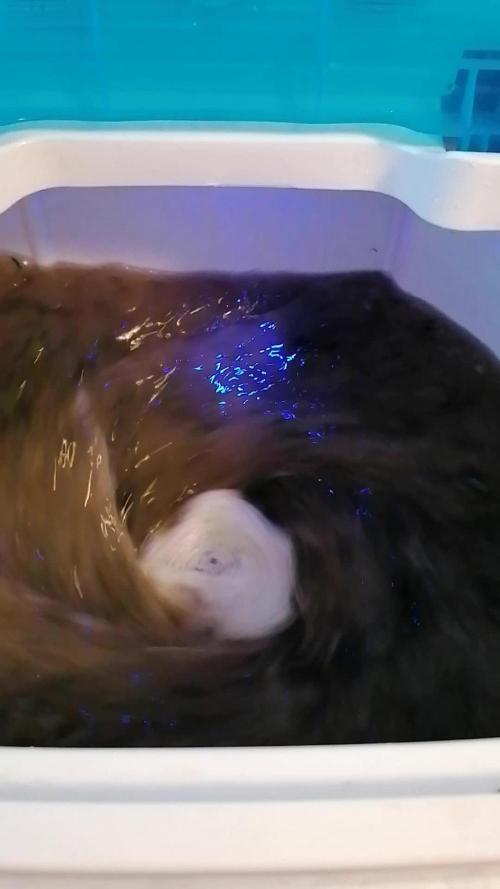
Der Rest kam ins Gefrierfach zum Waschen.
Denke Samstag oder Sonntag sollten die andren 2 auch soweit sein.
Mal schaun, denke werde auf 2 mal waschen..
Tag69
Alle 3 haben es geschafft.
Es wurden wieder die Top's zu trocknen ins Zelt gehängt.
Der Rest kam ins Gefrierfach. Morgen wird Dan die Waschmaschine angeworfen👍
Gewogen hab ich nur mal das zum Waschen bzgl. Ertrag.
Waschtag👍
Ergebnis warn 29,8g schön reines Material (hauptsächlich aus dem 45micron Bag)
Bei den 60 und 90micron Bags waren es insgesamt 27,9g (ich hätte denke mal noch besser Spülen sollen. Doch noch recht viel grün dabei, oder zu viel Eis erwischt..)
Aber bin zufrieden, gerade das aus dem 45er sieht echt gut aus👍
Nach 2 Wochen Cure gab's nen schönen Ball👌
Muss leider sagen, mein Geschmack ist es nicht, aber das Ergebnis ist trotzdem richtig schön geworden.
Schmiltz bei 20°C Raumtemperatur dahin und schneidet sich wie Butter😍🍞
Wird nun einvakumiert und in den Gefrierschrank gepackt 👍
Likes
7
Share


@ChitownCannaChica
Follow
The tops are no different that a photo.
Easy to grow
Decent yield
Terps are decent with floral citrus tones
Smokes smooth
I will have to try and grow again

Likes
85
Share


@OrganicNature420
Follow
• In House Genetics
• FlapJacks (Mac1 x Slurricane x Pancakes)
• THC dominant
• Terp %45
Nutrients • GreenBuzzNutrients
(DISCOUNT CODE • GD42025) %25 off
I use the whole product range and this stuff is a game changer. I've not had one bad grow with this company and it hasn't let me down once. Terps and taste are through the roof. No need for run off in coco only during flush week (i use a 0ppm distilled water) Hands down the best nutrients on the market
GREEN BUZZ OUR NOW GIVING YOU GUYS A WHOPPING %25 OFF USING THE NEW CODE ABOVE 💚🌱
LIGHT/TENT • Mars Hydro FC-E6500 5x5 tent
Not impressed with how much is on it and Buds are smallish compared to my other photo grows. Looks more like an auto. Great levels of frost but disappointed with both Plants. Expecting more from its great linage. To be continued....
Bubble hash review : most probably used 2oz of trim and all the sugar leaves. Looks an easy oz and if so that's a banging return. Will update when dry 👍🏻

Likes
17
Share


@DudeGrowsWeed
Follow
Hi there. Here’s a few photos and videos over the past few weeks. I transplanted the Wedding Cheesecake Fast Flowering ladies outdoors around May 24th. A little sooner than I had planned, but they were starting to get root bound in their starter containers. They have been exploding with growth since the transplant. The larger plant is already 4’ tall and the shorter one is 39”. Fast Buds website says up to 3 Meters (10 Feet) outdoors. At this pace they might exceed that!!!👍👍
Likes
16
Share


@EazyRider
Follow
I just took down the rest of the Grape Deebo harvested last week, this is the red Deebo with green stems. The other one looks like it might have another week. I have taken off one stem as a control
So enjoy some bud pr0n.

Likes
56
Share


@Tropicannibis_Todd
Follow
👉Alrighty Then👈
👉Cherry Punch F1👈 week 7 of flower
Everything is looking good 👍Having issues due to using my well water , it's hard so I'm having slight issues but I am on it .....
So i continue to modify the nutrients to accommodate flower .....
Soil by Promix
Nutrients by Cronks
Lights by MarsHydro.ca FC4800 X UR45 X Adlite Deep Red And Blue
Tent 4x4x6.5 & Equipment by MarsHydro.ca
High reflectivity inner mylar
Thick Oxford fabric
Smooth heavy duty zipper
Sturdy metal frame
Zipper blackout cloth
Good anti light leakage performance
The 6in Inline kicks ass moves alot of air
●Blue Light Effect:
Blue light shortens internodes, resulting in shorter, stronger plants, ideal for supporting fruit development later. During vegetative growth, blue light promotes lateral branch development effectively.
Well this should be fun 🙃
Thanks to all my growmies out there for stopping by its much appreciated 👈
👉Happy Growing👈

Likes
18
Share


@Green_Blood
Follow
Excited I got to run and test this genetic.
Was very pleased with the result and would run it again.
Very frosty, Dense nugs, and great fruity/gassy aromas.
Great flavor, nice hybrid.

Likes
16
Share


@Canadian
Follow
This girl it is a very resilient client has only received mistreating him from me I have them all tied up like a bouquet of flowers came in then no space to breathe and no place to move because it has such an incredible stretch and growth that it was taking over the light of the entire tent despite being a back up plant that I put in the same planter with another string that I thought I was going to lose her this one is very strong and I have not allow her to develop properly so it is very Bushy plant I am not sure if it’s me or is the strain of plant nevertheless it has a very vigourous growth thank you for reading I will continue to update have a happy grow

Processing
Likes
42
Share


@MadeInGermany
Follow
Hey everyone :-).
This week they have grown super, but unfortunately they are getting lighter.
3 days ago I added another 1 g per liter of GHSC Powder Feeding Bio Grow substrate, as they still remain a bit in the veggie.
Hopefully it doesn't take too long to release the nutrients.
Whatever the reason, that still not all trips are elemened 🤬.
I've only seen some before, and treated directly with neem oil so that it finally has a rest ☺️.
I wish you lots of fun with the update, stay healthy and let it grow 🍀
You can buy this Strain at :
https://sweetseeds.es/de/cream-caramel/
Type:
Cream Caramel
☝️🏼
Genetics:
Blue Black
x
Maple Leaf Indica
x
White Rhino
👍
Vega lamp:
2 x Todogrow Led
Quantum Board 100 W
💡
Bloom Lamp :
2 x Todogrow Led
Cxb 3590 COB 3500 K 205W
💡💡☝️🏼
Soil :
Canna Coco Professional +
☝️🏼
Fertilizer:
Green House Powder Feeding
☝️🏼🌱
Water:
Osmosis water mixed with normal water (24 hours stale that the chlorine evaporates) to 0.2 EC. Add Cal / Mag to 0.4 Ec Ph with Organic Ph - to 5.5 - 5.8 .


Likes
2
Share

@420DeepGrow
Follow
📆 Semana 2
El desarrollo de la planta continúa a muy buen ritmo, consolidando la estructura formada durante la semana anterior y avanzando progresivamente en floración, con las preflores cada vez más visibles.
La adaptación al exterior está siendo excelente, aprovechando al máximo las horas de sol directo. Se mantiene un aspecto muy sano, sin puntas quemadas ni signos de exceso de nutrición.
⚡ EC: 0.5
💧 pH: 6.2
🌡️ Agua: 21°C
🌫️ Humedad: 45 - 55%
💡 Intensidad: Luz directa del sol
🌱 Aporte nutricional: Se mantiene una nutrición suave, conservando la EC en 0.5. Continúa el aporte de Silica Force y Sugar Shot, y se comienza a introducir Sticky Fingers en dosis bajas para acompañar esta nueva fase de desarrollo.
🔥 Nota de cultivo: La evolución sigue siendo muy positiva, con una estructura cada vez más definida y un crecimiento equilibrado. La planta se mantiene sana, sin puntas quemadas ni signos de estrés, por lo que se continúa con una nutrición suave y progresiva.
Seguimos creciendo fuerte 💪!
Likes
14
Share


@Patillac31
Follow
Made it 67 days before the chop.
•••03/21/2020 After a 6 day hang I've trimmed and started to jar cure. Had a total flower weight of 85 grams. Over all I'm pleased. Will update with a smoke report in about 3 weeks.


