


Likes
Comments
Share


@GrownwithLED
Follow
At day 20 I switched to flowering and sent my light schedule to 12/12 hours of light/darkness, therefore this is the first week of flowering now. I know that these plants from seeds are still to immature to switch to flowering directly, but they will grow slower with 12/12 until they are old enough to flower. This should happen when they are appr. 4 weeks old from germination, then they will be mature enough to be able to flower. I do this, because the Growfor.Life-Closet is limited in its heigth and I want compact and short plants at the end, so i can keep a minimum distance to the LED-lights from SANlight, which are built into the closet. The minimum distance should be appr. 25 cm from the canopy. At Day 25 the biggest three plants (=Double Dutch from Serious Seeds and OG-Kush from Humboldt-Seeds) have grown so many leaves that they start to touch each other and condensed water is building up between them, the plants seem to sweat. This means I have to defoliate the plants again in order to get a better airflow and also to let the light penetrate deeper into the canopy. You can see a video-tutorial for defoliation I made on Day 25. The scissors I use in the video came WITH the closet, they have a special anti-sticky coating and work like a TREAT! During the defoliation I recognize that one sidebranch of a Double Dutch plant is TRIFOLIATE (see in pics!), this means each node grows three instead of two leaves and sidebranches out of it. That is a rare occurrence in cannabis and can be seen like finding a 4-leafed clover. Although this should mean good luck, I also realize more and more fungus gnats flying around and put some sticky yellow strips (=sticky traps for insects) inside the closet. The plants also seem to get a little bit lighter in their green color in general, therefore I decide to start adding nutrients (=PLAGRON-TERRA-BLOOM) to my waterings now. All in all the plants grow like hell (the biggest one is appr. 30 cm tall at the end of week4) and develop excellently...I LOVE THE EXPERIENCE WITH MY GROWFOR.LIFE-CLOSET until now!




Processing
Likes
12
Share


@therivernile
Follow
HLG 260w Qb288v1 4000k; 20/4 light schedule. 24 inches from canopy. Temp range 72-81F. RH range 42-55%.
LST has really brought out the potential colas on both plants. One is lagging a bit behind the other, but not by much.
The light is so strong the plants are nearly flat due to LST - 5.5 inches tall Day 28
What should my nutrient schedule be this week? Using Fox Farms soil trio. Thinking 1/4 strength grow big and tiger bloom every other feeding.
Hoping they get a good stretch, trying to get highest yield I can (my first experience not having to purchase cannabis from anyone!)
Watering every 24 hours with 1/4 gallon pH corrected 6.3 well water ( no runoff). Entire smart pots feels light and dry before I water either plant.

Likes
2
Share


@KEVS_BEST
Follow
Woche 4 - Weiteres Wachstum und kräftigere Blätter
In der vierten Woche setzte sich das beeindruckende Wachstum der Pflanzen fort. Die Nährstoffe blieben dieselben wie in der Vorwoche, mit der Zugabe von 30 ml Canna Terra pro 10 Liter Wasser. Das Licht wurde schrittweise weiter erhöht, bis es die maximale Leistung für die Vegetationsphase erreichte, mit einem PPFD-Wert von knapp 500.
Die Pflanzen wuchsen immer kräftiger und gesünder, und die Blätter waren mittlerweile größer als meine Hände – und ich habe wirklich große Hände! 😄 Die Luftfeuchtigkeit und Temperatur blieben konstant und bewegten sich weiterhin im optimalen Bereich wie in der Vorwoche.
Die Pflanzen zeigten eine merkbare Veränderung in ihrer Farbe: Sie wurden deutlich dunkler grün, ein Zeichen für eine optimale Versorgung mit Nährstoffen und ein gesundes Wachstum. Insgesamt war dies eine sehr erfolgreiche und erfreuliche Woche im Grow, mit weiterhin sichtbaren Fortschritten.
ENGLISH
Week 4 - Further Growth and Stronger Leaves
In the fourth week, the plants’ impressive growth continued. The nutrients remained the same as the previous week, with 30 ml of Canna Terra added per 10 liters of water. The light was gradually increased until it reached the maximum intensity for the vegetative phase, with a PPFD value of around 500.
The plants grew even stronger and healthier, and their leaves were now larger than my hands – and I have really big hands! 😄 Humidity and temperature remained stable, staying within the same optimal range as the previous week.
The plants also showed a noticeable change in color, becoming significantly darker green, indicating an optimal nutrient supply and healthy development. Overall, it was a highly successful and satisfying week, with clear progress visible.
Woche 4 - Weiteres Wachstum und kräftigere Blätter
In der vierten Woche setzte sich das beeindruckende Wachstum der Pflanzen fort. Die Nährstoffe blieben dieselben wie in der Vorwoche, mit der Zugabe von 30 ml Canna Terra pro 10 Liter Wasser. Das Licht wurde schrittweise weiter erhöht, bis es die maximale Leistung für die Vegetationsphase erreichte, mit einem PPFD-Wert von knapp 500.
Die Pflanzen wuchsen immer kräftiger und gesünder, und die Blätter waren mittlerweile größer als meine Hände – und ich habe wirklich große Hände! 😄 Die Luftfeuchtigkeit und Temperatur blieben konstant und bewegten sich weiterhin im optimalen Bereich wie in der Vorwoche.
Die Pflanzen zeigten eine merkbare Veränderung in ihrer Farbe: Sie wurden deutlich dunkler grün, ein Zeichen für eine optimale Versorgung mit Nährstoffen und ein gesundes Wachstum. Insgesamt war dies eine sehr erfolgreiche und erfreuliche Woche im Grow, mit weiterhin sichtbaren Fortschritten.
ENGLISH
Week 4 - Further Growth and Stronger Leaves
In the fourth week, the plants’ impressive growth continued. The nutrients remained the same as the previous week, with 30 ml of Canna Terra added per 10 liters of water. The light was gradually increased until it reached the maximum intensity for the vegetative phase, with a PPFD value of around 500.
The plants grew even stronger and healthier, and their leaves were now larger than my hands – and I have really big hands! 😄 Humidity and temperature remained stable, staying within the same optimal range as the previous week.
The plants also showed a noticeable change in color, becoming significantly darker green, indicating an optimal nutrient supply and healthy development. Overall, it was a highly successful and satisfying week, with clear progress visible.

Likes
2
Share

@Growfather1
Follow
Hello everyone.
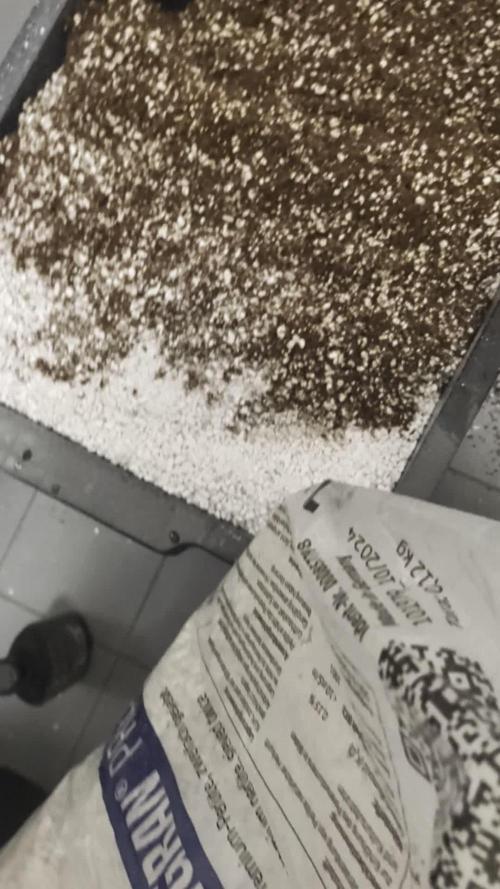
Starting week 5. I just finished transplanting three plants, including my Tangerine Dream by Zamnesia Seeds.
I mixed 60 percent coco with 40 percent perlite and topped it off with pure coco so the perlite stays put instead of trying to float away like a balloon at the roots!
I flushed her with 12 liter water ph 5.8 then with 4 liter of feeding 2ml canna coco a&b and 4ml Rhizotonic per liter water.
I’m placing them back in the tent now. Humidity is above 60 percent, nighttime temperatures are over 20 degrees Celsius, and daytime reaches 26 degrees Celsius. The lights are on 24/7.
I recently defoliated and topped her, so she needs some time to settle. Let's see how she looks next week.
Thank you for stopping by and have a nice day.
Best regards,
Growfather.


Likes
15
Share


@Roberts
Follow
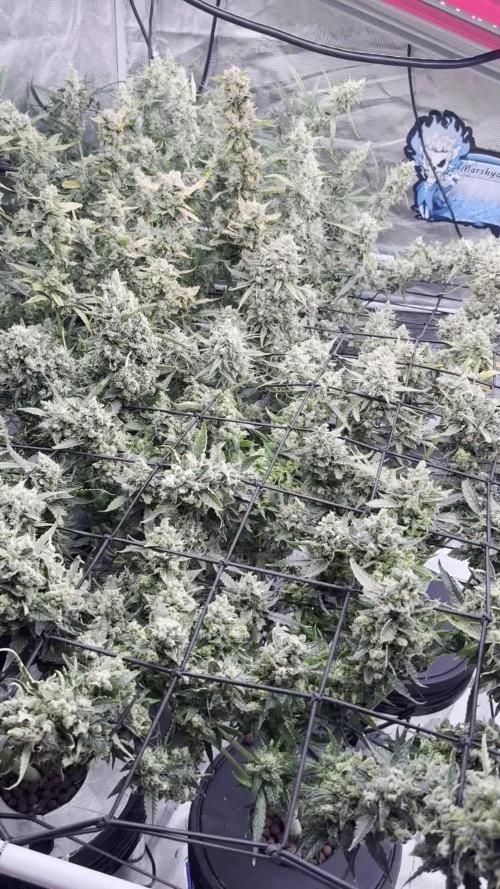
Grape Octane is doing good. She is finishing up. I changed her to just water yesterday. She is on her flush, and fade time now. Next update will be the harvest. Thank you again Medic Grow, and ILGM. 🤜🏻🤛🏻🌱❄️
Thank you grow diaries community for the 👇likes👇, follows, comments, and subscriptions on my YouTube channel👇.
❄️🌱🍻 Happy Growing 🌱🌱🌱
https://youtube.com/channel/UCAhN7yRzWLpcaRHhMIQ7X4g.

Likes
36
Share


@TheGreenLeopard
Follow
This week was nice. Really beautiful hues coming through, great structure , no f ups. The smellsAre amazing. I have started the ripener and cut back on nutrients - after heavy calmag week before and full feed. Aim to do this all this week ready for the flush week


Likes
12
Share


@DrGreenbutterThumb
Follow
At last I ha e seed popping out! Nice full sized seeds 2 hybrids of my own creation with more to come.not sure if the gelato cake pollen was still viable doesn't appear so however I have a monster cropped clone that will serve the purpose.


Likes
6
Share

@Michijardinero
Follow
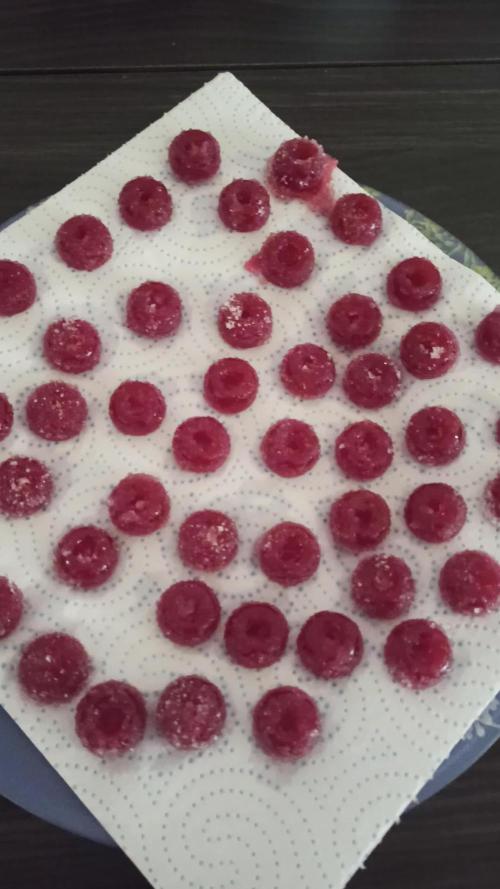
Muy buenas familia aquí estamos otra semana más mostrándoles el proceso de mis niñas 😁de momento seguimos igual con los mismos parámetros durante la semana les he quitado alguna hoja y alguna ramita que quedaba por debajo no se si he hecho bien o e perdido una cola allí 🤭🤭ustedes me cuentas depende como crezcan las dejaré una semana más o dos exagerando y pasaremos a floración les dejo unas fotos y unos videos me cuentan que tal lo van viendo deje un vídeo también de unas gominolas de fresa que he hecho con rosin 😋🤤🤤👌👌bueno familia es todo por hoy nos estamos viendo en 7 días espero sus 🍁 y sus comentarios y consejos un abrazo familia que tengas una bonita semana paz


Likes
19
Share


@Ultraviolet
Follow
Yellow butterfly came to see me the other day; that was nice.
Starting to show signs of stress on the odd leaf, localized isolated blips, blemishes, who said growing up was going to be easy!
Smaller leaves have less surface area for stomata to occupy, so the stomata are packed more densely to maintain adequate gas exchange. Smaller leaves might have higher stomatal density to compensate for their smaller size, potentially maximizing carbon uptake and minimizing water loss. Environmental conditions like light intensity and water availability can influence stomatal density, and these factors can affect leaf size as well. Leaf development involves cell division and expansion, and stomatal differentiation is sensitive to these processes. In essence, the smaller leaf size can lead to a higher stomatal density due to the constraints of available space and the need to optimize gas exchange for photosynthesis and transpiration. In the long term, UV-B radiation can lead to more complex changes in stomatal morphology, including effects on both stomatal density and size, potentially impacting carbon sequestration and water use. In essence, UV-B can be a double-edged sword for stomata: It can induce stomatal closure and potentially reduce stomatal size, but it may also trigger an increase in stomatal density as a compensatory mechanism. It is generally more efficient for gas exchange to have smaller leaves with a higher stomatal density, rather than large leaves with lower stomatal density. This is because smaller stomata can facilitate faster gas exchange due to shorter diffusion pathways, even though they may have the same total pore area as fewer, larger stomata. Leaf size tends to decrease in colder climates to reduce heat loss, while larger leaves are more common in warmer, humid environments. Plants in arid regions often develop smaller leaves with a thicker cuticle and/or hairs to minimize water loss through transpiration. Conversely, plants in wet environments may have larger leaves and drip tips to facilitate water runoff. Leaf size and shape can vary based on light availability. For example, leaves in shaded areas may be larger and thinner to maximize light absorption. Leaf mass per area (LMA) can be higher in stressful environments with limited nutrients, indicating a greater investment in structural components for protection and critical resource conservation. Wind speed, humidity, and soil conditions can also influence leaf morphology, leading to variations in leaf shape, size, and surface characteristics. Small leaves: Reduce water loss in arid or cold climates.
Environmental conditions significantly affect gene expression in plants. Plants are sessile organisms, meaning they cannot move to escape unfavorable conditions, so they rely on gene expression to adapt to their surroundings. Environmental factors like light, temperature, water, and nutrient availability can trigger changes in gene expression, allowing plants to respond to and survive in diverse environments.
Depending on the environment a young seedling encounters, the developmental program following seed germination could be skotomorphogenesis in the dark or photomorphogenesis in the light. Light signals are interpreted by a repertoire of photoreceptors followed by sophisticated gene expression networks, eventually resulting in developmental changes. The expression and functions of photoreceptors and key signaling molecules are highly coordinated and regulated at multiple levels of the central dogma in molecular biology. Light activates gene expression through the actions of positive transcriptional regulators and the relaxation of chromatin by histone acetylation. Small regulatory RNAs help attenuate the expression of light-responsive genes. Alternative splicing, protein phosphorylation/dephosphorylation, the formation of diverse transcriptional complexes, and selective protein degradation all contribute to proteome diversity and change the functions of individual proteins.
Photomorphogenesis, the light-driven developmental changes in plants, significantly impacts gene expression. It involves a cascade of events where light signals, perceived by photoreceptors, trigger changes in gene expression patterns, ultimately leading to the development of a plant in response to its light environment.
Genes are expressed, not dictated! While having the potential to encode proteins, genes are not automatically and constantly active. Instead, their expression (the process of turning them into proteins) is carefully regulated by the cell, responding to internal and external signals. This means that genes can be "turned on" or "turned off," and the level of expression can be adjusted, depending on the cell's needs and the surrounding environment. In plants, genes are not simply "on" or "off" but rather their expression is carefully regulated based on various factors, including the cell type, developmental stage, and environmental conditions. This means that while all cells in a plant contain the same genetic information (the same genes), different cells will express different subsets of those genes at different times. This regulation is crucial for the proper functioning and development of the plant.
When a green plant is exposed to red light, much of the red light is absorbed, but some is also reflected back. The reflected red light, along with any blue light reflected from other parts of the plant, can be perceived by our eyes as purple.
Carotenoids absorb light in blue-green region of the visible spectrum, complementing chlorophyll's absorption in the red region. They safeguard the photosynthetic machinery from excessive light by activating singlet oxygen, an oxidant formed during photosynthesis. Carotenoids also quench triplet chlorophyll, which can negatively affect photosynthesis, and scavenge reactive oxygen species (ROS) that can damage cellular proteins. Additionally, carotenoid derivatives signal plant development and responses to environmental cues. They serve as precursors for the biosynthesis of phytohormones such as abscisic acid () and strigolactones (SLs). These pigments are responsible for the orange, red, and yellow hues of fruits and vegetables, while acting as free scavengers to protect plants during photosynthesis.
Singlet oxygen (¹O₂) is an electronically excited state of molecular oxygen (O₂). Singlet oxygen is produced as a byproduct during photosynthesis, primarily within the photosystem II (PSII) reaction center and light-harvesting antenna complex. This occurs when excess energy from excited chlorophyll molecules is transferred to molecular oxygen. While singlet oxygen can cause oxidative damage, plants have mechanisms to manage its production and mitigate its harmful effects.
Singlet oxygen (¹O₂) is considered a reactive oxygen species (ROS). It's a form of oxygen with higher energy and reactivity compared to the more common triplet oxygen found in its ground state. Singlet oxygen is generated both in biological systems, such as during photosynthesis in plants, and in cellular processes, and through chemical and photochemical reactions. While singlet oxygen is a ROS, it's important to note that it differs from other ROS like superoxide (O₂⁻), hydrogen peroxide (H₂O₂), and hydroxyl radicals (OH) in its formation, reactivity, and specific biological roles. Non-photochemical quenching (NPQ) protects plants from damage caused by reactive oxygen species (ROS) by dissipating excess light energy as heat. This process reduces the overexcitation of photosynthetic pigments, which can lead to the production of ROS, thus mitigating the potential for photodamage. Zeaxanthin, a carotenoid pigment, plays a crucial role in photoprotection in plants by both enhancing non-photochemical quenching (NPQ) and scavenging reactive oxygen species (ROS). In high-light conditions, zeaxanthin is synthesized from violaxanthin through the xanthophyll cycle, and this zeaxanthin then facilitates heat dissipation of excess light energy (NPQ) and quenches harmful ROS.
The Issue of Singlet Oxygen!!
ROS Formation: Blue light, with its higher energy photons, can promote the formation of reactive oxygen species (ROS), including singlet oxygen, within the plant.
Potential Damage: High levels of ROS can damage cellular components, including proteins, lipids, and DNA, potentially impacting plant health and productivity.
Balancing Act: A balanced spectrum of light, including both blue and red light, is crucial for mitigating the harmful effects of excessive blue light and promoting optimal plant growth and stress tolerance.
The Importance of Red Light:
Red light (especially far-red) can help to mitigate the negative effects of excessive blue light by:
Balancing the Photoreceptor Response: Red light can influence the activity of photoreceptors like phytochrome, which are involved in regulating plant responses to different light wavelengths.
Enhancing Antioxidant Production: Red and blue light can stimulate the production of antioxidants, which help to neutralize ROS and protect the plant from oxidative damage.
Optimizing Photosynthesis: Red light is efficiently used in photosynthesis, and its combination with blue light can lead to increased photosynthetic efficiency and biomass production.
In controlled environments like greenhouses and vertical farms, optimizing the ratio of blue and red light is a key strategy for promoting healthy plant growth and yield.
Understanding the interplay between blue light signaling, ROS production, and antioxidant defense mechanisms can inform breeding programs and biotechnological interventions aimed at improving plant stress resistance. In summary, while blue light is essential for plant development and photosynthesis, it's crucial to balance it with other light wavelengths, particularly red light, to prevent excessive ROS formation and promote overall plant health. Oxidative damage in plants occurs when there's an imbalance between the production of reactive oxygen species (ROS) and the plant's ability to neutralize them, leading to cellular damage. This imbalance, known as oxidative stress, can result from various environmental stressors, affecting plant growth, development, and overall productivity.
Causes of Oxidative Damage: Abiotic stresses: These include extreme temperatures (heat and cold), drought, salinity, heavy metal toxicity, and excessive light. Biotic stresses: Pathogen attacks and insect infestations can also trigger oxidative stress. Metabolic processes: Normal cellular activities, particularly in chloroplasts, mitochondria, and peroxisomes, can generate ROS as byproducts. Certain chlorophyll biosynthesis intermediates can produce singlet oxygen (1O2), a potent ROS, leading to oxidative damage. ROS can damage lipids (lipid peroxidation), proteins, carbohydrates, and nucleic acids (DNA). Oxidative stress can compromise the integrity of cell membranes, affecting their function and permeability. Oxidative damage can interfere with essential cellular functions, including photosynthesis, respiration, and signal transduction. In severe cases, oxidative stress can trigger programmed cell death (apoptosis). Oxidative damage can lead to stunted growth, reduced biomass, and lower crop yields.
Plants have evolved intricate antioxidant defense systems to counteract oxidative stress. These include: Enzymes like superoxide dismutase (SOD), catalase (CAT), and various peroxidases scavenge ROS and neutralize their damaging effects. Antioxidant molecules like glutathione, ascorbic acid (vitamin C), C60 fullerene, and carotenoids directly neutralize ROS. Developing plant varieties with gene expression focused on enhanced antioxidant capacity and stress tolerance is crucial. Optimizing irrigation, fertilization, and other management practices can help minimize stress and oxidative damage. Applying antioxidant compounds or elicitors can help plants cope with oxidative stress. Introducing genes for enhanced antioxidant enzymes or stress-related proteins over generations.
Phytohormones, also known as plant hormones, are a group of naturally occurring organic compounds that regulate plant growth, development, and various physiological processes. The five major classes of phytohormones are: auxins, gibberellins, cytokinins, ethylene, and abscisic acid. In addition to these, other phytohormones like brassinosteroids, jasmonates, and salicylates also play significant roles.
Here's a breakdown of the key phytohormones:
Auxins: Primarily involved in cell elongation, root initiation, and apical dominance.
Gibberellins: Promote stem elongation, seed germination, and flowering.
Cytokinins: Stimulate cell division and differentiation, and delay leaf senescence.
Ethylene: Regulates fruit ripening, leaf abscission, and senescence.
Abscisic acid (ABA): Plays a role in seed dormancy, stomatal closure, and stress responses.
Brassinosteroids: Involved in cell elongation, division, and stress responses.
Jasmonates: Regulate plant defense against pathogens and herbivores, as well as other processes.
Salicylic acid: Plays a role in plant defense against pathogens.
1. Red and Far-Red Light (Phytochromes):
Red light:
Primarily activates the phytochrome system, converting it to its active form (Pfr), which promotes processes like stem elongation and flowering.
Far-red light:
Inhibits the phytochrome system by converting the active Pfr form back to the inactive Pr form. This can trigger shade avoidance responses and inhibit germination.
Phytohormones:
Red and far-red light regulate phytohormones like auxin and gibberellins, which are involved in stem elongation and other growth processes.
2. Blue Light (Cryptochromes and Phototropins):
Blue light:
Activates cryptochromes and phototropins, which are involved in various processes like stomatal opening, seedling de-etiolation, and phototropism (growth towards light).
Phytohormones:
Blue light affects auxin levels, influencing stem growth, and also impacts other phytohormones involved in these processes.
Example:
Blue light can promote vegetative growth and can interact with red light to promote flowering.
3. UV-B Light (UV-B Receptors):
UV-B light:
Perceived by UVR8 receptors, it can affect plant growth and development and has roles in stress responses, like UV protection.
Phytohormones:
UV-B light can influence phytohormones involved in stress responses, potentially affecting growth and development.
4. Other Colors:
Green light:
Plants are generally less sensitive to green light, as chlorophyll reflects it.
Other wavelengths:
While less studied, other wavelengths can also influence plant growth and development through interactions with different photoreceptors and phytohormones.
Key Points:
Cross-Signaling:
Plants often experience a mix of light wavelengths, leading to complex interactions between different photoreceptors and phytohormones.
Species Variability:
The precise effects of light color on phytohormones can vary between different plant species.
Hormonal Interactions:
Phytohormones don't act in isolation; their interactions and interplay with other phytohormones and environmental signals are critical for plant responses.
The spectral ratio of light (the composition of different colors of light) significantly influences a plant's hormonal balance. Different wavelengths of light are perceived by specific photoreceptors in plants, which in turn regulate the production and activity of various plant hormones (phytohormones). These hormones then control a wide range of developmental processes.
Likes
6
Share

@DogDoctorOfficial
Follow
💎 Black Diamond Auto by Zamnesia – Pheno B | Week 2 Flower | Hidden Elegance Begins to Shine
Not every exceptional plant demands the spotlight.
Some quietly earn it.
Black Diamond Auto Pheno B has continued doing exactly that throughout her second week of flowering. While her sister naturally catches the eye with her explosive presence, Pheno B keeps impressing through balance, structure, and effortless development.
Watching these two sisters grow side by side has become one of the highlights of this project. They share the same genetics, the same environment, identical nutrition, lighting, irrigation, and gentle training, yet each expresses her own unique personality.
That, to me, is where the magic of phenotype hunting truly begins.
Like every plant in this project, she has been grown using my favourite method: 12/12 From Seed.
From the very first day above the soil she has lived entirely under a flowering light schedule, allowing her genetics to dictate her natural architecture without an extended vegetative period. There has been no topping, no high-stress techniques and no aggressive manipulation.
Only patience, observation, and gentle guidance.
Low Stress Training has simply encouraged the branches to open naturally while allowing the plant to grow toward the light exactly as she wanted.
Week after week she continues proving just how capable this technique can be.
🌱 Environment
Another stable week has allowed every bit of energy to be invested into flower production rather than environmental adaptation.
🌡️ Day Temperature: 29°C
🌙 Night Temperature: 25°C
💧 Relative Humidity: 60%
🥤 Nutrient Solution Temperature: 21°C
🌱 Root Zone Temperature: 21°C
☀️ Light Schedule: 12/12
🌬️ CO₂: 636 ppm
Consistency remains one of the greatest advantages inside this flowering room.
Healthy roots, stable temperatures, continuous fresh air and reliable irrigation create an environment where the plants never need to recover—they simply continue growing.
When the environment stays predictable, the genetics can truly express themselves.
🌿 Training & Canopy Management
The philosophy hasn't changed because the plants haven't given me any reason to change it.
Gentle Low Stress Training continues guiding the canopy while regular leaf tucking keeps developing flower sites exposed without sacrificing valuable foliage.
There has still been no defoliation.
Healthy fan leaves remain the plant's solar panels, converting light into the energy required to build flowers over the coming weeks. Rather than removing them, I simply reposition them whenever necessary, allowing light to reach lower bud sites while preserving as much photosynthetic capacity as possible.
Sometimes restraint is the best form of training.
🌾 Feeding Program
Flower production is now accelerating, and the nutrition program continues supporting both continued stretch and increasingly active bud formation.
Current feeding includes:
• Plagron Terra Bloom
• Plagron Power Buds
• Plagron Sugar Royal
• Plagron Pure Zym
• Plagron Green Sensation
Everything remains beautifully balanced.
The foliage stays deep green without becoming overly dark, growth remains vigorous, and there are no visible signs of nutrient deficiencies or excesses. She's clearly comfortable with the current feeding schedule, and when a plant tells you she's happy, the smartest decision is often to simply stay the course.
💎 Phenotype Spotlight
This week Pheno B continues showing exactly why documenting individual phenotypes is so rewarding.
Standing at roughly 160 cm, she's keeping pace with her sister, only fractionally smaller, while maintaining the same elegant, upright structure. Her branches remain evenly spaced, giving every developing flower site excellent airflow and light penetration.
One characteristic has become increasingly noticeable.
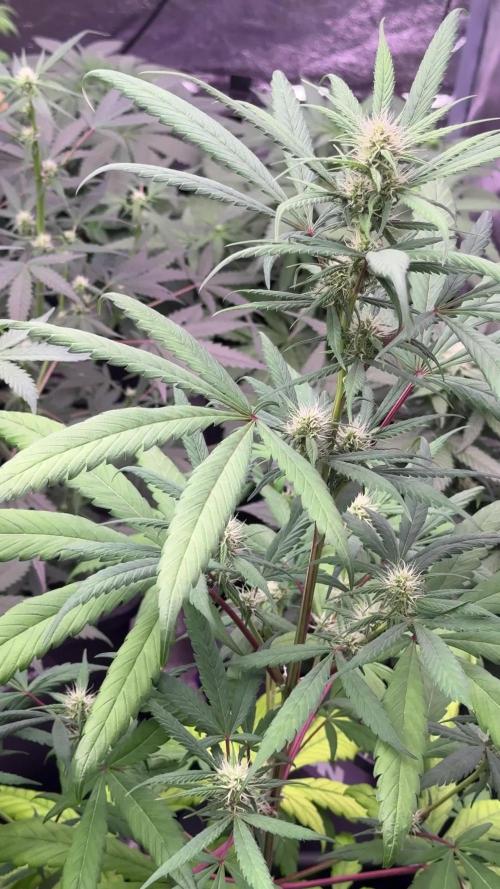
Although Black Diamond Auto is heavily indica dominant thanks to its Blackberry × Diamond OG lineage, this particular phenotype is expressing surprisingly slender, elongated leaf fingers. It's a subtle reminder that even in highly indica cultivars, recessive traits from the genetic background can occasionally step forward.
She may be genetically around ninety percent indica, but those beautiful leaves seem determined to celebrate the remaining ten percent.
And honestly...
I absolutely love that.
The flowering sites themselves are developing beautifully.
Fresh white pistils continue emerging along every branch, while the calyxes are beginning to stack one above another, slowly creating the framework that will become long, continuous colas over the coming weeks. Every internode is now actively producing flowers, creating excellent spacing that should allow impressive bud development as flowering progresses.
Even more exciting is the very first appearance of resin.
It's still far too early to judge aroma or trichome production, and I certainly won't pretend otherwise, but a light sparkle is already beginning to appear across parts of the flowers and surrounding sugar leaves. It's only the opening chapter of what I hope will become a wonderfully frosty finish.
Sometimes the earliest frost is simply a promise of what's still to come.
💡 Welcoming Lumiflora
This week also marks another exciting step for the flowering room with the introduction of the Lumiflora under-canopy lighting system.
The goal isn't to replace the main lighting overhead, but to complement it by delivering additional light into areas that naturally receive less intensity beneath the canopy.
I'm looking forward to seeing how the extra light influences lower flower development, bud density, and overall canopy uniformity during the coming weeks.
As always, I prefer to let the plants tell the story.
Rather than making bold claims before the harvest, I'll simply continue documenting the results honestly and allow the final flowers to speak for themselves.
🔭 Looking Ahead
Over the next week I expect vertical stretch to begin slowing as the plant redirects more energy into flower production.
Those individual clusters of white pistils should continue connecting together as the calyxes swell, gradually transforming the elegant framework she's built into long, well-defined colas. Resin production should become increasingly visible, while the Lumiflora under-canopy lighting begins revealing whether additional light below the canopy can further improve lower flower development.
I'll continue with gentle leaf tucking whenever needed, keeping the canopy open while allowing every healthy fan leaf to keep powering the plant naturally.
If she maintains this steady pace, I think she's going to reward patience in a very big way.
She's never tried to be the loudest plant in the room.
She's simply focused on becoming one of the best.
A huge thank you once again to Zamnesia for providing these fantastic Black Diamond Auto genetics, to Plagron for continuing to support every stage of this journey with an incredibly reliable nutrient line, and now also to Lumiflora for joining the project with their under-canopy lighting system. I'm genuinely excited to document how this additional layer of lighting influences flower development over the remainder of the grow.
Finally, my sincere thanks goes to the amazing GrowDiaries community. Your encouragement, thoughtful comments, and shared passion for growing are what make these weekly phenotype journals such a pleasure to write. Following two sisters side by side, watching them reveal different expressions of the very same genetics, is one of the greatest reminders that every seed has its own story waiting to be told.
Until next week...
Growers love and Happy Growing! 🌱💚


Likes
69
Share


@Crazyweedpt
Follow
Week 9
Started this week flushing with plain water 4 times my pot size then followed directly with a 1ml per litre mix of Cal Mag and 75% recommended nutrient mix pH to correct value in order to treat deficiencies showed last weeks! I assume it was a PH issue... even so, i increased also the distance from my lights!
The buds of pot1 seems to have fatten a lot and looking at overall progress of this girl i might harvest the top buds in a few days and leave the rest of plant to mature. Slower development on pot2, this one have huge space betwin internodes and i´m dissapointed with the small size of her buds so far !
The smell are delicious (subjective i know but i love it 😅) and it´s getting very strong 💪!
Likes
15
Share


@Rinna
Follow
Added the scrog net and defoliated a bit to help spread out the canopy. They are looking healthy and happy and ready for the flip! That deep-topping really was a great way of creating a very even and clean canopy (you'll see that in the next week's update)

Likes
9
Share


@BB_UK
Follow
She’s a lovely girl just rewatched her growth sport zone and hoping in a few days she starts her pre stretch! I had to shuffle these girls around in order to suit lighting raises I’ll have to do for the purple punch! Lucky I have 3 adjustable lights ;) I think next week will be assured to be a sea of green so looking forward to training through the scrog! Thanks for stopping by buddies, feel free to hit that like button as it’s free 😉 thank you in advance.


