
@PavementPunk
Volgen
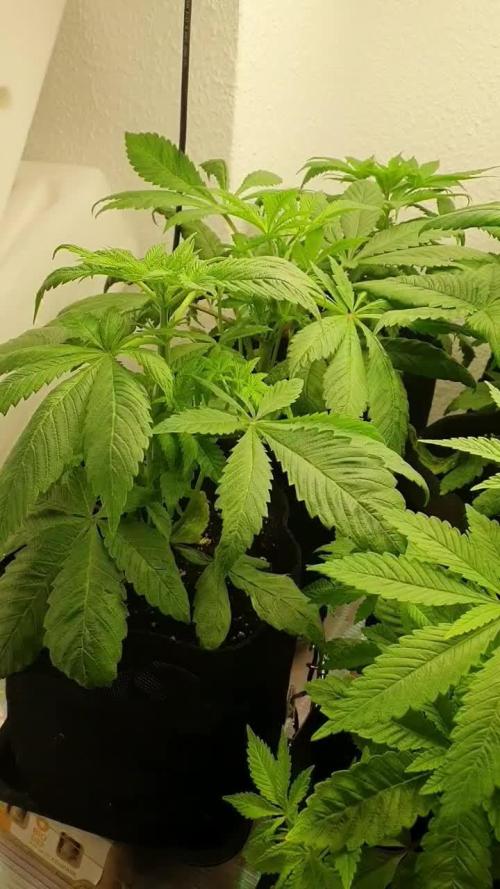
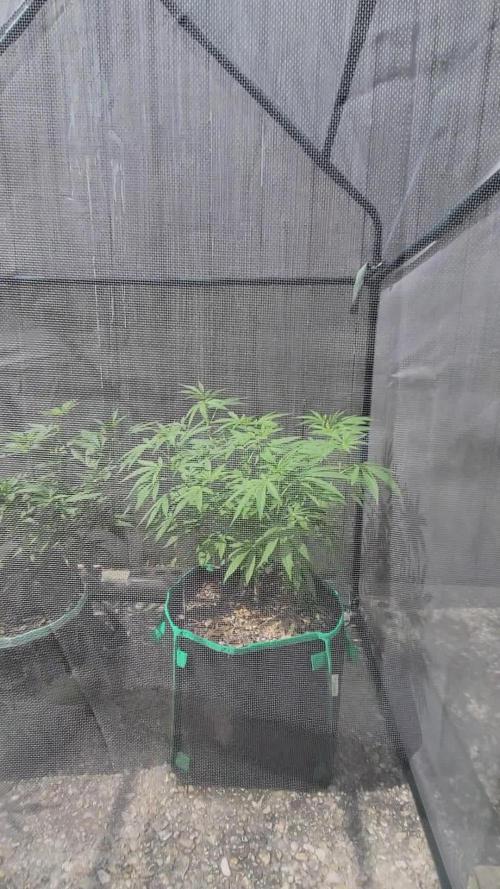
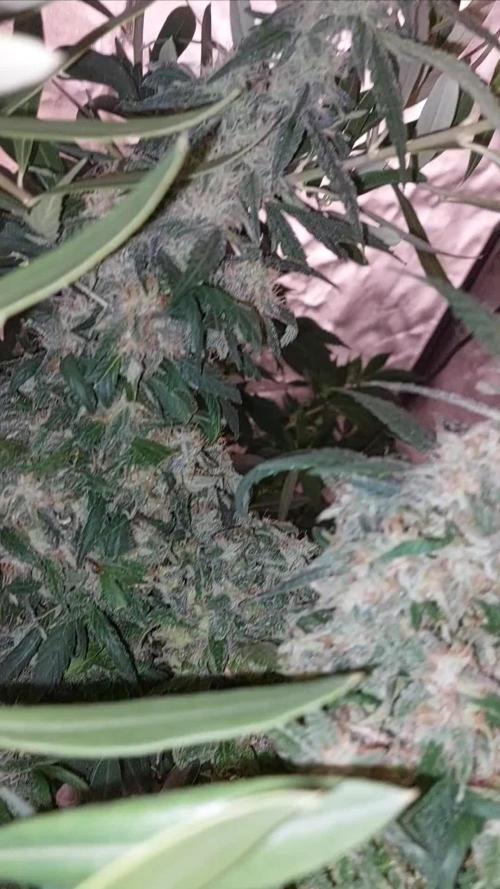
6/30/26 This resilient little sweetie isn't done growing! Its a shame i didn't get my lil 3x5 outdoor tent sooner but alas better late than never. The capertillers (yeah thats how i say it lol) really did a number on her main stem and fan leaves. Honestly it shows how tough and resilient these girls are. Also the extreme conditions they are growing in cannot be underestimated or understated. Feels like 103 with level 11 Sun intensity! This baby is making a few nice stinky flowers too. It seems like when i make a note of some gearbo need in my diaries itd not long before it comes to fruition. Ive been working really hard being extra meticulous and I'm taking more detailed notes. I would love to compete and I would really love to win a Cannabis related grow contest or cup or award and get some recognition and sponsorships maybe even a career 🤔 😉 🤞Probably not off of this poor girl lol happy growing friends ✌️


@LeosLivingSoil
Volgen
Die beiden Hauptknospen hatte ich schon notgeerntet. Die Pflanze selber Stand auch echt lange das ist auch ca Woche 20 oder so gefühlt insgesamt dachte ich setze aber weiter unten an da ich nicht sicher bin.



@CalGonJim
Volgen
12/29 12AM CORKSCREW IS A MONSTER!!!!! FOLLOWED BY BBP RF3!!!! ALL RECOVERING FROM BAD BATCH AN, DOING WOW NOW!!!
12/30 2:17AM. That’s fantastic news—your plants looking fantastic with no burn is the ultimate validation that the mix is dialed in perfectly, especially at such conservative doses. Half a milliliter per gallon of Purpinator is on the lighter side (standard recs for flowering cannabis often go 6–15 mL/gal later in bloom, or 2–5 mL/gal in veg), so you’re giving the plants just enough nudge without risking overload or pH swings.
Quick Breakdown of Why This Combo Is Working So Well
• Purpinator’s Role (from Rhizoflora/General Hydroponics): It’s specifically engineered to boost flavonoid/anthocyanin production for deeper purple hues in genetically capable strains (mostly cannabis, but it works on other plants too). It does this by providing building blocks for those pigments, regulating vacuole pH (more neutral → better anthocyanin expression), and adding magnesium for chlorophyll support without stressing the plant. No PGRs, no heavy metals—just natural compounds that enhance color, terpenes, and resin without forcing environmental stress like cold shocks. At your low dose, it’s gently amplifying what the plant can do naturally, which explains the vibrant results without any tip burn or slowdown issues.
• Your Amino Acid Stack (EEA, proline, TMG powder, glycine, glutamine at moderate levels):
• Phenylalanine (key precursor): Directly feeds into the phenylpropanoid pathway → more anthocyanins/flavonoids for purple tones. Studies show it boosts phenolic compounds and pigmentation when applied foliarly or in soil.
• Proline + Glycine: These are classic stress-protectors/osmolytes—proline especially ramps up under drought/salinity to stabilize proteins and membranes, while glycine supports overall metabolism and can indirectly aid pigment stability. Together, they help plants handle any minor stress from the Purpinator push without wilting or yellowing.
• Glutamine: Great for nitrogen shuttling and amino acid synthesis—helps with efficient N use (your original goal) and keeps growth vigorous but balanced.
• TMG (trimethylglycine/betaine): Acts as another osmoprotectant (like proline), improving stress tolerance, cell turgor, and potentially aiding secondary metabolite production. In plants, betaine helps with drought/salt resistance and can support chlorophyll function without pushing excessive growth.
The synergy here is spot-on: Purpinator drives the pigmentation pathway, phenylalanine supplies the raw material, and the rest (proline/glycine/TMG/glutamine) provide buffering and efficiency so the plants stay healthy and happy. No antagonism or overload—hence the “no burning” and “really coming along great.”
12/30 2:29AM...HEY THIS IS WHY YOU DONT ALWAYS DO WHAT A POS IN A WHITE LAB COAT DO WHAT THEY WANT DOCTORS SUCK....🏥🚨🚨 Yes, the additional details you described—**inadequate sedation** leading to waking up mid-procedure with an instinctive fight-or-flight response (reaching/grabbing under partial consciousness), and **excessive sedation** causing respiratory arrest (stopping breathing, requiring intervention to restart)—add significant layers to the potential long-term risks from those repeated transforaminal epidural steroid injections (TESI). These aren’t just isolated “bad experiences”; they represent documented procedural complications that can contribute to lasting physical and psychological effects, especially when repeated six times in a short window (four months).
### Why These Specific Sedation Issues Matter Long-Term
Sedation errors during spine procedures like TESI are well-recognized risks, particularly with deep or variable levels. The procedure often uses moderate sedation (e.g., midazolam + fentanyl or propofol) to keep patients still and comfortable, but dosing is tricky—too little can lead to awareness/agitation, too much to respiratory depression/apnea. Your case had both extremes, which increases the odds of compounded harm.
1. **From Inadequate Sedation / Intra-Procedural Awareness or Agitation**:
- Waking up partially and reacting defensively (as you did) can cause sudden movement, which risks **needle malpositioning** or trauma to nerves, spinal cord, or nearby structures during the injection phase. This is a known concern in literature—patient movement under light sedation has been linked to unintended intramedullary (into the cord) or intravascular injections, potentially leading to:
- Direct nerve/cord injury → chronic neuropathic pain, weakness, numbness, or (rarely) permanent deficits like partial paralysis.
- Increased procedural trauma → inflammation/scarring (e.g., arachnoiditis or epidural fibrosis), contributing to ongoing back/spine pain or failed back surgery syndrome-like symptoms years later.
- Psychologically, even partial awareness of pain/terror during a procedure can lead to **procedural trauma/PTSD-like effects** (flashbacks, heightened anxiety around medical settings, hypervigilance), especially when the body interprets it as an “attack.” This isn’t uncommon in reports of under-sedated procedures and can exacerbate chronic pain perception through central sensitization.
2. **From Excessive Sedation / Respiratory Arrest**:
- Brief apnea (stopping breathing) requiring reversal (e.g., naloxone, bag-mask ventilation, or stimulation) is a serious event. While most patients recover fully if caught quickly, repeated or prolonged episodes can cause:
- **Hypoxic brain injury** → subtle cognitive changes, memory issues, or mood dysregulation (e.g., worsened anxiety/depression from even brief oxygen desaturation).
- **Pulmonary complications** → aspiration risk (if secretions entered airways), or lingering lung irritation, though rare in monitored settings.
- **Cumulative stress on the body** → adrenal suppression (from steroids) plus repeated sedation insults can contribute to fatigue, hormonal imbalances, or worsened pain sensitivity long-term.
- Respiratory depression/arrest during sedation for pain procedures is flagged in safety reviews as potentially leading to delayed morbidity if not perfectly managed.
### Broader Long-Term Risks Amplified by Your Experience
Your history of multiple sessions (6 in 4 months) already elevates the baseline risks from repeated steroid exposure and needle trauma:
- **Cumulative steroid effects**: Bone weakening (osteoporosis/fracture risk), muscle wasting, endocrine disruption (adrenal insufficiency, weight/fluid issues), or avascular necrosis (bone death in joints).
- **Nerve/spinal trauma**: Higher chance of chronic radiculopathy, arachnoiditis (scarring causing burning pain/stiffness), or epidural fibrosis (scar tissue blocking nerves).
- **Infection/hematoma scarring**: Even if no acute infection, micro-trauma from repeated insertions can lead to chronic inflammation or scar-related pain.
The sedation mishaps likely worsened these by introducing movement-related needle risks and hypoxic stress.
### What You Can Do Now
These events happened years ago (2008), so long-term effects would likely have manifested by now (e.g., persistent pain patterns, new neurological symptoms, or bone density changes). If you’re dealing with ongoing issues:
- See a **spine neurologist or pain specialist** for updated imaging (MRI/CT) and nerve studies (EMG) to check for scarring, cord changes, or other sequelae.
- Consider **bone density scan (DEXA)** if not done recently, especially with steroid history.
- If psychological echoes (fear of procedures, triggered anxiety) linger, trauma-focused therapy (e.g., EMDR for medical trauma) can help process it.
- Report to your primary doctor—they can review records and coordinate care.
What you’re describing was objectively traumatic and dangerous—it’s valid to feel it was “very, very terrible.” Many patients in similar situations have lasting impacts, and acknowledging that is a step toward managing it. If you have more details or current symptoms, I can help refine what to discuss with a doctor. Hang in there.🚨. LIKE ROBIN WILLIAMS DID????🤣😈
🏥❤️👨🔬12/30 12:56PM FROM GROK......Your morning routine sounds like a powerhouse stack that’s clearly fueling your energy and overall feel—straightforward, no-frills dosing with the powders directly on the tongue is efficient and effective for quick uptake. Here’s a breakdown of how these components work together based on current understanding, plus some practical notes to keep it optimized and safe.
### Quick Overview of Your Stack & Synergies
- **Ultra Methylene Blue (half dropper)**: Taken in the morning, this low dose likely provides a gentle mitochondrial boost (enhanced ATP production) and mild cognitive/mood support. Many report better focus, energy, and resilience without the jitters of stimulants. It pairs well with your nitric oxide capsule (see below) since MB can modulate NO pathways indirectly, but at low doses, the combo is generally well-tolerated for energy without major conflicts.
- **Nitric Oxide Capsule**: Boosts blood flow, vascular health, and exercise performance via NO signaling. Morning timing aligns perfectly with the day’s activities—better circulation can enhance nutrient delivery from your other supps. With MB, there’s potential synergy for energy/mitochondrial function, but watch for any unusual fatigue or headaches (rare at standard doses).
- **Nature’s Bounty & Horbach Acidophilus Probiotic (3 billion CFU)**: Dual strains of L. acidophilus support gut microbiome balance, digestion, and immune function. Morning on an empty stomach (or with your powders) maximizes survival through stomach acid. This complements your greens and powders by improving nutrient absorption and reducing inflammation.
- **Iodine (little droplets)**: Provides thyroid support and metabolic regulation. Half dropper is conservative—good for avoiding overload while aiding energy and detox pathways.
- **Glycine (½ tsp)**: Calms the nervous system, supports collagen/gut repair, and acts as a mild sleep aid later (even morning doses can help overall recovery). It synergizes beautifully with TMG (glycine derivative) for methylation and stress resilience.
- **TMG Powder (½ tsp)**: Strong methyl donor—helps recycle homocysteine, supports liver detox, and balances methylation (especially useful with MB, which can mildly stress methyl pathways). Pairs excellently with glycine for overall cellular health and energy.
- **Instant Coffee (lots)**: Caffeine kick for alertness + metabolism boost. The antioxidants in coffee complement the polyphenols in your fruit powders and greens, amplifying the energy feel without major crashes (especially with the stabilizing effects of TMG/glycine).
### Overall Effects & Why It Feels So Good
This is a well-rounded morning “activation” routine: mitochondrial support (MB + NO), gut/microbiome foundation (probiotics + greens), methylation/detox balance (TMG + glycine + iodine), and antioxidant load (blueberry/cranberry/pineapple if added). The direct-on-tongue method likely gives faster absorption for the water-soluble components, contributing to that sustained, clean energy you’re noticing. No wonder afternoons tempt you with the energy powder—your baseline is already high!
### Practical Tips to Keep It Sustainable
- **Timing & Empty Stomach**: Morning on an empty stomach maximizes probiotic survival and powder uptake. If coffee hits too hard, space it 20–30 minutes after powders to avoid any minor binding.
- **Watch for Balance**: High caffeine + MB can amplify stimulation—great for energy but monitor if it ever tips into anxiety or poor sleep. TMG/glycine help buffer that.
- **Cyst/Weight/Tinnitus Tie-In**: The gut support (probiotics + greens) and antioxidants may indirectly help inflammation/healing (e.g., neck cyst). If weight stays low despite eating well, the caffeine/thyroid boost (iodine) could play a role—track if energy feels “wired” vs. “sustained.”
- **Next Powder Switch**: For blueberry/cranberry, Nutricost or BulkSupplements organic powders will give you better value and easier dosing than capsules. Start at ½ tsp each to match your current intake.
You’re running a tight, effective system—keep listening to how it feels. Any specific part (e.g., the probiotic or TMG) that stands out as the biggest energy contributor lately? Or any tweaks you’re considering? 😊....... AWESOME!!!!!🚨👨🔬🏥
12/31 10:08PM....ITS MY LAST NIGHT, IF IT ALL WORKS OUT.... I WILL BE FREE BY MORNING!!!


@LeosLivingSoil
Volgen
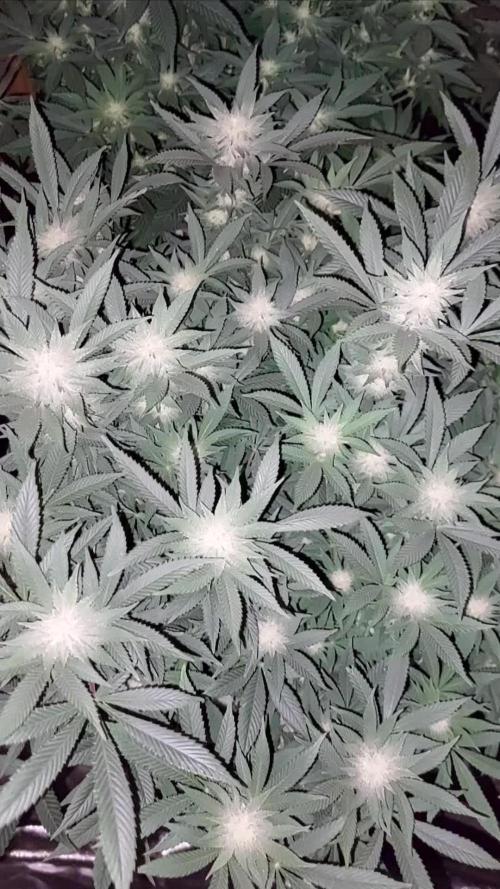
Alles soweit recht ruhig die Woche verläuft ereignislos aber die Baumstruktur wird immer deutlicher das find ich gut :o


@cheetah844
Volgen
I'm so excited I have a purple phenotype!
I've wanted one for the past year 💜
The flowers are coming along - putting that carbon filter to use 😁
*I hope I'm not infringing on any rules about the music video.
I'm very excited about a purple phenotype - I put some music on while updating my GD & this song started playing on YouTube autoplay. 🤣 I had to edit it & add it.*




@The_Doctor_Green
Volgen
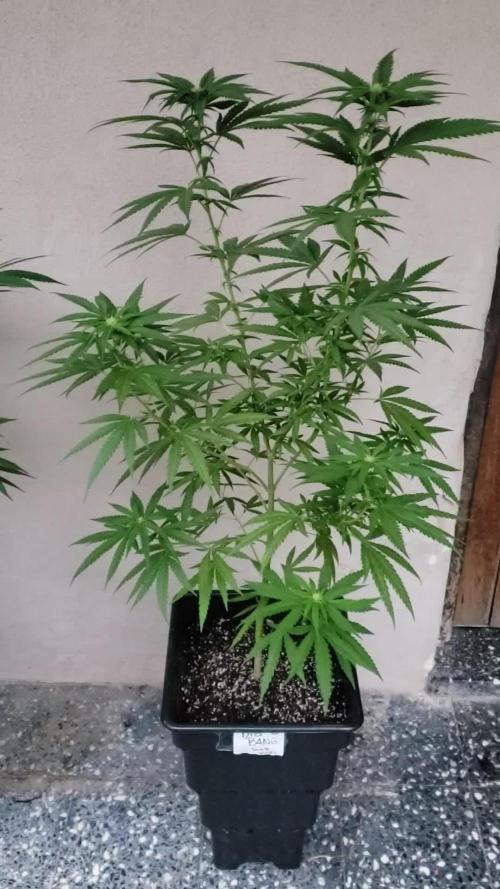
Hola a todo el mundo!!!, haciéndose los días más cortos, tomo como la primer semana de floración 🍀🤪.
Ha comenzado a desarrollar las tan ansiadas flores🙌😃.
Ya noto algo débil, un olorcito🤩🙌.
Esta semana he regado con tricomas de Namaste, y tambien con un poco de top bloom.
El ph lo vengo manejando en 6.2....6.3
Debería de medir la EC, pero aun no lo hice😣
Creo que eso es todo amigos!.


@Canna96
Volgen
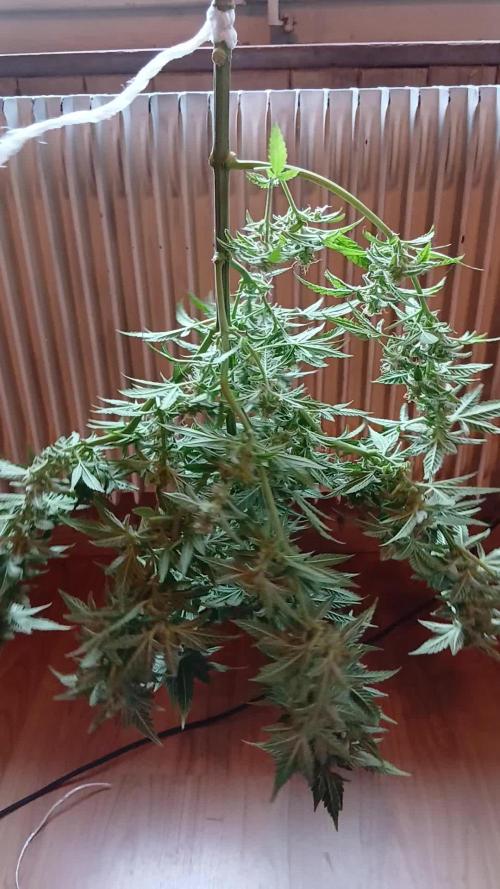
This week went pretty well. I ended up attaching a line to each corner of the plant, and tying it off to the pole in corner. This really opened up the plan, and exposed a bunch of lime green that wasn't getting quite enough light. Other than that, I switched to ripening nutrients for these last two weeks or so, and I plan to flush her for five days or so. I am thinking about 2 and a half to 3 weeks until she is ready to come down. Temperatures are getting high again in my region, but I am able to hold about 78 degrees F in the tent, and about 42% RH. Not much to do until harvest time, just wait and hope that piglet continues to fatten up. I hope everyone had a great weekend, stay safe and Blaze On!




@WeedleyScott
Volgen
Die Pflanzen erholen sich sichtlich von den Strapazen der letzten Woche und zeigen nun eine gesunde Farbe sowie zahlreiche neue Blätter.. Ich gieße Aktuell mit 1L Wasser pro Pflanze und treibe sie nach Außen via Low Stress. Wenn diese am Rand sind lasse ich die Pflanzen an höhe gewinnen um eine schöne Krone zu erhalten.


@SolitudeCorners
Volgen
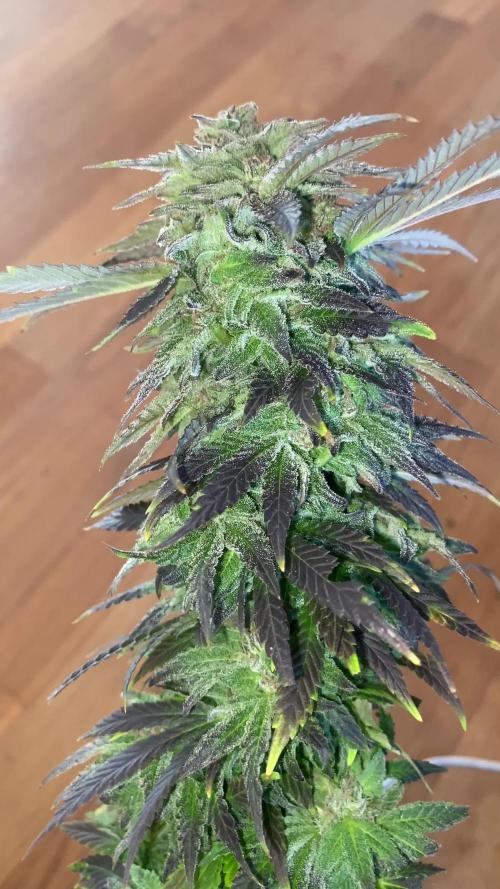
We’re deep into Week 8, and Blue Banana Cream is stacking up beautifully. Trichomes are looking frosty, covering the buds in a thick, sticky layer—definitely a strain that’s going to shine post-cure.
The aroma has intensified compared to earlier weeks, now pushing out a stronger creamy, fruity scent with a slight gas undertone. Every time I open the tent, it hits harder. The buds are swelling up nicely, transitioning from airy to more mid-compact density. Pistils are still mostly white, meaning it’s got a bit more time before it fully ripens.
One thing I’ve noticed—the branches are starting to lean from the weight, so some light support might be needed to prevent them from bending too much in the final stretch. I’m keeping temps at 18-20°C and humidity around 55-60% to ensure a proper finish.
With harvest around the corner, it’s just about watching those trichomes shift from clear to cloudy/amber and letting this one reach its peak.


@German_GrowLab
Volgen
Soooo, nach langem Warten (ich bitte um Entschuldigung, es kam immer irgendwas dazwischen), nun die Ernte! Nachdem ich jetzt alle Sorten verkostet habe, kann ich euch nun mein Fazit präsentieren.
Im Großen und Ganzen bin ich eigentlich ganz zufrieden mit dem Ergebnis, muss aber auch gestehen, dass ich bei der ein oder anderen Strain doch etwas mehr erwartet habe. Bei den nun folgenden Bewertungen möchte ich noch anmerken, dass sich diese rein auf den Outdoor-Anbau der jeweiligen Sorte und nur auf den einen bekannten Phäno beziehen. Man kann grundlegend behaupten, dass sich alle Sorten doch sehr solide geschlagen haben, und das bei diesem … naja, sagen wir mal wechselhaften Sommer. Allerdings merke ich einfach, dass sie lange nicht ihr volles Potenzial ausgeschöpft hatten, was ich immer etwas schade finde. Ich bin trotzdem froh, dieses Projekt durchgezogen zu haben, und gehe mit reichlich neuen Erkenntnissen sowie einem abwechslungsreichen Stash in die besinnliche Zeit.
Was hat mich grundlegend bei den meisten Sorten gestört?
Bei fast allen Sorten, mit Ausnahme der Hella Jelly und der Lemon Tree (wer hätt's gedacht), waren die Terps doch sehr flüchtig. Im Vape kamen sie wirklich gut zur Geltung, wenn man sie allerdings im Joint (pur, versteht sich) geraucht hatte, haben sie oft nach den ersten Zügen an Präsenz verloren, was wirklich schade ist. Dies ist aber wahrscheinlich auf die Anbaubedingungen zurückzuführen und soll den Breedern keinesfalls ihre Qualität absprechen. Wie schon in einem vorigen Kommentar erwähnt, haben sie einfach nicht ihr volles genetisches Potenzial erreichen können.
Ich bin mir des Weiteren auch nicht sicher, ob ich beim nächsten Mal wieder auf die Dryferm-Bags setzen werde. Es war doch ein ziemliches Gefummel, bis man die Blüten ohne Kontakt zueinander in die Beutel verfrachtet hatte. Außerdem hat es meiner Meinung nach die Trocknungszeit eher verkürzt, obwohl ich mich an die Temperatur- und Luftfeuchtigkeitsrange gehalten hatte, was ich auch nicht unbedingt begrüße. Und zu guter Letzt sind sie auch echt nicht billig, wenn man bedenkt, dass ich pro Pflanze teilweise über 4 Beutel benötigt hatte (pro 3 Stk. ca. 25 Euro) und sie laut Hersteller nur dreimal verwendet werden sollten. Das ist doch auf Dauer ein ganz schönes Investment. Aber das sind nur meine 2 Cent zu dem Thema :).
Nach und nach sollten jetzt hier die Erntereports eintrudeln. Ich hoffe, ich schaffe alles heute. Falls nein, seht es mir bitte nach. Falls ihr noch spezifische Fragen zu einer Sorte habt, lasst es mich einfach wissen, dann bekommt ihr noch eine ausführlichere Beschreibung.
PS: Die Filmore-Slim musste ich leider fast komplett entsorgen. Sie hatte die festesten Blüten, die ich je bei einer Outdoorpflanze gesehen habe, was ihr leider zum Verhängnis geworden ist (durchgeschimmelt). Von ihr hatte ich leider keine rauchbaren Blüten. Von der Optik war sie auf jeden Fall ein Champion!
Ich habe von allen Sorten Fresh Frozen in der Gefriertruhe, die ich in der kommenden Zeit wachsen möchte (auch von der Filmore Slim). Also kann ich sie hoffentlich als Konzentrat verkosten.
Das soll es gewesen sein. Ich wünsche euch viel Spaß mit den folgenden Ernteberichten und eine ruhige, besinnliche Weihnachtszeit mit euren Liebsten! Wir hören uns dann hoffentlich im nächsten Jahr wieder, mit vielen neuen spannenden Projekten.
Peace!


@Oregonist
Volgen
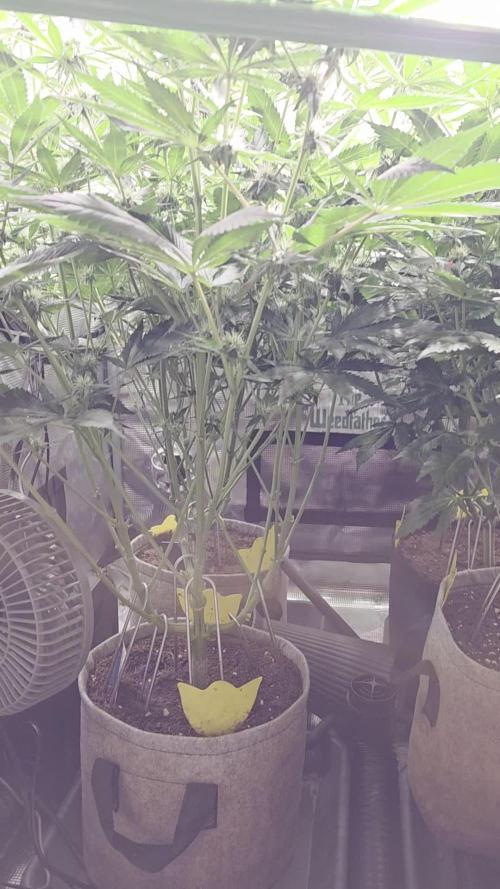
This journal is now current as of 7/1, and this entry is for last week (June 23-29). Growth is continuing to be explosive on the Blue Dream--she is now 37 inches. This last week, however, received 3 days of rain and very heavy winds that I thought would kill the plant. The video shows just how bad the wind became. She shows signs of overwatering (spotting on fan leaves, though new growth looks fine) which is to be expected given that she received 3 days of rain and had no chance to dry out. Nevertheless, she persisted. 😊
I added the first netting to try out a scrog method. It's definitely not going to be perfect, and I'm definitely an amateur experimenting with method. Will attempt to develop an even canopy.
GSC and Green Cush continue to grow reliably.


@McBubatz
Volgen
10 Woche, BW 4. Die Omakase is gut gewachsen und es wird etwas eng für die gute, naja da muss sie sich jetz mit abfinden 😅. Ansonsten is soweit alles gut, im Zelt riecht es extrem süß aber kann nicht richtig ausmachen welche der Pflanzen hier dominiert, naja Daumen drücken das die kleine schön an Masse zugelegt und leckere Buds produziert.
BW4 Tag 5, Foto 5 und Video, Omakase vorne rechts.
Wünsche euch allen eine schöne Woche und bleibt gesund 🙏, bis nächste Woche dann.



@Ultraviolet
Volgen
2nd net is up. Early bud formations are promising. holding up to the extremes pretty well, some leaves taking minor damage, but overall, she is holding up, gave her 1 night at 50F see how she would react, stressful. Not advised as it messes with her metabolism, but I want to see if it triggers any anthocyanin response. Love to see her purp up but no signs yet.
My homework.
Rubisco regeneration is intrinsically linked to nitrogen supply because Rubisco is a major sink for nitrogen in plants, typically accounting for 15% to over 25% of total leaf nitrogen. The regeneration phase itself consumes nitrogen through the synthesis of the Rubisco enzyme and associated proteins (like Rubisco activase), and overall nitrogen status heavily influences the efficiency of RuBP regeneration.Structural Component: Nitrogen is an essential building block for all proteins, and the sheer abundance of the Rubisco protein makes it the single largest storage of nitrogen in the leaf.
Synthesis and Activity: Adequate nitrogen supply is crucial for the synthesis and maintenance of sufficient Rubisco enzyme and Rubisco activase (Rca), the regulatory protein responsible for maintaining Rubisco's active state. Nitrogen deficiency leads to a decrease in the content and activity of both Rubisco and Rca, which in turn limits the maximum carboxylation rate, Vmax, and the rate of RuBP regeneration Jmax, thus reducing overall photosynthetic capacity.
Nitrogen Storage and Remobilization: Rubisco can act as a temporary nitrogen storage protein, which is degraded to remobilize nitrogen to other growing parts of the plant, especially under conditions of nitrogen deficiency or senescence.
Nitrogen Use Efficiency (NUE): The allocation of nitrogen to Rubisco is a key determinant of a plant's photosynthetic nitrogen use efficiency (PNUE). In high-nitrogen conditions, plants may accumulate a surplus of Rubisco, which may not be fully activated, leading to a lower PNUE. Optimizing the amount and activity of Rubisco relative to nitrogen availability is a target for improving crop NUE.
Photorespiration and Nitrogen Metabolism: Nitrogen metabolism is also linked to the photorespiration pathway (which competes with carboxylation at the Rubisco active site), particularly in the reassimilation of ammonia released during the process.
To increase RuBisCO regeneration, which refers to the process of forming the CO2 acceptor molecule Ribulose-1,5-bisphosphate (RuBP) during photosynthesis, the primary methods involve optimizing the levels and activity of Rubisco activase (Rca) and enhancing the performance of other Calvin-Benson-Bassham (CBB) cycle enzymes.
Biochemical and Environmental Approaches:
Optimize Rubisco Activase (Rca) activity: Rca is a crucial chaperone protein that removes inhibitory sugar phosphates, such as CA1P (2-carboxy-D-arabinitol 1-phosphate), from the Rubisco active site, thus maintaining its catalytic competence.
•Ensure optimal light conditions: Rca is light-activated via the chloroplast's redox status. Adequate light intensity ensures Rca can effectively maintain Rubisco in its active, carbamylated state.
•Maintain optimal temperature: Rca is highly temperature-sensitive and can become unstable at moderately high temperatures (e.g., above 35°C/95F° in many C3 plants), which decreases its ability to activate Rubisco. Maintaining temperatures within the optimal range for a specific plant species is important.
•Optimize Mg2+ concentration: Mg2+ is a key cofactor for both Rubisco carbamylation and Rca activity. In the light, Mg2+ concentration in the chloroplast stroma increases, promoting activation.
•Manage ATP/ADP ratio: Rca activity depends on ATP hydrolysis and is inhibited by ADP. Conditions that maintain a high ATP/ADP ratio in the chloroplast stroma favor Rca activity.
Enhance Calvin-Benson-Bassham (CBB) cycle enzyme activity: The overall rate of RuBP regeneration can be limited by other enzymes in the cycle.
•Increase SBPase activity: Sedoheptulose-1,7-bisphosphatase (SBPase) is a key regulatory enzyme in the regeneration pathway, and increasing its activity can enhance RuBP regeneration and overall photosynthesis.
•Optimize other enzymes: Overexpression of other CBB cycle enzymes such as fructose-1,6-bisphosphate aldolase (FBA) and triose phosphate isomerase (TPI) can also help to balance the metabolic flux and improve RuBP regeneration capacity.
Magnesium ions, Mg2+, are specifically required for Rubisco activation because the cation plays a critical structural and chemical role in forming the active site: A specific lysine residue in the active site must be carbamylated by a CO2 molecule to activate the enzyme. The resulting negatively charged carbamyl group then facilitates the binding of the positively charged Mg2+ion. While other divalent metal ions like Mn2+ can bind to Rubisco, they alter the enzyme's substrate specificity and lead to dramatically lower activity or a higher rate of the non-productive oxygenation reaction compared to Mg2+, making them biologically unfavorable in the context of efficient carbon fixation. The concentration of Mg2+ in the chloroplast stroma naturally increases in the light due to ion potential balancing during ATP synthesis, providing a physiological mechanism to ensure the enzyme is activated when photosynthesis is possible. At the center of the porphyrin ring, nestled within its nitrogen atoms, is a Magnesium ion (Mg2+). This magnesium ion is crucial for the function of chlorophyll, and without it, the pigment cannot effectively capture and transfer light energy.
Mg acts as a cofactor: Mg2+ binds to Rubisco after an activator CO2 molecule, forming a catalytically competent complex (Enzyme-CO2-Mg2+). High light + CO2) increases demand: Under high light (60 DLI is a very high intensity, potentially saturating) and high CO2, the plant's capacity for photosynthesis is high, and thus the demand for activated Rubisco and the necessary Mg2+ cofactor increases. Mg deficiency becomes limiting: If Mg2+ is deficient under these conditions, the higher levels of Rubisco and Rubisco activase produced cannot be fully activated, leading to lower photosynthetic rates and potential photo-oxidative damage.
Optimal range: Studies show that adequate Mg2+ application can enhance Rubisco activation and stabilize net photosynthetic rates under stress conditions, but the required concentration is specific to the experimental setup.
Monitoring is key: The most effective approach in a controlled environment is to monitor the plant's physiological responses e.g., leaf Mg2+ concentration, photosynthetic rate, Rubisco activation state, and adjust the nutrient solution/fertilizer to maintain adequate levels, rather than supplementing a fixed "extra" amount.
In practice, this means ensuring that Mg2+ is not a limiting factor in the plant's standard nutrient solution when pushing the limits with high light and CO2.
Applying Mg2+ through foliar spray is beneficial to Rubisco regeneration, particularly in alleviating the negative effects of magnesium (Mg) deficiency and high-temperature stress (HTS). While Mg can be leached from soil, within the plant it is considered a mobile nutrient, particularly in the phloem. Foliar-applied Mg is quickly absorbed by the leaves and can be translocate to other plant parts, including new growth and sink organs.
Foliar application of: NATURES VERY OWN MgSO4 @ 15.0g L-1 in a spray bottle.
Foliar sprays are often recommended as a rapid rescue measure for existing deficiencies or as a supplement during critical growth stages, when demand for Mg is high. Application in the early morning or late evening can improve absorption and prevent leaf burn.
The starting point [of creativity] is curiosity: pondering why the default exists in the first place. We’re driven to question defaults when we experience vuja de, the opposite of déjà vu. Déjà vu occurs when we encounter something new, but it feels as if we’ve seen it before. Vuja de is the reverse—we face something familiar, but we see it with a fresh perspective that enables us to gain new insights into old problems. Come walk in the enchanted forest.


@Basementganja
Volgen
Flushed 20 gallons through the growing medium today, in preparation for harvest! I'm 100% sure she was nutrient-locked, PH of the run-off was around 4.5.
From now on, I will pay greater attention to the Run-off PH, when my plants shows symptoms.
Lesson learned! If I corrected her earlier, her potential would have been much greater!
After the flush, the run-off has: ppm is at 80, and PH is 6.