


Likes
Comments
Share


@OrionSparkles
Follow
🐹I pruned them FIM a few days ago, and future outbreaks appear. I also did a slight large leaf defoliation. 👌🏻

Likes
13
Share


@DudeGrowsWeed
Follow
I consider this the last week of veg, some might call it the first week of flower. But she looks great what ever you want to call it. I continue to be impressed with Seedsman strains. I'll be growing more from Seedsman in the future! 👍

Likes
3
Share

@Northern_Ent
Follow
Apr 23: Germinating in Kannabia petri dish with thermometer and towels. It is a nice simple germination system.
I’ve always found just soaking seeds in water on a heating mat works great, but this germinator looks nice and easy too.
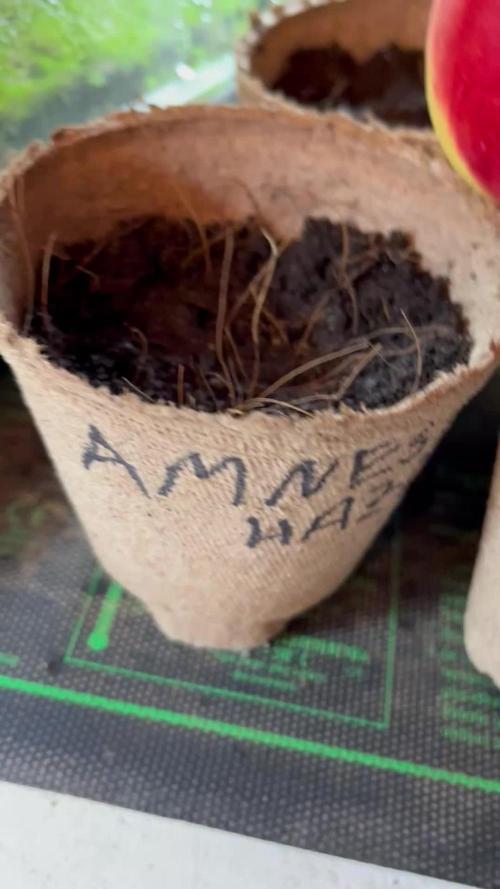
Amnesia Haze GO Fast should be a good grow. Starting two seeds to pick the better one.
Apr 27: transplanted sprouted seeds into starter soil in peat pots. I’ve never been a fan of germinating seeds using paper towels because I usually forget to keep them moist but not saturated. Also sprouting weed seeds in a glass of water is so easy and foolproof.
The Sproutly germination kit from Kannabia is a smartly designed simple device. A petri dish with an accurate thermometer so you can keep it at 22-24 C. The biggest tip for starting seeds, including things like peppers and tomatoes, is to get a heat mat - totally worth it.
The last video shows how I do seed priming with ethylene gas given off from a couple of apples. There was a scientific paper i saw in a news story somewhere that explains it. The gas helps promote or regulate the gene expression in the growing seedlings, but a key trick is that it should only be applied to the sprouted seeds just before they are exposed to light.
Been doing seed priming the last two years, and yes it works.

Likes
9
Share


@Chucky324
Follow
Hello. This is the end of week 9 and the beginning of week 10 of veg.
Got them outside and repotted. They look much happier...
Look at the last pictures to see they have grown a few inches in a few days.
I put a heat sink in this year. 8 - 5 gallon containers were put under the table and are supposed to trap the heat and release it slowly.
You can see the white containers behind the plants under the middle of the table. I'll take them out when it gets warmer at night.
The soil is 5 gallons of SunShine Mix #4 ( 70% Moss) and 5 gallons of compost from my household composter. I mixed them together.
I surrounded the root ball with the SunShine Mix neutral ph soil, so the root ball doesn't get burnt by the hot soil.
The roots will grow into the mixed soil when they are ready.
Lots of light in there with the new window film I've installed.
Plants have a tangy smell to them.
OK. Be Great.
Chuck.

Likes
16
Share


@TooQuiikk
Follow
Let me start by saying, I'M SO GLAD I DIDN'T CHOP! THESE BABIES ARE GAINING SOME SERIOUS BULK!
I can not wait to see them finish out, It's really testing my patience, but I notice more bulk every single day!
It's about time to get the chop, they are maturing really quick and I love it. The smells are absolutely insane!!!


Likes
21
Share


@puffin_ganja
Follow
Continuing to reduce nutrient strength. Started flushing with R/O water near the end of week 7. Everything is starting to fade with purples coming out and reeking of fruit punch gas. This slurricane pheno leans more on the purple punch side. I ran another pheno which leaned more on the dosidos side in the past but the bag appeal just wasn't there with the finished product.
Sorry for the shitty pics... my iPhone camera is just not cutting it at the moment.

Likes
11
Share

@Velasko240
Follow
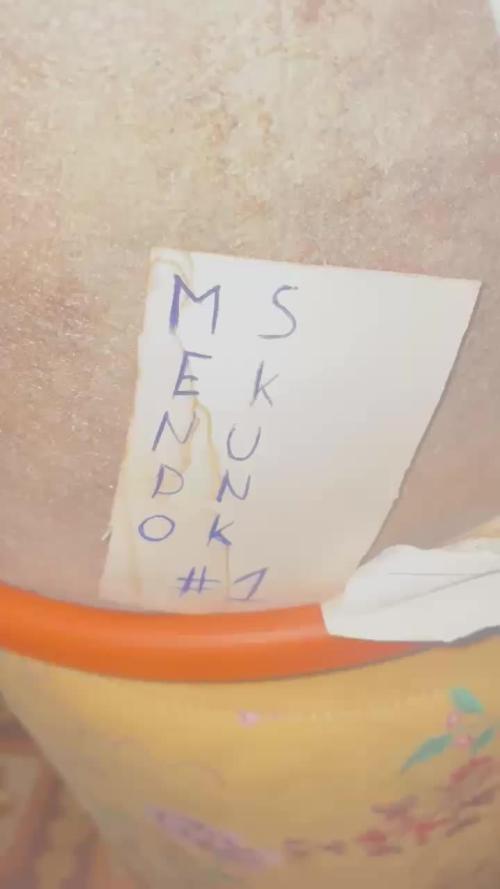
End of Week 9 of Flowering!
I skipped Week 8 because I literally had no time for an update, but not much changed anyway.
Temperatures spiked brutally - during Week 8, my growbox hit 32°C (90°F). To compensate, I dimmed the light to 75% power and raised it to about 60 cm above the canopy. This kept temps around 29°C (84°F), with occasional peaks at 31°C (88°F). Gotta say, the ventilation helps a ton, and I avoided any "foxtailing."
Since mid-Week 8, I’ve cut all nutrients and only fed pH’d water at 6.2.
The plants are still drinking, and under the 60X jeweler’s loupe, they clearly need more time. Most trichomes are still clear/milky, with very few amber ones—especially on the leaves rather than the buds. I’m a bit worried the heat might’ve delayed ripening.
A good sign, though: the natural yellowing of leaves suggests we’re nearing the end of the cycle.
The Sensi Stars (supposedly 8-week flowering time) still need longer, despite having the fattest, densest buds of the bunch.
For now, I’m sticking to plain water and checking trichomes daily, hoping to chop some plants soon. Pics are below - though I couldn’t get decent loupe shots (blame my phone’s potato cam and the tiny lens size, lol xD).
Shoutout to all you legends! Catch you next update.
Peace! ✌️

Likes
3
Share


@Knowitall
Follow
This week I've managed to get down b&q and get my materials to build the table.. it's all set up not just gota hand water this week because I need an upgraded pump to reach to all the plants on my dripper system..


Likes
70
Share


@Insaniac_0
Follow
All feeds with nutes use either a whole ratio or combination of "Veg Mix" and "Bloom Mix"concentrates DILUTED in water until a total ppm of add in is reached using a (Total Dissolved Solids)TDS Meter measured in PPM (parts per million). The "Veg Mix" concentrate will eventually be added in smaller ratios and "Bloom Mix" concentrate what will eventually replace the "Veg Mix" concentrate entirely with the ppm and ratios listed when I feed. Veg mix recipe is on week 3. Bloom Mix recipe is on week 5.
Day 28
Just a quick update for this morning since I had to move the ties a little. LST, I now have them above the 3rd node branches. Stats are normal and the growth tips are turning upward now.
Stats 73F/ 63% RH /IL Vent at 33% - Lights also same as before 345ppfd highest, 330 center, and 315 at lowest. No need for adjustment.
She seems to be taking the training well.
Day 29
Water day - checked last night and decided it was time again - Water by weight again so no runoff to measure at about 4 cups. (4 days since last feed by weight)
13lbs even par is 15lbs 4oz so I prepared 2lbs 4oz of water.
Tested my meter and discovered it needed calibration (the temp is off and cant be calibrated - so I used a trusty meat thermometer.
started with 4ppm and added 300ppm of epsom and vegmix ph balanced to 6.34 at 69.8F - then splashed with H2O2. Poured around roots and splashed the stem base - sprayed some on the leaves and use the whole amount.
Had to adjust lights now to be brighter so I brought them down to 18.5" and ppfd is now 375highest 360 center and 345 at lowest.
VPD is normal at 1.0 with 73F /63% RH /33% IL Vent - fans are pointed to directly now as the leaves are starting to get rough feeling - so I moved them a bit to blow less directly
Training is doing good nice upward turn on the training (making small LST movements with the ties other than than... just letting it make new branches.
Day 30
Checked PH and got 5.0 on my meter(+1.25 tested differential = 6.25) Stats normal too - 73F /64% RH /33% IL Vent - Lights at 385highest 370 center and 355 at lowest
Removed cross ties since they are no longer needed to hold the fan leaves- training still looking nice as the new nodes are formed with 2nd node leaves growing already.
Day 31
Identified an issue this morning - went back through my pictures, identified the start, looked at the day before, and noted my changes that I took notes on at that time. Went to google to diagnose a few possible hypothesis and am now testing with a treatment. (suggestions from more experienced growers welcome)
This morning the issue was brown spots on the older fan leaves. Mostly just the left fan leaf. Seems to have started 2 days ago (day 29) when I changed the lights and fed her. When I fed her, I left water droplets on the leaves instead of drying them off after a short time (I had been drying them with a tissue after a wet pic. The fans were also adjusted after the lights were dropped closer as well.
Hypothesis:
I think the water was magnifying the light and caused light stress at the those spots. I dont think the wind of the fan had much to do with it other than they helped dry the leaves faster as noted by the water being completely gone by the time I took pictures later that night for measurements.
Test: Raised my lights to a max of 350ppfd (from 385 highest reading this morning) Had to adjust fans again since they rest on my lights.
Will observe looking for improvement over the next few days.
... another possibility was given to me by Guru @Roberts (thank you) as it possibly being a ph issue locking out calcium. So I thought I might test ph and then try diluted cal/mag in a spray if my soil is too low (also looked at pics and seen VERY close similarities in my pics and those)
and so on that advice, I tested/calibrated my soil meter (it FINALLY calibrated for me!)I found my soil was avg of 3 readings at 5.153 (5.08,5.09,and 5.29) NOT GOOD - potentially locking out most all nutes.
I weighed out about 2 cups of purified water with and added about half ml of CalMag, ph balanced the water to 6.5 at 69.7F (my research shows Calcium lockout starting at 6.3 or lower) and splashed with H2O2 - I poured most around the base and sprayed the leaves too. I made sure to use the whole solution by pouring the last of the solution in the spray bottle over the stem and stem base.
EOD follow-up
Found a possible calcium blockade in my ph and on my leaves (of which are now starting to curl so I placed my fans on oscillate to ensure they aren't doing more damage) --- fully documented now.
otherwise measurements are now documented too. -- second node is starting to pull away from the last top so I will be looking to top again (3rd of possibly 4 total) and then HST and bind in a new spot
Day 32
Doing a morning and evening check her now while I see this issue resolved.
So far no sign of improvement since last night - might have gotten worse in comparison (will check pics side by side today) but I think because it's a immobile micronutrient so it should take time to stop then reverse.
So in the mean time I am doing a slurry test as a 2nd test for my soil before I treat it. I took soil from 3 different spots and made sure I got some from about 4 inches deep in each spot
(ensured calibrations were still good with buffer tests) 1st test is a PH meter tested directly in the soil. After using the 2 cups of 6.3 yesterday I got 3 readings today = 5.47, 5.32, and 5.5 to avg 5.43 - (yesterday's readings prior to treatment were 5.08, 5.09, and 5.29 to avg 5.153) - still far below the normal 6 to 7 for soil and the requirement of 6.3 and above for calcium to enter roots. suggesting again lockout.
So while I am checking the plant conditions I also looked at the new nodes - 2nd node is starting to pull away from the first, but not quite enough to top yet - thinking I will be able to top tomorrow evening - should be able to correct the ph tonight, so I can see if there's results in that by then as well.
I also set the fans to oscillate last night, so here's a video for that now.
Measurements, ppfd, and vpd will be in tonight's check-up
Day 32
So I started this evening by testing the run off with 2 meters, 5.7 and 5.67 - prepared 1 gallon of 7.5 ph water and splashed with H2O2 (checked with both meters)
Before flushing, I documented the leaves again - still curled and look very dry but they still have some flexibility with them - they dont seem to getting any worse so the spray may have gotten enough to the leaves most affected. The new nodes and growth tips seem to be okay but not growing as fast as they were. That would still mean that the soil needs treatment before the roots begin to die off and I end up with stunted growth overall.
SO I flushed the whole gallon and noted the runoff from the sides and bottom. I then tested the soil directly with 3 readings 5.95, 5.8, and 5.73 for avg 5.826 and tested the runoff water with 2 separate meters for 5.91 and 5.85
Not sure if I should feed dunk in 7.5 still or just use that number on the next feed in like 3 or 4 days. will discuss
Other than that ppfd highest is 360, 350 at center, and 330 at lowest.
VPD was 1.0 with temp at 74F /63% RH /33% IL Vent
Growth tips could be ready to top again tomorrow night, but I would like the get the ph taken care of first.
Day 33
Started the day by noticing the lower branches seem to stop turning and the next level branches seemed to have finally turned but nearly as fast as the first. (Noticed them having a start yesterday) Newer branches dont have any signs of issues.
So the plan today is to make Bloom Juice for later. Feed Dunk with 100% Veg Juice at a ph of 7.3 test runoff and ppm. Top the 4 nodes and remove the lower leaves. Calcium issue or not, that was always the plan with main-linning the plant. However, because of the health issues, I dont think I am going to go past these 8 colas - rather instead I will simply stop here and do some HST to set them how I want them to grow and let her recover and finish her veg for about two or three weeks.
Dunk had 300ppm of Epsom, Veg juice, in a little over 3 gallons of purified water. I had 7.4 ph and splashed with h2o2.
I pushed the entire plant into the water and soaked for a few seconds. Drained by hanging the pot up for about 10 minutes and the stream started dripping instead.
Checked the runoff with 2 meters 6.01 and 5.93 with 2580ppm.
Then I topped all four nodes and removed the fan leaves from under my mainline. I used LST to finger press the new branches apart into the direction I plan to move them to get the nodes powering up.
Next I will wait for a day to do HST on those new branches. Tonight I will simply let her rest.
VPD still at 1.0 - 73F /63% RH /33% IL Vent -
Lights are at 365 highest, 355 center, and 335 lowest.
No need to measure for growth now as I dont plan to top anymore
Day 34
Early entry to day for HST the morning after topping.
So I started off the morning checking stats and health. PH levels are still low. 3 soil meter tests 5.41, 5.41, and 5.44 for an avg of 5.42 - kinda at a loss here but can only monitor now.
VPD and lights are mostly the same - 74F /63% RH / 33% IL Vent - VPD not relevant today as the settings are the same and I am using HST to change the plant position.
leaves are noted for future reference - all four lower fan leaves have signs of calcium deficiency but not progressing nearly as fast as the first two did, so I think my attempts via higher ph water and feed may have helped. (I know the microbes in the soil are supposed to help get past ph issues , but mine seem to not be heathy)
HST
used a cuticle rod from my wife's nail case and a paint stick to press the rod against the branches and smash the inside of the elbows I want to bend.
LST
I then cut 4 strips of garden wire at the same length, hooked the ends like candy canes and aligned them about 1/2 inch above the new node and into the soil. From the side they look level but have the leaves now facing sideways. They will turn in a day or two.

Likes
24
Share


@WetAndSmelly
Follow
May 02
Entering preflower, I think I don't have much training time ahead but I'm sure I'll be able to get her even and clean. Some small branches are trying to pop out under the already 6-7 ones but I just can't get light on there, we'll see later on if I harvest in sequence!
This won't be the most successful grow but it will have been a realllllyyy instructive one. Next one if there is soon will most likely give better result.
So far, without being too harsh, I think she's doing great still. Might not be in the most perfect healthy state but it's not a big deal in the sense that she's still pretty happy right now and that's fine with me.
From start she has been on 24 hour non stop and I don't see any problem with it. In any case you are sure to not halt her growth by doing so and each one of these led should consume about 6 watts. On 8 we get to a grand total of 48 watts which is very fine. Current light setup might have been upgraded to a potential increase in yield of 25 to 35 % I'd guess. But for the price I paid for all of this, it's very much worth it. Doubling the light setup would raise me to a 100 watts, and light coverage would be sufficient to grow 4 autoflower. Since I only have one plant I'm keeping it on the not too expensive side without sacrificing too much, but a third setup of 4 led with 2 reptile UV led would probably increase significantly the final quality and quantity. In any case, even tho I can say it has pained me to train her since she's so small and bushy, I would probably keep this strain around for sentimental reason, I really see value in life itself and this plant is part of mine, eheh. Good night guys.
May 03
I think I can notice 4 pistils growing out of the main head. Magnification from camera. It took me another hour or so to train her but I think it's worth it. I'm at about 9 new heads that are getting a good amount of light, I don't know what will happen to the other smaller ones under these 9s, we'll see if they have time to produce anything ^^. Funny expectation, if the branch don't stretch a good inch from today to 4-5 days in the future, this is gonna be chaotic there xD. Aye aye, I'll be away from pretty girl for roughly 2 day. I gave her about 350 ML of water 2 days ago. Since she has shown minor sign of problems relating to soil ph, I gave her 1 part decarbonated Perrier with about 2.7 part neutral water. Perrier is made from source water which contain macro-nutrient essential to plants. It's PH is also officially cotted at 5.5. There is debates on whether or not carbonated Perrier would be beneficial to a plant, but here I choosed to play narrower. I'm still spraying her with water once in a while. I am progressively lowering the frequency since she is approaching flowering and I don't want the humidity level to raises to much, for any question just message me. Aight, guud night.
May 05
Just came back, she need water, it's obvious to me since I know her grow rate which has been slower the past 2 day it seems, pot feel lighter and soil dry ^^. I'm a little bit sick and I just came back so I'll relax a bit and take care of her later tonight. I'll try giving her 600 ml of water this time, she's getting bigger and with flowering approaching I think it's time to look for a increase. Fan leafs did increase in volume from the newly trained branch, but it feel like she has been going at 75% of her speed, but it might also be her entering flowering phase so slowing her vegetative growth, I'll post more picture after training of her later tonight, good night ;)
May 07
I have read somewhere that cannabis plant often go for a good stretch before the flowering really kick in and I think that's what she's heading for. I am quite satisfied with the current evenest of each tops, I am expecting the main branch to grow higher even tho she's pretty much equal for now. I think it's normal and as long as possible I'll pull her down from the need of light coverage but everything should be fine, I don't think there will be any problem with the light. I am really looking forward to see how high she will stretch. Ideally, I don't want her to grow too big, but I am very interested in the idea of her being full of tops. The bigger the branch, the better nutrient are delivered and if light is managed correctly, you'll end up with a bigger harvest, bigger colas. So far I gave her nutrient 1 time, she got nitrogen toxicity because the soil is in fact rich enough for pretty much the whole grow, when I bought my fertilizer I thought about the fact that autoflower grow pretty much all in one at the same time but with that soil, I should have gone for something more on the P and K side. I am considering buying a new small amount of fertilizer for cheap, that is better adapted to my need. I do have little worries about micro nutrients but I do believe I am stressing a bit for nothing. In worst case I'll just answer to her need which is totally fine. Have a nice day !

Likes
233
Share


@Tropicannibis_Todd
Follow
🐶🐶🐶🐶🐶 👉Alrighty Then👈🐶🐶🐶🐶🐶🐶
We're 56 days in and we be moving along great 👈
👉Well my friends we are just moving along well so couldn't be happier 👈
All plants are blooming like crazy 🤪 🙀
We got some great growth right across the board on all plants 👈 All plants receiving at least a min of 850 PPFD
🐶 🐕 🐶 🐕 🐶 🐕 🐶
So we are back for another round 😛 But this grow is special because my big boy needs some love too , he's been getting on the old side of things and his hips have been giving him trouble so I've been buying CBD treats for him and it works great so 😉 👍
I've decided to grow this for my little buddy 🐶 so I can make him some Doggy 🐕 Treats and plus I've never tryed it myself and I really wanna give it a go👈 😊 so let's see what it's all about 👈
I will post the recipes at the end of harvest 👏
So Let's Do This👈
👉Soil Provided by ProMix.ca
👉Nutrients Provided by Agrogardens
👉Lighting Provided by MarsHydro.ca
👉Seeds Provided by Kannabia Seeds
Likes
100
Share


@Njanne
Follow
The plants are coming along nicely for the most part. I have been finding bud rot in big mama... not much but I'm a little bit worried. I've been cutting it out when I find it. The trichomes are cloudy with sparse amber. The wind has been a concern the past week or so. I shared a video which kind of gives an idea of what we are dealing with. We are looking at harvest two weeks out - max. Maybe sooner. FFT2 is significantly behind the other varieties... fattening up more slowly.


Likes
149
Share


@CBD_Sweden
Follow
Hi all the happy people here in GrowDiaries.
This is my second cultivation ever and it will be fun to try a bigger space than my closet grow.
First, I'm just going to say I'm done with the construction of my new growroom.
I put some pictures on the construction here in week one.
The room is 2.14 meters by 1.7 meters and has a ceiling height of 2 meters.
It provides a floor area of 3.6 square meters.
I use a 54 Watt Lightwawe T5 for germination and 2 Pcs 400 Watt HPS lamps.
I have a channel fan that replaces the room air about 40 times an hour to get a comfortable theme in the room, the air enters a fresh air intake from the outside.
The air is purified through a carbon filter to then leave the room to the rest of the basement.
Then I use that heat to heat the rest of the basement.
I will use 8 pcs 15 liter Autopots to grow with and a 100 liter water tank that supplies the pots of water and nutrition.
I will grow completely organically in soil and will watercure my buds to get the best possible medicine for me.
But there are no cultivation rooms to be displayed here, so I continue with what is most important.
Today I have put my seeds in my moisture dome and hope the seeds have germinated within a few days.
I am very excited to see how the new growroom will work and how this Blue cheese Auto from Royal queen seeds will turn out.
Blue Cheese automatic cannabis seeds are a cross of Blueberry Automatic and Cheese Automatic that has been perfected over five years of breeding and careful selection. The result is a feminized, autoflowering strain with superior yield, flavor, and effects to either of its distinguished parent strains.
THC: 16%
CBD: Low
Yield Indoor : 325 - 375 gr/m2
Yield Outdoor: 60 - 110 gr/plant
Height Indoor: 40 - 70 cm
Height Outdoor: 60 - 110 cm
Flowering: 7 - 8 weeks
Harvest month: 9-10 weeks after planting
Genetic Background: Blueberry x Cheese x Ruderalis
Type: Sa 35% In 40% Ru 25%
Effect: Cerebral and uplifting
Climate: Mild
..............................................................................................................................................................................................................................................................................................................................................
Update 2017-08-15. All 4 seeds have germinated and planted in small pots inside the humidity dome.
I'm so glad it worked so well and now it's just hoping they'll start growing and become 4 big healthy girls :)
...............................................................................................................................................................................................................................................................................................................................................
Update 2017-08-16. I have mixed my own soil today. Its 40% sieved peat harrow H2-H4 0-30 mm, 45% sieved peat harrow H4-H6 0-30 mm. 5% sand and 10% of compost soil. And i use 15% of perilite and mix it all together.
................................................................................................................................................................................................................................................................................................................................................
Update 2017-08.20. Nr1 and 2 grow and thrive.
Number 3 just got rid of the seedpod and is folding out the sheets.
Number 4 is a bit shy and can only be seen if you look carefully into the soil.
.........................................................................................................................................................................................................................................................................................................................................
Update 2017-08-21. Nr 1 and 2 is doing well. Nr3 is trying to catch up and Nr4 is still shy.
--------------------------------------------------------------------------------------------------------------------------------------------------------------------------------------------------------
2017-08-23. Transplanted 2 girls from humidity dome and the small germinating pots to 15 liter autopots. The other 2 girls have to wait a little more before transplant to the autopots.
................................................................................................................................................................................................................................................................................................................................................................................
2017-08-27. The girls have settled in to there new home of the 15 liters autopot after a little transplant chock. Now the real week 1 starts for me and the girls.
--------------------------------------------------------------------------------------------------------------------------------------------------------------------------------------------------------
2017-08-28. New pic and movies.
---------------------------------------------------------------------------------------------------------------------------------------------------------------------------------------
2017-08-28. Nr3 is transplanted in 15 liter autopot.
-------------------------------------------------------------------------------------------------------------------------------------------------------------------------------
2017-08-29. New movie of the girls. Its no water for 3 days now for Nr1 and 2 so the roots develop more and match the plant above the soil. The temp controlled fan is awesome, its easy to set what temp you like to have in the room. Right now its 28 celcius. And humidity is 56%.
------------------------------------------------------------------------------------------------------------------------------------------------------------------------------------------
2017-08-29.
Hello to you who read my diary, I just want to say that I am pleased that you have chosen to check in with me and in my diary.
I just want to say that I do this for myself and for a steady flow of my medicine.
Everything you read and see in my diary is 100% honest and I will never distort or beautify anything here.
I document my crops so that I can learn from my mistakes and also to look back at those different crops.
I try to update with pictures every day and with text if something special has happened in the garden.
This is my strainhunt for the best medicine and the beginning of my journey with cannabis and the cultivation of it.
-----------------------------------------------------------------------------------------------------------------------------------------------------------------------
2017-08-30. Cleaned the room this morning, just vacuuming and cleaning with chlorine solution. Im testing the fan to control temp and humidity, it works great.
Added some pics with measurements and movie. Everything is looking great right now.
---------------------------------------------------------------------------------------------------------------------------------------------------------------------------
2017-08-31. New pics and videos.
---------------------------------------------------------------------------------------------------------------------------------------------------------------------------------
2017-09-01. New pics and videos. Gave each of the girls with 2 ml Alg-A-Mic, 4ml Bio-Grow, 4ml Bio-Heaven and 10 ml Formulex mixed in 2 liters of water.
I hope they like it :)
-------------------------------------------------------------------------------------------------------------------------------------------------------------------------------------------------------------------------------------------
2017-09-02. New pics and the girls liked the water and nutrients yesterday.
-------------------------------------------------------------------------------------------------------------
2017-09-03. New videos of the girls this morning. Nr1 and 3 looks great and nr 2 is looking a little funny, maby a little stressed.
Kl. 16.00. Did some defoliation on the girls. Added video.
Kl.. 23.00. New videos, defoliation and leaftucking.
-----------------------------------------------------------------------------------------------------------------
Likes
24
Share


@CURATI_DA_SOLO
Follow
Mi meraviglio sempre più....questa la lascerò così farò solo un po' di lst fino a quando non fiorisce......per ora continuo così!!! Non aumenterò i nutrimenti ci andrò cauto....
Likes
13
Share


@Marquise_ao_Sul
Follow
Last week of flowering and will be cut !!! Very well formed by dense heads along the branches. I just cut one top of the plant and it gave very good results! I smell the fruit!
I have made some flush due to nutrients that i gave during flowering...💪


Likes
27
Share

@cangrowz
Follow
Grow Diary – Abschluss (Lemon Haze Auto von Barney’s Farm)
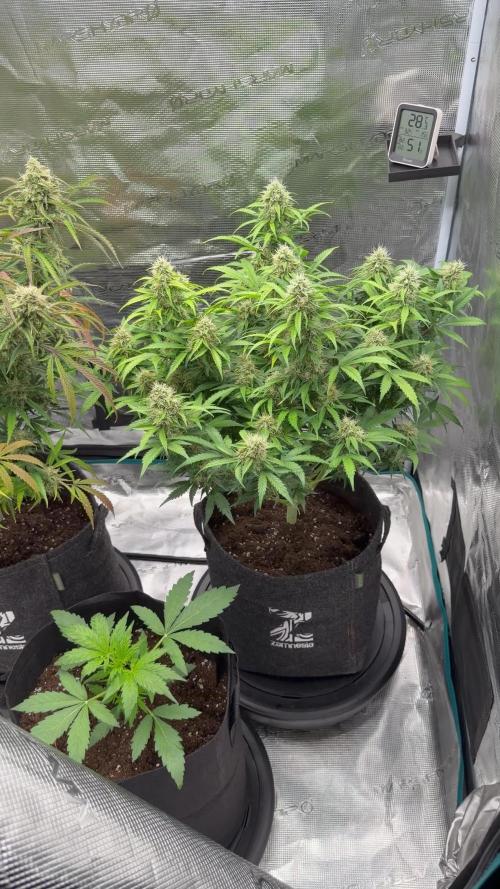
Das ist der letzte Eintrag zu diesem Grow der Lemon Haze. Ich habe die beiden Pflanzen an unterschiedlichen Tagen geerntet, weil eine sichtbar früher fertig war als die andere. Am Ende ist aber alles innerhalb einer Woche passiert, da ich für den nächsten Run wieder Platz im Zelt schaffen musste.
Grundsätzlich bin ich mit dem Grow sehr zufrieden gewesen. Am Anfang gab es ja ein paar Schwierigkeiten mit Überwässerung – das ist mir tatsächlich zum ersten Mal passiert, haha. Daraus habe ich aber auf jeden Fall wieder etwas gelernt.
Trotzdem haben sich die Pflanzen gut entwickelt und der Grow lief am Ende echt solide. Die Buds sind schön kompakt geworden und der Geruch ist typisch zitronig, wie man es von Lemon Haze kennt.
Jetzt hängen die Pflanzen erstmal zum Trocknen, danach geht es ins Curing, damit sich Geschmack und Wirkung noch richtig entwickeln können.
Für den nächsten Run stehen schon neue Seeds bereit: Mimosa x Orange Punch Auto ebenfalls von Barney’s Farm. Sobald im Zelt wieder Platz ist, geht es direkt weiter.
Danke auch für die Kommentare und das Feedback während des Runs.
Wie immer: Happy Growing 🌱

Likes
41
Share


@Reyden
Follow
Ho eseguito una leggera defogliazione nella parte bassa attorno al primo e secondo nodo in modo da dare più potenza e priorità alla parte apicale verso la luce, lei è la più alta del box ed è veramente una signora! Grazie a questo super soil di Dogma Organics avrò un risultato estremamente eccezionale! Non vedo l’ora 😜
Likes
16
Share


@eldruida_lamota
Follow
Vamos familia hora de cortar estás Blueberry Cheese de ZambezaSeeds, ya tenia ganas.
La verdad que el secado muy bien 7 días en Malla y a los botes, 40% humedad y 24 grados es la temperatura ambiental que han tenido en el secado.
Por lo demás de miedo os la recomiendo.
Gracias a Agrobeta y Mars hydro , sin ellos este proyecto no sería igual 🙏.
Agrobeta:
https://www.agrobeta.com/agrobetatiendaonline/36-abonos-canamo
Mars hydro:
Code discount: EL420
https://www.mars-hydro.com/
Buenos humos.