




Likes
26
Share


@Melloganja
Follow
We have reached the end of the second week of bloom, pistils are getting big, expecting good results. Everything is going well so far. I look forward to the end of bloom.

Likes
20
Share


@adam_pawloski87
Follow
We are in Flush !! Was giving them GH Flora series + rapid start + cal mag

Likes
41
Share


@Ganjagrandaddy
Follow
DAY 50 f (a day late !)!: Hi all. Thankfully i am on the mend now and starting to function again so could get back to the fun that is growing. After a week of the girls going it alone with a very very light watering only . They have proven the lack of need in my help !!!. Gutting to see them not care that i was ill and just keep growing anyway ... not sure if this is a part of the disease resistant qualities or nature proving we really get in the way ?. Lol
Their week has been about ripening the pistils and trichs by the look of them now. All of the strains are really showing their proven genetics off so well . Even the stunted Mexican has added a little "something ,something " this week. They are smelling so unique between the strains with the six shootwr being the most pungent with her diesel overtones. All nice and tacky to touch with a week to add even more trichs and oils. The Strawberry An exciting ending in sight now...
Likes
278
Share


@Metatronix
Follow
A big hello to all the cannabis growing gardeners...and all the other visitors that came across my grow journal.
This week i need to change the reservoir again, the plants drink solution just as I add fresh water the EC stays at 2.7 and i need to add PK and Calmag so that's why.
The weather outside is very cold this whole week around -18 degree Celsius at night...this made my reservoir water go under 15 degree Celsius.
Since i ran the Spider Farmer UV lights i noticed some purples on my cannabis plants i think it's their doing....i run it now for two weeks the UVs
----------------------------------------------------------------------------------
The SE 7000 is hanged at 28 cm. over the canopy and runs at 520W.
This whole grow's main sponsor is Spider Farmer. You can easily obtain all the great grow equipment we use at: spider-farmer.com
A big thank you to Jessie and the whole Spider Farmer crew for supporting me with the newest technological advancements in horticulture. Thanks to them what i do here is possible.
Thank you Seeds Mafia for giving me the opportunity to try out your stock.
seedsmafia.com/en/feminized-cannabis-seeds/moby-dick-feminized.html
Plagron did send us their Contest package for the Power Buds competition .
Thank you for your visit, please leave a like and hope to see you beck here in about a week.

Likes
2
Share


@EtnoGrow
Follow
everything is going very well, the girls have developed, we have found a hermaphrodite, what a surprise my colleague got when he found one with eggs, what a scare! I saw a video of a Mexican whose technique consists of breaking the male balls and letting the flower clean and do it every day as soon as new shoots come out, there comes a time when they no longer grow and only the female hairs follow, I will see that That's how it goes, if I can, when I visit the indoor, a photo of the hermaphrodite will be taken, only one of the girls, I don't know if she got stressed or what happened, the others continue to flower normally, big beautiful females, I'm amazed, how many showed my first crop, I see it great what do you think friends
Likes
9
Share

@GERGrowDesigns
Follow
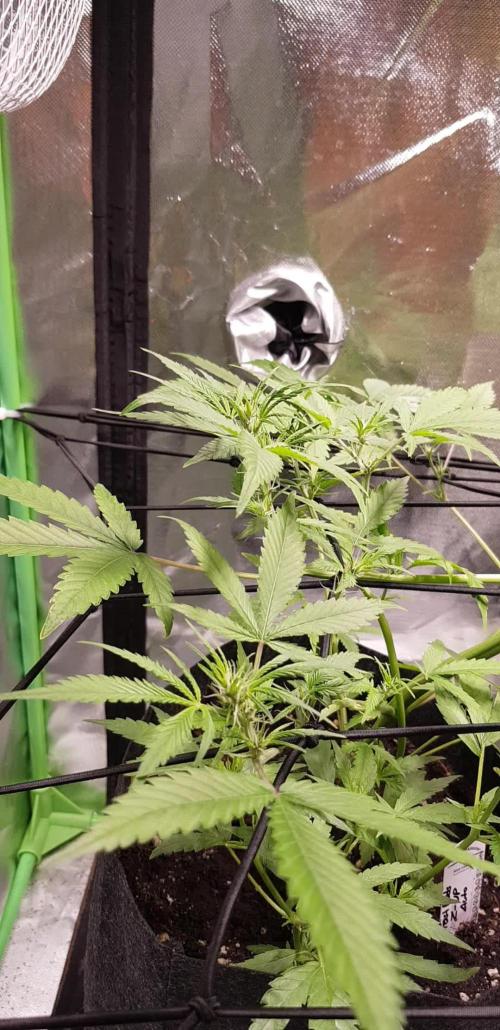
Welcome to Flower Week 1 of Fast Buds Z-Up Auto
I'm excited to share my grow journey with you from my
FastBuds Project . It's going to be an incredible ride, full of learning, growing, and connecting with fellow growers from all around the world!
For this Project , I’ve chosen the Feminized Auto strain Z-Up :
Here’s what I’m working with:
• 🌱 Tent: 120x60x80
• 🧑🌾 Breeder Company: Fast buds
• 💧 Humidity Range: 60
• ⏳ Flowering Time: 8-9 Weeks
• Strain Info: 29%THC
• 🌡️ Temperature: 26
• 🍵 Pot Size: 12
• Nutrient Brand: Hy-Pro
• ⚡ Lights : 600W x 2
A huge thank you to Fast Buds for allowing me to try my Best with this amazing collection from Automatic and Photo Strains they managed to Sponsore . Big thanks for supporting the grower community worldwide! Your genetics and passion speak for themselves!
I would truly appreciate every bit of feedback, help, questions, or discussions – and of course, your likes and interactions mean the world to me as I try to stand out in this exciting competition!
Let’s grow together – and don’t forget to stop by again to see the latest updates!
Happy growing!
Stay lifted and stay curious!
Peace & Buds!
Likes
4
Share


@Ryno1990
Follow
This beautiful girl Snow Panda from Atlas seeds has been growing amazing since the start she has been flourishing threw these 2 weeks of flower so far growing buds faster then all the other girls loving the medic grow fold 6 she's been growing under she is the 2nd biggest of the girls an can't wait to see her around harvest time
Likes
6
Share

@Ninjabuds
Follow
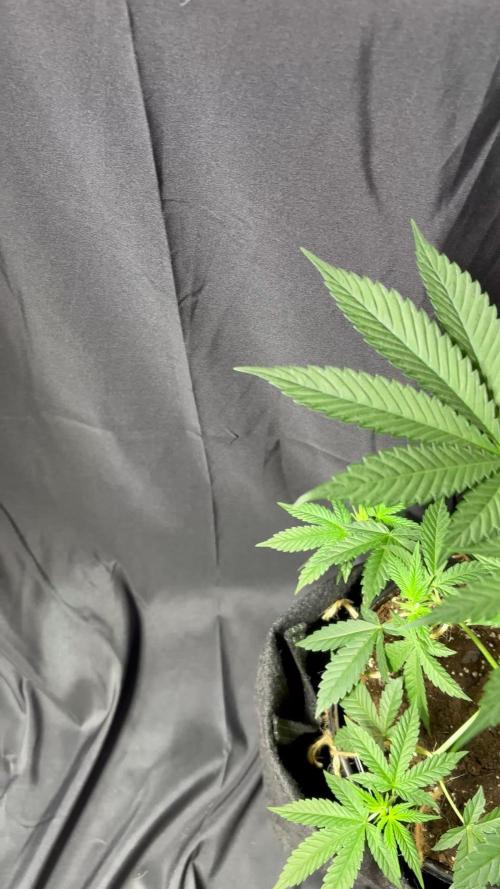
It's been two weeks since i started using the UAP 1500 light, and the results are definitely showing! The 'Peyton' papaya seems to love it. The leaves have this amazing vibrant green, and the whole plant looks so healthy and strong.
Papaya 'Peyton' is really thriving! The leaves are absolutely gorgeous, so full and plump, giving the plant a lush, healthy look. I'm really impressed with the structure – it's short and stocky, which is quite unique, and the nodes are nice and tight, promising good growth.
It's clear this plant is getting the perfect care. The vibrant green color of the leaves and the overall compact shape make it a standout.
Likes
15
Share


@Deli_Weed
Follow
Esta es mi primer planta que cosechó con éxito, y estoy muy feliz con mi resultado final 😄 obtuve una muy buena cantidad de flores premium con alrededor de 15% de thc (desde mi punto de vista claro 😅)
Tuve algunos problemas durante el cultivo, principalmente que deje que se estirara mucho, debi hacerle LST a la punta principal para que no siguiera aumentando la altura y tener más flores del mismo tamaño, las flores más bajas quedaron chicas y les faltó madurar un poco, también tuve problemas de sobrefertilizacion aun a pesar de que seguí las instituciones de los fertilizantes y de sus indicaciones que me dieron los de servicio al cliente, incluso ya teniendo en cuenta eso siempre use la menos de la dosis de la base ya hasta que crecieron más le fui aumentando, igual creo que es muy cierto lo que dicen de que “menos es más” a la próxima empezaré usando muy pocos nutrientes, aparte creo que si hubiera usado unos leds más potentes, las plantas hubieran aprovechado más los nutrientes, pero igual me sirvió de experiencia, pienso cultivar de nuevo esta genética y sacarle más provecho. Muy recomendada 👌🏻😁


Likes
26
Share

@Wondrej
Follow
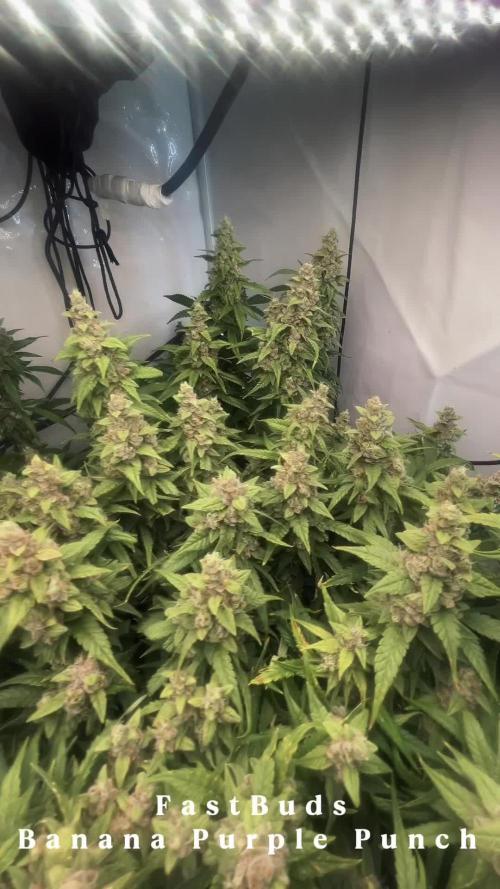
Week 14: Final Countdown (Flower Week 9) 🍌🥊
We’ve reached the final ripening! This Banana Purple Punch Auto by @FastBuds is finishing its 14th week from seed and its 9th week in full bloom. At this stage, it's no longer about volume; it’s all about ripening, resin density, and terpene complexity. 💎
Living Soil Performance:
Following the 9 Cardinal Parameters, my focus is currently on:
• VPD & Humidity: Keeping humidity low (around 40-45%) to drive transpiration and protect these dense, frosty buds from any late-stage issues. 🌬️
• Temperature: Dropping the night temps to 18–19°C to encourage those deep purple hues. The anthocyanins are really putting on a show! 💜
• Nutrients: No flush needed! In a true Living Soil setup, the plant naturally senesces as the soil microbiome slows down nitrogen availability while still providing essential minerals for trichome maturation. The "autumn fade" is looking beautiful. 🍂
Trichome Status: 🔬
Observation shows about 85% still not ready and 10–15% milky. I’m looking for that perfect "sweet spot" to capture the full sedative punch and overripe banana flavor. 🍌
It’s been an incredible journey with this organic ecosystem. The plant is incredibly sticky and the smell is overpowering. Harvesting very soon!
One love growmies 🧑🏻🌾
Likes
Comments
Share


@Vagicebra
Follow
completamente recomendadas. fáciles de cultivar y resistentes a plagas.
Likes
35
Share


@eldruida_lamota
Follow
Vamos familia con la séptima semana de floración de estás Cereal Milk de RoyalQueenSeeds.
La temperatura está en 22 y la humedad actualmente está en 50%.
La cantidad de agua cada 48h entre riegos no cambia, y por supuesto controlando el Ph entre riegos alrededor de 6.5 - 6.2.
Ya se ven bien sanas estas 5 cereal milk, tienen un color y una salud espectacular, y ya están desprendiendo buenos aromas, vemos como van madurando las flores.
Mars hydro:
Code discount: EL420
https://www.mars-hydro.com/
Agrobeta:
https://www.agrobeta.com/agrobetatiendaonline/36-abonos-canamo
Hasta aquí todo, Buenos humos 💨💨💨
Likes
87
Share


@Wastent91
Follow
Ehi ragazzi eccoci ancora un altra settimana di fioritura spettacolare! Non mi sarei mai aspettato di avere quasi se non identici risultati tra tutti i componenti Dell Advanced nutrients e questa linea della plagron, vedremo come prosegue il lavoro, ma per ora si può notare come lo stimolatore di fioritura mi sta dando un sacco di densità di calici di fiori, quindi a livello di quantità siamo come i leader di mercato , direi non male per soli 4 componenti! Spero che continui in questo modo e che la densità possa solo che aumentare, e anche la potenza è la qualità dei fiori sembra che plagron stia facendo il suo dovere, deve dire che ho usato il vaso antispiralizzazione, quindi maggiori cicli bagnato!/asciutto forse ho fertilizzato di più delle altre sorelle nella tenda, che le sto tenendo tutte basse come nutrienti poiché costano sti maledetti Advanced, il problema è che i risultati ci sono, quindi uan persona si abitua e prima di provarne dei nuovi e magari nn fate un ciclo come si deve ci pensa magari 2 o 3 volte, ma alla fine farà come ho fatto io, cambierà linea di nutrienti per dei più economici ma alla pari come risultato.. Grazie sempre a Mars hydro che ha reso possibile tutto ciò, è grazie a plagron di farmi partecipare a questa competizione! Buon 420 a tutti alla prossima settimana!! 😺💪😸👊🌱🌿🌲🧑🌾😽💗🔥

Likes
11
Share


@Neetly
Follow
Week 0 Day 1
Alrighty my first grow ever but I’ve done my research through growweedeasy.com. And I’ve decided to go with 70/30 mix of coco coir and pelucite into 5 gallon fabric pots dosed with Cal Mag; and I’m planning on feeding it with FloraTrio next week.
Week 0 Day 2
They split around hour 19! Gonna wait for it to grow a little more then transfer into rapid rooter that came with the kit. Just Transferred into the rooter and keeping it warm on top of my pc, hoping to see some sort of sprouting by day 3/4 and good weather to transfer these babies over. So far, I’m just keeping the ziplok bag moist with 5.5-6.5 pH balanced water.
Week 0 Day 3
Transferred the rooters into the final pot for the rest of their growth, these puppies are fast growers ! pH is a consistent 6.0, and I’m keeping them in my garage since it’s 60F outside. Hoping for warmer weather, at least when she sprouts her first couple of leaves.
Week 0 Day 4
Just transferred the pots outside, hoping to get those sprouts some fresh sunlight. And hoping the good weather holds up. I think I should be able to start the coco coir nutrient schedule tomorrow. Going to base it off this schedule, Week 1
( https://www.growweedeasy.com/wp-content/uploads/2014/12/coco-coir-flora-series-schedule.pdf )
Week 0 Day 5
Growth has been good so far, unfortunately it seems like one of the super lemon haze girlies didn’t make it :( i’ve started to feed them the nutrients from the seedling section of the schedule. Keeping an eye out for any changes.
Week 0 Day 6
Spotted a couple of aphids, gonna look into natural insecticides/ordering ladybugs as a natural predator.

Likes
46
Share


@DogDoctorOfficial
Follow
Germination Report: Runtz vs. Runtz 🌿✨
Hey there, green thumbs and cannabis enthusiasts! 🌱🌟 I'm thrilled to share the exciting details of our Runtz vs. Runtz germination journey. Buckle up, because this ride is packed with fun, knowledge, and a touch of green magic! 🍃💫
The Germination Journey 🌱🚀
Our Runtz seeds were given the royal treatment from the get-go! We kicked things off with the Cannakan method, ensuring our precious seeds had the best start. Here's a step-by-step breakdown:
Hydration Stage 💧:
Seeds were soaked in water, embracing their first taste of life. This process lasted about 30 hours, allowing the seeds to absorb enough moisture to kickstart germination. Watching those little seeds swell up is always a magical moment! 🌟
Transition to Soil 🌿:
After their water bath, the seeds were gently transferred to soil. This crucial step ensures they have the nutrients and environment they need to grow strong and healthy. Each seed was placed in a cozy, nutrient-rich bed, ready to sprout and thrive.
Understanding Runtz Genetics 🌸🔥
Runtz is a legendary strain, celebrated for its powerful genetics and exceptional traits. Let's dive into what makes Runtz so special:
Parentage 🌿:
Runtz is the love child of two powerhouse strains: Gelato and Zkittlez. This dynamic duo contributes to Runtz's unique flavor profile and potent effects.
Flavor and Aroma 🍭:
Expect a delightful explosion of sweet, fruity flavors with a hint of candy-like goodness. The aroma is equally enchanting, filling your space with a tropical, sugary scent that's hard to resist.
Effects 🌈:
Runtz is known for its balanced high, offering both euphoria and relaxation. Perfect for those seeking a joyful, uplifting experience that melts into a soothing body calm.
What to Expect 🌿✨
As our Runtz plants grow, here are a few things to watch for:
Vigorous Growth 🚀:
Thanks to its robust genetics, Runtz is a strong grower. Expect rapid development, especially in the early stages. Keep an eye on those green shoots as they stretch toward the light!
Resin Production 💎:
Runtz is a resin powerhouse, producing dense, trichome-covered buds. This not only enhances its potency but also contributes to its striking appearance.
Balanced Structure 🌱:
Look for a balanced structure with a mix of sturdy branches and lush foliage. This makes Runtz ideal for various growing techniques, whether you're a novice or a seasoned grower.
The Joy of Growing Runtz 🌿❤️
The journey of growing Runtz is as enjoyable as the end product. Each day brings new growth, surprises, and the satisfaction of nurturing such a phenomenal strain. Whether you're growing for personal use or to share with friends, Runtz is sure to impress with its vibrant traits and rewarding yield.
Stay tuned as we continue this exciting adventure! We'll keep you updated on the progress, sharing all the green goodness and joyful moments along the way. Happy growing, everyone! 🌿🌟💚
Germination method 🌱 @thecannakan
Genetics Runtz F1 @zam.nesia Runtz auto @kannabiaglobal
Nutrition
@aptusholland 🌿
@aptus_world 🌎
@aptus_es 🌍
@aptusbrasil 🌱
@aptus_thailand 🌿
@aptus_portugal 🌳
@aptususa_official 🍀
@aptusplanttechnz 🌺
@aptusplanttechaus 🍃
Ambient controls🎮
@trolmaster.eu @trolmaster.eu.support @trolmaster.support @trolmaster.agro
Soil @promix_growers_eur @promix_cannabis
LED - @lumatekeu
Watering- @autopot_usa @autopot_global
Love and attention- @dogdoctorofficial
#aptus #aptusplanttech #aptusgang #aptusfamily #aptustrueplantscience #inbalancewithnature #trolmaster #trolmastereurope #trolmastersecrets #Autopots #RuntzBattle #KannabiaVsZamnesia #GreenJoy
As always thank you all for stopping by, for the love and for it all , this journey of mine wold just not be the same without you guys, the love and support is very much appreciated and i fell honored and so joyful with you all in my life 🙏
With true love comes happiness 💚🙏 Always believe in your self and always do things expecting nothing and with an open heart , be a giver and the universe will give back to you in ways you could not even imagine so 💚
More info and complete updates from all my adventures can be found ⬆️link in the profile description ⬆️
Friendly reminder all you see here is pure research and for educational purposes only
💚Growers Love To you All 💚

Likes
29
Share


@nonick123
Follow
Día 55 (17/06) Riego con 750 Litro H2O + Regulator 0,15 ml/l + CaMg-Boost 0,5 ml/I + TopBooster 0,2 ml/l - pH 6.2
Está empezando la senescencia y a solicitar menos agua. Creo que cosecharé en el día 63
Día 56 (18/06) Riego con 750 Litro H2O + Regulator 0,15 ml/l + K-Boost 0,5 ml/l + CaMg-Boost 0,5 ml/I + TopBooster 0,2 ml/l - pH 6.2
Día 57 (19/06) Riego 750 ml sólo H2O - pH 6,2
Empiezo a regar solo agua en vista de la cosecha del día 63
Tiene un aspecto espectacular, con los cogollos gruesos, duros como rocas, y con matices morados por todas partes 😍💥
Día 58 (20/06) Riego 750 ml sólo H2O - pH 6,2
Día 59 (21/06) Riego 750 ml sólo H2O - pH 6,2
Tras la revisión con el microscopio (60x) se confirma que LLCCA estará en los 63 días 😍💥💨😁
Día 60 (22/06) Riego 750 ml sólo H2O - pH 6,2
Día 61 (23/06) Riego 750 ml sólo H2O - pH 6,2
💦Nutrients by Aptus Holland - www.aptus-holland.com
🌱Substrate PRO-MIX HP BACILLUS + MYCORRHIZAE - www.pthorticulture.com/en/products/pro-mix-hp-biostimulant-plus-mycorrhizae
Likes
5
Share


@Ninjabuds
Follow
This will be my 1st auto run. Other than one time I was sent some free f1 autos from rqs and I started some but I ended up tossing them for some reason or another. I am actually super excited to try out fastbuds. I have been wanting to try out fastbuds for over a year now. I'm not the greatest with seedlings so I am doing a test run with a 2x2 tent I'm gonna try and grow the best plant I get out if the 3 seeds hopefully it doesn't out grow my small 2x2 tent . Pound cake thou looks like a killer strain with some fat buds can't wait to see how fast fast buds really are. Here we go.
Likes
10
Share

@420DeepGrow
Follow
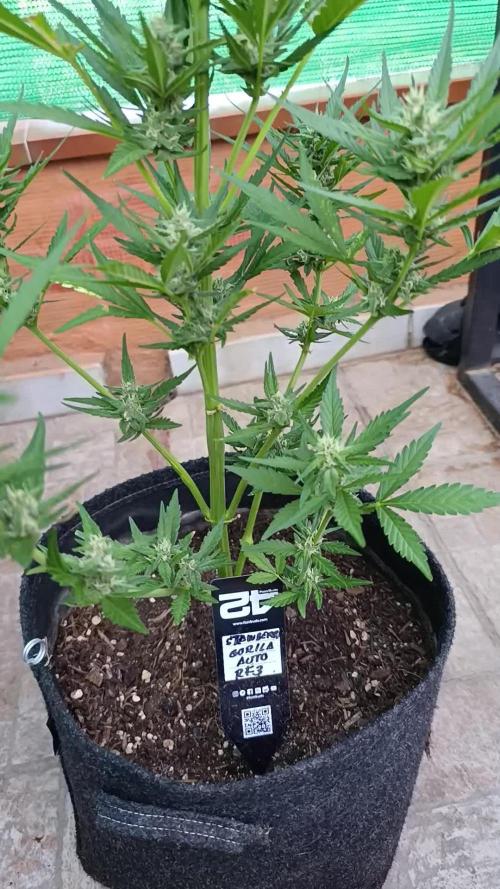
📆 Semana 4
La planta comienza a dejar atrás el stretch y centra cada vez más su energía en el desarrollo de las flores. Alcanza aproximadamente los 100 cm de altura y los cogollos empiezan a ganar volumen en todas las puntas, mientras la estructura queda prácticamente definida.
Los pistilos siguen apareciendo en abundancia y la producción de tricomas aumenta de forma visible, acompañada de los primeros aromas intensos. El consumo de agua y nutrientes se mantiene elevado, reflejando el gran ritmo de desarrollo.
⚡ EC: 1.4 – 1.5
💧 pH: 6.3
🌡️ Agua: 18–22°C
🌫️ Humedad: 45–55%
☀️ Luz: Sol directo de junio
🌡️ Temp. ambiente: 24–32°C
📏 Altura: 100 cm
🔥 Nota: El estiramiento llega a su fin y comienza la verdadera fase de formación de cogollos. Mantener un riego constante y una buena nutrición permitirá aprovechar al máximo el potencial de floración.
Seguimos creciendo fuerte 💪!
Likes
6
Share


@cjaygrows
Follow
All 3 plants grew different with one having Dense nugs, another with smaller airy nugs and the last tall with airy nugs, the high is great can be light can be heavy, give good head high with some mild body effect, I swear my books come to life when I'm smoking this stuff.
