Likes
Comments
Share
@Rinna
Follow
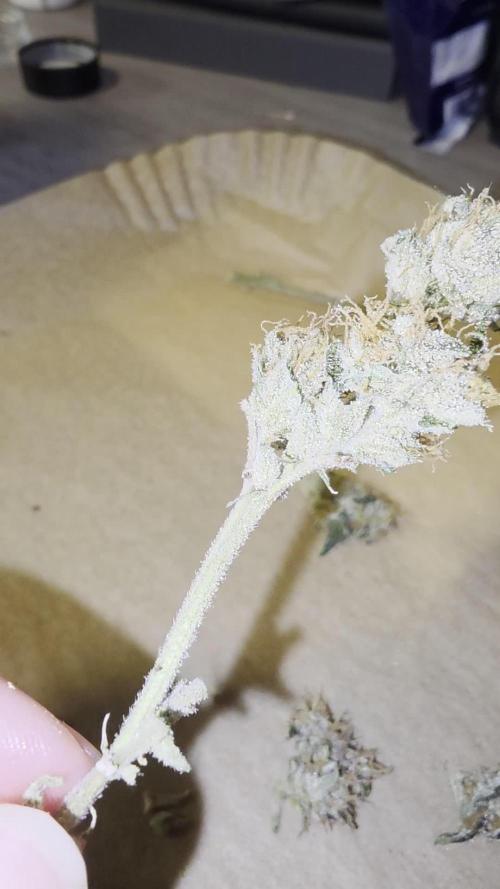
What a run this was, harvested at day 70 of 12/12. Pheno #1 was the iciest from the start and hasn’t disappointed ever since. Amazing and beautifully stacked buds with and insane amount of trichomes! She looks truly amazing, very exotic bud structure too! The smells are out of this world with artificial cherry, cookies and gas terps. Can’t wait for her to be dried and cured for the final smoke test!
Likes
34
Share
@Ashbash
Follow
This week #2 has slowed down on the water intake quite a bit, I think its getting close. Took a vid of the trichomes and i can see a couple of amber ones here and there on the calyxs, so hopefully just another week or 2 max. I took the top off it on day 83 as it was getting too hot as it was right nest to the bulb. I will add it into the total harvest weight at the end. Other than that its been very simple, just a little foxtailing as it's a bit warm in there. #1 is now finally budding along! It got way too tall for the tent, and I had to remove the carbon filter in the end and put it on the other end of the ducting to lift the light a few inches. I attempted to supercrop fairly heavily and it definitely helped a lot, even on the branches where it didnt go so smoothly.... AsNoriu was right, it was slowly devouring itself from the bottom up. Got some new nutes and some colour has come back into the leaves. Overall, I have learned not to leave it too late to tie down the plants. Stretch is a real thing haha.
Likes
18
Share
So space is now at a premium!! The bed has been given a feed this week and some more selective defoliation Thanks for stopping by 👍
Likes
3
Share
@Luke_Lee
Follow
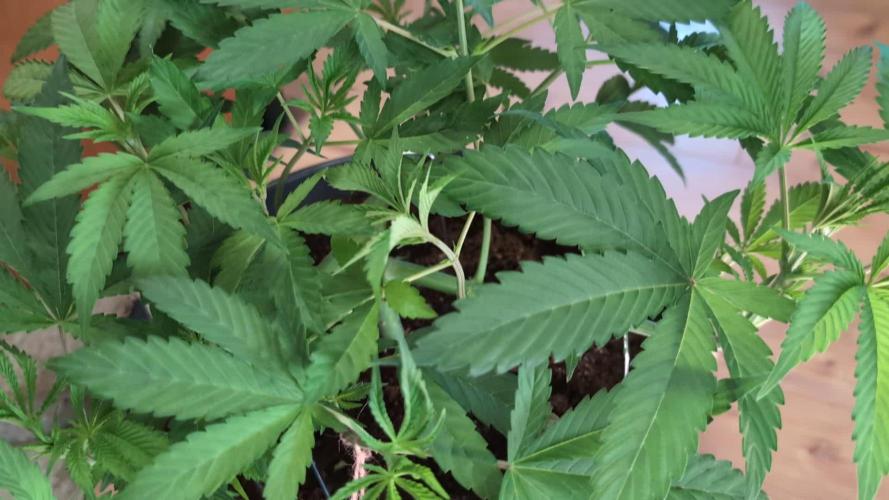
————————————————————— WEEK 4 / DAY 22-28 Mars Hydro FC-E3000 Floragard Professional GrowMix 11L Plant bag made of fleece Light: 55cm / 50%; Schedule: 24/0; PPFD: 592 umol/m2/s 20° C - 75 RH 300ml per Plant every 2-3days PH 6,5-7 1ml BioGrow; 0ml TopMax ; 0ml BioBloom 1ml CalMag #1 Royal Critical Automatic #2 Royal Critical Automatic Fan, extractor and pump ON 24/0. ————————————————————— -10.02.2025 The third vegetation week begins, the ladies look really good. The lamp has been set to 55cm and is running at 50%. The lowest leaves with the rust-colored spots have been removed. -13.02.2025 The GrowBox was cleaned and disinfected once. The lowest/oldest leaves were cut off. As the soil had settled after a few weeks, the pots were filled with fresh soil. -16.02.2025 Today is the last day of the third week of vegetation. The plants look good, so far everything is quite unproblematic. Total Time: 701:00h Total Energy: 107.07kWh
Likes
7
Share
@Epwood
Follow
After checking the grow yesterday (2021-01-01), I noticed some of the yellowing I've seen in previous grows that served as early warning signs for an impending grow failure. I checked my reservoir and found it was down to about two gallons left and the pH had shot up to 7.1. I then checked my AutoPot runoff in the tray and found it was at 7.2. I then took my Remedy CBD out and flushed it with 10 gallons of pH 5.8 tap water until the runoff measured about pH 5.8. The plant has been returned to the tray and the pictures you see this week are the following day and I'm continuing to measure at the tray more closely now as well. I've continued to pull off some of the larger yellowing fan leaves but, other than that, I've kept this grow as simple as possible. The flowering stage is continuing as expected and the pictures show about how far along we've come.
Likes
6
Share
Larry und ak wachsen gut, die Autos unterscheiden sich etwas in der Wuchsgeschwindigkeit, obwohl gleicher Boden, Wasser zu und genetik 🤷
Likes
Comments
Share
@jojopfoh
Follow
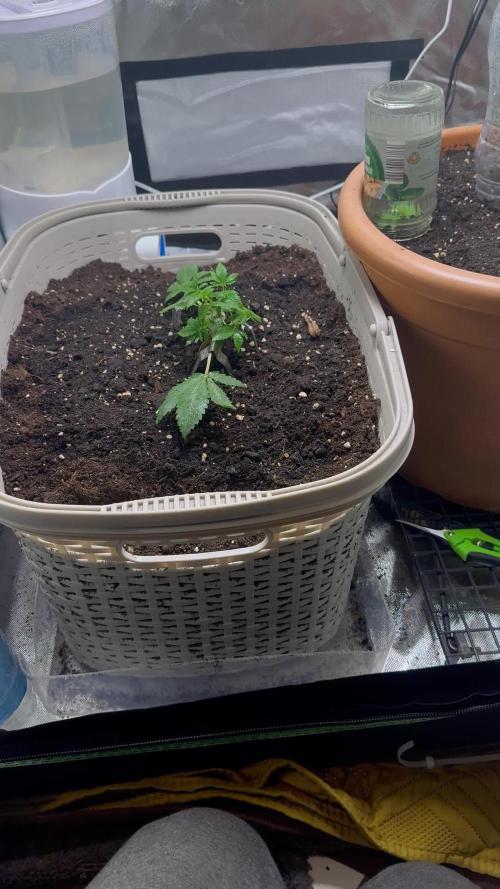
They are really starting to fill out. I am seeing great results after every water and every feed. I will be transplanting them into 2 gallon pots in the next 2 weeks.
Processing
Likes
9
Share
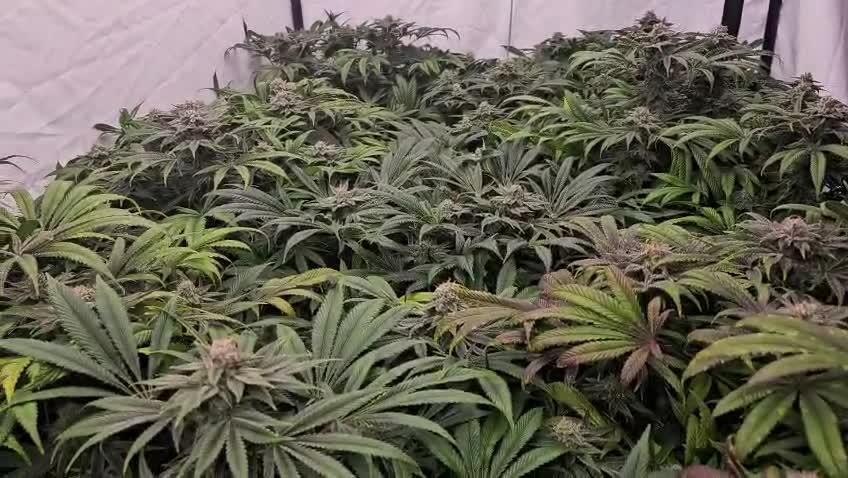
All ready for the switch! Will transition on Friday to 12-12 Both these babies have grown so much and had to train the whole tent to acquire every space! Now I think I’ll have a lovely sea of green during transition! Luckily I’m prepared!
Processing
Likes
21
Share
Day 58 - 07/02/20 About 70% or more pistils are amber and ive harvested the inner stems of the plant yesterday and today and trimmed it all down to individual buds before putting it in the net to dry for a week :) The inner stems had such thick and dense buds on them that it was blocking some light from the buds on the outer stems and preventing them from reaching full maturity. They are now getting all the light they need for a few more days during the flushing week. I will also be reducing the light from 18/6 down to 12/12 this week as its not possible for me to isolate the plants in total darkness for 72h. I was told that no light right before harvest will mean more THC production, any time i knock the lights back before harvest my buds always look frosty and covered in trichomes. I cant wait until i have a smaller veg tent and another tent so i can isolate the plants for the full 72 hours. Anyways i had a little problem over the last 2 weeks with my PH pen being cheap and nasty, it constantly needs calibrated but still its doing a basic job and preventing more serious PH issues until i get a replacement. i also think i might have flushed the plants at that time before calibrating the PH meter and they were not happy about it :) Everything looks okay now in my tent and im just giving this one only Phed tap water until harvest :) I added a few photos of the Cayenne pepper plants harvest, the pepper plant was in one of my older grows i think maybe my first... could be the quick one diary, with minimal care and a little water i grew some monster peppers, i wanted to give them thier own diary but im not sure how GD would react hahah. so i posted them here, These peppers were all grown under the same light in the exact same conditions as i grow my weed with no bugs 🐜 or problems with mould, id strongly reccommend giving it a go and use up that grow space, especially as its bad for the environment to indoor grow! make the most of it folks! Anyways happy medicating for this week and check out my other diaries if you all get time :) Day 60 - 09/02/20 Added a video of a few buds from the inner stems drying on my drying net. I trimmed the fan leaves off and chopped the tips of the sugar leaves which had no trichomes on them. most of the test buds got all the visible stem removed but i left a few of the chunky tops to dry just to see how they turn out. Anyways im going to flush for a few more days before chopping the rest down and getting it ready to dry :) Keep on growing folks!
Likes
11
Share
@Liamp1603
Follow
This grow cycle was one of my best from start to finish I had 5 females 4 of which were brilliant all shown colour all fruity gassy and amazing only the one was bland and green in colour and smelt different really good nug atructure but the smell wasn't there for me ... this is around my fifth grow and I'll be running these strains again to get it down to one pheno of these genetics
Likes
5
Share
@buzbun
Follow
Well its was not the easiest cycle.I make some mistakes and cant deleaf plants as clean as i want cause scrog.so thats not the highiest result for this strain.
Likes
1
Share
11. Woche Sie ist diesmal nicht ganz so schön geworden aber schon okay.
Likes
78
Share
@Roberts
Follow
Pure Ice cream great really well under the Spider Farmer lights in the Athena nutrition. She did get too close to the light. I should of hst her. My mistake, they will still smoke. Smells great, and is loaded in trichromes. Has a sweet creamy. Pine smell. Everything looks great. I only had minor ph issues during grow. She was thriving for a lot of it. Thank you Spider Farmer, Athena, and Pure Instinto Seeds. 🤜🏻🤛🏻🌱🌱🌱 Happy new year. Thank you grow diaries community for the 👇likes👇, follows, comments, and subscriptions on my YouTube channel👇. ❄️🌱🍻 Happy Growing 🌱🌱🌱 https://youtube.com/channel/UCAhN7yRzWLpcaRHhMIQ7X4g Spider Farmer Official Website Links: US&Worldwide: https://www.spider-farmer.com CA: https://spiderfarmer.ca UK: https://spiderfarmer.co.uk EU: https://spiderfarmer.eu AU: https://spiderfarmer.com.au G5000 Light Amazon Link: amzn.to/4643esa UVR 40: https://www.amazon.com/dp/B0BR7SGTHS Discount code: saveurcash (Stackable)
Likes
72
Share
Hola amigo! 🤜💐🤛 Octava semana para las Green Crack F1 Automatic. Simplificando muchísimo el trabajo con la increíble controladora TrolMaster TentX 🤜💐🤛 🌄El clima se establece como una simulación de día real, con salida y puesta de sol más el pico de mediodía donde todas las lámparas se encienden llegando a temperaturas de 28-30 C⁰ y una baja humedad, no lo veo negativo para las plantas, el clima se siente bastante natural aquí adentro. Hice un nuevo artefacto para distribuir la humedad de manera homogénea en toda la carpa.🌅 _ FLORES GRUESAS Y PEGAJOSAS _ Plantas verdaderamente rápidas y con un aroma dulce afrutado y diésel . La línea de @xpertnutrients en el orden adecuado sigue siendo épica! Trabaja a la perfección. Ahora ellas beben cantidades increíbles, 1 litro al día para las dos plantas, intercalando dos riegos con nutrientes y uno de enzimas para no generar sobrecargas. Ph: 6.4 - 6.6 EC: 1000 PPM 100+/100- HR: 55% 10+10-. C⁰: 20 - 29 . !! 20 hs 2 x TS600 + 19 hs TS 1000 led max dim !! . En medio del ciclo 4 horas de CMH 315watts Los soportes laterales se encienden antes y se apagan más tarde que la iluminación central en el ciclo lumínico diario 🤜🤛 🌅🌄🌌
Likes
34
Share
Yellow butterfly came to see me the other day; that was nice. Starting to show signs of stress on the odd leaf, localized isolated blips, blemishes, who said growing up was going to be easy! Smaller leaves have less surface area for stomata to occupy, so the stomata are packed more densely to maintain adequate gas exchange. Smaller leaves might have higher stomatal density to compensate for their smaller size, potentially maximizing carbon uptake and minimizing water loss. Environmental conditions like light intensity and water availability can influence stomatal density, and these factors can affect leaf size as well. Leaf development involves cell division and expansion, and stomatal differentiation is sensitive to these processes. In essence, the smaller leaf size can lead to a higher stomatal density due to the constraints of available space and the need to optimize gas exchange for photosynthesis and transpiration. In the long term, UV-B radiation can lead to more complex changes in stomatal morphology, including effects on both stomatal density and size, potentially impacting carbon sequestration and water use. In essence, UV-B can be a double-edged sword for stomata: It can induce stomatal closure and potentially reduce stomatal size, but it may also trigger an increase in stomatal density as a compensatory mechanism. It is generally more efficient for gas exchange to have smaller leaves with a higher stomatal density, rather than large leaves with lower stomatal density. This is because smaller stomata can facilitate faster gas exchange due to shorter diffusion pathways, even though they may have the same total pore area as fewer, larger stomata. Leaf size tends to decrease in colder climates to reduce heat loss, while larger leaves are more common in warmer, humid environments. Plants in arid regions often develop smaller leaves with a thicker cuticle and/or hairs to minimize water loss through transpiration. Conversely, plants in wet environments may have larger leaves and drip tips to facilitate water runoff. Leaf size and shape can vary based on light availability. For example, leaves in shaded areas may be larger and thinner to maximize light absorption. Leaf mass per area (LMA) can be higher in stressful environments with limited nutrients, indicating a greater investment in structural components for protection and critical resource conservation. Wind speed, humidity, and soil conditions can also influence leaf morphology, leading to variations in leaf shape, size, and surface characteristics. Small leaves: Reduce water loss in arid or cold climates. Environmental conditions significantly affect gene expression in plants. Plants are sessile organisms, meaning they cannot move to escape unfavorable conditions, so they rely on gene expression to adapt to their surroundings. Environmental factors like light, temperature, water, and nutrient availability can trigger changes in gene expression, allowing plants to respond to and survive in diverse environments. Depending on the environment a young seedling encounters, the developmental program following seed germination could be skotomorphogenesis in the dark or photomorphogenesis in the light. Light signals are interpreted by a repertoire of photoreceptors followed by sophisticated gene expression networks, eventually resulting in developmental changes. The expression and functions of photoreceptors and key signaling molecules are highly coordinated and regulated at multiple levels of the central dogma in molecular biology. Light activates gene expression through the actions of positive transcriptional regulators and the relaxation of chromatin by histone acetylation. Small regulatory RNAs help attenuate the expression of light-responsive genes. Alternative splicing, protein phosphorylation/dephosphorylation, the formation of diverse transcriptional complexes, and selective protein degradation all contribute to proteome diversity and change the functions of individual proteins. Photomorphogenesis, the light-driven developmental changes in plants, significantly impacts gene expression. It involves a cascade of events where light signals, perceived by photoreceptors, trigger changes in gene expression patterns, ultimately leading to the development of a plant in response to its light environment. Genes are expressed, not dictated! While having the potential to encode proteins, genes are not automatically and constantly active. Instead, their expression (the process of turning them into proteins) is carefully regulated by the cell, responding to internal and external signals. This means that genes can be "turned on" or "turned off," and the level of expression can be adjusted, depending on the cell's needs and the surrounding environment. In plants, genes are not simply "on" or "off" but rather their expression is carefully regulated based on various factors, including the cell type, developmental stage, and environmental conditions. This means that while all cells in a plant contain the same genetic information (the same genes), different cells will express different subsets of those genes at different times. This regulation is crucial for the proper functioning and development of the plant. When a green plant is exposed to red light, much of the red light is absorbed, but some is also reflected back. The reflected red light, along with any blue light reflected from other parts of the plant, can be perceived by our eyes as purple. Carotenoids absorb light in blue-green region of the visible spectrum, complementing chlorophyll's absorption in the red region. They safeguard the photosynthetic machinery from excessive light by activating singlet oxygen, an oxidant formed during photosynthesis. Carotenoids also quench triplet chlorophyll, which can negatively affect photosynthesis, and scavenge reactive oxygen species (ROS) that can damage cellular proteins. Additionally, carotenoid derivatives signal plant development and responses to environmental cues. They serve as precursors for the biosynthesis of phytohormones such as abscisic acid () and strigolactones (SLs). These pigments are responsible for the orange, red, and yellow hues of fruits and vegetables, while acting as free scavengers to protect plants during photosynthesis. Singlet oxygen (¹O₂) is an electronically excited state of molecular oxygen (O₂). Singlet oxygen is produced as a byproduct during photosynthesis, primarily within the photosystem II (PSII) reaction center and light-harvesting antenna complex. This occurs when excess energy from excited chlorophyll molecules is transferred to molecular oxygen. While singlet oxygen can cause oxidative damage, plants have mechanisms to manage its production and mitigate its harmful effects. Singlet oxygen (¹O₂) is considered a reactive oxygen species (ROS). It's a form of oxygen with higher energy and reactivity compared to the more common triplet oxygen found in its ground state. Singlet oxygen is generated both in biological systems, such as during photosynthesis in plants, and in cellular processes, and through chemical and photochemical reactions. While singlet oxygen is a ROS, it's important to note that it differs from other ROS like superoxide (O₂⁻), hydrogen peroxide (H₂O₂), and hydroxyl radicals (OH) in its formation, reactivity, and specific biological roles. Non-photochemical quenching (NPQ) protects plants from damage caused by reactive oxygen species (ROS) by dissipating excess light energy as heat. This process reduces the overexcitation of photosynthetic pigments, which can lead to the production of ROS, thus mitigating the potential for photodamage. Zeaxanthin, a carotenoid pigment, plays a crucial role in photoprotection in plants by both enhancing non-photochemical quenching (NPQ) and scavenging reactive oxygen species (ROS). In high-light conditions, zeaxanthin is synthesized from violaxanthin through the xanthophyll cycle, and this zeaxanthin then facilitates heat dissipation of excess light energy (NPQ) and quenches harmful ROS. The Issue of Singlet Oxygen!! ROS Formation: Blue light, with its higher energy photons, can promote the formation of reactive oxygen species (ROS), including singlet oxygen, within the plant. Potential Damage: High levels of ROS can damage cellular components, including proteins, lipids, and DNA, potentially impacting plant health and productivity. Balancing Act: A balanced spectrum of light, including both blue and red light, is crucial for mitigating the harmful effects of excessive blue light and promoting optimal plant growth and stress tolerance. The Importance of Red Light: Red light (especially far-red) can help to mitigate the negative effects of excessive blue light by: Balancing the Photoreceptor Response: Red light can influence the activity of photoreceptors like phytochrome, which are involved in regulating plant responses to different light wavelengths. Enhancing Antioxidant Production: Red and blue light can stimulate the production of antioxidants, which help to neutralize ROS and protect the plant from oxidative damage. Optimizing Photosynthesis: Red light is efficiently used in photosynthesis, and its combination with blue light can lead to increased photosynthetic efficiency and biomass production. In controlled environments like greenhouses and vertical farms, optimizing the ratio of blue and red light is a key strategy for promoting healthy plant growth and yield. Understanding the interplay between blue light signaling, ROS production, and antioxidant defense mechanisms can inform breeding programs and biotechnological interventions aimed at improving plant stress resistance. In summary, while blue light is essential for plant development and photosynthesis, it's crucial to balance it with other light wavelengths, particularly red light, to prevent excessive ROS formation and promote overall plant health. Oxidative damage in plants occurs when there's an imbalance between the production of reactive oxygen species (ROS) and the plant's ability to neutralize them, leading to cellular damage. This imbalance, known as oxidative stress, can result from various environmental stressors, affecting plant growth, development, and overall productivity. Causes of Oxidative Damage: Abiotic stresses: These include extreme temperatures (heat and cold), drought, salinity, heavy metal toxicity, and excessive light. Biotic stresses: Pathogen attacks and insect infestations can also trigger oxidative stress. Metabolic processes: Normal cellular activities, particularly in chloroplasts, mitochondria, and peroxisomes, can generate ROS as byproducts. Certain chlorophyll biosynthesis intermediates can produce singlet oxygen (1O2), a potent ROS, leading to oxidative damage. ROS can damage lipids (lipid peroxidation), proteins, carbohydrates, and nucleic acids (DNA). Oxidative stress can compromise the integrity of cell membranes, affecting their function and permeability. Oxidative damage can interfere with essential cellular functions, including photosynthesis, respiration, and signal transduction. In severe cases, oxidative stress can trigger programmed cell death (apoptosis). Oxidative damage can lead to stunted growth, reduced biomass, and lower crop yields. Plants have evolved intricate antioxidant defense systems to counteract oxidative stress. These include: Enzymes like superoxide dismutase (SOD), catalase (CAT), and various peroxidases scavenge ROS and neutralize their damaging effects. Antioxidant molecules like glutathione, ascorbic acid (vitamin C), C60 fullerene, and carotenoids directly neutralize ROS. Developing plant varieties with gene expression focused on enhanced antioxidant capacity and stress tolerance is crucial. Optimizing irrigation, fertilization, and other management practices can help minimize stress and oxidative damage. Applying antioxidant compounds or elicitors can help plants cope with oxidative stress. Introducing genes for enhanced antioxidant enzymes or stress-related proteins over generations. Phytohormones, also known as plant hormones, are a group of naturally occurring organic compounds that regulate plant growth, development, and various physiological processes. The five major classes of phytohormones are: auxins, gibberellins, cytokinins, ethylene, and abscisic acid. In addition to these, other phytohormones like brassinosteroids, jasmonates, and salicylates also play significant roles. Here's a breakdown of the key phytohormones: Auxins: Primarily involved in cell elongation, root initiation, and apical dominance. Gibberellins: Promote stem elongation, seed germination, and flowering. Cytokinins: Stimulate cell division and differentiation, and delay leaf senescence. Ethylene: Regulates fruit ripening, leaf abscission, and senescence. Abscisic acid (ABA): Plays a role in seed dormancy, stomatal closure, and stress responses. Brassinosteroids: Involved in cell elongation, division, and stress responses. Jasmonates: Regulate plant defense against pathogens and herbivores, as well as other processes. Salicylic acid: Plays a role in plant defense against pathogens. 1. Red and Far-Red Light (Phytochromes): Red light: Primarily activates the phytochrome system, converting it to its active form (Pfr), which promotes processes like stem elongation and flowering. Far-red light: Inhibits the phytochrome system by converting the active Pfr form back to the inactive Pr form. This can trigger shade avoidance responses and inhibit germination. Phytohormones: Red and far-red light regulate phytohormones like auxin and gibberellins, which are involved in stem elongation and other growth processes. 2. Blue Light (Cryptochromes and Phototropins): Blue light: Activates cryptochromes and phototropins, which are involved in various processes like stomatal opening, seedling de-etiolation, and phototropism (growth towards light). Phytohormones: Blue light affects auxin levels, influencing stem growth, and also impacts other phytohormones involved in these processes. Example: Blue light can promote vegetative growth and can interact with red light to promote flowering. 3. UV-B Light (UV-B Receptors): UV-B light: Perceived by UVR8 receptors, it can affect plant growth and development and has roles in stress responses, like UV protection. Phytohormones: UV-B light can influence phytohormones involved in stress responses, potentially affecting growth and development. 4. Other Colors: Green light: Plants are generally less sensitive to green light, as chlorophyll reflects it. Other wavelengths: While less studied, other wavelengths can also influence plant growth and development through interactions with different photoreceptors and phytohormones. Key Points: Cross-Signaling: Plants often experience a mix of light wavelengths, leading to complex interactions between different photoreceptors and phytohormones. Species Variability: The precise effects of light color on phytohormones can vary between different plant species. Hormonal Interactions: Phytohormones don't act in isolation; their interactions and interplay with other phytohormones and environmental signals are critical for plant responses. The spectral ratio of light (the composition of different colors of light) significantly influences a plant's hormonal balance. Different wavelengths of light are perceived by specific photoreceptors in plants, which in turn regulate the production and activity of various plant hormones (phytohormones). These hormones then control a wide range of developmental processes.
Processing
Likes
19
Share
@Ferenc
Follow
Day 52: Light schedule 12/12, 200 ml water per plant per day, one-day bat guano the other day Epson salt as fertilization. Pre flowers out, except Blue Sherbet S1 but she is Sativa so slower than the others. I retrained them tried to separate the side branches. I also removed bigger fan leaves and at the bottom part to have better air flowing and the light can go through more efficiently, plus I changed their current positions so I placed to different corners. All good so far. Day 54: I uploaded video as well. They are so BEAUTIFUUUUUUL❤️ Day 55: Nice... So 24K Gold very bushy and nice lot flowers. Blue Sherbet S1 is slower due to Sativa dominance but it is coming. Fruit Tree the same very nice bushy a lot of flowers. Zkittlez remains small she is the smallest but pre-flowers are nice coming along. The smell is getting stronger. Day 56: They are developing nicely. I am waiting for harvest tho.....😂 Day 57: The smells getting stronger. My girlfriend noise is blocked 😂😂😂😂
Likes
53
Share
Greetings, fellow cultivators! Week 5 unfurls like a verdant tapestry, and my Blackberry Auto continues to astonish with her relentless growth and burgeoning beauty. Join me in this chapter of botanical marvels, where every leaf and bud tells a tale of meticulous care and burgeoning potential. Unstoppable Growth and Insatiable Thirst: Blackberry Auto's growth knows no bounds as she reaches for the heavens, drinking voraciously from the AutoPot Aquavalve. The rhythm of her growth is like a symphony, each day bringing new heights and newfound vigor. It's a testament to her vitality and the nurturing environment she thrives in. Enormous Leafs and Branch Bending Mastery: The foliage has evolved into a canopy of gigantic leaves, each a masterpiece of photosynthetic prowess. As I continue to bend branches, opening her arms to the light, the canopy becomes a labyrinth of greenery, optimizing light penetration and promoting lateral growth. It's a dance with nature, where every bend is a stroke of horticultural artistry. Budding Beauty Unveiled: As the first week of flowering (or pre-flowering, depending on interpretation) dawns, Blackberry Auto reveals the promise of her floral bounty. The buds, adorned with an intricate structure, are a sight to behold – a precursor to the botanical masterpiece that awaits. It's a moment of anticipation, where each bud holds the potential for a harvest of unparalleled quality. Rapid Evolution and Community Gratitude: With each passing day, Blackberry Auto evolves into a botanical marvel, a testament to the magic of cultivation. A heartfelt thank you to @fastbuds_official for bestowing upon us this exquisite strain, a true gem in the world of cannabis genetics. To Aptus Holland, my main sponsor, your support fuels this green journey and enables the flourishing of Blackberry Auto's potential. Kudos to Grow Diaries for providing the platform to document and share this journey, and a shoutout to the community for the camaraderie and shared passion that enriches our collective cultivation experience. As the saga continues, I invite you to witness the unfolding chapters of Blackberry Auto's odyssey. Together, we cultivate not just plants, but a shared love for the botanical realm. Stay tuned for the forthcoming adventures in this GreenThumb Symphony! Genetics Blackberry Auto @Fast_Buds Food - @aptusholland @aptus_world As always thank you all for stopping by, for the love and for it all , this journey of mine wold just not be the same without you guys, the love and support is very much appreciated and i fell honored and blessed with you all in my life