Check the winners The Grow Awards 2026 🏆
Likes
Comments
Share
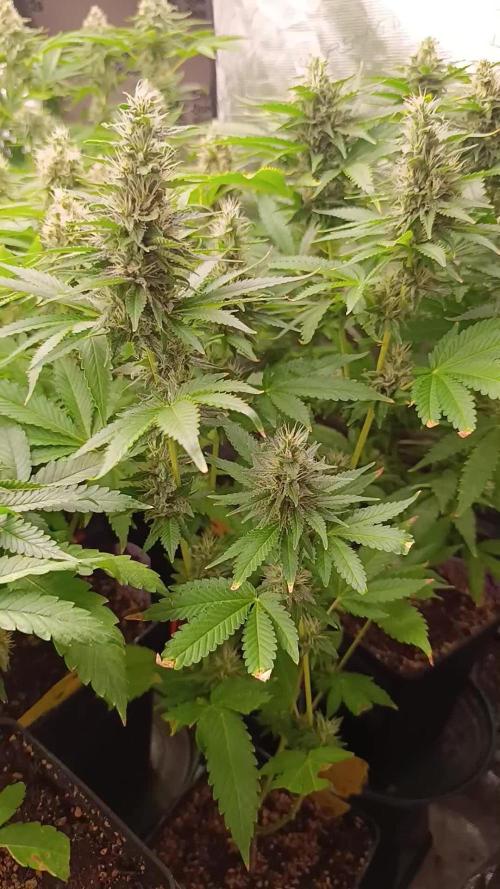
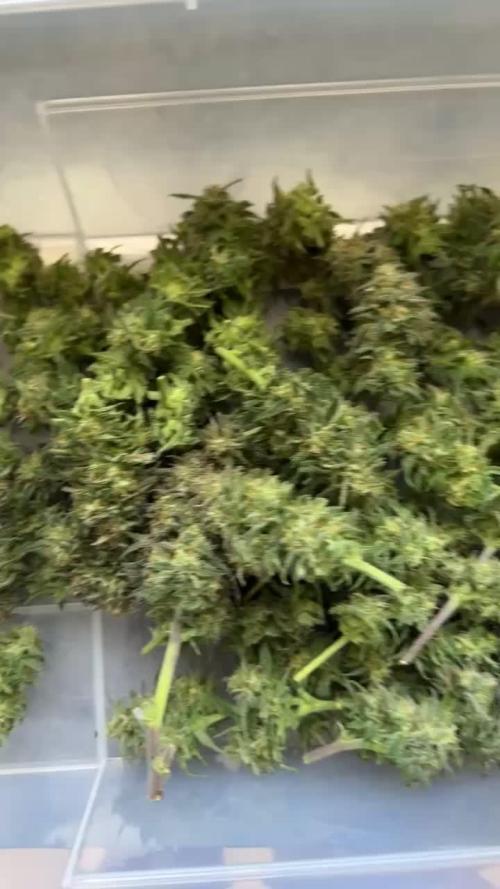
So this grow wasnt to bad considering it was my first indoor auto grow. For the most part I am satisfied with. However I will stick with the high end genetics from here on out as I want to grow the dankest of the dank and this is what I enjoy doing so why not do it the best way possible with the best names in the game. Stay tuned to see what 🔥 I’m growing next!!! Thanks for tuning in and as always stay Smokey my Friends!! 💨💨💨
Likes
21
Share
Aug 24: Cheese is doing fine. Don’t take flash pics of photoperiods unless you’re immediately using a 730 nm far red light to put them into dark mode. Aug 26: gave the plants another lazy compost tea. I was holding off for a couple weeks to avoid giving them too much N. Aug 28: defoliated some inner branches that were crowding things.
Likes
8
Share
@HighKing
Follow
I dried them for 9 days and now they are in jars with bovedas ready to cure for 1 month. Very strong and sticky weed. I love it ! Another great thing : they are not hard to grow. Make sure you wont train them too much and they will be fine. Big and strong plants.
Likes
25
Share
@rockbo47
Follow
SUMMARY: I flushed her this week on day 92 and thats it for nutes now until harvest on Saturday 10th April. I gave her a little flush on day 87 as she wasn't draining right and was still slowly dying. The runoff pH was 1 point up from the input though I'm not sure I trust the meter readings as my pen is cheap. Either way its in range and harvest is in sight so I'm not fucking around with her now. I am making an effort to feed her 3 times per day now though some days I'm only managing 2 waterings. I read that the more frequently you water the better as each time you water it brings in fresh oxygen to the root zone. Therefore, the more frequently you water, the higher your yield will be. I should have been watering as often as possible throughout really but life and work commitments have restricted it to once-twice per day some days. DAY 87 ----------- Tuesday 23rd March 11:00 I flushed the Amnesia with 1.5L of tap water though I didn't check the pH as the tap water is always 6.2-6.4 which is fine. However after flushing I tested the water before and after going through the medium and according to my pH pen the tap water was reading at 5.1 which simply can't be right but multiple tests showed 5.1. The runoff pH after flush was somehow coming out to 6.1 which just doesn't make ANY sense at all to me. But it's in range and too late in the game to fuck about anymore. [26°C/46%] I made 15L of late bloom nutes with molasses and rainwater. 5L at 5.7, 5L at 5.8, and 5L at 6.0. DAY 88 ----------- Wednesday 24th March 11:00 I fed the Amnesia 300ml of late bloom nutes which produced 140ml runoff (47%). Wednesday 24th March 18:30 I fed the Amnesia 200ml of late bloom nutes which produced 200ml runoff (100%). [26°C/48%] DAY 89 ----------- Thursday 25th March 09:30 I fed the Amnesia 300ml of late bloom nutes which produced 50ml runoff (17%). Shes draining so much quicker now that I do think there was a build up prior to flushing...and she does seem to be drinking more now...I don't know . [26°C/46%] I made 15L of late bloom nutes with molasses and rainwater. 5L at 5.7, 5L at 5.8, and 5L at 6.0. Thursday 25th March 18:30 I fed the Amnesia a further 100ml of late bloom nutes which produced 80ml runoff (45%). [26°C/48%] Thursday 25th March 20:30 I fed the Amnesia a further 200ml of late bloom nutes which produced 160ml runoff (80%). [26°C/48%] DAY 90 ----------- Friday 26th March 09:30 I fed the Amnesia 300ml of late bloom nutes which produced 110ml runoff (37%). [26°C/46%] Friday 26th March 14:30 I fed the Amnesia 200ml of late bloom nutes which produced 110ml runoff (55%). [26°C/46%] Friday 26th March 18:30 I fed the Amnesia a further 100ml of late bloom nutes which produced 90ml runoff (90%). [26°C/48%] Friday 26th March 20:30 I fed the Amnesia a further 200ml of late bloom nutes which produced 160ml runoff (80%). [26°C/48%] DAY 91 -------- Saturday 27th March 09:30 I fed the Amnesia 300ml of late bloom nutes which produced 110ml runoff (37%). [26°C/46%] Saturday 27th March 14:30 I fed the Amnesia 200ml of late bloom nutes which produced 110ml runoff (55%). [26°C/46%] Saturday 27th March 18:30 I fed the Amnesia a further 100ml of late bloom nutes which produced 90ml runoff (90%). [26°C/48%] Saturday 27th March 20:30 I fed the Amnesia a further 200ml of late bloom nutes which produced 160ml runoff (80%). [26°C/48%] DAY 92 -------- Sunday 28th March I flushed her with tap water straight from the hose. I’ve heard you’re supposed to flush with 3x the container volume and so I flushed her with more than that to be sure. Moving forward I will be watering her 2-3 times per day with pH'd tap or rain water providing 20-30% runoff each feeding.
Likes
Comments
Share
So everything took off in flower, I was super harsh with the defoliating which initially I regretted, but was surprised with how they packed out during the following weeks. In general it's impressive how hardy these plants are. Even the outdoor grows yielded some quality. Add some more nuets (overdrive and carbo load), before flushing about 14 days before harvest, next time I'll do this earlier and really the Runtz could have gone another week but my drying needs to happen in the same space as my growing for now. Apologies for the quality of image, I'm just using my phone and some bits I have to document, I collect records too, so expect weird noises lol. Build a rotating plat from a lazt susan I found, has been the best piece of kit added this season.
Likes
25
Share
@Hawkbo
Follow
Did a full leaf strip on everything this week, the pics and videos were taken 2 days ago I just havnt got around to uploading them. Everything bounced right back after the strip but the pots arent drying out as fast and humidity went down a little bit. Use the code bangdang for 10% the following sponsors.. @greenbuzzliquids @rainscience_growbags  @gorilla_grow_tent  @growlightscience.led
Likes
20
Share
Week 3 – Compact but staying small She's definitely healthy, but growth is staying tight and low to the ground. Very compact structure so far, not stretching much yet. Could just be her genetics, or she's focusing on building roots before taking off above ground. No signs of stress though – nice green color, strong leaves, and new growth coming in steadily. Hoping she picks up the pace soon, but sometimes the small ones surprise you later!
Likes
50
Share
@BudXs
Follow
Flower Week 11! Chop week! F71 chop day!!!!!!!!!!!!!!!!! Harvest results: Plant 1 = 246g wet, dried to 64g Plant 2 = 345g wet dried to 103g Plant 3 = 338 g wet dried to 93g Plant 4 = 256g wet dried to 64g Plant 5 = 248g wet dried to 63g Plant 6 = 240g wet dried to 75g Plant 7 = 330g wet dried to 91g Plant 8 = 302g wet dried to 88g Total = 2305g wet so Im guessing 575 g dry, or just over 20 ounces. This beats my goal of 1lbs. EDIT - Updated dry weight is 641g!!! or 1.43 lbs blowing away my goal. These nugs were dense!! Picked a bunch of finger hash from the trimmer, and there is so much more left. I got a nice load of sugary trim which is drying out now and I will be doing dry ice and dry sift extraction. Stay tuned for cured photos and taste review
Likes
19
Share
Yellow butterfly came to see me the other day; that was nice. Starting to show signs of stress on the odd leaf, localized isolated blips, blemishes, who said growing up was going to be easy! Smaller leaves have less surface area for stomata to occupy, so the stomata are packed more densely to maintain adequate gas exchange. Smaller leaves might have higher stomatal density to compensate for their smaller size, potentially maximizing carbon uptake and minimizing water loss. Environmental conditions like light intensity and water availability can influence stomatal density, and these factors can affect leaf size as well. Leaf development involves cell division and expansion, and stomatal differentiation is sensitive to these processes. In essence, the smaller leaf size can lead to a higher stomatal density due to the constraints of available space and the need to optimize gas exchange for photosynthesis and transpiration. In the long term, UV-B radiation can lead to more complex changes in stomatal morphology, including effects on both stomatal density and size, potentially impacting carbon sequestration and water use. In essence, UV-B can be a double-edged sword for stomata: It can induce stomatal closure and potentially reduce stomatal size, but it may also trigger an increase in stomatal density as a compensatory mechanism. It is generally more efficient for gas exchange to have smaller leaves with a higher stomatal density, rather than large leaves with lower stomatal density. This is because smaller stomata can facilitate faster gas exchange due to shorter diffusion pathways, even though they may have the same total pore area as fewer, larger stomata. Leaf size tends to decrease in colder climates to reduce heat loss, while larger leaves are more common in warmer, humid environments. Plants in arid regions often develop smaller leaves with a thicker cuticle and/or hairs to minimize water loss through transpiration. Conversely, plants in wet environments may have larger leaves and drip tips to facilitate water runoff. Leaf size and shape can vary based on light availability. For example, leaves in shaded areas may be larger and thinner to maximize light absorption. Leaf mass per area (LMA) can be higher in stressful environments with limited nutrients, indicating a greater investment in structural components for protection and critical resource conservation. Wind speed, humidity, and soil conditions can also influence leaf morphology, leading to variations in leaf shape, size, and surface characteristics. Small leaves: Reduce water loss in arid or cold climates. Environmental conditions significantly affect gene expression in plants. Plants are sessile organisms, meaning they cannot move to escape unfavorable conditions, so they rely on gene expression to adapt to their surroundings. Environmental factors like light, temperature, water, and nutrient availability can trigger changes in gene expression, allowing plants to respond to and survive in diverse environments. Depending on the environment a young seedling encounters, the developmental program following seed germination could be skotomorphogenesis in the dark or photomorphogenesis in the light. Light signals are interpreted by a repertoire of photoreceptors followed by sophisticated gene expression networks, eventually resulting in developmental changes. The expression and functions of photoreceptors and key signaling molecules are highly coordinated and regulated at multiple levels of the central dogma in molecular biology. Light activates gene expression through the actions of positive transcriptional regulators and the relaxation of chromatin by histone acetylation. Small regulatory RNAs help attenuate the expression of light-responsive genes. Alternative splicing, protein phosphorylation/dephosphorylation, the formation of diverse transcriptional complexes, and selective protein degradation all contribute to proteome diversity and change the functions of individual proteins. Photomorphogenesis, the light-driven developmental changes in plants, significantly impacts gene expression. It involves a cascade of events where light signals, perceived by photoreceptors, trigger changes in gene expression patterns, ultimately leading to the development of a plant in response to its light environment. Genes are expressed, not dictated! While having the potential to encode proteins, genes are not automatically and constantly active. Instead, their expression (the process of turning them into proteins) is carefully regulated by the cell, responding to internal and external signals. This means that genes can be "turned on" or "turned off," and the level of expression can be adjusted, depending on the cell's needs and the surrounding environment. In plants, genes are not simply "on" or "off" but rather their expression is carefully regulated based on various factors, including the cell type, developmental stage, and environmental conditions. This means that while all cells in a plant contain the same genetic information (the same genes), different cells will express different subsets of those genes at different times. This regulation is crucial for the proper functioning and development of the plant. When a green plant is exposed to red light, much of the red light is absorbed, but some is also reflected back. The reflected red light, along with any blue light reflected from other parts of the plant, can be perceived by our eyes as purple. Carotenoids absorb light in blue-green region of the visible spectrum, complementing chlorophyll's absorption in the red region. They safeguard the photosynthetic machinery from excessive light by activating singlet oxygen, an oxidant formed during photosynthesis. Carotenoids also quench triplet chlorophyll, which can negatively affect photosynthesis, and scavenge reactive oxygen species (ROS) that can damage cellular proteins. Additionally, carotenoid derivatives signal plant development and responses to environmental cues. They serve as precursors for the biosynthesis of phytohormones such as abscisic acid () and strigolactones (SLs). These pigments are responsible for the orange, red, and yellow hues of fruits and vegetables, while acting as free scavengers to protect plants during photosynthesis. Singlet oxygen (¹O₂) is an electronically excited state of molecular oxygen (O₂). Singlet oxygen is produced as a byproduct during photosynthesis, primarily within the photosystem II (PSII) reaction center and light-harvesting antenna complex. This occurs when excess energy from excited chlorophyll molecules is transferred to molecular oxygen. While singlet oxygen can cause oxidative damage, plants have mechanisms to manage its production and mitigate its harmful effects. Singlet oxygen (¹O₂) is considered a reactive oxygen species (ROS). It's a form of oxygen with higher energy and reactivity compared to the more common triplet oxygen found in its ground state. Singlet oxygen is generated both in biological systems, such as during photosynthesis in plants, and in cellular processes, and through chemical and photochemical reactions. While singlet oxygen is a ROS, it's important to note that it differs from other ROS like superoxide (O₂⁻), hydrogen peroxide (H₂O₂), and hydroxyl radicals (OH) in its formation, reactivity, and specific biological roles. Non-photochemical quenching (NPQ) protects plants from damage caused by reactive oxygen species (ROS) by dissipating excess light energy as heat. This process reduces the overexcitation of photosynthetic pigments, which can lead to the production of ROS, thus mitigating the potential for photodamage. Zeaxanthin, a carotenoid pigment, plays a crucial role in photoprotection in plants by both enhancing non-photochemical quenching (NPQ) and scavenging reactive oxygen species (ROS). In high-light conditions, zeaxanthin is synthesized from violaxanthin through the xanthophyll cycle, and this zeaxanthin then facilitates heat dissipation of excess light energy (NPQ) and quenches harmful ROS. The Issue of Singlet Oxygen!! ROS Formation: Blue light, with its higher energy photons, can promote the formation of reactive oxygen species (ROS), including singlet oxygen, within the plant. Potential Damage: High levels of ROS can damage cellular components, including proteins, lipids, and DNA, potentially impacting plant health and productivity. Balancing Act: A balanced spectrum of light, including both blue and red light, is crucial for mitigating the harmful effects of excessive blue light and promoting optimal plant growth and stress tolerance. The Importance of Red Light: Red light (especially far-red) can help to mitigate the negative effects of excessive blue light by: Balancing the Photoreceptor Response: Red light can influence the activity of photoreceptors like phytochrome, which are involved in regulating plant responses to different light wavelengths. Enhancing Antioxidant Production: Red and blue light can stimulate the production of antioxidants, which help to neutralize ROS and protect the plant from oxidative damage. Optimizing Photosynthesis: Red light is efficiently used in photosynthesis, and its combination with blue light can lead to increased photosynthetic efficiency and biomass production. In controlled environments like greenhouses and vertical farms, optimizing the ratio of blue and red light is a key strategy for promoting healthy plant growth and yield. Understanding the interplay between blue light signaling, ROS production, and antioxidant defense mechanisms can inform breeding programs and biotechnological interventions aimed at improving plant stress resistance. In summary, while blue light is essential for plant development and photosynthesis, it's crucial to balance it with other light wavelengths, particularly red light, to prevent excessive ROS formation and promote overall plant health. Oxidative damage in plants occurs when there's an imbalance between the production of reactive oxygen species (ROS) and the plant's ability to neutralize them, leading to cellular damage. This imbalance, known as oxidative stress, can result from various environmental stressors, affecting plant growth, development, and overall productivity. Causes of Oxidative Damage: Abiotic stresses: These include extreme temperatures (heat and cold), drought, salinity, heavy metal toxicity, and excessive light. Biotic stresses: Pathogen attacks and insect infestations can also trigger oxidative stress. Metabolic processes: Normal cellular activities, particularly in chloroplasts, mitochondria, and peroxisomes, can generate ROS as byproducts. Certain chlorophyll biosynthesis intermediates can produce singlet oxygen (1O2), a potent ROS, leading to oxidative damage. ROS can damage lipids (lipid peroxidation), proteins, carbohydrates, and nucleic acids (DNA). Oxidative stress can compromise the integrity of cell membranes, affecting their function and permeability. Oxidative damage can interfere with essential cellular functions, including photosynthesis, respiration, and signal transduction. In severe cases, oxidative stress can trigger programmed cell death (apoptosis). Oxidative damage can lead to stunted growth, reduced biomass, and lower crop yields. Plants have evolved intricate antioxidant defense systems to counteract oxidative stress. These include: Enzymes like superoxide dismutase (SOD), catalase (CAT), and various peroxidases scavenge ROS and neutralize their damaging effects. Antioxidant molecules like glutathione, ascorbic acid (vitamin C), C60 fullerene, and carotenoids directly neutralize ROS. Developing plant varieties with gene expression focused on enhanced antioxidant capacity and stress tolerance is crucial. Optimizing irrigation, fertilization, and other management practices can help minimize stress and oxidative damage. Applying antioxidant compounds or elicitors can help plants cope with oxidative stress. Introducing genes for enhanced antioxidant enzymes or stress-related proteins over generations. Phytohormones, also known as plant hormones, are a group of naturally occurring organic compounds that regulate plant growth, development, and various physiological processes. The five major classes of phytohormones are: auxins, gibberellins, cytokinins, ethylene, and abscisic acid. In addition to these, other phytohormones like brassinosteroids, jasmonates, and salicylates also play significant roles. Here's a breakdown of the key phytohormones: Auxins: Primarily involved in cell elongation, root initiation, and apical dominance. Gibberellins: Promote stem elongation, seed germination, and flowering. Cytokinins: Stimulate cell division and differentiation, and delay leaf senescence. Ethylene: Regulates fruit ripening, leaf abscission, and senescence. Abscisic acid (ABA): Plays a role in seed dormancy, stomatal closure, and stress responses. Brassinosteroids: Involved in cell elongation, division, and stress responses. Jasmonates: Regulate plant defense against pathogens and herbivores, as well as other processes. Salicylic acid: Plays a role in plant defense against pathogens. 1. Red and Far-Red Light (Phytochromes): Red light: Primarily activates the phytochrome system, converting it to its active form (Pfr), which promotes processes like stem elongation and flowering. Far-red light: Inhibits the phytochrome system by converting the active Pfr form back to the inactive Pr form. This can trigger shade avoidance responses and inhibit germination. Phytohormones: Red and far-red light regulate phytohormones like auxin and gibberellins, which are involved in stem elongation and other growth processes. 2. Blue Light (Cryptochromes and Phototropins): Blue light: Activates cryptochromes and phototropins, which are involved in various processes like stomatal opening, seedling de-etiolation, and phototropism (growth towards light). Phytohormones: Blue light affects auxin levels, influencing stem growth, and also impacts other phytohormones involved in these processes. Example: Blue light can promote vegetative growth and can interact with red light to promote flowering. 3. UV-B Light (UV-B Receptors): UV-B light: Perceived by UVR8 receptors, it can affect plant growth and development and has roles in stress responses, like UV protection. Phytohormones: UV-B light can influence phytohormones involved in stress responses, potentially affecting growth and development. 4. Other Colors: Green light: Plants are generally less sensitive to green light, as chlorophyll reflects it. Other wavelengths: While less studied, other wavelengths can also influence plant growth and development through interactions with different photoreceptors and phytohormones. Key Points: Cross-Signaling: Plants often experience a mix of light wavelengths, leading to complex interactions between different photoreceptors and phytohormones. Species Variability: The precise effects of light color on phytohormones can vary between different plant species. Hormonal Interactions: Phytohormones don't act in isolation; their interactions and interplay with other phytohormones and environmental signals are critical for plant responses. The spectral ratio of light (the composition of different colors of light) significantly influences a plant's hormonal balance. Different wavelengths of light are perceived by specific photoreceptors in plants, which in turn regulate the production and activity of various plant hormones (phytohormones). These hormones then control a wide range of developmental processes.
Likes
8
Share
Day 49 with about 2 weeks left based on her trichomes. She's a little further ahead (maybe a week or 10 days) than the Slurricane and her stank is out of control. It smells like rotten sweet fruit and gas in my entire house from this plant.
Likes
9
Share
@Roberts
Follow
Mintz Runtz automatic has been growing great up until the last 2 days she showed some spotting on the leaves. I did a solution change today. So that should be resolved. I will also be adding the Elufah Saturn 240 under canopy light when she starts stretching. I did lst the top several days ago. The plant is growing very compact at the moment. Hopefully she stretches out and fills the tent by the end. Thank you Spider Farmer, Spliff Seeds, and Elufah. 🤜🏻🤛🏻🌱🌱🌱 Elufah (Power by Growpros solutions) UAP1500,Die-cast radiator and featuring an optical lens design(Uniform PPFD),150W,PPE3.0μmol/J,PPFD1500umol/s/m²,Use the verified commercial-grade spectrum;Full/Epar Boost Spectrum adjustable,A very excellent grow light; By entering the discount code, you can enjoy an additional 10% price reduction when making the purchase. Amazon discount code:SAVEURCASH10 product Link:https://a.c1ns.cn/uap1500 Thank you grow diaries community for the 👇likes👇, follows, comments, and subscriptions on my YouTube channel👇. ❄️🌱🍻 Happy Growing 🌱🌱🌱 https://youtube.com/channel/UCAhN7yRzWLpcaRHhMIQ7X4g.
Likes
12
Share
@valiotoro
Follow
Hello everyone 😎 After 24hours in a glass of water with a few drops of hydrogen peroxyde all the seeds have germinate🌱🍓🍌 They will grow under the new Mars Hydro 1200 evo💥
Likes
57
Share
@squalino
Follow
​🌿 Journal de Culture : Cherry Cola (Auto) ​Date : 25/03/2026 Âge : 62 jours (Semaine 9) Phase : Maturation (Gonflement et sénescence précoce) ​📊 Paramètres de mon espace ​Température : 24,5°C (Jour) / 20°C (Nuit). ​Humidité : 50%. ​Éclairage : Pure LED 240W réglée à 75% d'intensité, maintenue à 75 cm de distance. ​💧 Nutrition & Arrosage ​J'ai ajusté le dosage pour accompagner la fin de floraison : ​Apport : 4 ml de PK 5-8 (BioTabs). ​Le phosphore et le potassium sont essentiels maintenant pour durcir les têtes et maximiser le poids final. ​📏 Suivi des Plantes & Évolution ​Plante #1 (Celle aux pistils orangés) ​Taille : 41 cm (+1 cm depuis le 18/03). ​État : Elle est la plus avancée dans son cycle. Presque tous ses pistils sont devenus orangés/bruns, ce qui est un signe clair que la plante approche de la fin de sa production de nouvelles calices. Ses feuilles commencent à montrer des signes de sénescence (jaunissement naturel), ce qui signifie qu'elle puise ses dernières réserves pour finir les fleurs. ​Plante #2 (La Petite) ​Taille : 33 cm (+3 cm depuis le 18/03). ​État : Bien que plus compacte, elle est extrêmement dense. Ses pistils sont encore majoritairement blancs et longs, ce qui indique qu'elle a encore un peu de temps pour gonfler par rapport à sa voisine. ​🔍 Mes observations ​Le filet de SCROG est maintenant totalement rempli. La production de résine est impressionnante, les têtes sont littéralement givrées et la couche de trichomes descend jusque sur les grandes feuilles. ​L'odeur sucrée de bonbon devient plus complexe et lourde. La Plante #1 semble prête à entamer sa phase de rinçage très bientôt, tandis que la Plante #2 profite encore pleinement du PK pour épaissir sa structure. On sent que la récolte approche à grands pas .
Likes
10
Share
@Azazel420
Follow
Le piante crescono velocemente, hanno avuto un calo di cal-mag ma ora stanno recuperando. Ho fatto un lollipopping e a breve avvio la fioritura cambiando programma di luce in 12/12.
Likes
24
Share
Hey everyone 🤗. There isn't much to report this week. It was topped again, otherwise everything is like last week. She is developing well 👍. I wish you lots of fun with the update, stay healthy and let it grow 🌱🍀 You can buy this Strain at https://www.amsterdamgenetics.com/product/kosher-tangie-kush/ You can buy this Nutrients at https://greenbuzzliquids.com/ Type: Kosher Tangie Kush ☝️🏼 Genetics: Kosher Kush X Tangie 👍 Vega lamp: 2 x Todogrow Led Quantum Board 100 W 💡 Bloom Lamp : 2 x Todogrow Led Cxb 3590 COB 3500 K 205W 💡💡☝️🏼 Soil : Canna Coco Professional + ☝️🏼 Fertilizer: Green Buzz Liquids : Organic Grow Liquid Organic Bloom Liquid Organic more PK More Roots Fast Buds Humic Acid Plus Growzyme Big Fruits Clean Fruits Cal / Mag Organic Ph - Pulver ☝️🏼🌱 Water: Osmosis water mixed with normal water (24 hours stale that the chlorine evaporates) to 0.2 - 0.4 EC. Add Cal / Mag 2 ml per l water every 2 waterings . Ph with Organic Ph - Pulver to 5.8 .
Likes
6
Share
@GrowerGaz
Follow
Day 39 and the girls are stretching out nicely. The two Sweet n Sour smell really grape like when leaf rubbed. The cheesy also getting some smell , even though it's 10 days behind. Just top dressed each plant with one full scoop of Biobloom and water.
Likes
2
Share
Likes
3
Share
YEA!!!! That's what comes to mind every time I check out my grow space and see such beautiful plants growing especially my C4 Auto from fastbuds she coming along so beautifully it brings joy to my heart all I do is give her light and bat turd water mix and raw bat turd and let her take off I planted her sister on the outdoors to see the difference between the two indoor is looking a lot better to me . That's all I gotta say for this Thursday see you next week. Comment on my Ak48 Autoflower I got from persific seed bank
Likes
66
Share
Powder: GREENHOUSE BIO FEEDING Line which are organic! For LIQUIDS ******GREEN BUZZ LIQUIDS***** also organic. Also i’m using their LIVING SOIL CULTURE in powder form! MARSHYDRO ⛺️ has large openings on the sides which is useful for mid section groom room work. 🤩 ☀️ MARSHYDRO FC 3000 LED 300W ☀️Also special thanks to VIPERSPECTRA P2000 (200W) & XS2000(240w) LED growlights
Likes
22
Share
Transplanted the Blueberry into her final pot, didn't show any signs of transplant shock even right after transplanting. Still only feeding 200 ppm worth of CalMag RO water once a day. Both seem to be doing great so far.