Optimal Temperature Conditions for Enhancing Cannabis Yields
As cannabis cultivation continues to evolve, particularly with increased legalization and scientific research, growers now have access to more refined strategies to improve plant health and maximize yields. One of the most influential factors is climate—especially the effect of temperature and humidity.
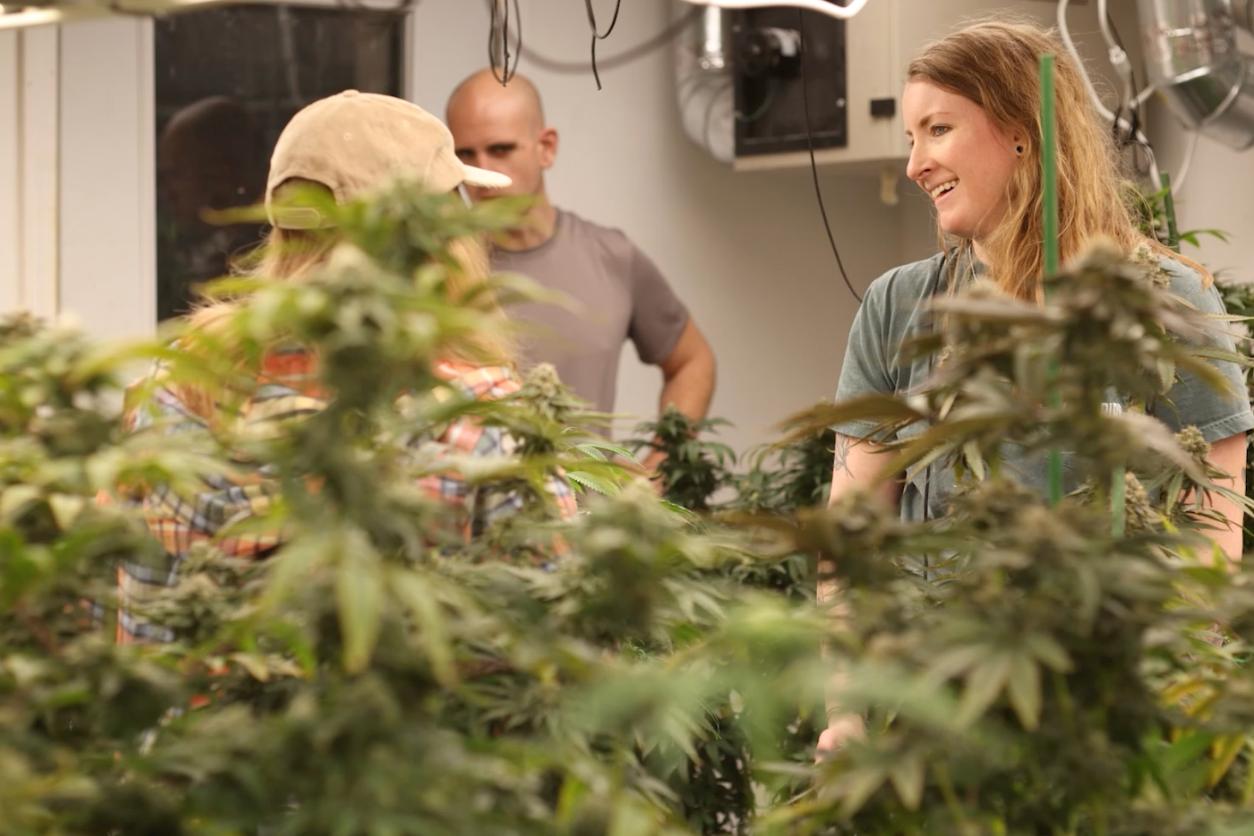
In the Netherlands, a long-term research initiative launched in 2023 is contributing valuable data to the broader cultivation community. The Medical Cannabis Platform for Innovation and Research (MCPIR), is bringing together specialists from across the horticultural and cannabis sectors like Koppert, Fluence, Delphy, Mills and Paradise Seeds.
The MCPIR is researching the process of growing cannabis plants and applying scientific knowledge, gained from the traditional horticultural sector, in the hunt for the blueprint to grow the ‘perfect’ cannabis plant.
As genetics partner, Paradise Seeds has provided strains for the project, including El Dorado OG and award winning Wappa, and Sunset Paradise, from its extensive cannabis seeds range. In this article we look especially at the vital role that temperature (in conjunction with humidity management) plays in boosting cannabis yields.

It is common knowledge that temperature extremes can have adverse effects on growing weed and so regulating temperature plays a major role in promoting a stable growing environment.
Of course higher temperatures can promote vigorous growth during the vegetative stage but, once the plant starts flowering, high temperatures bring the risk of heat stress. Excessive heat is a danger to plants and contributes to leaf burn, as well as hindering general growth which may decrease the potency of buds when it comes to harvest time. On the other hand, excessively low temperatures will slow growth, disrupt photosynthesis, and cause nutrient lockout in cannabis plants.
However, as has been illustrated through cultivation experiences in the MCPIR project, carefully managing lower temperatures during the flowering stage can actually improve flower quality. By cooling ‘night time’ temperatures in the grow room, plants will respond to the mimicking of the conditions which would occur in nature where Autumn brings a natural drop in temperatures.
Therefore, based on the experience of growing with the MCPIR, Paradise suggests the following climate guidelines for managing temperature in the grow room. Tweaks to the temperature at each stage of a grow cycle during cultivation contribute to marginal gains which positively impact the size and potency of a harvest.
Seedlings
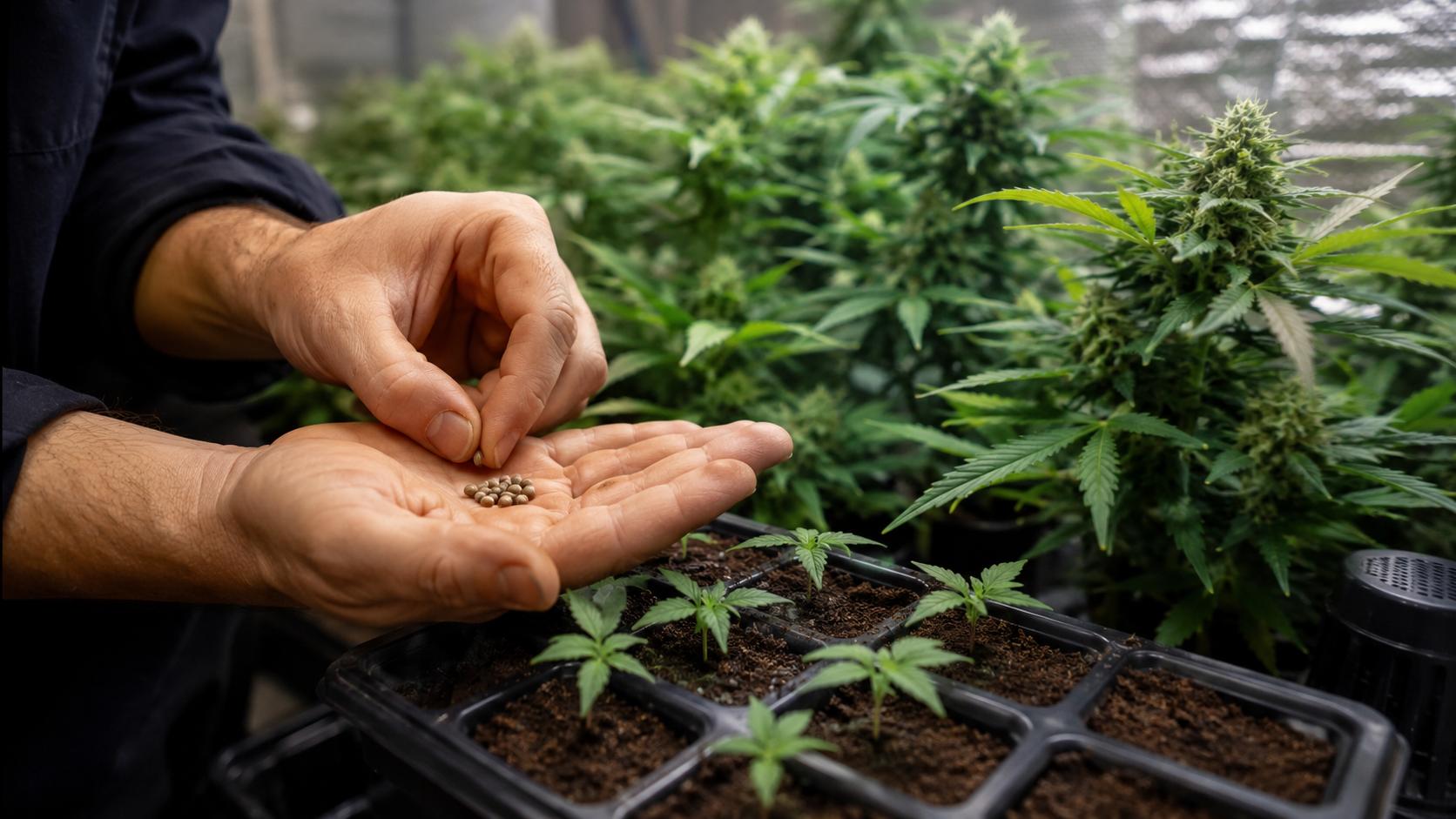
During the seedling stage, young seedlings and clones require slightly warmer temperatures, ideally between 24-27°C during the day. This warmth supports root development, minimizes stress, and enhances cellular activity, aiding in early growth.
This temperature should be accompanied by a RH (Relative Humidity) of 80 – 90%, to stimulate healthy root development and prevent dehydration. A high RH also helps maintain the turgor pressure within the plant cells, to support robust and rapid growth.
Vegetative
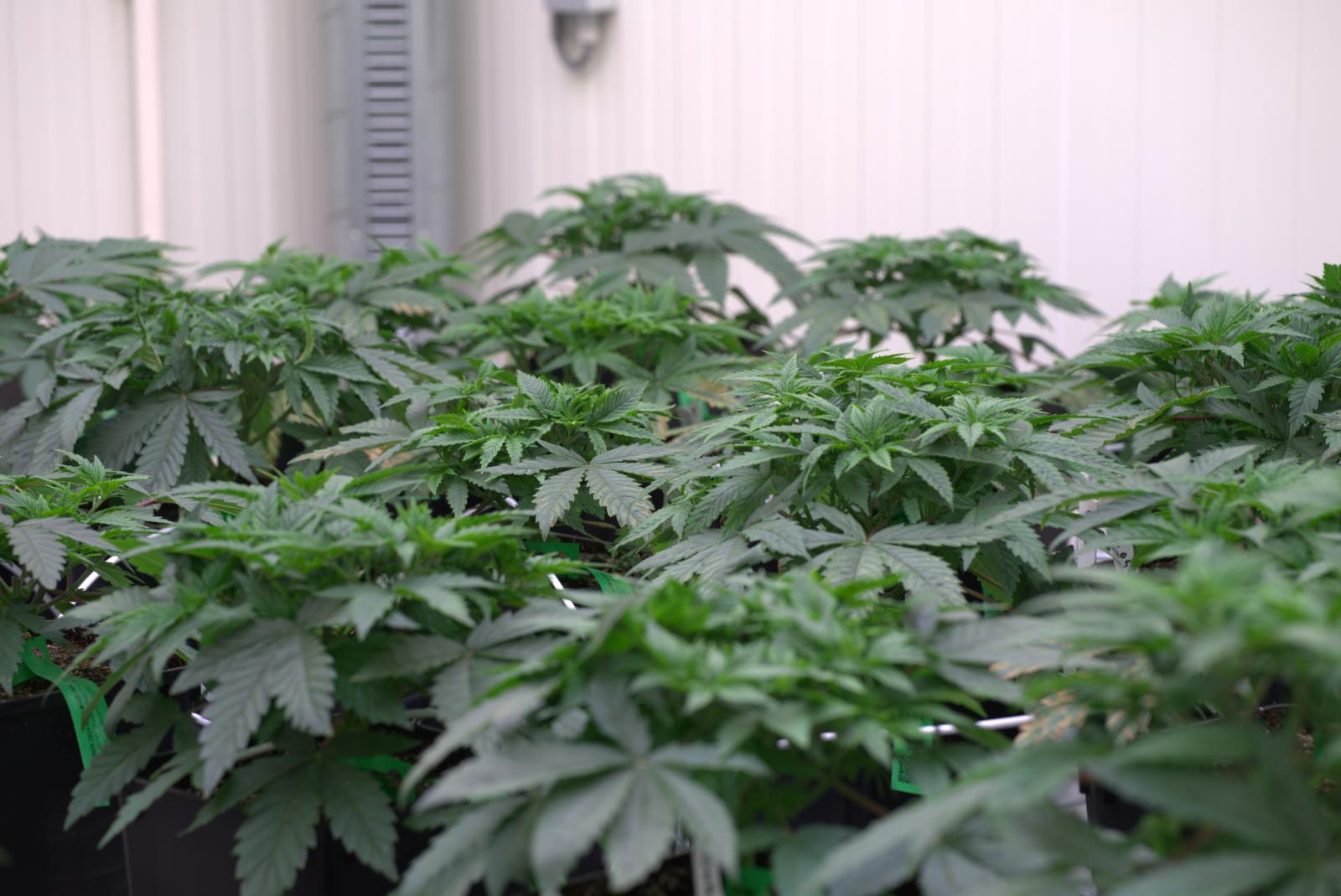
This optimum temperature range does not change as the plant progresses from seedling to the vegetative stage. At this point of its lifecycle, a plant’s energy is focused on developing foliage, stems and roots and so maintaining a moderate-to-warm temperature range (24-27°C) contributes to the overall health and wellbeing of the plant.
Not only does this temperature range optimize photosynthesis but there are also positive benefits in terms of the plant’s capability to absorb nutrients. Based on Paradise’s experience, temperatures on the higher end of this range (i.e. 26/27°C) contribute towards promoting faster growth.
The caveat to this is that other factors in the grow room need to be managed in a complementary manner. Therefore (RH) Relative Humidity needs to be moderate to high – or between 60 and 80% - providing the plant with sufficient moisture for transpiration and nutrient uptake.
Flowering
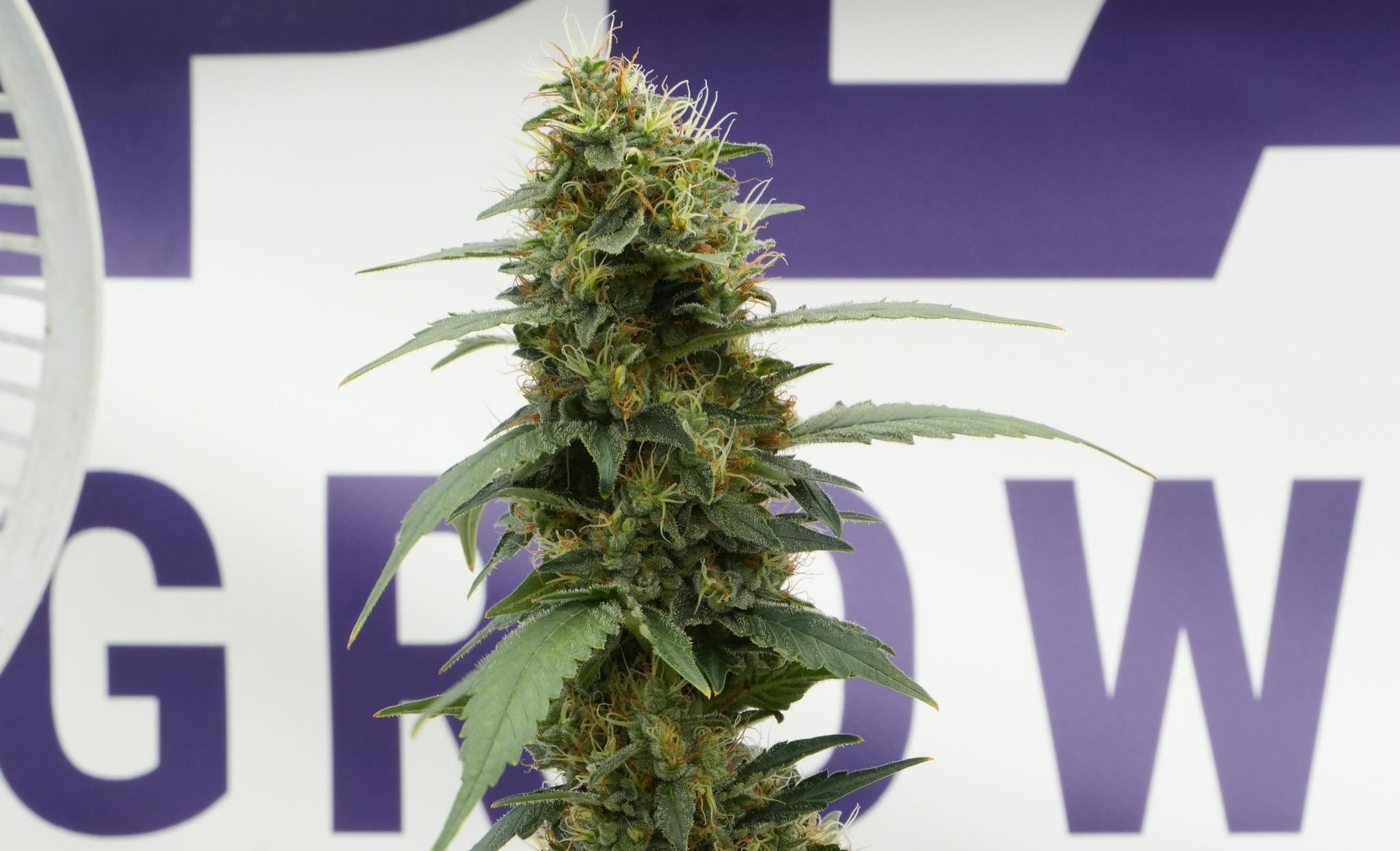
As the plant transitions to the flowering stage, temperatures between 22 and 25°C encourage the formation of dense, resin-rich buds. At this point in the process, a cooler night time temperature is believed to increase terpene production as well as bringing out vibrant colors in some strains (i.e. the purple hues which are so prevalent in many Californian strains).
By lowering the night time temperature, the grower is effectively mimicking the ebb and flow of growing conditions in nature through the seasons. In Autumn, this means the setting of the sun sees temperatures decrease. Inevitably, as buds begin to build bulk and increase in density, moisture retention poses the risk of mold and mildew developing, so flowering stage temperatures should be accompanied by lowering the humidity levels to between 50 and 60%.
As harvest time approaches and the plant reaches the late flowering stage, exercising effective temperature control can help to preserve cannabinoid and terpene quality and contribute to gains in trichome production. In the final weeks before harvest, to minimize the risk of mold, reduce the RH. A big reduction is not necessary if air flow and health of the plant is good (as plants are less susceptible to diseases if they are healthy). In case the plant is not in optimal health, reduce the RH to 40 – 50% to reduce risk of mold and botrytis.

How about day and night temperature differences? As for differences for temperature at day time and night time, we expect the trials to yield interesting results. Right now, the main consensus is to avoid fluctuations as much as possible and have a consistent climate, with night temperature slightly cooler (2 - 4 °C) than day temperature.
A hot summer, or a hot climate, will require some customizing in order to compensate for external environmental factors. It’s just the same in a cold climate. Growers already know what they’re dealing with and use measures such as adapting grow light schedules to best with what the environment is doing beyond the four walls of their grow room! Nevertheless, here are a few factors to consider if you are pursuing better temperature control management.
- Start with good insulation, which is the grower’s best friend for protecting the grow room from exterior temperature factors. Depending on where it is and what time of year it is, this may require installing thermal curtains or using additional reflective materials.
- Have consistent watering/irrigation, good ventilation and air circulation and regulating light heat output. However, to manage temperature more effectively, climate control systems need to be in place – from thermostats (sensors) and automated climate controllers (actuators) to additional heating and cooling devices.
- Although the hardware needs to be in place, the most important thing is to constantly monitor and improve your operations. Monitoring leads to understanding of the plant and your limitations, and possibly the discovery of traits and expressions of the plants that will be very rewarding.
While managing grow room temperatures requires some work and investment, the rewards that come with effectively controlling temperature are potentially significant. There is the potential to boost potency, terpene and cannabinoid profiles and yield.
We recommend you follow Paradise Seeds and the MCPIR to stay tuned and learn how to best manage your Crop.