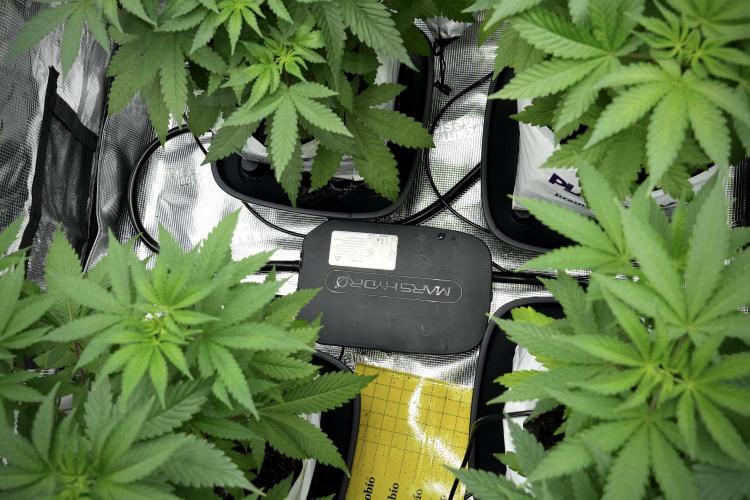
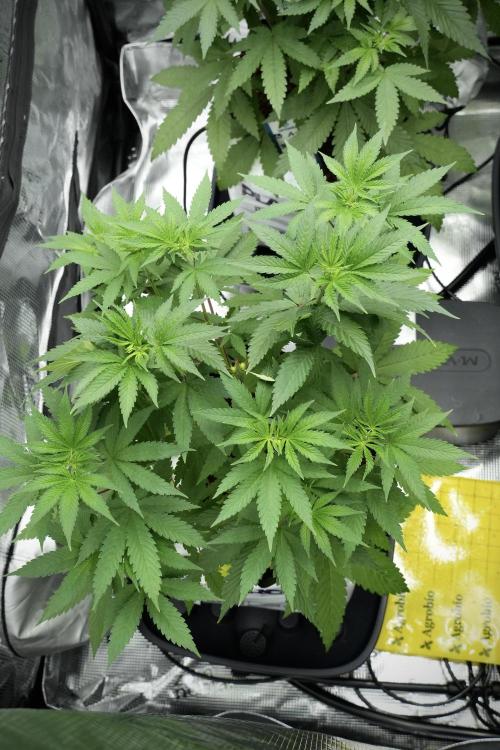
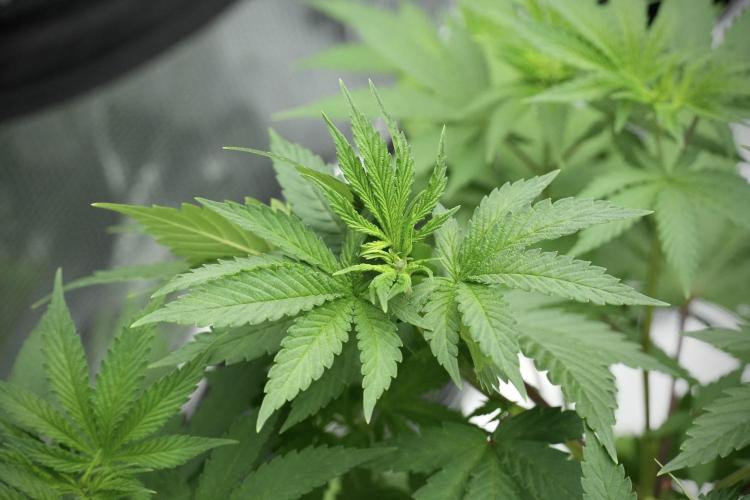
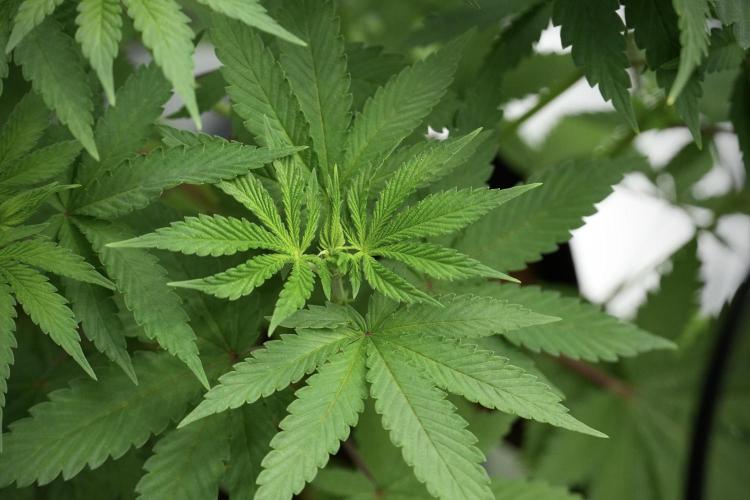
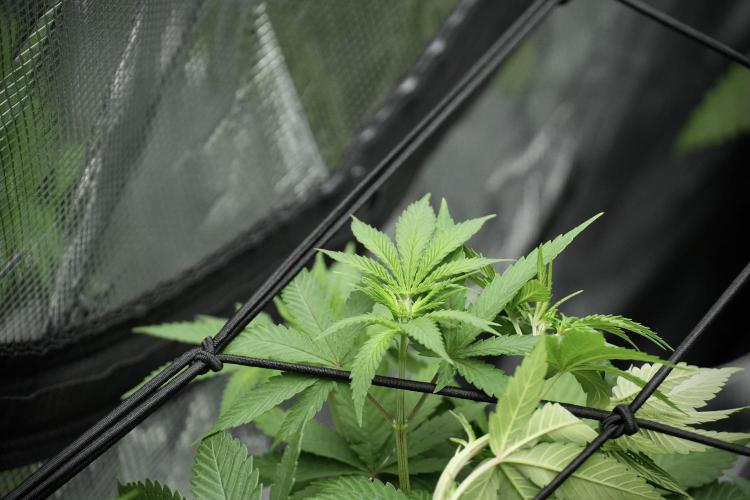
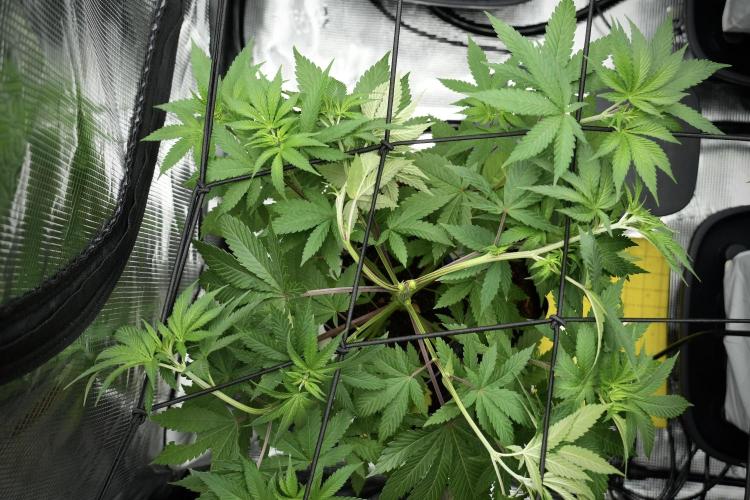
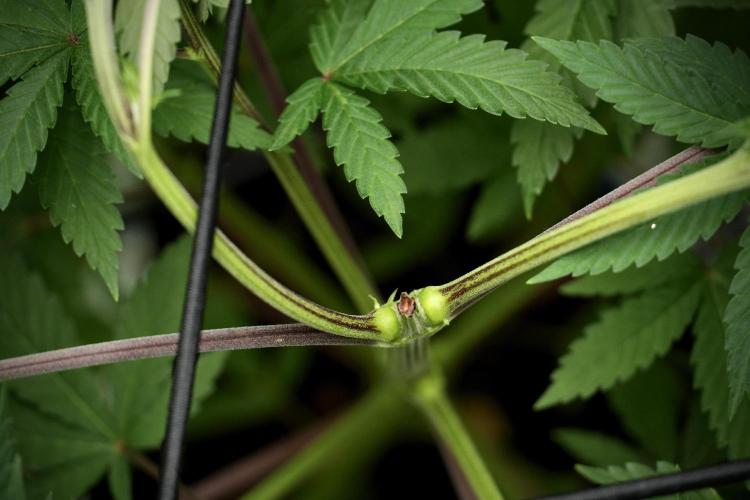
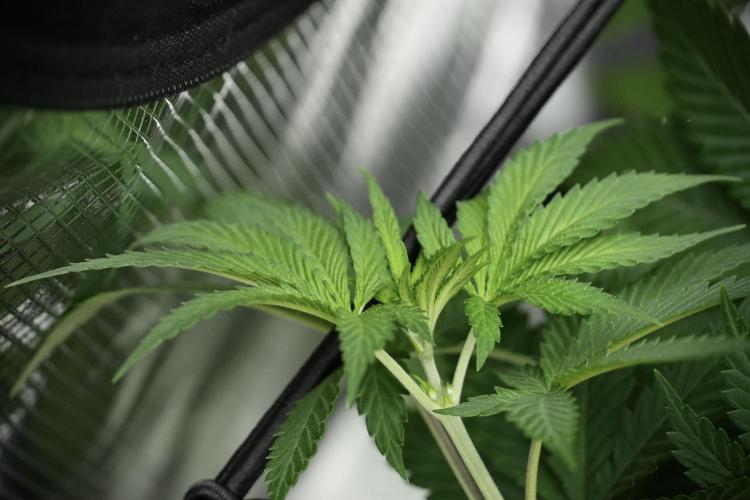
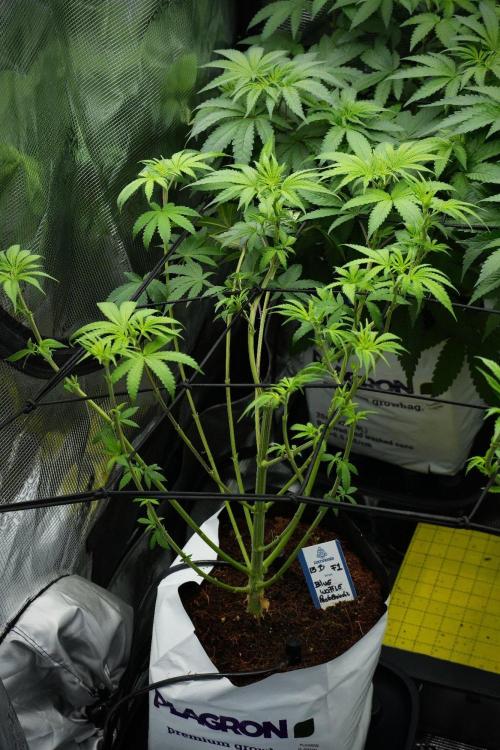
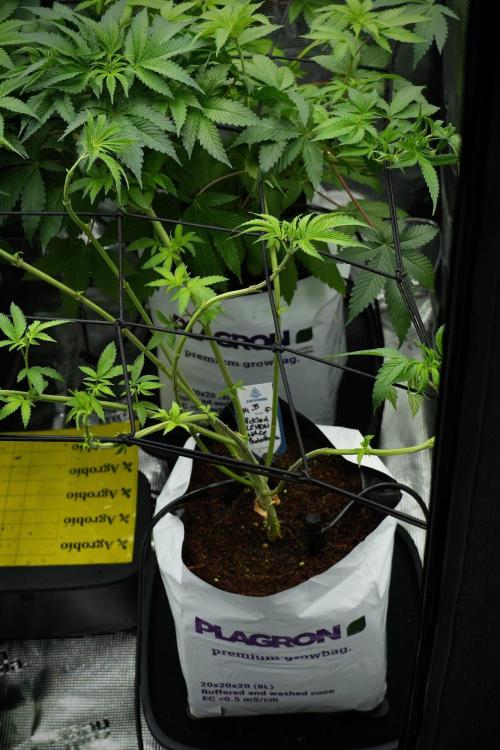
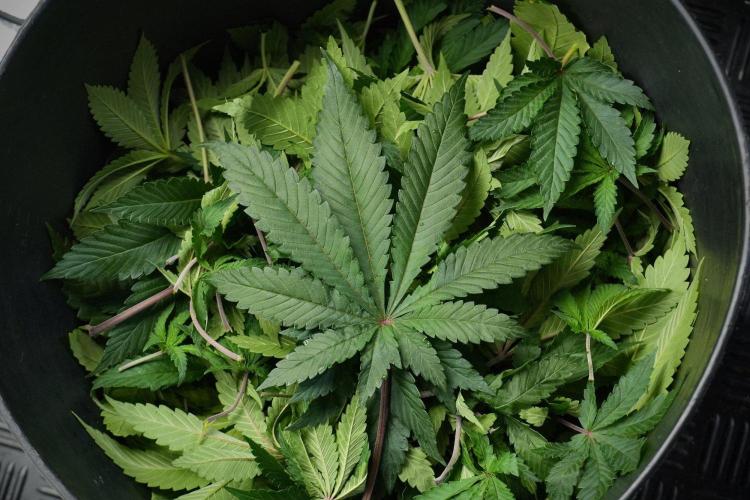
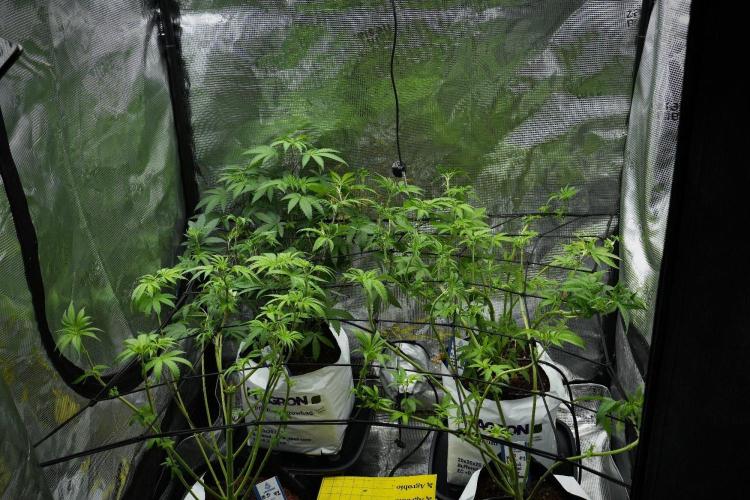
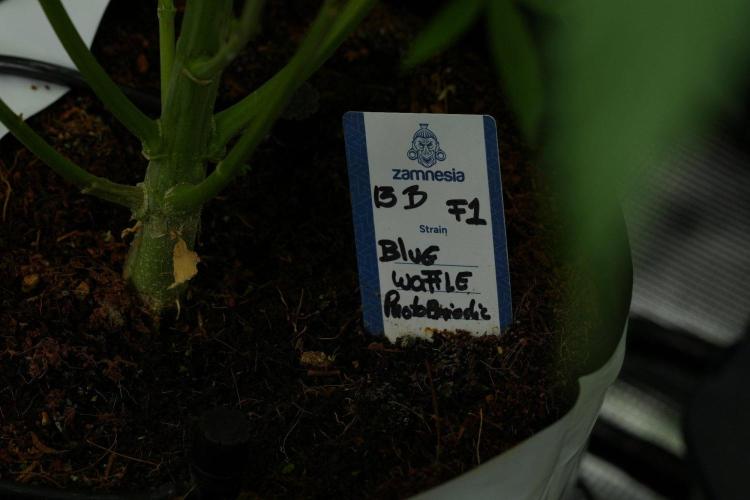
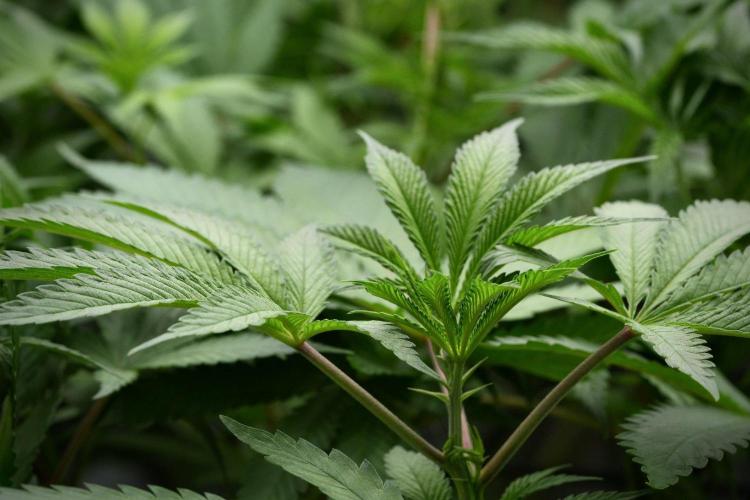
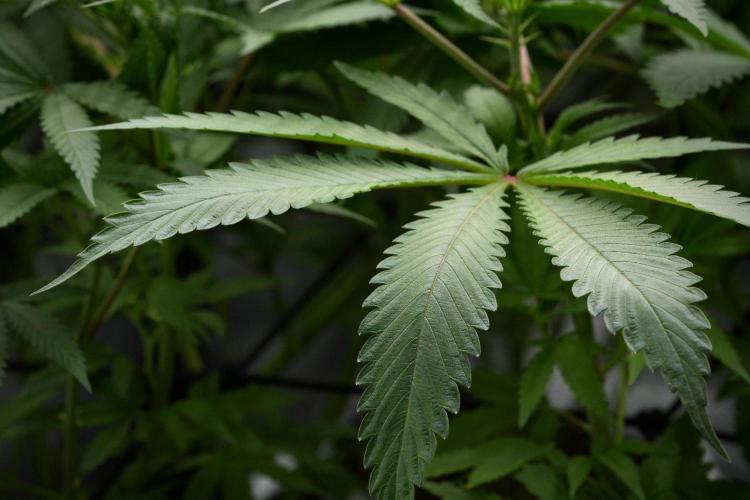
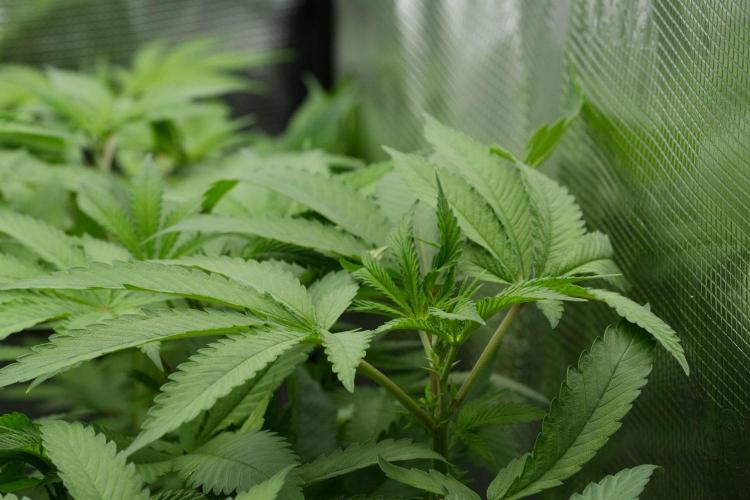
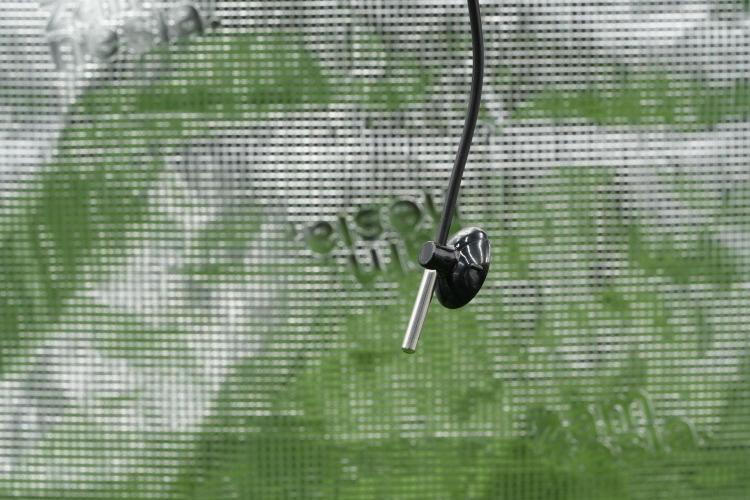
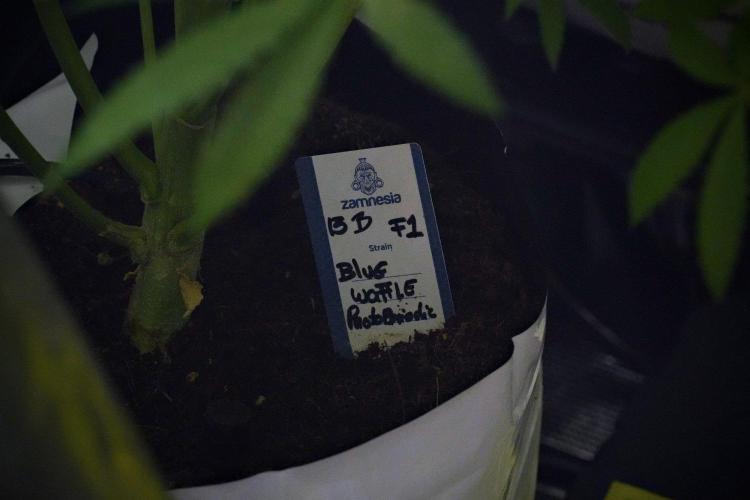
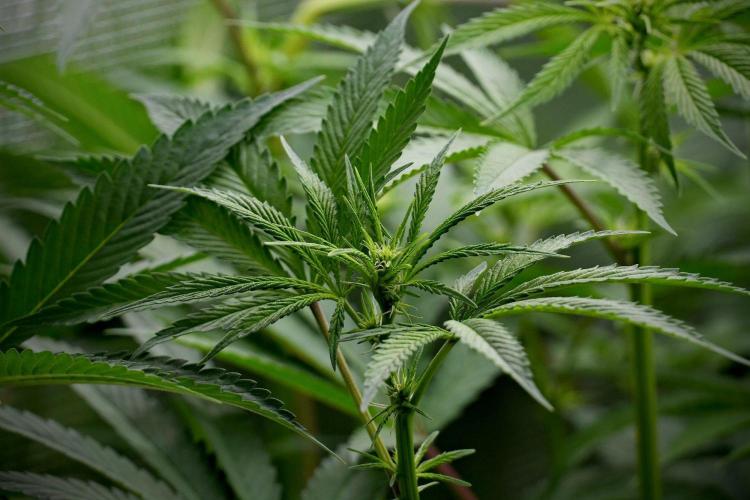
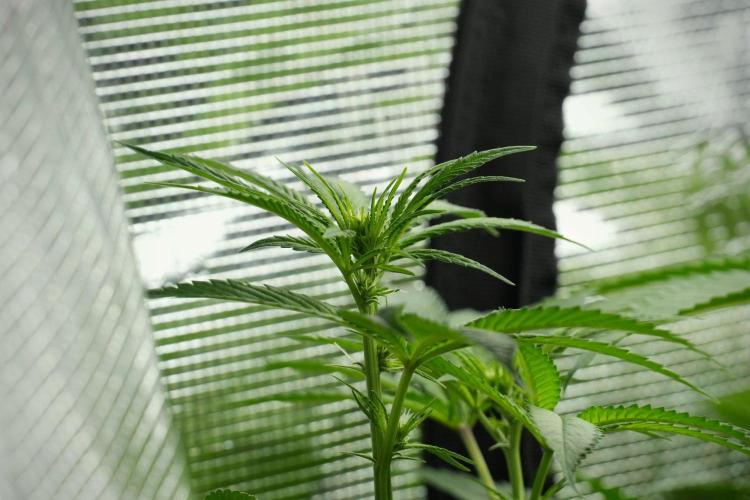
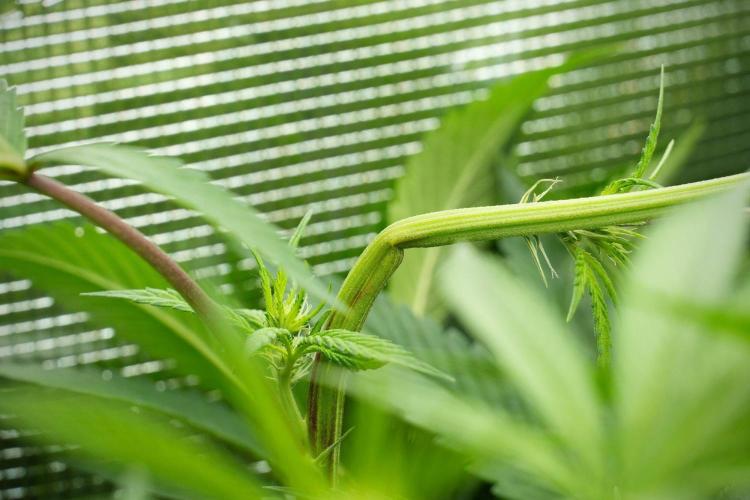
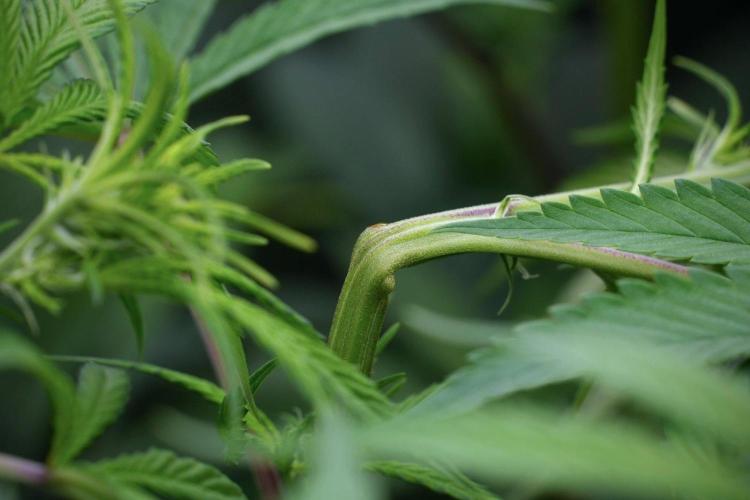
DogDoctorOfficial # ? Blue Waffle F1 — Pheno B
## Germinatie Week | Elke Zaad vindt zijn eigen tempo
Hallo GrowDiaries familie! 👋🌱
Welkom bij het tweede dagboek van het Blue Waffle F1-project.
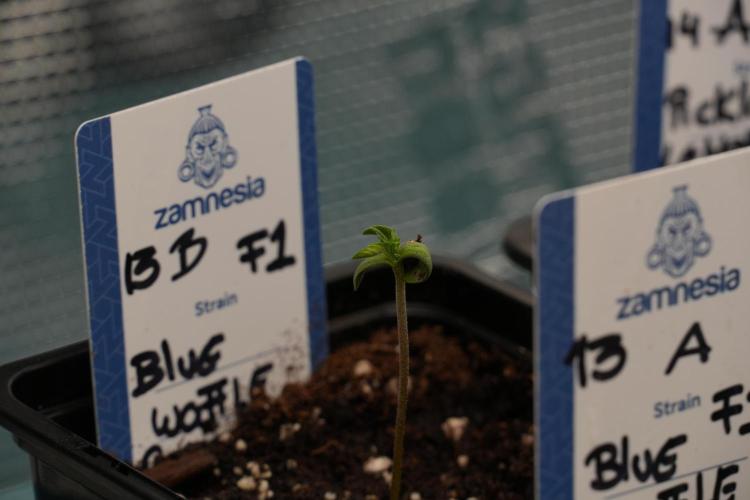
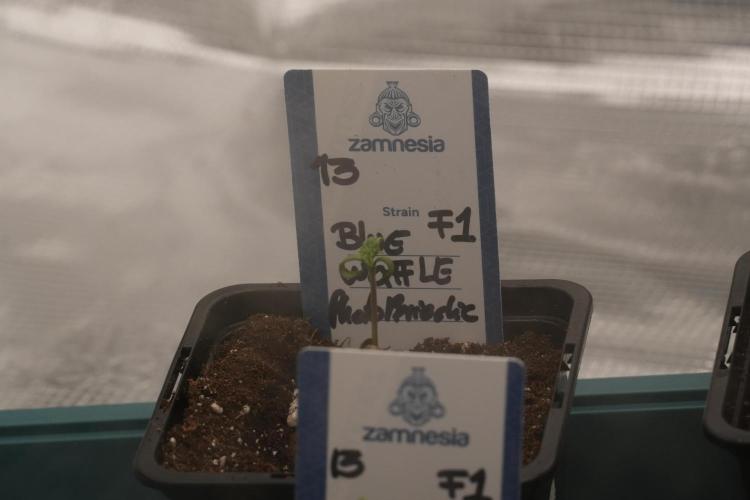
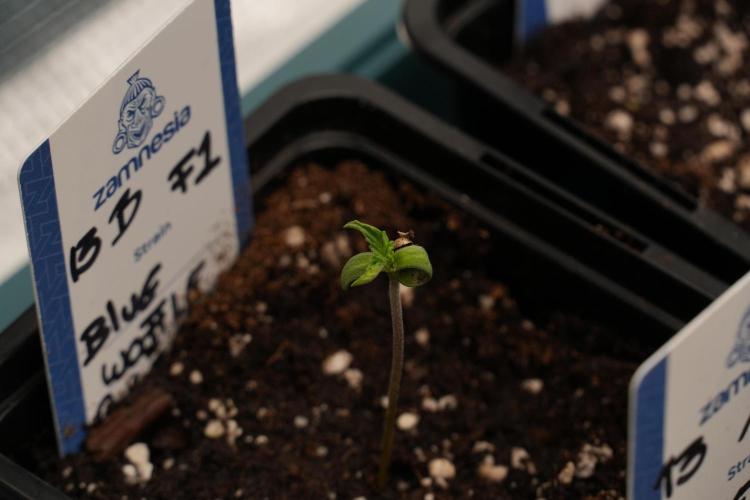
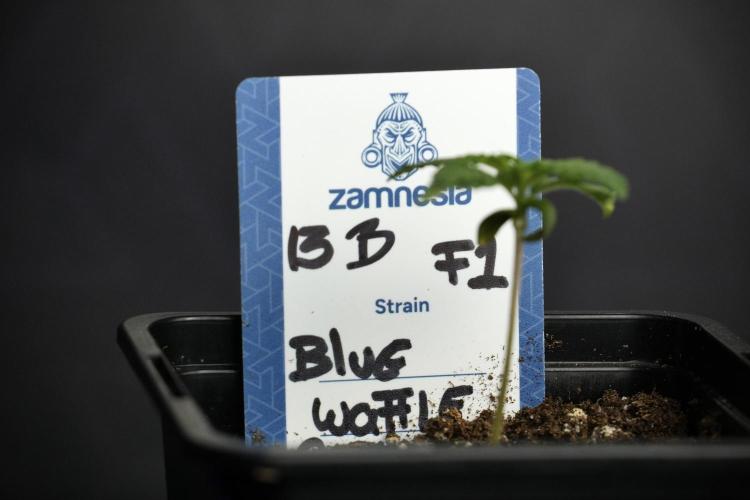
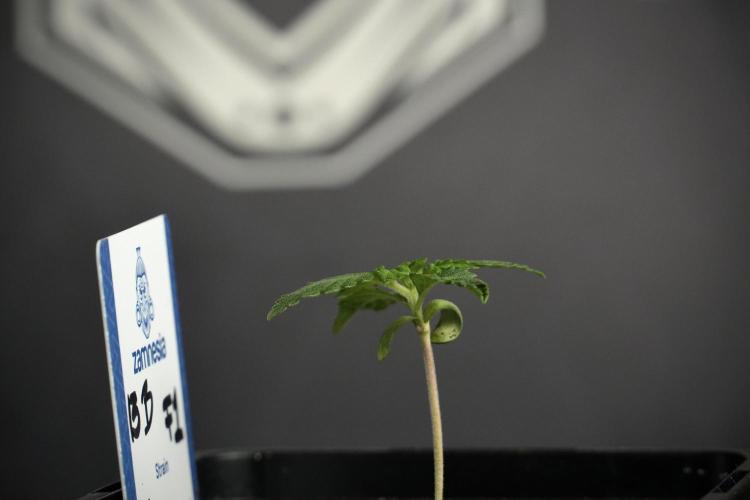
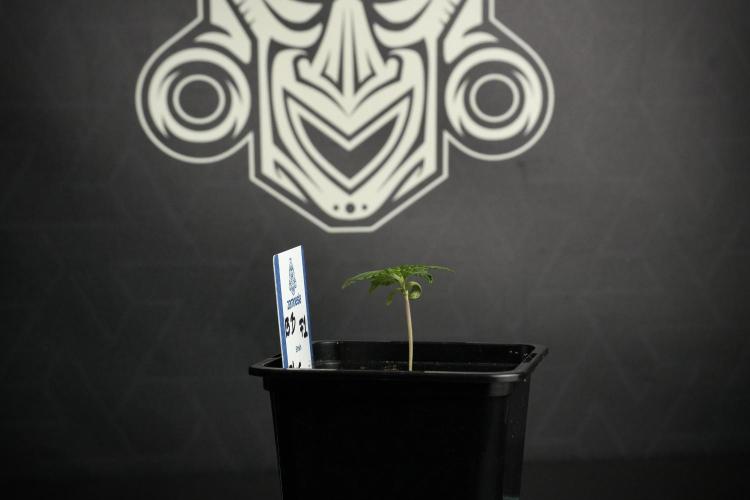
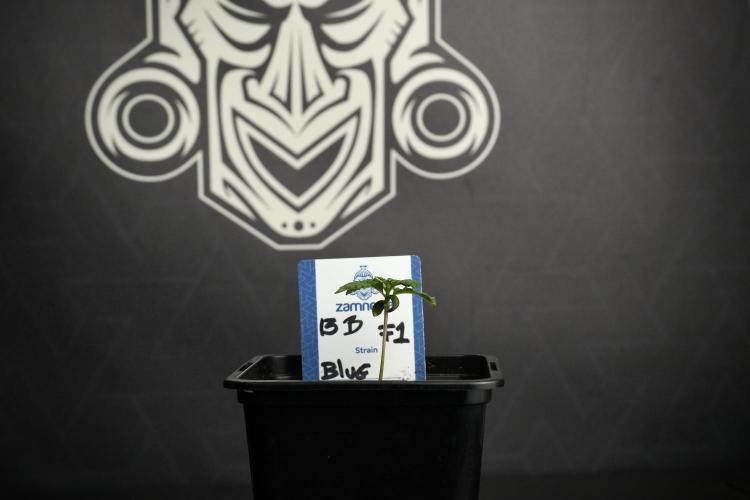
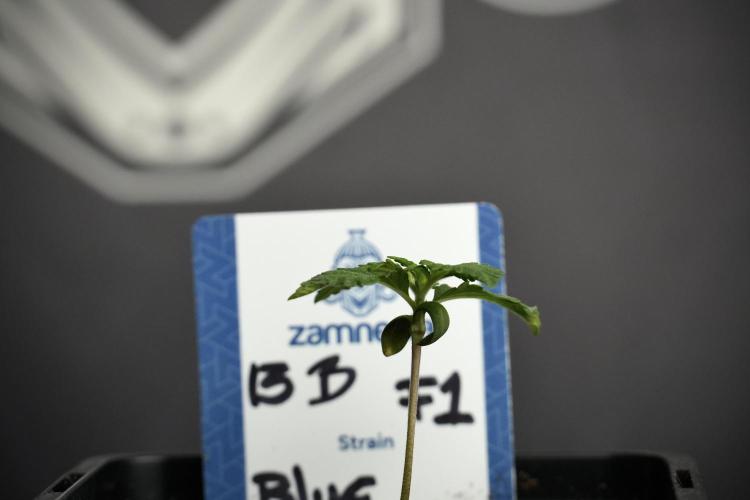
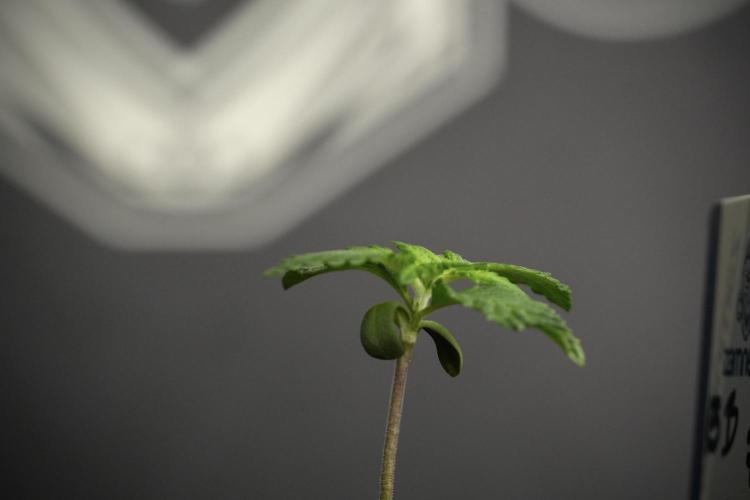
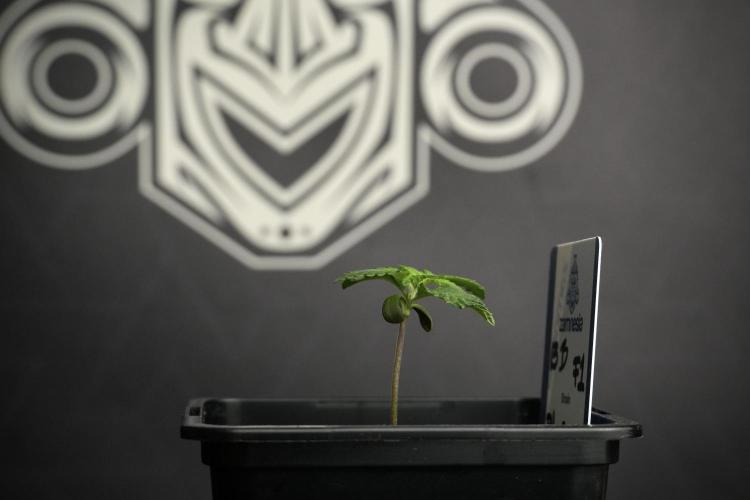
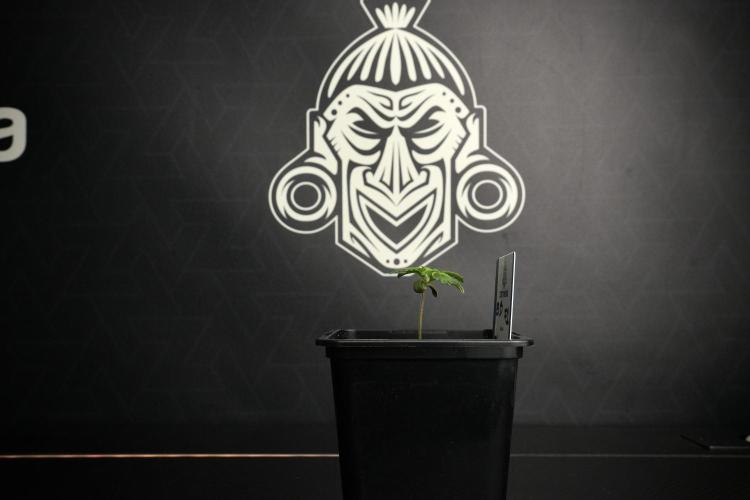
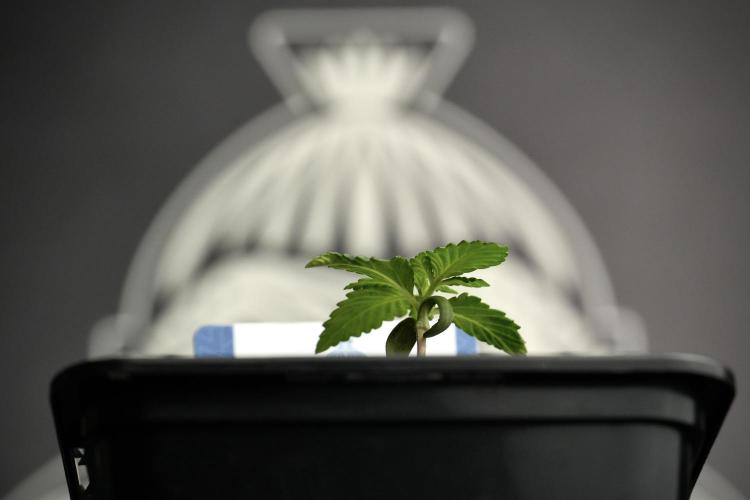
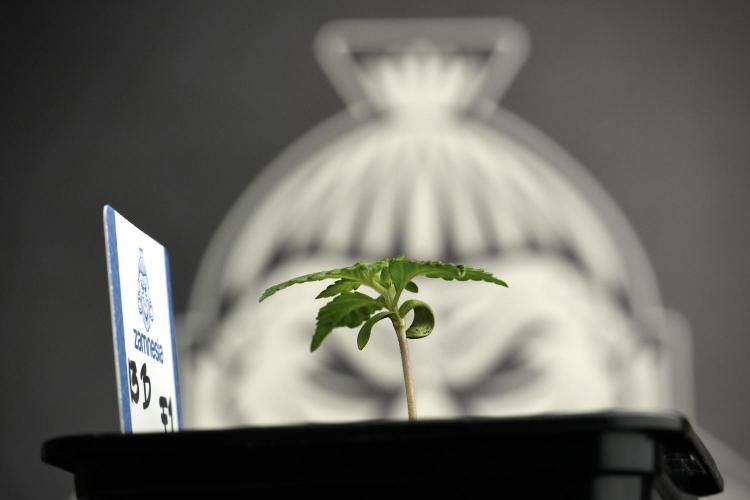
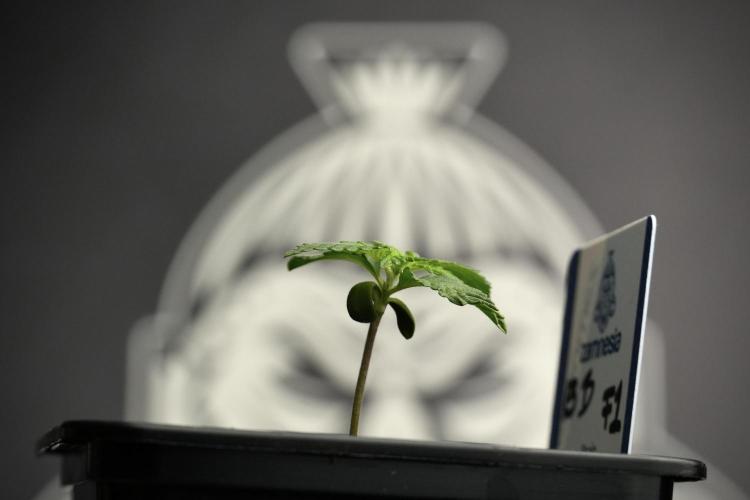
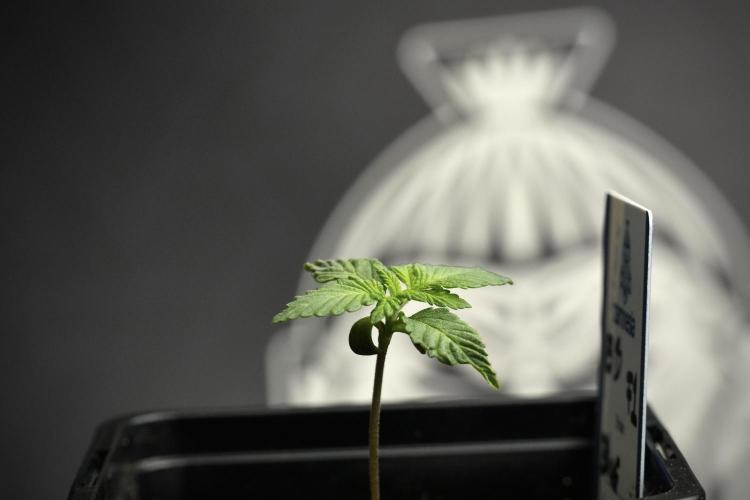
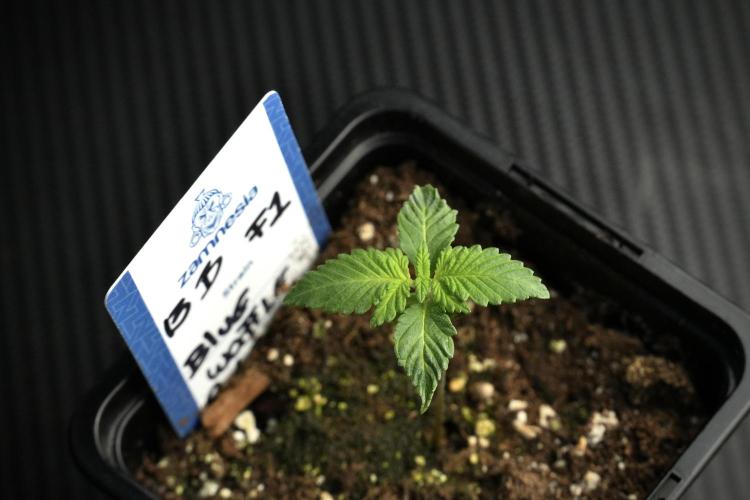
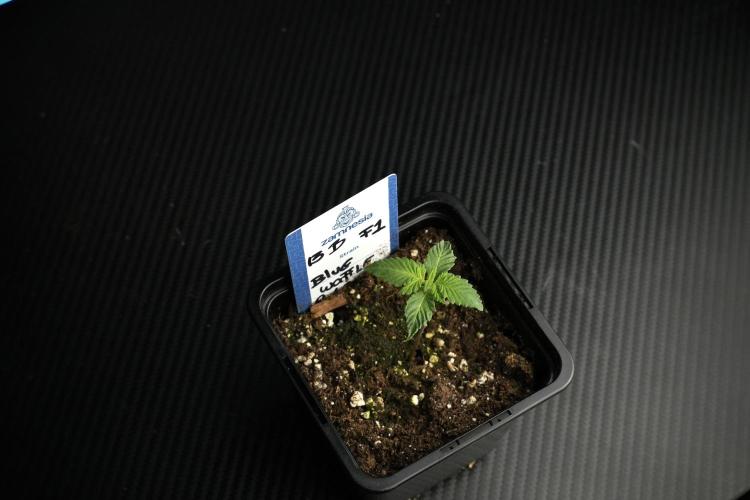
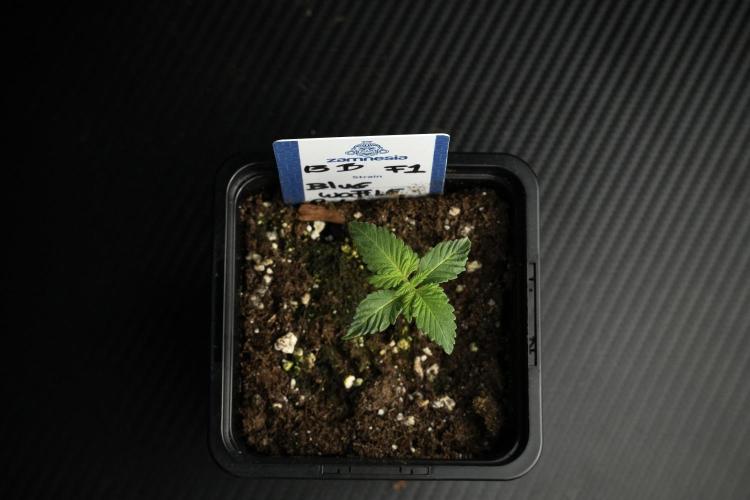
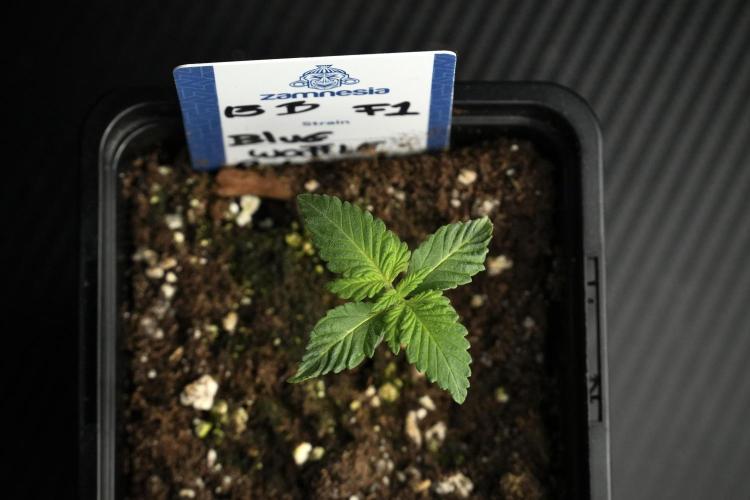
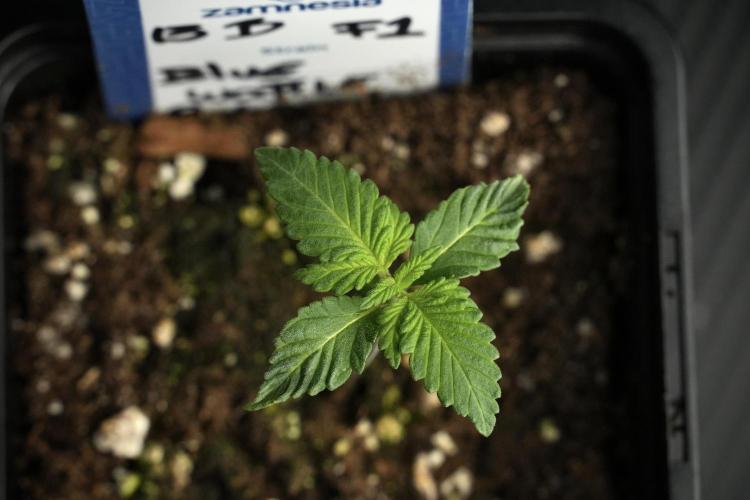
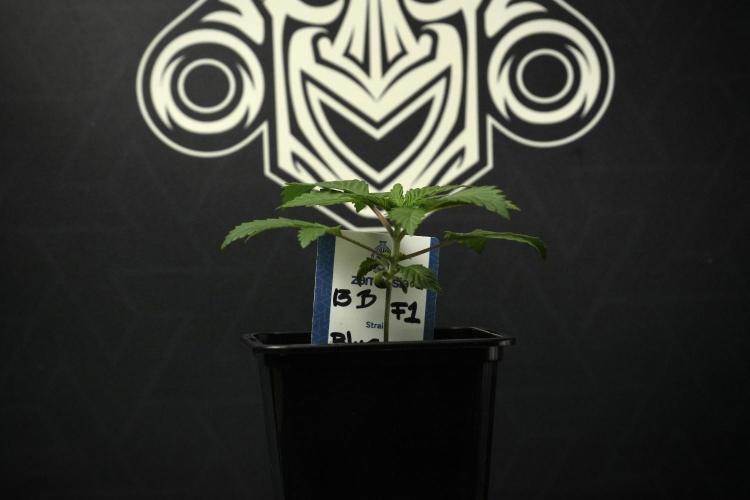
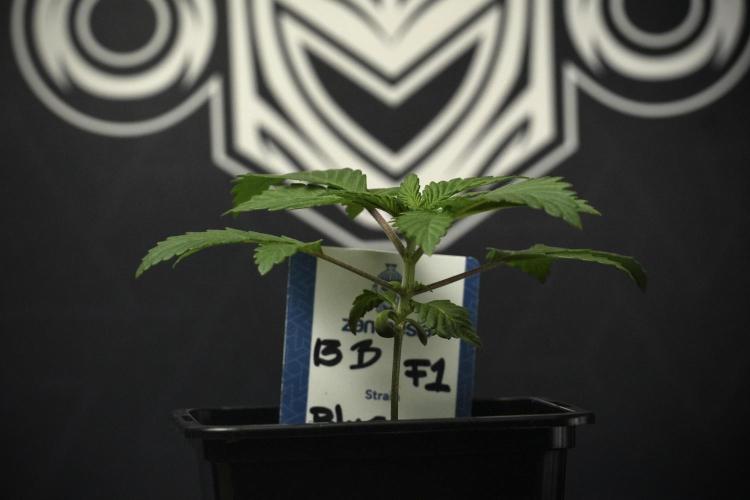
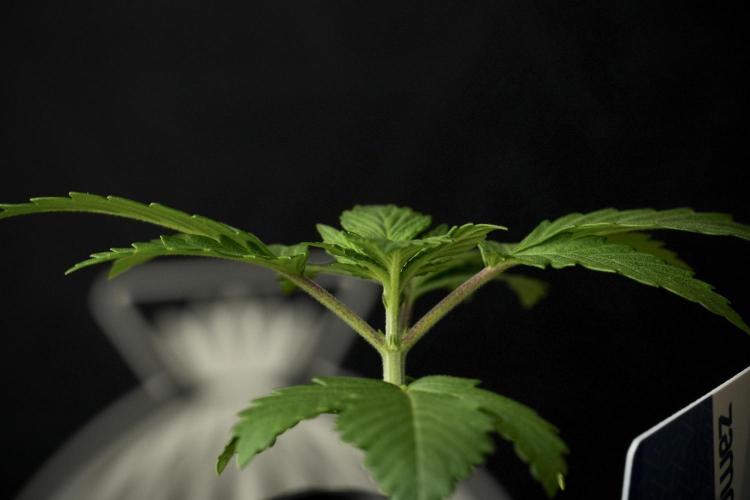
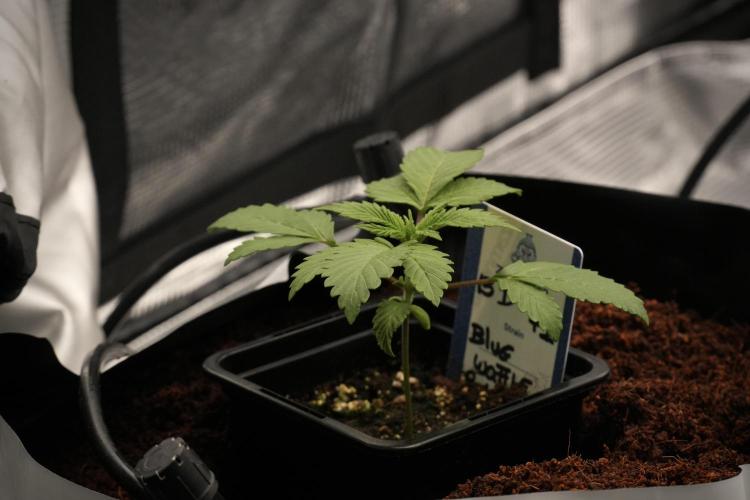
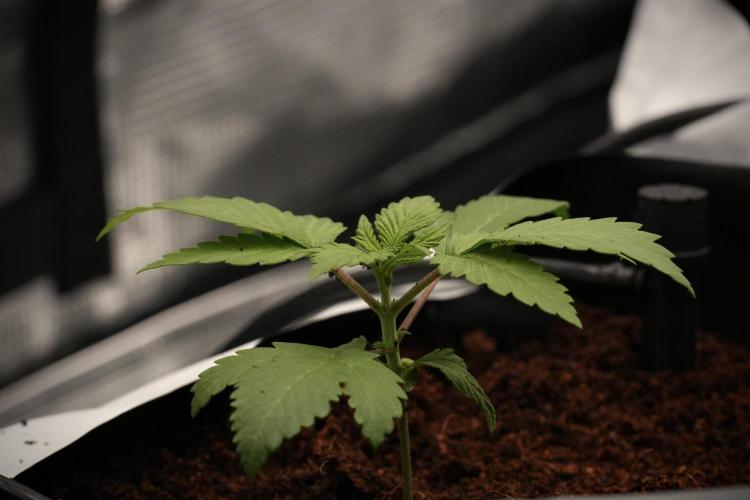
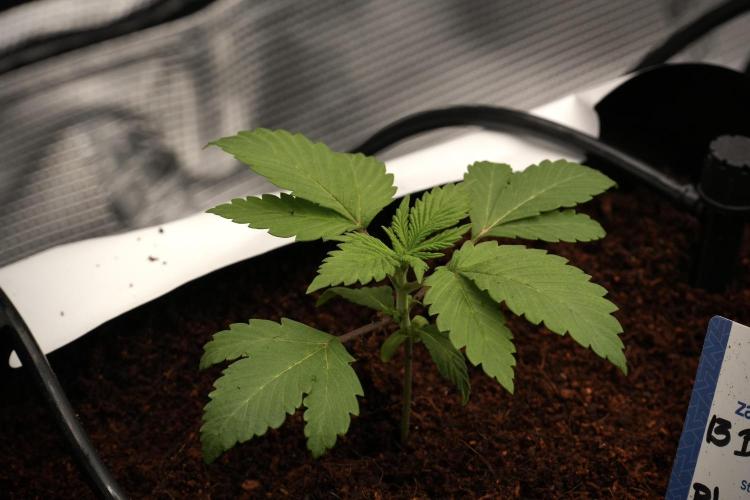
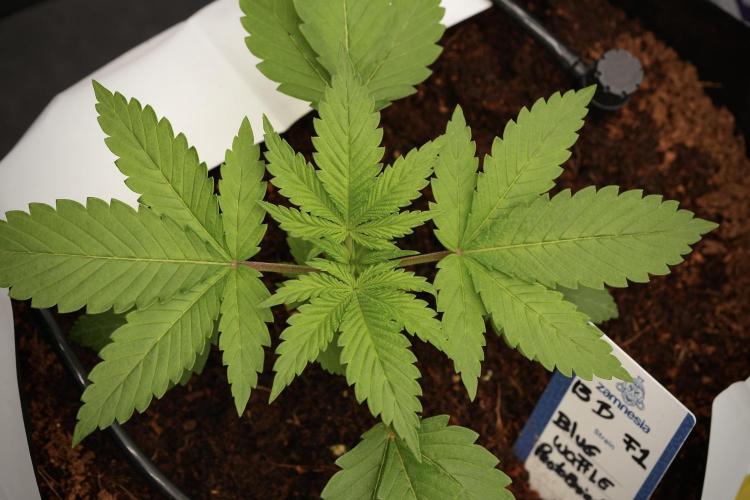
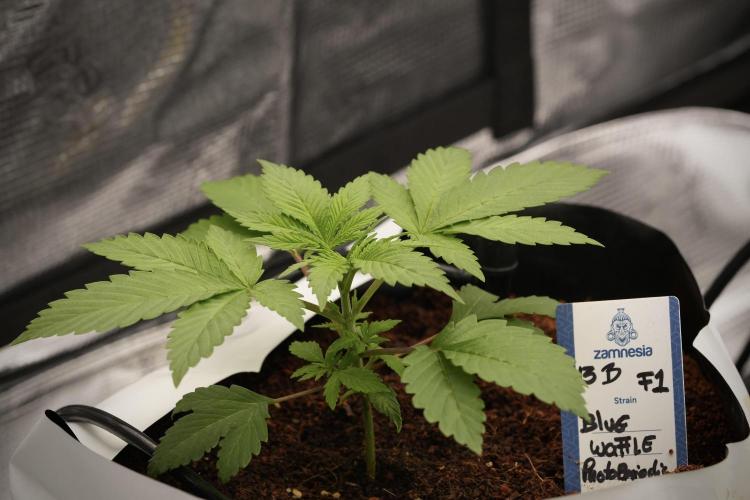
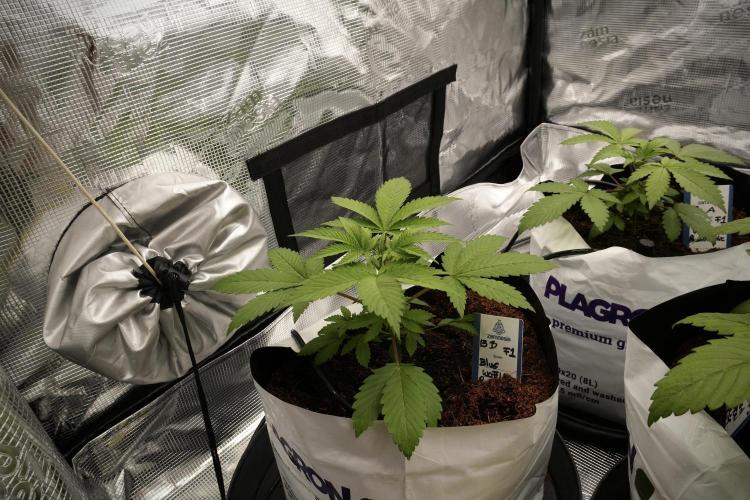
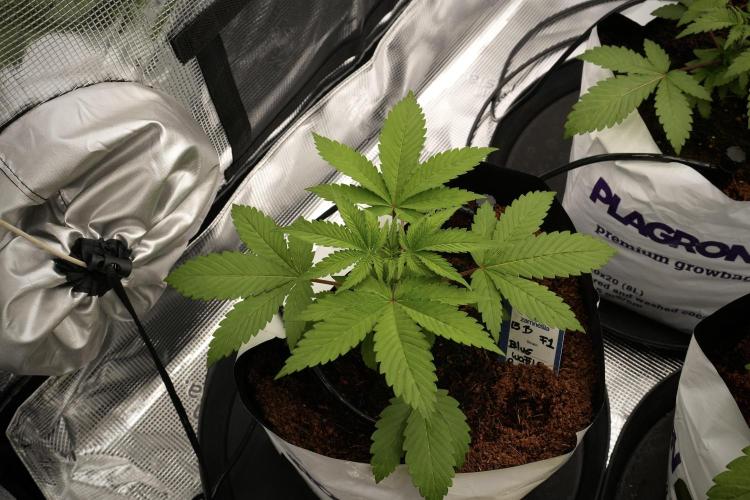
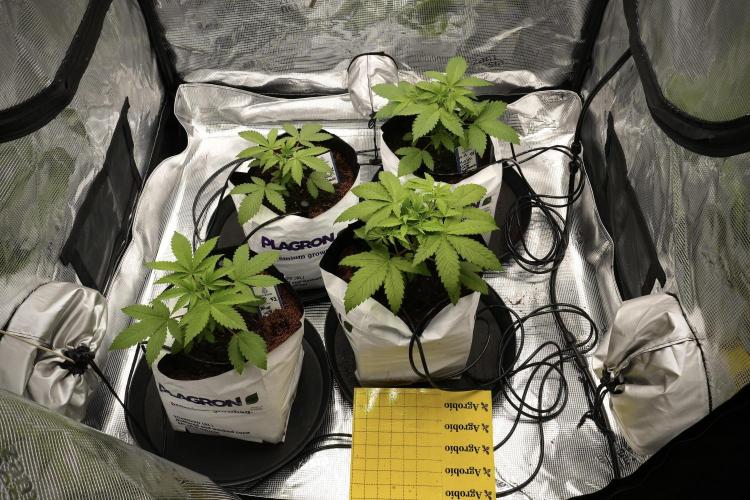
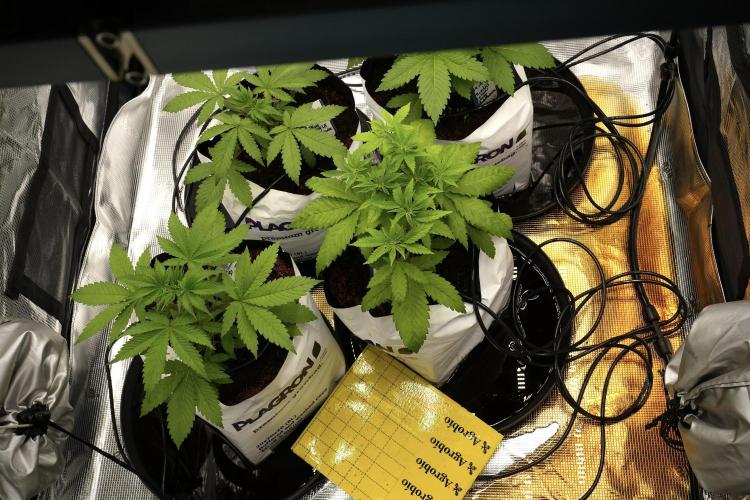
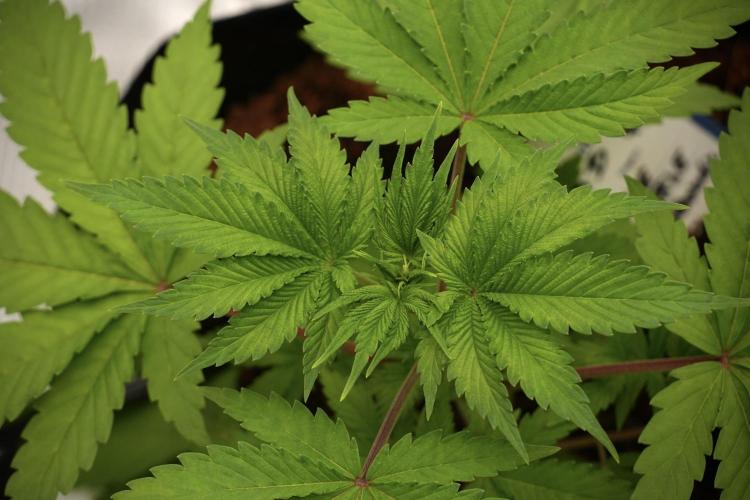
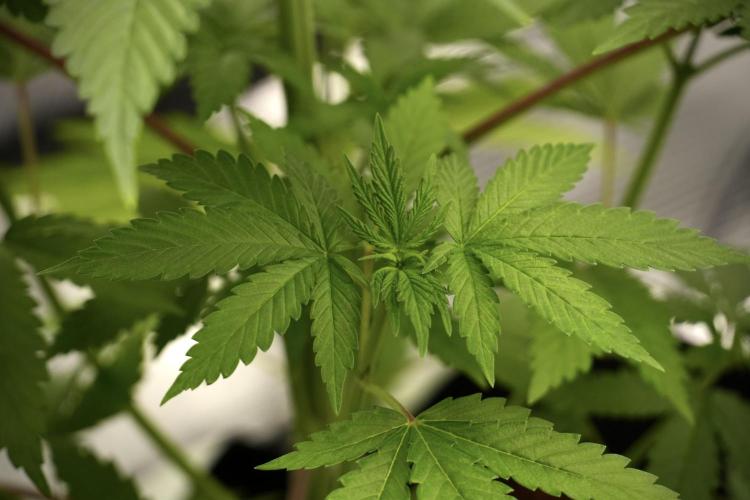
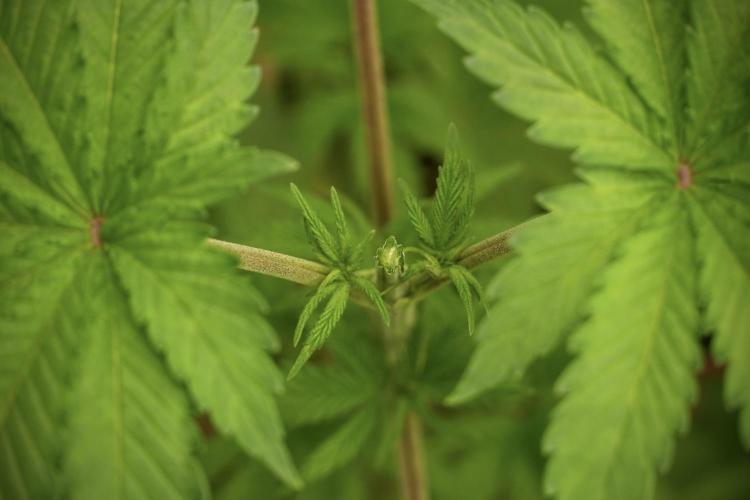
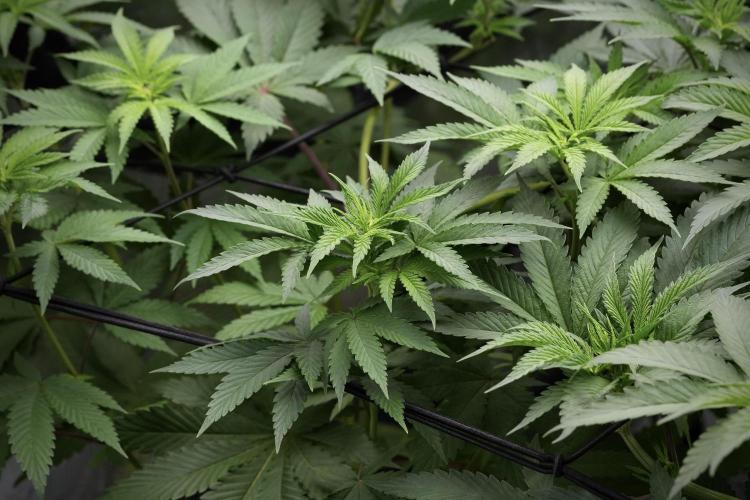
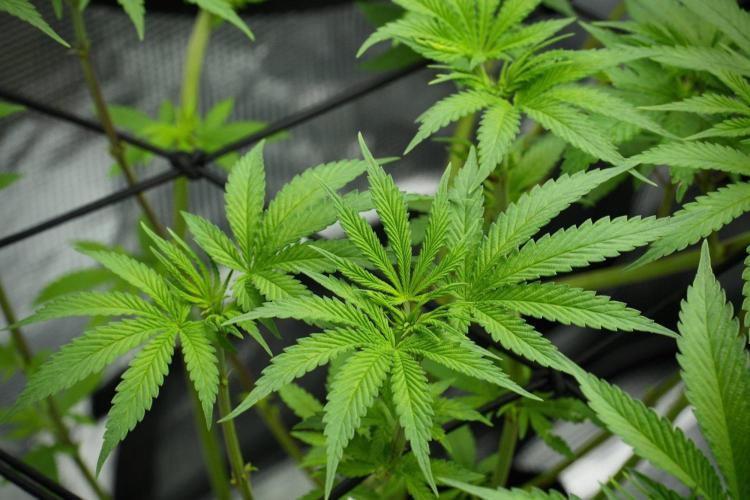
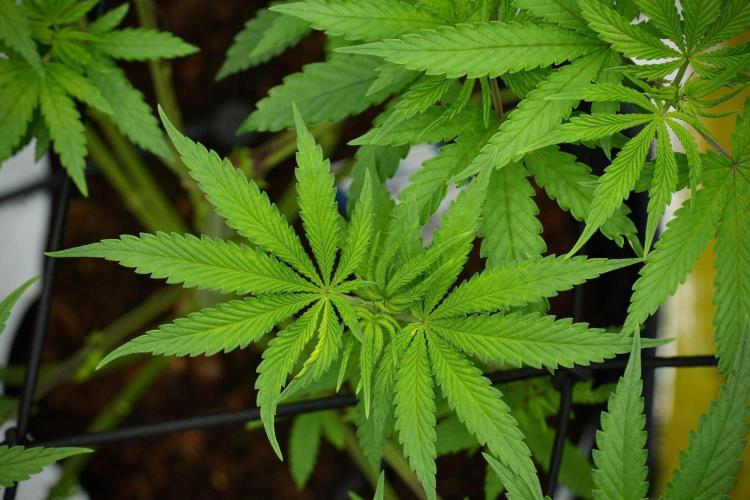
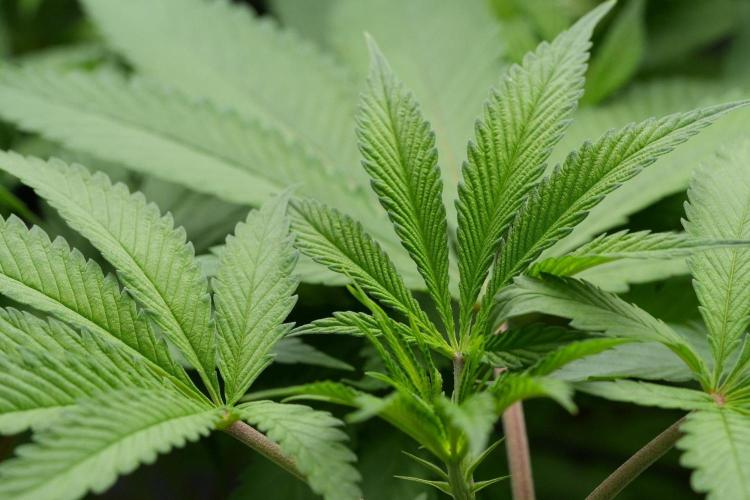
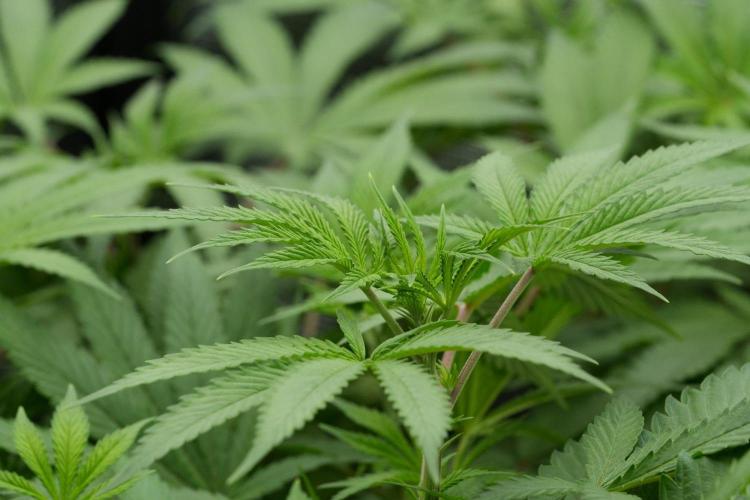
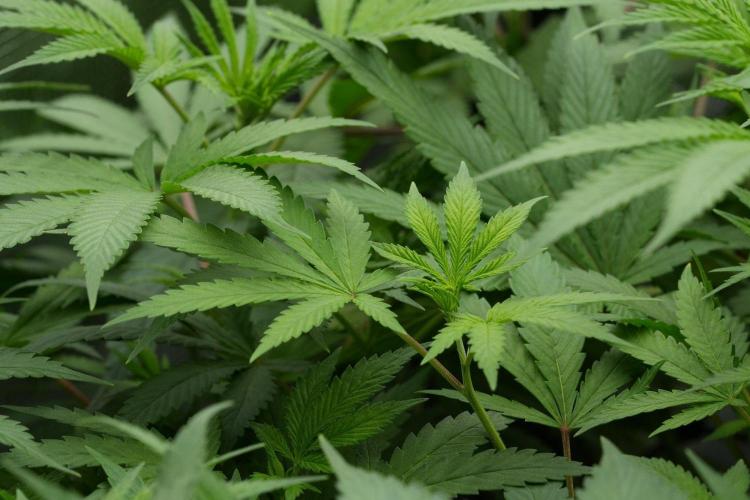
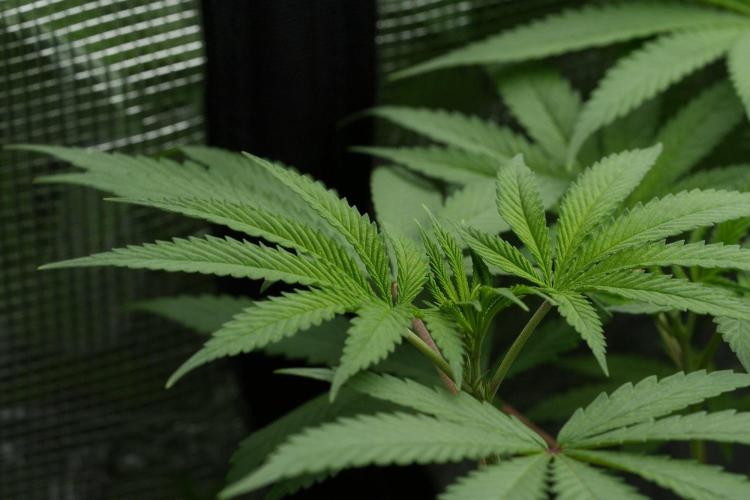
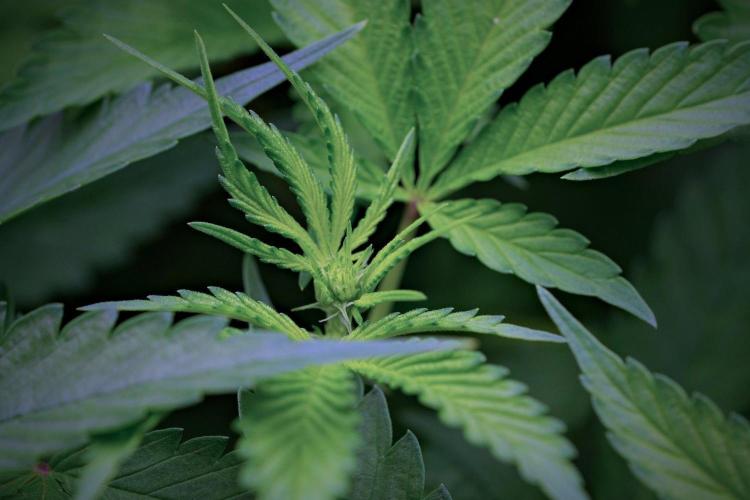
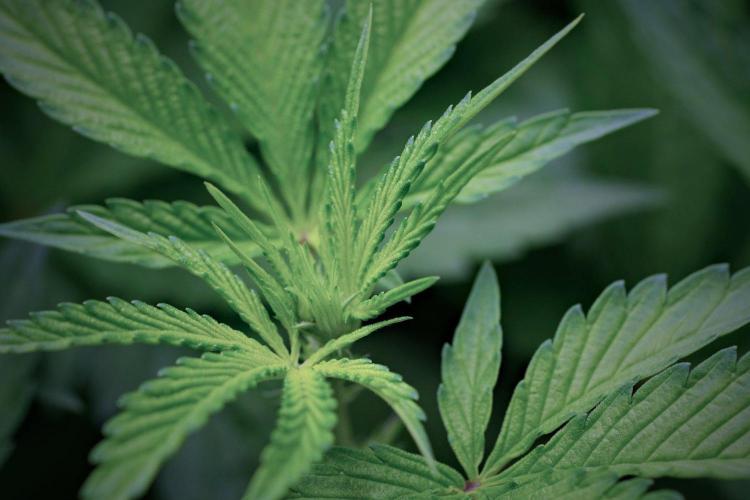
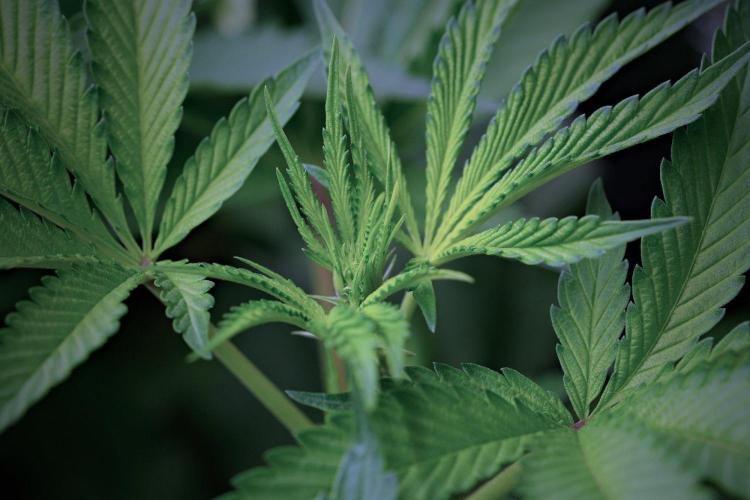
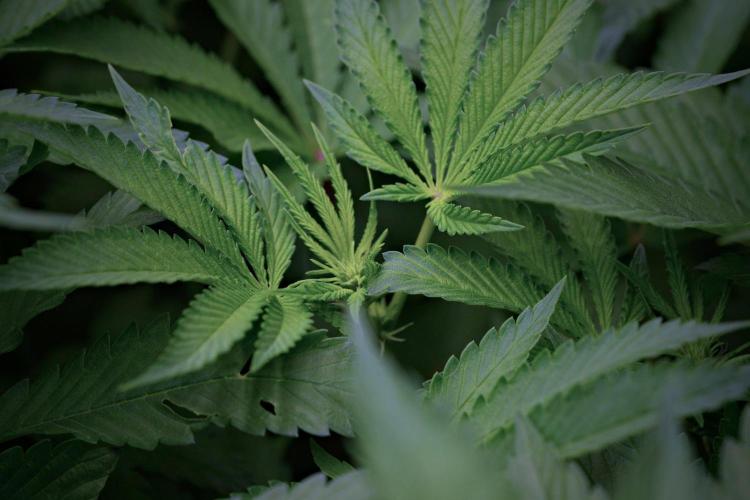
Terwijl Pheno A de eerste zaailing was die tevoorschijn kwam, richten we ons vandaag op haar zus, Blue Waffle F1 Pheno B.
Een van de meest fascinerende aspecten van het kweken van cannabis is het ontdekken dat, zelfs wanneer alles identiek is, elke zaad toch zijn eigen pad kiest.
Zelfde genetica.
Zelfde omgeving.
Zelfde kweker.
Zelfde grond.
Zelfde apparatuur.
Toch vertelt elk zaad zijn eigen verhaal.
En dat is precies waarom ik besloot om elk fenotype afzonderlijk te documenteren.
---
## Een Nieuw Project Begint
Dit dagboek maakt deel uit van een volledig apart project van mijn lopende 12/12-van-zaad tuin.
Voor deze ronde is het doel heel anders.
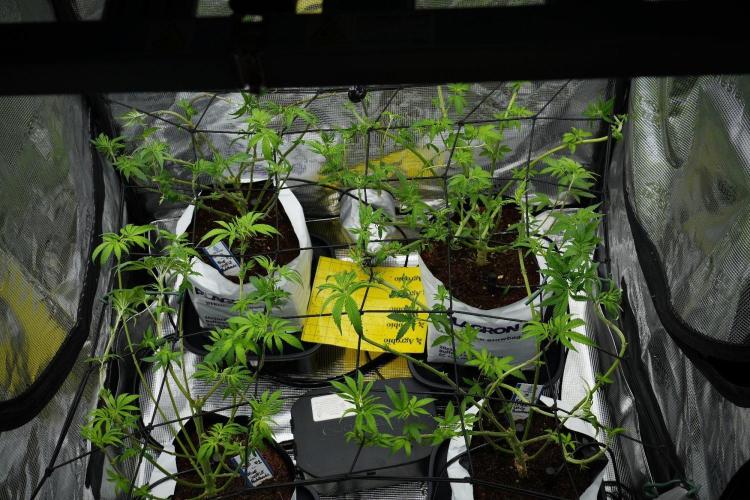
In plaats van te bloeien vanaf dag één, zullen deze planten worden gekweekt onder een traditioneel vegetatieve schema, waardoor ze zich volledig kunnen ontwikkelen voordat er beslissingen worden genomen over training of structuur.
Huidige plannen omvatten:
- 18/6 lichtschema
- Volledige vegetatieve ontwikkeling
- Potentieel Low Stress Training (LST)
- Potentieel toppen
- Mogelijke Scrog-implementatie
- Observaties van structurele ontwikkeling
- Volledige documentatie van zaad tot oogst
In deze fase begint echter alles met germinatie.
---
## De Cannakan Germinatiemethode
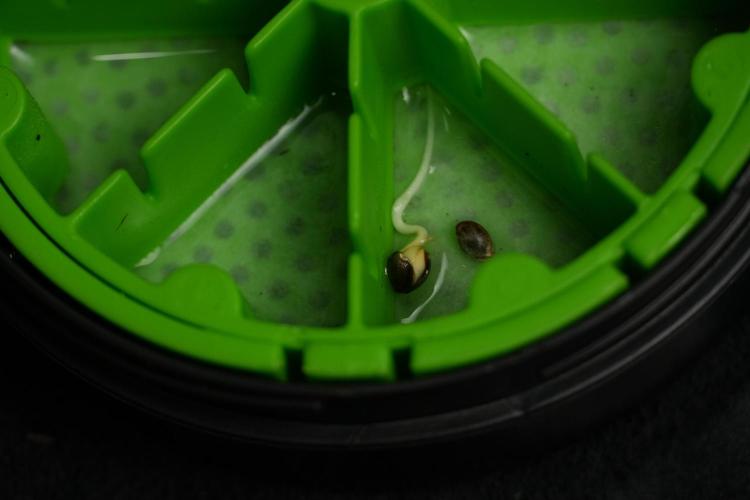
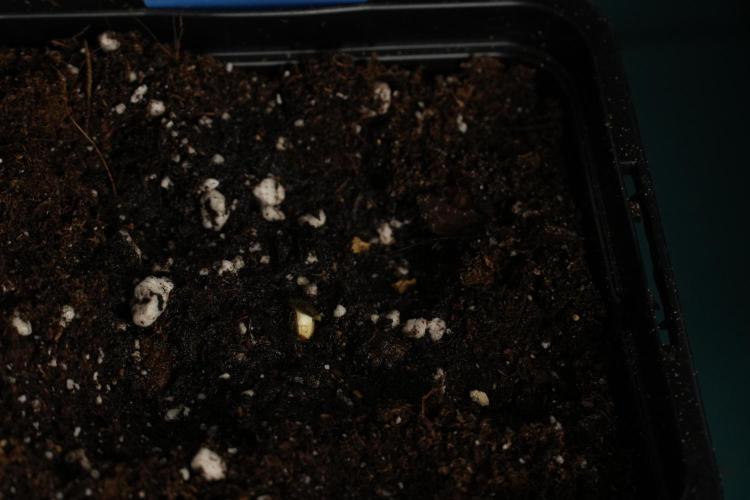
Net als veel van de planten in mijn tuin, begon Blue Waffle F1 Pheno B zijn leven binnen het Cannakan germinatiesysteem.
Het proces blijft opzettelijk eenvoudig.
Het zaad werd in het systeem geplaatst met alleen maar gewoon water.
Geen voedingsstoffen.
Geen additieven.
Geen stimulerende middelen.
Gewoon water.
Na ongeveer 24 uur weken, werd het meeste water verwijderd, waardoor er alleen genoeg vocht overbleef om ideale germinatieomstandigheden te behouden.
Het zaad reageerde snel.
Een gezonde wortel kwam tevoorschijn en kort daarna was het tijd om in de grond te verhuizen.
Simpel.
Schoon.
Effectief.
Precies zoals ik wil dat germinatie is.
---
## Waarom Alleen Water?
Een vraag die vaak opkomt tijdens de germinatie is:
"Waarom het zaad niet meteen voeden?"
Het antwoord is verrassend eenvoudig.
Het zaad bevat al alles wat nodig is voor de vroegste fase van het leven.
Binnen de schil zitten alle energiereserves die nodig zijn om wortels te vestigen en vroege ontwikkeling te beginnen.
In deze fase geef ik de voorkeur aan het toestaan dat de natuur precies doet wat de natuur heeft ontworpen dat het zaad doet.
Het doel is niet om de plant te voeden.
Het doel is simpelweg om het wakker te maken.
Water is genoeg.
De rest is al opgeslagen binnenin.
---
## Van Germinatie Naar Grond
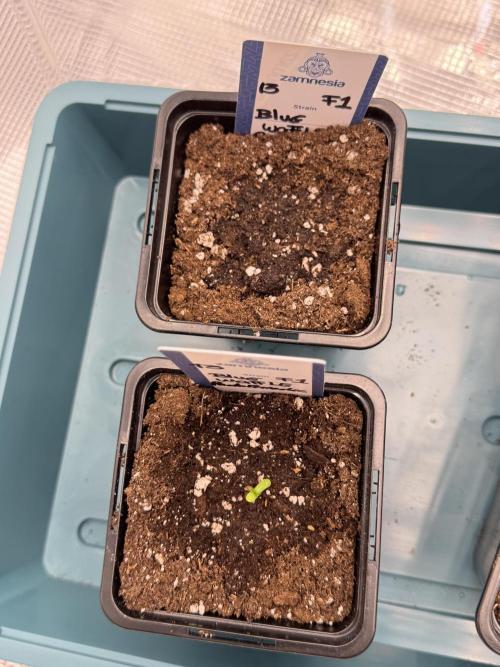
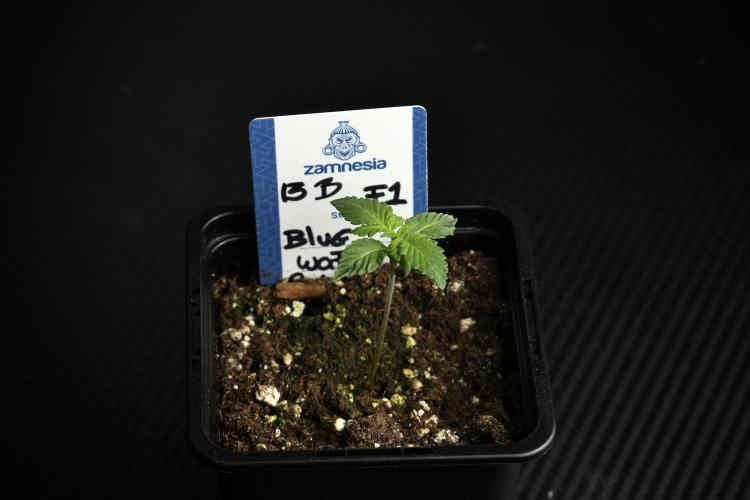
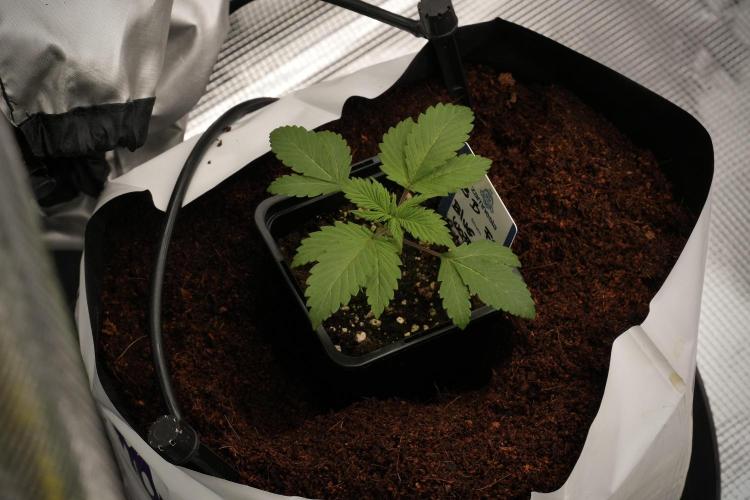
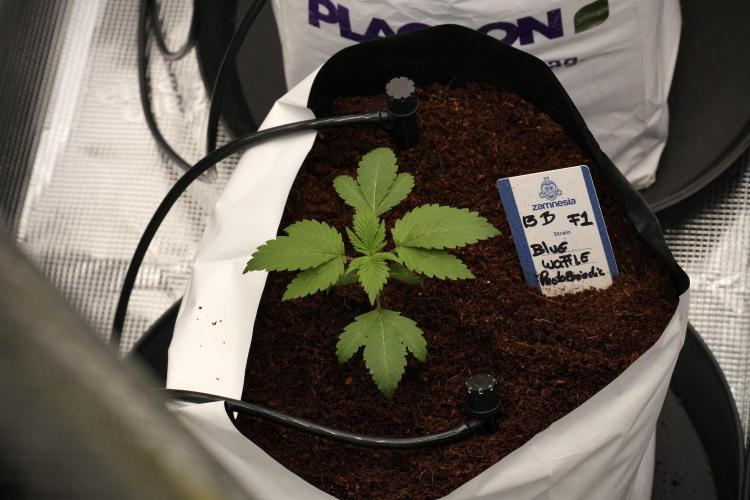
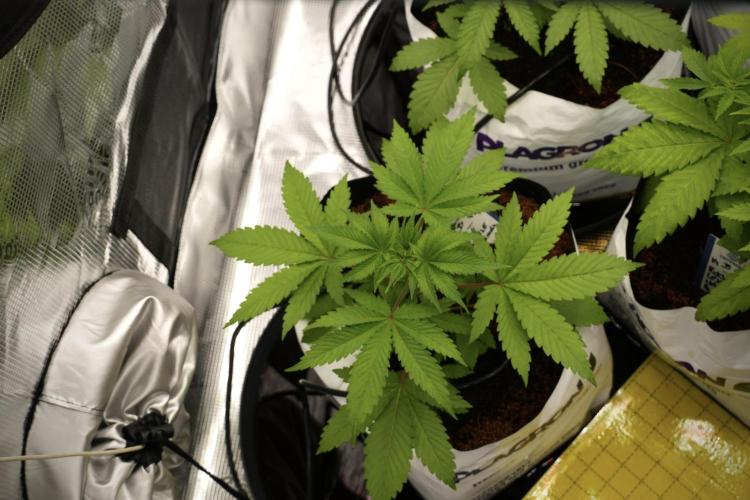
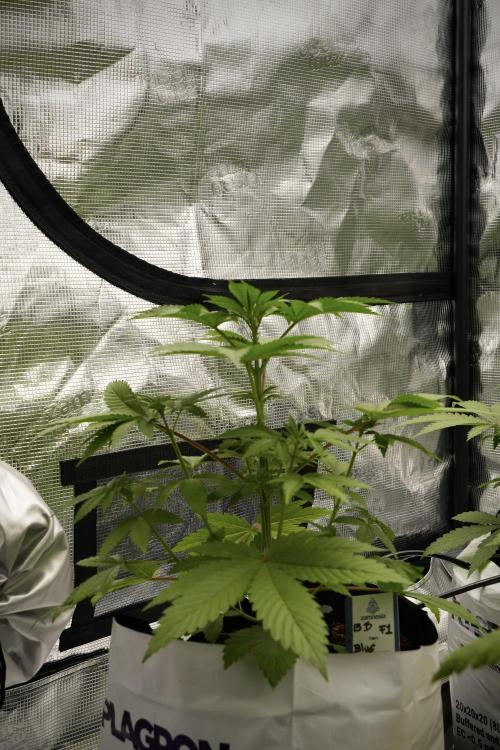
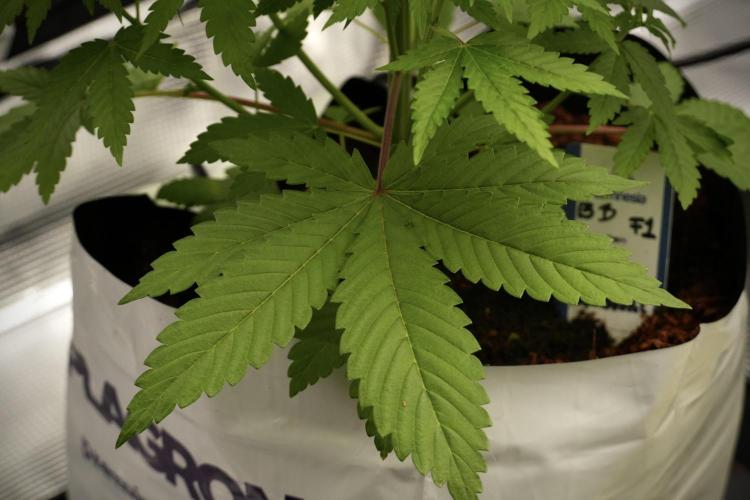
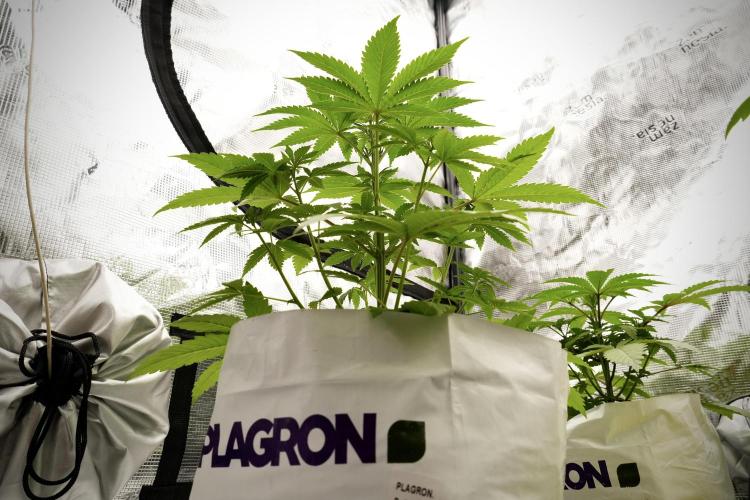
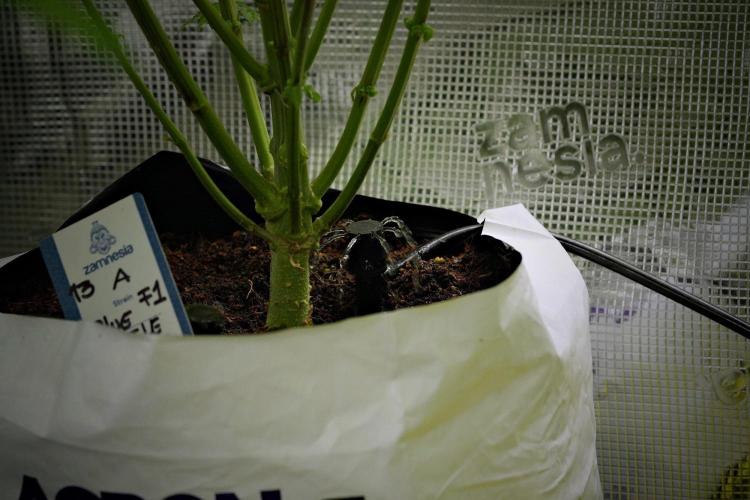
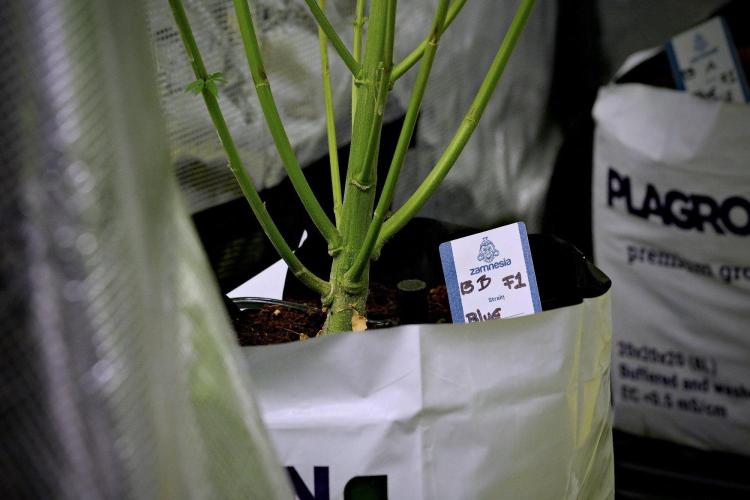
Zodra er een gezonde wortel verscheen, werd Blue Waffle F1 Pheno B direct overgebracht naar Plagron Lightmix.
Dit substraat is een favoriete startmedium geworden vanwege de lichte textuur, uitstekende beluchting en vergevingsgezinde aard tijdens de vroege ontwikkeling.
Het zaad vestigde zich in zijn nieuwe huis en begon snel wortels te ontwikkelen.
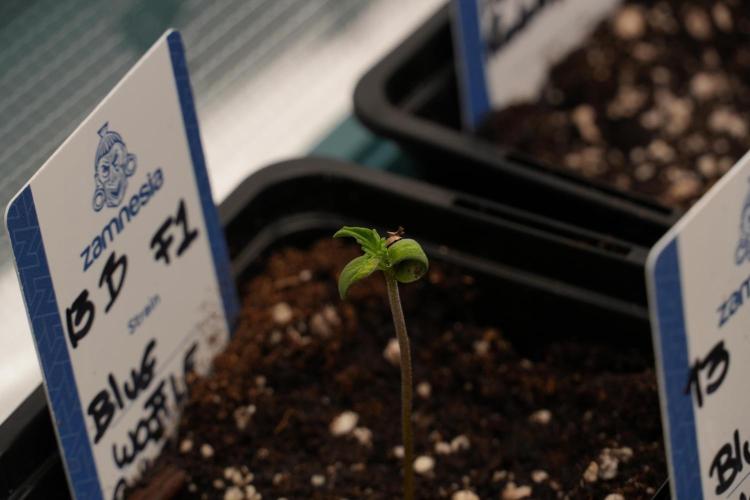
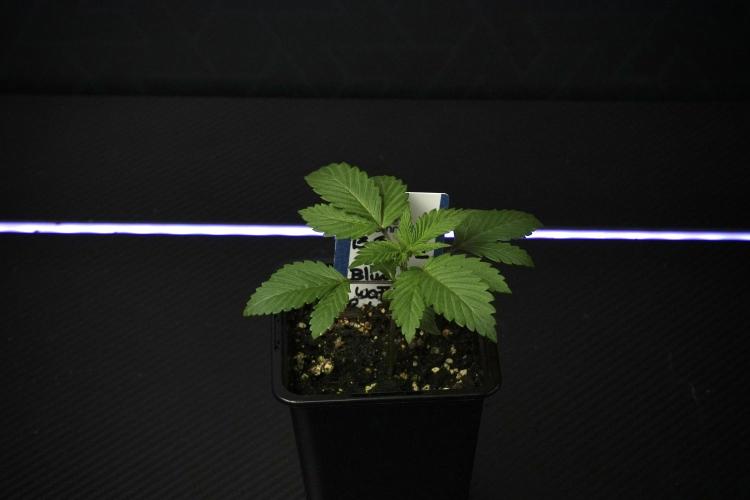
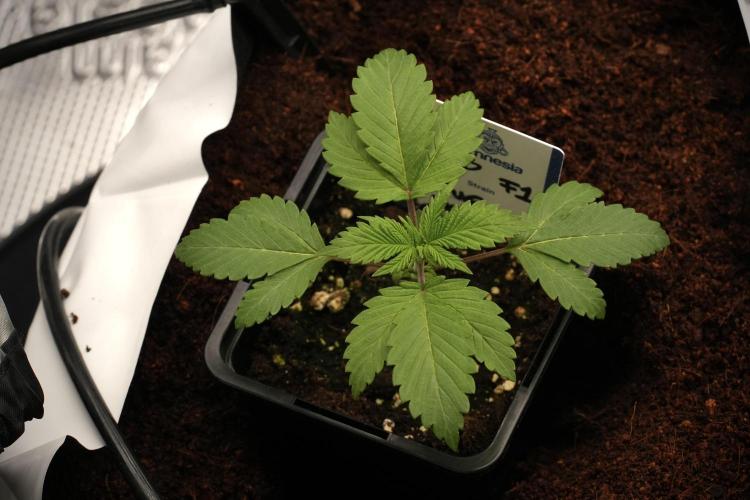
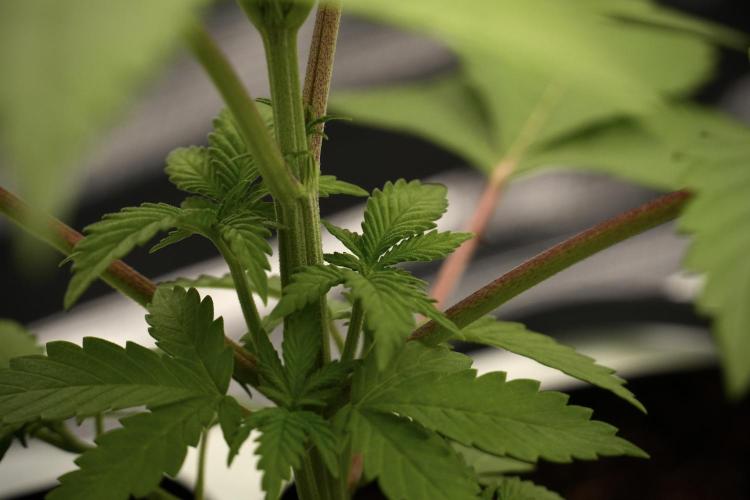
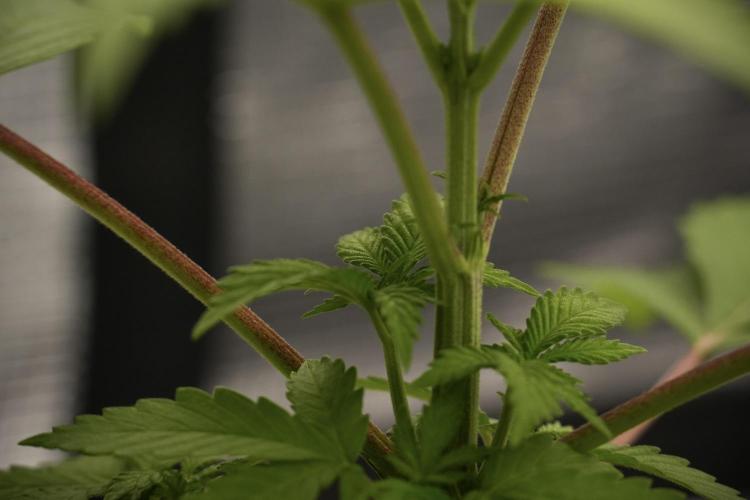
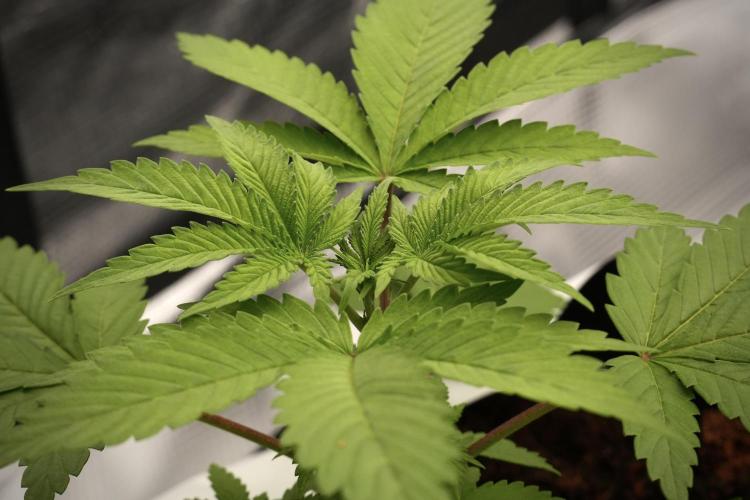
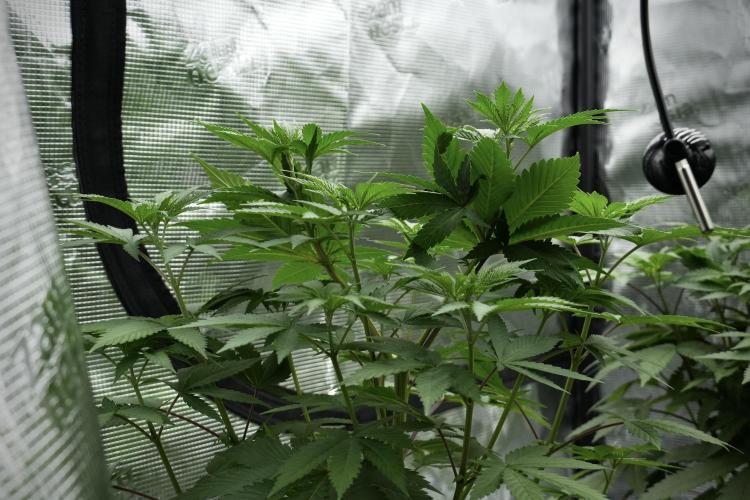
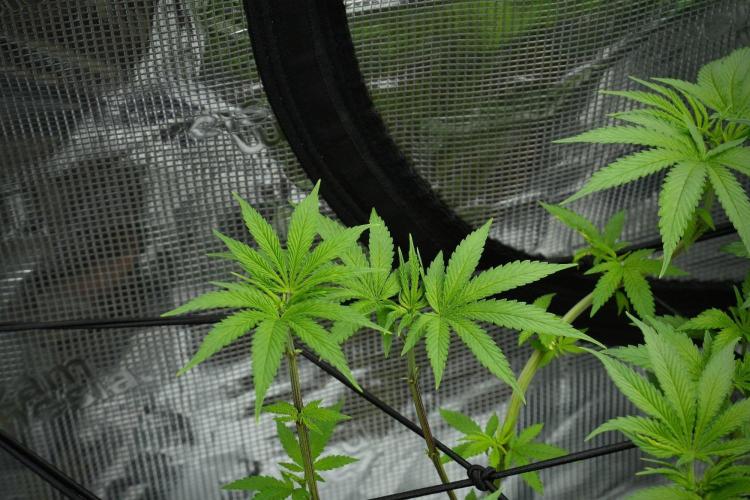
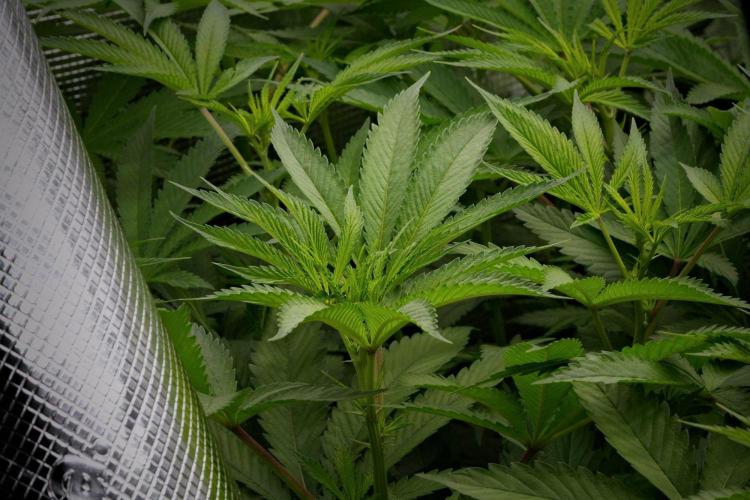
Hoewel iets langzamer dan haar zus, kwam Pheno B succesvol tevoorschijn en toonde vanaf het begin een gezonde vroege kracht.
Soms heeft een zaad gewoon wat extra tijd nodig voordat het zich voorstelt.
Dat maakt het niet zwakker.
Het betekent simpelweg dat het zijn eigen schema volgt.
---
## Waarom Een Vochtige Dome Gebruiken?
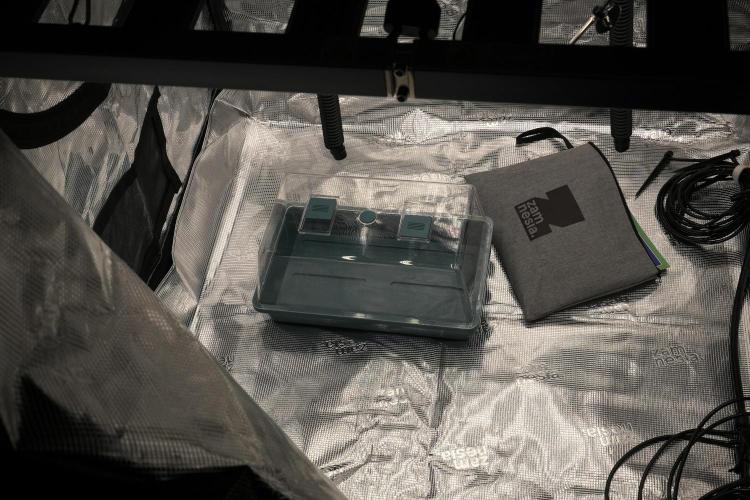
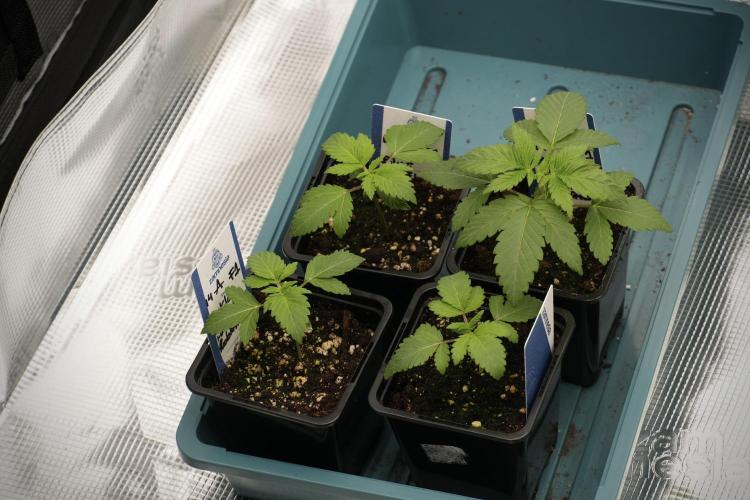
Tijdens de eerste paar dagen na de opkomst, brachten beide Blue Waffle zaailingen tijd door in een vochtige dome.
Jonge zaailingen hebben extreem kleine wortelsystemen en daarom beperkte toegang tot water.
Het handhaven van verhoogde luchtvochtigheid rond de plant helpt het vochtverlies via de bladeren te verminderen terwijl het wortelsysteem zich onder de oppervlakte ontwikkelt.
De vochtige dome is niet bedoeld als een permanente omgeving.
Het is simpelweg een tijdelijk hulpmiddel dat is ontworpen om de plant te ondersteunen tijdens een van de meest delicate fasen van zijn leven.
Naarmate de wortelontwikkeling verbetert, wordt de dome verwijderd en begint de plant zich aan te passen aan de omgeving die hij gedurende de rest van de groei zal ervaren.
Het doel is aanpassing.
Niet afhankelijkheid.
---
## Het Bouwen Van De Nieuwe Zamnesia Kweektent Kit
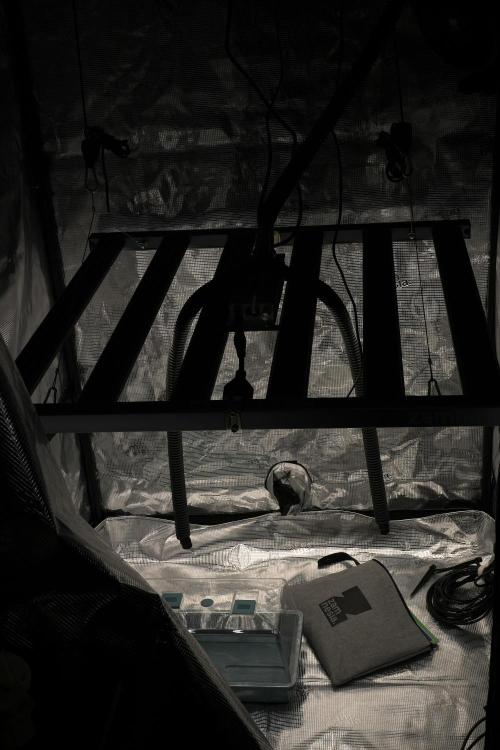
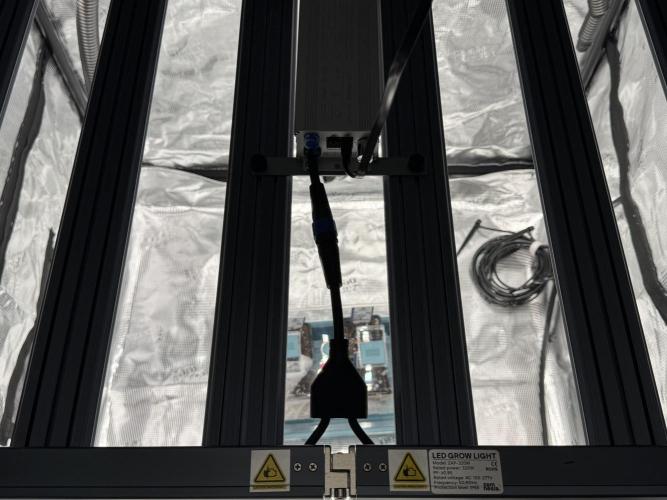
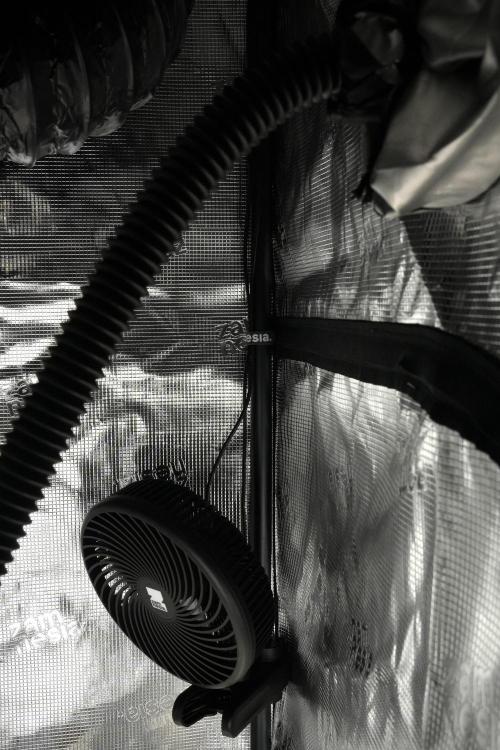
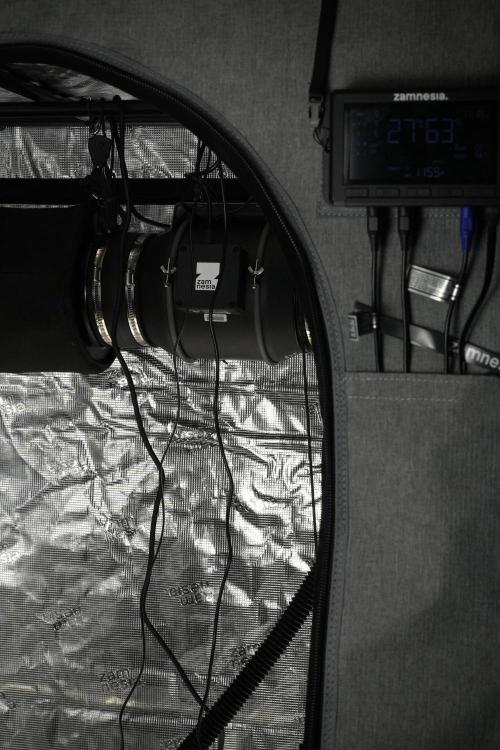
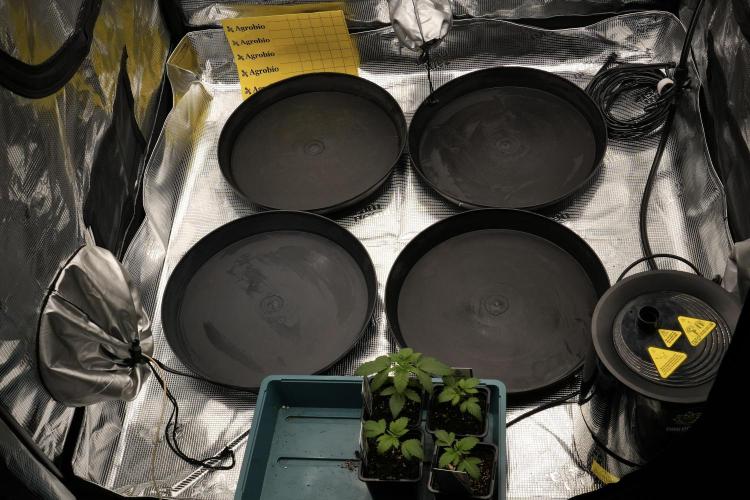
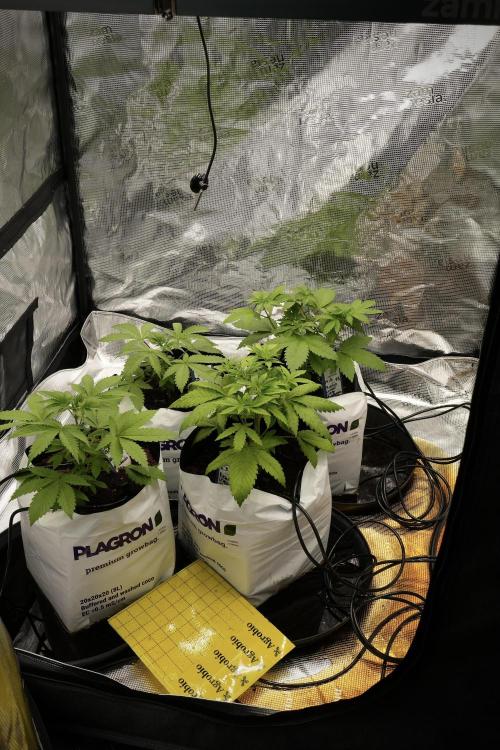
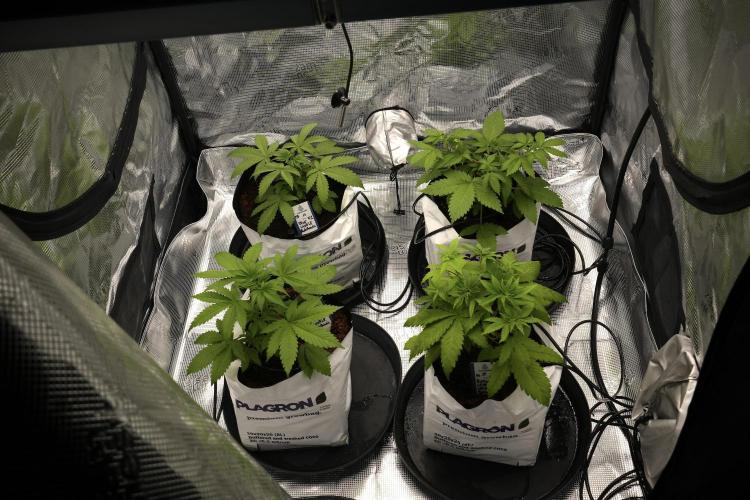
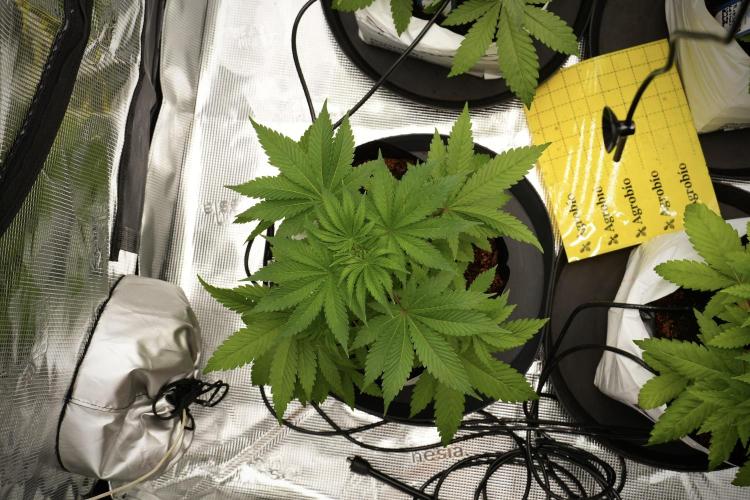
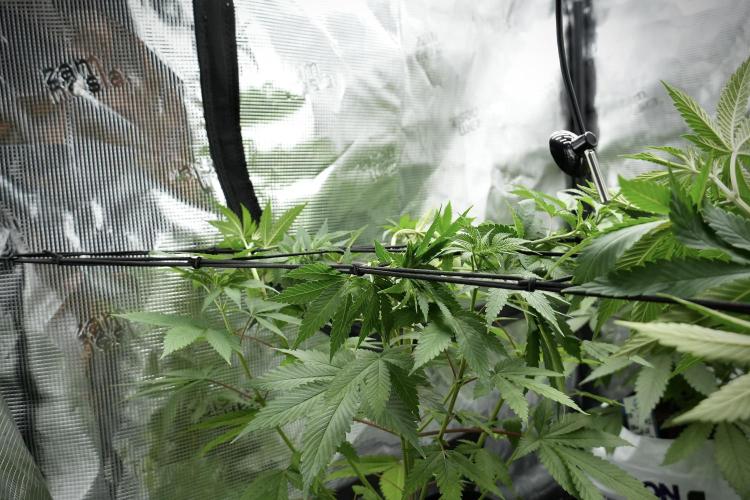
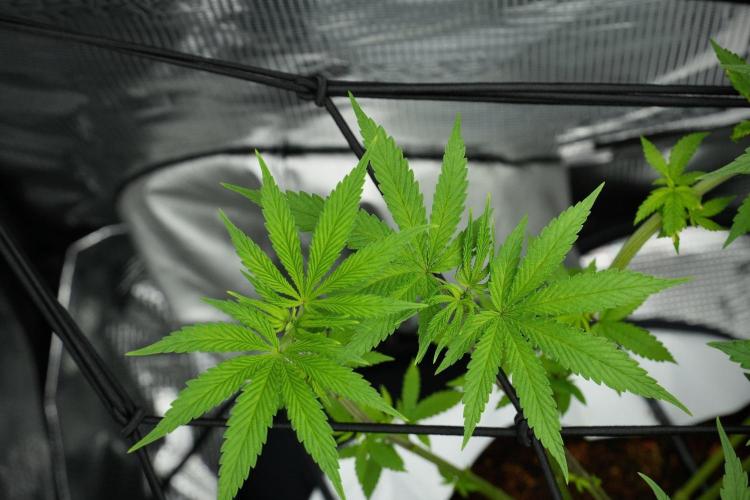
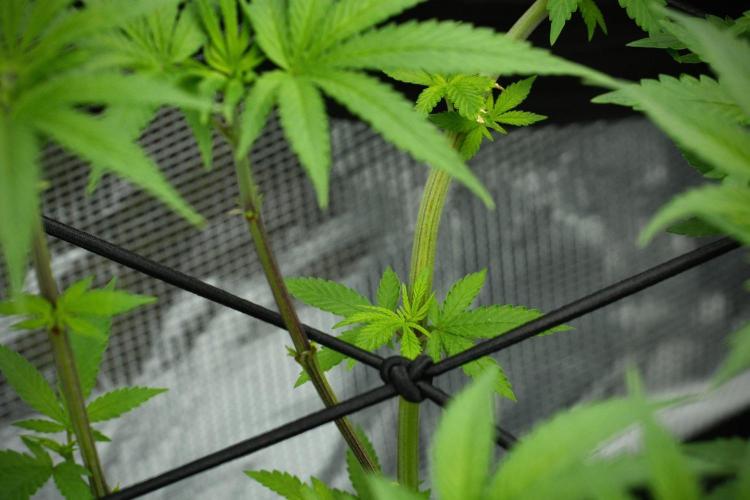
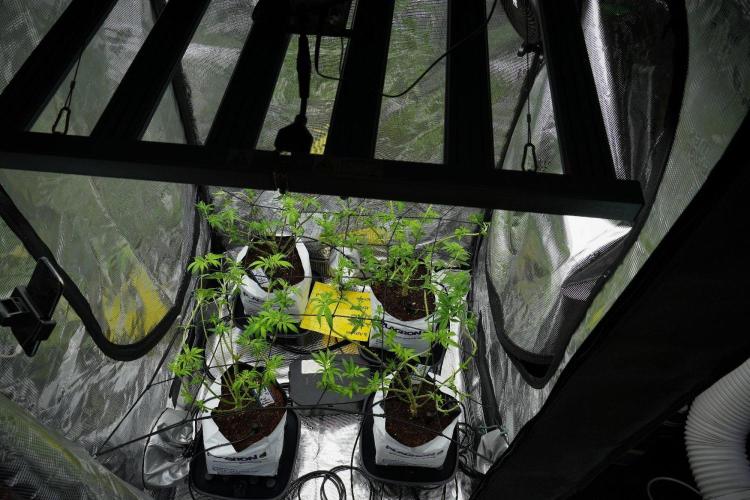
Een van de meest opwindende delen van dit project was het in elkaar zetten van de gloednieuwe Zamnesia Kweektent Kit die gedurende de hele kweekcyclus zal worden gebruikt.
Het hele systeem werd door één persoon zonder hulp in elkaar gezet.
Inclusief:
- Tentassemblage
- LED-installatie
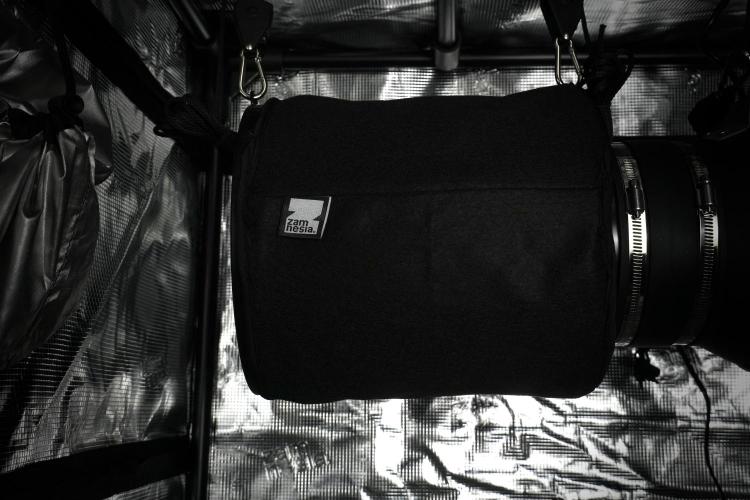
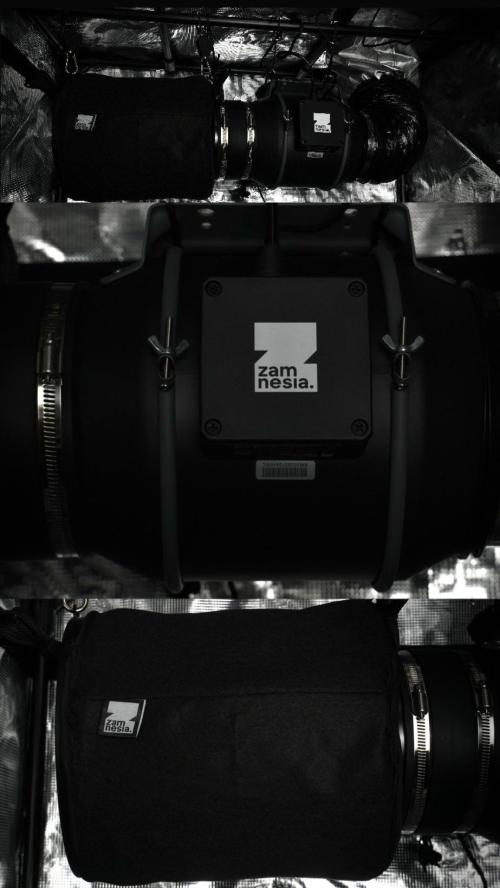
- Koolstoffilteropstelling
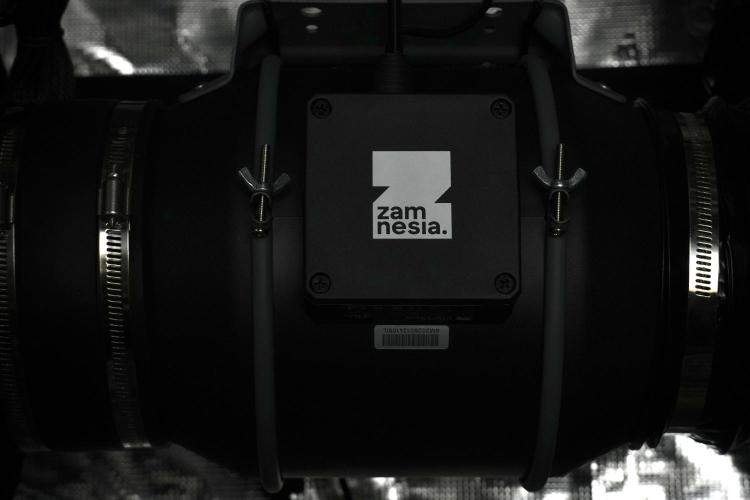
- Inline ventilatorinstallatie
- Luchtkanalen
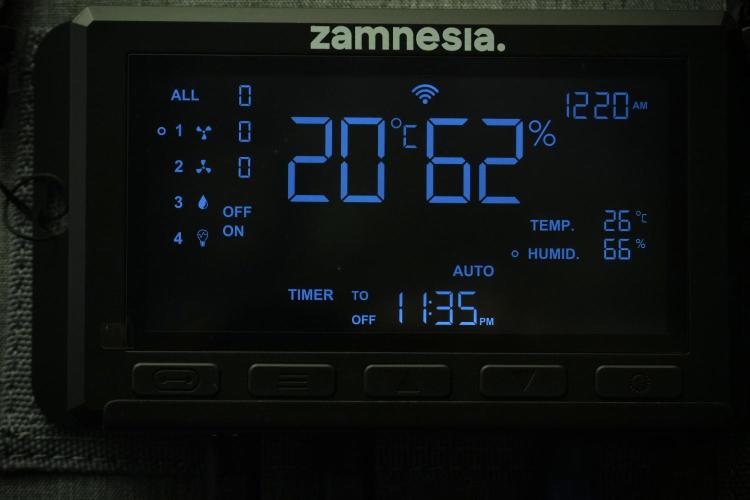
- Controlleropstelling
- Kabelbeheer
Alles was binnen minder dan een uur volledig operationeel.
De instructies die bij de kit zijn inbegrepen zijn uitstekend en zeer beginnersvriendelijk.
In mijn specifieke kweekruimte moest ik een paar aanpassingen maken en wat creatieve positionering uitvoeren om alles precies zo te krijgen als ik wilde, maar het proces bleef eenvoudig.
De eerste indruk was uiterst positief.
De bouwkwaliteit voelt uitstekend aan.
Materialen voelen solide aan.
Assemblage was eenvoudig.
En nu komt het leuke deel:
Alles op de proef stellen.
---
## Wat Is In De Kit Inbegrepen?
Dit project wordt volledig gekweekt met behulp van de Zamnesia Kweektent Kit.
Het pakket bevat:
- Kweektent 100×100×200 cm
- Phytonaut LED Kweeklamp 320W
- Inline Luchtventilator 150 mm
- Koolstoffilter Luchtzuiveraar 150 mm
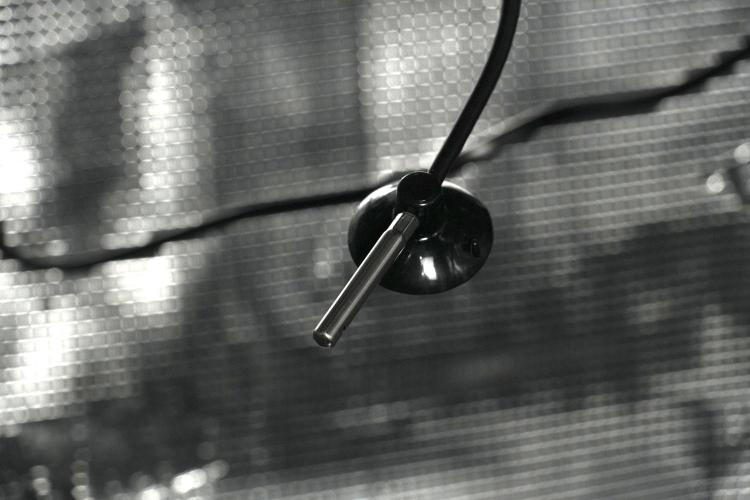
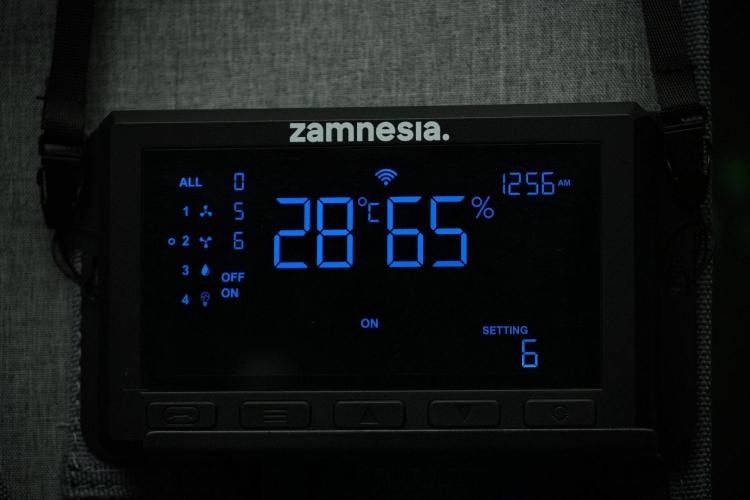
- Kweekomgeving Controller
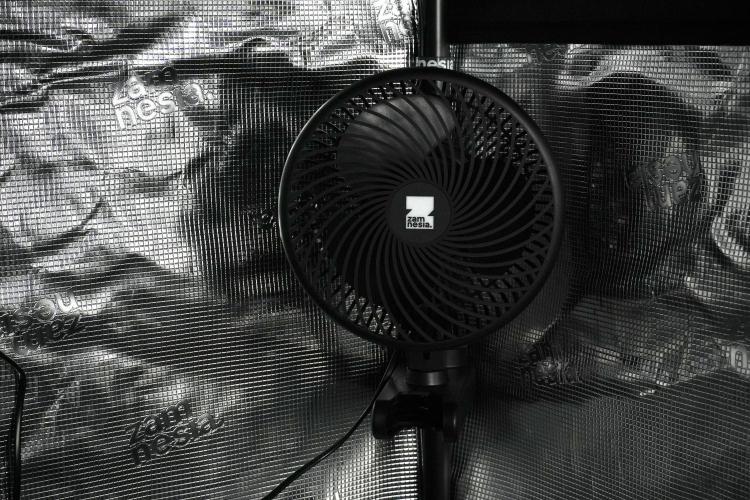
- Kweektent Clipventilator
- Flexibele Luchtkanalen
- 24-Uur Timer
- Touw Ratchet Hangers
- Klittenband Kabelbeheer Accessoires
Alles wat momenteel in de tent werkt komt rechtstreeks uit deze kit.
Geen vervangingen.
Geen upgrades.
Geen aanpassingen.
Dit maakt een oprechte evaluatie van het complete systeem precies zoals geleverd mogelijk.
---
## Omgevingscondities
Voor deze eerste week bleven de omstandigheden opzettelijk mild.
Met een PAR-meter werd de lichtintensiteit gemeten op ongeveer:
~200 PPFD
Jonge zaailingen hebben simpelweg geen intense verlichting nodig.
Het doel in deze fase is een gezonde vestiging in plaats van snelle groei.
De omgevingscondities bleven de hele week stabiel, waardoor beide zaailingen hun energie konden richten op wortelontwikkeling en vroege groei.
De reactie was precies wat ik hoopte te zien.
Gezonde houding.
Gezonde kleur.
Gestaag verloop.
En geen tekenen van stress.
---
## Eerste Indrukken Van Blue Waffle F1 Pheno B
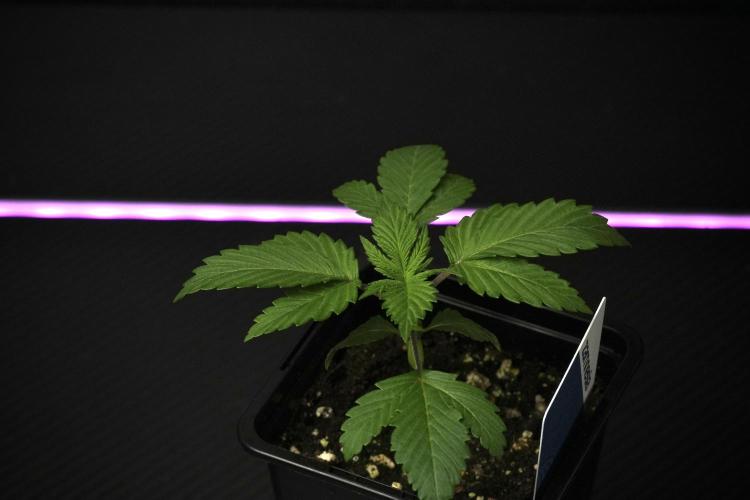
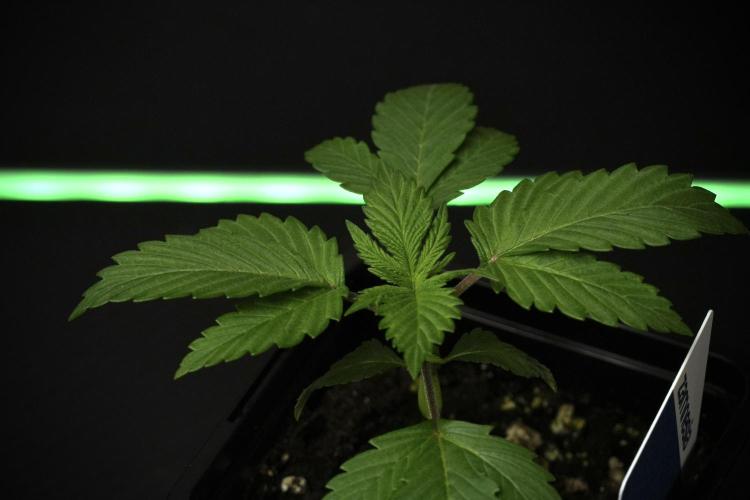
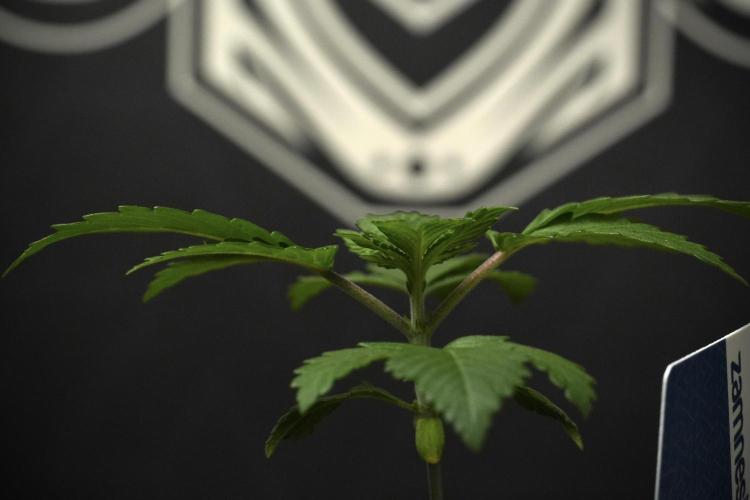
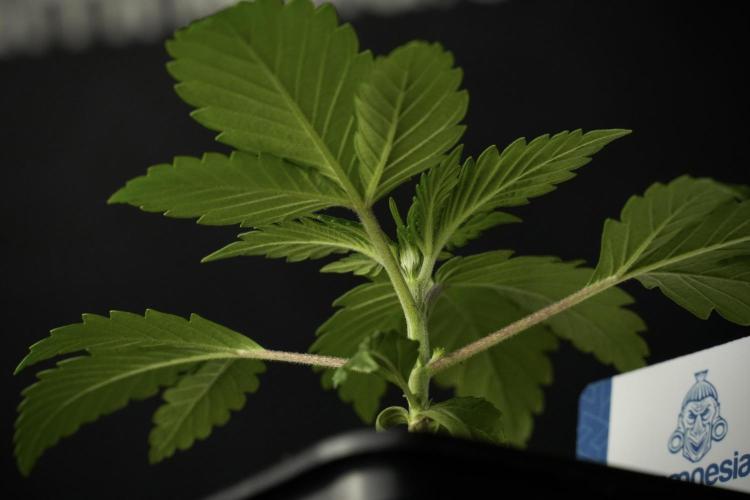
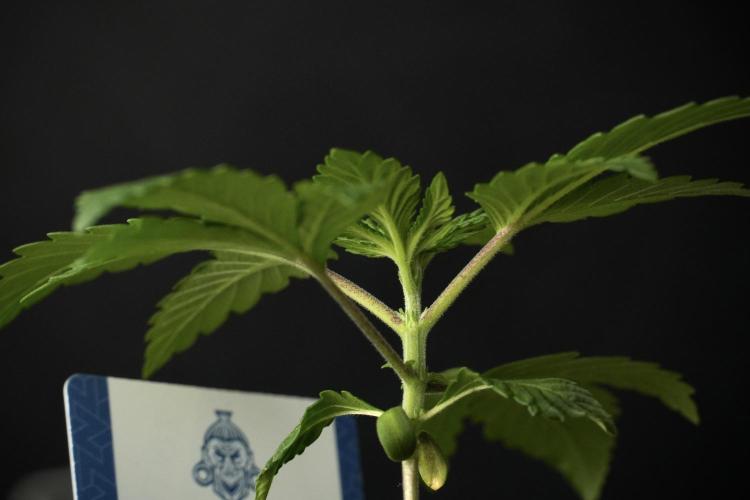
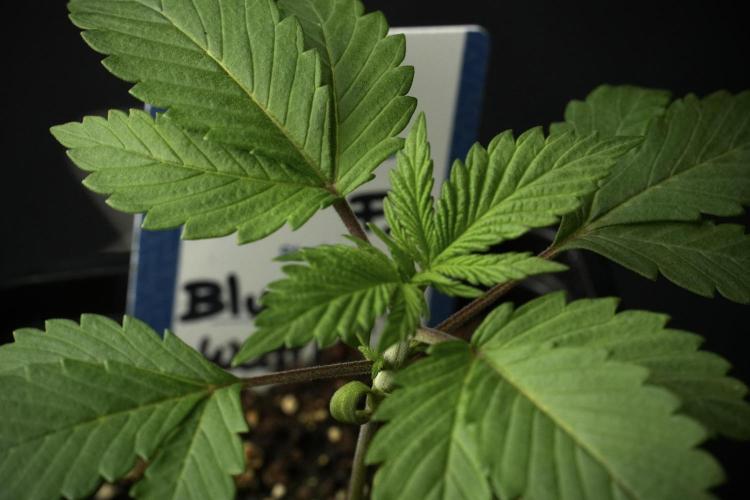
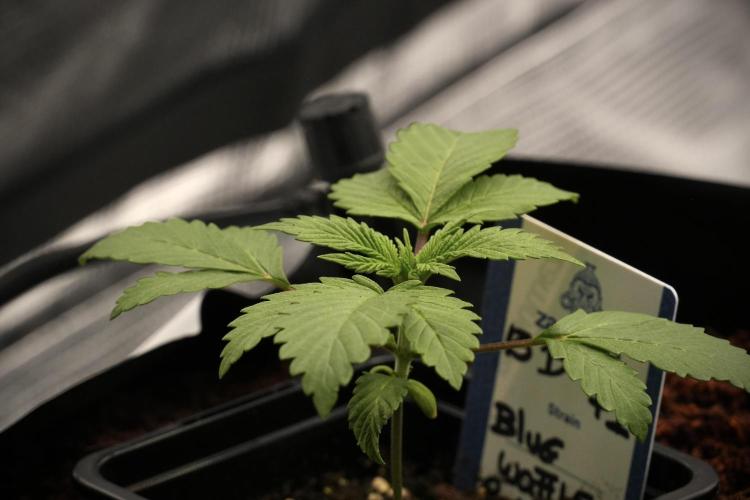
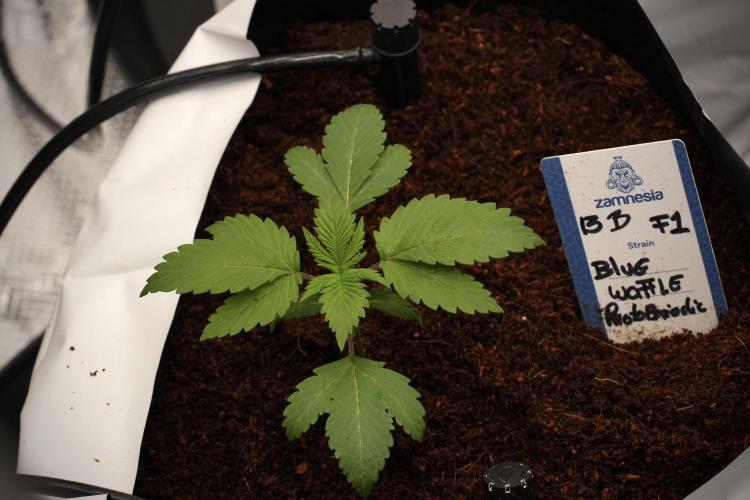
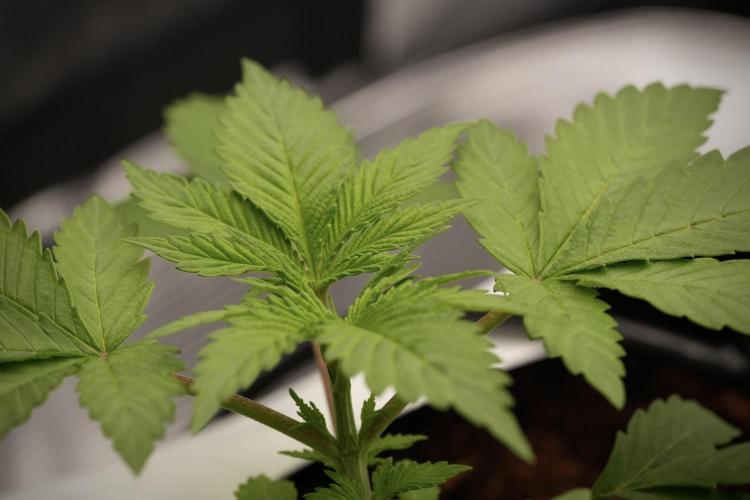
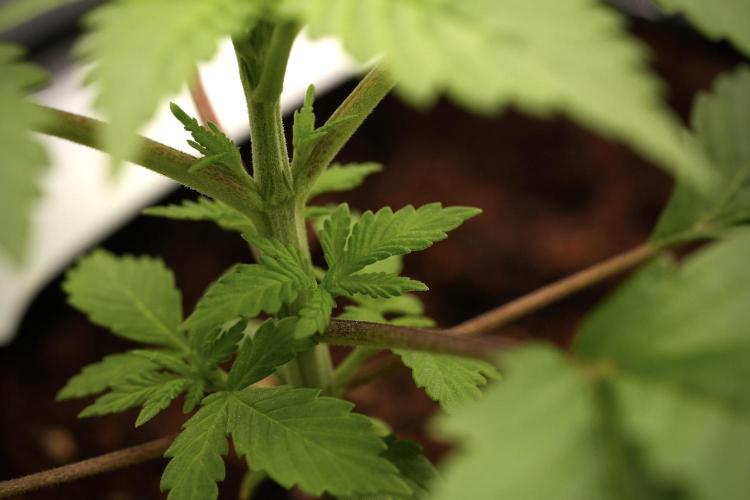
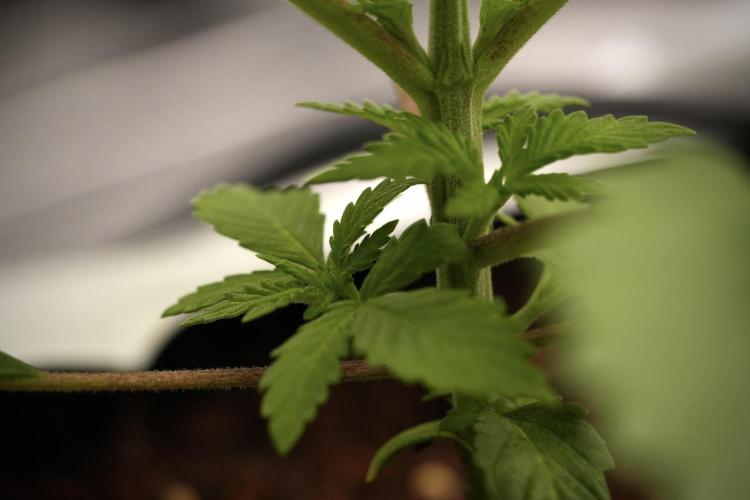
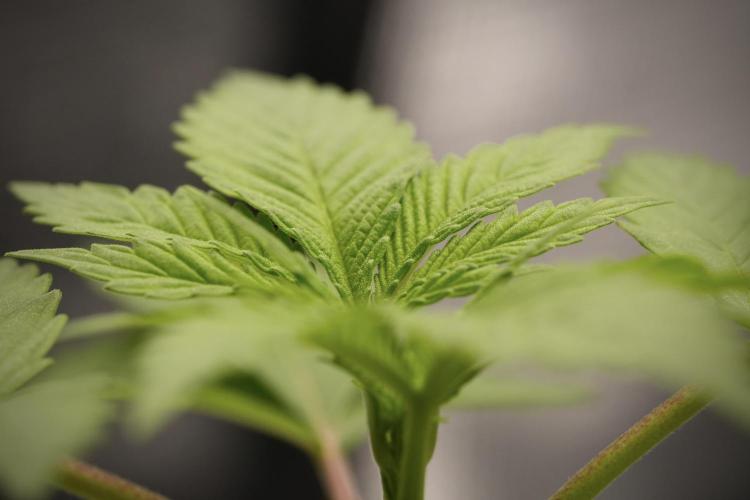
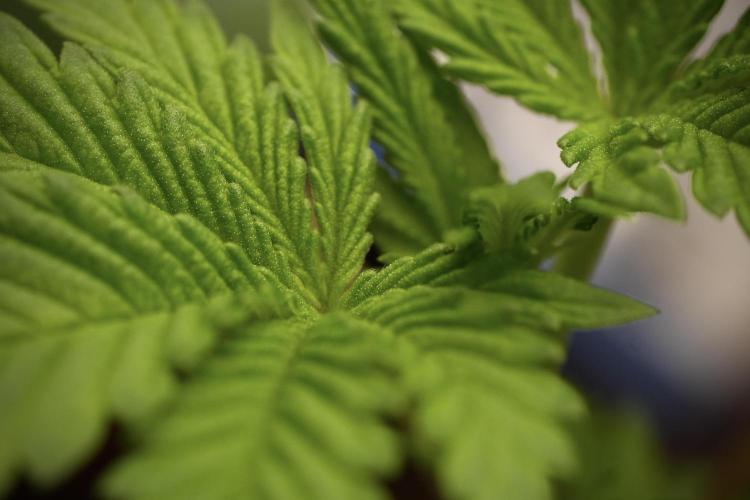
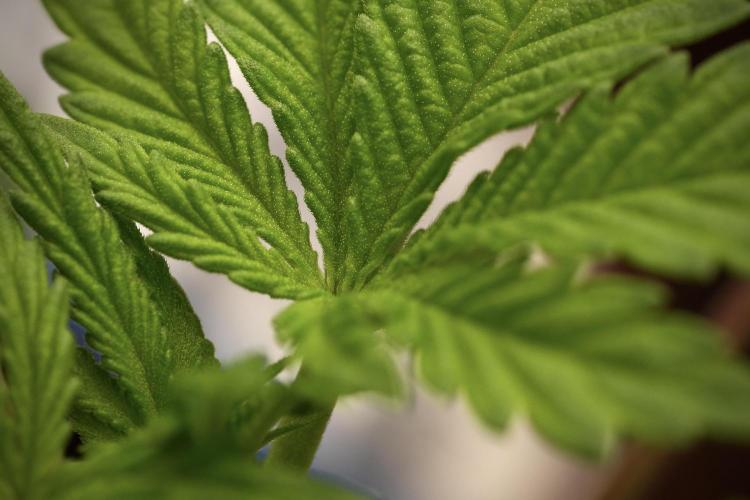
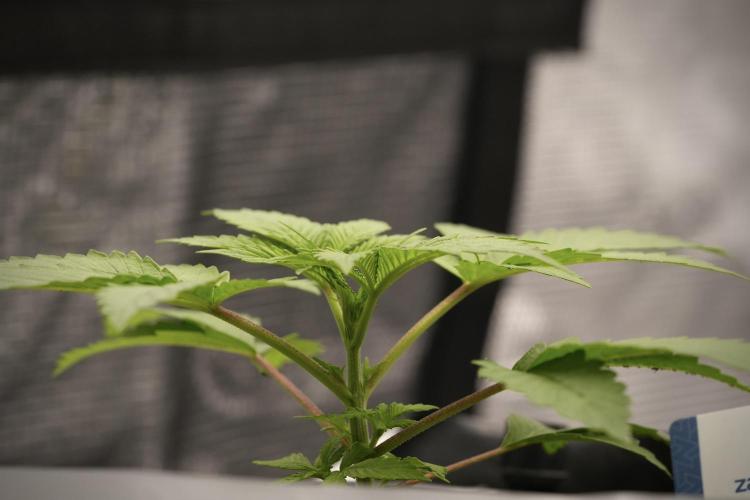
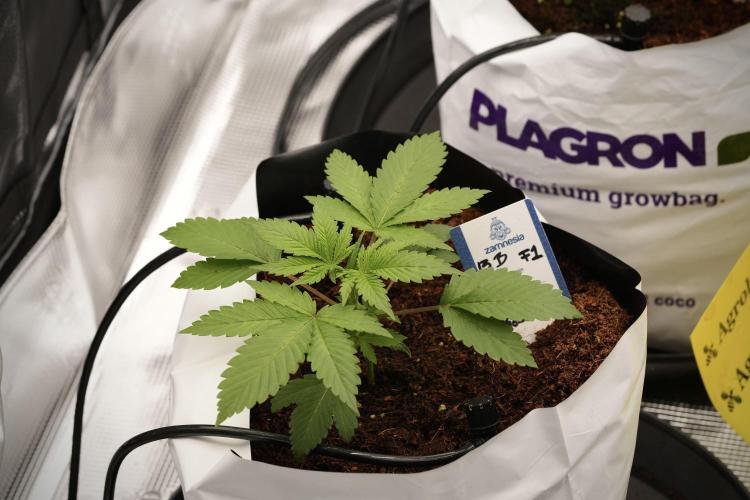
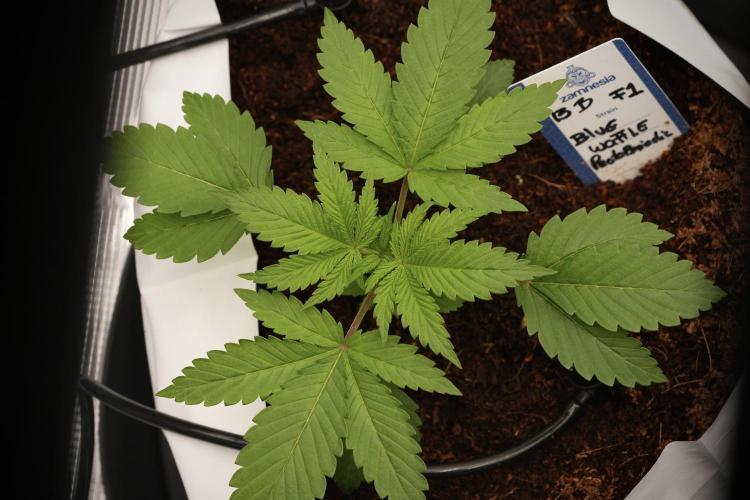
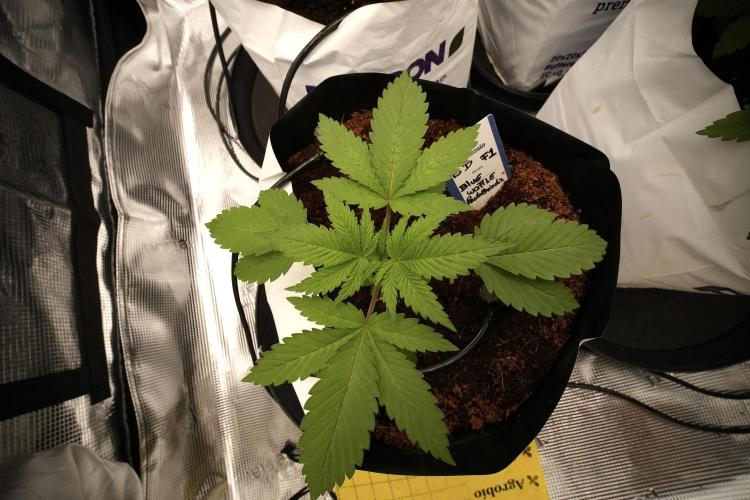
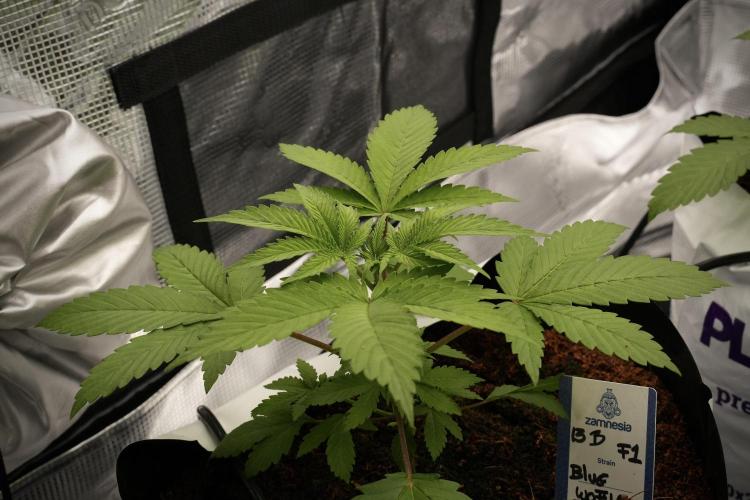
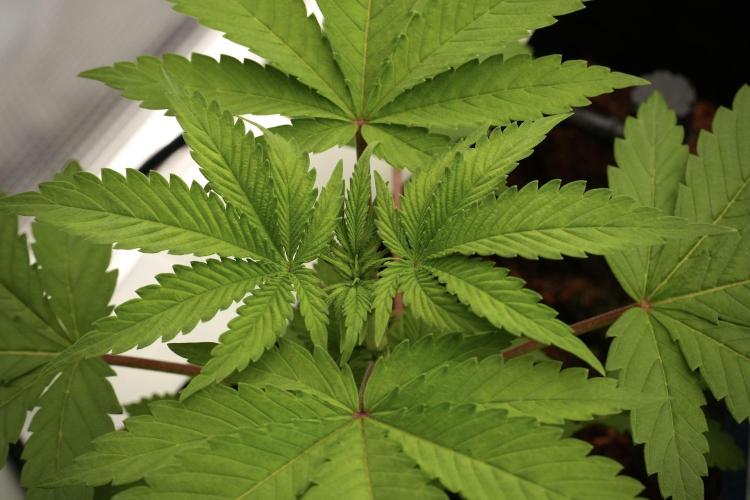
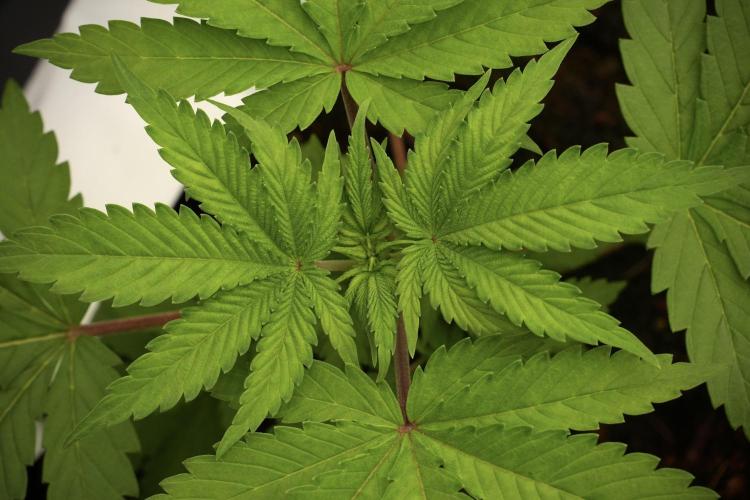
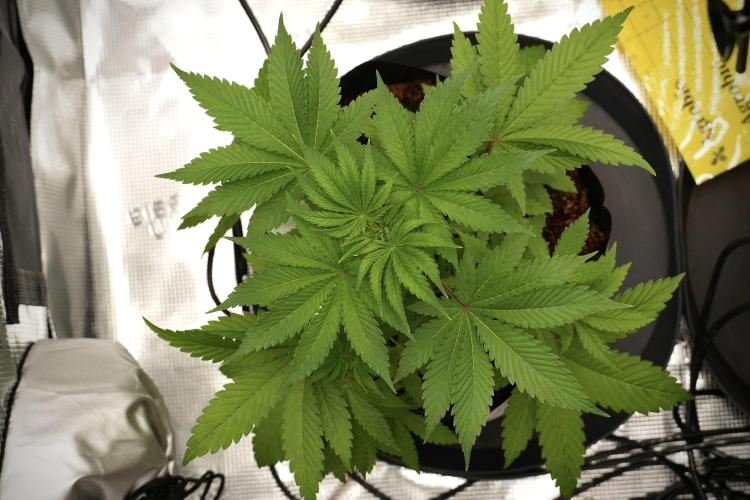
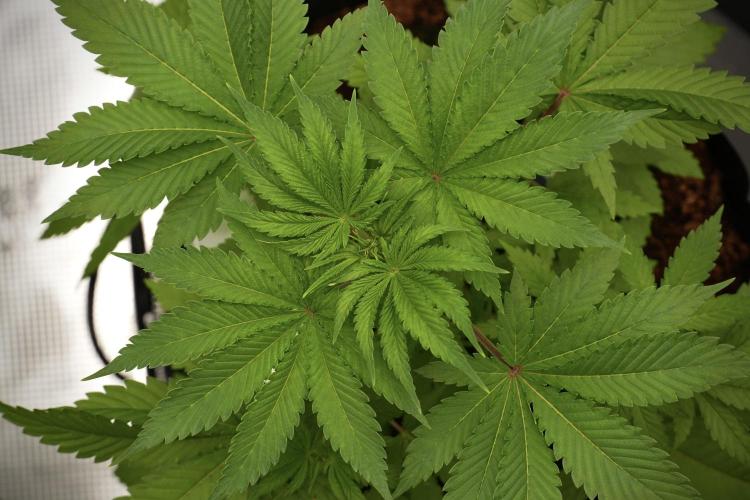
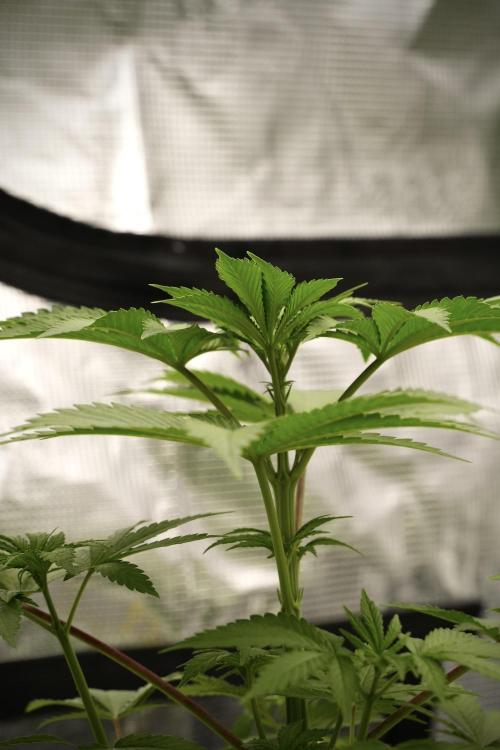
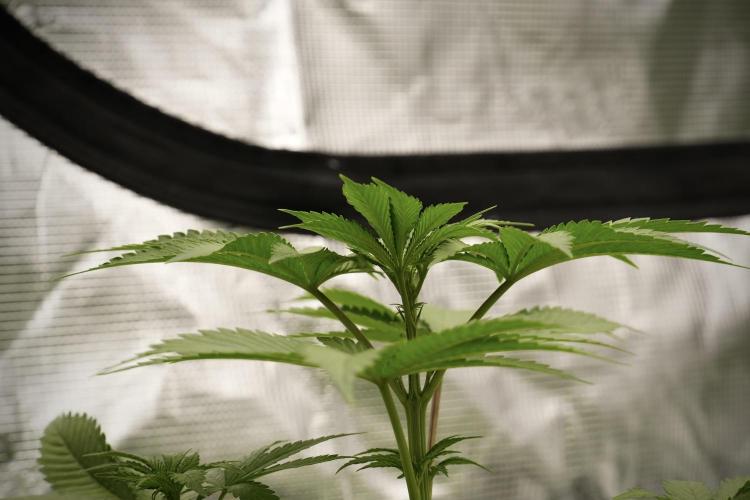
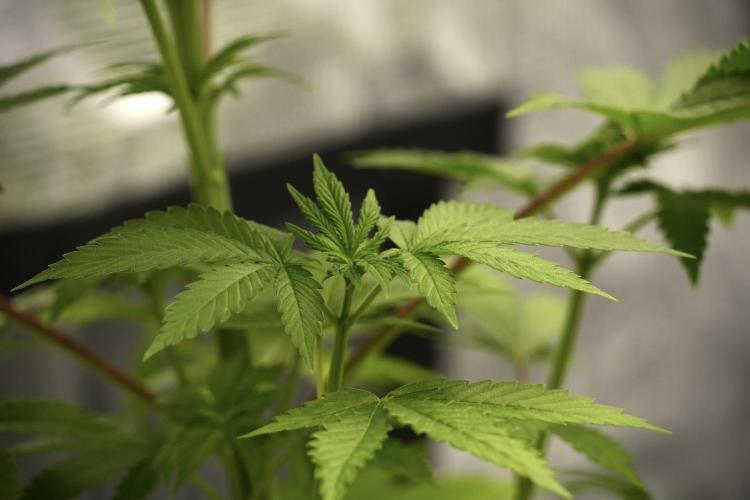
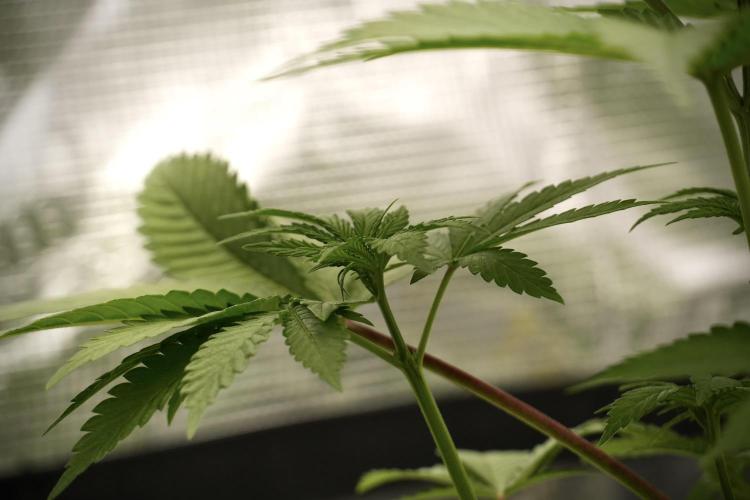
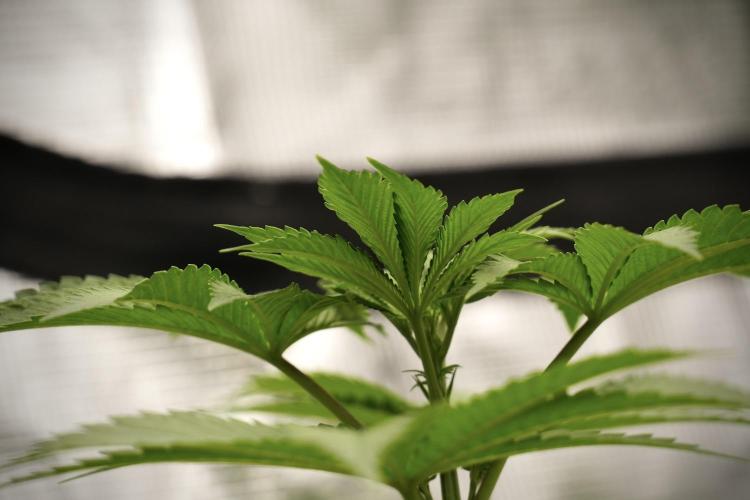
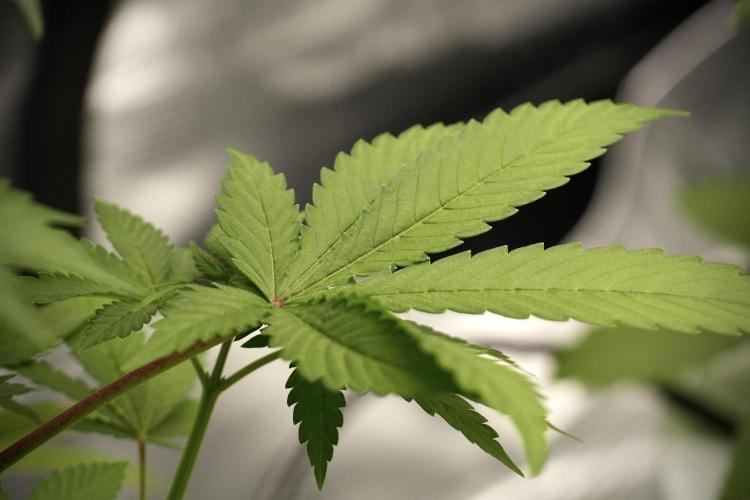
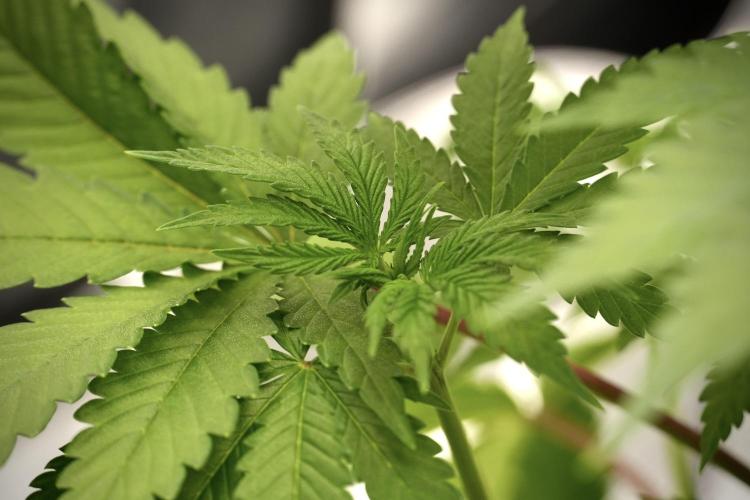
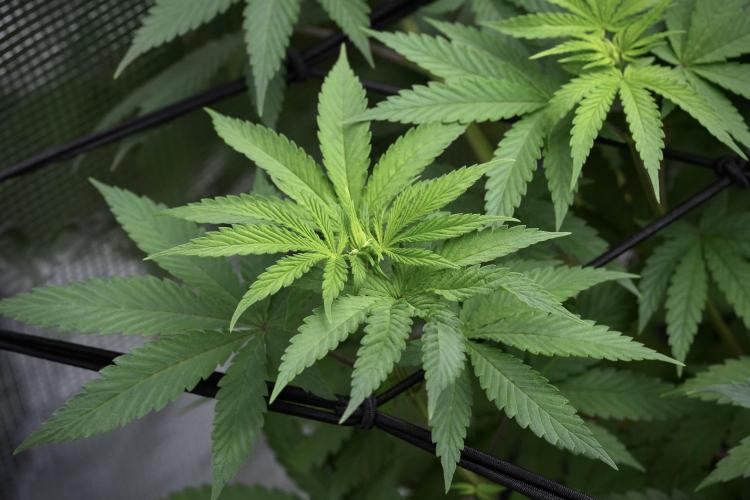
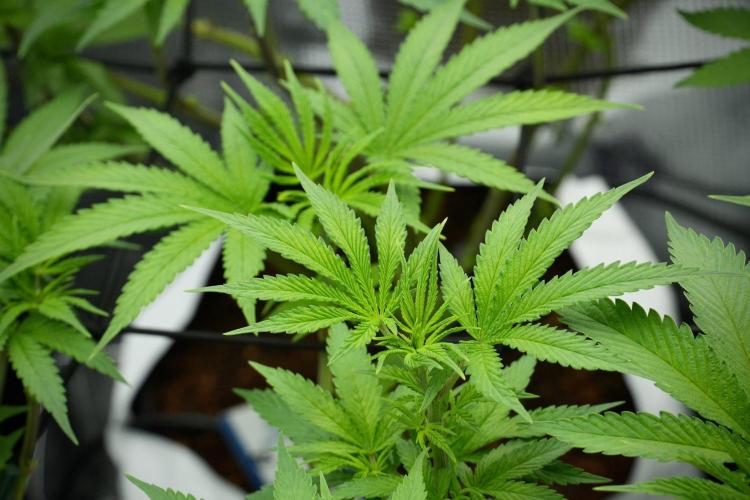
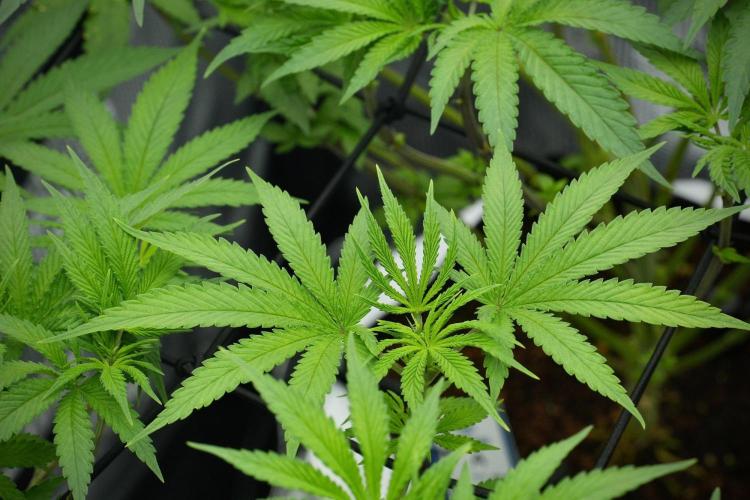
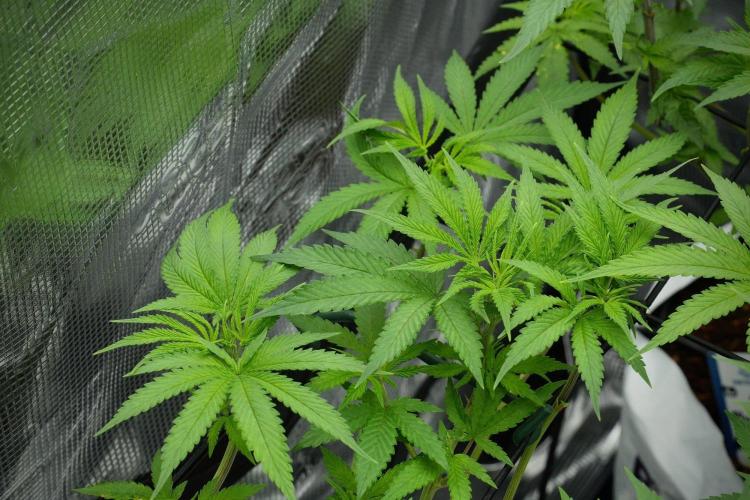
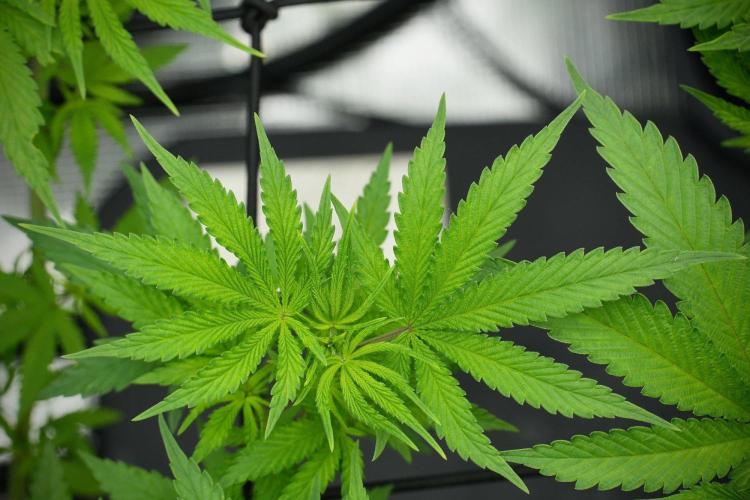
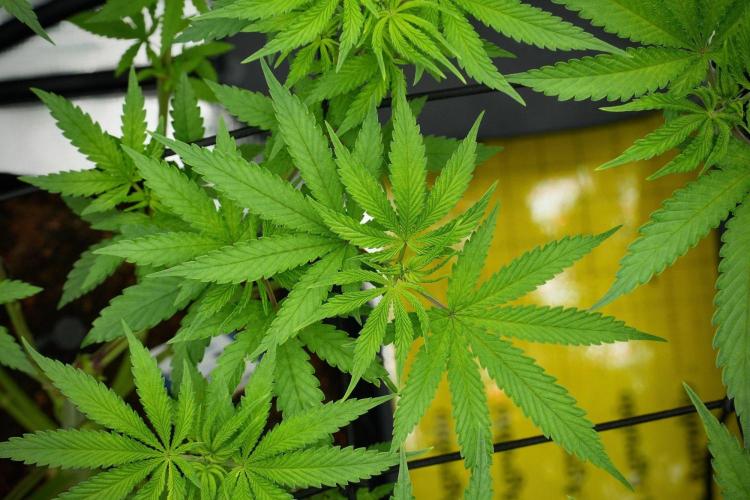
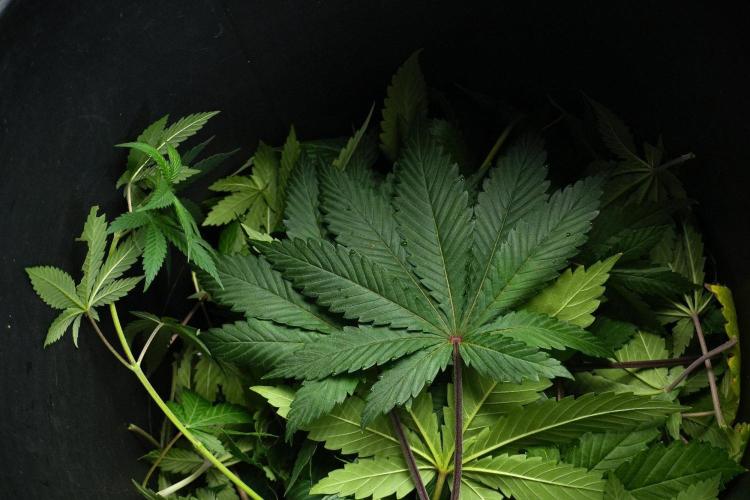
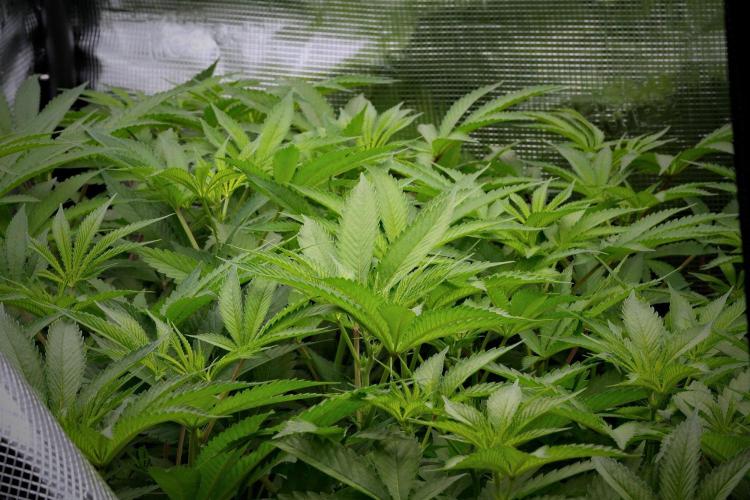
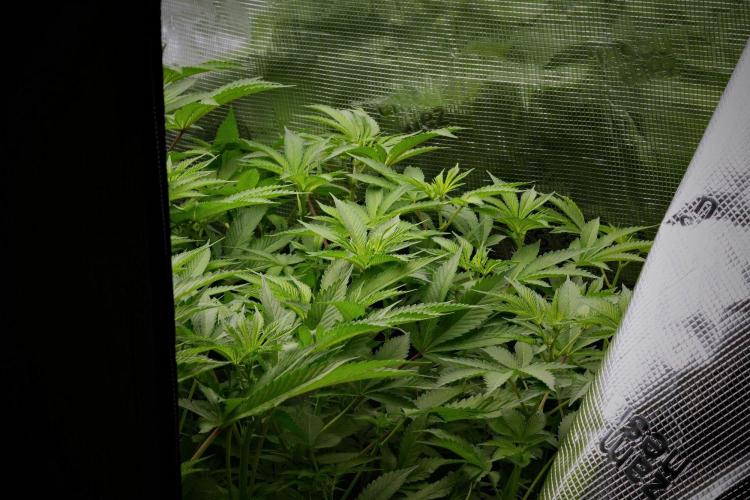
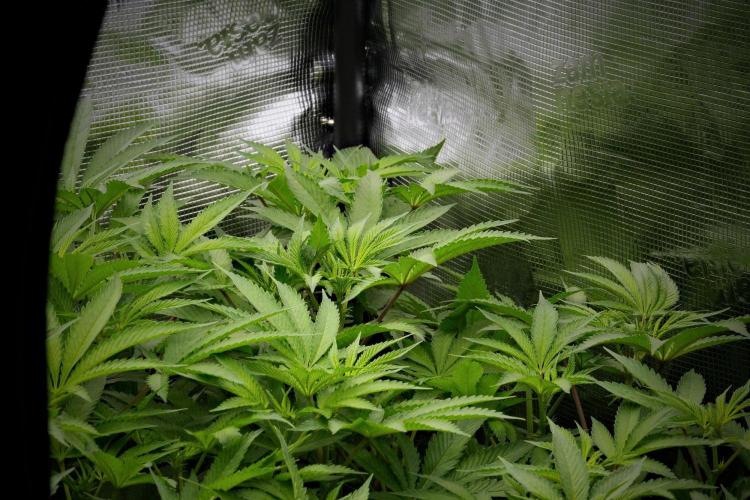
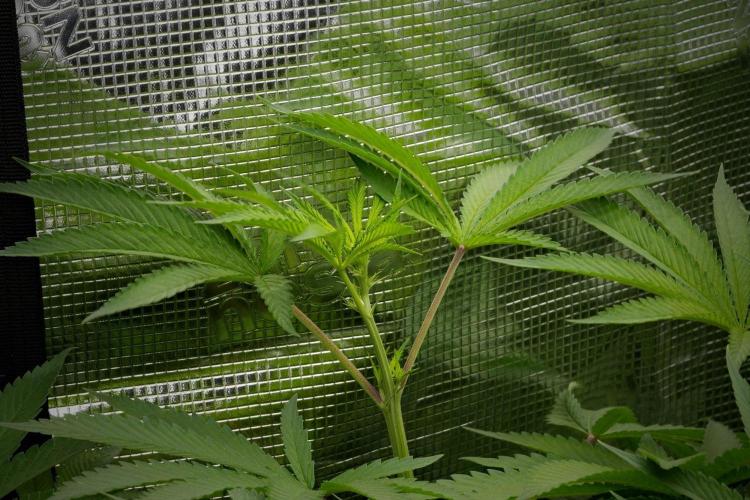
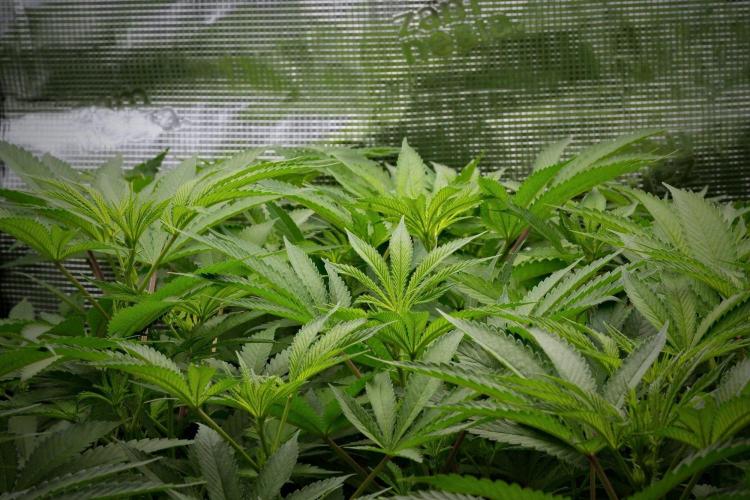
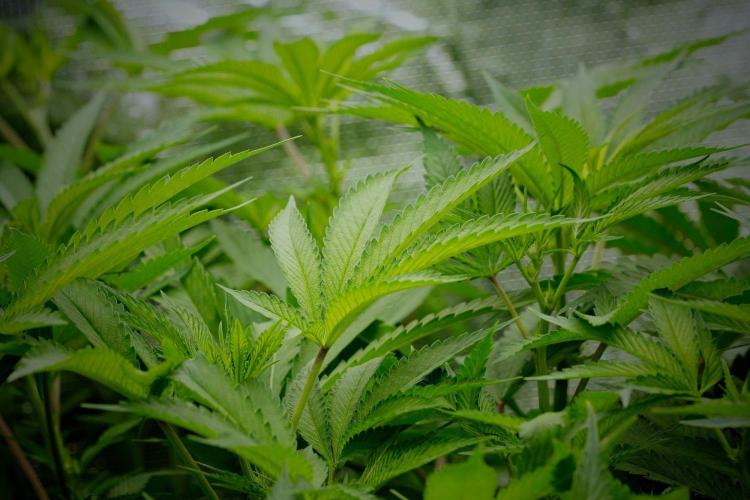
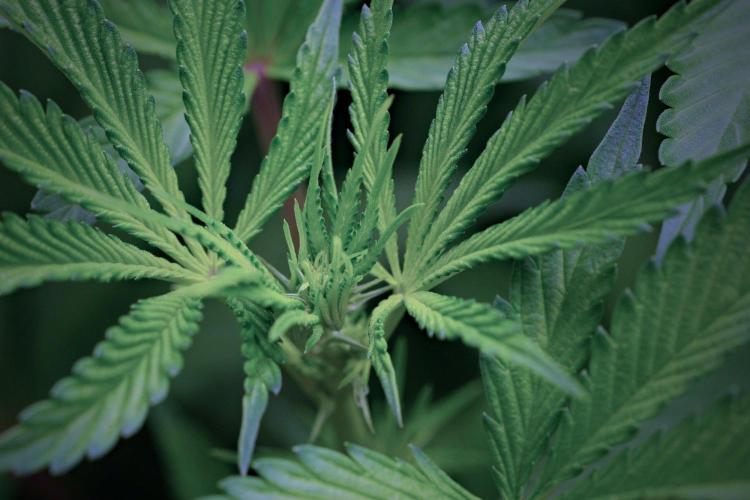
Hoewel Pheno B iets later verscheen dan haar zus, toonde ze snel gezonde kracht en sterke ontwikkeling.
De kleur blijft uitstekend.
De structuur lijkt in balans.
De groei is gestaag en consistent.
En de verschillen tussen beide fenotypes beginnen al tevoorschijn te komen.
Dat is precies waarom deze individuele dagboeken bestaan.
Elk plant zijn persoonlijkheid zien onthullen is een van de meest belonende delen van het kweken.
Met slechts één week oud, begint dit verhaal nog maar net.
---
## Vooruitkijken
In de komende weken zullen we elke fase van de ontwikkeling blijven documenteren.
We zullen volgen:
- Wortelvestiging
- Vegetatieve groei
- Omgevingsbeheer
- Structurele ontwikkeling
- Trainingsbeslissingen
- Voedingsprogressie
- Genetische expressie
- En welke unieke kenmerken dit fenotype besluit te onthullen
Voor nu heeft Blue Waffle F1 Pheno B een succesvolle eerste week afgerond en heeft ze zich comfortabel gevestigd in haar nieuwe huis.
De wortels groeien.
De bladeren reiken.
En het avontuur is officieel begonnen.
Kwekersliefde iedereen. 💚🌱?
Soms vertelt de plant die een extra dag nodig heeft om aan te komen het meest interessante verhaal.
13 houdt van
opmerkingen
Share
Used method
Overige
Germinatiewijze
1
Week 1. Vegetatie
2mo ago
1/30
6 cm
Height
18 uur
Light Schedule
26 °C
Day Air Temp
6.0
pH
765 PPM
TDS
71 %
Air Humidity
24 °C
Solution Temp
24 °C
Substrate Temp
25 °C
Night Air Temp
0.3 liters
Watering Volume
450 PPM
CO₂-niveau
Nutrients 4
Hydro A
1.4 mll
Hydro B
1 mll
Hydro Roots
1 mll
DogDoctorOfficial Map 13 — Blue Waffle — Pheno B
Week 1 Vegetatie — Fundamenten Leggen
Hallo kwekers,
Welkom terug bij een nieuwe update van het Zamnesia Tent project.
Zoals vermeld in de vorige entries, wordt deze groei iets anders gedocumenteerd dan mijn gebruikelijke dagboeken. In plaats van planten samen te groeperen, krijgt elk fenotype zijn eigen individuele journal. Dit stelt ons in staat om elke plant van zaad tot oogst te volgen en te observeren hoe verschillende uitdrukkingen zich ontwikkelen, zelfs wanneer ze dezelfde omgeving, voedingsschema en zorg delen.
Vandaag gaan we verder met Blue Waffle Pheno B, een andere jonge dame die haar eerste stappen in de vegetatie zet.
In deze fase gaat het verhaal niet over explosieve groei of enorme planten. Het gaat om het opbouwen van gezonde wortels, het vestigen van structuur en het creëren van de basis waar alles later op zal groeien.
⸻
De Omgeving
Week 1 was gericht op consistentie.
Het Zamnesia ecosysteem handhaafde stabiele omstandigheden gedurende de week, wat een ideale omgeving bood voor jonge zaailingen om zich te vestigen.
De omgevingsomstandigheden waren gemiddeld:
* Temperatuur: 26°C
* Relatieve Vochtigheid: 71%
De verlichting werd opzettelijk geïntroduceerd met een iets hogere intensiteit dan veel zaailing schema's doorgaans aanbevelen.
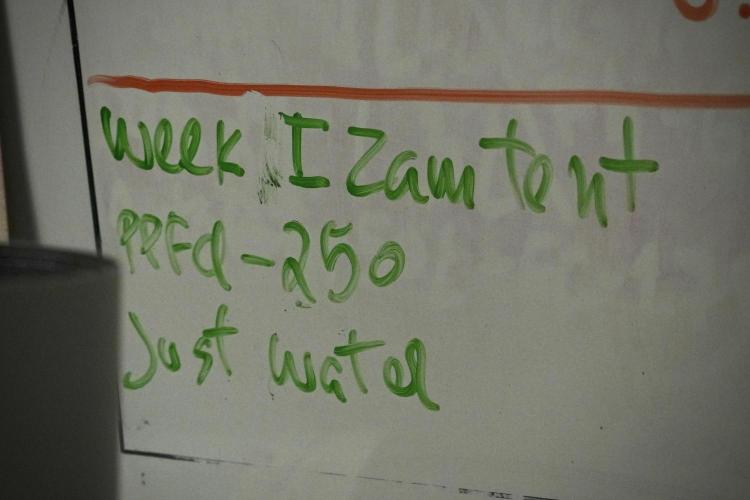
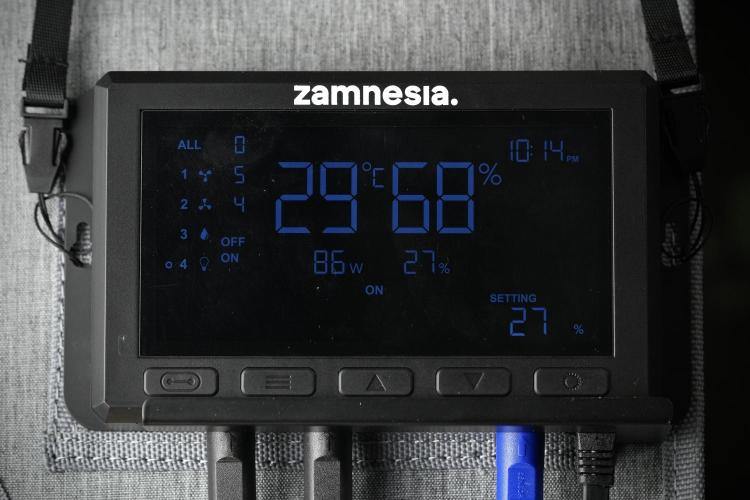
Het LED-armatuur werd bediend op 27% vermogen, wat ongeveer 86 watt van het stopcontact trok en een gemeten PPFD van ongeveer 250 µmol/m²/s op het bladerdakniveau produceerde.
Een deel van dit project is het observeren van hoe deze genetica reageert wanneer ze vanaf het begin sterke maar gecontroleerde omgevingsomstandigheden krijgen.
Luchtstroom werd geleverd door:
* Zamnesia afzuigventilator: Niveau 5
* Circulatieventilator: Niveau 4
Dit zorgde voor een zachte luchtbeweging door de tent terwijl de temperatuur en vochtigheidsniveaus stabiel bleven.
⸻
Voedingsprogramma
Deze week markeerde ook het begin van het voedingsprogramma.
Terwijl de zaailingen in eerste instantie alleen regenwater ontvingen tijdens hun vroegste dagen, hebben ze nu hun eerste voedingsoplossing ontvangen, bestaande uit:
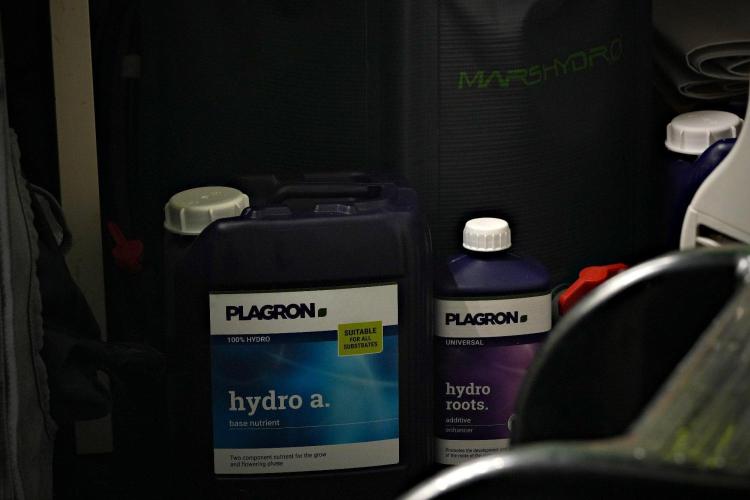
* Plagron Hydro A
* Plagron Hydro B
* Plagron Hydro Roots
Gemengd tot:
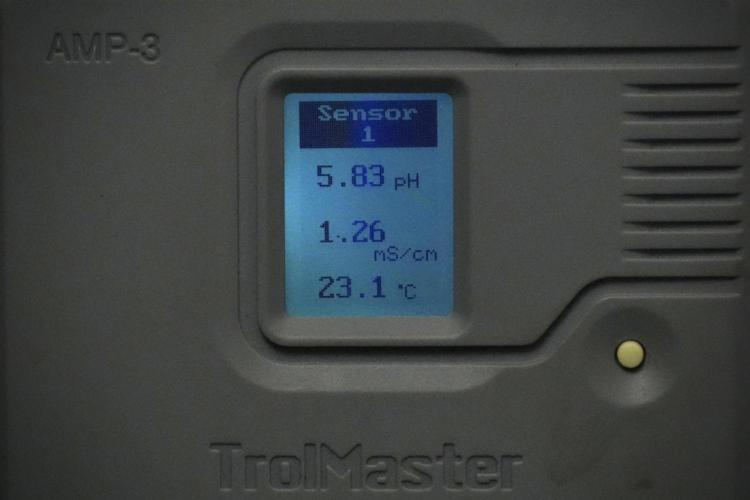
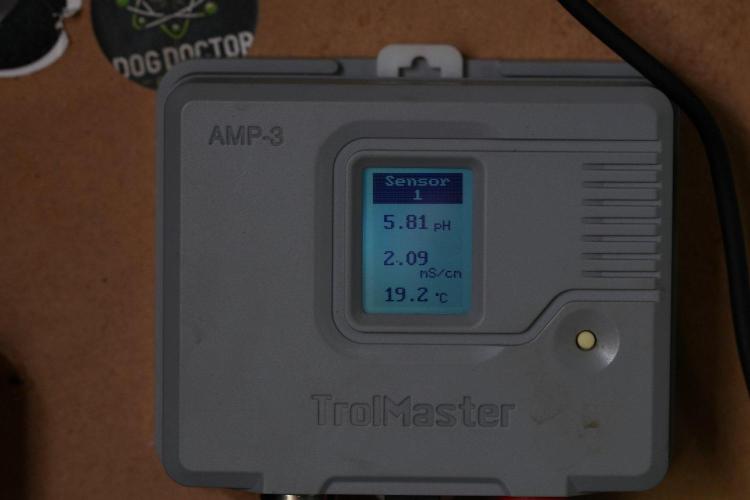
* EC: 1.53 mS/cm
* pH: 5.96
* Watertemperatuur: 24.2°C
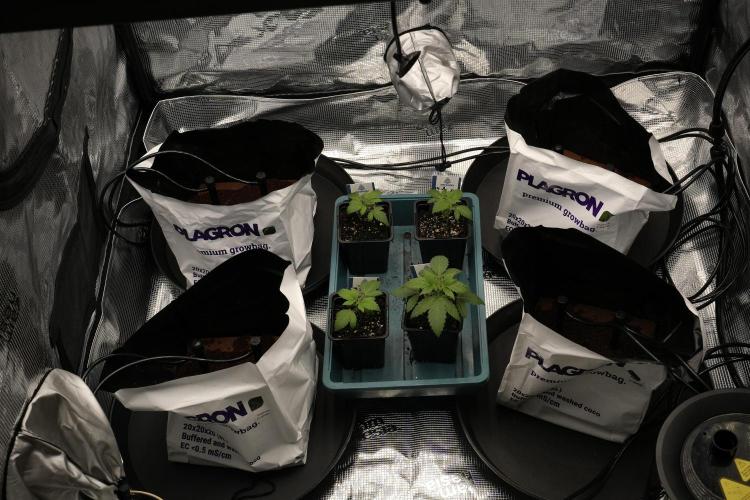
Het doel is niet maximale groei in deze fase, maar eerder het creëren van een gezonde wortelomgeving en het voorbereiden van de planten op de overgang naar coco volgende week.
Tot nu toe lijkt Blue Waffle Pheno B zeer positief te reageren.
⸻
Voorbereiden Voor Coco
Een groot deel van het werk deze week vond achter de schermen plaats.
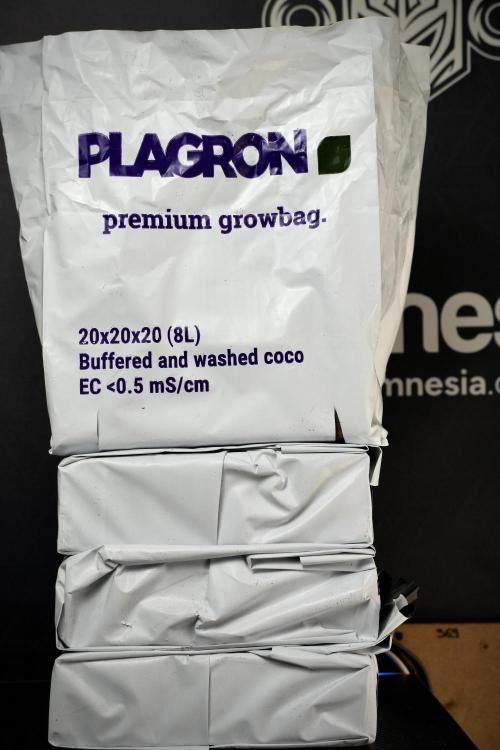
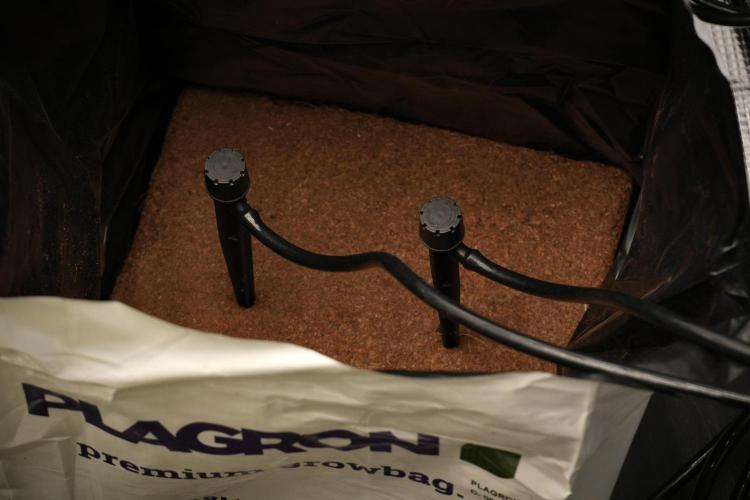
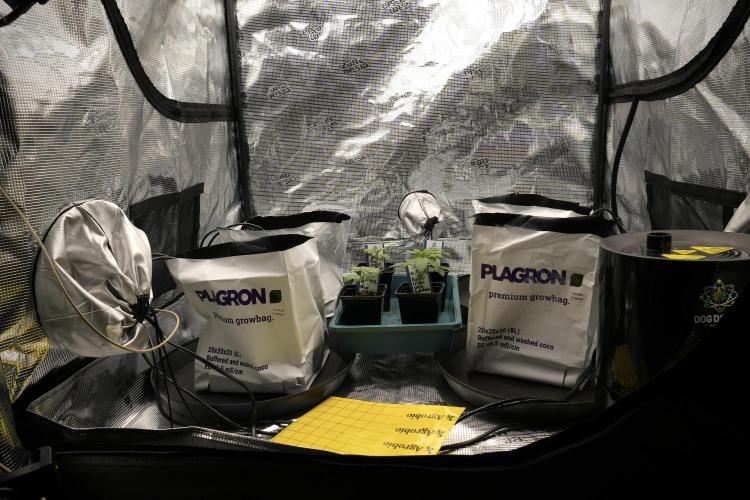
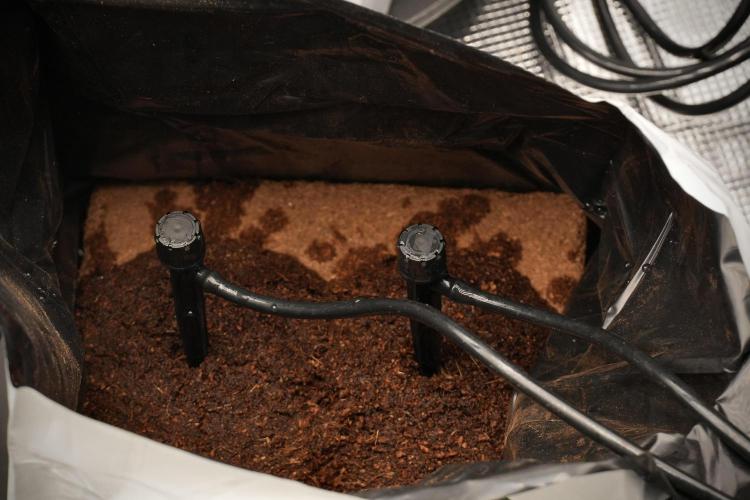
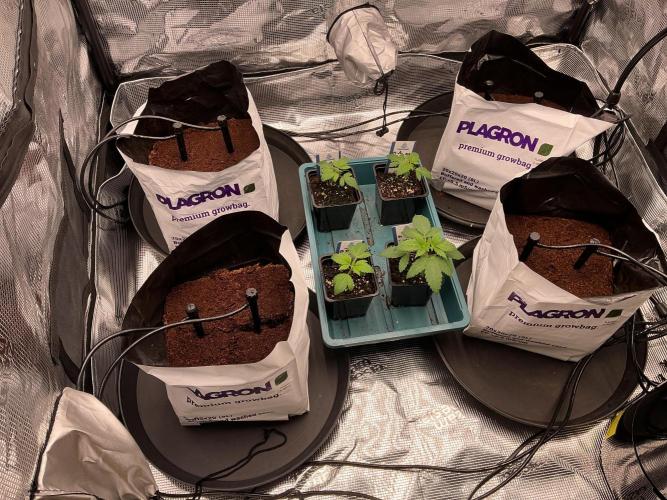
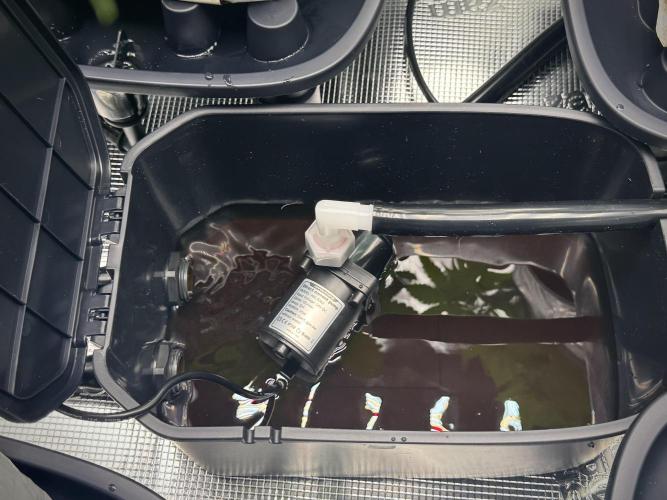
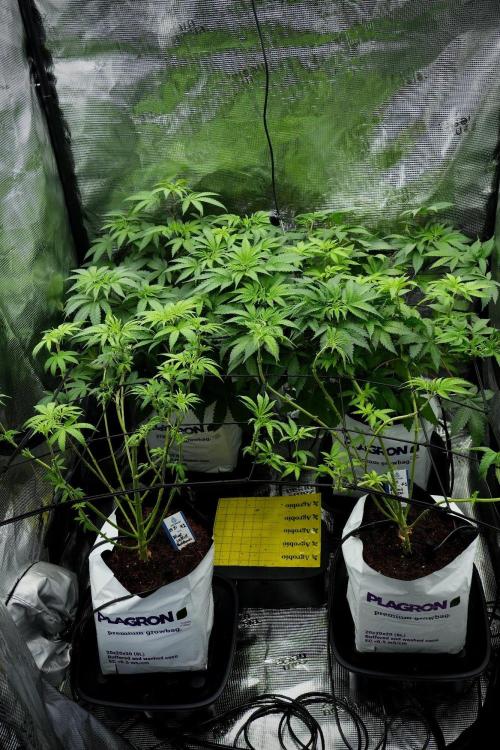
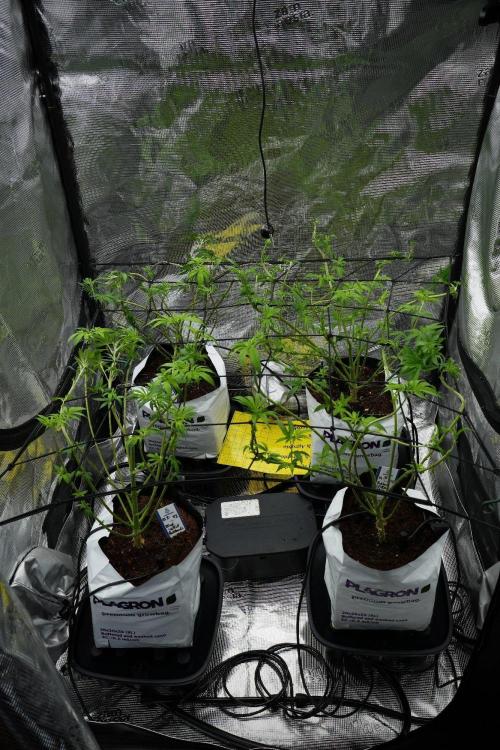
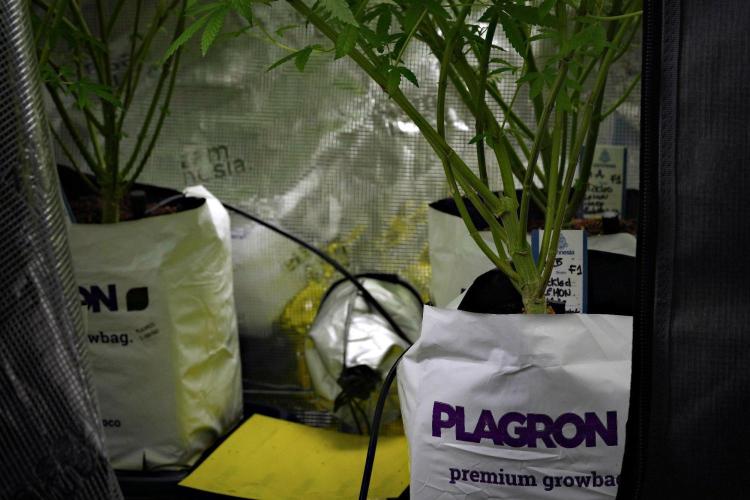
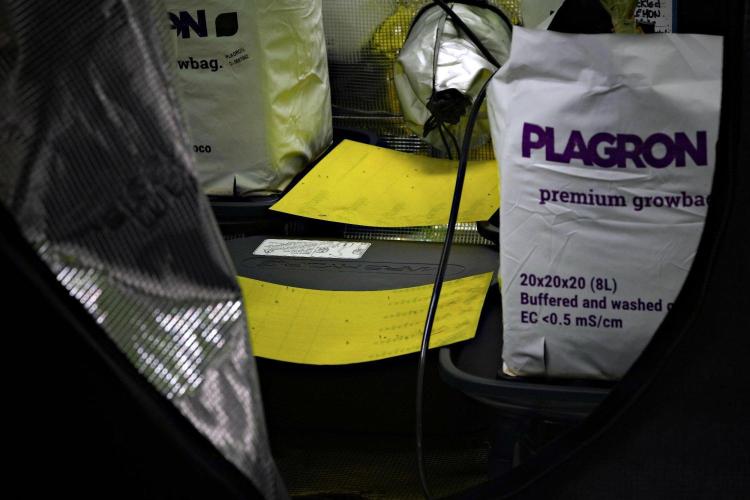
De Plagron Premium Grow Bags werden gevuld en gehydrateerd ter voorbereiding op het verplanten.
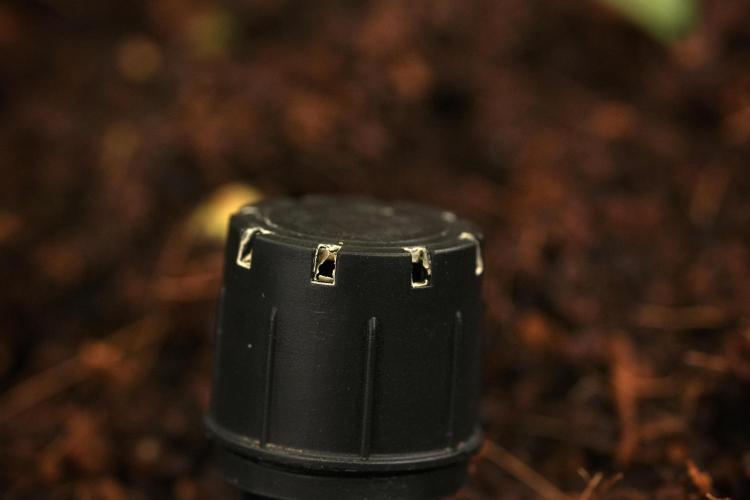
In plaats van de coco in één keer te verzadigen, wordt de hydratatie geleidelijk uitgevoerd met behulp van een reservoir-gevoed druppelsysteem. Deze langzame aanpak stelt de coco in staat om water gelijkmatig op te nemen en natuurlijk uit te zetten door de zak.
Er werd alleen gedestilleerd water gebruikt tijdens dit voorbereidingsproces.
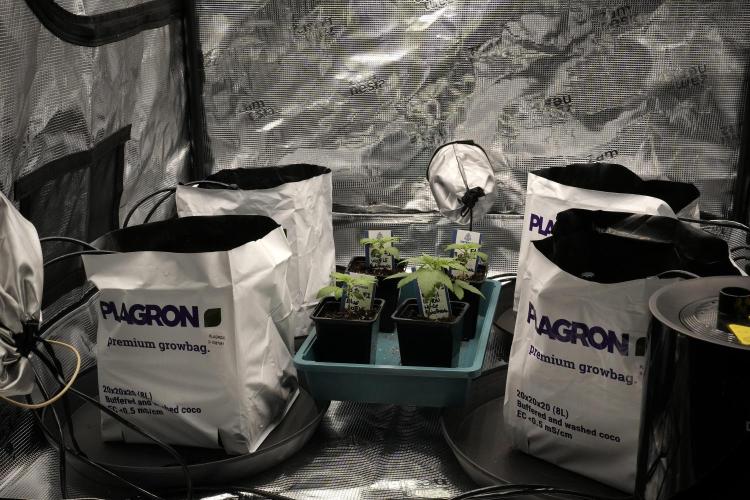
De zaailingen blijven voorlopig in hun startcontainers, maar volgende week zullen ze verhuizen naar hun definitieve coco-huizen en de volgende fase van ontwikkeling beginnen.
⸻
Blue Waffle Pheno B
Als Pheno A de indruk wekte van een compacte en evenwichtige zaailing, bewijst Pheno B net zo veelbelovend te zijn.
In deze fase zijn de overeenkomsten tussen de zusters opvallend.
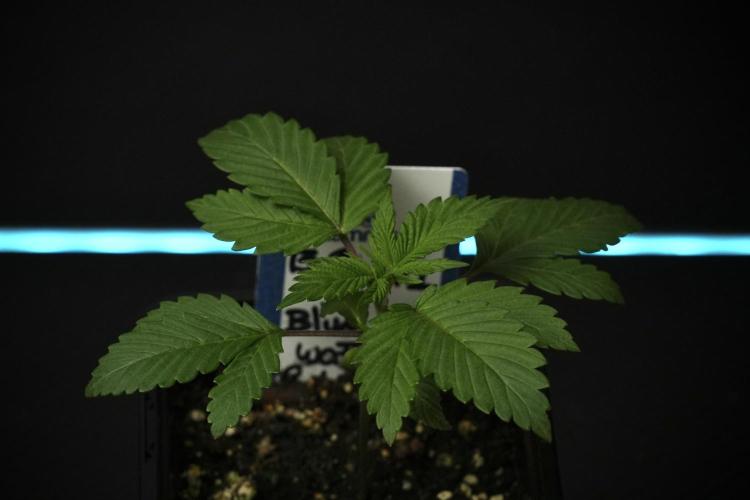
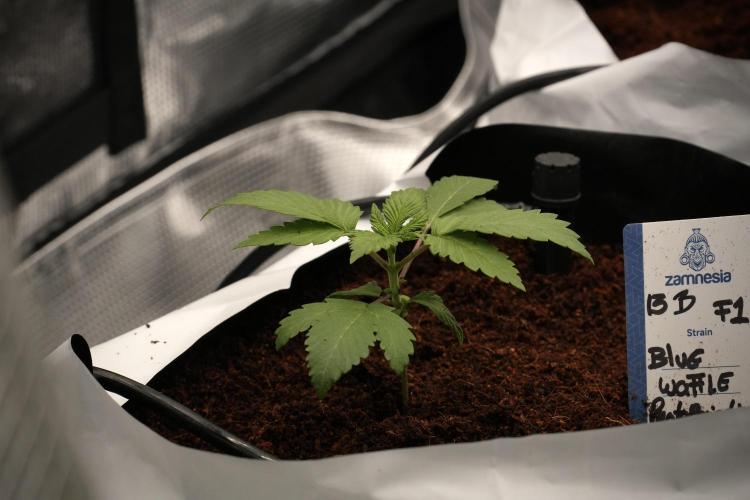
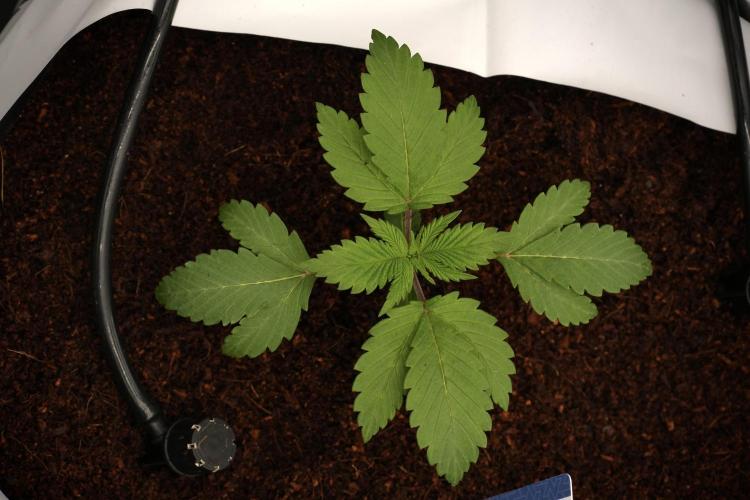
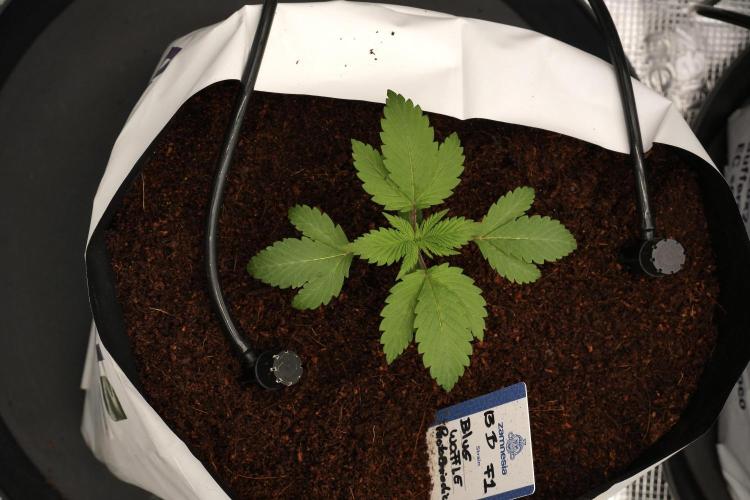
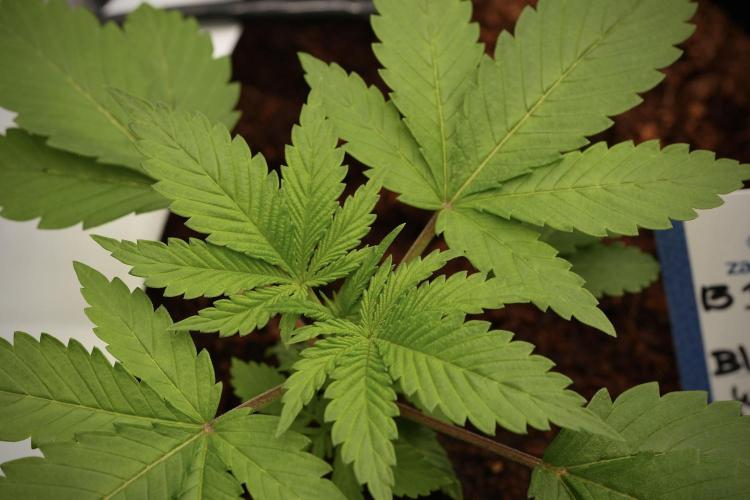
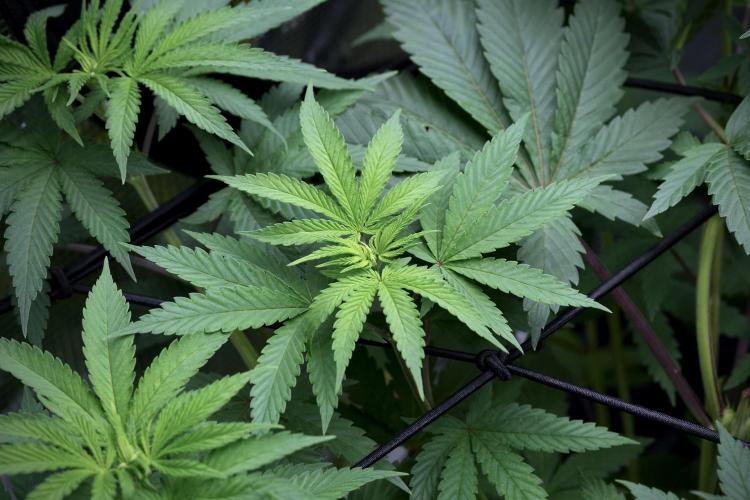
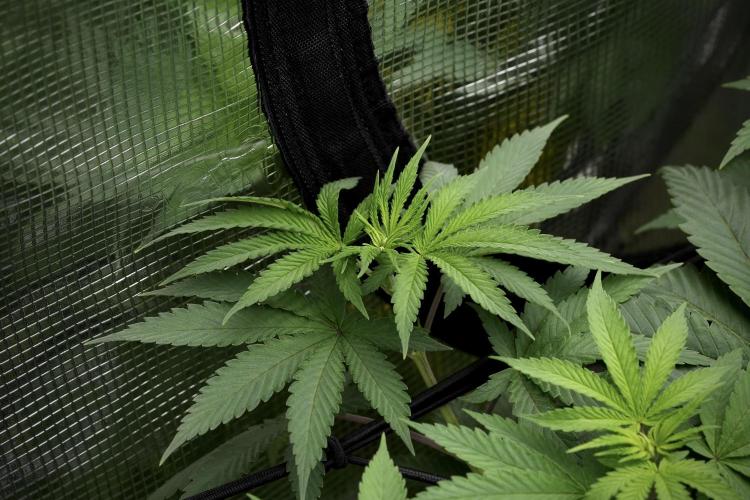
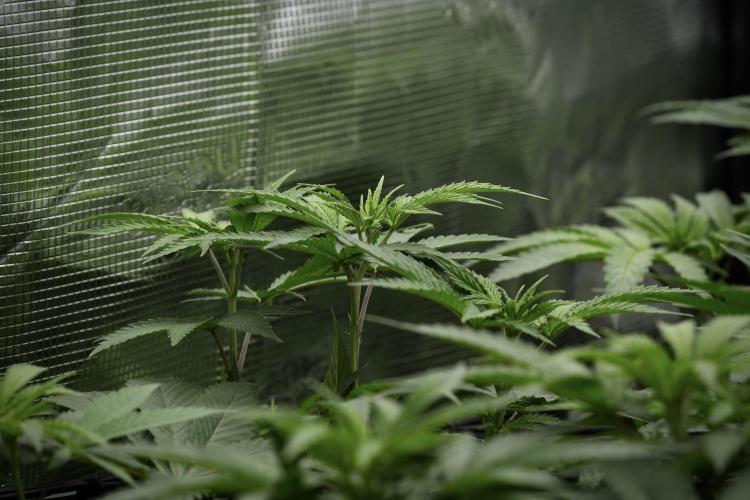
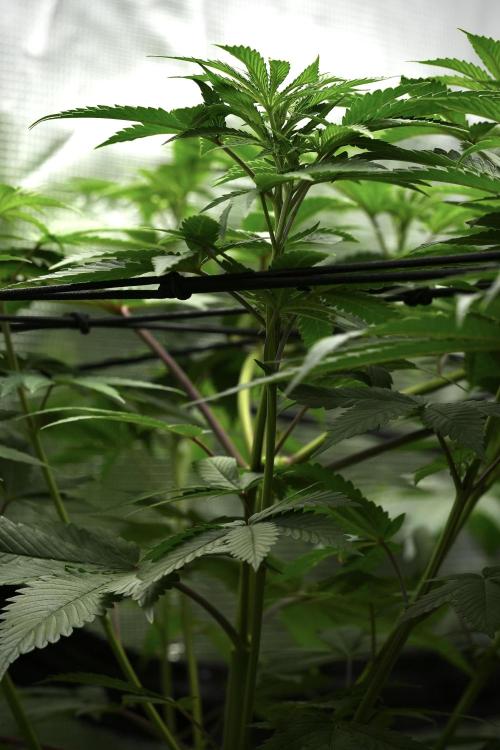
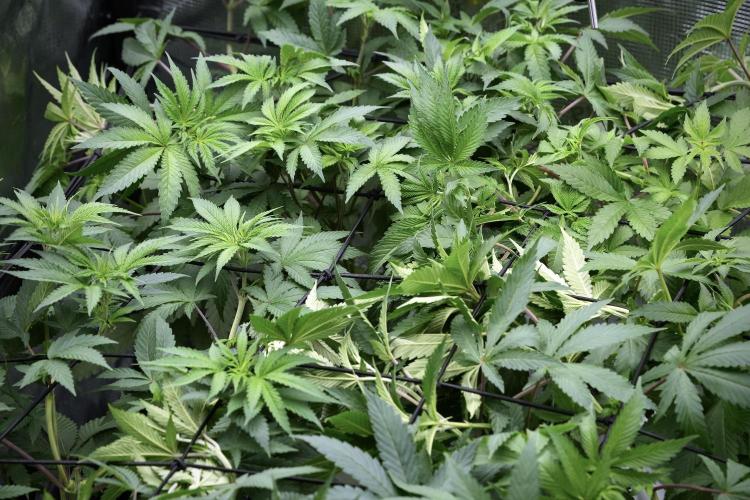
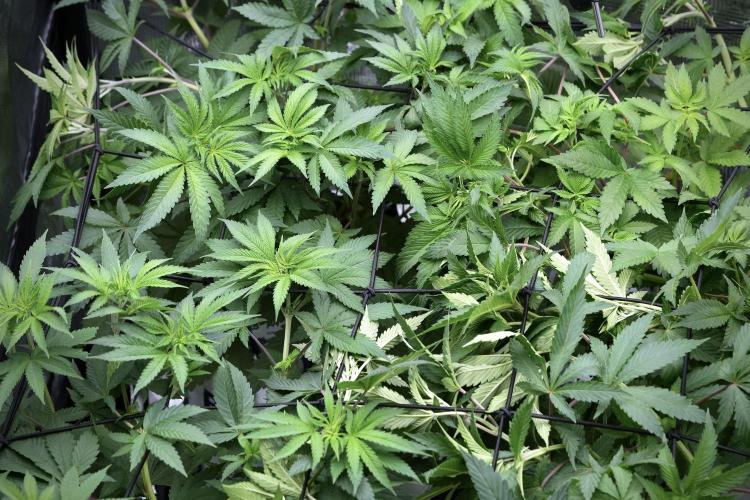
De groei blijft compact met zeer strakke internodale afstand, wat een lage en stevige structuur oplevert. De plant sluit de week af met de voortgang naar zijn derde set echte bladeren, en de algehele ontwikkeling lijkt gezond en symmetrisch.
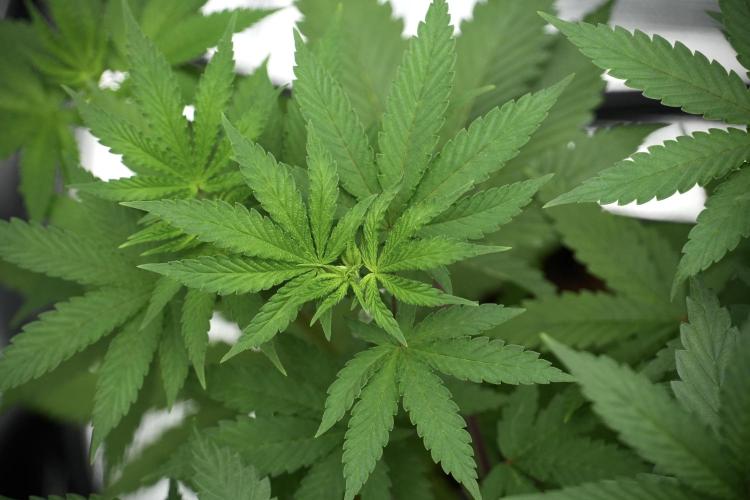
De bladkleur is levendig en consistent door de plant, terwijl nieuwe groei schoon en krachtig naar voren komt.
De stam blijft sterk in verhouding tot zijn grootte en ondersteunt al comfortabel het ontwikkelende bladerdak.
Een ding dat opvalt is hoe zelfverzekerd dit fenotype groei stapelt ondanks zijn jonge leeftijd. In plaats van naar het licht te reiken, richt de plant zijn energie op het opbouwen van een dichte en compacte structuur.
Voor een zaailing in de eerste week is er heel weinig te bekritiseren.
De algehele indruk is simpelweg die van gezondheid, stabiliteit en potentieel.
Soms trekt een plant je aandacht omdat hij ongewoon is.
Soms trekt hij je aandacht omdat alles gewoon goed gaat.
In deze fase behoort Blue Waffle Pheno B stevig tot de tweede categorie.
⸻
Vooruitkijken
Volgende week zou een van de belangrijkste mijlpalen van de vroege groei moeten brengen.
De verhuizing naar de gehydrateerde Plagron coco grow bags zal een dramatisch groter wortelgebied bieden en het begin markeren van de volledige ontwikkeling in het nieuwe medium.
Het zal interessant zijn om te zien of Pheno B haar zus blijft spiegelen of meer van haar eigen unieke kenmerken begint te onthullen.
Voor nu verloopt alles precies zoals gepland.
Gezonde wortels.
Gezonde bladeren.
Gezonde groei.
Een sterke start.
⸻
Dank U
Een enorme dank aan iedereen die deze dagboeken volgt en ondersteunt.
Bijzondere dank aan:
* Zamnesia voor de genetica, apparatuur en ondersteuning die dit project mogelijk maakte.
* Plagron voor het leveren van de voedingsstoffen en kweekmedia die gedurende deze run zijn gebruikt.
* Het GrowDiaries-team voor het bieden van een platform waar kwekers hun ervaringen kunnen documenteren, leren en delen.
* En natuurlijk, de ongelooflijke kweekgemeenschap wiens kennis, feedback en aanmoediging kwekers over de hele wereld blijven inspireren.
De reis is nog maar net begonnen.
Tot volgende week als Blue Waffle Pheno B haar eerste stap in coco zet en haar avontuur voortzet.
Kwekers Liefde en Gelukkig kweken 🌱💙🍁
8 houdt van
opmerkingen
Share
2
Week 2. Vegetatie
2mo ago
1/30
6 cm
Height
18 uur
Light Schedule
29 °C
Day Air Temp
5.8
pH
630 PPM
TDS
68 %
Air Humidity
23 °C
Solution Temp
24 °C
Substrate Temp
25 °C
Night Air Temp
8 liters
Pot Size
0.5 liters
Watering Volume
450 PPM
CO₂-niveau
Nutrients 4
Hydro A
1.4 mll
Hydro B
1 mll
Hydro Roots
1 mll
DogDoctorOfficial 🌱 Blue Waffle F1 – Fotoperiode – Fenotype B
Week 2 – Een Nieuw Thuis, Sterke Wortels, Eindeloos Potentieel
Hallo allemaal, en welkom terug bij een nieuwe update van Project Blue Tent! 💚
Vandaag kijken we naar Blue Waffle F1 – Fotoperiode – Fenotype B, een van de prachtige dames die groeit onder een traditionele 18 uur licht en 6 uur donker. Deze week was een belangrijke mijlpaal in haar reis, want ze is officieel verhuisd naar haar permanente thuis in een Plagron Premium Coco Grow Bag.
De zaailingfase ligt nu achter haar, en vanaf dit punt zal ze beginnen met het opbouwen van het wortelsysteem en de structuur die alles wat komen gaat zal ondersteunen. Afgaand op haar reactie tot nu toe, geniet ze van elk moment.
⸻
🏡 Verplantdag
Na een week bezig te zijn geweest met het voorbereiden van de kweekzakken, was de coco volledig gehydrateerd voordat de verplantdag aanbrak.
In plaats van een te grote gat te graven, gebruikte ik de originele kwekerijpot om een perfect gevormde holte in de gehydrateerde coco te creëren. Deze eenvoudige techniek laat de wortelkluit direct op zijn plaats glijden terwijl de maximale contact tussen de aarde en de omliggende coco behouden blijft.
Toen alles klaar was, haalde ik de plant voorzichtig uit haar starterpot.
Één zorgvuldige beweging…
Één gezonde wortelkluit…
Één blije kweker.
De transplantatie verliep precies zoals gepland.
⸻
🌱 Gezonde Wortels Vertellen Het Hele Verhaal
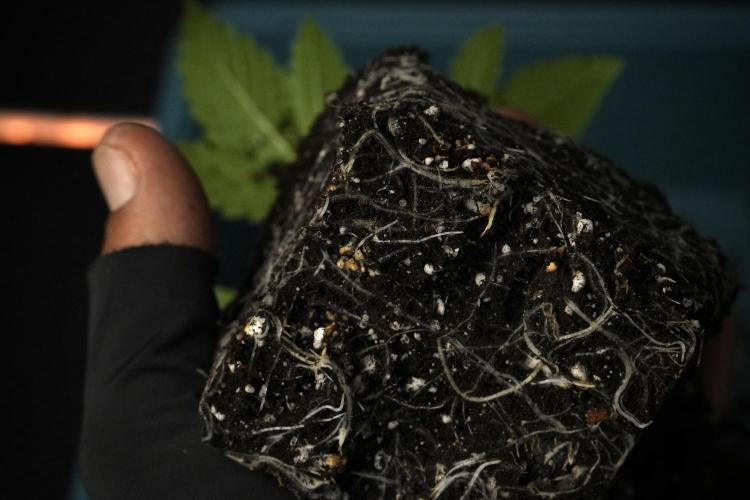
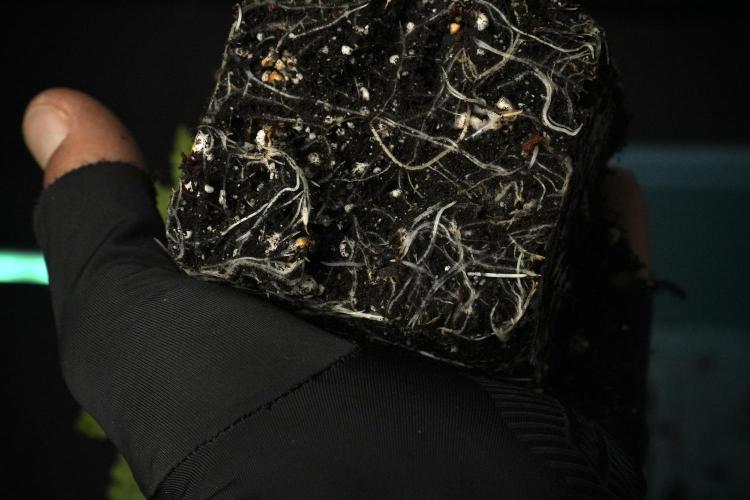
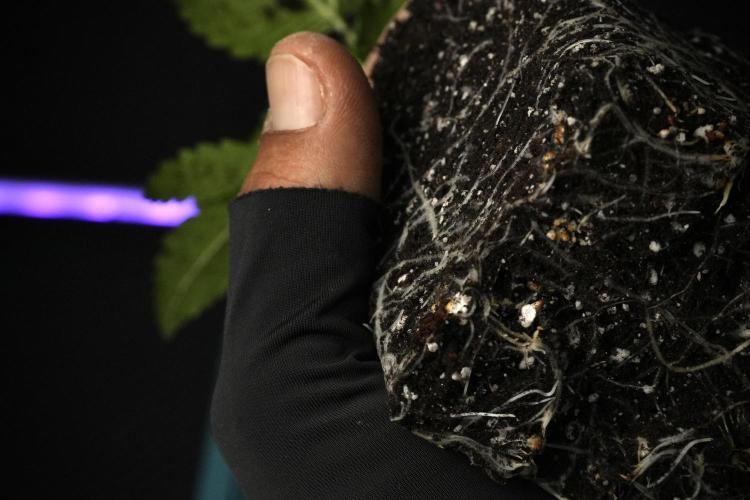
Voordat ik haar in het nieuwe huis plaatste, kijk ik altijd graag naar de wortels.
Ze waren niet enorm…
Dat hoefden ze ook niet te zijn.
In plaats daarvan waren ze precies wat ik hoopte te zien.
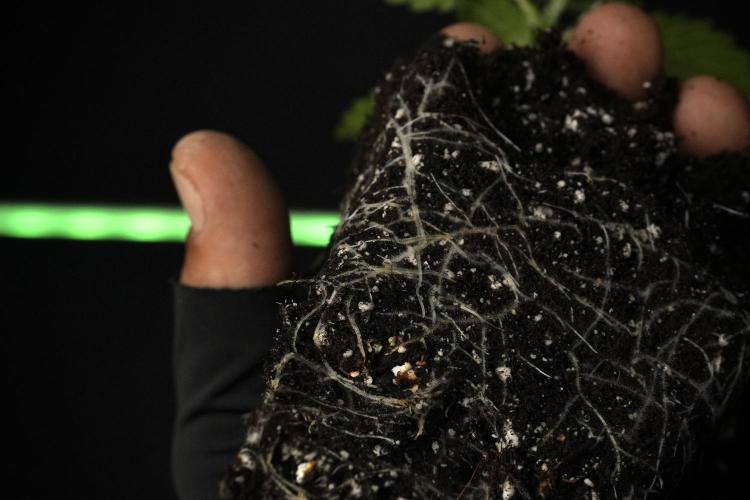
Heldere witte wortels die prachtig om de hele wortelkluit gewikkeld waren, met veel fijne voedingswortels die actief op zoek waren naar meer ruimte.
Er waren geen tekenen van wortelbinding, verkleuring of stress.
De wortels hielden de aarde perfect bij elkaar terwijl ze er nog jong en ongelooflijk actief uitzagen.
Gezonde wortels zijn een van de beste indicatoren dat een plant klaar is voor transplantatie, en Fenotype B heeft die test zeker met vlag en wimpel doorstaan.
⸻
🥥 De Verhuizing Naar Coco
Met de transplantatie voltooid, begint Blue Waffle F1 Fenotype B officieel aan de volgende fase van haar leven in Plagron Premium Coco.
In de dagen die volgden, vertoonde ze vrijwel geen tekenen van transplantatiestress.
Geen slapheid.
Geen verkleuring.
Geen vertraging.
In plaats daarvan ging de verse groei bijna onmiddellijk door, wat bewijst dat de wortels zich snel aanpasten aan hun nieuwe omgeving.
Die soepele overgang is precies wat elke kweker hoopt.
⸻
🌿 Vegetatieve Groei
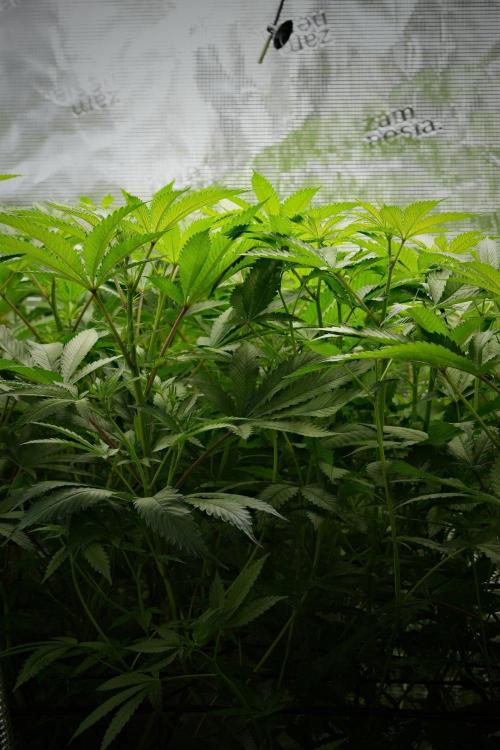
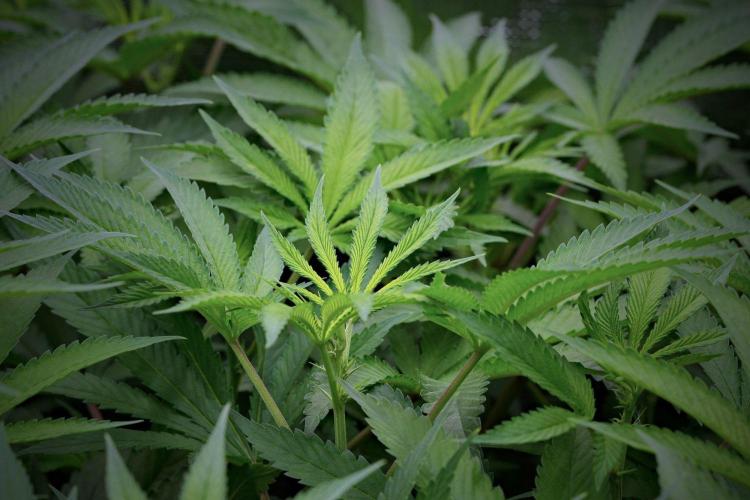
Fenotype B ontwikkelt zich tot een compacte, symmetrische jonge plant met een uitstekende structuur.
Haar internodale afstand blijft compact, wat haar een stevige uitstraling geeft, terwijl de stam elke dag dikker wordt.
De nieuwste groei is levendig en gezond, met de iets lichtere groene kleur die van nature gepaard gaat met snel ontwikkelend weefsel.
De bladhouding blijft ontspannen, wat aangeeft dat ze zich comfortabel voelt met zowel de omgeving als haar voedingsschema.
In deze fase bouwt ze de basis die later een overvloedig bladerdak zal ondersteunen.
⸻
💧 Voedingsprogramma
Nu ze zich heeft gevestigd in de coco, gaat de voeding door met de Plagron Hydro-lijn.
Huidige voedingsoplossing:
• Plagron Hydro A
• Plagron Hydro B
• Plagron Hydro Roots
Het doel tijdens deze vroege vegetatieve fase is eenvoudig:
Bouw eerst wortels.
De rest volgt.
Hydro Roots blijft een krachtige wortelontwikkeling stimuleren, terwijl Hydro A & B de gebalanceerde voeding bieden die nodig is voor een constante, gezonde vegetatieve groei.
Soms is eenvoud echt de beste strategie.
⸻
📊 Voedingsparameters
Huidige voedingsoplossing:
• EC: 1.26 mS/cm
• pH: 5.83
• Oplossingstemperatuur: 23.1°C
Deze waarden plaatsen de voedingsoplossing precies waar ik het graag heb voor jonge planten die in coco groeien.
De EC biedt voldoende voeding om sterke groei aan te moedigen zonder het ontwikkelende wortelsysteem te overweldigen, terwijl de pH comfortabel binnen het optimale opnamebereik ligt.
⸻
🌡️ Omgevingsomstandigheden
De kweekruimte bleef de hele week zeer stabiel.
Huidige omstandigheden:
• Temperatuur: 29°C
• Relatieve Vochtigheid: 68%
Hoewel de temperaturen iets warm zijn, helpt het handhaven van een hogere relatieve vochtigheid jonge planten comfortabel te houden door onnodige transpiratie te verminderen terwijl de wortels zich vestigen in het grotere kweekmedium.
Consistentie blijft een van de belangrijkste ingrediënten voor een gezonde ontwikkeling.
Blije planten houden van stabiele omgevingen.
⸻
🚀 Vooruitkijken
Nu de transplantatie voltooid is, verschuift de focus naar worteluitbreiding.
In de komende week verwacht ik dat de wortels snel de omliggende coco koloniseren, waardoor de opname van voedingsstoffen toeneemt en de vegetatieve groei versnelt.
Terwijl de plant zich blijft ontwikkelen onder het 18/6 lichtschema, zal ze beginnen met het opbouwen van het sterke raamwerk dat uiteindelijk training zal ondersteunen en later een productieve bloeifase.
Alles verloopt precies zoals gepland, en ik ben enthousiast om te zien hoe haar persoonlijkheid zich blijft ontvouwen.
⸻
💚 Laatste Gedachten
Elke geweldige oogst begint met een gezonde start.
Sterke wortels creëren sterke stelen.
Sterke stelen ondersteunen sterke takken.
En sterke takken produceren uiteindelijk prachtige bloemen.
Blue Waffle F1 Fenotype B is prachtig gesetteld in haar nieuwe huis, en alle tekenen wijzen op een krachtige, gezonde plant met nog veel potentieel om te onthullen.
De reis is pas begonnen, en ik kan niet wachten om te zien wat ze in petto heeft in de komende weken.
⸻
🙏 Dank U
Een enorme dank aan iedereen die deze reis volgt en de passie voor het kweken deelt.
Speciale dank aan Zamnesia voor de ongelooflijke Blue Waffle F1-genetica en het ecosysteem.
Dank aan Plagron voor het leveren van de Premium Coco Grow Bags samen met de uitstekende Hydro voedingslijn die deze kweek vanaf het begin aandrijft.
En tenslotte, dank aan elk bedrijf, elke sponsor, elk lid van deze geweldige gemeenschap en elke kweker die langskomt om een reactie achter te laten, advies te delen of gewoon mee te volgen.
Jullie steun betekent meer dan jullie weten.
Tot volgende week…
Blijft groeien, en zorg goed voor jezelf! 🌱💚
11 houdt van
opmerkingen
Share
Used techniques
Transplantatie
Techniek
3
Week 3. Vegetatie
2mo ago
1/30
25 cm
Height
18 uur
Light Schedule
27 °C
Day Air Temp
5.8
pH
Geen Geur
Smell
805 PPM
TDS
67 %
Air Humidity
18 °C
Solution Temp
24 °C
Substrate Temp
25 °C
Night Air Temp
8 liters
Pot Size
0.9 liters
Watering Volume
450 PPM
CO₂-niveau
Nutrients 4
Hydro A
1.6 mll
Hydro B
1.6 mll
Hydro Roots
1 mll
DogDoctorOfficial 💙 Project Blue Tent – Week 3
Blue Waffle F1 – Pheno B (Map 13B)
Hallo allemaal, en welkom terug bij een nieuwe update van Project Blue Tent!
Voor degenen die deze reis voor de eerste keer volgen, dit project volgt vier individuele Blue Waffle F1 planten van Zamnesia, elk gedocumenteerd in hun eigen dagboek van zaad tot oogst. Hoewel ze allemaal exact dezelfde omgeving, voedingsstoffen en groeiomstandigheden delen, krijgt elke plant de kans om zijn eigen verhaal te vertellen en zijn unieke expressie te onthullen.
Alles in deze tent is opgebouwd rond het Zamnesia-ecosysteem, terwijl de dames groeien in Plagron Premium Coco Growbags en uitsluitend worden gevoed met de Plagron Hydro voedingslijn.
Vandaag kijken we eens goed naar Blue Waffle F1 – Plant B.
⸻
🌱 Week Drie – Momentum Opbouwen
Week drie was weer een zeer bemoedigende.
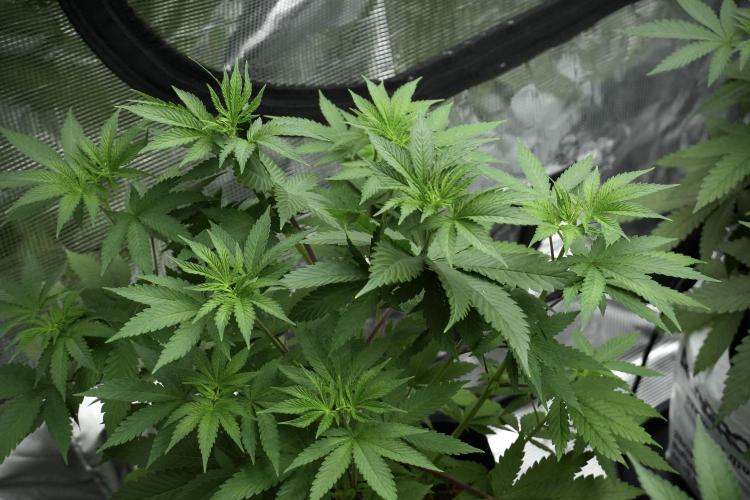
Plant B heeft zich prachtig aangepast aan haar coco-huis en heeft gedurende de week merkbaar haar groeisnelheid verhoogd. Ze begon deze update als een compacte jonge plant, maar in de afgelopen dagen is ze mooi vol geworden, met grotere fan bladeren en merkbaar sterkere apicale groei.
Haar structuur blijft kort en stevig, met strakke internodale afstand en uitstekende symmetrie. De zijtakken beginnen zich met vertrouwen te ontwikkelen, wat een vroege indicatie geeft dat ze in de komende weken een goed uitgebalanceerd bladerdak zal produceren.
Een detail dat meteen mijn aandacht trekt, is hoe krachtig de nieuwste groei eruitziet. Elke dag wordt het midden dichter, wat laat zien dat de wortels nu goed zijn gevestigd en een steeds snellere ontwikkeling ondersteunen.
⸻
🌡️ Omgevingsomstandigheden
Een van de doelen van Project Blue Tent is consistentie.
Het hele ecosysteem blijft precies presteren zoals bedoeld, met een stabiele omgeving gedurende de week terwijl de Phytonaut LED een gelijkmatige lichtverdeling over het bladerdak biedt.
Gemiddelde omstandigheden deze week waren:
* 🌡️ Dagtemperatuur: 27°C
* 🌙 Nachttemperatuur: 25°C
* 💧 Relatieve luchtvochtigheid: 67%
* ⚗️ pH: 5.8
* ⚡ EC: 1.61 mS/cm
* 💨 CO₂: ongeveer 450 ppm
* 💡 Lichtschema: 18/6
* ☀️ PPFD: ongeveer 350
Bij deze intensiteit ontvangen de planten voldoende energie om compacte vegetatieve groei aan te moedigen zonder onnodig uitrekken, terwijl de stabiele omgeving hen in staat stelt zich volledig te concentreren op het ontwikkelen van gezonde wortels en loof.
⸻
🥥 Voedingsaanpassingen
Na jaren bijna uitsluitend in levende aarde te hebben gekweekt, is het kweken in coco zeker een leerzame ervaring geworden.
Deze week begonnen alle vier de planten een iets lichtere tint groen te vertonen dan ik normaal graag zie. Niets dramatisch of zorgwekkend, maar genoeg om me te vertellen dat ze klaar waren voor iets meer voeding.
In plaats van te wachten tot er tekorten ontstaan, geef ik de voorkeur aan geleidelijke aanpassingen voordat de planten beginnen te worstelen.
Om die reden heb ik het basisvoedingsschema verhoogd.
De huidige voeding bestaat nu uit:
* Plagron Hydro A — 1.6 ml/L
* Plagron Hydro B — 1.6 ml/L
* Plagron Hydro Roots — gehandhaafd op de vorige dosis
Deze kleine verhoging heeft de EC iets verhoogd en zou voldoende extra stikstof en algehele voeding moeten bieden zodat het loof in de komende week een rijkere groene kleur terugkrijgt.
Elke kweek leert iets nieuws, en coco beloont kleine, gemeten correcties in plaats van agressieve veranderingen.
⸻
🚿 De Onverwachte Overstroming
Geen kweek is ooit volledig vrij van verrassingen.
Deze week kwam de mijne in de vorm van een irrigatiefout.
Na het inschakelen van het irrigatiesysteem resulteerde één kleine fout in een overstroming van de tent die veel groter was dan gepland.
Gelukkig leek het veel erger dan het daadwerkelijk was.
De eerste stap was simpelweg alles uit te schakelen, een stapel handdoeken te pakken, de tent grondig schoon te maken en te controleren of elk onderdeel nog steeds goed werkte.
Gelukkig, omdat deze planten in coco groeien, bleef de situatie onder controle. Coco behoudt uitstekende zuurstofniveaus, zelfs na zware bewatering, waardoor het veel vergevingsgezinder is dan traditionele aarde in situaties als deze.
Na alles iets te hebben laten drogen, werd de normale irrigatie hervat zonder enige zichtbare stress voor de planten.
Soms gaat het bij kweken niet om het vermijden van fouten.
Het gaat erom ze kalm op te lossen wanneer ze zich voordoen.
We zijn al bezig met een permanente verbetering voor de irrigatieopstelling, en ik deel die oplossing graag zodra alles is geïnstalleerd in de komende weken.
⸻
🌿 Blue Waffle F1 – Plant B
Dit fenotype ontwikkelt zich tot een zeer aantrekkelijke kleine plant.
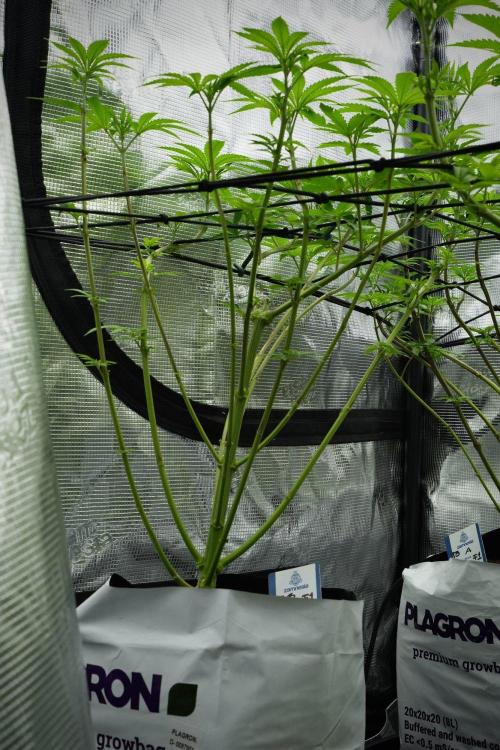
Ze heeft een stevige centrale stam, brede bladeren en compacte afstand tussen de knopen, wat haar een van nature bossige uitstraling geeft, zelfs zonder enige training.
De bladstelen beginnen subtiele rood-paarse pigmentatie te tonen, terwijl de nieuwste bladeren met prachtige kracht tevoorschijn komen voordat ze geleidelijk rijpen tot de grotere fan bladeren.
Hoewel haar kleur nog steeds een tikje lichter is dan mijn persoonlijke voorkeur, vertelt haar houding het echte verhaal.
Bladeren reiken omhoog.
Groei is continu.
De plant ziet er gelukkig uit.
Soms communiceren planten veel meer door hun houding dan alleen door hun kleur, en Plant B lijkt zeker gretig om door te groeien.
⸻
🔍 Vooruitkijken
Volgende week zou een spannende mijlpaal moeten zijn.
Met de voeding nu aangepast en de wortels die de hele growbag blijven koloniseren, verwacht ik merkbaar snellere vegetatieve groei en sterkere laterale takken.
Ik blijf de bladkleur, groeisnelheid en algehele structuur in de gaten houden terwijl ik deze dames voorbereid op de volgende fase van ontwikkeling.
Elke week lijken ze een beetje meer van hun individuele persoonlijkheden te onthullen, en ik ben benieuwd waar Plant B ons hierna naartoe zal leiden.
⸻
💙 Bedankt
Een grote dank gaat uit naar Zamnesia voor het mogelijk maken van Project Blue Tent, van deze fantastische Blue Waffle F1 genetica tot het complete ecosysteem rondom deze kweek.
Een oprechte dank ook aan Plagron voor het leveren van de Premium Coco Growbags samen met de Hydro voedingslijn die deze planten helpt gedijen.
Bedankt aan GrowDiaries voor het bieden van een plek aan kwekers over de hele wereld om hun reizen te documenteren, ideeën uit te wisselen en elke dag van elkaar te leren.
En tot slot, bedankt aan iedere persoon die meeleest.
Of je nu hier bent sinds het allereerste begin, recent deze dagboeken hebt ontdekt, elke week reacties achterlaat, stilletjes vanuit de achtergrond observeert, of gewoon geniet van het kijken naar deze planten terwijl ze zich ontwikkelen, je steun wordt oprecht gewaardeerd.
Dit project gaat over het delen van de volledige reis—de successen, de onverwachte uitdagingen en alles daartussenin.
Ik hoop dat jullie allemaal een geweldige week hebben, en ik kijk ernaar uit jullie weer te zien in de volgende update terwijl deze prachtige dames hun avontuur voortzetten.
Tot de volgende keer…
Kwekersliefde, gelukkig kweken, en zorg goed voor jezelf iedereen! 🌱💙
P.S. Een laatste shout-out moet gaan naar het Zamnesia-ecosysteem zelf. Hoe rommelig de irrigatiefout er ook uitzag, de Zamnesia tentbak bewees precies waarom het deel uitmaakt van de opstelling. Elke druppel water werd veilig binnen de tent gehouden, zonder dat er iets op de vloer lekte. Wat een veel groter probleem had kunnen worden, eindigde in niets meer dan het pakken van een paar handdoeken, alles opdrogen en doorgaan met de kweek. Soms ontdek je pas hoe waardevol een stuk apparatuur is wanneer er iets misgaat—en deze week heeft de bak die test met vlag en wimpel doorstaan. Grote dank aan Zamnesia voor het ontwerpen van een ecosysteem dat klaar is voor het echte leven, niet alleen voor de perfecte dagen. 💙🌱
9 houdt van
opmerkingen
Share
Used techniques
LST
Techniek
4
Week 4. Vegetatie
2mo ago
1/30
38 cm
Height
18 uur
Light Schedule
27 °C
Day Air Temp
5.8
pH
Geen Geur
Smell
940 PPM
TDS
67 %
Air Humidity
18 °C
Solution Temp
24 °C
Substrate Temp
25 °C
Night Air Temp
8 liters
Pot Size
0.9 liters
Watering Volume
450 PPM
CO₂-niveau
Nutrients 5
Hydro A
1.8 mll
Hydro B
1.8 mll
Hydro Roots
1 mll
DogDoctorOfficial 💙 Project Blue Tent – Week 4
Blue Waffle F1 – Pheno B (Map 13B)
Hallo allemaal, en welkom terug bij een nieuwe update van Project Blue Tent!
Voor iedereen die voor het eerst bij ons is, volgt dit project vier individuele Blue Waffle F1-planten van Zamnesia, elk gedocumenteerd in hun eigen dagboek van zaad tot oogst. Hoewel ze allemaal in exact dezelfde omgeving leven, dezelfde voeding krijgen, onder dezelfde lichten groeien en elke dag dezelfde omstandigheden ervaren, mag elke plant haar eigen verhaal vertellen.
Dat is een van de dingen die ik het leukst vind aan het kweken vanuit zaad.
We kweken niet gewoon vier planten.
We ontdekken vier verschillende persoonlijkheden.
Alles in deze tent is opgebouwd rond het Zamnesia-ecosysteem, terwijl de dames groeien in Plagron Premium Coco Growbags en uitsluitend worden gevoed met de Plagron Hydro-nutriëntenlijn.
Vandaag is het tijd om wat quality time door te brengen met Blue Waffle F1 – Plant B.
⸻
🌱 Week Vier – Kleine Plant, Groot Potentieel
Deze week voelde als een andere belangrijke mijlpaal voor Plant B.
Terwijl ze iets compacter blijft dan haar zus, ontwikkelt ze zich precies zoals ik hoopte. Haar internodale afstand blijft prachtig strak, de zijtakken blijven gelijkmatig rond de hoofdsteel groeien, en de algehele structuur is ongelooflijk symmetrisch.
In plaats van omhoog te rekken, investeert ze haar energie eerst in het opbouwen van een sterke basis.
Persoonlijk vind ik het geweldig om dit soort groei te zien.
Planten zoals deze worden vaak een droom om later te trainen omdat ze van nature dicht, gebalanceerd en gretig zijn om elke beschikbare ruimte in te vullen zodra ze worden aangemoedigd om uit te takken.
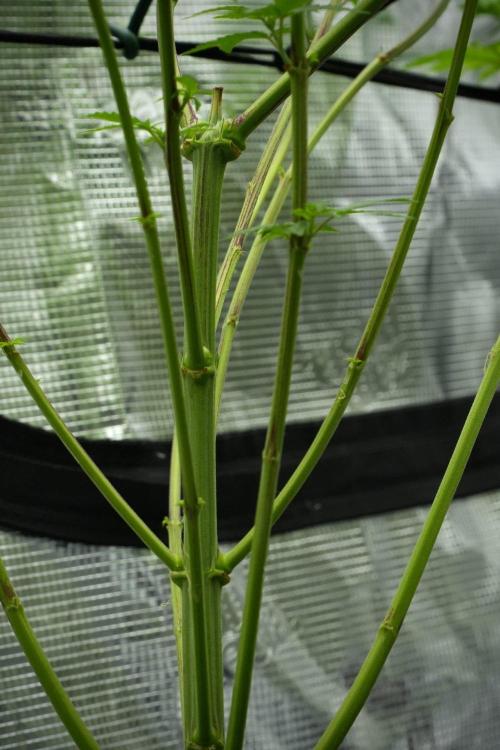
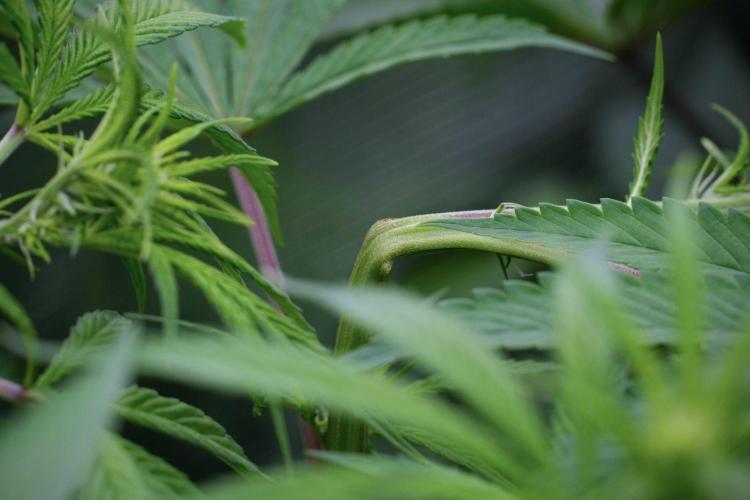
De steel blijft mooi dikker worden, terwijl subtiele paarse pigmentatie steeds zichtbaarder wordt op de petiolen en hoofd takken, wat een extra vleugje persoonlijkheid aan dit fenotype toevoegt.
⸻
🌡️ De Blauwe Tent Omgeving
Een van de grootste doelen van Project Blue Tent is het behouden van consistentie.
Door elke omgevingsfactor zo stabiel mogelijk te houden, komen de verschillen die we waarnemen voornamelijk van de planten zelf in plaats van van veranderende omstandigheden.
De gemiddelde omgevingsomstandigheden deze week waren:
• 🌡️ Dagtemperatuur: 27°C
• 🌙 Nachttemperatuur: 25°C
• 💧 Relatieve Vochtigheid: 67%
• ⚗️ pH: 5.8
• ⚡ EC: 1.88 mS/cm
• 💨 CO₂: ongeveer 450 ppm
• 💡 Lichtschema: 18/6
• ☀️ PPFD: ongeveer 350
De Zamnesia Phytonaut LED blijft een prachtige, gelijkmatige lichtverdeling over het hele bladerdak bieden, terwijl de Grow Environment Controller alles soepel laat verlopen gedurende de dag.
Stabiele omstandigheden stellen de planten in staat om zich op één ding te concentreren...
Groei.
⸻
🥥 Voedingsupdate – Leren over Coco, Week voor Week
Een ding dat deze week echt mijn aandacht trok, was de algehele bladkleur.
Net als haar zus blijft Plant B ongelooflijk gezond, maar ze toont een lichtere tint groen dan ik persoonlijk graag zie.
Gelukkig zijn planten uitstekende communicators.
Voordat tekorten ernstig worden, geven ze vaak subtiele aanwijzingen dat ze klaar zijn voor een beetje meer voeding, en ik geloof dat dat precies is wat deze dames me vertelden.
In plaats van te wachten tot er problemen ontstaan, besloot ik een geleidelijke aanpassing te maken.
Het voedingsschema is nu:
• Plagron Hydro A — 1.8 ml/L
• Plagron Hydro B — 1.8 ml/L
• Plagron Hydro Roots — 1 ml/L
Ik introduceerde ook een kleine hoeveelheid Plagron pH Min om het reservoir perfect stabiel te houden over langere periodes.
Een ding dat me gedurende deze groei echt heeft onder indruk gemaakt, is hoe stabiel de Plagron Hydro-lijn is geweest.
Zodra het reservoir is gemengd en ingesteld, beweegt de pH nauwelijks gedurende de hele week. Af en toe kan het de kleinste correctie vereisen, maar vergeleken met wat ik verwachtte bij het starten met coco, is de stabiliteit eerlijk gezegd uitstekend geweest.
Komend van jaren van kweken in levende aarde, geniet ik echt van het leren hoe responsief en voorspelbaar coco kan zijn wanneer kleine aanpassingen worden gemaakt in plaats van grote correcties.
Kweken is echt één doorlopende leerervaring.
⸻
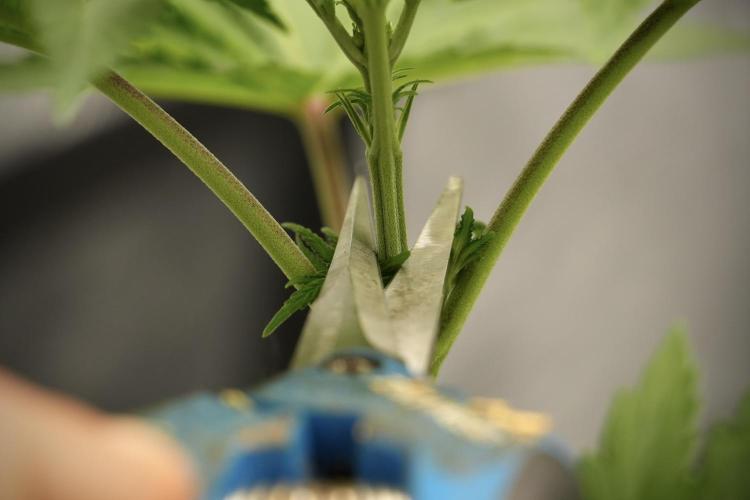
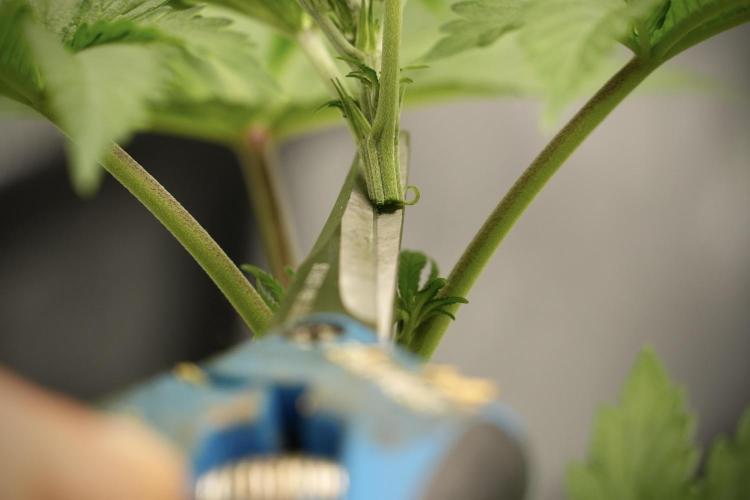
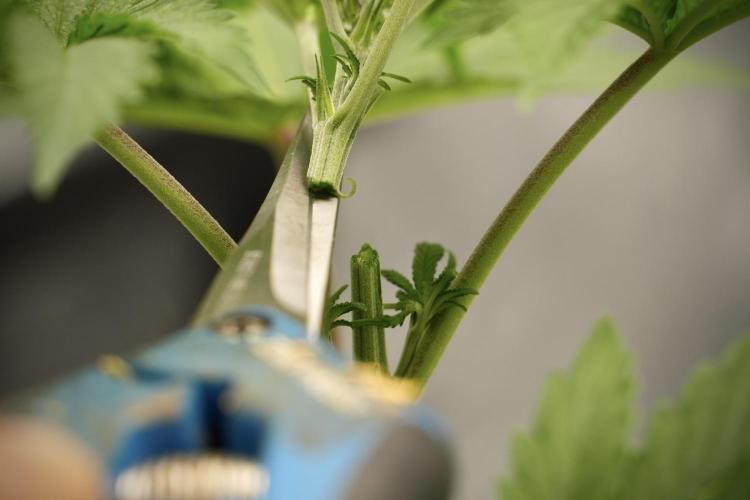
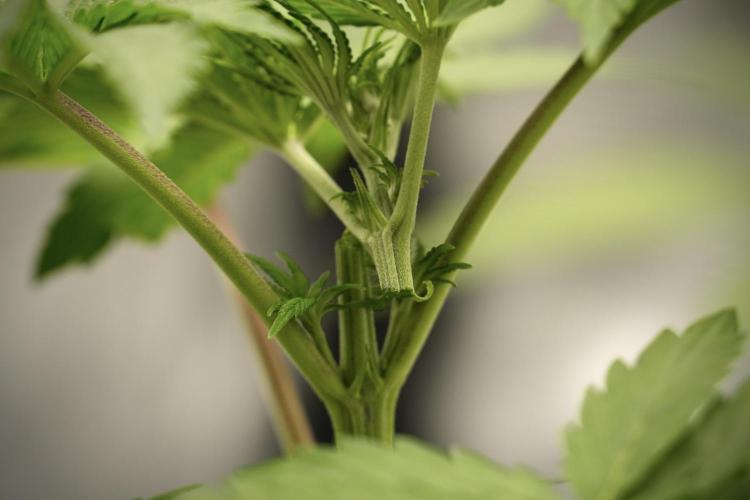
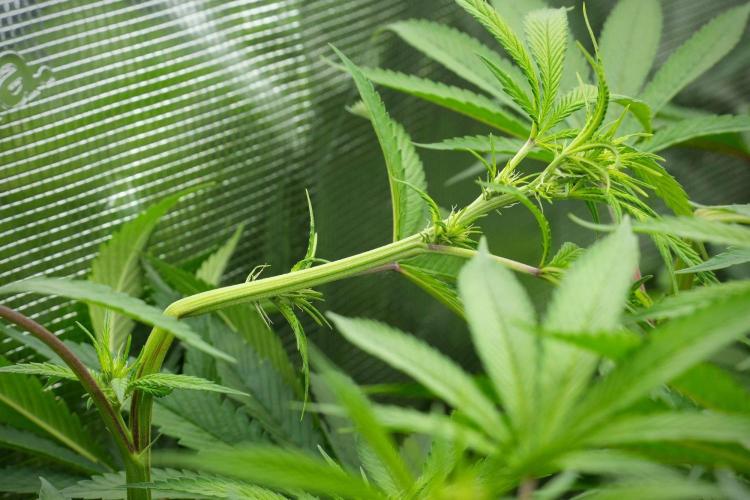
✂️ Topping Dag – De Canopy van Morgen Bouwen
Deze week markeerde ook de eerste High Stress Training-sessie van Plant B.
Ze kreeg haar allereerste topping.
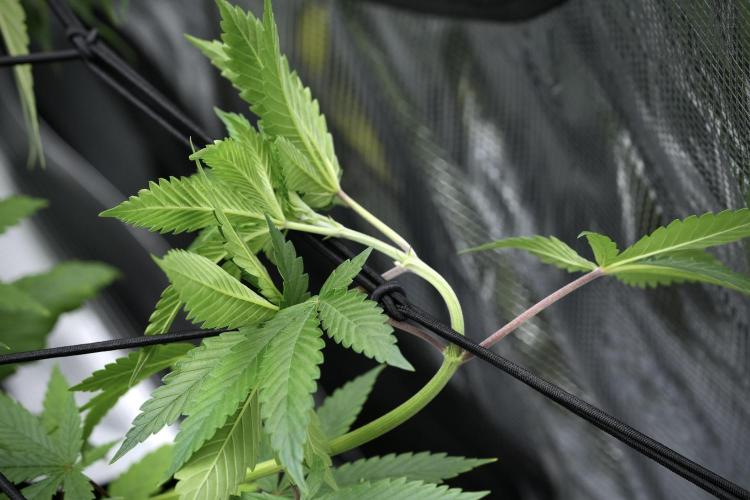
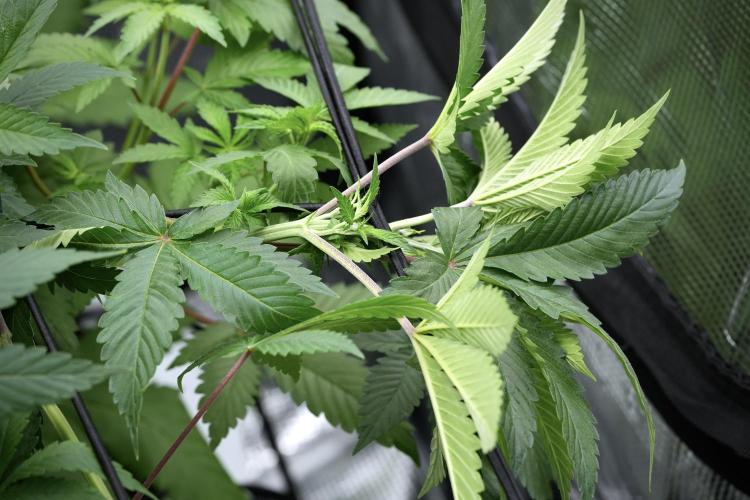
In tegenstelling tot Low Stress Training, waarbij takken voorzichtig in positie worden gebogen, verwijdert topping opzettelijk de belangrijkste groeipunten van de plant om apicale dominantie te onderbreken.
Door dit te doen, leidt de plant energie om naar de zijtakken in plaats van zich bijna uitsluitend op één centrale leider te concentreren.
Veel kwekers kiezen ervoor om veel eerder te toppen, soms boven de tweede of derde knoop.
Persoonlijk geef ik de voorkeur aan het toestaan dat de plant iets langer ontwikkelt voordat ik die eerste snede maak.
Wachten geeft me een sterkere steel, extra secundaire takken en, het belangrijkste, veel meer groeipunten om later mee te werken.
Mijn doel is niet simpelweg om twee toppen te creëren.
Mijn doel is om het kader te bouwen dat uiteindelijk een heel SCROG-net zal vullen.
Alles wat we vandaag doen, bereidt deze planten voor op de weken die komen.
Omdat topping wordt beschouwd als High Stress Training, is timing belangrijk.
Ik voer het alleen uit op krachtige, actief groeiende planten die sterke gezondheid vertonen.
Hoewel het loof nog steeds een lichtere groene kleur heeft dan ik idealiter zou willen, toonde de houding, groeisnelheid en algehele vitaliteit van Plant B duidelijk aan dat ze meer dan klaar was voor de procedure.
De snede zelf werd gemaakt met mijn Zamnesia Snoeischaar, wat een schone, nauwkeurige snede met minimale weefselschade gaf.
Soms maken de kleinste tools het grootste verschil.
⸻
🌿 Blue Waffle F1 – Plant B
Hoe meer tijd ik doorbreng met het observeren van dit fenotype, hoe meer ik haar persoonlijkheid waardeer.
Ze is compact.
Ze is gebalanceerd.
Ze is methodisch.
In plaats van omhoog te racen, lijkt ze vastbesloten om eerst een solide basis te bouwen.
Elke tak lijkt gelijkmatig verdeeld, de steel blijft sterker worden, en zelfs na het toppen lijkt ze totaal niet van streek.
Het is altijd fascinerend hoe twee zusterplanten zo vergelijkbaar kunnen reageren terwijl ze toch hun eigen unieke karakter uitdrukken.
Plant B voelt als de stille achiever.
Ze gaat gewoon door met de klus.
⸻
👀 Vooruitkijkend
Volgende week zou een zeer spannende moeten zijn.
Met de voeding nu verhoogd en het toppen achter de rug, zal ik nauwlettend in de gaten houden hoe snel de twee nieuwe leiders de overhand beginnen te nemen.
Ik verwacht dat het bladerdak natuurlijk begint te openen naarmate de zijtakken versnellen en de algehele structuur breder wordt.
In de komende weken zullen we deze dames blijven vormen, ze voorbereiden op de SCROG terwijl we elke fenotype de kans geven om meer van zijn eigen persoonlijkheid te onthullen.
Het avontuur begint pas net.
⸻
💙 Dank U
Een enorme dank gaat uit naar Zamnesia voor het mogelijk maken van Project Blue Tent, van deze fantastische Blue Waffle F1-genetica tot het complete ecosysteem rondom deze groei.
Een oprechte dank ook aan Plagron voor het leveren van de Premium Coco Growbags samen met de Hydro-nutriëntenlijn die me elke week weer iets nieuws blijft leren.
Dank aan GrowDiaries voor het bieden van een plek aan kwekers van over de hele wereld om hun reis te documenteren, van elkaar te leren en zo'n ongelooflijke gemeenschap op te bouwen.
En tot slot...
Dank aan elke persoon die me volgt.
Of je nu hier bent sinds dag één, recentelijk deze dagboeken hebt ontdekt, elke week opmerkingen achterlaat, stilletjes vanuit de achtergrond observeert of gewoon geniet van het kijken naar deze planten terwijl ze zich ontwikkelen, jouw steun betekent echt veel.
Ik hoop dat jullie allemaal een geweldige week hebben, en ik kan niet wachten om jullie te laten zien hoe deze prachtige dames zich blijven ontwikkelen in de volgende update.
Tot dan...
Kwekersliefde, gelukkig kweken, en ik zie jullie allemaal volgende week. 🌱💙
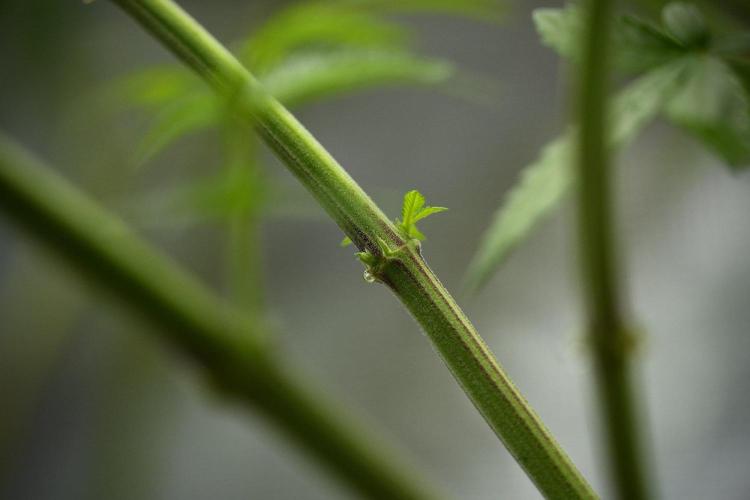
P.S. Een ding dat ik leuk vind aan het documenteren van elke stap is dat deze dagboeken meer worden dan simpele kweeklogs. Hopelijk kan iemand die nog nooit een plant heeft getopt, naar de foto's van deze week kijken, het proces begrijpen, precies zien waar de snede is gemaakt en zich iets zekerder voelen wanneer het tijd is om het zelf te doen. Als deze updates zelfs maar één kweker helpen om zelfverzekerder te worden met hun eigen tuin, dan hebben ze al iets bijzonders bereikt. 💙🌱
10 houdt van
2 opmerkingen
Share
Used techniques
Topping
Techniek
5
Week 5. Vegetatie
1mo ago
1/30
66 cm
Height
18 uur
Light Schedule
30 °C
Day Air Temp
5.8
pH
Geen Geur
Smell
960 PPM
TDS
58 %
Air Humidity
18 °C
Solution Temp
24 °C
Substrate Temp
25 °C
Night Air Temp
8 liters
Pot Size
1.2 liters
Watering Volume
450 PPM
CO₂-niveau
Nutrients 5
Hydro A
1.9 mll
Hydro B
1.9 mll
Hydro Roots
1 mll
DogDoctorOfficial 💙 Project Blue Tent – Week 5
Blue Waffle F1 – Pheno B (Map 13B)
Hallo allemaal, en welkom terug bij een nieuw hoofdstuk van Project Blue Tent.
Voor iedereen die deze dagboeken voor het eerst ontdekt, volgt dit project vier individuele Blue Waffle F1-planten van Zamnesia van zaad tot oogst. Elke plant groeit in exact dezelfde omgeving, onder dezelfde verlichting, ontvangt dezelfde voeding en volgt hetzelfde schema.
De enige variabele...
De genetica.
Het is precies het volgen van elke fenotype terwijl deze zijn eigen persoonlijkheid ontwikkelt, terwijl zoveel mogelijk omgevingsvariabelen worden verwijderd, dat dit project zo fascinerend maakt.
Vandaag kijken we naar Plant B.
🌱 Week Vijf – Haar Ritme Vinden
Als vorige week draaide om herstel na het toppen, ging deze week helemaal om momentum.
Plant B reageerde prachtig op de snede, en leidde haar energie snel om naar de nieuwe leidende scheuten terwijl de lagere takken hun eigen groei versnelden.
Ze heeft nog steeds die compacte structuur die ik eerder noemde, maar ze begint nu veel natuurlijker uit te spreiden. Het bladerdak wordt breder, de internodale afstand blijft heerlijk strak, en elke tak lijkt vastbesloten om te concurreren voor de top.
Een ding dat me blijft imponeren is hoe symmetrisch ze aan het worden is.
Ze lijkt bijna alsof ze elke tak zelf heeft gepland.
De stam is de afgelopen week aanzienlijk verdikt, wat me vertrouwen geeft dat ze de zware bloemen later in de groei comfortabel zal kunnen ondersteunen.
🌡️ Blue Tent Omgeving
Consistentie blijft de grootste prioriteit binnen de Blue Tent.
De gemiddelde omstandigheden deze week waren:
• 🌡️ Dag Temperatuur: 30°C
• 🌙 Nacht Temperatuur: 25°C
• 💧 Relatieve Vochtigheid: 58%
• ⚗️ pH: 5.8
• ⚡ EC: 1.92 mS/cm
• 💨 CO₂: 450 ppm
• 💡 Lichtschema: 18/6
• 💧 Irrigatie: 1.2 liter per plant per dag
Hoewel de dagtemperaturen deze week iets stegen, bleven de planten krachtig groeien zonder tekenen van stress, wat aantoont hoe veerkrachtig gezonde planten worden wanneer de wortelzone stabiel blijft.
🥥 Voeding & Irrigatie
Een van de grootste verschillen tussen dit project en mijn eerdere organische bodemgroei is de irrigatiestrategie.
Omdat coco voedingsstoffen niet op dezelfde manier opslaat als aarde, worden de planten vaak en in kleine hoeveelheden gevoed in plaats van elke paar dagen grotere irrigaties te ontvangen.
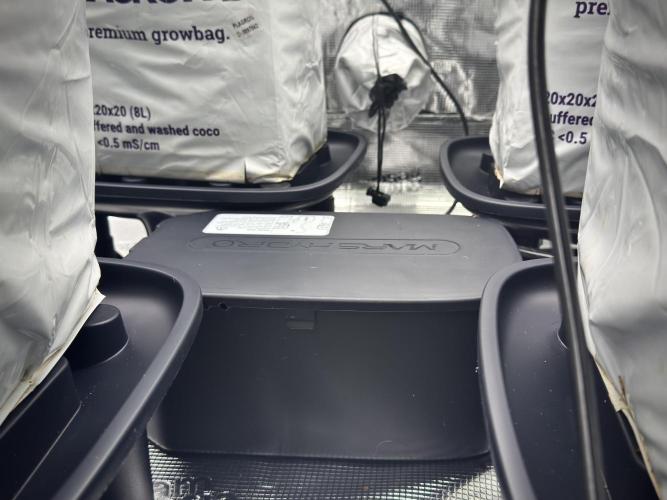
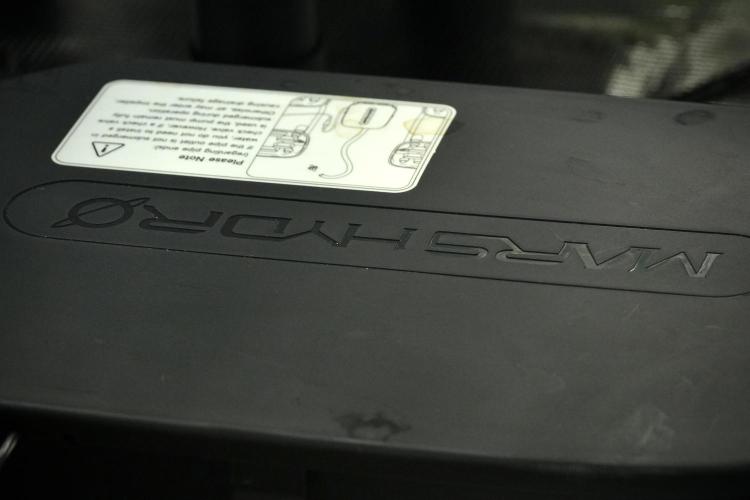
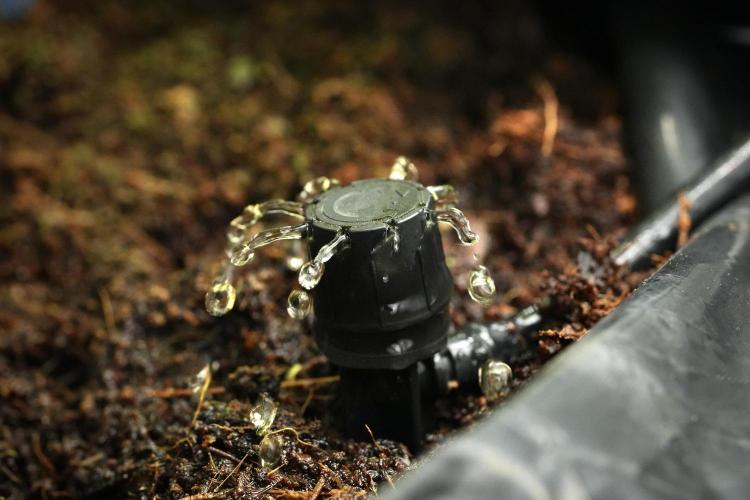
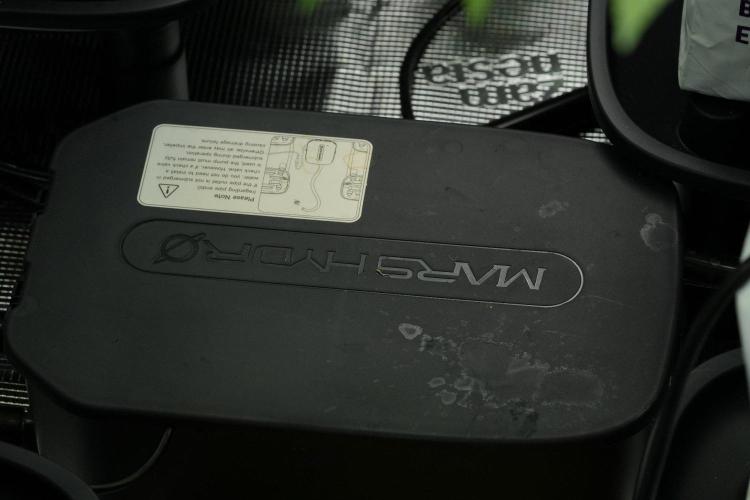
Elke plant ontvangt nu ongeveer 1.2 liter voedingsoplossing per dag via het automatische Mars Hydro druppelirrigatiesysteem.
Een druppelirrigatiesysteem levert langzaam voedingsoplossing rechtstreeks op het groeimedium via kleine emitteren die bij elke plant zijn geplaatst. In plaats van met de hand water te geven, wordt elke irrigatie gelijkmatig en consistent geleverd, zodat elke plant precies dezelfde hoeveelheid ontvangt.
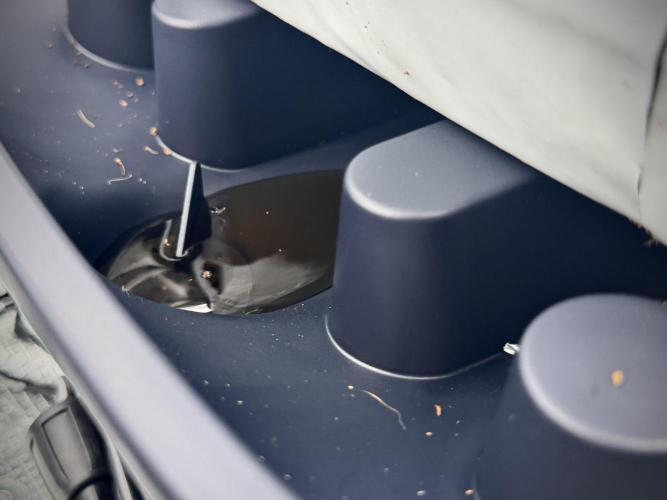
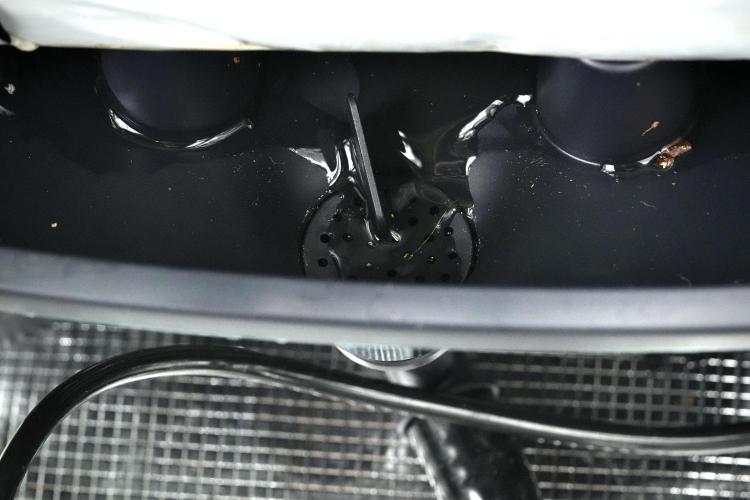
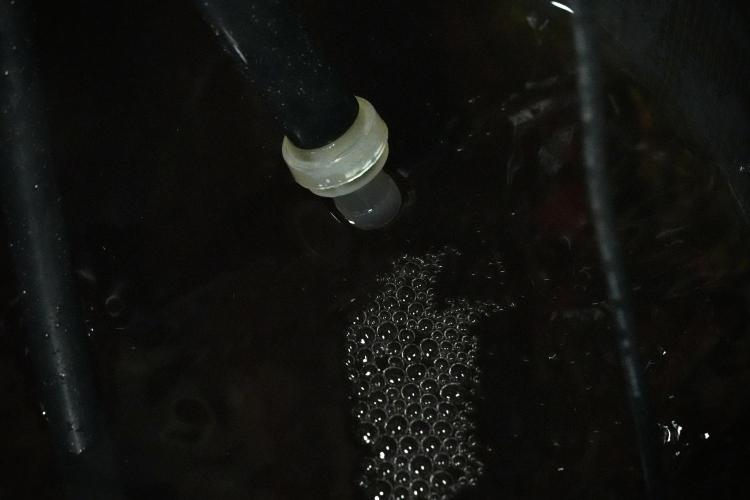
Zodra de voedingsoplossing door de coco is gegaan, loopt het overtollige water weg via het automatische afvoersysteem onder elke kweekzak.
Dit is net zo belangrijk als de irrigatie zelf.
Het verwijderen van overtollig water voorkomt dat oude voedingsoplossing zich rond de wortels ophoopt, wat helpt om een gezondere en stabielere wortelomgeving te behouden terwijl de dagelijkse werklast drastisch wordt verminderd.
Als iemand die jaren lang met de hand planten heeft bewaterd, waardeer ik oprecht hoeveel tijd dit systeem bespaart terwijl het tegelijkertijd de consistentie verbetert.
Het huidige voedingsschema is:
• Plagron Hydro A — 1.9 ml/L
• Plagron Hydro B — 1.9 ml/L
• Plagron Hydro Roots — 1 ml/L
De lichte toename ten opzichte van vorige week blijft precies de reactie opleveren waar ik op hoopte, met rijkere kleuren en sterke, gezonde nieuwe groei.
🕸️ Voorbereiden van de SCROG
Deze week markeerde ook een andere spannende mijlpaal.
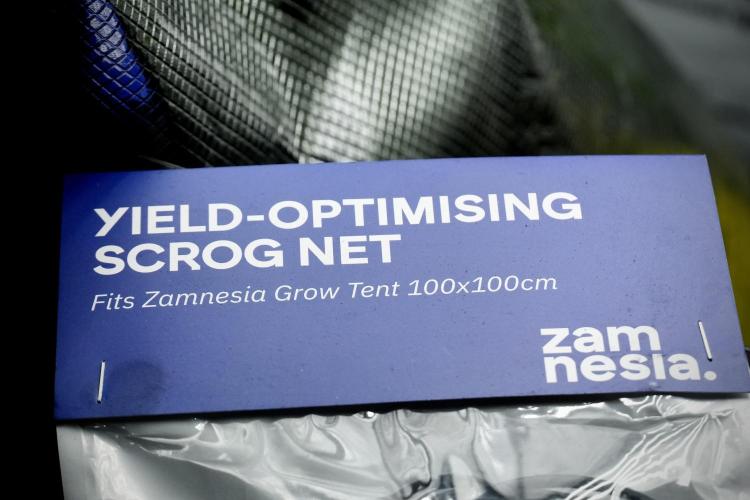
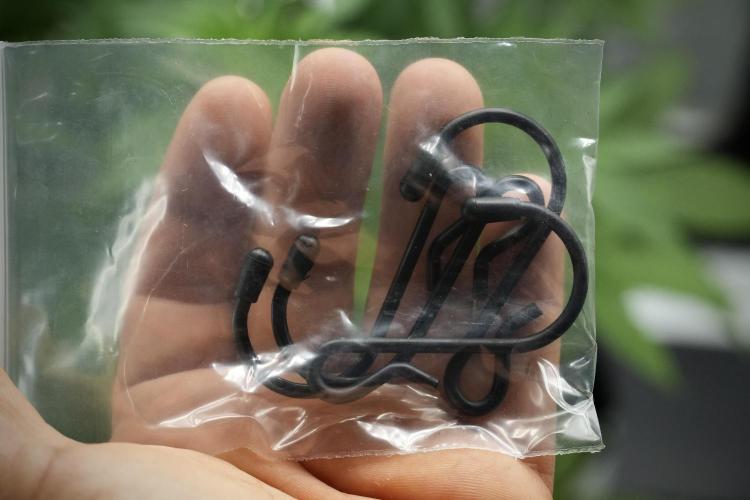
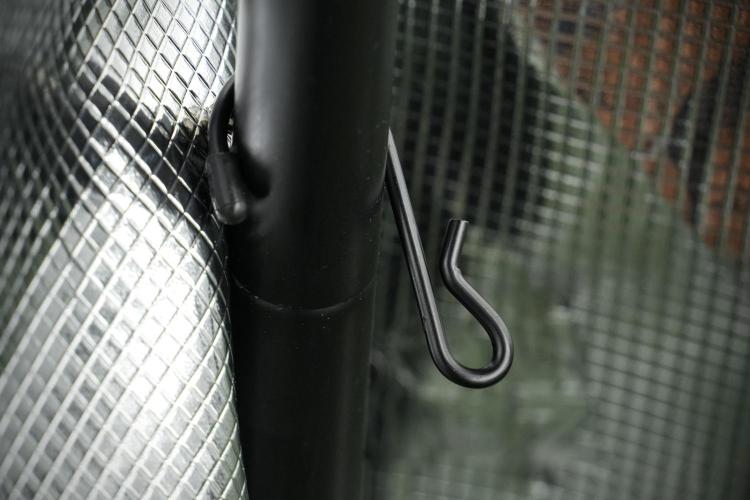
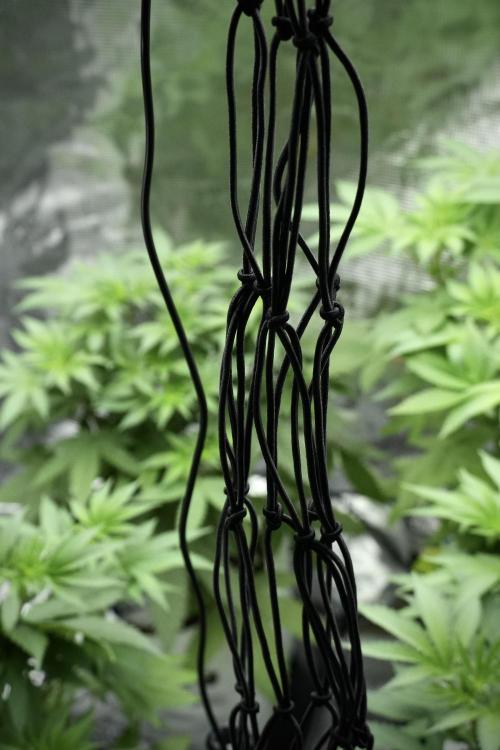
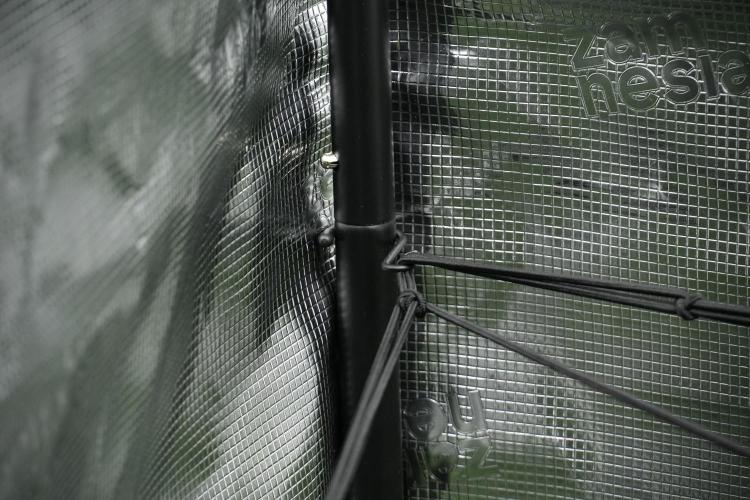
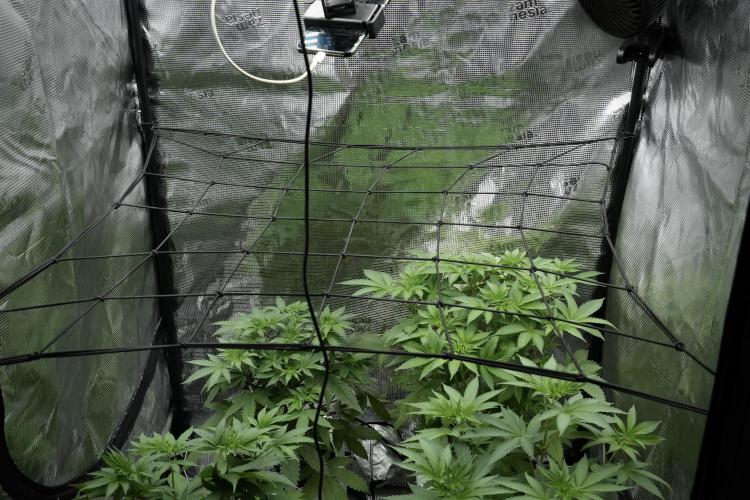
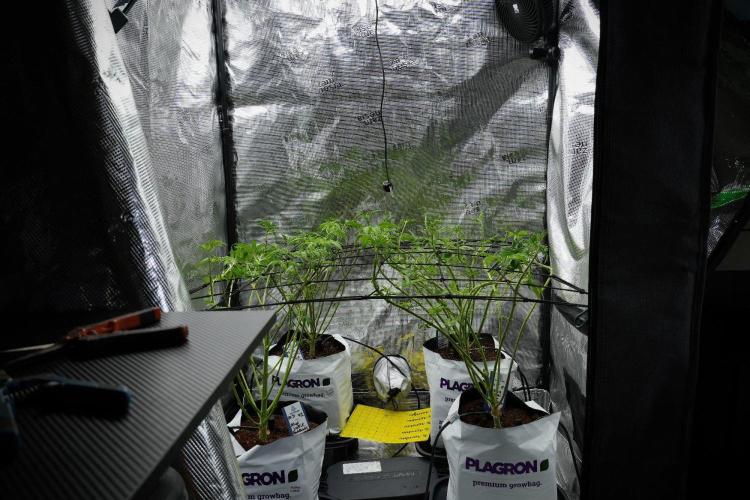
Het SCROG-net is officieel de kweek binnengestapt.
SCROG staat voor Screen Of Green.
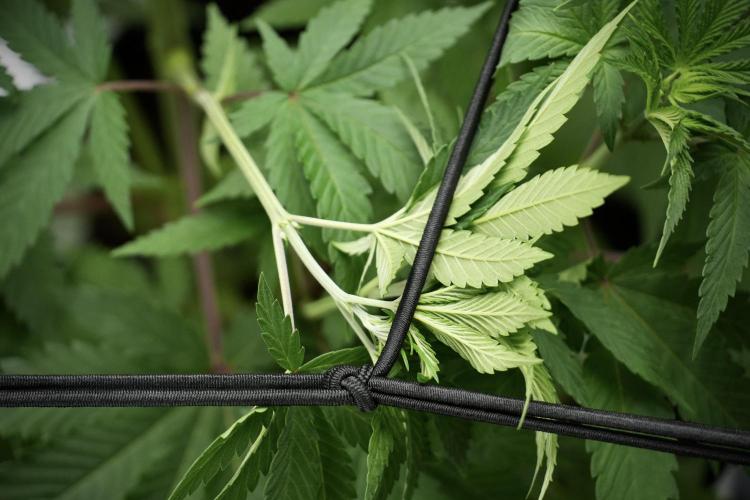
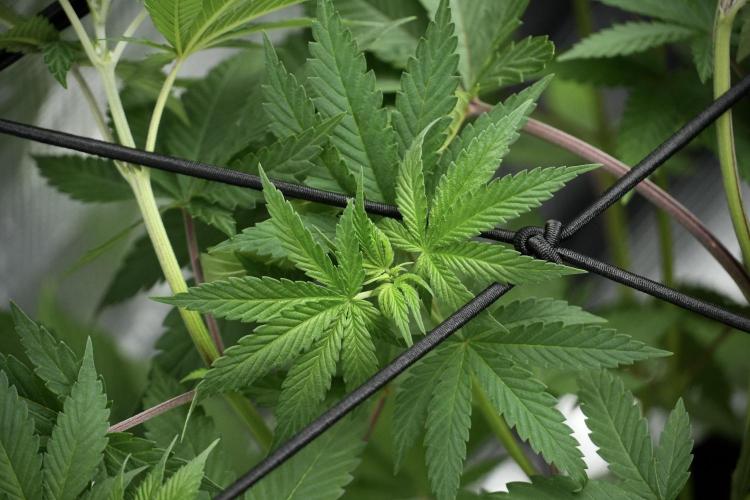
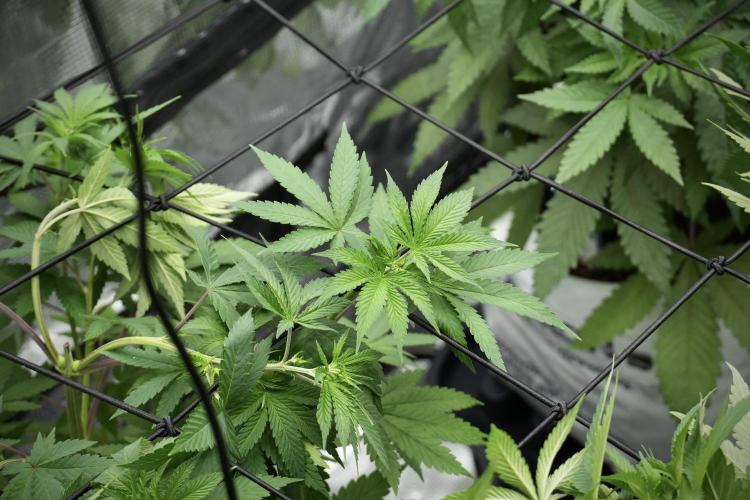
In plaats van elke tak verticaal op zichzelf te laten groeien, wordt er een horizontaal net boven het bladerdak geplaatst. Terwijl takken door de openingen groeien, worden ze voorzichtig zijwaarts geleid, wat de plant aanmoedigt om zich over het hele groeigebied te verspreiden.
In plaats van één dominante cola te produceren, ontwikkelt de plant tientallen gelijkmatig blootgestelde bloeiplaatsen.
Het resultaat is een platter bladerdak, efficiëntere lichtverdeling en hopelijk een veel grotere totale oogst.
In deze fase is het net er niet om bloemen vast te houden.
Het is er om de architectuur van de plant te begeleiden.
In de komende weken zal ik elke tak blijven weven door het net, één vierkant tegelijk, zodat het bladerdak zich natuurlijk kan vullen voordat de bloei begint.
Het volgen van dit proces is eerlijk gezegd een van mijn favoriete onderdelen van het kweken.
🌿 Blue Waffle F1 – Plant B
Plant B blijft trouw aan de persoonlijkheid die ze sinds het begin heeft ontwikkeld.
Kalm.
In balans.
Methodisch.
Ze probeert niet de hoogste plant in de tent te zijn. In plaats daarvan bouwt ze stilletjes een ongelooflijk georganiseerde structuur die een fantastische SCROG-kandidaat zou moeten worden in de komende weken.
Soms zijn het de planten die in het begin het langzaamst groeien die later de grootste verrassingen opleveren.
Ik ben erg benieuwd of zij een van hen is.
👀 Vooruitkijken
Volgende week zou helemaal om training moeten draaien.
Met de SCROG nu geïnstalleerd en beide nieuwe leiders die sterk groeien na het toppen, begint de echte vormgeving van het bladerdak.
Vanaf hier verandert het doel volledig.
We proberen niet langer hogere planten te laten groeien.
We proberen bredere te laten groeien.
Elke tak zal nu worden geleid met één eenvoudig doel...
Een gelijkmatig bladerdak creëren dat in staat is om het absolute meeste uit elke foton geproduceerd door de Zamnesia Phytonaut LED te halen.
Het avontuur wordt nog spannender.
💙 Dank U
Een enorme dank gaat uit naar Zamnesia voor het mogelijk maken van Project Blue Tent, van deze ongelooflijke Blue Waffle F1-genetica tot het complete ecosysteem rondom deze kweek.
Een oprechte dank aan Plagron voor het leveren van de Premium Coco Growbags samen met de Hydro voedingslijn die mijn overgang naar coco zowel aangenaam als educatief blijft maken.
Een speciale dank aan Mars Hydro voor het automatische druppelirrigatie- en afvoersysteem dat een essentieel onderdeel van dit project is geworden. Hoewel dit geen gesponsord product is, is het een van die apparatuur die gewoon werkt. Het heeft consistentie, netheid en gemoedsrust in de kweekruimte gebracht, terwijl ik meer tijd met de planten kan doorbrengen en minder tijd met het beheren van overtollig water.
Dank aan GrowDiaries voor het bieden van een plek aan kwekers van over de hele wereld om hun reis te documenteren, van elkaar te leren en zo'n geweldige gemeenschap op te bouwen.
En tot slot...
Dank aan elke persoon die deze updates leest.
Of je nu hier bent sinds het eerste zaadje is gekraakt, onlangs Project Blue Tent hebt ontdekt, elke week opmerkingen achterlaat, stilletjes meeleest, of gewoon geniet van de foto's, elk bezoek, elk gesprek, elke vraag en elk woord van aanmoediging helpt deze reis nog waardevoller te maken.
Ik hoop dat jullie allemaal een geweldige week hebben, en ik kan niet wachten om het volgende hoofdstuk van dit avontuur met jullie te delen.
Tot dan...
Growers Love, gelukkig kweken, en ik zie jullie volgende week. 🌱💙
16 houdt van
2 opmerkingen
Share
Used techniques
ScrOG
Techniek
6
Week 6. Vegetatie
1mo ago
1/30
60 cm
Height
18 uur
Light Schedule
30 °C
Day Air Temp
5.8
pH
Geen Geur
Smell
960 PPM
TDS
58 %
Air Humidity
18 °C
Solution Temp
24 °C
Substrate Temp
25 °C
Night Air Temp
8 liters
Pot Size
1.2 liters
Watering Volume
450 PPM
CO₂-niveau
Nutrients 5
Hydro A
1.9 mll
Hydro B
1.9 mll
Hydro Roots
1 mll
DogDoctorOfficial 💙 Project Blue Tent – Week 6
Blue Waffle F1 – Pheno B (Map 13B)
Hallo allemaal, en welkom terug bij een nieuw hoofdstuk van Project Blue Tent.
Als je voor het eerst bij het avontuur aansluit, welkom! Dit project volgt vier individuele Blue Waffle F1 planten van Zamnesia, die allemaal in exact dezelfde omgeving groeien, onder dezelfde verlichting, dezelfde voeding krijgen en hetzelfde trainingsschema volgen.
Alles is identiek.
Het enige verschil is het zaad zelf.
Dat maakt dit project zo interessant. Het bekijken van genetisch stabiele F1 planten die hun eigen subtiele persoonlijkheden ontwikkelen terwijl we zoveel mogelijk omgevingsvariabelen verwijderen, stelt ons in staat om zowel hun consistentie als hun individualiteit echt te waarderen.
Vandaag kijken we naar Plant B.
────────────────────────
🌱 Week Zes – De Canopy Opbouwen
Weer een fantastische week is verstreken in de Blue Tent, en Plant B blijft bewijzen waarom ik zo'n fan word van deze Blue Waffle F1 genetica.
Na het installeren van het SCROG-net vorige week is het doel volledig veranderd.
We proberen niet langer hogere planten te laten groeien.
Nu groeien we zijwaarts.
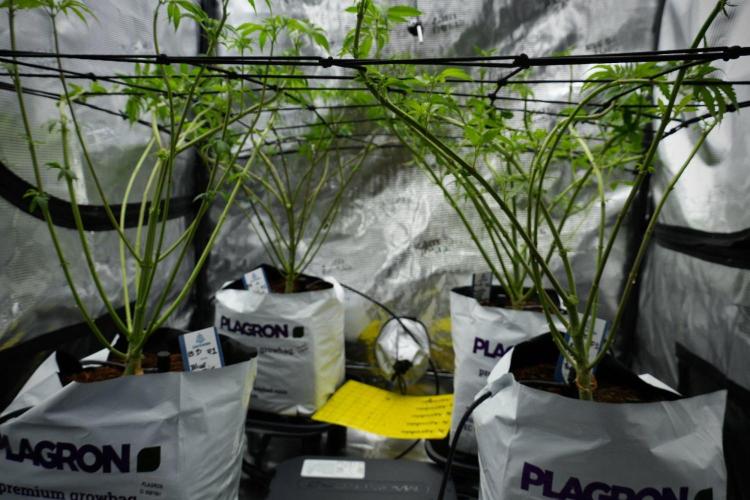
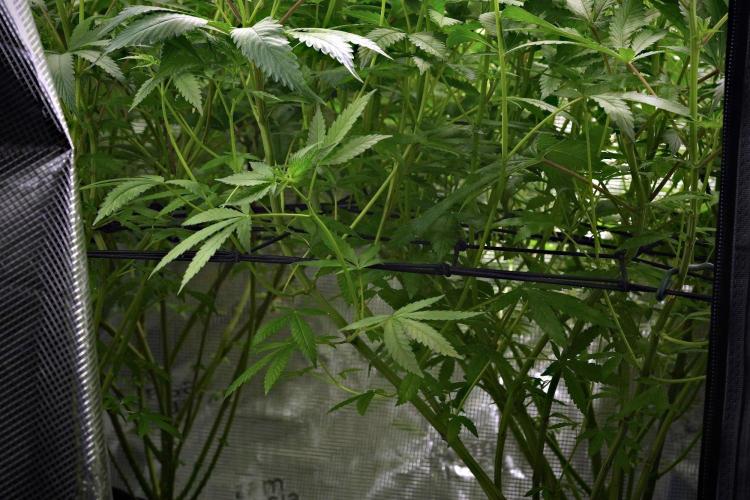
Sinds het aanspannen van het SCROG-net zitten alle vier de planten ongeveer op dezelfde hoogte—ongeveer 60 cm—terwijl de takken continu onder het scherm worden geleid in plaats van verticaal te groeien.
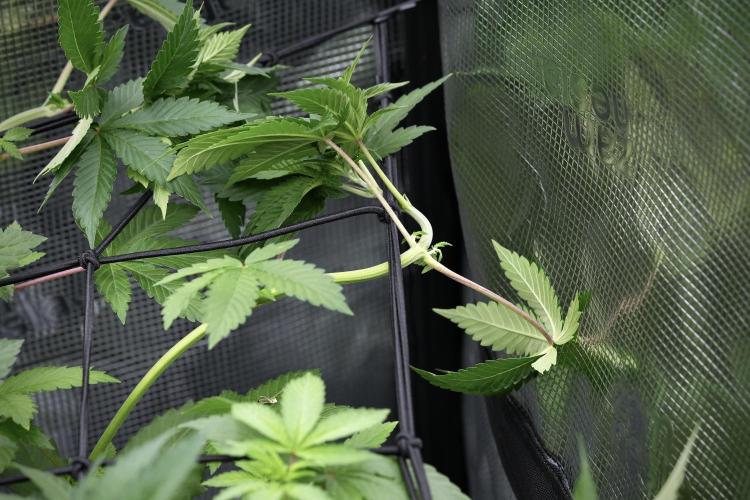
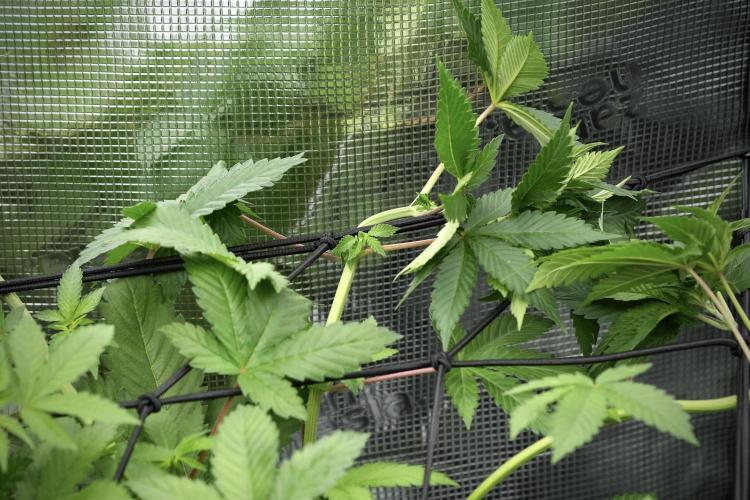
Elke dag besteed ik een paar minuten aan het voorzichtig terugduwen van de hoogste takken onder het net. Zodra een scheut boven de canopy uitsteekt, wordt deze voorzichtig in het volgende vierkant geleid, zodat een andere tak kan inhalen.
Het is een langzaam proces.
Maar het is ook een van de meest bevredigende onderdelen van het kweken.
De beloning komt later, wanneer elke bloeipunt bijna identieke lichtintensiteit over de hele canopy ontvangt.
Plant B heeft prachtig gereageerd.
Ze vult gestaag haar sectie van de tent en toont precies de structuur waar ik op hoopte.
────────────────────────
🌿 Een Stabiele F1 Die Haar Kracht Toont
Een ding dat steeds duidelijker wordt, is hoe stabiel deze F1 genetica echt zijn.
Hoewel elke plant haar eigen kleine persoonlijkheid heeft, ontwikkelen alle vier zussen zich opmerkelijk vergelijkbaar.
De structuur...
De kracht...
De kleur...
De reactie op voeding...
Alles is wonderbaarlijk consistent.
Plant B heeft haar compacte, georganiseerde architectuur behouden terwijl ze mooi over het scherm uitbreidt.
De rijke groene kleur is volledig teruggekeerd na het verhogen van de voedingssterkte een paar weken geleden, en de nieuwe groei is gezond, levendig en vol energie.
Als ik nu naar de tent kijk, is het eerlijk gezegd moeilijk om niet te glimlachen.
De meisjes zien er gewoon gelukkig uit.
────────────────────────
🌡️ Blue Tent Omgeving
De omgeving is weer zeer stabiel gebleven ondanks de zomerse hitte buiten.
De gemiddelde omstandigheden deze week waren:
• Dag Temperatuur: 30°C
• Nacht Temperatuur: 25°C
• Relatieve Vochtigheid: 58%
• pH: 5.8
• EC: 1.92 mS/cm
• CO₂: ongeveer 450 ppm
• Lichtschema: 18/6
• Irrigatie: 1.2 liter per plant per dag
De warme nachten zijn iets waar ik op zal letten zodra de bloei begint, aangezien hogere nachttemperaturen een beetje extra stretch kunnen aanmoedigen tijdens de eerste weken na de omschakeling.
Dat is echter het probleem van morgen.
Vandaag is ons enige doel om elk vierkant van dat SCROG te vullen.
────────────────────────
🥥 Voeding & Irrigatie
Deze week verandert er niets omdat de planten me absoluut geen reden hebben gegeven om iets te veranderen.
Het voedingsschema blijft:
• Plagron Hydro A — 1.9 ml/L
• Plagron Hydro B — 1.9 ml/L
• Plagron Hydro Roots — 1 ml/L
Met alleen kleine pH-aanpassingen wanneer nodig.
Sommige kwekers kijken naar een EC van 1.92 en denken dat het relatief hoog is.
Mijn planten zijn het daar niet mee eens.
Hun kleur is rijk.
De bladeren bidden.
De groei is krachtig.
De stelen blijven elke dag dikker worden.
Planten geven niet om welk voedingsschema iemand anders volgt.
Ze geven om of aan hun eigen behoeften wordt voldaan.
Deze meisjes hebben hun mening heel duidelijk gemaakt.
────────────────────────
💧 Druppelirrigatie & Automatische Afvoer
Het Mars Hydro druppelirrigatiesysteem maakt het leven heerlijk eenvoudig.
Elke plant ontvangt elke dag ongeveer 1.2 liter voedingsoplossing, langzaam en gelijkmatig geleverd via individuele druppelaars boven elke kweekzak.
Zodra de voedingsoplossing door de coco is gegaan, wordt het afval automatisch verzameld en verwijderd door het afvoersysteem dat onder de potten is geïnstalleerd.
Samen creëren deze twee systemen een ongelooflijk consistente wortelomgeving terwijl ze veel van de dagelijkse werklast verwijderen die normaal gesproken bij het kweken in coco komt kijken.
In plaats van gieters te dragen...
Kan ik mijn tijd besteden aan het kijken naar planten.
Dat is een ruil die ik elke dag graag maak.
────────────────────────
🐛 De Rups Die De Verkeerde Plant Kies
Elke tuin herinnert ons uiteindelijk eraan dat de natuur altijd een weg vindt.
Deze week werd Plant B de enige zus die een onverwachte bezoeker ontving.
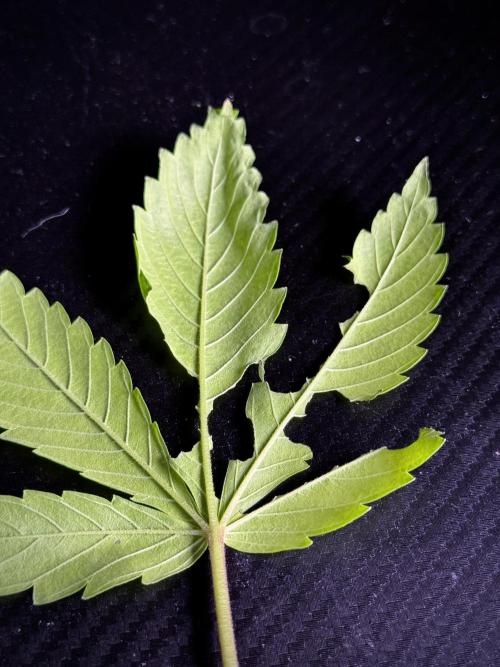
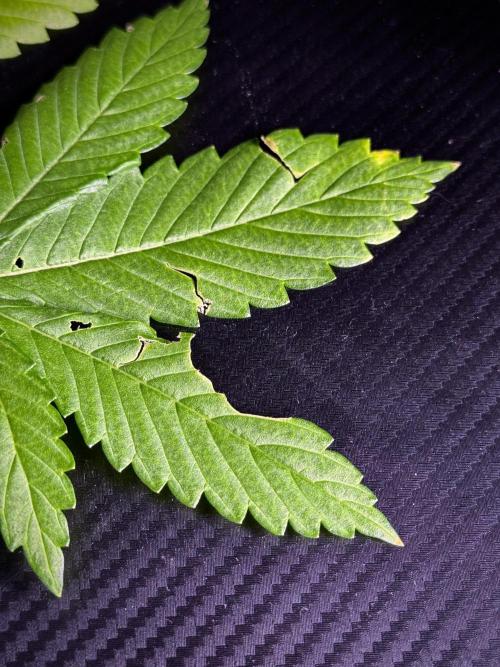
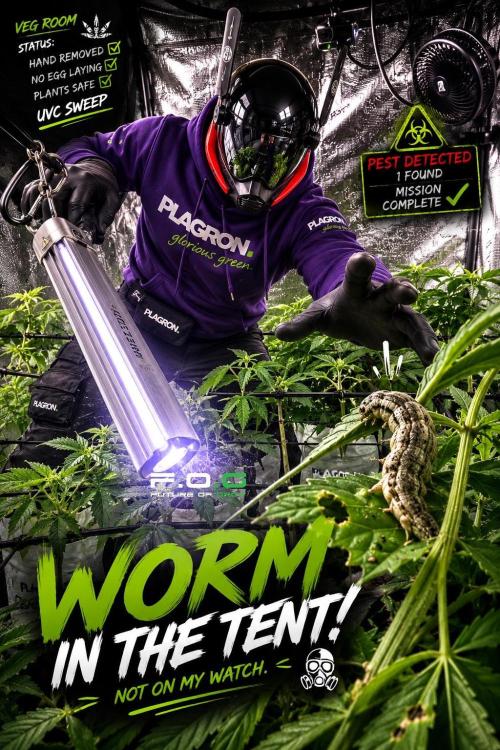
Op de een of andere manier slaagde een kleine rups erin om van mijn groentetuin naar de Blue Tent te liften en besloot dat de prachtige bladeren van Plant B er bijzonder lekker uitzagen.
Ik moet toegeven...
Ze moet er bijzonder gezond hebben uitgezien als zelfs de rups niet kon weerstaan om een hapje te nemen!
Gelukkig betekenden regelmatige dagelijkse inspecties dat de schade bijna onmiddellijk werd opgemerkt.
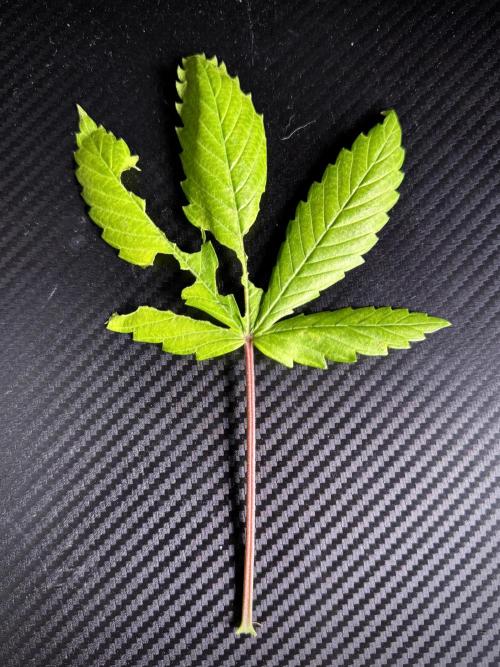
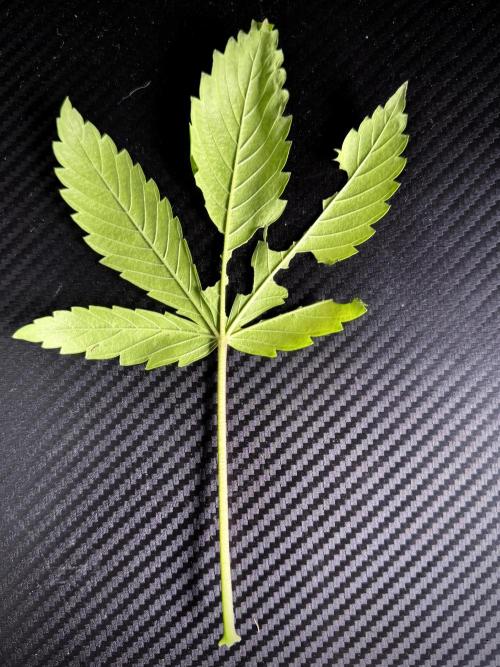
De rups werd met de hand verwijderd, de aangetaste bladeren werden voorzichtig afgeknipt, en het probleem kreeg nooit de kans om zich tot iets ernstigers te ontwikkelen.
Het diende ook als een perfecte herinnering dat, ongeacht hoe voorzichtig we zijn—en ik douche altijd, wissel van kleding en betreed de kweekruimte zo schoon mogelijk—de natuur ons af en toe kan verrassen.
Schone gewoonten verminderen risico.
Regelmatige observatie elimineert het.
────────────────────────
🛡️ Geïntegreerd Plaagdierbeheer
Na de ontdekking kreeg de hele tent een grondige IPM (Geïntegreerd Plaagdierbeheer) inspectie.
IPM gaat niet over wachten tot plagen een probleem worden.
Het gaat erom goede hygiëne, regelmatige inspecties en preventieve praktijken te combineren, zodat problemen worden gevonden terwijl ze nog klein zijn.
Als extra voorzorgsmaatregel gebruikte ik ook de Future of Grow UVC LED-bar.
Correct gebruikt, kan UVC-licht helpen ongewenste sporen en micro-organismen te verminderen die mogelijk de kweekruimte zijn binnengekomen, waardoor het een nuttig preventief hulpmiddel binnen een algehele IPM-strategie is.
Het is belangrijk te vermelden dat UVC altijd voorzichtig moet worden behandeld.
Directe blootstelling kan zowel planten als huid beschadigen, dus oogbescherming en juiste veiligheidsprocedures zijn essentieel bij het gebruik van dit soort apparatuur.
Gelukkig...
Een hongerige rups werd niets meer dan een korte onderbreking van een anders fantastische week.
────────────────────────
🌿 Plant B Zelf
Plant B blijft een van de gemakkelijkste planten om te trainen binnen de tent.
Haar takken blijven flexibel, haar internodale afstand is uitstekend en ze lijkt perfect gelukkig te zijn om elke dag onder het SCROG te worden geleid.
Ze racet niet vooruit.
Ze bouwt een prachtig georganiseerde structuur die een uitstekende bloeicanopy zou moeten worden zodra het zover is.
Elke week lijkt ze een beetje voller.
Elke week ziet ze er een beetje sterker uit.
En elke week imponeren deze Blue Waffle genetica me een beetje meer.
────────────────────────
👀 Vooruitkijken
Als alles in dit tempo blijft vorderen, verwacht ik dat het scherm tegen volgende week bijna volledig gevuld zal zijn.
Zodra dat gebeurt, zal de volgende grote mijlpaal een laatste schoonmaak en defoliatie zijn voordat we de Blue Tent in bloei zetten.
Tot die tijd blijft de routine heerlijk eenvoudig.
Leid de takken.
Onderhoud de omgeving.
Houd de wortels gelukkig.
Vertrouw het proces.
De natuur weet al wat ze doet.
We helpen haar gewoon om het iets efficiënter te doen.
────────────────────────
💙 Bedankt
Een enorme dank aan Zamnesia voor het mogelijk maken van Project Blue Tent, van deze ongelooflijk stabiele Blue Waffle F1 genetica tot het complete ecosysteem rondom deze kweek.
Een oprechte dank aan Plagron voor het leveren van de Premium Coco Growbags samen met de Hydro voedingslijn die week na week blijft zorgen voor prachtige, gezonde groei.
Een speciale dank aan Mars Hydro voor het automatische druppelirrigatie- en afvoersysteem dat dagelijkse bewatering heeft getransformeerd in een bijna moeiteloze routine.
Een enorme dank ook aan Future of Grow voor de UVC LED-bar, die nu een waardevol hulpmiddel is geworden in mijn preventieve IPM-routine.
Dank aan GrowDiaries voor het bieden van dit geweldige platform waar kwekers van over de wereld van elkaar kunnen leren, ervaringen kunnen delen en onze reizen kunnen documenteren.
En tot slot...
Dank aan ieder van jullie die Project Blue Tent volgt.
Of je nu hier bent sinds de kieming, recent bij het avontuur bent gekomen, elke week reacties achterlaat of gewoon geniet van het doorbladeren van de foto's, jullie steun betekent echt de wereld voor me.
Hopelijk is volgende week het scherm volledig gevuld, voeren we onze laatste defoliatie uit en beginnen we deze prachtige dames voor te bereiden op het volgende spannende hoofdstuk...
Bloeien.
Tot volgende week...
Growers Love, gelukkig kweken, en ik zie jullie snel. 🌱💙
9 houdt van
2 opmerkingen
Share
Used techniques
ScrOG
Techniek
7
Week 7. Vegetatie
8d ago
1/30
60 cm
Height
18 uur
Light Schedule
28 °C
Day Air Temp
5.8
pH
Geen Geur
Smell
960 PPM
TDS
65 %
Air Humidity
18 °C
Solution Temp
24 °C
Substrate Temp
25 °C
Night Air Temp
8 liters
Pot Size
1.2 liters
Watering Volume
450 PPM
CO₂-niveau
Nutrients 5
Hydro A
1.9 mll
Hydro B
1.9 mll
Hydro Roots
1 mll
DogDoctorOfficial 💙 Project Blue Tent – Week 7
Blue Waffle F1 – Pheno B (Map 13B)
Hallo allemaal, en welkom terug bij een nieuw hoofdstuk van Project Blue Tent! 💙🌱
Als je voor het eerst bij ons bent, welkom aan boord.
Project Blue Tent volgt vier individuele Blue Waffle F1 planten van Zamnesia, elk afzonderlijk gedocumenteerd van zaad tot aan de oogst.
Alle vier zussen delen dezelfde omgeving, verlichting, voeding, irrigatie en trainingstechnieken.
Het idee is simpel:
Houd de omgeving zo consistent mogelijk en laat de genetica het verhaal vertellen.
En ondanks al die overeenkomsten, weet elke plant toch haar eigen kleine persoonlijkheid te ontwikkelen.
Vandaag kijken we in bij Blue Waffle F1 – Plant B.
En als je haar reis hebt gevolgd...
Misschien herinner je je dat dit het meisje is dat vorige week een nogal onverwachte bezoeker had. 🐛
Maak je geen zorgen.
Ze is absoluut in orde.
Sterker nog, afgaand op de manier waarop ze groeit...
Lijkt ze het volledig vergeten te zijn dat het ooit is gebeurd.
────────────────────────
🌿 Week Zeven – Het Canopy Is Klaar
Deze week voelt als het einde van een hoofdstuk en het begin van een ander.
Al enkele weken zijn we bezig met het opbouwen van het canopy.
Toppingen.
Training.
Takken begeleiden.
De SCROG installeren.
Scheuten onder het net stoppen.
Langzaam elke beschikbare ruimte vullen.
En nu...
We hebben het gedaan.
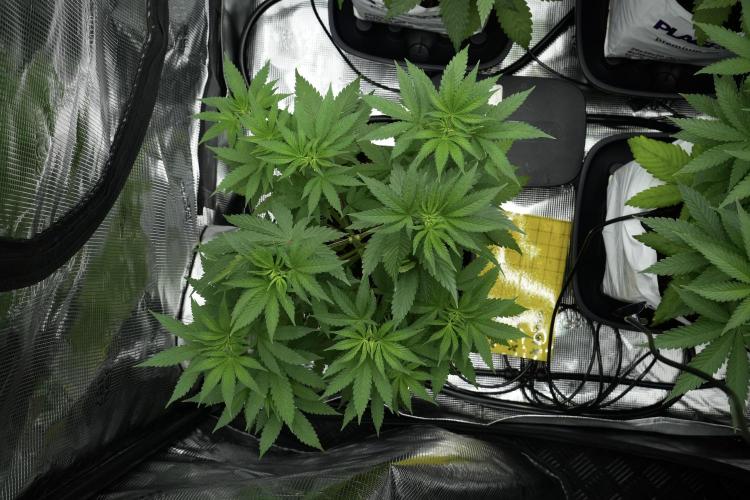
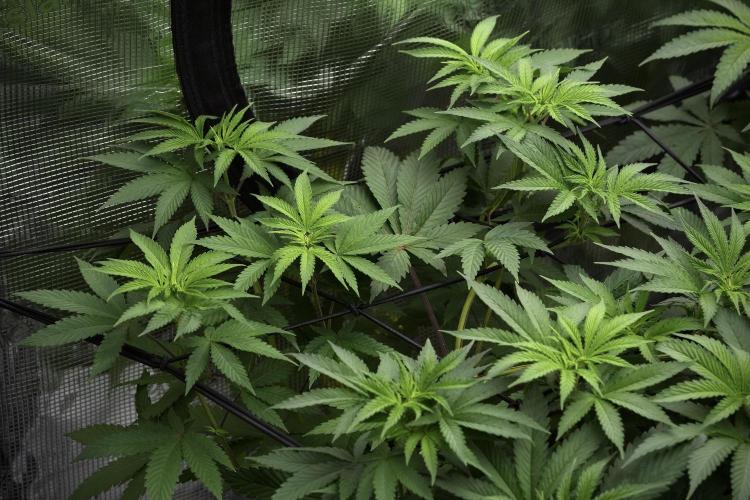
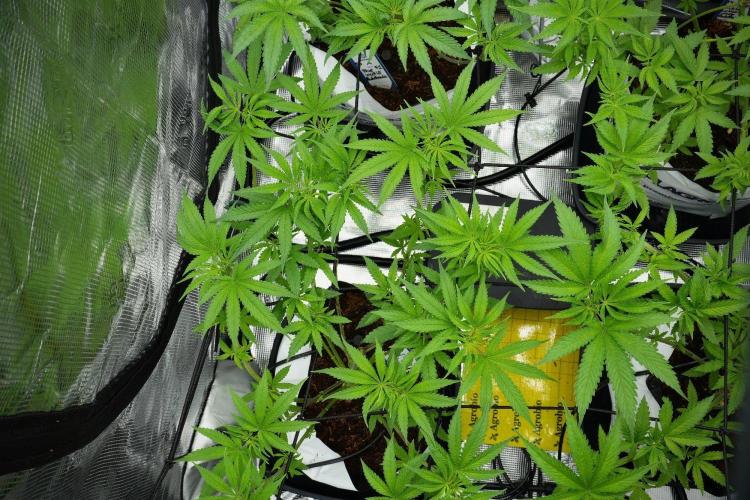
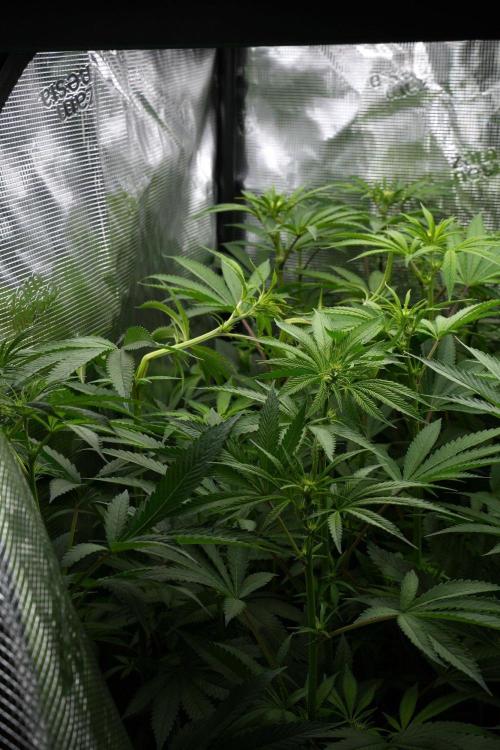
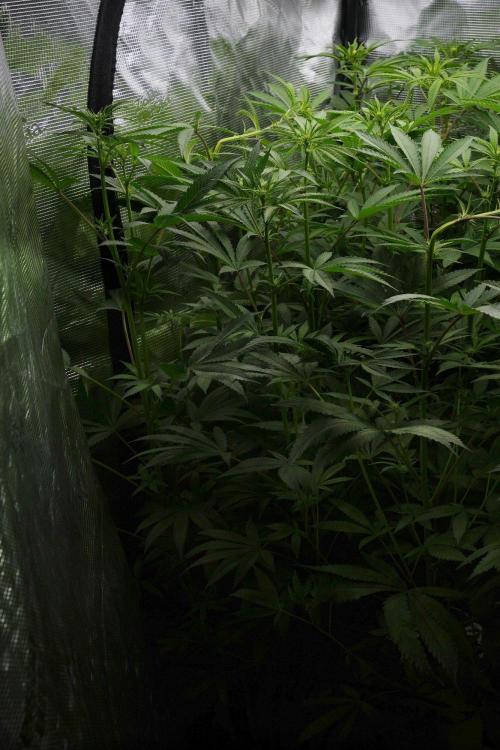
Het canopy is in wezen waar ik het wil hebben.
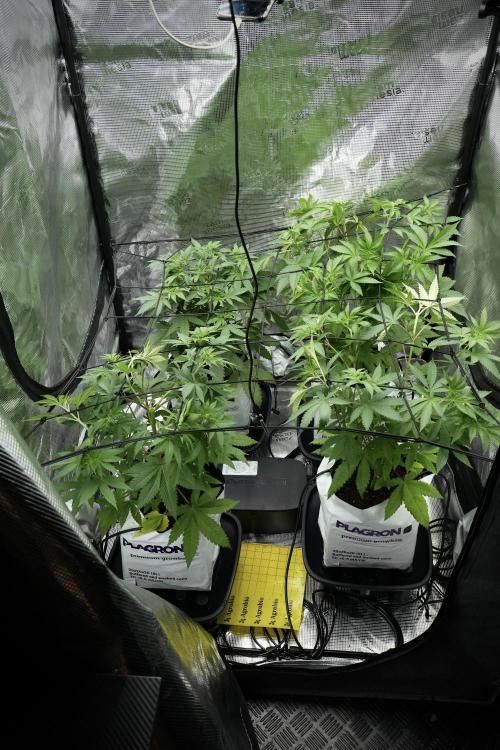
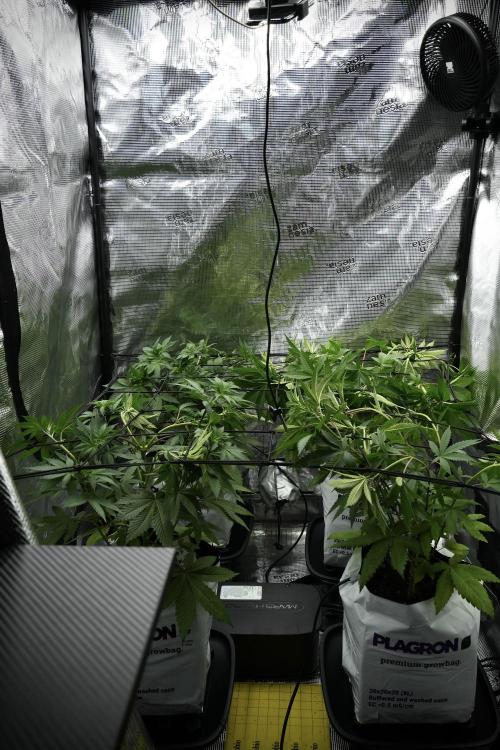
Plant B is ongeveer 60 cm hoog, net als haar zussen, met de SCROG die de planten op een opmerkelijk gelijke hoogte houdt.
Van bovenaf gezien wordt het steeds moeilijker om het ene fenotype van het andere te onderscheiden.
Dat is eigenlijk een van de meest fascinerende dingen aan dit project.
Vier individuele planten.
Vier individuele dagboeken.
En toch, onder identieke omstandigheden, produceren ze een ongelooflijk uniform algeheel canopy.
Plant B heeft haar sectie opnieuw prachtig gevuld.
Ze is gezond, krachtig en absoluut bedekt met potentiële bloeiplaatsen.
Dus nu is het tijd voor de laatste voorbereiding voordat we omdraaien.
────────────────────────
🕸️ De SCROG Missie – Voltooid
De SCROG is een van de belangrijkste puzzelstukjes geweest tijdens deze vegetatieve cyclus.
In plaats van de planten te laten ontwikkelen met een paar dominante verticale toppen, hebben we weken besteed aan het aanmoedigen van de takken om horizontaal over het scherm te groeien.
Elke keer dat een scheut omhoog probeerde te ontsnappen, leidde we deze voorzichtig onder het net door en naar het volgende beschikbare vak.
Langzaam...
Verdwenen de lege ruimtes.
En uiteindelijk werd het scherm één continu canopy.
Dat is precies wat we wilden.
Het doel is niet simpelweg om de planten op 60 cm te houden.
Het is om de groeiende toppen over het beschikbare licht te verdelen en een meer uniforme structuur voor de bloei te creëren.
En Plant B heeft het hele proces prachtig afgehandeld.
Nu het scherm vol is, veranderen echter onze prioriteiten.
We proberen niet langer meer loof toe te voegen.
We bereiden het loof dat we al hebben voor.
────────────────────────
✂️ Defoliatie – De Laatste Vegetatieve Opruiming
Het belangrijkste evenement van deze week is defoliatie.
En dit is een belangrijke onderscheiding:
Defoliatie gaat niet over het verwijderen van bladeren omdat ze er lelijk uitzien.
Het gaat niet om het proberen de plant er "schoon" uit te laten zien.
En het gaat zeker niet om het strippen van elk blad van de plant.
Bladeren zijn de zonnepanelen van de plant.
Ze zijn waardevol.
Dus het doel is selectieve verwijdering, niet vernietiging.
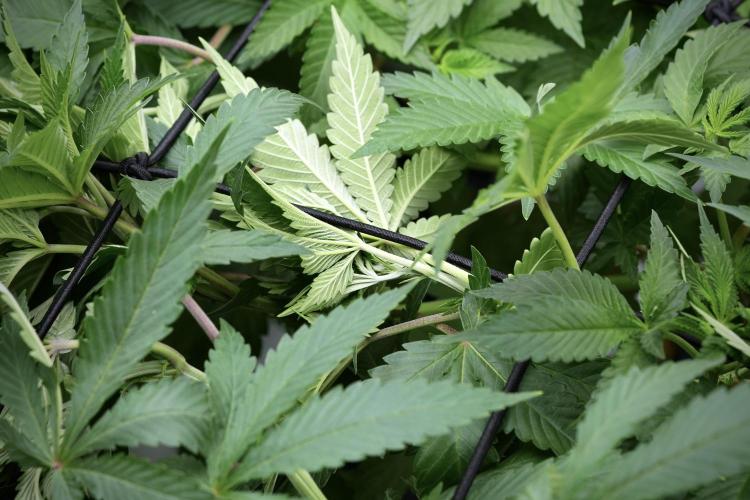
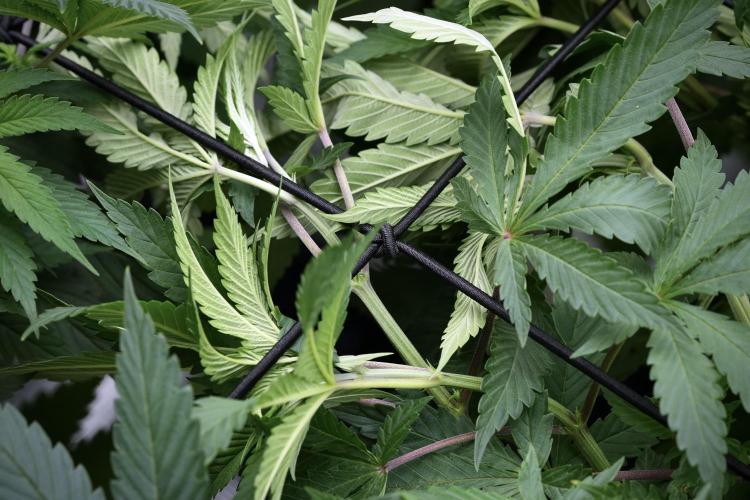
Na enkele weken van krachtige vegetatieve groei en SCROG-training is het interieur van het canopy extreem dicht geworden.
Er zijn bladeren die over elkaar heen liggen.
Takjes die door drukke gebieden kruisen.
En secties van de plant waar luchtstroom en lichtpenetratie kunnen worden verbeterd door simpelweg wat onnodig loof te verwijderen.
Dat is waar we nu aan werken.
We openen de plant.
Creëren ademruimte.
Verbeteren de zichtbaarheid.
En bereiden de structuur voor op de veel dichtere omgeving die de bloei met zich meebrengt.
────────────────────────
🌬️ Waarom Dit Voor Bloei?
Deze timing is heel doelbewust.
Defoliatie is een vorm van stress.
Zelfs wanneer het correct wordt uitgevoerd, dwingt het verwijderen van een aanzienlijk aantal bladeren de plant tijdelijk om zich aan te passen aan een nieuwe balans tussen zijn bladeren, wortels en actieve groeipunten.
Dus ik wil dat het herstel gebeurt voordat de bloei begint.
We volgen nog steeds een 18/6 vegetatieve schema.
De planten groeien actief.
Ze hebben tijd om te herstellen.
En we vragen ze niet tegelijkertijd om over te schakelen naar een totaal andere ontwikkelingsfase.
Zodra de bloei begint, wil ik dat de aandacht van de plant uitgaat naar de ontwikkeling van bloemen in plaats van te herstellen van grote structurele werkzaamheden.
Dus we volgen een zeer eenvoudige volgorde:
Bouw het canopy.
Vul het scherm.
Defolieer.
Herstel.
Draai om.
Één stap tegelijk.
────────────────────────
🧠 Wat Defoliatie Eigenlijk Bereikt
Er is een algemeen misverstand dat het verwijderen van bladeren automatisch betekent dat meer licht gelijk staat aan meer groei.
Het is niet zo simpel.
De reden dat we dit doen, is om de algehele efficiëntie van het canopy te verbeteren.
We proberen een betere relatie te creëren tussen:
🌱 Groeiplaatsen
💡 Lichtpenetratie
🌬️ Luchtbeweging
🍃 Bladdichtheid
? Plantstructuur
Het bovenste canopy ontvangt al veel licht.
Wat me meer zorgen baart, is wat eronder gebeurt.
Een dichte binnenkant kan een doolhof van overlappende bladeren en takken worden.
Door nu selectief een deel van die congestie te verwijderen, creëren we een meer open structuur voordat de bloemen beginnen te ontwikkelen.
En dat is bijzonder waardevol binnen een compacte tent waar vier krachtige planten dezelfde ruimte delen.
────────────────────────
🌿 Plant B – Het Meisje Dat Terugkwam
En dan is er Plant B.
De overlevende van het beruchte rupsenincident. 😂🐛
Vorige week had ze een klein bezoeker uit de buitenmoestuin die blijkbaar besloot dat een van haar bladeren een uitstekende snack zou zijn.
Gelukkig was het hele evenement bijna komisch onopvallend.
De rups werd gevonden.
Hij werd verwijderd.
Het aangetaste gebied werd opgeruimd.
De hele tent werd geïnspecteerd.
En Plant B bleef gewoon doorgroeien.
Geen significante achterstand.
Geen zichtbare stress.
Geen drama.
Als er iets is...
Lijkt ze te hebben gereageerd door nog harder te groeien.
Haar loof is nu rijk, gezond groen van top tot teen.
De nieuwe groei is krachtig.
De takken blijven sterk en flexibel.
En het canopy blijft zich uitbreiden precies zoals gepland.
Dus ik denk dat het veilig is om te zeggen:
Plant B heeft die strijd gewonnen.
De rups kreeg één maaltijd.
Plant B kreeg een andere week groei.
Ik zou dat een gelijkspel noemen. 😂
────────────────────────
💧 Druppelbevloeiing – Doet Zijn Werk
Het Mars Hydro druppelbevloeiings- en automatisch afvoersysteem blijft me verbazen.
Elke plant ontvangt momenteel ongeveer 1,2 liter voedingsoplossing per 24 uur, consistent geleverd via de individuele druppelaars.
De afvoer wordt vervolgens verzameld en verwijderd via het automatische afvoersysteem.
Die consistentie is nu bijzonder waardevol nu de planten groter worden en de wortelsystemen steeds veeleisender worden.
In plaats van handmatig te proberen hetzelfde bewateringspatroon elke dag te reproduceren, biedt het systeem de planten een voorspelbare routine.
En de planten reageren duidelijk goed op deze aanpak.
Gezond loof.
Sterke groei.
Stabiele ontwikkeling.
Het is een van die apparatuur die stilletjes zijn werk op de achtergrond doet...
Wat precies is wat ik wil van een irrigatiesysteem.
────────────────────────
🥥 Voedingsprogramma
Het voedingsrecept blijft deze week volledig ongewijzigd.
Er is gewoon geen reden om in te grijpen in iets dat werkt.
Huidige voeding:
• Plagron Hydro A — 1,9 ml/L
• Plagron Hydro B — 1,9 ml/L
• Plagron Hydro Roots — 1 ml/L
Huidige EC:
1,92 mS/cm
pH:
5,8
Voor nu houd ik de voeding precies waar deze is.
De planten tonen uitstekende kleur, krachtige groei en een gezonde structuur.
We kunnen de voedingssterkte volgende week verhogen, afhankelijk van hoe ze reageren na deze defoliatie en terwijl we de bloei ingaan.
Maar ik geef de voorkeur aan het nemen van die beslissing op basis van de planten in plaats van simpelweg de cijfers te verhogen omdat de kalender zegt dat we dat zouden moeten doen.
Ze zullen me vertellen wanneer ze honger hebben.
────────────────────────
🌡️ Blue Tent Omgeving
De omgevingsomstandigheden blijven prachtig stabiel.
De gemiddelde omstandigheden van deze week waren:
• 🌡️ Dagtemperatuur: 28°C
• 🌙 Nachttemperatuur: 25°C
• 💧 Relatieve Vochtigheid: 65%
• 🥥 Substrat Temperatuur: 24°C
• 💦 Voedingsoplossing: 18°C
• ⚗️ pH: 5,8
• ⚡ EC: 1,92 mS/cm
• 💨 CO₂: ongeveer 450 ppm
• 💡 Lichtschema: 18/6
• 💧 Irrigatie: ongeveer 1,2 L/plant/24u
• ? Potmaat: 8 L
• 📏 Plantenhoogte: ongeveer 60 cm
De consistentie tussen de vier planten is een van de dingen die ik het meest waardeer aan dit project.
We proberen zoveel mogelijk omgevingsvariabelen te verwijderen, zodat wanneer er verschillen optreden, we veel dichter bij de planten zelf kunnen kijken.
En op dit moment...
Zijn de overeenkomsten opmerkelijk.
────────────────────────
🌱 Vier Zussen, Eén Canopy
Dit is misschien wel het vreemdste deel van het project op dit moment.
Als ik van bovenaf naar de Blue Tent kijk, lijken de vier planten bijna één gigantisch organisme.
Het canopy is extreem uniform.
De kleur is consistent.
De hoogte is consistent.
De groeisnelheid is opmerkelijk vergelijkbaar.
En de SCROG heeft uitstekend werk geleverd om alles samen te brengen.
Natuurlijk, als je goed kijkt, kun je nog steeds de individuele persoonlijkheden zien.
Dat is waarom deze aparte dagboeken bestaan.
Maar van een afstand?
Het wordt steeds moeilijker om te zeggen wie wie is.
En eerlijk gezegd...
Dat is een prachtig resultaat.
Het betekent dat de omgeving precies doet wat we wilden dat het deed.
────────────────────────
🌿 De Persoonlijkheid van Plant B
Plant B blijft een van de meer van nature coöperatieve planten in de tent.
Ze reageert goed op training.
Ze is krachtig zonder onhandelbaar te worden.
En ze heeft een ongelooflijk bruikbare structuur ontwikkeld onder het scherm.
Haar takken zijn mooi verdikt, haar internodale afstand blijft compact, en de nieuwe groei blijft verschijnen met die gezonde, levendige kleur waar ik naar op zoek ben.
En misschien nog belangrijker...
Ze lijkt geen wrok te koesteren.
We hebben haar getopt.
We hebben haar gebogen.
We hebben haar onder het net gestopt.
Een rups heeft haar gegeten.
En nu zijn we haar aan het defolieren.
En ze staat daar nog steeds en zegt:
"Is dat alles wat je hebt?" 😂🌱
Dat is Plant B.
────────────────────────
👀 Vooruitkijken – Bloei Komt Eraan
Na de opruiming van vandaag is het belangrijkste dat we kunnen doen...
Niets.
Laat haar herstellen.
Laat de nieuwe groei zich vestigen.
Houd de omgeving stabiel.
Houd de wortels gelukkig.
En observeer.
Dit is waar geduld net zo belangrijk wordt als techniek.
We hebben weken besteed aan het opbouwen van deze plant.
Nu moeten we haar de tijd geven om te reageren.
Als alles er zo goed blijft uitzien, zal de volgende belangrijke mijlpaal de overgang naar de bloei zijn.
Het scherm is vol.
Het overtollige loof is opgeruimd.
De structuur is klaar.
En de planten zijn gezond.
We zijn bijna daar.
De vegetatieve groei komt ten einde.
Het volgende hoofdstuk zal heel anders zijn.
🌸 Bloei is de volgende.
────────────────────────
💙 Bedankt
Een grote dank aan Zamnesia voor het mogelijk maken van Project Blue Tent en voor het leveren van deze fantastische Blue Waffle F1 genetica.
Een oprechte dank aan Plagron voor de Premium Growbags en Hydro voedingslijn, die de planten blijven voorzien van alles wat ze nodig hebben om deze mooie groei te behouden.
Een speciale dank aan Mars Hydro voor het druppelbevloeiings- en automatische afvoersysteem. Het heeft gedurende dit project geweldig gepresteerd en heeft het onderhouden van consistentie binnen de tent aanzienlijk gemakkelijker gemaakt.
Dank ook aan Future of Grow voor de UVC LED-bar, die een ander hulpmiddel blijft binnen mijn preventieve IPM-routine.
En natuurlijk, bedankt aan GrowDiaries voor het geven van een plek aan kwekers over de hele wereld om te documenteren, leren, ideeën uit te wisselen en deze reizen te delen.
En tenslotte...
Dank je wel.
Voor het volgen.
Voor het commentaar.
Voor het stellen van vragen.
Voor het delen van je eigen ervaringen.
En voor gewoon hier zijn.
Plant B heeft al getrotseerd: toppen, SCROG-training en een kleine rupsinvasie.
Nu is ze schoon, gezond en klaar voor het volgende hoofdstuk.
Het canopy is vol.
De ruimte is klaar.
De planten zijn klaar.
En binnenkort...
draaien we de Blue Tent om. 🌸💙
Tot volgende week...
Kwekersliefde, gelukkig groeien en zorg goed voor jezelf iedereen! 🌱💙
13 houdt van
opmerkingen
Share
Used techniques
12-12
Techniek
Ontbladering
Techniek
ScrOG
Techniek
8
Week 8. Bloeiend
4d ago
1/63
81 cm
Height
12 uur
Light Schedule
27 °C
Day Air Temp
5.8
pH
Geen Geur
Smell
1045 PPM
TDS
66 %
Air Humidity
19 °C
Solution Temp
24 °C
Substrate Temp
27 °C
Night Air Temp
8 liters
Pot Size
1.4 liters
Watering Volume
666 PPM
CO₂-niveau
Nutrients 6
Hydro A
2 mll
Hydro B
2 mll
Hydro Roots
1 mll
DogDoctorOfficial 💙 Project Blue Tent – Week 8
Blue Waffle F1 – Pheno B (Folder 13B)
Hello everyone, and welcome back to another chapter inside Project Blue Tent! 💙🌱
If you're joining us for the first time, welcome aboard.
Project Blue Tent follows four individual Blue Waffle F1 plants from Zamnesia, each documented separately from seed all the way through harvest.
All four sisters share the same environment, lighting, nutrition, irrigation and training techniques.
The idea is simple:
Keep as many variables identical as possible...
And let the genetics tell the story.
And although the four girls continue looking remarkably similar, each one still has her own little personality.
Today we're checking in with Blue Waffle F1 – Plant B.
And if you've been following her journey...
You already know this girl.
She's the one who had the little caterpillar adventure earlier in the grow.
She's the one who bounced straight back.
She's the one who has handled topping, SCROG training and defoliation without complaint.
And now...
She's officially in flower.
🌸
────────────────────────
🌸 Week Eight – Flower Has Arrived
Well...
The Blue Tent has officially changed gears.
After seven weeks of vegetative growth, the lights are now running 12/12, and Plant B has entered the flowering phase.
And judging by what she's done over the last week...
She was definitely ready.
The entire room has been growing incredibly quickly.
We're talking about plants gaining close to 30 cm in roughly a week, while at the same time developing flowering sites, producing new growth and generally accelerating in every direction.
Plant B is no exception.
She's currently sitting at approximately 81 cm, compared with around 60 cm when we finished the vegetative phase.
That's a serious jump.
And the interesting part is that she's not simply stretching upward.
She's continuing to develop.
Branches are extending.
Nodes are stacking.
Flowering sites are becoming increasingly obvious.
And the whole plant is moving with an incredible amount of energy.
So now the game changes.
We're no longer building the vegetative canopy.
We're learning how to manage it.
────────────────────────
🕸️ The Canopy – Still Beautifully Even
One of the things I'm happiest about this week is how even the canopy remains.
After weeks of topping, low-stress training and SCROG work, Plant B entered flowering with a beautifully distributed structure.
There aren't huge dominant towers taking over everything around them.
The growth is spread across the available space.
And that's exactly what we wanted.
The interesting challenge now is keeping it that way.
Because these girls are moving fast.
Very fast.
The screen may have done its job during vegetation, but flowering stretch doesn't exactly ask for permission.
It simply happens.
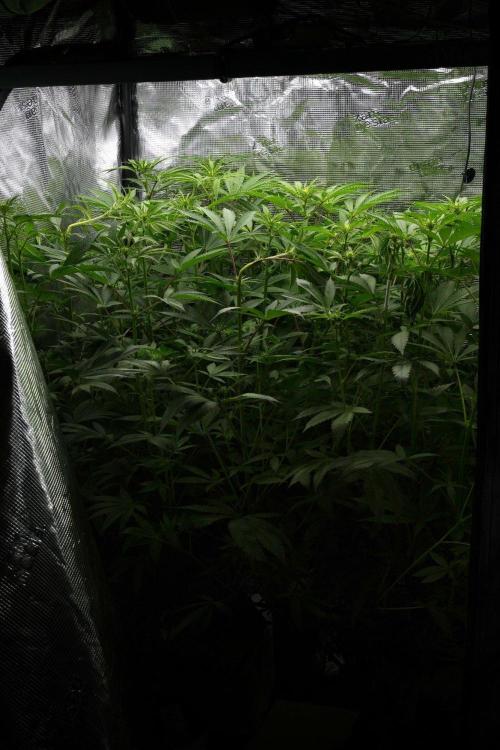
So we're going to work with the plants rather than fight them.
And that's where this week's additional training comes in.
────────────────────────
💥 Super Cropping – Managing the Stretch
This week I've also started using super cropping to help manage some of the more aggressive vertical growth.
The idea is not to randomly damage the plants.
It's a deliberate form of high-stress training where selected branches are gently bent and compressed, creating a temporary interruption in the dominant vertical growth pattern.
The hope is to achieve a couple of things at the same time.
First, it can help reduce the advantage of the tallest shoots and keep the canopy more manageable.
Second, the plant responds by reinforcing the affected areas, which can ultimately contribute to stronger branches and more robust nodes.
And these girls are giving me quite the demonstration.
I'll super crop a branch...
Come back later...
And somehow she's already standing back up again.
😂
Sometimes it feels like I'm having a conversation with the plant.
Me:
"Stay down."
Plant B:
"No."
😂🌱
But that's actually encouraging.
It tells me just how much energy these plants have right now.
The growth is so vigorous that the branches are recovering incredibly quickly.
So we're going to continue carefully managing the taller shoots and see how the plants respond over the coming weeks.
────────────────────────
🌿 Plant B – Strength Under Pressure
Plant B continues looking fantastic.
Her structure remains strong, her foliage is healthy, and the colour is exactly where I want it.
After everything we've asked from her during vegetation, she has transitioned into flower without showing any meaningful signs of stress.
And that's something I really appreciate about this phenotype.
She's cooperative.
She responds.
She recovers.
And then she simply keeps growing.
The super cropping we're doing now is another opportunity to observe that response.
We're deliberately introducing a little controlled stress to encourage a more balanced structure while the plant is stretching.
Will it completely stop her from getting taller?
Honestly...
I doubt it.
😂
These girls have already shown us what they're capable of.
But if we can slow down the most aggressive vertical growth, strengthen those important branching points and maintain a reasonably even canopy...
I'll consider that a win.
────────────────────────
💡 Flowering Light – Starting Strong
We're also entering flowering under a fairly strong light intensity.
The Blue Tent is starting flower at approximately 800 PPFD.
That's intentional.
These plants have spent seven weeks building a large and healthy canopy, and I want to give them plenty of light from the beginning of the flowering cycle.
At the same time, I'm watching carefully for how they respond.
The goal is not simply maximum intensity.
It's finding the point where the plants can use the available light effectively while maintaining healthy transpiration, structure and development.
And because we're already dealing with significant growth and relatively warm nights, the next couple of weeks will tell us a lot.
For now...
Plant B is loving it.
────────────────────────
🌡️ Blue Tent – Flowering Conditions
The environment remains remarkably consistent across the room.
This week's recorded conditions were:
• 🌡️ Day Temperature: 27°C
• 🌙 Night Temperature: 27°C
• 💧 Relative Humidity: 66%
• 🥥 Substrate Temperature: 24°C
• 💦 Nutrient Solution Temperature: 19.2°C
• ⚗️ pH: 5.81
• ⚡ EC: 2.09 mS/cm
• 💨 CO₂: approximately 666 ppm
• 💡 Light Schedule: 12/12
• 💧 Irrigation: approximately 1.4 L/plant/24h
• ? Pot Size: 8 L
• 📏 Plant Height: approximately 81 cm
The temperature situation is particularly interesting.
Day and night temperatures are currently almost identical.
That's something I'm keeping a close eye on because warmer nights can encourage additional stretching.
And we've already seen plenty of evidence that these plants don't need much encouragement to grow.
😂
So for now, we're observing closely and managing what we can.
────────────────────────
🥥 Feeding – Flowering Has Begun
The nutritional program has also moved into the flowering recipe.
Current feeding:
• Plagron Hydro A — 2 ml/L
• Plagron Hydro B — 2 ml/L
• Plagron Hydro Roots — 1 ml/L
• Plagron Power Buds — 1 ml/L
• pH Plus — 0.03 ml/L
• pH Min — 0.03 ml/L
Current EC is approximately:
2.09 mS/cm
with the nutrient solution sitting around 19.2°C and pH at approximately 5.81.
The change is relatively measured.
We're not throwing everything at the plants simply because flowering has started.
They're already growing extremely aggressively.
So the objective is to support that development without unnecessarily complicating the equation.
As always...
The plants get the final vote.
────────────────────────
💧 Drip Irrigation & Automatic Drainage
The irrigation system continues proving its value as these plants become larger and more demanding.
Plant B is currently receiving approximately 1.4 litres per 24 hours through the automatic drip irrigation system.
The drippers deliver the nutrient solution directly into the coco.
The solution moves through the substrate, supplying the root zone before exiting as runoff.
That runoff is collected in the trays underneath the grow bags.
From there, the drainage lines carry it toward the pump, which moves the collected solution back toward the reservoir.
So the irrigation and drainage systems are effectively working together as a recirculating setup.
Water goes in.
The coco does its job.
The plant gets access to the nutrients.
Runoff is collected.
The drainage system removes it.
The pump returns it.
And the cycle continues.
It's a beautifully simple system once everything is working correctly.
And right now...
It's working wonderfully.
The plants are growing aggressively, the water demand is increasing, and the system is keeping up without turning daily irrigation into a chore.
That's exactly what I wanted from it.
────────────────────────
🌿 Seven Weeks of Vegetation – Was It Too Much?
This is something I've been thinking about quite a lot this week.
Seven weeks of vegetation is longer than I normally keep plants in this stage.
Usually, I prefer to flip earlier.
But looking at these girls now...
I may have left them in vegetation a little too long.
😂
The structure they developed is fantastic.
The canopy is full.
The branches are strong.
The plants are healthy.
But they have also accumulated an enormous amount of growth potential.
And now that flowering has started, they're showing us exactly how much energy they have stored.
Close to 30 cm of growth in roughly a week is no small thing.
And they're not finished.
That's why I'm particularly interested in the combination of:
SCROG + super cropping + strong light + careful environmental management.
We're going to see whether those tools can help keep this incredible growth somewhat under control.
────────────────────────
🌱 Plant B – The Comeback Girl
There's something particularly satisfying about looking at Plant B now.
A few weeks ago, she had an unexpected little visitor.
One hungry caterpillar decided that one of her leaves looked like lunch.
The problem was caught quickly.
The caterpillar was removed.
The affected area was cleaned up.
The tent was inspected.
And Plant B simply carried on.
Now look at her.
Approximately 81 cm tall.
Healthy.
Strong.
Flowering.
Producing new growth everywhere.
If anything, she looks like she's trying to make up for the leaf she lost.
😂
She's definitely earned her place in this project.
And I love that this diary gives us the opportunity to follow that entire story individually.
────────────────────────
💥 Super Cropping – Let's See What Happens
The next few weeks will tell us whether this additional training strategy gives us the effect I'm hoping for.
The objective isn't to stop growth.
That's impossible.
The objective is to manage it.
If a branch is becoming significantly taller than the rest of the canopy, we can intervene.
If a particularly vigorous shoot needs to be brought back into balance, we can work with it.
And by creating those controlled bends and reinforced points along the branches, we're hopefully building stronger plants at the same time.
The fascinating thing is how quickly Plant B recovers.
I'll make an adjustment...
And shortly afterward...
She's standing up again.
It's almost as if the plant didn't get the memo.
😂
So we'll keep watching.
We'll keep training where necessary.
And we'll let the plant show us whether the technique is doing what we want.
────────────────────────
🌸 Flowering Has Officially Started
There is something special about this point in the project.
For seven weeks we've been preparing these plants.
Topping.
Training.
SCROG.
Defoliation.
Building structure.
Balancing the canopy.
And now...
We're finally seeing the reward for all that preparation beginning to appear.
The flowering sites are developing rapidly.
The branches are extending.
The plants are changing.
And suddenly the Blue Tent doesn't look like a vegetative garden anymore.
It looks like a flowering room.
Plant B has an excellent starting structure.
Now we get to find out what she can do with it.
────────────────────────
👀 Looking Ahead
The next couple of weeks should be extremely interesting.
The main objective is now managing the stretch while allowing the plants to flower naturally.
We'll continue monitoring the canopy.
We'll use super cropping where necessary to manage particularly vigorous shoots.
We'll keep the irrigation consistent.
We'll monitor nutrition.
We'll watch the environment closely.
And most importantly...
We'll observe.
Because right now all four sisters are showing just how similar they can be.
But as flowering progresses, I expect their individual personalities to become increasingly obvious.
Will Plant B remain one of the more balanced girls?
Will she stretch aggressively?
Will the super cropping help?
Will the strong flowering light keep her compact?
We'll find out.
For now...
She's looking absolutely fantastic.
────────────────────────
💙 Thank You
A huge thank you to Zamnesia for making Project Blue Tent possible and for giving us the opportunity to explore these beautiful Blue Waffle F1 genetics phenotype by phenotype.
A massive thank you to Plagron for the Premium Growbags and Hydro nutrient line supporting these plants throughout the project, and now for helping us move into the flowering phase.
A special thank you to Zamnesia for the Phytonaut LED lighting that helped us build this beautiful canopy and is now providing the strong light these girls are receiving as flowering begins.
And a huge thank you to Mars Hydro for the drip irrigation and automatic drainage system.
The way the drippers, drainage trays, piping, pump and reservoir work together has made maintaining these four rapidly growing plants considerably easier.
Thank you as well to GrowDiaries for providing a place where growers can document these journeys, exchange knowledge and follow projects like this from beginning to end.
And finally...
Thank you to everyone following Project Blue Tent.
Plant B has come a long way.
From seed...
To topping.
From SCROG...
To defoliation.
From an unexpected caterpillar visitor...
To one of the fastest-growing girls in the tent.
And now...
Flowering. 🌸💙
The canopy is ready.
The plants are healthy.
The stretch has begun.
And we're doing our best to keep these energetic ladies under control.
Whether they listen is another question entirely. 😂
Until next week...
Growers Love, happy growing, and take care everyone! 🌱💙