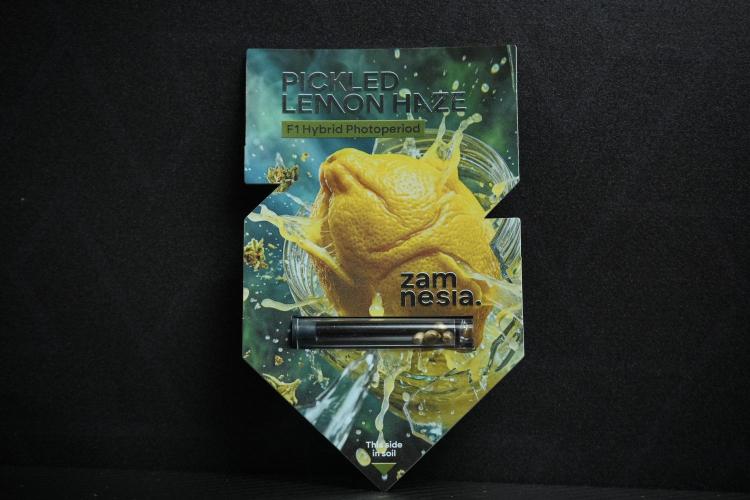
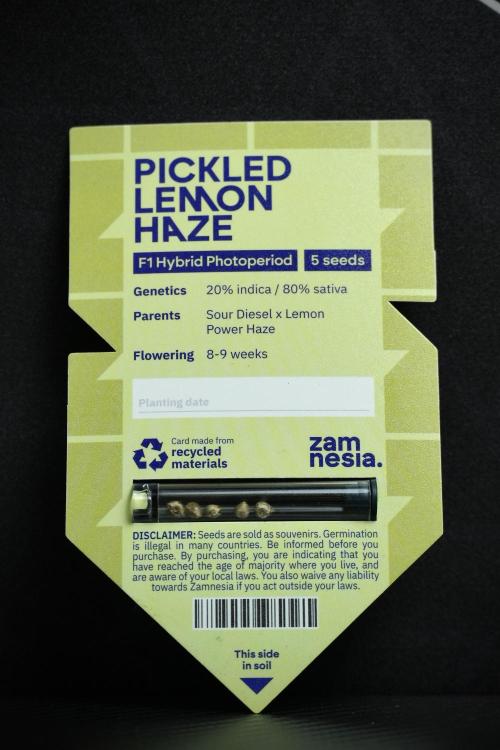
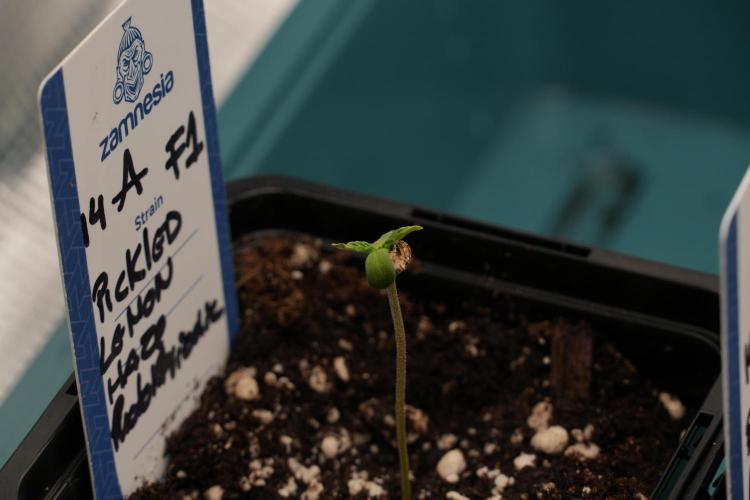
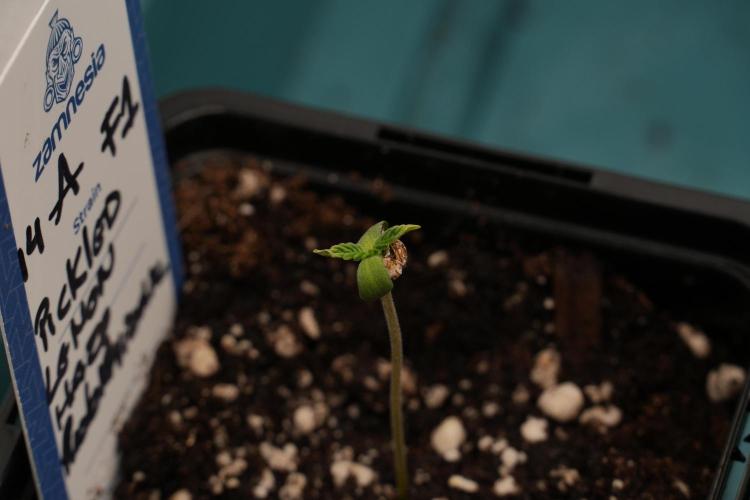
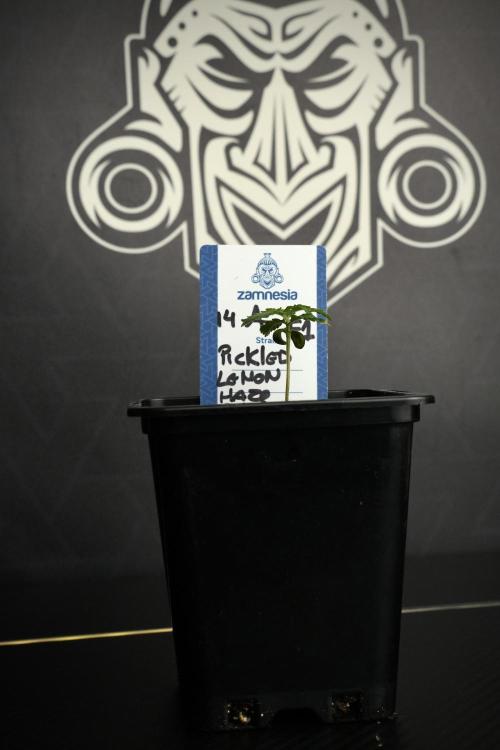
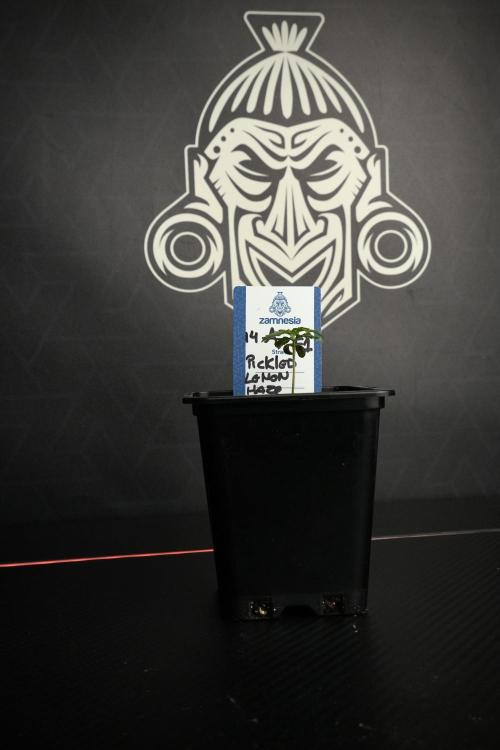
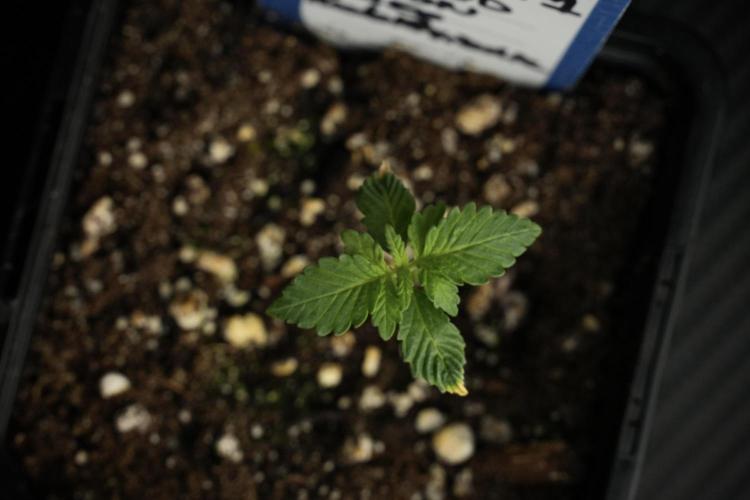
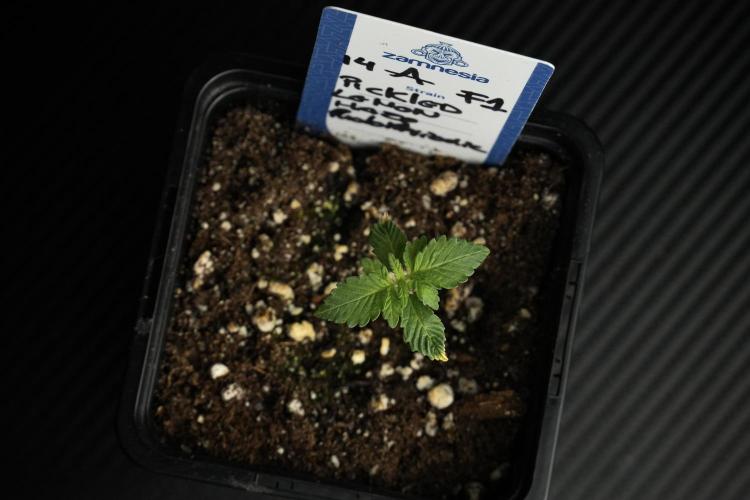
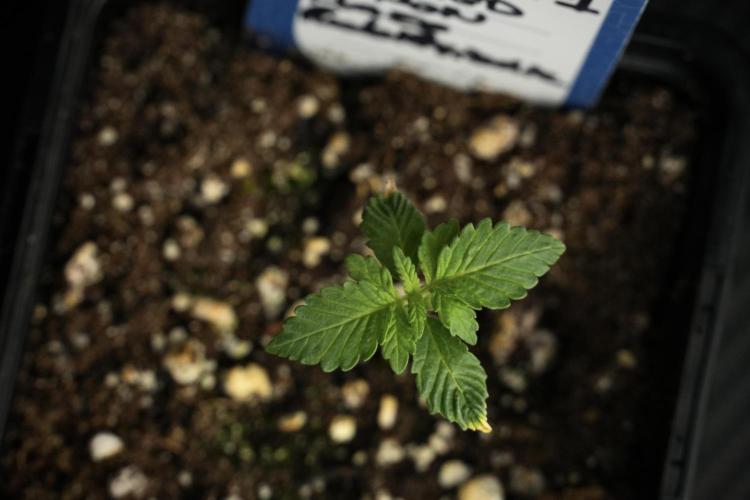
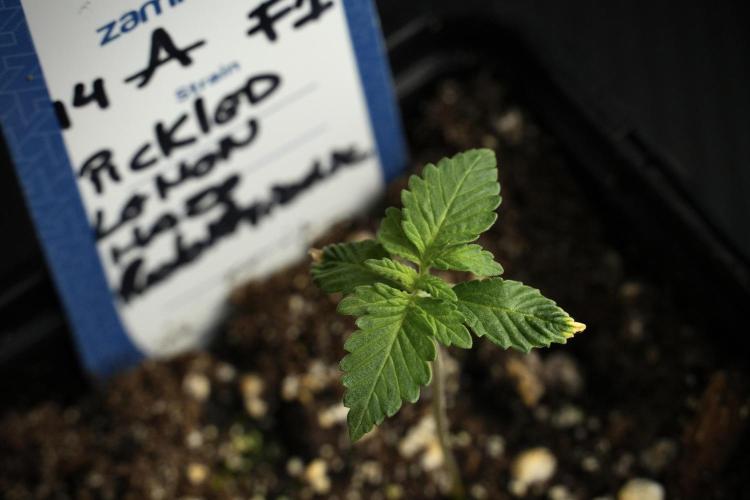
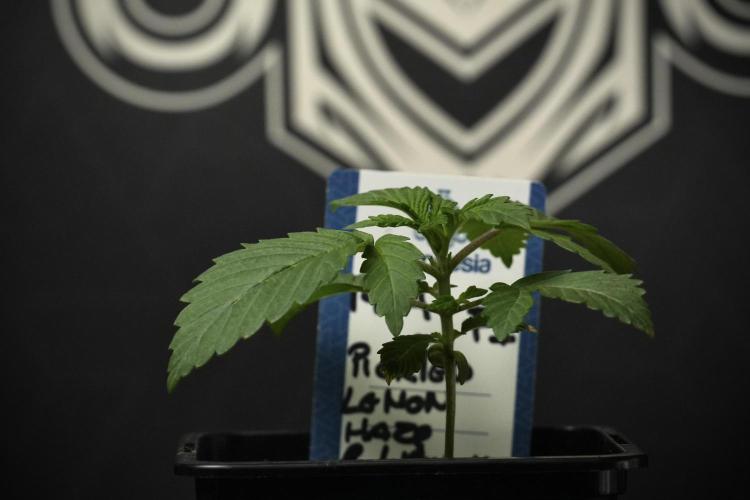
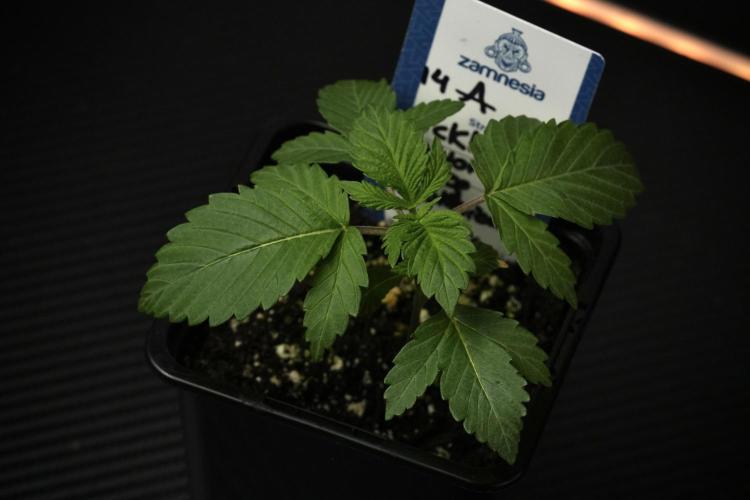
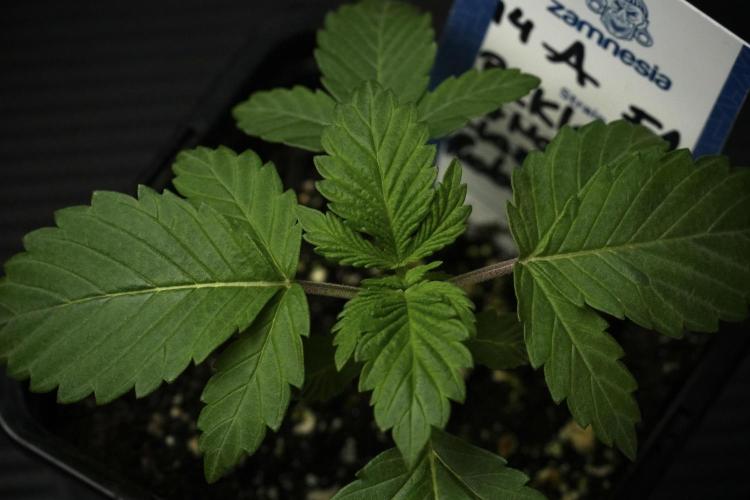
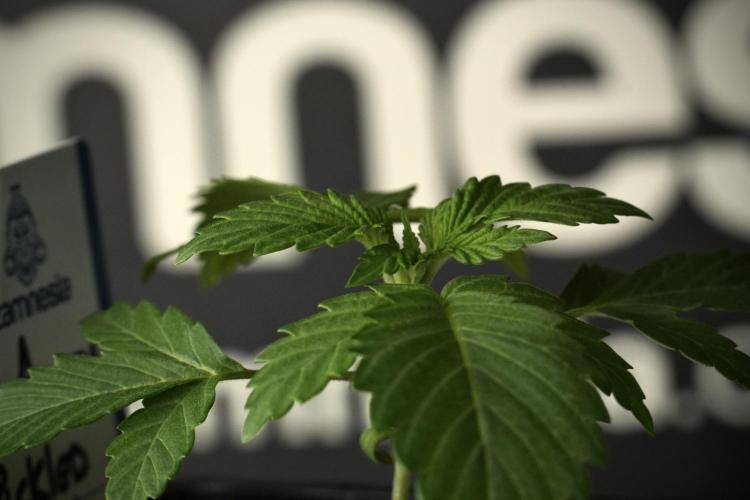
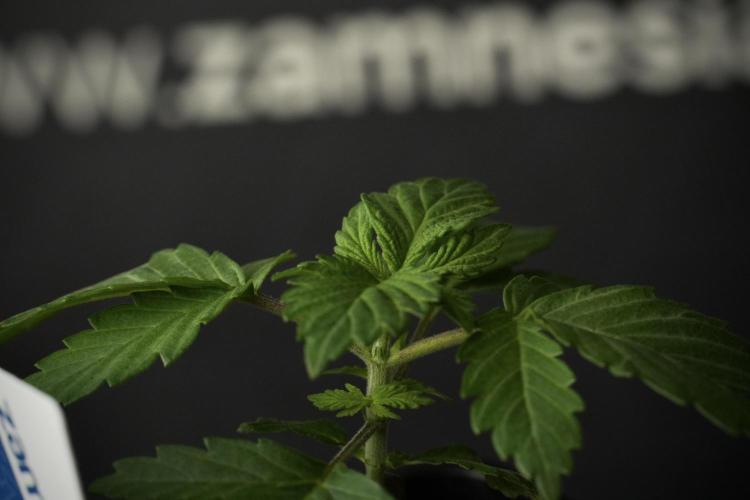
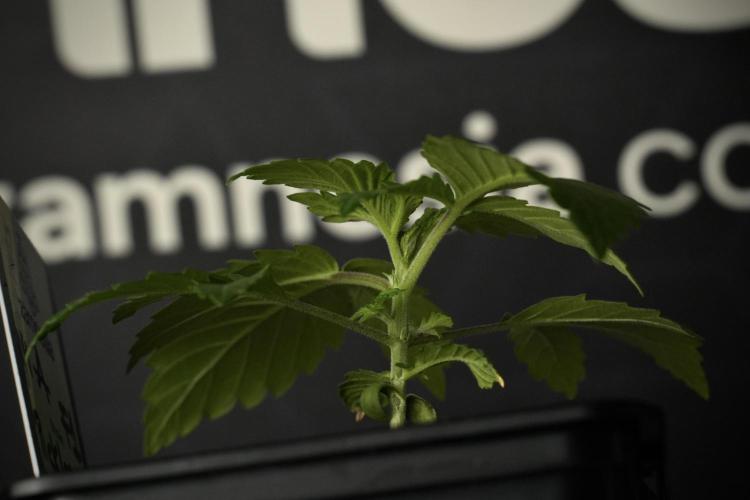
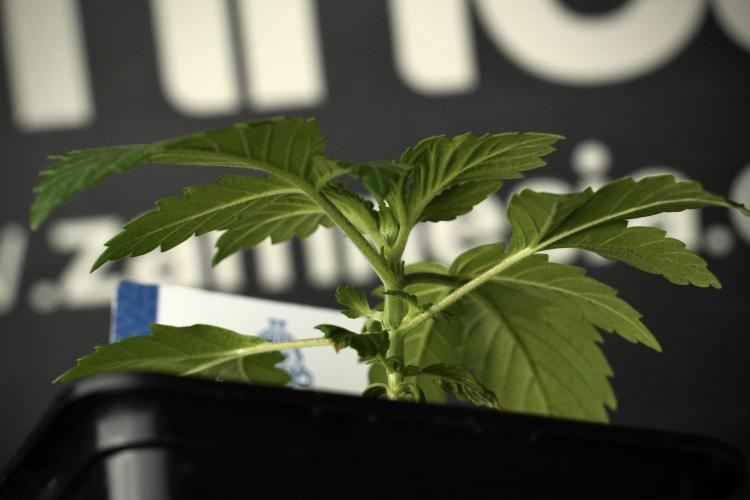
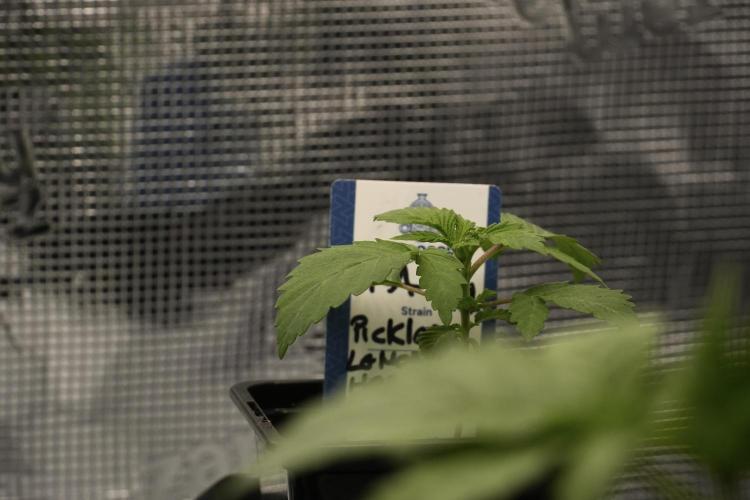
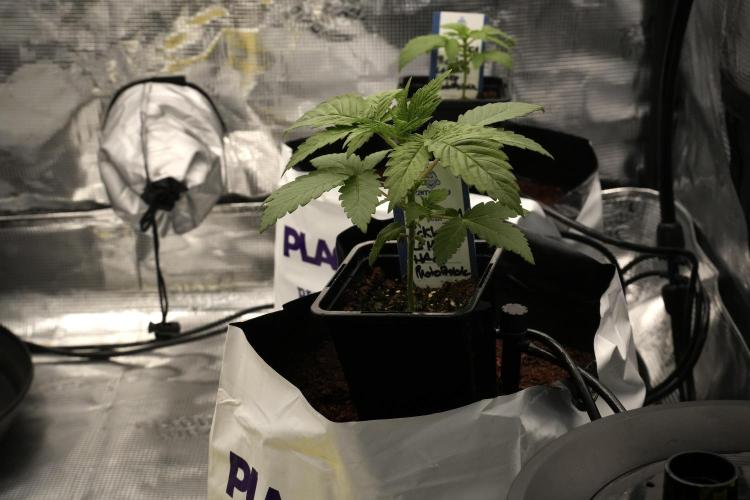
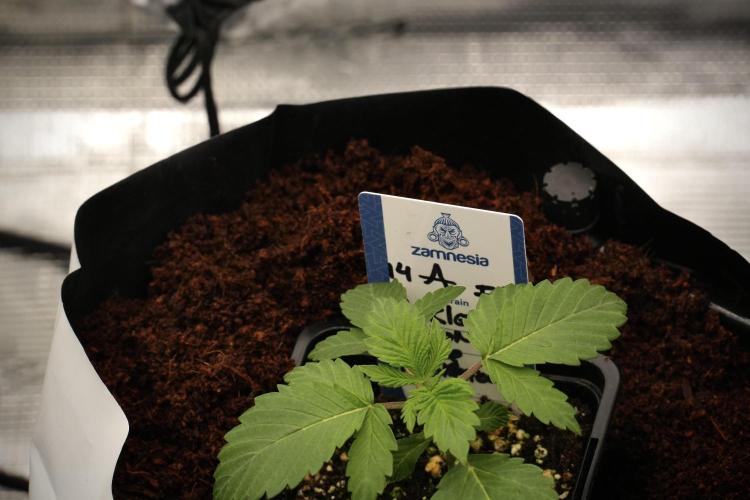
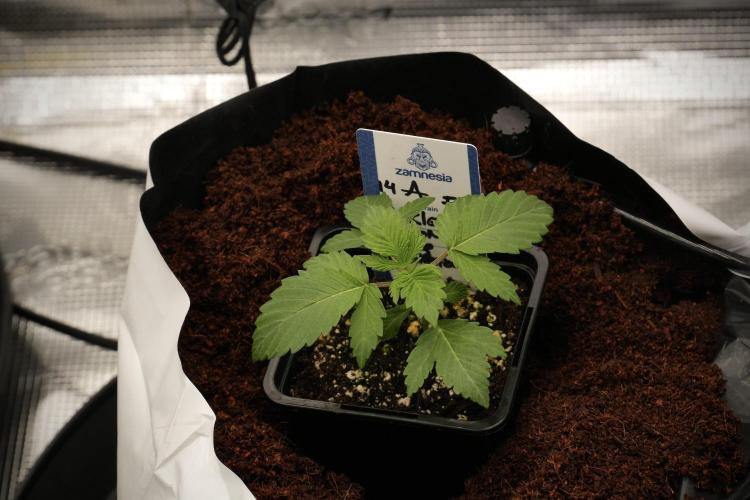
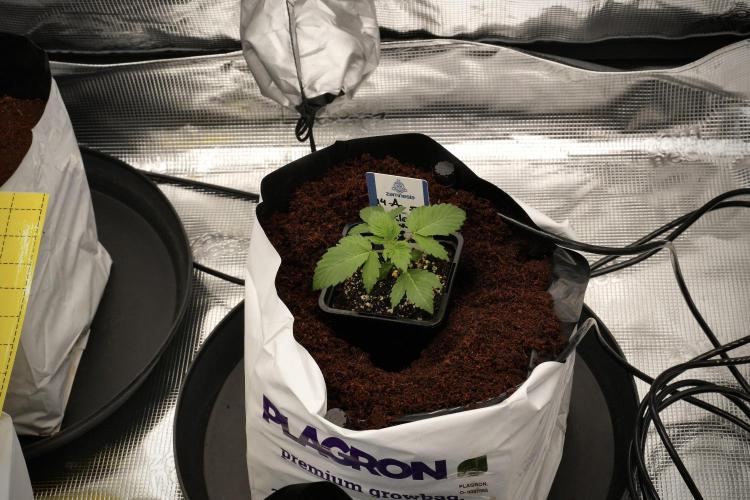
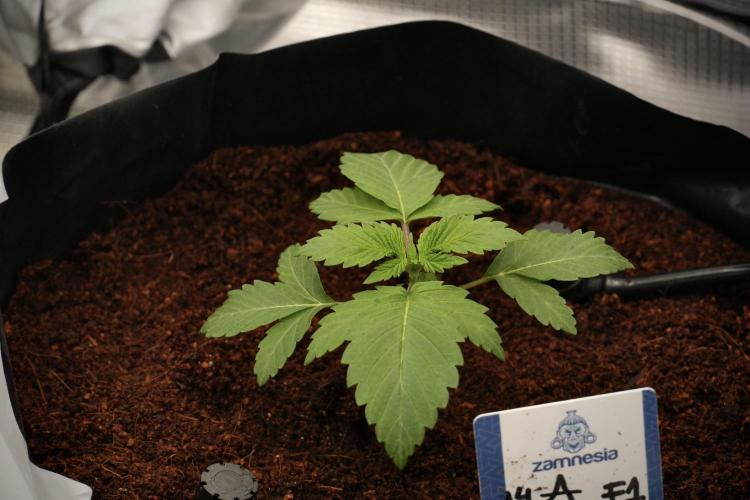
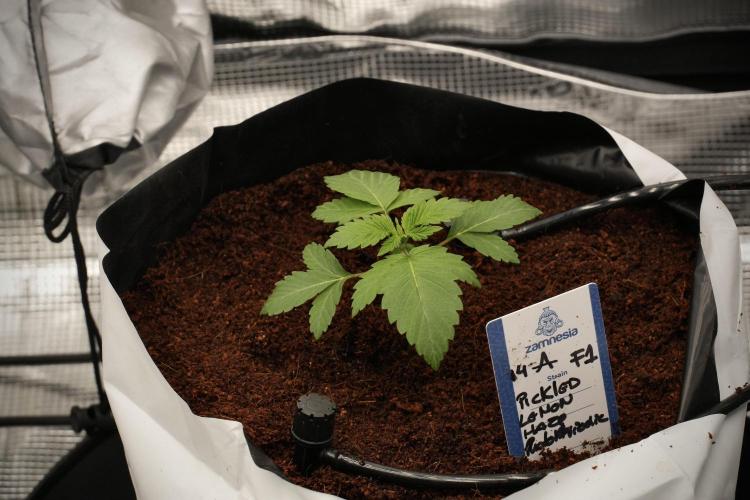
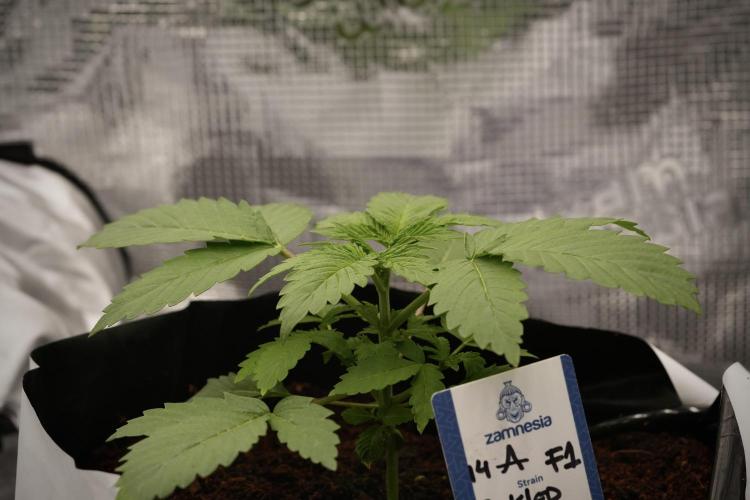
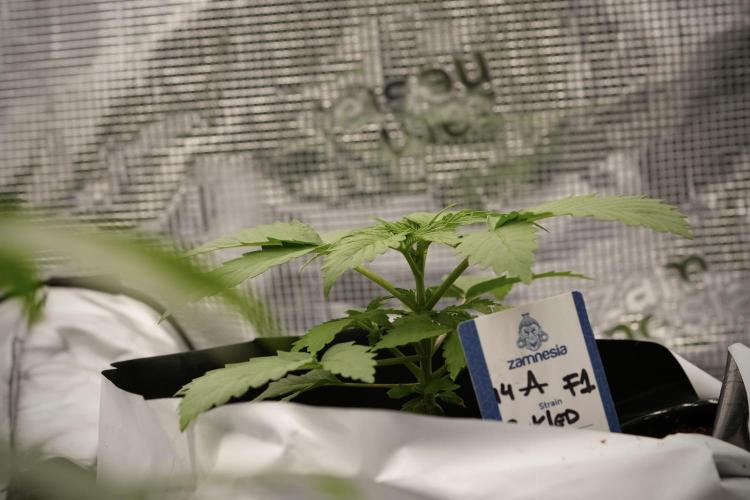
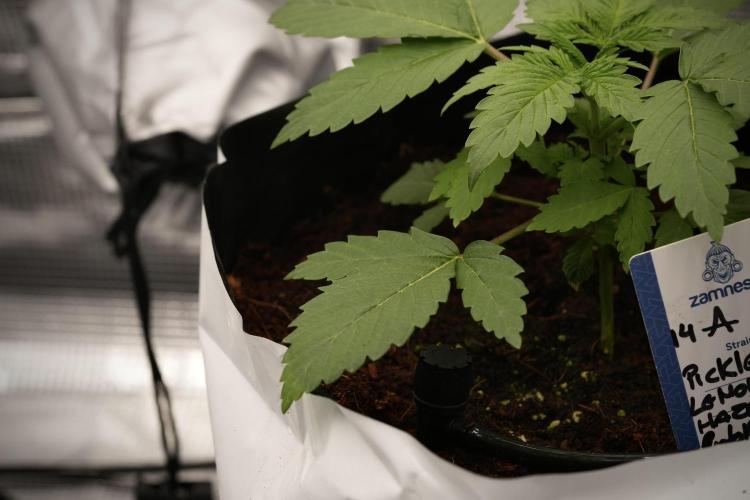
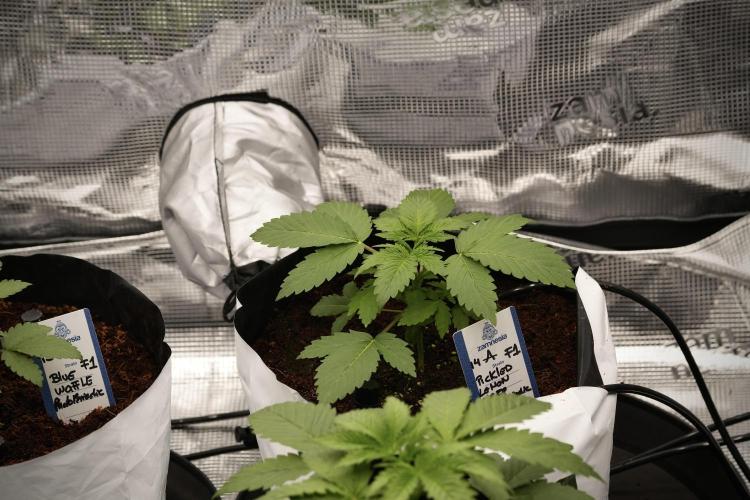
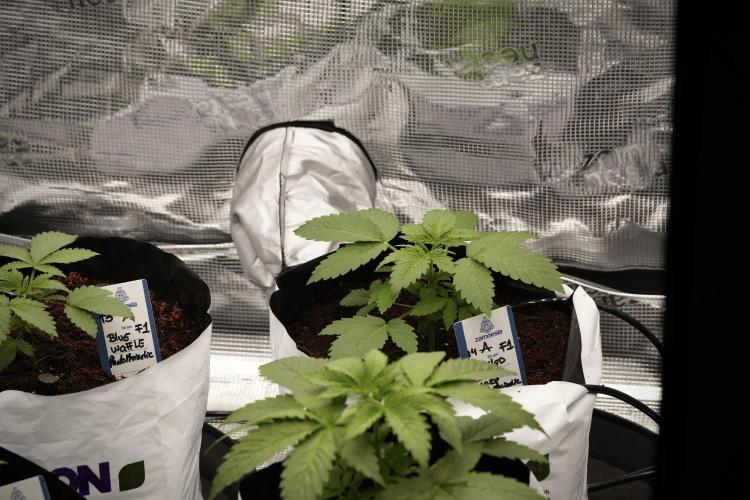
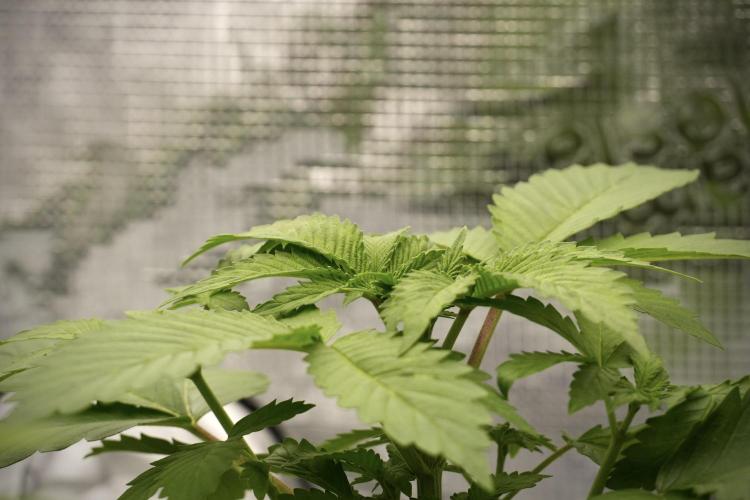
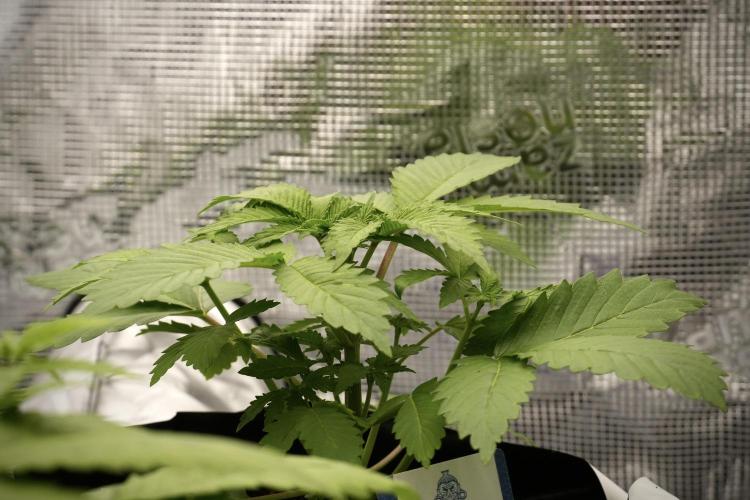
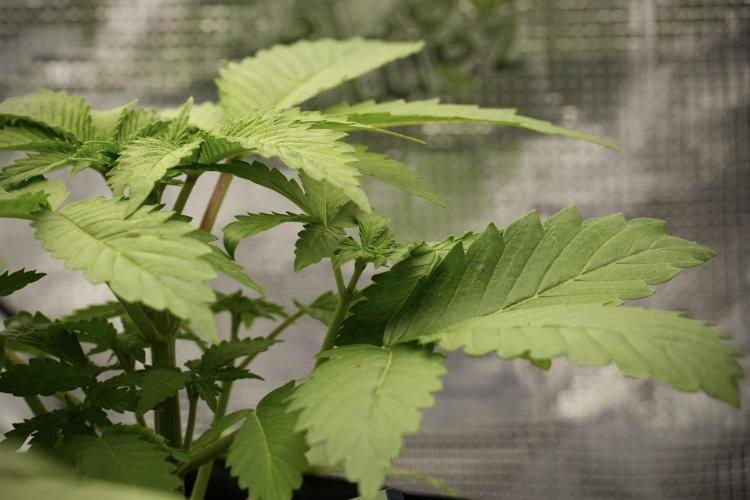
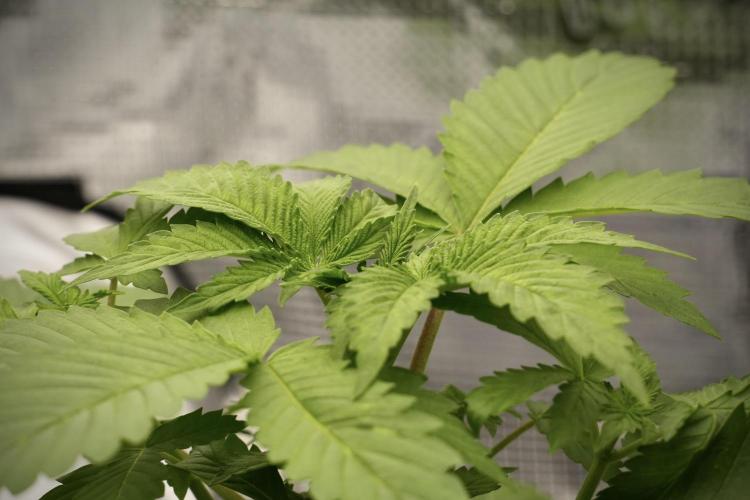
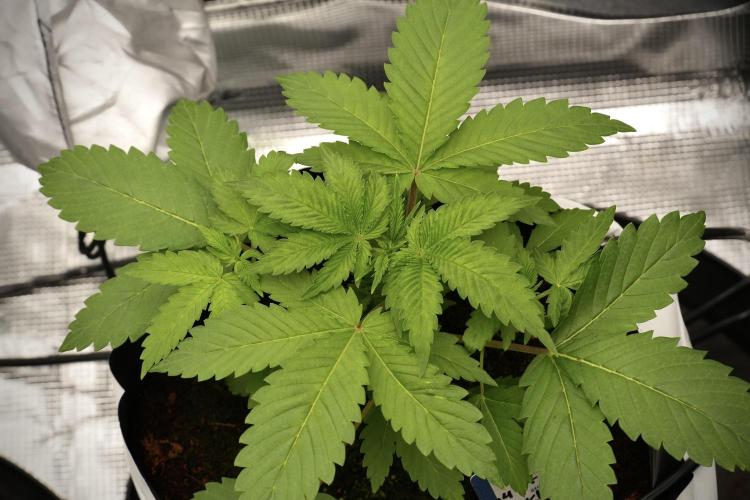
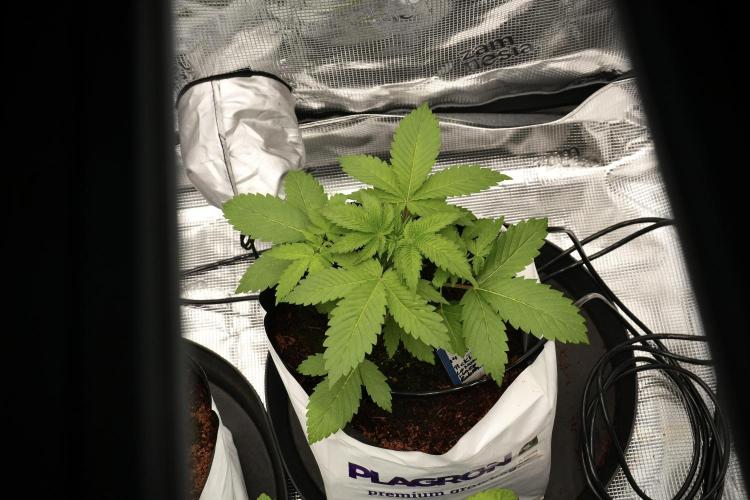
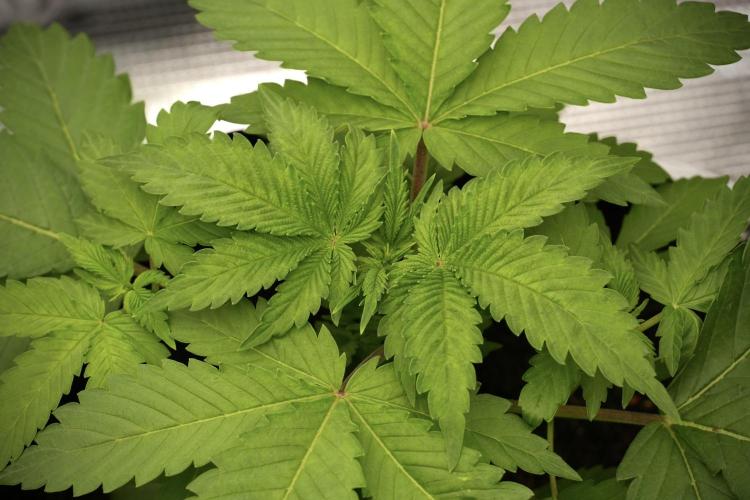
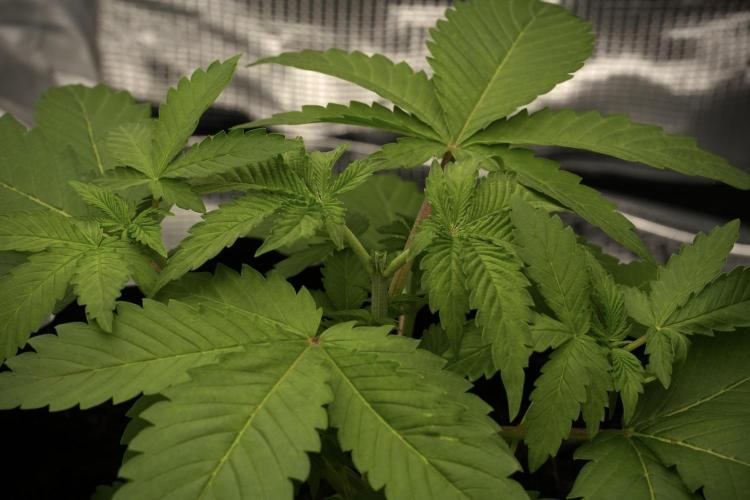
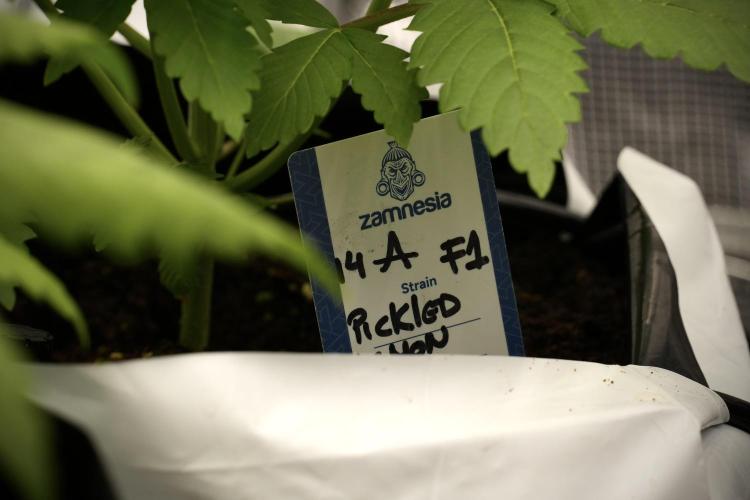
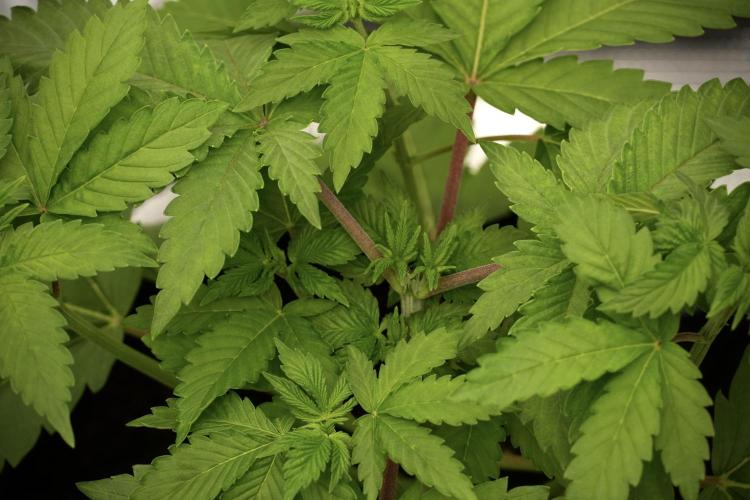
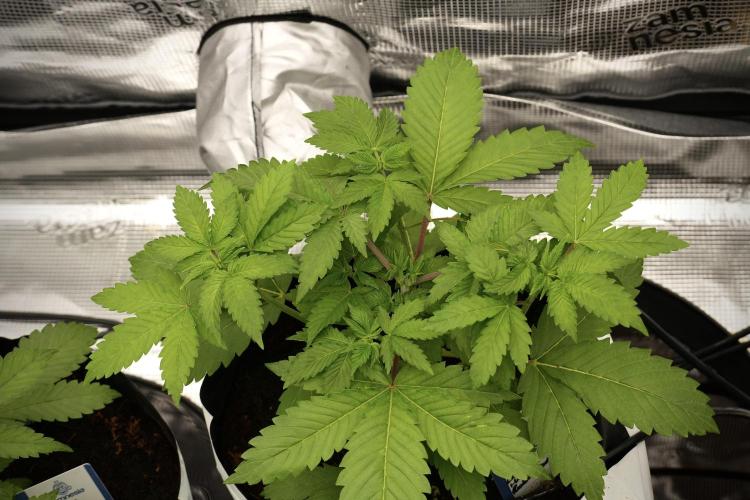
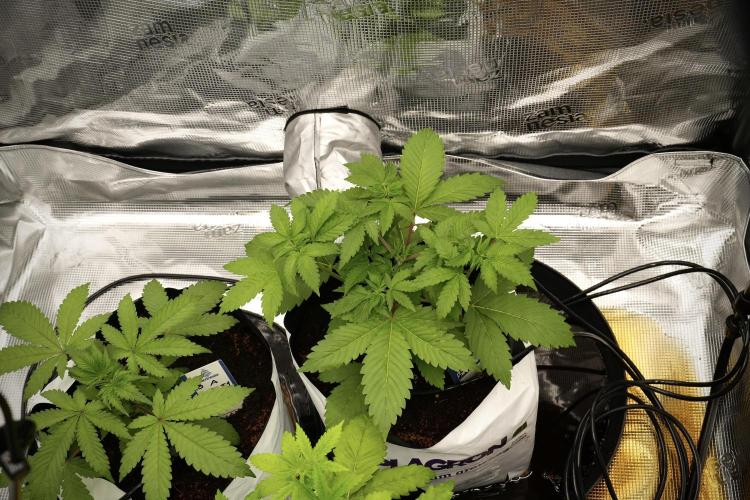
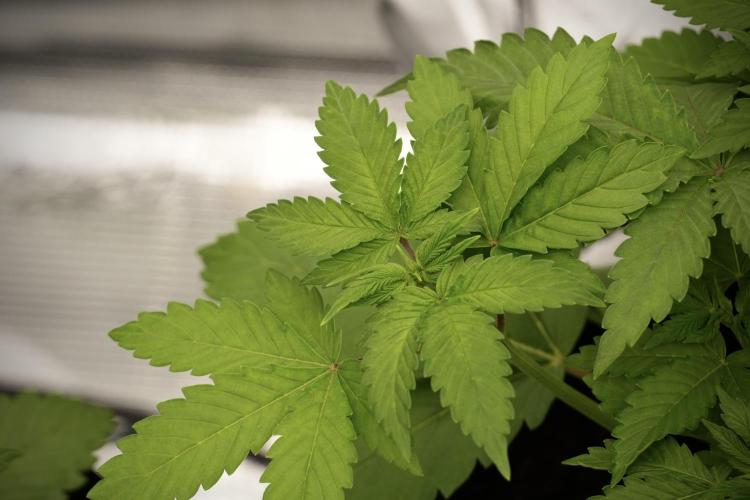
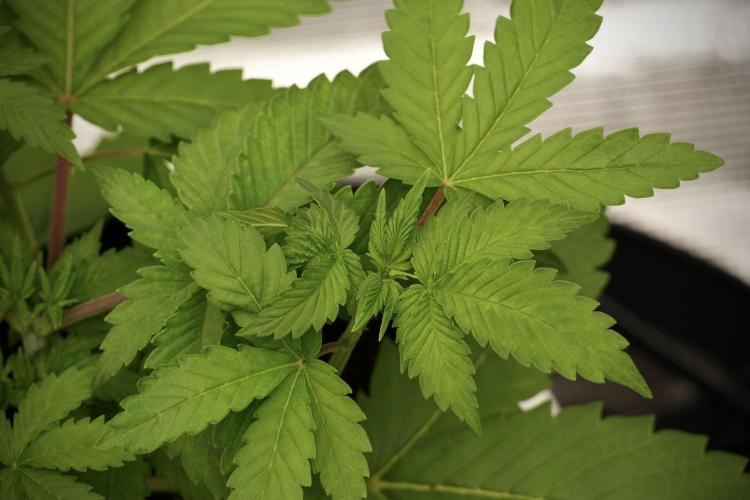
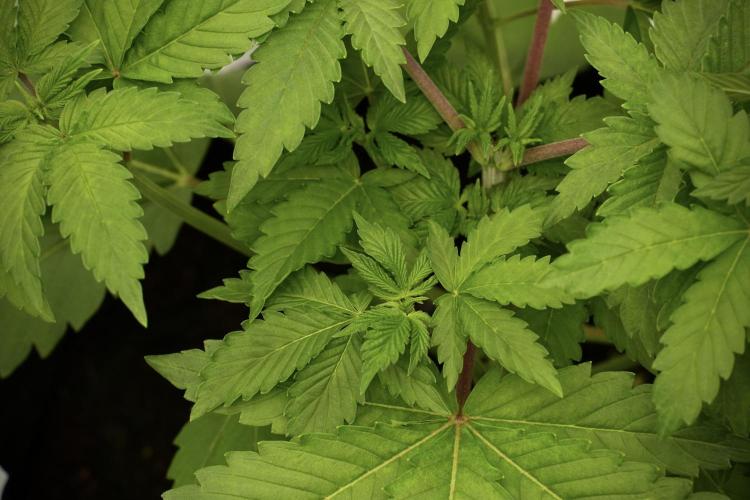
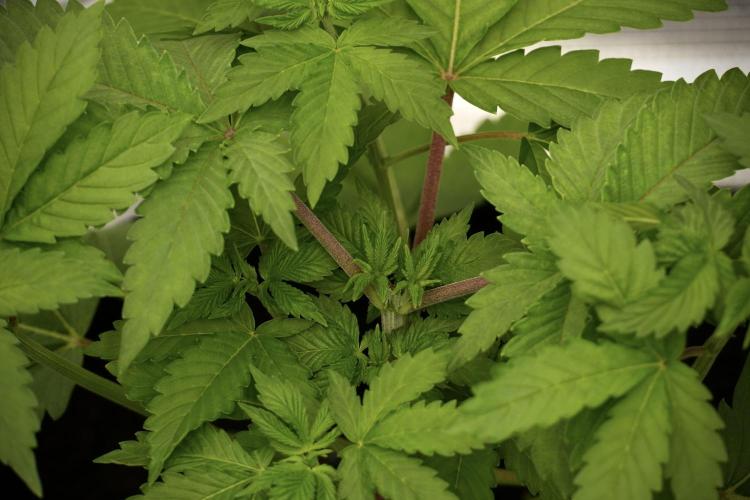
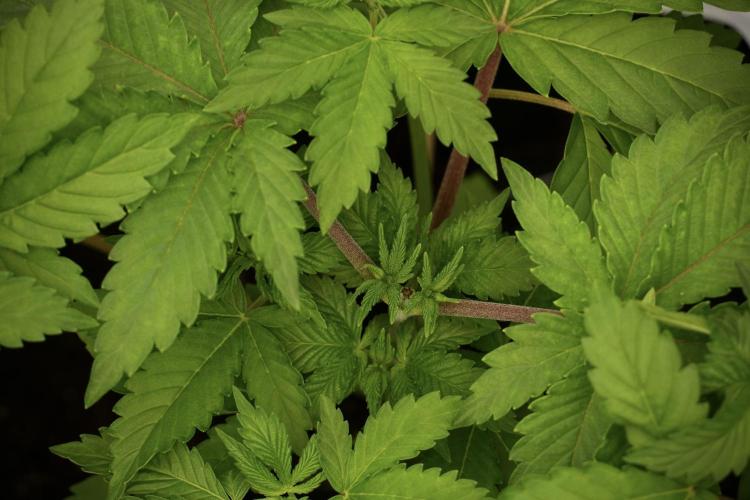
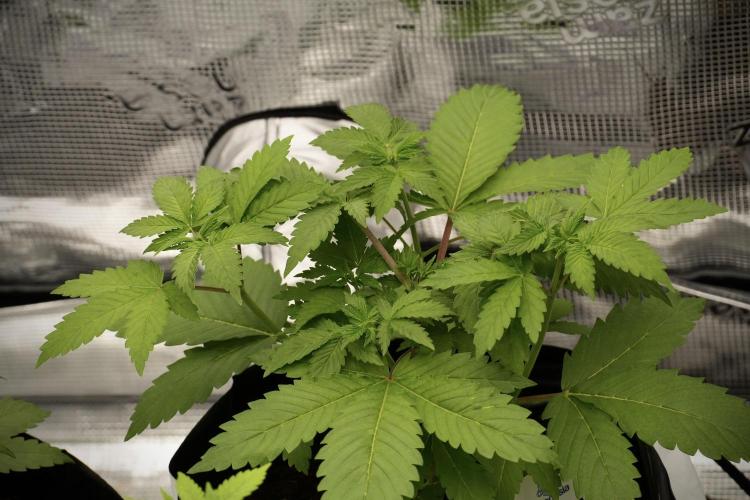
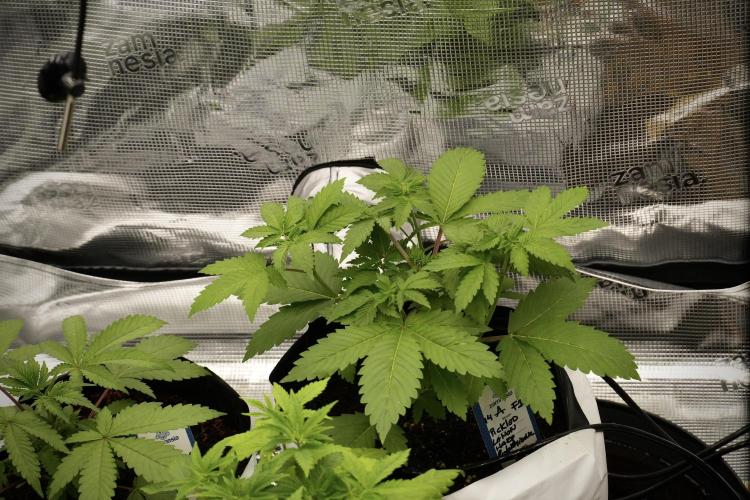
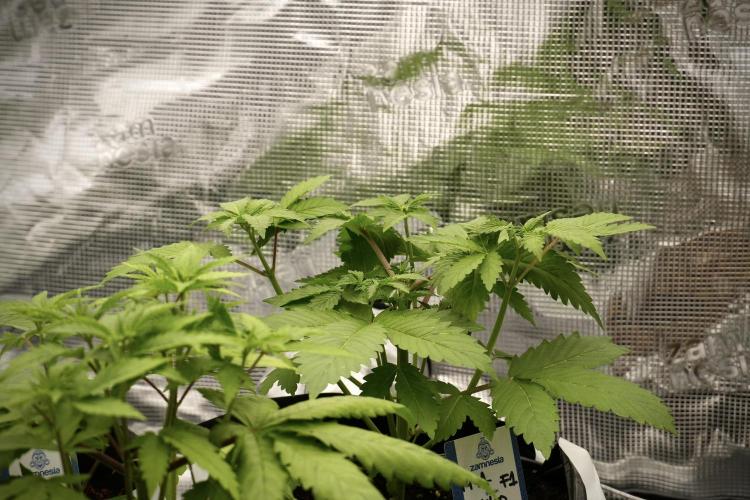
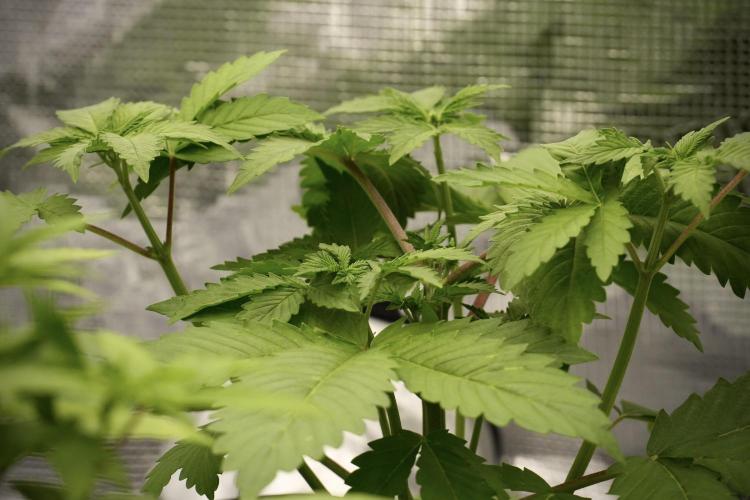
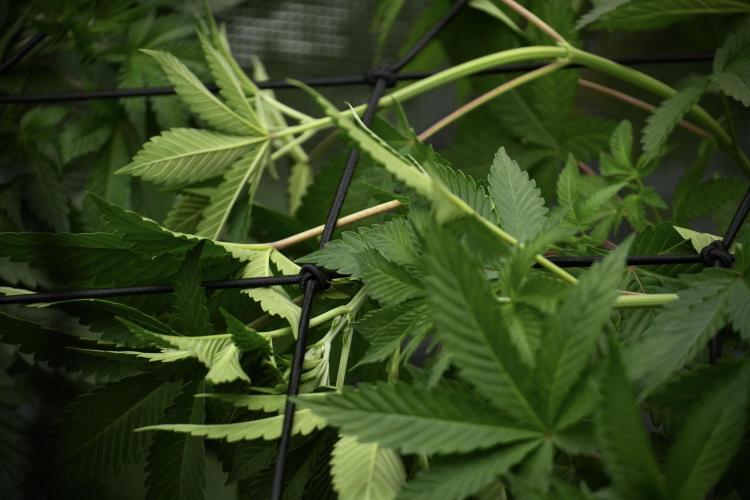
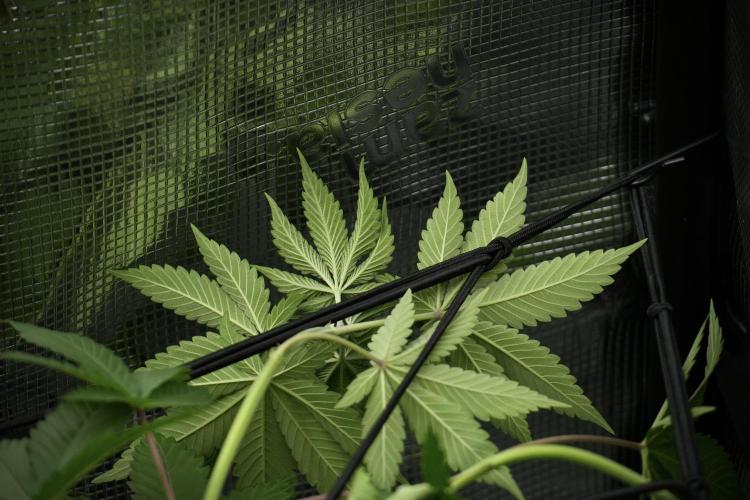
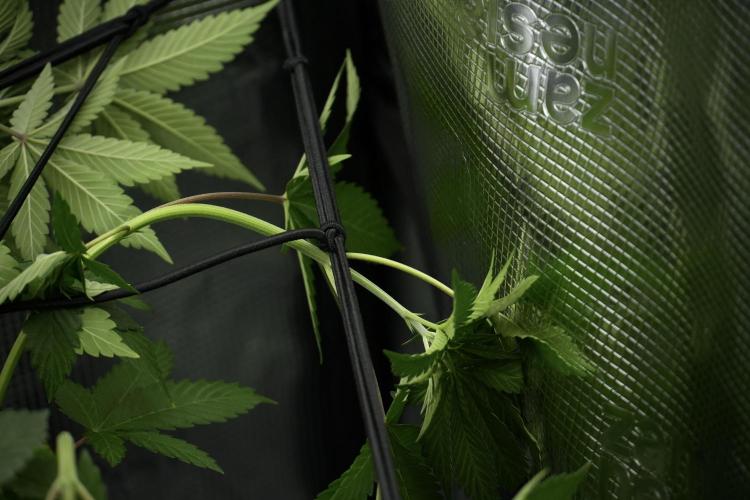
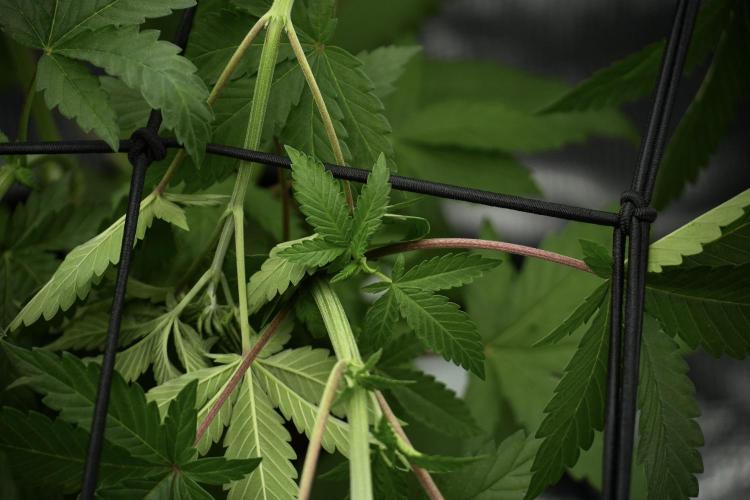
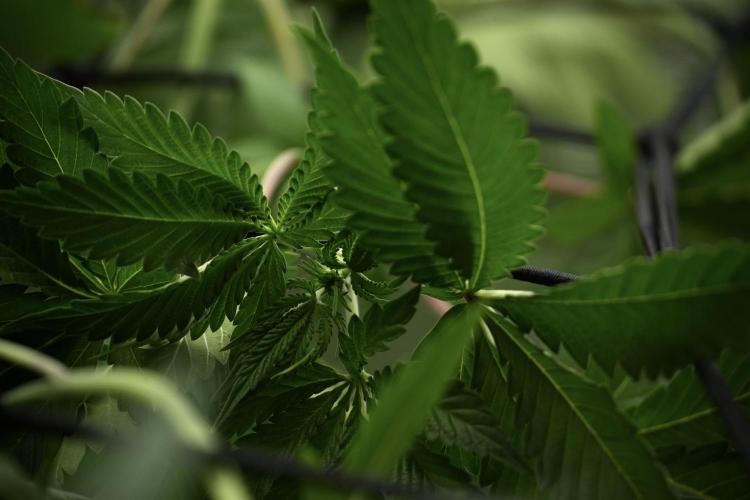
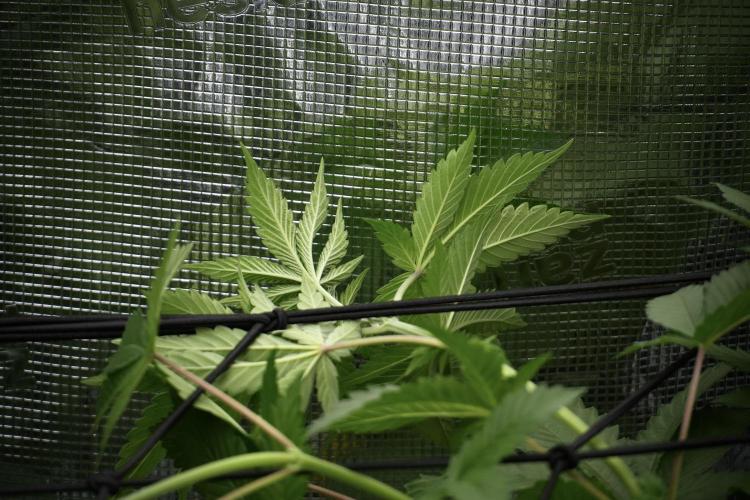
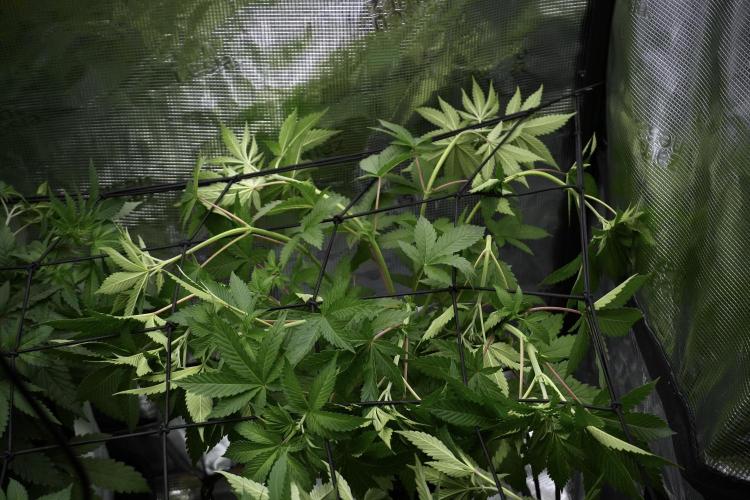
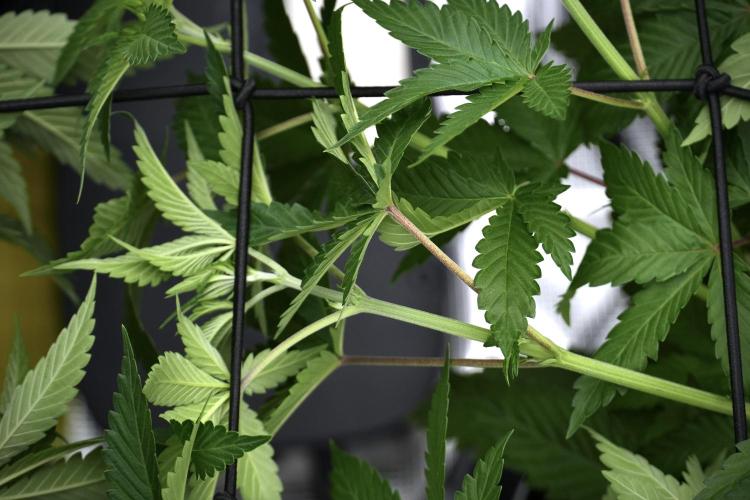
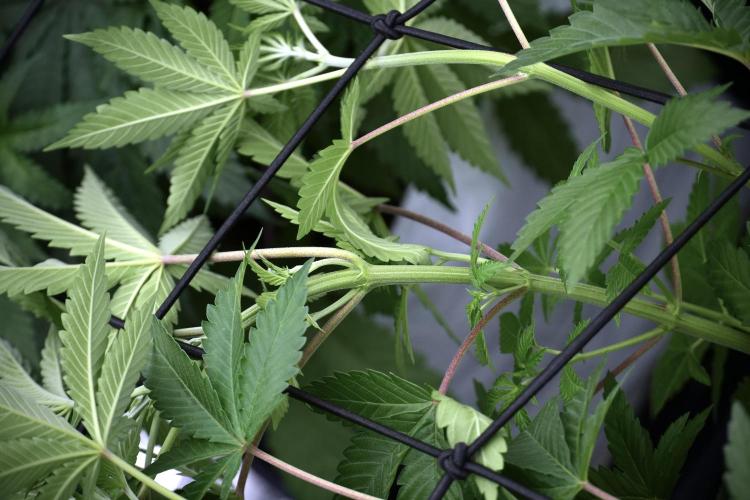
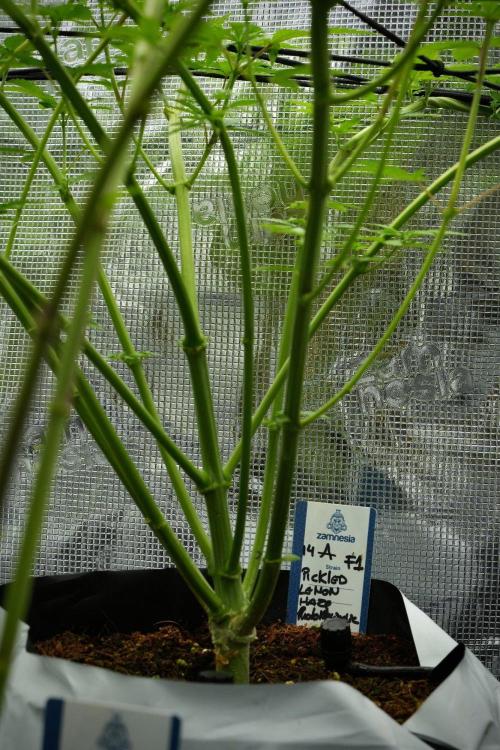
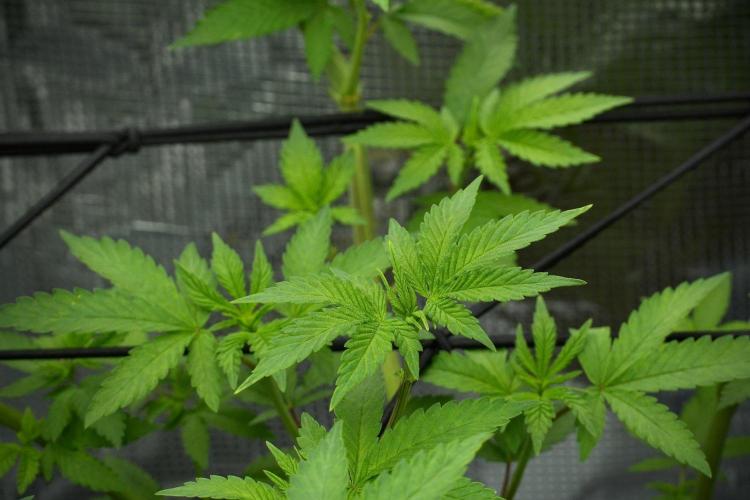
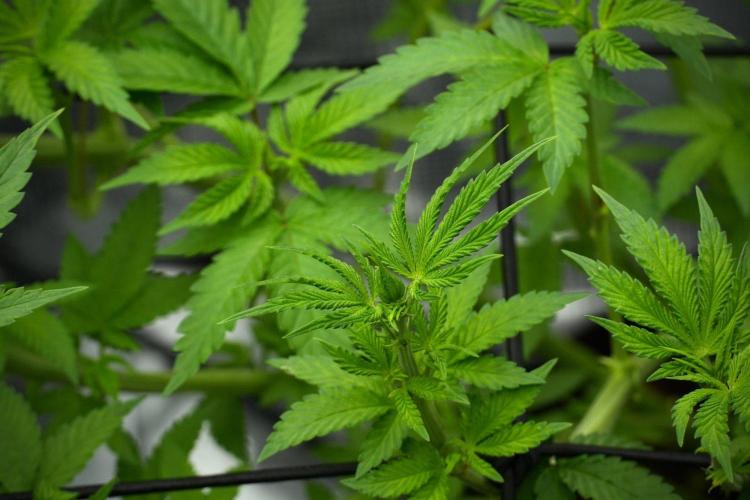
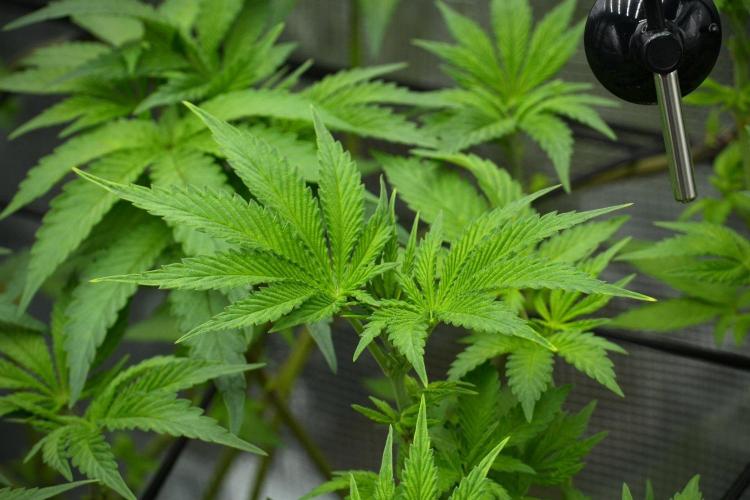
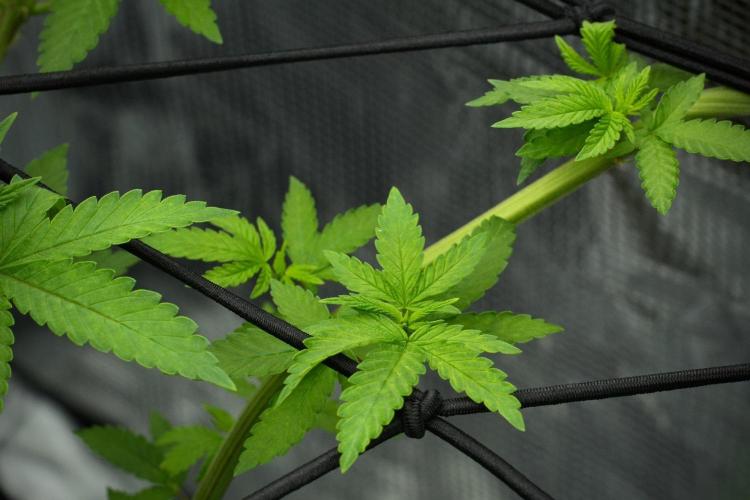
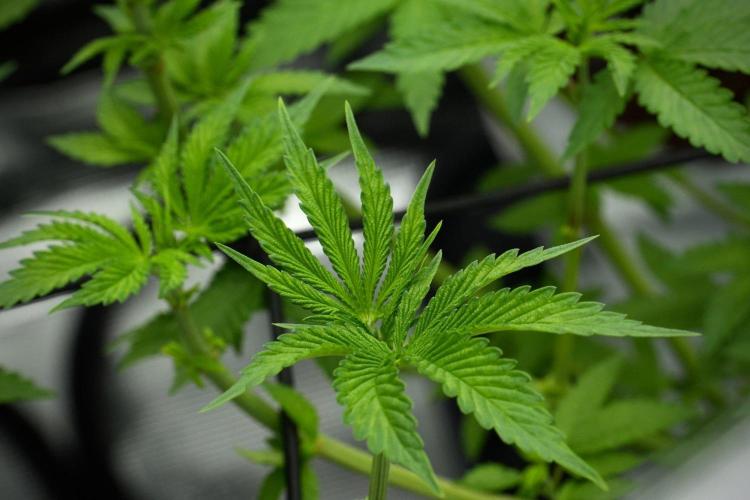
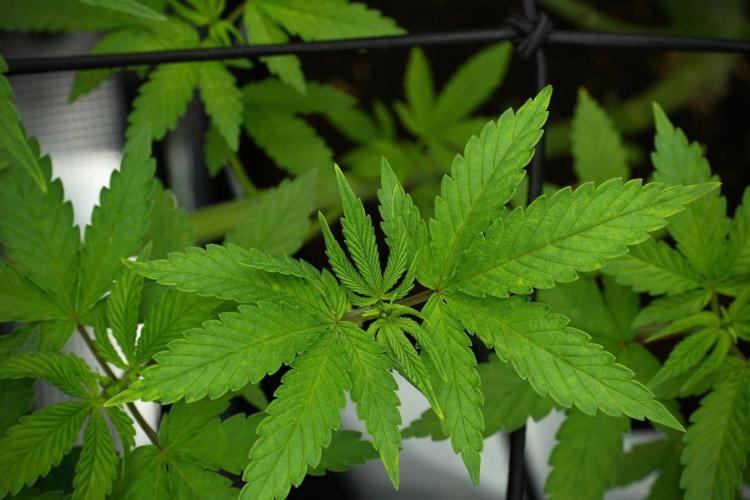
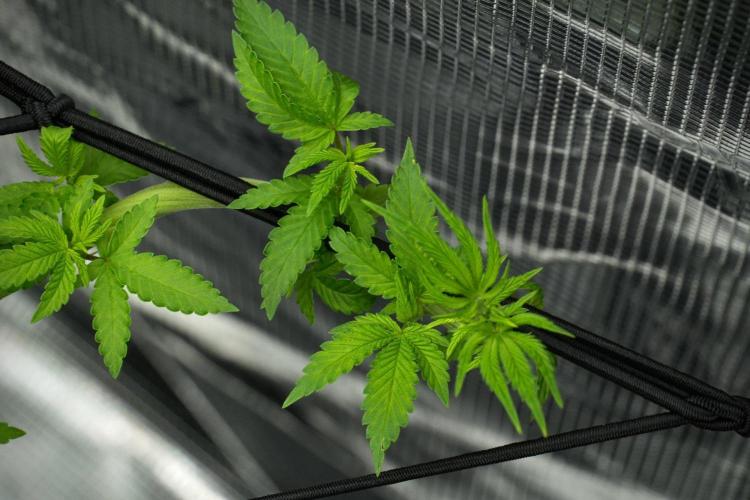
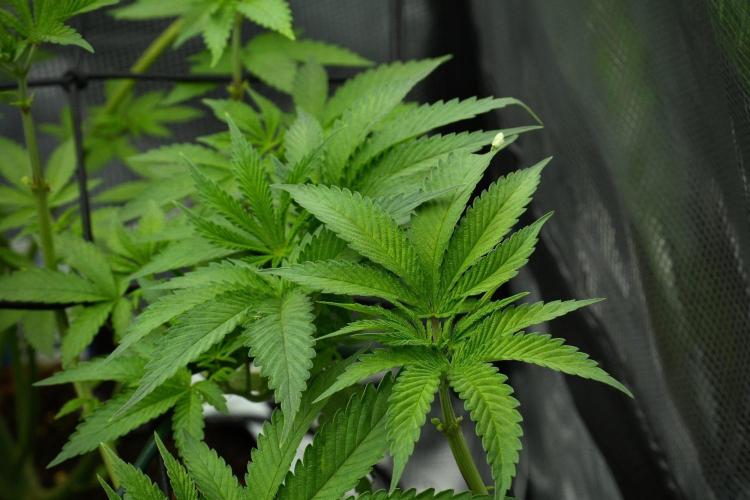
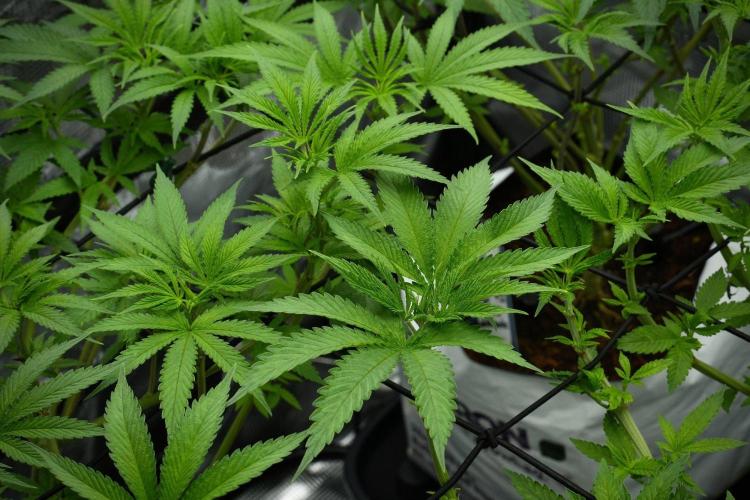
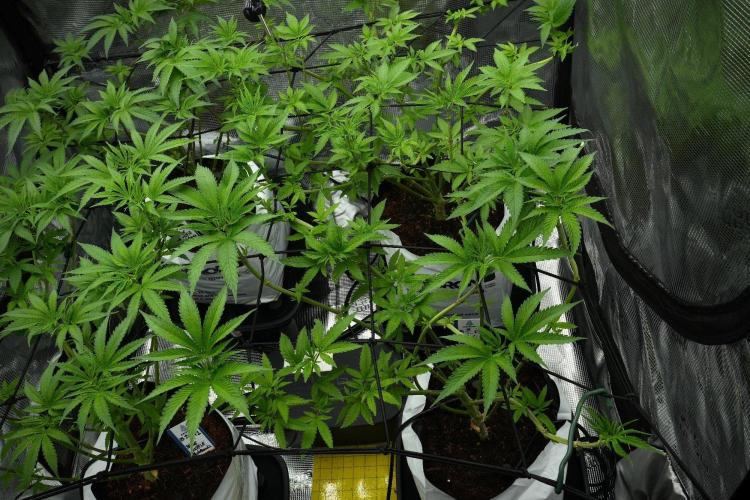
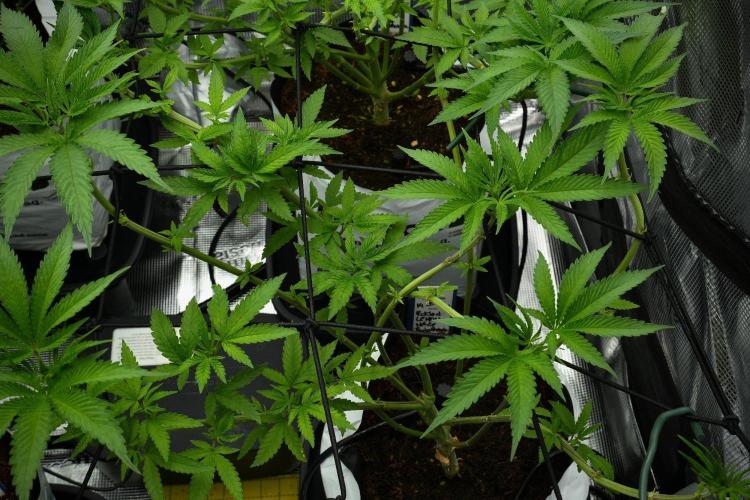
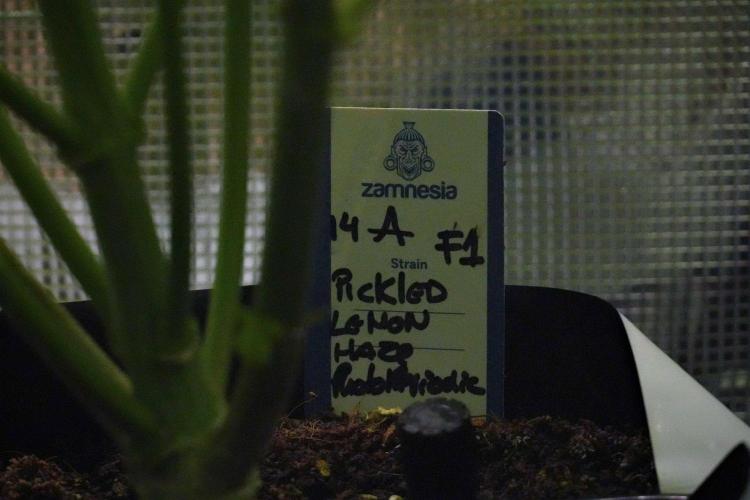
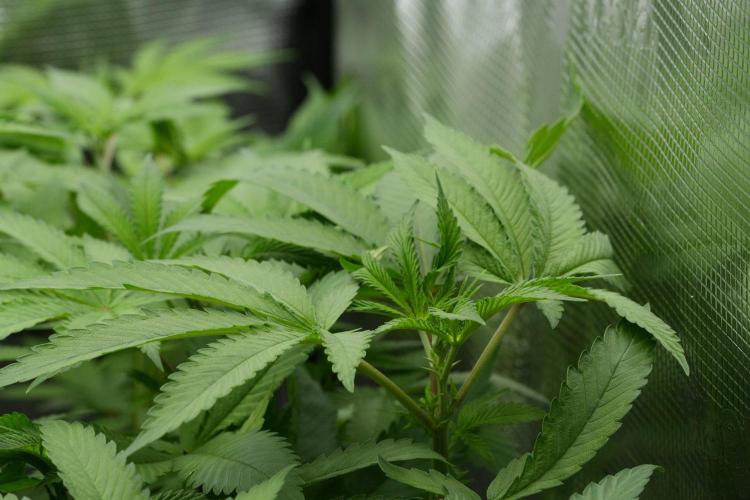
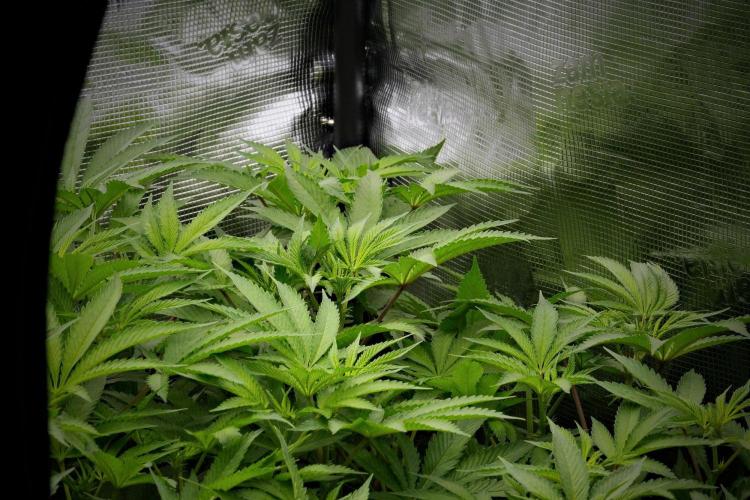
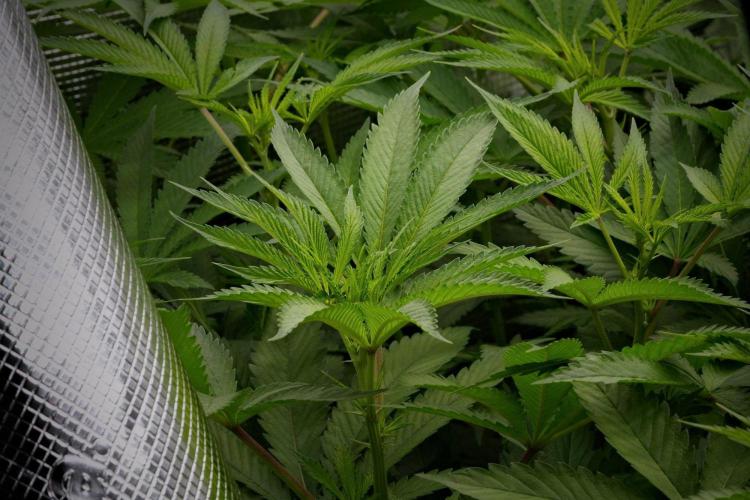
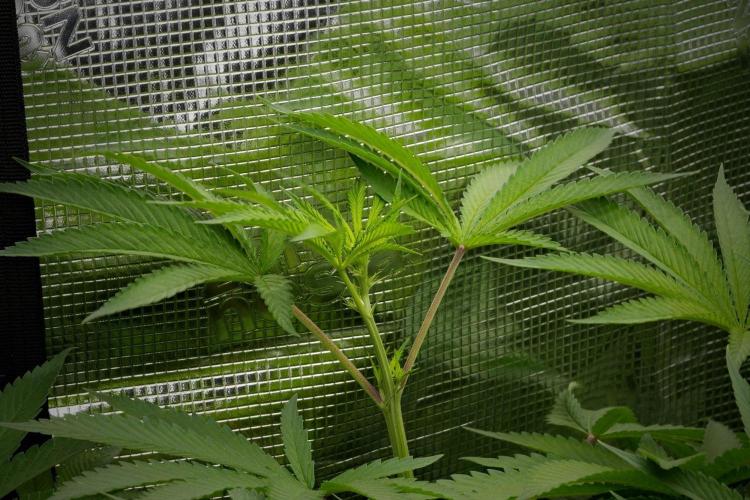
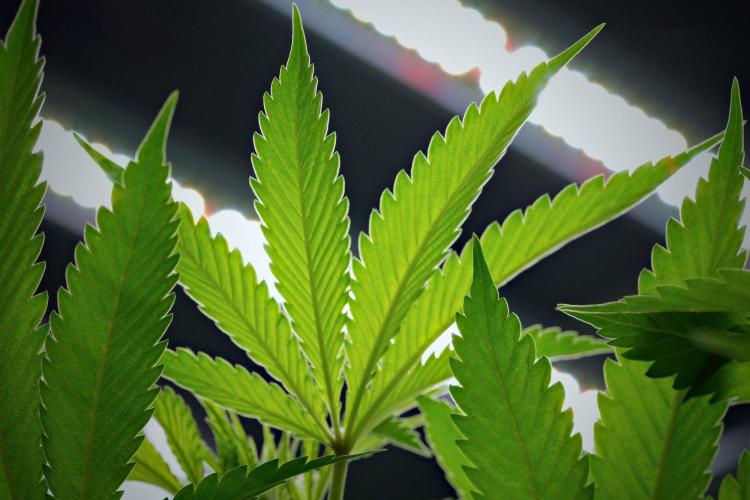
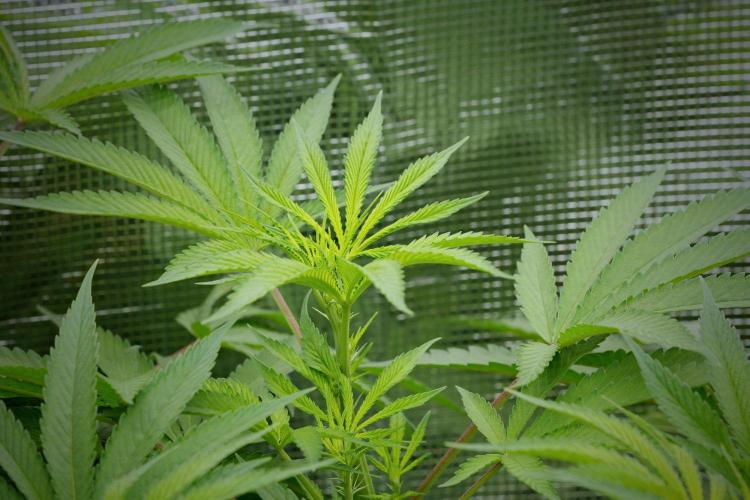
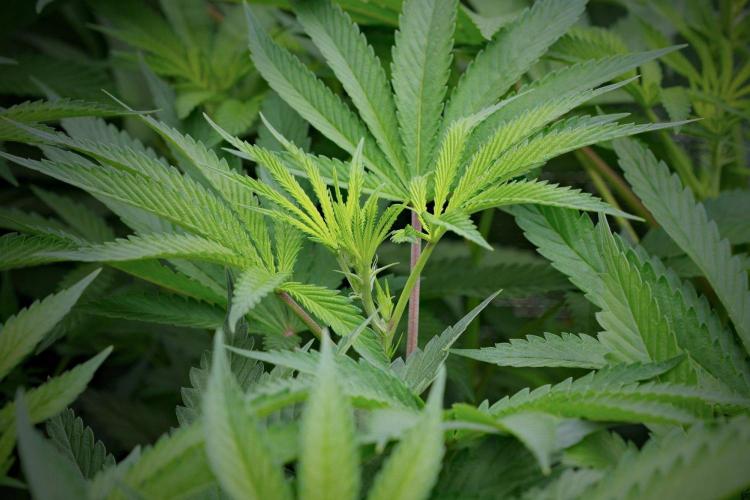
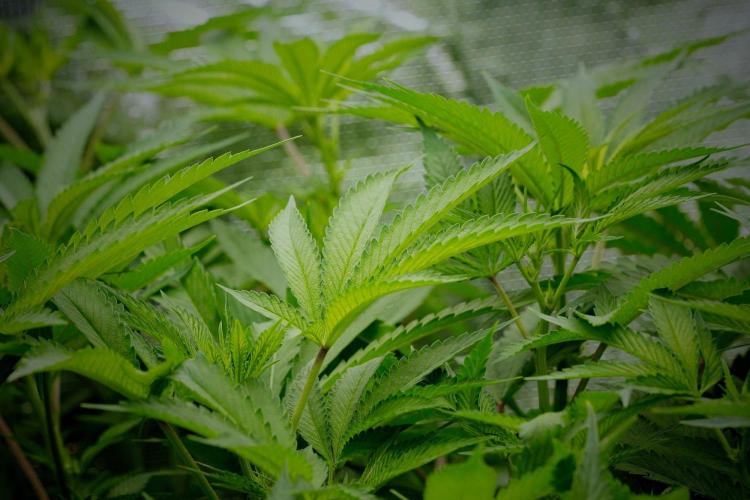
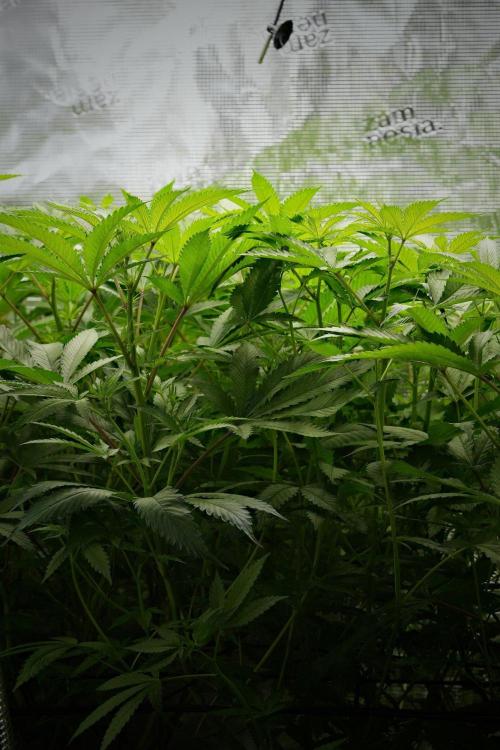
DogDoctorOfficial # 🍋 Pickle Lemon Haze F1 — Pheno A
## Germinatie Week | Gericht op de Maan
Hallo GrowDiaries familie! 👋🌱
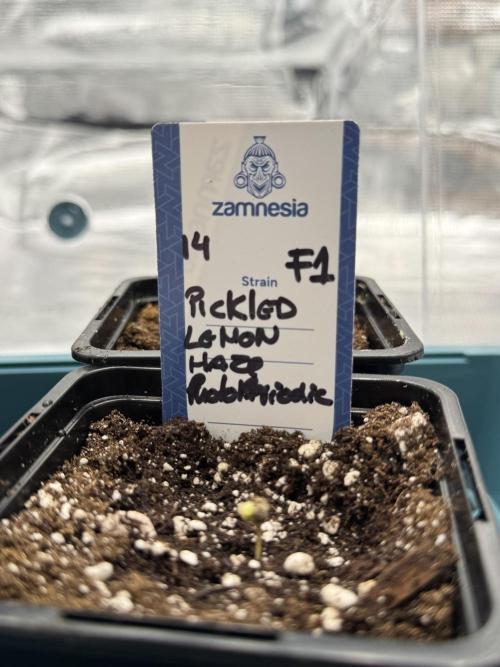
Welkom bij de allereerste entry voor Pickle Lemon Haze F1 Pheno A.
Vandaag markeert het begin van een nieuw avontuur binnen het nieuwe Zamnesia tentproject, waar we deze spannende F1 genetica van zaad tot oogst zullen volgen.
Net als de Blue Waffle F1 dagboeken, wordt dit project individueel gedocumenteerd voor elk fenotype. Hoewel beide zussen dezelfde genetica, omgeving en behandeling delen, ontwikkelt elke plant zijn eigen persoonlijkheid, tempo en verhaal.
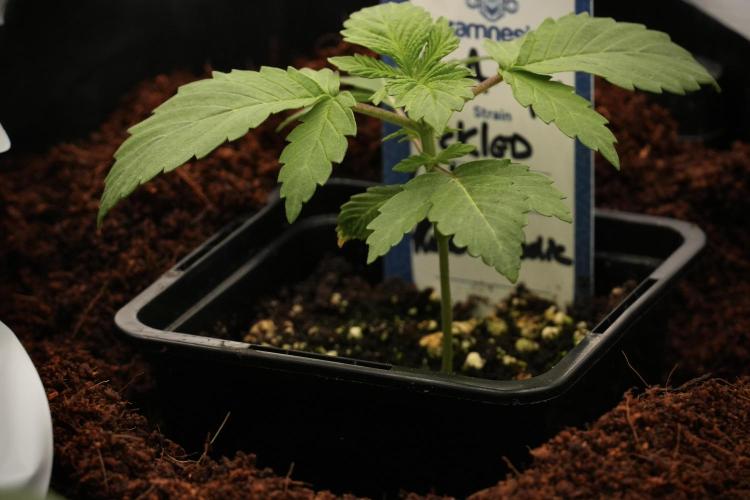
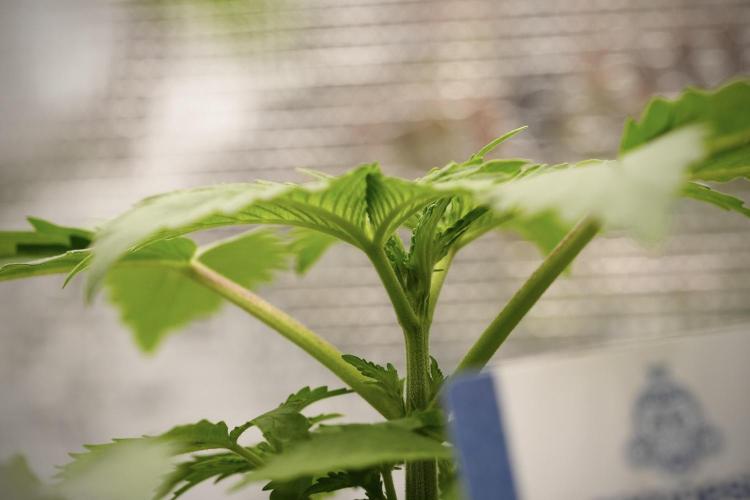
En vanaf het allereerste begin leek dit specifieke meisje al gretig om te beginnen.
---
## Een Nieuw Project, Een Nieuw Avontuur
Deze run is volledig gescheiden van mijn lopende 12/12-van-zaad project.
In plaats van vanaf dag één te bloeien, krijgen deze planten de kans om zich volledig te ontwikkelen onder een traditioneel vegetatief schema.
Huidige plannen omvatten:
- 18/6 lichtschema
- Volledige vegetatieve ontwikkeling
- Potentieel Low Stress Training (LST)
- Potentieel toppen
- Mogelijke Scrog-implementatie
- Observaties van structurele ontwikkeling
- Volledige documentatie van zaad tot oogst
In deze fase begint echter alles met een gezonde germinatie.
---
## De Cannakan Germinatiemethode
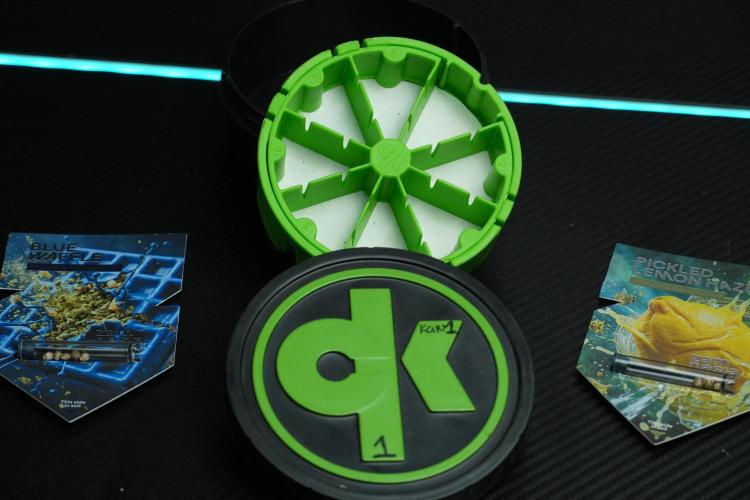
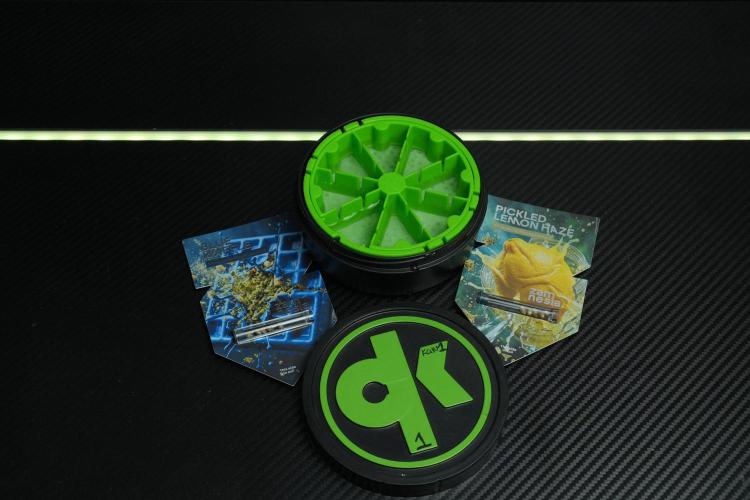
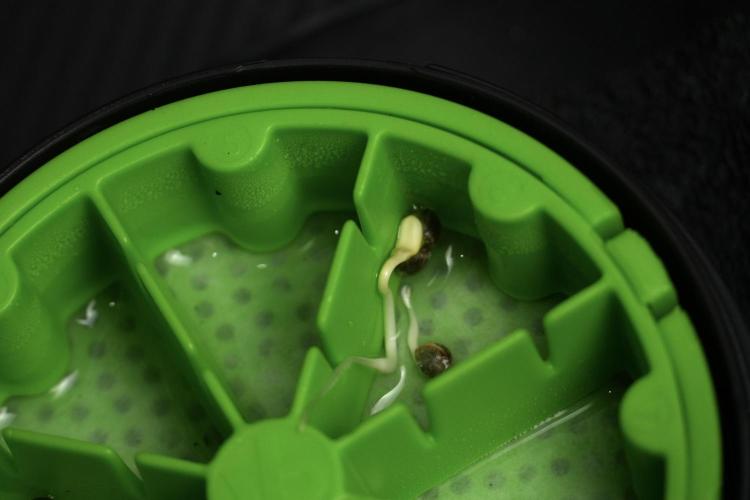
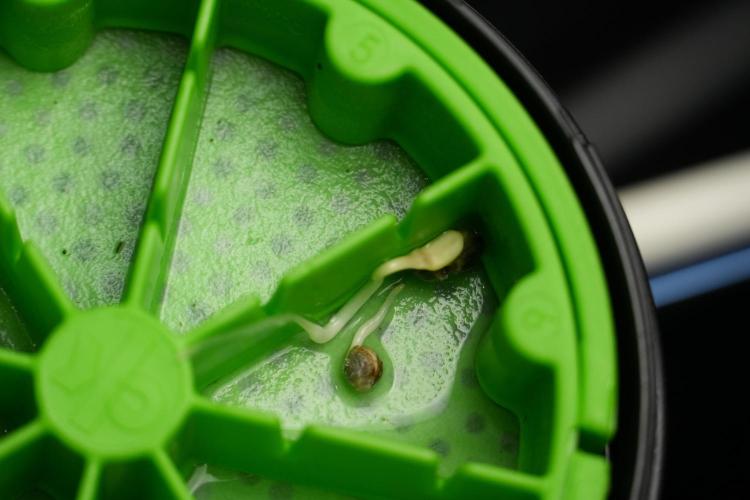
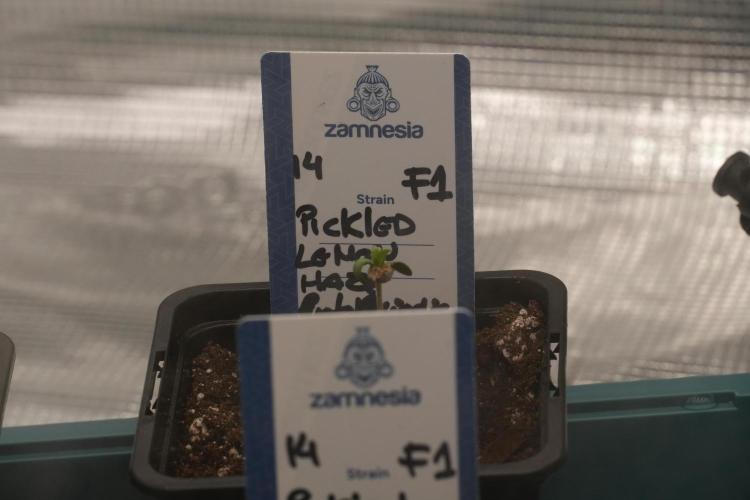
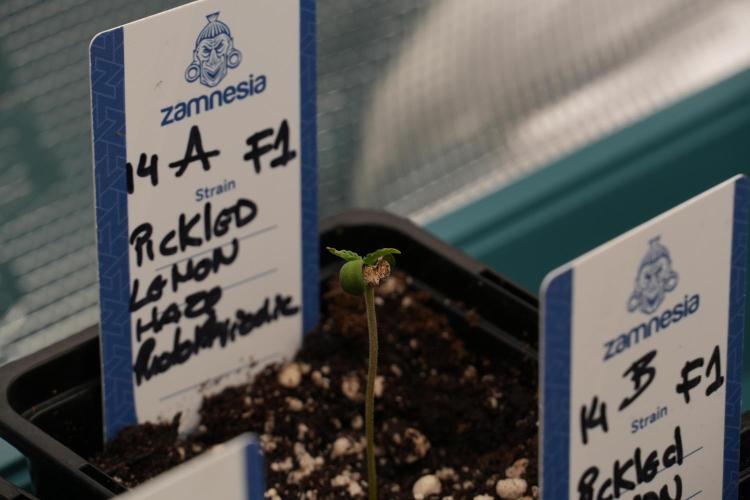
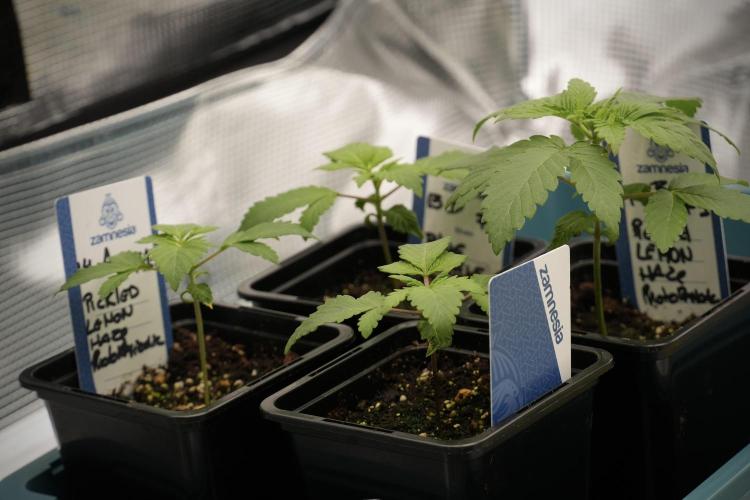
Net als de rest van dit project, begon Pickle Lemon Haze F1 Pheno A zijn leven binnen het Cannakan germinatiesysteem.
Het proces blijft opzettelijk eenvoudig.
Het zaad werd in het systeem geplaatst met alleen maar gewoon water.
Geen voedingsstoffen.
Geen toevoegingen.
Geen stimulerende middelen.
Gewoon water.
Na ongeveer 24 uur weken werd het meeste water verwijderd, terwijl er genoeg vocht werd behouden om ideale germinatieomstandigheden te creëren.
Het zaad reageerde snel.
Heel snel.
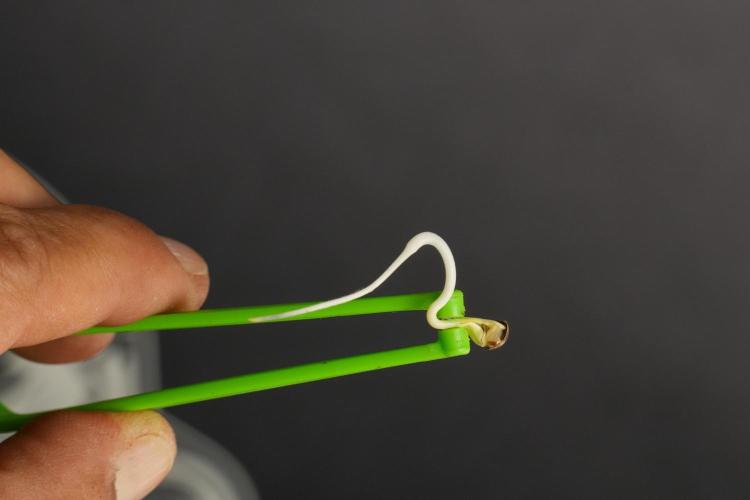
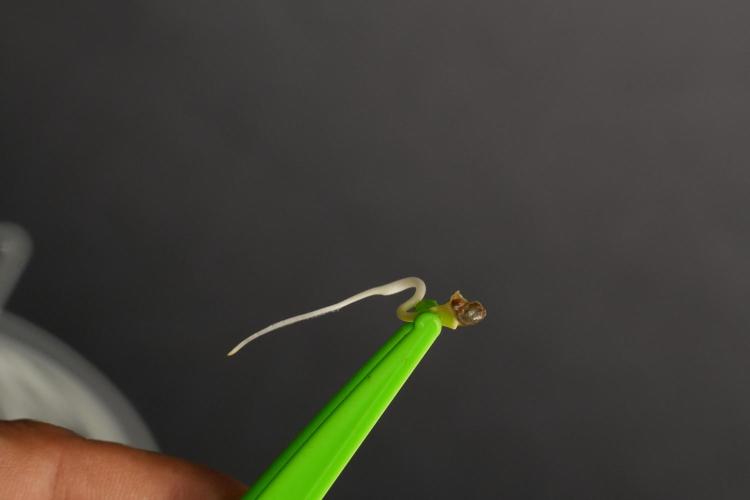
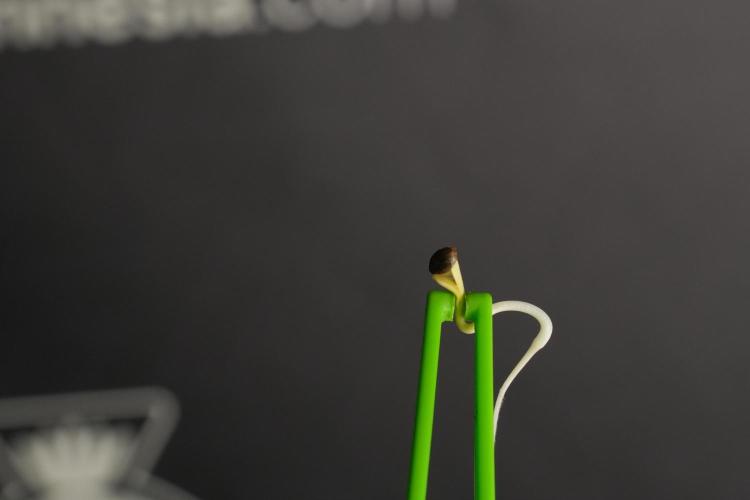
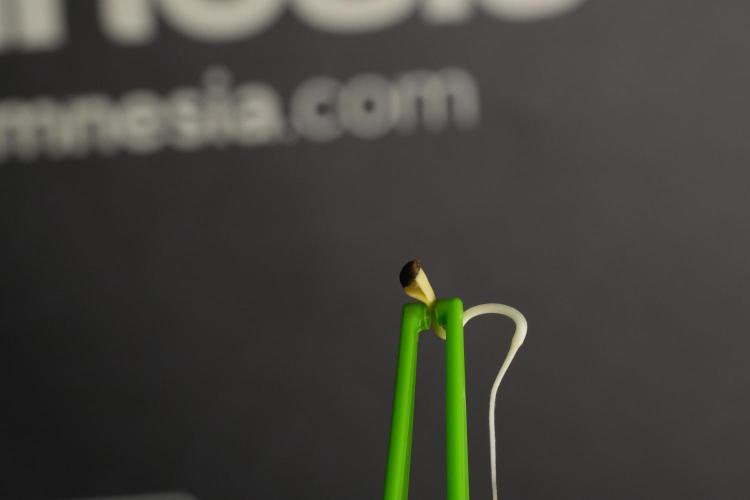
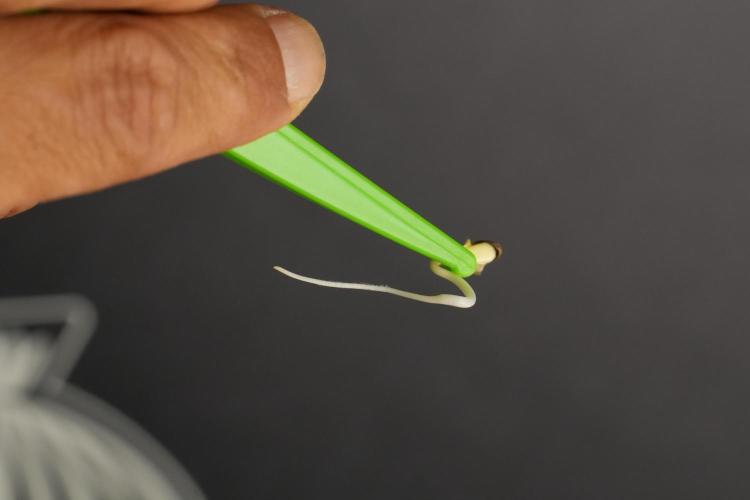
Voor we het wisten, was er een sterke gezonde hoofdwortel verschenen en klaar om geplant te worden.
Soms nemen zaden hun tijd.
Dit zaad leek echter een schema te hebben om te volgen.
---
## Waarom Alleen Water?
Een vraag die vaak opkomt tijdens de germinatie is:
"Waarom het zaad niet meteen voeden?"
Het antwoord blijft eenvoudig.
Het zaad bevat al alles wat nodig is voor de vroegste levensfasen.
Binnen die schil zitten alle energievoorraden die nodig zijn om wortels te vestigen en ontwikkeling te beginnen.
In deze fase geef ik de voorkeur aan het toestaan dat het zaad die natuurlijke reserves gebruikt zoals de natuur het bedoeld heeft.
Het doel is niet om de plant te voeden.
Het doel is simpelweg om het wakker te maken.
Water is genoeg.
De natuur heeft de rest al voorbereid.
---
## Een Hoofdwortel Met Een Bestemming
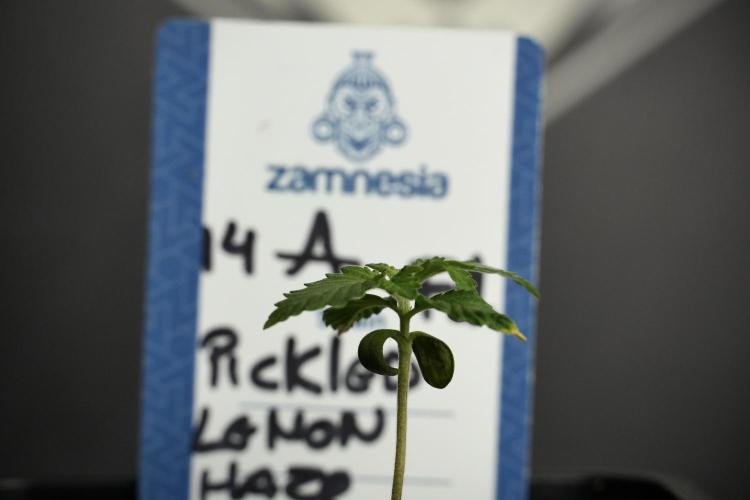
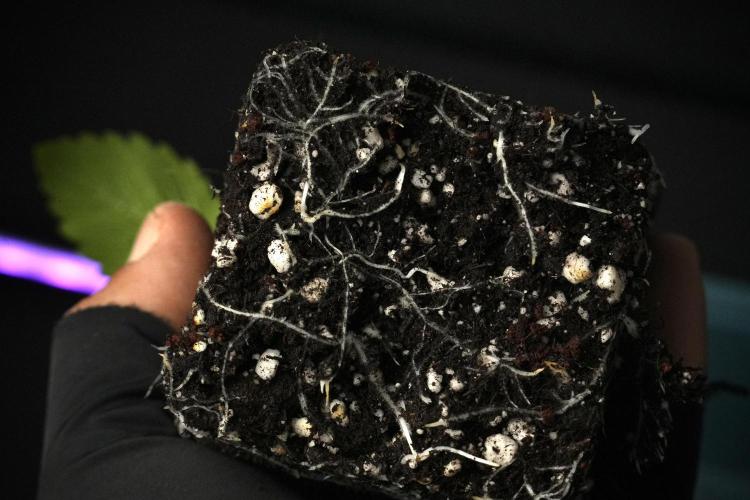
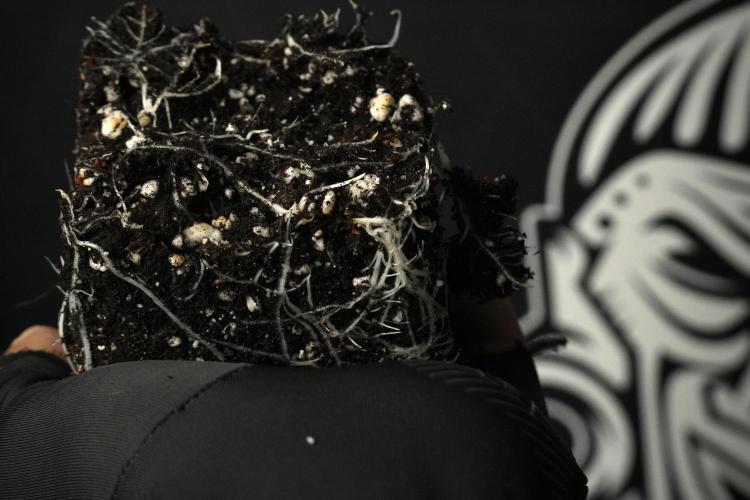
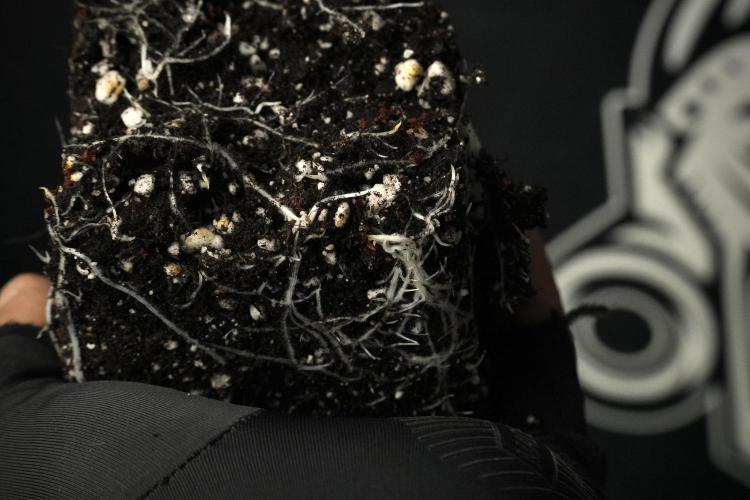
Een van de hoogtepunten van deze week was de indrukwekkende ontwikkeling van de hoofdwortel.
De foto's vertellen het verhaal perfect.
Gezond.
Helder wit.
Sterk.
Vigoureus.
Het soort hoofdwortel dat een teler meteen vertrouwen geeft.
Niet elk zaad onthult zijn bedoelingen zo vroeg, maar dit zaad leek zeker vastbesloten om te beginnen.
Na het zien van die ontwikkeling was de beslissing gemakkelijk.
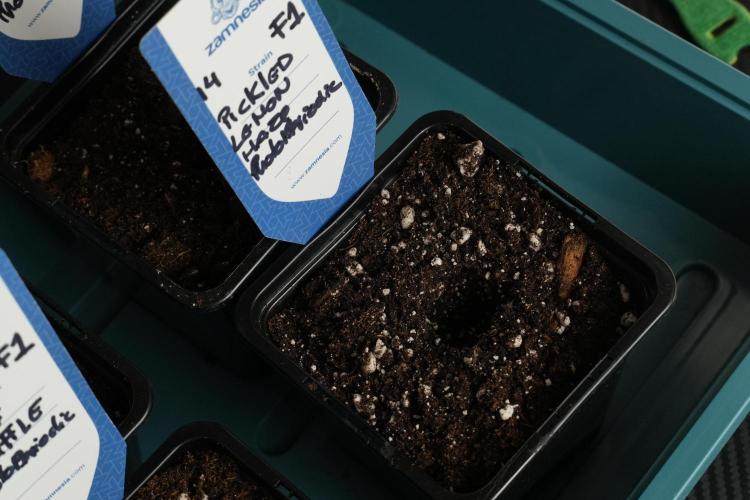
Het was tijd voor aarde.
---
## In Plagron Lightmix
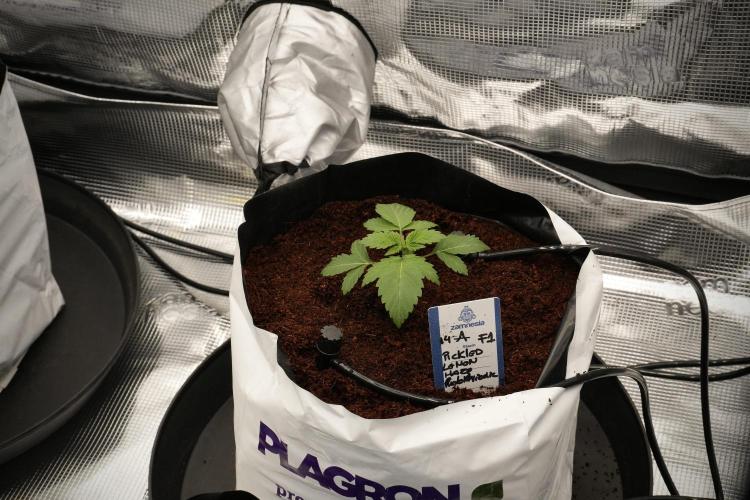
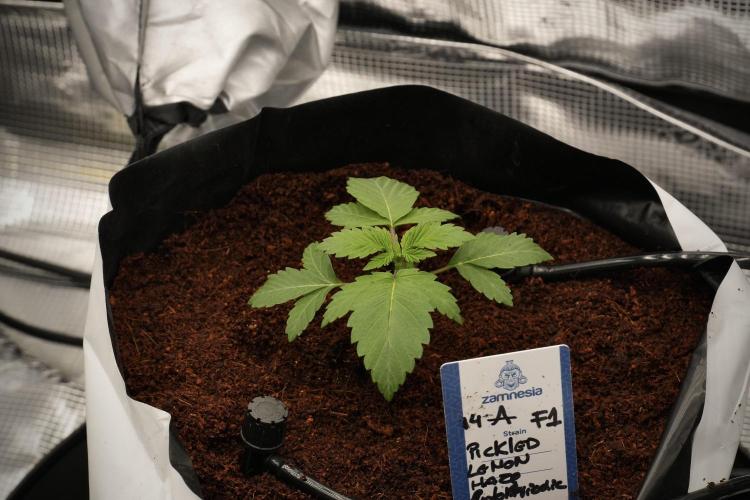
Zodra er een gezonde hoofdwortel was ontwikkeld, werd Pheno A direct overgezet in Plagron Lightmix.
Dit blijft een van mijn favoriete startsubstraten dankzij de uitstekende beluchting en vergevingsgezinde aard tijdens de vroege ontwikkeling.
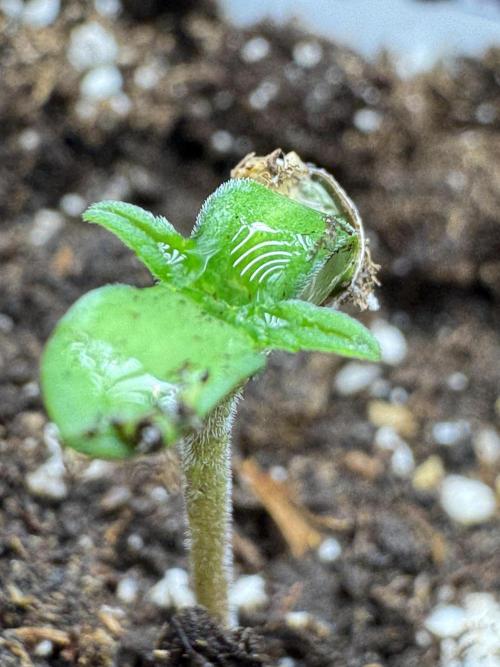
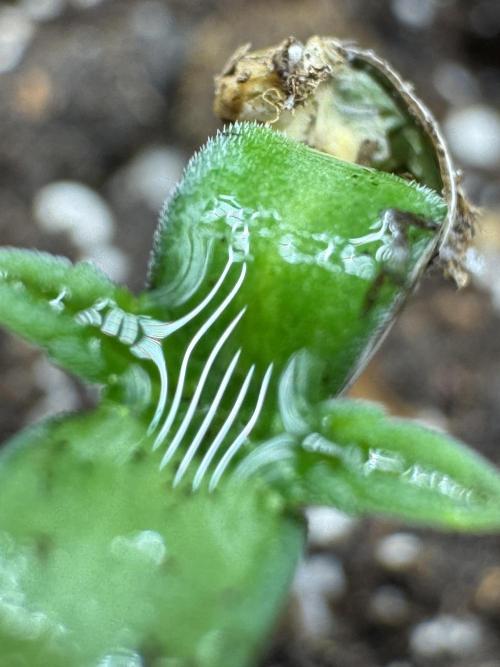
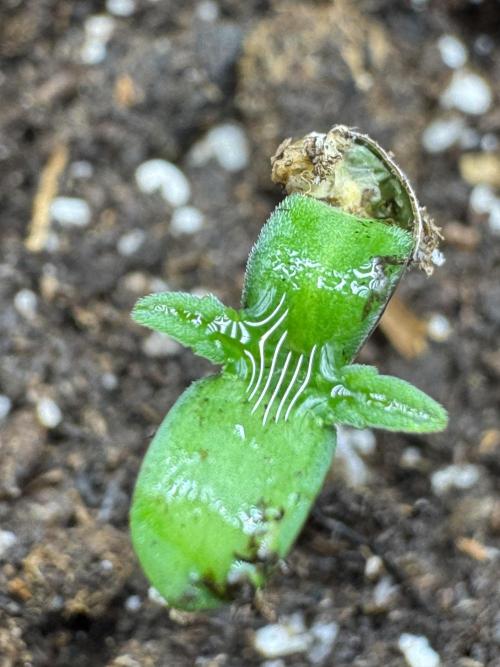
Na het planten was de reactie onmiddellijk.
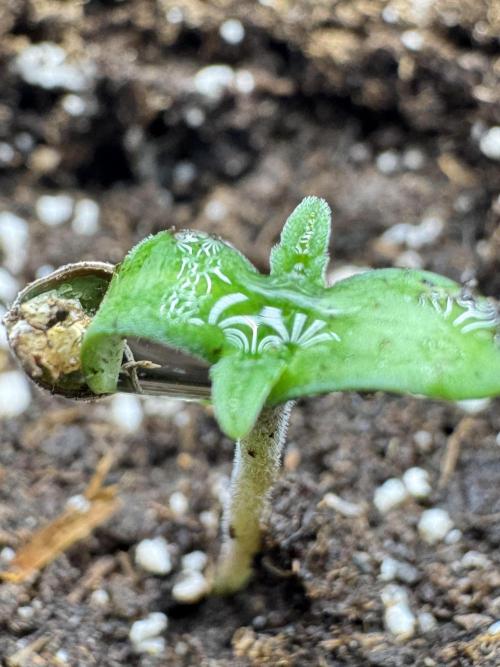
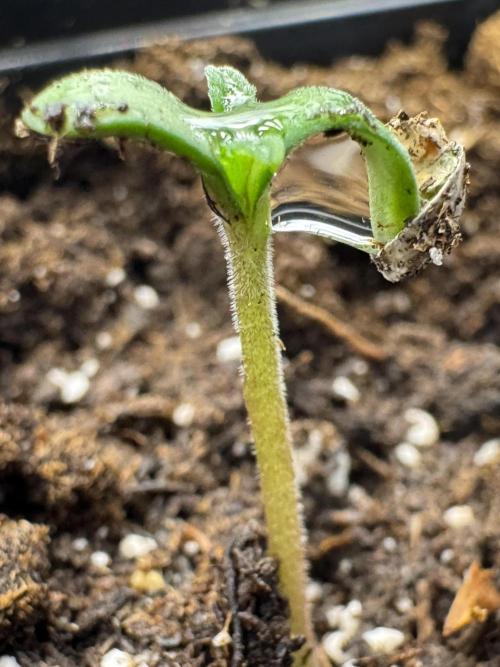
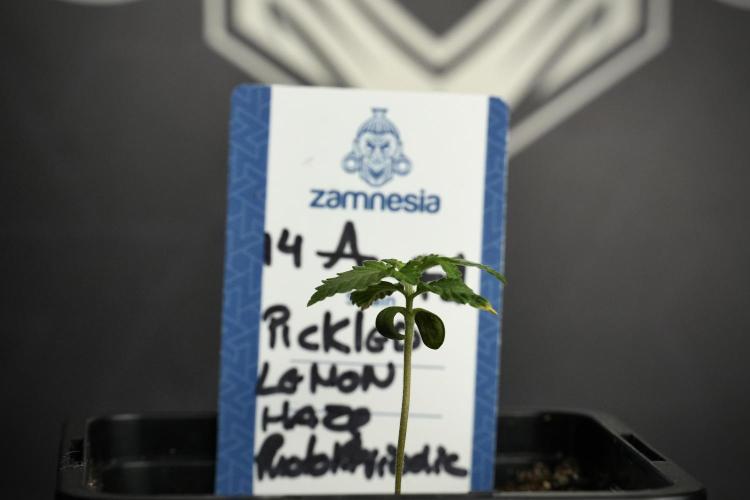
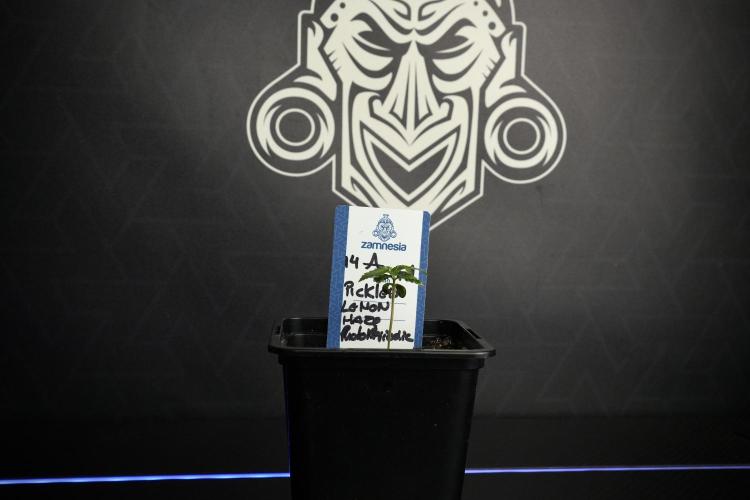
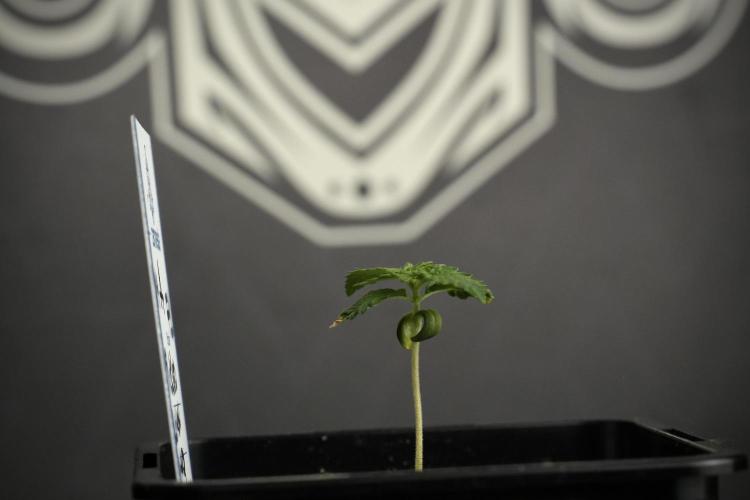
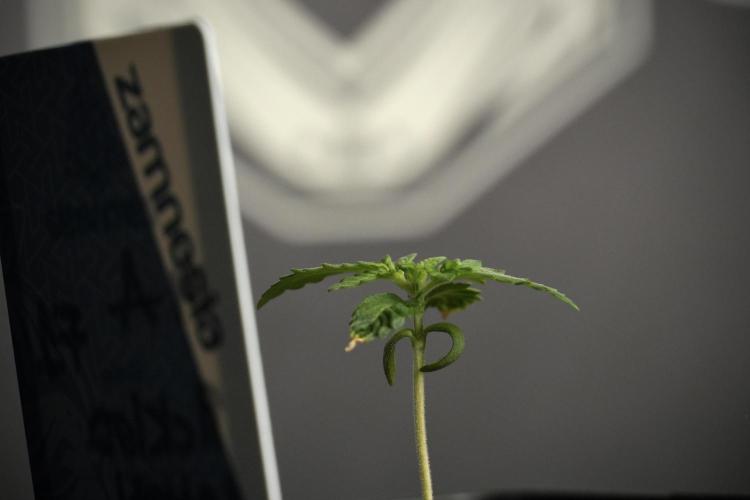
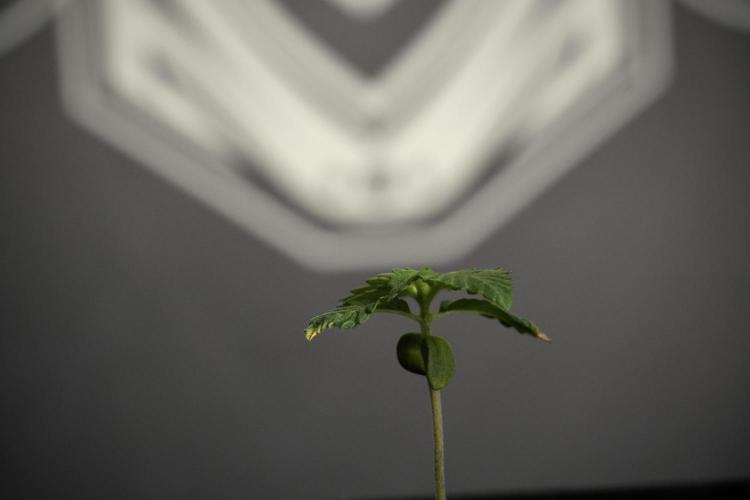
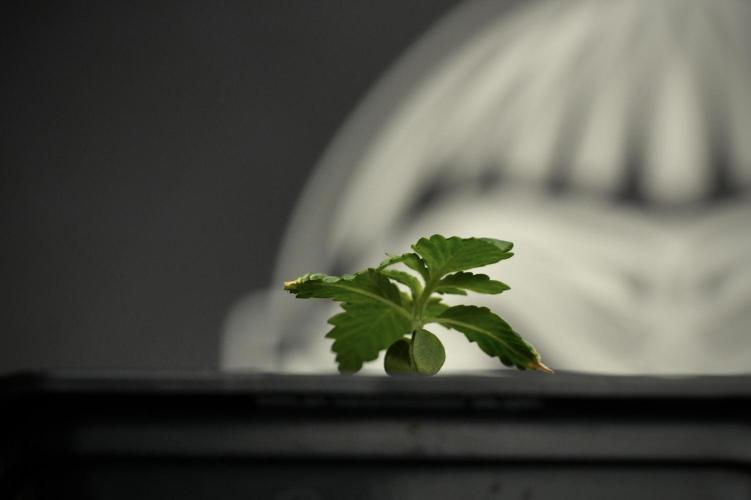
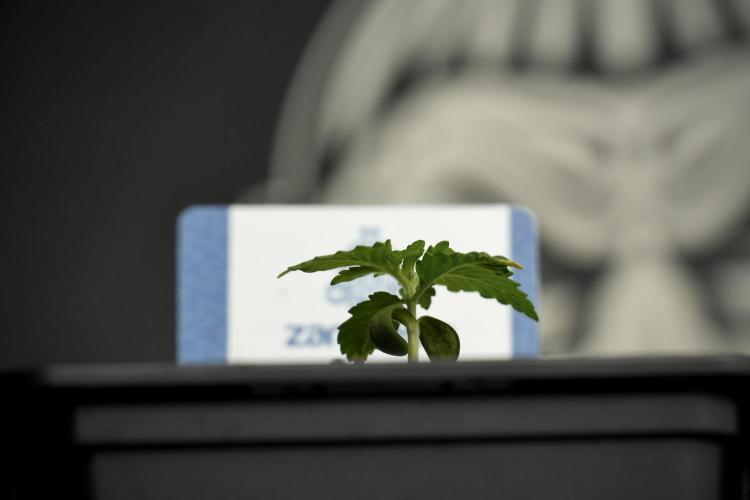
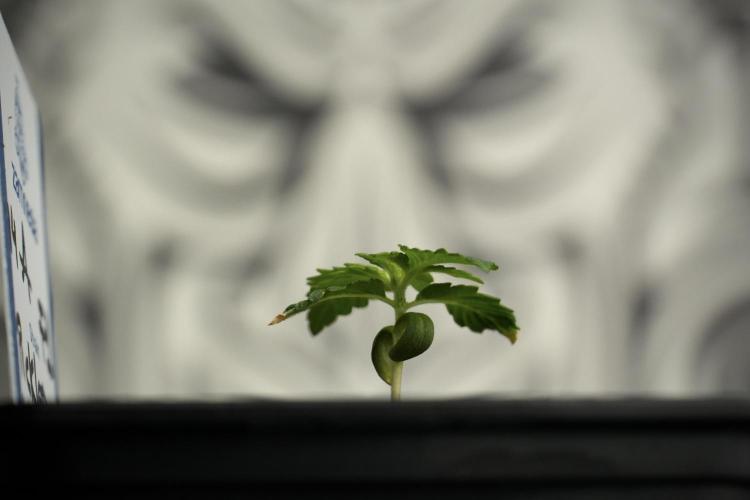
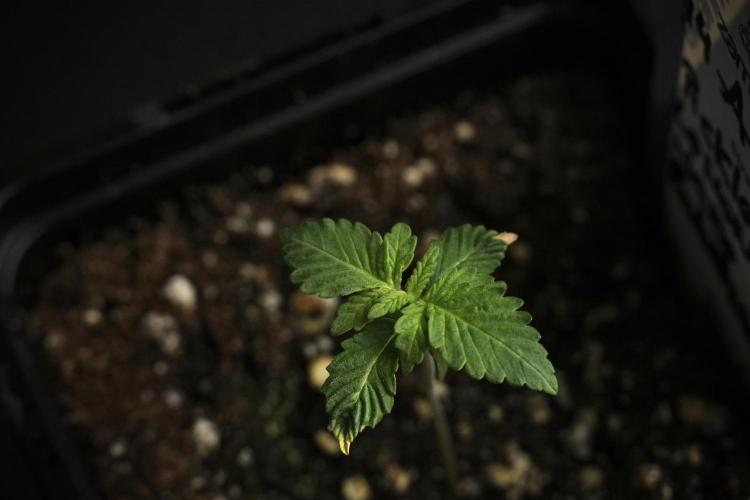
Minder dan 24 uur later kwam de zaailing al boven de grond en zocht naar licht.
De overgang van zaad naar zaailing verliep soepel en zonder complicaties.
Precies wat elke teler hoopt te zien.
---
## Waarom Een Vochtigheidsdome Gebruiken?
Tijdens de eerste paar dagen na de opkomst, bracht de zaailing tijd onder een vochtigheidsdome.
Jonge zaailingen hebben slechts een zeer beperkt wortelsysteem en dus beperkte toegang tot water.
Het handhaven van iets verhoogde vochtigheid helpt om het vochtverlies te verminderen terwijl de wortels zich onder het oppervlak blijven ontwikkelen.
De vochtigheidsdome is niet bedoeld om een permanente omgeving te worden.
Het is simpelweg een tijdelijk ondersteuningsmiddel tijdens een van de meest delicate levensfasen.
Naarmate de wortels zich ontwikkelen, wordt de dome verwijderd en begint de plant zich aan te passen aan normale groeiomstandigheden.
Het doel is aanpassing.
Niet afhankelijkheid.
---
## Het Opbouwen Van De Nieuwe Zamnesia Kweektent Kit
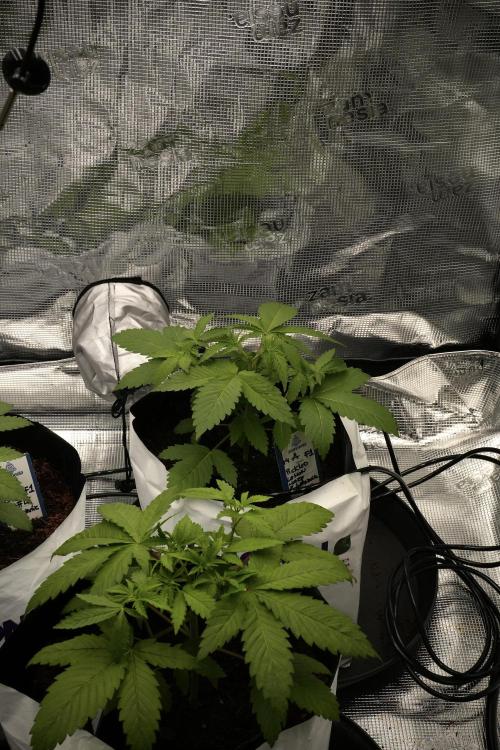
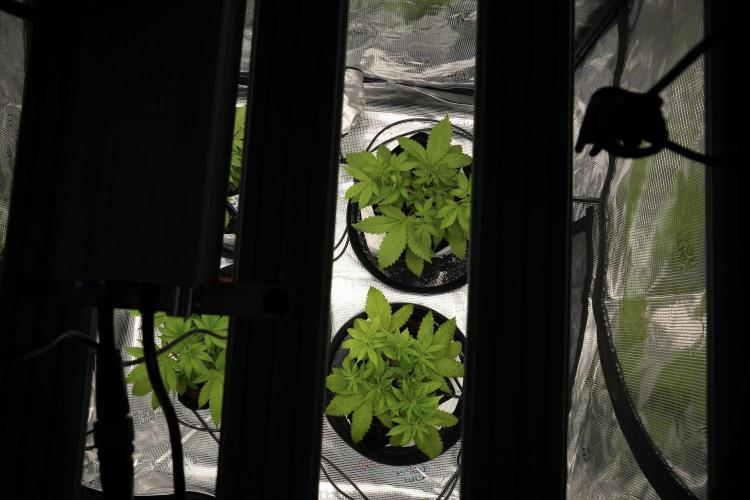
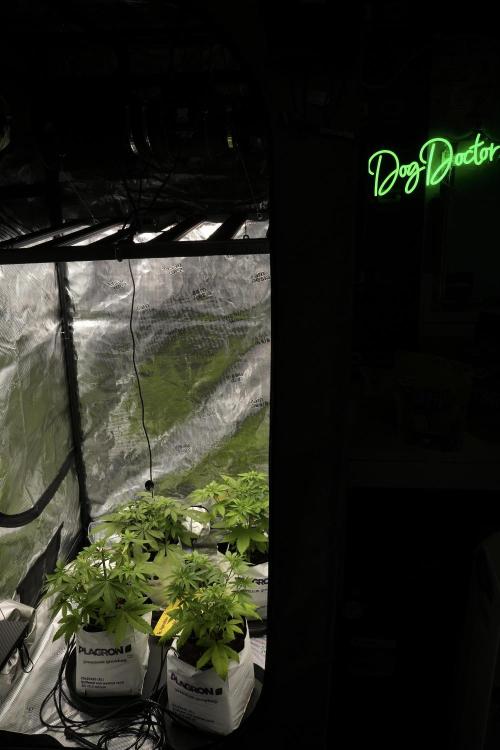
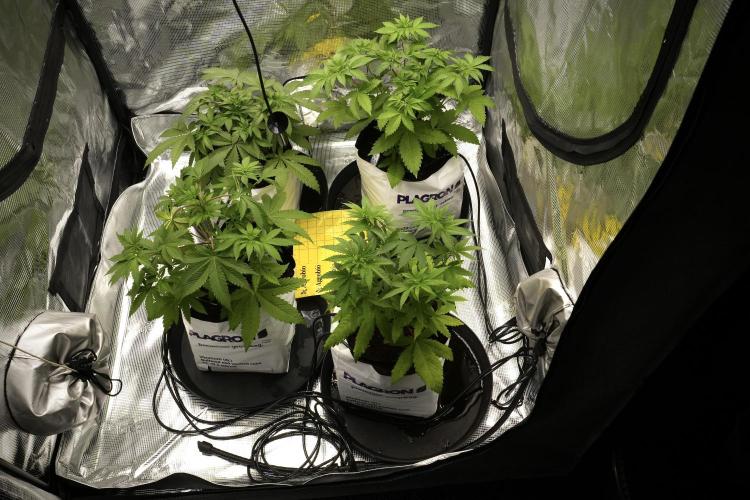
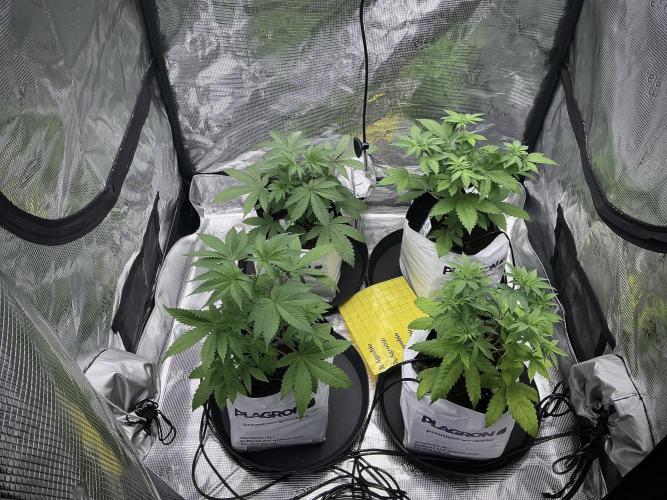
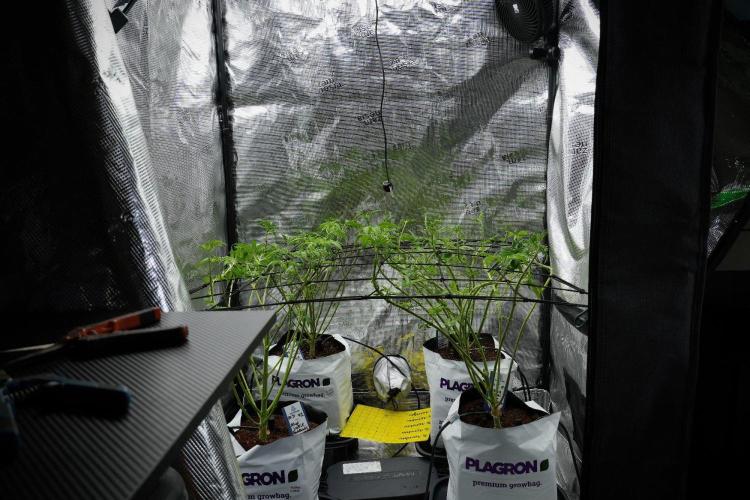
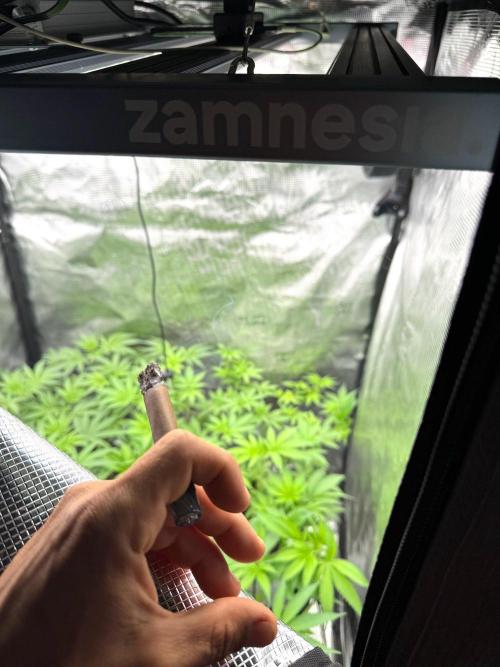
Dit project wordt volledig binnen de nieuwe Zamnesia Kweektent Kit gekweekt.
Een van de grootste verrassingen tijdens de opstelling was hoe eenvoudig het assemblageproces bleek te zijn.
Het hele systeem werd door één persoon in elkaar gezet.
Tent.
LED.
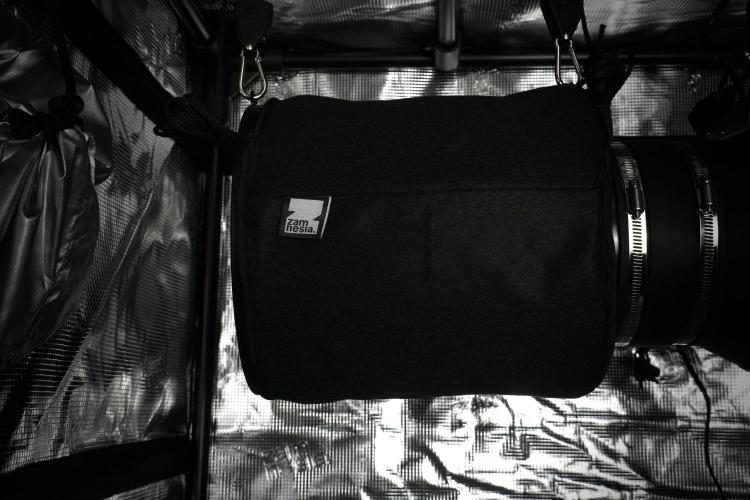
Koolstoffilter.
Inline ventilator.
Luchtkanalen.
Controller.
Kabelbeheer.
Alles.
Zelfs met een paar aanpassingen die nodig waren vanwege ruimtebeperkingen, was de hele opstelling binnen een uur operationeel.
De instructies zijn duidelijk, beginnersvriendelijk en gemakkelijk te volgen.
De bouwkwaliteit heeft me meteen onder de indruk gebracht.
Het frame voelt extreem solide aan, de materialen voelen duurzaam aan, en de algehele eerste indruk is overweldigend positief geweest.
Nu is het tijd om te zien wat de planten ervan vinden.
---
## Wat Zit Er In De Kit?
De complete Zamnesia Kweektent Kit bevat:
- Kweektent 100×100×200 cm
- Phytonaut LED Kweeklicht 320W
- Inline Ventilator 150 mm
- Koolstoffilter Luchtzuiveraar 150 mm
- Kweekomgeving Controller
- Kweektent Clipventilator
- Flexibele Luchtkanalen
- 24-Uur Timer
- Touw Ratchet Hangers
- Klittenband Kabelbeheer Accessoires
Alles wat momenteel binnen deze tent draait, komt rechtstreeks uit dit pakket.
Geen vervangingen.
Geen upgrades.
Geen aanpassingen.
Dit maakt een eerlijke evaluatie van het complete systeem mogelijk precies zoals geleverd.
---
## Omgevingsomstandigheden
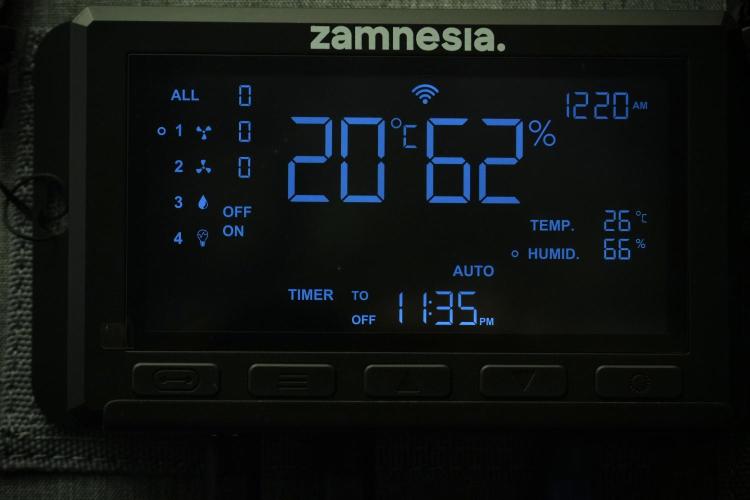
Voor deze eerste week werd de verlichting opzettelijk zacht gehouden.
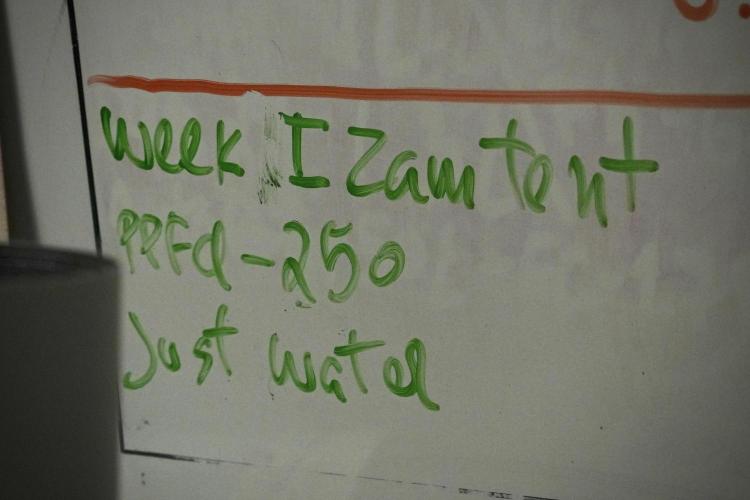
Met een PAR-meter werd de lichtintensiteit gemeten op ongeveer:
~200 PPFD
Jonge zaailingen hebben simpelweg geen intense verlichting nodig.
Het doel in deze fase is wortelontwikkeling en gezonde vestiging in plaats van maximale groeisnelheid.
De omgevingsomstandigheden bleven de hele week stabiel en de zaailing reageerde prachtig.
Gezonde houding.
Gezonde kleur.
Gestaag ontwikkeling.
Geen tekenen van stress.
Precies wat we hopen te zien van een succesvolle germinatie.
---
## Eerste Indrukken Van Pickle Lemon Haze F1 Pheno A
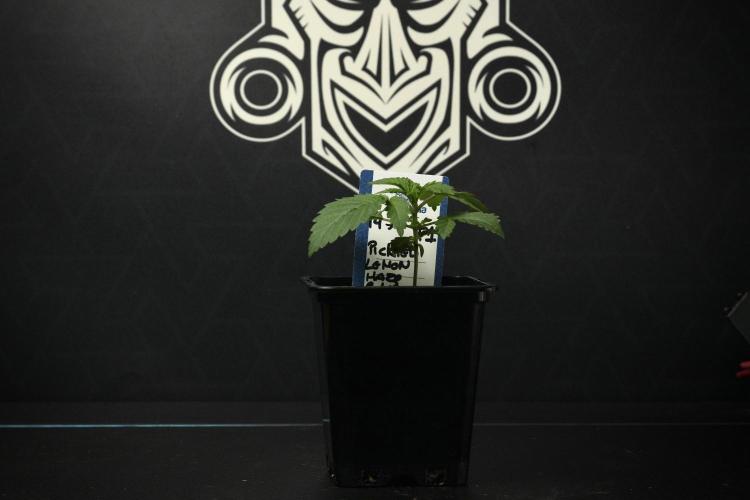
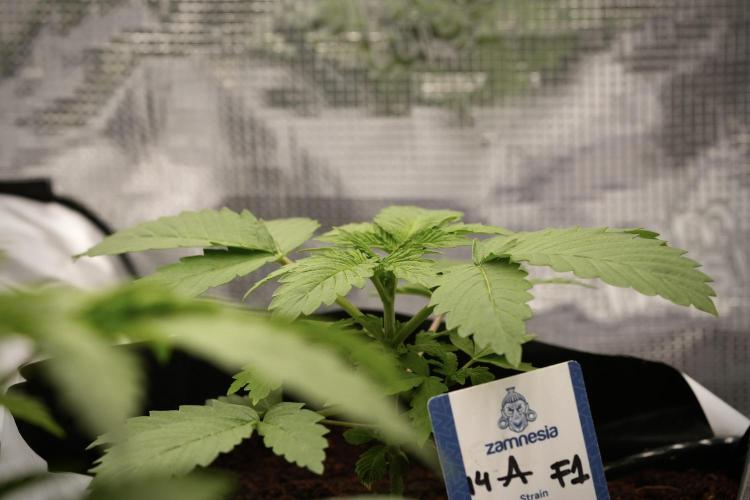
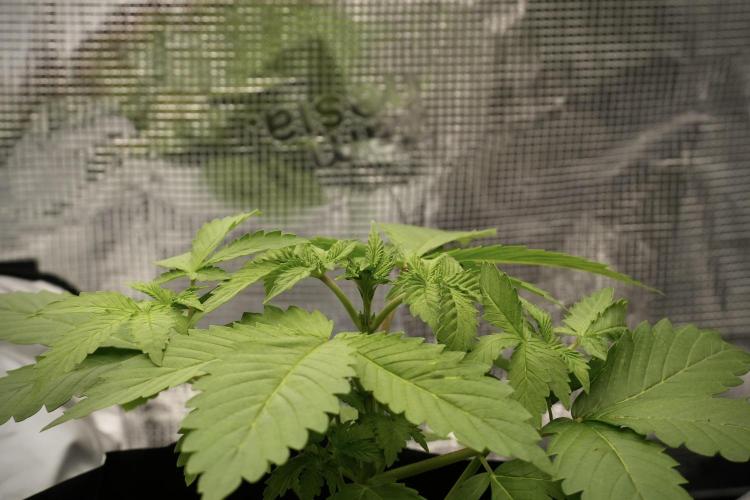
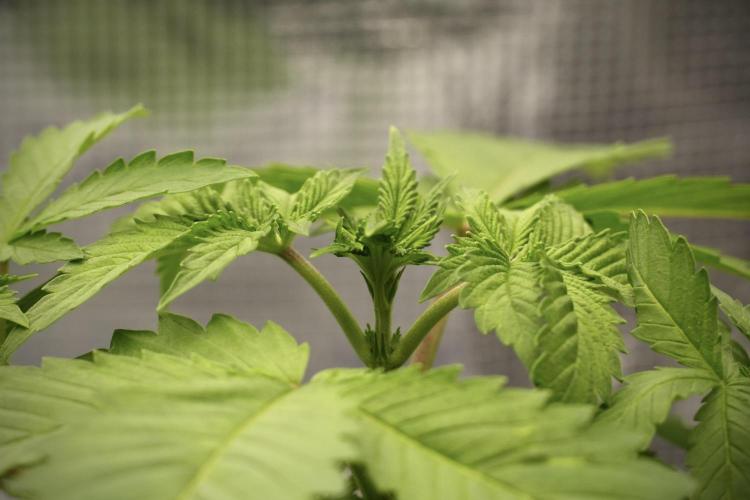
Hoewel ze nog maar aan het begin van haar reis staat, heeft Pheno A al een uitstekende eerste indruk gemaakt.
Snelle germinatie.
Sterke hoofdwortel.
Snelle opkomst.
Gezonde structuur.
Uitstekende vigor.
En misschien het belangrijkste:
Enthousiasme.
Sommige zaailingen komen voorzichtig op.
Dit zaad leek al plannen te maken voor de groei van volgende week.
Natuurlijk hebben zaailingen de gewoonte om ons later te verrassen, dus we laten de tijd het verhaal vertellen.
Voor nu lijkt ze echter zeker gretig om te beginnen.
---
## Vooruitkijken
In de komende weken zullen we elke fase van de ontwikkeling blijven documenteren.
We zullen volgen:
- Wortelvestiging
- Vegetatieve groei
- Omgevingsbeheer
- Structurele ontwikkeling
- Trainingsbeslissingen
- Voedingsprogressie
- Genetische expressie
- En welke unieke kenmerken dit fenotype ook kiest om te onthullen
Voor nu heeft Pickle Lemon Haze F1 Pheno A een succesvolle germinatieweek voltooid en heeft ze zich comfortabel gevestigd in haar nieuwe huis.
De wortels groeien.
De bladeren reiken.
En als deze eerste paar dagen enige indicatie zijn, kan ze al gericht zijn op de maan.
Liefde van de teler voor iedereen. 💚🌱🍋🚀
13 houdt van
3 opmerkingen
Share
Used method
Overige
Germinatiewijze
1
Week 1. Vegetatie
2mo ago
1/30
6 cm
Height
18 uur
Light Schedule
26 °C
Day Air Temp
6.0
pH
Geen Geur
Smell
765 PPM
TDS
71 %
Air Humidity
24 °C
Solution Temp
24 °C
Substrate Temp
25 °C
Night Air Temp
0.3 liters
Pot Size
0.3 liters
Watering Volume
450 PPM
CO₂-niveau
Nutrients 4
Hydro A
1.4 mll
Hydro B
1 mll
Hydro Roots
1 mll
DogDoctorOfficial Map 14 — Pickle Lemon Haze — Pheno A
Week 1 Vegetatie — Kleine Plant, Groot Potentieel
Hallo kwekers,
Welkom terug bij het Zamnesia Tent project.
Net als bij de rest van deze run, krijgt elk fenotype zijn eigen individuele dagboek. Zelfs wanneer planten dezelfde genetica, omgeving, voedingsschema en zorg delen, onthullen ze vaak unieke kenmerken naarmate ze rijpen. Door ze apart van zaad tot oogst te documenteren, krijgen we een veel duidelijker beeld van hoe elk fenotype zich ontwikkelt gedurende zijn reis.
Vandaag kijken we naar Pickle Lemon Haze Pheno A, een jonge zaailing die stilletjes een veelbelovende eerste week van leven heeft neergezet.
In deze fase blijft de focus eenvoudig: gezonde wortels, gezonde bladeren en een gestage ontwikkeling.
Alles wat verder komt later.
⸻
De Omgeving
Week 1 draaide helemaal om het bieden van consistentie.
Het Zamnesia ecosysteem handhaafde stabiele omgevingscondities die zijn ontworpen om sterke zaailingontwikkeling te ondersteunen terwijl onnodige stress werd geminimaliseerd.
De omstandigheden in de tent waren gemiddeld:
* Temperatuur: 26°C
* Relatieve Vochtigheid: 71%
Verlichting werd geïntroduceerd op een gemeten 150 PPFD, wat iets agressiever is dan veel traditionele zaailing schema's, maar nog steeds goed binnen een comfortabele range voor een gezonde ontwikkeling.
De fixture werkte op:
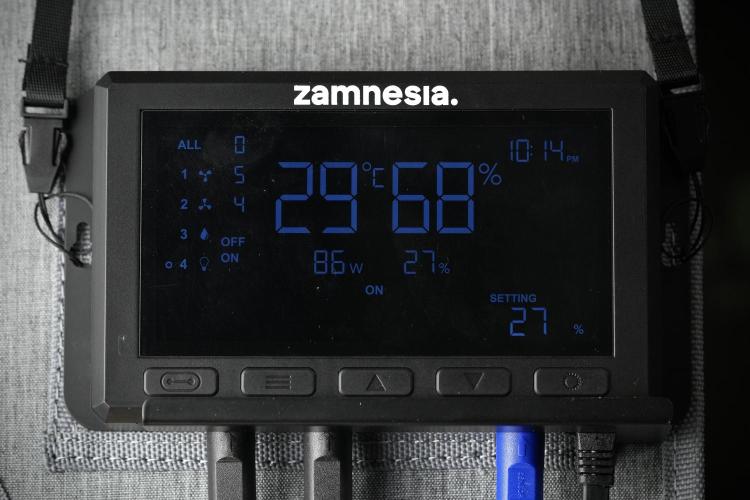
* 27% vermogen
* Ongeveer 86 watt getrokken van het net
Het doel is om de zaailingen vanaf het begin onder betekenisvolle lichtintensiteit te laten vestigen terwijl hun reactie zorgvuldig wordt waargenomen.
Luchtbeweging werd verzorgd door:
* Zamnesia afzuiger die op Niveau 5 draait
* Circulatiefan die op Niveau 4 draait
Samen creëren ze een stabiele omgeving met zachte luchtstroom en uitstekende luchtuitwisseling.
⸻
Voedingsprogramma
Hoewel de vroegste dagen werden ondersteund met opgevangen regenwater, markeerde deze week het begin van het voedingsprogramma.
De zaailingen hebben nu hun eerste voeding ontvangen, bestaande uit:
* Plagron Hydro A
* Plagron Hydro B
* Plagron Hydro Roots
Gemengd tot:
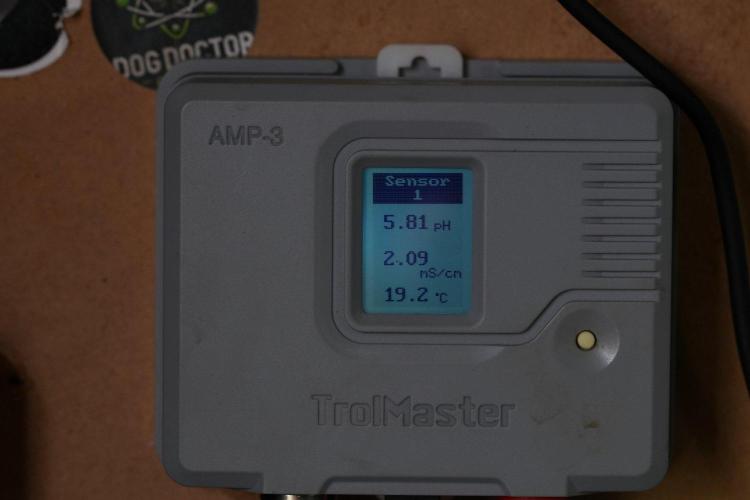
* EC: 1.53 mS/cm
* pH: 5.96
* Watertemperatuur: 24.2°C
Het doel in deze fase is niet maximale groei, maar gezonde wortelontwikkeling en een soepele overgang naar het hydroponische coco-systeem dat volgende week wacht.
Tot nu toe lijkt Pickle Lemon Haze Pheno A volledig comfortabel met het programma.
⸻
Voorbereiden van het Coco-systeem
Hoewel de zaailingen voorlopig in hun starterpotten blijven, vond veel van het werk deze week achter de schermen plaats.
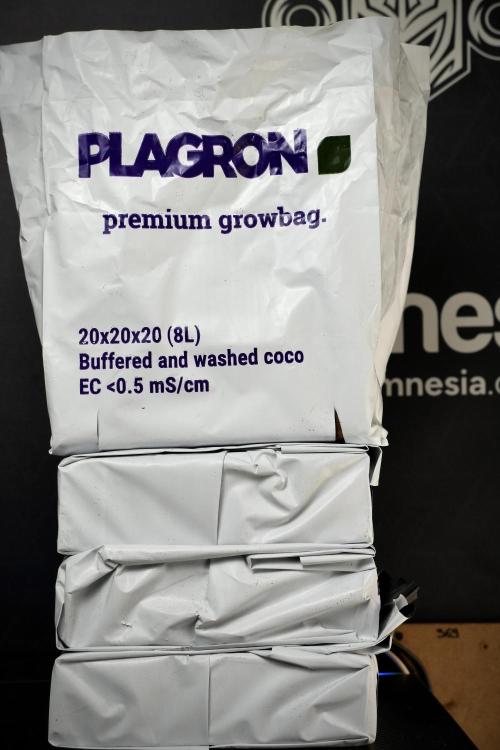
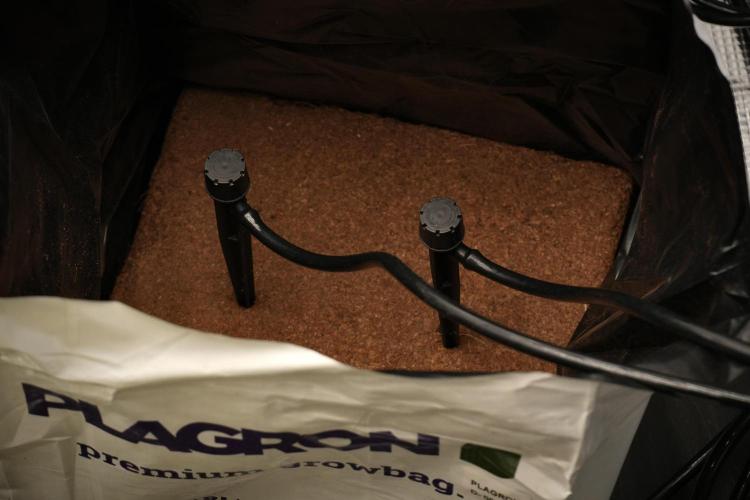
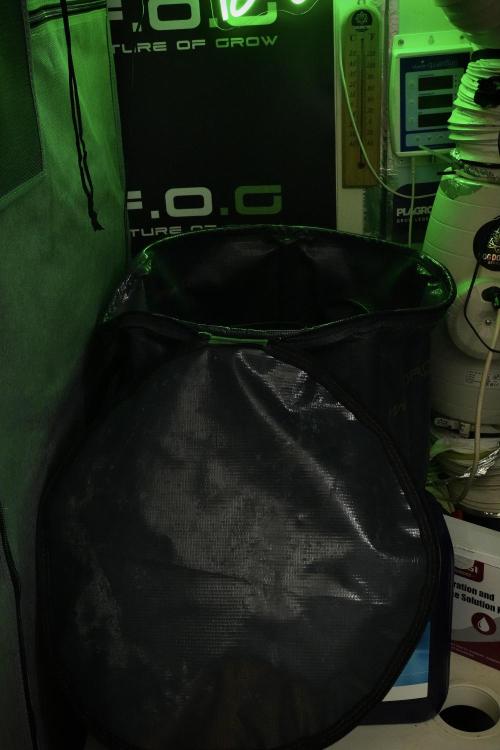
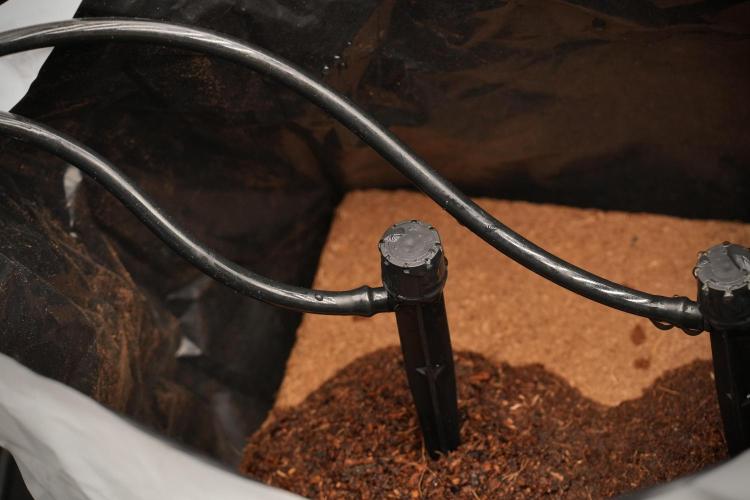
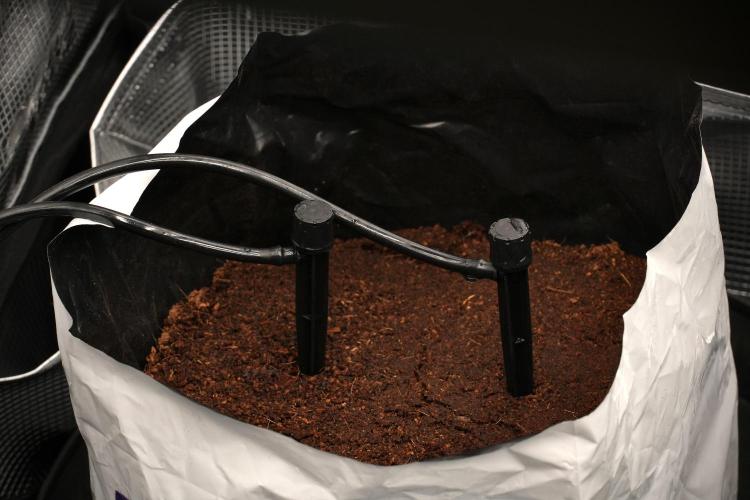
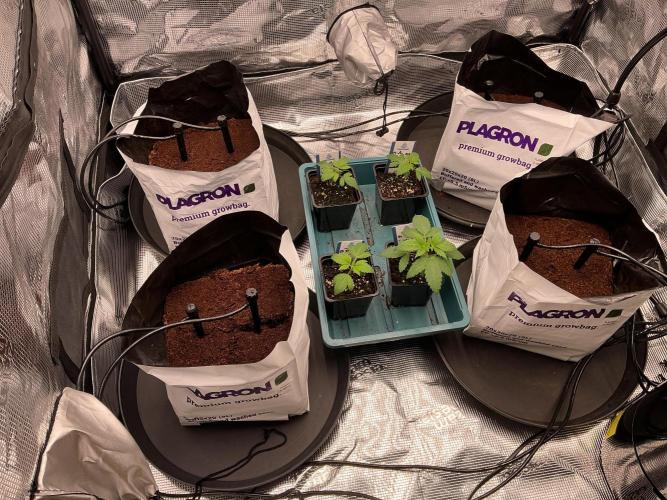
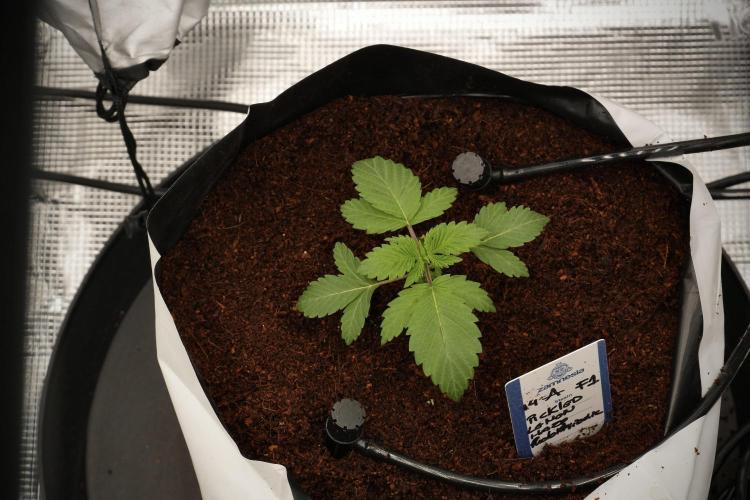
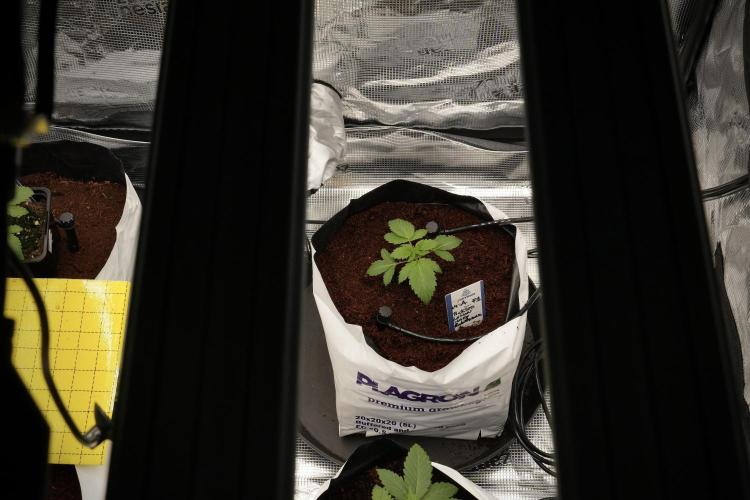
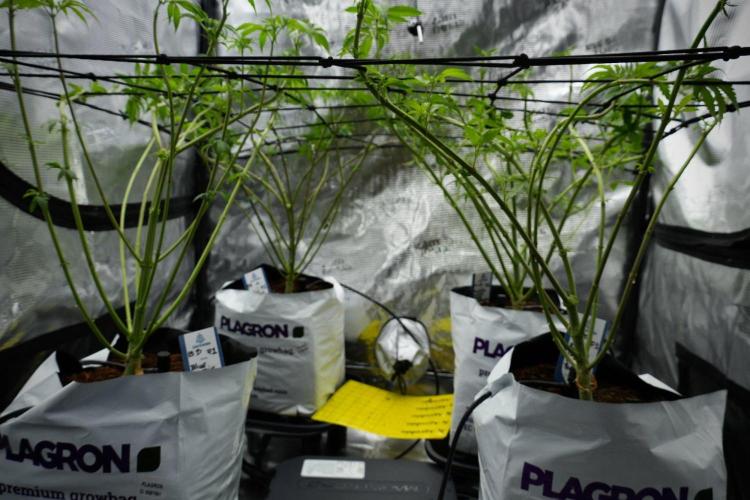
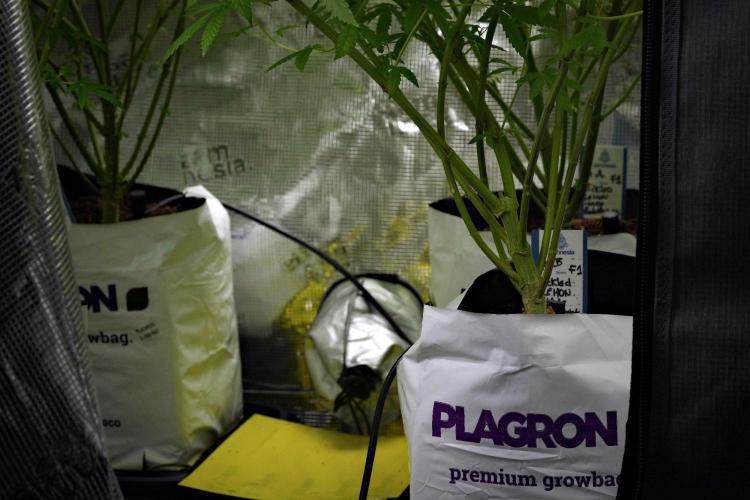
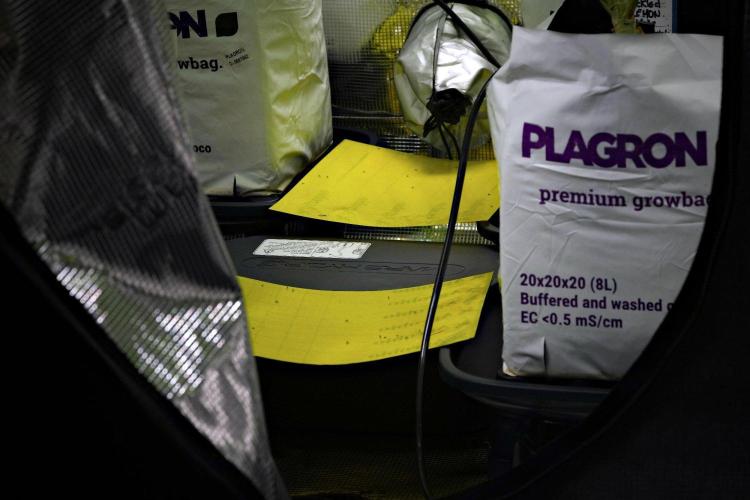
De Plagron Premium Grow Bags zijn gevuld en gehydrateerd ter voorbereiding op de transplantatie van volgende week.
In plaats van de coco in één keer te overstromen, wordt hydratatie geleidelijk uitgevoerd via een reservoir-gevoed afgiftesysteem. Dit stelt vocht in staat om langzaam en gelijkmatig door het medium te verspreiden, waardoor de coco op een natuurlijke en uniforme manier kan uitzetten.
Er is alleen gedestilleerd water gebruikt tijdens deze voorbereidingsfase.
Tegen de tijd dat de transplantatiedag aanbreekt, zou het medium volledig gehydrateerd moeten zijn en klaar om de ontwikkelende wortelsystemen te verwelkomen.
⸻
Pickle Lemon Haze — Pheno A
Voor een plant die zo jong is, is er al veel om van te houden.
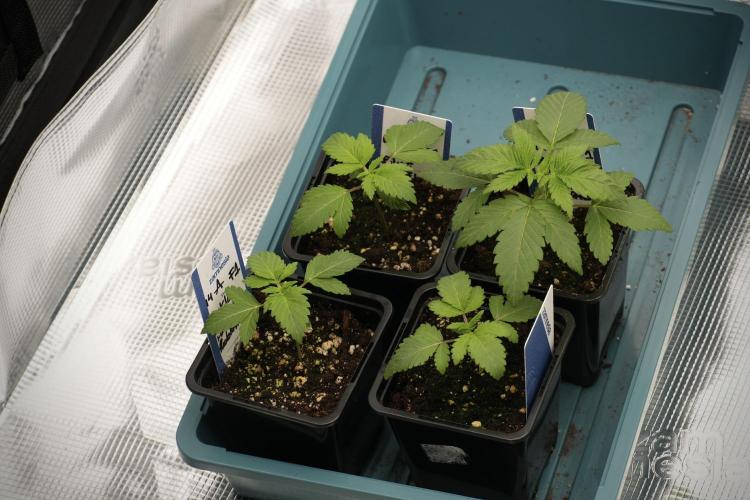
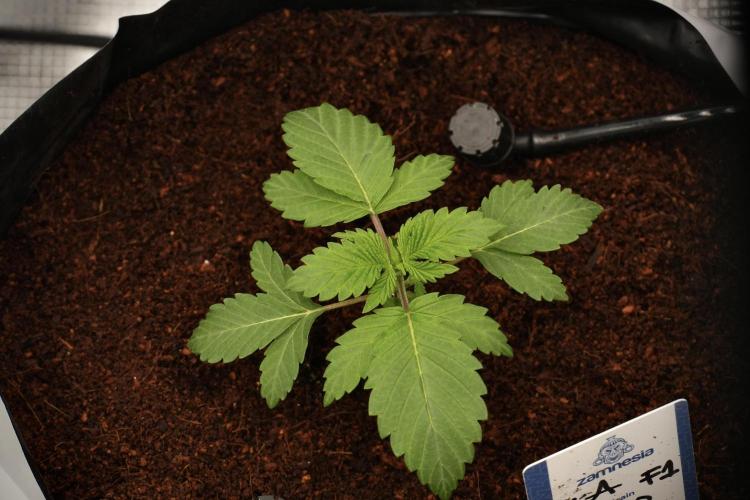
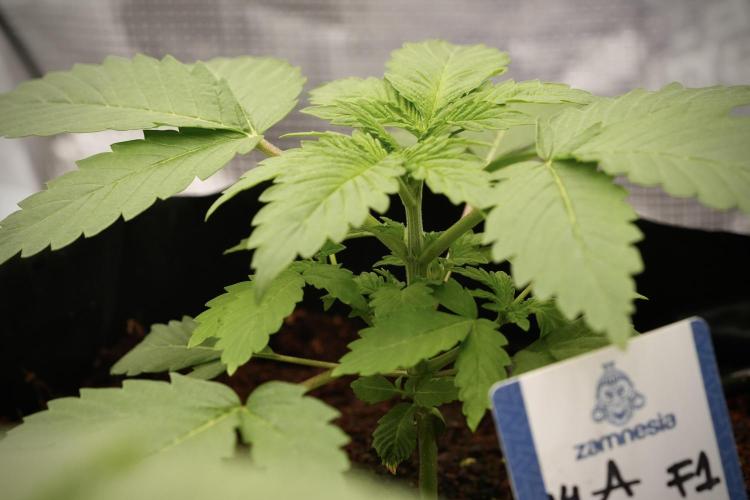
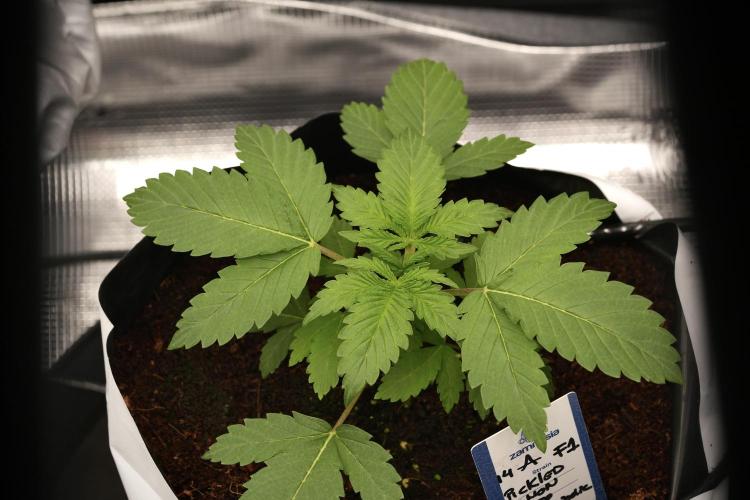
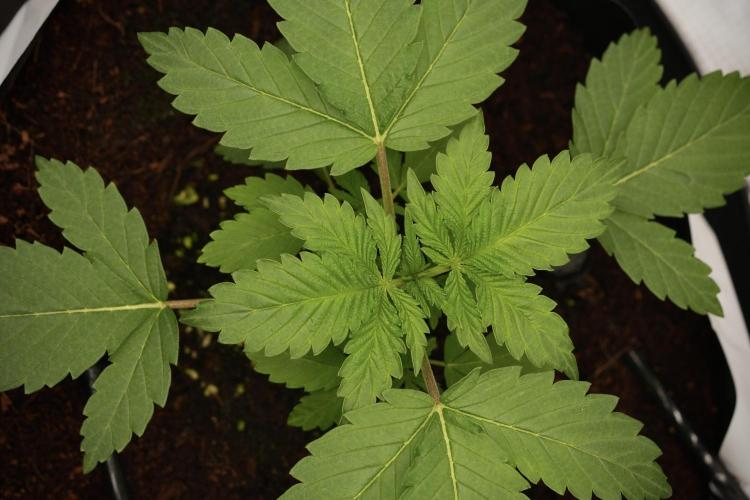
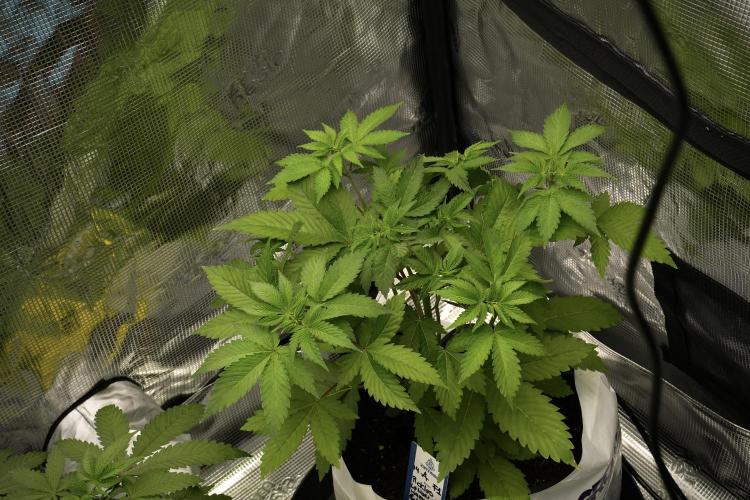
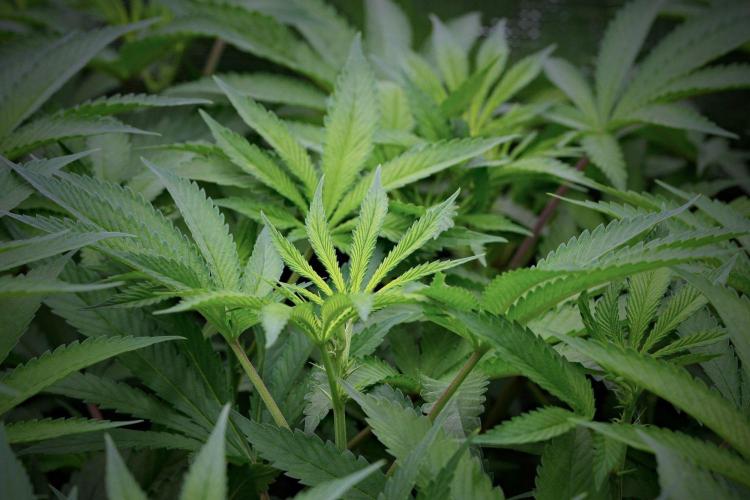
De groei is compact en gecontroleerd geweest gedurende de week, met zeer strakke internodale afstand en een stevige algehele structuur. De plant beëindigt Week 1 en duwt zelfverzekerd in zijn derde set echte bladeren terwijl hij een gebalanceerde en symmetrische vorm behoudt.
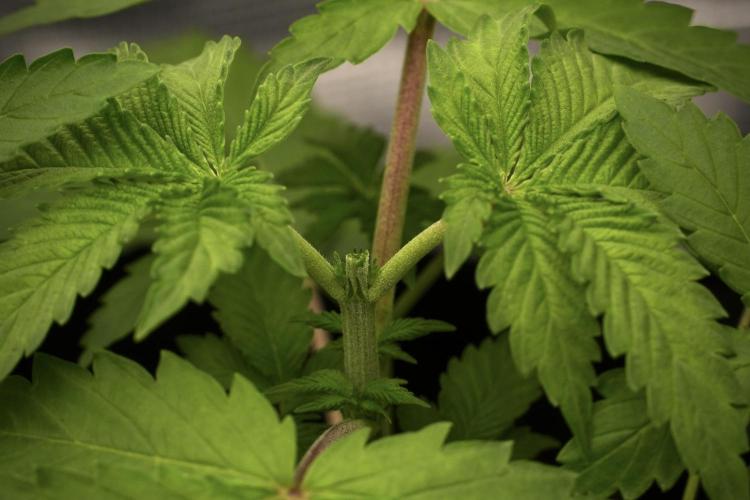
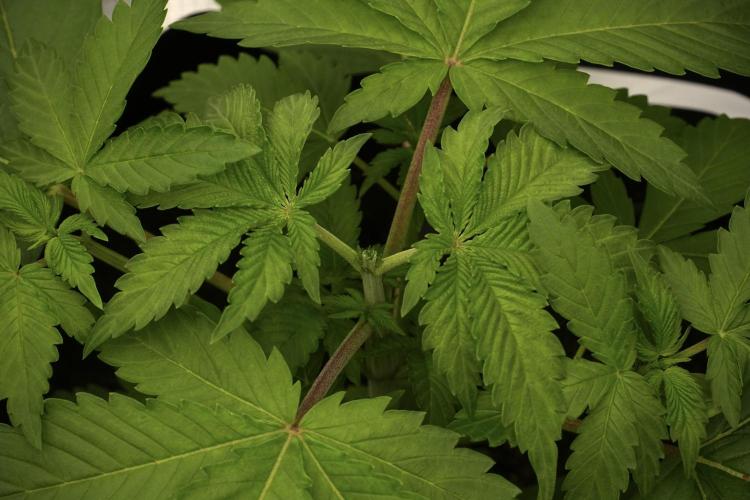
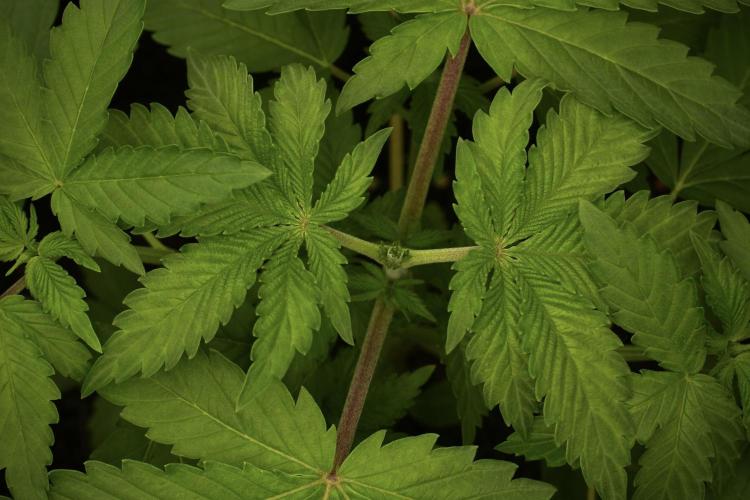
Een van de eerste dingen die opvalt is de bladmorfologie.
In vergelijking met sommige zaailingen die smal vroege groei vertonen, produceert dit fenotype merkbaar bredere en rondere bladeren. Het algehele uiterlijk voelt dicht en compact aan, wat de plant een sterke en gezonde uitstraling geeft ondanks zijn kleine formaat.
Een lichte puntverbranding is te zien op delen van de eerste echte bladeren, maar dit lijkt puur cosmetisch te zijn en beperkt tot de vroegste groei. Nieuwe ontwikkeling komt schoon naar voren, met een gezonde kleur, goede levenskracht en zonder aanwijzingen dat de plant wordt vertraagd.
Sterker nog, als er iets is, suggereert de nieuwste groei het tegenovergestelde.
De plant lijkt die kleine imperfectie van zich af te schudden en zonder aarzeling verder te gaan.
De stam blijft stevig, de bladhouding is positief en de algehele groei vordert precies zoals het zou moeten zijn voor deze fase.
Misschien is het meest opwindende deel simpelweg hoe uniform deze F1-planten tot nu toe zijn geweest.
Hoewel individuele persoonlijkheid ongetwijfeld later zal verschijnen, wijzen de vroege tekenen op sterke stabiliteit en uitstekend fokwerk.
Het zal fascinerend zijn om te zien welke eigenschappen de fenotypes beginnen te scheiden naarmate ze dieper in de vegetatie gaan.
⸻
Vooruitkijken
Volgende week zou een significante moeten zijn.
De overstap naar de gehydrateerde coco grow bags zal de beschikbare wortelruimte dramatisch vergroten en het begin markeren van een nieuwe fase in de ontwikkeling.
Met de wortels die niet langer beperkt zijn door de startercontainers, zou de groei merkbaar moeten beginnen te versnellen.
Voor nu blijft het doel echter onveranderd:
Gezonde wortels.
Gezonde bladeren.
Gezonde groei.
En Pickle Lemon Haze Pheno A vinkte elke box aan.
⸻
Dank U
Een grote dank aan iedereen die deze reis volgt en deze dagboeken ondersteunt.
Bijzondere dank aan:
* Zamnesia voor de genetica, apparatuur en ondersteuning die dit project mogelijk maakten.
* Plagron voor het leveren van de voedingsstoffen en groei-media die gedurende de run zijn gebruikt.
* Het GrowDiaries-team voor het bieden van een platform waar kwekers hun ervaringen kunnen documenteren, leren en delen.
* En, zoals altijd, de ongelooflijke kwekersgemeenschap wiens kennis, aanmoediging en passie helpen om deze hobby zo lonend te maken.
Week 1 is officieel voltooid.
De fundamenten zijn gelegd.
Nu begint het echte avontuur.
Kwekersliefde en tot volgende week wanneer Pickle Lemon Haze Pheno A naar coco gaat en het volgende hoofdstuk van haar verhaal begint te schrijven.
🌱🍋💚
8 houdt van
opmerkingen
Share
2
Week 2. Vegetatie
2mo ago
1/30
6 cm
Height
18 uur
Light Schedule
29 °C
Day Air Temp
5.8
pH
Geen Geur
Smell
630 PPM
TDS
68 %
Air Humidity
23 °C
Solution Temp
24 °C
Substrate Temp
25 °C
Night Air Temp
8 liters
Pot Size
0.5 liters
Watering Volume
450 PPM
CO₂-niveau
Nutrients 4
Hydro A
1.4 mll
Hydro B
1 mll
Hydro Roots
1 mll
DogDoctorOfficial :citroen: Project Blue Tent – Map 14
Pickled Lemon Haze F1 – Pheno A
Week 2 – De Reis Begint
Welkom terug bij Project Blue Tent, mijn nieuwste avontuur dat zich richt op het verkennen van Zamnesia Genetics terwijl ik groei in Plagron Premium Coco Grow Bags met behulp van het complete Plagron Hydro voedingsprogramma.
Elke fenotype heeft zijn eigen dagboek omdat elke plant het verdient om zijn eigen verhaal te vertellen. Hoewel alle planten dezelfde omgeving, voedingsstoffen en zorg delen, ontwikkelt elke plant zijn eigen structuur, ritme en persoonlijkheid. Dit dagboek volgt Pickled Lemon Haze F1 – Pheno A vanaf haar allereerste dagen tot de oogst.
⸻
:zaailing: De Omgeving
Dit project wordt gekweekt onder een lichtschema van 18/6, waardoor de planten kunnen genieten van lange, energieke dagen gevolgd door zes uur ononderbroken duisternis om te herstellen en sterke wortelsystemen op te bouwen.
De hele groei vindt plaats binnen het Zamnesia-ecosysteem, waardoor een stabiele omgeving ontstaat waarin elke variabele consistent kan worden gecontroleerd.
De huidige omgevingsomstandigheden bleven gedurende de week zeer stabiel:
• Temperatuur: 29°C
• Relatieve Vochtigheid: 68%
Deze warme, vochtige omstandigheden zijn ideaal om krachtige vegetatieve groei te bevorderen terwijl ze de jonge planten helpen zich te vestigen voordat ze versnellen naar grotere ontwikkeling.
⸻
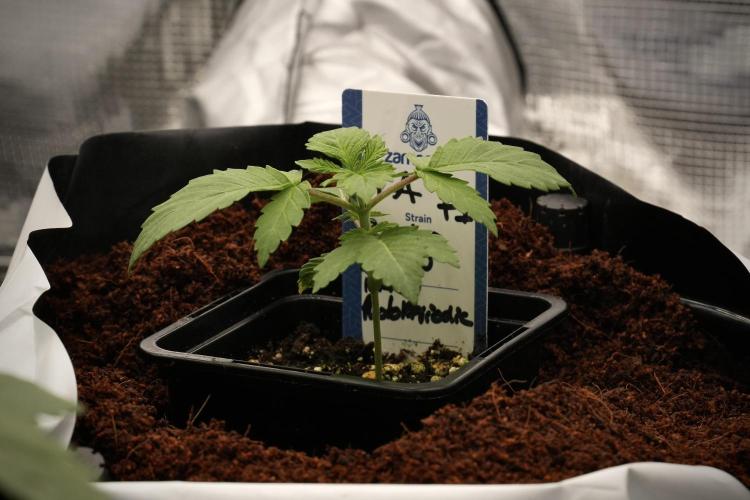
🥥 Waarom We de Potten in de Coco Dalen
Een detail dat vaak vragen oproept, is waarom de starterpotten direct in de Plagron Premium Coco Grow Bags worden geplaatst in plaats van buiten te blijven tot de transplantatiedag.
Er zijn verschillende redenen achter deze aanpak.
De omringende coco fungeert als een natuurlijke thermische buffer, waardoor de wortelzone op een veel stabielere temperatuur blijft dan een pot die direct aan de lucht is blootgesteld.
Het helpt ook om de vochtigheid rond de wortelkluit consistent te houden, waardoor wordt voorkomen dat de randen van de starterpot overmatig uitdrogen en grote schommelingen tussen natte en droge cycli worden vermeden.
Een ander voordeel is puur praktisch. Omdat de pot vanaf het begin in de grow bag zit, wordt de uiteindelijke transplantatie bijna moeiteloos. De plant hoeft zich nooit aan te passen aan een volledig nieuwe omgeving, en de wortelkluit glijdt direct in de ruimte die al voor haar is voorbereid.
Tot slot creëert het vormen van de ruimte rond de starterpot een perfect passende transplantatieopening. Wanneer het moment daar is, valt de wortelkluit bijna zonder verstoring op zijn plaats, waardoor luchtzakken worden geëlimineerd en onmiddellijke wortel-naar-coco-contact wordt gegarandeerd. Het is een klein detail, maar het vermindert de transplantatiestress aanzienlijk.
⸻
:kruid: Voedingsprogramma
De eerste irrigatie na de transplantatie introduceerde de planten aan de Plagron Hydro lijn.
Huidige voedingsoplossing:
• Plagron Hydro A
• Plagron Hydro B
• Plagron Hydro Roots
Oplossingsparameters:
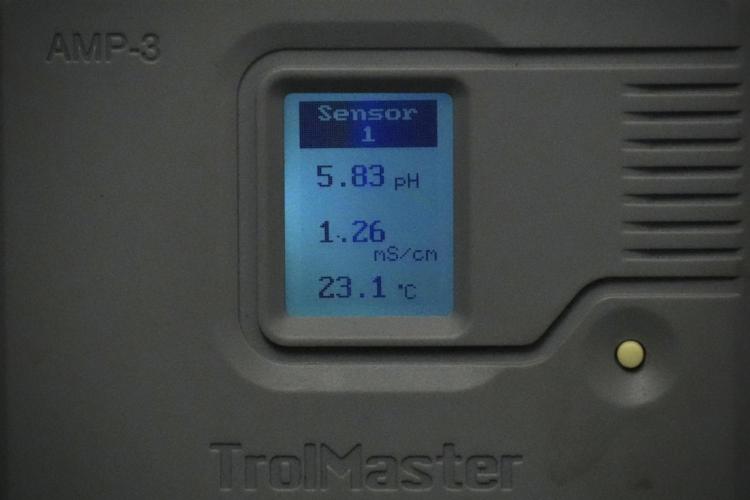
• pH: 5.83
• EC: 1.26 mS/cm
• Watertemperatuur: 23.1°C
Deze milde voeding biedt alles wat de jonge wortels nodig hebben terwijl het een snelle kolonisatie van het verse coco-substraat bevordert.
⸻
:zaailing: Wortelontwikkeling
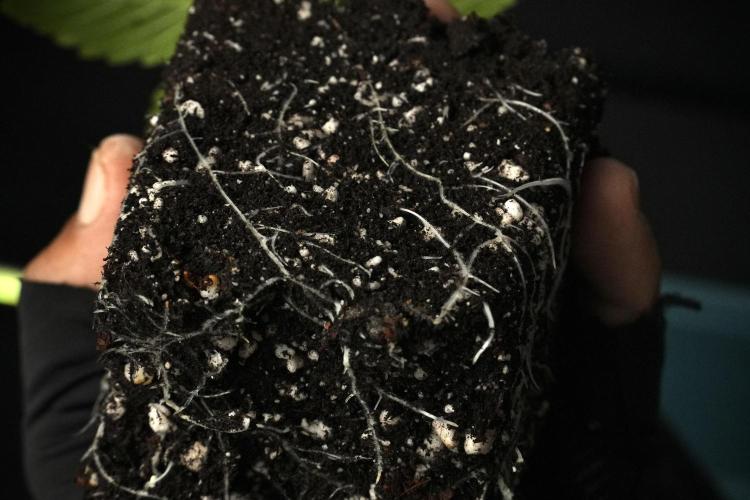
Een van mijn favoriete momenten deze week was het controleren van het wortelsysteem voor de transplantatie.
De hele wortelkluit was prachtig gekoloniseerd met helderwitte, gezonde wortels die zich om elke kant van het substraat wikkelden.
Precies wat we hopen te zien.
De wortels hadden elke hoek bereikt zonder wortelgebonden te raken, wat uitstekende vitaliteit toont en bevestigt dat de timing voor transplantatie absoluut perfect was.
Sterke wortels vandaag bouwen sterke bloemen morgen.
⸻
:citroen: Pickled Lemon Haze F1 – Pheno A
Zelfs in deze vroege fase begint dit dametje al haar persoonlijkheid te onthullen.
Haar internodale afstand is compact en symmetrisch, wat een gebalanceerde structuur oplevert met brede, gezonde bladeren die zelfverzekerd naar het licht reiken.
De stam is dik voor haar leeftijd, wat goede structurele sterkte laat zien, terwijl nieuwe groei snel opkomt met een levendige groene kleur die aangeeft dat ze zich comfortabel aanpast aan haar nieuwe thuis.
De bladhouding blijft de hele dag open en ontspannen, een ander teken dat zowel de omgevingsomstandigheden als het voedingsprogramma precies goed zijn.
Alles aan deze plant suggereert een soepele, stressvrije start.
⸻
Vooruitkijken
Nu de transplantatie is voltooid, verschuift de focus volledig naar worteluitbreiding.
In de komende dagen verwacht ik dat de wortels de hele Plagron Premium Coco Grow Bag gaan verkennen, wat de basis legt voor krachtige vegetatieve groei voordat de training later in de cyclus begint.
Hoe sterker de ondergrondse ontwikkeling vandaag, hoe sterker het bladerdak zal worden in de komende weken.
⸻
Laatste Gedachten
Elk project begint met kleine planten en grote dromen.
Een gezonde zaailing in haar definitieve thuis te zien settelen is altijd een van de meest bevredigende momenten van elke groei. Het is de fase waarin geduld het belangrijkst is, omdat het werk dat nu wordt geïnvesteerd alles zal bepalen wat volgt.
Pickled Lemon Haze F1 – Pheno A heeft een uitstekende start gemaakt, en ik ben enthousiast om te zien hoe haar individuele karakter zich ontwikkelt terwijl deze reis voortduurt.
⸻
:bid: Dank Je
Een enorme dank aan Zamnesia voor de ongelooflijke genetica en voor het bieden van het complete ecosysteem dat dit project mogelijk maakt.
Speciale dank aan Plagron voor het leveren van de Premium Coco Grow Bags en de Hydro voedingslijn die deze dames van begin tot eind zal voeden.
En tot slot, dank aan de geweldige GrowDiaries-community. Jullie aanmoediging, advies en gedeelde passie maken elke groei nog waardevoller. Ik hoop dat jullie net zo genieten van het volgen van deze reis als ik geniet van het documenteren ervan.
Growers Love en tot de volgende update! :zaailing::blauw_hart:
10 houdt van
1 opmerking
Share
Used techniques
Transplantatie
Techniek
3
Week 3. Vegetatie
2mo ago
1/30
6 cm
Height
18 uur
Light Schedule
27 °C
Day Air Temp
5.8
pH
Geen Geur
Smell
805 PPM
TDS
67 %
Air Humidity
18 °C
Solution Temp
24 °C
Substrate Temp
25 °C
Night Air Temp
8 liters
Pot Size
0.9 liters
Watering Volume
450 PPM
CO₂-niveau
Nutrients 4
Hydro A
1.6 mll
Hydro B
1.6 mll
Hydro Roots
1 mll
DogDoctorOfficial 🥒 Project Blue Tent – Pickle Lemon Haze F1 – Plant A
Week 3 – Een Verandering van Richting
Hallo allemaal, en welkom terug bij weer een week van Project Blue Tent! 💙🌱
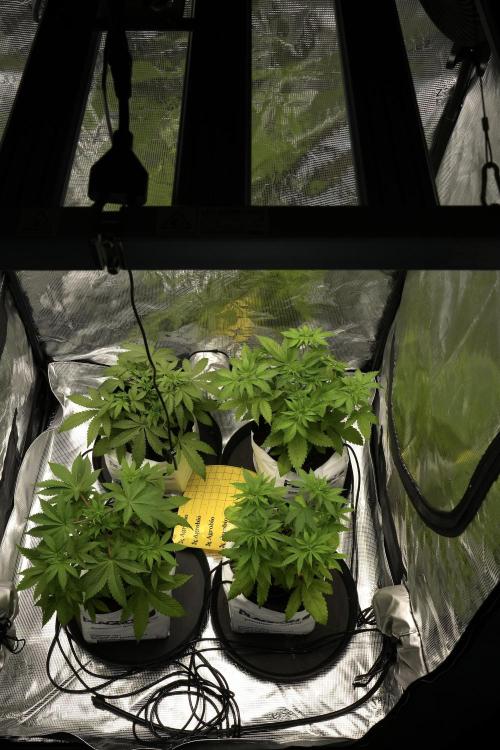
Dit dagboek volgt één individuele Pickle Lemon Haze F1 van Zamnesia, volledig onafhankelijk van zijn broers en zussen gekweekt, zodat we de unieke ontwikkeling van elke plant van zaad tot oogst kunnen waarderen.
Het doel van dit project blijft hetzelfde: meerdere genetica naast elkaar kweken onder identieke omgevingsomstandigheden terwijl we documenteren hoe elke cultivar zich uitdrukt. Elke plant deelt hetzelfde huis, hetzelfde voedingsschema, dezelfde verlichting en dezelfde zorg, waardoor genetica hun eigen verhaal kan vertellen.
Deze week heeft me zeker beziggehouden.
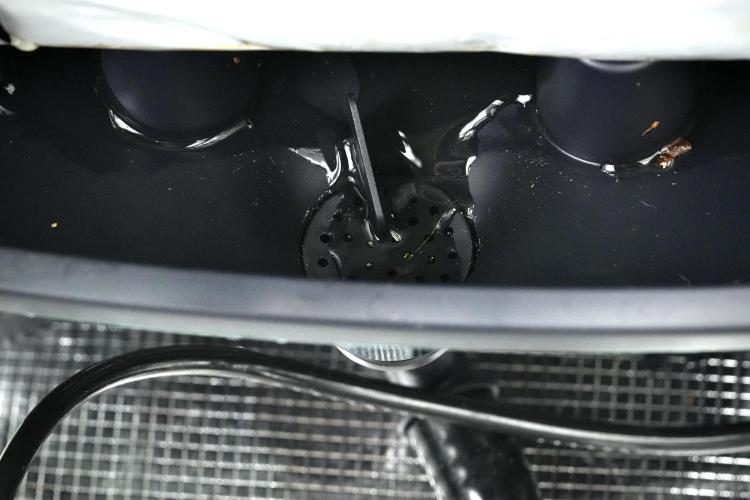
Net na het bijvullen van het reservoir, veranderde een klein irrigatie-incident in een onverwachte overstroming binnen de tent. Gelukkig, omdat alles is gebouwd rond het Zamnesia-ecosysteem, ontsnapte het water nooit uit de tent zelf. De bak bevatte elke druppel, waardoor wat een veel grotere ramp had kunnen worden, werd voorkomen. Na alles grondig te hebben gedroogd, elke druppelaar te hebben gecontroleerd en ervoor te zorgen dat het substraat nog steeds in perfecte staat was, was het business as usual.
De planten leken nauwelijks te merken dat er iets was gebeurd.
Maar terwijl de natuur kalm bleef… besloot ik in te grijpen.
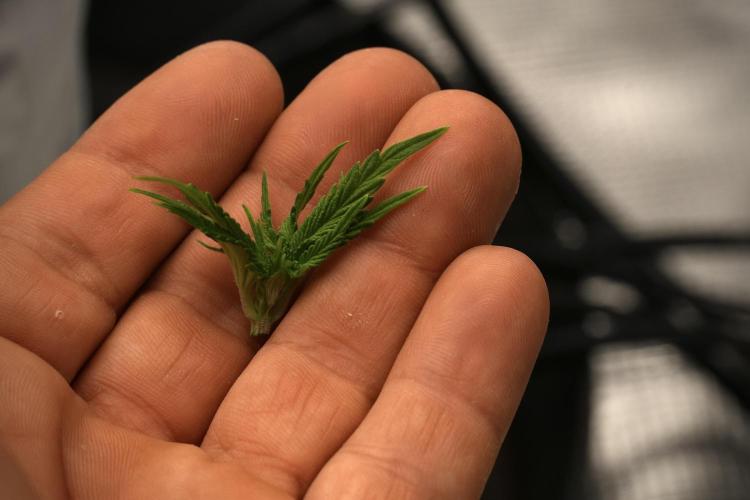
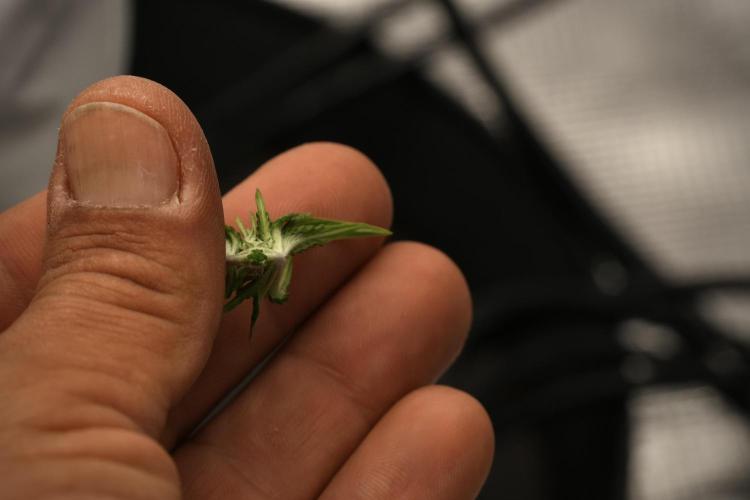
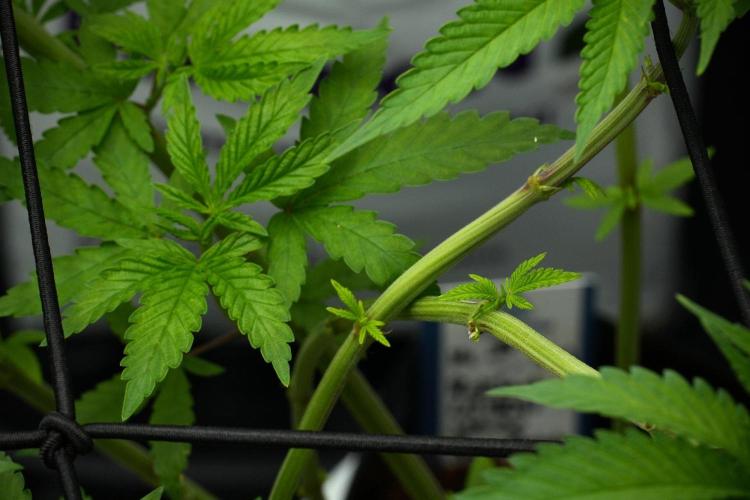
Deze week markeerde het begin van de trainingsreis van deze plant met zijn allereerste topping.
⸻
Omgeving
De omstandigheden bleven gedurende de week extreem stabiel.
• 🌡️ Dag temperatuur: 27°C
• 🌙 Nacht temperatuur: 25°C
• 💧 Relatieve luchtvochtigheid: 67%
• 🥥 Wortelzone temperatuur: 24°C
• 💦 Voedingsoplossing: 18°C
• ⚡ EC: 1.61 mS/cm
• pH: 5.8
• 💨 CO₂: Ambient (~450 ppm)
• ☀️ Lichtschema: 18/6
De voedingssterkte werd iets verhoogd om aan te sluiten bij de versnellende vegetatieve groei van de planten. De Pickle Lemon Haze accepteerde de sterkere voeding zonder tekenen van stress of voedingsverbranding te vertonen, wat aangeeft dat de wortels goed zijn gevestigd in de Plagron Premium Growbag.
⸻
De Genetica Blijft Indruk Maken
Eén ding dat meteen opvalt bij dit fenotype is de prachtige structuur.
De internodale afstand blijft compact terwijl de zijtakken gelijkmatig blijven ontwikkelen. De stam is de afgelopen dagen aanzienlijk verdikt, wat de hele plant een stevige uitstraling geeft ondanks zijn relatief jonge leeftijd.
Net als zijn buren in de tent, blijft het loof die lichtere tint groen vertonen die ik bij alle vier de planten heb gezien. Aangezien elke genetica precies dezelfde kleur vertoont onder identieke voeding, omgeving en irrigatie, geloof ik dat dit gewoon is hoe deze jonge planten zich uitdrukken in plaats van dat het een voedingsprobleem aangeeft.
De groei blijft krachtig, de bladeren staan trots naar het licht gericht, en elke dag verschijnt er verse groei.
Precies wat we graag zien.
⸻
Tijd om te Toppen
Deze week heb ik de beslissing genomen om deze plant te toppen.
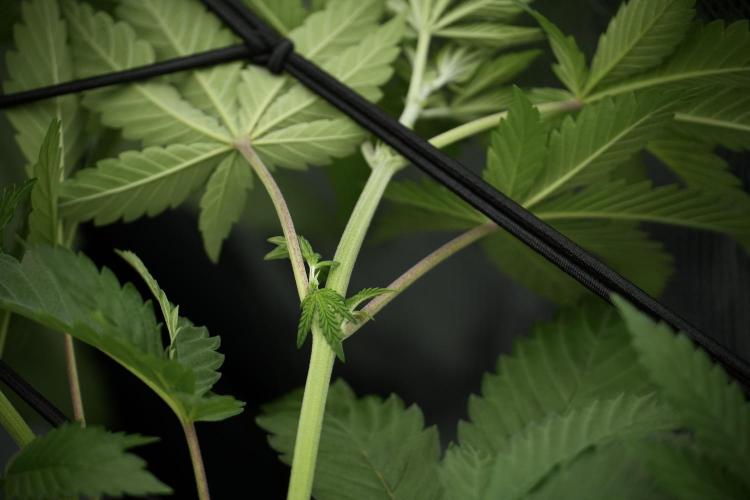
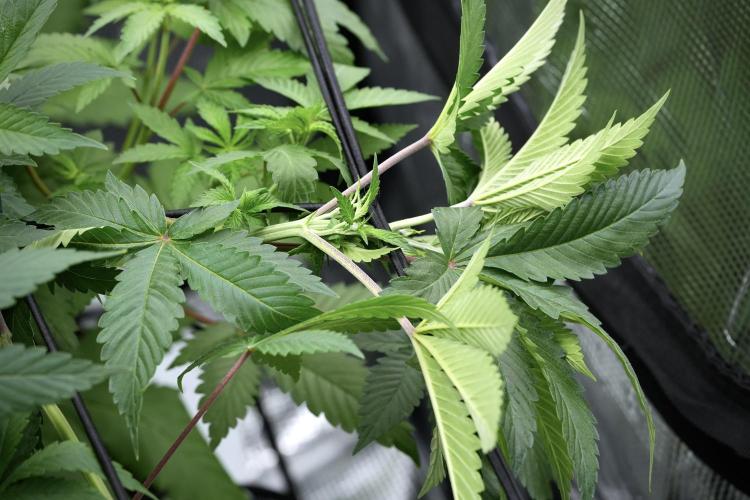
In tegenstelling tot low-stress training, verwijdert topping opzettelijk de primaire groeipunt van de plant. Door dit te doen, wordt de apicale dominantie onderbroken en leidt de plant zijn energie naar de laterale takken.
In plaats van één dominante centrale cola te produceren, heeft de plant nu de kans om twee even krachtige hoofdtakken te ontwikkelen, wat later in het leven zorgt voor een veel bredere en meer gebalanceerde bladerdak.
De snede zelf was schoon, snel, en uitgevoerd boven de geselecteerde knoop, waardoor gezonde groeipunten klaar zijn om het over te nemen.
Nu komt het belangrijke deel.
Topping gaat niet over wat er onmiddellijk na het maken van de snede gebeurt.
Het gaat over wat er in de week daarna gebeurt.
In de komende dagen zal ik zorgvuldig kijken hoe snel beide nieuwe toppen beginnen te versnellen. Als alles gaat zoals verwacht, zouden die twee takken binnenkort de nieuwe leiders moeten worden terwijl de lagere zijtakken ook verhoogde hormonale signalen ontvangen, wat een veel bushachtigere structuur creëert.
Voor een project als dit—waarbij elke plant individueel wordt gedocumenteerd—is het altijd fascinerend om getopte planten te vergelijken met ongeschonden planten die onder identieke omstandigheden zijn gekweekt.
Soms creëren de kleinste beslissingen de grootste verschillen op de oogstdag.
⸻
Herstel
Het beste deel?
De plant reageerde nauwelijks.
Binnen een korte periode was de verse groei al hervat, en het resterende loof bleef perfect turgide zonder te hangen of tekenen van stress te vertonen.
Gezonde wortels, stabiele omgevingsomstandigheden en consistente irrigatie maken het verschil bij het uitvoeren van high-stress technieken zoals topping.
Een gezonde plant herstelt opmerkelijk snel.
⸻
Vooruitkijkend
Volgende week zou spannend moeten zijn.
Ik zal letten op de vorming van de twee nieuwe dominante toppen terwijl ik, indien nodig, blijf zorgen voor een zachte bladerdakbeheer. Naarmate de vegetatieve groei versnelt, zal de structuur die door deze topping is gecreëerd zich beginnen te onthullen.
Dit is een van mijn favoriete momenten in de groei—het zien van een plant die volledig zijn architectuur verandert na een enkele snede.
De basis is nu gelegd.
Alles vanaf hier zal daarop voortbouwen.
⸻
Laatste Gedachten
Ondanks een onverwachte overstroming binnen de tent, werd deze week weer een succesvol hoofdstuk.
De omgevingsparameters bleven stabiel, de opname van voedingsstoffen bleef verbeteren, de plant accepteerde het sterkere voedingsschema zonder aarzeling, en de eerste topping werd succesvol uitgevoerd.
Elke week blijven deze genetica me meer vertrouwen geven, en ik kan eerlijk gezegd niet wachten om te zien hoe deze Pickle Lemon Haze F1 zich ontwikkelt zodra beide nieuwe leiders beginnen te strekken naar het licht.
Het avontuur begint pas echt.
Heel erg bedankt allemaal voor het volgen.
Jullie steun, opmerkingen, advies en aanmoediging maken het documenteren van deze groei nog waardevoller. Ik hoop echt dat deze wekelijkse updates andere kwekers helpen iets nieuws te leren terwijl ze samen met mij van de reis genieten.
Een enorme dank gaat uit naar Zamnesia voor de ongelooflijke genetica en het complete ecosysteem, Plagron voor het perfect voeden van deze dames in coco, en iedereen die dit dagboek van over de hele wereld volgt.
Growers Love en tot volgende week! 💚🌱
⸻
P.S. Een laatste shout-out moet naar het Zamnesia-ecosysteem zelf gaan. Hoe dramatisch de overstroming er in het begin ook uitzag, de Zamnesia tentbak bewees precies waarom het deel uitmaakt van de opstelling. Elke druppel water bleef veilig binnen de tent, zonder dat er iets op de vloer lekte. Wat een veel grotere rommel had kunnen worden, eindigde als niets meer dan het drogen van de bak, het oplossen van het probleem en doorgaan met de groei. Momenten als deze herinneren ons eraan dat geweldige apparatuur niet alleen gaat om het leven gemakkelijker te maken op goede dagen—het gaat erom de dag te redden wanneer er iets onverwachts gebeurt. Enorme dank aan Zamnesia voor het ontwerpen van een ecosysteem dat klaar is voor de echte wereld van het kweken. 💙🌱
9 houdt van
opmerkingen
Share
Used techniques
HST
Techniek
Topping
Techniek
4
Week 4. Vegetatie
2mo ago
1/30
50 cm
Height
18 uur
Light Schedule
27 °C
Day Air Temp
5.8
pH
Geen Geur
Smell
940 PPM
TDS
67 %
Air Humidity
18 °C
Solution Temp
24 °C
Substrate Temp
25 °C
Night Air Temp
8 liters
Pot Size
0.9 liters
Watering Volume
450 PPM
CO₂-niveau
Nutrients 5
Hydro A
1.8 mll
Hydro B
1.8 mll
Hydro Roots
1 mll
DogDoctorOfficial 🥒 Project Blue Tent – Week 4
Pickle Lemon Haze F1 – Pheno A (Map 14A)
Hallo iedereen, en welkom terug bij een nieuwe update van Project Blue Tent! 💙🌱
Voor iedereen die deze reis voor het eerst volgt, dit project volgt vier individuele planten, elk gedocumenteerd in hun eigen dagboek van zaad tot oogst. Hoewel elke plant exact dezelfde omgeving, voedingsstoffen, verlichting en zorg deelt, krijgt elke plant de kans om zijn eigen unieke verhaal te vertellen en te onthullen hoe zijn genen zich uitdrukken.
Vandaag halen we Pickle Lemon Haze F1 – Plant A in.
⸻
🌱 Week Vier – Herstel en Nieuwe Beginnen
Vorige week markeerde een belangrijke mijlpaal toen Plant A haar allereerste topping kreeg.
Deze week draaide echter alles om geduld.
Na het uitvoeren van een high-stress trainingstechniek geef ik de plant altijd de tijd om te herstellen voordat ik meer van haar vraag. In plaats van door te gaan met extra training, laat ik de natuur zijn werk doen terwijl ik zorgvuldig observeer hoe ze reageert.
Soms is het beste wat een kweker kan doen... niets.
Als ik haar nu bekijk, kan ik met zekerheid zeggen dat ze die beslissing waardeerde.
Het herstel is uitstekend geweest.
De twee nieuwe leidende scheuten hebben snel de overhand genomen, de groei is krachtig gebleven door de hele plant, en de zijtakken duwen nu met veel meer vastberadenheid dan voorheen. De verandering in architectuur wordt al duidelijk, met de bladerdak dat natuurlijk begint te verbreden terwijl de plant zijn energie afleidt van een enkele dominante top.
Het is altijd lonend om zo'n dramatische transformatie te zien van één kleine snede.
⸻
🌡️ Omgevingsomstandigheden
Consistentie blijft een van de grootste prioriteiten binnen Project Blue Tent.
Stabiele omgevingsomstandigheden stellen de planten in staat om snel te herstellen van training terwijl ze continue vegetatieve groei aanmoedigen.
Gemiddelde omstandigheden deze week waren:
• 🌡️ Dagtemperatuur: 27°C
• 🌙 Nachttemperatuur: 25°C
• 💧 Relatieve luchtvochtigheid: 67%
• 🥥 Wortelzone temperatuur: 24°C
• 💦 Voedingsoplossing: 18°C
• ⚗️ pH: 5.8
• ⚡ EC: 1.88 mS/cm
• 💨 CO₂: ongeveer 450 ppm
• 💡 Lichtschema: 18/6
Met de Phytonaut LED die een gelijkmatige spreiding over het bladerdak biedt, blijven de planten alle energie ontvangen die ze nodig hebben terwijl ze compacte internodale afstand en gezonde vegetatieve groei behouden.
⸻
🥥 Voedingsaanpassingen
Zoals eerder vermeld in de updates, ontwikkelden alle vier de planten een iets lichtere tint groen in de afgelopen weken.
Hoewel hun houding uitstekend bleef en de groei nooit vertraagde, had ik het gevoel dat ze om net iets meer voeding vroegen.
In plaats van te wachten tot er tekorten verschenen, verhoogde ik de basisvoeding iets.
De huidige voeding bestaat nu uit:
• Plagron Hydro A — 1.8 ml/L
• Plagron Hydro B — 1.8 ml/L
• Plagron Hydro Roots — 1 ml/L
Aan het einde van deze week begon ik al een rijkere, gezondere groene kleur terug te zien in het nieuwste loof door de hele tent, wat suggereert dat de aanpassing precies was wat de planten vroegen.
Een van de dingen die ik echt leuk vind aan het kweken in coco is hoe snel de planten reageren op kleine, gemeten veranderingen.
⸻
🌿 Pickle Lemon Haze F1 – Plant A
Dit fenotype blijft me elke week imponeren.
Het herstel na de topping is opmerkelijk soepel verlopen, en het is al duidelijk dat de plant is overgestapt naar een volledig ander groeipatroon.
De twee nieuwe hoofdlijders ontwikkelen zich prachtig, terwijl de lagere takken versnellen nu ze meer energie ontvangen dan ze normaal gesproken zouden krijgen onder normale apicale dominantie.
In plaats van omhoog te groeien door één dominante stam, begint de plant nu zich naar buiten te verspreiden, waardoor het brede, evenwichtige kader ontstaat dat ik hoop te bouwen voordat ik later in de groei de SCROG introduceer.
De stelen blijven mooi dikken, de internodale afstand blijft strak, en het loof heeft de hele week een uitstekende houding behouden.
Hoewel ze nog steeds die iets lichtere tint groen draagt, is de verbetering in kleur van de afgelopen dagen al merkbaar, en haar algehele houding vertelt het echte verhaal.
Bladeren bidden naar het licht.
De groei is continu.
De plant ziet er gewoon gelukkig uit.
⸻
🔍 Vooruitkijkend
Volgende week zou weer een spannende stap vooruit moeten zijn.
Met de topping nu volledig hersteld, verwacht ik dat beide nieuwe leiders agressiever gaan rekken terwijl de zijtakken het bladerdak blijven vullen.
Voor nu blijf ik de plant natuurlijk laten ontwikkelen, onnodige stress vermijden en haar structuur gewoon in de gaten houden terwijl ze zich voorbereidt op de volgende fase van vegetatieve groei.
Elke week onthullen deze genen een beetje meer van hun persoonlijkheid, en Plant A wordt precies het soort bossige, goed uitgebalanceerde plant dat ik hoopte te creëren.
⸻
💙 Dank U
Een enorme dank gaat uit naar Zamnesia voor het mogelijk maken van Project Blue Tent, van deze fantastische Pickle Lemon Haze F1-genen tot het complete ecosysteem rondom deze groei.
Een oprechte dank ook aan Plagron voor het leveren van de Premium Coco Growbags samen met de Hydro-voedingslijn die gezonde groei blijft ondersteunen bij elke stap van de weg.
Dank aan GrowDiaries voor het bieden van een plek waar kwekers van over de wereld hun reizen kunnen documenteren, ervaringen kunnen delen en van elkaar kunnen blijven leren.
En tot slot, dank aan iedereen die meeleest.
Of je nu hier bent sinds de ontkieming, deze dagboeken recent hebt ontdekt, elke week reacties achterlaat, stil op de achtergrond volgt, of gewoon geniet van het kijken naar deze dames terwijl ze groeien, je steun betekent echt veel.
Project Blue Tent gaat over het delen van de volledige reis—de successen, de lessen, de experimenten, en alles daartussenin.
Ik hoop dat jullie allemaal een geweldige week hebben, en ik kijk ernaar uit jullie weer te zien in de volgende update terwijl deze prachtige dames hun avontuur voortzetten.
Tot de volgende keer...
Kwekersliefde, gelukkig kweken, en zorg goed voor jezelf iedereen! 🌱💙
9 houdt van
2 opmerkingen
Share
5
Week 5. Vegetatie
1mo ago
1/30
69 cm
Height
18 uur
Light Schedule
30 °C
Day Air Temp
5.8
pH
Geen Geur
Smell
960 PPM
TDS
58 %
Air Humidity
18 °C
Solution Temp
24 °C
Substrate Temp
25 °C
Night Air Temp
8 liters
Pot Size
1.2 liters
Watering Volume
450 PPM
CO₂-niveau
Nutrients 5
Hydro A
1.9 mll
Hydro B
1.9 mll
Hydro Roots
1 mll
DogDoctorOfficial 🥒 Project Blue Tent – Week 5
Pickle Lemon Haze F1 – Pheno A (Map 14A)
Hallo allemaal, en welkom terug bij een nieuwe update van Project Blue Tent! 💙🌱
Als dit je eerste keer is dat je langskomt, welkom!
Project Blue Tent volgt vier individuele planten, die elk gedocumenteerd worden in hun eigen speciale dagboek van zaad tot oogst. Elke plant krijgt exact dezelfde omgeving, voedingsstoffen, verlichting, irrigatie en zorg, waardoor we kunnen observeren hoe elk fenotype zijn eigen unieke persoonlijkheid uitdrukt, ondanks dat ze identieke omstandigheden delen.
Deze week markeert weer een spannende mijlpaal voor Pickle Lemon Haze F1 – Plant A.
Na een prachtige herstelperiode van het toppen, was het eindelijk tijd om een van mijn favoriete trainingstechnieken te installeren...
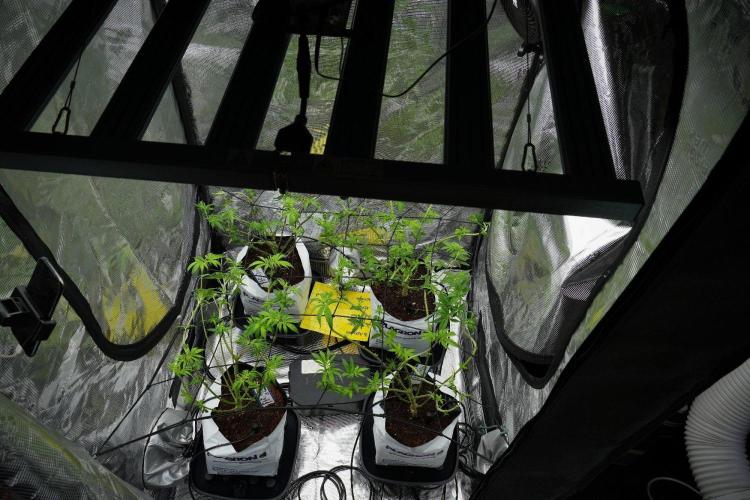
Het SCROG-net.
🌿 Week Vijf – Het Canopy Begint
Deze week ging het minder om verticale groei en meer om het vormen van de toekomst.
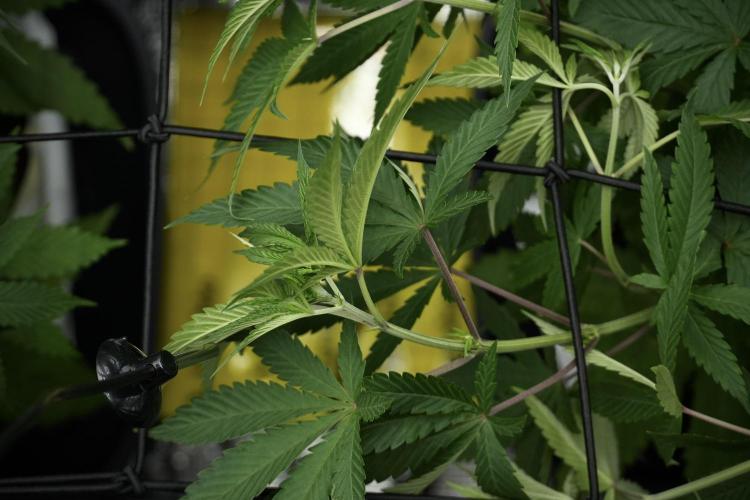
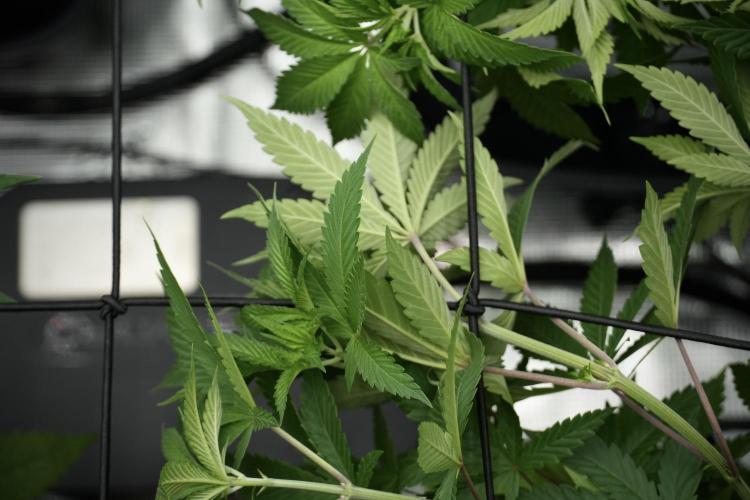
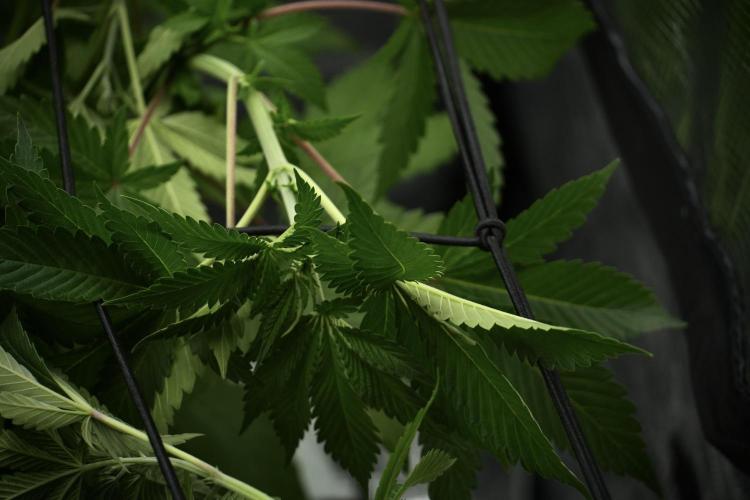
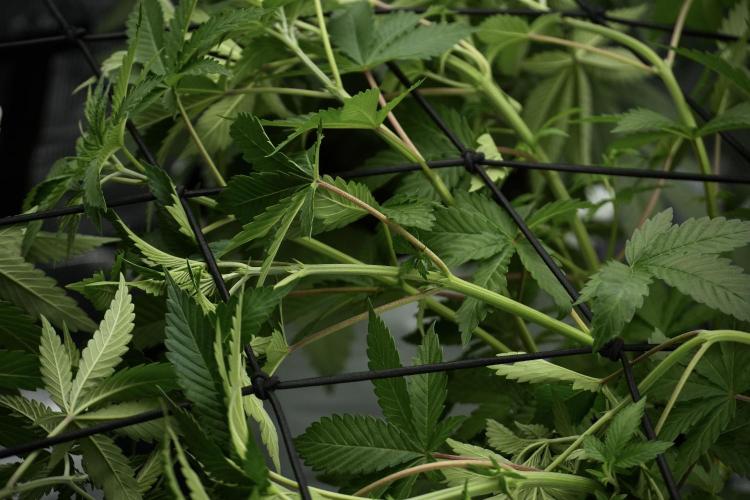
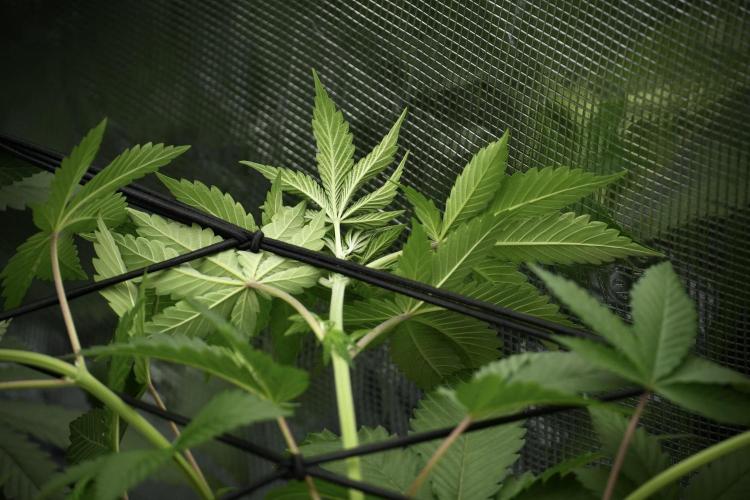
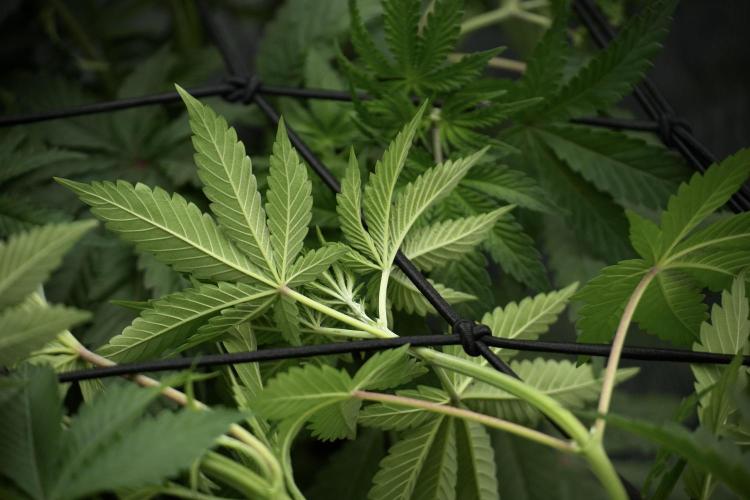
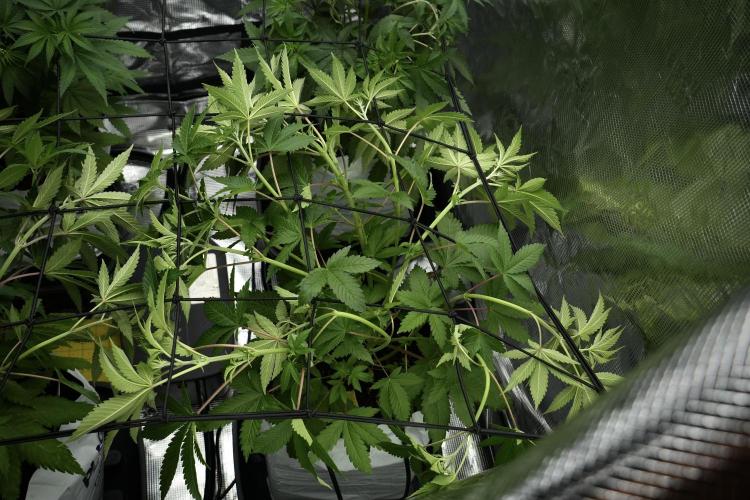
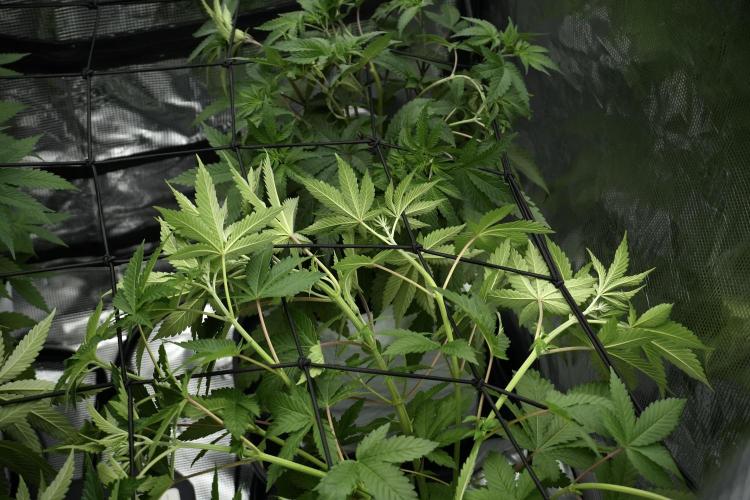
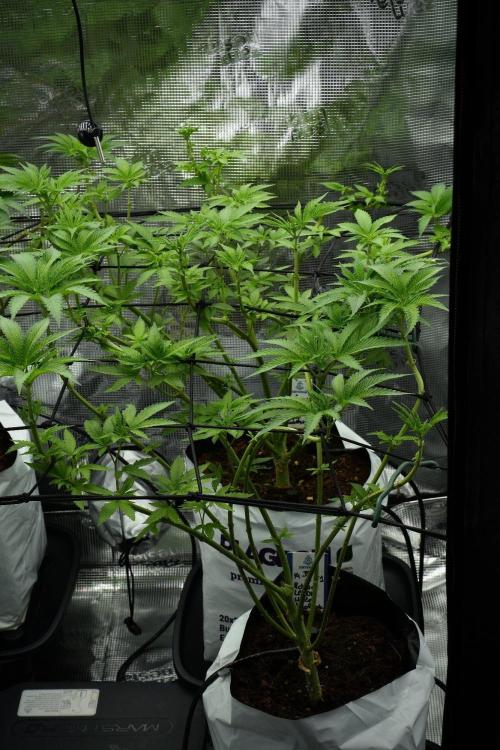
Met de plant die volledig hersteld was van het toppen en sneller groeide dan de anderen in de tent, besloot ik dat het perfecte moment was om het SCROG-net te installeren en het bladerdak te beginnen spreiden.
Plant A bevestigde onmiddellijk mijn vermoeden.
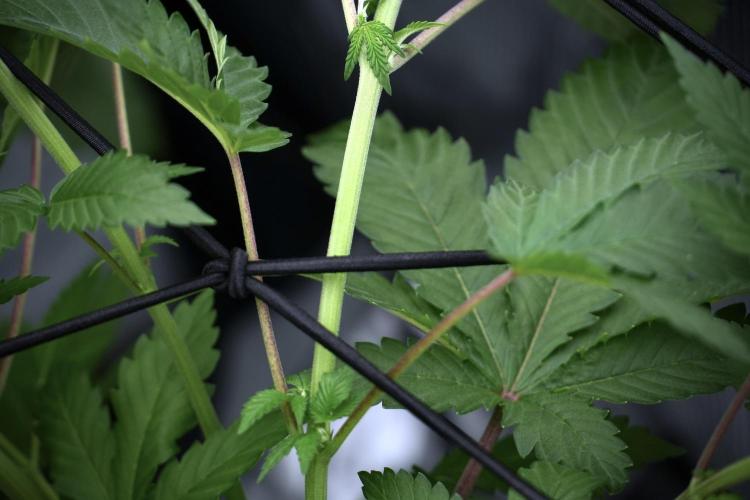
Ze is de meest krachtige plant in de kamer geworden. Terwijl de andere dames comfortabel onder het scherm zaten, leek dit fenotype bijna gretig te willen ontsnappen. Elke tak wilde blijven groeien, dus werd het doel deze week om die energie voorzichtig zijwaarts te begeleiden.
Eén tak tegelijk. Eén vierkant tegelijk.
Niets geforceerd.
Niets gehaast.
SCROG is heel erg een dagelijkse conversatie met de plant in plaats van een eenmalige trainingssessie.
Als ik haar vandaag bekijk, heb ik al het gevoel dat ze de grootste ruimte van het bladerdak zal innemen.
Alleen de tijd zal het leren, maar ze maakt zeker een sterke zaak voor zichzelf.
🕸️ Wat is een SCROG?
SCROG staat voor Screen of Green, en ondanks de naam ondersteunt het net zelf de knoppen niet.
Het primaire doel is om de vorm van de plant te beheersen.
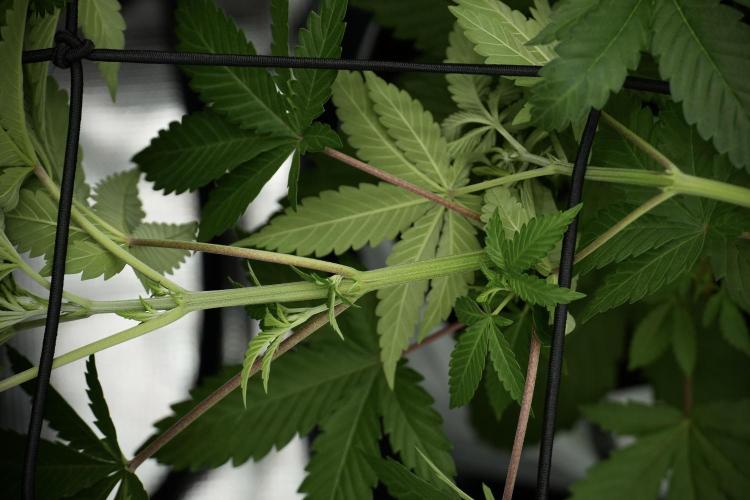
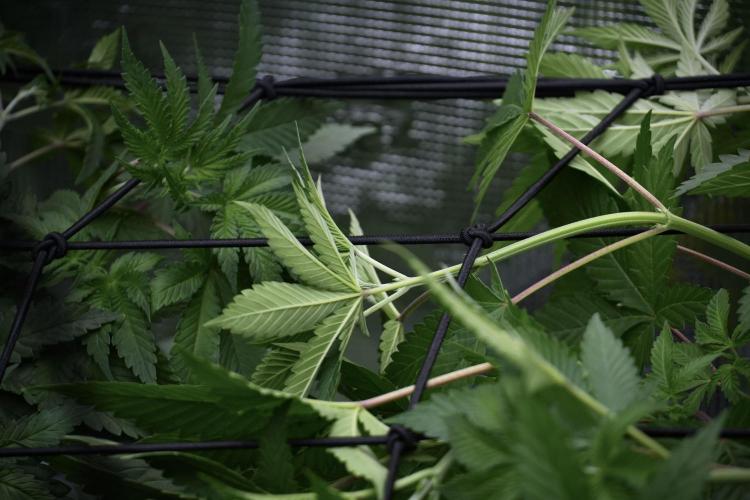
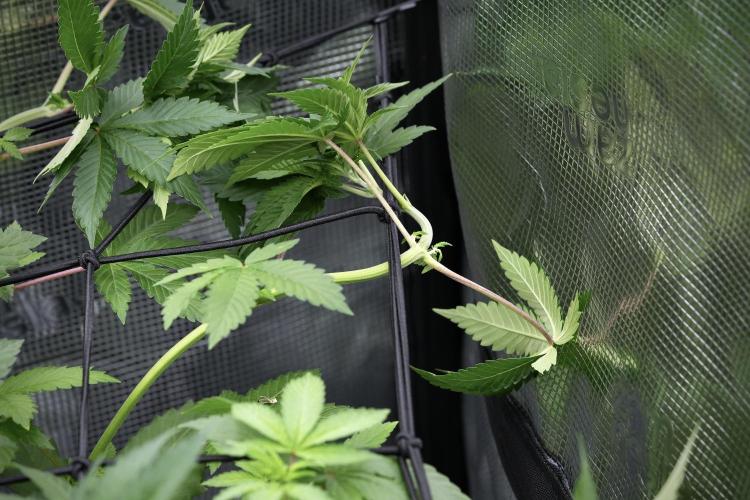
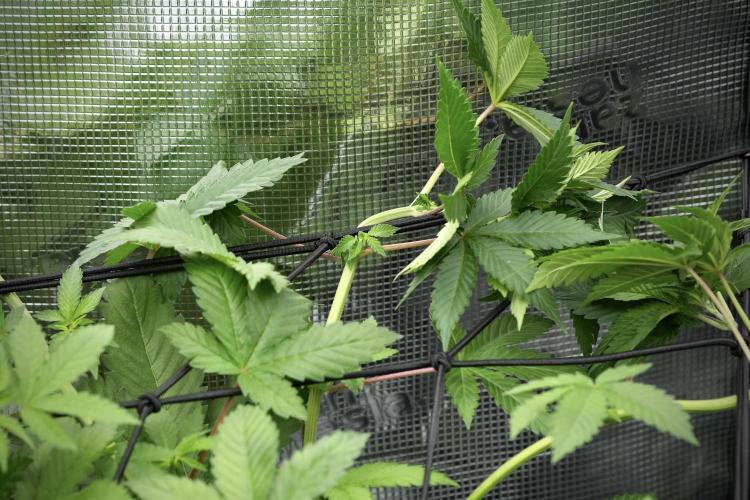
In plaats van één dominante top te laten groeien die hoger is dan de rest, worden de takken voorzichtig horizontaal onder het scherm geleid. Zodra elke tak een nieuwe opening bereikt, wordt deze voorzichtig in het volgende vierkant gestopt, waardoor de plant wordt aangemoedigd om zich over de beschikbare ruimte te verspreiden in plaats van simpelweg naar het licht te reiken.
Het resultaat is een platter, gelijkmatiger bladerdak waar veel groeipunten een vergelijkbare lichtintensiteit ontvangen.
In plaats van één grote cola en veel kleinere die eronder verborgen zijn, wordt de plant aangemoedigd om tientallen even productieve bloeiplaatsen te creëren.
Het is een van de meest effectieve manieren om de licht efficiëntie in kleinere tenten te maximaliseren.
🤔 Is SCROG voor iedereen?
Niet noodzakelijk.
Een belangrijk ding dat veel nieuwe telers zich niet realiseren, is dat zodra de plant in het scherm is geweven, het verplaatsen ervan extreem moeilijk wordt.
Moet je de pot verwijderen?
Bijna onmogelijk.
Wil je de plant draaien?
Niet meer.
Moet je het ergens anders naartoe dragen?
Vergeet het maar.
De plant wordt in wezen een onderdeel van de tent.
Voor telers die hun planten vaak verplaatsen voor onderhoud, water geven of fotografie, kan SCROG snel frustrerend worden.
Persoonlijk gebruik ik het niet bij elke kweek.
Maar in compacte setups zoals deze Project Blue Tent, waar elke vierkante centimeter telt, vind ik het absoluut geweldig om ermee te werken.
Er is iets ongelooflijk bevredigends aan het dagelijks bezoeken van de tent, voorzichtig een paar takken begeleiden, kijken hoe lege ruimtes langzaam verdwijnen, en zien hoe het bladerdak elke dag vlakker en gelijkmatiger wordt.
Het is niet een techniek waar iedereen verliefd op zal worden...
Maar het is zeker een die ik elke teler aanraad om minstens één keer te proberen.
Alleen door het te ervaren kun je beslissen of het de juiste stijl voor jouw eigen tuin is.
🌡️ Omgevingsomstandigheden
Deze week bleef de omgeving stabiel, waardoor de planten zich volledig konden concentreren op het herstellen van de training en het voortzetten van een krachtige vegetatieve groei. Gemiddelde omstandigheden waren:
• 🌡️ Dagtemperatuur: 30°C
• 🌙 Nachttemperatuur: 25°C
• 💧 Relatieve luchtvochtigheid: 58%
• 🥥 Wortelzone temperatuur: 24°C
• 💦 Voedingsoplossing: 18°C
• ⚗️ pH: 5.8
• ⚡ EC: 1.92 mS/cm
• 💨 CO₂: ongeveer 450 ppm
• 💡 Lichtschema: 18/6
Zelfs met iets warmere dagtemperaturen deze week, hebben de planten uitstekende vitaliteit blijven tonen dankzij stabiele worteltemperaturen, consistente irrigatie en gezonde luchtstroom door de tent.
🥥 Voedingsupdate
Een observatie van de afgelopen weken was de iets lichtere groene tint over alle vier de planten.
Hoewel ze gezond bleven en doorgingen met groeien zonder te vertragen, had ik het gevoel dat ze om net iets meer voedsel vroegen.
In plaats van te wachten tot er tekorten ontstaan, heb ik een kleine aanpassing aan de voedingsoplossing gemaakt.
De huidige voeding bestaat nu uit:
• Plagron Hydro A — 1.9 ml/L
• Plagron Hydro B — 1.9 ml/L
• Plagron Hydro Roots — 1 ml/L
Deze kleine verhoging heeft al een merkbaar verschil gemaakt.
De verse groei keert terug naar een rijkere groene tint terwijl het krachtige postuur dat ik gedurende het project heb gezien behouden blijft.
Een van de dingen die ik blijf waarderen aan het kweken in coco is hoe snel planten met je communiceren. Kleine aanpassingen leveren vaak zichtbare verbeteringen op binnen slechts een paar dagen, waardoor het veel gemakkelijker wordt om de voeding fijn te stellen voordat kleine problemen groter worden.
🌿 Pickle Lemon Haze F1 – Plant A
Dit fenotype blijft de indruk versterken die ze me sinds het begin heeft gegeven.
Ze is krachtig.
Responsief.
En vol energie.
Zelfs nadat ze onder het SCROG-net is gebogen, lijkt elke tak vastbesloten om omhoog te blijven duwen, wat precies het soort gedrag is dat ik hoopte te zien voordat we de volgende fase van vegetatieve groei ingaan.
De stelen blijven prachtig verdikken, waardoor het trainingsproces veel gemakkelijker wordt dan het zou zijn geweest met zwakkere groei.
De internodale afstand blijft compact, het loof is gezond, en de plant heeft elke stress die ik tot nu toe heb geïntroduceerd zonder problemen doorstaan.
In deze fase voelt ze al aan als een plant die veel ruimte zal eisen.
Of ze uiteindelijk de dominante dame in Project Blue Tent wordt, moet nog blijken, maar ze maakt zeker haar bedoelingen duidelijk.
🔍 Vooruitkijken
In de komende week zal de focus precies blijven waar deze hoort te zijn.
Geen haast. Geen onnodige stress.
Gewoon doorgaan met het voorzichtig onder het SCROG-scherm stoppen van nieuwe groei terwijl het bladerdak zich natuurlijk over elke beschikbare vierkante centimeter verspreidt.
Ik ben benieuwd hoe elk fenotype reageert op deze nieuwe trainingstijl.
Sommige planten omarmen SCROG van nature.
Anderen vechten er elke stap tegen.
Dat is een van de redenen waarom ik het leuk vind om projecten zoals deze te documenteren.
Elke week leren de planten ons iets nieuws.
En ik heb het gevoel dat Pickle Lemon Haze F1 – Plant A nog veel meer te onthullen heeft.
💙 Dank U
Een enorme dank aan Zamnesia voor het mogelijk maken van Project Blue Tent, van deze fantastische Pickle Lemon Haze F1-genetica tot het complete ecosysteem rondom deze kweek.
Een oprechte dank aan Plagron voor het leveren van de Premium Growbags samen met de Hydro voedingslijn, die consistente voeding biedt en deze planten week na week laat gedijen.
Een oprechte dank ook aan Phytonaut voor de uitstekende LED-verlichting die blijft zorgen voor compacte groei, uitstekende structuur en een ongelooflijk gelijkmatig bladerdak in de tent.
Dank aan GrowDiaries voor het bieden van een plek aan telers over de hele wereld om hun reizen te documenteren, kennis uit te wisselen en elkaar elke dag te inspireren.
En tot slot...
Dank u voor het volgen.
Of je nu hier bent sinds de ontkieming, onlangs bij het avontuur bent gekomen, elke week opmerkingen achterlaat, of deze updates stilletjes vanuit de achtergrond volgt, jouw steun betekent echt de wereld voor mij.
Project Blue Tent gaat niet alleen om het kweken van geweldige planten.
Het gaat om het delen van de hele ervaring—de experimenten, de lessen, de successen, de fouten, en alles wat we samen onderweg leren.
Ik hoop dat jullie allemaal een geweldige week hebben, en ik kan niet wachten om jullie te laten zien hoe dit bladerdak zich de komende dagen ontwikkelt.
Tot de volgende keer...
Growers Love, gelukkig kweken, en zorg goed voor jezelf iedereen! 🌱💙
12 houdt van
opmerkingen
Share
Used techniques
ScrOG
Techniek
6
Week 6. Vegetatie
1mo ago
1/30
60 cm
Height
18 uur
Light Schedule
30 °C
Day Air Temp
5.8
pH
Geen Geur
Smell
960 PPM
TDS
58 %
Air Humidity
18 °C
Solution Temp
24 °C
Substrate Temp
25 °C
Night Air Temp
8 liters
Pot Size
1.2 liters
Watering Volume
450 PPM
CO₂-niveau
Nutrients 5
Hydro A
1.9 mll
Hydro B
1.9 mll
Hydro Roots
1 mll
DogDoctorOfficial 🥒 Project Blue Tent – Week 6
Pickle Lemon Haze F1 – Pheno A (Map 14A)
Hallo iedereen, en welkom terug bij een nieuw hoofdstuk van Project Blue Tent! 💙🌱
Als dit je eerste keer is dat je bij het avontuur aansluit, welkom!
Project Blue Tent volgt vier individuele planten, elk gedocumenteerd in hun eigen speciale dagboek van zaad tot oogst. Elke plant deelt exact dezelfde omgeving, verlichting, irrigatieschema, voeding en zorg. Door elke omgevingsvariabele zo consistent mogelijk te houden, kunnen we echt waarderen hoe elke fenotype zijn eigen unieke persoonlijkheid uitdrukt terwijl het ook de opmerkelijke stabiliteit van moderne F1-genetica laat zien.
Vandaag kijken we naar Pickle Lemon Haze F1 – Plant A.
────────────────────────
🌱 Week Zes – Een Canopy Die Samenkomt
Deze week draaide helemaal om verfijning.
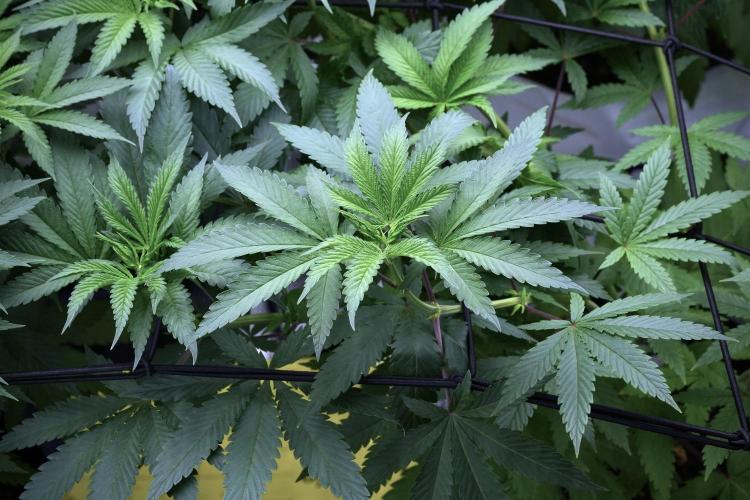
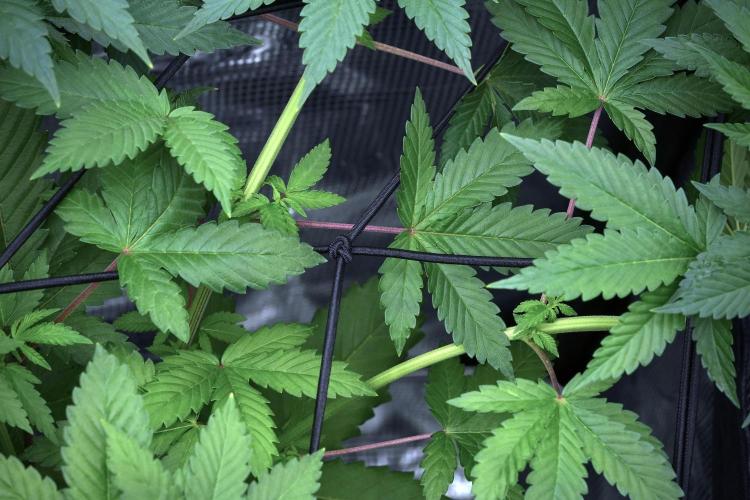
In plaats van verticale groei na te jagen, is de focus volledig verschoven naar het bouwen van de breedste en meest gelijkmatige canopy mogelijk. Elke dag brengt een beetje meer vooruitgang terwijl takken de SCROG-net blijven vullen, geleidelijk vier individuele planten transformerend in één uniforme zee van groen.
Een kleine verandering vergeleken met het rapport van vorige week is de officiële hoogte van de canopy.
Hoewel Plant A eerder ongeveer 66 cm meet, heb ik het SCROG-net over de hele tent verlaagd en aangescherpt. Als gevolg hiervan zitten alle vier de planten nu op ongeveer 60 cm, waarbij elke centimeter nieuwe groei horizontaal door het scherm wordt geleid in plaats van omhoog.
Dat is precies het doel in deze fase.
We proberen niet langer hogere planten te laten groeien.
We laten een grotere canopy groeien.
Elke tak die vandaag zijwaarts wordt geleid, zal morgen een andere goed gepositioneerde bloeipunt worden.
────────────────────────
🌿 Pickle Lemon Haze F1 – Plant A
Plant A blijft me elke dag weer imponeren.
Ze blijft de meest krachtige plant binnen de Blue Tent, en reageert op elke training met explosieve nieuwe groei.
Zelfs na het toppen en nu haar dagen door te brengen onder het SCROG-net, weigert ze gewoon om langzamer te worden. Elke tak lijkt gretig te zijn om naar de volgende opening te reiken, waardoor de dagelijkse trainingsroutine zowel leuk als ongelooflijk belonend is.
De internodale afstand blijft mooi en compact, de stelen blijven dikker worden, en haar loof heeft een rijke, gezonde groene kleur ontwikkeld die me vertelt dat ze geniet van alles wat de omgeving biedt.
Een ding dat ik bijzonder waardeer is hoe goed ze kracht in balans houdt met flexibiliteit.
De takken worden stevig genoeg om toekomstige bloemen te ondersteunen terwijl ze flexibel genoeg blijven om zachtjes onder het scherm te worden geleid zonder te klagen.
Ze bewijst een absoluut genoegen te zijn om te trainen.
────────────────────────
🕸️ Werken met de SCROG
Naarmate de canopy zich ontwikkelt, wordt het SCROG-net meer dan alleen een trainingshulpmiddel.
Het helpt nu de hele structuur van de groei vorm te geven.
Elke dag besteed ik een paar minuten aan het voorzichtig leiden van takken in lege ruimtes, waardoor de plant natuurlijk kan uitbreiden in plaats van dat individuele toppen de canopy domineren.
Het is een verrassend ontspannend proces.
Geen agressief buigen.
Geen haast.
Gewoon kleine aanpassingen die consistent in de tijd worden gemaakt.
Het bekijken van die lege vierkanten die langzaam verdwijnen is een van mijn favoriete onderdelen van de vegetatieve groei, en deze week begint de Blue Tent echt op één uniforme canopy te lijken in plaats van vier aparte planten.
────────────────────────
🌡️ Blue Tent Omgeving
Consistentie blijft een van de grootste voordelen binnen de Blue Tent.
De gemiddelde omstandigheden gedurende de week bleven:
• 🌡️ Dagtemperatuur: 30°C
• 🌙 Nachttemperatuur: 25°C
• 💧 Relatieve Vochtigheid: 58%
• 🥥 Wortelzone Temperatuur: 24°C
• 💦 Voedingsoplossing Temperatuur: 18°C
• ⚗️ pH: 5.8
• ⚡ EC: 1.92 mS/cm
• 💨 CO₂: Ongeveer 450 ppm
• 💡 Lichtschema: 18/6
• 💧 Irrigatie: 1.2 liter per plant per dag
Deze stabiele omstandigheden blijven de planten in staat stellen zich volledig te concentreren op krachtige vegetatieve groei terwijl ze moeiteloos herstellen van training.
────────────────────────
🥥 Voeding & Irrigatie
Het voedingsschema blijft deze week ongewijzigd.
Soms, wanneer alles precies werkt zoals gepland, is de beste beslissing gewoon om consistent te blijven.
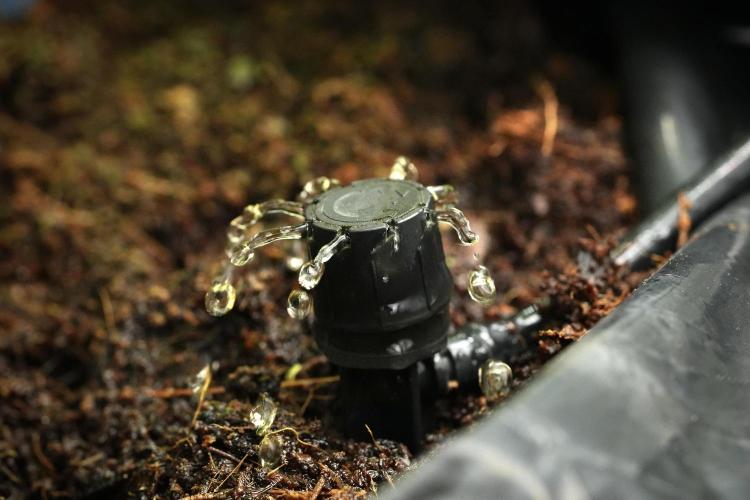
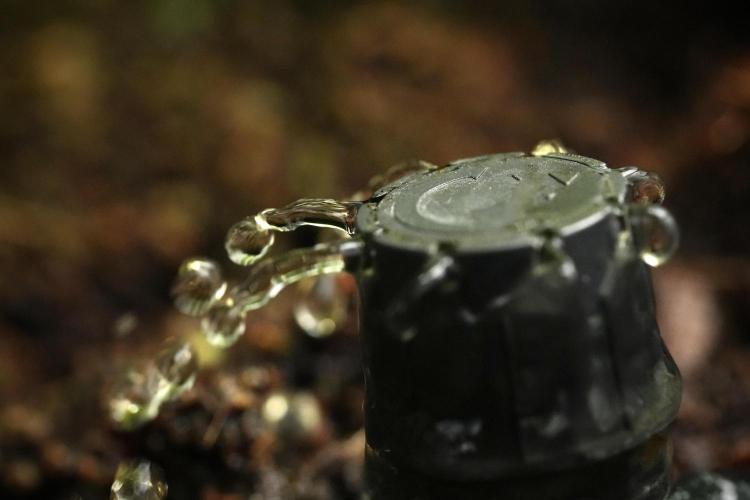
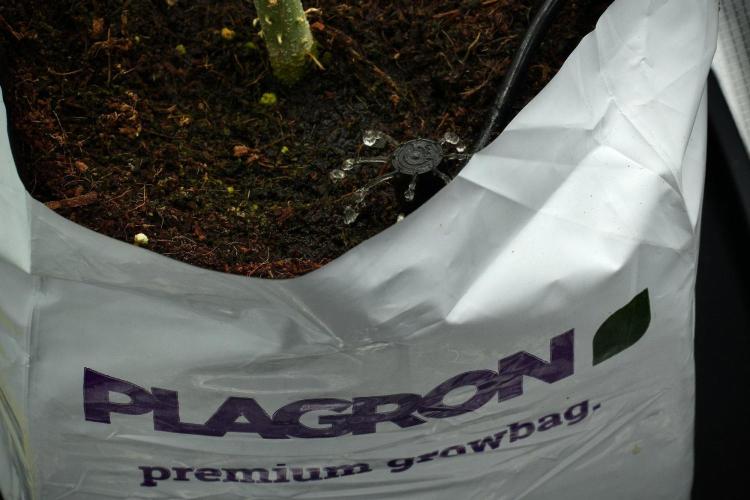
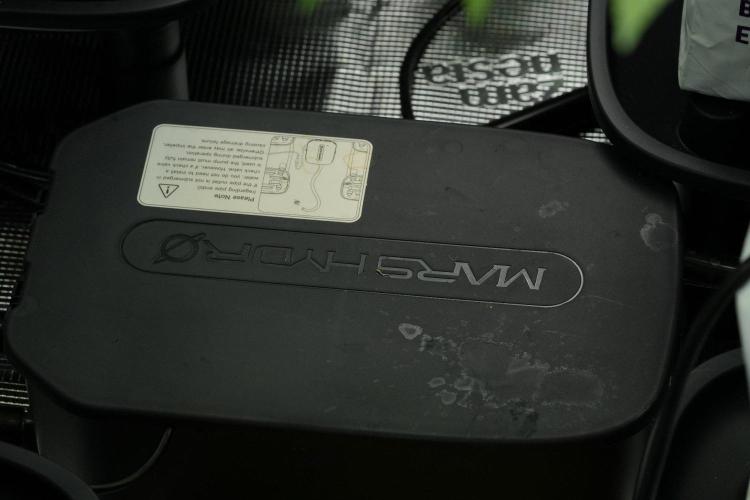
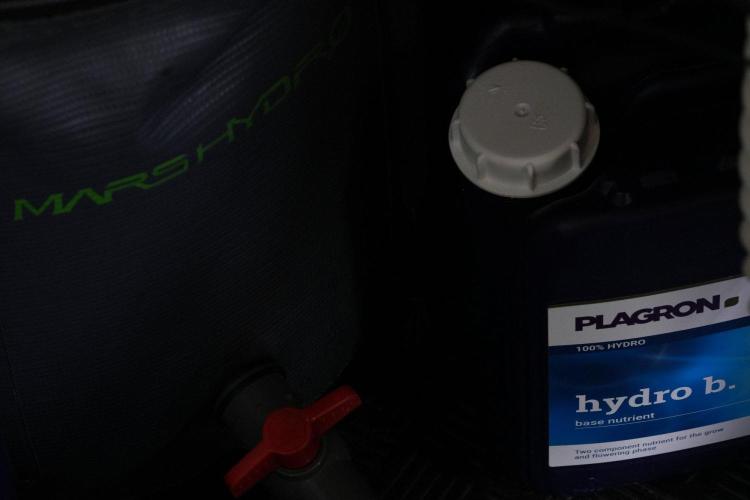
Elke plant blijft elke dag ongeveer 1.2 liter voedingsoplossing ontvangen via het automatische druppelirrigatiesysteem van Mars Hydro.
De langzame en consistente levering houdt de coco gelijkmatig vochtig terwijl het ervoor zorgt dat de wortels altijd toegang hebben tot verse voedingsstoffen.
Zodra de oplossing door het substraat gaat, verwijdert het automatische afvoersysteem het afval onder de kweekzakken, waardoor voorkomt dat oude voedingsoplossing zich ophoopt rond de wortelzone en helpt een schone, stabiele kweekomgeving te behouden.
Huidig voedingsschema:
• Plagron Hydro A — 1.9 ml/L
• Plagron Hydro B — 1.9 ml/L
• Plagron Hydro Roots — 1 ml/L
De rijke groene kleur over de canopy vertelt me dat de planten extreem blij zijn met dit voedingsregime, en voorlopig zie ik geen reden om aanpassingen te maken.
────────────────────────
🌿 Pickle Lemon Haze F1 – Plant A
Elke week versterkt dit fenotype dezelfde eerste indruk die ze me kort na de germinatie gaf.
Ze is energiek.
Zelfverzekerd.
En ongelooflijk responsief.
Ze herstelt niet gewoon van training.
Ze lijkt te gedijen dankzij de training.
De combinatie van krachtige takken, compacte internodale afstand en gezond loof creëert precies het soort plant dat ik hoopte te krijgen toen ik dit project begon.
Het wordt elke week gemakkelijker om je voor te stellen hoe productief ze zal zijn zodra de bloei begint.
────────────────────────
👀 Vooruitkijken
Het doel voor volgende week blijft prachtig eenvoudig.
Blijf de SCROG vullen.
Onderhoud de stabiele omgeving.
Blijf elke tak in zijn eigen ruimte leiden.
Geduld is de sleutel in deze fase.
Elke kleine aanpassing die nu wordt gemaakt, zal helpen een vlakker canopy te creëren, betere lichtverdeling en, hopelijk, een nog productievere bloeicyclus in de weken die komen.
De Blue Tent blijft precies de richting opgaan waar ik op hoopte, en ik kan niet wachten om te zien hoe deze dames samen de volgende stap zetten.
────────────────────────
💙 Dank U
Een enorme dank aan Zamnesia voor het mogelijk maken van Project Blue Tent, van deze ongelooflijke Pickle Lemon Haze F1-genetica tot het complete ecosysteem rond deze groei.
Een oprechte dank aan Plagron voor het leveren van de Premium Growbags samen met de Hydro voedingslijn die week na week blijft zorgen voor gezonde, krachtige groei.
Een speciale dank aan Phytonaut voor de uitstekende LED-verlichting, die compacte groei, mooie structuur en een ongelooflijk gelijkmatige canopy door de Blue Tent produceert.
Een oprechte dank aan Mars Hydro voor het automatische druppelirrigatie- en afvoersysteem dat consistentie, netheid en gemoedsrust aan dit hele project heeft gebracht.
Dank aan GrowDiaries voor het bieden van een plek voor kwekers over de hele wereld om hun reizen te documenteren, kennis uit te wisselen en elkaar elke dag te inspireren.
En tot slot...
Dank aan ieder van jullie die Project Blue Tent volgt.
Of je nu hier bent sinds het eerste zaadje is gekraakt, recent bij het avontuur bent gekomen, elke week reacties achterlaat of stilletjes op de achtergrond volgt, jullie steun betekent echt meer dan je weet.
De canopy wordt voller, de planten gedijen, en het avontuur wordt alleen maar spannender.
Tot volgende week...
Kwekersliefde, gelukkig groeien, en ik zie jullie allemaal snel. 🌱💙
12 houdt van
opmerkingen
Share
Used techniques
ScrOG
Techniek
7
Week 7. Vegetatie
8d ago
1/30
60 cm
Height
18 uur
Light Schedule
28 °C
Day Air Temp
5.8
pH
Geen Geur
Smell
960 PPM
TDS
65 %
Air Humidity
18 °C
Solution Temp
24 °C
Substrate Temp
25 °C
Night Air Temp
8 liters
Pot Size
1.2 liters
Watering Volume
450 PPM
CO₂-niveau
Nutrients 5
Hydro A
1.9 mll
Hydro B
1.9 mll
Hydro Roots
1 mll
DogDoctorOfficial 🥒 Project Blue Tent – Week 7
Pickle Lemon Haze F1 – Pheno A (Map 14A)
Hallo allemaal, en welkom terug bij een nieuw hoofdstuk van Project Blue Tent! 💙🌱
Als je dit dagboek voor het eerst ontdekt, welkom aan boord!
Project Blue Tent volgt vier individuele planten, elk gedocumenteerd in hun eigen speciale dagboek van zaad tot oogst.
Alle vier de planten delen dezelfde omgeving, verlichting, irrigatiesysteem, voeding en trainingsstrategie. Door zoveel mogelijk variabelen identiek te houden, kunnen we iets bijzonder interessants observeren:
Hoeveel persoonlijkheid kan een individuele fenotype nog tonen wanneer alles om hem heen hetzelfde blijft?
Elke plant heeft dezelfde kans.
Elke plant krijgt dezelfde zorg.
Toch slagen ze erin...
Hun eigen verhaal te vertellen.
Vandaag kijken we naar Pickle Lemon Haze F1 – Plant A.
En deze week markeert een behoorlijk belangrijk moment in haar verhaal.
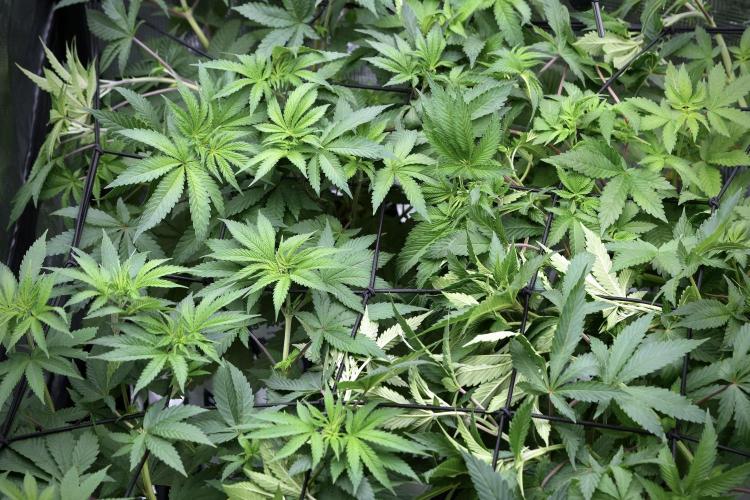
Het bladerdak is vol.
De structuur is klaar.
En we bereiden ons voor op de laatste stap voordat de bloei begint.
────────────────────────
🌱 Week Zeven – Van Bouwen naar Voorbereiden
De afgelopen weken lag de volledige focus op het bouwen van het bladerdak.
We hebben getopt.
We hebben getraind.
We hebben de SCROG geïnstalleerd.
We hebben takken door het scherm geleid.
En langzaam, vierkant voor vierkant, verdwenen de lege ruimtes.
Nu heeft de Blue Tent het punt bereikt waarop de planten in wezen hun werk hebben gedaan.
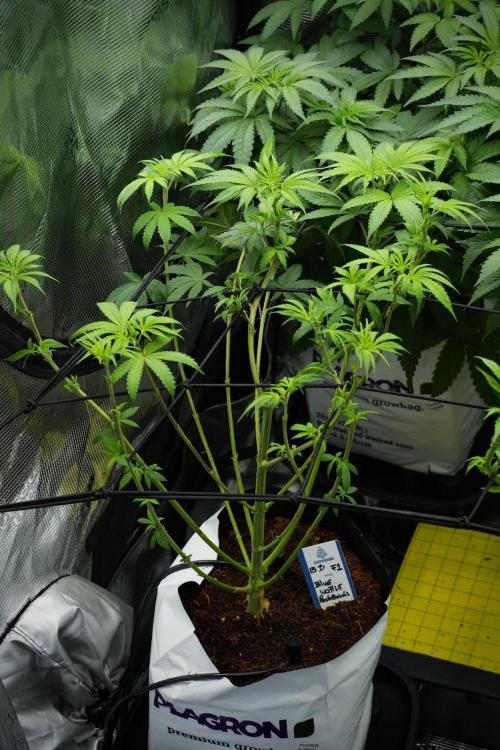
Van bovenaf gezien is het bladerdak opmerkelijk gelijkmatig.
Alle vier zussen zitten op ongeveer 60 cm, en omdat het SCROG-net eerder in de groei is verlaagd en aangespannen, is het merendeel van de nieuwe groei horizontaal in plaats van verticaal gericht.
Dat was het doel.
Geen hogere planten.
Meer bruikbaar bladerdak.
En Plant A heeft uitzonderlijk goed haar toegewezen ruimte gevuld.
Haar loof is rijk groen, haar takken zijn sterk, en de hoeveelheid gezonde groei die in dat scherm is verpakt, is indrukwekkend.
Maar er komt een punt waarop het toevoegen van meer loof niet per se het doel meer is.
Nu moeten we voorbereiden wat we hebben gebouwd.
────────────────────────
🕸️ De SCROG – Missie Voltooid
De SCROG is een van de belangrijkste technieken die we tijdens deze vegetatieve cyclus hebben gebruikt.
Voor iedereen die er niet mee bekend is, SCROG betekent Screen of Green.
In plaats van de plant toe te staan een paar dominante verticale takken te ontwikkelen, leiden we de groeiende scheuten herhaaldelijk onder een horizontaal scherm.
Naarmate elke tak door het scherm beweegt, kunnen we de toekomstige bloeiplaatsen over een veel groter gebied verdelen.
Het resultaat waar we naar op zoek zijn, is een relatief gelijkmatig bladerdak in plaats van verschillende hoge takken die met elkaar concurreren.
En dit is niet iets dat in één middag gebeurt.
Het is een proces.
Een beetje insteken hier.
Een andere tak daar omleiden.
Een paar minuten observatie elke dag.
Uiteindelijk doet de plant het meeste werk zelf.
Deze week, kijkend over de Blue Tent, heeft dat proces zijn doel bereikt.
Het scherm is effectief gevuld.
En dat betekent dat het tijd is voor de volgende fase.
────────────────────────
✂️ Defoliatie – Het Schoonmaken van het Bladerdak Voor de Bloei
Het belangrijkste evenement van deze week is defoliatie.
En omdat deze techniek soms verkeerd wordt begrepen, wil ik precies uitleggen wat we doen en, misschien nog belangrijker, wat we niet doen.
Defoliatie is niet simpelweg bladeren verwijderen omdat we ze niet leuk vinden.
Bladeren zijn essentieel voor de plant.
Ze zijn verantwoordelijk voor het vangen van licht en het ondersteunen van fotosynthese, dus onnodig verwijderen maakt een plant niet automatisch gezonder.
Het doel hier is anders.
Na weken van krachtige vegetatieve groei en SCROG-training is het interieur van het bladerdak extreem dicht geworden.
Bladeren overlappen.
Takjes kruisen elkaar.
Lagere secties worden steeds meer in de schaduw gezet.
Luchtbeweging door het midden van de plant wordt moeilijker.
En sommige loof draagt simpelweg minder bij aan het productieve bovenste bladerdak.
Dus we voeren een doelgerichte schoonmaak uit.
Geselecteerde bladeren verwijderen.
Verstopte gebieden openen.
Zichtbaarheid verbeteren.
Meer ruimte tussen takken creëren.
En de structuur voorbereiden op de heel andere eisen van de bloei.
Het doel is niet:
"Verwijder zoveel mogelijk bladeren."
Het doel is:
"Verwijder wat niet helpt bij de structuur die we proberen te bouwen."
────────────────────────
🌬️ Waarom Nu Defolieren?
De timing is net zo belangrijk als de techniek.
Een significante defoliatie is een vorm van stress.
Zelfs een perfect gezonde plant heeft tijd nodig om te reageren na het verliezen van een betekenisvolle hoeveelheid loof.
Dat is de reden waarom we dit doen terwijl de planten nog in de vegetatieve groei zijn in plaats van te wachten tot we goed in de bloei zitten.
Op dit moment draaien ze 18/6.
Ze groeien actief.
Ze proberen nog geen bloemen te produceren.
Dus als de planten een beetje tijd nodig hebben om hun balans na de schoonmaak te herstellen, hebben we die tijd.
De volgorde die we volgen is heel doelbewust:
Bouw de plant.
Vul het scherm.
Maak het bladerdak schoon.
Laat herstel toe.
Dan omzetten.
Ik geef er de voorkeur aan dat de planten de bloei ingaan nadat ze zijn hersteld van dit werk dan een grote schoonmaak uit te voeren terwijl ze tegelijkertijd met de overgang naar de bloei omgaan.
Zodra de lichten zijn omgezet, veranderen de prioriteiten.
De plant zal beginnen haar energie te heroriënteren naar reproductieve groei, en ik wil dat die overgang gebeurt met een schoon, goed georganiseerd bladerdak in plaats van haar te vragen om tegelijkertijd te herstellen van grote training.
────────────────────────
🧠 Defoliatie Is Geen Magische Truc
Een ander punt dat het vermelden waard is, is dat defoliatie geen magische techniek is die automatisch grotere bloemen oplevert.
Het is een hulpmiddel voor het beheren van het bladerdak.
We proberen de relatie tussen te verbeteren:
🌱 Groeiplaatsen
💡 Lichtverdeling
🌬️ Luchtbeweging
🍃 Bladendichtheid
? Plantstructuur
Het bovenste bladerdak ontvangt al sterk licht.
Het probleem dat we aanpakken is congestie.
Wanneer vier krachtige planten een ruimte van 100 × 100 × 200 cm delen, kan het interieur ongelooflijk dicht worden.
Door selectief wat onnodig loof te verwijderen, openen we paden door die structuur.
Betere luchtstroom.
Betere zichtbaarheid.
Minder congestie.
En een schoner startpunt voor de bloei.
Het gaat om het beheren van de omgeving die binnen het bladerdak bestaat, niet simpelweg om de planten er mooier uit te laten zien.
Hoewel...
Ik moet toegeven...
Ze zien er behoorlijk spectaculair uit na de schoonmaak. 😂💙
────────────────────────
🌿 Pickle Lemon Haze F1 – Plant A
En nu, terug naar ons meisje.
Plant A blijft precies het fenotype dat ik dacht dat ze zou worden toen ze voor het eerst haar persoonlijkheid begon te tonen.
Krachtig.
Responsief.
Zelfverzekerd.
Ze is consequent een van de meest energieke planten in de Blue Tent geweest.
Elke keer dat we haar iets hebben gegeven om mee te werken, heeft ze gereageerd met meer groei.
Topping?
Ze herstelde prachtig.
SCROG?
Ze vulde het.
Dagelijkse training?
Ze bleef gewoon nieuwe scheuten produceren.
Haar internodale afstand blijft mooi compact, haar stelen zijn aanzienlijk verdikt, en het loof heeft die rijke groene kleur ontwikkeld waar we naar op zoek waren.
Het meest indrukwekkende is waarschijnlijk hoeveel groei ze heeft weten te produceren terwijl ze nog steeds een zeer beheersbare structuur behoudt.
Ze groeit niet gewoon wild.
Ze groeit nuttig.
En dat is precies wat we op dit moment willen.
────────────────────────
🥥 Voeding – Nog Geen Wijzigingen
De voeding blijft volledig ongewijzigd.
En eerlijk gezegd...
Waarom iets veranderen dat werkt?
Huidige voeding:
• Plagron Hydro A — 1,9 ml/L
• Plagron Hydro B — 1,9 ml/L
• Plagron Hydro Roots — 1 ml/L
Huidige EC:
1,92 mS/cm
pH:
5,8
De planten tonen uitstekende kleur en krachtige groei, dus ik ben niet geïnteresseerd in het verhogen van de voedingssterkte alleen omdat we de bloei naderen.
In plaats daarvan zullen we hun reactie op de defoliatie van deze week in de gaten houden.
Als ze blijven consumeren en die gezonde groene kleur behouden, kunnen we de voeding volgende week verhogen als de bloei begint.
Maar voor nu...
De planten zijn gelukkig.
En gelukkige planten hebben geen onnodige veranderingen nodig.
────────────────────────
💧 De Drip Irrigatie Blijft Indruk Maken
Het automatische druppelirrigatie- en afvoersysteem van Mars Hydro is ook een van die apparatuur die elke dag stilletjes zijn waarde bewijst.
Elke plant ontvangt ongeveer 1,2 liter voedingsoplossing per 24 uur, geleverd via het individuele druppelsysteem.
De oplossing passeert de coco en het resulterende afvalwater wordt automatisch verzameld en verwijderd.
Die consistentie is bijzonder nuttig in een project als dit.
We proberen vier planten onder bijna identieke omstandigheden te houden.
Handmatig water geven kan zeker werken, maar het elke dag exact dezelfde routine aanhouden wordt steeds moeilijker naarmate de planten groter en veeleisender worden.
Het geautomatiseerde systeem verwijdert veel van die variatie.
De wortels ontvangen een constante aanvoer.
De planten krijgen dezelfde routine.
En ik kan minder tijd besteden aan het dragen van water...
En meer tijd aan het observeren van de planten.
Dat is een behoorlijk goede ruil in mijn boek. 😄
────────────────────────
🌡️ Blue Tent Omgeving
De omgeving is zeer stabiel gebleven terwijl we de overgang naar de bloei naderen.
De gemiddelde omstandigheden deze week waren:
• 🌡️ Dagtemperatuur: 28°C
• 🌙 Nachttemperatuur: 25°C
• 💧 Relatieve Vochtigheid: 65%
• 🥥 Substraat Temperatuur: 24°C
• 💦 Voedingsoplossing: 18°C
• ⚗️ pH: 5,8
• ⚡ EC: 1,92 mS/cm
• 💨 CO₂: ongeveer 450 ppm
• 💡 Lichtschema: 18/6
• 💧 Irrigatie: ongeveer 1,2 L/plant/24u
• ? Potmaat: 8 L
• 📏 Plantenhoogte: ongeveer 60 cm
Op dit punt is het handhaven van consistentie belangrijker dan constant cijfers achter te jagen.
De planten groeien prachtig.
Het bladerdak is gezond.
De irrigatie presteert betrouwbaar.
En de voeding levert precies de reactie op die we zoeken.
Dus voor nu...
Observeren we.
────────────────────────
🌿 Vier Planten Beginnen Op Eén Te Lijken
Een van mijn favoriete dingen aan deze fase van Project Blue Tent is het kijken naar de tent van bovenaf.
Het wordt echt moeilijk om de vier planten uit elkaar te houden.
Het bladerdak is zo gelijkmatig dat de individuele planten bijna verdwijnen in een continue zee van groen.
En dat is eigenlijk een fantastisch resultaat van de SCROG.
We begonnen met vier individuele planten.
Verschillende takken.
Verschillende groeipatronen.
Verschillende persoonlijkheden.
Nu hebben we ze gevormd tot één opmerkelijk uniform bladerdak.
Maar onder die uniformiteit zijn de individuele kenmerken nog steeds aanwezig.
En dat maakt het zo interessant om ze afzonderlijk te documenteren.
Plant A heeft nog steeds haar eigen manier van groeien.
Ze is nog steeds een van de meest krachtige.
Ze is nog steeds ongelooflijk responsief op training.
En ze probeert nog steeds stilletjes elke beschikbare centimeter ruimte in te nemen.
────────────────────────
🌬️ Schoonmaken voor het Volgende Hoofdstuk
Zodra de defoliatie is voltooid, zou de ruimte onmiddellijk anders moeten aanvoelen.
Meer open.
Meer ademend.
Minder congestie.
En dat is precies wat we zoeken voordat we omzetten.
We proberen de planten niet klein te maken.
We proberen ze niet te verzwakken.
We creëren simpelweg een schonere structuur waaruit de bloeicyclus kan beginnen.
Het bladerdak is gebouwd.
Nu verfijnen we het.
Dan komt herstel.
En daarna...
Bloei. 🌸
────────────────────────
👀 Vooruitkijken
Dit is een van die weken waarin het beste wat we kunnen doen na het werk, simpelweg de planten wat rust geven.
We hebben weken besteed aan het manipuleren van hun structuur.
Nu hebben ze tijd nodig om te reageren.
Ik zal de nieuwe groei nauwlettend in de gaten houden, de omgeving stabiel houden en monitoren hoe snel ze herstellen.
Het voedingsrecept kan volgende week toenemen, afhankelijk van wat de planten ons vertellen.
De irrigatie blijft zijn werk doen.
En als alles er net zo goed uitziet als nu...
Zijn we klaar om de Blue Tent om te zetten naar bloei.
De SCROG is vol.
Het bladerdak is georganiseerd.
De planten zijn gezond.
De schoonmaak is gedaan.
Nu laten we ze herstellen.
Dan...
draaien we de pagina om.
────────────────────────
💙 Bedankt
Een enorme dank aan Zamnesia voor het mogelijk maken van Project Blue Tent en voor het leveren van deze fantastische Pickle Lemon Haze F1-genetica.
Een oprechte dank aan Plagron voor de Premium Growbags en Hydro voedingslijn die deze prachtige vegetatieve groei blijven ondersteunen.
Een speciale dank aan Phytonaut voor de LED-verlichting die ons helpt zo'n consistent en prachtig gestructureerd bladerdak in de tent te behouden.
En een enorme dank aan Mars Hydro voor het automatische druppelirrigatie- en afvoersysteem, dat het consistent irrigeren zoveel gemakkelijker maakt.
Dank aan GrowDiaries voor het bieden van een plek waar kwekers van over de hele wereld hun reizen kunnen documenteren, kennis kunnen delen en van elkaar kunnen leren.
En tot slot...
Dank aan iedereen die Project Blue Tent volgt.
Of je nu hier bent sinds het begin, dit dagboek net hebt ontdekt, elke week opmerkingen achterlaat of gewoon geniet van het kijken naar deze planten ontwikkelen...
Ik waardeer het oprecht dat je hier bent. 💙
Vier zussen.
Één omgeving.
Één experiment.
En vier heel verschillende kleine persoonlijkheden die zich verstoppen onder een steeds uniformer bladerdak.
Voor Plant A draait deze week om het afmaken van wat we zijn begonnen.
Het bladerdak is gebouwd.
De schoonmaak is voltooid.
Nu mag ze herstellen.
En heel snel...
🌸 Begint de bloei.
Tot de volgende keer...
Kwekersliefde, gelukkig kweken, en zorg goed voor jezelf iedereen! 🌱💙
14 houdt van
2 opmerkingen
Share
Used techniques
Ontbladering
Techniek
ScrOG
Techniek
8
Week 8. Bloeiend
4d ago
1/60
81 cm
Height
12 uur
Light Schedule
27 °C
Day Air Temp
5.8
pH
Normaal
Smell
1045 PPM
TDS
67 %
Air Humidity
19 °C
Solution Temp
24 °C
Substrate Temp
27 °C
Night Air Temp
8 liters
Pot Size
1.4 liters
Watering Volume
666 PPM
CO₂-niveau
Nutrients 6
Hydro A
2 mll
Hydro B
2 mll
Hydro Roots
1 mll
DogDoctorOfficial 💙 Project Blue Tent – Week 8
Pickle Lemon Haze F1 – Pheno A (Folder 14A)
Hello everyone, and welcome back to another chapter of Project Blue Tent! 💙🌱
If you're discovering this diary for the first time, welcome aboard.
Project Blue Tent follows four individual plants from seed to harvest, with each phenotype receiving her own dedicated diary.
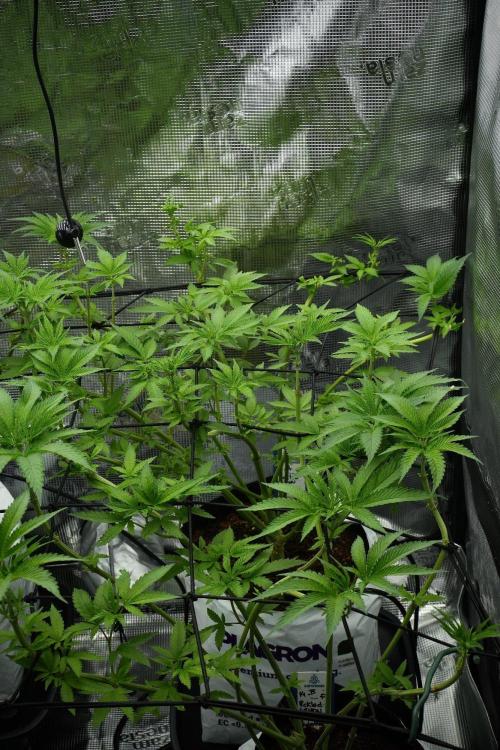
All four sisters share the same tent, lighting, irrigation, nutrition, environmental conditions and training strategy.
The purpose is simple:
Keep the variables as consistent as possible... and let the plants tell their own story.
And this week, that story is getting very exciting.
Because the Blue Tent has officially entered flowering. 🌸
Today we're checking in with Pickle Lemon Haze F1 – Plant A.
And just like her sisters...
She's growing fast.
Very fast.
────────────────────────
🌸 Week Eight – And Suddenly Everything Accelerates
There are moments in a grow where you can almost feel the plants changing from one day to the next.
This is one of those moments.
After seven weeks of vegetative growth, the Blue Tent has finally moved to 12/12.
And the girls seem to have taken that as a personal invitation to accelerate.
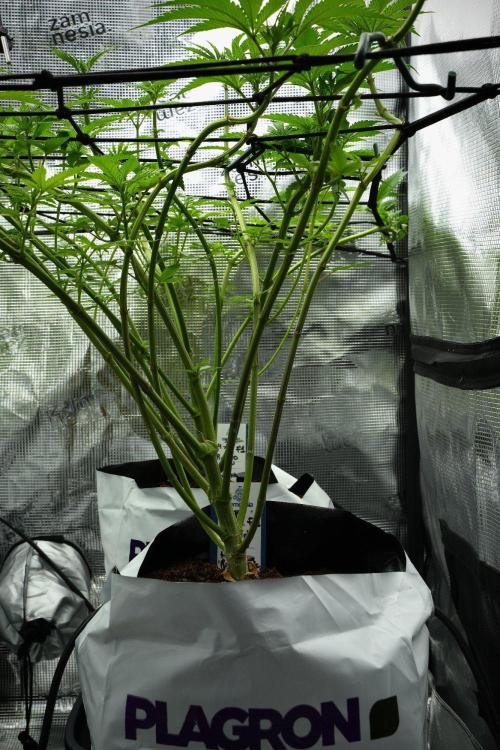
Plant A is now approximately 81 cm tall, compared with roughly 60 cm when we finished vegetation.
That's around 20 cm of growth already, and the whole room is behaving similarly.
But what's fascinating isn't simply the vertical growth.
They're developing everywhere.
New flowering sites are becoming increasingly obvious.
Branches are extending.
Nodes are developing.
The plants are changing shape almost by the hour.
They're not simply stretching...
They're building.
And Plant A is right there with them.
────────────────────────
🌿 Pickle Lemon Haze F1 – Plant A
Plant A has always been one of the girls that catches my attention.
She's vigorous.
She's responsive.
She's incredibly determined.
And now that flowering has started, that personality is becoming even more obvious.
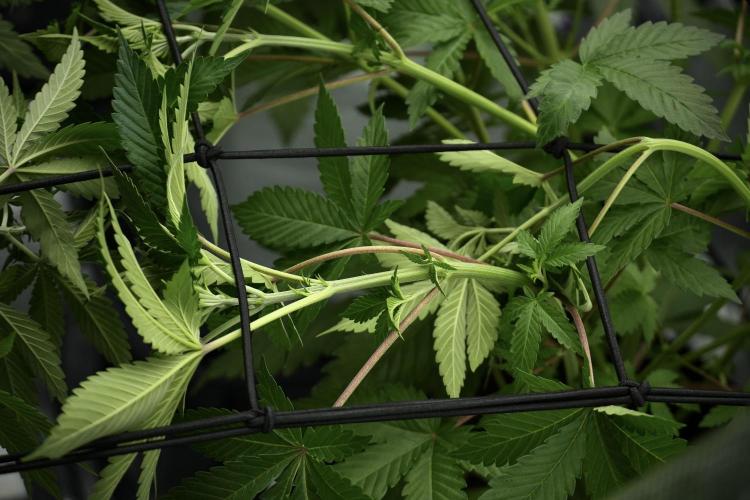
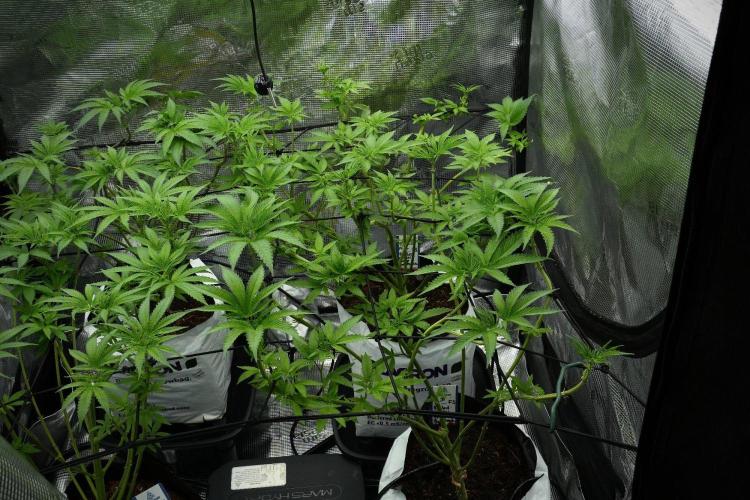
The canopy remains remarkably even despite the amount of growth happening above it.
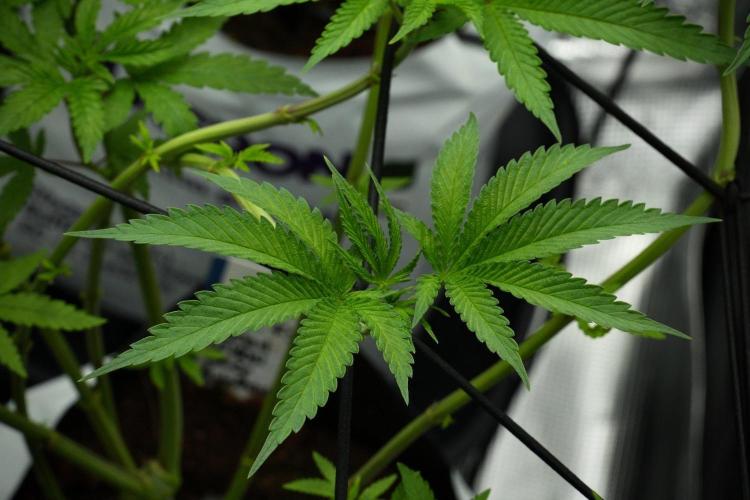
Her branches are strong, her foliage remains healthy and the developing flowering sites are appearing rapidly throughout the structure we spent weeks building.
This is exactly why we documented these plants individually.
From a distance, all four sisters can look remarkably similar.
But when you spend time with each one...
You start noticing the little differences.
Plant A has that particular combination of speed, structure and enthusiasm that has been present since the beginning.
And right now...
She's absolutely flying.
────────────────────────
💥 Super Cropping – Trying to Keep Up With Her
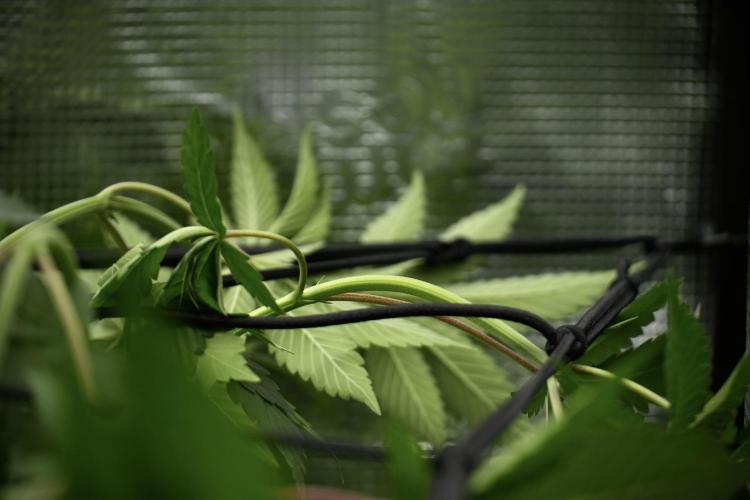
With this amount of growth happening so quickly, we're continuing with super cropping as another way of managing the most vigorous vertical shoots.
The objective isn't to stop the plants from growing.
At this point, I'm not sure anything could stop them. 😂
It's about trying to influence the structure while they're stretching aggressively.
Some of the taller branches are being carefully worked to reduce their dominance and hopefully encourage stronger branching points as the plant continues developing.
And the funny part?
These girls simply refuse to stay down.
I'll work a branch...
Give it some time...
And she'll be standing back up again like nothing happened.
Plant A is particularly impressive in that regard.
She seems to have one answer to everything:
Grow.
😂🌱
Whether this will ultimately be enough to keep the stretch under control remains to be seen.
The temperatures, the seven-week vegetative period and the sheer vigour of these plants are all factors.
But for now, the canopy remains beautifully manageable.
So we continue observing and adapting.
────────────────────────
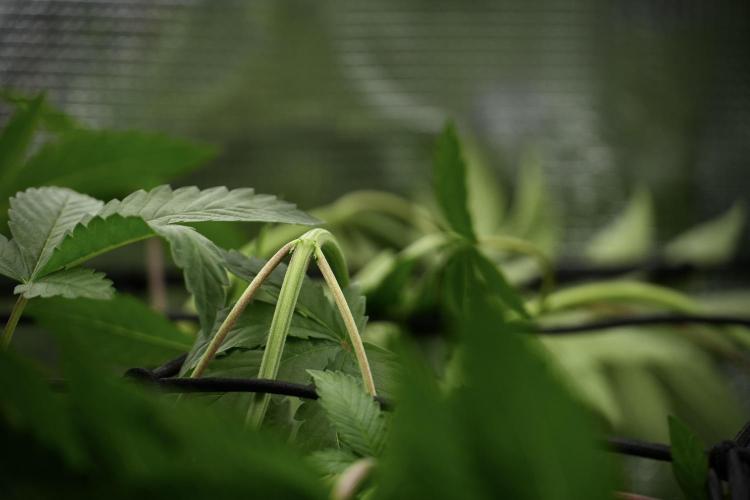
😳 Well... I May Have Broken a Branch
And then there's the part of growing that nobody wants to talk about...
Sometimes you make a mistake.
This week, while working with Plant A, I managed to break a branch.
Yep.
It happened.
I'm not going to pretend it didn't.
I'm also not going to turn it into some dramatic disaster.
Plants are resilient.
Training doesn't always go perfectly.
Sometimes a branch moves differently than expected, sometimes there's a little too much pressure, and suddenly you're standing there looking at the plant thinking:
"I'm so sorry, my dear." 😂🌱
I immediately tried to support and repair the damaged section, and now we'll simply give her some time and see how she responds.
At the moment, there's nothing here that makes me alarmed.
It's one branch.
The rest of the plant is growing beautifully.
And honestly...
This is also part of documenting a real grow.
Not every training session is perfect.
Not every decision goes exactly according to plan.
Sometimes you make a mistake.
You learn from it.
You carry on.
And Plant A certainly isn't letting one damaged branch stop her.
────────────────────────
🌱 A Fast-Developing Flowering Plant
What really stands out this week is just how quickly these plants are evolving.
The flowering sites aren't sitting there waiting patiently.
They're developing rapidly.
The structure we created during vegetation is now being populated with new growth, and the difference between the beginning of the week and the end is already noticeable.
This is also why I'm glad we spent the time building the canopy properly.
The SCROG gave us a much more even starting structure.
The defoliation opened up the interior.
And now the plants have room to develop into that structure.
We're going to see exactly how much they use it.
────────────────────────
💡 Starting Flower Under Strong Light
The Blue Tent is now running 12/12, and we're starting flowering at approximately 800 PPFD.
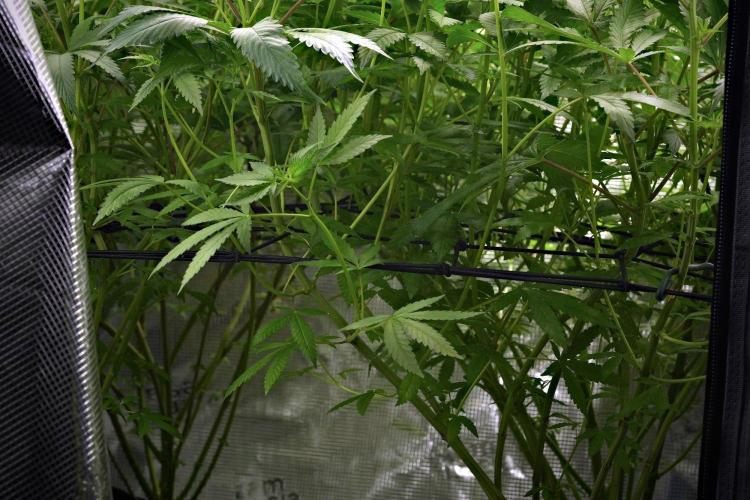
That's a deliberate decision.
After seven weeks of vegetation, these plants have a substantial canopy and are showing very high levels of growth activity.
Rather than gradually creeping toward flowering intensity, I'm giving them strong light from the beginning and watching their response.
The goal is to provide enough usable light to support this rapidly developing canopy while continuing to monitor the environmental side of the equation.
And because the girls are already stretching aggressively...
The next couple of weeks should be very interesting.
I'm curious to see whether the strong light helps keep the canopy relatively compact...
Or whether these ladies simply decide:
"Thank you for the extra photons. We'll use all of them to grow another 30 centimetres." 😂
We'll see.
────────────────────────
🌡️ Blue Tent Environment
The environment remains remarkably consistent throughout the room.
This week's recorded conditions were:
• 🌡️ Day Temperature: 27°C
• 🌙 Night Temperature: 27°C
• 💧 Relative Humidity: 67%
• 🥥 Substrate Temperature: 24°C
• 💦 Nutrient Solution Temperature: 19.2°C
• ⚗️ pH: 5.81
• ⚡ EC: 2.09 mS/cm
• 💨 CO₂: approximately 666 ppm
• 💡 Light Schedule: 12/12
• 💧 Irrigation: approximately 1.4 L/plant/24h
• ? Pot Size: 8 L
• 📏 Plant Height: approximately 81 cm
One thing I'm watching particularly closely is the temperature difference between day and night...
Or rather, the lack of one.
We're currently sitting around 27°C during both periods.
Warmer nights can encourage additional stretch, and these plants certainly don't need much encouragement.
😂
So I'm keeping that in mind while watching how the canopy develops.
For now, however, the plants are showing no signs that they're unhappy with the environment.
────────────────────────
🥥 Feeding – Now in Flowering Mode
The nutrition has also moved into the flowering program.
Current feeding:
• Plagron Hydro A — 2 ml/L
• Plagron Hydro B — 2 ml/L
• Plagron Hydro Roots — 1 ml/L
• Plagron Power Buds — 1 ml/L
• pH Plus — 0.03 ml/L
• pH Min — 0.03 ml/L
Current EC:
2.09 mS/cm
pH:
5.81
The change in nutrition is relatively measured.
I'm not interested in throwing everything at the plants simply because the calendar says "flower."
They're already consuming aggressively and developing incredibly quickly.
So for now, the objective is to support that development while continuing to observe how Plant A responds.
Her colour remains healthy.
Growth remains vigorous.
And the flowering sites are developing exactly as we'd hope.
That's enough reason to stay consistent.
────────────────────────
💧 The Drip & Drainage System – Working Together
The automatic irrigation and drainage system has become a very important part of this project.
Plant A is now receiving approximately 1.4 litres per 24 hours through the drip irrigation system.
The process is beautifully straightforward.
The drippers deliver the nutrient solution to the coco.
The solution passes through the substrate and feeds the root zone.
The runoff then enters the collection trays underneath the grow bags.
From there, the drainage pipe carries the collected water toward the pump.
The pump pulls that water away and returns it toward the reservoir.
So the irrigation and drainage systems are working together as one continuous, recirculating setup.
Water in.
Coco.
Roots.
Runoff.
Collection.
Pump.
Reservoir.
And around we go again.
It's almost like having a little circulatory system underneath the plants.
And it's working wonderfully.
As the plants become larger and their water demand increases, having that consistency becomes even more valuable.
I don't have to manually reproduce the same watering and drainage routine every day.
The system does it.
The plants get their consistent irrigation.
The runoff is handled.
And I get to spend more time actually looking at the plants.
That's exactly what I wanted.
────────────────────────
🌿 Seven Weeks of Vegetation – Maybe We Overdid It?
I'm going to admit something here.
Looking at these girls now...
I may have kept them in vegetation a little too long.
😂
Seven weeks isn't something I normally do.
Usually, I'd be much more inclined to flip earlier.
But the extra vegetative time gave us a fantastic canopy.
Strong branches.
Established roots.
A full SCROG.
A beautifully even structure.
The downside?
We now have four incredibly energetic plants with a huge amount of growth potential entering flowering at the same time.
And they're showing us exactly what that means.
Approximately 20+ cm of growth already.
Flowering sites developing rapidly.
Branches continuing to extend.
Everything accelerating.
So...
Let's have faith.
😂💙
We've prepared them as well as we can.
Now we get to see what happens.
────────────────────────
🌸 Plant A – Ready for the Show
Plant A's flowering transition has been particularly satisfying to watch.
The framework we created during vegetation is clearly visible underneath the new growth.
Her branches are well distributed.
Her canopy remains relatively even.
And the developing flowers are appearing throughout the structure rather than being concentrated into just a few dominant tops.
That's the advantage of all those weeks of preparation.
The plant isn't starting flower from scratch.
She's entering it with a structure already designed to support what comes next.
Now we just need to manage the incredible amount of growth she's producing.
And hopefully...
Keep her somewhat compact.
No promises. 😂
────────────────────────
🧠 Managing Growth Without Fighting the Plant
One of the lessons these girls are already teaching me is that there's a difference between managing growth and trying to completely control it.
The plants have their own momentum.
We can influence structure.
We can redistribute growth.
We can work with the branches.
But ultimately...
They're going to grow.
And I think that's especially important to remember in a project like this.
The goal isn't to force Plant A into exactly the shape I imagined.
It's to create the best environment and structure possible, then observe how she expresses herself.
Super cropping is one of the tools I'm using to help manage the most vigorous shoots.
The strong lighting gives the canopy plenty of energy.
The irrigation provides consistency.
The nutrition supports the transition into flower.
And the environment gives us the foundation.
After that...
Nature gets the final word.
────────────────────────
💙 Plant A – Still One of the Stars
There is something particularly satisfying about watching Plant A now.
She's been through everything this project has thrown at her.
Topping.
Training.
SCROG.
Defoliation.
The transition into flowering.
And now a little accidental branch damage.
And through all of it...
She keeps growing.
That says a lot about her.
She's not delicate.
She's not hesitant.
She's vigorous and remarkably resilient.
And although the four sisters continue to look impressively similar, Plant A still has that unmistakable personality we've been watching since the beginning.
She wants to grow.
So we'll let her grow...
Just perhaps with a little guidance along the way. 😂🌱
────────────────────────
👀 Looking Ahead
The next few weeks are going to be fascinating.
The plants are already moving incredibly quickly, and we're only at the beginning of flowering.
I'll continue watching the stretch closely.
We'll keep using super cropping where necessary to manage particularly vigorous branches.
We'll monitor the damaged branch and see how Plant A responds.
The irrigation system will continue running its cycle.
The flowering nutrition will continue supporting development.
And the environment will remain under close observation, especially with those warm nights.
For now, however...
The canopy is still remarkably even.
The flowering sites are developing rapidly.
Plant A is healthy.
And the whole room is absolutely full of energy.
We may have vegged these girls a little longer than usual.
We may have created more growth than we intended.
But there's no point worrying about that now.
The plants are ready.
The lights are on 12/12.
The flowers are coming.
And we're going to enjoy the ride.
────────────────────────
💙 Thank You
A huge thank you to Zamnesia for making Project Blue Tent possible and for giving us the opportunity to explore these beautiful Pickle Lemon Haze F1 genetics individually.
A heartfelt thank you to Plagron for the Premium Growbags and Hydro nutrient line supporting these girls throughout the project and now helping them enter flowering.
A special thank you Zamnesia for the Phytonaut LED lighting helping us build such a strong and even canopy and now providing the intensity we're using as flowering begins.
And a massive thank you to Mars Hydro for the automatic drip irrigation and drainage system.
The way the drippers, coco, collection trays, drainage lines, pump and reservoir work together has made keeping four rapidly growing plants consistently irrigated considerably easier.
Thank you as well to GrowDiaries for giving growers around the world a place to document these journeys, share experiences and learn together.
And finally...
Thank you to everyone following Project Blue Tent.
Plant A has officially entered her next chapter.
She's stretched.
She's developing flowers.
She's surviving my attempts to keep her under control.
And yes...
I owe her an apology for that broken branch. 😂💙
But she's still standing.
Still growing.
Still beautiful.
And still showing us exactly why following four individual phenotypes under the same conditions is so much fun.
The Blue Tent is officially flowering.
The stretch is here.
The flowers are developing.
And Plant A is ready to put on a show. 🌸💙
Until next week...
Growers Love, happy growing, and take care everyone! 🌱💙
@bkickstand, 💚💚💚 thank you so much y friend, this week they are moving way to fast , lets ere they are going 😅 i may have veg a day to far lol lets see 😇 Growers love my friend 💚 Thank you for everything 💚💚💚