


Interview - Biotabs Grower Community


Interview
MistaOC





Drip
OnePot 15L


Binnen
Kamertype
1
Week 1. Oogst4mo ago
Happy Harvest Day!

10/10
Rated
1. Tell us a bit about yourself: who are you, where are you from, and what do you do outside of growing?
I’m 40 years old and based in the western part of Germany, living a grounded life as a family man. My main profession is in sales within the automotive spare parts industry, operating in a large-scale B2B wholesale environment across Germany.
We work with around 7,500 active business clients, and my role is less about day-to-day orders and more about the bigger picture. I’m the first point of contact for business-related matters — handling contracts, partnerships, and acting as the face of our department. It’s a role that requires structure, reliability, and a strong sense for communication.
Outside of that, I’ve always been someone who works with his hands. I take on a wide range of manual projects — from tiling and drywall construction to more specialized work like sealing fire protection openings. I enjoy creating things, improving spaces, and paying attention to the small details that make the difference.
That mindset follows one simple rule: all or nothing. If I do something, I do it properly. This attitude has shaped me for over 40 years — and it naturally carries over into my grows and the way I document them. I put a lot of care into every step, from the grow itself to how I present it in my diaries.
If I had to describe my life in a few pillars, it would be four: my family, my main job, my hands-on side work, and growing. And growing isn’t just a hobby for me — it’s a real passion that ties everything together.
2. How did you get into growing? Tell us about your very first steps.
My first contact with cannabis goes way back to when I was around 14. Back then, there was no WhatsApp or social media — if you wanted to meet people, you’d call them or maybe send a (pretty expensive) text, and then everyone would just hang out in the same spot. For us, that place was simply “the street.”
I was one of the younger guys in the group, hanging around with a few older ones, maybe 17 or 18. One of them used to disappear into a nearby field every now and then — everyone knew what he was doing, even if it wasn’t really talked about. At that age, I was curious, but also a bit hesitant.
At the same time, I was heavily into football, and most of my circle came from there. One day, during some kind of event at the sports ground, I ended up trying it for the first time with some of the older guys. It wasn’t the smoothest experience, especially mixed with alcohol, but it stayed with me.
After that, things developed naturally. Our small circle grew, especially through school, and we became what you’d probably call a typical smoker group. The real turning point, though, was when one of the guys — who had just moved to our area — showed me his hidden grow in the attic. It was a super basic setup with fluorescent tubes, no real climate control, no deep knowledge — but he was growing his own plants.
That moment stuck with me. It sparked something. Even back then, I knew I wanted to do it myself one day.
That chance came years later. When I was around 22, I moved into my first apartment with my girlfriend — who is now my wife. For the first time, I had my own space, and that’s when I started my first real grow. I converted an IKEA cabinet in a spare room into a small grow space, just big enough for two indica plants. Nothing fancy, but it was mine.
I got my seeds from the Netherlands back then, and I kept growing for about two to three years. My setup evolved over time — back then it was all HPS lamps and fluorescent tubes, long before LED became what it is today. I still have my old Homebox tent from that time, and it’s funny — it still looks almost brand new.
At some point, life changed and we moved into a place where growing just wasn’t possible anymore. So I had to stop, even though the passion never really left.
Then came 2024 and the partial legalization in Germany. For me, that was the moment everything came back. It’s still far from perfect, but for growers like us, it opened the door again to follow this passion a bit more freely — and that’s when I picked it back up.
3. What role does cannabis play in your life – personally and as a grower?
Cannabis has fascinated me from the very first moment — whether it was the smell, the experience, or just the whole vibe around it. For me, it was never really about medicine in the beginning. It was more like a way to unwind, almost like a switch that brings you into a different, more relaxed state.
What always stood out to me was the feeling — that deep physical relaxation and the sense of connection. It was never something negative in my life. In fact, I’ve always preferred it over alcohol, both back then and still today. It just fits me better.
Depending on the situation, it can even sharpen my focus. Of course, it can also do the opposite if you overdo it — but used the right way, it helps me slow down, reset, and find that “end of the day” feeling.
Over time, though, my perspective has evolved. As you get older, your body starts reminding you that you’re not 20 anymore. I recently had a shoulder tendon injury, and that was the first time I really experienced the medical side of cannabis in a noticeable way. It helped reduce the pain and even improved my mobility — something I hadn’t really thought about before.
But as a grower, cannabis means something even deeper to me.
Growing is a true passion. It’s not just about consuming — it’s about the entire process from start to finish. Watching a plant develop, learning from each cycle, improving step by step — that’s what really drives me.
It’s not about being better than anyone else. It’s about becoming better than I was before. That mindset carries over into other areas of my life as well — always refining, always learning.
At the same time, growing teaches discipline. You can’t just let things run and expect great results. Timing, care, consistency — all of that matters. If you don’t put in the effort at the right moments, the outcome won’t be what you’re aiming for.
That’s why I don’t see it as something lazy or passive at all. For me, it’s the opposite. Growing brings structure, focus, and a certain calmness into my life. It grounds me — and that’s what makes it so valuable to me.
4. What growing method do you prefer and why?
I’ve always preferred indoor growing over outdoor. It comes back to my mindset — all or nothing. In my opinion, especially here in Germany, outdoor simply doesn’t give me the level of quality I’m aiming for. Indoor gives me full control, and that’s exactly what I want.
At the same time, I’m someone who constantly experiments. Even if I know it might cost me yield, quality, or cause stress to the plants — I still do it. That’s how I improve. I need to see things with my own eyes and learn from my own experience to really understand what works best for me.
I’ve always grown in soil. Over time, my setup has evolved a lot. I started with simple plastic pots, switched to fabric pots after legalization, and now I’ve come full circle back to plastic pots — mainly because I moved into an AutoPot system, which fits my current approach better.
My goal today is to keep everything as efficient and stable as possible. I run an automated watering system connected to a 50-liter tank, which is filled through an RO system that I can control via app. The water runs through a calcium filter to help stabilize the pH. I’m not chasing perfect numbers anymore — as long as it’s stable and within a good range, that’s what matters more.
In general, I prefer working with organic nutrients. For me, it’s important to know that the final product is as clean and natural as possible. I’ve gone through all the typical struggles before — adjusting pH, dealing with deficiencies, spending hours mixing water — and over time I’ve simplified my system more and more.
That’s also where Biotabs fits perfectly into my setup. It’s a very natural match — simple, organic, and reliable. It allows me to focus more on the plants themselves instead of constantly adjusting inputs.
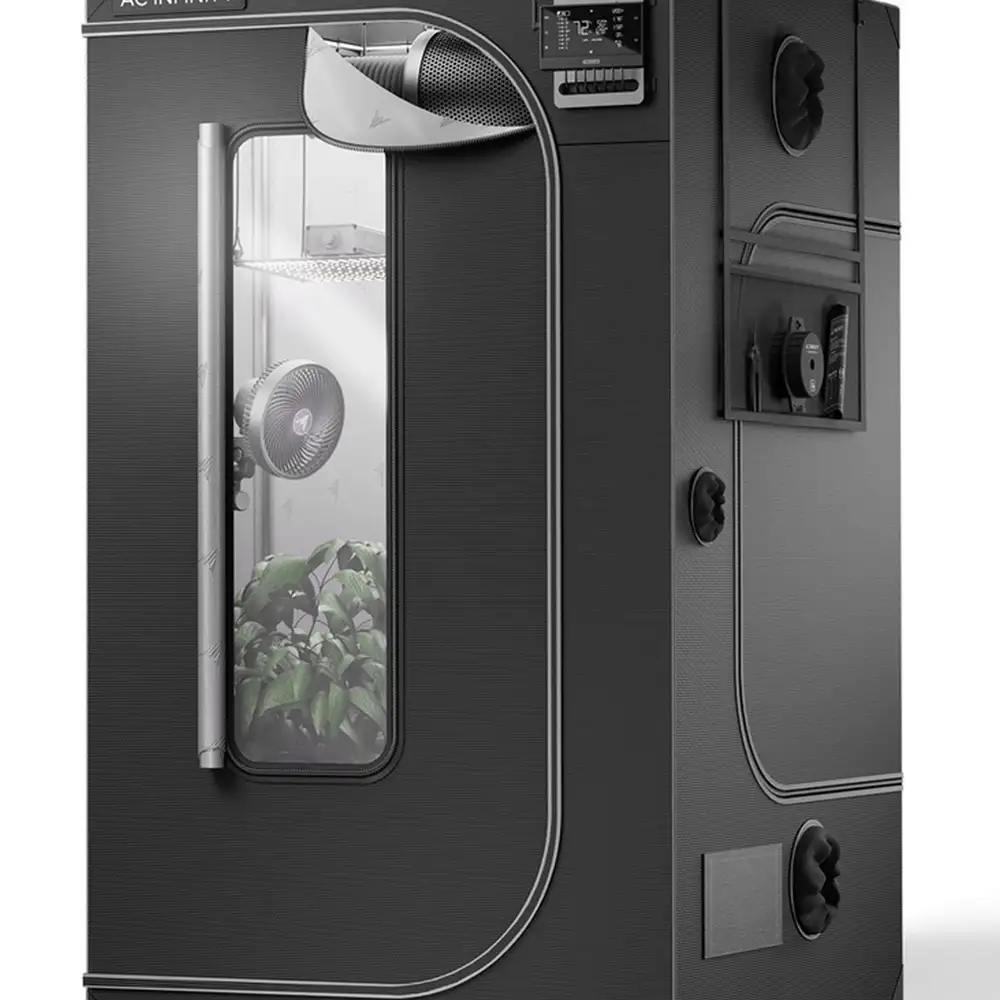
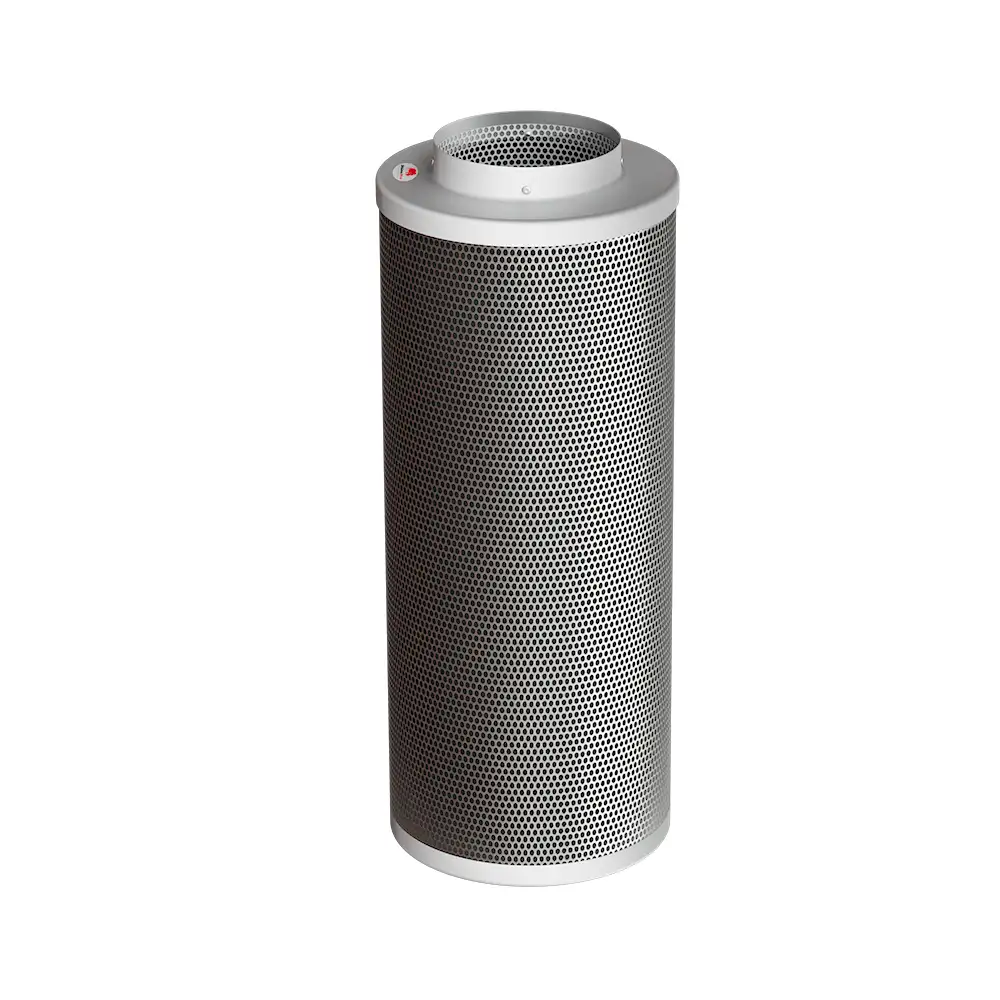
My standard setup is pretty consistent: a 1.2 × 1.2 m tent, around 480W LED, AC ventilation with a carbon filter, and usually five plants. I top every plant at minimum, veg for about five weeks, and often run a SCROG net to maximize the canopy.
But even here, I keep testing things. For example, I’m currently experimenting with and without a SCROG to see how it affects yield — because in the end, I’m not only chasing quality, but also efficiency.
That’s really my approach in a nutshell: build a solid system, keep it simple, but never stop refining it.
5. Which strain is closest to your heart and what fascinates you about it?
That’s a tough one — I don’t think there’s just one single answer.
In general, I’ve always been a fan of fruity, citrus-forward strains. Every now and then I also enjoy something more gassy, but if I had to go with what naturally comes to mind, it’s actually the very first strain I ever grew.
Back in 2012, during my first grow, I ran Super Skunk from Vision Seeds — and to this day, that one stands out. Funny enough, that first grow was probably my best one in terms of how it felt at the time. Everything was new, exciting, and that final product just hit different. Grown under a simple 400W setup, nothing compared to what we have today — but it was, without a doubt, the best weed I had smoked up to that point.
It’s not just about the strain itself — it’s about the moment, the experience, and what it represented.
At the same time, there’s another one I have to mention: Amnesia Haze (Core Cut). That strain is pure nostalgia for me. It was everywhere when I was younger — that classic haze we all knew. Growing it myself today brings back a lot of memories. It’s like a throwback to those early days, but now with the knowledge and control to really do it justice.
So if I had to sum it up: one strain represents where it all started for me, and the other connects me to the roots of the scene I grew up in.
6. What has been your biggest learning moment as a grower – a mistake or a success that helped you grow?
One of the biggest lessons I’ve learned as a grower is that routine can become your biggest enemy.
When you grow consistently over time, you start to build confidence — and that’s a good thing. But at some point, that confidence can turn into complacency. You think you’ve seen it all, you start skipping small steps, and you tell yourself, “it’ll be fine.”
That’s exactly where problems begin.
Looking back at my earlier grows, especially before my longer break, my setup simply wasn’t good enough. I was growing under the roof with temperatures easily hitting 30°C, humidity was all over the place, and the environment just wasn’t dialed in. On top of that, I started letting things slide because I thought I had it under control.
That combination was my wake-up call.
Since getting back into growing after legalization, I’ve taken a completely different approach. I take it seriously now — not just as a hobby, but as something I want to master. And I also recognize that being able to grow under good conditions is a privilege. There are a lot of factors that need to align — your environment, your living situation, responsibility, especially with family — it’s not something you can take for granted.
What really keeps me hooked is that growing never gets boring. I’ve had many hobbies in my life, but this is the only one that never lost its appeal. Even the “dirty work” — cleaning the tent, dialing everything in — it’s all part of the process.
Of course, I’ve made every mistake you can imagine. Overfeeding, underfeeding, overwatering, underwatering — pests like aphids and thrips, and currently my biggest challenge: powdery mildew.
That has been my toughest opponent so far. Even with controlled humidity, it can still show up, and it forces you to really understand your environment and your plants. The difference now is: I know how to deal with it. It’s under control, and that’s what growth is about — not avoiding problems, but learning how to handle them.
Every mistake teaches you something. And over time, you build the confidence that no matter what shows up, you’ll find a way to fix it.
7. What does your typical grow routine look like – how much time do you invest and what do you enjoy most?
My routine is pretty structured — I like to keep things consistent, but still leave room for adjustments when needed.
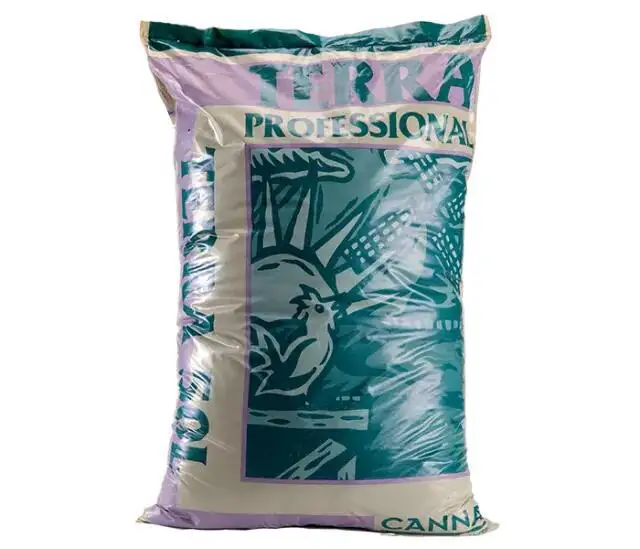
It all starts with popping seeds. I usually germinate around five to six and then select the strongest five to continue with. They begin in small 0.2L pots under a humidity dome, using Canna Professional soil enriched with Biotabs Startrex according to the feeding schedule.
After about two and a half weeks, I transplant them into 15L AutoPot containers. At that point, I water them in manually — first with about one liter of RO water, followed by another liter mixed with nutrients according to the schedule.
After that, I give them a few days to settle before watering again — usually around five to six days later, again with RO water. This approach has worked well for me to avoid overwatering and to let the roots establish properly in the new medium.
Even though the AutoPot system is already set up, I don’t activate it immediately. During the vegetative phase, I prefer hand-watering to encourage strong root development and avoid overwatering early on. Once I’m close to flowering, I switch the system on — basically just opening a valve, and everything runs automatically from there.
From that point on, the workload drops significantly. I don’t really have to worry about watering anymore. Nutrients are kept simple as well — every couple of weeks I add a small top feed, and that’s basically it. Compared to how complicated things used to be, it almost feels like it runs by itself.
That allows me to focus on what really matters: the plants.
I still check on them regularly, usually every evening when I’m home. Not because I have to, but because I want to. Instead of mixing water or adjusting pH, I can actually observe — the leaves, the structure, the bud development. That’s where the real connection happens.
That’s also when I decide what to do next — defoliation, LST, sometimes HST, or working with a SCROG net. It’s not always a fixed plan, more a combination of experience and feeling in the moment.
Environmental control has also become a key part of my routine. I start with around 70% humidity during germination, then gradually bring it down — around 65% in early veg, and closer to 55% after transplant. Keeping things stable has made a huge difference for me.
After roughly five weeks of veg, I flip to flower. From there, it’s about maintaining the system and letting the plants finish strong. Flowering usually runs around 8–10 weeks, depending on the strain.
And then it all starts over again.
What I enjoy most is exactly that balance — having a system that runs smoothly in the background, while I can fully focus on the plants themselves and the craft of growing.
8. What advice would you give beginners who are just stepping into the world of growing?
If I had to give one piece of advice, it would be this:
The rule is…there is no rule.
That’s my mindset, and it’s something I truly believe in. Of course, there are guidelines, best practices, and a lot of information out there — but in the end, every grow is different, every environment is different, and every plant reacts in its own way.
So instead of trying to follow everything blindly, sit down, observe, and learn from the plant.
Growing is a process. You won’t get everything right from day one — and that’s completely normal. Mistakes are part of it. In fact, they’re one of the most important ways to learn.
Today, it’s easier than ever to get into growing. There’s endless information online, tutorials, perfect pictures, and step-by-step guides. But that can also be misleading. You see these flawless results and think that’s the standard — but what you don’t see is the experience behind it.
When I started, it was completely different. There were forums, very limited pictures, and you had to figure out a lot on your own. That forced you to really pay attention and understand what was happening in front of you.
And that’s still the most important skill today.
Look closely at your plants. They will tell you what they need — through their leaves, their structure, their growth. Once you start understanding that, everything else becomes much easier.
So don’t chase perfection. Learn, adapt, and enjoy the process.
And most importantly — enjoy the grower’s life.
9. How did you first hear about Biotabs and what made you want to try it?
I’ve actually known about Biotabs for a long time.
Back when I first started growing, I was running a fully mineral setup — using products like Canna Vega and Flores. At that time, the market wasn’t nearly as saturated as it is today, but brands like Hesi and Biotabs were already around. I remember seeing Biotabs on the shelves back then, but I never really made the switch. I just stuck to what I knew.
My first real contact with Biotabs came much later, when I started diving deeper into soil biology — things like mycorrhiza and trichoderma. I became more interested in how the soil itself works and how to build a healthy microbial environment.
That’s when I came across Bactrex.
Funny enough, looking back now, I was using it completely wrong. I treated it like a different product and just added it straight into the planting hole, thinking that’s how it’s supposed to be used. Whether that was beneficial or not… I guess only the plants know.
But that was my entry point into the Biotabs world.
From there, I started learning more, testing different approaches, and understanding how the system actually works. Over time, I moved further and further away from mineral feeding and more towards a biological approach.
And the more I experimented, the clearer it became to me: the combination of organic growing with a simplified system is exactly what I was looking for.
10. How has Biotabs influenced your grow and what do you appreciate most about the product?
Biotabs has made my grow simpler, more stable, and overall more controlled.
Before, I spent a lot of time adjusting things — mixing nutrients, checking pH, reacting to problems. With Biotabs, that complexity is reduced to a minimum. The system is straightforward: prepare the soil, add the tabs, water it in properly — and from there, it’s mostly just water.
And the surprising part is: it works. Really well.
For me, it fits perfectly into my current setup and mindset. I’ve built a system that is as efficient and automated as possible, and Biotabs complements that in the best way. It allows me to focus on the plants themselves instead of constantly managing inputs.
That’s what I appreciate the most — the balance between simplicity and performance. You don’t have to chase numbers or overcomplicate things to get great results.
At this point, it feels like a natural fit — almost like a symbiosis between my way of growing and the product itself. And once you find something that works reliably on that level, there’s really no reason to change it.
For anyone who wants to grow organically and take their setup to the next level, it’s definitely worth exploring.
Show more
Vertalen
Spent 1 days
Ger Veg Flo Har
1
Plants
1.44 m²
Grootte van de kweekruimte
Hard
Difficulty

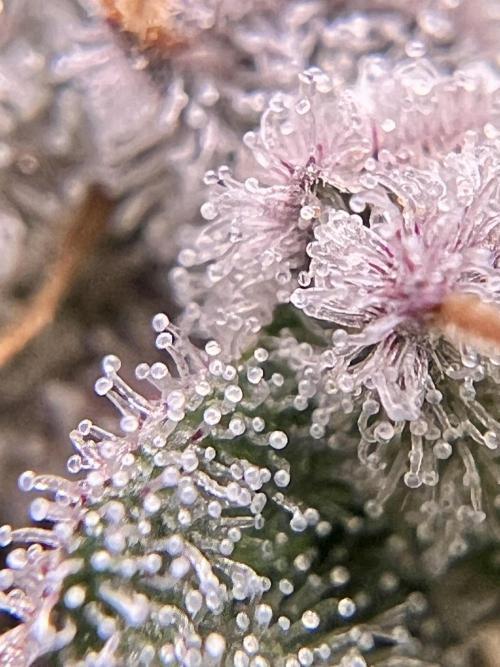
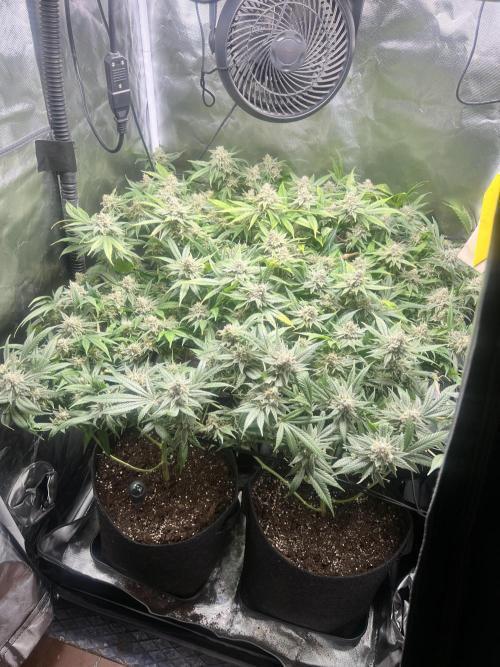
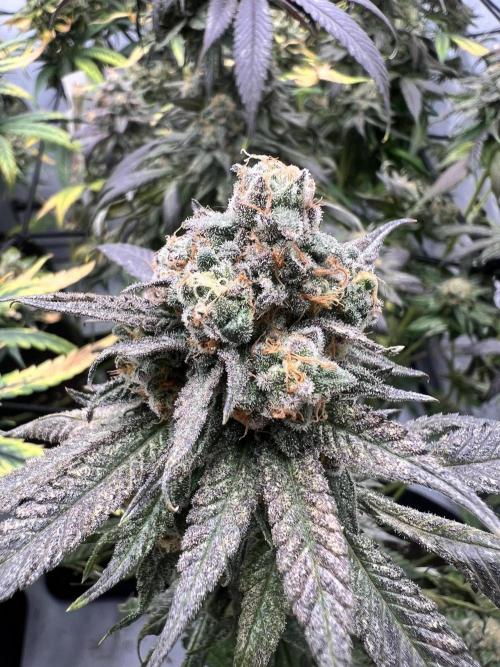
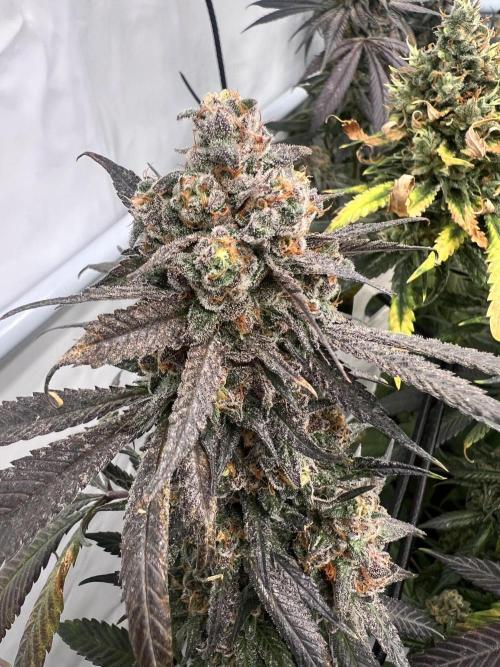
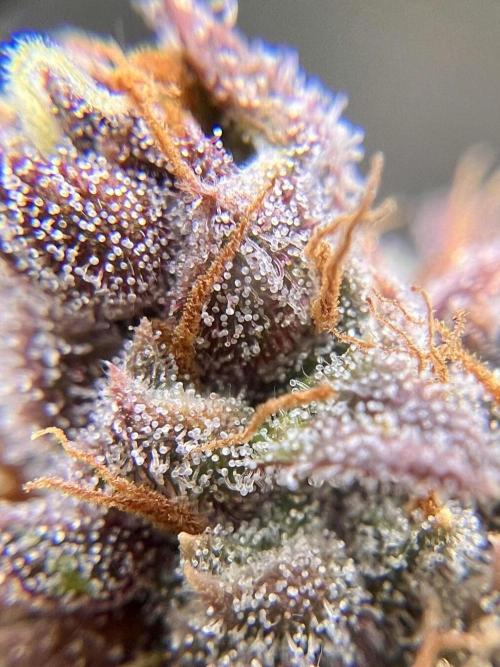
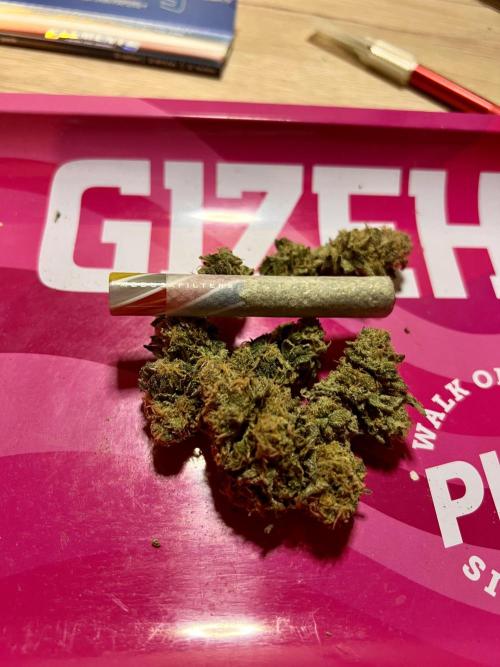
MistaOC Biotabs Interview
1. Vertel ons een beetje over jezelf: wie ben je, waar kom je vandaan en wat doe je buiten het kweken?
Ik ben 40 jaar oud en woon in het westen van Duitsland, waar ik een nuchter leven leid als familieman. Mijn hoofdberoep is in de verkoop binnen de auto-onderdelenindustrie, waar ik opereer in een grootschalige B2B-groothandelsomgeving in heel Duitsland.
We werken met ongeveer 7.500 actieve zakelijke klanten, en mijn rol gaat minder over dagelijkse bestellingen en meer over het grotere geheel. Ik ben het eerste aanspreekpunt voor zakelijke aangelegenheden — ik houd me bezig met contracten, partnerschappen en fungeer als het gezicht van onze afdeling. Het is een rol die structuur, betrouwbaarheid en een sterk gevoel voor communicatie vereist.
Buiten dat ben ik altijd iemand geweest die met zijn handen werkt. Ik neem een breed scala aan handmatige projecten aan — van tegelen en gipsplatenbouw tot meer gespecialiseerde werkzaamheden zoals het afdichten van brandwerende openingen. Ik geniet ervan om dingen te creëren, ruimtes te verbeteren en aandacht te besteden aan de kleine details die het verschil maken.
Die mindset volgt één eenvoudige regel: alles of niets. Als ik iets doe, doe ik het goed. Deze houding heeft me meer dan 40 jaar gevormd — en het draagt natuurlijk ook over naar mijn kweekactiviteiten en de manier waarop ik ze documenteer. Ik steek veel zorg in elke stap, van de kweek zelf tot hoe ik het presenteer in mijn dagboeken.
Als ik mijn leven in een paar pijlers zou moeten beschrijven, zou het er vier zijn: mijn gezin, mijn hoofdberoep, mijn praktische nevenwerk en het kweken. En kweken is voor mij niet zomaar een hobby — het is een echte passie die alles met elkaar verbindt. :seedling:
2. Hoe ben je begonnen met kweken? Vertel ons over je allereerste stappen.
Mijn eerste contact met cannabis gaat terug naar toen ik ongeveer 14 was. Toen waren er geen WhatsApp of sociale media — als je mensen wilde ontmoeten, belde je ze of stuurde je misschien een (best dure) sms, en dan hing iedereen gewoon op dezelfde plek rond. Voor ons was die plek simpelweg "de straat."
Ik was een van de jongere jongens in de groep, die rondhing met een paar oudere jongens, misschien 17 of 18. Een van hen verdween af en toe in een nabijgelegen veld — iedereen wist wat hij deed, ook al werd er niet echt over gesproken. Op die leeftijd was ik nieuwsgierig, maar ook een beetje terughoudend.
Tegelijkertijd was ik zwaar in de voetbalsport, en de meeste van mijn vrienden kwamen daar vandaan. Op een dag, tijdens een soort evenement op het sportveld, probeerde ik het voor het eerst met een paar van de oudere jongens. Het was niet de soepelste ervaring, vooral gemengd met alcohol, maar het bleef bij me.
Daarna ontwikkelde alles zich natuurlijk. Onze kleine kring groeide, vooral door school, en we werden wat je waarschijnlijk een typische rokersgroep zou noemen. Het echte keerpunt was echter toen een van de jongens — die net naar onze buurt was verhuisd — me zijn verborgen kweekruimte op zolder liet zien. Het was een super basic opstelling met fluorescentielampen, geen echte klimaatbeheersing, geen diepgaande kennis — maar hij kweekte zijn eigen planten.
Dat moment bleef bij me. Het ontketende iets. Zelfs toen wist ik dat ik het ooit zelf wilde doen.
Die kans kwam jaren later. Toen ik ongeveer 22 was, verhuisde ik met mijn vriendin — die nu mijn vrouw is — naar mijn eerste appartement. Voor het eerst had ik mijn eigen ruimte, en dat is wanneer ik mijn eerste echte kweek begon. Ik zette een IKEA-kast in een spare room om in een kleine kweekruimte, net groot genoeg voor twee indica-planten. Niets bijzonders, maar het was van mij.
Ik haalde mijn zaden toen uit Nederland, en ik bleef ongeveer twee tot drie jaar kweken. Mijn opstelling evolueerde in de loop van de tijd — toen was het allemaal HPS-lampen en fluorescentielampen, lang voordat LED werd wat het nu is. Ik heb nog steeds mijn oude Homebox-tent uit die tijd, en het is grappig — het ziet er nog steeds bijna als nieuw uit.
Op een gegeven moment veranderde het leven en verhuisden we naar een plek waar kweken gewoon niet meer mogelijk was. Dus moest ik stoppen, ook al is de passie nooit echt verdwenen.
Toen kwam 2024 en de gedeeltelijke legalisatie in Duitsland. Voor mij was dat het moment waarop alles terugkwam. Het is nog lang niet perfect, maar voor kwekers zoals wij opende het de deur weer om deze passie iets vrijer te volgen — en dat is wanneer ik het weer oppakte.
3. Welke rol speelt cannabis in je leven – persoonlijk en als kweker?
Cannabis heeft me vanaf het allereerste moment gefascineerd — of het nu de geur, de ervaring of gewoon de hele vibe eromheen was. Voor mij ging het in het begin nooit echt om medicatie. Het was meer een manier om te ontspannen, bijna als een schakelaar die je in een andere, meer ontspannen staat brengt.
Wat me altijd opviel, was het gevoel — die diepe fysieke ontspanning en het gevoel van verbinding. Het was nooit iets negatiefs in mijn leven. Sterker nog, ik heb het altijd boven alcohol geprefereerd, zowel toen als nu. Het past gewoon beter bij me.
Afhankelijk van de situatie kan het zelfs mijn focus verscherpen. Natuurlijk kan het ook het tegenovergestelde doen als je het overdrijft — maar op de juiste manier gebruikt, helpt het me om te vertragen, opnieuw in te stellen en dat "einde van de dag" gevoel te vinden.
In de loop der tijd is mijn perspectief echter geëvolueerd. Naarmate je ouder wordt, begint je lichaam je eraan te herinneren dat je niet meer 20 bent. Onlangs had ik een schouderpeesblessure, en dat was de eerste keer dat ik de medische kant van cannabis op een merkbare manier ervoer. Het hielp de pijn te verminderen en verbeterde zelfs mijn mobiliteit — iets waar ik eerder niet echt over had nagedacht.
Maar als kweker betekent cannabis nog iets diepers voor me.
Kweken is een ware passie. Het gaat niet alleen om consumeren — het gaat om het hele proces van begin tot eind. Een plant zien ontwikkelen, leren van elke cyclus, stap voor stap verbeteren — dat is wat me echt drijft.
Het gaat niet om beter zijn dan iemand anders. Het gaat om beter worden dan ik voorheen was. Die mindset draagt ook over naar andere gebieden van mijn leven — altijd verfijnen, altijd leren.
Tegelijkertijd leert kweken discipline. Je kunt dingen niet gewoon laten lopen en geweldige resultaten verwachten. Timing, zorg, consistentie — dat alles doet er toe. Als je niet op de juiste momenten de moeite doet, zal het resultaat niet zijn wat je wilt.
Daarom zie ik het helemaal niet als iets lui of passief. Voor mij is het het tegenovergestelde. Kweken brengt structuur, focus en een bepaalde rust in mijn leven. Het verankert me — en dat maakt het zo waardevol voor mij. :seedling:
4. Welke kweekmethode geef je de voorkeur aan en waarom?
Ik heb altijd de voorkeur gegeven aan binnen kweken boven buiten kweken. Het komt terug op mijn mindset — alles of niets. Naar mijn mening, vooral hier in Duitsland, geeft buiten gewoon niet het kwaliteitsniveau dat ik nastreef. Binnen geeft me volledige controle, en dat is precies wat ik wil.
Tegelijkertijd ben ik iemand die constant experimenteert. Zelfs als ik weet dat het me opbrengst, kwaliteit kan kosten of stress voor de planten kan veroorzaken — ik doe het nog steeds. Zo verbeter ik. Ik moet dingen met mijn eigen ogen zien en leren van mijn eigen ervaring om echt te begrijpen wat het beste voor mij werkt.
Ik heb altijd in de grond gekweekt. In de loop der tijd is mijn opstelling enorm geëvolueerd. Ik begon met eenvoudige plastic potten, schakelde over op stoffen potten na de legalisatie, en nu ben ik weer terug bij plastic potten — voornamelijk omdat ik in een AutoPot-systeem ben gegaan, wat beter past bij mijn huidige aanpak.
Mijn doel vandaag is om alles zo efficiënt en stabiel mogelijk te houden. Ik heb een automatisch bewateringssysteem dat is aangesloten op een tank van 50 liter, die wordt gevuld via een RO-systeem dat ik via een app kan bedienen. Het water loopt door een calciumfilter om de pH te stabiliseren. Ik jaag niet meer op perfecte cijfers — zolang het stabiel is en binnen een goed bereik, is dat wat meer telt.
Over het algemeen geef ik de voorkeur aan het werken met organische voedingsstoffen. Voor mij is het belangrijk om te weten dat het eindproduct zo schoon en natuurlijk mogelijk is. Ik heb alle typische worstelingen doorgemaakt — pH aanpassen, omgaan met tekorten, urenlang water mengen — en in de loop der tijd heb ik mijn systeem steeds verder vereenvoudigd.
Daarom past Biotabs perfect in mijn opstelling. Het is een zeer natuurlijke match — eenvoudig, organisch en betrouwbaar. Het stelt me in staat om me meer op de planten zelf te concentreren in plaats van voortdurend inputs aan te passen.
Mijn standaardopstelling is vrij consistent: een tent van 1,2 × 1,2 m, ongeveer 480W LED, AC-ventilatie met een koolstoffilter, en meestal vijf planten. Ik top elke plant minimaal, laat ze ongeveer vijf weken vegeteren, en gebruik vaak een SCROG-net om het bladerdak te maximaliseren.
Maar zelfs hier blijf ik dingen testen. Bijvoorbeeld, ik experimenteer momenteel met en zonder SCROG om te zien hoe het de opbrengst beïnvloedt — want uiteindelijk jaag ik niet alleen op kwaliteit, maar ook op efficiëntie.
Dat is echt mijn aanpak in een notendop: bouw een solide systeem, houd het eenvoudig, maar stop nooit met verfijnen. :seedling:
5. Welke strain ligt het dichtst bij je hart en wat fascineert je eraan?
Dat is een moeilijke — ik denk niet dat er maar één enkel antwoord is.
In het algemeen ben ik altijd een fan geweest van fruitige, citrusachtige strains. Af en toe geniet ik ook van iets meer gasachtig, maar als ik moest kiezen wat er natuurlijk in me opkomt, is het eigenlijk de allereerste strain die ik ooit heb gekweekt.
Terug in 2012, tijdens mijn eerste kweek, kweekte ik Super Skunk van Vision Seeds — en tot op de dag van vandaag springt die eruit. Grappig genoeg was die eerste kweek waarschijnlijk mijn beste in termen van hoe het op dat moment voelde. Alles was nieuw, spannend, en dat eindproduct was gewoon anders. Gekweekt onder een eenvoudige 400W-opstelling, niets vergeleken met wat we vandaag hebben — maar het was zonder twijfel de beste wiet die ik tot dat moment had gerookt.
Het gaat niet alleen om de strain zelf — het gaat om het moment, de ervaring en wat het vertegenwoordigde.
Tegelijkertijd is er nog een andere die ik moet noemen: Amnesia Haze (Core Cut). Die strain is pure nostalgie voor mij. Het was overal toen ik jonger was — die klassieke haze die we allemaal kenden. Het zelf kweken van vandaag brengt veel herinneringen terug. Het is als een terugblik naar die vroege dagen, maar nu met de kennis en controle om het echt recht te doen.
Dus als ik het zou samenvatten: de ene strain vertegenwoordigt waar het allemaal voor mij begon, en de andere verbindt me met de wortels van de scene waarin ik ben opgegroeid.
6. Wat is je grootste leermoment geweest als kweker – een fout of een succes dat je heeft geholpen te groeien?
Een van de grootste lessen die ik als kweker heb geleerd, is dat routine je grootste vijand kan worden.
Wanneer je consistent kweekt in de loop van de tijd, begin je vertrouwen op te bouwen — en dat is een goede zaak. Maar op een gegeven moment kan dat vertrouwen veranderen in zelfgenoegzaamheid. Je denkt dat je alles hebt gezien, je begint kleine stappen over te slaan, en je zegt tegen jezelf: "het komt wel goed."
Dat is precies waar de problemen beginnen.
Als ik terugkijk op mijn eerdere kweken, vooral voor mijn langere pauze, was mijn opstelling gewoon niet goed genoeg. Ik kweekte onder het dak met temperaturen die gemakkelijk 30°C bereikten, de luchtvochtigheid was overal, en de omgeving was gewoon niet goed ingesteld. Bovendien begon ik dingen te laten verslappen omdat ik dacht dat ik het onder controle had.
Die combinatie was mijn wake-up call.
Sinds ik na de legalisatie weer ben begonnen met kweken, heb ik een totaal andere benadering aangenomen. Ik neem het nu serieus — niet alleen als een hobby, maar als iets dat ik wil beheersen. En ik erken ook dat het kunnen kweken onder goede omstandigheden een privilege is. Er zijn veel factoren die op elkaar moeten aansluiten — je omgeving, je woonsituatie, verantwoordelijkheid, vooral met familie — het is niet iets dat je als vanzelfsprekend kunt beschouwen.
Wat me echt vasthoudt, is dat kweken nooit saai wordt. Ik heb veel hobby's in mijn leven gehad, maar dit is de enige die nooit zijn aantrekkingskracht heeft verloren. Zelfs het "vuile werk" — het schoonmaken van de tent, alles instellen — het is allemaal onderdeel van het proces.
Natuurlijk heb ik elke fout gemaakt die je je kunt voorstellen. Overvoeden, ondervoeden, overbewateren, onderbewateren — plagen zoals bladluizen en trips, en momenteel mijn grootste uitdaging: meeldauw.
Dat is tot nu toe mijn moeilijkste tegenstander geweest. Zelfs met gecontroleerde luchtvochtigheid kan het nog steeds opduiken, en het dwingt je om echt je omgeving en je planten te begrijpen. Het verschil nu is: ik weet hoe ik ermee om moet gaan. Het is onder controle, en dat is waar groei om draait — niet het vermijden van problemen, maar leren hoe je ermee omgaat.
Elke fout leert je iets. En in de loop van de tijd bouw je het vertrouwen op dat, ongeacht wat er opduikt, je een manier zult vinden om het op te lossen.
7. Hoe ziet je typische kweekroutine eruit – hoeveel tijd investeer je en wat geniet je het meest?
Mijn routine is vrij gestructureerd — ik houd ervan om dingen consistent te houden, maar laat nog steeds ruimte voor aanpassingen wanneer dat nodig is.
Het begint allemaal met het ontkiemen van zaden. Ik laat meestal vijf tot zes zaden ontkiemen en selecteer dan de sterkste vijf om mee verder te gaan. Ze beginnen in kleine potten van 0,2L onder een humiditeitsdome, met Canna Professional grond verrijkt met Biotabs Startrex volgens het voedingsschema.
Na ongeveer tweeënhalve week transplant ik ze in 15L AutoPot-containers. Op dat moment geef ik ze handmatig water — eerst met ongeveer een liter RO-water, gevolgd door nog een liter gemengd met voedingsstoffen volgens het schema.
Daarna geef ik ze een paar dagen de tijd om te settelen voordat ik weer water geef — meestal rond de vijf tot zes dagen later, opnieuw met RO-water. Deze aanpak heeft goed voor me gewerkt om overbewatering te voorkomen en de wortels goed te laten vestigen in het nieuwe medium.
Hoewel het AutoPot-systeem al is ingesteld, activeer ik het niet meteen. Tijdens de vegetatieve fase geef ik de voorkeur aan handbewatering om sterke wortelontwikkeling aan te moedigen en overbewatering in het begin te voorkomen. Zodra ik dicht bij de bloeifase ben, zet ik het systeem aan — in feite gewoon een klep openen, en alles loopt automatisch vanaf daar.
Vanaf dat punt daalt de werklast aanzienlijk. Ik hoef me niet echt meer zorgen te maken over water geven. Voedingsstoffen zijn ook eenvoudig gehouden — elke paar weken voeg ik een kleine topfeed toe, en dat is het zo'n beetje. Vergeleken met hoe ingewikkeld het vroeger was, voelt het bijna alsof het vanzelf loopt.
Dat stelt me in staat om me te concentreren op wat echt belangrijk is: de planten.
Ik controleer ze nog steeds regelmatig, meestal elke avond als ik thuis ben. Niet omdat ik moet, maar omdat ik wil. In plaats van water te mengen of de pH aan te passen, kan ik daadwerkelijk observeren — de bladeren, de structuur, de ontwikkeling van de knoppen. Daar gebeurt de echte verbinding.
Dat is ook wanneer ik beslis wat ik vervolgens ga doen — defoliatie, LST, soms HST, of werken met een SCROG-net. Het is niet altijd een vast plan, meer een combinatie van ervaring en gevoel in het moment.
Omgevingscontrole is ook een belangrijk onderdeel van mijn routine geworden. Ik begin met ongeveer 70% luchtvochtigheid tijdens de ontkieming, en breng het dan geleidelijk omlaag — rond de 65% in de vroege vegetatie, en dichter bij 55% na de transplantatie. Het stabiel houden van dingen heeft een enorm verschil voor me gemaakt.
Na ongeveer vijf weken vegetatie schakel ik over naar bloei. Vanaf daar gaat het om het onderhouden van het systeem en de planten sterk af te laten ronden. De bloei duurt meestal ongeveer 8–10 weken, afhankelijk van de strain.
En dan begint alles weer opnieuw.
Wat ik het leukst vind, is precies die balans — een systeem dat soepel op de achtergrond draait, terwijl ik me volledig kan concentreren op de planten zelf en de kunst van het kweken. :seedling:
8. Welke adviezen zou je geven aan beginners die net de wereld van het kweken betreden?
Als ik één advies zou moeten geven, zou het dit zijn:
De regel is… er is geen regel.
Dat is mijn mindset, en het is iets waar ik echt in geloof. Natuurlijk zijn er richtlijnen, best practices en veel informatie beschikbaar — maar uiteindelijk is elke kweek anders, elke omgeving is anders, en elke plant reageert op zijn eigen manier.
Dus in plaats van alles blindelings te proberen te volgen, ga zitten, observeer en leer van de plant.
Kweken is een proces. Je zult niet alles vanaf dag één goed doen — en dat is volkomen normaal. Fouten maken hoort erbij. Sterker nog, ze zijn een van de belangrijkste manieren om te leren.
Vandaag de dag is het gemakkelijker dan ooit om te beginnen met kweken. Er is eindeloze informatie online, tutorials, perfecte foto's en stapsgewijze handleidingen. Maar dat kan ook misleidend zijn. Je ziet deze foutloze resultaten en denkt dat dat de norm is — maar wat je niet ziet, is de ervaring die erachter zit.
Toen ik begon, was het compleet anders. Er waren forums, zeer beperkte foto's, en je moest veel zelf uitzoeken. Dat dwong je om echt aandacht te besteden en te begrijpen wat er voor je gebeurde.
En dat is nog steeds de belangrijkste vaardigheid vandaag.
Kijk goed naar je planten. Ze zullen je vertellen wat ze nodig hebben — door hun bladeren, hun structuur, hun groei. Zodra je dat begint te begrijpen, wordt alles veel gemakkelijker.
Dus jaag niet op perfectie. Leer, pas je aan en geniet van het proces.
En het belangrijkste — geniet van het leven als kweker. :seedling:
9. Hoe heb je voor het eerst over Biotabs gehoord en wat maakte dat je het wilde proberen?
Ik ken Biotabs eigenlijk al een lange tijd.
Toen ik voor het eerst begon met kweken, had ik een volledig mineraal systeem — met producten zoals Canna Vega en Flores. In die tijd was de markt nog lang niet zo verzadigd als nu, maar merken zoals Hesi en Biotabs waren er al. Ik herinner me dat ik Biotabs toen op de schappen zag, maar ik maakte nooit echt de overstap. Ik bleef gewoon bij wat ik kende.
Mijn eerste echte contact met Biotabs kwam veel later, toen ik dieper in de bodembiologie begon te duiken — dingen zoals mycorrhiza en trichoderma. Ik werd meer geïnteresseerd in hoe de bodem zelf werkt en hoe je een gezonde microbieel omgeving kunt opbouwen.
Dat is wanneer ik Bactrex tegenkwam.
Grappig genoeg, als ik nu terugkijk, gebruikte ik het volledig verkeerd. Ik behandelde het als een ander product en voegde het gewoon rechtstreeks in het plantgat toe, denkende dat dat de manier was waarop het moest worden gebruikt. Of dat nuttig was of niet… ik denk dat alleen de planten het weten.
Maar dat was mijn instap in de wereld van Biotabs.
Van daaruit begon ik meer te leren, verschillende benaderingen te testen en te begrijpen hoe het systeem eigenlijk werkt. In de loop van de tijd ben ik steeds verder weg gegaan van mineraalvoeding en meer naar een biologische aanpak.
En hoe meer ik experimenteerde, hoe duidelijker het voor me werd: de combinatie van organisch kweken met een vereenvoudigd systeem is precies wat ik zocht.
10. Hoe heeft Biotabs je kweek beïnvloed en wat waardeer je het meest aan het product?
Biotabs heeft mijn kweek eenvoudiger, stabieler en over het algemeen meer gecontroleerd gemaakt.
Vroeger bracht ik veel tijd door met het aanpassen van dingen — voedingsstoffen mengen, pH controleren, reageren op problemen. Met Biotabs wordt die complexiteit tot een minimum beperkt. Het systeem is eenvoudig: bereid de grond voor, voeg de tabs toe, geef het goed water — en vanaf daar is het meestal gewoon water.
En het verrassende is: het werkt. Echt goed.
Voor mij past het perfect in mijn huidige opstelling en mindset. Ik heb een systeem gebouwd dat zo efficiënt en geautomatiseerd mogelijk is, en Biotabs complementeert dat op de beste manier. Het stelt me in staat om me meer op de planten zelf te concentreren in plaats van voortdurend inputs te beheren.
Dat is wat ik het meest waardeer — de balans tussen eenvoud en prestaties. Je hoeft geen cijfers na te jagen of dingen te compliceren om geweldige resultaten te behalen.
Op dit moment voelt het als een natuurlijke fit — bijna als een symbiose tussen mijn manier van kweken en het product zelf. En zodra je iets vindt dat betrouwbaar op dat niveau werkt, is er echt geen reden om het te veranderen.
Voor iedereen die organisch wil kweken en zijn opstelling naar een hoger niveau wil tillen, is het zeker de moeite waard om het te verkennen. :seedling:
11 houdt van
11 opmerkingen
Share
Equipment Reviews



11 opmerkingen
Sorteer op
populariteit
populariteit
nieuwste
oudste
Mia_BIOTABS  gecommentarieerdweek 14mo ago
ik vind vooral je antwoorden onder vraag 8 leuk--- wat zou je tegen nieuwe kwekers zeggen----- De regel is... er is geen regel.--- en de volgende tekst
houdt van 5
Mia_BIOTABS gecommentarieerdweek 14mo ago
Ik voel dit heel erg...... Een van de grootste lessen die ik als kweker heb geleerd, is dat routine je grootste vijand kan worden......... hou daarvan:pray:
houdt van 4

MistaOC gecommentarieerd4mo ago
@Mia_BIOTABS, Heel erg bedankt, ik waardeer je vriendelijke woorden echt :pray:
Het betekent eerlijk gezegd veel om deel uit te maken van de Biotabs-gemeenschap, en ik ben blij dat mijn mindset en aanpak bij je resoneren.
Ik kijk ernaar uit om deze reis samen voort te zetten! :seedling:
houdt van 4

DivineBuds420 gecommentarieerdweek 14mo ago
Grote gefeliciteerd met het interview :seedling:
Ik heb er echt van genoten om het te lezen – veel waardevolle inzichten en een mooie reflectie van jouw reis en mindset als kweker.
Het is altijd inspirerend om te zien hoeveel de plant ons kan leren onderweg. :green_heart:
houdt van 3
MistaOC gecommentarieerd4mo ago
@DivineBuds420, Heel erg bedankt voor je vriendelijke woorden :seedling::green_heart:
Ik waardeer het echt dat je de tijd hebt genomen om het te lezen en je gedachten te delen.
Het betekent veel om te horen dat de reis en de mindset erachter met je resoneerden. De plant is echt een ongelooflijke leraar – altijd nederig, altijd inspirerend.
Dankbaar om deel uit te maken van zo'n gepassioneerde en ondersteunende gemeenschap :pray:.
houdt van 3
Mia_BIOTABS gecommentarieerdweek 14mo ago
woooow- dank je wel
houdt van 3
Mia_BIOTABS gecommentarieerdweek 14mo ago
wat dacht je van betekenisvolle foto's van je teelt?, de meest memorabele, of.....misschien uitdagend, of vreugdevol
houdt van 3
Mrs_Larimar gecommentarieerdweek 14mo ago
ja, bedankt voor de inzichten. De video is budpron puur - ik hou ervan. hier is mijn interviewlink
growdiaries.com/diaries/308371-grow-journal-by-mrs-larimar
houdt van 2
TrickzGrowz gecommentarieerdweek 14mo ago
:green_heart::fire::fire::fire:
houdt van 2
Theia gecommentarieerdweek 14mo ago
Zeer interessant interview.👍🏽
houdt van 2
Mia_BIOTABS gecommentarieerdweek 14mo ago
Dank je wel voor het interview!!!!!
houdt van 2

the end.
Enjoying this diary? Follow for more updates!
Verkiest u de oude dagboekweergave?
Terug naar de oude dagboekweergave