


Likes
Comments
Share


@Rap_a_cap
Follow
No rain from April, it rains the day before the harvest........WTF
Perfectly ripened, this half of a plant will become among the prettiest buds ever grown. See U in few days for harvest.
Spoiler: great smoke!

Likes
42
Share


@Dr_Boom
Follow
She's starting to show some nice purple colors, even though it's not getting very cold at night. She's showing many nice buds and it appears that while they may not be the biggest buds I have grown, they will be quite firm. So far, so good! Let's see what happens!
Likes
25
Share
@GrowBro1981
Follow
Sooo liebe Growfreunde, wir sind wieder zurück für einen kurzen Wochenbericht.
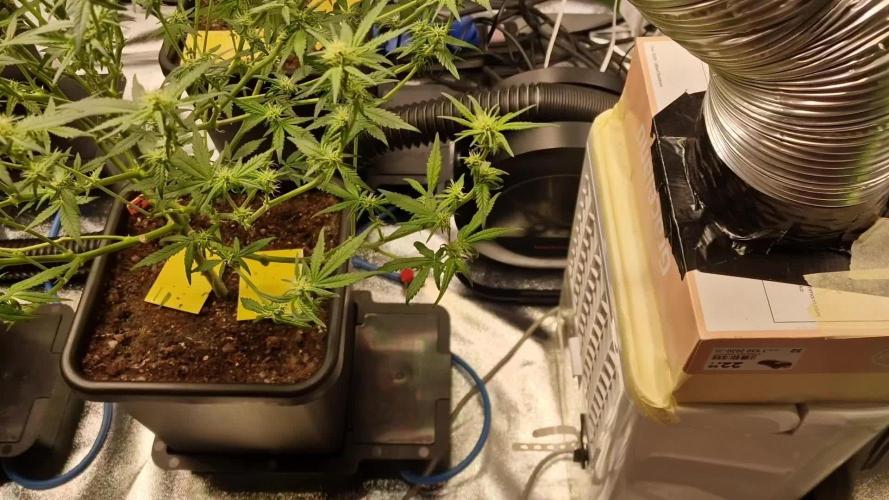
Heute ist BT 25 am Dienstag endet somit Woche 4. Leider blüht die Gorilla Zkittlez immernoch nicht, keine Ahnung was sie hat. Aber alle anderen 5 machen sich prächtig😎💪👌🤗. Extrem viele Blütenstände. Hab nochmal richtig entlaubt, alle großen Blätter weg. Ich weis das viele von euch dass anders gemacht hätten, für mich war der Hintergrund die Lichtausbeute, deshalb so radikal.
Hab fast nicht gelollipoppt weil überall Licht hinkommt. Was meint ihr dazu? Übrigens danke an alle die meinem Grow folgen,liked und kommentieren👍


Likes
9
Share


@Jbuttch
Follow
Ya viendo el resultado del último LST, desde aquí ya veo cómo van las cosas!
Likes
2
Share


@eldruida_lamota
Follow
Que pasa familia, vamos con la cosecha de estas Orange Sherbet Fast Flowering, de FastBuds.
Por dónde empezar, las flores son poco compactas pero van repletas de resina y unos aromas bastante dulces y citricos
Es muy sencilla de cultivar, es de ciclo corto aunque también si le dais una semana más no pasa nada agradecer se agradece al final.
Mars hydro:
Code discount: EL420
https://www.mars-hydro.com/
Agrobeta:
https://www.agrobeta.com/agrobetatiendaonline/36-abonos-canamo
Hasta aquí todo, Buenos humos 💨💨💨

Likes
5
Share


@Kinghaze
Follow
Week 6
I Set up the trellis net en started training.
Now it's waiting till the canopy is full.

Likes
4
Share

@Bud_vista
Follow
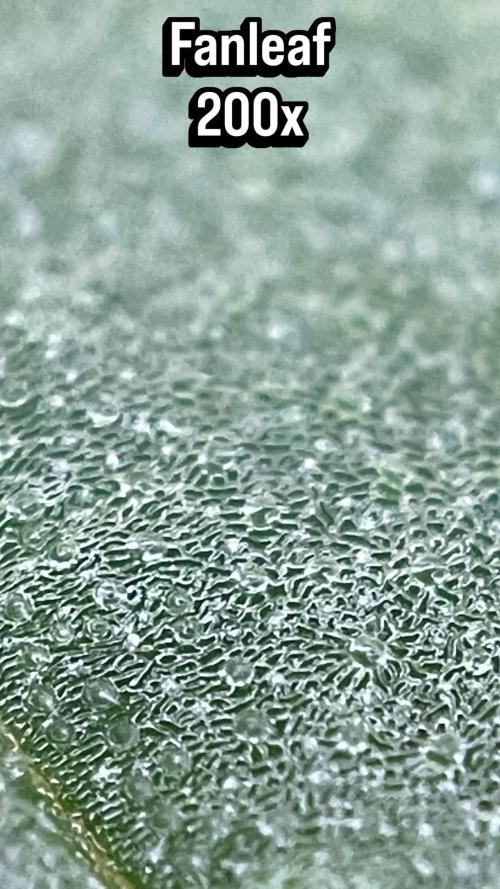
We are hitting week 4 now! Plant looks strong, has a nice green look overall and she seems to like her new home! I give her every 4 days ph regulated water. 1liter from the bottom, about 1,5l from above.
I will give the plant another week unter the trellis to make sure the side branches catch up.
Week 4 was pretty straightforward, holding the branches under the trellis and cutting some fan leafs that giving shadow to the lower branches. At end of week 4 there are first signs of flowering and she gets thirstier over the week. Giving her about 1L from bottom and 1,5L from above every two days at the moment. At first sign of flowering I have turned the led to 100% (100W)
I’m really happy with my first try in coco, the plant looks healthy with a nice green color overall. I’m using ph regulated water between 6-6,3 with biobizz nutrients.
Likes
5
Share


@Weedseed
Follow
Aun no e terminado con ellas pero para ser mi primer scrog lo veo bien o que me decís vosotros?
Likes
19
Share

@DogDoctorOfficial
Follow
🌌 Cosmic Noodles — Week 7 (12/12 from seed)
Reading the plant, not the panic
First of all — welcome to everyone new joining the diary.
Quick recap below so nobody has to dig through old reports to understand how we got here.
This is a 12/12 from seed run, which means there is no clean, universal “flower week.” Each plant decided on her own when to flip, stretch, and settle. That context matters for everything you’re about to read.
⸻
🌱 Quick recap — Seed to Week 7
• Germinated and flipped 12/12 from day one
• Early structure built with air training + metal clamps
• Focus from the start was:
• Structure over speed
• Roots over tops
• Stability over chasing charts
• Plants developed strong internodes, upright posture, and open architecture
• No rushing, no forcing — just guidance
By Week 6–7, structure was locked in. Which brings us to now.
⸻
🌡️ Room conditions (current)
• 🌡️ Day temp: ~28 °C
• 💧 RH: ~65%
• ⚡ EC: ~2.4
• pH: ~6.5
• 📏 Height: ~40–80 cm
• 💡 LED lighting
On paper, some growers panic at 28 °C in flower.
But here’s the difference between growing by numbers and growing by understanding.
⸻
🍃 LED, leaf temperature & VPD (the part most people skip)
Under LED, room temperature ≠ leaf temperature.
LEDs don’t radiate infrared heat like HPS. That means:
• A wall sensor can read 28 °C
• While leaf surface temperature is often 2–4 °C cooler
And plants don’t feel the room — they feel their leaves.
That’s where leaf VPD comes in.
If:
• Room temp = 28 °C
• Leaf temp ≈ 24–26 °C
• RH = 65%
👉 Leaf VPD lands right in the comfort zone for early–mid flower.
And the plants confirm it:
• Deep, relaxed green
• No tacoing, no stress-praying
• Strong internodes
• Uniform uptake across phenotypes
That’s real data.
We’re not ignoring numbers —
we’re letting plant behavior be the final authority.
Stability beats “fixing” something that isn’t broken.
⸻
✂️ Defoliation — why it was heavier this time
Let’s be clear:
This was not aesthetic defoliation.
This was functional defoliation.
Context matters:
• 🏠 8×8 room
• 🌱 ~27 plants
• 🌬️ Airflow, humidity pockets, and light distribution scale very differently
Sometimes a single plant wouldn’t ask for defoliation —
but the room does.
Why we defoliated:
• Improve airflow through a dense canopy
• Reduce micro-humidity pockets
• Let photons travel into the canopy, not just hit the top
• Reset apical dominance
• Refocus energy toward flowering sites
Yes — I went harder than initially planned.
But:
• Genetics are strong
• Roots are dialed
• Feed is stable
• Plants are healthy
Healthy plants recover fast.
Stressed plants don’t.
These girls are clearly the first category.
⸻
🌿 Plant-specific notes (this update)
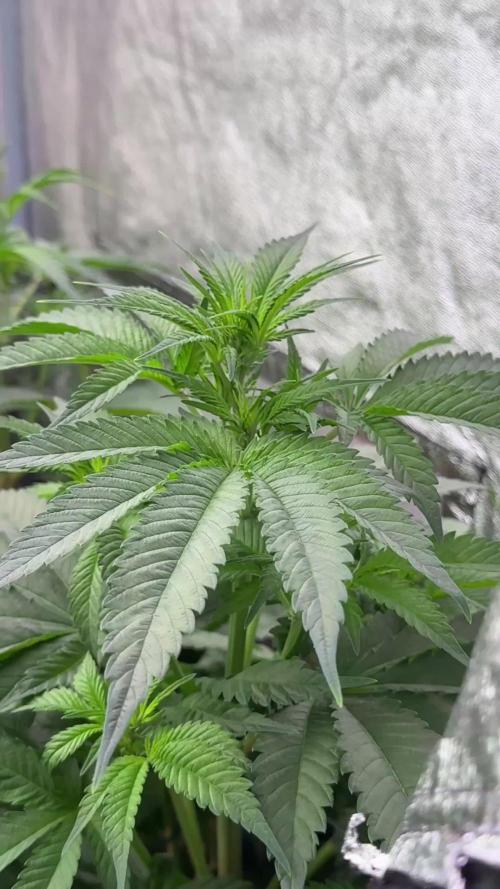
🌀 Cosmic Noodles — air-trained plant
• Fully defoliated
• All metal clamps removed
• Structure is now self-supporting
• Training phase is complete
• She doesn’t need guidance anymore — just space
This was a key moment:
We built what we needed. Now we step back.
🌿 Sister plant
• Also defoliated, fairly deep
• Naturally bushy, jungle-style growth
• Needed opening to avoid future congestion
• Likely will need another light defoliation later — purely structural
Same treatment, same feed, same environment — just different expression.
⸻
⚖️ Nutrition note — slight Cal/Mag signal
We did notice very mild Cal/Mag-related signs on some leaves.
Nothing alarming, nothing spreading.
Important context:
• We’re running Terra line, not Coco
• Terra Bloom doesn’t supply as much Ca/Mg as Coco A+B
•
LED + fast metabolism = higher demand
We’re adjusting calmly and watching how the plant responds, not reacting emotionally. This week is about observing recovery post-defoliation.
⸻
🔮 What to expect (and not expect)
Expect:
• Short recovery window
• Faster vertical focus on flowering sites
• Improved airflow and light efficiency
• Clean structure heading into bulk phase
Don’t expect:
• A “stall” — these plants are too healthy
• A hard flush — we reduce EC gradually, we don’t starve
• Identical timelines across plants (12/12 from seed = individuality)
⸻
Final words
This diary is not about perfection.
It’s about learning, observing, and adjusting with intention.
Thank you to:
• Everyone following quietly
• Everyone asking questions
• OGs, newcomers, lovers, skeptics — all of you
• GrowDiaries for being the platform that allows open sharing
• Sponsors and supporters behind the scenes
• And the plants — always the real teachers
This week we focused on structure, airflow, and understanding, not fear.
Cosmic Noodles has a lot coming.
And this was a necessary chapter.
More soon 🌌🌱
📡 Please stay tuned they can try and take us down but we never quit https://www.youtube.com/@DOGDOGTHEDOCTOR NEW
🙏 Thank you for your patience and continued support.
FOR DISCOUNT CODES AND MORE JUST FOLLOW THE LINK https://website.beacons.ai/dogdoctorofficial
📲 Don’t forget to Subscribe and follow me on Instagram and YouTube @DogDoctorOfficial for exclusive content, real-time updates, and behind-the-scenes magic. We’ve got so much more coming, including transplanting and all the amazing techniques that go along with it. You won’t want to miss it.
GrowDiaries Journal: https://growdiaries.com/grower/dogdoctorofficial
Instagram: https://www.instagram.com/dogdoctorofficial/
YouTube: https://www.youtube.com/@dogdoctorofficial Deleted by Youtube
Vimeo : https://vimeo.com/dogdoctorofficial Under construction stay tuned ⸻
Explore the Gear that Powers My Grow
If you’re curious about the tech I’m using, check out these links:
🔆 Lighting & Environmental Control
• Future of Grow — Advanced LED lighting technology
https://www.futureofgrow.com/
DISCOUNT CODE: DOG20
• Lumiflora — Under-canopy LED lighting
https://lumiflorade.com/
• TrollMaster — Environmental controllers and automation gear (past collaboration)
⸻
Genetics
• Zamnesia Seeds — Genetics used in this project
https://www.zamnesia.com/
⸻
🌱 Soil, Substrates, Boosters & Root Support
• Plagron — Substrates, bio mixes, and supportive products
https://plagron.com/en/
⸻
🎒 Storage, Curing & Preservation
• Grove Bags — Curing and storage solutions
https://grovebags.com/
⸻
📸 Photography Equipment & Tools
(Not sponsors, but part of my creative toolkit)
• Sony A6700
• Sony full-frame macro lens + few more
• Stacking photography workflow - learning
• iPhone (for behind-the-scenes shots)
We’ve got much more coming as we move through the grow cycles. Trust me, you won’t want to miss the next steps, let’s push the boundaries of indoor horticulture together!
As always, this is shared for educational purposes, aiming to spread understanding and appreciation for this plant. Let’s celebrate it responsibly and continue to learn and grow together.
With true love comes happiness. Always believe in yourself, and always do things expecting nothing and with an open heart. Be a giver, and the universe will give back in ways you could never imagine.
💚 Growers love to all 💚
📸 P.S. – The Eye Behind the Lens
All photos in this diary (for now — except for the ones showing the camera, which I took with an iPhone) are taken with a Sony A6700 paired with a Sony full-frame macro lens and a few more.
Photography is part of the story — it’s how we share the fine textures, the glow, and the quiet details that words can’t always capture.
I’ve also started experimenting with photo stacking — a technique where multiple images, each taken at a slightly different focus point, are layered together to create one perfectly sharp image from front to back.
It’s not digital enhancement or AI; it’s pure photography — a way to reveal the plant’s beauty in microscopic depth, from trichome to petal.
You’ll even see a few shots of "ghost me" capturing the shots — camera, lens, setup — because every grow deserves not just to be cultivated, but documented like art.
FOR DISCOUNT CODES AND MORE JUST FOLLOW THE LINK https://website.beacons.ai/dogdoctorofficial
NEW DISCORD - Official Server Invite Link : https://discord.gg/ksjAkA5T74

Likes
37
Share


@RFarm21
Follow
11/9 - Flush 4L de água para cada. pH 6.5.
17/9 - começo das 48h de escuridão
19/9 - HARVEST DAY!
Processing
Likes
18
Share

@eldruida_lamota
Follow
Buenas tardes familia, actualizamos la semana de las northern light xL, e de decir que es la más lenta del proyecto, aún así se ven como se forman unas buenas flores, por lo general compactas, iremos viendo por que todavía las va quedando.
PH Muy controlado , a estas alturas por encima del 6,2.
Ya les quitamos productos y pronto lavaremos raíces.

Likes
21
Share


@DeeDeeKushner
Follow
Day 19 of flower, I went ahead and lollipoped both girls. This will be my last time defoliating that heavy. As the days go by, I will defoliating here and there. They’re growing strong and healthy as well. 51 days until I harvest. I can’t wait!
Catch yall on the next update ✌️🏾

Likes
3
Share


@MicroHidroGrow
Follow
Finalmente corté. La verdad que sl estar sin stock siento que me corrió más el tiempo. La próxima camada será con otra disposición.
Likes
22
Share


@DrGanj
Follow
Was a lovely plant from start to finish. Very manageable and very much an Indica through and through. I'd probably defoliate and lollipop a little more if i was to grow this strain again.
Processing
Likes
7
Share


@gablmo
Follow
I finally turned 600 watts on, would love to get comments from you folks, so clueless here. If you see something wrong, please let me know.

Likes
116
Share


@Kitties_and_Colas
Follow
~_~_~_~_~_~_~_~_~_~_~_~_~_~_~_~_~_~_~_~_~_~_~_~_~_~_~_~_~_~_~_~_~_~_~_~_~_~_~_~_~_~_~_~_~_~_~_~_~_~_~_~_~_~_~_~_~_~_~_~_~_~_~_~_~_~_~_~_~_~_~_~_~_~_~_~_~_~_~_~_~_~_~_
12/11/21
😻 Week 10 and we're in the final stretch! It hasn't been the most beautiful run but these buds smell amazing! The MarsHydro has been hanging at 22" for a little while now and all new growth looks perfect... We're absolutely going to CRUSH the next grow under this light! I think we could get a half lb under her with very little effort with one of our photoperiod strains.. some of the colas are getting really fat, i suspect the biggest will have the girth approaching that of a coke can..the fact these are producing as well as they are is a miracle to me, we may revisit this strain and provide better conditions ..We'll upload progress again in a couple days, thanks for dropping by!!
⚡Mars Hydro/SP-3000⚡ Specifications ⚙️:
Diodes: Samsung LM301B / Osram 660nm (960 total!)
Driver: Meanwell 300watt 🔌 (300W±5% @AC120V-277V)
PPF: 824umol/S ☢️
PPE: 2.8 µmol/j 〰️〰️
Lifespan: >50k hrs ⌛
Veg Coverage: 3 x 5 ft 🌱
Flowering Coverage: 2 x 4 ft 🌼
Weight: 10.1 lbs (4.6kg)
-The SP-3000 uses an aluminum heatsink (no fan) and the driver can be placed outside the tent 🌡️⬇️
-IP65 waterproof ratings, tolerant to high humidity grow environments 💦 ..
-Up to 15 can be daisy-chained together and all controlled from a single light! 💡~💡~💡~💡~💡
~_~_~_~_~_~_~_~_~_~_~_~_~_~_~_~_~_~_~_~_~_~_~_~_~_~_~_~_~_~_~_~_~_~_~_~_~_~_~_~_~_~_~_~_~_~_~_~_~_~_~_~_~_~_~_~_~_~_~_~_~_~_~_~_~_~_~_~_~_~_~_~_~_~_~_~_~_~_~_~_~_~_~_
12/14
Trichs coming in long and fast, another 1- 2weeks and they should be covered in crystals!!..this strain looks beautiful under the glass, bravo @Seedsman ! 🌱 👏 😺
~_~_~_~_~_~_~_~_~_~_~_~_~_~_~_~_~_~_~_~_~_~_~_~_~_~_~_~_~_~_~_~_~_~_~_~_~_~_~_~_~_~_~_~_~_~_~_~_~_~_~_~_~_~_~_~_~_~_~_~_~_~_~_~_~_~_~_~_~_~_~_~_~_~_~_~_~_~_~_~_~
Likes
17
Share


@sunshinegroww
Follow
So finally topping time has arrived she’s been topped and so far doesn’t show signs of care just keep growing ,big difference from last week getting bigger day by day now
Likes
10
Share


@cherokee
Follow
Всем привет 🖖
Бортовой журнал запись 8
Я начну эту запись с того что расскажу вам о трагедии которая произошла сегодня у меня дома 18.02.2023
Первые 2 видео я снимал сам, там не видно языков пламени, не успел заснять этот ужас который я видел.
Было спокойное утро 09.32 часов, как обычно звучала сирена звук воздушной тривоги который звучит каждый день по несколько раз. Я поехал в другой конец города менять документы, мы стояли на парковке с моей девушкой и пили кофе, рядом с нами было десятки людей, и тут мы слышим взрывы ракет. Россия государство терорист эти преступники и убийцы в очередной раз нанесли новый ракетный удар. Это был ужас, сначала упала одна ракета и прозвучал очень сильный громкий взрыв, все люди начали кричать и плакать от страха, спустя минуту прозвучал второй взрыв....... Громкие хлопки и языки пламени поднялись на десятки метров в воздух. Это ужас, это очень страшно, взрывы огонь звуки сирены, кругом крики людей и паника. Русские убийцы стреляют по обычным домам, я хочу что бы каждый кто это читает знал то что россия это террористы которые убивают мирных граждан своими ракетами !!!
В результате обстрела пострадали 3 учебных заведения, несколько жилых домов, 17 автомобилей, раненых....... Ублюдки горите в аду!!!!
🇺🇦 💪 УКРАИНА 💪 🇺🇦 мы победим! СЛАВА УКРАИНЕ!!! ГЕРОЯМ СЛАВА!!!
Дневник.
Мне тяжело вести дневник, кто читает мои записи знает что у меня нет света, нет отопления, на нас падают ракеты......
Растения сладко пахнут, цветы дозревают несмотря на что, много ещё прозрачных трихом которые так и манят своим сладким ароматом. Purple Punch почему-то не меняет свой цвет на пурпурный, немного фиолетового оттенка есть но я надеялся что они будут фиолетовые.
С водой обратного осмоса смешал Delta 9 и Booster это был последний полив удобрениями, дальше только вода.
Я устал пить алкоголь, успокоительное, снотворное что бы уснуть что бы не бояться что меня и мою семью убить, я хочу покурить эти цветы что бы мне стало спокойно. Каннабис меня лечит от тривоги, бессонницы, нервов.
Всем мирного неба 💪🇺🇦 будьте живы и здоровы..... Пока......
Likes
24
Share


@DeepRootsGrowTrees
Follow
COLOMBIAN JACK by KANNABIA
Week #12 overall
Week #1 Flower
This week is her first week of flower she's been topped a few times during
veg and the smaller under branches have been pruned away so she can focus her energy on the tops. Stay Growing!!
Kannabia.com COLOMBIAN JACK

Likes
5
Share


@BombBuds
Follow
Jetzt geht’s rund! Bin mal gespannt wie die jetzt abliefern. Hab ne kleine Defoliation gemacht. Gelollipoppt wurde diesmal nichts, weil ich n canopy diameter von 30-40cm hab und das alles im Bereich ist wo das Licht stark genug hinkommt.
Sie sehen jetzt auch wieder top top gesund aus und beten zum Licht. Die trichomen Produktion gefällt mir bis jetzt auch gut, da ziehen sie ordentlich an!
Ende der Woche nehme ich falls nötig nochmal das ein oder andere überflüssige Blatt ab und dann lass ich sie in Ruhe.

Likes
7
Share

@eldruida_lamota
Follow
Que pasa familia, vamos con la tercera semana de floración de estas Black muffin F1 de Sweetseeds.
Vamos al lío, me quede con 3 por espacio, siempre pongo alguna semilla de más por si no abriese alguna por no perder ese hueco del indoor.
También se trasplantaron a su maceta definitiva, en este caso de 7 litros y el trasplante se realizó correctamente.
El ph se controla en 6.2 , la temperatura la tenemos entre 20/22 grados y la humedad ronda el 50%.
Las jodidas han estirado bastante, ya veremos que ocurre como va todo.
Hasta aquí todo, Buenos humos 💨💨💨