


Likes
Comments
Share


@Johnny2Fire4U
Follow
Transplant went good switched em to 5gallon pots. Just giving them some more ph'd water for this next week. Getting ready to flip these girls to flower.

Likes
29
Share


@JeyGanesha
Follow
8°settimana...gli do ancora 2 settimane di solo acqua,con un pochino di melassa,così la addolcisco un po'...ma sicuramente già sono super dolci al raccolto.......
Mah! Guardando le mi sa che una ultima settimana di flush andrà più che bene... Faccio l'ultima settimana, dandogli solo flawless Finish e via.......dopo sarà prontissima,😋🤤😜

Processing
Likes
43
Share


@biggreens420
Follow
dawgstar is doing awesome stretched out nice and focusing on flower production gave her a little strip and tucked some branches she's drinking like a horse 3l daily will start using bud candy next week at 0.5g perl very happy with her so far thanks for reading happy growing guys

Likes
13
Share


@Jungle_James_Grows
Follow
She is on a 12 /12 light cycle as she is in a tent with some photo period sisters that are in flower at the minute. So she won't have such as good a harvest if she was on a 18/6 light cycle.

Likes
4
Share


@I_Identify_As_A_Dan
Follow
Start of week 3 for Black Lebanon by SSSC
These girls just got their day 21 strip..
Pheno 3 didn't get a massive strip because she seems to be a few days behind everyone else so I'm going to wait before i do the same to her but i did snip a few fan leaves that were blocking light.
They've been getting fairly watered heavy when they do get watered 2/3 times a week but I'm trying to water more often in smaller amounts.
Pheno 1 & 2 have been stretching like crazy😍Was really hoping pheno 4 would catch up but doesn't seem like the case.
Plants are loving the Taurus TRS600 every time i come in they are praying.
The feed is BioBloom by greenhouse Feeding at 2.5g per L of medium.

Likes
13
Share


@TightNugs
Follow
Pretty good week with plenty of bud sites fattening up.Loads of defoilation needed to get light into lower areas.
All good 🤞🍁

Likes
37
Share


@iMpulsive_Grow
Follow
Day 85!
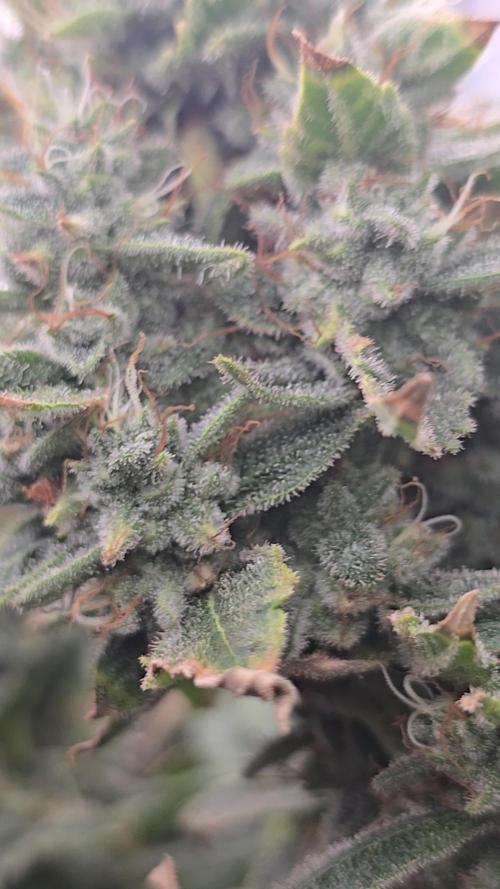
I think I got about 2-3 weeks left for the trichomes to be 💯
Day 87!
Purple trichomes? What? Lol
Day 88!
The girls are almost ready!! 👌🏼☺️
Day 89!
SEA OF NUGS 😂

Likes
Comments
Share



Likes
59
Share


@TheCannaProphet
Follow
~ AirCube Active Oxygen Ebb/Flow System sponsored by GrowAce, featuring Tropicana Cookies by FastBuds ~
Well guy's and gal's here we go again on another exciting Autoflower run together! This time will be different as I will be doing a 'Hydroponic' run utilizing the AirCube Active Oxygen Ebb/Flow System by GrowAce, who were kind enough to sponsor me for this run, so it should be interesting to see what results I get and have some fun along the way!
•Let me first tell you about this 6 Pot Ebb/Flow system from GrowAce:
"The AirCube system is the one and only Ebb & Flow grow system on the market that combines the benefits of air pruning with a fully automated Ebb+Flow system! With the AirCube's proprietary fabric pot in bucket design, this system is guaranteed to outgrow any other Ebb + Flow system on the market. The results speak for themselves- grow MASSIVE roots that result in MASSIVE fruits!
Air Pruning- Air Pruning only happens with fabric pots. As the roots reach the fabric walls of the pot, they penetrate and grow into the breathable fabric. Once penetrated, the roots are exposed to air, which causes the tips of the root to dehydrate and naturally prune themselves. This natural pruning process forces the roots to grow tons of lateral fibrous feeder roots. This results in a plant that utilizes the entire root zone and fills the entire pot with tons of roots. These fibrous feeder roots are incredibly effective in uptaking water and nutrients, resulting in a plant that grows healthier and more vigorously!
Oxygen Benefits- Without oxygen, nutrient absorption cannot occur. On a molecular level, oxygen is needed to transmit nutrients across the cell walls and into the roots of a plant. With the AirCube's proprietary bottom lifted draining design, the system actively draws all of the water out of the bucket pulls vital oxygen into the root zone.
Maximum Versatility with Any Grow Medium: The AirCube System is the only system on the market that allows you to use any growing medium you like. Use coco coir, soil, peat moss, perlite, vermiculite, hydroton, rockwool or any other medium you wish! This system is the most versatile Ebb and Flow bucket system in today's hydroponics industry.
Temperature Control- with the fabric pots constructed with highly porous polypropylene fabric, heat dissipates easily and effectively. Unlike standard plastic pots, heat isn't trapped in the root zone. Heat in standard plastic containers can reach temperatures of up to 125 degrees. When this type of heat is trapped and unable to escape, it can damage your plant's health and limit the potential of your harvest. Growing in the AirCube System, plant roots grow cooler, healthier, and more vigorous.
Largest Pots in its Class- this system features 5 Gallon grow buckets, the largest pot size of any other ebb and flow hydroponic system in the market.
Modular and Expandable- start with 6 grow buckets and expand up to 36 grow buckets with the optional 105 gallons PopTank reservoir!"
For my medium and nutrients I decided to also switch things up from my regular Organic runs, going with Plagron Nutrients and Root Royale 70/30 Coco/Perlite. When filling the fabric pots with medium, I first added just under a gallon of horticulture perlite from Nor-Cal as a base layer to ensure good drainage and then filled the remainder with the Root Royale.
•Now for the outstanding, award winning strain from my friends at FastBuds... Tropicana Cookies Auto:
I'll be running Tropicana Cookies Autoflower which is a 60/40 Indica/Sativa Hybrid. "Tropicana Cookies Auto is the perfect variety for growers of all levels, especially beginners as this strain performs very well outdoors and indoors, and can produce up to 500 gr/m2 in 56-63 days without needing extra maintenance. Reaching up to 110 cm, this strain grows fairly tall with medium-sized branching, showing its mixed heritage. Definitely the right choice for those with a high tolerance looking to get their hands on the strongest autoflowers out there. You can expect an extremely powerful and long-lasting high that’ll boost your mood and give you that extra push you need to start your days on the right foot. This variety offers the whole range of citrus and woody flavors with a strong candy-sweet background that will keep you coming back for more and more."*
*References: GrowAce.com, 2fast4buds.com
______________________________________________________________________________________________________________________________________________________________________________________________________________________________________________________________________________________________________________________________________________________________________________________________________________________
The Setup:
• AC Infinity 4x4 tent
•AC Infinity Cloudline T6 Exhaust Fan w/ Controller 67
•HLG 650R w/UVA Bar *** For some reason GD does NOT have a listing for the USA version of the 650R so I selected the closest match to it.
•AirCube Active Oxygen Ebb/Flow 6 pot System
•DL Wholesale Root Royale Coco Lite 70/30 coco/perlite
•TrolMaster Hydro-X Controller for light
•AutoPilot APC8200 co2 controller fed by a 50# tank
•16" Hurricane oscillating fan and 8" floor fan
•Tent cooling via filtered outside air delivered by AC Infinity Cloudline T6 fan
•BlueLab instruments: PH Pen and Truncheon Nutrient Meter
______________________________________________________________________________________________________________________________________________________________________________________________________________________________________________________________________________________________________________________________________________________________________________________________________________________
Weekly Updates:
10/22- The Tropicana cookies are going into their third week of veg, and their fourth week since breaking ground. All three are looking great, with the #1 pheno having the darkest green coloration and super tight node spacing, and the #2 which is looking super healthy, with much wider node spacing. The #3's color is not yet where I'd like to see it, but it has been steadily improving over time.
Their feedings of Plagron nutrients continue three times daily and I'm monitoring the reservoir before each, adjusting the nutrient level to 650-700ppm @ 5.9-6.2 ph. The tent environment has remained dialed in with the VPD averaging 1.40kpa over the last seven days.
10/24- Today I drained, cleaned and flushed the AirCube reservoir and 'brain bucket', then filled it with 70L of 74℉ well water. After filling I added the Plagron nutrients separately and also began adding in Plagron Royal Rush.
The Tropicana Cookies are responding well to the feeding schedule, and are also tolerating the increased light output which I now have set to 80% along with setting the co2 levels to 1100-1400ppm.
10/26- The #1 pheno has some huge shade leaves that are blocking her side branches, and are an absolute bitch to keep tucked out of the way. I'm contemplating removing a few to allow the side branches more light so that they'll be able to grow out.
Today I added 1/2 tsp. of Yucca Extract to the reservoir which will aid in feeding by acting as a surfactant, increasing the wetting ability of the solution.
I am continuing the feedings of Plagron nutrients three times daily, and I'm monitoring the reservoir before each, adjusting the nutrient level to 650-700ppm @ 5.9-6.2 ph. The solution temperature is maintaining a steady 73-75℉. As a side note; as the weather gets colder I may install a heat mat, controlled by a thermostat, under the reservoir to ensure proper temp's in it.
10/28- There goes another week for the FastBuds Tropicana cookies and they're all shaping up to be beautiful cultivars, with some slight differences between them which makes the grow interesting!
Our weather has warmed up the past couple of days. Because of this I've had to lower the light output to 55% in order to keep the tent temp's below 82℉. The Tropicana Cookies are showing zero sign of heat stress so I'm not terribly concerned, especially as the weather will be dramatically cooling off in a day or two.
The #2 and #3 pheno's are showing signs of the beginning of flower, ans I went ahead and removed four of the huge shade leaves on the #1 as they were too big to tuck and blocked a ton of light from the side branches. Hopefully now the #1 will start to bush out with all the additional light reaching into the interior of the plant. I'm also continuing to tuck shade leaves daily on all three girls, and have been gently bending down their side branches as well.
I upped the nutrient ppm level to 800 with the addition of Plagron's Royal Rush 8-0-0 which will continue in their feeding through flower. I'll also be adding Plagron Green Sensation in another 7-10 days which will also continue through flowering. I hope to see you next week... Growers Love!💚
💚 Thank you for checking out my passion in life! Please visit as often as you wish and I hope you enjoy this journey as much as I know I will! Grow what you love, Love what you grow!💚
Likes
131
Share


@GERGrowDesigns
Follow
Harvest Time of Fast Version B Strain and Welcome to :
-Designers Club -
Special Thanks to John for hopping through my Messages to Join The SSSC/DP Photo C8ntest
The Project was Supported by Narcos Seeds to give the Strain the Perfect lifespan it could Deserve .
Light used for The Contest Grow :
Tenty Pro x4 200w in a space of
60x60 Homebox Ambiente Tent.
Preparation Before Harvest :
5 Days without Feeding / 2 Days of them Complete in the Dark .
Enough Talk from me , just Enjoy youre Seats and be a part of The Designers Club .
Good Luck to Everybody and Keep up Growing !


Likes
16
Share

@TrickzGrowz
Follow
Servus Moin!
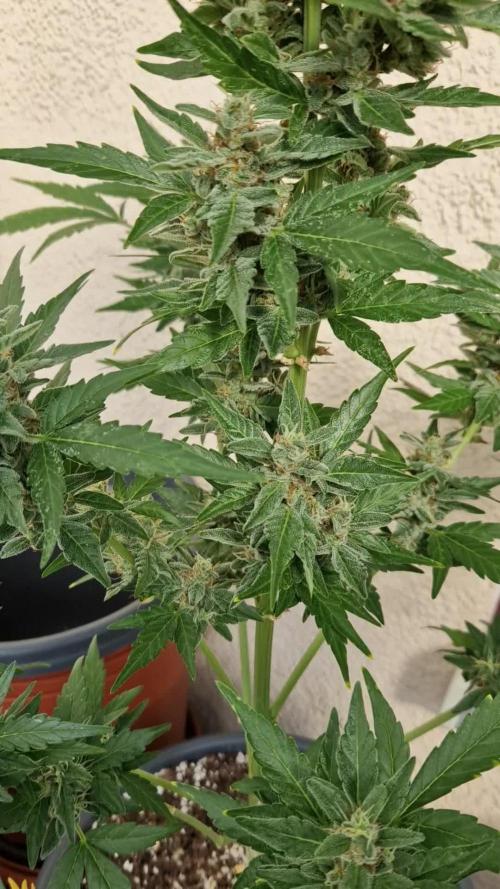
Die Super Lemon Haze Auto sieht eigentlich schon so gut wie fertig aus. Ich werde sie aber ein wenig länger stehen lassen, um zu schauen, ob die Buds noch ein wenig anschwellen.


Likes
6
Share


@BigGGrows
Follow
This week was a big week for the candy cush. I noticed upon watering her to run off, that in the same day the pot would go super dry and light weight. I also noticed stress in the leaves and roots poking out the bottom of the pot. It was time for a transplant. So far so good! Upon transplanting i performed more LST to help her fill in the pot. She went from a 1 gallon to a 5 gallon. She was also defoliated thia week.


Processing
Likes
4
Share


@UK420hydrogrow
Follow
ok so ive repotted the clones into bigger pots and im thinking of moving them outside tbh i wanna get rid of this strain has done it for last 2 crops took a few weeks to notice any new growth roots forming etc but now plants are looking good and ready to be vegged properly
Processing
Likes
41
Share


@Silverback_Guerilla
Follow
12/15:
Some plants are taking too long to transition and stretching beyond my space constraints, so I dialed the photoperiod back to 12/12.
12/16:
Fed today and rotated edge plants. Added another 150w of 3000k below the canopy.
12/17:
Worked on ventilation...no A/C necessary now, as I'm using another AC Infinity 6" fan to intake outdoor air into the closet whenever temps reach 75f..and it's been cold as hell outside.👍
The final trick will be to replace the 6" exhaust fan with an 8" so as to be able to fully exchange the closet air faster ...but that's gonna have to wait til next season.


Likes
4
Share


@AustinRon
Follow
OG 4Q24 Flower Week 10
Orangegasm (Fem) [ IRIE Genetics ]
12/12 @ Bolt (Day 21)
Germination: 20 November 2024
#3A Earliest Harvest Date: 9 February 2025
#3B Latest Harvest Date: 19 February 2025
_________________________________________
Start of Week: [Wed Feb 12, 2024 CR2 4Q24 64:F:9:1]
End of Week: [Tue Feb 18, 2024 CR2 4Q24 70:F:9:7]
OrangeGasm Fertigation:
- MAX: EC: [ 1.6, mS]
- LightIntensity MAX: [ 850, µMol/m2/s]
______________________________________
__
Wed Feb 12, 2025
OG 4Q24 64:F:9:1
Refresh Reservoir
- Amount: [ 5, gal]
- EC: [ 1.6, mS]
- Primer A&B: [ 48, ml]
- SLF-100: [ 15, ml]
Reclaim Dehu
- Amount: [ 4, gal]
EC: 1.6
Runoff
- Amount: [ 1.25, gal ]
- EC: [4.3 , mS/cm2]
- EC∆: [ 1.6 , mS/cm2] # Danger!!! (I don’t think so - Happy Plants)
__
Thu Feb 13, 2025
OG 4Q24 65:F:9:2
Runoff
- Amount: [ 2, gal ]
- EC: [ 4.6, mS/cm2]
EC: 1.5
Refresh Reservoir
- Amount: [ 2, gal]
- EC: [ 1.5, mS]
- Primer A&B: [ 32, ml]
- SLF-100: [ 10, ml]
Reclaim Dehu
- Amount: [ 2, gal]
If we see the pistils of the last two plants shrink/collapse in the next 3 days, we may be ready Tuesday/Wednesday . . .
I also note we’re about 2 days after from OPTIMAL BUD Structure, Foxtailing is becoming less well formed at largest top and some of the sooner ready buds …
__
Fri Feb 14, 2025
OG 4Q24 66:F:9:3
EC: 1.4
1.5 gal dehu
3 gals+ refresh
Reduced Fertigation Time 50% as Tank is at refill after 4+ gal yesterday, again. :-{
__
Sat Feb 15, 2025
OG 4Q24 67:F:9:4
Reclaim Dehu
- Amount: [ 2.5, gal]
Refresh Reservoir - 2 Gal
- Primer A&B: [ 17.9, ml]
- Resin Bloom: [ 9, ml]
EC: 1.3
Runoff
- Amount: [ 0.5, gal]
- EC: [ 3.0, mS/cm2]
- EC∆: [ 1.7, mS/cm2]
__
Sun Feb 16, 2025
OG 4Q24 68:F:9:5
Refresh Reservoir - 2 Gal
- Primer A&B: [ 16.5, ml]
- Resin Bloom: [ 8.3, ml]
Runoff
- Amount: [ , gal]
- EC: [ , mS/cm2]
- EC∆: [ , mS/cm2]
EC: 1.2
__
Mon Feb 17, 2025
OG 4Q24 69:F:9:6
EC: 1.1
__
Tue Feb 18, 2025
OG 4Q24 70:H:9:7
1000
- Remove Plants from Tent
- Remove Drip Tray
- Remove Light
- found water unseen in bottom tray - the reason for unreasonable humidity
- Removed Drip Rings
- Dried bottom drip tray
- Resealed Tent - Low RH
_______________________
Harvest Log
Max Min Average
Height (in)
40 21.5 29.875
Weight (g)
700 157 385.5
Secondary Stem Count 30 17 21.125
Est Dried Trimmed Wt 140 31.4 616.8
