


Likes
Comments
Share


@Darkuau
Follow
Que tal, voy a hacer este cultivo 100% orgánico, espero que todo salga bien


Processing
Likes
2
Share


@CanadianFillmore
Follow
Steady increase in the yellowing and spots on leaves. Buds sites are developing nicely, plants look much healthier at this stage, then the previous grow.

Likes
1
Share

@Earthsower
Follow
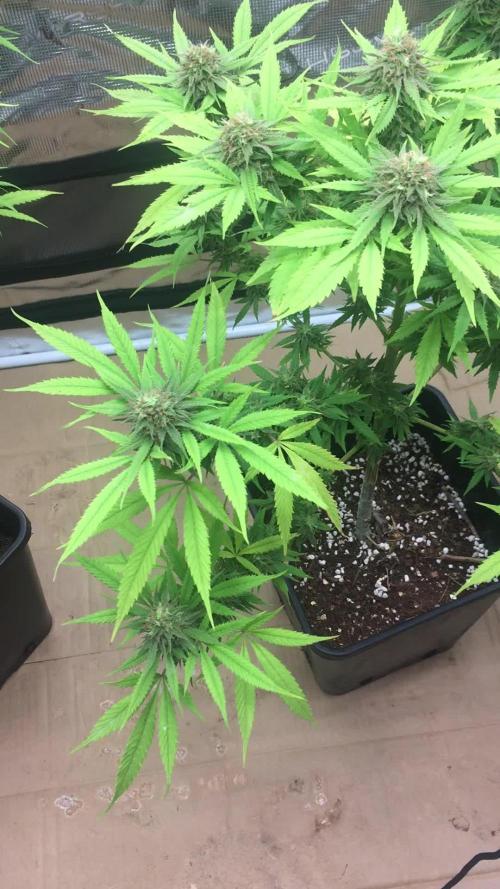
At the end of week 8 the blackberry cake feminised is doing well as the bud formation tightens and the stigmas fade, leaves paled it’s looking like the end is nigh. All of her energy is being used to complete the bloom. The try chromes glistening over the flowers are mostly milky. The blackberry cake feminised stalk is beginning to dull/decay. In the last stage of defoliation she will be flushed thoroughly for the last two weeks. She stands at 67cm tall.

Likes
6
Share
@Thedibber
Follow
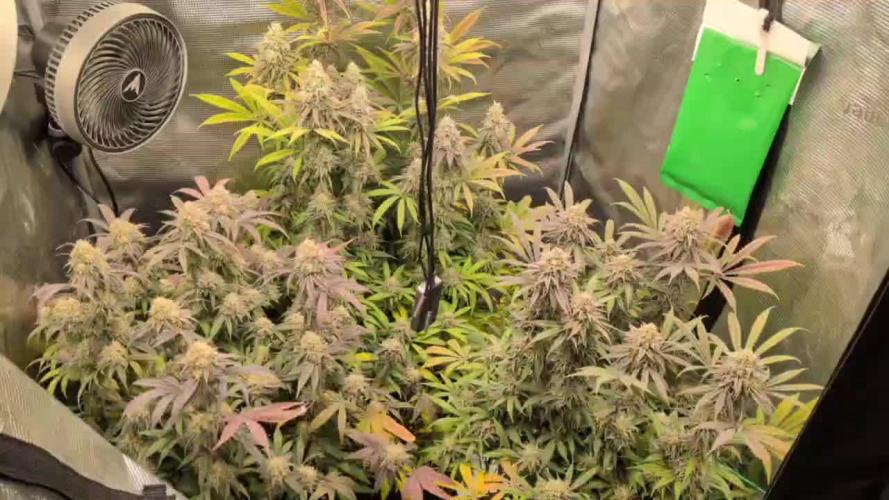
Final few weeks left of the Bubba cheesecakes just tapwater from now on no microben 👌

Likes
Comments
Share



Likes
19
Share


@Zonnetje
Follow
When i came back from vacation the plants seemed to have grown a lot in 10 days. They really started budding.
Measured the height of each plant but only plant 4 seemed to have grown 2 cm probably because of the main cola which grew bigger.
Decided to defoliate the bottom till middle height leaves which where quite yellow and crispy. Some of them where keeping the buds from getting light. Also i gave them a little nutrients just to see how they react and i think they might need a little.
I think they need atleast 2 more weeks but in a few days i will receive my magnifying loupe and then will have a good look at the trichomes how far progress is done.
Update 21-07:
unfortunately i observed bud rot in plant 1 and 3. At plant 1 it smelled quite bad and had to remove the whole top cola and just in case 2 little cola's beneath the top one.
At plant 3 a bud under the main cola was looking a bit brownish and the small leaves attached to it where easy to pull out. So i removed just that cola.
Hope the bud rot doesn't jump to the other buds but the coming weather is looking hot and dry.
But rot can really happen overnight to become noticeable. See the last pics in the album of this week.

Likes
62
Share


@Reyden
Follow
Siamo sempre più vicino per le Royal Gorilla 🦍, le Gorilla 🦍 Glue di Zamnesia sono ancora indietro mentre la Original Skunk di Seeds Mafia è maturata più veloce quindi verrà tolta più o meno insieme alle 2 di RQS 😎
Ho rispostato The Sin e White Runtz nella tenda piccola e messo una Gorilla Zamnesia e La auto Purple OG Punch di SSSC sotto la SF 2000 per questioni di altezza…le ragazze di Anesia Seeds erano troppo alte e ho deciso che era meglio toglierle…per me questa luce supera di gran lunga anche gli altri modelli più vecchi degli anni passati, avete fatto un ottimo lavoro con questo LED!!! Ora sono curioso di provare gli UV per vedere quanto effettivamente aiutano nella produzione di resina…chissà se riuscirò ad aggiungere nel mio setup 🙌


Likes
24
Share


@OGOZHigh
Follow
So Buddy‘s
Den Ladys geht es hervorragend. Sie machen ordentlich Fortschritte.
Wetter spielt wieder Perfekt mit.
Updates folgen ✌️

Likes
9
Share


@masterofsmeagol
Follow
6/22 Some pictures didn't upload but that's probably a good thing. As long as the video went up its good. I need to take less pictures. I'm glad I watered the plants in the back with a premixed gallon last night as we didnt get nearly the rain I thought we would. It's small showers throughout the day. The plants are getting enormous. A couple have revegged. Mostly the 10th planet. The others aren't anywhere near as impacted. Boy are some of these stalks thick. I chose to keep a couple plants that could be grown naturally without topping or fimming. I like to see the structure of the tree bit with humidity like this 98%rh it's easy to get botrytis. That's why it's good sometimes to have multiple bid sites so your proverbial eggs aren't all in one basket. But you do end up with a massive cola. I think that mk ultra with the big fan leavescis just going to be one giant bud. That's what it's looking like. Oh and today is the summer solstice. Longest day of the year.
6/23 WATERED EVERYTHING. USED FIVE AND A HALF GALLONS. EVERYTHING GOT AT LEAST A HALF GALLON. Despite the rain we got and the bags still having some heft I decided to water. It's 80 at 9am. It's supposed to he in the upper 90's today and coukd break 100° tomorrow. I hate that the grow bags are black. That's way to hot for the plants. I should find some empty soil bags and wrap the black fabric for a couple days. A sunscreen might help but I doubt much. We'll see how it goes.
6/24 It's 90° at 9am. It's supposed to break 100° amd stay there a while. Up to 106°. Plants looked awesome this morning. I wasn't sure what I'd find. Today is the worst of the days. If it didn't break 100 yesterday it was damn close all day and the girls look GREAT. I WATERED AGAIN TODAY. I USED 6.5 GALLONS TO WATER THE GARDEN. It was nice cool well water too so they should like that. Branches are getting longer and I'm training as the get bigger. I need to put up the trellis but I'm not doing it in this heat.
EDIT: 90° @ 6PM WENT OVER AND AS PREDICTED THE TWO TENS WERE DROOPING. IM WONDERING IF THEY WILL BE ABLE TO FINISH IM THOSE TENS. LAST YEAR I HAD ONE THAT WAS HUGE IN A TEN BUT IT JUST DEVELOPED INDIVIDUAL CALYXS WITHPUT CONNECTING. CHECK IT OUT ON LAST YEARS DIARY. IF THATS THE CASE I SHOULD KIGHT DEP THEM BECAUSE THEYRE GETTING BIG. I WATERED THE TWO TENS WITH ABOUT A HALF GALLON AND I USED WHAT WAS LEFT OF THAT COLD WELL WATER ON THE 10TH PLANET IN THE 30. SHITS LIGHTER THAN USUAL BUT LOOKING PRETTY GOOD. THE REST CAN WAIT UNTIL THE MORNING FOR THEIR WATERING. TOMORROW TOPS OUT AT 85° WHICH WILL BE MUCH BETTER. IM LOVING MY STRAIN CHOICES RIGHT NOW.
6/25 It's super humid out but much cooler. I think it's like 80 at noon time. I had to water the two tens this morning. I didn't really HAVE to but I did. I filled up my watering can that says it holds 1.5 gallons (but it seems like more) and watered the two tens at least a half gallon and focused the rest on the 10th planet in the 30 and the other one up front that gets lighter than the rest. I was fully planning on watering EVERYTHING this morning but I could feel moisture in the soil and they had weight. I'm pretty sure I made the right decision. Especially with humidity so high. Either way I'll check tonight.
EDIT: WENT TO THE GROW AT APPROX 2:30PM. I HAD BO IDEA HOW HOT IT WAD OUTSIDE. IT WAS 87° BUT THE HUMIDITY IS DAMN NEAR 100%! I HAD WATERED SHIT A KOT LATELY AMD WANTED TO WAIT UNTIL THE MORNING. THE TWO 10'S (WITH GIANT PLANTS THAT IM NOT SURE CAN FINISH IN TENS) WERE DRY AND LIGHT. A COUPLE SPECIFIC PLANTS WETE A "LITTLE" LIGHTER THAN THE REST. I MIXED UP THE WATERING CAN WHICHVIS 2.5 AND ANOTHER GALLON. I USED THE WATERING CAN ON THE PLANTS IN THE FRONT. THE CHEMDOG #4 WAS SIGNIFICANTLY LIGHTER THAN THE REST SO I GAVE IT MOST OF A GALLON. THE PLANTS THAT ARE STILL HEAVY ARE GOING TO HAVE TO WAIT LONGER BEFORE I WATER THEM.
6/26 This morning I came over to substantially lighter bags. I watered everything but the 50 with 5.5 gallons of water. Plants amd roots are getting heavier. My intuition told me to water that 10th planet but it was still wasn't TOTALLY dry. This happens a few times a year during hot stretches. It will be fine by the time I'm back. I've also noticed that the pink kush in the 50 (the only one that didn't use ALL new soil) is a substantially lighter green than every other plant in the garden. Boy I'm glad that heat wave is over. It's 67° at 9:30 that's much better. I'll update as I go. I'm still thinking about light depping the 10s.
EDIT: HASN'T BROKE 70 YET AS OF NOONTIME. I THINK I MAY HAVE GONE A LITTLE OVERBOARD WITH THE WATER. TH8NGS LOOK ALRIGHT AMD THERE'S A GOOD BREEZE SO EVEN IF I DID THEY'LL DRY OUT QUICK. SO MUCH GROWTH SO FAST! THE MK ULTRA WITH THE BIG FAN LEAVES LOOKS A LITTLE SAGGY BIT IT WILL COME OUT OF IT. THE 10TH PLANET THAT WAS DROOPING LOOKS A LITTLE BETTER. IT DID REVEG AND IS STEAIGHTENING OUT TROM THAT. I DEFOLIATED SOME SPOTS TJAT LOOKED LIKE SEPTORIA. BUT THERE WERE BURNS AND DISTORTED LEAVES FROM BEFORE SO ITS HARD TO TELL. JUST A COUPLE LEAVES WITH THAT DOT. TIME WILL TELL. ITS PAST TIME TO GET MY IPM GOING ANYWAY. DURING ONE OF THESE COOLER DAYS IM GOING TO HAVE TO PREEMPTIVELY TREAT MY PLANTS. EITHER BT, CAPTAIN JACK OR PLANT DOCTOR IS WHAT I HAVE ON HAND AT LEAST. I HAVE CITRIC ACID AND K BICARB BUT HOPFULLY NONE OF THAT WILL BE NECESSARY. THE WIND IS FAR TO STRONG FOR A MITE POPULATION TO GET OUT OF CONTROL WHICH IS AWESOME. IM MAINLY WORRIED ABOUT THE PATHOGENS.
6/27 Rained last night but I don't think very much. Its much cooler. Went from 100 to 70 in a day. Plants did good to take those fluctuations. They are still SLIGHTLY overwatered with the mk ultra with the big fan leaves being the MOST over watered. There's a breeze today though and it's sunny blue skies. I think showers ate possible tomorrow at 4a.m. and it says showers throughout tomorrow to which sucks. I wad hoping to get a couple nice days to dry the plants out. The 10s are light again but the soil is still moist. It's hard when it's so hot to water the correct amount. At least it is for me. Killed a couole moths and a pillar. I noticed the first sign of pest damage so it's time to get out and start the IPM. I'm hoping for no pathogens. I'll update as I go along.
EDIT: IT'S 75° AT 11:30. That mk ultra with the massive leaves still looks overwatered. One of the plants in the 10s looks the same but that one is light but the soil is moist. The MK ULTRA is still holding some weight and the soil is still damp. It's not the AMOUNT of water I've given them that's the problem it's the FREQUENCY that ive HAD to water that messed me up. Going from 70° to 100° overnight for several days kinda messed me up. It's improving though. I lifted it and it doesn't seem TO heavy. The soil is still slightly moist. I hope that I don't get so involved with thinking the plants are overwatered that they are actually under watered. I think I need to increase volume when watering and treat each vacant differently (which I have for the most part). I'm usually very measured and careful but it is what it is. No more water for a little while. Other than thecshowers at 4a.m. and the showers expected tomorrow. Surprisingly the small time I was away allowed the plants to show a pretty drastic improvement.
EDIT #2 WENT BACK DOWN AT FOUR TO CHECK THINGS OUT. THE MK ULTRA I WAS WORRIED ABOUT IS DOING MUCH BETTER. EVERYTHING (SANS ONE IN 10) IS LOOKING MUCH BETTER. I DUG DOWN AND CAN TELL THERES MOISTURE IN THAT SOIL IN THE TEN THATS A LITTLE DROOPY. THATS WHY ID RATHER UNDER WATER TGAN OVER WATER. UNDERWATER AND YOU JUST GIVE THEM A DRINK AND THEY PIP RIGHT BACK. WE ARE SUPPOSED TO GET SHOWERS TOMORROW EARLY MORNING. HOPFULLY NOT MUCH. MY INTUITION TOLD ME TO HOLD OFF ON WATERING THAT PLANT IN THE TEN. THE OTJER IS THE SAME WEIGHT AND LOOKS GREAT. WASNT PLANNING ON GOING DOWN SO UNFORTUNATELY I DIDNT HAVE MY PHONE ON ME.


Likes
95
Share


@DogDoctorOfficial
Follow
Week 4 day 2 since i start germination, and i think they are evolving quite ok. CS1 is for now the queen in all aspects, shes the stronger, the most beautiful formation with no problems what so ever , CS2 is following and CS 3 also but with mutant leaves all over her, i will however keep giving her love and dedication, mb in the end she compensate with some beautiful flowers 🤞
As for the Tropicannas, TP2 its an amazing girl, no mutations and growing as it should, TP1 is recovering fast from her accident 😅🤞 and she is on the way to become a strong and beautiful girl.
They are adapting super well to the new ligth 😅 one less solution to find 👌
Day 27 veg And I’ve been kind off busy, sorry i miss 2 days of updates, but between this 5 girls, my veg room and harvesting my flower run, time only stretches so much since one still have a life beyond the love gardens 😅 but non or less here we are and they look fantastic 🤩😆 all showing strong genetics and i thing i will have different phenotypes on the Chocolate department lets see😁 so far the strongest CS still is number one and number three still mutating her self from day one 😆 but she will take all my love till the end ( we never know ) on the Tropicana department, both looking amazing, number one completely recovered from the led accident 😅 end growing in a way t hat i start to think that she will catch up with the rest pretty soon 🤞TP2 is now the tallest plant of them all With 16cm high 👏
Day 28 veg No updates , all going as it should 😅🤞
Little battle between Topicanna Poisen from @sweetseeds vs Chocolate Skunk from @00Seeds (just for fun)
TP = Tropicana Poison
CS = Chocolate Skunk
All i grow is medecine for myself, nothing to sell, dont even ask !!!!
Stay safe and do it with love for the love ❤️ 🙏

Likes
4
Share


@PolezGardn
Follow
fifth week flower, the ladies are getting really tasty and developing well!!


Processing
Likes
36
Share


@The_Projexx
Follow
She's just a growing and a flowering not much to say other then that . Going to be doing a light defoliation then letting her do her thing !!
Thanks for everyone's continued support you guys rock !
-Happy Growing!

Likes
3
Share


@Burndylugs
Follow
Day 49. Selective defoliation couple leaves here and there. Only plain water from here on. Maybe 1-2 weeks left. Still Throwing out white pistols
Likes
21
Share


@growerflowerweed
Follow
BUENO ESTA SEMANA ESTUVO DE LOCOS OBTUVE UN EXCELENTE CAMBIO AL PODER MEJORAR EL PH Y EL EC DEFINITIVAMENTE ELLAS SE APRENDE MUCHO ME GUSTARÍA YA TIRARME A LAS PISTAS POR LO GRANDE PERO BUENO ESTAMOS EN EL PROCESO DE APRENDIZAJE VEO QUE EL LST TAMBIÉN LO HA DESARROLLADO MUY BIEN ESPERO ESTAR HACIENDO TODOS ESTOS PASOS A LA MARAVILLA MEJORE EL EC Y EL PH COMO ME ACONSEJARON MIS AMIGOD DE @sweet_seeds y creo QUE ESTO IRA MEJORANDO ESPERO PODER CONTAR CON ELLOS PARA UNAS NUEVAS CEPAS QUE QUIERO APRENDER MUCHO MAS GRACIAS DE TODAS FORMAS Y SI VEN ALGO PARA MEJORAR ME DICEN AL INTERNO BUENOS HUMOS CULTIVETAS DE APARTAMENTOS .........AAA LO OLVIDAD ESTA VEZ AGREGUE SOLO BIONOVA SOUL MIX Y NO AGREGUE EL EL ENRAIZANTES ES MUY BUENO NO TUVE NECESIDAD DE ECHAR MAS SALUDOS
Likes
24
Share


@DeepRootsGrowTrees
Follow
SWISS DREAM ROSE 🌹 CBD AUTO
KANNABIA SEEDS
WEEK #8 Overall
Week #6 Flower
This week she's looking beautiful dense purple buds that have trichomes along with the white and orange colored hairs. Great Genetics 👍 from Kannabia Seeds of your looking to grow some CBD!! Stay Growing!!
Kannabia.com
SWISS DREAM ROSE 🌹 CBD AUTO

Likes
4
Share


@GeminiCQC
Follow
ABxRKO is about 42.5" tall, and has been top dressed with about 3tsp of grow dots to give it a phosphorus boost in flower
HBSS is about 26.5" tall and has been top dressed with about 2tsp grow dots as I believe it is fighting a phosphorus deficiency. She is giving all the smells, a bright red starburst like fruity smell with a stark citrus note.

Likes
3
Share


@Earthsower
Follow
She will need to go under natural sunlight to recover as the lights are to powerful for her at the moment. She will be repotted in the next few days!
Likes
144
Share


@roro_204
Follow
Week 2 of flower for these girls.
I decided to use a lesser dose of nutes because I noticed after a few days after my feed last week that there may have been some leaf burn.
-I changed up the nutrients a little and also finished putting up my inline fan - pulling fresh air from outside in for CO2.
I simply used ducts for it.
Now that cooler air is coming in from outside I can slowly turn up my lights to 900 watts, I’ll see how they do in about a day or 2 more and then the lights will switch to 1000watts.
-Did some more defoliation. The leaves grow so fast!! Took 2 days to do all my plants lol I’m trying to do it every week or other week
-The plants are drinking a lot more than they used to, I’m now feeding water every second day and nutes every second day!
They’re growing so fast before my eyes
It’s such a cool feeling seeing all my hard work coming along, with the first buds popping up and looking like real weed now. Feeling motivated!
😇