





@Secretflower
Volgen
Hello my friends,
🍍 May 26.. Day #105🍍
🌻 Flowering Day #42 🌻
6th week of flowering for my three Feminized Gypsy Widow.
Les buds grossissent
It smell very good..
💉 : I don't change anything.. 👍
🔦 : Quantum Board 480 watts at 100% power and 40 cm canopy.
www.exoticseed.eu
That's all for now my friends, thank you very much for coming to see my darlings, feel free to Sub and I will follow you back.
Take care of yourself and your loved ones.
I wish you only happiness with your plants.. 😘
See you soon.. 💨


@PrairieFrostGrow
Volgen
*****Week 14 growth – March 6 to 12, 2021 – Week 5 flower ******
These girls are certainly different from one another. Pheno 1 has a more bushy appearance and Pheno 2 is lighter in color and more bud swelling at the tops. Expect to see some nice colors come out in #2😃 In the end......it’s about the smoke😂👍🔥
Bud Fusion being introduced this week. Into the last phase of feeding during flower now. Nitrogen is continued to be reduced as its late flower. Keeping up the feeding ppm this week as we are getting to the end. May be pushing them a little more than I should but finding out how they react for next run.
Still continuing to play with the light intensity and seeing how the girls react to my environment conditions when pushed harder. Could have backed off and stayed with 100, 300, 600, 900 PAR levels at the different stages but I have trying to go a little higher in the late stages and going over 1,000 PAR.
Little more detail…..
Mar 6/21, Day 29
- Dry out day
- Changed light cycle to 11/13 today to help with light intensity and reducing DLI.
- Light power reduced to 425 watts
Mar 7/21, Day 30
- Keeping up the feeding but reducing nitrogen.
- feeding with micro – 1.5, bloom – 2.5, ult B – 0.5, carbs – 1, B Storm – 2, S Storm – 2.5, Bud Fusion 0.15gr/l, Terp – 1.5, Jet Fuel – 0.5, Rezin 1
- 1150ppm and 6.0pH
- 4L
Mar 8/21, Day 31
- Watering with 2L feed from yesterday and 16L plain water
- Over shot the pH
- 400ppm and 5.9pH
Mar 9/21, Day 32
- Feeding again with Grow – 0.5, Micro – 1, Bloom – 1.5, Carbs – 1, Magnifical – 1
- Didn’t add many of the supplements
- 875ppm and 6.0pH
- 4L
Mar 10/21, Day 33
- Middle of the week and just giving some enzymes today
- Enzymes – 1.5ml
- 300ppm and 6.1pH
- 4L
Mar 11/21, Day 34
- Microbes again today
- Tap water with Jet Fuel – 1ml, Terpinator – 2ml, Nature’s Candy – 1.5ml, Rezin – 1ml, Ultimate B+ - 0.5ml, Recharge – 1tsp/gal
- 800ppm and 6.0pH
- 4L
Mar 12/21, Day 35
- Dry out day
- Been feed a couple of times this week so work with ¾ strength next week.


@julian100614
Volgen
En general la cepa es bastante buena para cultivadores tanto expertos como novatos. Es una planta bastante resistente a los cambios y con gran fuerza en el tronco.
Durante todo su ciclo ella fue perfecta, tanto en tamaño como en producción. Tiene un tamaño medio y es gran creadora de resina 👌 si tuvieramos que poner algun pero sería sus cogollos que no erminaron de ser muy compactos, quedando algo desprensados cada uno de estos. Tambien haybque tener en cuenta que es una variedad automática y no feminizada lo que tambien influye bastante ya que no van a salir de la misma manera.
A rasgos generales puedo decir que la planta me ha gustado bastante y es un gran aliado para fumar de día y pasarlo mas alegre y feliz 👌


@eldruida_lamota
Volgen
Que pasa familia, vamos con la cosecha de estas Lemonpaya de FastBuds.
Por dónde empiezo, fue una variedad que me resultó complicada cultivar y a nada que alimentada lo marcaba las flores son bien compactas y van llenas de resina, tienen tonos verdes bonitos, y tiene unos aromas afrutados bastante marcados con toques citricos.
Es muy complicada a mi parecer, es de ciclo de 2 meses y medio, pero bien agradecida aún así.
Hasta aquí todo, Buenos humos 💨💨💨


@Black_Magic
Volgen
PH is to low at outcome
About 5,8
Watering at moment with bit higher ph
Luckily it hot so shot is drying fast


@Master_weeda
Volgen
Bonjour à tous les padawans et les maîtres jedis
Jour42 ma plante entre bien en floraison je pratique sur elle une defolliation pour permettre aux têtes de prendre la lumière
La floraison des plantes de cannabis
La plante de cannabis passe par différentes étapes de vie avant de parvenir à la récolte. Ces étapes sont : la germination, la pré-croissance, la croissance et la floraison.
Pour les autofloraisons il n'est pas nécessaire d'avoir de changer le cycle de lumière elle entre en floraison automatiquement voilà d'où elle tient son nom "d'autofloraison"
L'origine de l'auto-floraison vient de la sous-espèce "cannabis sativa ruderalis" , qui à l'origine produit de très faibles niveaux de THC. C'est en croisant cette variété de marijuana avec d'autres qui produisent des niveaux de THC plus élevés qu'à vu le jour ce magnifique compromis que sont les variétés auto-fleurissantes avec des taux de THC très satisfaisants. En parallèle, cela a permis d'améliorer la production de ces variétés, qui initialement étaient exceptionnellement basse.
Pour des résultats optimaux, en culture Outdoor (extérieur), je recommande que la germination des graines de marijuanaAuto-flo se fasse entre avril et août.
En culture Indoor(intérieur), la photopériode idéale que ce soit pour la croissance comme pour la floraison est de 20h de lumière. N'oubliez pas que ces graines ne sont pas tributaires de la photopériode pour passer en floraison.
Il est préférable d'utiliser des pots d'une capacité de 10 à 20L dès le début, étant donné que leur cycle de vie est réduit, les auto-flo n'ent pas besoin de plus de volume pour se développer. Vu sa petite taille (et la discrétion) elle fait l'objet d'un bon choix pour la culture de cannabis sur balcons.
La première variété de Lowryder auto-floraison a été créé à partir de cannabis indica sativa croisé avec des génétiques de cannabis sativa rudelaris par la banque de graines de marijuana "The Joint Doctor". Puis vinrent la White Dwarf de "Buddha Seeds", la Roadrunnerde "Dinafem", l' Auto Stoned d' "Autofem", la Speed Devil de "Sweet Seeds" , la Maxi Gom de "Grassomatic", la Flash, la Gnomo de Kannabiaet bien d'autres.
Jour42 defolliation (video)
Avant toute chose n'oublions pas de bien désinfecter ses outils et bien ce laver les mains.
Quesque la defolliation ?
LES CULTIVATEURS AMATEURS, PRENEZ GARDE, MAIS NE PRENEZ PAS PEUR
La défoliation consiste à retirer les feuilles des plants de cannabis en intérieur afin d'accroître le rendementfinal. Le cultivateur amateur doit faire preuve de vigilance lorsqu'il commence à appliquer cette technique de taille. Malgré le débat sans fin entre ceux qui prônent cette technique et ceux qui la dénigre, il n'y aucune raison pour qu'un amateur ne s'y essaie pas afin de voir si ça lui convient ou non.
COMMENT DÉFOLIER
Que vous tailliez les feuilles ou les branches des plants de cannabis, il vaut mieux utiliser un sécateur stérile qui est confortable en main. Arracher des feuilles à la main manque de finesse et engendre souvent par accident, l'arrachement des couches d'une tige en plus de la feuille. L'objectif principal de la défoliation est de permettre une meilleure pénétration de la lumière et de promouvoir la production de plus grosses têtes. Les feuilles éventails qui font de l'ombre doivent être retirées. Tailler la tige principale et/ou les pousses secondaires n'est pas de la défoliation.
La règle d'or lorsque vous donnez à vos plantes un rafraîchissement est de commencer avec les feuilles nourricières les plus grandes et les plus larges, en taillant du bas vers le haut. Il est important de retirer les feuilles stratégiquement et non pas au hasard. Pensez également qu'il vous faut limiter votre rafraîchissement à approximativement 10 à 20 % des feuilles totales de votre pied. Il est très facile de s'emporter durant la taille et de se retrouver avec des plantes chauves. Un excès de taille de feuilles empêchera la photosynthèse et paralysera vos plants.
QUAND FAUT-IL DÉFOLIER
Il est assez rare d'appliquer la défoliation comme seule technique pour obtenir un fort rendement. La taille des feuilles est généralement associée à d'autres méthodes de tailles et de palissage pour un meilleur rendement telles que le topping ou étêtage, le FIMming, le LST, le manifolding, le supercropping et le ScrOG. Les cultivateurs utilisant la méthode ScrOG auront besoin de retirer toutes les croissances inférieures ainsi que les feuilles et les tiges se trouvant sous le filet.
Les plants de cannabis peuvent être défoliés dès lors qu'ils sont passés de la phase de plantule vers la phase de croissance végétative. Cependant, il est recommandé aux cultivateurs amateurs de laisser aux plantes 1 à 2 semaines de croissance végétative avant de s'attaquer à la défoliation de celles-ci. De plus, certaines variétés sont plus sensibles à la taille que d'autres et de ce fait, seront plus stressées par la taille des feuilles. Surveillez minutieusement le comportement de vos plants après la taille. Une période de convalescence de minimum 3 à 7 jours avant de recommencer la défoliation est fortement recommandée pour éviter trop de stress aux plants. Les cultivateurs peuvent également défolier pendant la phase de floraison, ce qui permettra à l'énergie de la plante d'être concentrée vers la production de têtes tout en limitant l'ombre et l'excès d'humidité. Néanmoins, il est important de ne pas défolier trop tard sous peine de simplement blesser ses plants inutilement.
LES AVANTAGES DE LA DÉFOLIATION
Évidemment, l'avantage numéro un de la défoliation, c'est l'augmentation du potentiel de rendement de cette technique de taille pour tous types de cannabis allant de la photopériode aux variétés autofloraison. Ce n'est pas un secret que les fleurs qui reçoivent plus de lumières deviennent plus grandes et larges que celles dissimulées dans l'ombre des feuilles. De plus, retirer les feuilles intérieures des plants touffus aide à prévenir toutes menaces de moisissure. Les plants très feuillus avec un feuillage intérieur dense produiront une quantité importante de têtes pop-corn. Dans le pire des cas, les branches de têtes et les têtes qui sont denses succomberont au pourrissement.
Si vous observez des gouttes d'eau se former sur la surface des feuilles, il est grand temps de penser à faire de la défoliation. Libérer la zone inférieure et médiane des feuilles est un excellent moyen d'améliorer la circulation de l'air.
LES DÉSAVANTAGES DE LA DÉFOLIATION
Les plants de cannabis en intérieur bénéficient de la défoliation pour deux raisons. La première est parce qu'ils reçoivent la lumière d'une source stationnaire au-dessus d'eux, et la deuxième est parce que les conditions environnementales sont contrôlées par le cultivateur et non Mère Nature. Les plants d'extérieurs eux, n'y gagnent pas beaucoup, car les cas échéants se vérifient pour eux. Le soleil traverse le ciel, illuminant sur sa route, différentes portions de la plante de son lever à son coucher.
Les cultivateurs en extérieur n'ont pas besoin de manipuler les plantes afin qu'elles se développent en adoptant une structure plate puisque le soleil est infiniment plus puissant que n'importe quelle lampe de culture et qui plus est, il est toujours en mouvement. Tailler les feuilles des plants extérieurs les rend également plus vulnérables aux conditions humides et brise leurs barrières naturelles contres les nuisibles.
De nombreux cultivateurs d'intérieur peuvent, et malheureusement, c'est souvent le cas, réduire le rendement final à cause d'une défoliation faite au mauvais moment et/ou excessive. Tailler les plantules n'est pas conseillé et engendre souvent des plants nains. Scalper les plants matures est encore pire, et au lieu d'obtenir de longues branches de têtes, vous obtiendrez probablement encore moins de fleurs. De même, tailler des plants malades ou en mauvaise santé à n'importe quelle période de la croissance risque de paralyser la croissance plutôt que d'encourager la formation de fleurs denses.
Jour44 Arrosage une fois sur 2 topmax de biobizz
Jour46 arrosage avec de l'eau ph6.3 à laquelle j'ajoute 0.8g par litre d'eau de feeding enhancer greenhouse.
Jour47 léger arrosage.
Jour48 léger arrosage


@Roberts
Volgen
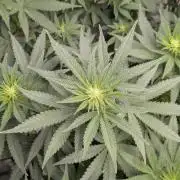
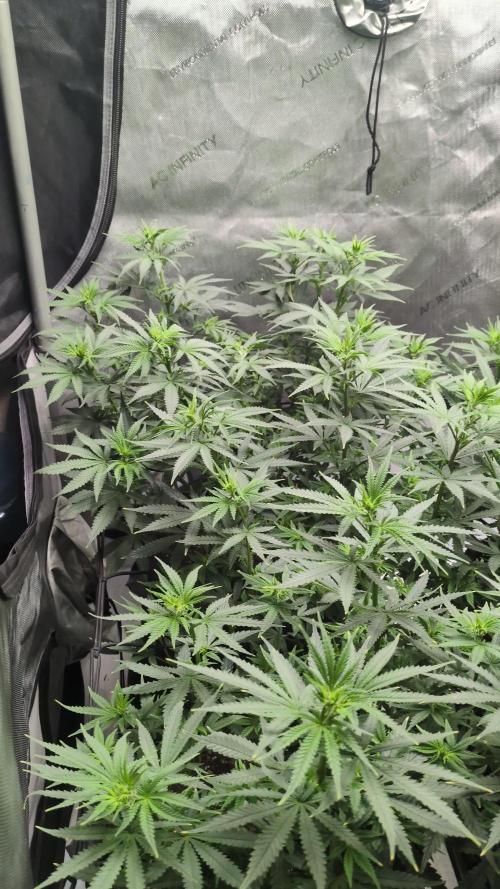
Blue Dream Extreme has been doing good since the over stretching. Roots are finding the solution now. I am growing her under a Spider Farmer SE5000. Growing her in a New Level Hydro 5 gallon bucket links below. Thank you Spider Farmer, New Level Hydro, and Amsterdam Marijuana Seeds. 🤜🤛🌱🌱🌱
SE5000
https://amzn.to/3qFpAML
Spider Farmer Official Website Links:
US&Worldwide: https://www.spider-farmer.com
UK: https://spiderfarmer.co.uk
CA: https://spiderfarmer.ca
EU: https://spiderfarmer.eu
AU: https://spiderfarmer.com.au
Coupon Code: saveurcash
Thank you grow diaries community for the 👇likes👇, follows, comments, and subscriptions on my YouTube channel👇. ❄️🌱🍻 Happy Growing 🌱🌱🌱
https://youtube.com/channel/UCAhN7yRzWLpcaRHhMIQ7X4g
www.newlevelhydro.com
www.hygrozyme.com


@CannaWolf420
Volgen
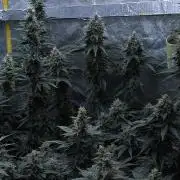
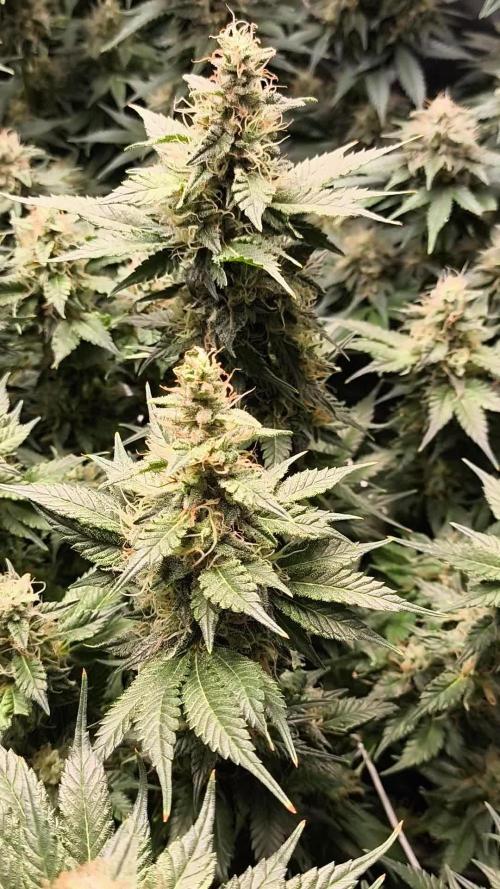
First week of flower has come and gone. Had a slight PH problem in the ladies that with a little help from some growmies we got it fixed just before they started the stretch faze. Now I've done a small defol just to get rid of some bigger fan leafs blocking the lower growth. And cut out anything that was hindered from the dominant branches.. she should get one last defol in two weeks. And will be starting the PK regiment after next week.


@NewMan
Volgen
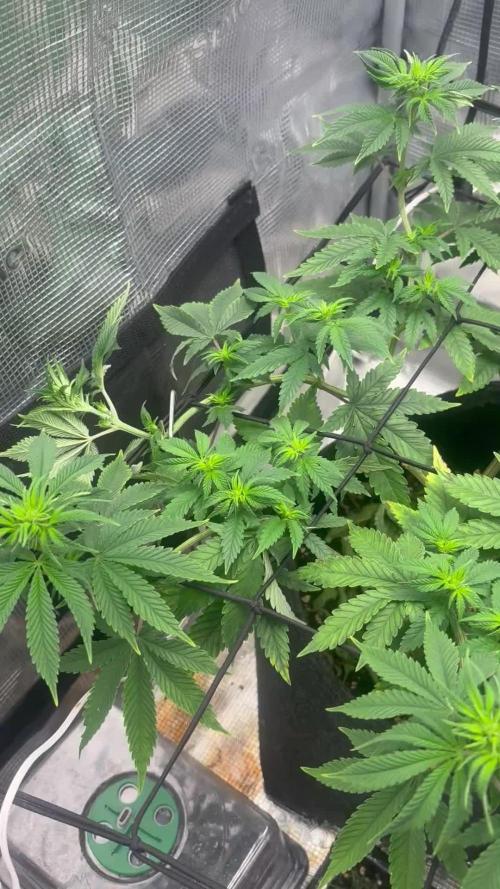
Další týden pryč, prostříhat sem je nestihnul,tak snad tenhle týden to už vyjde. Zálivka každý třetí den 4.5l , jedu podle tabulky od Athény takže snižuju na půlku základní složky a Green Sensation stále 1ml/l. Ph 6.2 , ec 2.4 . Trošku jsem se nedomluvil s controllerem a díky změně času jsem holkám svítil 13/11, naštěstí jen 4 dny tak snad se to nijak nezbláznilo, vypadají pořád stejně tak asi dobrý.... Viděl bych to tak na dva týdny , doufám teda 😀.🖖



@LeedsCityFarmz
Volgen
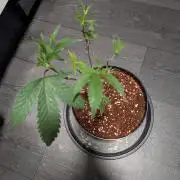
Not much to report this week so far. Slightly defoliated above the Scrog to allow more light penetration for the lower branches. Plants starting to stretch abit now but nothing to bad.


@Growfather1
Volgen
Hello everyone!
Welcome to week 6 of the MAC1 F1 hybrid clone saga (Part 3).
She is continuing to push through her vegetative stage, and we've officially upgraded her menu from Canna to Plagron Coco A&B while introducing a little bit of CO2 to the mix. Her environment is dialed in perfectly, keeping things nice and cozy with the humidity sitting comfortably above 63% and temperatures hovering between 21°C and 25°C.
I decided it was time to show her who's boss, so I put her through some serious high-stress training this week. I gave her a thorough defoliation and topped her again—frankly, after all that chopping, slicing, and forcing her into shape, I might need to sleep with both eyes open this week just in case she decides to take her revenge! She is recovering like a champ, though, and next week we are moving her on up to a bigger pot to give those roots some serious room to explode.
Thank you for stopping by and have a nice day.
Regards,
Growfather


@Ferenc
Volgen
Last couple of days... No watering from today, (Day 129) and the light will be switched off as well from tomorrow (Day 130) so I will harvest them
approx on Day 132
or 133 on the 18th week :)


@masterofsmeagol
Volgen
8/19 Rained again last night. No damage but medium is drenched. The 9lb kush I've been struggling with seems to be improving. I spent a lot of time on her yesterday and at least an hour this morning defoliating and pruning her. New growth and flowers look promising. I'm cautiously optimistic. I defoliated what needed it. I needcto qpplyvorganocide again. I can see random signs of septoria leaf spot. I really have been off my fame lately. I'm back on it now. This week the garden will be rearranged and I'll pull that big GDP back and better support the blueberry for flower. That NYCSA is a beast. It's resilient as all hell and just continues getting bigger and fuller. Despite pr9blems in the garden this girl seems absolutely fine. At least I don't have that defeated feeling anymore. I've got flowers on a few different plants. I'll try to get a couple pictures. I may take rapacaps advice and add a cheap plastic roof for later flower. I'm not sure if the explosive flower growth is due to the liquid kool bloom but I think I'm going to switch back to tiger bloom as it works better with the other nutes. I'll jeep this updated but I've got work to do.
8/20 Well it Rained again last night. This is getting discouraging. Now my other 9lb kush has the bottom branch all droopy like there's a borer or something. Realistically with the temp swings and the weather I think it's a firm of root rot or pythiym damage which isn't good. I posted pictures of the stalks and would be grateful if anyone has any advice. I'm go8ng back down to look again for a borer hole but i didn't see one. What it looks like to me is that the petroleum jelly I put on the stalks (to battle ear wigs) seems to keep them moist or something inviting mold or fungus. I'm kind of at a loss. I don't really know where to go from here. I don't know if I should just replant the severely damaged plant away from the rest of the grow, bag it and get rid of it or leave it be and hope for the best. I certainly don't want anything spreading. I'm getting tigerbloom today as my plants still need to eat and I'm nervous about the liquid kool bloom. It's probably fine but still. I'll update after I put in more work and research more today. Any advice helps. UPDATE: No borer holes. The stalk looks fucking horrible. It's supposed to rain today. I'm going to give it one more day then I'll amputate that branch and get rid of the other plant if I don't see an improvement. Perhaps I'll plant it in the ground. Don't really know what to do. Family bar b que today so my options are limited.
8/21 FED TWO GALLONS TO THE GARDEN. ONLY USED .5TSP/GAL OF LIQUID KOOL BLOOM. Did not feed dieing plant. Back to super hot weather 80° at 9am. Did a lot of research last night. I also went to several commercial growers and asked advice. What I came up with was a fusarium infection of pythiym infection
(Crown rot). I looked at all my stalks and they all have bark and are darker where I applied the petroleum jelly. I'm also NEVER using DE again. It fucking ridiculous amounts of water. Everyone swears by it bit it's not going in my garden again. Since use I can just watch water sit right on the GD soil. I tried to get some examples of what I'm talking about with the stems. I amputated that lowest bottom branch I trained (which was huge). I didn't have time to dispose of the other plant before my wife's doctor's appointment. I'll update when I go back over. I'm sure this won't help and may hurt but I used Bee Safe 3 in 1 on the wound and around the stalks of the plants I saw discoloration on. I didn't touch the NYCSA even though I see some discoloration. I may just be seeing things. That plant I'd super healthy and I don't want to risk losing it. It doesn't seem to have the stem rot like the others. At least I'm not the only one having problems. I hears some pretty bad stories. Still. I'm heart broken. I'll keep this updated after I go back over. FUCK. I MAY just go back to indoor. UPDATE: Got back from the appointment and the rest of the plant was all droopy just like the other 9lb kush (and the branch amputated). I wondered about that because other branches looked worse. I got the totally dead 9lb kush out and found some root rot. AFTER wheeling the bag out I found earwigs and other insects where the bag had been. Awesome. I used h202 to try to wipe down anything that looked Fingal in the stem. It sucks because it seems like that liquid kool bloom pushed them over the edge into flower. Cotton balls where there was nothing. So that's both my 9lb kush plants and the largest plant of the year the GDP that have all bit the dust. If you grow cannabis you know how I'm feeling. I KEEP TRY8NGVTO UPLOAD THE MINUTE VIDEO I TOOK BUT I CLICK ON SOMETHING ELSE AND IT DISAPPEARS. WIFI SLOW. HAVE TO WAIT FOR 5G
8/22 What do I say? Fusarium? Pythium? Stem rot? I'm going to have to get a tent to do some indoor to get the medicine I need for me and my wife. I took the last 9lb kush out and disposed of it. Well it's still in the bag. I'm hoping maybe it might come out of it (beyond hope and far away from the others (but I'm going to toss it today). This blows so hard. Flowers are just starting to develop. I like the liquid kool bloom. It seems to make flowers explode when there was none before. At least on the plants I have left. Actually even the dieing ones started flowering. I'm really concerned considering that one plant (at least) has septoria and every plant has that petroleum jelly on it. Cautio to people that use that. It seems thats where the rot started or is. In spots I spread the petroleum jelly. Anyway my NYCSA has the smallest amount of "funky looking stuff on the stem" so I'm hoping it will make it. Cotton balls starting to appear. If I lose the whole fucking crop I'm gonna go ape shit. UPDATE: Spoke with a few others and did more research. I removed my braces on the bottom of all the plants. It looks like the pjelly and the brace allowed for some type of contaminate. Other growers think I'm being too bleak. They think things will turn out okay. They are more knowledgeable about cannabis than me but I'm with these particular plants everyday. They're probably right and my anxiety is just getting g to me. It's scary seeing a healthy plant completely die in such a short time. After removing the other 9lb kush I could easily see extreme rootbound roots still too the size of the 1 gallon they came in. The bag was PACKED FULL of tight roots so they definitely made it down. The plant however just fell over when I pushed it. I had roughed it up a big before. Anyway I'm praying to the cannabis gods to not take what I have left.
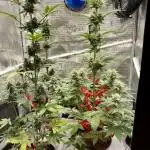
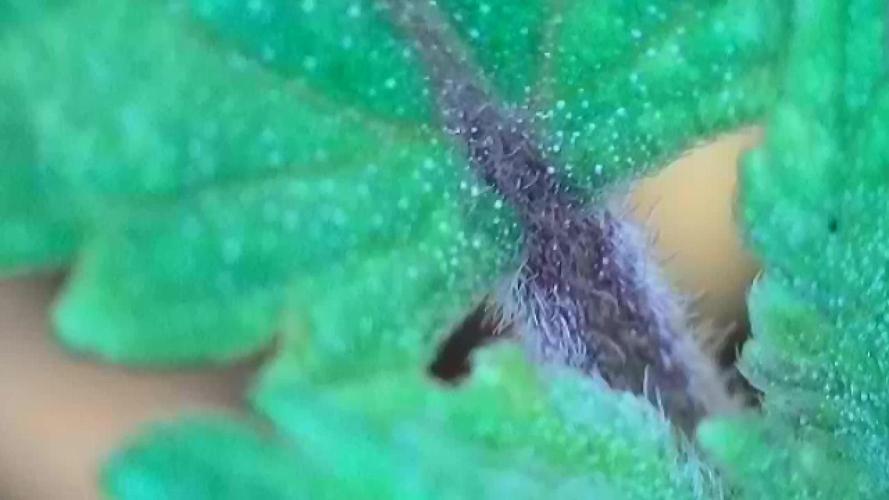
8/23 Fucking pouring again. This sucks. I've gotten loads of advice and made another friend on here. I forgot my phone so I couldn't take pictures this morning. My spirits are up a little seeing that others are at least attempting to help. I'm headed to the grow shop after a night of research to grab supplies to battle this. I'll update later. EDIT: I picked up plant doctor at the grow shop. It was 50% off and I couldn't find anything with trichodermia. However, I've heard good things about this plant doctor. It's systemic and can be used as a root drench and a foliar spray. BIGGEST selling point for me is that it SPECIFICALLY lists fusarium, grey mold. Pythiym crown rot, black mold and all kinds of other shit. The thing that sucks is it's raining and it's not supposed to stop for a few days. That's going to make application more difficult. Oh well. I think I may do a root drench on the one plant that has a wilted bottom branch. I'll keep this updated. Thank you everyone who reached out. Especially growing grannies and my commercial buddy who is always here for me. However he has no experience with this so I'm kinda on my own here. EDIT: I couldn't find trichodermia and I don't have time to wait around and order. I found plant doctor which literally lists it treats all the possibly pathogens my issue could be. Even has a section for medical Marijuana. I did a root drench on the plant up front in the middle AND I did a foliar spray. Might as well get the septoria too. It's systemic but it gets in faster through the leaves I guess. It started sprinkling and I want to test this stuff out before I go ham with it. I did give some to the to other plants bit left my best AND THE TWO SMALLER ONES alone for now. I'm not seeing those issues on the NYCSA and I don't want to risk damaging it. I chose tge root drench as it's raining and the instructions for fusarium WAS a root drench. Thank you all for your help. I will close out tge question once I know it's figured out. Wish me luck. DID A SHORT VIDEO BUT WIFI IS SUPER SLOW SO I NEED TO WAIT TO UPLOAD IT. Went back over. Finished foliar spraying the other two and left the NYCSA and two Littles alone. Hopefully this works. I did I short video. Who knows if it uploads. UPDATE: Went back over and finished foliar spraying. Took a bunch of pictures and did a video but it didn't upload. I'm hoping this will do it. Plants actually look good. And they're flowering nicely! It's too bad I had to do a foliar bug this us supposed to combat PM and septoria as well.
8/24 It Rained last night but hasn't Rained today yet. It's supposed to and uts overcast. I'm really considering putting a roof on my grow (like rapacap suggested) for flower to decrease mold chances. Plants looked happy. I saw no negative effects from the Plant Doctor. I even sprayed a branch of the NYCSA and the stem and a little around tge roots. I finally feel like I can take a breath. I've been working so hard and worrying about losing g everything. I may have been able to save that 9lbkush but I don't think bit was worth taking the chance. The sun is peaking out now. My buddy at the grow shop called and set a side general hydroponics armor si 0-0-4 silica supplement cause it was 90% off. I pad like a buck sixty lol. I'll incorporate that next feed or water. Whatever comes first but it will be good to get it in the regimen. I was worried plant doctor might hurt but the girls seemed to kike it and I went ham on the worst plant. I mixed according to medical Marijuana guidelines on the label
(Theres another label on the internet, it's not on this one, it's at the very bottom and just recommdations from commercial growers. I hope this stuff works. Things look better already though. That liquid kool bloom is the bees knees. That's making flowers pop up like crazy! I think I'll stick with it. I was going to use beastie bloom and cha ching later on (and still might) but I hate the lockout bullshit. I've done a bunch of videos but most don't get uploaded as i forget to upload when I leave and wifi is slow here. Anyway at least I've got a few good ones left and pleating the words of my commercial poll buddy, "barring anything catastrophic you should be fine. I know your anxiety gets the better of you sometimes." Couldn't be a truer statement. I'm still getting a tent and doing indoor though. I'm going to need to.
8/25 Did some slight defoliation. I think today I'm going to reorganize my grow space. Things are looking better though. Plants look healthier. Flower is on and they are going to beat hell. I'm glad I took a cutting from NY 9lb kush. I also took one from the NYCSA. THose are tge little ones. The 9lb kush is flowering pretty good. Too bad it's just on a 3 gal. The NYCSA us in a 10 gal grow bag though and is doing amazing. I still see septoria on the leaves. I'm sure I'll need to reapply plant doctor but thus far I'm impressed. Things LOOK better. I don't even remember the last time I watered. It Rained last night. Looks sunny today. I'm going to feed tomorrow. I want the soil to dry out though. We usually don't get consistent rain like this. It's a first for me. I'll update later if I get stuff done.still wondering if I should amputate that wilted branch or give it a bit. It's still attached right now. I'll get some sealant and do some more research.



@CalGonJim
Volgen
9/15 12AM MONDAY!!! THEY ARE ALL DOING GREAT!!! VERY HEAVY AMINOS YESTERDAY, NO DAMAGE.
9/15 11:24PM. In plant cells, glutathione S-transferases (GSTs) act as transporters, facilitating the movement of anthocyanins from the endoplasmic reticulum (ER) to the vacuole for storage, though their exact mechanism is still being studied. The synthesis of glutathione (GSH) itself occurs in the cytosol of mammalian cells through two ATP-requiring enzymatic steps, while anthocyanins are synthesized via a separate phenylpropanoid pathway
9/15 11:42PM glutathione metabolism glutathione S-transferases plantsThinkingKicking off 5 searchesLooking at 71 sitesPutting it all together In plants, glutathione S-transferases (GSTs) are a diverse family of enzymes integral to glutathione (GSH) metabolism, primarily functioning in detoxification and stress response. The core of this process involves GSTs catalyzing the conjugation of the tripeptide GSH with various toxic compounds, or xenobiotics, making them less harmful and easier to sequester or transport. Glutathione (GSH) metabolism in plants GSH metabolism is a tightly regulated process that maintains cellular redox balance and protects against stress. Biosynthesis: GSH is synthesized in two adenosine triphosphate (ATP)-dependent steps:(gamma )-Glutamylcysteine synthetase (GSH1) joins L-glutamate and L-cysteine to form (gamma )-glutamylcysteine. In Arabidopsis, this enzyme is located exclusively in the chloroplasts.Glutathione synthetase (GSH2) adds glycine to (gamma )-glutamylcysteine to produce GSH. This enzyme is found in both the cytosol and the chloroplasts.Oxidation and reduction: GSH exists in two forms: a reduced monomer (GSH) and an oxidized disulfide dimer (GSSG).Oxidation: In the process of scavenging reactive oxygen species (ROS), GSH is oxidized to GSSG.Reduction: Glutathione reductase (GR) uses NADPH to reduce GSSG back into active GSH, which is essential for maintaining a high GSH-to-GSSG ratio inside the cell.Degradation: Glutathione can be degraded in the cytosol, apoplast, and vacuoles by (gamma )-glutamyltransferases (GGTs) and other peptidases, allowing for recycling of its amino acid components.Transport and compartmentalization: While synthesis occurs in the chloroplasts and cytosol, transporters move GSH and its conjugates throughout the cell, including to the mitochondria, peroxisomes, and vacuoles. Functions of glutathione S-transferases (GSTs) GSTs are a large, ancient gene family with diverse roles that extend beyond detoxification. The primary functions involving GSH are: Detoxification of xenobiotics and heavy metals: GSTs catalyze the conjugation of the thiol group of GSH to a wide range of electrophilic and hydrophobic substrates, including herbicides, pesticides, and heavy metals. The resulting GSH-conjugates are then recognized by ATP-binding cassette (ABC) transporters and sequestered in the vacuole, reducing their cellular toxicity.Protection from oxidative stress: Stress conditions like drought, salinity, and high light increase levels of ROS, which cause lipid peroxidation. 🚨Some GST isoforms have glutathione peroxidase (GPOX) activity, using GSH to reduce toxic lipid hydroperoxides to less damaging alcohols, thereby protecting cell membranes.Defense against pathogens: During pathogen attacks, GST activity increases to detoxify microbial toxins and secondary defense-related compounds. This helps to bolster the plant's resistance response.Metabolism of endogenous compounds: GSTs play roles beyond immediate stress response by participating in the normal metabolic processes of plants. Examples include:Hormone transport: Some GSTs act as binding proteins (ligandins) that transport plant hormones like auxins within the cell.Metabolite transport: Specific GSTs facilitate the transport of important compounds like flavonoids and anthocyanin pigments into the vacuole.Tyrosine degradation: The zeta GST class (GSTZ) catalyzes a critical step in the breakdown of the amino acid tyrosine.Redox signaling: By influencing the GSH/GSSG ratio and interacting with plant hormones, GSTs can regulate cellular signaling pathways that control growth and stress response. 🚨GSTs and plant stress response The expression of many GST genes is highly inducible by various environmental and endogenous cues, making them key players in a plant's ability to adapt to adverse conditions. Abiotic stress: Drought, salinity, heavy metals, and extreme temperatures all trigger increased GST expression, which helps plants manage resulting oxidative damage. Overexpression of specific GST genes has been shown to enhance stress tolerance in transgenic plants.Herbicide resistance: The ability of crops and weeds to detoxify herbicides through GST-catalyzed conjugation is a well-studied example of GSTs in stress adaptation. Herbicide safeners, chemical agents that protect crops from herbicide injury, work by boosting the activity of these GST enzymes.Developmental processes: Studies have linked the expression of certain GST genes to specific stages of plant development, such as fruit ripening, root and stem development, and flower formation. ""
9/16 12:32am
AI Overview
In plants, phenylalanine is the precursor for anthocyanin synthesis, a process that involves a multistep pathway in which glutathione (GSH) plays a critical role in the transport of the final pigment to the cell vacuole.
Phenylalanine initiates anthocyanin synthesis
The biosynthesis of anthocyanins begins with the amino acid phenylalanine, which is produced via the shikimate pathway. The conversion process, known as the phenylpropanoid pathway, involves a series of enzymatic reactions:
1. Phenylalanine ammonia-lyase (PAL): This enzyme catalyzes the first committed step of the pathway, converting L-phenylalanine into trans-cinnamic acid.
2. Downstream enzymatic reactions: A series of additional enzymes, such as chalcone synthase and chalcone isomerase, convert the intermediate compounds into unstable anthocyanidins.
3. Glycosylation: Glycosyltransferase enzymes stabilize the anthocyanidins by adding sugar molecules, creating the final, stable anthocyanin pigments.
4.
Glutathione is crucial for anthocyanin transport
After synthesis, glutathione is essential for transporting anthocyanins for storage.
* Glutathione S-transferases (GSTs): These enzymes bind to the newly formed anthocyanins in the cytoplasm. This binding is a key step that facilitates the transport of the anthocyanin-GST complex across the tonoplast (the vacuolar membrane) and into the vacuole.
* Vacuolar storage: Once inside the vacuole, the anthocyanins accumulate and provide color to plant parts, such as flowers, fruits, and leaves.
* Catalytic role: Recent research has also found that certain GSTs have a catalytic role in anthocyanin synthesis. They can catalyze a dehydration step to form specific anthocyanidins, significantly boosting production in engineered systems.
*
The process in summary
The synthesis and accumulation of anthocyanins involve a coordinated process of multiple steps:
1. Production from phenylalanine: The amino acid phenylalanine enters the phenylpropanoid pathway, where enzymes convert it into the basic flavonoid structures.
2. Formation of anthocyanidins: Further enzymatic modifications produce the colored but unstable anthocyanidins.
3. Stabilization and transport with glutathione: These anthocyanidins are stabilized by glycosylation and then bound by GSTs (which use glutathione). This binding enables their transport into the vacuole for storage and visible pigmentation.
9/15 12:46AM https://pmc.ncbi.nlm.nih.gov/articles/PMC7238016/
9/16 1:30AM BKO is looking great!!!
Conclusion
The “butter frosting” resin on Cookie Apple F1, healthy yellow-green fusiform, and Blueberry KO’s pigmented cotyledons show your anthocyanin-glutathione-phenylalanine strategy is working—phenylalanine drives synthesis, glutathione ensures transport. Tweak amino acids to 100–150 mg/L to reduce tip burn.
9/16 3:34am
9/16 4:31AM Anthocyanin glutathione synthesis phenylalanine proline tmg powder relating current project:
* Phenylalanine is a precursor: Phenylalanine is an amino acid and the starting point for the phenylpropanoid pathway in plants.
* Anthocyanin synthesis: This pathway creates various secondary metabolites, including the flavonoid pigments known as anthocyanins, which give plants their red, purple, and blue colors.
* Pathway activation: Multiple enzymes, such as phenylalanine ammonia-lyase (PAL), catalyze the conversion of phenylalanine into the building blocks for anthocyanin.
*
Anthocyanin and glutathione synthesis
* Glutathione S-transferase (GST): This enzyme is crucial for synthesizing anthocyanins in plants. It transports anthocyanins into the cell's vacuole for storage.
* Glutathione (GSH) production: Anthocyanins can promote glutathione synthesis in certain cells. For instance, the anthocyanin cyanidin-3-O-β-glucoside (C3G) has been shown to increase the expression of glutamate-cysteine ligase (Gclc), a key enzyme in GSH synthesis.
* Antioxidant effect: By upregulating GSH production, anthocyanins contribute to the antioxidant defense system, protecting cells from oxidative stress.
*
Proline and glutathione synthesis
* Shared precursor: In some organisms, the synthesis pathways for proline and glutathione share a precursor molecule called γ-glutamyl phosphate.
* Alternative pathway: Research on bacteria and yeast has revealed an alternative, trace pathway where γ-glutamyl phosphate from the proline synthesis pathway can be diverted to produce the glutathione precursor γ-glutamylcysteine.
* Oxidative stress response: Studies in mouse oocytes show that supplementing with proline upregulates genes related to glutathione synthesis (Gclc and Gclm), increases glutathione levels, and reduces oxidative stress.
*
TMG powder, methylation, and homocysteine
* Methyl donor: Trimethylglycine (TMG), or betaine, is a potent methyl donor, meaning it provides methyl groups needed for various biochemical processes in the body, including the methylation cycle.
* Homocysteine regulation: One of TMG's primary functions is to convert the amino acid homocysteine into methionine. This helps regulate homocysteine levels, which is important for cardiovascular health.
* TMG and proline interaction: In plants and some organisms, TMG and proline act as compatible solutes or osmoprotectants, helping cells stabilize against osmotic stress like drought or salinity. However, in human biology, TMG mainly functions through methylation, while proline is involved in different metabolic and antioxidant roles.
*
How they all relate
The listed components are connected through several overlapping metabolic and regulatory pathways:
* Anthocyanin synthesis starts with phenylalanine.
* Anthocyanins can promote glutathione synthesis via upregulation of key enzymes like Gclc.
* Glutathione synthesis can be influenced by the proline synthesis pathway, as they share an intermediate in some contexts.
* TMG powder supports the methylation cycle, which helps regulate homocysteine levels. While TMG and proline serve similar protective roles in some organisms, their primary human metabolic functions differ, with TMG focusing on methylation and proline having distinct roles in antioxidant response and metabolism
9/17 217am Die Hard Christmas Grow
9/18, 11:34 AM. I ordered some square saucers that were cartoonishly too small but they fit inside the AC infinity germination kit and they fit with the Bud Cups perfectly really nice so it’s not a total loss.
9/18 11:45AM mix. Foliar Spray, the rest of the mix ec 0.46
Mixed up Aminos first and separate and use 16 oz for foliar spray. Then mixed up:
Root: 1 mL/L Connoisseur A & B GROW,
.2 mL/L CaliMagic,
.2 mL/L Purpinator.
Setria Glutathione: 150 mg/L(Brand: Emerald 250mg capsule.)
TMG: 150 mg/L = (Brand Nutricost)
Phenylalanine: 150 mg/L (Brand Nutricost)
Proline: 150 mg/L (Brand Nutricost).
9/18 228PM AI Overview
Glutathione influences plant colors by regulating the accumulation of pigmented compounds, primarily anthocyanins. The tripeptide accomplishes this through its role in transporting pigments within plant cells and in protecting against environmental stresses like UV radiation that can cause oxidative damage.
Transporting pigments into plant cell vacuoles
Glutathione works with a class of enzymes called Glutathione S-transferases (GSTs) to transport pigments like anthocyanins into the vacuole for storage.
Anthocyanin transport: In plants with pigmented tissues, such as purple grapes or red flowers, glutathione-conjugated pigments are transported by GSTs across the tonoplast membrane into the vacuole. This process is crucial for the stable accumulation of pigments.
Genetic manipulation: Research shows that manipulating specific GST genes can alter a plant's pigmentation. For instance, silencing a particular GST gene in purple grape hyacinths caused their petal color to shift to a lighter shade of purple. Similarly, defective GST genes in carnations resulted in pale-colored flowers.
Protecting against UV light and stress
Glutathione helps regulate plant pigmentation in response to environmental factors, especially UV-B radiation.
Activating flavonoid production: When plants are exposed to UV light, a surge in glutathione triggers the expression of genes involved in producing flavonoids. Flavonoids, including anthocyanins, can act as protective sunscreens for the plant, and their increased synthesis and accumulation can alter visible coloration.
Balancing oxidative stress: Intense UV-B radiation increases reactive oxygen species (ROS) in plants, which can cause oxidative damage. Glutathione is a master antioxidant that helps detoxify these ROS, preventing cellular damage that can affect a plant's pigment-producing mechanisms.
Indirectly influencing plant colors
By regulating cellular redox status and interacting with other molecules, glutathione also affects pigment expression in more indirect ways.
The xanthophyll cycle: As part of a plant's antioxidant system, glutathione helps maintain the reduced state of other protective antioxidants like tocopherol and zeaxanthin. Zeaxanthin is a carotenoid pigment involved in the xanthophyll cycle, which helps dissipate excess light energy.
Redox signaling: The balance between reduced glutathione (GSH) and oxidized glutathione (GSSG) is a key cellular signal for stress response. A shift in this ratio during environmental stress can influence the production of secondary metabolites like pigments, allowing the plant to adapt. "
9/19 1:41AM AI Overview
The key difference is that anthocyanins are the sugar-containing form (glycosides) of pigments, while anthocyanidins are the sugar-free form (aglycones). Anthocyanidins are the foundational molecules, and when a sugar molecule attaches to them, they become anthocyanins, which are more stable and water-soluble, making them the forms found naturally in plants, such as berries and purple vegetables.
Anthocyanidin (Aglycone)
Structure: The basic, sugar-free molecule of the anthocyanin structure.
Location: Not found freely in nature but is the core component that is then glycosylated.
Properties: Color changes with pH, being visible in acidic conditions but colorless in basic conditions.
Examples: Cyanidin, delphinidin, pelargonidin, peonidin, petunidin, and malvidin.
Anthocyanin (Glycoside)
Structure: Consists of an anthocyanidin linked to one or more sugar molecules.
Location: Found in the vacuoles of plant cells.
Properties: Water-soluble and are the pigments responsible for the red, purple, and blue colors in plants.
Function: The sugar attached provides stability, allowing for accumulation in plants and providing antioxidant properties.
Examples: Cyanidin-3-glucoside and other derivatives like acylated anthocyanins. "
9/19 2:43AM I also saw a good mans immediate accent into Heaven, that perspective matters too. no less angry about it though.
9/19 10AM Heavy Amino spray 250mg each in 1L of Setria Glutathione and Phenylalanine
9/19 10:10PM The sons and daughters of americas real terror organization carried out the last horror show, and the one before that and before that. It's not a foreign country, it's always the anti white anti human black sheets and badges that did this.
9/19 10:43PM AI Overview
Phenylalanine and glutathione contribute to plant colors through different biochemical pathways
. Phenylalanine is a precursor for the pigments themselves, primarily anthocyanins, while glutathione is involved in the transport and stabilization of these pigments within the plant cell.
Phenylalanine: The pigment precursor
The source of aromatic compounds: Phenylalanine is an aromatic amino acid and the starting compound for the phenylpropanoid pathway in plants. This pathway produces a vast number of secondary metabolites, including anthocyanins, which give many plants their red, purple, and blue colors.
Color enhancement: Research has shown that increasing the amount of available phenylalanine can lead to more intense red coloration in some fruits, such as mangoes and apples.
Pathway stimulation: Phenylalanine ammonia-lyase (PAL) is a key enzyme in this pathway that converts phenylalanine into precursors for anthocyanin biosynthesis. An increase in phenylalanine levels stimulates this entire process.
Glutathione: The pigment transporter
Anthocyanin transport: After anthocyanin pigments are synthesized in the cell's cytoplasm, they must be transported into the central vacuole for storage. Glutathione S-transferases (GSTs) are a family of enzymes that facilitate this process.
Color intensity: A functional GST is essential for proper anthocyanin accumulation. Mutations in GST genes can result in a significant decrease in color intensity, as seen in the pale or white flowers of certain gentian mutants.
Mechanism of action: The GST binds to the anthocyanin pigment and moves it from the cytoplasm into the vacuole. If the GST is defective, the pigment cannot be transported correctly, leading to a loss of coloration.
Summary of interactions
The roles of phenylalanine and glutathione are distinct but cooperative in producing plant colors:
Phenylalanine provides the essential building blocks for creating the colored compounds (anthocyanins).
Glutathione, with the help of GSTs, ensures these colored compounds are correctly moved to their storage location (the vacuole).
This cooperative system explains why mutations or deficiencies in either process can lead to reduced or altered coloration in plants."
9/19 10:51PM AI Overview.
Trimethylglycine (TMG) supports the production of glutathione, a vital antioxidant
. However, there is no evidence to suggest a direct relationship between these supplements, the amino acid phenylalanine, and the colors of plants. The concepts are linked indirectly via complex biological processes.
Trimethylglycine (TMG) and glutathione
TMG and glutathione are connected through the body's methylation cycle.
TMG as a methyl donor: TMG plays a critical role in the methylation process by donating a methyl group, which helps convert the harmful amino acid homocysteine back into methionine.
Support for glutathione production: This methylation cycle, which is supported by TMG, is essential for producing glutathione. Glutathione is a powerful antioxidant that protects against cellular damage and is crucial for detoxification.
Supplementation considerations: TMG supplements are sometimes taken alongside other supplements to support health, though consultation with a healthcare provider is recommended.
Phenylalanine and the methylation cycle
Phenylalanine is an essential amino acid, but its role is distinct from the TMG-glutathione process.
Essential nutrient: Phenylalanine is a key nutrient for cellular metabolism.
Potential interactions: A separate medical study on experimental hyperphenylalaninemia (abnormally high phenylalanine levels) in chicks observed a decrease in other amino acids in the brain, including those involved in the glutathione pathway. This demonstrates how excessive levels of one amino acid can potentially influence others, though this does not represent a typical interaction.
Plant colors
The connection between the supplements and plant colors is purely conceptual, as the colors are determined by completely different biological processes.
Anthocyanins: The colors of many plants, including red, purple, and blue flowers, come from pigments called anthocyanins.
Glutathione in plants: While plants contain glutathione as an antioxidant to combat stress, it influences color by regulating the transport and accumulation of anthocyanin pigments, not by being a pigment itself.
TMG and phenylalanine in plants: Plants contain TMG, which functions as an osmoprotectant (protecting against osmotic stress). They also contain phenylalanine, but these substances do not directly determine the plant's visible color."
9/19 11:21PM. !!!!!! this was pointless and im dumber for having read it. !!! Light intensity and spectrum affect metabolism of glutathione and amino acids at transcriptional level: https://pmc.ncbi.nlm.nih.gov/articles/PMC6938384/
9/20 11:08 AM the seedlings and the four autos are doing just great. The amino spray with phenylene and glutathione really had nice effects no burning nice solid growth even seedlings from basil lavender various lettuce all are perfect.🚨🚨🚨👍👍👍👍👍
9/21 2AM I AM BECOME ANTHOCYANID!!! ITS WORKING AND ON A SEEDLING I SEE THE GELATO COLLORS IN BLUEBERRY KO AND THE LEAF SHAPE OF BUBBLES BLUEBERRY,!!!


@vito_scl
Volgen
Se sueltan amarras de LST y se deja de tejer en la malla.
Ramas presentan crecimiento del 100% durante la semana.
Se sube un par de cms la malla.
Defoliación selectiva en día 14.
Riego por medio con fertilizantes.
Riegos abundantes solo con agua.
Pistilos comienzan a ser más notorios.
Leve olor.
Poda de bajos en una semana más.
Ventilador en mínimo durante la noche. Al máximo durante el día.


@Rwein93
Volgen
Ciao ragazzi e bentornati qui per gli aggiornamenti sul diario stellare
Questa settimana è andata più che bene direi, 3 ragazze hanno preso il volo rispetto alle altre 2, che mostrano ancora rallentamenti dovuti alla troppa foltezza delle foglie e la poca luce nei siti inferiori.🤙
Nel complesso alla grande, ho eseguito dell altro LST e nel giorno 24 e 28. Negli stessi giorni ho anche defogliato per aggiustare i rami mentre li legavo.👍
Ho bagnato loro nel giorno 25 con 2 litri di acqua e nuts, avevano davvero sete il vaso era leggerissimo.🔝
Anche per questa settimana è tutto amici
Grazie per aver guardato e restate sintonizzati per nuovi aggiornamenti stellari.🙏
Buona settimana e felice crescita🌱🌱🌱


@Wescoas
Volgen
Doing my best to stay patient lol good thing I picked autos for the first time or My anxiety would be through the roof lol.
Haven’t done too much different, removed all the LST lines, took off most fan leaves to make room for bud development.


@Organic_G
Volgen
Hab bisher wohl was richtig gemacht mit der Royal Gorilla von RQS, sehr gute Genetik gefällt mir 👍🏼
Werde wahrscheinlich noch 1-2 Wochen warten auf die Ernte