


Likes
Comments
Share


@Gutismoke
Follow
Just feed the girls some compost tea and overall they look healthy growing stronger by the day... she has a lot of bud sites and is getting thicker by the day

Likes
11
Share


@JohnnyBarrel
Follow
Week 16
Nothing really moved this week. It’s something like between low tide and high tide: not my favorite moment … waiting for blossoms and flowers 🙄🙏.
Good point is that every plants are healthy ( except a parasite problem on Psicodelicia) and well
prepared for flowering.
For now it’s bad weather outside: 20 degrees max, with lot of wind and rain (cf video). The green house is the best option despite of less exposure.
Morning soon I moved the plants outside to sprayed them with potassium soap (natural insecticide). I cleaned the grow space inside the greenhouse (didn’t touch spiderwebs…good insecticide too).
I removed the automatic watering and get a few liters of rain water during this days.
Watering 1L every 3 days
-Calmag + Cannazym + Alga mic + Root booster
-Flora Series: preflowering quantities.
Daylight 14h30: 6h50/21h20
Blackberry Moonrocks is still healthy; no problem of deficiency or pests, diseases. This strain is resistant and vigorous: no more stretch, waiting for flowering.lot of blooming sites along the branches.

Likes
10
Share

@GERGrowDesigns
Follow
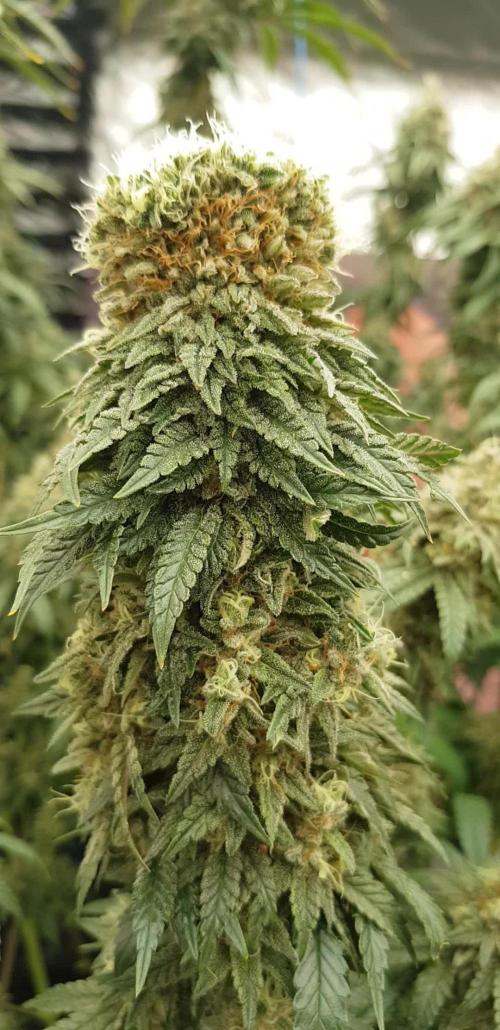
Welcome to Flower week 7 of Sweet Seeds Mental Rainbow F1
I'm excited to share my grow journey with you from my
Sweet Seeds Project . It's going to be an incredible ride, full of learning, growing, and connecting with fellow growers from all around the world!
For this Project , I’ve chosen the Feminized Photo strain Mental Rainbow F1 :
Here’s what I’m working with:
• 🌱 Tent: 120x60x80
• 🧑🌾 Breeder Company: Sweet Seeds
• 💧 Humidity Range: 40
• ⏳ Flowering Time: 7-8weeks
• Strain Info: 22-30%THC
• 🌡️ Temperature: 26
• 🍵 Pot Size: 16
• Nutrient Brand: Narcos
• ⚡ Lights : 600W x 2
A huge thank you to Sweet Seeds for allowing me to try my Best with this amazing collection from Photo Strains they managed to Sponsore . Big thanks for supporting the grower community worldwide! Your genetics and passion speak for themselves!
I would truly appreciate every bit of feedback, help, questions, or discussions – and of course, your likes and interactions mean the world to me as I try to stand out in this exciting competition!
Let’s grow together – and don’t forget to stop by again to see the latest updates!
Happy growing!
Stay lifted and stay curious!

Likes
22
Share


@herbalistssword
Follow
This plant that I harvested today I've only defoliated and she took well to that. I LST and defoliated the other plant and she is still ripening will harvest her soon.
285gramms of wet bud is quite good for first grow, so i should get about 60g dry, I'll update actual value when dry. She was in the tent with 4 other plants under the Skyline 1000 lights which pull 500w from mains.
She filled the room with some sort of orange/lemon candy smell. Smells really nice.
I'll update when I harvest the other Candy Kush and report on taste/effect once dried.
-------
Day 79 I harvested the other Candy Kush, gave 280g wet, not much of a difference between the trained and untrained plants, although I think she could have gotten fatter had I left her longer. Looking at the buds now that they dried up they got much smaller :D
Really loving the smell, can't wait for them to cure.



Likes
12
Share


@420DeepGrow
Follow
Gracias al equipo de AnesiaSeeds, Marshydro, XpertNutrients y Trolmaster sin ellos esto no sería posible.
💐🍁 Coco Jambo:
Con una composición genética 60% Sativa y 40% Indica, Coco Jambo es tu billete dorado a un verano sin fin, ofreciéndote una escapada a un mundo donde el sol nunca se pone en tu felicidad.
Con unos niveles de THC que oscilan entre un relajante 30% y un estimulante 34%, Coco Jambo es un faro de euforia que guía a sus usuarios en un viaje a través de olas de serenidad y vibrante alegría. Su aroma es una celebración de los sentidos; imagina el momento de euforia al abrir un coco y descubrir que rebosa de las frutas tropicales más suculentas.
🌻🚀 Consigue aqui tus semillas:
https://anesiaseeds.com/es/product/coco-jambo/
💡TS-3000 + TS-1000: se usaran dos de las lámparas de la serie TS de Marshydro, para cubrir todas las necesidades de las plantas durante el ciclo de cultivo, uso las dos lámparas en floracion para llegar a toda la carpa de 1.50 x 1.50 x 1.80.
https://marshydro.eu/products/mars-hydro-ts-3000-led-grow-light/
🏠 : Marshydro 1.50 x 1.50 x 1.80, carpa 100% estanca con ventanas laterales para llegar a todos los lugares durante el grow
https://marshydro.eu/products/diy-150x150x200cm-grow-tent-kit
🌬️💨 Marshydro 6inch + filtro carbon para evitar olores indeseables.
https://marshydro.eu/products/ifresh-smart-6inch-filter-kits/
🍣🍦🌴 Xpert Nutrients es una empresa especializada en la producción y comercialización de fertilizantes líquidos y tierras, que garantizan excelentes cosechas y un crecimiento activo para sus plantas durante todas las fases de cultivo.
Consigue aqui tus Nutrientes:
https://xpertnutrients.com/es/shop/
💻 Trolmaster Tent-X TCS-1 como controlador de luz, optimiza tu cultivo con la última tecnología del mercado, desde donde puedes controlar todos los parametros.
https://www.trolmaster.com/Products/Details/TCS-1
📆 Semana 3:
Ha sido una buena semana, ella ha dado un gran cambio en su lugar definitivo 😎.
Se le ha aplicado un tratamiento insecticida con agua + tierra de diatomeas ( 1 cucharadita por litro de agua), también se le aplica un tratamiento fungicida con una infusión de cola de caballo para evitar futuro moho.
A partir de ahora se riega manualmente con las dosis recomendadas por el fabricante.
Likes
10
Share


@EastCoastGrows99
Follow
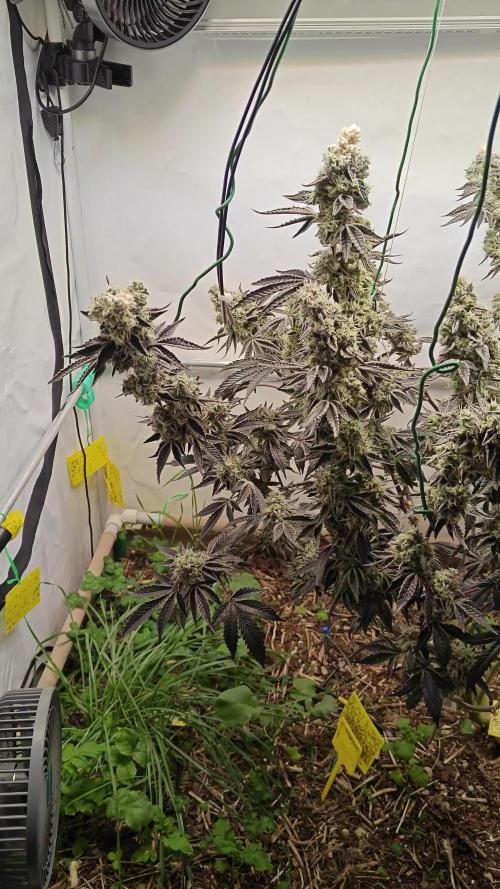
Week 7 now, growth slowed a tad, figured my soil mix would be running a little low on nutes now & started the feeding. Chose to give them a single feeding of Plant-Prod MJ Grow as it has some extra stuff they may have been missing but will feed bloom starting next week!
The bud sites where starting to get a little shaded from the larger fan leaves, removed them & the buds started swelling like mad!
Last day of week 7 update: They drank the grow nutes with vigour, fed bud filler last night (nov 3). The feeding greened up the leaves, now I can confirm my soil mix lacks enough flower nutes for sure.






Likes
3
Share


@macrocefalo
Follow
We arrived in the third week the plants show good vigor and growth. Some cold days 17 Cº may have prevented further growth but we do not have to complain the plants demonstrate to be enjoying food and light. On the 15th the plants presented slightly wilted leaves as day 16 was the day of watering I imagined it was thirsty. But day 16 a few hours after watering the plant still had the same symptoms so I realized that the LED screen was 53 cm from the plant. I increased the distance to 65cm and the plant returned to normal both in force and I managed to correct the diagnosis. I am managing to apprehend some things finally putting into practice.
Likes
14
Share


@Robeeriegenetics
Follow
Best yeilds of the 3 and most frost this run highest resistance
Tropical smell tangerine flavor hint of pine and gas
Likes
12
Share


@Drtomb
Follow
Starting into week 4 and everything has really stretched and are now forming bud sites. Basically on autopilot now. Subscribe and follow to make sure you see all the action 👊

Likes
Comments
Share


@DrGrow420
Follow
The plants have grown very fast this week, easily doubling in size. I moved them closer to the light to 90 cm from 110cm. Watering as needed and I am keeping the soil surface moist with light watering twice a day.
I have fed the plants twice this week. First with a half dosage humic + fulvic acids, microbial inoculant and Seagro. The second feeding was half dose Seagrow and Biobizz BioGrow with some CalMag and Silicon.
I am preparing a compost tea with some added kelp meal, insect frass and worm castings for the next feeding before I start LST.
Likes
1
Share


@DrGL_Thumb
Follow
Dropped the 3 seeds in water bath with a little HESI rooting mix, little mycorrhizae.
On a heat mat, covered for complete darkness. 24 Hr soak -
then seeds moved into own Seed Germinator - Karl’s Bubatz Popper 😂
24 hrs after 22 degrees and 90-95% humidity seeds developed long enough roots to hit the soil. To avoid any chance of damage the cotton pads hit the soil too.
Likes
79
Share


@Salokin
Follow
Hello Growmies,
Our journey with Epic Buzz by Anesia Seeds, which began with germination on the 20th of January, has quickly progressed to an exciting stage. Just three days into the seedling phase, which started on the 21st of January, the seedlings are already showing promising signs of vigorous growth and health.
Each seedling, displaying a lush green hue, stands uniformly in both color and height, indicating a healthy and robust start. Their growth over the past three days has been remarkable, reaching heights between 5.5 and 6.5 cm. This growth spurt is a clear indication of their strong developmental potential.
The transition to their next stage of growth was marked by a careful transplantation process. As soon as the first tap roots appeared at the bottom of the easy plugs, we moved them to 1-liter airpots. During this process, we treated the easy plugs with Great White, aiding in their root development. The airpots were prepared with Biobizz Light Mix, providing them with the necessary initial moisture. Since then, we've refrained from additional watering to let them settle into their new environment.
Lighting has been a key focus in their care. We've set the light intensity to a gentle 15-20%, which translates to about 150 PPFD. This level ensures that they receive enough light for growth without being overwhelmed, which is crucial at their current seedling stage.
In other exciting developments, the Tent X Controller has arrived. Although it's not yet in the same tent as our Epic Buzz seedlings, its presence is a significant addition to our setup. We've shared an unboxing video to showcase its features and setup process. The controller is now operational, tracking data efficiently. Its performance has been flawless, and any queries we've had have been promptly addressed by an incredibly responsive and helpful support team.
As we look forward, our focus remains on the seedlings as they continue to establish themselves in their new environment. The Tent X Controller, set up in a different location for now, signifies an upgrade in our overall growing setup. We will continue to closely monitor their progress, making adjustments as necessary to ensure they receive the best possible care. We're also eagerly anticipating integrating the Tent X Controller into their environment in the future.
Stay Lifted
Salokin


Likes
Comments
Share

@jajaa
Follow
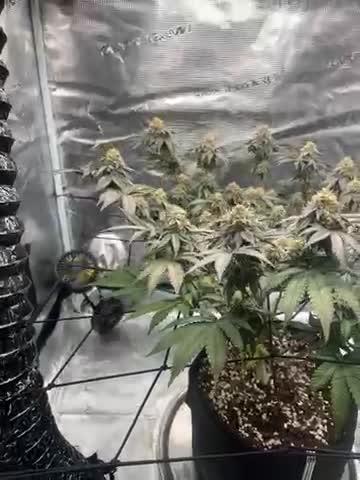
Sexta semana, hoy. Acabo de realizar el riego esta mañana. 3 litros de agua con sus nutrientes. Creo que quedan entre 3 y 5 semanas de floración.

Likes
49
Share


@hawkeye_diesel66
Follow
She is truckin right along. I love this stage of flower when little buddlets are all over her. If the genetics of fast buds are all like this, I may have found a new autoflower place, I do want to try some memphosto genetics though. I'm always hearing and seeing those big plants they throw out. Not many picture's this week got busy and had to play catch up.
Likes
6
Share


@eldruida_lamota
Follow
Que pasa familia, vamos con la cuarta semana de floracion de estas Lemonpaya feminizadas de fastbuds.
Vamos al lío, de las 3 plantas, me quede con 2 por espacio, siempre pongo alguna semilla de más por si no abriese alguna por no perder ese hueco del indoor.
También se trasplantaron a su maceta definitiva, en este caso de 7 litros que además provocó un shock que también solucione.
El ph se controla en 6.2 , la temperatura la tenemos entre 20/22 grados y la humedad ronda el 50%.
Las flores empezaron a formarse y progresan a buen ritmo.
No entiendo que a sucedido , uno de los 2 ejemplares tiene un bloqueo severo de nutrientes, estoy controlando el Ph correctamente y la alimentación ración pues corte a ver si vuelve a reestructurarse.
Hasta aquí todo, Buenos humos 💨💨💨
Processing
Likes
7
Share


@DrewbieDoobieNoobie
Follow
Week 5 of flower cotton balls are forming Starting the heavy flower feeding and using the rain rings on the pots see video, so far so good just waiting for these ladies to bulk up I have one light that is getting replaced on the next grow as is has some leds not lighting up so its running at 70% and the plant in the lower left corner is showing it its way smaller than the other 5,,, oh well, till next time be safe.

