


Likes
Comments
Share


@MrJones
Follow
MrJones Black Berry OG
🔹🔹🔹🔹🔹🔹GOALS🔹🔹🔹🔹🔹🔹
🌞Flowering Environment - 75/80℉ and 50% Humidity
💧 Feeding - Advanced Nutrients Bloom Regiment - Great APP!
🍃Training / 1 Trellis in place, looking to install a second, may have to do more defoliation..
🕷️ IPM - Will be using Green Cleaner" 1 OZ per Gallon, and CannControl from Mammoth alternating between product each month for Integrated Pest Management.
💡Mars Hydro LED / Veg TS-1000 / Flower 480W FC 4800, this light is just performing very well!
🔹🔹🔹🔹🔹🔹🔹🔹🔹🔹🔹🔹🔹🔹🔹🔹🔹🔹
📜 Rambling - With week 11 here, the ladies are about 3 of 8 weeks into flower, they continue to stretch nicely, and starting to stack on some buds!
🔹🔹🔹🔹🔹🔹🔹🔹🔹🔹🔹🔹🔹🔹🔹🔹🔹🔹
▶️ Friday - 03.26.21/Feeding 40 OZ of Advanced Nutrients
▶️ Saturday - 03.27.21/Feeding 40 OZ of Advanced Nutrients
▶️ Sunday - 03.28.21/ Feeding 40 OZ of Advanced Nutrients
▶️ Monday - 03.29.21/ Feeding 40 OZ of Advanced Nutrients
▶️ Tuesday - 03.30.21/Feeding 40 OZ of Advanced Nutrients
▶️ Wednesday - 03.31.21/Feeding 40 OZ of Advanced Nutrients
▶️ Thursday - 04.01.21/Feeding 40 OZ of Advanced Nutrients
🔹🔹🔹🔹🔹🔹🔹🔹🔹🔹🔹🔹🔹🔹🔹🔹🔹🔹
📜 Cultivar Information - We have created this strain by crossing the best Black Domina available with Very Berry and our own Lost Coast OG Kush, this plant produces large colas with a super intense sweet berry flavor with a sweet-smelling aroma that varies from fruit and berries to sweet candy. This lady offers tight internal stacking giving a perfect structure for those super heavy colas, which is perfect for growth both indoors and out, if grown outside she is fairly resistant to mold and powdery mildew which is a real bonus with such large colas.
🔹🔹🔹🔹🔹🔹🔹🔹🔹🔹🔹🔹🔹🔹🔹🔹🔹🔹

Likes
313
Share

@Tower84
Follow
🌿 Mentha de Croco von Terpyz 🇩🇪
Woche 25 und mittlerweile ist bei beiden Pflanzen das Höhenwachstum endgültig Geschichte 🌿. Die linke Mentha de Croco steht weiterhin bei etwa 2,18 m, während die rechte Pflanze sogar noch etwas weiter auf 2,37 m gewachsen ist 📏🚀.
Bei der Budentwicklung liegt die linke Pflanze weiterhin vorne 🌸. Die Buds sind schon deutlich weiter entwickelt und werden langsam richtig interessant. Beim Reiben an den Zuckerblättern kommt mittlerweile ein extrem intensiver, zitroniger und fast schon lösungsmittelartiger Geruch zum Vorschein 🍋. Ein wirklich spannendes Aroma, das ich so bisher noch nicht bei einer meiner Pflanzen hatte 👃🔥.
Die rechte Pflanze verhält sich dagegen momentan deutlich zurückhaltender. Ihr Geruch wirkt erdiger und weniger intensiv 🌱. Aber die Blüte ist noch lange nicht abgeschlossen und gerade beim Terpenprofil kann sich in den kommenden Wochen natürlich noch einiges verändern. Ich bin deshalb sehr gespannt, ob sich die beiden Phenos am Ende noch stärker auseinanderentwickeln 👀🌸.
Was mir ebenfalls zunehmend auffällt: Das Cultivar scheint wirklich zur Ausbildung riesiger Buds zu neigen 😳🌸. Genau das lässt mich inzwischen etwas nervös werden, denn auch meine beiden Pflanzen beginnen, ordentlich Masse aufzubauen. Ich bin gespannt, ob die Zweige das Gewicht der Buds gegen Ende der Blüte tatsächlich problemlos tragen können 💪🌿. Nach den Erfahrungen mit den starken Herbststürmen werde ich das auf jeden Fall genau im Auge behalten 🌬️.
Ansonsten passiert momentan gar nicht so viel. Heute bekommen beide Pflanzen noch einmal Almicanna Komposttee 🍵. Danach heißt es eigentlich nur noch beobachten und die Pflanzen machen lassen.
Der Wasserverbrauch liegt aktuell bei ungefähr 4 Litern pro Pflanze und Tag 💧. Je nachdem, wie warm es tagsüber wird, schwankt das natürlich etwas. Durch die deutlich kühleren Temperaturen ist der Bedarf mittlerweile wesentlich niedriger als noch vor einigen Wochen 🌡️.
Ich würde sagen, dass wir jetzt ungefähr Halbzeit bei der Blütenentwicklung erreicht haben 🌸⏳. Und genau ab jetzt wird es richtig spannend. Die nächsten Wochen werden zeigen, wie gut das Wetter mitspielt und wie sich die Buds unter den Bedingungen des deutschen Herbstes weiterentwickeln 🍂🌧️.
Wenn alles nach Plan läuft, wäre Ende Oktober ungefähr der angepeilte Erntezeitraum ✂️🌸. Bis dahin kann allerdings natürlich noch einiges passieren. Jetzt heißt es Daumen drücken für möglichst viel Sonne, wenig Dauerregen und vor allem keinen großen Sturm mehr 🤞☀️🍂.
🌿 Mentha de Croco by Terpyz 🇬🇧
Week 25 and by now the vertical growth is definitely over for both plants 🌿. The left Mentha de Croco is still around 2.18 m, while the right plant has reached an impressive 2.37 m 📏🚀.
The left plant is still ahead in bud development 🌸. The buds are noticeably further along and are starting to become really interesting. When rubbing the sugar leaves, the aroma has become extremely intense, very lemony and almost solvent-like 🍋. It’s a really fascinating terpene profile and definitely something I haven’t experienced with one of my plants before 👃🔥.
The right plant is much more subtle at the moment. Its buds have a more earthy and less intense aroma 🌱. But flowering is still far from finished, and the terpene profile can obviously change quite a lot over the next few weeks. I’m therefore very curious to see whether these two phenotypes will become even more different by harvest 👀🌸.
Another thing I’m noticing more and more is that this cultivar seems to have a tendency to produce absolutely huge buds 😳🌸. And that makes me a little nervous, because both of my plants are starting to build some serious bud mass as well. I’m really curious whether the branches will be strong enough to support the weight of the buds towards the end of flowering 💪🌿. After dealing with some strong autumn storms earlier in the season, I’ll definitely be keeping a close eye on them 🌬️.
Apart from that, not much is happening at the moment. Today I’ll give both plants another Almicanna compost tea 🍵. After that, it’s mostly a matter of observing and letting the plants do their thing.
Water consumption is currently around 4 litres per plant per day 💧. It varies a little depending on how warm it gets during the day, but the significantly cooler temperatures have clearly reduced their water demand compared with a few weeks ago 🌡️.
I would say we are probably around halfway through the flowering development now 🌸⏳. And from this point on, things are going to get really interesting. The next few weeks will show how well the weather cooperates and how the buds develop under German autumn conditions 🍂🌧️.
If everything goes according to plan, late October would be the approximate target harvest window ✂️🌸. But a lot can obviously still happen before then. Fingers crossed for plenty of sunshine, not too much continuous rain and, above all, no more major storms 🤞☀️🍂.

Likes
17
Share

@Naujas
Follow
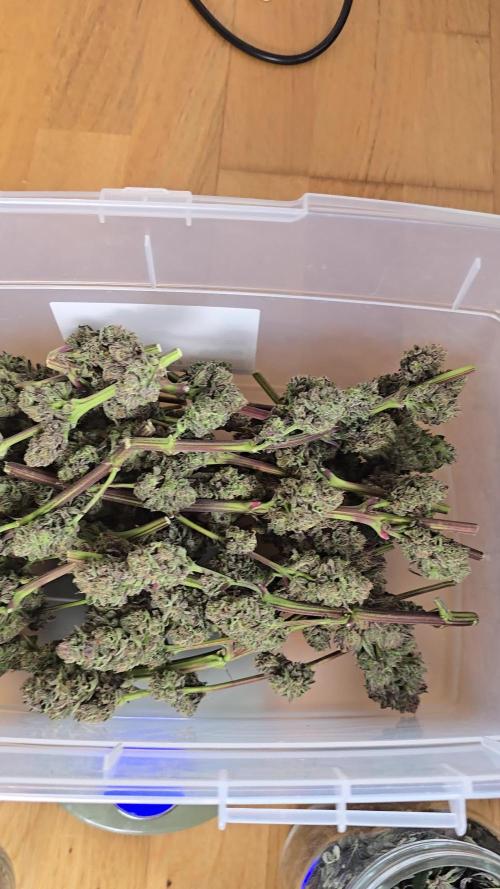
116 dienų!!! Tiek laiko praleidau su šia gražuole, kol ji atskleidė visą savo grožį :) Jos aromatas toks, lyg būčiau apsupta citrinmedžių, niekada nejaučiau tokio stipraus citrinos aromato, Visa mergina gavo @Plagron maistinių medžiagų, kurios jai labai patiko :) Už tai gavau 338 gramus šlapių, tvirtų žiedų, ir daug labai saldžių lapų, iš kurių gaminsiu burbulinį maišelį :) Neabejoju, kad ji bus tikrai skani ir stipri :) bet teks dar šiek tiek palaukti, kol ją paragausiu!!!! Jos žiedai labai pilni lipnių, kvapnių trichomų :) Rekomenduoju išbandyti – nenusivilsite :) Sėkmės visoms, o mano spintoje jau išdygo naujos merginos, tad iki pasimatymo kituose tinklaraščiuose :).


Likes
61
Share


@PEAKYPLANTERS
Follow
hey grow friends .... finally my time seems to come .... these beautiful little girls seem to tell me, every day that passes "smoke us" "smoke us" .... bitch bitch guys .. it doesn't seem true .. the dream of a lifetime ...
MY FIRST SEED
MY FIRST GERMINATION
MY FIRST GROW
MY FIRST LAMP
MY FIRST VEGETATION
MY FIRST FLOWERING
WHAT A CHILD SATISFACTION
9 out of 9 .... AND EVEN IF I DON'T HAVE ABUNDANT COLLECTIONS FROM A SINGLE PLANT FOR ME ALREADY AND A SUCCESS TO COMPLETE 9 OF 9
I cultivated it very sparingly and in the end I was repaid quite well ... this and the second week of flush .... fuck how long they take to dry with the led :(

Likes
9
Share


@Headies
Follow
So I had a few issue. I over watered early on, took them out the seed tray early, started feeding them a week or two late, no humidifier yet but they recovered well.
Likes
19
Share


@CannabisAprendiz
Follow
Hola hemos tenido problemas con la cámara del celular y no hemos podido tomar muchas fotos por lo mismo .
Esta es la Segunda semana de floración de este seguimiento , me parecen bastante rápidas la formación de sus flores y ya se está viendo una formación de resina en las flores.
tenemos una SBR que se espigo más que las demás intentaremos ir controlando su crecimiento con algún cropping.
Hello, we had problems with the cell phone camera and we could not take many photos for the same.
This is the second week of flowering of this follow-up, the formation of its flowers seems quite fast to me and a resin formation is already being seen in the flowers.
We have an SBR that spikes more than the others, we will try to control its growth with some cropping.

Likes
8
Share

@Bncgrower
Follow
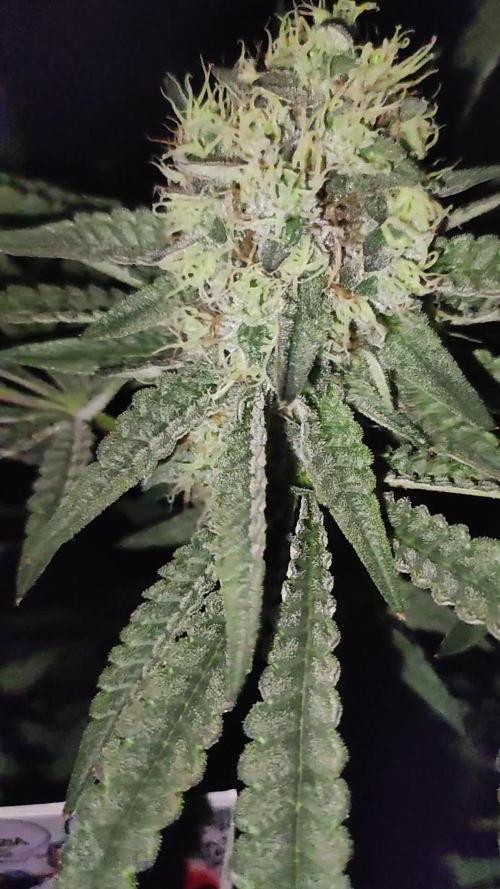
Final stretch, next week it's time to flush them. The smell is really strong when I open the bedroom door, I believe in an extremely satisfactory result.. ❄️💪🌲
***The photo of the trichomes ended up getting mixed up, so I'll post photos of all the plants.
Likes
115
Share


@DogDoctorOfficial
Follow
Greetings, fellow cultivators! We've officially crossed into the much-anticipated flowering stage with our beloved Cherry Cola Auto, and let me tell you, it's nothing short of a horticultural fiesta! The transformation over the past week has been nothing short of magical, with our once lush bush evolving into a budding beauty.
Last week was a game-changer as I bid farewell to the training supports that have guided our Cherry Cola through her bushy phase. Now, she's free to express herself, growing wild and embracing her natural beauty. The transition from veg to flower has been seamless, and I'm witnessing a symphony of bud formation that's simply breathtaking.
One of the marvels of autoflowers is their ability to veg and preflower simultaneously. It's like witnessing two acts of a play at the same time – the plant is reaching for the stars while also gearing up for the grand flowering spectacle. Cherry Cola's growth rate is nothing short of impressive, and I find myself in awe of this dynamic phase.
With the shift into flowering, I've made some adjustments to our nutrient regimen. The Start Booster has gracefully bowed out, making way for two new players on the stage – P-Boost and Topbooster. P-Boost, a phosphorus booster, is a soluble wonder that not only enhances blooming but also contributes to improved water pH. It's like giving our Cherry Cola a backstage pass to a nutrient orchestra.
Meet the New Stars: P-Boost and Topbooster:
P-Boost, with its organic acids and phosphorus punch, is playing a vital role in stimulating protein, hormone, and vitamin production. It's a symphony conductor orchestrating the blooming processes. Meanwhile, Topbooster, the dynamic duo partner, is enhancing the flowering response, producing larger fruits with more fibers, resins, and sugars. It's like a magical potion for quality and flavor enhancement.
Oh, did I mention that our Cherry Cola looks perfect to my eyes? She's a vision of green excellence, and I'm captivated by the flawless symmetry of her growth. Every day, she inches taller, embracing the flower formation with grace and poise.
As we wrap up this Week 1 Flower report, I'm left in amazing of the beauty unfolding before us. Cherry Cola Auto, with her wild growth and budding allure, is a testament to the marvels of cultivation. Stay tuned, green enthusiasts, for the next thrilling installment as the floral overture continues!
Genetics Cherry Cola Auto @Fast_Buds @fastbuds_genetics_official @fastbuds_official @fastbuds_espana
Nutrition: @aptusholland @aptus_world @aptus_
Love, Care, and Attention: @dogdoctorofficial
As always, thank you all for joining me on this journey, for your love, and for it all. My horticultural odyssey would never be the same without you. Your love and support are cherished, and I feel both honored and blessed to have you in my life <3 <3 <3
#aptus #aptusplanttech #aptusgang #aptusfamily #aptustrueplantscience #inbalancewithnature #trueplantscience #dogdoctorofficial #growerslove #fastbuds #specialplants #homegrown #fastbuds #cherrycola #CultivatingBeauty #NatureArtistry #HomegrownMagic #GreenPassion #JourneyWithPlants
With true love comes happiness. Always believe in yourself and always do things expecting nothing in return, with an open heart. Be a giver, and the universe will respond in ways you can't even dream off.
Friendly reminder: all you see here is pure research and for educational purposes only.
Growers Love to you all <3 <3 <3
Likes
7
Share


@ChitownCannaChica
Follow
So after consideration of the density of the buds and my night humidity levels— decided to chop a week early.
Buds are super dense. Concern for mold.
Very leafy lady- with massive fans
She’s 10% amber but still some white pistols on the lowers.
Very easy to grow. Stayed on the shorter side with minimal stretch—which is appreciated.
I love how the Plagron Green Sensation is nitrogen free! I used it from weeks 3-6. Super helpful as the leaves were getting a little curl— even with minimal nutes.
Will have harvest report soon. As terps can change after dry/cure.
Happy with the results of the Runtz and Plagron! 🏻💚

Likes
5
Share


@Stick
Follow
Plants are growing at full speed and still looking good, roots grew so fast it's already time for a new transplantation. This time I did repot into 15L fabric containers (by Gronest). Medium is still made of pure soil (LightMix by BioBizz) then enriched with GreenBuzLiquids nutrients.

Likes
Comments
Share
@Bobbo94
Follow
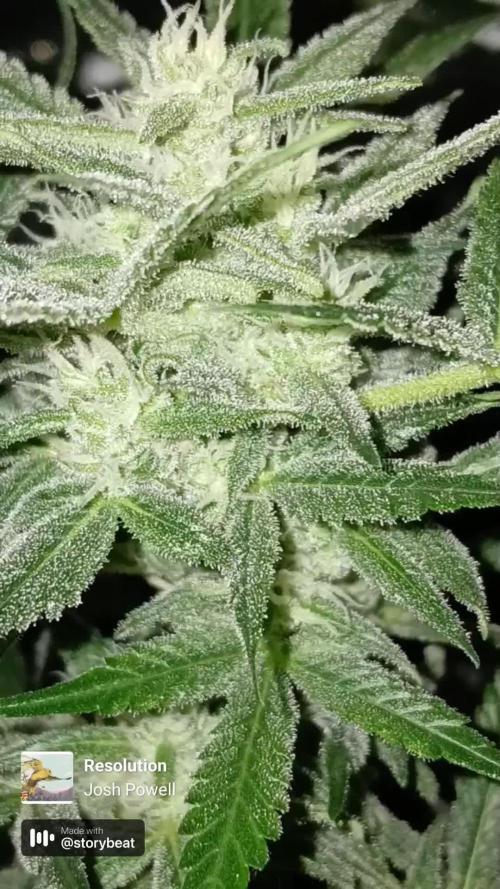
These are the wedding glue autos from fastbuds. I couldn't end the excitement and I really didn't want to make another grow diary considering most of the photos I would have used for the diary, is already in this strawberry G diary. These are spectacular plants and vs the strawberry G thus far, the wedding glue is more desirable too me because the resin product, the bud stature, the aroma is strong and delicious like candy berry, it is going to slap! Solo cup run after this too finish the rest of my auto seeds, then onto photoperiods for the summer grow.
Likes
3
Share


@Bluemels
Follow
Tag 48: Obwohl die Pflanze nicht gut aussieht, schicke ich sie in die Blüte. Ein Versuch....
Nach einer Woche Blüte sieht die Pflanze kaum besser aus viel zu helle Blätter, ich gebe den Dünger nach Schema, vielleicht muss ich schon früher den Blüte Dünger einsetzen, wie bei den Automatic die werden richtig gut. Ich werde diesen Grow abbrechen da sich kaum noch lohnt mit der Pflanze weiter zu machen.
Processing
Likes
14
Share


@Dre25
Follow
This week I did a Lst on the Amnesia and Northern. Added Tiger Bloom to the nutrients. Love how they bounce back from the stress. Purple lemonade showing great Life.👍🏼👍🏼😁. Let me know what I can do better?


Likes
5
Share

@CalGonJim
Follow
9/15 12AM MONDAY!!! THEY ARE ALL DOING GREAT!!! VERY HEAVY AMINOS YESTERDAY, NO DAMAGE.
9/15 11:24PM. In plant cells, glutathione S-transferases (GSTs) act as transporters, facilitating the movement of anthocyanins from the endoplasmic reticulum (ER) to the vacuole for storage, though their exact mechanism is still being studied. The synthesis of glutathione (GSH) itself occurs in the cytosol of mammalian cells through two ATP-requiring enzymatic steps, while anthocyanins are synthesized via a separate phenylpropanoid pathway
9/15 11:42PM glutathione metabolism glutathione S-transferases plantsThinkingKicking off 5 searchesLooking at 71 sitesPutting it all together In plants, glutathione S-transferases (GSTs) are a diverse family of enzymes integral to glutathione (GSH) metabolism, primarily functioning in detoxification and stress response. The core of this process involves GSTs catalyzing the conjugation of the tripeptide GSH with various toxic compounds, or xenobiotics, making them less harmful and easier to sequester or transport. Glutathione (GSH) metabolism in plants GSH metabolism is a tightly regulated process that maintains cellular redox balance and protects against stress. Biosynthesis: GSH is synthesized in two adenosine triphosphate (ATP)-dependent steps:(gamma )-Glutamylcysteine synthetase (GSH1) joins L-glutamate and L-cysteine to form (gamma )-glutamylcysteine. In Arabidopsis, this enzyme is located exclusively in the chloroplasts.Glutathione synthetase (GSH2) adds glycine to (gamma )-glutamylcysteine to produce GSH. This enzyme is found in both the cytosol and the chloroplasts.Oxidation and reduction: GSH exists in two forms: a reduced monomer (GSH) and an oxidized disulfide dimer (GSSG).Oxidation: In the process of scavenging reactive oxygen species (ROS), GSH is oxidized to GSSG.Reduction: Glutathione reductase (GR) uses NADPH to reduce GSSG back into active GSH, which is essential for maintaining a high GSH-to-GSSG ratio inside the cell.Degradation: Glutathione can be degraded in the cytosol, apoplast, and vacuoles by (gamma )-glutamyltransferases (GGTs) and other peptidases, allowing for recycling of its amino acid components.Transport and compartmentalization: While synthesis occurs in the chloroplasts and cytosol, transporters move GSH and its conjugates throughout the cell, including to the mitochondria, peroxisomes, and vacuoles. Functions of glutathione S-transferases (GSTs) GSTs are a large, ancient gene family with diverse roles that extend beyond detoxification. The primary functions involving GSH are: Detoxification of xenobiotics and heavy metals: GSTs catalyze the conjugation of the thiol group of GSH to a wide range of electrophilic and hydrophobic substrates, including herbicides, pesticides, and heavy metals. The resulting GSH-conjugates are then recognized by ATP-binding cassette (ABC) transporters and sequestered in the vacuole, reducing their cellular toxicity.Protection from oxidative stress: Stress conditions like drought, salinity, and high light increase levels of ROS, which cause lipid peroxidation. 🚨Some GST isoforms have glutathione peroxidase (GPOX) activity, using GSH to reduce toxic lipid hydroperoxides to less damaging alcohols, thereby protecting cell membranes.Defense against pathogens: During pathogen attacks, GST activity increases to detoxify microbial toxins and secondary defense-related compounds. This helps to bolster the plant's resistance response.Metabolism of endogenous compounds: GSTs play roles beyond immediate stress response by participating in the normal metabolic processes of plants. Examples include:Hormone transport: Some GSTs act as binding proteins (ligandins) that transport plant hormones like auxins within the cell.Metabolite transport: Specific GSTs facilitate the transport of important compounds like flavonoids and anthocyanin pigments into the vacuole.Tyrosine degradation: The zeta GST class (GSTZ) catalyzes a critical step in the breakdown of the amino acid tyrosine.Redox signaling: By influencing the GSH/GSSG ratio and interacting with plant hormones, GSTs can regulate cellular signaling pathways that control growth and stress response. 🚨GSTs and plant stress response The expression of many GST genes is highly inducible by various environmental and endogenous cues, making them key players in a plant's ability to adapt to adverse conditions. Abiotic stress: Drought, salinity, heavy metals, and extreme temperatures all trigger increased GST expression, which helps plants manage resulting oxidative damage. Overexpression of specific GST genes has been shown to enhance stress tolerance in transgenic plants.Herbicide resistance: The ability of crops and weeds to detoxify herbicides through GST-catalyzed conjugation is a well-studied example of GSTs in stress adaptation. Herbicide safeners, chemical agents that protect crops from herbicide injury, work by boosting the activity of these GST enzymes.Developmental processes: Studies have linked the expression of certain GST genes to specific stages of plant development, such as fruit ripening, root and stem development, and flower formation. ""
9/16 12:32am
AI Overview
In plants, phenylalanine is the precursor for anthocyanin synthesis, a process that involves a multistep pathway in which glutathione (GSH) plays a critical role in the transport of the final pigment to the cell vacuole.
Phenylalanine initiates anthocyanin synthesis
The biosynthesis of anthocyanins begins with the amino acid phenylalanine, which is produced via the shikimate pathway. The conversion process, known as the phenylpropanoid pathway, involves a series of enzymatic reactions:
1. Phenylalanine ammonia-lyase (PAL): This enzyme catalyzes the first committed step of the pathway, converting L-phenylalanine into trans-cinnamic acid.
2. Downstream enzymatic reactions: A series of additional enzymes, such as chalcone synthase and chalcone isomerase, convert the intermediate compounds into unstable anthocyanidins.
3. Glycosylation: Glycosyltransferase enzymes stabilize the anthocyanidins by adding sugar molecules, creating the final, stable anthocyanin pigments.
4.
Glutathione is crucial for anthocyanin transport
After synthesis, glutathione is essential for transporting anthocyanins for storage.
* Glutathione S-transferases (GSTs): These enzymes bind to the newly formed anthocyanins in the cytoplasm. This binding is a key step that facilitates the transport of the anthocyanin-GST complex across the tonoplast (the vacuolar membrane) and into the vacuole.
* Vacuolar storage: Once inside the vacuole, the anthocyanins accumulate and provide color to plant parts, such as flowers, fruits, and leaves.
* Catalytic role: Recent research has also found that certain GSTs have a catalytic role in anthocyanin synthesis. They can catalyze a dehydration step to form specific anthocyanidins, significantly boosting production in engineered systems.
*
The process in summary
The synthesis and accumulation of anthocyanins involve a coordinated process of multiple steps:
1. Production from phenylalanine: The amino acid phenylalanine enters the phenylpropanoid pathway, where enzymes convert it into the basic flavonoid structures.
2. Formation of anthocyanidins: Further enzymatic modifications produce the colored but unstable anthocyanidins.
3. Stabilization and transport with glutathione: These anthocyanidins are stabilized by glycosylation and then bound by GSTs (which use glutathione). This binding enables their transport into the vacuole for storage and visible pigmentation.
9/15 12:46AM https://pmc.ncbi.nlm.nih.gov/articles/PMC7238016/
9/16 1:30AM BKO is looking great!!!
Conclusion
The “butter frosting” resin on Cookie Apple F1, healthy yellow-green fusiform, and Blueberry KO’s pigmented cotyledons show your anthocyanin-glutathione-phenylalanine strategy is working—phenylalanine drives synthesis, glutathione ensures transport. Tweak amino acids to 100–150 mg/L to reduce tip burn.
9/16 3:34am
9/16 4:31AM Anthocyanin glutathione synthesis phenylalanine proline tmg powder relating current project:
* Phenylalanine is a precursor: Phenylalanine is an amino acid and the starting point for the phenylpropanoid pathway in plants.
* Anthocyanin synthesis: This pathway creates various secondary metabolites, including the flavonoid pigments known as anthocyanins, which give plants their red, purple, and blue colors.
* Pathway activation: Multiple enzymes, such as phenylalanine ammonia-lyase (PAL), catalyze the conversion of phenylalanine into the building blocks for anthocyanin.
*
Anthocyanin and glutathione synthesis
* Glutathione S-transferase (GST): This enzyme is crucial for synthesizing anthocyanins in plants. It transports anthocyanins into the cell's vacuole for storage.
* Glutathione (GSH) production: Anthocyanins can promote glutathione synthesis in certain cells. For instance, the anthocyanin cyanidin-3-O-β-glucoside (C3G) has been shown to increase the expression of glutamate-cysteine ligase (Gclc), a key enzyme in GSH synthesis.
* Antioxidant effect: By upregulating GSH production, anthocyanins contribute to the antioxidant defense system, protecting cells from oxidative stress.
*
Proline and glutathione synthesis
* Shared precursor: In some organisms, the synthesis pathways for proline and glutathione share a precursor molecule called γ-glutamyl phosphate.
* Alternative pathway: Research on bacteria and yeast has revealed an alternative, trace pathway where γ-glutamyl phosphate from the proline synthesis pathway can be diverted to produce the glutathione precursor γ-glutamylcysteine.
* Oxidative stress response: Studies in mouse oocytes show that supplementing with proline upregulates genes related to glutathione synthesis (Gclc and Gclm), increases glutathione levels, and reduces oxidative stress.
*
TMG powder, methylation, and homocysteine
* Methyl donor: Trimethylglycine (TMG), or betaine, is a potent methyl donor, meaning it provides methyl groups needed for various biochemical processes in the body, including the methylation cycle.
* Homocysteine regulation: One of TMG's primary functions is to convert the amino acid homocysteine into methionine. This helps regulate homocysteine levels, which is important for cardiovascular health.
* TMG and proline interaction: In plants and some organisms, TMG and proline act as compatible solutes or osmoprotectants, helping cells stabilize against osmotic stress like drought or salinity. However, in human biology, TMG mainly functions through methylation, while proline is involved in different metabolic and antioxidant roles.
*
How they all relate
The listed components are connected through several overlapping metabolic and regulatory pathways:
* Anthocyanin synthesis starts with phenylalanine.
* Anthocyanins can promote glutathione synthesis via upregulation of key enzymes like Gclc.
* Glutathione synthesis can be influenced by the proline synthesis pathway, as they share an intermediate in some contexts.
* TMG powder supports the methylation cycle, which helps regulate homocysteine levels. While TMG and proline serve similar protective roles in some organisms, their primary human metabolic functions differ, with TMG focusing on methylation and proline having distinct roles in antioxidant response and metabolism
9/17 217am Die Hard Christmas Grow
9/18, 11:34 AM. I ordered some square saucers that were cartoonishly too small but they fit inside the AC infinity germination kit and they fit with the Bud Cups perfectly really nice so it’s not a total loss.
9/18 11:45AM mix. Foliar Spray, the rest of the mix ec 0.46
Mixed up Aminos first and separate and use 16 oz for foliar spray. Then mixed up:
Root: 1 mL/L Connoisseur A & B GROW,
.2 mL/L CaliMagic,
.2 mL/L Purpinator.
Setria Glutathione: 150 mg/L(Brand: Emerald 250mg capsule.)
TMG: 150 mg/L = (Brand Nutricost)
Phenylalanine: 150 mg/L (Brand Nutricost)
Proline: 150 mg/L (Brand Nutricost).
9/18 228PM AI Overview
Glutathione influences plant colors by regulating the accumulation of pigmented compounds, primarily anthocyanins. The tripeptide accomplishes this through its role in transporting pigments within plant cells and in protecting against environmental stresses like UV radiation that can cause oxidative damage.
Transporting pigments into plant cell vacuoles
Glutathione works with a class of enzymes called Glutathione S-transferases (GSTs) to transport pigments like anthocyanins into the vacuole for storage.
Anthocyanin transport: In plants with pigmented tissues, such as purple grapes or red flowers, glutathione-conjugated pigments are transported by GSTs across the tonoplast membrane into the vacuole. This process is crucial for the stable accumulation of pigments.
Genetic manipulation: Research shows that manipulating specific GST genes can alter a plant's pigmentation. For instance, silencing a particular GST gene in purple grape hyacinths caused their petal color to shift to a lighter shade of purple. Similarly, defective GST genes in carnations resulted in pale-colored flowers.
Protecting against UV light and stress
Glutathione helps regulate plant pigmentation in response to environmental factors, especially UV-B radiation.
Activating flavonoid production: When plants are exposed to UV light, a surge in glutathione triggers the expression of genes involved in producing flavonoids. Flavonoids, including anthocyanins, can act as protective sunscreens for the plant, and their increased synthesis and accumulation can alter visible coloration.
Balancing oxidative stress: Intense UV-B radiation increases reactive oxygen species (ROS) in plants, which can cause oxidative damage. Glutathione is a master antioxidant that helps detoxify these ROS, preventing cellular damage that can affect a plant's pigment-producing mechanisms.
Indirectly influencing plant colors
By regulating cellular redox status and interacting with other molecules, glutathione also affects pigment expression in more indirect ways.
The xanthophyll cycle: As part of a plant's antioxidant system, glutathione helps maintain the reduced state of other protective antioxidants like tocopherol and zeaxanthin. Zeaxanthin is a carotenoid pigment involved in the xanthophyll cycle, which helps dissipate excess light energy.
Redox signaling: The balance between reduced glutathione (GSH) and oxidized glutathione (GSSG) is a key cellular signal for stress response. A shift in this ratio during environmental stress can influence the production of secondary metabolites like pigments, allowing the plant to adapt. "
9/19 1:41AM AI Overview
The key difference is that anthocyanins are the sugar-containing form (glycosides) of pigments, while anthocyanidins are the sugar-free form (aglycones). Anthocyanidins are the foundational molecules, and when a sugar molecule attaches to them, they become anthocyanins, which are more stable and water-soluble, making them the forms found naturally in plants, such as berries and purple vegetables.
Anthocyanidin (Aglycone)
Structure: The basic, sugar-free molecule of the anthocyanin structure.
Location: Not found freely in nature but is the core component that is then glycosylated.
Properties: Color changes with pH, being visible in acidic conditions but colorless in basic conditions.
Examples: Cyanidin, delphinidin, pelargonidin, peonidin, petunidin, and malvidin.
Anthocyanin (Glycoside)
Structure: Consists of an anthocyanidin linked to one or more sugar molecules.
Location: Found in the vacuoles of plant cells.
Properties: Water-soluble and are the pigments responsible for the red, purple, and blue colors in plants.
Function: The sugar attached provides stability, allowing for accumulation in plants and providing antioxidant properties.
Examples: Cyanidin-3-glucoside and other derivatives like acylated anthocyanins. "
9/19 2:43AM I also saw a good mans immediate accent into Heaven, that perspective matters too. no less angry about it though.
9/19 10AM Heavy Amino spray 250mg each in 1L of Setria Glutathione and Phenylalanine
9/19 10:10PM The sons and daughters of americas real terror organization carried out the last horror show, and the one before that and before that. It's not a foreign country, it's always the anti white anti human black sheets and badges that did this.
9/19 10:43PM AI Overview
Phenylalanine and glutathione contribute to plant colors through different biochemical pathways
. Phenylalanine is a precursor for the pigments themselves, primarily anthocyanins, while glutathione is involved in the transport and stabilization of these pigments within the plant cell.
Phenylalanine: The pigment precursor
The source of aromatic compounds: Phenylalanine is an aromatic amino acid and the starting compound for the phenylpropanoid pathway in plants. This pathway produces a vast number of secondary metabolites, including anthocyanins, which give many plants their red, purple, and blue colors.
Color enhancement: Research has shown that increasing the amount of available phenylalanine can lead to more intense red coloration in some fruits, such as mangoes and apples.
Pathway stimulation: Phenylalanine ammonia-lyase (PAL) is a key enzyme in this pathway that converts phenylalanine into precursors for anthocyanin biosynthesis. An increase in phenylalanine levels stimulates this entire process.
Glutathione: The pigment transporter
Anthocyanin transport: After anthocyanin pigments are synthesized in the cell's cytoplasm, they must be transported into the central vacuole for storage. Glutathione S-transferases (GSTs) are a family of enzymes that facilitate this process.
Color intensity: A functional GST is essential for proper anthocyanin accumulation. Mutations in GST genes can result in a significant decrease in color intensity, as seen in the pale or white flowers of certain gentian mutants.
Mechanism of action: The GST binds to the anthocyanin pigment and moves it from the cytoplasm into the vacuole. If the GST is defective, the pigment cannot be transported correctly, leading to a loss of coloration.
Summary of interactions
The roles of phenylalanine and glutathione are distinct but cooperative in producing plant colors:
Phenylalanine provides the essential building blocks for creating the colored compounds (anthocyanins).
Glutathione, with the help of GSTs, ensures these colored compounds are correctly moved to their storage location (the vacuole).
This cooperative system explains why mutations or deficiencies in either process can lead to reduced or altered coloration in plants."
9/19 10:51PM AI Overview.
Trimethylglycine (TMG) supports the production of glutathione, a vital antioxidant
. However, there is no evidence to suggest a direct relationship between these supplements, the amino acid phenylalanine, and the colors of plants. The concepts are linked indirectly via complex biological processes.
Trimethylglycine (TMG) and glutathione
TMG and glutathione are connected through the body's methylation cycle.
TMG as a methyl donor: TMG plays a critical role in the methylation process by donating a methyl group, which helps convert the harmful amino acid homocysteine back into methionine.
Support for glutathione production: This methylation cycle, which is supported by TMG, is essential for producing glutathione. Glutathione is a powerful antioxidant that protects against cellular damage and is crucial for detoxification.
Supplementation considerations: TMG supplements are sometimes taken alongside other supplements to support health, though consultation with a healthcare provider is recommended.
Phenylalanine and the methylation cycle
Phenylalanine is an essential amino acid, but its role is distinct from the TMG-glutathione process.
Essential nutrient: Phenylalanine is a key nutrient for cellular metabolism.
Potential interactions: A separate medical study on experimental hyperphenylalaninemia (abnormally high phenylalanine levels) in chicks observed a decrease in other amino acids in the brain, including those involved in the glutathione pathway. This demonstrates how excessive levels of one amino acid can potentially influence others, though this does not represent a typical interaction.
Plant colors
The connection between the supplements and plant colors is purely conceptual, as the colors are determined by completely different biological processes.
Anthocyanins: The colors of many plants, including red, purple, and blue flowers, come from pigments called anthocyanins.
Glutathione in plants: While plants contain glutathione as an antioxidant to combat stress, it influences color by regulating the transport and accumulation of anthocyanin pigments, not by being a pigment itself.
TMG and phenylalanine in plants: Plants contain TMG, which functions as an osmoprotectant (protecting against osmotic stress). They also contain phenylalanine, but these substances do not directly determine the plant's visible color."
9/19 11:21PM. !!!!!! this was pointless and im dumber for having read it. !!! Light intensity and spectrum affect metabolism of glutathione and amino acids at transcriptional level: https://pmc.ncbi.nlm.nih.gov/articles/PMC6938384/
9/20 11:08 AM the seedlings and the four autos are doing just great. The amino spray with phenylene and glutathione really had nice effects no burning nice solid growth even seedlings from basil lavender various lettuce all are perfect.🚨🚨🚨👍👍👍👍👍
9/21 2AM I AM BECOME ANTHOCYANID!!! ITS WORKING AND ON A SEEDLING I SEE THE GELATO COLLORS IN BLUEBERRY KO AND THE LEAF SHAPE OF BUBBLES BLUEBERRY,!!!


Likes
52
Share


@Roberts
Follow
FBT2403 has sprouted, and is doing well. She is getting acclimated, and should start making progress soon. I think my tds is way too high. I will likely dilute it out some. It is way higher then I expected. Everything is looking good beside that. Thank you Fast Buds. Agrogardens, and Medic Grow. 🤜🏻🤛🏻🌱🌱🌱
Thank you grow diaries community for the 👇likes👇, follows, comments, and subscriptions on my YouTube channel👇. ❄️🌱🍻
Happy Growing 🌱🌱🌱
https://youtube.com/channel/UCAhN7yRzWLpcaRHhMIQ7X4g
If anyone needs to purchase fastbuds here is a link for my affiliate program
https://myfastbuds.com/?a_aid=60910eaff2419


Likes
18
Share

@Mrs_Larimar
Follow
2025-09-18
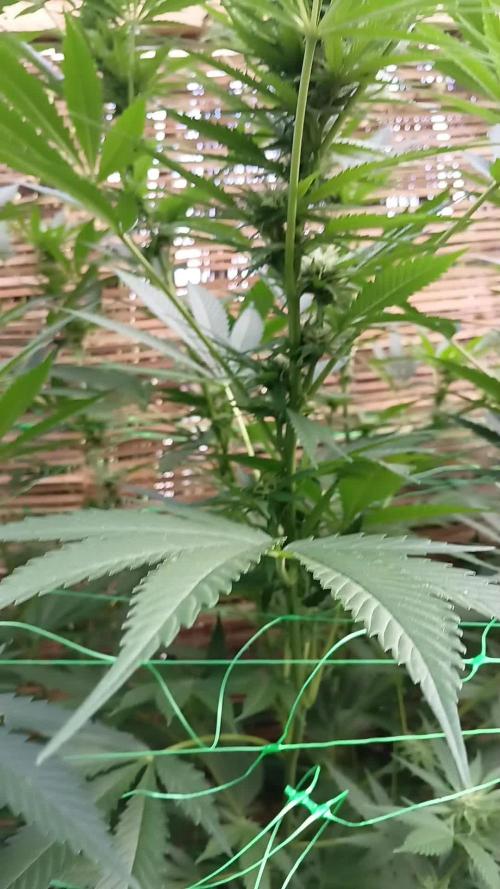
SHAMAN- Lady loves her space.
She sitz in a rich deep bed of loose Soilmix, stabilized in 2 SCROGS, and covered from above
with a wonderful taransparent roof
We had a couple of rough days with heavy Wind and Rain, but she stayed safely
xxxxxxxxxxxxxxxxxxxxxxxxxxxxxxxxxxxxxxxxxxxxxxxxxxxxxxxxxxxxxxxxxxxxxxxxx

Likes
8
Share


@TommyBVRSA75
Follow
Entrada dia 30 (sin marcación de desarrollo de plántula) : Señores y Señoras, un mes desde el comienzo de vegetativo y creo que cuando miréis el vídeo que he colgado no vais a creerlo, por que yo tampoco me lo creería, ni por un millón de florines filipinos.
Os explico, todas las cuentas de crecimiento, nutrición y desarrollo expectables se han ido sencillamente a la basura y os explicó por qué.
Primero, estamos en un ritmo que en cerca de seis dias, los cuatro cultivars están tomando la friolera de 24 litros, o sea que estamos con un ritmo de 4 litros de absorción diarios y eso sencillamente y por aritmética nos va con un litro por grow. El calor ha sido impiedoso la pasada semana y incluso ahora que la temperatura ya ha caído en torno a cinco grados (en temperatura máxima), la increíble tasa de absorción de agua se debe ahora esencialmente al increíble tirón que la cepa afgana fast de Sweet Seeds, ha tenido en los últimos días.
Hubo cambio en el ciclo lumínico pasando ya a 12/12, y en este limbo entre final de vegetativo y empiezo de floración, en los últimos cinco dias los cultivars han ganado como 25 centímetros en altura y la multiplicación de ramas laterales ha sido exponencial. Sencillamente os invito a que echéis un vistazo a la entrada del pasado viernes y que registréis, la diferencia de crecimiento en tan solo 5/6 días. Con ello, cuestión número 1 : hasta que talla seguirán las chiquillas afganas "tirando"...todo lo que tenía pensado de cultivars sobre los 65/70 centímetros se han ido al garete y tendremos cultivars de talla de metro muy próximamente y con ello un armario abarrotado y sin un palmo más de espacio.
Cuestión número 2: que vamos a hacer con el olor de esta cepa?!? En entrada de pré-floración, ese olor dulzón (casi al puro skunk) ya se hace sentir tremendamente en la habitación donde está el kit del armario de grow. Ya he instalado el ventilador de ozono y algo de olor se dispersa pero si la realidad en pré-floración es esta, cuando empezemos a ganar cogollos, hojas de azúcar y tirón de terpenos, no se a lo cierto, lo que será necesario para evitar la dispersión del olor y eso en un apartamento en un condominio, no es algo que pueda ser despreciable y habrá que intentar crear algún cultivo de plantas de compañía en mi terraza de modo a que se pueda ocultar el fuerte aroma que esta cepa tiene.
Cuestión número tres - nutrientes necesarios y consumo de solución nutritiva. Como os he dicho, ahí vamos con nuestro Quadgrow, "chupando" por via de los "smart mat" que caben a cada una de las macetas, más de 20 litros en 5 días...empezé la entrada del diario haciendo aritmética simple, o sea que cada uno de los cuatro grows se toma un litro al día. No hay misterios, grows con crecimiento tremendo, sujetos a calor elevadísimo y humedad relativa que en los días más próximos, llegó a los casi 75% (os había dicho en otras entradas que estuvimos con humedad muy baja, sobre 40%, pero en la última semana y con el tiempo de "levante" (vientos de norte de África y con humedad llegada del Mediterráneo) hemos tenido días de casi 80% de humedad. Si en invierno, 80% ya es una humedad respectable y que no puede prolongarse mucho tiempo, por las condiciones de aparecimento de hongos, en verano, si sumamos a temperaturas sobre los 35ºC, humedades a los 80%, tenemos el "cóctel" perfecto para cualquier ser viviente (sea animal, vegetal o de otro reino biológico) tenga necesidad casi permanente de água (el calor y humedad, tienen la función reversa de causar deshidratacion rapidísima y con ello, hay necesidad biológica de reponer el agua perdida.
Estos factores son también determinantes para que nuestra hidroponia y su reserva de 25 litros, sea suplida a los grows en cada 6 días, cuando mi idea sería que habría que rectificar solución nutritiva tan solo a cada diez/doce días, pero la verdad es simple y salta a la vista, a menos de cada semana es necesario hacer nueva cuba de solución y dejar que el sistema radicular de los grows se encargue de marcar el ritmo de riego.
Como podéis también ver, esta semana ya hemos empezado a aplicarle la "forma" deseable para sacar renta a los grows. Ya ha sido colocado el entranzado SCROG para que podamos direccionar el sentido de crecimiento de las ramas laterales y también ha sido puesto en práctica, una primera defoliación, para limpiar exceso de hojas y sobretodo por la necesidad de la no existencia de áreas de sombra junto al sustrato de coco y evitar que puedan crearse hongos patógenos, pese a que mis grows siempre son "brindados" con micorrizas y trichodermas, justo para evitar cualquier disgusto a causa de un "menos pensado o deseado" Botritys, Fusarium o "amiguete" del estilo.
Para final, que Dios Jah siempre nos proteja a todos, en los grows, en los que mal nos desean y a los que nos pueden hacer daño sin que algo tengamos echo para tal.
Green greets y la semana que viene, espero volver y para enseñaros algun esbozo de floración inicial.