Processing
Likes
Comments
Share
@Tazard
Follow
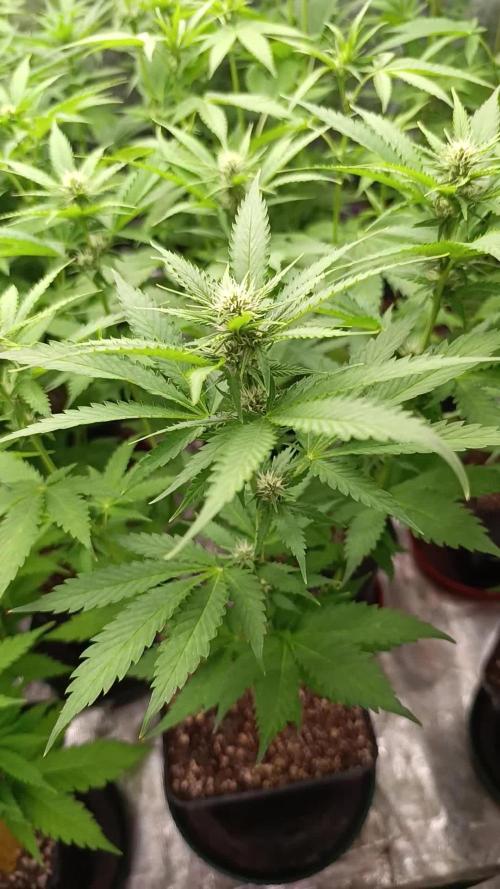
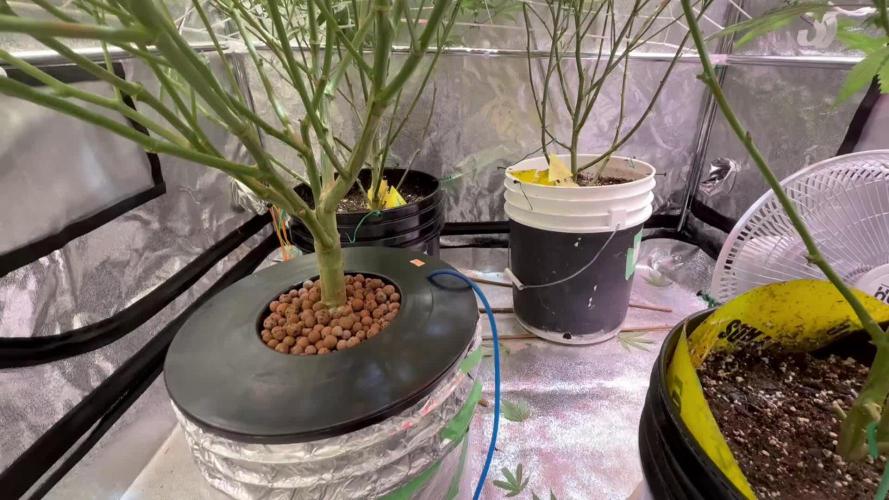
She is off to a great start. I sprouted her right in the rockwool in the DWC. Looking forward to see what we can make this lady do for us. My tent seems to work best with mature plants in the 36” range although my setup can handle 60” in height the width becomes an issue. I plan to flower her when she is about 16” tall.
Likes
63
Share
@squalino
Follow
​📖 Chroniques de l'Oasis : La Marque Blanche 🐪 Chapitre 8: Les Joyaux de la Sultane ​Date : 15 Avril 2026 Âge : J+56 Taille : 68 cm (+2 cm) ​Une nouvelle semaine commence dans l'immensité de mon Oasis de toile. Je reste là, à l'entrée de mon campement, à admirer la Sultane de loin. Je me demande avec une patience infinie quand elle sera enfin prête à livrer son secret final. Le chemin est encore long, mais chaque jour est une nouvelle sultan que je contemple. . ​Elle continue de s'élever, atteignant désormais 68 cm. Mais c'est sa parure qui me fascine : elle se veti de joyaux de plus en plus massifs. Le blanc de ses pistils, encore d'une pureté absolue, reflète la lumière de la lampe tel un miroir, au point de m'aveugler lorsque je m'approche. installation du filet Pour soutenir le poids de sa future parure de diamants je guide son corp vers la lumière, j'ai installé le filet scrog. C'est mon tissage protecteur pour écarter et maintenir ses futures bijoux, afin que chacune devienne un pilier de cristal. ​🏜️ Le Climat du Sanctuaire ​Chaleur : 25°C le jour / 21°C la nuit. ​Humidité : 50% (L'air sec du désert pour protéger la résine). ​Lumière : Intensité 75%, maintenue à 55 cm de la couronne sacrée. ​ L'Élixir de Vie ​aujourd'hui (15/04) , j'ai offert à la Sultane son élixir afin qu'elle ne manque de rien: ​Volume : 1,5 litres d'eau. ​Précision : Ajustée à un pH de 6,3. ​🔬 descriptif de la sultan ​Le Miroir de Cristal : C'est frappant les pistils sont d'un blanc électrique. Ils ne font pas que pousser, ils capturent les photons de ta lampe pour créer cet effet de "miroir" dont je parle. La production de résine (ma poudre d'étoiles) commence à s'épaissir sur les bords des petites feuilles. ​Vigueur Royale : Les +2 cm montrent qu'elle a encore de l'énergie pour se structurer avant le gonflement final. Le vert des feuilles reste profond malgré le début de sacrifice des feuilles du bas, signe que mon pH de 6,3 permet une absorption parfaite. ​📜 L'Anecdote du Rif : Le Secret du "Ghbar" et de la "Zriba" comment les anciens faisaient grossir leurs "buds" dans le temps... Dans les montagnes du Rif, bien avant les engrais en bouteille, les paysans utilisaient la technique de la Zriba. Ils construisaient des petits enclos de cannes ou de pierres sèches autour des plus belles plantes pour les protéger du vent trop violent, créant un micro-climat chaud et humide à la base. ​Pour le gonflement: ils utilisaient le "Ghbar" : un compost de fumier de chèvre et de mouton, fermenté pendant des mois avec des restes de plantes. Mais leur vrai secret pour des fleurs massives était l'effeuillage sélectif lié aux phases de la lune. Ils enlevaient les grandes feuilles d'ombre uniquement lors de la lune descendante, croyant que cela forçait la "sève sacrée" à refluer vers les fleurs. Ils appelaient cela "nourrir les perles". un grand merci a tous ceux qui me suivent cela me fait énormément plaisir et vous souhaite une bonne lecture. MUSIQUE DIAPOSITIVE ( LORD KOSSITY HE SEXY WOW )
Processing
Likes
27
Share
@WestOzzie
Follow
The big stretch has slowed, gathering she's getting ready for flowering now,the smell is getting stronger,im impressed how good she's going and really enjoying my first grow , hopefully she gets fat nugs soon
Likes
25
Share
Sie wurde jetzt ca 15 cm höher gestellt um an das Canopy angepasst zu sein. Mal schauen wie Sie im Stretch performt.
Processing
Likes
Comments
Share
Likes
1
Share
@Kraken85
Follow
1 er Cycle : Ne vous faisons pas attendre plus longtemps, la magnifique Runtz fut atteinte en croisant une Gelato et une Zkittlez. Nous en avons déjà trop dit. La Runtz est le pinacle de la sélection moderne de cannabis, vous offrant l’un des hybrides les plus équilibrés disponibles (50 % sativa et 50 % indica) avec une puissance incomparable et un profil de terpènes dont l’odeur est simplement semblable à un sachet de bonbons aux fruits. Bon, rentrons dans le vif du sujet. La Runtz reste relativement petite dans la salle de culture, elle atteint une taille modérée située entre 80 et 130 cm. Une de nombreuses choses superbes au sujet de cette variété, c’est son temps de floraison de seulement 8 à 9 semaines. Cela signifie que vous n’aurez pas à attendre longtemps avant de festoyer dans ses têtes violettes et vert-citron recouvertes de résine. Ses rendements aussi sont impressionnants. Avec un peu d’amour et d’attention, la Runtz est capable de produire 450 à 500 g/m² en intérieur. Cultivée en extérieur, vous pouvez vous attendre à récolter à peu près la même quantité par plante, plantes qui seront prêtes fin septembre début octobre. Une des qualités les plus excitantes et acclamées de la Runtz, c’est bien évidemment son high. En tant qu’hybride très équilibrée, la Runtz vous offre le meilleur des deux mondes. Vous profiterez de sensations de relaxation physiques intenses et profondes, mais pas du genre à vous clouer au canapé. Attendez-vous à vous sentir euphorique, revigoré et créatif, sans la paranoïa et l’anxiété qui accompagne parfois ces effets. Mais ne vous laissez pas berner par l’expression « très équilibrée » : la Runtz est diaboliquement puissante ! Ses fleurs contiennent un incroyable 27 % de THC ! Alors, allez-y doucement avec sa fumée douce comme de la soie, vous planerez pendant des heures. Mais qu’en est-il de ses saveurs et arômes ? Bon, vous vous doutez bien qu’on vous a gardé le meilleur pour la fin ?! La Runtz porte ce nom pour une bonne raison. Mettre son nez dans un sachet de Runtz, c’est profiter exactement de la même odeur que celle d’un sachet de bonbons sucrés : voilà à quel point son odeur est incroyablement fruitée ! C’est le genre de variété qu’il est difficile de partager et c’est bien pour cela que vos amis seront verts de jalousie. Elle est tout simplement délicieuse. Bienvenue dans la confiserie ! Vous voulez faire vous-même l’expérience de cet arôme spectaculaire ? Alors mettez-la main sur ce trésor du cannabis. Nous espérons que vous l’aimerez autant que nous ! 2 ème Cycles
Processing
Likes
9
Share
I changed VOODOO JUICE by Canna Rhizotonic because I didn't find another place to buy the same... I'm very excited to see how far these girl can go! Peace
Likes
16
Share
So she’s a week into flush with only about 10% amber trichomes so has a few more days yet. The bud size isn’t moving but the density of the buds has definitely increased. Let me know what you think. 🙌🏼🙌🏼
Likes
5
Share
@CalGonJim
Follow
9/15 12AM MONDAY!!! THEY ARE ALL DOING GREAT!!! VERY HEAVY AMINOS YESTERDAY, NO DAMAGE. 9/15 11:24PM. In plant cells, glutathione S-transferases (GSTs) act as transporters, facilitating the movement of anthocyanins from the endoplasmic reticulum (ER) to the vacuole for storage, though their exact mechanism is still being studied. The synthesis of glutathione (GSH) itself occurs in the cytosol of mammalian cells through two ATP-requiring enzymatic steps, while anthocyanins are synthesized via a separate phenylpropanoid pathway 9/15 11:42PM glutathione metabolism glutathione S-transferases plantsThinkingKicking off 5 searchesLooking at 71 sitesPutting it all together In plants, glutathione S-transferases (GSTs) are a diverse family of enzymes integral to glutathione (GSH) metabolism, primarily functioning in detoxification and stress response. The core of this process involves GSTs catalyzing the conjugation of the tripeptide GSH with various toxic compounds, or xenobiotics, making them less harmful and easier to sequester or transport. Glutathione (GSH) metabolism in plants GSH metabolism is a tightly regulated process that maintains cellular redox balance and protects against stress. Biosynthesis: GSH is synthesized in two adenosine triphosphate (ATP)-dependent steps:(gamma )-Glutamylcysteine synthetase (GSH1) joins L-glutamate and L-cysteine to form (gamma )-glutamylcysteine. In Arabidopsis, this enzyme is located exclusively in the chloroplasts.Glutathione synthetase (GSH2) adds glycine to (gamma )-glutamylcysteine to produce GSH. This enzyme is found in both the cytosol and the chloroplasts.Oxidation and reduction: GSH exists in two forms: a reduced monomer (GSH) and an oxidized disulfide dimer (GSSG).Oxidation: In the process of scavenging reactive oxygen species (ROS), GSH is oxidized to GSSG.Reduction: Glutathione reductase (GR) uses NADPH to reduce GSSG back into active GSH, which is essential for maintaining a high GSH-to-GSSG ratio inside the cell.Degradation: Glutathione can be degraded in the cytosol, apoplast, and vacuoles by (gamma )-glutamyltransferases (GGTs) and other peptidases, allowing for recycling of its amino acid components.Transport and compartmentalization: While synthesis occurs in the chloroplasts and cytosol, transporters move GSH and its conjugates throughout the cell, including to the mitochondria, peroxisomes, and vacuoles. Functions of glutathione S-transferases (GSTs) GSTs are a large, ancient gene family with diverse roles that extend beyond detoxification. The primary functions involving GSH are: Detoxification of xenobiotics and heavy metals: GSTs catalyze the conjugation of the thiol group of GSH to a wide range of electrophilic and hydrophobic substrates, including herbicides, pesticides, and heavy metals. The resulting GSH-conjugates are then recognized by ATP-binding cassette (ABC) transporters and sequestered in the vacuole, reducing their cellular toxicity.Protection from oxidative stress: Stress conditions like drought, salinity, and high light increase levels of ROS, which cause lipid peroxidation. 🚨Some GST isoforms have glutathione peroxidase (GPOX) activity, using GSH to reduce toxic lipid hydroperoxides to less damaging alcohols, thereby protecting cell membranes.Defense against pathogens: During pathogen attacks, GST activity increases to detoxify microbial toxins and secondary defense-related compounds. This helps to bolster the plant's resistance response.Metabolism of endogenous compounds: GSTs play roles beyond immediate stress response by participating in the normal metabolic processes of plants. Examples include:Hormone transport: Some GSTs act as binding proteins (ligandins) that transport plant hormones like auxins within the cell.Metabolite transport: Specific GSTs facilitate the transport of important compounds like flavonoids and anthocyanin pigments into the vacuole.Tyrosine degradation: The zeta GST class (GSTZ) catalyzes a critical step in the breakdown of the amino acid tyrosine.Redox signaling: By influencing the GSH/GSSG ratio and interacting with plant hormones, GSTs can regulate cellular signaling pathways that control growth and stress response. 🚨GSTs and plant stress response The expression of many GST genes is highly inducible by various environmental and endogenous cues, making them key players in a plant's ability to adapt to adverse conditions. Abiotic stress: Drought, salinity, heavy metals, and extreme temperatures all trigger increased GST expression, which helps plants manage resulting oxidative damage. Overexpression of specific GST genes has been shown to enhance stress tolerance in transgenic plants.Herbicide resistance: The ability of crops and weeds to detoxify herbicides through GST-catalyzed conjugation is a well-studied example of GSTs in stress adaptation. Herbicide safeners, chemical agents that protect crops from herbicide injury, work by boosting the activity of these GST enzymes.Developmental processes: Studies have linked the expression of certain GST genes to specific stages of plant development, such as fruit ripening, root and stem development, and flower formation. "" 9/16 12:32am AI Overview In plants, phenylalanine is the precursor for anthocyanin synthesis, a process that involves a multistep pathway in which glutathione (GSH) plays a critical role in the transport of the final pigment to the cell vacuole. Phenylalanine initiates anthocyanin synthesis The biosynthesis of anthocyanins begins with the amino acid phenylalanine, which is produced via the shikimate pathway. The conversion process, known as the phenylpropanoid pathway, involves a series of enzymatic reactions: 1. Phenylalanine ammonia-lyase (PAL): This enzyme catalyzes the first committed step of the pathway, converting L-phenylalanine into trans-cinnamic acid. 2. Downstream enzymatic reactions: A series of additional enzymes, such as chalcone synthase and chalcone isomerase, convert the intermediate compounds into unstable anthocyanidins. 3. Glycosylation: Glycosyltransferase enzymes stabilize the anthocyanidins by adding sugar molecules, creating the final, stable anthocyanin pigments. 4. Glutathione is crucial for anthocyanin transport After synthesis, glutathione is essential for transporting anthocyanins for storage. * Glutathione S-transferases (GSTs): These enzymes bind to the newly formed anthocyanins in the cytoplasm. This binding is a key step that facilitates the transport of the anthocyanin-GST complex across the tonoplast (the vacuolar membrane) and into the vacuole. * Vacuolar storage: Once inside the vacuole, the anthocyanins accumulate and provide color to plant parts, such as flowers, fruits, and leaves. * Catalytic role: Recent research has also found that certain GSTs have a catalytic role in anthocyanin synthesis. They can catalyze a dehydration step to form specific anthocyanidins, significantly boosting production in engineered systems. * The process in summary The synthesis and accumulation of anthocyanins involve a coordinated process of multiple steps: 1. Production from phenylalanine: The amino acid phenylalanine enters the phenylpropanoid pathway, where enzymes convert it into the basic flavonoid structures. 2. Formation of anthocyanidins: Further enzymatic modifications produce the colored but unstable anthocyanidins. 3. Stabilization and transport with glutathione: These anthocyanidins are stabilized by glycosylation and then bound by GSTs (which use glutathione). This binding enables their transport into the vacuole for storage and visible pigmentation. 9/15 12:46AM https://pmc.ncbi.nlm.nih.gov/articles/PMC7238016/ 9/16 1:30AM BKO is looking great!!! Conclusion The “butter frosting” resin on Cookie Apple F1, healthy yellow-green fusiform, and Blueberry KO’s pigmented cotyledons show your anthocyanin-glutathione-phenylalanine strategy is working—phenylalanine drives synthesis, glutathione ensures transport. Tweak amino acids to 100–150 mg/L to reduce tip burn. 9/16 3:34am 9/16 4:31AM Anthocyanin glutathione synthesis phenylalanine proline tmg powder relating current project: * Phenylalanine is a precursor: Phenylalanine is an amino acid and the starting point for the phenylpropanoid pathway in plants. * Anthocyanin synthesis: This pathway creates various secondary metabolites, including the flavonoid pigments known as anthocyanins, which give plants their red, purple, and blue colors. * Pathway activation: Multiple enzymes, such as phenylalanine ammonia-lyase (PAL), catalyze the conversion of phenylalanine into the building blocks for anthocyanin. * Anthocyanin and glutathione synthesis * Glutathione S-transferase (GST): This enzyme is crucial for synthesizing anthocyanins in plants. It transports anthocyanins into the cell's vacuole for storage. * Glutathione (GSH) production: Anthocyanins can promote glutathione synthesis in certain cells. For instance, the anthocyanin cyanidin-3-O-β-glucoside (C3G) has been shown to increase the expression of glutamate-cysteine ligase (Gclc), a key enzyme in GSH synthesis. * Antioxidant effect: By upregulating GSH production, anthocyanins contribute to the antioxidant defense system, protecting cells from oxidative stress. * Proline and glutathione synthesis * Shared precursor: In some organisms, the synthesis pathways for proline and glutathione share a precursor molecule called γ-glutamyl phosphate. * Alternative pathway: Research on bacteria and yeast has revealed an alternative, trace pathway where γ-glutamyl phosphate from the proline synthesis pathway can be diverted to produce the glutathione precursor γ-glutamylcysteine. * Oxidative stress response: Studies in mouse oocytes show that supplementing with proline upregulates genes related to glutathione synthesis (Gclc and Gclm), increases glutathione levels, and reduces oxidative stress. * TMG powder, methylation, and homocysteine * Methyl donor: Trimethylglycine (TMG), or betaine, is a potent methyl donor, meaning it provides methyl groups needed for various biochemical processes in the body, including the methylation cycle. * Homocysteine regulation: One of TMG's primary functions is to convert the amino acid homocysteine into methionine. This helps regulate homocysteine levels, which is important for cardiovascular health. * TMG and proline interaction: In plants and some organisms, TMG and proline act as compatible solutes or osmoprotectants, helping cells stabilize against osmotic stress like drought or salinity. However, in human biology, TMG mainly functions through methylation, while proline is involved in different metabolic and antioxidant roles. * How they all relate The listed components are connected through several overlapping metabolic and regulatory pathways: * Anthocyanin synthesis starts with phenylalanine. * Anthocyanins can promote glutathione synthesis via upregulation of key enzymes like Gclc. * Glutathione synthesis can be influenced by the proline synthesis pathway, as they share an intermediate in some contexts. * TMG powder supports the methylation cycle, which helps regulate homocysteine levels. While TMG and proline serve similar protective roles in some organisms, their primary human metabolic functions differ, with TMG focusing on methylation and proline having distinct roles in antioxidant response and metabolism 9/17 217am Die Hard Christmas Grow 9/18, 11:34 AM. I ordered some square saucers that were cartoonishly too small but they fit inside the AC infinity germination kit and they fit with the Bud Cups perfectly really nice so it’s not a total loss. 9/18 11:45AM mix. Foliar Spray, the rest of the mix ec 0.46 Mixed up Aminos first and separate and use 16 oz for foliar spray. Then mixed up: Root: 1 mL/L Connoisseur A & B GROW, .2 mL/L CaliMagic, .2 mL/L Purpinator. Setria Glutathione: 150 mg/L(Brand: Emerald 250mg capsule.) TMG: 150 mg/L = (Brand Nutricost) Phenylalanine: 150 mg/L (Brand Nutricost) Proline: 150 mg/L (Brand Nutricost). 9/18 228PM AI Overview Glutathione influences plant colors by regulating the accumulation of pigmented compounds, primarily anthocyanins. The tripeptide accomplishes this through its role in transporting pigments within plant cells and in protecting against environmental stresses like UV radiation that can cause oxidative damage. Transporting pigments into plant cell vacuoles Glutathione works with a class of enzymes called Glutathione S-transferases (GSTs) to transport pigments like anthocyanins into the vacuole for storage. Anthocyanin transport: In plants with pigmented tissues, such as purple grapes or red flowers, glutathione-conjugated pigments are transported by GSTs across the tonoplast membrane into the vacuole. This process is crucial for the stable accumulation of pigments. Genetic manipulation: Research shows that manipulating specific GST genes can alter a plant's pigmentation. For instance, silencing a particular GST gene in purple grape hyacinths caused their petal color to shift to a lighter shade of purple. Similarly, defective GST genes in carnations resulted in pale-colored flowers. Protecting against UV light and stress Glutathione helps regulate plant pigmentation in response to environmental factors, especially UV-B radiation. Activating flavonoid production: When plants are exposed to UV light, a surge in glutathione triggers the expression of genes involved in producing flavonoids. Flavonoids, including anthocyanins, can act as protective sunscreens for the plant, and their increased synthesis and accumulation can alter visible coloration. Balancing oxidative stress: Intense UV-B radiation increases reactive oxygen species (ROS) in plants, which can cause oxidative damage. Glutathione is a master antioxidant that helps detoxify these ROS, preventing cellular damage that can affect a plant's pigment-producing mechanisms. Indirectly influencing plant colors By regulating cellular redox status and interacting with other molecules, glutathione also affects pigment expression in more indirect ways. The xanthophyll cycle: As part of a plant's antioxidant system, glutathione helps maintain the reduced state of other protective antioxidants like tocopherol and zeaxanthin. Zeaxanthin is a carotenoid pigment involved in the xanthophyll cycle, which helps dissipate excess light energy. Redox signaling: The balance between reduced glutathione (GSH) and oxidized glutathione (GSSG) is a key cellular signal for stress response. A shift in this ratio during environmental stress can influence the production of secondary metabolites like pigments, allowing the plant to adapt. " 9/19 1:41AM AI Overview The key difference is that anthocyanins are the sugar-containing form (glycosides) of pigments, while anthocyanidins are the sugar-free form (aglycones). Anthocyanidins are the foundational molecules, and when a sugar molecule attaches to them, they become anthocyanins, which are more stable and water-soluble, making them the forms found naturally in plants, such as berries and purple vegetables. Anthocyanidin (Aglycone) Structure: The basic, sugar-free molecule of the anthocyanin structure. Location: Not found freely in nature but is the core component that is then glycosylated. Properties: Color changes with pH, being visible in acidic conditions but colorless in basic conditions. Examples: Cyanidin, delphinidin, pelargonidin, peonidin, petunidin, and malvidin. Anthocyanin (Glycoside) Structure: Consists of an anthocyanidin linked to one or more sugar molecules. Location: Found in the vacuoles of plant cells. Properties: Water-soluble and are the pigments responsible for the red, purple, and blue colors in plants. Function: The sugar attached provides stability, allowing for accumulation in plants and providing antioxidant properties. Examples: Cyanidin-3-glucoside and other derivatives like acylated anthocyanins. " 9/19 2:43AM I also saw a good mans immediate accent into Heaven, that perspective matters too. no less angry about it though. 9/19 10AM Heavy Amino spray 250mg each in 1L of Setria Glutathione and Phenylalanine 9/19 10:10PM The sons and daughters of americas real terror organization carried out the last horror show, and the one before that and before that. It's not a foreign country, it's always the anti white anti human black sheets and badges that did this. 9/19 10:43PM AI Overview Phenylalanine and glutathione contribute to plant colors through different biochemical pathways . Phenylalanine is a precursor for the pigments themselves, primarily anthocyanins, while glutathione is involved in the transport and stabilization of these pigments within the plant cell. Phenylalanine: The pigment precursor The source of aromatic compounds: Phenylalanine is an aromatic amino acid and the starting compound for the phenylpropanoid pathway in plants. This pathway produces a vast number of secondary metabolites, including anthocyanins, which give many plants their red, purple, and blue colors. Color enhancement: Research has shown that increasing the amount of available phenylalanine can lead to more intense red coloration in some fruits, such as mangoes and apples. Pathway stimulation: Phenylalanine ammonia-lyase (PAL) is a key enzyme in this pathway that converts phenylalanine into precursors for anthocyanin biosynthesis. An increase in phenylalanine levels stimulates this entire process. Glutathione: The pigment transporter Anthocyanin transport: After anthocyanin pigments are synthesized in the cell's cytoplasm, they must be transported into the central vacuole for storage. Glutathione S-transferases (GSTs) are a family of enzymes that facilitate this process. Color intensity: A functional GST is essential for proper anthocyanin accumulation. Mutations in GST genes can result in a significant decrease in color intensity, as seen in the pale or white flowers of certain gentian mutants. Mechanism of action: The GST binds to the anthocyanin pigment and moves it from the cytoplasm into the vacuole. If the GST is defective, the pigment cannot be transported correctly, leading to a loss of coloration. Summary of interactions The roles of phenylalanine and glutathione are distinct but cooperative in producing plant colors: Phenylalanine provides the essential building blocks for creating the colored compounds (anthocyanins). Glutathione, with the help of GSTs, ensures these colored compounds are correctly moved to their storage location (the vacuole). This cooperative system explains why mutations or deficiencies in either process can lead to reduced or altered coloration in plants." 9/19 10:51PM AI Overview. Trimethylglycine (TMG) supports the production of glutathione, a vital antioxidant . However, there is no evidence to suggest a direct relationship between these supplements, the amino acid phenylalanine, and the colors of plants. The concepts are linked indirectly via complex biological processes. Trimethylglycine (TMG) and glutathione TMG and glutathione are connected through the body's methylation cycle. TMG as a methyl donor: TMG plays a critical role in the methylation process by donating a methyl group, which helps convert the harmful amino acid homocysteine back into methionine. Support for glutathione production: This methylation cycle, which is supported by TMG, is essential for producing glutathione. Glutathione is a powerful antioxidant that protects against cellular damage and is crucial for detoxification. Supplementation considerations: TMG supplements are sometimes taken alongside other supplements to support health, though consultation with a healthcare provider is recommended. Phenylalanine and the methylation cycle Phenylalanine is an essential amino acid, but its role is distinct from the TMG-glutathione process. Essential nutrient: Phenylalanine is a key nutrient for cellular metabolism. Potential interactions: A separate medical study on experimental hyperphenylalaninemia (abnormally high phenylalanine levels) in chicks observed a decrease in other amino acids in the brain, including those involved in the glutathione pathway. This demonstrates how excessive levels of one amino acid can potentially influence others, though this does not represent a typical interaction. Plant colors The connection between the supplements and plant colors is purely conceptual, as the colors are determined by completely different biological processes. Anthocyanins: The colors of many plants, including red, purple, and blue flowers, come from pigments called anthocyanins. Glutathione in plants: While plants contain glutathione as an antioxidant to combat stress, it influences color by regulating the transport and accumulation of anthocyanin pigments, not by being a pigment itself. TMG and phenylalanine in plants: Plants contain TMG, which functions as an osmoprotectant (protecting against osmotic stress). They also contain phenylalanine, but these substances do not directly determine the plant's visible color." 9/19 11:21PM. !!!!!! this was pointless and im dumber for having read it. !!! Light intensity and spectrum affect metabolism of glutathione and amino acids at transcriptional level: https://pmc.ncbi.nlm.nih.gov/articles/PMC6938384/ 9/20 11:08 AM the seedlings and the four autos are doing just great. The amino spray with phenylene and glutathione really had nice effects no burning nice solid growth even seedlings from basil lavender various lettuce all are perfect.🚨🚨🚨👍👍👍👍👍 9/21 2AM I AM BECOME ANTHOCYANID!!! ITS WORKING AND ON A SEEDLING I SEE THE GELATO COLLORS IN BLUEBERRY KO AND THE LEAF SHAPE OF BUBBLES BLUEBERRY,!!!
Likes
13
Share
Pues esta es la última semana el sábado 12 corte las red mandarine y hoy martes le toca a la 8 ball
Likes
Comments
Share
Plant is small or stunted hopefully it picks up. Plant is going through a stretch.
Likes
8
Share
the smell now is unreal! this pheno is going to be labelled #ScrewballPheno as the smells of raspberry ripple ice cream, cherry & fruits with a pungent undertone really gets the senses going..... big plans for this girl in the future!!
Likes
18
Share
@Sti_Cazz
Follow
So I'm seeing some yellow tips, also on the new growth and I'm a little surprised because I'm not feeding that much tbh...at least I think I'm not.... reading up a bit, not sure if its nute burn or something else... got some cal-mag anyway , seeing i'll need it soon.. Tthe Northern Lights is going up like crazy! it has a completely different 'build' to it, much wider and distances then the more compact Diesel. Held off on the feeding, just distilled water ...but maybe 'll just switch to tap water, leaving it outside for a night or two...no more root booster....seems a little redundant.
Likes
3
Share
10/02 - DAY 69 - Staying on course. Aromas are getting strong even with the exhaust & filter running 24/7. - Mo is still drinking 2 Gal every ~36hrs. All buds are getting their purple on without low night temps.
Likes
73
Share
@Papa_T
Follow
Welcome back!!! It’s the beginning of week four. I now consider this plant to have finished the seedling phase, now move onto the veg stage. THURSDAY - Day 22 10 October 24 - Switched the blue spec light out for the red spec light. - 380 PAR/ PPFD at 26 inches distance. - Topped the two bottom branches. - Started doing a little LST by adding a few staples and a little bit of branch manipulation. - She’s slowly shaping to my vision for this plant. - Gotta start thinking of up potting her soon into her final home. FRIDAY - Day 23 11 October 24 - Added two more LST staples. - Just a day under the lights. SATURDAY - Day 24 12 October 24 Watering day, 1 litre of dechlorinated tap water. - Base water 1 litre - 61.1 PPM Final - 1 litre at 6.45 PH at 62.8 PPM Runoff - N/A - Thinking of removing those giant fam leaves soon, they’re becoming cumbersome. - Did my final planned topping of the two top branches. - I tweaked a top branch and there was a pop at the knuckle, not a complete break but there’s a bit of damage. - I’m fairly confident that she’ll send resources to fix it and make it even stronger. - No stress, we push forwards and roll with the punches cause that’s what we do around here. SUNDAY - Day 25 13 October 24 - Just a day under the lights. - She doesn’t seem too bothered by yesterday’s branch tweaking. - There’s a but of a split but it seems to be scabbing over. - I’ll keep monitoring it over the next few days. MONDAY - Day 26 14 October 24 - Just a day under the lights. - Also a good recovery day. TUESDAY - Day 27 15 October 24 Transplant day into a 5 gallon pot and her final home. 60% Gaia Green Soil 20% Worm castings 20% Perlite 8 Tbsp Gaia Green All Purpose 4 Tbsp Gaia Green Power Bloom 5 Tbsp Diatomaceous Earth 1/2 Tbsp Dynomyco Amended this mix and transplanted. Watering day, 5 litres of dechlorinated tap water. - Base water 5 litres - 61.2 PPM - Add 2.5 ml Cal-Max - 172 PPM - Add 5 ml Supermax - 206 PPM - Add 15 ml Miicrobial Mass - 337 PPM Final - 5 litres at 6.61 PH at 337 PPM Runoff - N/A - Removed the LST staples to let her acclimate to her new home. - Will resume LST in a few days. - Removed the lowest fan leaves. - Some leaves are funky but they also are in the way of the important growth so they may get removed in the near future. WEDNESDAY - Day 28 16 October 24 - Just a day under the lights recovering from yesterday’s transplant and extended light hours. - She’s perked back up and looking happy though. - Probably resume with LST staples tomorrow. - The tweaked branch looks like it’s going to recover just fine, just a little weary about working it too soon. This is effectively the end of week four, it’s been quite eventful but we’re done with topping and transplanting so we’ll see how she gets on these next few weeks of pure unadulterated vegetation. Vamos!!
Likes
28
Share
WEEK 6 and i am as impatient as i could be. This week should be the moment of truth, when it comes to thickness of the buds! 👽👉14/11 Waterday* I upped the BioBloom and TopMax for PK and less BioGrow for nitrogen. They are FROSTY as ever! Very satisfied BioHeaven 4 BioGrow 2 BioBloom 4 TopMax 4 Rootjuice 1 👽👉 15/11 One of the ladies is very hungry and showing signs of needing PK 👽👉 16/11 Atm because the outside climate has a big influence on my indoor climate, lower temperatures at night have been occuring. Battling the temps by having dehumidifier running with heat 👽👉 17/11 Waterday* They got same feed as last time, but giving a bit more volume now 👽👉 18/11 Christmas coming early, frosty times 👽👉 19/11 I had some buds that got too heavy and fell over, Fixed with some natural thread to hold them up 👽👉 20/11 Close to getting another SCROG to hold them up, but i think its time for harvest soon
Likes
9
Share
TRIPPLE G by ROYAL QUEEN SEEDS Week # 17 overall Week #16 Veg No issues this week she looking good looks like she is about to start to flower!! Stay Growing!! Royal Queen Seeds TRIPLE G