


Likes
Comments
Share


@Bluemels
Follow
Die 3 Mädels duften langsam, die Harzdrüsen Produktion ist im vollen gange.
Ich muss nun peinlich genau auf die Temperatur achten, da die Lampe schon nicht mehr höher geht und es sonst zu Verbrennungen kommt.
Noch sehen die Spitzen gut aus, aber ich habe schon häufiger so eine Art bleiche gegen Ende der Blüte erlebt.
Bislang ist dies wohl mein aufwändigster Grow, die Temperatur und Luftfeuchtigkeit konstant zu halten ist Momentan durch wechselhaft Wetter hier äußerst schwierig.
Zum ich im selben Raum auf noch die Cookie Gelato anbauen, diese ist jedoch in der Wachstumsphase und braucht es natürlich etwas feuchter und Wärme.
Ja war ein blöde Idee 2 Grows mit so verschiedenen Bedingungen gleichzeitig anzubauen 😏
Aber ulkig Weise ist es mir bisher immer, naja fast immer , durch die verücktesten Konstruktionen die ideale Anbaubedinungen für den jeweiligen Grow zu schaffen, im selben Raum, und zwar mit Alu Lüftungschläuchen 😎

Likes
11
Share


@Dirty_Hippy
Follow
Week 8:
Such vigorous flowering!!!
These buds are just beautiful orange green and white.
The smells are like candy oranges and sage(hippie armpit variety)
Pretty interested to see how this stuff smokes!!
Resin looks off the chain.

Likes
4
Share


@CanarianGrow92
Follow
Week 3 for our Apricot from fastbuds 🍁
We removed the 2 lower branches and leaves. We gave some master root this week.
Some of the plants already showed the first preflowers, flowering is starting soon!
We also placed a net above just in case we need to sustain the buds in later flowering

Likes
Comments
Share


@german_growing
Follow
Really nonflexibal cells - breaks very easylie when low stress trained with Bud Clips
But she recovered every stem break and growing healthy and vigorously
Likes
5
Share


@Rizza78
Follow
Made it to harvest w 2 so far! Oozecake is a couple extra days. Boy she tastes amazing! Will ice her tomorrow and put her in 48 hrs of dark before I harvest. What an experience it has been! Can’t wait to try after the cure.


Processing
Likes
27
Share


@CannaBury
Follow
As week 8 started, buds are gaining size. Plant is drinking lots of water. About. 3/4 a gallon a day to day 1/2. Added a second light to setup now. Hoping to help the flowering buds with extra light. Relocated my fan to help circulate air flow around more of the taper colas. Should have a around 3 week a left til harvest. Can’t wait to see how this first grow turns out and what to learn from it overall at the end.

Likes
25
Share


@LetUsGrowTogether
Follow
Halli, Hallo, Hallöle liebe Growfreunde 🤗🤗,
Heute ist BT 18 und ich habe heute mal entlaubt und ganz leicht gelollipoppt. Ich wollte nicht zuviel lollipoppen, da ich denke dass die Sanlight Lampen eine sehr gute Tiefenwirkung haben, vorallem weil die aüßeren schräg hängen und der Lichtstrahl sich quasi kreuzt. Die Entwicklung in dieser Woche war, genauso wie die letzten Wochen, sehr entspannt. Alles ist gut verlaufen und der stretch lässt sich jetzt auch endlich sehen. Die Gorilla Zkittlez ist leder nicht mehr viel gewachsen und die Sweet ZZ lässt auch zu wünschen übrig zwecks stretch, aber was solls, lecker ist es auf jedenfall

Likes
34
Share


@ScotlandHaze
Follow
Starting to fatten up now and things are getting frosty! Still no issues yet so I'm happy! Added a net to try spread things out and allow more light to pass but as you can see I have no fecking clue what I'm doing. Should i trim some more?

Likes
9
Share

@eldruida_lamota
Follow
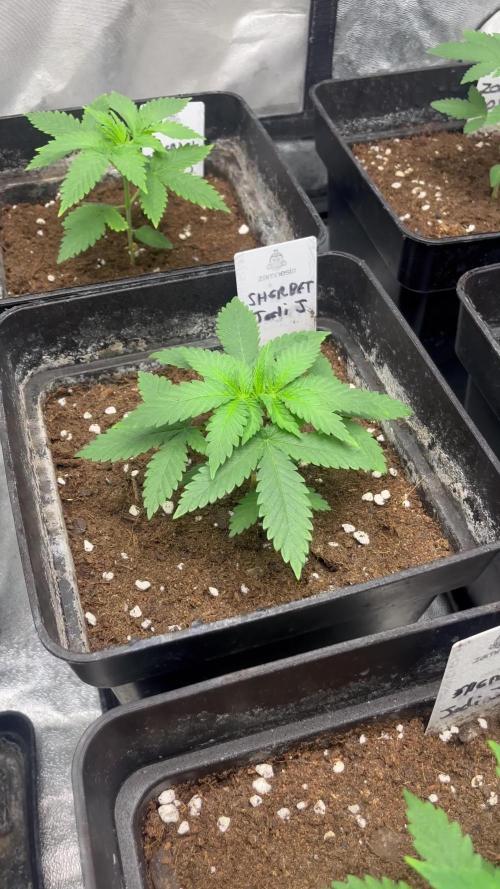
Actualizamos familia, con la cuarta semana de crecimiento de estas Sherbet Jedi Joint de HighBreed.
Como se aprecia bien el progreso de las plantas está siendo fantástico este final de verano, tienen un color bien verde y se ve que están sanas, las plantas están en macetas de 7 Litros definitivamente, con tierra top crop.
El riego que aplicamos son 300ml de agua cada 48 horas y el ph se controla en 6.5, la temperatura la tenemos entre 22/25 grados y la humedad ronda el 60% gracias al humidificador.
El ciclo de crecimiento sigue a 16h de luz/ 8h de oscuridad, el foco está al 50% de potencia.
- os dejo por aquí un CÓDIGO: Eldruida
Descuento para la tienda de MARS HYDRO.
https://www.mars-hydro.com
- los nutrientes directamente desde https://agrobeta.com/agrobetatiendaonline/36-abonos-canamo
• En el perfil de Instagram tenéis todas las variedades cultivadas en vídeos cortos subidos semanalmente y colocados de principio a fin en el Destacados.
• Estoy muy agradecido por el aprecio y la acogida a todos los que me seguís, tanto a seguidores como a marcas que apoyan todos estos proyectos, aquí seguiremos cultivando y aportando nuestro pequeño grano de arena a este gran sector.
Hasta aquí todo, Buenos humos 💨💨💨
Likes
6
Share


@mikheil007
Follow
Vanilla Latte is very special strain for me: I've never grown the plant like this: thank you Humboldt Seed Company for such a good job


Likes
5
Share

@GERGrowDesigns
Follow
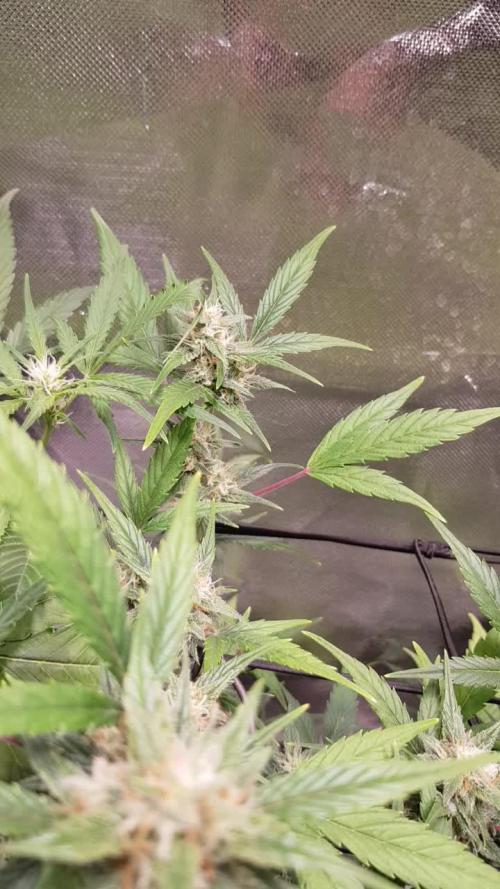
Welcome to Flower Week 2 of Fast Buds Apple Strudel Auto
I'm excited to share my grow journey with you from my
FastBuds Project . It's going to be an incredible ride, full of learning, growing, and connecting with fellow growers from all around the world!
For this Project , I’ve chosen the Feminized Auto strain Apple Strudel:
Here’s what I’m working with:
• 🌱 Tent: 120x60x80
• 🧑🌾 Breeder Company: Fast buds
• 💧 Humidity Range: 60
• ⏳ Flowering Time: 9-10 Weeks
• Strain Info: 29%THC
• 🌡️ Temperature: 26
• 🍵 Pot Size: 12
• Nutrient Brand: Hy-Pro
• ⚡ Lights : 600W x 2
A huge thank you to Fast Buds for allowing me to try my Best with this amazing collection from Automatic and Photo Strains they managed to Sponsore . Big thanks for supporting the grower community worldwide! Your genetics and passion speak for themselves!
I would truly appreciate every bit of feedback, help, questions, or discussions – and of course, your likes and interactions mean the world to me as I try to stand out in this exciting competition!
Let’s grow together – and don’t forget to stop by again to see the latest updates!
Happy growing!
Stay lifted and stay curious!
Peace & Buds!
Likes
127
Share


@DreamIT
Follow
🎃👹👽MONSTERCROPPING RED MANDARINE 👽👹🎃
____________________________________________________________________________________
💀 12.3 ...
💀 13.3 ...
💀 14.3 ...
💀 15.3 ...
💀 16.3 ...
💀 17.3 I have not forgotten about this beauty, but it was too downtown to constantly move it to take pictures. But I am attaching the last photos, before cutting (and certainly some other macro) on like this! yeah!
💀 18.3
____________________________________________________________________________________________
📜👀 A look at the details of what I'm growing 👀📜
🍊💚 Red Mandarine F1 🍊💚 by 🌱🍭 Sweet Seeds 🍭🌱
📋 Details
⚧ Gender
▪️ Feminised
➰ Genes
▪️ 55% Indica / 45% Sativa
🎄 Genetics
▪️ Red Poison Auto (SWS39) хCalifornia Orange x Skunk hybrid)
🚜Harvest
▪️ 400 - 500 g / m²
🌷Flowering
▪️ 49 - 63 days
✨THC
▪️ 16%
✅CBD
▪️ 0,2%
🏡Room Type
▪️ Indoor
🌄Room Type
▪️ Outdoor
🕋Room Type
▪️ N/D
🎂Release Year
▪️ 2019
__________________________________________________________________________
👀📷🥇 Follow the best photos on Instagram 🥇📷👀
https://www.instagram.com/dreamit420/
🔻🔻🔻Leave a comment with your opinions if you pass by here🔻🔻🔻
🤟🤗💚Thanks and Enjoy growth 💚🤗🤟
Likes
15
Share


@Dico29
Follow
It’s now showing pistils pretty well, and I got some critical peyote from Barney farms In a napkin right now
There is a little burnt tip on fan leaves I think too much nitrogen since it’s in the big pot and the leaves are dark green. But looks good happy I picked the internodes during preflower too

Likes
14
Share


@Pedro_88
Follow
Watermelon zkittlez va creciendo muy rápido también igual que chemical bride puedes ver el otro diario y verás que grande va
Likes
7
Share


@Johnblaze420
Follow
3rd week in flower and shes gone mad was told that it wouldnt get too big but someones lieing lol its almost 4ft tall might repot her because i dont think a 5ltr pot is big enough let me know what you guys think all info greatly appreciated peace growmies 💯💪👍😋

Likes
6
Share

@Frutalba15
Follow
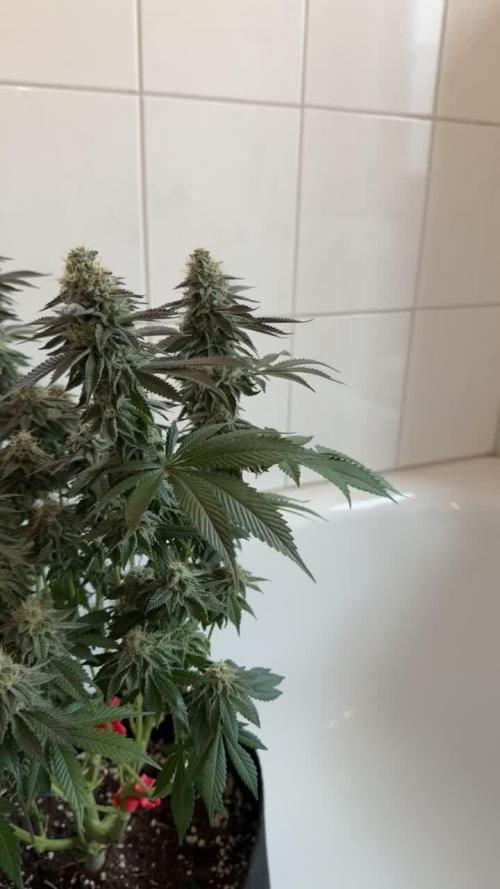
11. Woche und ihr geht es gut. Habe sie ein wenig entlaubt, damit auch die kleineren Blüten Licht abbekommen :) Dünger nimmt sie wieder super auf!
Likes
26
Share


@Buddyman75
Follow
This was a growing for dummies strain with pretty good indica body high. I really didn't have to do anything extra or special. I highly recommend this strain if you like high yielding indicas with a pretty good body high. The taste is above average sweet and spicy and I can't forget that musky banana hint on the exhale. Smell is sweet stanky banana musk. High yielder 168g of quality buds with another solid 84g of lows for extract.

Likes
14
Share


@BruWeed
Follow
Esta cepa quería cultivarla hace un año aprox y por cosas de la vida no pude y hace cuatro o cinco meses aproximadamente pude darme el lujo de cultivarla.
Su germinacion fue perfecta, sin ningún tipo de problemas y en esa etapa la deje dos semanas en Enraizamiento.
En etapa de crecimiento la deje cinco semanas, ya que nunca había dejado más de tres, yo creo que haberla dejado bastante tiempo en crecimiento ayudo para que se desarrollarse de forma correcta y ayudar a la hora de floración para sacar los cogollos que saco.
Y en etapa de floración la deje nueve semanas, tampoco tuve problemas en toda esa etapa.
Me sorprendió su fácil cultivo, lo unico que tuve que hacer fue regalarla con sus despectivos fertilizantes.
Tema enfermedades o plagas por suerte no tuvo en todo su desarrollo.
Como siempre digo super recomiendo el banco de semillas BSF Seed ya que la calidad es de 10 puntos. Estoy super conforme con los resultados, en húmedo los cocos pesan 196g, utilicé una lámpara led de sólo 100w, en un indor de 1.60mX60x60.
Los fertilizantes que siempre utilizó y me ayudan a sacar los resultados logrados son de Top Crop, y uso toda su línea de fertilizantes para cada etapa de la planta. Super recomendable también!
En las últimas imágenes se puede apreciar las raíces densas que desarrollo durante todo el cultivo. Y utilizó macetas de la marca Root House de 10L.
Saludos a todos y a esperar que la weed se seque para poder ya meterlos en el frasco y que se empiecen a curar.

Likes
4
Share


@Stinkin_lincoln
Follow
I wanted to try a grow by the breeders earlier recommendation, and with this being an 8 week sativa, I HAD to try it.
The effects at week 8 are HEAVY!
The only downside is that the high only lasts for about an hour to an hour and a half, and then starts winding down for about an hour before being level again, and I don’t blame the strain, I blame myself for not waiting longer, but I wanted to see how the plant would be affected.
The terps on both are consistent, and similar to the 3rd I’m currently growing in a different cycle.
The genetics seem super stable and I will definitely keep a stock of clones and seeds for ZDF.
Only down side is the hunger this girl has over the other plants, she EATS during flower.

Likes
87
Share


@Mrs_Larimar
Follow
2021-11-26
The Pudding is a real Growmonster!
Shes supersturdy and has big thick Branches, and leaves like Sandpaper.
She reminds me in a Superskunk Plant
She is barely to tame, and weare shortening the planned 12 Weeks of Vegetation to 10 Weeks Vegetation
So only looking to get 16 Colas .
I managed it to break 2 Tops, 😰, but she looks as if she dont Care
2021-11-28
I made some more Training on the Puddin- to reach the 16 Colas
I managed it , without hurting her Iam proud to myself
Her stems are so strong and sturdy
@Silky_smooth told me to let her dry out a little, then shes easier to tame
But i prefer it that way, as always Iam learning by doing
so we are coming closer, 3 more Weeks for her in vegetation
Big Shout- Out to @urban_chili
For sending this wonderful complete Growbox named „urban Chili 3.0“ for our CHARITY GROWOFF
@mrs.larimar and me, are using the same Equipment for this entire Grow.
We are having space 45x60 cm and 130 cm in Hight.
The lights are supereffective 85 Watt Quantum LED, made in Austria.
We are using the same Strain, the same Growbox.
So it will really just come down to Skill and Mastery of the Grower....
With this Event, we want to be there for Woman in Need of Help.
And Support those ,who are less Fortunate than us.
We feel like, we are so Blessed for what we have, that we feel Obliged to give a bit back to the Community that we so dearly Love...
During the „GROW OFF FOR CHARITY“, @Weedseedsexpress will Donate 100 Euro per Month to our Charity Goal and an additional 500 euro's by the End of he Contest, if we reach at least 2000 Likes on our weekly Posts
on Instagram.
The other Companies who are Sponsoring our „ GROWOFF FOR CHARITY“
are giving us Products and Merchandise from their Companies. And they help Promote our „ Growoff“
There are coming some AUCTIONS and GIVEAWAYS fort Horticultists
The „GROW OFF FOR CHARITY“ is Sponsored by:
( Named in Order of Appearance)
@weedseedsexpress
@urban_chili
@greenbuzzliquids
@Herbiesheadshop_com
@genoneeleven_nutrients
@zamnesiaxseeds
@spilffseeds
@Inseediousseeds
@sgreenlab
@viparspectraled
@cannabonsai_¬manny
·
PLS FOLLOW OUR SPONSORS!
·
LIKE AND SHARE This Posting!
·
To Reach the 2000 Likes per Week!