


Likes
Comments
Share


@TheHighNews
Follow
Day 30 toady, i switched to 12/12 3 days ago e the babies are already stretching hard and some are showing preflowers i'm pretty happy i'm watering with no nutrients as i'm using Canna Pro Plus soil and it should have enough nutrients for the first 3/4 weeks of flower. I cleaned the bottom of the plants from lowers branches and leaves and i will continua till day 14 of flower and i fixed it with a bamboo stick i got gifted from @AlpineGoat i will fix the other branches in the next weeks i'm pretty stocked with this grow this genetics are really solid growing strong and fast! Good job @Exotic_Seed!!🙌👍


Likes
233
Share


@Tropicannibis_Todd
Follow
🐶🐶🐶🐶🐶 👉Alrighty Then👈🐶🐶🐶🐶🐶🐶
We're 56 days in and we be moving along great 👈
👉Well my friends we are just moving along well so couldn't be happier 👈
All plants are blooming like crazy 🤪 🙀
We got some great growth right across the board on all plants 👈 All plants receiving at least a min of 850 PPFD
🐶 🐕 🐶 🐕 🐶 🐕 🐶
So we are back for another round 😛 But this grow is special because my big boy needs some love too , he's been getting on the old side of things and his hips have been giving him trouble so I've been buying CBD treats for him and it works great so 😉 👍
I've decided to grow this for my little buddy 🐶 so I can make him some Doggy 🐕 Treats and plus I've never tryed it myself and I really wanna give it a go👈 😊 so let's see what it's all about 👈
I will post the recipes at the end of harvest 👏
So Let's Do This👈
👉Soil Provided by ProMix.ca
👉Nutrients Provided by Agrogardens
👉Lighting Provided by MarsHydro.ca
👉Seeds Provided by Kannabia Seeds

Likes
112
Share


@Dunk_Junk
Follow
Week 10 done and dusted!!!
She is as monsterous as ever 😂
Flowering going well! She is drinking an absurd amount! Probably 3 litres a day easy.
I look forward to harvesting her tent-mates in the coming weeks so she can be spread out a bit better.
I am pretty sure if she was grown alone, she would have filled up the entire tent. She is a prodigious grower!!

Likes
14
Share

@Chubbs
Follow
What up fam, weekly update on these ladies. So far they've dealt with the heat like champs. Thankfully I got my AC fixed and it's back up and running. So thank God as we're having a heat wave still with day temps in the high 90's. They're getting fed 16oz of fed daily. It's looking like maybe another week or two before they'll get harvested. All in all Happy Growing.
Likes
23
Share


@adam_pawloski87
Follow
Today is day 71 for these ladies and they are doing just amazing! Stacking up densely with a Very sweet smell , I still get hints of vanilla ! Not to much longer to go these girls few more weeks an they should be done! Stay tuned for next week ! ✌️
Likes
6
Share


@Spazmagi
Follow
12/16 - Howdy there, growers. Here we are at the start of week 11 for this lady. Day 77 from seed. She still have a little ways to go, but she is coming along quite nicely. Buds are stacked and rock hard and getting frostier by the day. I'm trying not to rush this one. I removed the Pro-TeKt from her regimen as she isn't growing anymore. I switched her feed over to ~1.0ec (500ppm) to taper her down during her last two weeks. I am also going to taper the lighting schedule down as we approach chop on her once her sister is no longer in the tent.
Thanks for checking out the garden, and, as always, Happy Growing!
Likes
Comments
Share

@Userbosco
Follow
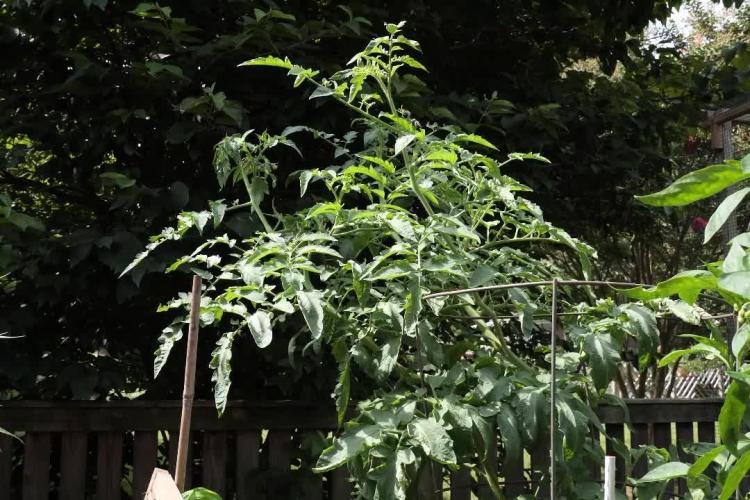
Moved the ladies to a more protected spot on my property and they are thriving. And flowering begins!😁
Likes
23
Share


@BlackHatGenetics
Follow
The plant who's branched snapped is completely healed and honestly looks to be the strongest and healthiest of all the plants. OG is a little bush, but thats expected. She should stretch perfectly in flower. Had to remove the fan (hurricaine 16") because it was giving windburn to the plants even though it was barely on them and on the lowest speed. I'll readd it when I put them in the tent next week. Day 31: this week the plants have really grown. King Kong p2 has almost doubled her size. I just ordered my 4x4x6 tent and a 2000w full spectrum LED and will be moving the ladies to flower at the end of next week. Day 33: added a humidifier, humidifier automatic controller, and a 2000w full spectrum LED.


Likes
26
Share


@Bruce_Leroy1
Follow
Lost power for 30 hours due to the storm and Fires last week but managed to make it through ok. Been flushing them heavy and noticing some beautiful purple coming in. Just took them down and hung to dry. Can't wait to see how close I get to my goal!
Likes
87
Share


@JKent19
Follow
Great week! Explosive growth was the theme, and over the past 3 days they've gained 4 inches. I was inspired by a few growers on here to do more lst this round, we will see if it pays off or not. Finicky is still doing very well, I would say she's outpacing the other plant at this point. Started my bloom nutrients, and began to wean them off the veg nutes. There are plenty of nodes for buds, but a lot of them haven't shot up yet like some of the main stalks. The right plant was looking a little droopy this morning, realized they were probably an inch too close to the light. Hoping to get another week of stretch out of them, but I could see them shifting into bud production mode soon. Excited to see what's coming up over the next few weeks, stay tuned ladies and gentlemen!

Likes
17
Share


@eldruida_lamota
Follow
Vamos familia actualizamos la cosecha de las Purple OG KUSH de Dutchfem .
La verdad que el secado muy bien 7 días en Malla y a los botes, 40% humedad y 24 grados es la temperatura ambiental que han tenido en el secado.
Por lo demás de miedo os la recomiendo.
Gracias a DutchFem, Agrobeta y Mars hydro , sin ellos este proyecto no sería igual 🙏.
Agrobeta:
https://www.agrobeta.com/agrobetatiendaonline/36-abonos-canamo
Mars hydro:
Code discount: EL420
https://www.mars-hydro.com/
Buenos humos.

Likes
19
Share


@EmeraldLakeCannabis
Follow
yeh, forgot to add the new week the other day. Oh well. Didn't miss much of anything.
Timelapse for the last week starts us off here, as usual will update as the week goes on if anything notable happens.
-3/14/2021 - Been slacking off on progress updates and pictures. However, progress has been damn good. Recovery from topping is over and the plants have adjusted to the new pot sizes.
Likes
32
Share


@Chucky324
Follow
Hello All. I took a lot of pictures. Hope you don't mine, but I had fun. I think everyone likes to see large harvest pictures.
It all started back in early January when I took clones of my favorite plants. It was a cold winter here this year, for these parts. So it was mid March when I got the plants out in the greenhouse. The spring was damp and cold too. I found powdery mildew in the garden about 2 weeks before I found it in the greenhouse. I got it on the Skunkberry and the Burmberry, But not on either Amnesia Lemon or the Sister Amnesia Lemon. I was very pleased about that :) I found some spider mites in the last week and a half. I decided to turn up the fans instead of spray. Yes they still spread but very slowly when they can't spin their webs. I didn't find many when I harvested.
Everything else went well this season. I found a male Dr. Atomic Northern Lights that I liked. So I'll try to make some seeds with the Amnesia Lemon, Skunkberry and the Burmberry. I'm trying to fatten up the Burmberry. I'm interested to see if the Amnesia Lemon gets fatter buds and carries the P.M. resistance to the seeds, I'm hoping.
The tall Sister Amnesia lemon in the middle did cause a drop of production from the plants on either side of it. They were in more shade. Something to work on for next year :)
The Skunkberry had the most P.M. I used a new produce that I'm pleased with, it's White Wash frequency altered water. Knocks the P.M. right out. I found that if you put a large tray under where you are spraying you can catch the run off. I could use it a couple of times with no change in effectiveness. It must be the Scottish in me. I try to reuse or recycle as much as possible. Cuts costs, and help make me feel like I'm doing good and helping the planet.
My feeding schedule was: I had a 15 gallon half barrel and pump with hoses and nozzles. I filled the barrel with nutrient solution and watered by minuets, 15 for clod days and 25 or 30 minuets on hot days.
After 3 or4 days I added water when the solution got low. Mixed new solution once a week, and cleaned the barrel and pump. I also took the hose in the greenhouse and soaked them till run off once a week and measured the ph. I saw a few fungus gnats, but the spiders and nematodes (from my compost I added when I mixed soil) sure help to keep the numbers down.
I like to put my buds in a paper bag to dry and cure. Inside I hang the buds for 3 days before putting the buds in paper bags. But it was so hot in the green house that 2 days was more that enough before putting the buds in the paper bags. The bags sat in the greenhouse for 3 days and then went in to the basement to finish. The old hippies told me that they use to put their buds to cure in the middle of a bushel of straw. I seems that the drying buds gives off a gas, that when trapped around the buds helps to take away the bitterness and raunchiness' of the uncured buds. The bags also help in wicking away the moisture of the drying buds, just like the straw did. After a week I check to see if it is dry enough. If the buds are dense the bag might need to be rehung for a few days to finish. I prefer a dryer bud. I like to hear a light crunch when I put a bud in my pipe. I like to hear a light crunch when I put the bud in a grinder.
> Amnesia Lemon- Plant #1 North plant=343 g.
>Amnesia Lemon - Plant #2 South plant=397 g.
> Sister Amnesia Lemon - Middle Tall Plant=401 g. Winner :)
> Skunkberry - Southern Middle Plant=316 g.
> Burmberry - Plant #1 North Plant=239 g.
> Burmberry - Plant #2 South Plant=294 g.
> Total= 1990 g. or 71 oz. or 4.4 lbs.
In Conclusion: This was my best grow ever! Big thanks to Barneys farm, for great seeds. I've got LSD started and I will try that in the greenhouse next year, 5/5 for mold and pest resistance. I'm very happy with the results. I was concerned because I have 2 rental houses behind me and one of them had a big backyard party at my week 5 of flowering. You could smell the grow by then and I was hoping I wasn't going to get ripped off. I looked through the fence a few days later and saw about 12 large plant pots, growing cannabis. I'm very happy. Cheers Chuck.
> November 3 Added pictures of the seeds I made this summer.


Likes
43
Share


@Roberts
Follow
Bruce Banner #3 Fast is doing okay I guess. She is not preforming like a fast flowering plant should. She got a solution change today. She us under the Hortibloom Solux 350. Thank you Hortibloom, and The Original Sensible Seeds Company. 🤜🏻🤛🏻💪🏼❄️🌱
Thank you grow diaries community for the 👇likes👇, follows, comments, and subscriptions on my YouTube channel👇. ❄️🌱🍻
Happy Growing 🌱🌱🌱
https://youtube.com/channel/UCAhN7yRzWLpcaRHhMIQ7X4g


Likes
23
Share


@Firepharmer
Follow
Flush mode!! Day early but chopping right soon
Everything turned out awesome , really impressed with the Futur vert flora max series and the Futur vert uv led bar , love to add 2 more to the tent. I’ll update next when I harvest in a few days
Thanks everyone who checked out my grow
Happy growing fam


Likes
17
Share


@HowtoBubatz
Follow
It’s the first week of growth, and my cannabis plant is off to a great start!
I used the method of placing the seedlings in coco tabs right after they sprouted, and it seems like it really worked well.
The plant took to the coco quickly and is looking healthy and strong.
I moved it to a small propagation station for the first few days, which definitely helped it establish itself. Now that it’s in the tent, it’s still progressing nicely.
The leaves are starting to form, and everything looks on track for a healthy grow.
I’m excited to see how the plant continues to develop in the coming weeks. So far, everything looks promising!👨🏽🌾🌱
Likes
13
Share


@CheeRz
Follow
Unfortunately I can't post as many pictures this week because I'm on vacation. Of course Lady Runtz will still be well taken care of. 💚💚💚


