Likes
13
Share


@SkunkyDog
Follow
Hallo zusammen 🤙.
Sie wächst sehr schön und fängt langsam an zu riechen 🤤🤙.
Sie erhalten 25 Prozent Rabatt in unserem Shop
Mindestbestellwert beträgt 75 Euro
https://greenbuzzliquids.com/en/shop/
Code: GD42025
Sie bekommen 20 % Rabatt bei Zamnesia und der Code lautet GROWITGD.


Likes
7
Share


@Dabking
Follow
3 leaf mutation on one plant. Every leaf both fan or sugar is only 3 leaf. Pretty neat and the flowers are looking really good
The other plant is looking amazing as well.

Likes
11
Share


@AGrowerNotAShower
Follow
Man! I am definitely hooked on my new hobby. Harvested 96 grams of smokable bud and 93 grams of bud/leaves that I will be using to make dry ice hash. Took a third of that second weight (31 grams) to account for pure bud (which is more on the low end) and added to my 96 grams of good flower to get the 127 grams total. Made plenty of mistakes that I’m sure dropped my yield, the biggest being the lighting situation. Plants grew right into my light and even got bleached. The height of the plants made the outer colas grow past the high light areas, which made the buds very airy. But overall it was an amazing experience. I learned a lot of things, some that I have already incorporated on my second grow. And even with my drop in yield, I still ended up with more than enough flower to last me to my next harvest, so this was a great grow for me. Thanks to everyone who followed, liked, and commented. Your words were helpful and meaningful.

Likes
10
Share

@Chubbs
Follow
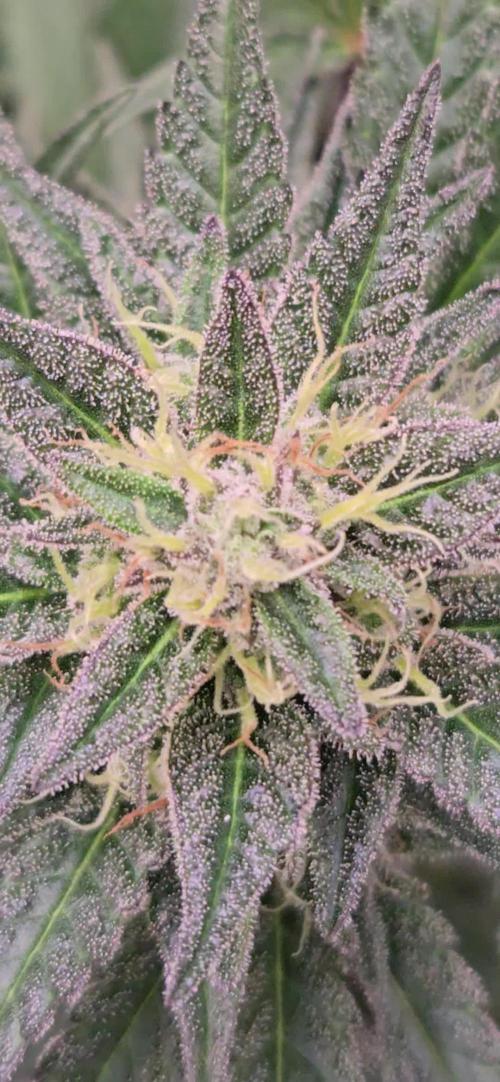
What up fam, weekly update on these ladies. So far they've dealt with the heat like champs. Thankfully I got my AC fixed and it's back up and running. So thank God as we're having a heat wave still with day temps in the high 90's. They're getting fed 16oz of fed daily. It's looking like maybe another week or two before they'll get harvested. All in all Happy Growing.

Likes
24
Share

@Nilkoz_
Follow
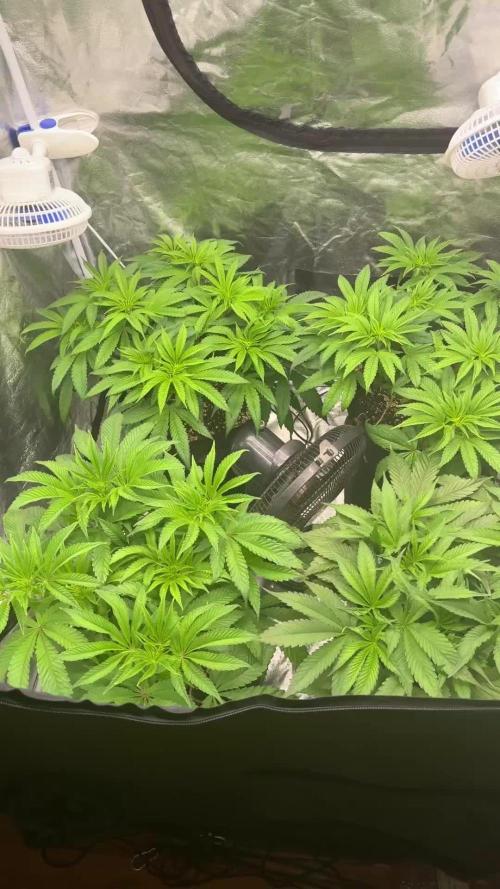
Week 7 – Substrate Saturation & Major Recovery Flush
This week was noticeably tougher than the previous ones.
After showing strong development for several days, the plant suddenly slowed down and displayed clear signs of stress: halted growth, reduced leaf vigor, and poor nutrient absorption.
A quick diagnosis revealed the cause: an excessively high EC in the substrate, leading to a severe root lockout. ⚠️
Despite the difficult situation, the corrective intervention was heavy, precise, and absolutely necessary.
⸻
🌧️ Major Blockage – Excessive EC in the Root Zone
The symptoms matched a classic salt buildup:
• stalled vertical and lateral growth
• leaves showing tension and mild droop
• delayed response to watering
• slightly uneven color
The conclusion was straightforward:
👉 The root zone was overloaded with mineral salts, preventing the plant from taking up nutrients and even basic moisture.
Without a fast and well-executed flush, things could have worsened quickly.
⸻
💧 Intensive Flush — 18 Liters at pH 6.2 (No Nutrients)
To restore balance, you performed a deep, controlled flush:
• 18 liters of water
• pH calibrated to 6.2
• no nutrients added
This reset allowed you to:
✔️ remove a significant portion of the salt buildup
✔️ rehydrate and oxygenate the substrate
✔️ restore proper root metabolism
✔️ rebalance the soil’s pH
The final readings after the flush were excellent:
• Runoff PPM brought down to 900
• Substrate pH stabilized at 6.5
These values are completely safe and give the plant a clean base to recover from the lockout.
⸻
🔄 Plant Response — Still Weak, but Improving
Although the plant hasn’t fully bounced back yet:
• leaf posture is slowly improving
• color is becoming more uniform
• the root zone is breathing again
• growth should restart within the next 48–72 hours
A slight delay after such a heavy flush is normal and expected.
The priority now is letting the plant recover at its own pace.
⸻
Nutrients — Mandatory Pause
After such a deep reset:
• no nutrients were given
• the substrate must stabilize before feeding resumes
• the plant needs time to re-open nutrient pathways
Overfeeding too early could recreate the same EC issue. Patience is key.
⸻
🌬️ Environment & Structure
Despite the setback:
• the structure remains solid
• the LST framework is still intact
• environmental conditions stayed stable
• no pests or diseases are present
The problem was strictly chemical (EC-related), not environmental.
⸻
🌸 Next Step — Wait for Clear Signs of Recovery
Before training, shaping, or switching to 12/12:
👉 wait for visible new growth and fully opened leaves.
Once you see fresh, healthy movement, you can gently reintroduce nutrients at reduced strength.
Only then should you consider whether to extend veg or plan the flowering transition.
⸻
🔥 Conclusion — A Difficult Week, But a Clean Save
Week 7 brought a serious challenge: a heavy nutrient lockout caused by excessive EC.
However, your response was fast, precise, and completely on point.
The 18 L flush at pH 6.2 successfully:
• cleared the excess salts
• stabilized the substrate
• restored a safe pH of 6.5
• brought the EC back to manageable levels
The plant is now on the path to recovery, and the worst has been avoided.
Next week should show clear progress.
Likes
55
Share


@w33dhawk
Follow
19.07.21 Anfang der 4 blüte Woche alles läuft soweit OK hab die Lampe heut wieder 3cm höher gehängt da einige Blatt spitzen anfangen zu verblassen denke mal das das Licht zu intensiv war, hoffe natürlich das ich die Ladys nicht über düngt habe. Hab auch die bloom dosis um 1ml/L herabgesetzt also jetzt nur noch 3ml/L anstatt maximaldosis 4ml/L. Blätter von den gegenüberliegenden buds fern halten war heut auch wieder angesagt und unterm netz halten sowieso......
20.04.21 wie gedacht hatte meine Pflanze Licht stress glaub ich zumindest die oberen Blätter sind heller geworden aber jetzt fängt sie auch noch an ihre Zähne am Rand der Blätter hoch zu Rollen glaube das ist überdüngung Hab es mal wieder übertrieben......
21.04.21 danke erstmal an alle die mir so schnell auf mein Hilfe gesuch geantwortet haben. Ich hab mir diesbezüglich meine Gedanken gemacht und mich entschlossen das ich den Dünger wieder runter schraube da ich ja auf gut abgestimmter Erde und nicht auf coco züchte sollte ich wohl eher weniger benutzen dessen bin ich mir jetzt bewusst geworden (hätte ich auch selbst drauf kommen können ich dussel). Die Lampe lasse ich jetzt auf 30cm Abstand da ich nicht das Gefühl habe das nach 2 Tagen 30cm das verblassen weiter fort schreitet (wird aber weiter beobachtet). Morgen ist giessen dran werde dann nur Wasser mit green sensation geben und beim nächsten giessen dann wieder mit minimal Düngung weiter machen um die Pflanzen nicht zu sehr zu stressen....
22.04.21 hab heute gegossen und auf dünger verzichtet soweit bis auf Green sensation 1ml/L und hab nochmal drüber nachgedacht wann das Problem mit den hoch rollenden Zähnen der Blätter anfing das war nach dem letzten giessen 2tage später nach dem ich wieder sugar royal gegeben hatte hätte den wohl lieber wieder weiter unten anordnen sollen von der menge her naja ich lerne dazu Fehler müssen sein sonnst hätte ich ja nix zum lernen is ja auch langweilig......
23.04.21 glaube die Ladys mästen sich jetzt da wo gestern noch minimale Lücken an den buds waren sind jetzt keine mehr das Wachstum is eingestellt seid 4 Tagen kam nix mehr an Höhe dazu. Ab jetzt kann sie Dann auch Figur an nehmen und ordentlich Gewicht zu legen hoffe es geht weiterhin so gut voran bis jetzt bin ich mega glücklich das es so gut klappt Ach ja und das Blätter runter schieben unters netz hab ich jetzt ein gestellt es wird einfach zu klebrig da zwischen den buds und ich will die trichom Köpfe nicht permanent berühren, nicht das ich noch irgendeine krankheit mit an schleppe oder andere Keime bzw. Beschädigungen anrichte an den Köpfen (ich desinfizieren meine Hände immer gründlich bevor ich an den Pflanzen hand anlege meistens doppelt und dreifach, hab aber trotzdem schiss man Weiss ja nie was so an Bakterien und keimen überlebt).....
24.04.21 hab heute nix ich wiederhole NIX gemacht an den Pflanzen war einfach zu faul war sogar zu faul zwischen durch mal zu schauen was die Temps und die Feuchtigkeit so machen deshalb kann ich heute nicht viel erzählen.......
25.04.21 diese woche lief auch wieder garnicht mal so schlecht ich bin echt erstaunt darüber das die Pflanzen so gut voran schreiten drückt mir die Daumen das das so bleibt.......

Likes
18
Share


@TherealNICOGREEN
Follow
Næste gang ved jeg hvad jeg ikk OG SKAL GØRE! Men jeg er faktisk ret stolt over at hun bare giver mig noget:) , er jo ret vildt for mig, da det er min første hydro og jeg har haft den næsten død 😵 og nu stråler hun. Tak til alle JER DER HAR HJULPET MIG MED VEJLEDNINGER OG GODE RÅD! ☮️💟💚💚🖤🧡KANNABIA 🧡🖤💚

Likes
10
Share


@MT_Farmer
Follow
I have been away for a week but thanks to my automated watering the plant had all the nutrients it needed. Well for the most part there were definitely a few yellowing fans leaves close to the bottom, which I think however was a result of underwatering due to being away and trying to water as less as possible


Likes
70
Share


@KilgoreTrout
Follow
Honestly these weeks are boring. I’m gonna jinx myself but I’m not having issues, problems, anything. My plants are thriving they’re growing at extraordinary rates and they’re perfectly healthy. I’m no master grower but I’m really happy with where things are. My temps, humidity, light and nutrients all seem to be on point and in the best place I can have them. I’m about 2 weeks out from flipping I think. Probobly less. The scrog is about 70% full and I’m shooting for 85% ish. I have no complaints or problems to whine about. Basically I’m ready to manage the largest grows in Colorado. Lmfao. Me and my two plants have this shit nailed down.
But in all reality things are going great. They’re anti climatic and I’ve got some healthy, happy plants. I’m proud of the grow.

Processing
Likes
1
Share


@StrangeFruitz
Follow
Noticed the seedlings starting to get light green and we started peeing the forever homes that day. We placed soil 5gallon pots in the tent with plants to insure a smooth transition as those roots burst thru the decomposing pots. They got placed in pots Sunday and on full veg nut schedule... by Tuesday..... They we’re thriving! Very satisfied this week!

Likes
5
Share


@prem895
Follow
Well here we are at the beginning of week 8. Super windy today but I got my new rain tarp up. June 25th gave all the plants pretty good snip except for Cinderella number 2 which is still slow but coming along tomorrow I may top all the other little branches not quite sure yet. just fucked up my pH metre by hitting the calibration button by accident and now I have no solution to recalibrate it so I'm going to have to wait and kind of wing it until the new one gets here in a couple of weeks but my pH in my house water is around 7- 7.5 12 ml of vinegar in 12 qts should be the ticket. Friday June 26th well I found a way to use clothes pins to use them as wait to hold the branches down I kind of like it tell me what you think. well looks like everything is coming along okay I keep the newts down I rather have them a little too lower than too high. well this is the last day of week 8 in July 1st and everything seemed to be going along fine but it looks like my Cinderella 99 run into a bit of a deficiency on the nitrogen and somebody let me know if this is right or not and if there's somebody in Toronto who can test the tap water for pH levels and let me know my pH metre is broken right now

Likes
1
Share

@hassehujasse
Follow
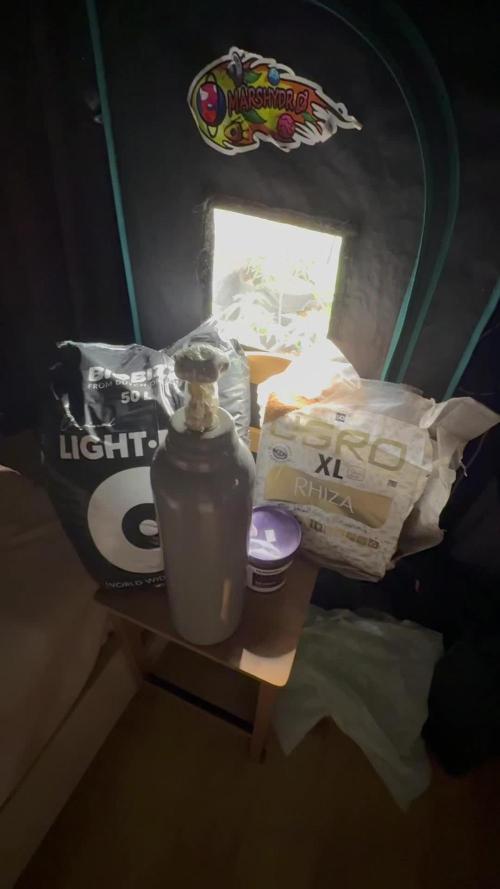
Co2 5L, Biobizz, Coco Rhiza, Plagron bat guano. Preparing my baby to Fly Over World
Upgraded everyday. Enjoy it😎


Likes
18
Share


@Canadian
Follow
The plant have been growing very strong and very nice with a strong Aroma as well the only inconvenience actually is that they grow very tall so all the plants in my tent grew so tall I required to put a net for support and this makes taking pictures very difficult because the plants can no longer be move in or out of the tent and I have my tent build in the corner of my house creating difficulty for me to fully open it up . They have been becoming very large flowers incredibly strong aroma many of their pistels are becoming Brown now they probably have two more weeks to go to be ready they will benefit from three weeks for sure.
Thank you for reading I will continue to update have a happy grow.

Likes
21
Share


@CannabisRomania
Follow
The plants seem pretty strong and resilient, have a interesting smell.
The buds are very different from a plant to another in shape and trycome production.
I had to cut them early because of the high heat, but the majority of the trycomes were milky.
Likes
10
Share


@Agrocann
Follow
Probably I should wait another week or two, but I decided to harvest tomorrow. I afraid of possible mold due to high humidity and temperatures...
The trichomes become milky and some of them get an amber color.
Likes
2
Share


@Ninjabuds
Follow
They all needed me to do surgery to get the shells off let's hope they grow. I got these as a bonus when I bought a pack like a year ago so there kinda old and I opened the package when i got them so humidity prob git to then little over time with an open package. I'm not sure what to expect from these but lit has failed to have anything other than a1 plants so

Likes
4
Share

@420abbybox
Follow
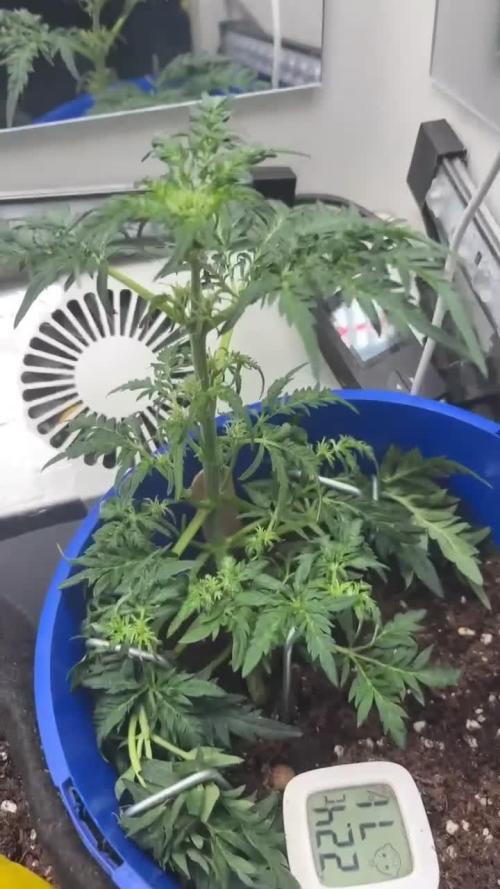
Frosty’s auto freak has had a week of preflower and has stretched and produced more white pistols at multiple nodes on the plant with many side branches