


Likes
Comments
Share


@Mr_nugs_lover_David
Follow
I love this strain to pieces man! Another high quality genetic by original sensible seeds, very very hard dense nuggets like rocks, sticky, stinky as hell, high quality, as always by original sensible seeds. 100% organic grown

Likes
8
Share

@Bread_n_Buds
Follow
Zamnesia's Lemon Cherry Gelato seems to be flowering very quickly; we're in our third week, and we have a nice main cola forming.
It's a bit sensitive to fertilizer, so we only use a small amount of base fertilizer and additives, always monitoring for signs of overgrowth.
We're growing in an 11-liter square plastic pot.
Techniques chosen: The plant was left to grow and we pruned the lower parts thoroughly to give the upper parts a boost.
We're 100% organic and 1000% Plagron, as always.
The soil we've chosen is the recently launched Plagron Bio LightMix, which will allow us to get the grow started more smoothly and reliably, without the sudden changes that liquid fertilizers can cause. A week is more than enough, so we're not overdoing it.
We're in the early stages of flowering, but we're well-equipped with nutrients and additives. We've added:
- Pure Zym 1 ml/l
- Silic Rock 1 ml/l
- CalMag Pro 1 ml/l
- Sugar Royal 1 ml/l
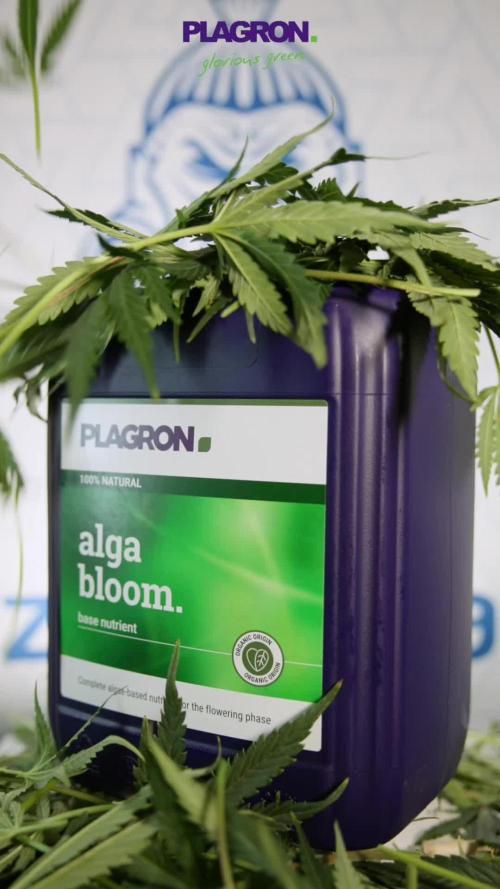
- Alga Bloom 3 ml/l
- Power Buds 1 ml/l
- Green Sensation 1 ml/l
** Plagron recommends Green Sensation from the 4th week of flowering, but if the plant is a fast-flowering plant, I start earlier when I see the buds forming. The booster is useful while the flower is forming, and also at the end to consolidate.
Choose your preferred style and calculate your results on the website:
www.plagron.com
Our new 720W Spider King lamp from Vanguard Hydroponics is now at 80%
Z - https://www.zamnesia.io/en/531-growshop
It looks more than promising. Try it.
Z - https://www.zamnesia.io/en/11242-zamnesia-seeds-lemon-cherry-gelato.html
Z - Lemon Cherry Gelato is an extraordinary hybrid capable of offering a complete and satisfying experience to all growers and cannabis enthusiasts. This premium strain is the result of crossing Sunset Sherbet and Girl Scout Cookies, two strains renowned for their high quality and delicious aromas. With a genetic makeup composed of 60% indica and 40% sativa, Lemon Cherry Gelato produces stimulating and dynamic effects. With 26% THC, it infuses deeply relaxing vibes, keeping the mind clear and alert.
Lemon Cherry Gelato easily adapts to any growing environment. Indoor plants maintain a compact structure, reaching 110 cm in height, making them ideal for limited spaces. Outdoors, this strain grows up to 140 cm. Extremely adaptable, this strain responds well to cultivation techniques such as topping and low-stress training (LST), allowing growers to optimize space and increase final yields. Indoors, a minimum of 600 g/m² is possible after a flowering period of 8-9 weeks. Outdoors, plants will reach maturity in September and, in optimal conditions, will yield around 1000 g each. Thanks to its innate resistance, Lemon Cherry Gelato is perfect for both beginners and experienced growers.
You already know this, but I recommend it: here you will find many beautiful things, essentially "the best that nature has to offer."
Z - www.zamnesia.com
Music //
www.radionula.com
+ Feng Shui Music
+ Frequencies 432 Hz


Likes
4
Share

@Sr_mezo
Follow
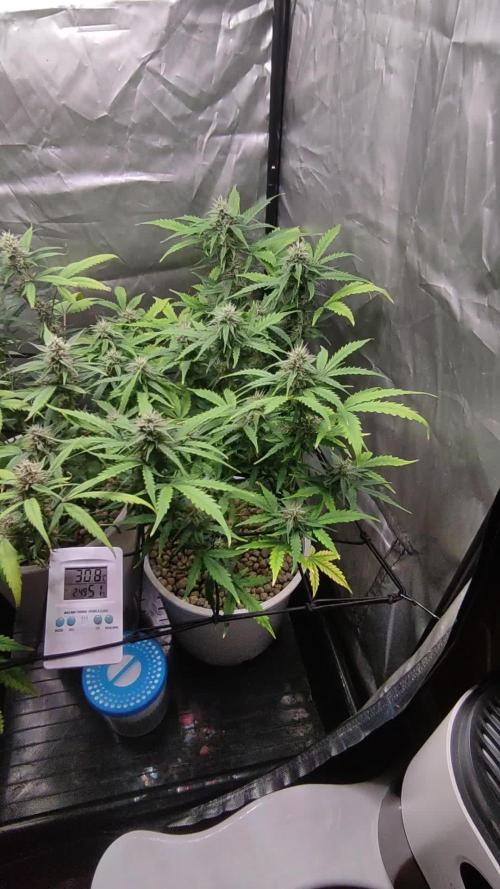
Fotos del día 53, poco que decir, las altas temperaturas siguen y al menos mantengo la humedad por debajo de 60% y muy buena ventilación, parece que el engorde sigue.
Solo queda seguir manteniendo los parámetros lo más controlados posible y seguir engordando los cogollos.


Likes
8
Share


@Fubar_420
Follow
So far so good they are starting to slow down on stretching and getting some nice pretty white flowers. The Little girl might still impress after all.
Processing
Likes
20
Share

@Mr_nugs_lover_David
Follow
This lady has ended up with a very big size, she's such a nice bush full of sweet stinky colas, tje nuggets are very hard and the resin production is top, very terpy, the aroma is starting to become more and more like cherry 🍒 but with some floral notes. Definitely would love to run her again for sure! 🔝 Very stable strain. All of my 5 black cherry punch have the exact same aroma. 💎💯 She's in a super living soil full of beneficial bacteria and 100% organic nutrients. I'm using Silicium flash by biotabs which contains a lot of beneficial fungus and bug shit. And FLO which is the super food full of aminoacids, a lot of diferent strains of endomycorryzhae and mycorrizae. It's like 100% natural steroids for organic plants, the aroma are so pure and clean. GUYS TRY TO ALWAYS GO THE ORGANIC WAY! YOU'LL NOTICE THE DIFFERENCE 💚🤞💎🌱 pd she's algo got kalong powder and seaweed powder by guanokalong.

Likes
17
Share


@HowtoBubatz
Follow
It’s the eighth week of flowering, and the plant is looking absolutely gorgeous!
The buds and leaves have turned a deep purple with rich autumn hues, giving the plant such a unique, almost magical appearance.
The sweet smell has become even stronger and fills the whole grow space with a powerful, sugary aroma. 🍬🌿
I’ve noticed the trichomes starting to turn an amber color—just the sign I’ve been waiting for!
Most of them are still milky, but the amber hints show we’re getting close. This week, I’ve started the flushing process to clear out any remaining nutrients and prepare for harvest. 💧
Everything’s on track, and I couldn’t be more excited for the final steps! 😁✨
Likes
9
Share

@Pompeyblue
Follow
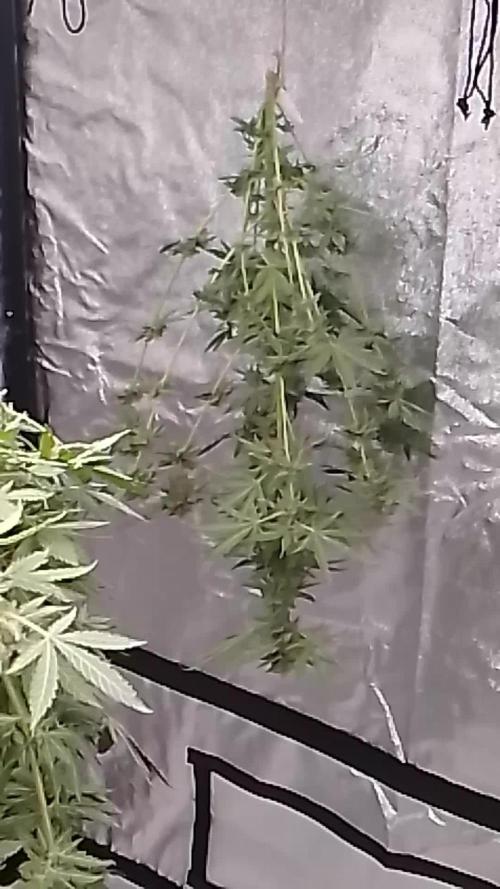
All chopped and hanging
BIG THANK YOU TO @Kannabia I really appreciate the opportunity you gave me to grow and show you're amazing strain's

Likes
59
Share


@Jsammy09
Follow
7/29 (Day 42)- What a fun and exciting experience this has been so far. I’ve already learned so much and the ladies seem to be doing well. Handling all the defoliation and LST I have been doing and bouncing back in no time. The growing climate has been great and super steady the last week, I’m switching over to my bloom nutes Monday when I flush and clean. They are definitely stretching now and the back left plant seems loaded with bud sites. I’m going to do some research and watch more videos on using a trellis net, I have on ready to go but unsure if I’m going to attempt it or not.
7/30 (Day 43)- Did some more defoliation and leaf tucking today, just trying to keep the canopy open as much as possible, but its a never ending task. They are really starting to stretch though and the back right gal is a bit ahead of the others and its showing more and more. Tomorrow is flush day, and I'm going to be be switching to the bloom nutes. All environmental conditions have been steady at 78 degrees during day and around 71 at night and my humidity is around 60 and 55 RH for day and night. Water temp is 68 and ppm around 900 now.
7/31 (Day 44)- Changed out the water this morning and started the bloom nutrients. They drank all day and are up to drinking about 4 gallons a day. They are really starting to pack on the size as well. All conditions are staying very steady and no issues at this point, hoping to keep it that way from here on out. Fingers crossed.
8/1 (Day 45) - These gals just keep growing and growing. I did a bit of defoliating two days ago and it already looks like it needs it again. Im going to give them another day or so unless it looks like airflow and no light are able to get through, but I worry about constantly removing things. I will wait and see how things are looking tomorrow afternoon and decide then. Everything seems to be in check and running great.
As always tips and recommendations are very much appreciated. Thanks!
Likes
50
Share


@CapitanKush
Follow
the girls are still coming along nice. didn't start flushing in the end just gave them a flush, had way too many salts built up. so i am still feeding but a bit lighter and they are loving it not long now tho👍


Likes
17
Share


@EXZELENS
Follow
Bud wet weight : 168,1g of trimmed medium to big sized buds
25,4g of tiny tiny buds/larfs = 193.5 grams of trimmed wet buds.
Details on genetics and smoke report above.
This, as my first grow, is way more than I ever expected it to be. I haven´t had that much fun and enthusiasm in a very very long time.
I can´t even explain the feeling it is to harvest your own cannabis, but I know most of you know what I´m talking about haha.
It was really nice to practice LST, even tho it was SO HARD, ´cause I didn´t had barely any space to work since I used a hard pot and did not fill nearly half the size of it and the walls of the pot were really high. It was even difficult to water without dropping water on the lower buds.
I haven´t learnt much about defoliation tho, I feel I need to study a little more about the phases you should or should not do it.
Also, I discovered thrips are a pain in the ass. I had 2 tough weeks dealing with thrips, but in the end it was alright.
I don´t have any humidity control device, which I intend to buy for the next grows.
Growdiaries was really helpful for me, it kept me motivated everyday (not that I wouldn´t have had it anyways), the Grow Questions are REALLY useful and all the community is awesome. Thanks to all people that helped me here on GD during this first grow!
To conclude it: I am really happy and satisfied with how the grow turned out. They look incredible, it almost feels like I can´t believe it still.
Peace.
UPDATES:
07/10 : The buds are now dry and already in curing jars, one of them with a Boveda 58% humidity pack.
The total grams of the dry buds are: 41.4g (medium to big sized buds)
4.1g (tiny buds) = 45.5 grams!
I´m really happy with the results, I thought it would be around 30g so yeah, that´s a really good surprise!
In 2 weeks I´ll be back to update the smoke report.
Thanks so much for reading! Peace.
09/10 : I managed to fit everything in the same container with some space between them, so now every bud is with the Boveda pack.
14/10: It´s been a week and the smell improved, it still smells a little like hay/plant ( even tho it´s not too dry neither too wet ).
21/10: Now it´s been two weeks and even tho the smell isn´t anymore hay, it´s a lot herbal. I really think the aroma can get better, but the taste is already good enough for me. The smoke report has been done and in case I have something to add, I´ll report here.
Thank you so much for reading! Peace.

Likes
14
Share


@Whiteybulger1814
Follow
Day 39 to 46 of flower
Basically the girls are on autopilot, with the autopots and Gaia green there really isn't much to do, both methods are super user friendly and the basic needs that need to be meet are just ph water in the reservoir every couple days and then watch them stack buds on top of buds...Occasionally I move a branch over to another square in the net to make room but Basically after the last top feeding it's just watch and weight, pun intended....


Likes
47
Share


@DreamIT
Follow
⏳🌳The Endless GREEN Garden🌳⏳
____________________________________________________________________________________
🌳 18.3 ...
🌳 19.3...
🌳 20.3...
🌳 21.3...
🌳 22.3 ❗❗❗ We have come to the end of this cycle with these beauties. Today I have collected everything, removed the leaves for sunbathing and put aside the sugary leaves. 501 grams total, excluding the 181 of the bowl in which they barely fit. I emptied 7 jars. I am quite satisfied, considering that they grew in a 120x120 box with a 150w led lamp, which proved to be exceptional! Viparspectra P1500. a real beauty, as soon as I can I take another one, certainly from the XS series! bestial, and it doesn't even cost that much. today day 1 of drying in a wedryer .... it is not a little stuff, but there was just right. the final review of this trip soon, yeah!
____________________________________________________________________________________
📜👀 A look at the details of what I'm growing 👀📜
✌️Dos-si-Dos 33✌️ 🌞🚜 Barney's Farm 🚜🌞
📋 Details 📋
⚧ Gender
▪️ Feminised
➰ Genes
▪️ 60% Indica / 40% Sativa
🎄 Genetics
▪️ Dos Si Dos x Gelato #33
🚜Harvest
▪️ 800 g/m²
🌷Flowering
▪️ 60 - 65 days
✨THC
▪️28.0%
✅CBD
▪️ N/D
🏡Room Type
▪️ Indoor
🌄Room Type
▪️ Outdoor
🕋Room Type
▪️ Greenhouse
🎂Release Year
▪️ 2019
________________________________________________________________________________
👀📷🥇 Follow the best photos on instagram 🥇📷👀
https://www.instagram.com/dreamit420/
🔻🔻🔻Leave a comment with your opinions if you pass by here🔻🔻🔻
🤟🤗💚Thanks and Enjoy growth 💚🤗🤟
Likes
4
Share


@LoganatorDude
Follow
I did her second tie-down on day 22 actually.
Day 24- I’m okay with the fan leaf laying on the surface for *now.* Just because I live in a high, dry desert with a consistent RH at around 20-25%. And also, because the top quarter inch of soil is dry. However I will probably be propping it up with something tomorrow morning.
Day 25- finally I decided to fold down the rim of the pot for more light!

Likes
2
Share

@BenandLippisfinest
Follow
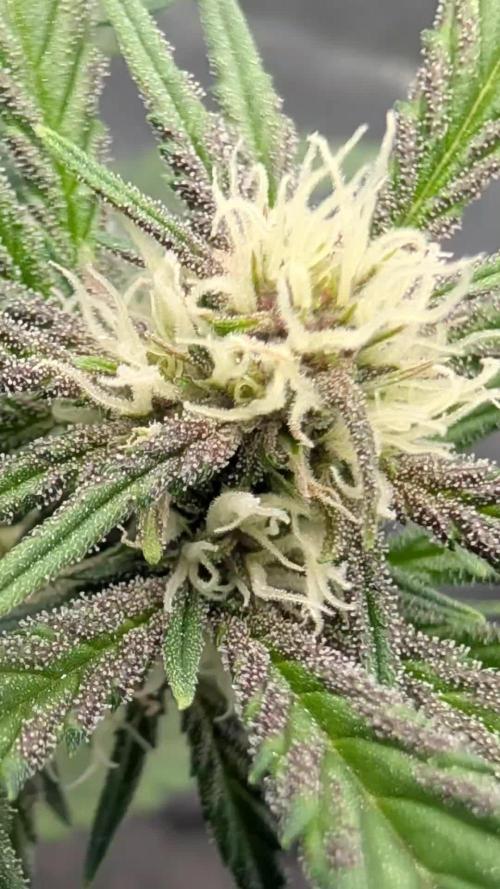
Sie entwickelt sich sehr gut, ihr scheint es an nichts zu fehlen und steckt auch das LST weiterhin sehr gut weg.
She is developing very well, she seems to lack nothing and continues to cope very well with the LST.
Likes
85
Share


@OrganicNature420
Follow
• In House Genetics
• FlapJacks (Mac1 x Slurricane x Pancakes)
• THC dominant
• Terp %45
Nutrients • GreenBuzzNutrients
(DISCOUNT CODE • GD42025) %25 off
I use the whole product range and this stuff is a game changer. I've not had one bad grow with this company and it hasn't let me down once. Terps and taste are through the roof. No need for run off in coco only during flush week (i use a 0ppm distilled water) Hands down the best nutrients on the market
GREEN BUZZ OUR NOW GIVING YOU GUYS A WHOPPING %25 OFF USING THE NEW CODE ABOVE 💚🌱
LIGHT/TENT • Mars Hydro FC-E6500 5x5 tent
Sorry its been a while but family comes first ❤️ can't really understand why there is so many leafs on both of these girls but I'm guessing it's the genetics. Apart from that they both smell amazing and identical. Buds are rock hard but need filling out. Upped pk, fishshit and big fruits to help them bulk. Gas gas ⛽️

Likes
141
Share


@bioaccessory
Follow
Шишки набухают прямо на глазах, и это меня несомненно радует.
На этой неделе случился небольшой форс-мажор, в доме прорвало трубу, резко упало давление подачи воды, и пока "водоканал" устранял проблему, у меня не наполнялся бак обратного осмоса. Пришлось три дня поливать чем попало(отстоянная вода из под крана, покупная). И сразу показатели РРМ поползли вверх, пришлось промыть в конце недели с FloraKleen. А какой водой вы поливаете свои растения?
На следующей неделе буду исключать базовое питание - выходим на предфинишную прямую.
Спасибо, что заглянули, и будьте здоровы! 🙏
Продолжение следует ...😶

Likes
5
Share


@Eaegifts
Follow
Thinned throughout the week and increased p&k on the later side of the week so next update should show results if any. Hmu on ig eaegifts to talk plants👍🏾. Happy growing growmies


Likes
3
Share


@CannaGods
Follow
I am just going to add some pictures of the reveg. If you're interested in me expanding the diary make some comments and if I have time I will.