Processing
Likes
Comments
Share


@Masshysteria
Follow
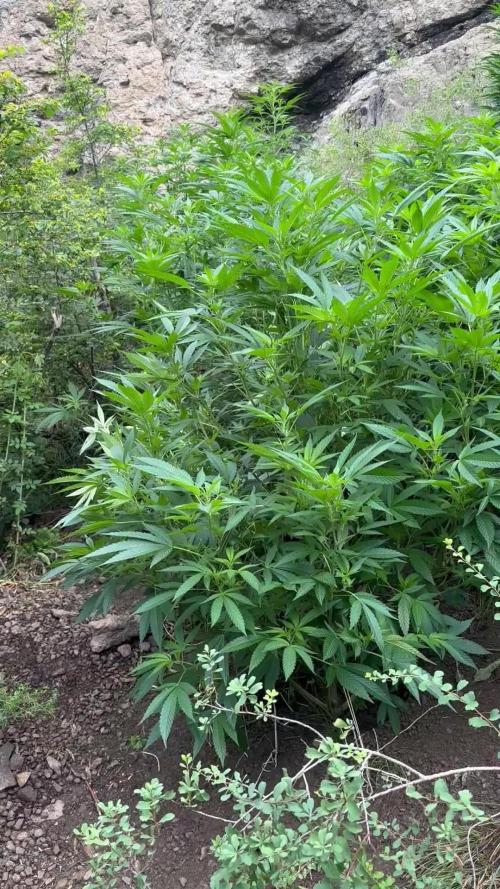
Day 62 Update: Water and food. Pics uploaded from days 58 & 62. Daily journal to be updated soon along with photo details.
Days 63-69 Update: Nothing to do really but keep an eye on water and when to harvest. Letting the smaller three use up their stored energy rather than give more food. The big guy is still going to get nutrients because there’s a while left. Sometime this coming week I’ll chop down the shorter three plants.
Trichomes are about 80% cloudy, but very little amber.
Day 70 Update: nothing new to report.

Likes
12
Share

@Gram_Solo
Follow
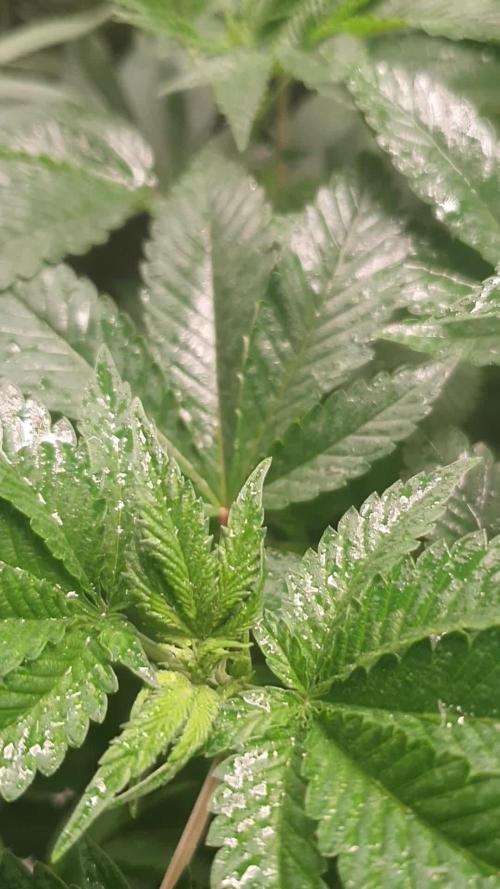
We're nearly ready for flipping this gopnik to the dark side! 2 weeks and we switch to 12,12
Tent is nice and full now from the Kannabia Strains!

Likes
107
Share


@Tropicannibis_Todd
Follow
💩Holy Crap Growmies We Are Back💩
Code Name FBT2309
Well growmies we are at 14 days in and everything is going great 👌
👉 Started to do some low stress training👈 We all ready got , some Pre-flower showing already 👌
Lights being readjusted and chart updated .........👍rain water to be used entire growth👈
👉I used NutriNPK for nutrients for my grows and welcome anyone to give them a try .👈
👉 www.nutrinpk.com 👈
NutriNPK Cal MAG 14-0-14
NutriNPK Grow 28-14-14
NutriNPK Bloom 8-20-30
NutriNPK Bloom Booster 0-52-34
I GOT MULTIPLE DIARIES ON THE GO 😱 please check them out 😎
👉THANKS FOR TAKING THE TIME TO GO OVER MY DIARIES 👈


Processing
Likes
12
Share


@Silverback_Guerilla
Follow
Rough week for everybody...a solar bugstorm ensued and all the girls were ravaged to some degree. My mister fan hose busted and the temperatures were over 100f all week long.
Still fighting grasshoppers..

Likes
117
Share


@PEAKYPLANTERS
Follow
HOLY GOD ..... WHAT MUSIC! BOYS !
MY FRIENDS ARE STRETCHING AND GAINING WEIGHT !!!
VAMOS!
LET'S GO TO GET THE PRIZES IN THE RANKING AND BREAK THE PODIUM!
HAPPY AND ABUNDANT HARVESTS FOR EVERYONE

Likes
6
Share


@Lovemabud
Follow
Really good week but the plant is still stretching. It really needs to stop otherwise I expect problems. Really loving the extra feeds made possible by the automatic watering, which will really be tested this week as I'm away for work. If anything goes wrong nothing can be done to rectify until Saturday.
Fingers crossed it's smooth sailing anyhow.
Bud sites a plenty anyhow, just hoping they continue to grow and finish off fat and juicy.
Likes
37
Share


@OrganicPower
Follow
Week 07 and the heat wave is behind us. Didn’t update last week but not much to report. Some serious damage was a result of the heat, causing the lights and everything else to become too much for the girls. #2 took it the best and is still growing nicely packing on weight and some serious frost! Finishing much faster then the others. I might re veg her the smell is so nice. The two larger #1 & 4 have been hungry forever awhile and I never applied anymore Gaia:(

Likes
38
Share


@Chucky324
Follow
Hello. This is the end of week 14 and the beginning of week 15 of veg.
I think I might turn over to flowering next week. I'll take the lights out.
I'll open the tent inside the greenhouse, after 8 am, when the shadow of the oak tree is off the greenhouse.
And close it up after 8 pm. That will give around 12/12 for flowering to start.
The tent is getting 5 years old now and I've got to get in there and seal up some light leaks before flowering.
I've got to sew up 2 places where the thread has come undone and put some duct tape on some other leaks.
Everything else is going good in here.
Ok. Have Fun.
Chuck.

Likes
49
Share


@masterofsmeagol
Follow
6/1 I'm anxious to get my plants in their final homes. Another 90 degree day today and then it will be cooling off with some showers. I plan to take advantage and utilize that to make the transition. I have some small burns on a couple plants bit considering the weather we've had its nothing. Temperature swings 50 degrees. I hope these girls do OK outside. I was tired and stoned last night and I accidently topped a plant I had already FIMed. Oh well. Transplants soon. Supports screwed in after the heat. Plants have been handling this weather like a champ. Big thick healthy stalks.
UPDATE PUT THE PLANTS IN AROUND 730. Cutting down on light hours I'm poverty close to where we are. It was 95 today. Plants have suprisingly little burning. My fan was taken so they go without that tonight too. In the next few days it's going to cool down and that's when I'll transplant. Only thing left before transplant is sanitizing trellis and supports. Easy peezy. Especially if it's supposed to be in the 50s. And people dent climate change lol. I'm hoping that all this adversity makes my flower a higher quality. I'm glad to have the quantity to pick the best phenos for the BIG POTS. Im trying to stay excited but it's just so dumb hot. Oh well. If the plants can do it so can I. I'm planning to give them some kelp me kelp you next watering and may start some light organic nutes.
6/2 Phone doesn't like uploading my videos. Broke record high temp yesterday 95 and tomorrow we will break the record low 50. Plants withstood the heat well and are doing great. Transplant soon. They were a little light but I held off on the water. Plan on it tomorrow. May transplant tomorrow. I have several videos that haven't uploaded. I thought they did but I was wrong. Oh well.
UPDATE: Forgot to water. Some were light and others could've held off. Did the half a powerade bottle ahain. A litt ke less on the heavier ones. However I'm looking to transplant into final homes tonight and into this weekend. I sanitized a fifty and a forty so my bags and two pots are sanitized. Cage is sanitized and ready and pallets are sanktized and in place. The 40 and 60 fit PERFECT in the small space left from the pallets. Plus the plants always lean the opposite direction so things should go smooth. Only thingvleft is sanitizing stakes, bamboo, plastic garden stakes and all the other plastic training stuff. I'll just soak it while I transplant. Gotta mix the soil first too though.
UPDATE. Heat went higher than expected and hit 90. I figured I'd go back around three and screw in suppirt stakes and begin getting everything ready for transplant (i.e. supports, mix soil, sanitize trellis) before I transplanted tomorrow MORNING was what I had planned. Unfortunately we got a huge thunderstorm with a shot ton of rain and it's gonna continue throughout the night. I think this is God's way of telling me to take a break. I can get up early and get those support stakes screwed in. Then when I get back from the wife's doctor's I can do the transplants. I'm trying to break the labor up into manageable chunks. Looking at my other diaries I can see that my plantscare fine in their three gallon homes. It'd a little disheartening seeing such big clones that I started so much earlier on the other diaries. However I always was fighting SOMETHING (usually more than one thing) and last year was a shit show. At least this year I stay away from anyone else's cannabis any clones and I'm extremely cautious. I've seen my cousin out perform me multiple times with healthy plants like this I'm excited to see how it goes. I really needed the break anyway but tomorrow morning the stakes will be in. Hopefully they'll be outside.
6/3 Broke the record for low days after breaking record for highs. I saw it 94 yesterday and the day before. On the way to my grow at 6am it was 44 degrees and it's not warming up much. Fifties at best. Rainy. I left the door closed. The big door on the otherside got opened as the other end of the garage neededcto he used. If the rain let's up I'm going to set up the grade stakes so I can transplant in the morning and throughout the day. I think I'm going to light dep a couple of them and leave them in the 3's. We'll see.
UPDATE: At 12:30 the temp today was 44. Yesterday it was 94. I can't believe this. Plants are doing great though and are in the garage under lights for the day. The BIG door was open part of the day. Didn't take any pictures (or even enter the grow area) as I sanitized the last 40 gallon pot and a bunch of grade stakes. I drilled the grade stakes to the pallets in the front. The first row is done. Just need to sanitize the plastic trellis itself and finish attaching the other grade stakes. I don't need the fill trellis up by transplant. I just need the bags to not knock over and have SOME support. I'll be back over there either to tonight to put more supports in or tomorrow when I actually plan to start transplanting. I'm getting excited. After dealing witb the stiff that I sanitized I didn't dare go fuck with my plants so I looked through the window. I'll finish sanitizing the net tomorrow. These plants look great. I'm wondering if doing the two diagonal I poles with zipties actually works. It would save me some kone for sure. I'll definitely update in the morning.
6/4 It's warmed up to a balmy 44 degrees. My plantsxare in the garage still. Weather sucks this whole week but after this heavy rain it should be perfect weather to transplant these girls. A little to chilly but it will warm up and I need to get this shit done. I'm trying to do to much at once. I need to just out dirt in bags and get them outside. I'm glad I waited until after this craziness. Breaking temp records for high one day then breaking it for low the next can't be good for the plants. I'll update what gets done today. I may mix soil or I might wait until tomorrow. It will let up some then. Plants still look fabulous 👌
6/5 50 degrees still raining like hell. Rain until Friday. Plants are inside under the onecworking light. Lots of indirect light through the massive windows though. I'm planning on mixing soil today and tomorrow and getting bags and pots half filled. Just trying to break the labor up into manageable pieces. It's probably a good thing I didn't put them in their huge containers before all this rain.
UPDATE: MIXED SOIL 1/3 of each (FOX FARM OCEAN FOREST, HAPPY FROG, AND ROOTS ORGANIC 707). I prepared I believe 11 containers for transplant. I need to sanitize two more containers and I'm good. I got a lot done. Might go back over. Set up extra cams too. I'm excited. Talked to my commercial buddy amd he motivated me. No reason my plants can't handle this shit. I've just had massive personal shit going on. Friday is the next GOOD day but these girls might go out earlier. I'm checking the forecast. I'll sanitize the other containers in the morning and fill them.
6/5 Today is usually my watering day but shit still seems heavy so I'm going to hold off. Despite that i need to transplant. I think they're wet enough. I could do it today. Plants are looking good and weather takes a better turn Friday. It's not raining hard though. It's just sprinkle right now. I may transplant some today depending on how things go. I'll keep the diary updated.
UPDATE: I went back over with the intent to just mix soil and let it acclimate. I decided to try to transplant one. I grabbed a 10th planet and started to go. I had done a bunch of manual labor already so i wasn't thinking. Of course the fucker was dry and didn't wanna come out ofcthe pot and the root ball pretty much decintigrated in my hand so I'm not sure how that will go. Tried again with the Blueberry Cheese Cake. I thought the roots just might not have been rootbound abdcthat could've been the case. After having another rough transplant I recognized I was tired, all the hard stuff is done and it's gonna keep raining until Friday. I wanted to transplant three and put them outside but with the wind and rain and the difficult transplant I let them sit under the light in the garage in indirect light. I had the doors open for a while. Should be open now but i don't want to have to go back over and shut it. Plus I'm not to keen on getting water on my light. Let's hope for a better day tomorrow. This was the only thing I had going good. Phrple punches are still behind. I've decided I'm oing to light dep ttwo of the plants in the 3 gallon pots. The two shittiest or smallest plants (probably purple punch will be light deped.
WENT BACK OVER AT FIVE AND IT APPEARS EVERYTHING IS ALRIGHT. WILL HAVE CHECK IN MORNING. Vid won't upload. Tried multiple times. I'll try again tomm.
6/6 Waiting for a doctor's appointment when I should be transplanting buy whatever. Everything is looking really good. Despite me disint9grating the rootball in my hands the two transplants look great! When I get back I'm planning to get some more work done. It's still lightly raining off and on but the door is up. I'm lettingvthe soil mix acclimate a little bit too. Hard labor is mostly done. Now the intricate part. Wish me luck. Not sure if it will be today bit I'm hoping.
WENT BACK OVER CAUSE IT WASNT RAINING BUT AS SOON AS I WAS CLOSE IT STARTED POURING SO THE PLANTS ARE UNDER THE ONE WORKING 150HPS AND THE AMBIENT LIGHTING FROM THE WINDOWS. TOMORROW IS TRANSPLANT DAY. I WONT HAVE A VEHICKE SO IT WILL BE TRICKY BUT IM GONNA MAKE IT HAPPEN. Opened doors at 530. Video still didn't upload
6/7 Still raining. It's off and on and a nice rain though. It's 53 degrees at noon. I transplanted two 10th planet's into 20 gallon pots. I transplanted these two a little differently. I put the bags in there final spot I side my cage andctransplanted in the misting rain. The first one came out and seemed to be heavier on the bottom and broke off. I tend to "throw" them in the hole before they collapse. With my anxiety I suck at transplanting. Plus these plants haven't filled the 3 gallon pots with roots yet but i want hem in their final homes and its time to go outside. I transplanted the other two plants indoors and let them have days in the garage with the door open and the light on then protection from the elements at night. I've been doing this for awhile. They would all be outside if the weather wasn't so shitty. This rain is supposed to stop. I'm curious as to what will be the fate of the two plantsci transplanted and left outside. I'm praying and hoping for the best. I also put my back tarp up so I have a wind break between rhe buildings. I stopped working because I didn't want to fuck anything up. Anxiety disorders suck. TOOK A BUNCH OF VIDS BUT THEY WONT UPLOAD. GOES FROM 9% TO 65% BUT ALWA7S TURNS RED "FILE FAILED TO LOAD". I'LL KEEP THE DIARY UPDATED. ESPECIALLY IF I GO BACK OVER. WAS ABLE TO LOAD A COUPLE VIDEOS. I GUESS ITS NOT AS BAD AS I THOUGHT. AT LEAST I HOPE. WENT BACK OVER AT 3 AND CHECKED THINGS OUT. THE TWO REXENT TRANSPLANTS I LEFT OUTSIDE SEEMED TO BE IMPROVING. DESPITE THE FACT I DUMPED A SHIT TON OF SOIL ALL OVER ONE OF THEM. IT SNAPPED A LITTLE BRANCH CLOSEST TO THE SURFACE. ITS STUFF I'LL REMOVE ANYWAY BUT STILL. IM REALLY CROSSING MY FINGWRS AND PRAYING THESE GIROS WILL MAKE IT. With everything i have going on tjis is my respite.IM GOING TO TRY TO SEE WHAT I CAN ACCOmplish TOMORROW. SOME OF THE PURPLE PUNCHES ARENT READY FOR TRANSPLANTING THOUGH. I ALSO ADDED TEO TARPS TO THE CAGECTO COVER THE WIND TOWER BETWEEN THE TWO BUILDINGS. THIS IS GOING TO BE A GOOD YEAR! Shut the door at seven. For some reason the two 10th planet's I transplanted (that fell all over the plant and I thought mightve broke it) look awesome lol. Despite the ridiculous pouring rain. It's going to let up soon and we are do fir some good weather. I'm trying to get everything (that isn't getting light depoed) into the cage. Four transplanted. Ten (I mean 8 more) to go.


Likes
6
Share


@Headies
Follow
week 10 we put in a scrog net on the sleeping beauty and continued lst on the tropicana poison. I also FIM'ed them, again, trying to make them bush out like crazy to each fill a 4x4, 4x8 total


Likes
9
Share


@RSAFirstOrganicGrow
Follow
I took a sample off the bud to see how it’ll look dried, so the plan is to cut the plant off Sunday! All I wanted is something to smoke and at this point I’m happy that seems to be the reality after the drying&curing process! Amazing feel! Some powdery mildew starting but shouldn’t be a problem if I cut soon!

Likes
3
Share


@Strangelet
Follow
Day 43. A little cleanup some old leaves and opening up budsites. No nutrients all week, pant were on the verge of getting nute burn. Water every day, back feeding next week.
Likes
4
Share


@pzwags420
Follow
week 3 flower is going great. I increased my UVA lights to 8 hrs on. Gsc and Blueberry have decent bud-lets already on day 17. OG kush has preflowers. waiting on Blueberry muffin to show pre fowers should be soon. At the end of week 3 GSC and Blueberry are doing the best and starting to get more trichomes. Im waiting on OG kush And Blueberry Muffin to really get going!


Likes
43
Share


@Joni2017
Follow
Well, my princesses are florin😀👏👏I started to add 2 ml of bio-bloom💪💪Two of them have reached 20 cm, the other two are at 18 cm😅
I have uploaded the led 5 cm to see if they climb a little more👆👆🙏 Irrigation 200ml/plant😄
How do you see it?😜👍
Well, well👏🏻👏🏻 Today add sugar royal 2 ml/l and I have also added micro vita 0.5gr/l
but only once more😬
Today I have placed the mesh👏🏼👏🏼😄 I have lowered the lamp 5 cm🙂

Processing
Likes
13
Share


@Cheesefarmer420
Follow
Overall this plant was great to grow, she just grew and was happy doing it the entire time, pretty good yield off a plant that was only about 12inches tall. Seemed to be a lot more resistant to deficiencies then the other two strains this grow. Definitely a great mid-day Smoke!
Processing
Likes
6
Share


@ganjaman24
Follow
Just put these lil ladies in their medium n gonna sit back n watch the show..feel free to pull up a chair 😎. Gonna aim for frostier, denser, and more smellier nugs this go around so look out.


Likes
6
Share


@Nune2021
Follow
Die Pflanzen wachsen gut und sind gesund die haben aber noch gut an hohe gewonnen hoffe das die das Wachstum langsam einstellen und sich auf Blüte konzentrieren!!