


Likes
Comments
Share

@Elcogollosagrado
Follow
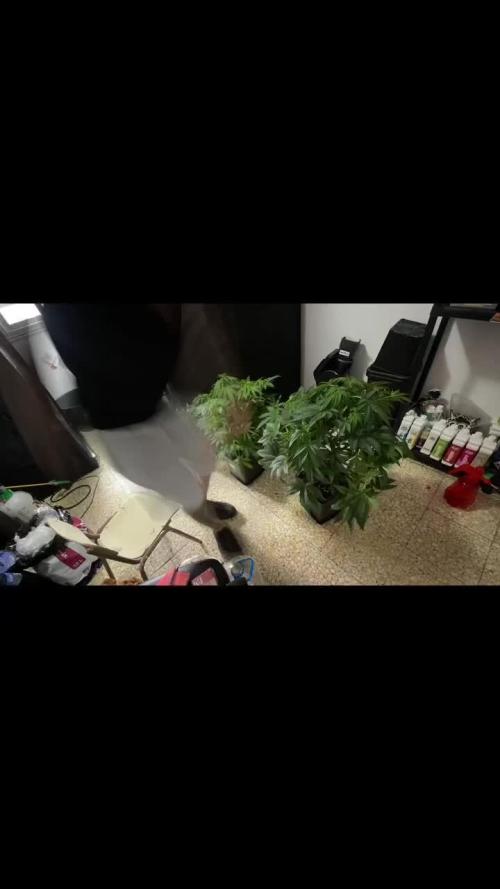
Para esta semana cortamos todas esas hojas papeleras q tapan la luz y empezamos la fase de floración con 7 semanas de crecimiento INCREÍBLE


Likes
11
Share

@Bud_vista
Follow
Week 7 began!
She’s gaining in bud size and smalls already crazy good. Until now I’m really happy with the genetic. She’s doing great and never had the feeling that she couldn’t take the stress.
I mean the pod is only 5liters(1.3gallons) large and the conditions are not the best.
Great genetic so far.

Likes
6
Share

@k0nz1
Follow
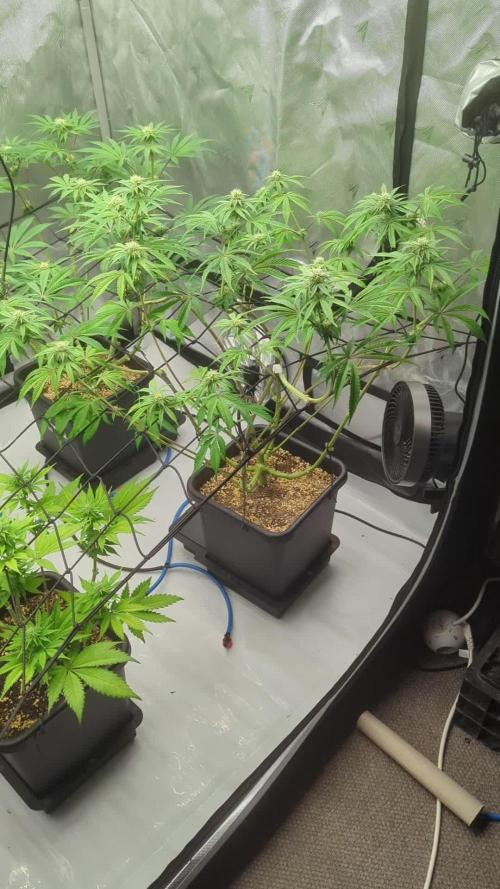
This week starts with lollipopping. Now the ladies have to bounce back and build Up the strong flowers and resin.
EC raised to 1.6 in the autopot reservoire
PH 5.8-6.2
VPD 1.2-1.3
Lets goooooo
Likes
17
Share


@JamCam87
Follow
This week I have seen plenty of Budgrowth! Everything is filling out nicely.. i’m very excited for the following weeks

Likes
12
Share


@Bread_n_Buds
Follow
Going into flowering is always a special moment and we prepare to do it in the best way to make the plant understand that it is time to become a woman and speed up the start of the formation of the buds.
We start with 24 hours of darkness this to give a strong break and sign of change to the plant that understands the change of time and prepares to go into flowering.
Our Purple Urkle was worked with a topping x16 buds that worked really well, we have well aligned buds, only something escapes here and there but it is normal. In purple plants it is very interesting to wait for the start of the flower formation when the buds reveal their color and if we have taken the dark phenoripo, we celebrate.
Another thing that gives the plant the signal of the start of flowering are the flowering stimulators we friends of Plagron use Power Buds.
The start of the flowering program includes the same additives as the vegetative phase Power Roots, Sugar Royal, Pure Zym and adds the flowering stimulant Power Buds. Now the basic fertilizer is Alga Bloom specific for flowering.
Green Sensation will arrive as the hero of the end of flowering and at the same time it will be time to remove Power Roots and a week later the Pure Zym enzymes. It is recommended from the 4th week if the plants flower fast I start at the 3rd depending on the size of the bud.
Try a seed of this strain that drives us crazy..
---- https://www.zamnesia.io/en/11168-zamnesia-seeds-purple-urkle.html
Zamnesia Description // A direct descendant of a Mendocino Purps phenotype, Purple Urkle is a high-performance cultivar from Zamnesia Seeds. This feminized, indica-dominant strain is sure to win over any cannabis grower. With a THC content of 20%, Purple Urkle has a lot to offer from seed to harvest and beyond. A grape-flavored adventure, Suitable for indoors, outdoors or in the greenhouse, Purple Urkle is a very resilient strain. Growers will be impressed by how easy this cultivar can be managed. Purple Urkle can reach 120cm indoors and 160cm outdoors, but if you want more control over the height you can use the LST technique.
Purple Urkle has fantastic flavors and aromas that intensify during the flowering phase. Regardless of the method of consumption, Purple Urkle offers tangy, fruity flavors that lean towards notes of grapes, berries and plums. The effects of this strain are soothing and relaxing, with uplifting sensations that make the experience suitable for any occasion, whether in a social setting or alone.
All the best that mother nature can offer is on ---- www.zamnesia.com


Likes
49
Share


@masterofsmeagol
Follow
6/23 Due To The Two 8 Day weeks this week will only consist of five days to get me back on track. SEE LAST WEEK FOR DETAILS. I DID ANOTHER EIGHT DAY WEEK. I'LL DO THIS WEEK AS SIX DAYS. THAT WAY IM BACK ON SCHEDULE. WATERED 6/22. WENT BACK AT NIGHTCAND WATERED ANOTHER GALLON WITH 1/3 TSP Armor Si. I mixed the solution with kelp you kelp me but I dumped it out. I've mixed silica with other nutes before but I had read something earlier about bioavailability issues and I didn't want to risk it. My plants are the healthiest I've ever grown. I'm considering transplanting the large 10th planet that I'm light depping. I also need to develop my ipm and my nute schedule. Still gonna have to keep an eye onvthe water situation. Luckily I have a buddy in my corner that's co tinualkt Bern a great help.
WENT BACK OVER AROUND NOON. BEAUTIFUL OUTSIDE AND THE PLANTS WERE LOVING THIS SUN. I DEFOLIATED SOME BURNED LEAVES AND MIXED A SOLUTION IF KELP ME KELP YOU THAT I PLAN TO FEED TO THE GARDEN TODAY. IM HAPPY WITH HOW THINGS ARE GOING. WE HAVE SOME RAIN AND THINDERSTORMS COMING. I NEED TO GET MY IPM UP AND RUNNING AND THE NUTES ONLINE. I ALSO NEED TO DECIDE IF IM GOING TO TRANSPLANT THE LIGHT DEP 10th PLANET. Went back over to put the girls to bed at six and if was still 90 degrees. The water from yesterday had dissipated. The tops were dust dry. I mixed two gallons of kelp you kelp me and fed it to the garden. Afterwards I pointed qbd found a couple plants that were more open to the wind were a little lighter. I know tomorrow will be very hot. Maybe quarter inch of rain. However after that it will rain (showers) off and on for days. I wanted to make sure the girls had what the needed to make it through tjis heat wave until they get that rain. I had another gallon mixed up and I'm thinking I should've given it to them. Oh well. I'd rather underwater than overwater any day. I did notice a burnt top on the plant furthest from the tarp that the sun JUST BARELY TOUCHES when the rest are in shade. I'll just raise the tarp a little. These are tiny problems. Can't upload video until tomorrow.
6/24 Good thing u gave the plants that water. I know it wasn't much but we didn't get any rain. Suppised to get a qtr in today and another qtr in tomorrow. Then rain a couple more days. It's working our really good for my watering schedule lol. Yesterday the girls got there first dose of a bottled nute. They got two gallons of kelp me kelp you (1/3 tsp per gallon) and another gallon of just phed water. I was going to do another gallon but held off due to the threat of syring rain. Didn't get it bur it looks like the plants loved the kelp. It had reached 90 yesterday. They look better today. It's 70 at 9 today. I LST the 10th planet in the 3 gallon. It's getting huge. I should start a separate diary for those three light dep plants. Its cool as hell watching this. One of the purple punches is flowering pretty good. I probably should start another diary for them. I'll be starting to feed my plants soon. Wondering if I should pinch plants again. TUCKED THE LITTLE GIRLS IN AT SIX AND SHOT A VIDEO AND TOOK SOME PUCTURES. PLANTS LOOKED PHENOMINAL! GOT HOME AND AROUND SEVEN IT JUST STARTED RORREBTIAL DOWNPOURS! THE TYPE OF RAIN THAT BREAKS STEMS. I SHOULDVE PUT MY OTHET TARP UP BUT I DIDNT. I WISH I HAD. IM A LITTLE NERVOUS. I KNOW THESE GIRLS ARE STRONG THOUGH! TOMORROW. ILL ROLL THE RARP UP AND SECURE THE BOTTOM FOR FAST ACCESS. IM ALSO GOING TO KOOK INTO FINDING A TOP FOR MY CAGE I CAN USE IN INCLIMENT WEATHER.
6/25 That little qtr in of rain we were supposed to get turned into torrential downpours and high winds. Luckily no REAL damage. If you watch the video you'll see what I mean. I'm going to havecto be cognizant moving forward. Noticed a few chunks from leaves butvplants are still healthy. I'm surprised how well these girls withstood this storm. They are certainly resilient. The 2 purple punch 1 10th planet that I'm light depping are flowering nicely now. They missed all the commotion from the storm as they were inside. It's smelling good. I'm happy.
6/26 It's what a friend would say is "maineing") out. That mistcthe plants love. I'm surprised the plants are doing as good as they have been considering the wind. Will be adding nutes soon. Need to add extra supports too. Light dep
6/27 Brief periods or torrential downpours. Light depped 3 gallon 0lants are under an overhanfcwhete the hatsxrain can't hurt them but they still get sun. They are really starting to flower now! I'm going to begin feeding with a base nute and a flower nute I think. I'm thinking about giving the light dep some open sesame or something similar. I need to set up a nute program soon but the plants ALL look so healthy! And it's been raining! I've only watered like once or twice since they've been in the big pots. I've seen zero pests aside from a chunk missing from a grasshopper. Usually by now I'd have battled half a dozen things and be battling another half dozen. However I was posing from clones. These are seeds and boy don't I see the difference!

Likes
2
Share


Likes
8
Share


@Growingistherapy
Follow
Only Compost tea mix
Worm,cow,fish, rabbit, chicken,
two pieces deployed late

Likes
3
Share

@Organic_G
Follow
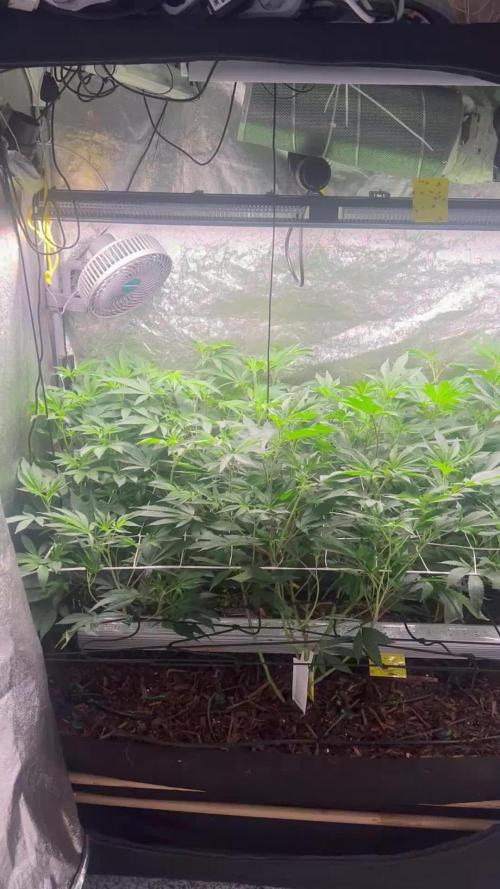
Erste Blütewoche ist durch, ist genug Platz nach oben, Nachschub ist schon bald wieder am Start auch wenn ich noch mehr als genug übrig habe 🤣

Likes
57
Share


@Kmikaz420
Follow
Et voilà la fin de se grow il me reste la magnifique orange scherbet de fast bud et les 2 dernière dos i dos de barney .
Demain je vais couper et sécher tous sa et après sa j aurai le temp de remplir les rapport de = recolte, fumer ,et surtout le poids totale de toutes ces weed voilà voilà c'est tous pour aujourd'hui..encore merci d avoir suivi mes journaux et qui sais peut être un jour je repasserai sur growdiaries..

Likes
35
Share


@Chedderbob112
Follow
It was a roller coaster ride guys but I started with four harvested I earlier got two ounce quick dry wasent flushed properly but these ones hav been there a some nice buds here n a hopefully will get a decent seed harvest stoned @chedderbob112 s2340420 don’t hav dry weight bud av went for fullness plant
Likes
88
Share


@Fergie
Follow
hey guys so another week has passed all beasting along got a few high temp days coming and still a week or so for air con unit . But girls seem be loving the heats even when getting up to 30degree . Done a little deflowation clean up the under , ordered some epsom salts and mollasses a few days ago to assist in flower , still only r/o water and calmax then ph seem to be way forward and my soil mix is defo doing wonders . Til next week family 😉😀
Likes
77
Share


@Ukfarmer420
Follow
Hey guys
Wo this week I'm hoping that the sherbert mimosa will go into full flower by next week.
They have grown very fast this week, and are always hungry!
The gelatocake as you can see are looking good and flowering nicely.
They don't need no more work on them th sherbert mimosa have all been bent over and re tied them next week I will do a final defoliation next Wednesday.
I'm on week 5 of the biobizz feed schedule. Temps are hard at the moment but keeping it at between 24°c - 28°c.
Humidity is at around 55%. I will take this down once all in flower.
Any questions or advice, just ask
Happy growing guys 💚💜

Likes
9
Share


@Skinnytalls420
Follow
Day 16-27/12/21 doing well!!! Day 20-31/12/21 plant is looking good!!!! Waiting to move half of them to another tent!!!!
Likes
21
Share


@Chubbs
Follow
Fastbuds Week 4
Original OG Kush Auto
The 3 of these are staying on the shorter/bushier side. All in all showing amazing growth, good node spacing, and a nice rich shade of green while showing no issue of nute burn. I've given only water up to this point so around week 4 I like to give them a good feeding of a molasses tea (1tsp of molasses/per gallon of water) is what I do and they seem to enjoy it. Until next week Happy Growing.
Likes
2
Share


@fabialien
Follow
13 Agosto 2024. selección de semillas y colocación en vaso con agua ph 6.0 con agua Oxigenada.
14 de Agosto se ponen en agua las semillas por 24 horas para hidratación.
15 de Agosto, con las semillas con muestra de radicula procedemos a pasarlas a papel absorbente.
16 de Agosto se muestra la radicula avanzada.
17 de Agosto en la mañana se puede apreciar el crecimiento de la radicula.
17 de agosto en la noche trasplantamos a "Peat Pallet" y una a maceta de cartón ya que la radicula creció bastante.
18 de agosto ya en los "Peat pallet" se pueden mostrar qué las semilla se cayo por completo e iran abriendo en el transcurso de las horas, las tenemos en un domo germinador dentro del Indoor.
🌡️ 27.1 ⁰C
💨 75% Humedad
🌫️ 0.9 VPD kPa.


Likes
15
Share


@DailyhighclubNLyara
Follow
Okay so the result of my LST surprised me like a lot. The plant looks great under the light, it’s still my second grow so I hope to learn a lot about the beautiful plants and how they respond. I want to experience everything to learn from them and know how to respond.
I think this week went good but the dry wet cyclus is something I really needed to learn this week. I first tried watering every day but i noticed that the soil wasn’t dry at all, so I thought no that’s maybe just the soil. *Ive learned this cycle in the next week* spoiler alert: it wasn’t
I still give around 1 tbsp of the molasses because the plant is really responding good to it.
The small plant is also looking healthy so perfect, just keep giving her love.
I did a big oops:
So, the plant grew bigger and bigger and faster then I could keep up. So I decided to lst some more, Olga went perfect and I build a lot of confidence from that. So... busy with the other “big” plant and I started doing the head top, but the band was just to tight, but I noticed that to late *SNAP*. Did I just snapped the biggest branch of the middle plant? Yes, I hated myself for 4 days until I thought: there are no mistakes, just happy..... (fill in with your brainpower) well see what happens

Likes
6
Share


@HUMO_Cultiva
Follow
We put 40ml of pure water and we add 5 drops of oxygen water and then put the seeds

Likes
4
Share


@I_Identify_As_A_Dan
Follow
Week 4 for Amnesia Zkittlez by fastbuds
Been getting some great growth from her as well definitely not as tall as her sister strawberry gorilla but she's not doing bad whatsoever.
Still getting fed FPJ. No training or anything just yet but likely by next week ill be doing some LST to widen her up.
As she's not as tall as her sister i reckon i can keep her in the tent for a little longer😎
Likes
18
Share


@BrownsBuds
Follow
Was away this week but plants seem to be fine slight yellowing on the tips of the zkittles new leaves. Soil is very dry as they haven’t been watered in 5 days. Only slight drooping in some of the leaves though. Will be watering after this post. The buds seem to be developing nicely.