


Likes
Comments
Share

@zenderman
Follow
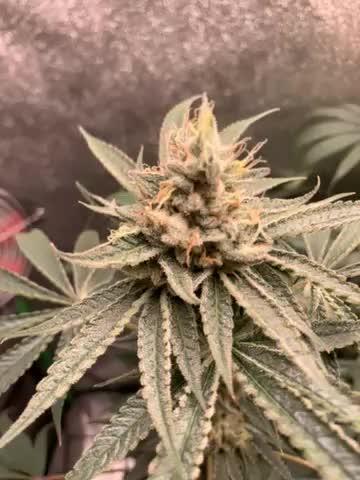
14/7/26 day 43 of flowering,beginning week 7.
second video-20 days old clone,roots forming in process,was taken bud(🌲21 days flowering).
🌱
The clone was cut and planted directly into the soil,previously watered with Terra Vega and under a transparent dome with 18 hours of light.this method means manyfolding from one bud and ideally for scrog/LST technique.🤙🏻

Likes
14
Share


@AGrade_Labs
Follow
These ladies are doing their thang! One week since sprout. Had to move them to cups to support the stem as they were flopping. Placed a fan for circulation to try and get some strength in them. First feed at the end of week one. Went with half dose of the 1EC measurement as per Pro Line chart.
Processing
Likes
12
Share


@Tazard
Follow
We have a very full tent! Taz’s jungle 😂🤣. Check out the purple purple photos from day 20!!! Everyone looks absolutely beautiful I’m hoping that the white critical will be ready in 4-5 weeks. She’s going to have some fat colas!

Likes
6
Share


@masterofsmeagol
Follow
5/18 It's not raining now but it's supposed to later. The plants are protected though. I have brought them out to continue hardening. It's only 57 degrees but they'll be alright. I used what little water was left in the bottom of the gallon to lightly water what looked like it needed it most. I mixed up another gallon and I'll check them again before they go in for the night. These plants are getting hardened off properly. I've had some pretty serious problems when I try to transition to quickly. I don't see ANY problems (knock on wood) thus far. Pink kush reminds me of purple punch. It grows similarly and starts off slow. I hope it turns the corner like the purple punch did and make up for it with the quality of flower. I topped/fimmed a special kush #1. I'll update when I bring them in for the night. This week I'll clean/sanitize the cage and the grow bags.
EDIT: PLANTS SPENT A LITTLE OVER 3 HOURS IN THE LEAN-TO WITH INDIRECT SUNLIGHT AND EXPOSIRE TO OUTDSIDE AIR, TEMPS AND RH. I DIDNT WATER WHEN I BROUGHT THEM BACK IN. I'LL CHECK TOMM MORNING AND SEE HOW THEY LOOK. IT HAD JUST STARTED TO RAIN LIGHTLY WHEN I BROUGHT THEM IN. THEY ARE PRETTY SHELTERED FROM WIND AND RAIN IN THE LEAN-TO.
5/19 It's thunderstorms out with high winds so the girls will probably stay in today. They look like they are acclimating well. I can see where some of the FIMS took. I redid one I think. I'll update later if do anything.
5/20 Everything looked AMAZING this morning. Boy that MK ULTRA has get some thick branches already forming.
Another shitty rainy day. I consulted chatgtp and it was on the same page as me. No real benefit to expose my girls to 47° Temps, cold rain qnd wind. It will be shitty a couple more days. I'll evaluate things later. WATERED EVERYTHING TODAY. TOPSOIL WAS DRY. I USED APPROX 2/3 OF A GALLON ON EACH PLANT.
5/21 I've got a super busy day. I left early and it was to cold to put the girls out. It's 55° at 9:30a.m. It may rain off and on but I think the girls would do okay in the lean-to. I need to get them ready and hardened for their forever homes. Time seems like it's flying. We are getting close to being able to put them out without risk of reveg. Plus I'm not subjecting my girls to un needed stress for no reason. I'll update what I do.
5/22 Plants were dry this morning. I used what was left in the gallon jug to water all the plants. I don't wantcto overwater and I'd like to keep the nutes in the soil where the plant can absorb them. Not just leak out the bottom. They are all growing at an incredible pace. It's currently 49°F at 9:45. It's overcast with a chance of rain. We are at what was suppised to be the high for the day. If we get above 55 I'll bring the girls out and continuing hardening. I guess it's not going to he an early season. Won't be long though and these girls will be in their final homes. I'm impressed with what I've seen so far.
EDIT: ITS 4PM AND THE SUN JUST PEEKED OUT FOR A FEW MINUTES AND IS GONE AGAIN. PLANTS LOOK FANTASTIC. IM SO GLAD I KEPT THEM IN DURING THESE 40 LOW 50 DEGREE WET DAYS. IT'LL ONLY STRESS THEM IMO SINCE THEY LOOK SO GOOD. AS SOON AS THIS RAINSTORM AND COLD WEATHER PASSES WE SHOULD HAVE DECENT WEATHER. JUST A FEW MORE DAYS WHERE HIGHS ARE IN THE 40'S. I FEEL BAD FOR THOSE PEOPLE THAT SAW THOSE HIGH 70-80 DEGREE DAYS AND PUT THEIR PLANTS OUT. THEY ARENT DOING GOOD. JUST LOOKING AT THE FOLIAGE AROUND AND I CAN SEE TREES THAT ARE JUST LIMP. THE BLOSSOMS ON THIS SPECIES LOOK LIKE A CANNABIS PLANT IN VEG WHEN IT GOT COLD SHOCKED. ANYWAY MY BODY IS KILLING ME. I GOT A LOT DONE. AND I SOAKED MY BAGS FOR 40 MINS IN A MICTURE OF DAWN, H202 AND WATER. PRIOR I USED A WIRE BRUSH TO GET ALL DIRY AND STUFF OFF I COULD. THEN I SOAKED THEM AND AFTER I RINSED THEM. I COULD SEE THE H2O2 DOING ITS WORK. REALISTICALLY I SHOULD GET NEW BAGS. ITS JUST NOT IN THE FINANCES RIGHT NOW. OH WELL. THEYVE BEEN SANITIZED AND WASHED AND ILL GO OVER THE ONES THAT ARE STAINED AGAIN JUST TO MAKE SURE I DONT SPREAD SOMETHING.
5/23 What a miserable day. It's 44° and pouring out. I put a screenshot of tbe weather and you can see that after the next few shitty days we are getting sunny weather in the 70's. Light is long enough for them now. I need to dial back the timer morecto get them acclimated. I just have to clean up the cage and they are ready to go. Bags are sanitized. I'm going to spend some more time getting some algae off a couple. These plants are flourishing. I am happy I picked 1gal over 3gal before the transplant. It's turned out perfect thus far. Really looking forward to this. Oh and I watered everything a LITTLE bit as it was dry. Enough to get it through until they get a full watering before going outside. I also attempted a FIM on the other 10th planet. The FIM on the mk ultra worked and I've got at least three tops.
5/23 WATERED ALL PLANTS WITH APPROXIMATELY A HALF GALLON. Plants were all super light and dry. I keedcto water more volume at a time. This is easier than fixing overwatering. Things are getting tight in here. Plants are getting huge! The FIMs and Toping that ive done took. That big mk ultra has 4 or 5 tops on it! Plants look super healthy. Good weather is coming. They'll be in their forever homes shortly. It's working out perfect. Some of these plants look like they'll need a transplant soon. Still need to clean up the grow cage but that will only take a minute. Also need to fix a tear I made in a grow bag but again thats just normal small shit. If you look at the snap shot of weather I took you can see the weather is going to improve greatly. This is when I'll do the majority of work. I'll update anything else I do.
EDIT: ITS 51° AND RAINING OFF AND ON. I MADE A "TEMPIRARY FIX" FOR THE GROW BAG THAT I HAD RIPPED. IT RIPPED FROM THE HANDLE DOWN AND A LITTLE DIAGONALLY. I THOUGHT ABOUT SOWING IT BUT OPTED FOR THIS EASIER METHOD. I POKED HOLES BIG ENOUGH TO SLID SMALL ZIPTIES THROUGH THE TORN PART OF THE BAG. I USED THEM TO "SUTURE THE BAG BACK TOGETHER. I THOUGHT IT TURNED OUT GREAT. I THEN USED GORILLA TAPE AND PUT A PIECE DIAGONAL OVER THE SMALL ANGLE. I DID THE SAME ON THE OPPOSOTE SIDE BEFORE RUNNING THE GORILLA TAPE FROM THE BOTTOM OF THE TEAR OVER THE BAG AND INTO THE INSIDE (COVERING THE VERTICLE STRIPS AND ZIPTIES). THE TAPE IS JUST SO I DONT LOSR SOIL AS THE ZIPTIES PRETTY MICH DID THE JOB. I ALSO USED A BUNCH OF H2O2, WHICH I POURED OVER THE ALGAE ON THE BAGS IT WAS PRESENT ON. IT FIZZED UP AND I WAS ABLE TO REMOVE ALL STAINS FROM SOME BAGS. I WORKED THEM ALL OVER AGAIN AND DOSLOSGED EPOTS AND SANITIZED ANYTHING THAT LOOKED LIKE IT NEEDED IT. ALL I HAVE LEFT IS TO CLEAN THE CAGE. AFTER WATERING THE PLANTS THIS MORNING THE JUNPED VISIBLY IN SIZE WITH LEAVES PRAYING TO THE HEAVENS. IM GLAD I HAVE TWO LARGE SOUTH FACING WINDOWS WHICH I HAVE OPENED THE BLINDS. I THIBK ITS ONE MORE DAY OF THIS AND A FEW MORE HARDENING THE GIRLS AND ILL BE ROCKING AND ROLLING. WHICH IS GOOD CONSIDERING THESE PLANTS ARE GETTING BIG. DONT WANT THEM TO GET ROOTBOUND. FORGOT CAMERA SO DIDNT TAKE PICTURES.


Likes
3
Share


@RezaM
Follow
This week, I gave my plants more fertilizer to test if they show any signs of burning. Now, I'm stressed out! I think I should give myself some seaweed to relieve the stress 😂
The girls show signs of calcium deficiency. I sprayed a small amount of calcium and magnesium on them to help them recover faster. I’m not sure why the new leaves are very pale. Could they be lacking iron? I think the high soil moisture might be causing issues with iron absorption, but I’m not completely sure. I’ll wait and see what happens this week. Considering that I use regular water, I expected them not to have a calcium deficiency.

Likes
Comments
Share
@Centollo
Follow
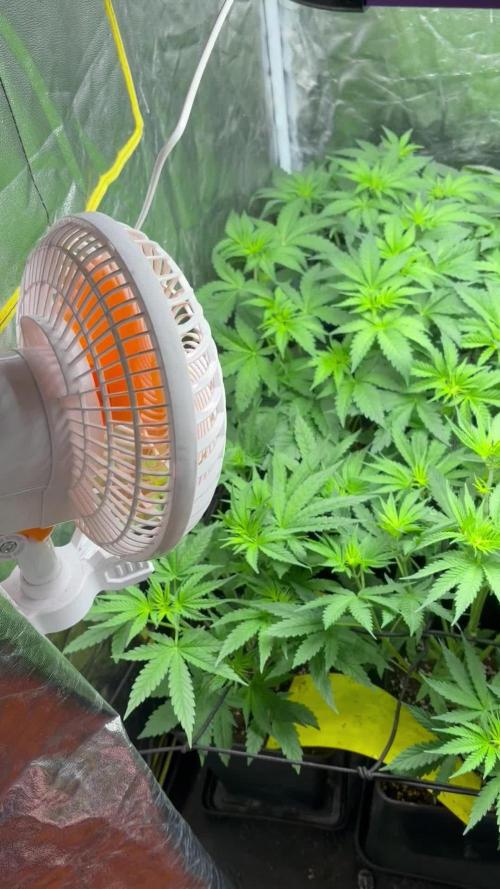
Fin de la primera semana de floración. Están preciosas, uniformes y ocupando ya todo el espacio. Pinta de lujo la cosa! Feliz semana!!


Processing
Likes
5
Share


@Subbe
Follow
They are growing very well .
I trues top and lst on one og the plants. Just triumf to get a frem for it. Proberbly dosent make sens when the rest is not lst or topped. But had to try

Likes
2
Share


@toriyama
Follow
Wie man sieht, haben die beiden F1-Samen ein enormes Wachstum gezeigt, während das Apple Flitter langsames Wachstum zeigte. Ich baue zum ersten Mal F1-Autoflower-Samen an und die Wachstumsrate ist wirklich beeindruckend. Nach drei Wochen habe ich Holzstäbchen zur Unterstützung hinzugefügt, und die Wachstumsrate der F1-Samen ist weiterhin beeindruckend. Sie sind bereits bereit, Blüten zu bilden.
ご覧の通り、2つのF1種は驚異的な成長を見せたのに対し、Apple Flitterは遅い成長を示しました。私は初めてF1オートフラワーの種を育てていますが、その成長速度は本当に驚異的です。3週間が終わった時に木の棒を挿して整理しましたが、F1種の成長速度はやはり驚異的です。すでに花を咲かせる準備ができています
Likes
42
Share


@Dunk_Junk
Follow
She dried out a little too much during the week.
Lots of leaves turned brown too.
I think she is done anyway, trichomes are all milky and the pistils are mostly brown.
Based on that = harvest in 24h 💪

Likes
11
Share


Likes
4
Share


@LokalGrenz
Follow
Can’t find my 10x magnifier so can’t really get a good look at the trichomes but buds are getting thicker and harder smell is great happy with the grow can def do better I see my mistakes and where I could do better
Likes
6
Share


@Mr_nugs_lover_David
Follow
Everything seems to be going great! She's developing very fast and looks very good,no problems at the moment,let's see how big she gets before flowering starts we're not very far away from that,I'm enjoying a lot growing her,she's an excellent genetic she's being fed just like every single plant that I grow full organically with mycorrizae by florians living organics bat guano by guanokalong,seaweed powder,lactobacillus microorganisms and love,peace guys ❤️💛💚🌱
Likes
21
Share


@GRow_M8s
Follow
- Drying for 3 days, the 2 airports-plants chopped and dried in the dehumidifier and the other 2 hanged upside down as they were.
- Humidity -> 40-50% and temps -> 21-24C°.

Likes
39
Share


@GrowWiththeBro
Follow
Starting the week with a feed. Not much to comment on.
Fed at the end of the week. Just TPS and Bloom.

Likes
2
Share

@SmokeSmog7
Follow
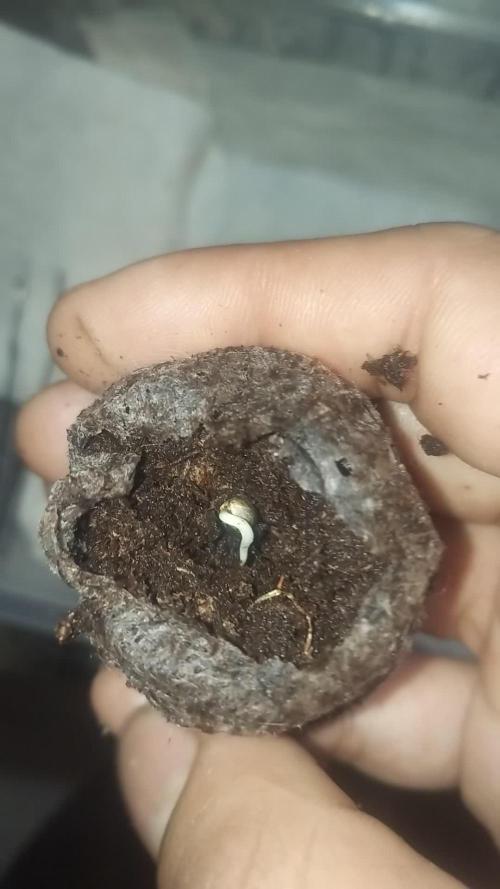
Germinadas directamente desde su eppendorf al medio de germinado en tupper mediano con agua desclorada desmineralizada a 20° al momento de rociar las servilletas.
Puestos en oscuridad y con una manta térmica que va entre los 20 24°C.
A las 32hs se observa que 3 de 4 abren su cascarón, a las 72hs ya estaban con radicula de 2cm +-.
Puestas en jiffys de turba hidratados con 50%agua desclorada a 20°C y luego de exprimir el exceso de agua al jiffy fueron colocadas en un tupper propagador con ventilas muy pequeñas.

Likes
2
Share


@Giftedwithgab
Follow
Now for Wk8, even after all that DEFOLIATION and LST on Wk7 it don't look like it all. It took me 3 hours, to do all that work. I wanted to wait at least 2 weeks before another around of defoliation and lst but now it's every week 😪.
Do I DARE say the other 2 plants are catching up to Garganchula? I will say I had 1 big 1 medium and 1 small. Now I got 1 large and 2 medium plants. I want 1 more month of VEG, to allow the other 2 plants to catch up but I'm not sure if I'm going to be able to slow down Garganchula (big plant name). Let's see if WK9 Garganchula play nice and grow SLOWLY and allow her other siblings (didn't name them yet) to catch up.
Garganchula 1300ppms
2 other plants 1700ppms each
Likes
23
Share


@eldruida_lamota
Follow
Como estamos familia, a día de hoy, viernes, llevamos exactamente 7 días en la fase de floración y todas ellas están marcadas por su sexo.
Todo va sobre ruedas, tenemos mínimas de 20,5 y maximas de 28,5 grados. la humedad no supera nunca el 60%.
Altura mínima lemon kush 25cm.
Altura maxima northern light xl 42cm.
•las power plant xl Han pegado un estirón serio, están empezando a ensanchar bastante.
•una marea verde desde semilla, con tan solo 5 semanas de crecimiento y un solo trasplante desde que se germinó, para controlar un mal crecimiento.


Likes
50
Share


@Mr_Motalovah
Follow
Hello growers and tokers! 👋 👩🌾 🧑🌾.🔥💨
There has been much change this week!!
First there was a big defoliation done, I cleaned the bottom of the plants.
All the growth that wouldn't amount to anything because the light doesn't penetrate that low.
Also took off the biggest fan leaves to give more room for light.
Then finally switched to 12/12..
After just 36 hours after the defoliation there was a major change.
New growth everywhere, colas started stretching upwards fast.
By far the tallest girls in the tent. Her colas are stacking up nice and tight if she keeps that up we'll have some nice dense colas. 😁
Great reaction to the defoliation and 12/12 switch.
I'm still watering every other day, After the defoliation I watered with only Enzymes 2ml/L to clean the roots a bit then started with the nutrientes again.
I dropped the amount of grow nutrients from 3ml/L to 1ml/L and started adding bloom nutrientes 2ml/L for now.
I'll slowly be upping the bloom nutrientes and after week 2 I'll no longer add grow nutrients.
That's it for this week. Stay tuned to see how they flower.
Stay safe!