


Likes
Comments
Share

@NoProbation4Weed
Follow
It has now been 7 days since switching the light schedule to 12/12.
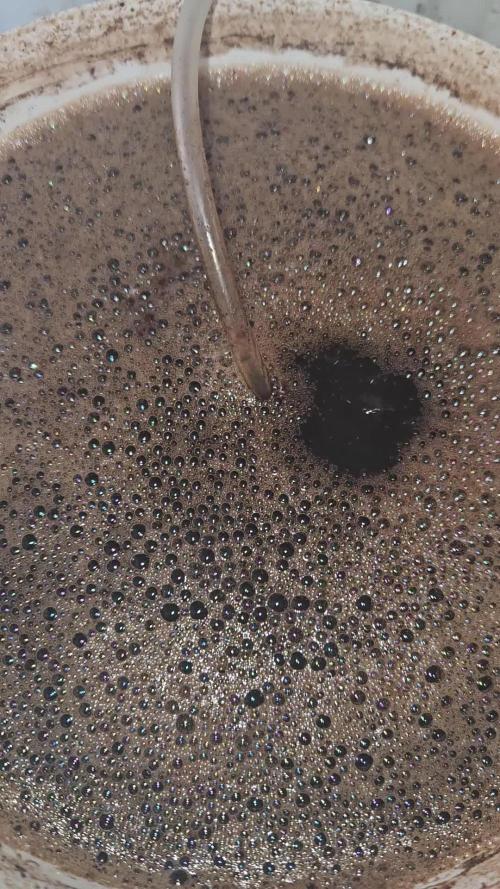
The plants received a compost tea feeding, and the wick irrigation system is working exactly as intended. So far, it has been performing exceptionally well.

Likes
22
Share


@drgreentips
Follow
I have a nice yield not the best but at least the smell and taste is beautiful on the BlackBerry I really do recommend to any grower out there

Likes
156
Share


@StarLorr
Follow
Helloing👋🏻friends and visitors.
Clones have been stretching reasonably. So far so good 😊
Feeding:
Wed:8thNov 3L each with nuts ph'd 6.3
Sat:11thNov 2L each water only ph'd 6.4
------------------/////-----/////-----
Did some defoliation here and there and some more today as per last 2 pictures.
Many Bud sites, this shall be an interesting sight when in full bloom😋
Clone#3 soil media still wet from Saturday's watering 🤔
Swapped her around with Clone#2
Will see if that changes anything.. i might have to add a fan pointing out that way far right of the GT
Had same issue when growing my black buds🤔🤔🤔🤔🤔
That's it for now folks!!
Thanks for stopping by, likes and comments are appreciated 😉
Keep on growin!
Keep on tokin!!!
😙💨💨💨💨💨

Likes
6
Share


@valiotoro
Follow
Easy trim✂️
Harvest in 2 times first the top buds then the lower!
No popcorn 🍿
The smell is delicious cookie & lemon 🍋 🍪
The buds are extremely dense 🤩
See you in 2025 for the smoke report
Take care 💜
Baxter loves you🕺🏽

Likes
20
Share


@Steno
Follow
The seeds have germinated 100%, they seem healthy, two seem to push more than the others. Overall everything is going according to plan. At the end of the week I will bring the lamp a little closer.
Likes
11
Share


@FrankHoogers
Follow
This time I made a video just before I cut some leaves. They grew well last week. Values are stable at the moment.



Processing
Likes
13
Share


@DudeGrowsWeed
Follow
Alien vs Triangle seems to have recovered from the extreme bending incident last week. Bud sites are developing nicely. I fed this week with Fox Farm Organic Big Bloom and Recharge. Looking forward to the results.👍

Likes
7
Share


@ZoogFarms
Follow
Week 5 for the Critical and Sour Ds and Week 4 for the Lemon Pie, Blackberry and Gorilla Zkittlez. Fed 2 tbl of Coast of Maine, Stonington Plant Food at the beginning of Week 5 and end of 4 for the younger plants.

Likes
7
Share


@cg_grow
Follow
Gran Jefa is definitely the biggest.
🍋 🍊 already shows that she probably will be the tallest...
...and she is the first that got fimmed (on day 16 since they sprouted out of the soil.)


Likes
6
Share


@SavageGarden
Follow
Looks like they are okay and growing well. Cant wait to see them with big flowers in a few weeks.. Doesnt really looks like they are flowering yet.

Likes
Comments
Share

@Durango
Follow
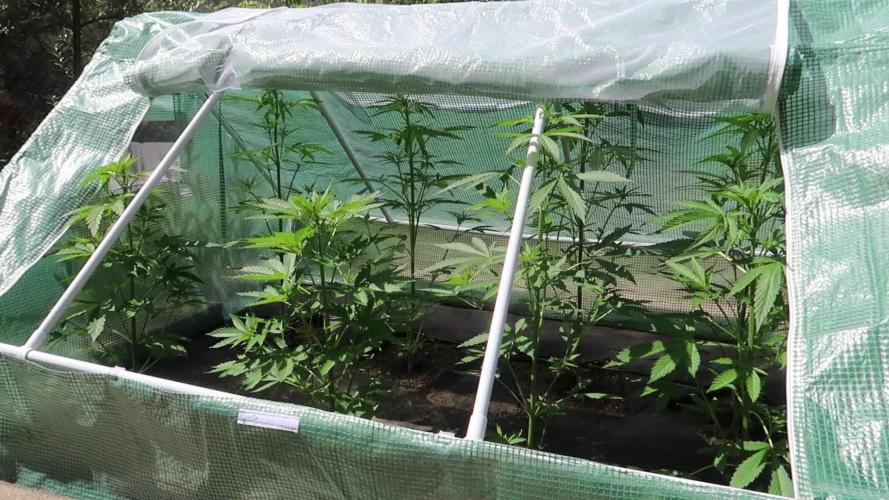
Update from 30.5 2026. I already had to remove the plastic greenhouse. Plants measure from 64cm to 85cm.
Lemon Cherry Cookies 1. 62cm
Lemon Cherry Cookies 2. 63cm
Lemon Cherry Cookies 3. 82cm - sativa pheno,leaves narrow like sativa
Strawberry Gorilla from 68cm to 85cm
Likes
5
Share


@I_Identify_As_A_Dan
Follow
Week 13 for Moby Dick by fastbuds,
She lost a lot of her foliage during the hot weather this week as i also think she ran out of food a little earlier than i wanted her to. At the start of the week i gave her a fairly heavy feeding & she gaining some colour back, but now im back to plain water as she comes to her finish. Actually glad so much foliage has fallen off going to be a lot of an easier trimming job 😂


Likes
8
Share


@Oldwied
Follow
I added two 120mm fans and CO2 bag.
Plant looks great.
Kush is very compact and need less defoliation. Happiness is the perfect ScroOG plant.
One or two weeks and I switch to bloom. Before Happines grows to big, because the high of my grow space is very limited.

Likes
18
Share


@TheCannaProphet
Follow
~ FASTBUDS CHEMDAWG AUTOFLOWER~
'The history of the Chemdawg strain starts in the early 90s where a group of cannabis breeders from Colorado were following a band on tour and took some of their weed with them, they had named this weed “chem bud” due to the unique chemical and diesel flavors.
When they got to one of the shows, they sold a couple of grams to a group of friends who quickly realized those were some special buds and, lucky for them, the buds had a couple of Chemdawg seeds (before they actually knew what they were) which they stored.
When one of the friends, who was also a cannabis grower, went back to his home on the East Coast, he germinated some of the seeds and started selecting the best phenotypes to continue developing those genetics even further.
As you may know by now, his effort paid off, and soon enough there were two versions of this strain going around, one was Indica-dominant and the other was a Sativa-leaning hybrid.
Both of these versions quickly spread around and several breeders developed new strains with these genetics, getting known by almost every cannabis consumer, becoming extremely popular and giving birth to a lot of famous strains such as Sour Diesel and OG Kush, although this isn’t confirmed, several old-school growers swear by it.' *content credit to FastBuds
____________________________________________________________________________________________________________________________________________________________________________________________________________________________________________________________________________________________________________________________________________________________________________________________________________________________________________________
The Spec's:
'These precious genetics were boosted by the Fast Buds team to provide a super tough, potent, and easy-to-grow strain.
This Chemdawg Auto from their 'Originals' line grows around 90cm and is very resilient to diseases and colder climates but watch out because if you’re growing outdoors, your neighbors will be able to smell it easily!
This strain can be cultivated even by beginner growers due to it requiring minimal maintenance and can produce up to 400gr/m2 in 8-9 weeks, this is one of the shortest varieties FastBuds offers and can be the perfect choice for those growing on a balcony or in a limited grow space.
As soon as the trichome production starts, you can expect a terpene profile that resembles a mix of chemicals that is a delicious blend of diesel, gasoline, and petroleum.
With up to 20% THC, you can expect a super potent high that will take you into another world and leave you there, while you relax with a strong corporal high that will leave your whole body melting, a perfect effect to relax after a long day of work or inducing a good night of sleep.' *content credit to FastBuds
~Chemdawg Auto~
Genes: Sativa 20%/Indica 80%
Genetics: Chemdog Autoflowering
Flowering: 8 – 9 weeks
Harvest: 350 – 400 gr/m2
Height: 60 – 90 cm
THC: Up to 20%
CBD: < 1%
Autoflowering: Yes
____________________________________________________________________________________________________________________________________________________________________________________________________________________________________________________________________________________________________________________________________________________________________________________________________________________________________________________
MY SETUP:
Planted into Jiffy Peat Pellet that was hydrated with de-chlorinated water with SuperThrive added then ph'd to 6.0 @ 80℉ where it took 3 days for her to break ground.
Grown 100% organic in 4g fabric pot by Gronest filled with Mother Earth 70/30 Coco/Perlite medium amended with (my 'Secret Recipe): 2tbs/g of Down To Earth 4-4-4 / 2 cups/g of Earthworm Castings / 1tbs/g of Dr. Earth Flower Girl 3-9-4, 1tbs/g of Dr. Earth Bat Guano, 3/4 cup of Down To Earth Azomite and 1 tsp/g Down To Earth Fish Bone Meal.
24hr light cycle during Germination, 19/5 light cycle for the remainder of the run under UnitFarm's UF-4000 and UFS3000 LED's which I have to say just blew me away with the results they gave!!!
If you're on a budget and want a light that is about as low profile and cool running as they get you really need to check out UnitFarms lights. Believe me... I run a pair of HLG 650R's and a HLG 225 in my 4x8 so I'm no stranger to 'high end' lights but lemme tell ya, these two UnitFarm lights absolutely blowup my 4x4 and don't overheat the tent!
She received straight water ph'd @ 6.2-6.8 when needed and weekly Compost Tea's for the entire grow which is one of the beauty's of growing 100% organic, you establish a microbial colony in your medium, then feed the microbes every 3-4 weeks keeping them fat and happy... They, in turn, through their life processes take care of feeding the plant. Pretty freaking cool if I may say so, and there's no simpler way to grow IMHO.
This Chemdawg's structure was perfect and didn't require me to top her, only requiring minimal LST and tucking shade leaves that were blocking light penetration. She grew fairly tall to 30" with wide node spacing allowing for excellent light penetration making her a growers dream, low maintenance, extremely tolerant of temperatures and disease/pests ) and a healthy yield of some epic GASSY buds glistening with trichomes... What more could you ask for? 😍💖
All in all, this strain has made it's way onto my 'list' and you'll be seeing it run again by me for sure as she's a hard one to stay away from! I highly recommend this one... Go grab some and put a huge smile on your face too! 😁👍💚
Likes
11
Share


@Styx231
Follow
Wow ten weeks already. Haven’t
Seen Any sex traits yet
Thinking girls. Been
Have issues with temp. My grow area has been warm. High 80 (87-89.). Tips are showing some like heat stress and correlation to high temps. Did some lst in areas
My solution now is to try and and keep ey adjust fans open door and so on.
But later. My next grow. I
Will Be adding legs to the box to get it up off the floor more. More air circulation.

Likes
3
Share

@smoking_hills9
Follow
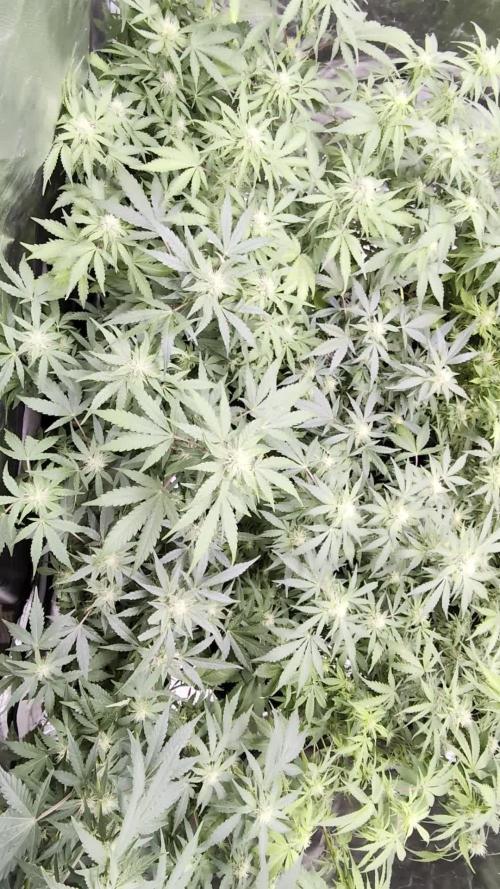
Done final defoliation 3 days ago. Took 2 kg of leaf from 43 plants. Now they all fully exposed to the lamps. Huge plants, nice structure. Start adding some magic juice

Likes
10
Share

@I_Identify_As_A_Dan
Follow
Week 10 for White widow by Greenhouseseedco,
She finally got her transplant into 25L of fairly good soil mix of biobozz light mix/coco mix + a good feed of @bokashibiochar + a feeding of BioGrow by greenhousefeeding
I think a few days of adjusting and she will start to explode.
Likes
15
Share


@Litngrn
Follow
Harvest went great but couldn't be happier with 12 oz of off of this girl. I did take a clone that I'm going to try to reveg. I think it's awesome that she turned out to be a photo. At 50 days she was selling those signs of flour until I say River in to 1212 flower lighting and she took off
Likes
13
Share


@DaenerysT
Follow
Fast and SIMPLE patio grow, perfect for an impatient grower. 72 days from seed to harvest. Could have taken some of the branches at 68-70d. Responded well to pinching back growth to encourage branching. Tested yield by leaving one plant natural and pinching back the other. Pinching back produced way more bud and the plant didn’t seem to mind. The smaller plant only produced 8 bud clusters and those were fairly airy, but showed amber hues a little sooner. Maybe she got less light than the bigger plant. They were both LOW on sunlight. The last 3 weeks of the grow were non-stop rain and storms, very little sunlight. So the girls didn’t stack ‘em up like I wanted. Gotta have light to make bud!! Vegetative growth the first 8 weeks was phenomenal. It wasn’t until the rains set in that progress slowed to a crawl. They were a few feet apart and both facing the equator with daylight to dark exposure. The sun itself wouldn’t cooperate though. Both plants were fed and watered the same. Soil was the same etc.... Only used commonly available garden center nutes. Wanted to demonstrate that a person could take the leap with their first patio grow without having to invest in a lot of special grow stuff. You can! but you at least need decent sunlight.
I didn’t weigh the fresh harvest very accurately. I took whole stems to hang them by, and my good scale isn’t that big. I used a bathroom scale and weighed myself holding an empty box and the box again with the harvested plant difference was about 3 lbs. Once I trimmed off the fan leaves and cut it off the roots and trunk it was under a pound. I won’t trim them super tight because very little of it will be smoked, most will be used to make infusions, but I’ll remove as much stem as possible. Curing and storing in C-vault with 62% Boveda packs.