


Likes
Comments
Share

@Chubbs
Follow
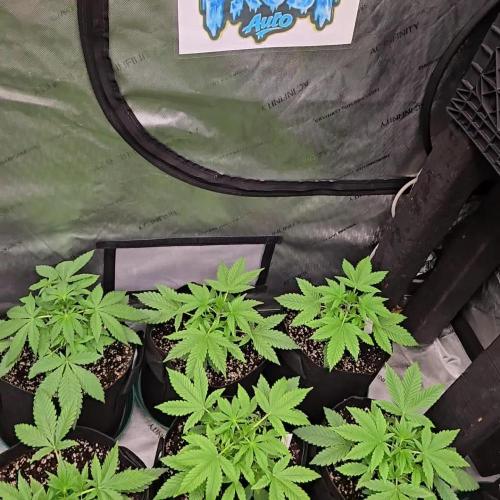
What up fam, weekly update on these gorgeous ladies. Starting week 3 of veg, wow does time fly. They've progressed beautifully, and probably doubled in size the last week. This will be the last week of veg before that preflower stretch stage appears but over all I couldn't be happier with how they're doing. All in all Happy Growing

Likes
6
Share

@JVKdopegrow
Follow
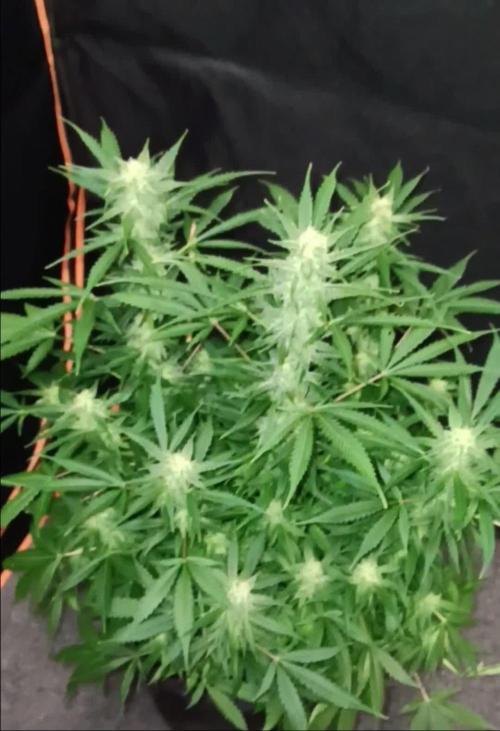
Another week of trying to keep my hands off her to let this beauty do her thing. This adventure in growing is really becoming a lesson of letting these amazing plants just grow. I have been tempted to defoliate her many times but she is better on her own. Maybe next grow I'll lollipop one, but so far I am thrilled with what I have. Maybe another 2 weeks.

Likes
47
Share


@ChachoGreenCrown
Follow
Buenas Compañeros! Semana 8 de Floracion! Llegamos al final. METEMOS MACHETE a este magnífico cultivo mix organico que a resultado ser súper divertido.
Al final ha salido una buena cosecha. Jejeje
💚🌲🔥🌱
Esta última semana hemos tenido las luces máximo con unos 55000 lúmenes y unos 850ppfd y se ha notado El impulso final de tricomas
Esta semana aprovechamos para terminar de limpiar las raíces para ello usamos Clean, Growzime y agrobacterias para terminar de apurar ese exceso de sales.
Hemos ido con una Ec de 0.4 y un pH 6.5
Todo ello proporcionado por la gama de abonos @GreenBuzzNutrients
Hemos cortado 8 plantas de 9.. Una Purple og Punch viene más tardía.. la voy a poner en otro armario y la dejaré minimo 2 semanas más
Os dejo fotos de la cosecha. Espero que os gusten.. en breves subo la cata y fotos de la hierba seca
Un placer y muchas gracias por todas vuestras visitas y apoyo
🌱💚👍🏻😘🤝🏻🍀


Likes
6
Share


@Skinnytalls420
Follow
Day 32-26/08/22 well it’s been a while since I’ve updated cos I haven’t been well and then I had the product earth festival!!! But should be able to get on track from now!!!! These 3 cheese baby’s are doing good!! One of them had topped itself!!! So should get two nice colas there!! Still only giving biobizz grow 1ml/l but will start to give bloom this week!!!
Likes
21
Share


@BruWeed
Follow
Esta planta estuvo dos semanas en etapa de enraizamiento, tres en crecimiento y ocho semanas en floración.
No tuvo ningún problema con nada, me resultó de fácil cultivo.
En esta cosecha obtuve ciento cuarenta y siete g en total.
Utilice una maceta Root House de 10L.
El sustracto que utilice fue de Nube Verde, en su composición se incluye turba de categoría, perlita, humus, compost, tierra, dolomita y vermiculita.
Sin duda volvería a probar esta genética otra vez, supero mis expectativas.


Processing
Likes
20
Share


@Easygrower
Follow
Hello growers day 65 with the gorilla glue auto she’s starting to show a lot of bud sites I gave her abit of a trim took afew leafs off I think she put her final stretch in this week her tops are sort of level iv turned my light up to full power so hopefully don’t piss her off to much that’s all this week so be safe and happy growing ✌️🏻

Likes
43
Share


@420DeepGrow
Follow
Gracias al equipo de Kannabia Seed y XpertNutrients, sin ellos esta magia no seria posible.
🍁💐 Runtz (Auto):
Si esta cepa se ha ganado su popularidad a pulso, esta versión autofloreciente es digna heredera de sus atributos. No es de extrañar que nuestros criadores hayan acertado con su programa de reproducción, al combinar dos de las cepas más fascinantes de la actualidad: Zkittlez y Gelato.
planta resistente y robusta, de cuerpo esbelto y fuerte ramificación lateral, que se puede cultivar prácticamente en cualquier entorno; pero prefiere los veranos largos y cálidos, tal y como quiere la madre naturaleza, donde bañada por el sol se eleva hasta los 120 cm. para producir unos rendimientos muy gratificantes de 100-150 gramos por planta.
En interior, y tras solo 70 días desde la semilla, también recompensará con cosechas abundantes de hasta 500 gr./m²
Inmediatamente después de encontrarte con ella, lo primero que notarás es su aroma descaradamente afrutado, con un toque tropical cortado con reminiscencias terrosas y amaderadas, que se entremezclan de forma agradable para ofrecer un combo que hace salivar las papilas gustativas.
Ofrece un sabor confitado, refrescante y similar a sumergirse en una piscina de frutas cítricas y flores de fragancia intensa. Al inhalar, obtienes la bondad de la dulzura; al exhalar, el humo se convierte en suave y cremoso, dejando suficiente profundidad en cada bocanada para satisfacer a aquellos que buscan los matices más complejos.
⛽ XpertNutrients: es una empresa especializada en la producción y comercialización de fertilizantes líquidos 🍶y sustratos🐛, que garantizan los mejores resultados y cosechas de la más alta calidad. A través de una cuidadosa selección de materias primas y un proceso de producción avanzado, sus productos son sinónimo de resultados confiables.
🛒 Consigue aqui tus fertilizantes:
https://xpertnutrients.com/es/sobre-nosotros/#:~:text=Xpert%20Nutrients%20es%20una%20empresa,de%20la%20m%C3%A1s%20alta%20calidad.
📆 Semana 13:
Gran semana aunque algo tarde, los cogollos siguen engordando y aparecen nuevas flores, ella sigue cargada de resina y su aroma citrico y dulce es celestial .
Aplico una dosis de nutrientes y agua hasta el corte

Likes
21
Share


@MG2009
Follow
01/27/2021
Flowering going well
Flowering #2,#3,#6 #6 is a week ahead of#2,#3 will put others in on week 4 for a staggered harvesting
01/30/2022
watered with fungal tea and some aloe mixed in for amino acids and other goodness. Well see how she progresses in 4 days
Also working on some banana peel tea to give a boost of potassium if I do next week it should be available for week 6-7.
Ps.
Fuzzy Mellon (bag seed male)
I will pollinate one lucky branch on #6 as she is my favorite. But number 3(tall and lanky one) will get pollination of one branch as well.
I can't wait to see how they recombine with fuzzy melon smell mixed with burnt rubber and model glue and pine.
#2 no pollination (smaller one) #5 (bonsai) and #8 are males. So 3 female out of 8 seeds. Going to make some feminized seeds next time,so I'll have plenty of female's for a staggard harvest.
Likes
11
Share


@OrganicAlphapak420
Follow
Here's my current grow I stared for this fall season. 2x Blueberry 420 auto on the left and 2x Super skunk auto on the right. Using kind soil with my previous grow soil and foxfarm ocean forest on top. Sprinkle with alfalfa seeds and crimson clovers seeds...using 2 closet case LED. Let's see how this goes.
Likes
13
Share


@Bryankush
Follow
La prima settimana di fioritura è andata molto bene vediamo come prosegue
Giorno 2 la sera viene annaffiata con 2L di acqua
Giorno 4 defogliazione per esporre tutte le cime alla luce
Giorno 7 verrà annaffiata con 2L di acqua a 700ppm
Likes
12
Share


@StonedandSteady
Follow
AutoBlueberry 10th w/ 5th W/ Flower breed by #DivineSeeds #DivineSeedsSquad #DivineSeedsBreedingCompany
3rd feed of #NukeHeads Nutrients #PlutoniumBloom and a look at my #Opium by #DivineSeeds at her 4th day of Dry! Can't Wait to Blaze!!! This AB is Flowering out and her Smells are Super Strong of Gasy and Candied Blueberries! I recently Trained down her branches to expose more Bud sites and Removed the Biggest fan leaves to expose the Bud site's to this Glorious #OsreeQB1000w Full Spectrum Grow Light! I've also Super Cropped, Topped um, Defoliated, Leaf tucked, and Implement the 3D's method like my Broski #TigerfishOrganics to remove the Dead, Dying and Diseased leaves!
Origin:Afghani/Thai
Type:50% Indica/ 40% Sativa/ 10% Ruderalis
Flowering:56 days
THC:22%
Harvest:400-550 g/m2
Height:110-150 cm
They were Growing under the #Growatt600w and in my #TopoLite 24×24×48 Grow Tent but I've Upgraded and Updated it to my #OsreeQB100W I'm also using #TNBNaturals #TheEnhancer Co2 Despersal Canister and using thier Ph⬆️⬇️ for my Decolinated Tap Water!
Green and Growing Up Great! She's Growing into her 5th week of Flower! She's Growing in my special blend of ProMix potting mix, a 1/2 bag of Earthworm castings and 2 light handfuls of Diatomaceous Earth mixed Up well for before transplanted! Diatomaceous Earth: Diatomaceous earth is made from the fossilized remains of tiny, aquatic organisms called diatoms. Their skeletons are made of a natural substance called silica. WHAT IS DIATOMACEOUS EARTH?
In a nutshell, DE comes from the fossilised remains of small marine organisms called diatoms. Over a 30 million year period, these hard-shelled algae collected on the bottom of bodies of water, eventually forming into a type of sedimentary rock. Fast forwarding, it wasn’t until around 1836 that a German peasant Peter Kasten discovered the ivory-coloured, powdery substance while drilling a well in northern Germany. Ever since, the usefulness of DE for multiple purposes, including industrial and horticultural applications, has been well-reported. Just sprinkle some diatomaceous earth on top of your soil and watch mother nature's secret weapon work its magic.CONDITIONS THE SOIL
When it comes to growing cannabis, everyone strives to provide the best soil to grow the best plants—but there’s always a way to make it even better. Making the soil a better medium is called soil conditioning, which is exactly what diatomaceous earth does. It works by improving the retention of moisture in your potting soil, holding a large amount of fluid and drying at a rate that’s much slower. This natural soil additive also helps to retain nutrients and allows for better oxygenation of the substrate. NATURALLY CONTROLS PESTS
DE is an all-natural, safe-to-use substance that doesn’t harm the cannabis plant with toxic chemicals. The nature of diatomaceous earth makes it useful against most types of insect infestation you might be experiencing; and unlike chemical insecticides, insects can’t develop a resistance to the effects of DE. So once they’re gone, they’re gone for good. DE is an abrasive. and when used as an insecticide, it gradually scrapes away an insect’s exoskeleton, absorbs the fluids, and dehydrates insects and other critters to eventual death. IMPROVES PLANT STABILITY
When using DE in your soil, it can be especially beneficial as it frees up nutrients so that they are made available to the plants as needed. This works via the silica content of DE being absorbed into the plant tissue, which helps improve the plant’s ability to respond and receive more nutrients as DE activates. This in turn results in greater yields and better stability under small pH fluctuations!
https://divineseeds.net/
https://instagram.com/divine.seeds?igshid=osxe2v7en33v https://divineseeds.net/
Thanks Again to All my Friends, Family's, Teams, Sponsors, Followers and Subscribers!!! Your Genetics are Merry Magnificent, Mega Marvelous and Mighty Medical! Love um!!! I really Can't stress enough how Thankful and Grateful I am of All of you and what you've Shared with Us! Means the World!!! It's definitely a Pleasure being able to Grow with these Phenomenal Grow Lights! Please Enjoy! BudBrothers4-Life! Cheers Famz!!! Much Props and Much Topz!💯🔥 #Osree #GrowStarStore #Growatt #TNBNaturals #TNBTeam #GrowYourOwn #Bliss
https://instagram.com/osree.light?utm_medium=copy_link
https://instagram.com/as420.ca?igshid=1f116alw054wp
The Grow Bags: https://www.as420
https://instagram.com/tigerfish_organics?utm_medium=copy_link
https://www.facebook.com/Tigerfishorganic/
#TigerfishOrganics YouTube Channel Link: https://youtube.com/channel/UC6OSXTda1JYaVNoCxdcYqIg


Likes
11
Share

@420DeepGrow
Follow
Gracias al equipo de MSNL Seeds y XpertNutrients sin ellos esto no sería posible.
💐🍁 CBG SOUL FEMINIZED:
CBG Soul es un híbrido rico en CBG con una proporción Indica/Sativa 50/50, creado por sus efectos calmantes y relajantes. Sus sabores dulces, limón y cítricos se complementan con terpenos limoneno y mirceno, ofreciendo una mezcla única para el alivio y disfrute terapéutico.
🚀🌻 Consigue aqui tus semillas:
https://www.marijuana-seeds.nl/cbg-soul-feminized-seeds
🍣🍦🌴 Xpert Nutrients es una empresa especializada en la producción y comercialización de fertilizantes líquidos y tierras, que garantizan excelentes cosechas y un crecimiento activo para sus plantas durante todas las fases de cultivo.
Consigue aqui tus Nutrientes:
https://xpertnutrients.com/es/shop/
📆 Semana 13:
Ultima semana de crecimiento antes de pasar a floración tras el solsticio de verano, está tomando una altura considerable 💪😎
He aprendido mucho sobre el cultivo de exterior, el próximo año será diferente....
Continuo con las dosis de fertilizantes recomendada por el fabricante.

Likes
2
Share

@Ninjabuds
Follow
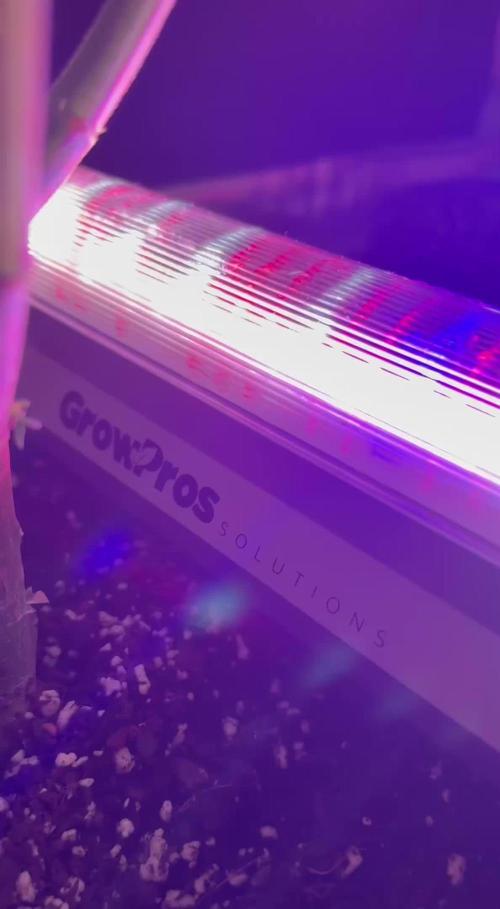
My nine Week 7 flowers are thriving under the new GrowPro Solutions under-canopy lights. The lights have really brought out some amazing colors in the buds. It's so cool to see how much they've changed in just a day! I'm excited to see how they develop even more in the coming weeks
Likes
13
Share


@CalGonJim
Follow
12/4 Monday she is doing really well. I just gave her water and that’s all I’m gonna give her from here on out. There’s plenty of nutrients I almost overdid it but I caught the mistake just a little leaf burn tip. Her buds are as dense as any photoperiod plant I’ve ever seen. This has been my best grow ever for some reason she really liked me. She really did good even though I had bugs I think the big difference was silica. I read the article on this website about it and I started using it and it makes a huge difference I’m using 2.5 mL mixing it in with the rest of the nutrients and I don’t have any problems at all.
12/5 she looks more than ready her buds are so thick and dense. I just can’t believe it. I see these websites on Twitter where these girls trim up their weed and they sell it and it looks perfect. It’s gonna look almost as good as those I’ve seen really happy with this. This is my most successful grow so I gave her a nice haircut today.
12/6 I have a Bumble / flying fucking red nosed reindeer infestation it’s HORRIBLE you would think a fancy breeder like Seedsmen would put an a warning label on these seeds!!
12/8 I hunted the bumble into extinction and I ate the reindeer. It’s been a beautiful morning what a breakfast.
I don’t know if I accidentally did this right, but taking the leaves off of it for the last week and just using water has been great. She’s starting to put out some more resin now I did take two little branches off and the one that I took earlier that dried is really rockhard solid. I’ve never had that before it’s just the best.
12/10 Sunday I’m just letting her dry out there’s three other plants in the tent with her so now they all have the bugs that she had. I had to spray again today with the garden spray I bought on Amazon. She looks pretty good I probably chop her down on Monday, I’ve smoked some it hasn’t really dried so I can’t get to the smell yet. Pretty exciting feels great though.
Likes
25
Share


@pifflestikkz
Follow
Day 22
25/07/24 Thursday
Still no Feed/water since Tuesday.
Been a humid and overcast two days so not as much evaporation as normal.
All plants happy and healthy 💚
Video updates
Day 23
26/07/24 Friday
De-chlorinated watering pH 6 with 5ml calmag to 5L water.
Watered each with 250ml and had small run off.
I will continue to feed/water with small run offs to help prevent salt build ups.
Video update.
Day 26
29/07/24 Monday
Nice feed today, using de-chlorinated tap water pH 6.
They each had 300ml with small run off.
All looks incredibly happy and healthy!
The Auto Kabul that was mutated and twisted has pulled herself through and is just a bit shorter than the others.
Day 28
31/07/24 Wednesday
End of week😁
De-chlorinated water pH 6 today with Plagron pk13-14 5ml to 5L
Plagron power buds 5ml to 5L
Used 300ml of the 5L solution.
I will be using these on water days from now on as they are advised to be used every irrigation.
We'll see how they perform 💪💚

Likes
10
Share


@Froggman
Follow
Thickening up nicely! Got some nutrient issues on the LSD, but not nearly as bad a previous grows.

Likes
422
Share


@Crashoverite
Follow
Hi everyone 😁
Welcome back on another week update.
If you interested to see the full week update. Please revisit this journal as will be posting daily updates.
Thank you for such a great support 😊 me and my🍌💜👊 girls loving you all 💚💚💚
So far everything is going great. Girls are healthy and happy. This week I will be increasing nutrients, continue with leaves tucking and perhaps will install scrog net by the end of the week.
Wishing you all a wonderful week ✨🍀✨
06/11 day 29
Watered 500ml each pot and sprayed with water and fish mix solution.
08/11 day 31
Girls started growing faster. Good few cm in to all of the directions in one night. Watered again with 500ml each pot as belive that they need just a bit more time for the first runoff experience.
11/11 day 34
It was a Spa day for the 🍌💜👊 girls.
Full package;
1st - removed 7-10 fan leaves from each girl.
2nd - LST on few longer branches
3rd - shower with fish mix and water solution.
4rd - Watering 500ml for Athena and approx 300ml for Xena.
12/11
What a great and a bit busy week with my girls. Perfect response on yesterday selective defoliation and stretching. No signs of any stress. Girls are strong 🍌💜👊💪
So far I am very pleased how this grow going 😁
Thank you all for such a amazing support 😊💜
Peace and love brothers and sisters ✌️💚
Likes
2
Share

@Dameon0803
Follow
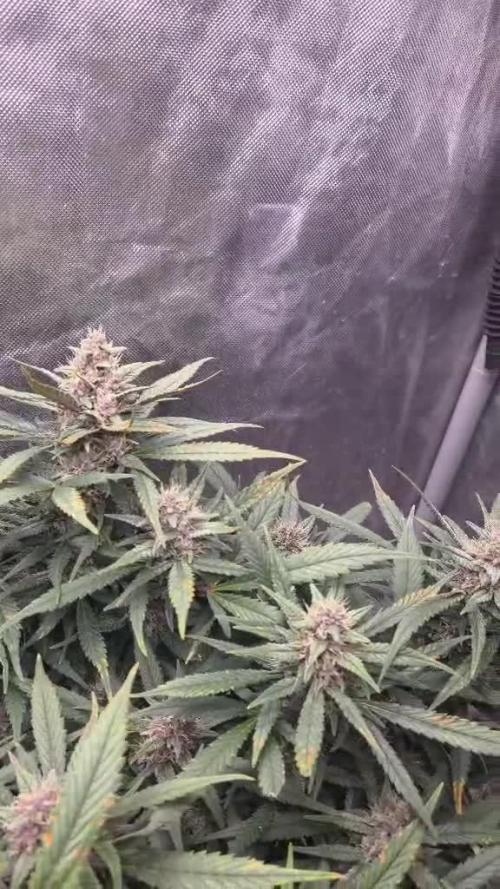
Definitely have some deficiencies going on, but she's stacking and pushing. Life's busy, next round will get a little more detail and love.
Likes
2
Share


@LoganatorDude
Follow
Well some information needs to be updated! But in the mean time I’ll leave this here to indicate false heights, temps and nutes are entered, basically copied from last upload.
Anyways my dumbass didn’t have all my branches supported properly. So probably back on the night of 140 we had a violent wind storm. I got back on day 142 to make repairs and wash off the plants.

