


Likes
Comments
Share

@Adriano420
Follow
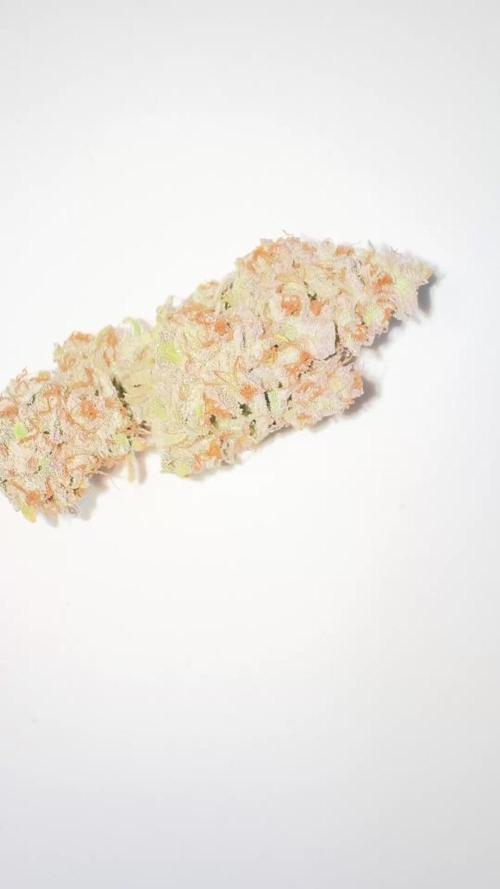
Colhi a planta de trás, ainda está secando, como tive que mexer na rede a planta da frente acabou se dobrando pelo peso dos Buds, as outras duas seguem engordando d com belas cores

Processing
Likes
21
Share


@LittleBigTrees
Follow
Plucked a few more leaves but other than that just feed them this week including bloom.
Also gave them some rice starch (from boiled rice water collection) on day 42 as a boost for the microbes 👍
Turned the IR off now and turned up to 34000lux
Likes
327
Share


@FoTwenny
Follow
••••••••••••••••••••••••••
Sept. 28 - Oct. 4
••••••••••••••••••••••••••
CULTIVARS:
••••••••••••••••••••••••••••••••••••••••••••••••••••••••••••••
WEDDING CAKE: STARTED = 8/10 • BLOOM = 10/1
RED HOT COOKIES: STARTED = 8/10 • BLOOM = 10/1
CHOCOLATE MINT OG: STARTED = 8/10 • BLOOM = 10/1
WILDBERRY: STARTED = 8/10 • BLOOM = 10/1
CINDERELLA 99: STARTED = 8/10 • BLOOM = 10/1
PEYOTE WIFI: STARTED = 8/10 • BLOOM = 10/1
SUGAR TITS: STARTED = 8/10 • BLOOM = 10/1
MONSTER ZKITTLEZ: STARTED = 8/10
BLUEBERRY: STARTED = 8/10 • BLOOM = 10/1
BLUE DREAM: STARTED = 8/10 • BLOOM = 10/1
HELL'S ANGEL OG X PLATINUM KUSH MINTS: STARTED = 8/10 • BLOOM = 10/1
COTTON CANDY CANE: STARTED = 9/5 • BLOOM = 10/1
•••• EXTENDED VEGETATIVE PERIOD ••••
MELON GUM: STARTED = 8/10
GREEN GELATO: STARTED = 8/10
FRENCH COOKIES: STARTED = 8/10
SOUR LEMONAID: STARTED = 8/10
LSD: STARTED = 8/10
GORILLA x COOKIES: STARTED = 8/23
••••••••••••••••••••••••••••••••••••••••••••••••••••••••••••••
WEEKLY SUMMARY:
••••••••••••••••••••••••••••••••••••••••••••••••••••••••••••••
🙋♀️Fo' Twenny here!🙋♀️
Back with another update on the viewer selected multi strain SOG. If you're just joining us, we have these photo-dependant ladies vegging in our 48"x 24" VIVOSUN tent. I have been doing a lot of heavy defoliation and pruning the past week. I also made a few upgrades in the bloom tent and moved a few of the cultivars into bloom under 12/12. Also, I realized my BlueLab Conductivity Meter has the option to switch to EC. Since EC is the most accurate way to measure the nutrient concentration in a solution, I will now be measuring and reporting EC readings rather than PPM.
I am honestly super stoked about every single plant in this run. That said, I think I am probably most impressed by the 🍭🎅🏻 COTTON CANDY CANE lady from Emerald Triangle Seeds. She is incredibly vigorous. She was started nearly a month after all the others (except the 🦍🍪 GORILLA x COOKIES) and has already caught up to some of the taller plants in the run. Special thanks to those guys for sending the freebies for me to try out! Definitely want to try more from this breeder! She is almost a month behind the other plants and is almost as tall as the tallest cultivars started on 8/10. All in all, everything looks great.
Any advice, suggestions, or constructive criticisms are always welcome.
Now, for the weekly break down!
••••••••••••••••••••••••••••••••••••••••••••••••••••••••••••••
THIS WEEK'S BREAK DOWN
••••••••••••••••••••••••••••••••••••••••••••••••••••••••••••••
9/30 - Day 52 for Majority of the Garden
- 🍭🎅🏻 COTTON CANDY CANE: Day 26
- 🦍🍪 GORILLA x COOKIES: Day 39
°°°°°°°°°°°°°°°°°°°°°°°°°°°°°°°°°°°°°°°°°°°°°
🎥 FILMING DAY! 🎥
••••••••••••••••••••••••••••••••••••••••••••••••••••••••••••••
10/1 - Day 53/Day1 of Bloom for Majority of the Garden
- 🍭🎅🏻 COTTON CANDY CANE: Day 27/Day of Bloom
- 🦍🍪 GORILLA x COOKIES: Day 40
°°°°°°°°°°°°°°°°°°°°°°°°°°°°°°°°°°°°°°°°°°°°°
📸 PHOTOSHOOT! 📸
🎥 FILMING DAY! 🎥
👩💻 UPGRAYED! 👩💻
- Added a BOTANICARE 48" x 48" low-tide flood tray on top of six 4" tall cinder-blocks with a low-profile motorcycle oil-pan for the water to drain into beneath the flood tray.
- I transplanted eleven cultivars into black 12" tall Active Aqua brand 12" x 12" square pots and inserted 3' fiberglass garden stakes into the center of the rootball near the main stem of each plant. Each stake goes to the bottom of the 12" pot. All transplants have nice solid root balls due to being slightly rootbound. I knew I'd likely run short on premixed soil, so I decided to transplant the largest plants first. Of course, I ran out of soil after 11 plants were transplanted. It seems like I used a lot more soil than usual with this method and in tgese pots.
- I mixed a new batch of soil using the same recipe. I will give the five smallest gorls a few more days to grow taller. That will give this batch of soil a little time to innoculate.
- I moved the 11 transplants into the 96" x 48"bloom tent under 12/12 lighting schedule.
🚿FEED DAY!🚿
She received approximately 1 gallon of solution. I mixed 12 gallons of solution for all the plants I have in flower. 1 gallon of that was then measured and fed to this cultivar.
👩🔬NUTRIENT SOLUTION👩🔬
⬇️Mixing Rundown⬇️
The solution starts with 12 gal tap H2O through two kdf filters mixed in a 36 gallon reservoir. The solution is applied via wand sprayer powered by a submersible pump attached to a garden hose. Nutrients and additives are added to the reservoir in the order listed below and thoroughly mixed uding a plastic stir spoon. The reservoir is oxygenated by four 4 inch air stones.
Start pH: 7.8
Start EC 1.0
TEMP: 74°F
4 ml/gal - Blue Planet Gold Shield Silica Supplement
.5 tsp/gal - Fox Farm Gringo Rasta Cal-Mag
3 tsp/gal - Fox Farm Big Bloom
1.5 tsp/gal - Fox Farm Grow BIG
.5 tsp/gal - Fox Farm Boomerang
.25 tsp/gal - Fox Farm Wholly Mackerel
.25 tsp/gal - Fox Farm Kelp Me Kelp You
.0625 tsp/gal - Fox Farm Open Sesame
pH: 6.3
EC: 2.8
Our target pH is in the range of 6.0- 6.6 prior to adding any microbial innocclants. pH already in range, no adjustments needed.
1 tsp/gal - Grower's Choice Recharge
.6 ml/gal - Mammoth P.
.5 tsp/gal - Fox Farm Kangaroots
1 tsp/gal - Azos
pH: 6.4
EC: 3
••••••••••••••••••••••••••••••••••••••••••••••••••••••••••••••
SUPPLIES & EQUIPMENT
CURRENTLY IN USE:
••••••••••••••••••••••••••••••••••••••••••••••••••••••••••••••
• A/C: Whynter ARC-14S 14,000 BTU Dual Hose Portable Air Conditioner
• TENT: VIVOSUN 48"x24"x60" Mylar Hydroponic Grow Tent with Observation Window & Floor Tray
• POTS: Black 8"tall Active Aqua brand 6" x 6" one gallon square pots/Black 12" tall Active Aqua brand12" x 12" 3.4 gallon square pots
• VEG/AUTOFLOWER INTAKE FAN: None (PASSIVE)
• VEG/AUTOFLOWER EXHAUST FAN : VIVOSUN 6 Inch 390 CFM Inline Duct Fan with Variable Speed Controller
• BLOOM INTAKE FAN: VIVOSUN 6 Inch 390 CFM Inline Duct Fan with Variable Speed Controller
VEG/AUTOFLOWER EXHAUST FAN : VIVOSUN 6 Inch 390 CFM Inline Duct Fan with Variable Speed Controller
• BLOOM EXHAUST FAN: AC Infinity CLOUDLINE T8, Quiet 8” Inline Duct Fan with Temperature Humidity Controller - Ventilation Exhaust Fan
• AIR MOVEMENT: 6-Inch Lasko FBA 2004W 2-Speed Clip Fan
• Bluelab PENPH pH Pen Fully Waterproof Pocket Tester
• Bluelab PENCON Conductivity Pen Fully Waterproof Pocket Tester
• Kolder Multi-Purpose Liquid and Dry Measuring Cup, 16-Ounce
• Fox Farm Measuring Spoons
• WATER TREATMENT: Tap H2O run through two AQUACREST Garden Hose Water Filters to remove chlorine and chloramine.
– COMING SOON: Hydro-Logic 31023 1000-GPD Evolution RO1000 High Flow RO System, White (HL31023).
• WATER APPLICATION: I use 2 different watering systems. The pump sprayer is typically used in early veg, between feeds, or for lighter feeds. Most feeds are usually run through the pump and reservoir because it's faster and easier when dealing with larger volume feeds.
– 2 GALLON LAWN & GARDEN PUMP PRESURE SPRAYER. * I removed the spray head due to clogs and it's just faster.
– Superior Pump 91250 Utility Pump, 1/4 HP in a heavy duty 27 gallon Tote attatched to a 10 foot garden hose to an Orbit Underground 56246 Green Thumb 9-Pattern Telescoping Wand.
– Aeration of the reservoir is accomplished using a General Hydroponics HGC728040 Dual Diaphragm Air Pump 320 GPH 4 Outlet attached with standard aquarium air hose to four 4-Inch Air Stone Disc Bubble Diffusers.
• VEG/AUTOFLOWER LIGHTING: 320w MosterBoard V4-PLUS powered by a MEANWELL 320H-48AB DRIVER. There are three V4-PLUS boards prewired and mounted on a 935x195x10mm black heatsink. Dimmer, UV Switch, and IR Switch included. Each board contains two hundred fifty two 3000k lm301h diodes + twelve Osram 660nm diodes plus 4 separately switchable LG UV 395nm diodes and 4 separately switchable Osram IR 730nm diodes.
• BLOOM LIGHTING: Two custom mounted lighting units: Each mount has one 480w MEANWELL 480H-48B driver and one 240w MEANWELL 240H-48AB powering 6 KingBright Quantum Boards. Each board contains two hundred fifty two 3500k lm301h diodes + twelve CREE XP-E2 660nm diodes plus four separately switchable CREE XP-E2 730nm diodes and four LG UV 395nm diodes. Hanging between the two mounts are two additional quantum boards with two hundred fifty two 3000k lm301h diodes + twelve 660nm diodes plus four constant power 730nm IR diodes and four 395nm UV diodes. That's a total of 1680 watts of quantum board power in our 96" x 48" bloom tent.
⚠️ ALL DRIVERS MOUNTED REMOTELY IN AN AIR COOLED BOX INSTALLED BETWEEN THE FILTER AND EXHAUST FAN ⚠️
• SLMOTO Universal Oil Drain Pan, 2 Gallon (8 Liter) Capacity ABS Low Profile Oil Drain Pan w/Spout Fit for Motorcycles
• Modified Botanicare Low Tide LT Black Tray - 4' x 4' - Modification: Cutaway at corners and used flex-seal tape to create a new edge that will be soft to fit between tent supports. She is supported by 6 Standard Cored Concrete Blocks (Common: 4-in x 8-in x 16-in; Actual: 3.625-in x 7.625-in x 15.625-in). ⚠️THIS TRAY WILL NOT FIT BETWEEN SUPPORTS IN A 48" x 48" or 48" x 96" TENT WITHOUT MAKING MODIFICATIONS TO THE TRAY!⚠️
• Blue Sticky Pads
• Yellow Sticky Pads
••••••••••••••••••••••••••••••••••••••••••••••••••••••••••••••
SOIL MIX DETAILS:
••••••••••••••••••••••••••••••••••••••••••••••••••••••••••••••
All components were mixed into a 50 gallon tote that is kept in a warm environment to help innocculate to promote a vast and diverse microbial life in the rhizosphere. Once mixed, add 32-64oz water once every 7-14 days as needed. The goal is to keep the soil moisten without oversaturating.
2 Part - Royal Gold Tupur
INGREDIENTS: Coco fiber, aged forest materials, perlite, and basalt
1 Part - Fox Farms Ocean Forest
INGREDIENTS: Aged forest products, sphagnum peat moss, earthworm castings, bat guano, fish emulsion, and crab meal.
1 Part - Roots Organics
INGREDIENTS: Perlite, Coco Fiber, Peat Moss, Composted Forest Material, Pumice, Worm Castings, Bat Guano, Soybean Meal, Alfalfa Meal, Fishbone Meal, Kelp Meal, and Greensand. Also contains beneficial mycorrhizal fungi: Funneliformis mosseae, Rhizophagus intraradices, Septoglomus desertícola
.5 Part - Wiggle Worm Soil Builder Pure Earthworm Castings
.5 Part - Ancient Forest Humus
.5 Part - Coarse Grade Perlite
Inocculated by mixing 1 cup of Extreme Gardening Mycos
Watered with pH 6.5 h2O
1 Tsp/gal Real Grower's Recharge
1 tsp/gal Hi-Brix Molasses
2 tsp/gal Fox Farms Kangaroots
••••••••••••••••••••••••••••••••••••••••••••••••••••••••••••••
••••••••••••••••••••••••••••••••••••••••••••••••••••••••••••••
Want to see more cultivars I have growing❓
Please, be sure to check out my other diaries & give me a follow! 👍👍
🙏Thank you for stopping by my garden!🙏
Peace, ☮️✌️
Love, 💚🤟
& Frosty Nugs! ❄️🌲
Happy farmin' my friends! ☺️🌱
- Fo' Twenny 👩🌾🏻


Likes
7
Share

@Gewaltmann
Follow
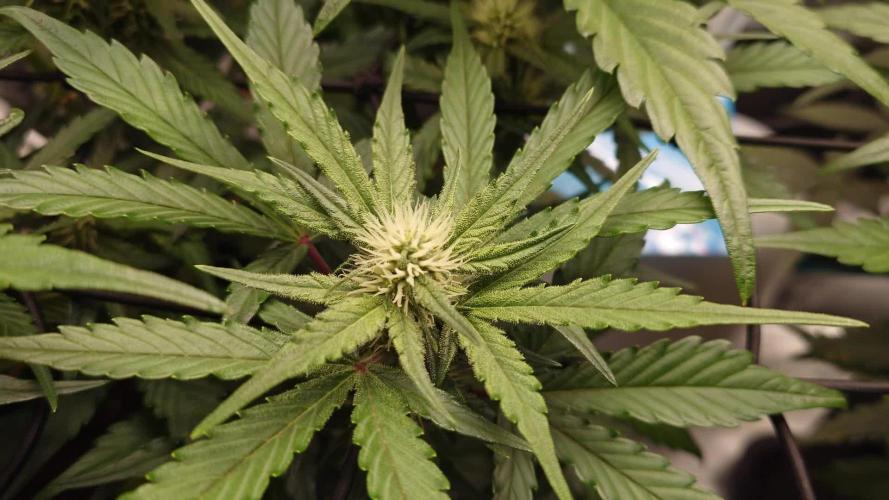
Zucker Zucker Zucker - es wird mehr und mehr und langsam sieht es so aus als wenn auch der Stretch durch ist. Das heißt nächste Woche lollipoppen.
Auf jeden Fall wird es gut Arbeit werden bei beiden Pflanzen. Die guave wächst sehr dicht die internodienabstände ebenfalls. Deswegen läuft jetzt auch der dritte Ventilator mit im Zelt.
Heute gab heute gab es dann auch eine normale Dosis PK 1314 um einen ordentlichen Schub zu gönnen. Ein calmg Problem konnte ich bisher auch nicht weiter ausmachen. Top.
Vom Geruchsprofil her ist die guava runtz eindeutig hier fruchtig, mit leicht bodenständigem Unterton. Sehr lecker und vielversprechend. Und sie hebt sich deutlich von der guava sunday ab. 🤤
Likes
10
Share


@Big_Dennis_Budz
Follow
Started flushing the two on the left side of the tent today with advanced nutrients flawless finish 19th Nov.....the other two on the right have had just overdrive today start flushing them within the next couple days, the middle baxk plant is just doing its own slow thing 😅... smell is unreal 🤤
Likes
25
Share


@Brebzzz
Follow
10/12 begin week 6 start of flowering do some lst and defoliation hoping doing right
11/12 dont know if my Light is enough so i buy i mars hydro 1000 to be sur they have what they need


Likes
24
Share

@LittleBigTrees
Follow
Only given water up till now.
I've repoted them all together into a 10ltr pot so will still only give water for now.
Two look red /purple but the other two are all green still,. There growing nice and easy ✌️ 😎
Likes
13
Share


@Cgrow
Follow
This week I will maintain the same techniques from previous week.
Noticed that main leafs got bigger during the weekend, both plant look healthy and happy and are now looking wider. Also to note that I have been rotating the vases so they catch light in different positions/sides. It does not replace the real sun movement however it will stimulate the growth in different parts of the plant.
Hopefull by the end of this week we will have a new set of baby leafs.


Likes
3
Share


@Barcelona_Farmers710
Follow
Mientras yo me divertía en la spannabis las niñas se ponian cada vez mas resinosas farmers!! Solo basta ver la shining haze para darse cuenta que el mammoth p es brutal!!👌🏻
Likes
13
Share


@XanHalen
Follow
Mar 31
I think things are going very well, one plant has rusty spots, pretty sure its calcium deficiency, will be upping across the board.
Got the runoff ppm to a good spot, will be going back to 800ppm feeds by week 8, 750ppm this week.
I want more stable genetics next time, I am way to new to be dealing with basically 3 different strains, that's what it feels like, and I have very little time as it is.
Thinking of upping PPFD some more, i think the droop of the one plant was just adapting to watering till runoff, I want to see some fattening AND RIGHT NOW.

Processing
Likes
17
Share


@Silverback_Guerilla
Follow
2/17:
I spent a little time rearranging today. I bought some 32" x 14" plastic ventilated storage shelves and cut the legs down on two of them so I have some different-height platforms for the shorties in the garden. I should also be able to easily flush 6 plants in 5 gallon pots, or 9 plants in 3 gallon pots at a time now, that's a win!👈
2/18:
I debated whether to feed or not, and settled on watering them with about 1/2 gallon each. including bembe, cal-mag, signal, humic acid, and a little beastie bloomz.
The new dehumidifier is pulling about a gallon and a half per day from the air, so I should be able to feed them in a coupe of days.
I've reached the ceiling again with my lights and all three are still stretching. I've either tied down or supercropped all the branches on the two taller ones at this point.
2/19:
Rainy day outside, so I'm pulling in 99% humidity, plus the pots are still petty saturated, but the new dehumidifier is keeping up. RH is holding at about 45% today.👍
2/20:
Day 31 of flower...they grew another couple of inches overnight! Damnit!😟 After emptying the closet (again) today and supercropping more branches (and some of the same branches again), a semi-solution occurred to me that allowed me to raise the lights another 3-4 inches! Now I'm truly maxxed out...
Word to the wise..you get the idea from the 49-day estimate that FF#11, being Indica-dominant, will be short/squatty/fast, but I can say that this strain, if well fed and illuminated, consistently produces absolute monsters...slow to flower.. 300%+ stretch from whenever you start flowering them.
I really needed everybody to finish in the same week so I could get my Spring autos going...😶
I'm still hoping that they will get their groove-on and finish by the EHD(3/11), but it's not looking possible at this point...
They're likely to be the heaviest producers in the garden, so that's pretty good consolation I suppose.
I took photos and videos of all the plants today since I had to empty the closet and it wasn't a feeding day.
2/21:
I fed them today with about 3/4 gallon each including beastie bloomz, tiger bloom, big bloom, signal, bembe, and cal-mag...no grow big this time.
2/22:
MONSTERS..they're such a pain in the ass, but I do love them so! During veg, they were pretty dark green, but they've lightened up quite a bit. They are still the slowest to flower, but they're stacking up nodes really nicely.👍
2/23:
I ordered some Terpinator because I'm not so sure about Signal's efficacy at this point....I'm usually dealing with odors more by now..😕
That's it for week 9-


Likes
14
Share


@Northfork
Follow
8-31-25 all of the girls are doing good no big problems. All of the girls are getting heavy with buds. Really frosty looking really good. Should be about 6 weeks out from harvest.


Likes
16
Share


@Tezza2
Follow
I had to move my girls outside into the garage they had to go into a smaller tent aswell i didnt bother to put the scrog netting again but things are looking good
Likes
30
Share


@ArtisticGrown
Follow
Sooooo this has been an amazing and exciting week! Ive been patient with this last plant and really checking the trichomes i inly wanted a few amber caps on the nugs, was looking for milky on this one! Shes smelling amazing and the color change was such a sight to see! She did so well with the nutrients and loved the 2 week flush i did! I cut her down did a wet trim and have em in the drying rack! Im excited to see how she cures and drys ready for the smoke reveal! Much love and happy growing!!!
*check out the examples of the rewards from the traing i did with lst, hst, desolation love seeing this!!* learning this craft and style of growing is a blast! And everyone should try it!


