Check the winners The Grow Awards 2026 🏆 









Likes
26
Share
@Foggedaboudit
Follow
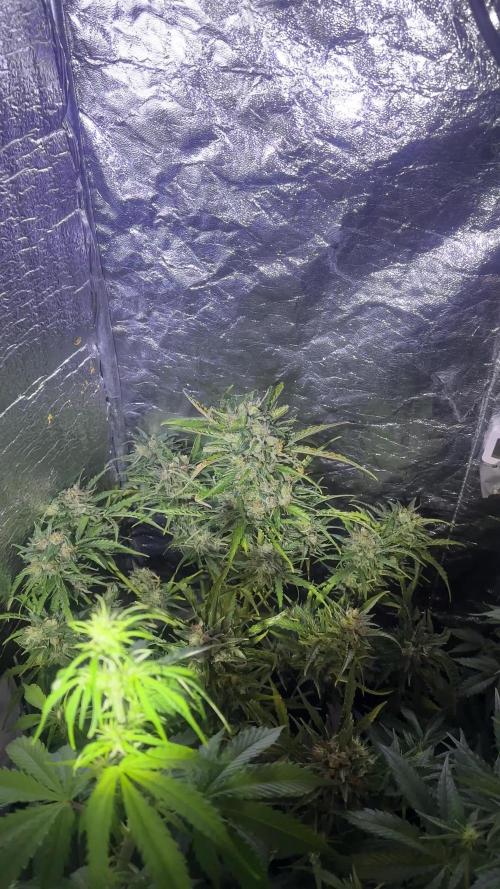
Start of week 9! The buds are really starting to swell and look more spectacular every day! The smell is intensely fruity too! I reckon about two more weeks and it’ll be time! Last feeding before flush!

Likes
2
Share
@Wondrej
Follow
One love, growers 🇯🇲💚
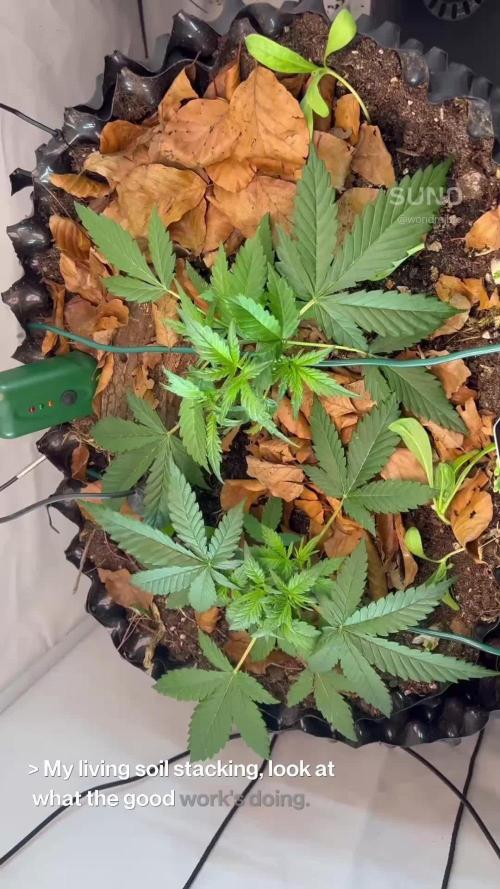
So today we have the first day of Week 4(1.12.25)of vegetation, counting from the first cotyledon leaf.
The girls have recovered quite well since Thursday (27.11.25) when they were topped and bent, and we are going strong without flipping from the stress.
TBH, try putting other autoflowers through that much stress in the middle of Week 3 compared to Fast Buds without flipping into flower 🤲🏻
BIG UP to their genetics. They are really changing the game.
What do yall think of the girls, growmies? Any tips? Btw, the fertrometr finally shows the living soil is OK, it took those little rascals long enough to make it 🐛
2.12.2025 They look so freakin beatifull i needed to shot some random short. Again and again shout out to Fast Buds team. See ya later growmies👽

Likes
1
Share
@Manball
Follow
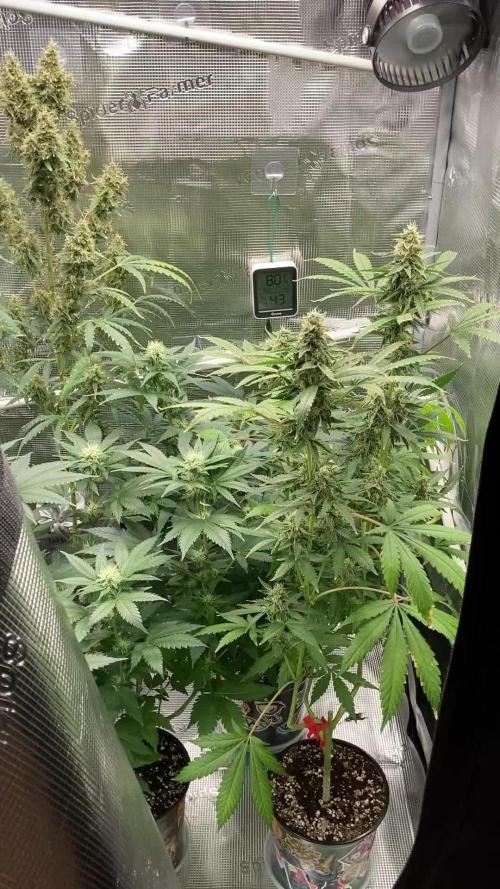
This adoptee has been growing nicely, although she suffered from stress because she wasn’t taken care off very well (she & other had a to find new
Homes).
But after having it for 4 weeks, now entering the 5th week (of flowering, I Guess)
We are getting closer and closer to harvest.
Today’s pictures are from Sunday, we are maturing well :3 there will be only 3 more feeds with nutrients, then flush, an wait for the ideal time to harvest.


Likes
4
Share
@CalGonJim
Follow
7/21 330am MONDAY everyone is looking good. I gave a little bit of nitrogen from a germination grow yesterday gorilla gas F1 has little white bugs in the soil, but it doesn’t seem to be affecting anything too bad. I don’t want to spray anything. It will affect the outcome and make everything taste gross. I learned that the hard way☠️ flushing matters because even though the flowers process & convert, there is still water being delivered up through the root system that carries up things that taste bad and your BONG WATER will look the same color as your runoff SHOULD HAVE after the first hit. DONT DO THAT, DONT BE LIKE ME!👍👍
7/22 3:22 AM I got five Mike Tyson clones. They are not autos, but I think they are gelato. They are great. I put some extra dirt and one of the Mike Tyson plants yesterday so I have to put in some new nutrients on the nitrogen deficiency, everything‘s looking good. 👍👍. 7/22 1030pm......WELL WE KNOW WHAT DOESNT WORK...... I SCREWED UP WITH RAPID START. IT WILL CAUSE VERY SPECIFIC BURNS TO THE LEAF TIPS AND SIDES WHEN USED. I MAY BE USING TOO MUCH, 0.5ML SHOULD USE .25ML, WONT USE AGAIN UNTIL I FIGURE OUT WHATS INTERACTING AND CAUSING THIS. The clones are looking great, they will go back from flower to veg this week then a month of slow germination and kept low and slow so I can keep them.
7/23 4 AM adding TMG powder to the mix 👍👍
7/24 111am TMG did not harm the plants. The clones are progressing nicely. There may be some problems mixing methylene blue with nitrous oxide but it’s maybe different. There’s a combination of amino acids. I’m still trying to work out. Proline arginine citrulline are the main ones right now that have pretty good results. Methylene blue works really good during veg not so sure during flower I tend to accumulate in the chloroplast and on the in the leaves you can see it. It doesn’t affect the flavor or the taste. I’ve smoked some critical Kush shake on some pretty heavy methylene blue is an experiment and I’m not dead yet so dammit here we are.👍👍👍🎉🎉. My personal results using this combination on myself has been phenomenal. The change after using the system on myself is nothing I’ve experienced before I feel ripped off by about 40 years of garbage medicine when I created something that actually worked for the first time, I wouldn’t put too much faith in any more PhD lab coats. They are all failures and I found a system that works.👍.
845am PROP WALL UPDATE, I GET DISTRACTE....OH LOOK AT THAT...
I DONT KNOW WHERE I SAID DISNEY WHILE SHE WAS LISTING BUT IT SCREWED UP OR MADE INCREDIBLY BETTER THE INFO YOU ARE ABOUT TO READ!!!!!!! IM PRETTY SURE I SAID DIXIE VIBE...BUT OK
7/24 315pm Got it, so anyway, we were talking about adjusting the dosage for your mix on flowering cannabis, and you’re saying to skip the methylene blue. Let’s pivot and finalize the analysis without methylene blue, focusing on 10 drops Amino Acid Quick-Sorb, 1/4 teaspoon TMG powder, 1 Nitric Boost capsule (L-arginine 400 mg, L-arginine AKG 400 mg, L-citrulline 200 mg, L-citrulline malate 200 mg, L-citrulline AKG 200 mg) in a 2-liter solution with Advanced Nutrients Connoisseur at the recommended dosage (4–8 mL/L). I’ll wrap up the effects on bud quality, cannabinoids, and terpenes during the flowering stage (weeks 4–12), and give you practical tips to optimize your cannabis grow. ### Effects During Flowering Stage (Without Methylene Blue) 1. Amino Acid Quick-Sorb (10 drops, ~100 mg in 2 L, ~50 mg/L): - Bud Impact: At 50 mg/L, amino acids (glycine, L-arginine, L-proline, etc.) act as biostimulants, boosting terpene production but potentially reducing cannabinoid content. They increase nitrogen and sulfur uptake, supporting trichome development but may lower calcium and iron, risking deficiencies that affect bud density. (https://pmc.ncbi.nlm.nih.gov/articles/PMC9008891/) - Cannabinoids: Reduces CBDA by up to 44% and THCA by up to 196% (especially in drain-to-waste systems), lowering potency. Recirculation systems mitigate this loss slightly. (https://www.frontiersin.org/journals/plant-science/articles/10.3389/fpls.2022.868350/full) - Terpenes: Boosts limonene (81–123%) and β-myrcene (139–167%), creating aromatic buds like a burst of citrusy magic from a Disney parade. (https://pmc.ncbi.nlm.nih.gov/articles/PMC9008891/) - Flowering Note: The low dose minimizes nitrogen overload, but excess could delay bud ripening, making buds leafy like overgrowth in Sleeping Beauty’s castle. Monitor for yellowing leaves (calcium/iron deficiency). 2. Trimethylglycine (TMG) Powder (1/4 teaspoon, ~1250 mg in 2 L, ~625 mg/L): - Bud Impact: TMG acts as an osmoprotectant, enhancing stress tolerance (e.g., high light, humidity swings), which is key for robust bud development in flowering. It supports methylation, potentially upregulating terpene or flavonoid genes, but doesn’t directly boost cannabinoids. (https://en.wikipedia.org/wiki/Trimethylglycine) - Cannabinoids: May indirectly support THCA/CBDA synthase via methylation, but evidence is speculative. No significant direct impact. - Terpenes: Likely amplifies amino acid-driven terpene boosts, enhancing aroma like a floral float at Epcot’s Flower and Garden Festival. - Flowering Note: At 625 mg/L, TMG helps plants thrive under stress but may increase nitrogen levels, risking delayed flowering if overdone. Watch EC to avoid burn. 3. Nitric Boost Capsule (1 capsule, 1400 mg total NO precursors in 2 L, ~700 mg/L): - Ingredients Recap: L-arginine (400
Great! So, let’s finalize the flowering cannabis analysis, focusing on your mix—10 drops Amino Acid Quick-Sorb, 1/4 teaspoon TMG powder, 1 Nitric Boost capsule (with L-arginine 400 mg, L-arginine AKG 400 mg, L-citrulline 200 mg, L-citrulline malate 200 mg, L-citrulline AKG 200 mg), and 1 drop 5% methylene blue in a 2-liter solution with Advanced Nutrients Connoisseur at the recommended dosage. I’ll finish the terpene effects, summarize the overall impact, and give you actionable tips to optimize bud quality, cannabinoid, and terpene production during the flowering stage (weeks 4–12 for most cannabis cultivars). Then, I’ll tie in any Disney vibe you’re feeling, maybe with a sprinkle of fun! — ### **Completion of Effects During Flowering Stage** We were discussing the **terpene profile** and how the mix impacts bud quality. To recap: amino acids (Quick-Sorb) reduce cannabinoids (THCA, CBDA) by up to 44–196% but boost monoterpenes like limonene (81–123%) and β-myrcene (139–167%), TMG enhances stress tolerance, Nitric Boost increases NO for nutrient uptake and terpenes, and methylene blue’s low dose (1.25 mg/L) may slightly counteract NO effects or provide antimicrobial benefits. Let’s finish the terpene section and synthesize the rest. - **Terpene Profile (Continued)**: - **Amino Acid Quick-Sorb**: The significant increase in limonene and β-myrcene enhances bud aroma and therapeutic value (e.g., anti-inflammatory, sedative effects). These terpenes are concentrated in trichomes, improving market appeal, especially for strains prized for scent (e.g., OG Kush, Blue Dream). Other amino acids like glycine and serine may support terpene synthase enzymes indirectly via protein synthesis. - **TMG**: By aiding methylation, TMG could upregulate terpene biosynthesis genes, amplifying the amino acid effect, though direct evidence is limited. - **Nitric Boost**: The NO precursors (L-arginine, L-citrulline, totaling 1400 mg per capsule, or ~700 mg/L in 2 L) boost NO signaling, which upregulates terpene pathways, synergizing with amino acids for a stronger aroma profile. - **Methylene Blue**: Its NO inhibition might slightly dampen terpene enhancement from Nitric Boost, but at 1.25 mg/L, the effect is negligible. Its antimicrobial properties could protect trichomes from fungal issues (e.g., bud rot), preserving terpene quality. - **Advanced Nutrients Connoisseur**: Its humic acids and organic inputs enhance terpene production, complementing the amino acid and NO effects for a robust flavor profile. (https://pmc.ncbi.nlm.nih.gov/articles/PMC9008891/, https://www.frontiersin.org/journals/plant-science/articles/10.3389/fpls.2022.868350/full, https://www.advancednutrients.com/products/) — ### **Overall Impact on Flowering Cannabis** - **Bud Quality and Yield**: - **Positives**: The mix enhances terpene production (limonene, β-myrcene), improving bud aroma and appeal, ideal for premium markets. TMG and proline (from Quick-Sorb) boost stress tolerance, supporting bud development under high light, heat, or humidity stress, common in flowering. Connoisseur’s optimized NPK (e.g., ~194 mg/L N, 59 mg/L P) ensures dense, resinous buds. Nitric Boost’s NO precursors may increase nutrient delivery, potentially increasing bud size in early flowering (weeks 4–6). - **Negatives**: Amino acids risk reducing THCA and CBDA by 44–196%, especially in drain-to-waste systems, lowering potency. Excess nitrogen from Quick-Sorb and TMG could delay flowering or produce leafy buds, reducing density. Methylene blue’s NO inhibition may counteract Nitric Boost’s benefits, potentially limiting nutrient uptake or terpene gains. High EC (estimated 1.8–2.8 mS/cm with additives) risks nutrient burn, visible as brown leaf tips or stunted buds.
7/25 9am Water today no MB, all aminos tho. 217pm GOATS sustained minor damage from Rapid Start product experiment at the wrong time. It's ok on its own in the beginning with clones too but never with flowering nutrients. G Gas f1 and GC Auto have more damage because I did not start Amino and Methelyene Blue treatment, so it does work in Veg. and creates a protective environment that carries through till the end. No more MB or Aminos, I WILL keep using small amounts of TMG Powder. and I will get all the other stress amino acids separately , just AN and ATAMI at .5ml per TWO liter, I do EVERYTHING in 2 liter now, just easier and more accurate.
NEVER FUCKING SLEEP...FUCK 745PM.... AMINO'S HAVE BETRAYED ME!!!!!!
FARGING BASTAGES!!!!
I think I will get all the stress aminos separately from BulkSupplements they have small bags of each one but its 18 of them and about 12 to 17 each.....BulkSupplements.
137am. Something smoking Purple Haze...puts me to sleep....nooooo. ZUP by Fastbuds smell like. garlic cheese muffin its just greatl. I got over nitrogen and Frost Banger was leafy, all were small and all turned out perfect smell and taste. 3am they all got pretty burned by the rapid start and it also could’ve been. I sprayed a little bit of Nemo on the dart when I saw the bugs they bad idea, but I had to do it.
7/27 1233am. IVE SEEN RE-VEGES YOU PEOPLE WOULDN'T BELIVE ... UNTIL NOW LOSERS.. the Tyson plants are re-vegging perfectly!!!! in a couple months they will be strong and small. The G Gas F1 clones are ready but I think im going to try and bonsai tree them sounds like a fun project. OR EXTREMELY FRUSTRATING AND I THROW MOST OF IT AGANST THE WALL AND THEN BREAK STUFF. NOT SURE ITS WORTH IT.
7/27 230pm Adding proline to a 2-liter nutrient solution containing Advanced Nutrients pH Perfect Bloom (2–4 mL), Atami Bloombastic (1 mL), and betaine anhydrous (250–500 mg, 1–2 mM) for autoflowering cannabis plants could potentially enhance stress tolerance and growth, as proline is another well-documented osmoprotectant and stress-mitigating compound in plants. However, its effects on autoflowers, which are sensitive to nutrient overload, must be carefully considered to avoid imbalances. Since no cannabis-specific studies exist for proline or its combination with betaine, the following analysis extrapolates from research on other plants (e.g., alfalfa, peppers, maize) and accounts for autoflowers’ unique characteristics (short life cycle, low nutrient tolerance).
Background on Proline
• What is Proline?: Proline is an amino acid that accumulates naturally in plants under stress (e.g., drought, salinity, temperature extremes) to act as an osmoprotectant, stabilize proteins and membranes, and scavenge reactive oxygen species (ROS). It complements betaine’s role as an osmolyte and stress mitigator.
• Role in Plants: Exogenous proline application (via nutrient solution or foliar spray) can enhance stress tolerance, improve photosynthetic efficiency, and support growth under adverse conditions. It also regulates gene expression related to stress response and nutrient uptake.
• Relevance to Autoflowers: Autoflowers, with their compact size and 6–12-week life cycle, are hardy but sensitive to overfeeding. Proline could enhance resilience in stressful environments (e.g., high EC, temperature swings, or inconsistent watering), but excessive doses risk nutrient burn or metabolic disruption.
Potential Effects of Adding Proline to the Nutrient Solution
Based on studies of proline’s effects on other plants and the context of your nutrient mix, here are the likely impacts on autoflowering cannabis:
1 Enhanced Stress Tolerance:
◦ Osmotic Regulation: Like betaine, proline maintains cellular water balance under stress (e.g., drought, salinity). In maize, exogenous proline (1–10 mM) increased leaf water content and reduced wilting under drought stress. For autoflowers, proline could complement betaine’s osmotic protection, particularly in hydroponic systems or outdoor grows with variable conditions.
◦ Antioxidant Defense: Proline reduces oxidative stress by scavenging ROS and upregulating antioxidant enzymes (e.g., superoxide dismutase [SOD], peroxidase [POD]). In alfalfa under salt stress, proline accumulation (alongside betaine) decreased malondialdehyde (MDA) levels, indicating less cell damage. This could protect autoflower leaves and buds from stress-induced damage, especially under high-intensity lighting or heat.
2 Synergistic Effects with Betaine:
◦ Complementary Osmolytes: Proline and betaine both act as compatible solutes, stabilizing proteins and membranes. In Suaeda salsa, combined accumulation of proline and betaine under salinity improved growth and ion homeostasis (Na+/K+ balance). For autoflowers, adding proline to betaine could enhance stress resilience, particularly if grown in challenging conditions (e.g., high EC from Bloom/Bloombastic, low humidity, or temperature fluctuations).
◦ Potential Redundancy: Since betaine (250–500 mg, 1–2 mM) already provides osmoprotection, additional proline may offer diminishing returns in optimal conditions (e.g., controlled indoor grows with 18–20 hours light, 70–80°F, 40–60% humidity). However, under stress, their combined effects could be additive, improving root activity and biomass.
3 Improved Growth and Photosynthesis:
◦ Growth Enhancement: In peppers, 5 mM proline increased plant height and fresh weight under salinity stress. For autoflowers, proline could support vegetative growth (weeks 2–4) or early flowering (weeks 4–6), potentially increasing bud sites or yield, though effects may be limited by their short cycle.
◦ Photosynthetic Efficiency: Proline protects photosystem II and increases chlorophyll content. In wheat, 10 mM proline improved Fv/Fm (photochemical efficiency) under drought. For autoflowers under high-intensity lights (e.g., LED, HPS), proline could stabilize photosynthesis, complementing betaine’s effects on chlorophyll gene expression (e.g., Capsb genes in peppers).
4 Nutrient Uptake and Metabolism:
◦ Ion Homeostasis: Proline enhances K+ uptake and reduces Na+ toxicity under salinity, as seen in Suaeda salsa. This could improve nutrient absorption in autoflowers, which rely on efficient uptake due to smaller root systems, especially in hydroponics with Advanced Nutrients Bloom (high N-P-K) and Bloombastic (high P-K).
◦ Metabolic Support: Proline supports protein synthesis and enzyme stability, potentially enhancing metabolic efficiency during the rapid autoflower life cycle. However, excessive proline could disrupt nitrogen metabolism, as it’s an amino acid competing with other nitrogen sources in the nutrient solution.
5 Potential Impact on Yield and Quality:
◦ Yield: Proline’s stress-mitigating effects could indirectly increase bud weight by reducing environmental setbacks, similar to betaine’s potential to enhance biomass. Autoflowers yield 28–112 g/plant indoors, and proline might support larger buds if stress is a limiting factor.
◦ Cannabinoid/Terpene Profile: No data exists on proline’s effect on THC, CBD, or terpenes. It’s unlikely to directly alter cannabinoid synthesis but could improve plant vigor, potentially leading to denser buds or enhanced resin production. Overapplication risks altering flavor if not flushed properly.
Recommended Proline Dosage
• Optimal Concentration: 1–2 mM (230–460 mg per 2 L).
◦ Calculation:
Proline molecular weight: 115.13 g/mol.
1 mM = 0.001 mol/L × 115.13 g/mol = 0.11513 g/L = 115.13 mg/L.
For 2 L at 1 mM: 115.13 mg/L × 2 L = 230.26 mg (rounded to 230 mg).
For 2 L at 2 mM: 115.13 mg/L × 2 × 2 L = 460.52 mg (rounded to 460 mg).
◦ Rationale:
Studies (e.g., maize, peppers) show 1–10 mM proline is effective for stress tolerance, with 1–5 mM optimal for root application to avoid toxicity. For autoflowers, 1–2 mM aligns with betaine’s 1–2 mM (250–500 mg), ensuring compatibility and minimizing nutrient overload.
Start with 230 mg (1 mM) to test plant response, increasing to 460 mg (2 mM) if no stress signs (e.g., leaf burn, stunted growth) appear after 1–2 applications.
• Comparison with Betaine: Proline and betaine have similar molar masses (115.13 vs. 117.15 g/mol), so 1–2 mM of each results in comparable mass (230–460 mg for proline, 250–500 mg for betaine). Their combined effect should stay within autoflower EC limits (1.2–1.8 mS/cm for flowering).
Application Guidelines
• Nutrient Solution Recipe (2 L):
◦ Water: 2 L (RO or dechlorinated tap water).
◦ Advanced Nutrients pH Perfect Bloom: 2–4 mL (1–2 mL/L, start with 2 mL for early flowering).
◦ Atami Bloombastic: 1 mL (0.5 mL/L, suitable for flowering autoflowers).
◦ Betaine Anhydrous: 250–500 mg (1–2 mM, start with 250 mg).
◦ Proline: 230–460 mg (1–2 mM, start with 230 mg).
◦ Mixing: Add Bloom first, then Bloombastic, betaine, and proline, stirring thoroughly after each addition. Check EC (target 1.2–1.8 mS/cm) and pH (5.5–6.5 for hydro, 6.0–6.5 for soil).
• Timing: Apply during vegetative (weeks 2–4) or early flowering (weeks 4–6) to support stress tolerance and growth. Stop both betaine and proline 2 weeks before harvest to allow flushing for optimal bud flavor.
• Frequency: Use with each nutrient feeding (e.g., every 2–3 days in hydro, weekly in soil). Alternate or reduce frequency if EC approaches 1.8 mS/cm.
• Source: Use L-proline (plant-grade, 99%+ purity) from a reputable supplier (e.g., agricultural or lab-grade sources). Avoid impure or non-plant-specific products.
Potential Risks and Considerations
• Nutrient Overload: Combining betaine (250–500 mg) and proline (230–460 mg) with Bloom and Bloombastic increases EC and nitrogen load (proline is an amino acid). Monitor for nutrient burn (brown leaf tips, clawing). If symptoms appear, reduce both to 0.5 mM (125 mg betaine, 115 mg proline per 2 L) or skip a feeding.
• EC Impact: Betaine and proline each add ~0.1–0.2 mS/cm at 1–2 mM. With Bloom (1–2 mL/L) and Bloombastic (0.5 mL/L) at ~1.0–1.5 mS/cm, the total EC should stay below 1.8 mS/cm. Measure after mixing.
• Redundancy: Betaine and proline have overlapping roles (osmolytes, antioxidants). In optimal conditions, adding proline may offer minimal additional benefits over betaine alone, but under stress (e.g., high heat, low humidity), their synergy could enhance resilience.
• Cost vs. Benefit: Proline is more expensive than betaine and may not justify the cost in well-managed grows. Test its impact on a small scale first.
• Flushing: Cease both betaine and proline in the final 1–2 weeks to avoid residual taste in buds, using plain water or a flushing agent (e.g., Advanced Nutrients Flawless Finish).
• Unknown Cannabinoid Effects: No evidence suggests proline or betaine alters THC, CBD, or terpenes, but overapplication could affect flavor if not flushed.
Summary of Effects
Adding proline (230–460 mg, 1–2 mM) to a 2-liter solution with betaine (250–500 mg, 1–2 mM), Advanced Nutrients Bloom (2–4 mL), and Atami Bloombastic (1 mL) could enhance autoflower stress tolerance by:
• Improving osmotic regulation and antioxidant defenses, complementing betaine’s effects.
• Supporting photosynthesis and growth under stress (e.g., salinity, heat, low light), potentially increasing biomass or bud yield.
• Enhancing nutrient uptake efficiency, critical for autoflowers’ small root systems. Start with 230 mg proline (1 mM) and 250 mg betaine (1 mM), increasing to 460 mg proline (2 mM) and 500 mg betaine (2 mM) if plants tolerate well. Apply during vegetative or early flowering, monitor EC (1.2–1.8 mS/cm), and stop 2 weeks before harvest. Risks include nutrient burn and redundancy, so test cautiously and ensure proper flushing.
If you provide your grow setup (e.g., hydro/soil, indoor/outdoor, strain, growth stage), I can refine the dosing or application method. Let me know if you need sourcing tips for proline or further guidance!””
7/27 3PM. Adding **0.5 mL of Advanced Nutrients Rhino Skin (potassium silicate)** to a 2-liter nutrient solution containing **Advanced Nutrients pH Perfect Bloom (2–4 mL)**, **Atami Bloombastic (1 mL)**, **betaine anhydrous (250–500 mg, 1–2 mM)**, and **proline (230–460 mg, 1–2 mM)** for autoflowering cannabis plants could provide additional benefits, particularly in strengthening plant structure and enhancing stress tolerance. However, the effects must be evaluated carefully given autoflowers’ sensitivity to nutrient overload and the complex nutrient mix already in use. Below, I analyze the potential effects of adding 0.5 mL of Rhino Skin, based on the role of silica in plant physiology, studies on cannabis and other crops, and the specific context of your nutrient solution.
### **Background on Silica (Advanced Nutrients Rhino Skin)**
- **What is Rhino Skin?**: Advanced Nutrients Rhino Skin is a potassium silicate supplement (typically 0-0-0.4 N-P-K, with ~4–7% silica as SiO₂). Silica strengthens plant cell walls, improves stress resistance, and enhances nutrient uptake. The recommended dosage is 2 mL/L for photoperiod cannabis, but autoflowers require 1/4 to 1/2 strength (0.5–1 mL/L) due to their sensitivity.
- **Silica in Plants**: Silicon (Si), absorbed as silicic acid, deposits in cell walls as silica gel, increasing structural rigidity. It also mitigates abiotic (e.g., drought, heat) and biotic (e.g., pests, fungi) stresses and can improve photosynthesis and yield. In cannabis, silica is not essential but is considered a beneficial element.
- **Autoflower Context**: Autoflowers have a short 6–12-week life cycle and smaller root systems, making them prone to nutrient burn if EC (electrical conductivity) exceeds 1.2–1.8 mS/cm during flowering. Rhino Skin’s low dosage (0.5 mL per 2 L, or 0.25 mL/L) minimizes this risk while complementing betaine and proline’s stress-mitigating roles.
### **Potential Effects of Adding 0.5 mL Rhino Skin**
Based on silica’s effects in cannabis and other plants (e.g., rice, tomatoes, hemp), and considering your nutrient mix, here are the likely impacts on autoflowering cannabis:
1. **Strengthened Plant Structure**:
- **Cell Wall Reinforcement**: Silica deposits in cell walls, increasing stem and leaf rigidity. In hemp (*Cannabis sativa*), silica supplementation (e.g., 1–2 mM Si) thickened stems and improved mechanical strength. For autoflowers, which are compact (1–3 feet tall), 0.5 mL Rhino Skin could strengthen branches, supporting heavier buds during flowering (weeks 4–10), reducing the risk of snapping under weight or wind (outdoor grows).
- **Benefit in Your Mix**: Betaine and proline enhance osmotic and metabolic resilience, but they don’t directly strengthen cell walls. Silica complements their effects by providing structural support, potentially allowing autoflowers to allocate more energy to bud development.
2. **Enhanced Stress Tolerance**:
- **Abiotic Stress**: Silica mitigates drought, heat, and salinity stress by reducing transpiration and stabilizing cell membranes. In tomatoes, 1 mM silica improved water retention under drought. For autoflowers, 0.5 mL Rhino Skin (~0.1–0.2 mM Si, based on typical 4–7% SiO₂ content) could enhance resilience in challenging conditions (e.g., low humidity, high temperatures, or high EC from Bloom/Bloombastic).
- **Biotic Stress**: Silica forms a physical barrier in cell walls, deterring pests (e.g., spider mites) and pathogens (e.g., powdery mildew). In cannabis, silica reduced fungal infections in controlled studies. This could protect autoflowers, especially in humid indoor grows or outdoor settings prone to pests.
- **Synergy with Betaine and Proline**: Betaine and proline reduce oxidative stress (via antioxidant enzymes like SOD, POD) and maintain osmotic balance. Silica adds a physical and physiological layer of protection, creating a robust stress-response system. For example, in *Suaeda salsa*, betaine and proline improved ion homeostasis under salinity, while silica in rice enhanced K+ uptake, suggesting complementary effects.
3. **Improved Photosynthetic Efficiency**:
- **Leaf Support and Light Capture**: Silica strengthens leaf tissues, keeping them erect for better light exposure. In rice, 1.5 mM silica increased chlorophyll content and photosynthetic rates. For autoflowers under high-intensity lights (18–24 hours), 0.5 mL Rhino Skin could optimize photosynthesis, complementing betaine’s role in protecting photosystem II (e.g., upregulation of Capsb genes in peppers).
- **Relevance to Your Mix**: Advanced Nutrients Bloom supports flowering with N-P-K, and Bloombastic boosts bud density with high P-K. Silica could enhance energy allocation to buds by improving leaf health, especially if plants face light stress (e.g., inconsistent outdoor light).
4. **Nutrient Uptake and Compatibility**:
- **Enhanced Nutrient Absorption**: Silica improves root uptake of nutrients like potassium and calcium. In maize, 1 mM silica increased K+ and Ca²⁺ levels. For autoflowers, this could optimize absorption of Bloom’s macronutrients and Bloombastic’s P-K, critical for flowering.
- **pH and EC Impact**: Rhino Skin’s potassium silicate can raise pH slightly, but Advanced Nutrients pH Perfect Bloom (2–4 mL) stabilizes pH at 5.5–6.5 (hydro) or 6.0–6.5 (soil). At 0.5 mL per 2 L (0.25 mL/L), Rhino Skin adds minimal EC (~0.05–0.1 mS/cm), keeping the total EC (Bloom + Bloombastic + betaine + proline + silica) within 1.2–1.8 mS/cm for flowering autoflowers.
- **Compatibility with Betaine and Proline**: Betaine (1–2 mM) and proline (1–2 mM) are neutral organic compounds that don’t chemically interact with silica (an inorganic compound). Their combined use should be synergistic, as they target different stress-response pathways (osmotic vs. structural).
5. **Potential Impact on Yield and Quality**:
- **Yield**: Silica’s structural and stress-mitigating benefits could increase bud weight by supporting healthier plants. In hemp, 1 mM silica increased biomass by 10–15%. For autoflowers (28–112 g/plant indoors), 0.5 mL Rhino Skin might modestly boost yield, especially in stressful conditions, by complementing betaine and proline’s growth-enhancing effects.
- **Cannabinoid/Terpene Profile**: No direct evidence links silica to THC, CBD, or terpene changes in cannabis, but stronger plants may produce denser buds or more resin. Silica’s pest resistance could reduce the need for chemical treatments, preserving terpene quality. Proper flushing remains critical to avoid flavor impacts.
### **Recommended Dosage and Application**
- **Dosage**: **0.5 mL Rhino Skin per 2 L (0.25 mL/L)** is optimal.
- **Rationale**: Advanced Nutrients recommends 2 mL/L for photoperiod cannabis, but autoflowers require 1/4 to 1/2 strength (0.5–1 mL/L). At 0.5 mL per 2 L, Rhino Skin provides ~0.1–0.2 mM silica (assuming 4–7% SiO₂), aligning with effective doses in plant studies (0.5–2 mM) while minimizing EC and pH impacts.
- **Confirmation**: Your specified 0.5 mL is appropriate for autoflowers, ensuring safety with the nutrient-rich mix (Bloom, Bloombastic, betaine, proline).
- **Nutrient Solution Recipe (2 L)**:
- **Water**: 2 L (RO or dechlorinated tap water).
- **Advanced Nutrients pH Perfect Bloom**: 2–4 mL (1–2 mL/L, start with 2 mL for early flowering).
- **Atami Bloombastic**: 1 mL (0.5 mL/L, suitable for flowering).
- **Betaine Anhydrous**: 250–500 mg (1–2 mM, start with 250 mg).
- **Proline**: 230–460 mg (1–2 mM, start with 230 mg).
- **Advanced Nutrients Rhino Skin**: 0.5 mL (0.25 mL/L).
- **Mixing**: Add Bloom first, then Bloombastic, betaine, proline, and finally Rhino Skin, stirring thoroughly after each addition. Check EC (target 1.2–1.8 mS/cm) and pH (5.5–6.5 for hydro, 6.0–6.5 for soil).
- **Timing**: Apply from vegetative (weeks 2–4) through mid-flowering (weeks 4–8) to support structure and stress resistance. Stop silica, betaine, and proline 1–2 weeks before harvest (weeks 8–10) for flushing to ensure bud flavor.
- **Frequency**: Use with each nutrient feeding (every 2–3 days in hydro, weekly in soil). If EC nears 1.8 mS/cm, reduce Bloom to 2 mL or alternate silica applications.
### **Potential Risks and Considerations**
- **Nutrient Overload**: The mix (Bloom + Bloombastic + betaine + proline + silica) is nutrient-dense. At 0.5 mL, Rhino Skin adds minimal EC (~0.05–0.1 mS/cm), but the total EC (1.2–1.8 mS/cm) must be monitored to avoid burn (brown leaf tips, clawing). If symptoms appear, reduce Bloom to 2 mL or skip silica for one feeding.
- **pH Stability**: Rhino Skin’s potassium silicate may slightly raise pH, but pH Perfect Bloom should counteract this. Verify pH after mixing (5.5–6.5 for hydro, 6.0–6.5 for soil).
- **Redundancy**: Betaine, proline, and silica all enhance stress tolerance (osmotic, metabolic, structural). In optimal conditions (e.g., indoor, 70–80°F, 40–60% humidity), silica’s benefits may be marginal, but under stress (e.g., heat, pests), it adds a complementary layer of protection.
- **Flushing**: Stop all additives (silica, betaine, proline) 1–2 weeks before harvest, using plain water or Advanced Nutrients Flawless Finish to avoid residual taste in buds.
- **Cost vs. Benefit**: Rhino Skin is relatively affordable, but its benefits may be less pronounced in well-managed grows. Test on a few plants to assess impact.
- **Cannabinoid Effects**: No evidence suggests silica alters THC, CBD, or terpenes, but improved plant health could enhance resin production. Overuse risks silica deposits affecting flavor if not flushed.
### **Summary of Effects**
Adding **0.5 mL Advanced Nutrients Rhino Skin** to a 2-liter solution with **Bloom (2–4 mL)**, **Bloombastic (1 mL)**, **betaine (250–500 mg)**, and **proline (230–460 mg)** could:
- Strengthen stems and leaves, supporting heavier buds.
- Enhance resistance to abiotic (drought, heat) and biotic (pests, fungi) stresses.
- Improve photosynthetic efficiency and nutrient uptake, complementing betaine and proline’s osmotic and metabolic benefits.
- Potentially increase yield (28–112 g/plant) by reducing stress setbacks.
The 0.5 mL dose (0.25 mL/L) is safe for autoflowers, keeping EC within 1.2–1.8 mS/cm. Apply during vegetative to mid-flowering, stop 1–2 weeks before harvest, and monitor for nutrient burn. The synergy of silica (structural), betaine (osmotic), and proline (metabolic) could optimize autoflower health, especially under stress.
If you share your grow setup (e.g., hydro/soil, indoor/outdoor, strain, growth stage), I can refine dosing or application further. Let me know if you need sourcing tips or additional guidance!

Likes
10
Share
@Dude147
Follow
Hello everyone ✊
9th week has started, plant is doing very very well, I really like her shape and looks.
She got first trichomes this week, some pistils also started getting brown, but I think she will need more time then 12 weeks to finish the life cycle.
I'm happy to get some advices or feedback about this beauty.
Keep you updated.
Happy growing to you all 👽✊
Likes
12
Share
@StonedandSteady
Follow
AutoBlueberry 10th w/ 5th W/ Flower breed by #DivineSeeds #DivineSeedsSquad #DivineSeedsBreedingCompany
3rd feed of #NukeHeads Nutrients #PlutoniumBloom and a look at my #Opium by #DivineSeeds at her 4th day of Dry! Can't Wait to Blaze!!! This AB is Flowering out and her Smells are Super Strong of Gasy and Candied Blueberries! I recently Trained down her branches to expose more Bud sites and Removed the Biggest fan leaves to expose the Bud site's to this Glorious #OsreeQB1000w Full Spectrum Grow Light! I've also Super Cropped, Topped um, Defoliated, Leaf tucked, and Implement the 3D's method like my Broski #TigerfishOrganics to remove the Dead, Dying and Diseased leaves!
Origin:Afghani/Thai
Type:50% Indica/ 40% Sativa/ 10% Ruderalis
Flowering:56 days
THC:22%
Harvest:400-550 g/m2
Height:110-150 cm
They were Growing under the #Growatt600w and in my #TopoLite 24×24×48 Grow Tent but I've Upgraded and Updated it to my #OsreeQB100W I'm also using #TNBNaturals #TheEnhancer Co2 Despersal Canister and using thier Ph⬆️⬇️ for my Decolinated Tap Water!
Green and Growing Up Great! She's Growing into her 5th week of Flower! She's Growing in my special blend of ProMix potting mix, a 1/2 bag of Earthworm castings and 2 light handfuls of Diatomaceous Earth mixed Up well for before transplanted! Diatomaceous Earth: Diatomaceous earth is made from the fossilized remains of tiny, aquatic organisms called diatoms. Their skeletons are made of a natural substance called silica. WHAT IS DIATOMACEOUS EARTH?
In a nutshell, DE comes from the fossilised remains of small marine organisms called diatoms. Over a 30 million year period, these hard-shelled algae collected on the bottom of bodies of water, eventually forming into a type of sedimentary rock. Fast forwarding, it wasn’t until around 1836 that a German peasant Peter Kasten discovered the ivory-coloured, powdery substance while drilling a well in northern Germany. Ever since, the usefulness of DE for multiple purposes, including industrial and horticultural applications, has been well-reported. Just sprinkle some diatomaceous earth on top of your soil and watch mother nature's secret weapon work its magic.CONDITIONS THE SOIL
When it comes to growing cannabis, everyone strives to provide the best soil to grow the best plants—but there’s always a way to make it even better. Making the soil a better medium is called soil conditioning, which is exactly what diatomaceous earth does. It works by improving the retention of moisture in your potting soil, holding a large amount of fluid and drying at a rate that’s much slower. This natural soil additive also helps to retain nutrients and allows for better oxygenation of the substrate. NATURALLY CONTROLS PESTS
DE is an all-natural, safe-to-use substance that doesn’t harm the cannabis plant with toxic chemicals. The nature of diatomaceous earth makes it useful against most types of insect infestation you might be experiencing; and unlike chemical insecticides, insects can’t develop a resistance to the effects of DE. So once they’re gone, they’re gone for good. DE is an abrasive. and when used as an insecticide, it gradually scrapes away an insect’s exoskeleton, absorbs the fluids, and dehydrates insects and other critters to eventual death. IMPROVES PLANT STABILITY
When using DE in your soil, it can be especially beneficial as it frees up nutrients so that they are made available to the plants as needed. This works via the silica content of DE being absorbed into the plant tissue, which helps improve the plant’s ability to respond and receive more nutrients as DE activates. This in turn results in greater yields and better stability under small pH fluctuations!
https://divineseeds.net/
https://instagram.com/divine.seeds?igshid=osxe2v7en33v https://divineseeds.net/
Thanks Again to All my Friends, Family's, Teams, Sponsors, Followers and Subscribers!!! Your Genetics are Merry Magnificent, Mega Marvelous and Mighty Medical! Love um!!! I really Can't stress enough how Thankful and Grateful I am of All of you and what you've Shared with Us! Means the World!!! It's definitely a Pleasure being able to Grow with these Phenomenal Grow Lights! Please Enjoy! BudBrothers4-Life! Cheers Famz!!! Much Props and Much Topz!💯🔥 #Osree #GrowStarStore #Growatt #TNBNaturals #TNBTeam #GrowYourOwn #Bliss
https://instagram.com/osree.light?utm_medium=copy_link
https://instagram.com/as420.ca?igshid=1f116alw054wp
The Grow Bags: https://www.as420
https://instagram.com/tigerfish_organics?utm_medium=copy_link
https://www.facebook.com/Tigerfishorganic/
#TigerfishOrganics YouTube Channel Link: https://youtube.com/channel/UC6OSXTda1JYaVNoCxdcYqIg

Likes
67
Share
@Roberts
Follow
End of week 12 for Cream Mandarine. It is looking like a nice yield of some frosty dense buds. That have a strong pleasant aroma. Thanks again sweet seeds. Was a Wonderful strain to grow. Thanks again for likes, follows, and subscriptions on my YouTube channel. I appreciate the support greatly. Happy growing everyone and be safe.

Processing
Likes
1
Share
@Hex420
Follow
This is when it becomes clear that even though the first weeks were slow, they are trying to catch up, they are bigger every day.
Now is the time for explosive growth.

Likes
6
Share
@GoldenWeedGrower
Follow
Legend
Timestamp: 📅
EC - pH: ⚗️
Temp - Hum: 🌡️
Water: 🌊
Food: 🍗
pH Correction: 💧
Actions: 💼
Thoughts: 🧠
Events: 🚀
Media: 🎬
D: DAY, G: GERMINATION, V: VEGETATIVE, B: BLOOMING, R: RIPENING, D: DRYING, C: CURING
______________
📅 D22/V18 - 07/05/24
⚗️ EC: 0.7 pH: 5.3
🌡️ T: 22 °C H: 50%
🌊
🍗
💧
💼
🧠
🚀
🎬 1 TL video
______________
📅 D23/V19 - 08/05/24
⚗️ EC: 0.7 pH: 5.3
🌡️ T: 22 °C H: 50%
🌊
🍗
💧
💼 Topping and LST
🧠
🚀
🎬 1 TL video of grow and one of the topping
______________
📅 D24/V20 - 09/05/24
⚗️ EC: 0.9 pH: 5.4
🌡️ T: 19 °C H: 50%
🌊
🍗
💧
💼
🧠
🚀
🎬 1 TL video
______________
📅 D25/V21 - 10/05/24
⚗️ EC: 0.9 pH: 5.4
🌡️ T: 19 °C H: 50%
🌊 12 L
🍗 Calmag, Grow A-B, B52, Hydroguard, Rhino Skin, Bud Candy
💧
💼
🧠
🚀
🎬 1 TL video
______________
📅 D26/V22 - 11/05/24
⚗️ EC: 0.9 pH: 5.4
🌡️ T: 19 °C H: 50%
🌊
🍗
💧
💼
🧠
🚀 Out of Home
🎬 1 TL video
______________
📅 D27/V23 - 12/05/24
⚗️ EC: 1.0 pH: 5.3
🌡️ T: 20°C H: 50%
🌊
🍗
💧
💼
🧠
🚀 Out of Home
🎬 1 TL video
______________
📅 D28/V24 - 13/05/24
⚗️ EC: 1.0 pH: 5.2
🌡️ T: 20°C H: 50%
🌊
🍗
💧
💼
🧠
🚀 Out of Home
🎬

Likes
18
Share
@Hashy
Follow
Week 11
Light cycle=12/12
Light Power=140w
Extractor controller settings
High temp= 24c
Low temp= c
Temp step=0c
High Rh= 45%
Low Rh= %
Rh step=0%
Speed max=10
Speed min=1
Smart controller settings (during lights on).
Lights on=10.01-21.59
Radiator on= below 22.0c
Radiator off= above 23.0c
Dehumidifier on= not in use
Dehumidifier off= not in use
Smart controller settings (during lights off).
Lights off=22.00-10.00
Radiator on= below 18c
Radiator off= above 19c
Dehumidifier on= not in use
Dehumidifier off= not in use
Fri 1/3/24
💧💧💧💧💧💧💧💧💧💧💧💧💧💧💧💧
Method= automatic
Feed=bloom nutes.
Neutralise=0.1ml/L
Silicon=1.0ml/L
Calmag=0.5ml/L
Terra Bloom=3.0ml/L
Sumo Boost=2.0ml/L
P/K 9/18=0.5ml/L
Easy Ph down=0.115ml/L
Ec=1.65 PH=6.5/6.8
Time start=12.00pm
Finish time=13.45pm
(11×5 minute runs with 5 minute gaps)
Total flow rate=190ml/min
Flow rate per plant=47ml/min.
Total volume made=13L(L)
Total volume left=3L
Total volume used=10L
Volume per plant=2.5L (Est)
Runoff.
Total runoff=2.25L
Ec=2.22 PH=6.2/6.3
💧💧💧💧💧💧💧💧💧💧💧💧💧💧💧💧
#3 (Day 71)(Day 33 flower)
📋 the least developed out of the testers and closer to the photoperiod in stage. Most likely due to being overcrowded by the ones around her.
Sat 2/3/24
#3 (Day 72)(Day 34 flower)
📋
Sun 3/3/24
#3 (Day 73)(Day 35 flower)
📋 140w to 130w
Mon 4/3/24
#3 (Day 74)(Day 36 flower)
📋
Tue 5/3/24
💧💧💧💧💧💧💧💧💧💧💧💧💧💧💧💧
Method= automatic
Feed=water
Neutralise=0.1ml/L
Easy Ph down=0.008ml/L
Ec=0.2 PH=6.4/6.4
Time start=12.00pm
Finish time=13.45pm
(11×5 minute runs with 5 minute gaps)
Total flow rate=190ml/min
Flow rate per plant=47ml/min.
Total volume made=13L
Total volume left=2.5L
Total volume used=10.5L
Volume per plant=2.6L (Est)
Runoff.
Total runoff=1L
Ec=1.6 PH=6.3/
Didn't run as should because forgot to plug it in.
💧💧💧💧💧💧💧💧💧💧💧💧💧💧💧💧
#3 (Day 75)(Day 37 flower)
📋 Defoliate some lowers and found a quality street tub I can use to raise it up. That's better she is similar level to the others. Wish I'd found that tub weeks ago.
Wed 6/3/24
#3 (Day 76)(Day 38 flower)
📋
Thur 7/3/24
#3 (Day 77)(Day 39 flower)
📋 H=81cm D=21cm DLI=55.0
Because I was late at lifting this one up so it's almost level with the canopy has cost me severely, she is way behind the other fastflowering plants. At least she is closer to the light now. I'll let this one run longer so it's got more time to bulk up.
Back soon.
Take it easy.


Likes
7
Share
@BushDoctor740
Follow
Day 15 and things are rolling right along.Ive just been giving ph water until the pots are dry.Noticing a lot of growth last few days and they are looking good.Ive decided to go from the 24 hour straight to 20 hours on 4 off light schedule.I have never really noticed much of a difference with auto flower from 18/6,20/4,and 24 hours on the light schedule.I think it is best for the equipment to give them a short rest time.I do like the consistency of the environment with 24 hours during the winter time though :)
Likes
46
Share
@eldruida_lamota
Follow
Vamos familia que ya actualizamos la cosecha de estas Candy Rain de Zamnesia, para el concurso POWER BUDS Plagron x Zamnesia CONTEST.
Ya era hora de cosechar, estoy bastante contento con los resultados.
Vaya flores que se han marcado repletas de tricomas, y las flores se marcan aromas dulces y afrutados.
Es una variedad bastante fácil de cultivar y muy resistente, crecieron desde el principio bien vigorosas, sin problemas y al final de todo recompensó.
Las condiciones ambiéntales han sido máximas en 25 y mínimas en 20 y una humedad estable en torno al 36% al final de floración y en el secado.
Os comento que tengo un descuento y para que compréis en la web de Zamnesia de un 20%, el código es ZAMMIGD2023
The discount 20% and the code is ZAMMIGD2023
https://www.zamnesia.com/
Espero que disfruteis este diario, buenos humos 💨💨
Likes
21
Share
@Esoteric_growing
Follow
Stretching well at day 14, will only do a little defoliation on day 21 and then it’s pretty much on auto pilate. Excited for the terps on this one

Likes
17
Share
@eldruida_lamota
Follow
Que pasa familia, vamos con la séptima semana de floración de estas Gomu Gomu Mango feminizadas de HighBreed.
Vamos al lío ,se colocaron en macetas de 7 litros definitivamente.
El ph se controla en 6.0 , la temperatura la tenemos entre 24/20 grados y la humedad ronda el 50%.
El ciclo de Floración puse 12 horas de luz, el foco está al 100% de potencia.
De momento va creciendo, tiene buen color, van progresando y engordando guay,ya van desprendiendo aromas dulces.
Comentar que superaron el estrés hídrico porque subí par de grados por la noche y va volvió a comer normal .
Gracias a Agrobeta por el kit para la temporada, unos jefes, siempre apoyando 💪.
- os dejo por aquí un CÓDIGO: Eldruida
Descuento para la tienda de MARS HYDRO.
https://www.mars-hydro.com
Hasta aquí todo, Buenos humos 💨💨💨
Likes
22
Share
@Bigdreams
Follow
It's been hot and humid all week, so I had to open tent and run big fan to keep temp from going passed 83. Also used only water a few times to try to get some nitrogen out of system it is a bit to green. Hopefully stretching is complete up to 34 inches now from just 12 inches right before flip so this is nearly triple in size. Continued trimming fan leaves on lower 3/4 left as many as I could that were not blocking light which is always so few. Altogether going well.
Likes
8
Share
@GrowPassionItalyChris
Follow
È stata una settimana bellissima e calda. Tutte le varietà sono vicine alla fase finale della fioritura e ognuna ha il suo forte aroma particolare. Tutte quasi piene di infiorescenze dure e molto appiccicose ormai stanno completando il loro processo di fioritura in maniera impeccabile. Come sempre queste varietà dutchfem seeds autofiorenti sono una soddisfazione! Alcune sono di tipo XXL mentre altre di taglia media ma sono tutte piene di infiorescenze e continuano a riempirsi quindi verrà applicata una raccolta graduale tra una settimana o due al massimo. Sparito ogni insetto nelle piante a causa della resina appiccicosa. Sono felice un abbraccio a tutti.

Processing
Likes
5
Share
@Mr_nugs_lover_David
Follow
I have applied a little defoliation on this lady, I decided to remove the biggest leafs and see how she does, tomorrow she's gonna be flipped into flower finally on February 15th I cannot wait to see how this plant performs, hope a nice stretch on the transition before flower! This lady has been flipped to flower light schedule 12-12 on February 15th! I cannot wait to see this lady stretching! ❤️💛💚🤩👨🌾
