Likes
Comments
Share
@Zdenda
Follow
Před čtyřmi dny jsem sundal která jednu už byla.. trichomy už začaly mít i jantarovou kterou nechávám jen trochu..ani né třetinu.Světlo jsem dal na 75%..No a dneska jsem sklidil zbytek. Prorostlé a tvrdé. Lepkavá brokolice mi voní a vypadá to pěkně.. těším se na kouř. Pověsil a nechám schnout.. potom zvážím až suché a ostříhané.
Likes
12
Share
@Tagadatek
Follow
Il me semble que les puissante brûlure son due au pk13-14. J'ai effectuer un rinçage . En attente de résultats, espérons ne pas brûler les bud
Likes
13
Share
@EBPbyEVD
Follow
Strain: LSD auto Age: 52 days from seedling Stage: Flowering General Information: In this grow report, I will share my experience transitioning to organic fertilizers and dealing with salt buildup in my plant, as well as the flowering stage. 1) Transitioning to organic fertilizers: Previously, I had success using mineral fertilizers, but I decided to try organic options for an even more natural and nutrient-rich plant growth. However, during the transition to organic fertilizers, I encountered the issue of salt buildup in the soil. I recognized the problem when I noticed slowed growth and some yellow spots on the leaves. 2) Flushing the plant: To address the salt buildup issue, I decided to flush the plant to remove the excess salts from the soil. Flushing the plant can be done by watering it with a generous amount of clean water, thoroughly rinsing the soil in the pot. This helps to get rid of excess salts that can negatively impact the plant's growth and development. After flushing, I continued to water the plant with only clean water for a few days to allow the soil to recover. 3) Flowering stage: Congratulations on your plant transitioning to the flowering stage! The formation of buds at this time indicates proper development and a healthy state of the plant. It's important to maintain optimal conditions for flowering, including the right lighting, temperature, and humidity. You will also need to ensure the plant receives adequate nutrition, including phosphorus and potassium, to keep it healthy and promote bud development. Overall Conclusion: Transitioning to organic fertilizers can be an exciting step in cannabis cultivation, but sometimes issues like soil salt buildup may arise. It's important to be attentive to signs of nutrient deficiency or excess and take necessary steps to address the problem. For plants in the flowering stage, remember to provide optimal conditions based on their needs. Best of luck with your grow, and I hope your LSD auto plant continues to thrive and give you a bountiful bud harvest! If you have any further questions or need additional information, feel free to ask me!
Likes
9
Share
Welcome to Flower Week 1 of SuperStrains Amnesia I'm excited to share my grow journey with you from my SuperStrains Project . It's going to be an incredible ride, full of learning, growing, and connecting with fellow growers from all around the world! For this Project , I’ve chosen the Feminized Photo Strain Amnesia : Here’s what I’m working with: • 🌱 Tent: 120x60x80 • 🧑‍🌾 Breeder Company: SuperStrains • 💧 Humidity Range: 60 • ⏳ Flowering Time: 10 Weeks • Strain Info: 25%THC • 🌡️ Temperature: 26 • 🍵 Pot Size: 20 • Nutrient Brand: Hy-Pro • ⚡ Lights : 600W x 2 A huge thank you to SuperStrains for allowing me to try my Best with this amazing collection from Photo Strains they managed to Sponsore side by side with theyre Hy-Pro Nutriets . Big thanks for supporting the grower community worldwide! Your genetics and passion speak for themselves! I would truly appreciate every bit of feedback, help, questions, or discussions – and of course, your likes and interactions mean the world to me as I try to stand out in this exciting competition! Let’s grow together – and don’t forget to stop by again to see the latest updates! Happy growing! Stay lifted and stay curious! Peace & Buds!
Likes
47
Share
All content on this diary is for inspirational and educational purposes only. The ideas shared are not a substitute for professional advice. This diary/account is not officially affiliated with Alan Watts or his estate. All materials are used under the principles of fair use. I honor the legacy of Alan Watts by sharing his wisdom respectfully and with the intention of inspiring awareness and self-understanding. 2nd net is up. Early bud formations are promising. holding up to the extremes pretty well, some leaves taking minor damage, but overall, she is holding up, gave her 1 night at 50F see how she would react, stressful. Not advised as it messes with her metabolism, but I want to see if it triggers any anthocyanin response. Love to see her purp up but no signs yet. Remember, For every molecule of glucose produced during photosynthesis, a plant needs to split six molecules of water. This process provides the hydrogen needed for synthesizing glucose and other organic compounds, while oxygen is released as a byproduct. Homework. If Rubisco activity is impaired and it cannot properly function or regenerate its substrate, the plant's leaves are likely to turn a pale green or lime green, a condition known as chlorosis. Essentially, Rubisco activity is highly regulated and susceptible to various environmental and metabolic factors that can cause it to become inhibited, leading to an apparent failure in RuBP regeneration due to a lack of consumption. Rubisco regeneration is intrinsically linked to nitrogen supply because Rubisco is a major sink for nitrogen in plants, typically accounting for 15% to over 25% of total leaf nitrogen. The regeneration phase itself consumes nitrogen through the synthesis of the Rubisco enzyme and associated proteins (like Rubisco activase), and overall nitrogen status heavily influences the efficiency of RuBP regeneration. RuBisCO is a very large enzyme that constitutes a significant proportion (up to 50%) of leaf soluble protein and requires large investments in nitrogen. Insufficient nitrogen supply limits the plant's ability to produce adequate amounts of RuBisCO, thereby limiting the overall capacity for photosynthesis and carbon fixation. Maintaining the optimal, slightly alkaline pH is crucial for the proper function and regeneration of Rubisco. Deviations in either direction (too high or too low) disrupt the enzyme's structure, activation state, and interaction with its substrates, leading to decreased activity and impaired RuBP regeneration. (Lime/yellowing) Structural Component: Nitrogen is an essential building block for all proteins, and the sheer abundance of the Rubisco protein makes it the single largest storage of nitrogen in the leaf. Synthesis and Activity: Adequate nitrogen supply is crucial for the synthesis and maintenance of sufficient Rubisco enzyme and Rubisco activase (Rca), the regulatory protein responsible for maintaining Rubisco's active state. Nitrogen deficiency leads to a decrease in the content and activity of both Rubisco and Rca, which in turn limits the maximum carboxylation rate, Vmax, and the rate of RuBP regeneration Jmax, thus reducing overall photosynthetic capacity. Nitrogen Storage and Remobilization: Rubisco can act as a temporary nitrogen storage protein, which is degraded to remobilize nitrogen to other growing parts of the plant, especially under conditions of nitrogen deficiency or senescence. Nitrogen Use Efficiency (NUE): The allocation of nitrogen to Rubisco is a key determinant of a plant's photosynthetic nitrogen use efficiency (PNUE). In high-nitrogen conditions, plants may accumulate a surplus of Rubisco, which may not be fully activated, leading to a lower PNUE. Optimizing the amount and activity of Rubisco relative to nitrogen availability is a target for improving crop NUE. Photorespiration and Nitrogen Metabolism: Nitrogen metabolism is also linked to the photorespiration pathway (which competes with carboxylation at the Rubisco active site), particularly in the reassimilation of ammonia released during the process. To increase RuBisCO regeneration, which refers to the process of forming the CO2 acceptor molecule Ribulose-1,5-bisphosphate (RuBP) during photosynthesis, the primary methods involve optimizing the levels and activity of Rubisco activase (Rca) and enhancing the performance of other Calvin-Benson-Bassham (CBB) cycle enzymes. Biochemical and Environmental Approaches: Optimize Rubisco Activase (Rca) activity: Rca is a crucial chaperone protein that removes inhibitory sugar phosphates, such as CA1P (2-carboxy-D-arabinitol 1-phosphate), from the Rubisco active site, thus maintaining its catalytic competence. •Ensure optimal light conditions: Rca is light-activated via the chloroplast's redox status. Adequate light intensity ensures Rca can effectively maintain Rubisco in its active, carbamylated state. •Maintain optimal temperature: Rca is highly temperature-sensitive and can become unstable at moderately high temperatures (e.g., above 35°C/95F° in many C3 plants), which decreases its ability to activate Rubisco. Maintaining temperatures within the optimal range for a specific plant species is important. •Optimize Mg2+ concentration: Mg2+ is a key cofactor for both Rubisco carbamylation and Rca activity. In the light, Mg2+ concentration in the chloroplast stroma increases, promoting activation. •Manage ATP/ADP ratio: Rca activity depends on ATP hydrolysis and is inhibited by ADP. Conditions that maintain a high ATP/ADP ratio in the chloroplast stroma favor Rca activity. Enhance Calvin-Benson-Bassham (CBB) cycle enzyme activity: The overall rate of RuBP regeneration can be limited by other enzymes in the cycle. •Increase SBPase activity: Sedoheptulose-1,7-bisphosphatase (SBPase) is a key regulatory enzyme in the regeneration pathway, and increasing its activity can enhance RuBP regeneration and overall photosynthesis. •Optimize other enzymes: Overexpression of other CBB cycle enzymes such as fructose-1,6-bisphosphate aldolase (FBA) and triose phosphate isomerase (TPI) can also help to balance the metabolic flux and improve RuBP regeneration capacity. Magnesium ions, Mg2+, are specifically required for Rubisco activation because the cation plays a critical structural and chemical role in forming the active site: A specific lysine residue in the active site must be carbamylated by a CO2 molecule to activate the enzyme. The resulting negatively charged carbamyl group then facilitates the binding of the positively charged Mg2+ion. While other divalent metal ions like Mn2+ can bind to Rubisco, they alter the enzyme's substrate specificity and lead to dramatically lower activity or a higher rate of the non-productive oxygenation reaction compared to Mg2+, making them biologically unfavorable in the context of efficient carbon fixation. The concentration of Mg2+ in the chloroplast stroma naturally increases in the light due to ion potential balancing during ATP synthesis, providing a physiological mechanism to ensure the enzyme is activated when photosynthesis is possible. At the center of the porphyrin ring, nestled within its nitrogen atoms, is a Magnesium ion (Mg2+). This magnesium ion is crucial for the function of chlorophyll, and without it, the pigment cannot effectively capture and transfer light energy. Mg acts as a cofactor: Mg2+ binds to Rubisco after an activator CO2 molecule, forming a catalytically competent complex (Enzyme-CO2-Mg2+). High light + CO2) increases demand: Under high light (60 DLI is a very high intensity, potentially saturating) and high CO2, the plant's capacity for photosynthesis is high, and thus the demand for activated Rubisco and the necessary Mg2+ cofactor increases. Mg deficiency becomes limiting: If Mg2+ is deficient under these conditions, the higher levels of Rubisco and Rubisco activase produced cannot be fully activated, leading to lower photosynthetic rates and potential photo-oxidative damage. Optimal range: Studies show that adequate Mg2+ application can enhance Rubisco activation and stabilize net photosynthetic rates under stress conditions, but the required concentration is specific to the experimental setup. Monitoring is key: The most effective approach in a controlled environment is to monitor the plant's physiological responses e.g., leaf Mg2+ concentration, photosynthetic rate, Rubisco activation state, and adjust the nutrient solution/fertilizer to maintain adequate levels, rather than supplementing a fixed "extra" amount. In practice, this means ensuring that Mg2+ is not a limiting factor in the plant's standard nutrient solution when pushing the limits with high light and CO2. Applying Mg2+ through foliar spray is beneficial to Rubisco regeneration, particularly in alleviating the negative effects of magnesium (Mg) deficiency and high-temperature stress (HTS). While Mg can be leached from soil, within the plant it is considered a mobile nutrient, particularly in the phloem. Foliar-applied Mg is quickly absorbed by the leaves and can be translocate to other plant parts, including new growth and sink organs. Foliar application of: NATURES VERY OWN MgSO4 @ 15.0g L-1 in a spray bottle. For those high-intensity workouts when 1 meal a day is just not enough! Foliar sprays are often recommended as a rapid rescue measure for existing deficiencies or as a supplement during critical growth stages, when demand for Mg is high. Application in the early morning or late evening can improve absorption and prevent leaf burn. The plant was getting a little limey yellow in the centre. Shortly thereafter, she was back in business, green mostly regenerated. The starting point [of creativity] is curiosity: pondering why the default exists in the first place. We’re driven to question defaults when we experience vuja de, the opposite of déjà vu. Déjà vu occurs when we encounter something new, but it feels as if we’ve seen it before. Vuja de is the reverse—we face something familiar, but we see it with a fresh perspective that enables us to gain new insights into old problems. Confidence is evidence... nothing more. You are confident because you have driven 10,000 times, you are confident because you have spoken 10,000 times. People think confidence is a feeling, but it's not. If you want more confidence, then you need to create evidence, take more shots, collect more data, build more experiences, take more risks; fail, confidence doesn't come first; it is the reward you get for doing the work. no one else wants to do.
Likes
294
Share
@StarLorr
Follow
Welcome to my Ðivine ØĠ Ķush diary. In this diary: Seeds: sponsored by Ðivine Șeeds Media: Promix HP Nutrients: Advanced Nutrients, Diablo Nutrients. Light and Weather: Şun☀️and Mother Earth.🌎 ___________________________ Feeding: Tue 02Jul: 6L water not pH'd Wed 03Jul: 8L nutrients pH'd 6.5 Thu 04Jul: 6L water not pH'd Fri 05Jul: 6L water not pH'd Sat 06Jul: 6L water not pH'd Sun 07Jul: 6L water not pH'd Mon 08Jul: 11L water not pH'd *please note that most water only feedings are 2L at the time throughout the day in bottom saucer* ___________________________ Weather wise nothing to complain about, again some showers overnight nothing to serious, warm nights and days. I've been slapping Japanese Beetles down a bucket with water and dish soap, they have an appetite for my Ðivine Gals i have leaves to spare but enough is enough😤🤨speaking of which i did some minor defoliation on lower part fan leaves and branches that would never reach their full potential. ______________________________ Thanks for stopping by, likes and comments are appreciated!👊🏻😎 Keep on growin! Keep on tokin!!! 😙💨💨💨💨💨
Likes
91
Share
@MrCOCO
Follow
The girls grew up again and are already 110 cm tall. I don't see any problems ... I did supercroping and they are fine too ... We keep going ...🍃🍃🍃
Likes
34
Share
Hey everyone :-). This will only be a short initial update 👍. Today the seed was placed between two fruit cloths and placed in a dark place. I suspect the seed will be ready to be planted in the next 3-5 days :-). The diary starts next week with the planting of the seed :-). I'm really looking forward to the start and until then I wish you all the best 👍. Many thanks to the whole Exotic Seed team for the cooperation 🙏🏻 Stay healthy and let it grow 🍀🙏🏻 You can buy this Strain at : https://www.exoticseed.eu/ Type: Quick Sherbet ☝️🏼 Genetics: 75% Indica / 25% Sativa Sunset Sherbet X Black Lemon 👍 Vega lamp: 2 x Todogrow Led Quantum Board 100 W 💡 Bloom Lamp : 2 x Todogrow Led Cxb 3590 COB 3500 K 205W 💡💡☝️🏼 Soil : Canna Coco Professional + ☝️🏼 Fertilizer: Green House Powder Feeding ☝️🏼🌱 Water: Osmosis water mixed with normal water (24 hours stale that the chlorine evaporates) to 0.2 EC. Add Cal / Mag to 0.4 Ec Ph with Organic Ph - to 5.5 - 5.8 .
Likes
Comments
Share
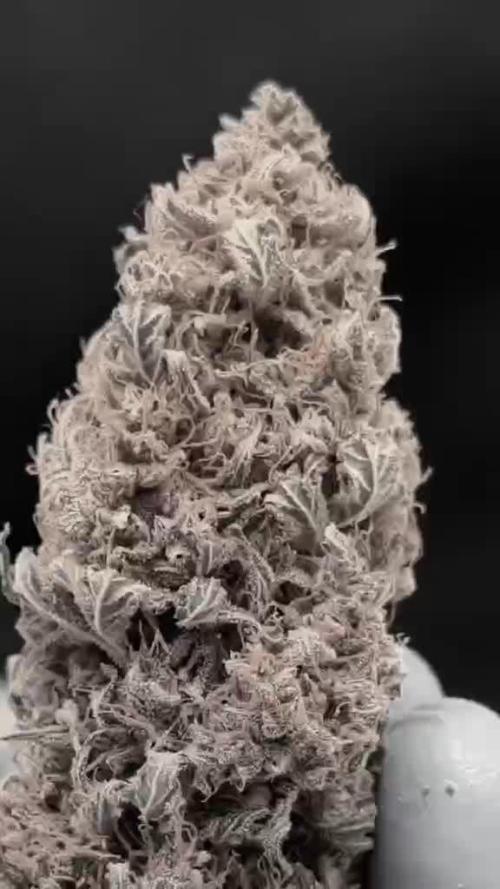
Day 29-35 I installed the net cuz they got big very fast at this point and also tall so thats the perfect time to use a net. It makes LST very easy. Also i dont really know what to write here always, so if u guys have any questions to the genetics or whatever just let me know i am lost in those comments here hahaha
Likes
1
Share
@GorkedOut
Follow
Flushed the plants a bit early, which caused yellow leaves. Going to hit it with some 4-35-26 for two more weeks and then flush again & then chop. Chopped on day 87-89. All three plants vary. Excited to see how they smoke after drying and curing.
Likes
5
Share
@Johan2
Follow
Really happy with the outcome .. day 54 flower well worth waiting to harvest . Very tasty , recommend for private stash . Hight quality, good yield , great smoke , flavour is very smooth , plenty of output and punch in a vape
Processing
Likes
26
Share
Esa familiaa, estoy impresionado porque estas skunk están muy compactas, es una cepa increíble, y no la fume todavía, solo hay que verlas no solo lo prietas que van, si no lo tricomas as que están . Hay que felicitar a Zambezaseeds ya que esta variedad es muy estable y sencilla de llevar. Ph controlado, quitamos productos y lavamos raíces, pronto solo agua. Ph controlado, temperatura por debajo de 29 y humedad por debajo del 40%, deseando que estén listas para ver la producción, esss flores pesarán, hasta la semana que viene fumetillas.
Likes
4
Share
@Soskar69
Follow
This girl is a late bloomer, but now she is starting to reach my other girls. The plant stopped to grow and now she is pointing all her energies to to flowers. The smell it's very strange ( in a positive way). I have done some lollipopping because the plant is very bushy with 12-13 main colas, and a lot of side branches diddn't see the sunlight so i chopped them. Also I've found some unwanted guests, but outdoor it's a common thing. The first 5 weeks, I sprayed a mix of water and neem oil and it all went very good without any parasite, but when the plants started flowering I obviously stopped giving them neem oil, and now I founs sometimes insects, but nothing to bad, I nedd to wait another 3-4 weeks and then I'll harvest it :)
Likes
42
Share
Good day everyone! The most beautiful sunset in the world is the Blue Sherbert Sunset !!))) she's just huge! I did not expect such a size .. and I think I was a little late with switching to flowering .. it could have been earlier .. if I only knew that it grows so fast)) but it’s a sin to complain when your plants are so healthy and big)) I can’t wait for the flowering to start) she’ll just blow up her brain with flowers and beauty!)) I can’t wait! I no longer correct the branches .. now they are on their own, and only grow to the top .. I think to do defoliation after the beginning of flowering .. let's see ..
Likes
1
Share
Very big girl for sure hopefully she will finish as hermied a little bit so far pulled few banana 🍌 sacks and checking her every day buds are looking a bit funny but all of them so i will ignore for now and keep an eye apart from wow she is big yielder