




@Borberad
Volgen
Woche 13
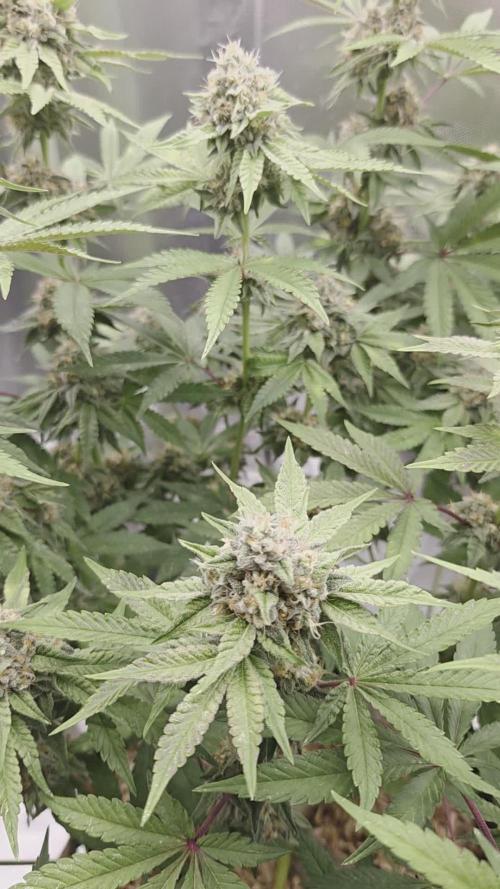
Die Pflanze ist für diese Zeit schon weit entwickelt, es wird voraussichtlich die letzte Woche in der dem Gießwasser noch Nährstoffe zugesetzt werden.
Tag 87 Sie hat noch ordentlich Durst, die Blüten werden dicker und dicker evt. benötigt sie doch noch ein paar Tage länger zusatzlich etwas Dünger.





@Dunk_Junk
Volgen
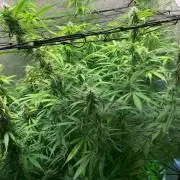
18cm vertical growth this week. She's not very tall.... Not sure what I've done wrong. 😐
Slowing down now we are entering flowering.
She is VERY bushy!!!!!! Very short internode length.
I've cut the big fan leaves off the main stem to allow light to penetrate her lower leaves!!! I never usually do this, but she is so bushy they had to go.


@NMGDOC
Volgen
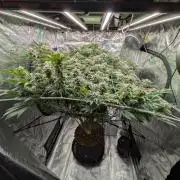
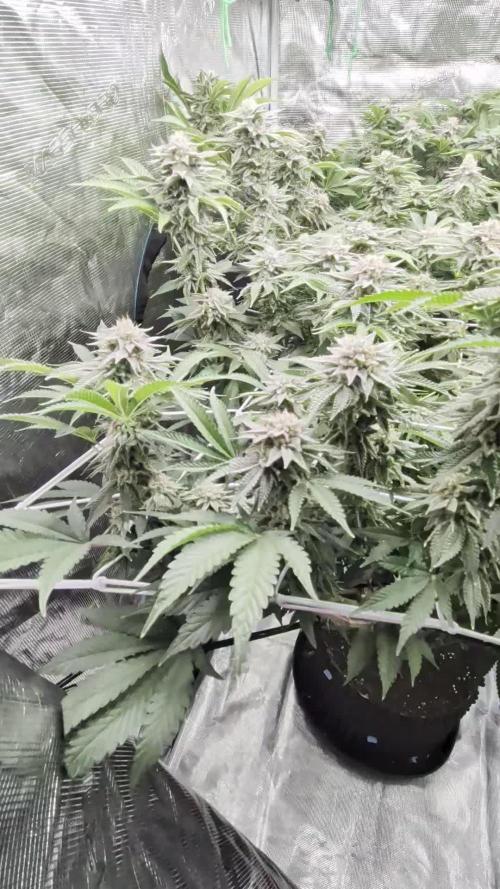
Week 8 started in july 21, the date of the pictures is july 26.
Where i live is super hot right now, i mean, 35-40 Celsius degrees, so i think they are doing it fine with 27 degrees as maximum temperature.
This week i start to using K47 (a gift from Matilla GrowShop 💚💚💚)
In the next grow, im gonna have less plants, maybe 6 or 7, because now they are 8 and are too close to each other.
I don't have any experience so i hope they go right to the schedule. Maybe they haven't too big buds?
I think that i'm gonna flush them in the 10 week, but I'm open to any recommendation 😊
Happy grow to everyone 💚💚



@Growfather1
Volgen
Hello everyone!
Welcome back to the tent. Here is the streamlined update for our star performer.
🌿 Grow Diary: Week 7 Flower (Day 50 / 66)
Strain: MAC 1 F1 Hybrid (Barney's Farm)
Status: Day 50 of a 66-day cycle—16 days left to go!
🌡️ Climate & Environment
The grow room environment is perfectly dialed in for late flower. Daytime temperatures reach a comfortable maximum of 27°C, while lights-off minimums drop to 21°C, maintaining an ideal 6-degree day/night differential. To protect the dense, ripening canopy from bud rot, the dehumidifier is running 24/7 to keep the relative humidity consistently low and dry.
📝 Weekly Progress & Strategy
• Pistil Check: Upper canopy pistils are almost entirely orange due to previous high light intensity, which has now been dialed back to 80%. The lower canopy is still actively pushing white pistils, confirming she has at least two weeks left to fully ripen.
• Canopy & Feeding: Following a recent defoliation, a final leaf cleanup is scheduled for this coming Sunday. Immediately after, the final nutrient flush will begin to guide her smoothly into harvest.
• Garden Standings: This girl is easily the most beautiful flowering plant in the garden right now, outshining even the structurally impressive Gorilla Glue x White Widow.
🤡 Growroom Joke of the Week
Why did the MAC 1 plant break up with the grow light?
Because it felt like things were getting way too intense, and it just needed some space to chill at 80%!
Thank you everyone for stopping by, and have a nice day!
Best regards,
Growfather



@THcHunteR23
Volgen
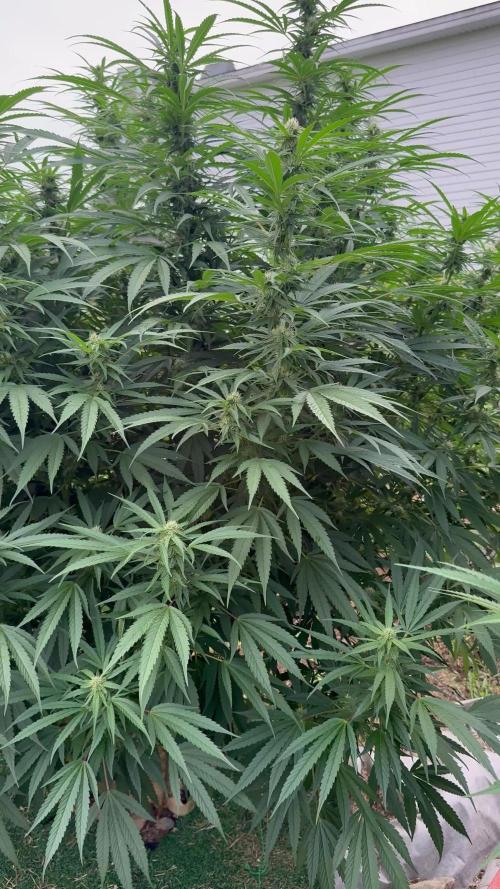
Dernière défoliation Et encore WoW si vous pouviez sentir cette douceur crémeuse et sucrée 🤤🤤 🧡🧡Kannabia🔥🔥😍



@Phaleg
Volgen
Hello!
Northern Lights from Sensi Seeds is a great strain to grow. It is easy and resistant to most things except my stupidity (*) .
I grew them in Central Europe, in pots of 17L on a basic windows growth, with decent soil with additional mycorrhizas.
Generic multi fertilizer like Nitrophoska was added in beginning as granules + I added some poo from rabbits.
Plants grew nicely also with the light from the large windows, but I felt they preferred a warmer and sunnier climate. (next time you can try cool or continental climate strains).
After 25 weeks, I harvested 2 of them (one was harvested couple weeks before, read below for details) and I got 573g of material before drying.
I will try to update the value when it is dried.
Now they are drying like in the video I uploaded.
Thanks for reading my diary.
*) Once I opened the windows and I bent the central stem of the third plant, the smallest since beginning. I put a stick to keep it up and it still survived until flowering. I had to harvest it couple weeks before the others 2 plants, because after this "injury" the plant started to have some mites that were spreading in the plant. In this country, you cannot buy BIO products against parasites, so I preferred to harvest sooner.
For the numbers of this last harvest report, I counted only the 2 that I harvested together and 573g is the wet weight of these other 2.
shorts_status_processing


@Reaper
Volgen
these are 6 clones from the critical HUGE PHENO in the rdwc, i want to keep 1 clone as an motherplant with my autoflowers.
april 11:
all rooted / transplanted and show color and healthy growth. feed em around 400ppm


@Hashy
Volgen
Grow diary 11 Stage 4
Days 31-40
Day 31 Turned power up to 85% on the mars hydro ts1000. Mines one of the old ones you need to stick a screw driver in to alter it.
Day 36 Removed the single finger fan leaves and the 1st 3 fingered leaves.
Day 39 Removed the 4 fan leaves from where she was topped last week.
The start of this stage we hit a heat wave, day after day of heat. I had my humidifier on most of the 9 days. The tent didn't hit the temps I thought it would so that means I have my loft under a bit better control. The plant really kicked into gear this week, around day 34 she started to explode in growth. So far I have only done some lite defoliation by removing some of the 1st leaves that weren't getting any light anymore. I think the kosher cake is the 2nd nicest looking one in the grow.
TEMP
Max 32.2
Avg 26.5
Min 21.9
Humid
Max 71.2%
Avg 58.4%
Min 50.3%
VPD
Max 2.32
Avg 1.44
Min 0.85


@Reefer_MAdness
Volgen
Sorry for the late update so for that I included a video of my grow room.
This week is the last for the horizontal growth and is is now going vertical. Can’t wait for that tall growth going forward.


@Ultraviolet
Volgen
ANTHOCYANIN production is primarily controlled by the Cryptochrome (CR1) Photoreceptor ( !! UV and Blue Spectrums are primary drivers in the production of the pigment that replaces chlorophyll, isn't that awesome!
1. Diverse photoreceptors in plants
Many civilizations, including the sun god of ancient Egypt, thought that the blessings of sunlight were the source of life. In fact, the survival of all life, including humans, is supported by the photosynthesis of plants that capture solar energy. Plants that perform photosynthesis have no means of transportation except for some algae. Therefore, it is necessary to monitor various changes in the external environment and respond appropriately to the place to survive. Among various environmental information, light is especially important information for plants that perform photosynthesis.
In the process of evolution, plants acquired phytochrome, which mainly receives light in the red light region, and multiple blue light receptors, including his hytropin and phototropin, in order to sense the light environment. .. In addition to these, an ultraviolet light receptor named UVR8 was recently discovered. The latest image of the molecular structure and function of these various plant photoreceptors (Fig. 1), focusing on phytochrome and phototropin.
Figure 1
Ultraviolet-visible absorption spectra of phytochrome, cryptochrome, phototropin, and UVR8. The dashed line represents each bioactive absorption spectrum.
2. Phytochrome; red-far red photoreversible molecular switch
What is phytochrome?
Phytochrome is a photochromic photoreceptor, and has two absorption types, a red light absorption type Pr (absorption maximum wavelength of about 665 nm) and a far-red light absorption type Pfr (730 nm). Reversible light conversion between the two by red light and far-red light, respectively(Fig. 1A, solid line and broken line). In general, Pfr is the active form that causes a physiological response. With some exceptions, phytochrome can be said to function as a photoreversible molecular switch. The background of the discovery is as follows. There are some types of plants that require light for germination (light seed germination). From that study, it was found that germination was induced by red light, the effect was inhibited by subsequent far-red light irradiation, and this could be repeated, and the existence of photoreceptors that reversibly photoconvert was predicted. In 1959, its existence was confirmed by the absorption spectrum measurement of the yellow sprout tissue, and it was named phytochrome. Why does the plant have a sensor to distinguish between such red light and far-red light? There is no big difference between the red and far-red light regions in the open-field spectrum of sunlight, but the proportion of red light is greatly reduced due to the absorption of chloroplasts in the shade of plants. Similar changes in light quality occur in the evening sunlight. Plants perceive this difference in light quality as the ratio of Pr and Pfr, recognize the light environment, and respond to it.
Subsequent studies have revealed that it is responsible for various photomorphogenic reactions such as photoperiodic flowering induction, shade repellent, and deyellowing (greening). Furthermore, with the introduction of the model plant Arabidopsis thaliana (At) and the development of molecular biological analysis methods, research has progressed dramatically, and his five types of phytochromes (phyA-E) are present in Arabidopsis thaliana. all right. With the progress of the genome project, Fi’s tochrome-like photoreceptors were found in cyanobacteria, a photosynthetic prokaryotes other than plants. Furthermore, in non-photosynthetic bacteria, a homologue molecule called bacteriophytochrome photoreceptor (BphP) was found in Pseudomonas aeruginosa (Pa) and radiation-resistant bacteria (Deinococcus radiodurans, Dr).
Domain structure of phytochrome molecule
Phytochrome molecule can be roughly divided into N-terminal side and C-terminal side region. PAS (Per / Arndt / Sim: blue), GAF (cGMP phosphodiesterase / adenylyl cyclase / FhlA: green), PHY (phyto-chrome: purple) 3 in the N-terminal region of plant phytochrome (Fig. 2A) There are two domains and an N-terminal extension region (NTE: dark blue), and phytochromobilin (PΦB), which is one of the ring-opening tetrapyrroles, is thioether-bonded to the system stored in GAF as a chromophore. ing. PAS is a domain involved in the interaction between signal transduction-related proteins, and PHY is a phytochrome-specific domain. There are two PASs and her histidine kinase-related (HKR) domain (red) in the C-terminal region, but the histidine essential for kinase activity is not conserved.
3. Phototropin; photosynthetic efficiency optimized blue light receptor
What is phototropin?
Charles Darwin, who is famous for his theory of evolution, wrote in his book “The power of move-ment in plants” published in 1882 that plants bend toward blue light. Approximately 100 years later, the protein nph1 (nonphoto-tropic hypocotyl 1) encoded by one of the causative genes of Arabidopsis mutants causing phototropic abnormalities was identified as a blue photoreceptor. Later, another isotype npl1 was found and renamed phototropin 1 (phot1) and 2 (phot2), respectively. In addition to phototropism, phototropin is damaged by chloroplast photolocalization (chloroplasts move through the epidermal cells of the leaves and gather on the cell surface under appropriate light intensity for photosynthesis. As a photoreceptor for reactions such as escaping to the side of cells under dangerous strong light) and stomata (reactions that open stomata to optimize the uptake of carbon dioxide, which is the rate-determining process of photosynthetic reactions). It became clear that it worked. In this way, phototropin can be said to be a blue light receptor responsible for optimizing photosynthetic efficiency.
Domain structure and LOV photoreaction of phototropin molecule
Phototropin molecule has two photoreceptive domains (LOV1 and LOV2) called LOV (Light-Oxygen-Voltage sensing) on the N-terminal side, and serine / on the C-terminal side. It is a protein kinase that forms threonine kinase (STK) (Fig. 4Aa) and whose activity is regulated by light. LOV is one molecule as a chromophore, he binds FMN (flavin mononucleotide) non-covalently. The LOV forms an α/βfold, and the FMN is located on a β-sheet consisting of five antiparallel β-strands (Fig. 4B). The FMN in the ground state LOV shows the absorption spectrum of a typical oxidized flavin protein with a triplet oscillation structure and an absorption maximum wavelength of 450 nm, and is called D450 (Fig. 1C and Fig. 4E). After being excited to the singlet excited state by blue light, the FMN shifts to the triplet excited state (L660t *) due to intersystem crossing, and then the C4 (Fig. 4C) of the isoaroxazine ring of the FMN is conserved in the vicinity. It forms a transient accretionary prism with the tain (red part in Fig. 4B Eα) (S390I). When this cysteine is replaced with alanine (C / A substitution), the addition reaction does not occur. The effect of adduct formation propagates to the protein moiety, causing kinase activation (S390II). After that, the formed cysteine-flavin adduct spontaneously dissociates and returns to the original D450 (Fig. 4E, dark regression reaction).
Phototropin kinase activity control mechanism by LOV2
Why does phototropin have two LOVs? Atphot1 was found as a protein that is rapidly autophosphorylated when irradiated with blue light.
The effect of the above C / A substitution on this self-phosphorylation reaction and phototropism was investigated, and LOV2 is the main photomolecular switch in both self-phosphorylation and phototropism. It turns out that it functions as. After that, from experiments using artificial substrates, STK has a constitutive activity, LOV2 functions as an inhibitory domain of this activity, and the inhibition is eliminated by photoreaction, while LOV1 is kinase light. It was shown to modify the photosensitivity of the activation reaction. In addition to this, LOV1 was found to act as a dimerization site from the crystal structure and his SAXS. What kind of molecular mechanism does LOV2 use to photoregulate kinase activity? The following two modules play important roles in this intramolecular signal transduction.
Figure 4
(A) Domain structure of LOV photoreceptors. a: Phototropin b: Neochrome c: FKF1 family protein d: Aureochrome (B) Crystal structure of auto barley phot1 LOV2. (C) Structure of FMN isoaroxazine ring. (D) Schematic diagram of the functional domain and module of Arabidopsis thaliana phot1. L, A’α, and Jα represent linker, A’α helix, and Jα helix, respectively. (E) LOV photoreaction. (F) Molecular structure model (mesh) of the LOV2-STK sample (black line) containing A’α of phot2 obtained based on SAXS under dark (top) and under bright (bottom). The yellow, red, and green space-filled models represent the crystal structures of LOV2-Jα, protein kinase A N-lobe, and C-robe, respectively, and black represents FMN. See the text for details.
1) Jα. LOV2 C of oat phot1-to α immediately after the terminus
Rix (Jα) is present (Fig. 4D), which interacts with the β-sheet (Fig. 4B) that forms the FMN-bound scaffold of LOV2 in the dark, but unfolds and dissociates from the β-sheet with photoreaction. It was shown by NMR that it does. According to the crystal structure of LOV2-Jα, this Jα is located on the back surface of the β sheet and mainly has a hydrophobic interaction. The formation of S390II causes twisting of the isoaroxazine ring and protonation of N5 (Fig. 4C).
As a result, the glutamine side chain present on his Iβ strand (Fig. 4B) in the β-sheet rotates to form a hydrogen bond with this protonated N5. Jα interacts with this his Iβ strand, and these changes are thought to cause the unfold-ing of Jα and dissociation from the β-sheet described above. Experiments such as amino acid substitution of Iβ strands revealed that kinases exhibit constitutive activity when this interaction is eliminated, and that Jα plays an important role in photoactivation of kinases.
2) A’α / Aβ gap.
Recently, several results have been reported showing the involvement of amino acids near the A’α helix (Fig. 4D) located upstream of the N-terminal of LOV2 in kinase photoactivation. Therefore, he investigated the role of this A’α and its neighboring amino acids in kinase photoactivation, photoreaction, and Jα structural change for Atphot1. The LOV2-STK polypeptide (Fig. 4D, underlined in black) was used as a photocontrollable kinase for kinase activity analysis. As a result, it was found that the photoactivation of the kinase was abolished when amino acid substitution was introduced into the A’α / Aβ gap between A’α and Aβ of the LOV2 core. Interestingly, he had no effect on the structural changes in Jα examined on the peptide map due to the photoreaction of LOV2 or trypsin degradation. Therefore, the A’α / Aβ gap is considered to play an important role in intramolecular signal transduction after Jα.
Structural changes detected by SAXS
Structural changes of Jα have been detected by various biophysical methods other than NMR, but structural information on samples including up to STK is reported only by his results to his SAXS. Not. The SAXS measurement of the Atphot2 LOV2-STK polypeptide showed that the radius of inertia increased from 32.4 Å to 34.8 Å, and the molecular model (Fig. 4F) obtained by the ab initio modeling software GASBOR is that of LOV2 and STK. It was shown that the N lobes and C lobes lined up in tandem, and the relative position of LOV2 with respect to STK shifted by about 13 Å under light irradiation. The difference in the molecular model between the two is considered to reflect the structural changes that occur in the Jα and A’α / Aβ gaps mentioned above.
Two phototropins with different photosensitivity
In the phototropic reaction of Arabidopsis Arabidopsis, Arabidopsis responds to a very wide range of light intensities from 10–4 to 102 μmol photon / sec / m2. At that time, phot1 functions as an optical sensor in a wide range from low light to strong light, while phot2 reacts with light stronger than 1 μmol photon / sec / m2. What is the origin of these differences? As is well known, animal photoreceptors have a high photosensitivity due to the abundance of rhodopsin and the presence of biochemical amplification mechanisms. The exact abundance of phot1 and phot2 in vivo is unknown, but interesting results have been obtained in terms of amplification.
The light intensity dependence of the photoactivation of the LOV2-STK polypeptide used in the above kinase analysis was investigated.
It was found that phot1 was about 10 times more photosensitive than phot2. On the other hand, when the photochemical reactions of both were examined, it was found that the rate of the dark return reaction of phot1 was about 10 times slower than that of phot2. This result indicates that the longer the lifetime of S390II, which is in the kinase-activated state, the higher the photosensitivity of kinase activation. This correlation was further confirmed by extending the lifespan of her S390II with amino acid substitutions. This alone cannot explain the widespread differences in photosensitivity between phot1 and phot2, but it may explain some of them. Furthermore, it is necessary to investigate in detail protein modifications such as phosphorylation and the effects of phot interacting factors on photosensitivity.
Other LOV photoreceptors Among fern plants and green algae, phytochrome ɾphotosensory module (PSM) on the N-terminal side and chimera photoreceptor with full-length phototropin on the C-terminal side, neochrome (Fig. There are types with 4Ab). It has been reported that some neochromes play a role in chloroplast photolocalization as a red light receiver. It is considered that fern plants have such a chimera photoreceptor in order to survive in a habitat such as undergrowth in a jungle where only red light reaches.
In addition to this, plants have only one LOV domain, and three proteins involved in the degradation of photomorphogenesis-related proteins, FKF1 (Flavin-binding, Kelch repeat, F-box 1, ZTL (ZEITLUPE)), LKP2 ( There are LOV Kelch Protein2) (Fig. 4Ac) and aureochrome (Fig. 4Ad), which has a bZip domain on the N-terminal side of LOV and functions as a gene transcription factor.
4. Cryptochrome and UVR8
Cryptochrome is one of the blue photoreceptors and forms a superfamily with the DNA photoreceptor photolyase. It has FAD (flavin adenine dinucle-otide) as a chromophore and tetrahydrofolic acid, which is a condensing pigment. The ground state of FAD is considered to be the oxidized type, and the radical type (broken line in Fig. 1B) generated by blue light irradiation is considered to be the signaling state. The radical type also absorbs in the green to orange light region, and may widen the wavelength region of the plant morphogenesis reaction spectrum. Cryptochrome uses blue light to control physiological functions similar to phytochrome.
It was identified as a photoreceptor from one of the causative genes of UVR8 Arabidopsis thaliana, and the chromophore is absorbed in the UVB region by a Trp triad consisting of three tryptophans (Fig. 1D). It is involved in the biosynthesis of flavonoids and anthocyanins that function as UV scavengers in plants.
Conclusion
It is thought that plants have acquired various photoreceptors necessary for their survival during a long evolutionary process. The photoreceptors that cover the existing far-red light to UVB mentioned here are considered to be some of them. More and more diverse photoreceptor genes are conserved in cyanobacteria and marine plankton. By examining these, it is thought that the understanding of plant photoreceptors will be further deepened.


@OGTrauma
Volgen
Ok homies, here i did a topping cut on a , indica mix but a bit updated with some random yet a bit unstable yet updated that marked even more the phenos diferenced as there are clearly two stretchers maybe possesing a slighlty more sativa may happen sometimes on og kush family and expect too as are the more usual indica type, but i hope cut time are similar .It's quite in terms of growing stretch its very short and not good & the ideal if u need some that nor get tall fastly , but im getting into it as i intended tto give better usage on the net i use to not burn my leaf and bud as can be a hazzard on both veg and flower stretch that shit is controllable and im happen future with hopeful distribution . trying to learn from the previous grow 🎈🎂🍰🤙🔥💯
I got like a good reaction to feeding this challeging earth called organic life mix as im taming it by giving a more nitrogen update , including ca mg and at the same time spray them with barrier as both food and pest control uptake. They are far better also in terms of how they are dealing with the previous spotted defficencies. and the growth is as fast as expected of a fast substrate too, but 4 real its more demanding on food as it showed me carencies very early , so you may need to improve it or have a better feeding plan. mine is basic but works.



@Ninjabuds
Volgen
Meet Runts, my scrappiest little seedling! He started off so tiny, I almost didn't think he'd make it. But Runts is a fighter, he got stronger every day, and now he's a fully-grown tomato plant! He's a reminder that even the smallest things can grow into something strong, you just have to give them a little love and a lot of sunshine.


@Ogbangbang2981
Volgen
I never thought I'd say it but i think when it comes to my indoor C4 vs my outdoor C4 Indoor takes the prize, I mean that's only for now lets see what happens in the upcoming weeks. I'm sticking to my bat turd mix and all sun, I shift her around during the heavy showers, yea it rains out here. I don't feed no store bought nutrients all from nature same goes for my indoor ... if you look closely you'll see that I lst her it's only because of her mutation.


@nonick123
Volgen
Día 13 (06/05) Nos acercamos al final de la fase plántula. A ver si ahora empiezan a crecer de forma explosiva!
He sido muy estricto con los riegos, dejando que el top hasta el nudillo se seque completamente!
Día 14 (07/05) Hago una mejora en la tienda. Hasta ahora tenia intracción pasiva, pero ahora he instalado una turbina para que impulse aire fresco dentro de la tienda
Día 15 (08/05) Con el calor que hace me sorprende que las macetas sigan aguantando la humedad, pero al hundir el nudillo sigue húmeda. Mañana haré un riego de nuevo
Día 16 (09/05) Relleno el top con sustrato para compensar la compactación y dar mas soporte a las plantas
Riego con 300 ml solo H20 - pH 6,2
Día 17 (10/05) Baño de sol de dos horas.
Día 18 (11/05) Baño de sol de dos horas
Día 19 (12/05) Riego 750 ml H2O + Regulator 0,15 ml/l + CaMg-Boost 0,25 ml/l + Startbooster 0,25 ml/l - pH 6.2
💦Nutrients by Aptus Holland - www.aptus-holland.com
🌱Substrate PRO-MIX HP BACILLUS + MYCORRHIZAE - www.pthorticulture.com/en/products/pro-mix-hp-biostimulant-plus-mycorrhizae


@yd_grows
Volgen
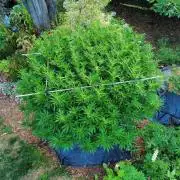
Planta crescendo absurdamente rápido.
Fiquei 3 dias sem olhar após regar e tinha uma flor encostando na luz!! Absurdo.
Muitos buds aparecendo.
Folhagem parece densa demais. Devo retirar algumas folhas na semana seguinte.
@Arcadium
Volgen
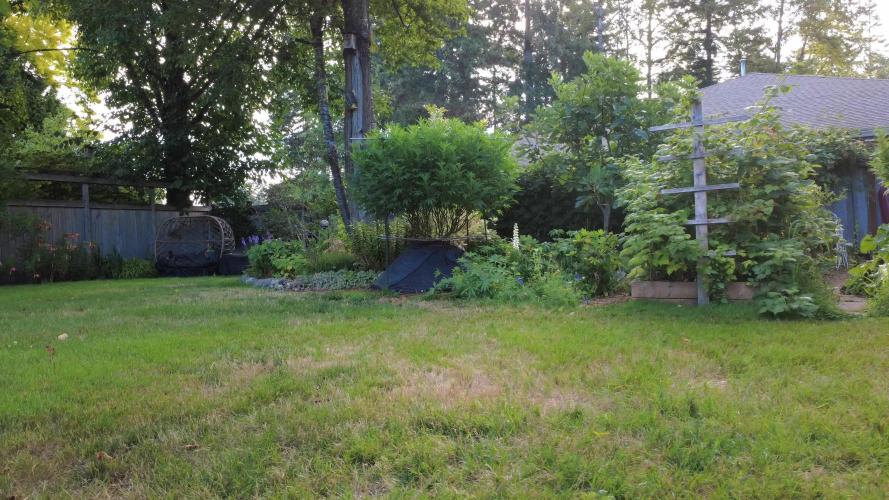
Hot and dry all week, boy the forest fires are bad in BC this year, knock on wood no major fires on Vancouver Island, no smoke either. Smooth sailing, stretch is slowing, budlets forming nice for sure week 2+ so looking like a Sept finish for sure.
Quiet week as I was busy enjoying summer, nothing but drip 45min a day, 2.5hr once a week, diablo maxx, Silica and a weekly spray of LCPT.
Had a MASSIVE mushroom at the base of the Hugel, which means the fungal network under there is for sure in overdrive. This time of year it's so hot and dry it's hard to keep the outside of the hugel most being a big hill, but obviously there's epic moisture deep inside it.
Compost tea this week, looks great, super simple, 6cups compost, 4tbsp molasses, 4tbsp Epsom, 50ml kelp, little bit of coir, aerate 24hrs and use immediately.
Probably toss on trellis net next week and zip tie her to the frame, next week another top dress, and then the final push!
Most of the harvest will go to the freezer fresh, maybe wash, hang dry and cure an LB for flower rosin and edibles, then I'll make bubble hash when it cools down over Christmas.



@NewName
Volgen
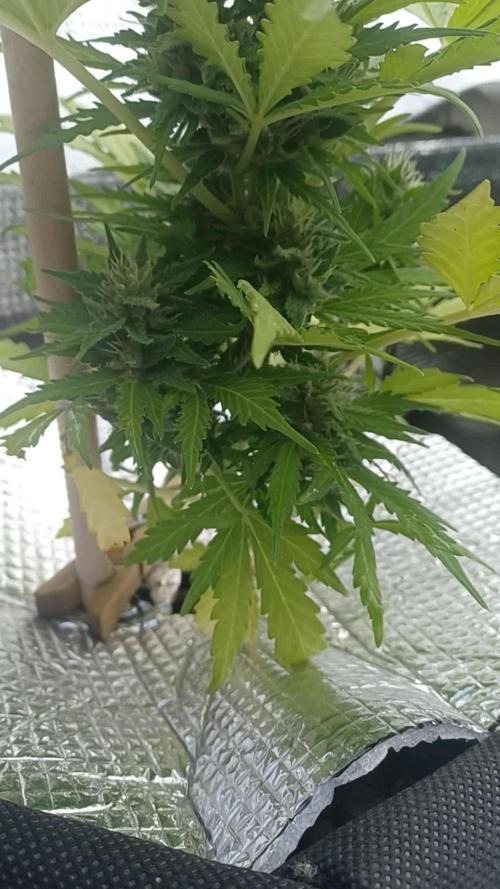
Thick flowers 8p gettin a big top 😛
These plants are not bigger than 30cm, crazy!! 🤩🤩


