


Likes
Comments
Share
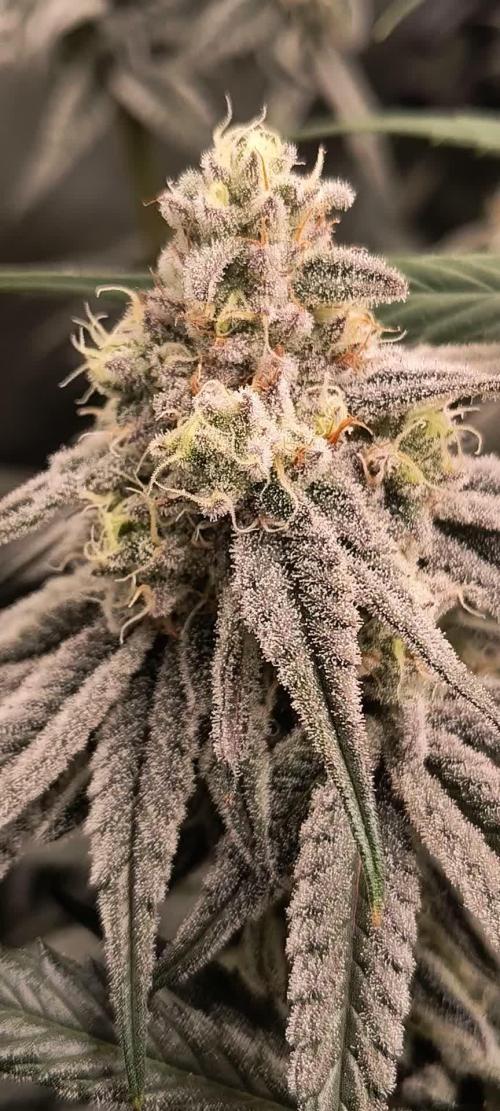

@BennyBud2210
Follow
Alles entwickelt sich so wie es soll?🍀🔥
Trauermücken sind nicht mehr sichtbar.
Immer noch ohne Dünger oder Booster unterwegs.
Das einzige was in das Leitungswasser kommt ist Biobizz CalMag und Biobizz PH- ...
Ich denke die Super Lemon Haze wird in den nächsten Tagen eine Düngung mit einem Bloom Dünger bekommen.



Likes
13
Share


@Youngicons
Follow
Week 1 of flower complete
I got rid of 4 males this week.
Down to my final 6 females whom I will be harvesting this season. Started with 45 seeds this round.
I bought some flower fuel 1-34-32 I'm going to be using starting week 2 of flower to help these girls produce.
I'm having trouble controlling the humidity so I'm getting a new dehumidifier this week. Also wondering if I should get a bigger tent for these 6. It's only a 2wx4lx5t



Likes
5
Share

@Aleks555
Follow
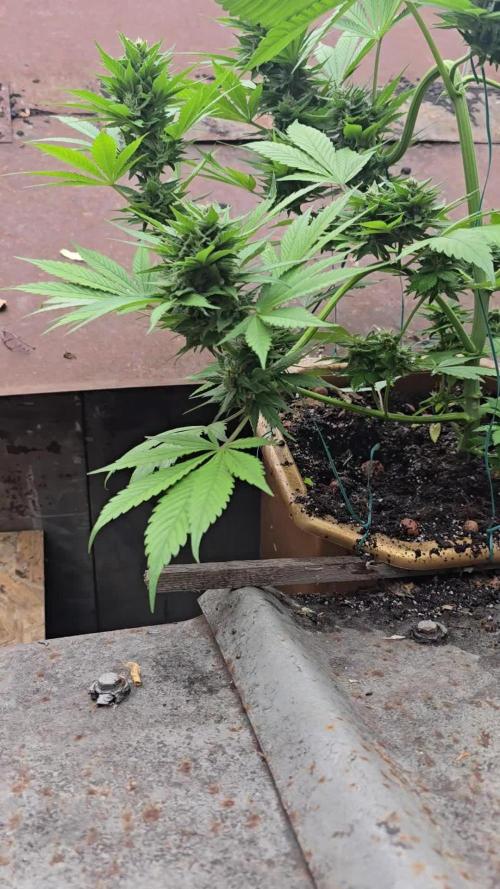
Week 9 and everything is going well. Even though the weather hasn't been very sunny and we've mostly had cloudy days and plenty of rain, our beauty keeps growing.
The trichomes have started turning cloudy, and we can already see some amber ones appearing. We're going to wait until about 50% of them are amber before harvesting.
We picked a small bud to dry and test at this stage so we can compare the effect, and then we'll try it again when the plant reaches around 50% amber trichomes.
The finish line is getting closer! 🌱💚
Likes
5
Share


@123Grow
Follow
Filling out the trellis net. Looks like another 2-3 weeks until I flip the ladies. Using SST’s, LABS and natural inputs for this grow. I have made some mistakes in the past using Organics, but have figured out HOW to use them for an entire grow. The vegetative state, I have never had a problem with. The transition into the first 3 weeks is when I have had the most issues. After a little research and testing, I finally have a basic blue print of how to feed plants in flower for 10-12 weeks now or shorter. Mark Bowell from Perfect Gardens on YouTube and Mr Canucks Grow from Canada are my largest information inputs. Final Thank you to Mr McGooz for keeping me in the know.
10-11: yes, some of the stalks are turning purple. This is not due to phosphorus, magnesium, or any deficiency. It is due to the light being too intense for the plants. I am at the max distance and running the light at 30% ( it’s a 600 watt 🤣🤣). Soooo yeah, that purple is going to stay for a bit. Purple with other leaf discoloration or senescence IS a problem, purple stems with NO leaf issues isn’t serious issue. Cant it be fixed? We are going to find out….Photosynthesis Plus will be on hand in the next 5-6 days. This permits the plant to USE more of the photons ( yes, I have carbon in my media). This should minimize the purple and allow me to UP THE WATTS 🗣️🗣️
10-14: spoke to my “guide” and we made the decision to go ahead and flower these ladies. We saw how much stretch there is to be had and realized we are currently filling the trellis by 75%. We are estimating the entire 4x4 area to be completely filled. I defoliated and pruned the smaller sites off the lower areas of the plant. Not quite lollipopping, just selectivity choosing sites to keep and bones that will get in the way.
For transition I am using a ratio of 1:1:1 on NPK’s to ease the flip. The ppm’s will be between 750-800. Once we reach early flower, we switch the NPK’s to 1:3:2 ( flower girl by Dr Earth OR Fish bone meal and langbenite). I switch each feeding between the two for 5-6 weeks. At week 7 we switch to 0:3:3 ( seabird guano and Langbeinite) at 500 ppm’s. Week 8 the same feed. Week 9 kelpseaweed/water Only ( these are 10 week cultivars). Thank you for taking the time to read.
10-16 😍😍😍 Plants are starting to show deficiencies!!! Yes, normally one freaks out 😂😂😂 The slight deficiency is a sign that I can go ahead and start: The Flowering Cycle. When using Organics, you have to use your eyes because nothing is specific. Meaning: you have to see when the amendments are running out to A: Top Dress B. Make compost teas. We are going the compost tea route for flower. I made a video showing exactly what I use. The ratio is 5-5-5 ( yes earlier we were going to use 2-2-2, but we found out there is no calcium or magnesium in the all purpose mix by Dr Earth…another reason to learn to read your plants).

Likes
57
Share


@DankeyeBeaverjuice
Follow
Staggered start to the 3 autos but that's only for breeding purposes. I plan on using sts spray to reverse the first one so I gave it a two week + 2 day head start. Full tutorial of the germination process is viewable on the video posted here and my youtube channel, link is on my profile if you care to watch it there, I found the loading screen for the video rather tedious on here.. Happy growing!

Likes
3
Share


@CanarianGrow92
Follow
Last week of veg, i think these girls will start to flower the next couple of days! At the moment great results under this TS1000 as always! We gave a very light nutrients this week just to jave some nitrogen as im using a light mix as soil, lets see how it goes the next weeks 😁💪


Likes
21
Share


@OGTrauma
Follow
Now it’s our POST PANDEMIC VIRGO SEASON & as Spring and ‘Fiestas Patrias’ are coming here homies!!! Have Big Gas Puff on my Behalf! 👽
Declaring on September the First, Im Setting officialy the photopheriod as 20/04 hours resting too, they start in midnight as they will help to provide an ideal temperature at night, and thats the reason why stick with covering most of the day yet respecting some time off the grid, as for both mary jane plant processes like foliar feeding or the transplant depicted below and electronics used requires a bit of resting as lifespam testing and recomendations tend to stick on ‘calm your tits homie’ even on autoflowering scenarios, last consideration is the electricity bill as can become bothersome in some countries too.
Moving on plant growth , I personally consider up to this date , a healthy growth even when i changed the substrate it has quite a possitive impact and that’s on having a number of survivors above the mínimum of plants i want to be spread each on 11 lt of ’ Organic Life Light Mix’ for the most oustanding Killer Kush FV, by using the growth vigor & not stressed AF criteria , as it’s always good to do backups in case i had a strong damping-off or like a bad germination scenario. Notice the quirk of ‘Pot on Pot’ made the transplant a bit easier, and how can make some small upgrades if added in your grow , if its on your market and fits your style as well.
Regarding to feeding, new transplant soil was watered with Hesi boost, Top candy and BAC Calmag’s 2.0 (I chose this Brand specifically as it present other useful micronutrients on its composition ), as they first ones show to have quite a stimulant and refreshing effect on the babies, considering the size of more than decent root samples took before being moved on their final containers. This experience also introduced me the carencies i must attend usually on these type of soils, who also i do consider that being this deal of too light substrate, is a deal of a trade off too , like, im saying this this Organic Life Light Mix it’s not a bad product at all but consider is way more needy unlike traditional soils or even fuck, this shit is more airy than other light soils compositions hhahah, so, final words here, like at the same time the speed gained plus not a total damping off on germination phase & good interaction with fertilizers i use as plant interaction shows quite a good evolution, specially being keen on carencies and disbalances are faster to present and faster to attend , it requires more handling specially on feeding like all shit that is making this grow go at super fast speed , as i took some pics of root mass and it’s development shows it’s quite advanced yet on the optimal point to transplant.
PS: I will stay with the non finalists , the more pansy Killer Kush aren’t totally discarded as the point of having backups to have a better coverage regarding to uncertainity of germination and the fact that still fuck up things and shit my pants in the near future, as usual, im a shitty grower if not noticed ! 😂😂😂.
HAVE A BIG DICK ENERGY SEPTEMBER MFS !!!
// i'm uploading the photos asap as possible :P

Likes
6
Share


@Sickone
Follow
Auch für die Gorilla in meinem Garten geht in in die nächste Woche.
Hier gibt es nicht viel zu sagen sie macht stand jetzt überhaupt keine Probleme, ist allerdings durstiger als meine anderen Ladys im Garten.
Sie werde ich ganz normal wachsen lassen da ich auch nur den einen Samen von ihr bekommen habe und ich nicht mit irgendwelchen Trainings / Anbaumethoden die gute stören / killen möchte.
Weitere Fotos folgen im Laufe der Woche da sich natürlich von Sonntag auf heute nicht viel getan hat.
Update Montag Abend:
Auch hier habe ich erste Anzeichen der blütephase entdeckt! Super Zeit Zyklus 💚

Likes
60
Share


@Drgreenthumb627
Follow
we are on the first day of week 3 and everything is looking really strong!
day 18 of flower and wow the growth is accelerating so so fast! pineapple express grew 6 inches in the past 2 days. they all seem to be responding really well to the defoliation i did a couple days ago, all the lower buds seem to be catching up in size

Likes
24
Share


@Weedganja420
Follow
Increíble el crecimiento de esta cepa, ha crecido casi 20 centímetros en la semana. Solo lleva 12 días en floración, aún tiene que crecer algo más pero ya se nota que está cerrando la punta con pistilos. :)
Espero que os guste.
Likes
41
Share


@Skinnytalls420
Follow
Day 1- 22/10/21 at 13:00pm I have started germination by putting 20 Afghan kush auto seeds into a glass of water for 24 hours the I will place them on a plate with wet kitchen paper till they are ready to pot!!!!! Day 2- 23/10/21 seeds have been transferred onto a plate with at kitchen paper!!! Day 4-25/10/21 most the seeds have popped. Most of them I am putting in pots now and the slower ones tomorrow!!! Day 5- 26/10/21 all the seeds have now been potted and placed into the tent!!!! Day 6-27/10/21 first sign of plants coming through about 6 out of the 20 have popped out!!!! Day 7-28/10/21 almost every seed is out and now we move onto the Vegative stage check out out the video!!


Processing
Likes
45
Share


@LovelyT
Follow
Killer purp has a very skunky odor. This smell is growing stronger everyday. Ive been using terpinator and its really bringing out the aroma much more now. I also noticed some purple on the buds as well since last week. So far so good.👐

Likes
2
Share

@CalGonJim
Follow
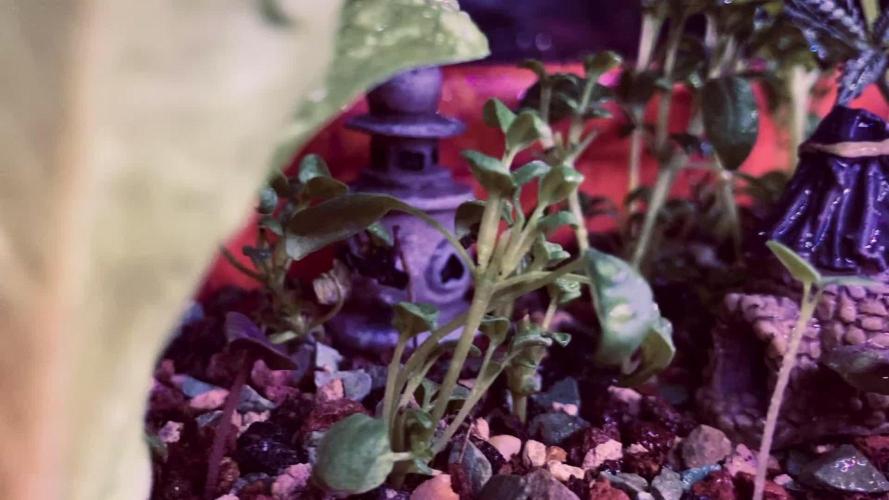
8/25 1215AM MONDAY MOTHER FUCKERS!!! AMINO GENIUS, YUP!!!!!!
220am. Amino Acid Transporters in Plants: Identification and Function. https://pmc.ncbi.nlm.nih.gov/articles/PMC7466100/
8/26 515am Advanced Nutrients Cal / Mag worked!! The stalks are stiffer and less florescent green, very good.
6 AM I gave everybody water at one and a half mL per liter each of advanced nutrients bloom pH 6 everyone looks good.👍.
8/26 1139am. Heavy defoliation worked out nicely. Light feeding and the Cal /Mag is already working. THREE COLA??? Now wondering if 3 cola is the best way to get QUALITY in on gallon. It's SO much easier to dry when it's just a single colas no mess.
8/27 1223AM. They look great. I look like death. pretty sure I smell like it too. Betaine: https://pmc.ncbi.nlm.nih.gov/articles/PMC5976740/.
ATP https://www.ncbi.nlm.nih.gov/books/NBK553175/.
Proline Regulation of L-proline biosynthesis, signal transduction, transport, accumulation and its vital role in plants during variable environmental conditions: https://pmc.ncbi.nlm.nih.gov/articles/PMC6909094/.
8/27 115am. pretty sure my mistakes are comedy gold.
8/27 7am BEST RESIN I HAVE EVER SEEN, LOOKS LIKE A CARPET OF LIVING DIAMONDS....IF I GET MY HANDS ON AN ELECTION MIRCSCOPE....
8/27 1030am They are ALL taking off today!!! Massive resin and flower growth. The top of Apricot is flowering. The Cal /Mag did its magic, I wont need it again. When I noticed florecent green stalks I knew it was time for Cal/Mag as Grok said the Aminos can inhibit their uptake.
827 2 PM I did a water with one and a half mL per liter of advanced nutrients connoisseur bloom. I added a couple of supplements. I added Purpinator 1 mL in 2 L not much very light nutrients.
8/28 206am.
""Kyowa Hakko Bio (KHB) has established a novel industrial process for dipeptide manufacturing. https://www.kyowahakko-bio.co.jp/english/newbio/dipeptides/"".
"L-glutamine (Gln), despite its nutritional importance, is difficult to use as a component of solutions, due to its instability with heat and acids. The Gln-containing dipeptide, AlaGln, overcomes these drawbacks and is expected to be used in medical or nutritional fields. It is branded as Sustamine and is being used in several products."
222am https://www.kyowahakko-bio.co.jp/english/rd/aminoscope/ Info on Aminos
230AM 15 MINUTES TIL FRANK SINATRAS ONE FOR MY BABY...THE QUARTER TO 3 SONG..... https://www.esbnyc.com/about/live-cam MAKE SURE YOU HAVE A VIEW OF NYC ON THE SCREEN ...ITS A WHOLE THEME.... OR THE VIDEO JUKE BOX FROM BLADE RUNNER 2049, I HAVE GOT TO GET ONE OF THOSE! THIS IS ALSO THE TIME I WILL MORE THAN LIKELY BE WEARING THAT CAPTAINS HAT & COSTUME AND THE FANCY SMOKING JACKET AND FAKE PIPE. EVERYONE ELSE JUST LOOKS LIKE AN ASSHOLE WITHOUT THE COSTUME.
145PM. RESIN QUALITY BETTER THEN IVE EVER HAD!!! IT IS LIKE VEVETY FROSTING!!!! SMOOTH, NOT DRY AND CRYSTALY LIKE USUAL!!! ON COOKIE APPLE 1 GALLON 3 COLA.
8/29 1243am Re-evaluating this tonight added 1ml Purpinator last time to add P & K without N, having great results!!!! **Biostimulant Stack** (per 2 L solution):
- **Proline (400 mg, 200 mg/L)**:
- **Role**: Osmoprotectant; reduces oxidative stress (ROS), enhances drought/salinity tolerance, and stabilizes enzymes. Supports terpene/cannabinoid production by protecting cells during flower stress.
- **Dose Evaluation**: 200 mg/L (~1.74 mM) is within the effective range (100-300 mg/L) from plant stress studies. Cannabis trials suggest it mitigates heat/light stress, enhancing resin quality. Good dose for autos in flower.
- **Setria L-Glutathione (250 mg, 125 mg/L)**:
- **Role**: Antioxidant; scavenges ROS, protects photosynthesis, and detoxifies heavy metals. Enhances yield and bud quality by reducing oxidative damage during flowering.
- **Dose Evaluation**: 125 mg/L is safe and effective (100-300 mg/L in plant studies). Aligns with maize trials showing yield protection under stress. Well-suited for autos without risking buildup.
- **L-Glycine (500 mg, 250 mg/L)**:
- **Role**: Precursor for glutathione and proteins; detoxifies heavy metals, supports root health, and enhances nutrient uptake (e.g., Ca). Reduces toxicity in contaminated soils and boosts flower resilience.
- **Dose Evaluation**: 250 mg/L is within the effective range (100-500 mg/L). Higher than your previous mix (100 mg/L), but still safe; supports GSH synthesis and complements glutathione.
- **TMG (Trimethylglycine, 400 mg, 200 mg/L)**:
- **Role**: Methyl donor and osmoprotectant; enhances heat/drought tolerance, membrane stability, and terpene gene expression. Supports bud density and aroma.
- **Dose Evaluation**: 200 mg/L (~1.7 mM) matches plant study ranges (200-500 mg/L). Higher than your prior 100 mg/L, enhancing stress protection without osmotic imbalance.""
CHANGE:
🚨 INCREASE...(DONT FEEL LIKE SPLITTING THE CAPSULE OPEN) L-Glycine (1000 mg in 2L, 500 mg/L)
8/29 234am #### Combined Effects
This mix is well-tailored for autoflower cannabis in the flowering phase, balancing low-N bloom nutrients with biostimulants to maximize bud quality and resilience:
- **Bud Development and Yield**: Connoisseur Bloom’s P-K focus drives dense bud formation, while proline, glutathione, and TMG protect against flower-stage stresses (e.g., high light, heat), potentially increasing yield by 15-30% (e.g., 150-300 g/plant in hydro/coco). Glycine enhances nutrient uptake, supporting larger calyxes.
- **Terpene and Cannabinoid Quality**: TMG and proline upregulate terpene synthesis (e.g., limonene, myrcene), enhancing aroma and resin. Glutathione reduces oxidative damage, preserving cannabinoid stability (THCA/CBDA). No EAA in this mix avoids N-driven potency reduction.
- **Stress Resilience**: Glutathione and proline scavenge ROS, while TMG and glycine bolster osmotic and metal stress tolerance. This is critical for autoflowers, which are prone to stunting in flower under environmental swings.
- **Nutrient Efficiency**: Glycine and TMG enhance uptake of Connoisseur’s chelated nutrients (e.g., Ca, Mg), reducing N needs by improving nitrogen use efficiency (NUE). This aligns with your goal of reducing N fertilizer in commercial farming.
- **Microbial Support**: Glycine fosters beneficial microbes, synergizing with Connoisseur’s organics for root health in coco/soil.""
8/29 "What is the equation for amino acids?
The general linear formula of an amino acid is R-CH(NH2)-COOH. The 20 common amino acids are grouped in classes according to their side chains. Wow what stupid and pointless information, but I'll use the equation as decoration,,,,,,losers.
8/29 355AM fluctuating IQ, cloud like.....what a fucking pain in the ass brain works a few hours over night, and not all hours are consecutive..........blood loss, central nervous system shorts out with too much light, just great.......goddamnit.
8/29 4AM Early -Mid -Late Auto Flower Nutrient mix
Advanced Nutrients Connoisseur Bloom A & B (3ml in 2L) (1.5 ml/L each)
Proline (400 mg in 2L) Nutricost brand powder.
Setria Glutathione (250 mg in 2L) One pill Codage brand 250mg capsule emptied into mix.
L-Glycine (1000 mg in 2L) One pill Nutricost brand 1000mg L-Glycine capsule emptied into mix.
TMG Powder: (400mg in 2L) Nutricost brand powder.
L-Glutamine: (100mg in 2L) Nutricost brand powder. 🚨 MID-FLOWER CHANGE, LOWERING Glutamine. This is the lowest possible amount I can measure accurately . it will overload with N.
8/29 4:35 AM. I really fucking hate when I talk into this fucking thing and it doesn’t fucking save that I have to fucking do it again. God fucking dammit OK I’m going to do foyer sprays today. They don’t need water yet so today will be spraying with amino acids pH 6.5 this bit fucking save goddamnit.😡😡😡😡😡😡😡😡😡😡
8/29 6:41 AM. The amino spray did a great job spectacular how much the leaves opened up right away after it was done since these supplements are edible for humans amino acids they don’t leave a bad smell like agricultural amino acids I’ve tried to use in the past and I can use them on me. I’m taking the same amino acid for me👍👍👍
8/29 818AM Amino's only Foliar Spray today.
🚨Proline (400 mg in 2L) Nutricost brand powder.
🚨Setria Glutathione (250 mg in 2L) One pill Codage brand 250mg capsule emptied into mix.
🚨L-Glycine (1000 mg in 2L) One pill Nutricost brand 1000mg L-Glycine capsule emptied into mix.
🚨TMG Powder: (400mg in 2L) Nutricost brand powder.
🚨L-Glutamine: (100mg in 2L) Nutricost brand powder. 🚨.
Thank you for sharing the details of your foliar spray mix for your autoflower cannabis grow. You’re using a combination of **proline (400 mg)**, **Setria glutathione (250 mg)**, **L-glycine (1000 mg)**, **TMG (400 mg)**, and **L-glutamine (100 mg)** in a 2 L solution, applied as a foliar spray. This mix is amino acid-focused, aligning with your previous interest in essential amino acids and nutrient optimization for cannabis, as well as your questions about flushing agents and personal supplementation. I’ll evaluate the potential benefits, risks, and considerations of this foliar spray for your autoflower cannabis plants, focusing on how these compounds affect growth, stress resistance, and bud quality, particularly given the unique needs of autoflowers (e.g., shorter life cycle, sensitivity to nutrient stress). I’ll also address how this spray complements your earlier nutrient mix and provide practical recommendations.
### Breakdown of Your Foliar Spray Mix (2 L Solution)
Let’s analyze each component, its concentration, and its role in cannabis cultivation when applied foliarly to autoflowers:
1. **Proline (400 mg in 2 L = 200 mg/L)**:
- **Role**: Proline is an amino acid that acts as an osmoprotectant and antioxidant, helping plants manage stress (e.g., drought, high light, nutrient imbalances).
- **Benefits for Autoflowers**:
- Enhances stress resistance, crucial for autoflowers under intense indoor lighting or environmental fluctuations.
- Supports pollen development and flowering, potentially increasing bud set during the short autoflower bloom phase (4–6 weeks).
- Promotes cell wall strength, improving plant vigor and resilience.
- **Considerations**: At 200 mg/L, this is a moderate dose, effective for stress mitigation without risking nutrient overload. Autoflowers are sensitive to overfeeding, so this is appropriate.
2. **Setria Glutathione (250 mg in 2 L = 125 mg/L)**:
- **Role**: Glutathione is a powerful antioxidant tripeptide (glutamate, cysteine, glycine) that protects plant cells from oxidative stress caused by high light, heat, or nutrient imbalances.
- **Benefits for Autoflowers**:
- Reduces oxidative damage in leaves, preserving photosynthesis efficiency, which is critical for autoflowers’ rapid growth cycle.
- Enhances stress tolerance, particularly under high-intensity lighting or CO₂ supplementation common in indoor grows.
- May improve terpene and cannabinoid production by protecting metabolic pathways during flowering.
- **Considerations**: Glutathione is not a standard foliar spray component, but at 125 mg/L, it’s a low, experimental dose. Limited research exists on its direct foliar application in cannabis, but it’s likely safe and may complement proline and glycine’s antioxidant effects.
3. **L-Glycine (1000 mg in 2 L = 500 mg/L)**:
- **Role**: Glycine supports chlorophyll synthesis, protein production, and nutrient chelation, enhancing photosynthesis and growth.
- **Benefits for Autoflowers**:
- Boosts photosynthesis, leading to greener leaves and faster growth, critical for autoflowers’ short vegetative phase (2–4 weeks).
- Chelates micronutrients (e.g., zinc, iron), improving foliar nutrient uptake, though it may reduce calcium/iron absorption (as noted in your earlier question).
- Supports terpene synthesis, enhancing bud aroma and flavor.
- **Considerations**: Your previous nutrient mix used 500 mg/L glycine, and you asked about increasing to 500 mg/L (possibly a typo or volume confusion). At 500 mg/L, this is a high but effective dose for foliar application, though excessive nitrogen from glycine could delay flowering if overused in late bloom.
4. **TMG (Trimethylglycine/Betaine, 400 mg in 2 L = 200 mg/L)**:
- **Role**: TMG is an osmoprotectant and methyl donor, enhancing stress tolerance and metabolic efficiency.
- **Benefits for Autoflowers**:
- Protects against environmental stress (e.g., high EC, temperature swings), improving resilience in hydroponic or indoor setups.
- Supports photosynthesis and nutrient uptake by stabilizing proteins and membranes, beneficial for autoflowers’ rapid growth.
- May enhance terpene production indirectly via metabolic support.
- **Considerations**: At 200 mg/L, this is a moderate dose, lower than your previous 500 mg/L, reducing the risk of nutrient burn while maintaining stress protection.
5. **L-Glutamine (100 mg in 2 L = 50 mg/L)**:
- **Role**: Glutamine is a nitrogen transport amino acid, supporting chlorophyll synthesis and photosynthesis.
- **Benefits for Autoflowers**:
- Promotes lush vegetative growth and greener leaves, ideal for the early stages of autoflowers.
- Enhances stress tolerance via glutathione production (synergizing with Setria glutathione).
- Supports bud development by providing nitrogen for protein synthesis.
- **Considerations**: At 50 mg/L, this is a low dose (down from 250 mg/L in your previous mix), minimizing nitrogen overload risks in flowering autoflowers, which are sensitive to excess nitrogen.
### Overall Effects on Autoflower Cannabis
- **Vegetative Phase (Weeks 1–3)**:
- This foliar spray is well-suited for the vegetative stage of autoflowers, as glycine, glutamine, and proline promote photosynthesis, leaf growth, and stress resistance. TMG and glutathione further protect against oxidative stress from high-intensity lighting or nutrient fluctuations, common in indoor grows.
- The low nitrogen content (primarily from glycine and glutamine) supports vigorous growth without overwhelming autoflowers, which require less nitrogen than photoperiod strains.
- **Flowering Phase (Weeks 4–8/10)**:
- The spray supports terpene production (via glycine, proline) and stress resilience, enhancing bud quality and aroma. Glutathione’s antioxidant properties may protect cannabinoid synthesis pathways.
- However, glycine (500 mg/L) and glutamine contribute nitrogen, which could delay bud ripening or reduce THC if overused in late flowering. Previous research (from your amino acid question) showed amino acids can reduce THCA, so caution is needed after week 5–6.
- Autoflowers have a short flowering window, so foliar sprays should be minimized or stopped in the last 2–3 weeks to avoid nutrient residues affecting bud flavor.
- **Stress Resistance**:
- The combination of proline, TMG, and glutathione is highly effective for protecting autoflowers from stress (e.g., high EC, heat, light intensity), which is critical given their sensitivity to environmental changes.
- Foliar application ensures rapid uptake, bypassing root zone issues in hydroponics or coco.
### Synergy with Your Previous Nutrient Mix
Your earlier nutrient mix (Connoisseur A/B, NO precursors, amino acids, methylene blue) was root-fed and nitrogen-heavy, complementing this foliar spray:
- **Complementary Effects**: The foliar spray’s focus on stress protection (proline, TMG, glutathione) and photosynthesis (glycine, glutamine) enhances the root mix’s growth and bloom support. Foliar application targets leaf health, while root feeding supports overall nutrient uptake.
- **Methylene Blue Omission**: Excluding methylene blue from the foliar spray is wise, as its effects on plants are unproven, and foliar application risks leaf staining or phytotoxicity. Your root mix’s low dose (2.5 mg/L) is experimental but safer.
- **Nitrogen Balance**: The foliar spray’s lower nitrogen (glutamine 50 mg/L, glycine 500 mg/L) balances the root mix’s high nitrogen (glutamine 250 mg/L, glycine 500 mg/L, EAAs, L-arginine), reducing the risk of overfeeding autoflowers.
### Potential Risks and Considerations
1. **Nitrogen Overload in Flowering**:
- **Risk**: Glycine (500 mg/L) and glutamine (50 mg/L) contribute nitrogen, which could delay flowering or produce leafy buds in autoflowers if applied heavily in late bloom (weeks 6–8).
- **Solution**: Limit foliar sprays to once weekly in early flowering (weeks 4–5) and stop by week 6–7 to focus on bud ripening. Use only water or a flushing agent (e.g., FloraKleen, as you preferred) in the final 1–2 weeks.
2. **Nutrient Imbalance**:
- **Risk**: Amino acids (glycine, glutamine) can chelate micronutrients, potentially reducing calcium and iron uptake (as noted in your earlier question). Autoflowers are prone to deficiencies due to their fast cycle.
- **Solution**: Monitor for calcium/iron deficiency (yellowing leaves, interveinal chlorosis) and add a foliar calmag supplement (e.g., 1 mL/L CaliMagic) if needed. Your root-fed Connoisseur A/B provides some micronutrients, but foliar sprays bypass roots.
3. **Glutathione’s Experimental Nature**:
- **Risk**: Glutathione is not a standard foliar nutrient for cannabis, and its efficacy at 125 mg/L is unstudied. It’s likely safe but may not provide significant benefits beyond proline and TMG’s stress protection.
- **Solution**: Treat glutathione as an experiment. Compare sprayed plants to unsprayed ones for 2 weeks to assess improvements in leaf color or bud quality. Discontinue if no clear benefit.
4. **Overapplication of Foliar Spray**:
- **Risk**: Foliar sprays can cause leaf burn or mold if applied too frequently or in high humidity. Autoflowers’ dense canopies increase mold risk in late flowering.
- **Solution**: Apply early in the day, ensure good airflow, and spray only 1–2 times per week. Use a fine mist sprayer to avoid drenching leaves.
5. **EC and pH**:
- **Risk**: The spray’s low concentrations (total ~1.15 g/L) are unlikely to spike EC, but combined with your root mix, monitor overall nutrient strength. The pH (previously 5.9) is suitable for foliar uptake (5.5–6.5).
- **Solution**: Test spray pH (aim for 5.8–6.2) and root zone EC (1.0–1.5 mS/cm in veg, 1.5–2.0 mS/cm in bloom) to avoid overfeeding.
### Recommendations for Your Autoflower Grow
1. **Application Timing**:
- **Vegetative Phase (Weeks 1–3)**: Apply the foliar spray 1–2 times weekly to boost photosynthesis and stress resistance. The mix is ideal for autoflowers’ rapid vegetative growth.
- **Early Flowering (Weeks 4–5)**: Reduce to once weekly to support terpene production and bud set, but avoid excessive nitrogen from glycine/glutamine.
- **Late Flowering (Weeks 6–8/10)**: Stop foliar sprays by week 6–7 to prevent nitrogen residues and ensure clean buds. Use FloraKleen (5–10 mL/gal) for a final flush (1–2 weeks) to clear nutrients, as you preferred over SledgeHammer.
2. **Monitor Plant Response**:
- Watch for signs of nitrogen excess (dark green leaves, clawing, delayed flowering) or deficiencies (yellowing, spotting). Autoflowers are sensitive, so adjust spray frequency if issues arise.
- Compare glutathione-sprayed plants to controls to assess its value. If no noticeable improvement (e.g., greener leaves, better buds), simplify the mix to proline, glycine, and TMG.
3. **Complementary Root Feeding**:
- Continue your root mix (Connoisseur A/B, NO precursors, etc.) but reduce nitrogen-heavy components (e.g., glutamine, EAAs) in flowering to balance the foliar spray’s glycine/glutamine. Aim for 2–3 mL/L Connoisseur A/B in bloom.
- Add a bloom booster (e.g., Advanced Nutrients Bud Candy, 1–2 mL/L) in weeks 4–6 to enhance terpenes and sugars without excess nitrogen.
4. **Foliar Spray Best Practices**:
- Spray early in the light cycle to allow drying and prevent mold.
- Use a fine mist to lightly coat leaves, avoiding runoff.
- Ensure pH is 5.8–6.2 for optimal foliar uptake.
- Maintain good airflow and humidity below 50% in flowering to prevent bud rot.
5. **Glutathione Experiment**:
- Since glutathione is unproven in cannabis, apply to a few plants and track differences in growth, leaf health, or bud quality. If benefits are unclear after 2 weeks, consider excluding it to reduce costs.
### Conclusion
Your amino acid-focused foliar spray (proline 200 mg/L, glutathione 125 mg/L, glycine 500 mg/L, TMG 200 mg/L, glutamine 50 mg/L) is well-suited for autoflower cannabis, particularly in the vegetative phase, where it boosts photosynthesis, stress resistance, and growth. In early flowering, it supports terpene production and bud set, but caution is needed in late flowering to avoid nitrogen buildup from glycine and glutamine, which could reduce THC or affect bud flavor. Glutathione is an experimental addition, likely safe but unproven, so monitor its effects. Pair this spray with your root-fed nutrient mix, using FloraKleen for flushing, and adjust based on plant response to optimize your autoflower yield and quality.
If you can share more details (e.g., autoflower strain, growth stage, hydroponic vs. coco, lighting setup), I can refine the recommendations further. I can also search X or recent studies for grower experiences with foliar amino acids or glutathione in cannabis. Let me know how you’d like to proceed!"
8/29 11:11PM
Auto Flower Amino Feeding Mix Friday Night 8/29 10:48PM
🚨Advanced Nutrients Connoisseur Bloom A & B (3 ml/L in 2L) 1.5 ml/L each
🚨General Hydroponics FloraNectar FruitnFusion at 1 mL/L
🚨Proline (400 mg in 2L) Nutricost brand powder.
🚨Setria Glutathione (250 mg in 2L) One pill Codage brand 250mg capsule emptied into mix.
🚨L-Glycine (1000 mg in 2L) One pill Nutricost brand 1000mg L-Glycine capsule emptied into mix.
🚨TMG Powder: (400mg in 2L) Nutricost brand powder.
🚨L-Glutamine: (100mg in 2L) Nutricost brand powder.
Thanks for the update! It’s great that you’re adding **General Hydroponics FloraNectar FruitnFusion Sweetener** to your root-fed nutrient mix for your autoflower cannabis grow, especially since you don’t have **Advanced Nutrients Bud Candy** but want to incorporate the sugar-based bloom booster I recommended (1–2 mL/L) to enhance terpenes and sugars. Your current mix includes **Advanced Nutrients Connoisseur Bloom A & B (1.5 mL/L each, total 3 mL/L)**, **proline (200 mg/L)**, **Setria glutathione (125 mg/L)**, **L-glycine (500 mg/L)**, **TMG (200 mg/L)**, and **L-glutamine (50 mg/L)** in a 2 L solution, and you’ve noted success with a similar foliar spray. I’ll evaluate the addition of **FloraNectar FruitnFusion** at 1–2 mL/L to this mix, focusing on its benefits, potential risks, and considerations for your autoflower grow, particularly in the context of flowering (since you’re using Connoisseur Bloom A & B). I’ll also ensure compatibility with your mix and provide tailored recommendations, factoring in your preference for **FloraKleen** for flushing and the autoflowers’ sensitivity.
### Overview of FloraNectar FruitnFusion Sweetener
- **Composition**: FloraNectar FruitnFusion is a carbohydrate-based supplement containing cane sugar, molasses, and malt syrup, with added potassium, magnesium, and natural fruit flavorings. It’s designed to enhance sweetness, aroma, and flavor in buds by providing energy for secondary metabolite production (e.g., terpenes, flavonoids).
- **Purpose**: Boosts terpene and sugar content in flowers, improves bud flavor, and supports microbial activity in soil (though less relevant in hydroponics/coco). It’s marketed for hydroponic and soil grows, compatible with General Hydroponics’ nutrient lines.
- **Recommended Dose**: General Hydroponics suggests 1–2 tsp/gal (1.3–2.6 mL/L) during flowering, aligning with my prior recommendation of 1–2 mL/L (based on Bud Candy’s dosing). Your choice of 1–2 mL/L is appropriate.
### Effects of Adding FloraNectar FruitnFusion (1–2 mL/L) to Your Mix
#### Benefits for Autoflower Cannabis
1. **Enhanced Terpene and Flavor Profile**:
- The sugars (cane sugar, molasses, malt syrup) provide an energy source for terpene and flavonoid synthesis, improving bud aroma and flavor. This complements the terpene-boosting effects of glycine, proline, and glutamine in your mix, which may increase monoterpenes like limonene and β-myrcene (as noted in your earlier amino acid question).
- Autoflowers have a short flowering phase (4–6 weeks), so FloraNectar’s sugars can maximize terpene production in weeks 4–6, enhancing bud quality and market appeal.
2. **Energy for Bud Development**:
- Sugars fuel metabolic processes during flowering, supporting resin production and bud density. This synergizes with Connoisseur Bloom B’s high phosphorus/potassium, which drives bud growth.
- May offset potential THC reduction from amino acids (e.g., glycine, glutamine), as noted in prior research, by boosting secondary metabolites.
3. **Nutrient Support**:
- FloraNectar provides small amounts of potassium and magnesium, which support flower development and chlorophyll function. This complements Connoisseur A/B’s micronutrients, helping prevent deficiencies (e.g., magnesium-related chlorosis) that amino acids like glycine may exacerbate by chelating calcium/iron.
4. **Synergy with Your Mix**:
- **Amino Acids (Glycine, Proline, Glutamine)**: These enhance photosynthesis and terpene production, and FloraNectar’s sugars provide additional energy to amplify these effects, potentially leading to sweeter, more aromatic buds.
- **Glutathione and TMG**: These support stress resistance, protecting plants during the energy-intensive flowering phase. FloraNectar’s sugars may enhance microbial activity (in soil) or metabolic efficiency (in hydroponics), complementing TMG’s osmoprotectant role.
- **Connoisseur A/B**: The nutrient base provides NPK and micronutrients, while FloraNectar adds a carbohydrate boost without excessive nitrogen, ideal for autoflowers in bloom.
#### Potential Risks and Considerations
1. **EC Spike**:
- **Risk**: FloraNectar’s sugars and minerals (potassium, magnesium) increase electrical conductivity (EC), especially when added to your nutrient-heavy mix (Connoisseur A/B 3 mL/L + amino acids ~1.15 g/L). Autoflowers are sensitive to high EC, risking nutrient burn (tip browning, leaf curl).
- **Solution**: Start with 1 mL/L FloraNectar to keep EC in the safe range (1.5–2.0 mS/cm for flowering autoflowers). Measure EC after mixing and dilute (e.g., reduce Connoisseur to 1 mL/L each) if above 2.0 mS/cm.
2. **Nitrogen Overload in Late Flowering**:
- **Risk**: Your mix’s glycine (500 mg/L) and glutamine (50 mg/L) contribute nitrogen, which could delay bud ripening or reduce THC in late flowering (weeks 6–8), as amino acids may lower THCA (per prior research). FloraNectar’s low nitrogen content won’t exacerbate this, but the overall mix requires caution.
- **Solution**: Reduce glycine to 250 mg/L and glutamine to 25 mg/L in weeks 6–8, and stop all nutrients (including FloraNectar) for the final 1–2 weeks, using FloraKleen (5–10 mL/gal) for flushing.
3. **Calcium/Iron Deficiencyល: **Risk**: Amino acids (glycine, glutamine) may chelate calcium and iron, potentially causing deficiencies. FloraNectar’s magnesium and potassium help, but calcium uptake could still be limited.
- **Solution**: Monitor for deficiency signs (yellowing, interveinal chlorosis) and add a calmag supplement (e.g., 1 mL/L CaliMagic) if needed, especially in hydroponics/coco.
4. **Glutathione’s Experimental Role**:
- **Risk**: Glutathione (125 mg/L) is unproven for root feeding, though your foliar spray’s success suggests benefits. Its root uptake efficacy is unclear.
- **Solution**: Continue monitoring plant response (e.g., bud size, leaf health) and compare to untreated plants. Discontinue if no additional improvement is seen.
5. **Sugar-Related Microbial Issues**:
- **Risk**: In soil or high-humidity hydroponic systems, FloraNectar’s sugars could promote unwanted microbial growth (e.g., root zone bacteria) if over-applied.
- **Solution**: Ensure proper aeration and avoid overwatering. Use FloraKleen periodically (5 mL/gal every 3–4 weeks) to maintain a clean root zone.
### Recommendations for Your Autoflower Grow
1. **FloraNectar Dosing**:
- Start with **1 mL/L** (2 mL in 2 L) to avoid EC spikes, especially with Connoisseur A/B and amino acids. Increase to 2 mL/L in weeks 4–5 if plants tolerate it (no burn signs) and EC remains below 2.0 mS/cm.
- Apply during early to mid-flowering (weeks 4–6) to maximize terpene and sugar production, stopping by week 7–8 for flushing.
2. **Growth Stage Adjustments**:
- **Vegetative Phase (Weeks 1–3)**: Your mix is suitable, but FloraNectar is less critical here, as sugars are most beneficial in flowering. Consider reserving it for bloom to save costs.
- **Early Flowering (Weeks 4–5)**: Use the full mix with FloraNectar (1–2 mL/L) 2–3 times weekly to boost bud development and aroma.
- **Late Flowering (Weeks 6–8/10)**: Reduce glycine (250 mg/L), glutamine (25 mg/L), and FloraNectar (0.5–1 mL/L) to minimize nitrogen and sugar residues. Flush with FloraKleen (5–10 mL/gal) for 1–2 weeks with plain water (pH 5.8–6.2) to ensure clean buds.
3. **EC and pH Monitoring**:
- Check EC (1.5–2.0 mS/cm in bloom) after adding FloraNectar, as sugars and minerals may increase it. Adjust Connoisseur A/B or amino acids if EC exceeds 2.0 mS/cm.
- Maintain pH at 5.8–6.2 for hydroponic/coco root uptake, consistent with your prior 5.9 pH.
4. **Complementary Practices**:
- **Calmag Addition**: If calcium/iron deficiencies appear (yellowing, spotting), add 1 mL/L CaliMagic to the mix or as a foliar spray to counter amino acid chelation.
- **Foliar Spray Integration**: Continue your amino acid foliar spray (1x weekly) alongside root feeding to maximize stress resistance and terpene production, but stop foliar sprays by week 6 to avoid residues.
- **Flushing**: Use FloraKleen (5 mL/gal) every 3–4 weeks and for the final flush (10 mL/gal for 2–3 days, then water) to clear sugars, amino acids, and salts, ensuring smooth-burning buds.
5. **Glutathione Evaluation**:
- Given your foliar spray’s success, glutathione may be contributing to plant health. Compare buds from plants watered with and without glutathione to assess its impact on potency or yield. If no clear benefit after 2 weeks, simplify the mix to reduce costs.
### Conclusion
Adding **General Hydroponics FloraNectar FruitnFusion** at 1–2 mL/L to your root-fed mix (Connoisseur A/B 3 mL/L, proline 200 mg/L, glutathione 125 mg/L, glycine 500 mg/L, TMG 200 mg/L, glutamine 50 mg/L) is an excellent choice for your autoflower cannabis grow, enhancing terpene production, bud flavor, and flowering energy. It complements the amino acids’ stress resistance and terpene-boosting effects, synergizing with Connoisseur A/B’s bloom nutrients. Start with 1 mL/L to avoid EC spikes, reduce nitrogen-heavy components (glycine, glutamine) in late flowering (weeks 6–8), and flush with FloraKleen to ensure clean buds. Monitor for nutrient imbalances and evaluate glutathione’s role. If you provide details (e.g., strain, growth stage, hydroponic vs. coco), I can further tailor the schedule. I can also search X for grower feedback on FloraNectar with amino acids. Let me know how to proceed!""🚨.
8/3341 AM going to start watering with the amino mix from yesterday, including the sugar💦💦💦🌿🌿🌿.
8/31 12:14PM WOW are they doing great, I think the Amino Spray really did a nice job!!
8/31 854PM. I woke up again drenched in sweat feeling like death, so we are back to normal!!! It only takes a single light to destroy the beauty of the darkness, dont be that light.
9pm put the plants in different tents. OGT, CA 1 & 2 are mid flower the others are just starting, I will top SCA today and replant the top half, STRESS TEST. Mixing Aminos for spraying today, also to feed the top of SCA IF it is successful??!!!
Likes
13
Share

@Simba732
Follow
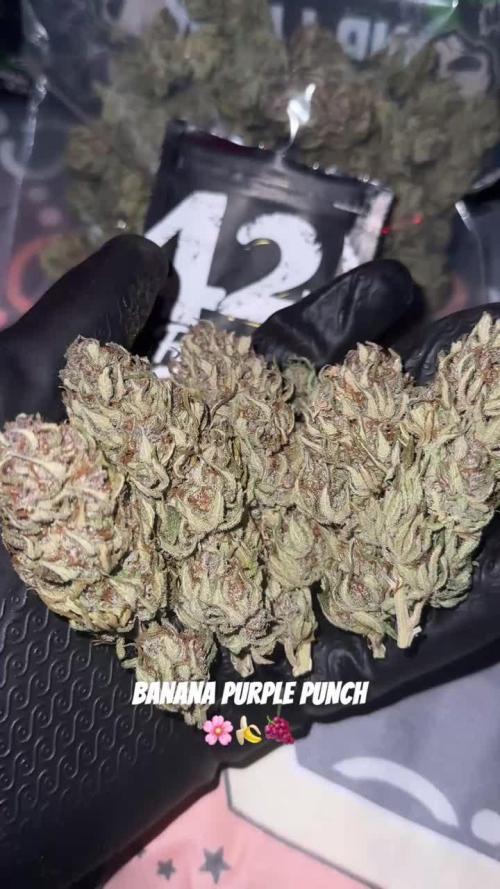
Chop chop day ✂️
Next stop: drying for about 8–13 days, then off to cure city for the coming weeks 🌱✨
I’ll be back after drying and curing with the full results breakdown 🤝🏾
UPDATE- After a solid 10 days of drying, the stems snapped like they knew it was time. She got her glow-up trim, and now our Banana Purple Punch is officially ready to cure and be served 🍌💜
She smokes smooth, hits just right, and tucks you in like a lullaby … lights out!
Flavor-wise, she’s bringing juicy fruity vibes, a little piney sparkle, and that warm, classic kush hug at the finish.
I’m beyond happy this strain made it into this season’s harvest, absolute keeper status. Huge thanks to everyone who tagged along for the ride. Catch you in my other diaries 🌱✨
Happy growing 💚


Likes
8
Share


@THcHunteR23
Follow
J’ai coupé et mis à sécher 1 des 3 . Après 3 bon rinçage j’attends que le substrat est bien séchée avant de couper les 2 autre.
Likes
216
Share


@CRiSPrGrow
Follow
Week 5 : Auto Colorado in Vertafort
Great week of growth, filling out the canopy nicely by now ! seeing some promising side shoots, not seeing any excess or lack of nutrients - yet ! sprayed with micro and kelp twice a week , keeping VPD in the green zone to great effect. got watered with co2 twice and got watered once with beneficials and micro. I might have messed uo a bit on the pH watering the last time, but only time will tell. Hopefully the soil microbes etc will buffer it out without any significant pH fluctuations. just trying to follow their growth with some LST and raising the light every day or couple of days this week, keeping the distance constant and hopefully keeping the correct distance. I'm not planning a feed for a couple of weeks at least. Let's see how the buds develop first ! Any comments or constructive suggestions, fire away ! 🚀