


Likes
Comments
Share

@RockoCalenberg
Follow
Wochenupdate – Tag 91 | Blüte Tag 31
🌱 Allgemeiner Eindruck
Der Grow läuft insgesamt noch stabil, aber man sieht inzwischen recht deutlich, dass die Pflanzen in den letzten Tagen am Limit gefahren sind.
Der Blütenaufbau geht weiter voran, der Geruch wird intensiver und die Kush zeigt ordentlich Harz, gleichzeitig zeigen beide Pflanzen sichtbare Calcium- und allgemeine Nährstofftransportprobleme, die klar auf das Klima zurückzuführen sind. Das war für die Blümchen spürbar Stress.
🌡️ Klima & VPD
Durch trockene Winter- und Heizungsluft kam es zeitweise zu sehr hohen VPD-Werten (teils im Bereich 1,7–1,9), vor allem morgens – klassisch morgens Sahara, mittags Treibhaus.
In dieser Phase stand mein Luftbefeuchter noch bei einer anderen Pflanze. Er ist inzwischen wieder im Blütezelt, wodurch sich das Klima deutlich beruhigt hat.
Die aktuellen Symptome zeigen gut, dass der Nährstoff- und Calciumtransport unter dem hohen VPD schlicht eingebrochen war.
Nährstoffe & Maßnahmen
CalMag wurde ordentlich erhöht, um die Calcium-Verfügbarkeit abzusichern.
Zusätzlich wurden Mikroben gegeben, um das System wieder besser ins Arbeiten zu bringen.
Bio-Bloom wurde ganz dezent nachgeschoben.
Durch das ungünstige VPD haben die Pflanzen zeitweise nicht sauber getrunken, was den Transport zusätzlich ausgebremst hat.
Seit der Entlaubung an BT21 ist der Wasserverbrauch sowieso etwas geringer.
Jetzt heißt es: abwarten, wirken lassen, Geduld üben
🐛 Schädlingslage
Trauermücken gehen dank Nematoden langsam zurück.
Trips sind weiterhin präsent, daher gab es nochmals Raubmilben sowie Florfliegenlarven zur Regulierung.
✅ Fazit
Insgesamt bin ich weiter zuversichtlich.
Der Stretch ist eingefangen, die Richtung stimmt, auch wenn das Klima kurz deutlich zu hart war. Jetzt geht es darum, das Setup stabil zu halten und den Pflanzen Zeit zu geben, sich wieder sauber einzupendeln.
Draußen Winter, drinnen Blüte.
Allen eine gute Woche. 🌱
RockoCalenberg
Weekly Update – Day 91 | Flower Day 31
🌱 Overall Impression
Overall the grow is still running stable, but it’s now quite clear that the plants have been pushed close to their limit over the last days.
Bud development is progressing, the smell keeps getting stronger and the Kush is showing plenty of resin. At the same time, both plants show visible calcium and general nutrient transport issues, clearly linked to the climate. This phase definitely caused some stress.
🌡️ Climate & VPD
Due to dry winter air and heating, VPD levels were temporarily very high (partly around 1.7–1.9), especially in the mornings – classic Sahara in the morning, greenhouse at noon.
During that time, the humidifier was still running with another plant. It has since been moved back into the flower tent, which helped calm and stabilize the climate again.
The current symptoms clearly show that nutrient and calcium transport was simply maxed out under those high VPD conditions – this wasn’t just isolated spots, but visible overall.
Nutrients & Actions
CalMag was increased properly to secure calcium availability.
In addition, microbes were applied to help the system get back into balance.
Bio-Bloom was topped up very lightly.
Because of the unfavorable VPD, the plants were not drinking cleanly at times, which further limited nutrient transport.
Since the defoliation at FD21, overall water uptake has been slightly lower and is being taken into account.
For now it’s about waiting and letting things work, without further interventions.
🐛 Pest Situation
Fungus gnats are slowly declining thanks to nematodes.
Thrips are still present, so another round of predatory mites was added, along with lacewing larvae for additional control.
✅ Conclusion
Overall I’m still confident.
Stretch is under control and the direction is right, even though the climate was clearly too harsh for a short period. Now it’s about keeping everything stable and giving the plants time to settle back in.
Winter outside, flowering inside.
Wishing everyone a good week. 🌱
RockoCalenberg

Likes
27
Share


@w33dhawk
Follow
03.08.21 Moin Growmies hab mir in der letzten Woche Gedanken gemacht zu meinem Vorhaben mit den Tomatenringen und mir ist aufgefallen das die Ladys nicht Grad gleichmäßig wachsen ,das liegt sicherlich daran das ich Depp wieder schlauer sein wollte und ein paar Seitenäste dran gelassen habe sprich beim ersten topping hätte ich alles entfernen sollen bis auf die 2 Triebe von der 3. Nodie und ich hab die 2 nodie mit stehen lassen weil ich dachte ich bin schlauer 🤬🤬🤬🤬🤬🤬🤬🤬🤬🤬🤬🤬🤬🤬🤬🤬🤬🤬🤬🤬ich könnte mich selber schlagen für die Dummheit naja Ergebniss des ganzen ist ungleichmäßiges Wachstum somit kann ich die Sache mit den Tomaten Ringen vergessen.......... Hab jetzt aber mein System noch einmal überarbeitet andere Topferhöhung ( 2x alte Bilderrahmen aus Holz auf Paletten Balken geschraubt und mit Hühner Draht bespannt das ganze auf Steine gestellt damit ich ne Wanne darunter stellen kann für abtropfwasser) den Rahmen vom scrogg netzt wieder raus gesammelt und neu bespannt ( Rahmen
90x90 cm aus nem alten Pavillon Gestell zurecht gesägt und mit Zaun bespannt die Abstände zwischen den einzelnen Rauten beträgt 6 cm sollte ausreichend Platz für die Triebe sein) habe das ganze gestern auf einer Höhe von 16 cm über dem Topfrand eingebaut mit Kabelbindern an den Zeltstangen befestigt somit hängt es an seiner Position fest und kann nicht von den Pflanzen hoch gedrückt werden wenn sie in die Blüte geht. Also is nun doch wieder ein sqrogg draus geworden aber den Ladys geht es insgesamt gut sie wachsen und gedeihen und wirken insgesamt gesund in den nächsten Wochen werde ich nun die Ladys in das netzt weben und Mal sehen was sie von scrogging Alla Milchschnitte halten.
Ach ja die purps aus dem Garten sind anscheinend direkt nach dem umtopfen in den Stretch zur Blüte gegangen war ein bisschen spät dran fürs raus setzten
aber lässt sich jetzt nicht ändern Mal sehen was draus wird,vll ja ein Gummibärchen Baum 😏😉 hab den outdoor Ladys gestern nen kleinen Regenschutz gebaut, is nicht der schönste aber er sollte seinen Zweck erfüllen damit der Topf Mal abtrocknen kann das Wetter ist seit fast 14 Tagen hart wechselhaft und der Topf noch nicht 1x richtig trocken gewesen das war's eigendlich was bis heut passiert ist cu Growmies und euch noch viel Erfolg........

Likes
29
Share


@JeyGanesha
Follow
Anche lei è l'ultima settimana di lavaggio radici.......oggi 29/09/2024 taglio questa Ayahuasca purple...ha un profumo fortissimo....
Oggi probabilmente inizierò a pulire tt le cime e poi.via un taglio netto 😂🤣😜👍💪

Likes
12
Share


Likes
21
Share


@Wrongholn519
Follow
It's been another easy week in the Fastbuds tent. I've spent most my energy preparing my outdoor grow space for a wild summer. At this point, there's not much I can do except water and watch my plants grow. I've added videos of other plants in relations to the mimosa cake just for visual aid. I also added a photo of my cheese auto.. it's still drying!
With the Mimosa cake auto I've been taking fan leaves off slowly for weeks now. This is a very busy plant. She is also going to run later than I expected. She's on day 76 and I suspect 95 to 100 days to finish time. I'll have to keel feeding her bloom nutes for the next few weeks; her 3 gallon bucket ran out of nutrients already.
Feeding schedule: water, feed, water, feed
Step 1- I'll take an aeration stone and use it to remove the chlorine residual in the water... this only takes 8 - 12 hours depending on water temperature. (I'm a water treatment process operator, I have checked several times in the past with my own Cl2 meters).
Step 2 - add Calmag
Step 3- add bloom nutes
Final step - pH the water accordingly (very important that this is final step)
A TDS residual of 500 ppm equals roughly 1 E.C. (I just double it)

Likes
6
Share


@C4NN4815_030
Follow
Start of week 5. after heavy flash and run off correction i need to wait til it dries and dial up the root zone to stable 1.2 to 1.4 EC and 6-6.1ph
I need to water @ 5.8 ph and 1.0EC to achieve yesterdays final runoff of 1.6EC 6.4PH
Good thing i rescued her yesterday as i found some slight tip burns.

Likes
3
Share


@Unculti_responsable
Follow
Bueno esta semana se amoldaron muy bien las ramas a la malla ya se levantaron y están engordando muy bien tiraron bastante resina y bienes muy bien, esta va a ser la última semana se fertilizantes después de esta semana vamos a empezar con el lavado de raíces, esperemos que sigan así de bien !

Likes
49
Share


@masterofsmeagol
Follow
6/9 I can't believe it but I had faith. The transplant yesterday LOOKED like it was fucked. I cleaned it up though and left it outside. This morning it was standing straight up. Both transplants were! I put tarps up to block the wind tunnel between buildings. It's still overcast and rainy. Sun isn't supposed to come out for a couple poke days. Chance of thubder storms tomorrow but I'm going to try to get everyone in their forever homes today. Or at least most of them. I plan to light dep a few right in the 3 gallon. I'm sure I'll be updating this after I get some work done.
UPDATE: I WENT OVER AND GOT THREE MORE TRANSPLANTED. THAT MEANS FIVE ARE OUTSIDE IN THE CAGE. TWO 10TH PLANET, 2 BLUEBERRY CHEESE AND A LITTLE PURPLE PUNCH. THE 3 GALLON POTS WERE RELATIVELY HEAVY SO I PICKED THE LIGHTER ONES TO TRANSPLANT. I LEFT THE ORHER TWO 10TH'S IN THE GARAGE WITH THE DOOR OPEN WITH THE REMAINING PLANTS. I ALSO ADDED WIND BREAKS AND SUPPORTS TO EVERYTHING. I WANTED TO GET EVERUTHING DONE TODAY BUT THERE MAY BE A THUNDER STORM SO IF I DONT GET IT DONE ITS NOT A BIG DEAL AND ILL FINISH TOMORROW. TRANSPLANTS WENT SMOOTH. I THINK THEY'LL GO EVEN SMOOTHER IF THEY DRY OUT A BIT. STILL HAVE THE 50 AND 40'S TO FILL. Took a bunch of videos but the don't want to load. I'll have to try tomorrow or later tonight.
UPDATE: I TOOK TONS OF PICTURES AND VIDEOS BUT THEY DONT WANT TO SEEM TO UPLOAD. IVE GOT SIX IN THERE FINAL HOMES OUTDOORS 20s and 30 gallon smart pots. Still have massive plants but I'm going to out those in the 50 and the 40. I'll finish this shit up tomorrow and get all the girls in their forever homes and if I don't have room for some I was planning on doing a light dep anyway so that will work out good. I learned a lot and transplanting went a lot smoother todsy than before. I feel really proud of myself. The last Transplant I did break a few leaves off that I didn't notice but whatever. I used tomato cages for suppirt on two and bamboo poles and string on the others. I'll add the vertical trellis as they grow. I'm proud of myself.
6/10 I got a lot done yesterday. Six are outside already. Two are in 20s in the garage. I'm planning on transplanting the rest today or tomorrow. I'll update later. Accidently uploaded lots of stuff on the wrong week. UPDATE: I TRANSPLANTED THAT SUPER TALL PURPLE PUNCH THAT I DIDNT TOP OR HST AT ALL INTO A 40 GALLON TUB. ROOTS WERE DRY AND THIS TIME IT ACTUALLY LOOKED LIKE THEY FELL AWAY. THE PLANT HOWEVER STAYED STANDINGVUP FINE. I THINK THIS PHENO IS GOING TO BE A TOUGH ONE. LOOKS GOOD LIKE AN HOUR LATER. I HAD THE 50 READY TO TRANSPLANT THIS MONSTER BLUEBERRY CHEESE I FIMed BUT THE POTS WERE SUPER HEAVY AND I FIGURED I NEEDED TO SLOW DOWN AND THINK. WE HAVE THUNDER STORMS COMING TONIGHT. TOMORROW IS GOOD. I MAY TRY TO FINISH UP TONIGHT BUT WE SHALL SEE. THE GOOD THING WITH DOING IT A FEW AT A TIME IS THAT IF SOMETHING HAPPENS OUTSIDE IVE STILL GOT A CROP INSIDE LOL. WHAT IM PLANNING TO DO IS EITHER LIGHT DEP THAT BIG BLUEBERRY CHEESE OR PUT IT IN THE FIFTY BUT IM PLANNING TO LIGHT 3 RIGHT IN THEIR 3 GALLON CONTAINERS. HAVENT DECUDED FOR SURE BUT IM THINKING THATS WHATS GOING TO HAPPEN.......of course videos won't upload and the ones that do are old videos. Damn. I need to sharpen my computer skills....and my growing skills. Especially transplanting. I suck at transplanting. I decided not to out all my eggs in one basket and left the 10th planet amd Blue berry cheese in the 20s in the garage. I pulled them out for light further but I'm ousting them back a little tonight. That way I'll have a back up if something catastrophic happens. I doubt it but better safe than sorry. I'm proud of what I've accomplished thus far. I've successfully uploaded my 1 minute plus video several times but it won't appear. Oh well. I'll try to load the videos tomorrow I guess. Just started raining. Just a light rain. Probably what fresh transplants like.
6/11 BEAUTIFUL outside. Today is the day. Most is done and I'll add the supports as trellis as they grow. This new grow space gets about twice as much sun as my old spot. The tar stops the burrowing insects. I'm getting everything out today. I just need to decide if I'm going to light dep that MASSIVE blueberry cheese or bite the bullet and put it in the fifty. Maybe I'll try to get some help from my cousin. Plants withstood the thunderstorm like Champs. I'll update as the day goes on. I planned better this year so I SHOULDN'T have an unmanageable jungle. UPDATE: WATERED THE 3 PLANTS LEFT IN THE 3 GALLONS (1 10th PLANET WITH GREAT BRANCH STRUCTURE AND TWO PURPLE PUNCH THAT WERE THE SMALLER ONES. IM GOING TO LIGHT DEP THEM. EVERYTHING IS OUTSIDE NOW IN A MIX OF 1/3 FOX FARM OCEAN FOREST, HAPPY FROG AND ROOTS ORGANIC 707 IN EQUAL PARTS. TRANSPLANTED WITH MYKOS. EVERYTHING IS OUTSIDE NOW. FINALLY DECIDED TO GET The MONSTER BLUE CHEESE I FIMed INTO ITS FOREVER HOME A 50 FALLON POT. IT WAS TGE EASIEST BEST TRANSPLANT OF THEM ALL. JUST LIKE AETTING A POT IN THE WHOLE. I DONT EVEN THINK THE PLANT NOTICED. ONE OF THE PURPLE PUNCHES HAD ROOTS OB ONE OF ITS LEAVES WHEN I LOOKED BUTVIT WAS STILL STANDING UO STEAIGHT. I KNOW SOME OF THE PLANTS LOOK DROOPY BUT WEVE HAD SEVERAL DAYS OF RAIN AND A MASDIVE THUNDER STORM. I BROUGHT OUT THE EARLIER TRANSPLANTS AS WELL. THEY ARE OUT OF THE SHOCK. WIND IS PRETTY HIGH BUT I DONT WANT TO ADD MORE TARPS. I THINK THINGS ARE SECURED GOOD ENOUGH FOR NOW. IM SUPER STOKED THAT TRANSPLANT WENT SO GOOD! Went back at 7:30pm. Some plants have a little bit of transplant shock and a little bit of burn but it's negligible considering they've been through a thunderstorm with pouring rain and extremely high winds. That blueberry cheese in the 50 transplanted so easy and still looks like it didn't even know the difference. I'll start light dep once I get a plan. Plants are recovering nicely but should something happen to one I could replace it. I'm interested in the light dep though and I've got a pretty good idea how to start.
6/12 The plants that had a little transplant shock are coming out of it. We had a thunderstorm and pouring rain the day of some of the transplants. Wasn't forecasted. High winds moved the plants around a bunch bit they are tough as hell. Everything is out now. Suppisedcto have showers the next few days. I'm putting together a feeding schedule abd setting up a spit to start light dep on the three plants I decided to flower early. The cage now gets twice as much sun as before. This is going to be a good year.
Went back over and plants are perking up and doing even better everytime I see them. I took a video but it might not upload until tomorrow. I may start a new diary for the light dep. I have a few places I'm thinking to use for light dep. I need to make a solid plan before I start so maybe a day or two. Trying to upload again but I doubt it.
6/13 Had a rushed morning but I watered the plants in the 3 gallons as they were dry. I had added more soil to a couple of the bags. The top soil is startingvtj dry out but the plants look good and we are supposed to get rain so I don't really want to water if it's going to be raining. I think I've found my light dep spot and schedule. I'll update after I do something.
WENT BACK OVER AND SPRAYED A LITTLE BIT OF WATER ON THE EXTREMELY DRY TOPSOIL THAT I HAD TOPPED SOME OF THE PLANTS OFF WITH. SHITTY THING IS THAT WAS ADDED AFTER THE THUNDER STORM SO IT MAKES IT HARDER TO JUSTE THE PLANTS WATERING NEEDS. I CAN TELL THAT ONE OFCTHE FIRST TEANSPLANTS IS STILL HOLDING WATER. I MEAN WE GOT A DOWNPOUR AND I DONT WABT TO WATER IF WE'RE GOING TO BE GETTING RAIN ANYWAY. IM GOING TO LOOK BACK OVER THE DIARY. THATS ONE GREAT THING ABOUT THESE. YOU CAN GO BACK AND CHECK YOUR WORK.
6/14 Glad I held off watering. It's raining today. Just showers. We haven't gotten any of that extreme wind we usually do. I have the plants supported but I still worry. Definitely more than I should. Plants are still doing good and acclimating to there homes. I have not started the light dep with the 3 gallons but I think I've found my spot. Once I start it will just be staying consistent putt8ng them in and out. I need to train them anyway. I have some research to do and a joint to smoke so I'll update later.

Likes
Comments
Share

@Ninjabuds
Follow
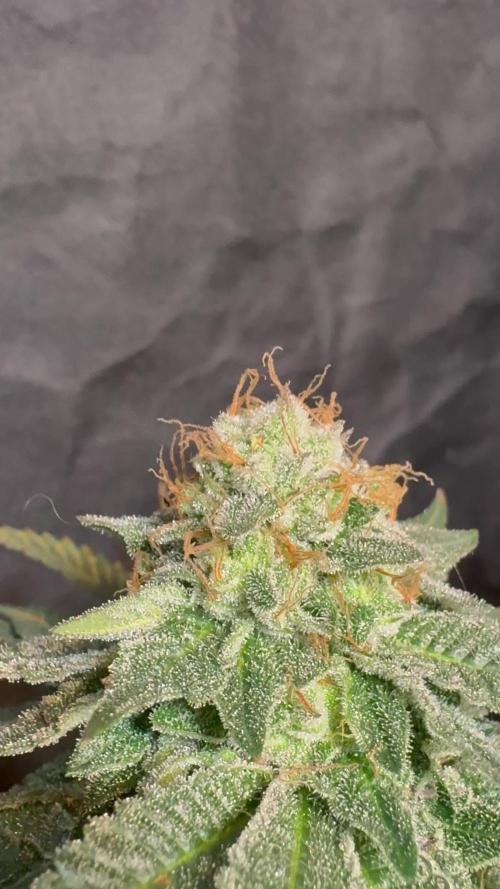
Stacks decent smells really good but a lot of leaves and smaller nugs than I’d like but a decent little plant

Likes
9
Share


@L8bloomr1008
Follow
Happy girls. Buds swelling nicely. Got the frosties poppin off.
They’re loving the fish shit.
The GWK passed DG in height this week and just starting her buds. Week 5 for her.

Likes
17
Share
@masterofsmeagol
Follow
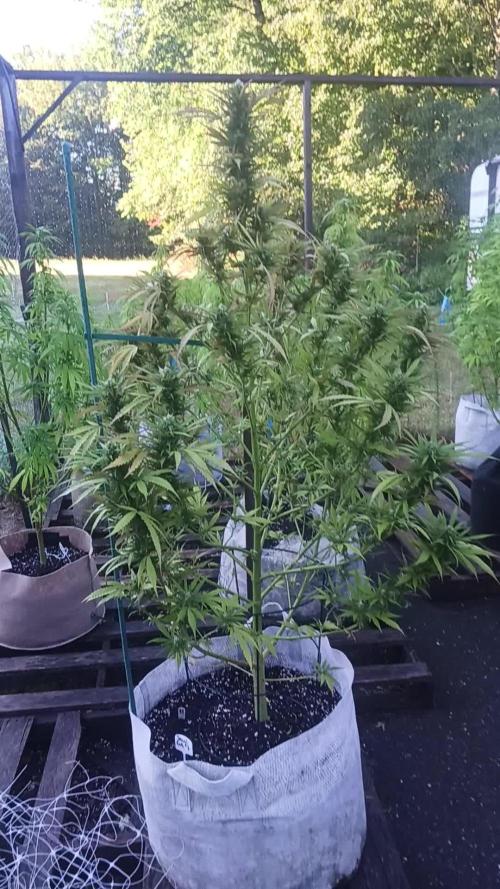
8/23 I WATERED THE NATURAL MK ULTRA AND THE 10TH PLANET IN THE BACK WITH A GALLON AND THE TWO TENS SPLIT A GALLON. It's hotter today and the wind is picking up. I wish I had gotten rid of that plant when I thought to. Oh well. I'm going to have to bite the bullet and treat things. Smell is increases as well as flower size. However I'm noticing more leaves that are yellowing and falling off. Smell has intensified. The special kush in late flower doesn't seem to be producing trichomes like it should. Or maybe it's still early. I see some but by this time I would think it would be frosty as hell! It's rained like once this summer. I've put tons of work into defoliating. I'm not sure if I'll try a controlled spray trying to avoid buds or if I should use a sponge and just hit every leaf. At least I'm seeing that the buds are still expanding and smelling despite these invisible Bastards. It's not like I see them. Even my traps only caught like one. I'll update as I go.
EDIT: WATERED THE TENTH PLANET AND THE LATE SOECIAL KUSH 1 GAL. PLAN ON FEEDING TOMORROW. I DID A SHIT TON OF DEFOLIATION. I DONT SEE ADULT THRIPS BUT I SEE THE EGGS AND SHIT IN THE CREVICE AND SOMETHING IS COMING AND EARING SMALL LOWER FOLIAGE. I RIPPED TWO INTERIOR BRANCHES OFF THE PLANTS I TREATED BEFORE WITH CITRIC ACID BECAUSE I FOUND A COUPLE STOPS OF MOLD ON THE STEM. AFTER RESEARCHING THRIPS WITH A.I. UNTIL IT LITERALLY CHANGED PROTOVAL AND STOPPED HELPING ME SAYING IT DANT HELP CULT8VATE CANNABIS AFTER GIVING ME SEVERAL DIFFERENT INSTRUCTIONS AND OPTIONS. I SCREENSHOTTED THEM THOUGH. I USED THE SAME MIXTURE OF CITRIC ACID AMD DAWN ONLY HALF STRENGTH AND HIT THE 10TH PLANET AND PINK KUSH THAT ARE PATIENT ZERO. THEN I TOOK A SPONGE AND EITHER DEFOLIATED OR WIPED THE LEAVES WITH A SPONGE AND SAME CONCOTION ON THE SPECIAL KUSH IN THE TEN. I DEFOLIATED MORE AND THEN "SPOT TREATED" A FEW LEAVES ON A BOTTOM BRANCH OF THE 10TH PLANET WITH MITE X. I'M WAITING UNTIL THE MORNING TO SEE THE RESULTS AND BEFORE I MOVE FORWARD. I HAVE ORGANOCIDE BEE SAFE AND I KNOW IT WORKS GOOD BUT IT SMELLS LIKE SHIT. IM HOPING ILL FIGURE THIS OUT.
8/24 Didn't have time to do a video or take any pictures. I pit a lot of work in the garden yesterday. I removed a couple small branches that had mold on the stem. If I had listened to my intuition and moved that plant (instead of listening to my dad) I probably could've negated this mess. Windy as hell yesterday. Maybe that's why I don't see mich damage from the thrips. The runt in the 50 has some silver ingredients on it. I'm considering using spinosad. Those are way earlier in flower and that shit WORKS. WATERED TODAY;BIG MK ULTRA 1.5, THREE IN THE BACK ROW, CHEMDOG AND TENTH PLANET ALL GOT 1 GALLON. THE TWO TENS SPLIT A GALLON. I THEN FED EVERYTHING WITH A QUART OF FOOD. I'll keep an eye out on the dosage and see what the can handle. I left out plant doctor as I'm dealing with thrips. Took a leaf that looked like sep off the pink kush in the 50 with half used soil. I didn't have much time to look around but I will when I get back and I'll put some vids/pics up. The plants that I treated with citric acid looked no worse for the wear and actually BETTER than they hadcthe day before. The other 10th planet and the Pink kusg in the ten are the worst. If I can't beat it I may junk them. I'm planning on treatingvtge plants I didn't yesterday tonight. I may use a different treatment I'm not sure.
EDIT: Went back over and took a few pics and a video. I defoliated a SHIT TON of leaves. I can just tell the ones that the thrips have been sucking and laying eggs. It's windy as hell. Plants are going crazy. I'm wondering if the wind will hurt the thrips. Maybe I should've just stood with the wind at my back and throw a buNch of D.E. in the air and have it coat the plants. I'm scared of using d.e. because it absorbs so much water. It's like 80%! The year I had fusarium I put a bunch of d.e. on the soil and it retained water like a mofo. The plants I treated showed no I'll effects. I'm th8nkobg I'm going to remove patient zero and isolate it. And I'm considering using spinosad on the pink kush. What would you do? If you had to use something in the middle of flower or loss your crop which would you choose? I'll probably just use citric acid or the rubbing alcohol. I don't know. I'll keep it updated.
UPDATE: WENT OVER AROUND FIVE AND DEFOLIATED. I CHECKED THE PLANTS I TREATED AND THE ONE IN THE TEN HAD A FEW LEAVES THAT LOOKED LIKE SEP. ITS EXTREMELY WINDY SO I DECIDED AGAINST SPRAYING TONIGHT. I LOOKED ONLINE FOR PREDATORS BUT IT APPEARS TO BE TO LATE OR EXPENSIVE. I MAY LOOK FOR AN OVERNIGHT SHIPMEBT OF LOST COAST PLANT THERAPY OR SOMETHING BUT WILL THAT WORK SUBSTANTIALLY BETTER THAN A DIY VERSION? ILL EITHER ORDER SOMETHING TONIGHT OR PICK UP THE LAST FEW INGREDIENTS I NEED TOMORROW. LOOKING THROUGH THE GARDEN THOUGH EVERYTHING LOOKS GREAT! I WISH THE TRICOMES WOULD DEVELOP A LITTLE FASTER ON THE EARLY SPECIAL KUSH BUT IT IS WHAT IT IS. THESE GIRLS HAVE BEEN THROUGH HELL AND BACK ARE REAL TROOPERS.
8/25 I thought about putting the late flowering special kush in the barn because it looks cloudy and we are supposed to get rain. I chose to wait until I got back but it started raining already. It's not raining right now but it will probably start again. I'm just worried because I haven't staked the branches. It's a strong plant though. I'll check on her when I get back. I'm looking for some Castille soap this morning and the rest of the things to make a diy lost coast plant therapy. The plants look good though and the flowers are really stacking up. I don't see that silvery shit so it doesn't look like it's spreading real fast. The pink kush is in early flower and I'm considering spinosad for them. They have a long ways to go. I'm not sure. I may just use the diy spray. I'm not sure.
EDIT: WENT OVER AFTER SUN DOWN AND MIXED UP THE DIY GREEN CLEANER/LCPT. I USED RUBBER GLOVES AND TREATED THE HUGE MK ULTRA, THE TWO TENS AND THE REVEG 10TH PLANET. I ONLY TREATED FOUR PLANTS. I HAD A PRETTY GOOD METHOD BUT IT WAS SLOW. I PUT THE LEAF BETWEEN MY GLOVED HAND AND SPRAYED THAN RAN THE LEAF THROUGH MY FINGERS TO AVOID FLOWER. ON PLANTS WITH SMALLER FLOWERS I WAS ABLE TO JUST FOLD THE LEAVES UPWARD AND GET THE BOTTOMS. ILL CHECK AND SEE HOW IT WORKED IN THE MORNING AND GO FROM THERE. WE GOT SOME GOOD RAIN TODAY. IM WORRIED ABOUT MOLD THOUGH. THATS WHY IM HESITANT TO SPRAY BUT SOME FLOWER IS BETTER THAN NONE.
8/26 IT POURED last night. Sheet rain. The storm had passed and it was like a 14% chance of rain at night. Oh well. The girls seemed to have loved it! The looked great this morning. I shook everything off and got soaked in the process. Inspected for damage and luckily didn't find any. I'm feeling optimistic about my diy green cleaner lcpt. I'm seriously considering spunosad on the pink kush as it's earlier in flower and I think it could handle it. I might just use this spray first and see how it goes. Buds are swelling and seem bigger everyday. I looked at some old diaries and I can see ive had thrips before. I also have some insect (ear wigs or pillars) that target lower branches and kinda lollipop them. I hope it's not earwigs because I've had bas luck dealing with them. I'll have to check at night.


Likes
13
Share


@DieselKush
Follow
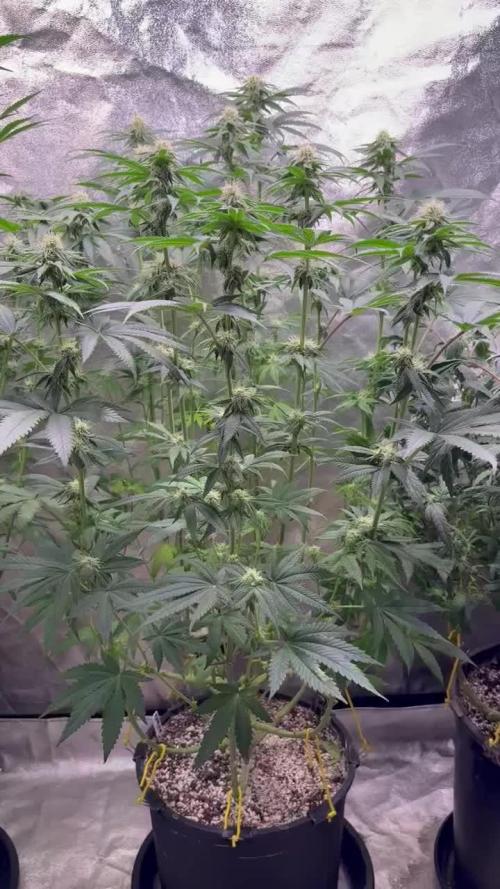
Oct.29 - We transplanted the girls into soil since they are moving into vegetation phase
Nov.4 - Watered each plant 250mL, 0.25mL of each nutrient for each girl

Processing
Likes
15
Share


@Venabr96
Follow
Floraçao correndo otimamente bem. Algumas folhas manchadas ou queimadas mais apenas algumas.
Produz bastante polem.
Ansioso para chegar ao fim dessa aventura

Likes
6
Share
@sedygrows
Follow
After another week of waiting, she finally decided to bloom. In the next few days i‘m going to change the water and add more nutrients. First experience with silicia. We‘ll see 😋🏻


Likes
37
Share


@RFarm21
Follow
Boas growmies! Penso que a royal gorilla #1 quando completar 10 semanas posso começar o flush.
10/08/2021 - O gráfico representa a nutrição misturada em 2,5L de água da Royal Gorilla 1. EC = 1,32; pH 6,2
;10/08/2021 - Alimentaçao das Royal Cheeses (4L): CE = 1,34mS; pH 6,2
-BioGrow - 7ml; BioBloom - 5,5ml; TopMax - 5ml; BioHeaven - 6,5ml; Activera - 6,5ml; Calmag - 1,5 ml
Alimentação Royal Gorilla2 (2L): CE = 0,67mS; pH 6,4
- BioGrow - 0,5ml; BioBloom - 3,5ml; TopMax - 12ml; BioHeaven - 1,5ml; Activera - 3ml; Calmag - 1ml;
Reduzi o nitrogenio (biogrow e bioheaven) porque as folhas parecem muito verde-escuro.
---------------------------------------------------------------------------------------------------------------------
13/08 - Alimentaçao da Royal Gorilla #1(2,5L): CE = 1,37mS; pH 6,1
-BioGrow - 3,5ml; BioBloom - 5ml; TopMax - 3ml; BioHeaven - 6ml; Activera - 5,5ml; Calmag - 1 ml;
13/08 - Alimentaçao das Royal Cheeses (4L): CE = 1,33mS; pH 6,3
-BioGrow - 8ml; BioBloom - 7ml; TopMax - 5ml; BioHeaven - 8,5ml; Activera - 9ml; Calmag - 2 ml;
Alimentação Royal Gorilla2 (2L): CE = 0,70mS; pH 6,1
- BioGrow - 0,5ml; BioBloom - 4ml; TopMax - 2ml; BioHeaven - 5ml; Activera - 4,5ml; Calmag - 1,5ml;


Likes
2
Share


@Alejangrow
Follow
The girls look happy so I'm happy. 😁
I think they're done stretching now.⬆️
Excited too see how these turn out. 🌺
Anyone have any experience with strain? 🤔

Processing
Likes
6
Share


