


Likes
Comments
Share

@mihixd
Follow
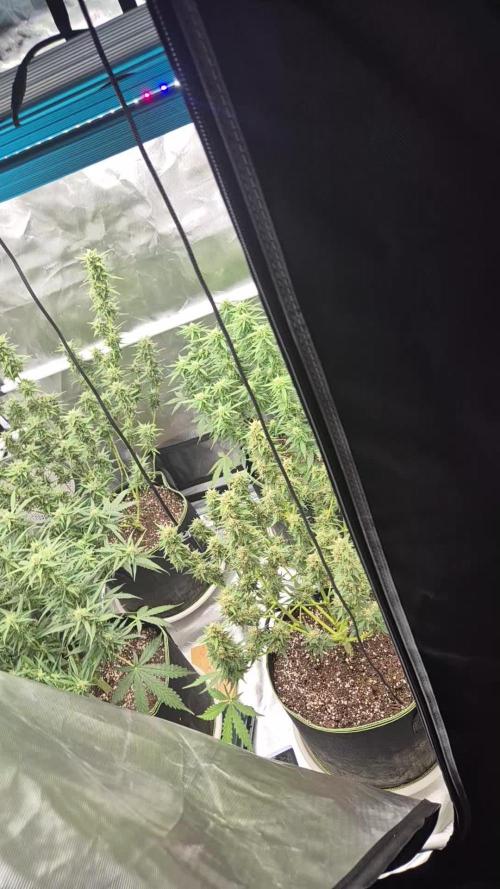
only took pics on d62 this week
D60
10L for 2 with calmag+bloom for smaller plants
10L for 2 with calmag+bloom+gs for bigger plants
d62
big defo on 2 small plants

Likes
6
Share


@AcidBurn_40
Follow
30.09.24 BT#10
Guten Abend liebe Growmie's ✌️😃
Es läuft soweit alles wie es soll , die Ice Cream Cake hat ein kleines Stickstoff Defizit heute erst mal den Drain gemessen lag noch imm Bereich des erträglichen 6,0 Ph. Wollte ausschließen das zu ein niedrigen Ph wert oder ein zu hoher die Stickstoff Aufnahme gehemmt wurde aber alles im Lot.
Deswegen bekommt Sie beim nächsten Gießen ihre Gewünschte Position Futter ohne Bedenken eine Nährstoffsperre zu festigen.
So macht Sie sich gut klar sie ist gerade nicht in der Lage Ihr Blattwerk weiter auszubauen geschweige Blüten vernünftig zu bilden.
Wird sich erholen dann ist sie wieder voll dabei bis dahin weiter so.
Vielen Dank an alle die vorbeigeschaut haben bleibt cool and stay High.
Mögen all eure Ladys Gesund und prächtig wachsen und euch mit schmackhaften Stuff versorgen 🔥🍀
■■■■■■■■■■■■■■■■■■■■■■■■■
30.09.24 BT#10
Good evening dear Growmie's ✌️😃
So far everything is going as it should, the Ice Cream Cake has a small nitrogen deficit today first measured the drain was still in the range of the tolerable 6.0 Ph. Wanted to rule out that too low a Ph value or too high the nitrogen uptake was inhibited but everything was fine.
That's why the next time she is watered she will get her desired position of food without having to worry about consolidating a nutrient barrier.
In this way, it makes itself clear that it is not in a position to develop its foliage any further, let alone form flowers properly.
It will recover and then it will be back in full swing until then.
Many thanks to everyone who has stopped by, stay cool and stay high.
May all your ladies grow healthy and splendid and provide you with tasty stuff 🔥🍀

Likes
25
Share


@Herbz_Unkraut
Follow
i accidently bought some unbuffered coco and mixed it with my ussual earth, had major calmag problems in mid-flower but i´m still pleased with the results...also had a little trouble with mold at the end due to bad weather and high humidity in the final weeks of the grow, had to remove a few buds and harvest early @ day 55 of flower....but there's still alot of great looking buds left for me to enjoy and all look mostly done...
Just harvested and hung them upside down, currently drying them at constant 19.5-20.5°C and 50-60% RH..will update as soon as they are dry

Likes
Comments
Share

@Daw33d41
Follow
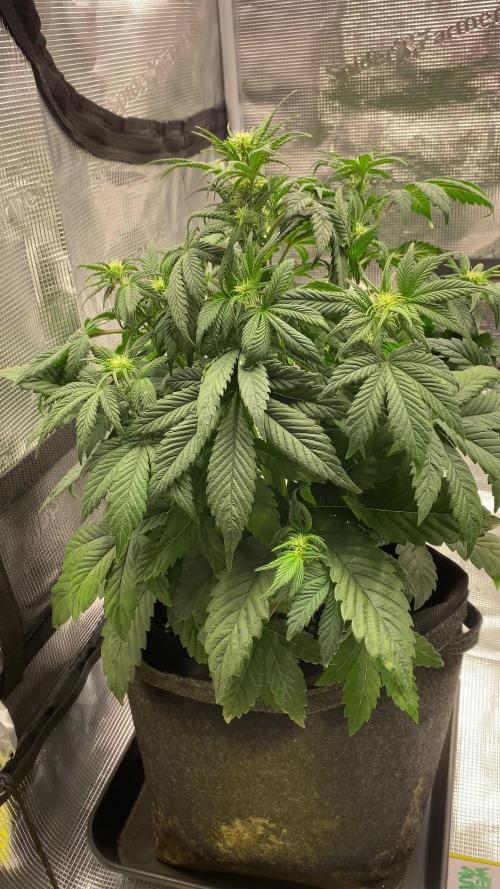
🇺🇸 Second week of flower. Everything looks great. I connected the carbon filter because the smell is starting to get pretty strong. Still watering only with water and everything is running as it should. Chemdogging x HubbabubbaHaze smells just like classic Hubba Bubba bubblegum. Wedding smells more like candy. Strong stems and healthy leaves. The lower part of the plant is starting to yellow a bit but nothing serious. Happy growing. 🌱
🇨🇿Druhý týden květu. Zapojil jsem pachový filtr, protože už to začíná být dost cítit. Pořád zalévám jen vodou a všechno jede jak má. Chemdogging x HubbabubbaHaze voní fakt jako klasické HubbaBubba žvýkačky. Wedding zase spíš jako bonbon. Maj silné stonky a zdravé listy. Spodní patro začíná trochu žloutnout. Growu zdar.

Likes
216
Share


@Ju_Bps
Follow
Hello growmies 👩🌾👨🌾🌲🌲,
👋 Like than others, she don't like the hot temperature, more and more Yellow leaves, look done soon, but the buds don't really look ready, don't bump..
💧 Give water each 2/3 days.
1,5l Water + RQS Bio Flo Pack
1,5l Water + RQS Bio Flo Pack + Sugar Royal
PH @6
- Bio Flowering Booster Pack
Thicker Flowers 1 ml/l
Bigger Flowers 1 ml/l
Sweeter Flower 0.7 ml/l
💡Mars Hydro - SP 3000
80% 45 cm.
🔥 Thanks community for follow, likes, comments, always a pleasure 👩🌾👨🌾💚🌲.
Mars Hydro - SP 3000 💡💡
https://www.mars-hydro.com/sp-3000-samsung-lm301b-greenhouse-led-grow-light
Zamnesia - Gelato Auto🌲🌲
Discount code -20% with GROWITGD code 🔥🔥
https://www.zamnesia.com/7688-zamnesia-seeds-gelato-automatic.html

Likes
5
Share


@Ninjabuds
Follow
Buds and leaves are starting to have a black hue to them the plant is starting to fourm decent buds they have a lot of resemblance to the gas cream Runtz and some of the bubble og phenos


Likes
2
Share

@Ninjabuds
Follow
The gorilla cookies has come out of the soil and it pushed itself up very well without having to dig it up out the soil. This is one plant I’m excited for I hope it grows to look like the photos
The temps are rising around here making it some much easier to start seedling than in the winter with heater on full blast

Likes
16
Share


@Chocolopeison
Follow
Comenzando semana 7 de estás nenas, aun las mantengo en 1L y hoy le hicimos su primera defoliación masiva, ahora a esperar que se recuperen para hacerle trasplante a maceta de 3,5L.
La verdad no eh tenido muchos problema, todo sigue igual siguiendo el mismo orden de nutrientes, bacterias y hongos benéficos una vez por semana, enzimas ahora se las estoy dando día por medio o cada 3 día.
Ya logramos sacar los primeros clones de la watermelon, punch y cookie y la thc bomb. la dss aun la tenemos tirando fuerza que no va mal pero no tenia espacio para más clones.
Saludos


Likes
3
Share

@Guerrilla_grower777
Follow
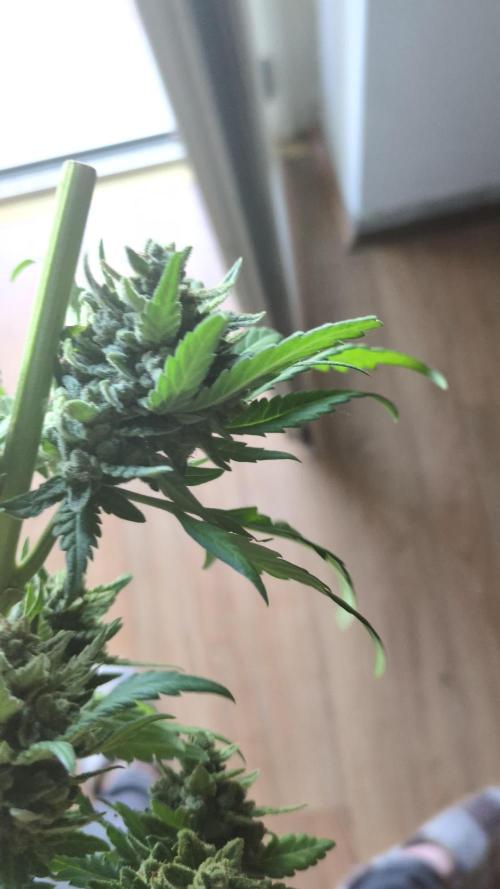
Best autoflower ever,you might not like the flavour because everyone has his own preferences but nothing beats this one in terms of potency

Likes
31
Share


@BigBadLion
Follow
Hey guys! 😀
Another update! This week my babies were still showing signs of deficiencies and I'm now almost 100% sure the culprit is Magnesium. Next week I'll add some CalMag to the mix both in water and thru some foliar application, hopefully that will help them.
Besides of that Pistachio is outgrowing Matcha by a big margin, it's obvious she's still recovering or she's still somehow stunned (maybe she'll stay small till the end of her days 😢). Either I decided to defoliate both of them and on top of that do LST on Matcha... and both responded well to it, that's good! 😍 They looked super sad for a moment 😰
The new branches look nice and the wounds were I did the topping look healthy for both plants, nice!
Anyway, see you all soon in my next update and I hope you all enjoy the photos/videos I took! 👋
Processing
Likes
12
Share


@BloodBath
Follow
I know that it may seem like a lot of nutrients at first. It’s not. A lot of those mycorrhizae ingredients are mixed into my soil well before the germinated seed goes into the pot. I make my own mix of soil using some of those ingredients. I like to use the great white mykos because of its powders consistency. Makes it easy for a clean transport from germinated bean to its forever home. For watering, they have been given only plain RO water with a neutral ph. Just yesterday I gave them a little tiny mix of Medusa’s magic, Zeus juice, and Gaia mania. I have used Oregon’s only brand products for a while now and I absolutely love them and better yet, I understand them. They have responded super well already to their first drink of bottled nutes with a ph of 6.3 . I’m keeping a RH between 50 and 60%. I’m also keeping a temp during the day at around 78-81°f. Right now I’m not worried about a night time temp but I do run cooler lights for about 4 hrs every day, dropping to around 70-75°f. Eventually I will add my second light boosting me from 600w too 1200w. Also they will begin a 20-4 hr light cycle. I find these autos do amazing with a little rest for 4 hrs. Allows me to pull more resin and color in later stages of life by dropping the temp lower than usual with the lights off. So please if you will, stay tuned and I’ll have much more info and much better videos and pictures for you to all enjoy. Thanks for looking! ✌️🏻
Likes
15
Share

@Enochian
Follow
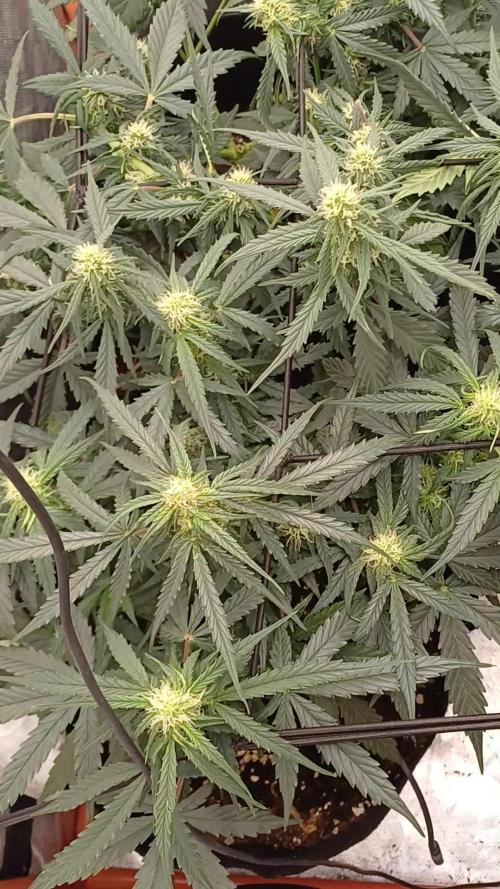
Another good week in the garden. Weather outside has turned cooler and wet but tent keeps an even 25c at 60 RH and smells great! I keep making excuses to put my head in n take a big breath. They still taking water every morning and dry within 24 hrs but I think she is starting to slow down now. Pistills turning darker and buds getting sticky n fat. Bit of frosting on the topmost sugar leaves and are beginning to fade in colour. Cleaning my loupe ready for next week. Titan is doing great too, can't wait for her to have the tent to herself and see what she can do.
Likes
10
Share


@Solarcradle
Follow
Moved from 2 daily waters in week one to 1 watering per day.
Jan 1, 2020/Day 11: Amended top soil with 8 tablespoons of Gaia Green 4-4-4 and 3 tbsp of Gaia Green 2-8-4 slow release nutrients.
Dec 31-Jan 2: Removed first true leaves and another leaf. Leaves had slight damage to them, after my dog had a couple of nibbles.
Jan 3, 2020 at 10pm: Turned bloom light off.
Jan 4, 2020 at 11:40pm: Turned bloom light on. Back to veg and bloom.

Likes
10
Share


@Jbcultivates
Follow
Great grow, dealt with some pests that took a few plants from me . But overall my best grow quality so far and I’m very happy with the grow!
Likes
6
Share


@TheSurfBud
Follow
Following High Powered Organics Gro-dirt Gro-Guide..
Things are looking up
Massive leaves..
No topping or Lst..

Likes
2
Share

@QualitySeeker
Follow
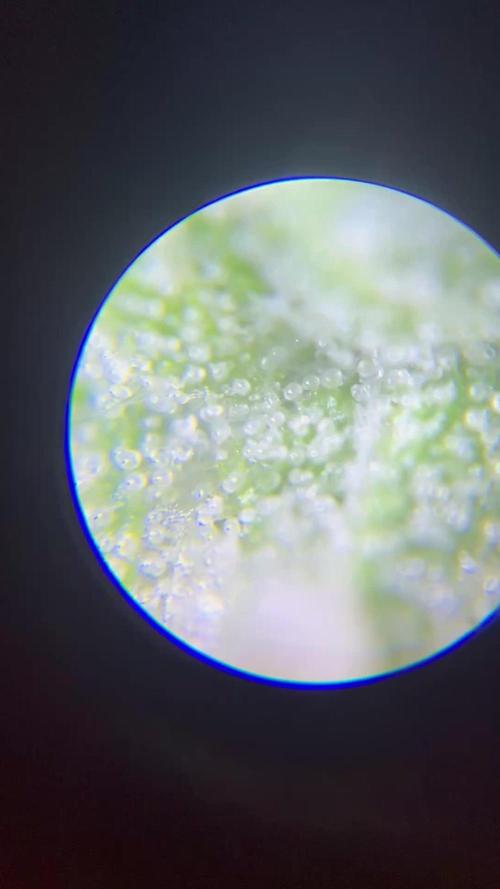
All three ladies look amazing and smell is strong too. I can tell that kush mallow smell like apples and diesel, planet purple smells like candy and licorice and pure glitter smells like tropical fruits and candys.
Everyone have good trichomes and they are starting to get little bit purple color. Still 3-4weeks for harvest :)
Likes
56
Share


@Aedaone
Follow
The temperatures, humidity, and watering volume(if measured) in grow conditions are all averaged for the week. The pH is soil pH. Any watering done by me is well water which is 7.6 pH and 50° F. Any listed nutrients are ml/gallon of soil.
Day 1 we have lots of sunshine and temperatures in the mid 80's F. I watered today about 1.5-2 gallons per pot directly from the hose. Well water is 7.6 pH and about 50°F. #1 and #2 got topped today. #2 was topped in the evening at 6.30 p.m. I waited for it to get a little more space between the nodes, so there's a bit of stem above the node. This will help it to not split.
Day 2 we had thunderstorms and rain in the morning followed by sunshine. The #3 plant was topped today.
Day 3 we had lots of sunshine, temps in the mid 80's. That evening we had thunderstorms and rain which became severe that night. Hail was in the forecast but we missed it 🙏. I noticed the number 1 plant was growing crooked. I had moved the pots to get more sunlight and the one was uneven. I did some moving and adjusting today and hopefully it will straighten up.
Day 4 we had rain in the morning followed by rain and thunderstorms intermittently into the night.
Day 5 we had rains early morning and then cloudy most of the day. We have sunshine in the forecast for the weekend. 🙏🙏🙏 All pots were top dressed with 50ml of ferrous sulfate.
Day 6 We had sunshine in the morning and afternoon. Clouds began to move in about 3.30p.m. Suddenly about 4:00 p.m. we had a severe thunderstorm that produced heavy rain and grape sized hail. Thankfully the hail only lasted a few minutes. There was some damage to this group, but only leaves.
Day 7 we had sunshine, but cooler temperatures with highs reaching low to mid 70's.
The plants began to show some Interveinal chlorosis in the new growth on day 5. I checked pH and it's above 7 in the pots. I added ferrous sulfate to counter this. On day 6 I noticed the #3 plant falling behind from receiving less direct sunlight. I've run out of space to accommodate the suns procession. I moved it to a better place for it to receive more sunlight.
This week produced challenges. The topping was successful, but the position of the plants prevented some of them from receiving maximum direct sunlight. It took a few days to notice the affect on growth. We did not have much height gained this week. There was the issue with rising pH again, but this was promptly dealt with. We survived the challenging weather. Overall a successful week as lots of downward root growth was achieved. This will be evident next week as plants shoot up.
Likes
5
Share


@Ninjabuds
Follow
Man, that plant is really taking off. It's finally starting to look just like the good old Gas House Parent. I can almost smell it already. Can't wait to see how much bigger it gets!
Well, another year has come and gone. Yesterday was New Year's Eve, and I want to wish all of you a happy and healthy 2025. May this year bring you all the things you've been wishing for. Let's make this the best year yet!
Likes
17
Share


@J4kpvp
Follow
Hello:)
New week, new problems:) this time it‘s the two plants in the back. Both drink less water than the two in the front, I suspect overwatering but I don‘t really know. The tropical cookies on the right has some light yellowing on the leaves, apparently potassium deficiency but due to the roots not taking it up, not actual deficiency in the soil. All just a chatgpt theory though so I took that with a grain of salt. It could also just be the start of normal fade since we‘re in week 7 now and I think they will be done in about 2 weeks…
Let‘s see, they are fattening up nicely though, looking more frosty every day. Especially the buds of the chocolate sherbet in the back left are becoming fat fast:)

Likes
84
Share


@Terp1
Follow
01.07.2023
Tag 57
Was soll ich sagen? Schaut sie eucht an.
Ich bin bisher sehr zufrieden mit den Zkittlez und Beide haben sehr gut auf die Entlaubung reagiert.
Weil das Licht bis zum Boden kommt, habe ich weitesgehend auf Lollipopping verzichtet.
Die Triebe haben sich ziemlich schnell gestreckt und sind deshalb noch recht dünn.
Aber je dicker die Knospen werden, desto dicker werden auch die Triebe.
Ich füttere sie jetzt gut und werde auch ein wenig Grow beibehalten
Jetzt kann ich nichts weiter tun, als auf die beiden Damen aufzupassen, sie hegen und pflegen und ihnen Liebe schenken.
Wieviel Bud dabei wohl rauskommt?