Likes
Comments
Share
@WeedWagon
Follow
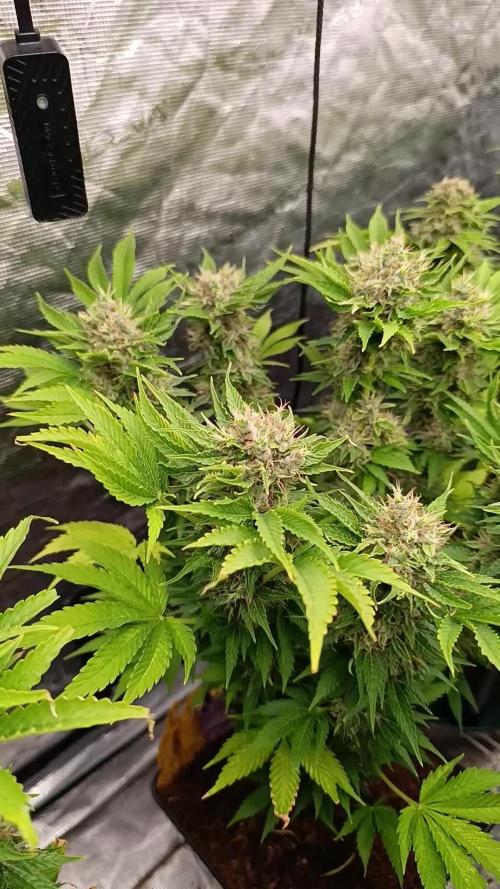
Not much happened this week except trichomes came out to be about 10% clear 75% cloudy 15% amber.
Likes
17
Share
Welcome Back!💚 Nach der dritten BlĂŒtewoche zeigen sich immer mehr stigmen! Die Pflanze beginnt nun richtig mit der BlĂŒtenproduktion und dennoch Stretched sie immernoch ordentlich. 8cm Höhenwachstum in einer Woche. Daher ist eine Technik um die Höhe im Zaum zu halten absolut erforderlich. Und Leute! Weiterhin keine mĂ€nnlichen PolensĂ€ckchen in Sicht! 😁 Das freut mich besonders, da ich schon sehr lange darauf warten diesen Strain in voller Pracht zu sehen. Sie hat inzwischen eine richtig buschige und breitgefĂ€cherte Struktur. Ich habe nun die unteren Triebe entfernt und noch etwas Laub rausgenommen. Die Beleuchtung habe ich in dieser Woche nochmal auf dass Maximum hochgefahren. Aus der Erfahrung heraus, ist es fĂŒr die Pflanze ab BW3 ein guter Zeitpunkt fĂŒr die Kosten/Nutzen effizients so zu fahren. Die Umgebungsgegebenheiten sind gut: ————— 🌞 Temp: 23°C 🌚 Temp: 18°C bis 19°C 💹 RH: 52% VPD: 0,85 kPa 😎 PPFd: 830 mqm ————— Viele GrĂŒĂŸe 👋
Likes
6
Share
Holy smokes another great week. I could not help myself and my snippy hands trimmed some of the lower larfy flower sites, and interior fan leaves. She exploded in bud production. Dialed back the nutes a bit as she nears the finish line.
Likes
5
Share
semana 4 dia 22 dia 23 st a la sour diesel pequeña dia 24 riego con 500ml y sus fertilizantes estoy esperando que el sustrato se seque sobre todo en la diesel auto mas pequena dia 25 no tengo luz full expectrum y estan con clf unos dias. dia 26. se le ven los pistilos de prefloracion dia 27: riego con 500ml con sus fertilizantes dia 28:
Likes
10
Share
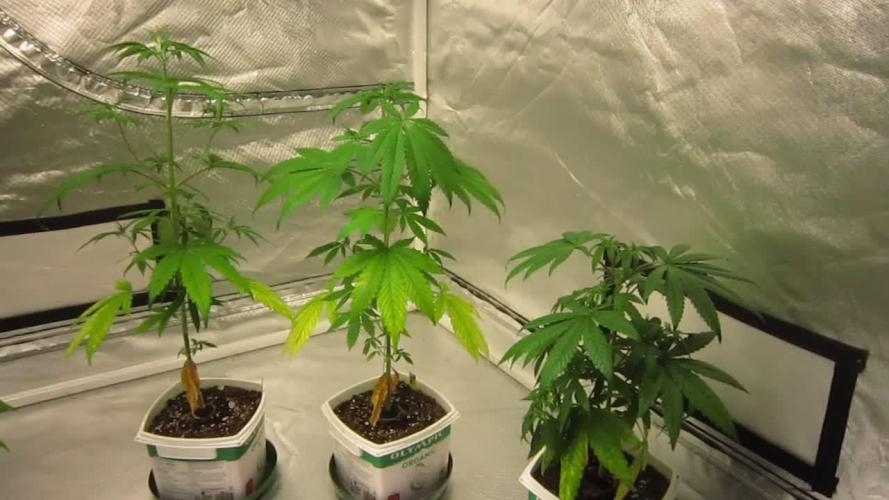
After dropping my plant last week I thought it was done for. But the new light really seemed to make all the difference for her. Having her in the tent is good because I can control the humidity a little better. But to be honest I'm doing a crap job at it ... Humidity can be anywhere between 50 and 80%. When I went to work on Tuesday the plant jumped up. Amazing how much growth in just a few hours. I was thinking about whether I should top her or not. I don't think I will though because she seems like a nice sturdy little plant At the end of the week I decided she really needed to be repotted.. I thought I was pushing it going early but I got a new light in and was planning to take her off the shelf and move her to the floor so it seemed a good time. Turned out to be a good choice. She's lovely
Likes
11
Share
War ein FestđŸ€™ hat wirklich Spaß angemacht die Damen haben alles gegeben und sind mega resistent gegenĂŒber Mehltau und KĂ€lte. Generell begeistert von OGStrains aber dieses Kultivar ist on point â˜źïž
Likes
8
Share
È stata una settimana bellissima e calda. Tutte le varietà sono vicine alla fase finale della fioritura e ognuna ha il suo forte aroma particolare. Tutte quasi piene di infiorescenze dure e molto appiccicose ormai stanno completando il loro processo di fioritura in maniera impeccabile. Come sempre queste varietà dutchfem seeds autofiorenti sono una soddisfazione! Alcune sono di tipo XXL mentre altre di taglia media ma sono tutte piene di infiorescenze e continuano a riempirsi quindi verrà applicata una raccolta graduale tra una settimana o due al massimo. Sparito ogni insetto nelle piante a causa della resina appiccicosa. Sono felice un abbraccio a tutti.
Likes
10
Share
Hi liebe Community and Welcome Back! 🌿💚 Willkommen zur zweiten vergangenen BlĂŒtewoche! Hier im Bio Tabs NL Grow, erreichen wir aktuell eine höhe von 110cm. Und eine richtig krasse Breite von 65cm. Die Pflanze hat einen moderaten Stretch hingelegt. Es zeichnet sich ein durchgĂ€ngis schönes und gesundes Wachstum ab. Die Pflanzen entwickeln sich super solide und wirkt sehr robust. Da es sich um regulĂ€res Saatgut handelt habe ich die Super Cropping Methode angewendet. Das bedeutet man verletzt die Triebe der Pflanze absichtlich und knickt sie an verschiedenen Stellen ein und ein wenig ab. An diesen Stellen bilden sich dann strukturelle VerstĂ€rkungen, das der Pflanze eine verbesserte StabilitĂ€t bietet und wohl auch den Ertrag verbessern soll. Auf jeden Fall Hilft die Technik der Pflanze, spĂ€ter die schweren Buds (hoffentlich) besser zu tragen, ohne dass Sich die Triebe zu arg runterbiegen oder sogar abknicken. Dies Woche kam von Bio Tabs NL 10ml Bio PK 5-8 in dass Gießwasser. Die Seitentriebe bilden sich immer weiter aus. Die Blattform ist schön Breit und Buschig. Die Umgebungsgegebenheiten sind aktuell gut: ————— 🌞 Temp: 26 🌚 Temp: 18°C bis 19°C 💹 RH: 56% VPD: 1,10kPa 💡ppfd: 630 mpm ————— Viele GrĂŒĂŸe 👋
Likes
27
Share
Another week done đŸ‘đŸœ, managed to get a good mate to help with the feeding an re arrangements in the tent, managing to squeeze in the Zkittlez đŸ‘ŒđŸœ Happy growing everyone! Thanks spicy
Likes
5
Share
@pants
Follow
Going well, seems to have a bit of a deficiency with the yellowing leaves. Also a little time-lapse of 3 days growth It's pretty Colm atm so growth seems a bit slow
Likes
2
Share
@viggagrow
Follow
After a few days of supplementing with co2, the plants grew very quickly
Likes
7
Share
@Trinidad
Follow
9.07.25. Day 52. Major problem over last week with humidity as my humidity controller went out and I was not keeping an eye on humidity level. I took the controller out and now constantly sucking fresh air into tent with about 50-55 relative humidity. She lost a lot of vegetation. Also high temperatures đŸ”„ of 35°C or 95°F and is set to continue for next couple of weeks .Hopefully she recovers well. I'm thinking to move grow from loft to bedrooms where it is cooler.
Processing
Likes
2
Share
@Ab_87
Follow
Everything is looking good this week. Added soil on top of pot as I could see roots showing above ground due to excess pull I did when performing LST. Will not pull so much next time. Finally found a way to take nicer pictures.
Likes
62
Share
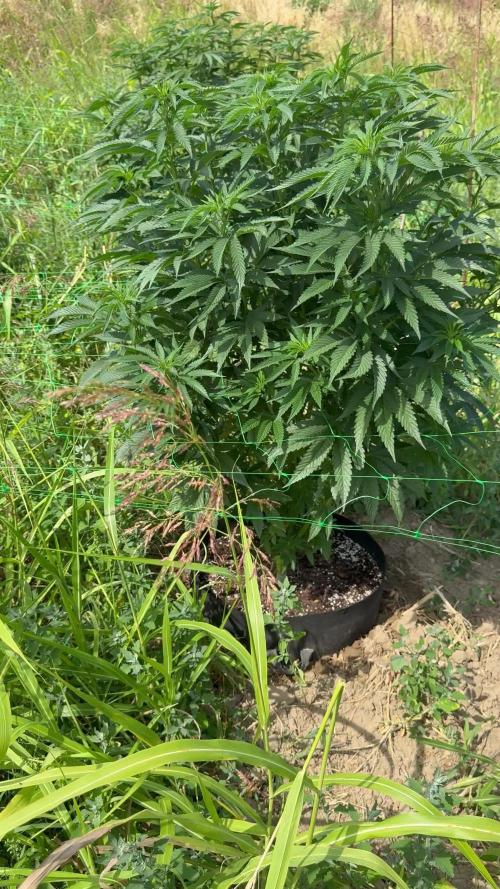
8/2 Fed two gallons this morning and took some hurried pictures. Did SLIGHT defoliation of dead leaves. Didn't have much time to inspect things. I'll check things out later this afternoon. Need to go in at night and see what critters are about. Woke very late so it was a very hurried morning. Rained last night like I expected. It's 68 at 9:30 and looks like rain. 8/3 Nice and sunny and 80 at noon. Didn't water as it rained last night nor did I get a chance to defoliate. After seeing a comment about mites I decided to break out the ol 100x scope. I took random samplings of leaves on different plants. I found ZERO mites. Just because I didn't find any doesn't mean they aren't there but it brings my anxiety down a little. While looking I did notice something is munching leaves. I wanted to use something to continue treatment for WPM and any random bugs but I may need to use captain jack's. I have lady bugs and don't want to kill them but I might just have too. I don't know if earwigs are a big problem or the holes are from pillars or hoppers or whatever else. Observing the weather and the 40 degree mornings and the wind tunnel I seem to be in, I don't see mites setting up shop or sticking around too long in these conditions. Either way if I missed something the IPM will get it. I bought general hydroponics cool bloom that I'm considering switching from tiger bloom. My tiger bloom is from last year and it seems to be crystalized a little in the bottom. We shall see. This is the last year of liquid nutes I hope. 8/4 Watered this morning and defoliated dead leaves. Looking on the inside of the plants I've noticed what looks like small leaves by bud sites dying or being chomped on. Not a single fucking aphid anywhere. I think those earwigs got a taste for those sweet lower bud sites and may be causing damage. It kinda helped as all they did was lollipop a couple lower branches in spots. Still I believe it will become a problem if left unchecked. Plan is to treat plants tonight with captain Jack's. I have a little more research to do but I believe that's the route I'll take. I noticed some pillar holes and other assorted pests so I think now's a good time to hit them with the Spinosid. Plants are looking good though. I can see cola's forming and hairs coming together to make small buds. What a great time. I have so much to do but I'm so busy with the other things going on it's hard to keep up. I'll update as I progress. Plans are fluid. 8/5 Topsoil was dry despite the rain we had so I watered and defoliated what needed and pruned some inner branches I missed yesterday. I don't like leaving exposed matter when it's wet. It's not supposed to rain until around 1pm. I'm getting frustrated. I can't find the earwigs anymore and "life" had kept me from being the best gardener I could be. Last year I woulda been out with a spray bottle every night looking for them. I need to visit the garden at night. I think I need to lower my pH too. Hopefully the apple cider vinegar spray I plan to use will help some. The water going in is good so I don't get how the pH is higher at the root zone. I've seen random damage from different pests. Tonight I'm putting petroleum jelly on the stalks and anywhere the bugs can climb up. I also plan on spraying spinosid tonight. I will update as I progress. The traps I made haven't caught a single bug. A little frustrated this morning but the garden looks gorgeous. 8/6 Rained last night. This wet weather sucks. Found a couple spots where bud shoots had been eaten as well as other tell tale signs. It's got to be those earwigs. I've researched my ass off and have none of the normal pests I usually would this time of year. Especially aphids. I have lady bugs but no way they controlled pests this well. More likely the wigs ran out of food and got a taste for nice cannabis shoots and leaves. I can't seem to make it happen at night so this morning I liberally sprayed all plants with a gallon of captain Jack's dead bug at 2tbsp a gallon as recommended. Spinosid works good and I've used it in the past with BT. Should take care of whatever. I sprayed around the cage too but I couldn't find anything. I read Spinosid is good at controlling those fucking earwigs too. Did you know earwigs are 20 million years old and the only species in their genus. I certainly didn't. I see leaf septoria all over the foliage around. By around I mean just driving or walking in the woods. It seems bad this year. At least it hasn't gotten to my garden yet. Garden is away from most other vegetation. I have ONE plant In that 30 gallon tote at the back outside my cage that I can tell has leaf septoria 💯. I don't know if I should cull it or try to fight it. I'll pick up a copper based fungicide and try first. I'm at that point where this plant was just extra and neglected so maybe it would be better of somewhere else. I may just isolate it. Hurried morning. No time for defoliation not pictures. I will update as I go. I will start apple cider vinegar spray probably tomorrow after I feed. I'm researching how to check my pH with an indicator liquid. Maybe I can get a better idea of the pH at my root zone. Those soil meters suck. Update I went for a hike just to check out the foliage in the area. I'm lucky. Japanese beetles have stripped a lot of vegetation around here but have luckily left my cannabis alone. I've killed like four total. I also noticed tons of fungal infections in trees (different area from my grow but within a mile). Hopefully I can come to decision about treating or culling that plant. 8/7 Looks like it's going to be a good day weather wise. Like I said my tiger bloom has what seems like small crystals that rattle when I shake the bottle. I know it's probably better to use one line of products but I switched to GH liquid cool bloom 0-10-10. It came highly recommended so we shall see. Plants seem to be doing well with the transition to flower. They look healthy despite the little ones outside the cage and the one with the fungal infection. Even that has nice tops it's just the bottom that looks fucked up. I think I'll bring it away from the others and attempt to treat it. Luckily it was just an experiment and a bag seed. After taking a hike I realized I'm quite lucky. Local foliage has been skeletonized by japanese beetles. This relentless rain has brought about fungal infections in trees, shrubs and even fruiting plants like blackberries. Things could definitely be much worse. I'm picking up a fungicide today to treat that plant. PM seems to be in check for now but I'll need to stay on top of it. Also need to try to get litmus paper or something to test soil pH. Meter is junk. I have indicator liquid though. I'll update as I progress. 8/8 Its been raining almost every night. Another challenge for the outdoor grower. I defoliated more leaves this morning. I noticed previous damage on bud sites that appears to be from earwigs. Also dead sugar leaves on new bud shoots down low and inside. Glad I got the Spinosid treatment in. At least whatever ate it will be dead. Need to still figure out what to do with that plant and whether it has leaf septoria or just a more advanced powdery mildew. I'm in town now and I'm planning to pick up a copper based fungicide just in case. I may isolate the one plant and treat everything and go from there. It's a large plant but seems to have lost most of its leaves. Not sure if switching the nutes was a good idea as I read that tiger bloom doesn't really expire and it's made to go with the rest of the nutes I'm using. Next week I need to stay on top of treatments and continuing to monitor for PM or other damage. Other than that plants look healthy and are transitioning to flower pretty well. Sunny and Tempe reached 90. RH is stupid high
Likes
Comments
Share
Likes
9
Share
DĂ­a 77 y final para esta Wedding Glue que ha brindado unos frutos hermosos!. Manicura y cosecha para posteriormente secar y curar estas densas y rocosas flores bañadas en brillantes tricomas, fragancias dulces tipo torta cubren todo el ambiente y una pegajosa capa de resina me impide abrir mis tijeras con facilidad, realmente una sabrosa cosecha! VolverĂ© despuĂ©s del curado para dar un informe de cosecha detallado. Buenos Humos! đŸ‘œ
Likes
36
Share
Que dire mise Ă  part que se strain est tous simplement magnifique ? Il porte bien son nom, il commence Ă  ĂȘtre bien Frosty! Et la couleur violet commence Ă  apparaĂźtre de plus en plus! Les bud sont beau et dĂ©gagent une belle odeur fruitĂ©, le plant a une sacrĂ© couverture rĂ©sineuse, je pense qu’elle pourrais ĂȘtre parfaite pour faire des extraction! Cette semaine je lui ai donnĂ© un thĂ© de compost oxygĂ©nĂ©, on va voir comment elle va rĂ©agir. Recette du tco pour 20 litres. (Grammes : gr) 50gr biochar 250gr zĂ©olite 3gr granulĂ© Micro-Organisme IT45 10gr pollen d’abeilles 10gr levure de biĂšre 3gr endomychorize 10gr consoude 20gr vers de farine 10gr cendre coque de ricin 12gr ortie microniser 15gr Kelp 10gr spiruline 10gr de cbd living soil 20ml de miel liquide 30ml de mĂ©lasse 20ml d’acide humiques et fluvic Mettre tous les ingrĂ©dients (sauf la mĂ©lasse ,l’acide h/f et le miel) dans un filtre 400micron, le placer dans un seau avec de l’eau (10litres). Rajoutez le miel et 10ml de mĂ©lasse Y mettre un micro bulleur alimenter sur une pompe Ă  air et faire oxygĂ©nĂ© le mĂ©lange pendant 24h. Rajout de 10ml de mĂ©lasse aprĂšs 12h le dĂ©but de la mise en route de la pompe. A la fin des 24h rajoutez le restant de mĂ©lasse et d’acide h/f, mettez y en plus 10litres d’eau au mĂ©lange. Reste plus qu’à arroser! Pour la Frosty j’y ai incorporĂ© 7litre de mĂ©lange La veille j’ai prĂ©parĂ© le pot Ă  l’arrosage avec 500ml d’eau et 2gr de Bacillus IT35 Amyloliquefaciens X5 Bacillus Amyloliquefaciens : rhyzosphĂšre, probiotiques. Aspersion et arrosage. Utilisable pour toutes cultures. La bactĂ©rie Bacillus Amyloliquefaciens se fixe dans la rhizosphĂšre en se nourrissant des exsudats racinaires. En contrepartie, elle stimule la croissance racinaire en sĂ©crĂ©tant des mĂ©tabolites de croissance et solubilise le phosphore en sĂ©crĂ©tant des phytases (enzymes). Effet probiotique consistant en l’utilisation de micro-organismes bĂ©nĂ©fiques pour la nutrition et la santĂ© des plantes. La spiruline, le plus riche et le plus complet des amendements organiques La Spiruline est une algue aquatique connue comme complĂ©ment alimentaire, la Spiruline est aussi un amendement organique et Ă©cologique trĂšs complet. D'une grande qualitĂ© nutritive, elle apporte Ă  vos plantes une quantitĂ© de nutriments, dont l'azote, phosphore, potassium, minĂ©raux, acides aminĂ©s, vitamines, chlorophylle et protĂ©ine. Le charbon vĂ©gĂ©tal actif est capable d’absorber jusqu’à cinq fois son poids propre en eau ainsi que les Ă©lĂ©ments nutritifs qui s’y trouvent. Il joue ainsi le rĂŽle de catalyseur et d'amplificateur pour les fertilisants traditionnels, qu'ils soient d'origine organique ou minĂ©rale. Ce pourquoi il est idĂ©al pour activer un sol et pour les thĂ©s de compost oxygĂ©nĂ©s. Le charbon vĂ©gĂ©tal amĂ©liore la diffusion et la disponibilitĂ© des Ă©lĂ©ments nutritifs dans le sol et offre des conditions propices au dĂ©veloppement des micro-organismes. Le Biochar peut ĂȘtre introduit dans une grande variĂ©tĂ© de sols. Il est particuliĂšrement efficace dans les sols pauvres, difficiles et acides. Pour faire agir rapidement et efficacement sa capacitĂ© d’amendement, le charbon vĂ©gĂ©tal est enrichi et biologiquement activĂ© avec des micro-organismes. Le Biochar se comporte ainsi comme un structurateur et un activateur dans le but de valoriser les sols. Composition : ‱ Charbon vĂ©gĂ©tal actif 31%‹‱ MatiĂšre organique 33%‹‱ MatiĂšre sĂšche 75%‹‱ C/N : 17‹‱ PH : 7,2‹‱ Azote (N) : 2,1 % dont 1,2 % azote organique‹‱ Phosphore (P205) : 0,74%‹‱ Potassium (K20) : 1,18%‹‱ Calcium (Ca) : 6,8%‹‱ MagnĂ©sium (MgO) : 0,65% Le pollen est l'ingrĂ©dient de base de la fabrication du miel par les abeilles. Riche en vitamines et minĂ©raux, il est qualifiĂ© « d'aliment parfait », y compris pour les plantes ! Les zĂ©olithes sont des roches cristallines, prĂ©sentant des capacitĂ©s d'adsorption particuliĂšrement importantes vis Ă  vis des polluants que l'on rencontre dans l'eau et dans certains liquides, ainsi que dans l'air et les gaz. Elles sont extrĂȘmement poreuses comme les charbons activĂ©s et elles peuvent ĂȘtre chargĂ©es Ă©lectriquement pour opĂ©rer comme des Ă©changeurs d'ions. La zĂ©olithe est un produit naturel qui respecte notre environnement. UtilisĂ© dans le milieu industriel depuis de longues annĂ©es dĂ©jĂ , ce minerai aux propriĂ©tĂ©s filtrantes particuliĂšres commence Ă  se vulgariser dans le domaine de la piscine privĂ©e, de l'aquariophilie, des bassins d'agrĂ©ment, de la rĂ©cupĂ©ration des eaux de pluie, ou encore de la culture des bonsaĂŻs et autres plantations diverses par exemple... 4 points techniques majeurs : - GrĂące Ă  leur propriĂ©tĂ© hydrophile, les zĂ©olithes peuvent adsorber l'eau jusqu'Ă  30% de leur poids total et sans aucune variation de volume : pas de gonflement en prĂ©sence d'eau ni de craquement en cas de dĂ©shydratation comme certaines argiles. Les zĂ©olithes sont d'ailleurs de puissants agents anti-mottant (anti-agglomĂ©rant). Cette propriĂ©tĂ© est trĂšs apprĂ©ciĂ©e dans le cas des terrains de golf et autres aires de jeux. - Les zĂ©olithes ne captent pas l'eau de façon irrĂ©versible, elles se comportent comme une rĂ©serve au voisinage des racines. Celles-ci peuvent capter l'eau en fonction de leur besoin. Les zĂ©olithes permettent ainsi de rĂ©duire les besoins d'arrosage jusqu'Ă  35 %. - Une zĂ©olithe se comporte comme une "Zone de Stockage" qui retient l'azote et les Ă©lĂ©ments minĂ©raux nutritifs au voisinage des racines et les relĂąche lentement en fonction des besoins de la plante. Cela se traduit par une croissance harmonieuse mais rapide du vĂ©gĂ©tal. - La capacitĂ© d'adsorption et l'Ă©norme rapport surface/volume des zĂ©olithes, vont permettre Ă  la fois la rĂ©tention de la solution du sol et une bonne oxygĂ©nation au voisinage du systĂšme racinaire. Les zĂ©olithes favorisent donc l'organisation biologique des sols en contribuant au dĂ©veloppement de la micropopulation. L'apport en nutriments (N, P, K) est rĂ©duit de 20 Ă  25 %. Ces derniers, adsorbĂ©s par la zĂ©olithe, sont beaucoup moins sensibles au lessivage et Ă  l'Ă©vaporation. Composition minĂ©ralogique : * Chabasite 70 % * Phillipsite 2 % * Feldspath 5 % * Augite 3 % * Illite - Mica 2% Analyse atomique: * Sio2 52 % * AL2o3 17 % * CaO 5,7 % * K2O 6,1 % * MgO 2 %, * Na2O 0,6 % * Fe2O3 3,6 % Amendement calcaire, dolomie et gypse avec prĂ©paration microbienne Ă  base de Bacillus Amyloliquefaciens IT45 et Saccharomyces cerevisiae LYCC6420 Formulation : micro granulĂ©s (1 – 1,6 mm) Ă  base de rhizobactĂ©ries favorisant la croissance des plantes qui se multiplient et colonisent rapidement la zone des racines, et de levures Saccharomyces cerevisiae souche LYCC ayant un effet probiotique. Les PGPR produisent des enzymes qui solubilisent le phosphore Ă  partir de complexes inorganiques et organiques dans le sol et stimulent la croissance des racines efficaces augmentant ainsi la zone d'interception des Ă©lĂ©ments nutritifs. Les levures LYCC permettent une occupation de la rhizosphĂšre par une flore bĂ©nĂ©fique. Composition :‹‱ MatiĂšre sĂšche : 96,8%‹‱ MatiĂšre organique : 91,5%‹‱ N total : 6,6% dont N soluble dans l'eau 0,17%‹‱ P total : 2%‹‱ K total : 1,7% Micro-granulĂ©s : ‹‱ Oxyde de calcium (CaO) total : 30%‹‱ Oxyde de magnesium (MgO) total : 7%‹‱ Anhydride sulfurique (SO3) : 13% La levure de biĂšre est une matiĂšre vivante qui permet un meilleur fermentation pour les thĂ©s de compost oxygĂ©nĂ©s notamment conseillĂ© pour accompagner les croissances ou apporter un gros coup de pousse pendant la floraisons.  La levure stimule la vie des sols Ă©galement Ă  l'arrosage direct en apportant tout aussi bien que dans le TCO sa population l'espĂšce micro-bactĂ©rienne positive pour votre sols ainsi que des oligo-Ă©lĂ©ments et diverse vitamines.   Composition : ‱ 2,8% (N) total dont 1% (Norg), ‱ 2,3% (P205) ‱ 1,6% (K20) ‱ 35% de MO ‱ C/N : 8. PH : 8,4. Sous forme de poudre mouillable. Il contient des spores du champignon mycorhizien Rhizophagus Irregularis MUCL57891 avec des levures inactivĂ©es spĂ©cifiques. 2000 spores/gramme d’endomycorhize Rhizophagus Irregularis MUCL57891 et Saccharomyces Cerevisiae LYC6420 inactivĂ©e. Se connecte efficacement au systĂšme racinaire et forme un vaste rĂ©seau souterrain de filaments, qui agissent comme des extensions pour atteindre les nutriments et l’eau au-delĂ  de la rhizosphĂšre Composition : ‱ Poudre contenant 2000 spores/g. d’endomycorhizes Rhizophagus irregularis  La Consoude (Symphytum Officinale) est une plante prĂ©sentant de nombreuses propriĂ©tĂ©s. ParticuliĂšrement riche en Potassium (K) organique, la consoude est une alliĂ©e idĂ©ale pour les pĂ©riodes de floraison. La consoude a tout pour plaire : riche en vitamine B12, elle agira Ă©galement comme stimulateur racinaire, mais aussi comme biostimulant cellulaire, grĂące aux alcaloĂŻdes, aux allantoĂŻnes et jusqu'Ă  30% de protĂ©ine ! 100% dĂ©jection de vers de tĂ©nĂ©brions.‹TrĂšs riche en microorganismes, le guano de vers de farine est une matiĂšre directement compostĂ© par les vers. En effet, c'est bien la digestion de matiĂšres vĂ©gĂ©tales par des larves, insectes ou autres arthropodes qui valident le processus de compostage, que ce soit en zone de production de cultures d'insectes, pour le compost maison ou la dĂ©gradation de litiĂšre forestiĂšre. Les bactĂ©ries et autres champignons obtenus grĂące au systĂšme digestif de nos vers, permettent la dĂ©gradation accĂ©lĂ©rĂ©e des Ă©lĂ©ments nutritifs dans vos supersoils, et les symbioses permettant l'assimilation des Ă©lĂ©ments nutritifs. Cette bio-activation intense mettra dans vos sols, Ă  la disposition de vos plantes, un panel tellement variĂ© de nutriments frais qu'il nous est aujourd'hui technologiquement impossible de pouvoir tous les nommer et de les compter.  Le guano de vers de farine fournit une grande polyvalence. TrĂšs Ă©quilibrĂ©, il s'utilise en entretien ou en apport ciblĂ© seul ou en complĂ©ment de d'autres amendements ou fertilisants organiques. Il agit comme un puissant activateur de sol et/ou de substrat. Cendre coque de ricin NPK 0,1-18,6-16,5. 0,1% (N-Azote), 18,6% (P205-Phosphore), 16,5% (K2O-Potasse), 11,7%(Ca0), 9,1 (Mg0) - Origine : Inde ACTION SOL ‱ rend rapidement accessible au sol Phosphore, Potasse, MagnĂ©sium et Calcium. ACTION PLANTE ‱ Apport aux stades agronomiques propices. ‱ Produit riche en Ă©lĂ©ments fertilisants : combinaison NPK 35%. ‱ RĂ©gularitĂ© de l’apport, milieu et fin de floraison. . Favorise la sĂ©nescence. Analyse chimique : ‱ NPK 0,1-18,6-16,5 ‱ N-Azote 0.1% ‱ P205-Phosphore 18,6% ‱ K2O-Potasse 16,5% ‱ CaO-Calcium 11,7% ‱ MgO-MagnĂ©sium 9,1% Ortie bio micronisĂ©e Stimule la vie du sol et la vĂ©gĂ©tation. Composition : ‱ 2,8% (N) total dont 1% (Norg), ‱ 2,3% (P205) ‱ 1,6% (K20) ‱ 35% de MO ‱ C/N : 8. PH : 8,4 KELP poudre‹ascophyllum nodosum‹- amendement sol Croissance et floraison - Meilleure germination - Meilleur dĂ©veloppement racinaire Meilleure assimilation - RĂ©sistance aux stress osmotiques - Augmente la production de chlorophylle = plantes plus vertes = lumiĂšre mieux captĂ©e - Lutte contre le stress osmotique - DĂ©veloppement des Micro-Organismes dans le sol – Riche en vitamines, fer, iode, oligo-Ă©lĂ©ments, hormones de croissance auxines et cytokinines - IdĂ©al en Ă©pandage et pour les thĂ©s de compost oxygĂ©nĂ©s. Important : notre Kelp est un goĂ©mon noir mais il n'est pas le varech bien moins fertile de la mĂȘme famille qui est l'algue qui pullule et pollue la Bretagne, notre algue pousse uniquement Ă  plus de 50 mĂštres de fond dans les grands courants froids au large de la NorvĂšge.