


Likes
Comments
Share


@Olduffybastard88
Follow
Selection of plants i have at different stages i need to get around making diarys for everyone of these seeds just hit the ground running and haven't stopped growing hopefully flowering next

Likes
107
Share


@DogDoctorOfficial
Follow
Get ready to step into the mesmerizing world of my Purple Lemonade FF, as we embark on an exhilarating journey through Week 6 of flowering.
A Standing Ovation for Fast Buds' Mastery
Hold onto your gardening hats because this week's update is an ode to @Fast_Buds, the creative geniuses behind this botanical masterpiece! With an immense shout-out, let's celebrate the magic they've woven into the Purple Lemonade FF. She's not just a plant; she's an embodiment of their dedication, expertise, and passion for excellence.
Trichome Wonderland: Where Magic Meets Science
Now, let's venture deep into the world of trichomes—a magical realm where science and enchantment collide. These tiny, glistening structures aren't just eye candy; they're the heart of the matter. Trichomes are like nature's jewelry, sparkling with resinous elegance. And guess what? They're not just about looks. These beauties are the treasure troves of cannabinoids, terpenes, and other compounds that make your plant a powerhouse of goodness.
Colors and Aromas: A Symphony of Abundance
As we dive into this purple symphony, let's take a moment to appreciate the colors. It's not just about visual appeal; those shades of purple are like whispers from the plant itself. They tell a story of cool nights, warm days, and the dance of chlorophyll and anthocyanin. And the aromas? They're a melodic overture to the flavors that await, a sensory adventure that will delight the senses.
Buds of Grandeur: Embrace the Beauty
Size, my friends, is a matter of grandeur in this garden. The buds have grown into mammoth proportions, dripping with resinous promises. Each nugget is like a tiny universe, a world of wonders waiting to be explored. It's a testament to our care, a tribute to the nurturing journey we've embarked upon.
Celebrating Nature's Artistry: A Glimpse Within
And now, as the sun sets on this week's chapter, here's a snapshot from the heart of the grow room. Feast your eyes upon the breathtaking sight of my Purple Lemonade FF, standing tall and proud amidst her leafy companions. It's a sight that encapsulates the joy of cultivation, the artistry of nature, and the wonders we've unlocked together.
Embrace the Journey, Savor the Beauty
As we venture onward, let's continue to embrace the journey and savor every moment. The trichomes, the colors, the growth—it's all a reflection of our dedication. With every leaf we nurture and every bud we tend, we're cultivating more than just plants; we're cultivating a connection to the heart of nature.
Thank you for joining me on this awe-inspiring voyage. Until the next chapter unfolds, keep those hearts and plants thriving!
Genetics - Fast Buds Purple Lemonade FF
Ligth - Lumatek ZEUS 465 COMPACT PRO
Food - Aptus Holland
#aptus #aptusplanttech #aptusgang #aptusfamily #aptustrueplantscience #inbalancewithnature #trueplantscience #fastbuds #dogdoctorofficial #growerslove
With true love comes happiness <3 <3 <3 Always believe in your self and always do things expecting nothing and with an open heart , be a giver and the universe will give back to you in ways you could not even imagine so <3 <3 <3
All info and full product details can be find in can find @
https://2fast4buds.com/
https://aptus-holland.com/
https://autopot.co.uk/
https://lumatek-lighting.com/
<3 <3 <3 Growers love to you all <3 <3 <3
" Arising from a cross between purple and citrus Cali genetics, Purple Lemonade FF (Fastflowering) offers a complex high made up of perfectly balanced cerebral and body effects that are ideal for daytime use. Expect an extremely enjoyable high that boosts your mood while deeply relaxing your whole body and getting rid of muscle pain. This meticulous cross produces up to 550 g/m2 of some of the most beautiful purple buds, with pinkish and reddish hues that will catch everyone’s attention. The beautiful purple buds are ready for harvest in 7-8 weeks and come hand-in-hand with unbelievably sugary citrus terps that are just as refreshing as a cold lemonade on a hot Summer day. It’s the ideal variety for the sweet-tooth stoner seeking strains that deliver both in quality and quantity of resin.
Bud Description
Purple Lemonade FF grows chunky, spade-shaped buds that boast a whole range of pinkish-purple hues with rich, dark orange pistils shooting out of every direction. This variety stands out for the, oftentimes, lilac trichomes that give them a gorgeous pink tint and make for outstanding purple concentrates. The buds give off a delicious tart lemon aroma that reveals a sweeter, more fruity scent as you break the buds open. Definitely a must for flavor chasers and those looking for pungent terpene profiles. Smoke Reports
Purple Lemonade FF offers an effect that’s just as unique as the flavor. Expect a potent uplifting high that gives you that energy boost you need to get things done while 100% happy and stress-free. The effect gradually transforms into a wave that works its way along the limbs and through the muscles, deeply relaxing your body and putting you in the right mindset to go through a busy day with a huge smile on your face. This is an excellent all-day smoke as it not only increases energy but can also help combat chronic pain, migraine and stress. Plant Appearance
This feminized photoperiod variety develops a thick and strong structure, growing a medium-sized main cola with multiple shorter side branches, typical of hybrid strains. Purple Lemonade FF develops fairly short internodal spacing with gorgeous purple buds growing stacked on top of each other, making it the perfect choice for growers of all levels looking to get lots and lots of top-shelf purple weed, as this variety can produce up to 550 g/m2 in a 7-8 week flower cycle.
Grow Tips
This is a super fast feminized photoperiod version that takes approximately 7-8 weeks to flower with a 5-week vegetation cycle,, this means you can have faster harvests by shortening the veg cycle or have a longer veg cycle for bigger yields. Purple Lemonade FF (Fastflowering) makes for a great candidate for growers of all levels as it’s a vigorous strain that will thrive with basic maintenance both indoors and outdoors. This is a resin powerhouse so make sure to have your trim bin close by as all the resinous sugar leaves will make for the most mouth-watering hash and extracts. Flavor
Expect a long-lasting citrus zest that taste just like it smells. Purple Lemonade FF reeks of a delicious blend of sweet fruits and tart citrus that’ll make your mouth water. On the inhale, expect sour flavors that taste just like lemon candy with hints of orange and a really subtle earthy background. And on the exhale, the citrus flavors open up, giving place to a more sugary berry fruitiness that leaves your whole mouth tasting like an extremely sweet weed-infused lemonade.

Likes
101
Share


@Ferenc
Follow
Day 46, 30th of October 2020:
Crazy... I went on holiday only for 6 days so my friend looked after them....
Guys... They fucking grew 20 cm it is crazy look at them I had to do LST and now giving them darkness one day and switch the lamp to 12/12....
They went totally crazy....
The smell is coming as well I bought extraction fan system with filter as well....
It is not a question all good and everything will continue the same way well from next week pump a lot of nutrition ;)
Cheers!


Likes
27
Share


@Organic_LarF
Follow
High GD community,
Week 9,
Sweet Thai looking allready better then ĺast week. The topping start to grow gently and a full 13cm in height gained this week.
Since 3 days(friday), the lightcycle changed into 13/11.
Nonetheless spidermites are spotted on this lady, she doesnt back down. After a treathment with orio bugs, who i actually misordered because I didnt had my new microscope yet, trips are definitly gone, and orios do eat/attack spidermites, its not their favorite. So a second army of bugs, this time phyto mytes, its gonna be all about attack and digesting spidermites, Who didnt yet get crowdy so far. But after a check up of some leafs with the new microscope, i can see a lot of eggs and pretty active young spidermites. So the phytos will not come to early. Phytos do eat eggs as orios dont, so thats a big difference.
Thats it for this week boys and girls,
Thanks for reading and passing by,
Grow safe buds and feel free to check out my other ladies doing fine,
🙏🌿🌿🌿🙏


Likes
10
Share


@Bhodidharma
Follow
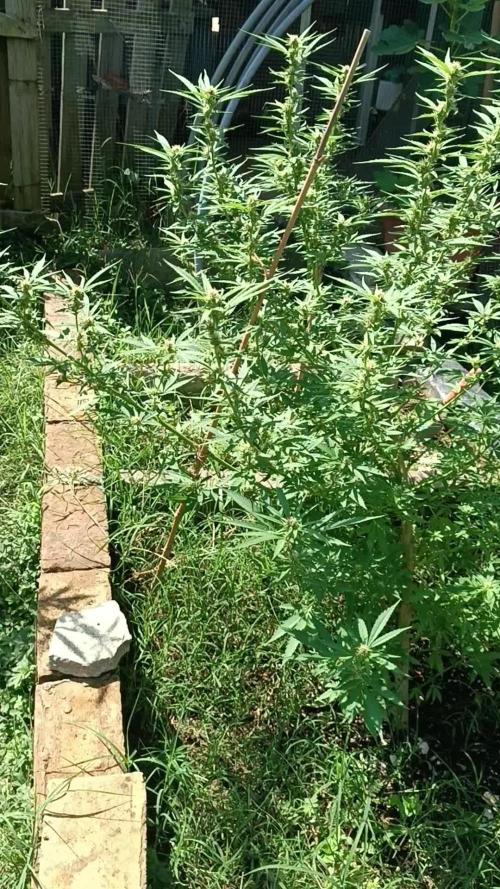
I can't believe she is still so happy. She may make it to the finish line. This will be the last week of nutrients. I have no way to flush her so it will be water from here on out.



Likes
154
Share


@CBD_Sweden
Follow
@FAST_BUDS,
Hi all the happy people here in GrowDiaries.
This is the new release of Fastbuds first CBD strain.
https://2fast4buds.com/seeds/cbd-crack
CBD Crack is a superchill euphoric hazer and medical marvel, rapidly becoming our anytime favorite.
Perfect for wake & bakes, this autoflower strain guarantees a mellow, positive and focused high.
Crack CBD is FastBuds' latest medicinal wonderbreed, delivering a rock-solid 6% CBD index. These distinguished, colorful plants autoflower beautifully in pine tree style. Lovely purpling and abundant frost adorn quality buds from top to bottom, with harvests of up to 250g per plant within 75 days of seeding.
TASTE & AROMA
Its distinctive flavor combines rustic and pungent tones with hints of citrus and cinnamon.
THE HIGH EFFECT
Contrasting robust CBD with lower THC, this bud induces a delightfully soothing, uplifting, low-anxiety effect which allows brain and body to function, while instantly easing symptoms and struggles.
HOW IT GROWS
CBD Crack boasts vigorous early growth, with full blooming around week 5-6, good frosting with a nice scent by week 8, and flowering in week 10 or 11. Ponytail her to get the side branches out & up and form some nice colas. Try 500ml of feed every other day, from day 14-17 up to week 4, and increasing as required thereafter. 70cm is a good height to reach, resulting in around 120 grams of bud weight. We recommend a bit of Low Stress Training to improve light penetration, and experimentation with light defoliation.
-----------------------------------------------------------------------------
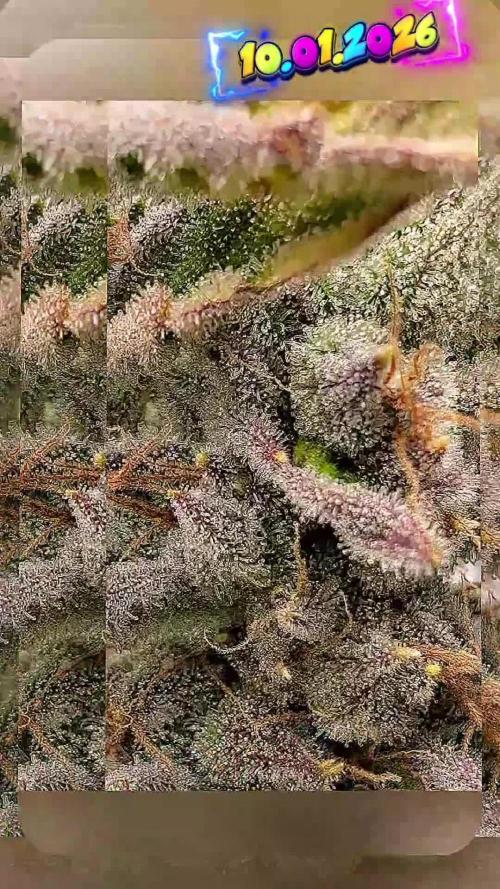
2017-10-16. Week 9 and 62 days from germination. They are stacking up in the budsites and im have max of nutrients now. Added picks and video.
Girl Nr 1 is 62 cm tall and Nr2 is 41 cm.
The smell is sweet, lemon, berry, nettels, coffey and mint. They have som nuteburn in the tips and the second one i burnt the top on the hps lamp when i was replacing it in the room. They drink about 3 liters every day and are frosty and sticky.
Likes
83
Share

@yan420
Follow
More information and details later, look at previous week for full grow info
Likes
2
Share


@fabialien
Follow
13 Agosto 2024. selección de semillas y colocación en vaso con agua ph 6.0 con agua Oxigenada.
14 de Agosto se ponen en agua las semillas por 24 horas para hidratación.
15 de Agosto, con las semillas con muestra de radicula procedemos a pasarlas a papel absorbente.
16 de Agosto se muestra la radicula avanzada.
17 de Agosto en la mañana se puede apreciar el crecimiento de la radicula.
17 de agosto en la noche trasplantamos a "Peat Pallet" y una a maceta de cartón ya que la radicula creció bastante.
18 de agosto ya en los "Peat pallet" se pueden mostrar qué las semilla se cayo por completo e iran abriendo en el transcurso de las horas, las tenemos en un domo germinador dentro del Indoor.
🌡️ 27.1 ⁰C
💨 75% Humedad
🌫️ 0.9 VPD kPa.


Likes
7
Share


@OwlGang_Uk
Follow
Week 9 - Week 9 And Plants Are Looking Fine - Plants are healthy and they have a very nice structure of branches. Looking forward to seeing the bud development.


Likes
1
Share


@Pestitel
Follow
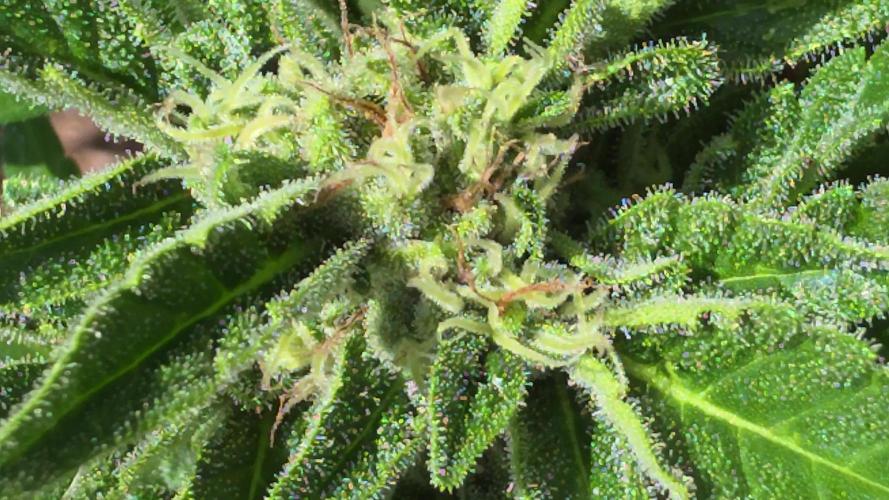
Amazing experience with the Mix Pack, I will try it again next summer for sure. Love the variety.

Likes
11
Share


@4_Pro2Bono_0
Follow
Week 3 Veg. These ladies are looking heathy as can be, Very satisfied with the genetics so far!

Likes
17
Share


@TheYorkshireFarmers
Follow
Week 4 Not Much Difference From Last Week A lot More Stickier and More Thc Showing On Both Plants


Likes
18
Share


@YungSmoke
Follow
First grow so don't really know what to expect but would say it's going pretty well. Weak smell when I take her out to water + feed, but otherwise don't notice it at all. She's really shot up since I started using nutes and switched to flowering, as well as giving up on a few of the lower leaves to focus on flowering. Now looking forward to watching the buds fattening up.

Likes
25
Share


@Plihan
Follow
Hi.ну что,вот и подошёл гров к концу,думаю подержу может ещё дня 3. dosi от передоза сильно подгорела


