


Likes
Comments
Share


@Islandgrowbro
Follow
First time using diaries just getting accustomed to everything as a new grower.
Second crop grown these are all clones from that first grow from seeds.
Faced a lot of issues in the first grow was a major learning curve. Produce some average buds. But I think I got a handle of things now.
Feel free to leave a comment tell me what you think!
First batch of clones done right. Still lost a lot due to humidity and moisture but 80/100%.
Planted clones placed under 24/7 light to start the veg. Will replant soon.

Likes
8
Share


@Bread_n_Buds
Follow
Our Zamnesia Test #3 has reached the small 16 branches that will one day be buds. I'm growing them a little more to make sure they don't go into flowering with small brunches but we're almost there, a few days and they will go into flowering.
It's a plant with a low internodal distance, they are not the most suitable for topping due to the slow response of the mini brunches but just let them grow a little and not go into flowering immediately to still get an excellent result.
As a general but very general rule, plants with a low internodal distance are less suitable for the application of techniques unlike plants with a wide internodal distance that are very easy to manage, they grow more slowly and can reach excellent sizes even if worked with techniques that keep them short.
The topping worked very very well the plant at the time of topping went slightly into overfertilization due to the evident slowdown in growth, so I slowed down the fertilization for growth but without making it go into crisis we are starting to give fertilizer again. When topping is a delicate moment it is probably better to do what I explain below with this plant I managed to keep myself more balanced the others for a week were quite evident.
The ideal when topping repeatedly is probably to start with a slow-release fertilized soil or even start preparing the soil for a period that is at least sufficient for the vegetative phase at most adding a little alga grow which alone I must admit gives me some problems at least in this case if the plant grows straight much less indeed nothing.
We are always using soil, feeding and all the recommended additives from Plagron 100% organic, we have only lowered the amount of grow in this topping phase for the reasons mentioned above.
---- Decide on the right soil and calculate your fertilizer sheet based on the soil on the official website.
-- www.plagron.com
Try a seed of this strain that drives us crazy..
-------- Strain Coming Soon! Try another Zamnesia Masterpiece instead
Zamnesia Description // Strain Coming Soon! Stay Tuned!
All the best that mother nature can offer is on ---- www.zamnesia.com


Likes
20
Share


@eldruida_lamota
Follow
Vamos familia que ya actualizamos la cosecha de estas lava Cake de Zamnesia .
Y es que me han sorprendido para bien , vaya flores que se han marcado repletas de tricomas y las flores se marcan aromas dulces
Temperaturas máximas en 28 y mínimas en 25 y una humedad estable en torno al 36%.
Os comento que tengo un descuento y para que compréis en la web de Zamnesia de un 20%, el código es ZAMMIGD2023
The discount 20% and the code is ZAMMIGD2023
https://www.zamnesia.com/
Agrobeta:
https://www.agrobeta.com/agrobetatiendaonline/36-abonos-canamo
Mars hydro:
Code discount: EL420
https://www.mars-hydro.com/
Espero que lo disfrutéis, buenos humos 💨💨💨

Likes
5
Share


@Mr_nugs_lover_David
Follow
This lady is looking super frosty and the smell it's just very strong, just like all the ladies in my garden, this pheno is smelling very good and I'm enjoying a lot working with her. Let's see how she keeps developing guys! 👨🌾💯💎
Likes
1
Share

@rommyu
Follow
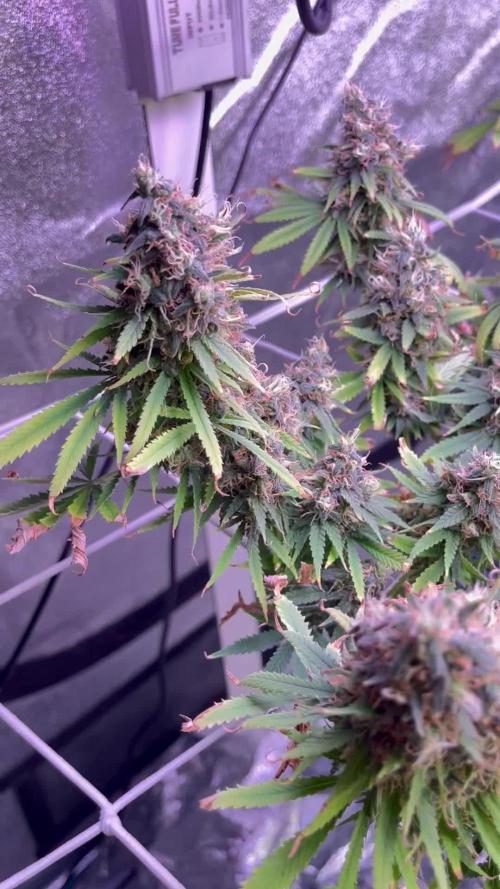
Foxtailing and new pistils can’t wait though some amber trichomes have appeared. Going into flush now and harvesting in two days. Wish I had more time but most of the energy will be towards do tailing and new growth. If i wait the terps will have degraded over-matured.

Likes
119
Share


@Natrona
Follow
Divine Opium
******Sponsored Grow******
I will be growing Opium in my outside garden over the summer. Current I'm growing my 4 outside seedlings in the tent until they are big enough to go outside on their own.

Likes
4
Share


@SmileyIndica
Follow
I’m loving the Trichome development on this, Nana glue! Probably got a couple more weeks on her .im Definitely a couple weeks plus on the Hindu.

Likes
26
Share


@Ilovekush17
Follow
Same feeding schedule. I water every 2 days. Sometimes i wait the 3rd. The 11th week is starting off nice buds flowers are getting closer together. 3rd week of flowering
Likes
2
Share


@potatolord111
Follow
Last Week with Nutrients. With the next watering I start flushing
The trichomes are largely transparent so I think at least 2 weeks more
Likes
9
Share


@Headies
Follow
So I had a few issue. I over watered early on, took them out the seed tray early, started feeding them a week or two late, no humidifier yet but they recovered well.
Likes
6
Share


@Santi_nf
Follow
3 semana en flora de las autos las demás están empezando a florecer algunas más rápidas que otras pero todo muy parejito

Tutti Candy · Zmoothiez

Critical Widow · Pev Seeds

Sweet Skunk Fast Version® · Sweet Seeds
Skywalker OG Runtz XL Auto · Sweet Seeds

Cheese Berry · 00seeds

Hard Diesel · Gea Seeds

Scrambler Haze · Blimburn Seeds
AK · Gea Seeds
Cachalote · Gea Seeds
Gealato Kush · Gea Seeds
Gorilla Glue #4 · Gea Seeds
Somango · Gea Seeds


Likes
38
Share


@Wicked_Stix
Follow
I am excited to try out this new gorilla cookies from fastbuds.
I originally started this setup to compete in the solo cup challenge, but I needed something that will be minimal maintainence and doesn't require hand watering. So this is what I ended up with. I will not be entering since I know it will bring controversy, but I am going to follow the rules and treat this grow as if I am competing.
I didn't want to use regular solo cups because last time I had a lot of algae growing in the root zone when I harvested. I opted to use a black light proof cup. These cups were 27 oz originally so I filled them with 16 oz of water, marked the level, then cut them down to 16 oz. I set the drain pipes about an inch from the bottom so they have a little reserve if I have pump or power issues. I know people will see the drains as a way for roots to grow out of the cup but in reality I have to keep the entire pipe free of roots or it will clog and overflow. So I am actually losing a little volume due to this.
I filled the bottom inch or so of the cups with river gravel to stop the perlite from washing into the reservoir.
I am running a 5 gallon reservoir with a small air pump and the plants will be getting irritated 24 hours a day from an aquarium power head pump. I set the system up to be totally self contained and easily portable. It was all built from things I had laying around other than 97¢ for the cups. I will be keeping the feed simple as always feeding maxigro and maxibloom with a couple flower boosters.
Likes
Comments
Share


@Gardens_of_Of
Follow
She seems to be overfed, showing yellowing here and there. I might have messed up the Ph because I did not adjust fhe ph of nutrients mix. I assumed it was ph corrected. Now, I am adjusting the Ph and reducing feeding. Let’s hope that she recovers next week.

Processing
Likes
36
Share


@MadeInGermany
Follow
Hey everyone 🤗.
Another great week goes by in which both phenotypes have developed super 😀.
I think I will give you 1-2 weeks before they come into bloom .
Until then, I wish you a lot Spas with the update, stay healthy and let it grow 🍀
You can buy this Strain at :
https://sweetseeds.es/de/sweet-skunk-f1-fast-version/
Type:
Sweet Skunk F1 Fast Version
☝️🏼
Genetics:
Sweet Skunk Auto (SWS34)
X
Early Skunk
👍
Vega lamp:
2 x Todogrow Led
Quantum Board 100 W
💡
Bloom Lamp :
2 x Todogrow Led
Cxb 3590 COB 3500 K 205W
💡💡☝️🏼
Soil :
Canna Coco Professional +
☝️🏼
Fertilizer:
Green House Powder Feeding
☝️🏼🌱
Water:
Osmosis water mixed with normal water (24 hours stale that the chlorine evaporates) to 0.2 EC. Add Cal / Mag to 0.4 Ec Ph with Organic Ph - to 5.5 - 5.8 .
Likes
22
Share

@GermGrowFox
Follow
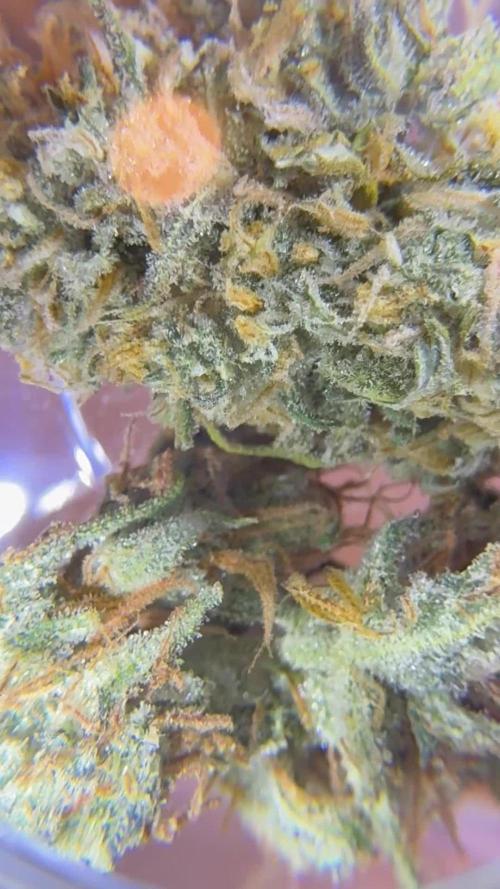
Ein weiterer grow geht zu Ende und ich bin sehr zufrieden :) Updates gibt es sobald es trocken ist und fermentiert werden kann.
Likes
8
Share

@Sobreruedas
Follow
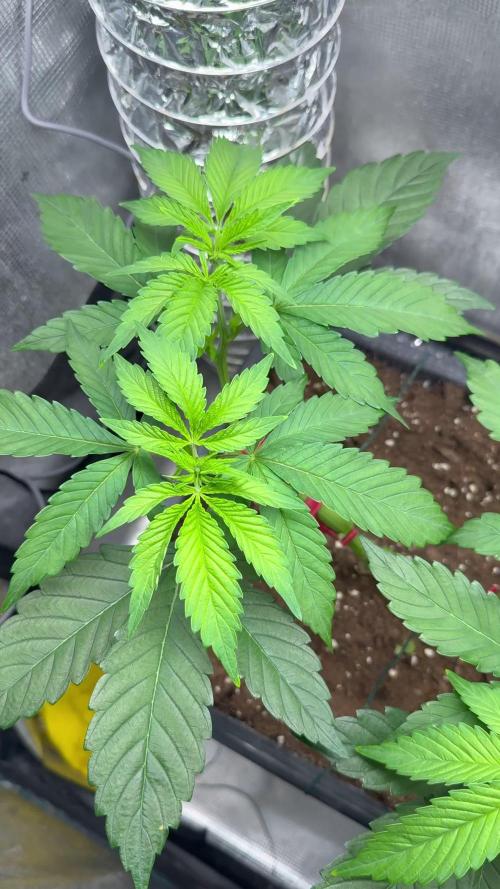
Mainlining is progressing nicely.
The main stem was topped at the 3rd node, and each main branch was topped again at the 3rd node to build a clean and symmetrical manifold.
I always wait until the branches have 5 nodes before topping, to make sure the plant is strong enough to handle the stress.
This week I performed a selective defoliation and some light LST, only to guide the branches and keep everything level.
I’m still deciding between 8 or 12 main colas, depending on how the plant continues to respond.
In the video you can clearly see the before and after of defoliation and training 🌱💪

Likes
80
Share


@RickJames_Mcdank
Follow
Everything is going fine now in week 2. I gave her only 2ml / 700 ml once. And after that just plain water. She started to stretch now. But she has recovered very well after the slow start. So finally she has a even canopy and thats what I wanted to achieve. For now she will get plain water till the Batmix runs out and I need to start give her Alga Blome. next week I will start giving her Green Sensation.

Likes
20
Share


@DrGanj
Follow
Still swelling nice. Nice even spread between buds which is allowing all bud sites to grow nicely.
