





@Kronen
Volgen
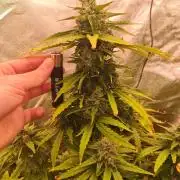
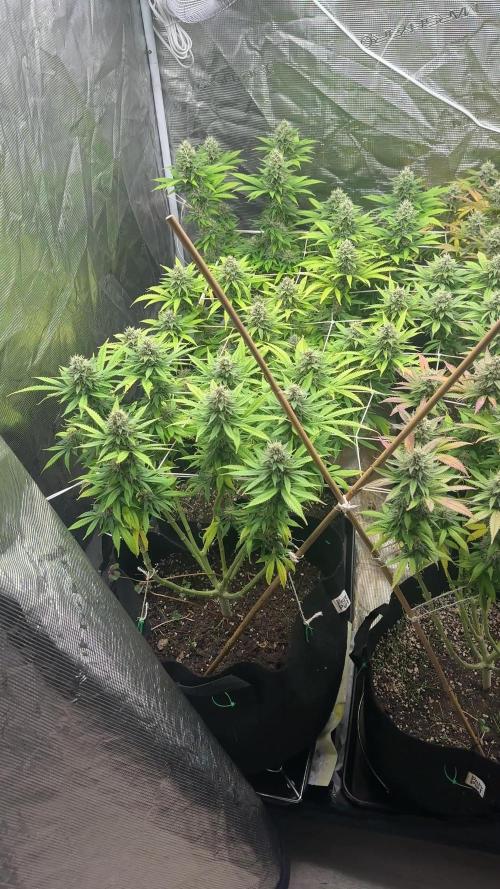
Blue Perched Soda (BPS): breeder Aeque Genetics, @peaceful3_mushy5. Day 70 From Seed, 33 Days Flowering. Buds are getting fat. Trichomes are forming and finishing strong for its small size. Weekly Environment: 79F, 43% RH, 1250ppm CO2, &1200-1400PPFD 12hr lighting. Smells of musty old socks lol. Trichome Report: Milky 29%, Clear 70%, Amber 1%.


shorts_status_processing


@Growers4life
Volgen
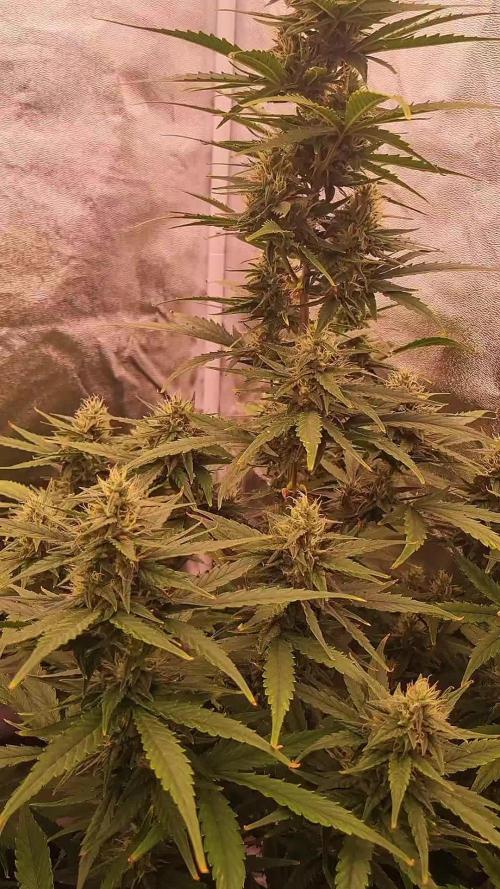
Mites are still a problem ive come to terms with the fact im not going to fully be rid of them so im maintaing them with lady bugs. I will be flipping bery soon watch for the next update!! They are looking beutifull!! Ive decided to take clomes of in house indica as well as cheese. Ive also begun the beginning stages of germination for another @greenpointseeds purple chem seed so be tuned for that. Will also be doing an @greenpoint seeds purplecake diary so make sure to stay tuned, stay lifted and keep growing😎😎😎 make sure to go follow my instagram @grow_ers4life



shorts_status_processing


@zombikush81
Volgen
happy day my friends, because little space I decided to put two of the three in bloom, the 3 girls I want to grow it again for a while. Today the first day of flowering 12/12, they are beautiful full they will make many buds
shorts_status_processing



@GREENPHOENIX6262
Volgen
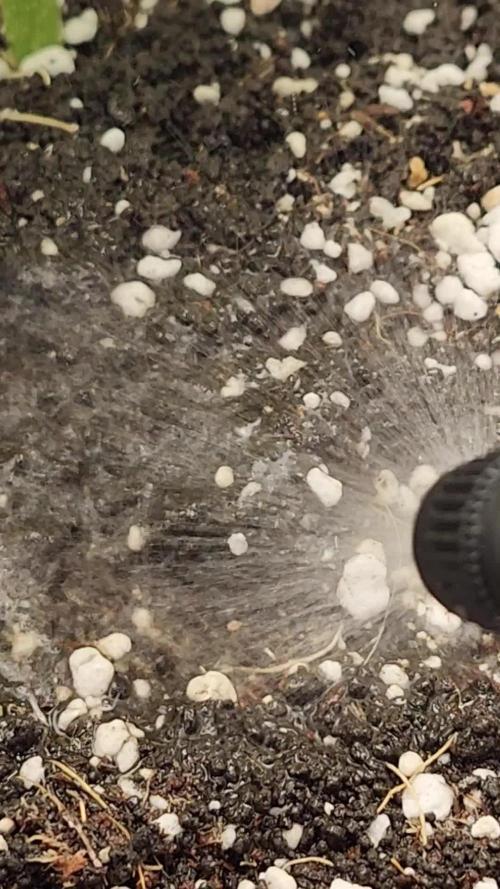
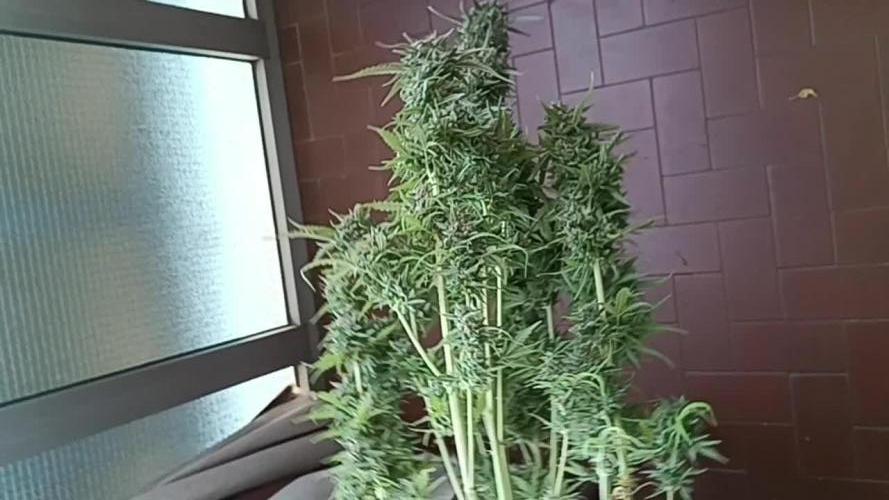
Week 7 - 08/11 - Topped most of the plant so far - LST tied down all main colas - Had an issue with the PH - has since been neutralized - clean water feeds for the next 2 weeks - prepping for transplant into 7 gallon pot.
8/15 - 7 week veg transplant - Myco/Worm castings added to the soil and perlite (60/30/10) - Humidity 85%




@Aero710
Volgen
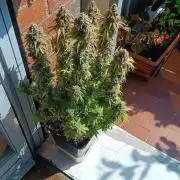
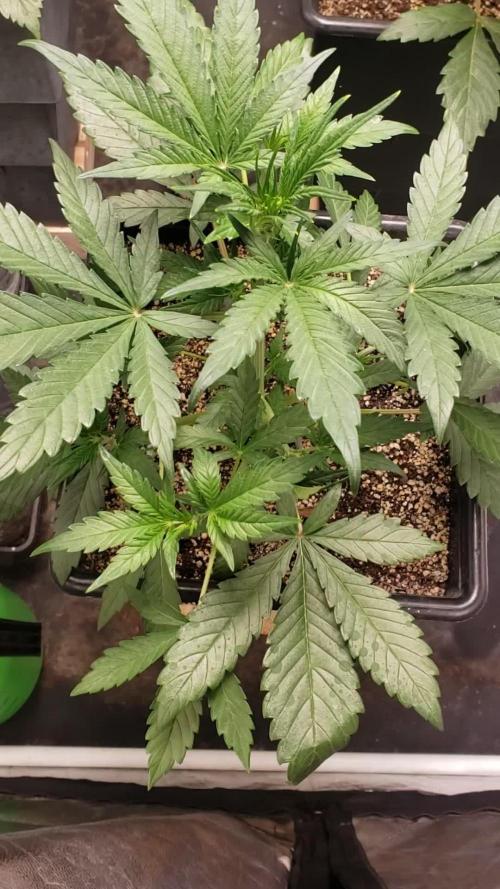
Primeros signos de floración, encantado con la velocidad de este cultivo y con las vigorosas geneticas de Barneys Farm


@The_Doctor_Green
Volgen
Hola a todos!!!.
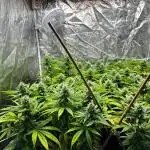
Les comento como le fue esta semana a la Strawberry Gorila Auto.
La he regado en 2 ocasiones, en una solo con agua y en la otra regue con top auto 1.5ml x l y la última de top veg 2ml x litro de agua.
En ambas ocasiones regue con 400ml .
Ya comenzó a mostrar los pestillos, asique la próxima semana intuyo que será de floracion.
El ph de dichos riego anduvo en los 6.4 , las ppm no las he medido..creo que no me olvido de anotar nada más.
Hasta la próxima semana, y buenos humos!!!.
Las imágenes corresponden al periodo 04/09 -10/09 inclusive.



@Stonerapaisana
Volgen
30/08/2025 - tenho vindo a regar alternadamente com água de garrafão e água da torneira que deixo descansar ao sol por 24h, acredito que esteja a ter um problema no EC da água mas não tenho medidor de EC. Vou comprar para a próxima run pois nesta já está muito tarde para mexer ou ajustar seja o que for. Mas de qualquer forma vou tentar esmiuçar com o que tenho para entender melhor o problema.
Vai dar um fumo excelente, o cheiro está muito forte, formação de tricomas. Obrigado a toda a comunidade por me ajudar com as minhas questões. Ajudaram imenso. Estou a adorar a experiência de fazer este diário !
Obs: Com a ajuda da comunidade acabei por perceber que o problema pode ter origem em vários fatores, como dito em cima (sem medido de EC) palpito que seja o Ec da agua que tenho colocado, fiz um calculo e o Ec da agua e são cerca de 130-150uS/cm, o que por si só é muito aceitável. No entanto a composição da agua é:
Ca2+ 1.5mg/L
Na+ 25mg/L
Cl- 19mg/L
HCO3- 47.1mg/L
Conclusão: Ainda teria de verificar o Ec do runoff dos vasos, mas sem medidor é-me totalmente impossível, deste modo as possíveis causas que encontrei seriam 2: o uso excessivo de chás aerados, pode ter aumentado demasiado a sacarose do solo e com isso a vida microbiana que por si só aumenta o Ec do solo, outro possível problema, que para mim será o mais provável, é a composição da agua que rego, tem uma quantidade de sódio relativamente alta (mais de 10 mg/l), sódio é um dos piores elementos em excesso no cultivo, não é um nutriente essencial para a planta (serve apenas em traços), compete com K, Ca e Mg nas raízes bloqueado a absorção, e acumula-se com facilidade no substrato pois não é consumido pela planta. Por ultimo, as quantidades de Ca e Mg são relativamente baixas o que pode criar um défice destes nutrientes com ainda mais facilidade nestas condições. Quando regado com este tipo de agua o ideal seria fazer um runoff em todas as regas de 10% (como um leve flush), para evitar acúmulos de sais no substrato, coisa que quase nunca fiz ao longo do cultivo. Vivendo e aprendendo :D
MAIS UMA VEZ, OBRIGADO A COMUNIDADE GD.


@Kersche
Volgen
Endlich fertig! Ich kann keine Trimmschere mehr sehen.
Um bei meiner Malibu OG Gold nachzusehen, ob die obersten Buds schon so weit sind, musste ich mit der Leiter hoch steigen.
Ich habe von oben nach unten geerntet und dazwischen immer so viel Zeit vergehen lassen, bis die Blüten jeweils im Optimum waren.




@Ultraviolet
Volgen
Thank you. Gave her a cocktail to help with stress. Added 1st net for lateral support, not so much now, but for later. Blue light is absorbed by photoreceptor proteins called phototropins, which trigger a hormonal response that causes cells on the shaded side to elongate, making the plant bend toward the light. Try and fill this side a little. She is quite big already, just needs to find her stride again after the undue torture.
5 apex stems with 20-30 mini cola, let them develop a little, with the apical dominance shattered, all those 20-30 will all compete with each other as soon as that stretch is initiated. Key to a good stretch is making sure the plant is cycling efficiently, with large ATP conversions occurring lights out.
For now, I'm keeping light intensity high. A plant will slow its vertical growth in very high light intensities, leading to a more compact form with thicker stems and leaves. This response is a protective mechanism against light stress, which can damage the photosynthetic apparatus and lead to symptoms like leaf scorching, yellowing, and brittleness. Instead of growing taller, the plant invests its energy into creating a more robust, stress-tolerant structure.
Providing plants with necessary antioxidants helps protect the photosynthetic apparatus by scavenging reactive oxygen species (ROS) that cause damage from excess light.
UV light exposure can impact the xanthophyll cycle by either enhancing its photoprotective role or causing damage, depending on the intensity and type of UV radiation. UV exposure can trigger the synthesis of more xanthophyll cycle pigments to increase the plant's capacity to dissipate excess energy, but it can also cause direct damage, particularly to Photosystem II, and may lead to a decrease in the de-epoxidation state (DEPS ratio) which indicates a reduced capacity to dissipate excess energy.
Plants can respond to UV stress by increasing the synthesis of xanthophyll cycle pigments, such as violaxanthin and zeaxanthin, to improve their photoprotective capacity. UV-induced changes in xanthophyll cycle pigments can be linked to a plant's overall tolerance to high radiation stress. The xanthophyll cycle helps protect against photoinhibition, which is especially important when the plant is exposed to high levels of both UV and visible light. High doses of UV radiation can directly damage photosynthetic components, including the proteins, lipids, and pigments in the thylakoid membranes. Exposure to UV radiation can have a mixed effect on the de-epoxidation state (DEPS ratio) of the xanthophyll cycle pigments. In some cases, UV can inhibit the conversion of violaxanthin to zeaxanthin, resulting in a lower DEPS ratio and a reduced capacity for energy dissipation. However, the total pool of xanthophyll cycle pigments may increase, and this enhanced pool size could provide a greater potential for photoprotection despite a lower DEPS ratio.
The xanthophyll cycle works alongside other mechanisms, such as the accumulation of flavonoids (UV screens), to protect the plant from UV-induced damage.
Blue light repairs 100% UV-induced damage in plants through a process called photoreactivation, which uses a light-dependent enzyme called photolyase. This enzyme uses energy from blue and UV-A light to directly reverse the damaging pyrimidine dimers in the DNA caused by UV-B radiation, a key mechanism for maintaining the plant's genetic integrity.
After carbon, light, water, temperature, and nutrients, the limiting factor of a plant's growth is often its own internal factors or the amount of a key ingredient. Chlorophyll concentration is one such factor, as the amount of this pigment limits how much light can be captured for photosynthesis. Other factors include chloroplast number, respiration rate, and the concentration of carbon dioxide in the atmosphere, as plants are often in a CO2-deficient condition.
60x60x18=64800seconds x 700 = 45,360,000moles. 45DLI
Exposure to 165 µW/cm² of ultraviolet-B (UV-B) light for 3600 seconds = 1 hour, a extremely high, acute dose triggering stress responses and protective mechanisms.
.
The plant's photoreceptor protein, UVR8, senses the UV-B radiation. This triggers a signaling cascade that activates specific genes to protect the plant from damage. In response to the UV-B signal, the plant ramps up the biosynthesis of protective compounds like flavonoids, phenolic acids, and anthocyanins. These compounds absorb UV radiation and accumulate in the epidermal layers of leaves to shield inner photosynthetic tissues. The plant may increase leaf thickness or deposit more cuticular wax, creating a physical barrier to the radiation. The plant will produce more enzymatic and non-enzymatic antioxidants to neutralize the reactive oxygen species (ROS) produced by the UV-B radiation. The plant activates enzymes, including photolyases, to repair DNA damage caused by the UV-B. These repair mechanisms are critical for preventing permanent genetic mutations.
While protective measures are activated, a high dose delivered over a short period can cause stress that overwhelms the plant's defenses.
Photosynthesis is highly sensitive to UV-B. A high dose can inactivate Photosystem II (PSII), damage thylakoid membranes within the chloroplasts, and reduce chlorophyll content, which lowers the plant's overall photosynthetic capacity. Despite repair mechanisms, high UV-B doses can inflict persistent damage on the plant's DNA. One study found that acute, high-dose UV-B had a greater effect on genome stability than chronic, low-dose exposure. The overproduction of reactive oxygen species can cause oxidative stress, leading to the oxidation of lipids and proteins and disrupting cellular function.


@MrSpunk
Volgen
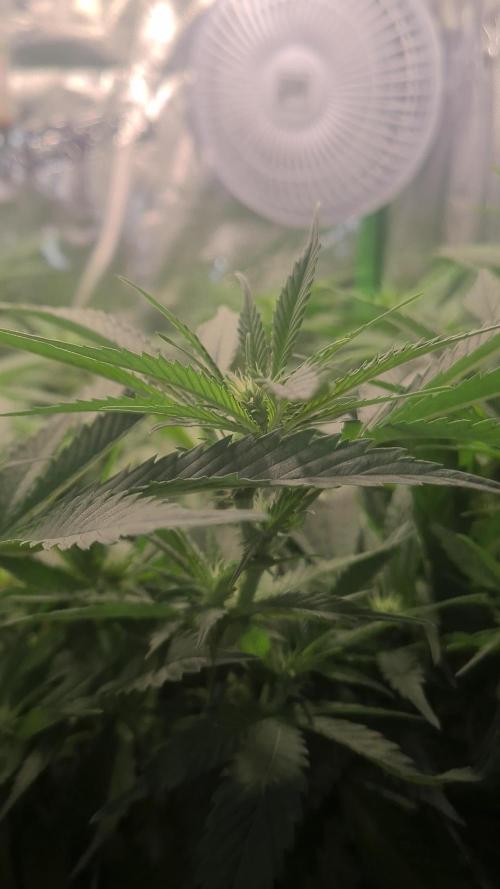
It has a very nice, abundant buds and a very pleasant aroma. I'm looking forward to trying it in a few weeks.



@eldruida_lamota
Volgen
Vamos familia, actualizamos la quinta semana de floración de estas Frosty tooth de Seedstockers, aplicamos varios productos de Agrobeta, que son increíbles para aportar una buena alimentación a las plantas.
Temperatura y humedad dentro de los rangos correctos dentro de la etapa de floración.
La tierra utilizada es al mix top crop, por cambiar.
De 5 ejemplares seleccioné los 3 mejores para completar el indoor y trasplanté directamente a macetas de 7 litros, el fotoperiodo a 12/12, aplique una poda de bajos, se ven bien sanas las plantas, tienen un buen color y progresan a muy buen ritmo por el momento, las plantas ya empezaron a tricomar, una locura.
Agrobeta:
https://www.agrobeta.com/agrobetatiendaonline/36-abonos-canamo
Hasta aquí todo, Buenos humos 💨💨💨.
