


Likes
Comments
Share


@Shizzlemanizzle
Follow
Day 43
Watered them with feeding but a bit less than in Chart. Ppm is still high but because I got bio-fertilizer I think it should be okay 👍🏽. I also set the light from stage 7 to stage 9 so far the plants seem to like it. Will give an update on day 45.
Day 50
Trying to fix the overfeeding. looked good
Day 53
Still a bit overfed. Reducing the feed. I’m trying water without minerals next and will see how it is going.

Likes
16
Share


@Ladyblazed
Follow
Started a little training, cut down the older fan leaves and topped up. I’m adding a tiny bit of root stimulator cause changed the pot size last week so it will to promote a faster growth. Gotta keep this lady low cause the box is quite small. So excited 😆

Likes
16
Share


@DreamIT
Follow
-Sponsored by:
🎭ZAMNESIA SEEDS🎭-💡VIPARSPECTRA💡-💐GREEN BUZZ LIQUIDS💐-🛠️WEDRYER🛠️
8/7 After several days of Growdiaries making it difficult for me to write and respond to comments, I found that I can still update the journals. I apologize to everyone for the non-replies but I have replaced the main email and the email to confirm the account never arrives, and Growdiaries' customer service seems to be non-existent.
10/7 everything is going well, nothing special to add🤘🦄
12/7 all good, things are going great
__________________________________________
Personal advertising (contains affiliate links)
__________________________________________
🦄Zamnesia boasts the most complete and accurate site where you can find everything related to cannabis and the "psychedelic" world. Autoflowering, feminized seeds, mushrooms, salvia divinorum, afrodisiacim of everything, and more! ( no affiliate link)
✅https://bit.ly/Zamnesiaseeds
__________________________________________
Did you know that Green Buzz Liquids fertilizers are 100% vegan? A complete line of products ready to give the best to each of your plants! Visit the site and see my journals to see how they work 🦄
🤯 And with the code "dreami t" you will immediately receive a 15% discount on your purchases
✅https: //bit.ly/GreenBuzzLiquidsPro
__________________________________________
👀 Are you looking for a good lamp to start with? 👀
🌞Viparspectra has something more than the others, take a look at their site.
⏩ Use "GDVIP" for an extra discount or "DREAMIT3" for an extra 5 %% discount
👀 Search for it on Amazon
✅Amazon USA: https://amzn.to/30xSTVq
✅Amazon Canada: https://amzn.to/38udUVe
✅Viparspectra UE: bit.ly/ViparspectraUE
✅Viparspectra USA: bit.ly/ViparspectraUS
______________________________________________
🌈 Tired of blowing on your weed hoping it dries quickly? Check out the Wedryer website! You will find a well-made accessory that will help your weed dry in just 8-10 days without the annoying risk of finding mold or other annoyances! (no affiliate links)
✅https: //bit.ly/Wedryer_
______________________________________________
📷🥇Follow the best photos on Instagram 🥇📷
https://www.instagram.com/dreamit420/
Backup
https://www.instagram.com/dreamit4200/
🔻🔻Leave a comment with your opinion if you pass by here🔻🔻
🤟🦄💚 Thank you and good growth 💚🦄🤟

Likes
12
Share

@Chubbs
Follow
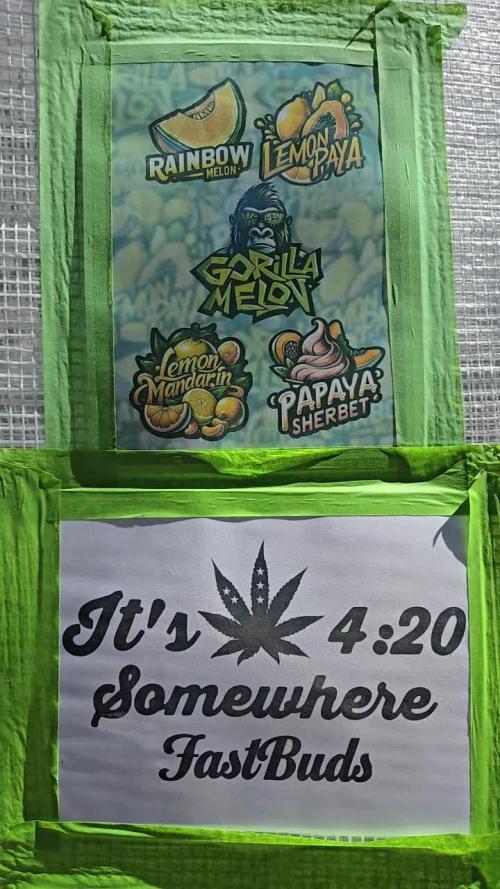
What up fam, weekly update on these gorgeous girls. They're showing preflowers now which I'm definitely happy as that means the stretch is almost over. I did add a 2nd scrog net its 6ft high. Over all I couldn't be happier with how they've grown. Happy Growing.

Likes
39
Share


@Silverback_Guerilla
Follow
9/21:
They're doing great except for the last seedling to emerge (a Lemon Pie). She is suddenly droopy like she's overwatered, but that's not the case..root issues I suspect. A few signs of deficiencies on other plants, but I fed them today and upped the nute dosages a bit.
I also prayed and sprayed them with Boom Boom Spray...
9/22:
Good growth. I sprayed them with Microlife Super Seaweed today.
The sick Lemon Pie's new growth is perky, but she's so limp looking otherwise...
9/23:
I transplanted the sick Lemon Pie into a 3 gallon pot and loosened up the soil in her rootball a bit while doing so.
Fed them all some ONE with little Boomerang today.
9/25:
I harvested enough plants that I was able to swap the seedlings into the closet and the remaining photos into the tiny tent.
I set the lighting timer to give them 4 hours of dark a night.
9/26:
I potted up the other 17 Fastbuds plants today and watered them in with a full dose of ONE, some boomerang, and some Microlife Super Seaweed.
9/27:
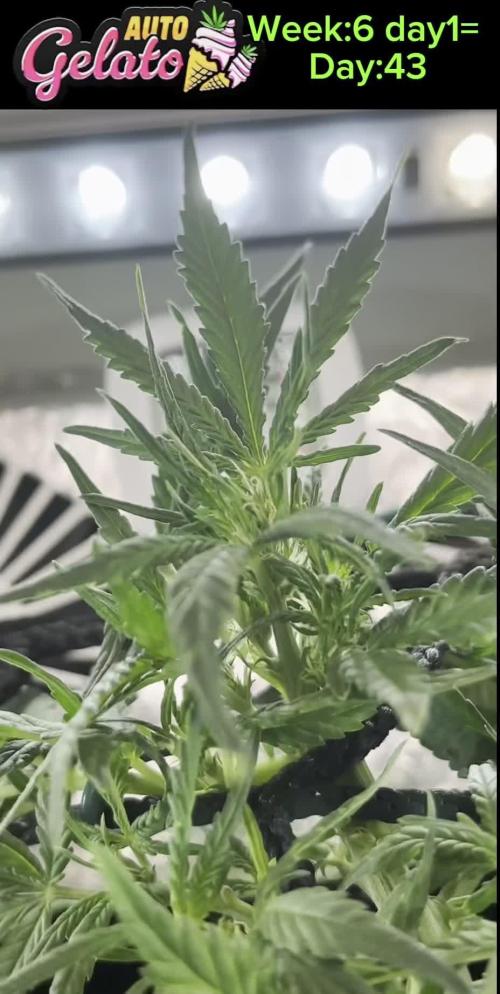
They seemed to take right off once they got some room for their roots to stretch out. Several of them started flowering. The sick Lemon Pie is looking much better now. That old growth is kinda petrified, but I'll leave it until she's got more new upper growth. Thirsty girls. I'll have to feed again tomorrow.


Likes
5
Share
@Permanentmarker88
Follow
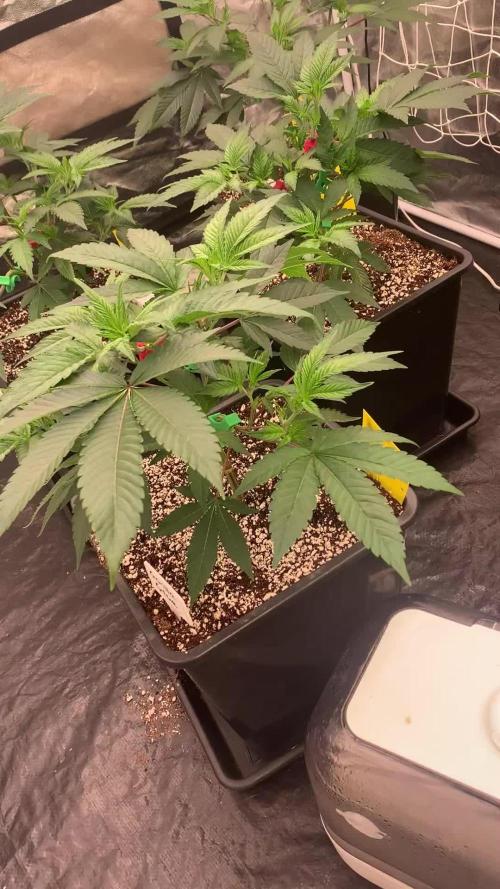
Vegetation Day 18
Die Steckies gedeihen prächtig mit den Athena Blended line Nähestoffen auf Coco/perlite70/30.
Sie sind alle kerngesund und die Triebe sprießen aus allen Richtungen nach dem Toppen.
Heute wurden unnötige Fächerblätter entfernt ,welche die unteren Triebe bedeckt haben (Defoliert).
In den nächsten 3-4 Tagen werden die Pflanzen in die Netze geflechtet und dann kommen wir der Blütenzeit immer näher.
Gegossen würd weiterhin nach dem Athena Blended Schema EC :2,1
PH: 5,8
Hinterlasst gerne ein Kommentar:))
Viele Grüne Grüße🏻🏻🏻


Processing
Likes
14
Share

@Silverback_Guerilla
Follow
TUESDAY 7/23:
The FIM'ing seems to have only doubled her main, but that's okay. She's going from Hawaii conditions to Arizona conditions every day...8-10 hour of 72f/70+%RH to 12-14 hours of 96f/35%RH and taking it like a champ. I foliar fed her after taking her outside today and started training her a little bit. Gonna try to get those tiny lower branches to think they have a shot at "primary cola" status. I had no wire with me, so I just used a pliable length of dead-ish vine that was lying on the ground. I'll use some wire and binder clips when I can find it..
Evening...same day: She broke the vine I was using to hold her down, so I dug around and found some clips and wire.
WEDNESDAY:
She was just about 4 inches beneath 120w of LED last night with tons of blue spectra, 69f temperature and 80% RH. Those lower branches gained another half inch each and the top colas have turned to face the sun. I foliar fed her and gave her a little douche of Bactrex this morning when I took her outside. Had a cool front come through today, so the high will just be 87f and it's dropping to the mid to low 60's tonight..hooray! They're forecasting another day or two like this before the return to "oven-like" conditions.👍
I carried my pole saw down to the site at daybreak and removed a few smaller branches above them and to the West. I'll see if it is allowing some evening sun to reach her when I go down there to fetch her home to the LED's for the evening.
THURSDAY:
I was somewhat successful with getting a little bit more direct sunlight to her while outside during the day..about another 20-25 extra minutes. She got a sip of compost tea today with a little kelp me kelp you and big bloom.
I tweaked her indoor domain a bit..she's now got 2 x 12w Miracle LED veg bulbs (cool white with 475nm peak), 1 x 75w cool white/460nm 225LED panel, 1 x 40w Sansi daylight grow bulb, 1 x 50w 460nm/cool white flood, and 1 x 18w 18" pinkish grow light bar. None of the lights are more than 5 inches from her, so she's incredibly well lit. I'm estimating that it's about 5,000 micromoles an hour, but I'm keeping the temp at her canopy under 80f with 90+% RH. It's not direct sunlight, but I think she's happy.
I'm still undecided as to whether I'll keep her on a 24/0 schedule or if I'll cut it back to 20/4 when she starts flowering. Since I can provide her with a cool and humid environment for a third of the day, I'm leaning towards running 24/0 the whole grow.
FRIDAY:
I accidentally burnt her up a little bit today..one of the overhead LED's slipped and was about an inch from her top leaves...oops..I put her outside and misted her with some boom boom spray and kelp me kelp you..
SATURDAY:
She's got a few crispy leaves, but she perked up and is growing again...whew...😓
SUNDAY:
I tweaked her indoor environment today. She's now got a 120w quantum board (3500k) overhead, a 24w panel with 225 x 660nm red LEDs, the 40w Sansi light, one 9w 2' bar grow light, and one 12w Miracle LED blue.
Likes
4
Share


@theVotanaGarden
Follow
Planning to cut one of these down at 10 weeks and one around 12 to find my preference on this plant.
Likes
62
Share


@masterofsmeagol
Follow
6/14 These are some thirsty girls. It seems the roots have filled the grow bags. The added wind makes it so that I need to stay on top of the water. I also need to spray again. When defoliating I saw some WPM on the very inside of a couple plants. I killed a few aphids on one plant. It seems if I just manually kill them it takes a while for them to repopulate. Also found a worm. I should bust out the BT but I am undecided considering I have the WPM as well. Foliar spray will probably be Dr. Zymes or lost coast plant therapy. Note LCPT seems to not do shit against aphids. Will update as the week progresses. UPDATE: Went back over after noticing strong wind. 15mph sustained wind had my plants going as sideways as possible. Luckily the vertical trellis and supports I made have stopped any major damage thus far. I decided NOT to put tarps up on the south which is where the wind is coming from. I hope I do not regret that decision. I plan to spray tonight.
6/15 Rained all night so I was unable to spray. Surprisingly no damage from all that wind.
6/16 Rained during the night and soil was still wet so didn't water this morning. I noticed markings on one of my transplanted seedlings. Found Thrips. I've never dealt with these before. I was planning on spraying BT but now I'll need to switch to something else. LCPT, Dr. Zymes, or spinosid (captain Jack's dead bug). Considering I have been dealing with PM I'll try to use something that will deal with both. I'll update as I go. I have defoliation I need to do on at least one plant. I also need to reevaluate my space and consider moving a couple plants that way it isn't to crowded. Another windy day but it's from the north west which is better as the tree line and tarps help.UPDATE Went back over and watered all plants. One plant had a slight droop which is surprising considering the two days of rain. The wind dries those grow bags out quick and it was sunny day. I watered the one that looked a "little" droopy first before applying Lost Coast Plant Therapy to the entire garden with a half gallon pressure sprayer. I hope this was a good idea. The droopy plant got treated last. We shall see tomorrow.
6/17 Everything looked great this morning. Lightly watered before feeding 2 gallons. Replaced microbe brew with kangoroots this time. Plants looked very happy. No negative results from the lost coast plant therapy. If anything they look better. My cage is getting overwhelmed. I need to remove at least two smaller plants. They are exploding in that 50gal and the tote. If I removed just those two I think it would work a lot better. I would have more room to work as well.
6/18 LCPT doesn't seem to effect aphids. I noticed a few on ONE plant and had been killing them manually. Population was only on literally a leaf or two. I think my follow up treatment will be Spinosid. It works great and hits pretty much everything. I've used it once already. Plants are incredibly healthy. Leaves were wet so it lightly rained last night. I lightly watered as the soil still seemed moist. Different size containers makes a consistent watering schedule difficult. UPDATE: Went over and watered tonight. Checked the one plant that had a few aphids for aphids and found like a dozen lady bug larvae instead! They survived the wind and had babies! These are just wild guys that are all over the place here. Couldn't find a single bug other than that lol.
6/19 I watered early this morning lightly as the soil was not totally dried out but then it started pouring. Plants looked great this morning. After the rain I'll do some defoliating and check for any remaining thrips. Later in the day we had torrential rain that knocked out my cameras. Plants look fine as you can see and all cams and motion sensors are back online. I have backups but still.
6/20 We had torrential rain but plants are fine. Watered what needed it lightly. Bags dry out fast and I've found I need to water often or some will droop. Found spiders that had killed a couple of my lady bugs. I killed what I could. Still need to defoliate and apply second application of whatever I decide.


Likes
13
Share


@FadedTotoro
Follow
The plant is a beast. Having a lot of light burn issues and I dimmed the LED but it still continued. I’m out of vertical space in the tent. Trying to keep her happy until harvest.

Likes
18
Share


@BrownsBuds
Follow
Plants were left for 8 days between watering, the soil was very dry and plant leaves drooping. Watered them with 1 litre each yesterday but have noticed yellowing of leaves on the bottom. Thinking this might be due to under watering I am not sure. Apart from that the flowers themselves are looking fine. Night temps are now 18 deg and 24 daytime and humidity at 50% I have also now put in a small fan at floor level in the space of where the 4th pot was so this now gives lower air movement.
Likes
18
Share


@Roberts
Follow
Zealix is growing well. I did a solution change today. I switched her light time 2 weeks ago. I defoliated her to open her up for stretching, and lollipopped her. Everything is looking good. Thank you Spider Farmer, and Terpyz mutant Genetics. 🤜🏻🤛🏻🌱🌱🌱
Thank you grow diaries community for the 👇likes👇, follows, comments, and subscriptions on my YouTube channel👇.
❄️🌱🍻 Happy Growing 🌱🌱🌱
https://youtube.com/channel/UCAhN7yRzWLpcaRHhMIQ7X4g.

Likes
17
Share


@CanabisLoverHobbyGrower
Follow
Very good week, used tie down method day 19 and they bounced back well within a day, started there veg feed today day 21 by adding fish mix, roll on next week.
Likes
24
Share


@Firepharmer
Follow
Monkey berries is finished up in 55 days flushed too 0.0 EC . The colours are so beautiful!! She’s went quite purple for me the trichomes are thick what a killer strain to go it was my first exotic mikes genetics looking forward to the next run with exotic genetics.. stated flushing the slurrican IX yesterday she be chopped by day 60 . One last update coming of the final grow in a week or so .. happy growing


Likes
5
Share

@CalGonJim
Follow
9/15 12AM MONDAY!!! THEY ARE ALL DOING GREAT!!! VERY HEAVY AMINOS YESTERDAY, NO DAMAGE.
9/15 11:24PM. In plant cells, glutathione S-transferases (GSTs) act as transporters, facilitating the movement of anthocyanins from the endoplasmic reticulum (ER) to the vacuole for storage, though their exact mechanism is still being studied. The synthesis of glutathione (GSH) itself occurs in the cytosol of mammalian cells through two ATP-requiring enzymatic steps, while anthocyanins are synthesized via a separate phenylpropanoid pathway
9/15 11:42PM glutathione metabolism glutathione S-transferases plantsThinkingKicking off 5 searchesLooking at 71 sitesPutting it all together In plants, glutathione S-transferases (GSTs) are a diverse family of enzymes integral to glutathione (GSH) metabolism, primarily functioning in detoxification and stress response. The core of this process involves GSTs catalyzing the conjugation of the tripeptide GSH with various toxic compounds, or xenobiotics, making them less harmful and easier to sequester or transport. Glutathione (GSH) metabolism in plants GSH metabolism is a tightly regulated process that maintains cellular redox balance and protects against stress. Biosynthesis: GSH is synthesized in two adenosine triphosphate (ATP)-dependent steps:(gamma )-Glutamylcysteine synthetase (GSH1) joins L-glutamate and L-cysteine to form (gamma )-glutamylcysteine. In Arabidopsis, this enzyme is located exclusively in the chloroplasts.Glutathione synthetase (GSH2) adds glycine to (gamma )-glutamylcysteine to produce GSH. This enzyme is found in both the cytosol and the chloroplasts.Oxidation and reduction: GSH exists in two forms: a reduced monomer (GSH) and an oxidized disulfide dimer (GSSG).Oxidation: In the process of scavenging reactive oxygen species (ROS), GSH is oxidized to GSSG.Reduction: Glutathione reductase (GR) uses NADPH to reduce GSSG back into active GSH, which is essential for maintaining a high GSH-to-GSSG ratio inside the cell.Degradation: Glutathione can be degraded in the cytosol, apoplast, and vacuoles by (gamma )-glutamyltransferases (GGTs) and other peptidases, allowing for recycling of its amino acid components.Transport and compartmentalization: While synthesis occurs in the chloroplasts and cytosol, transporters move GSH and its conjugates throughout the cell, including to the mitochondria, peroxisomes, and vacuoles. Functions of glutathione S-transferases (GSTs) GSTs are a large, ancient gene family with diverse roles that extend beyond detoxification. The primary functions involving GSH are: Detoxification of xenobiotics and heavy metals: GSTs catalyze the conjugation of the thiol group of GSH to a wide range of electrophilic and hydrophobic substrates, including herbicides, pesticides, and heavy metals. The resulting GSH-conjugates are then recognized by ATP-binding cassette (ABC) transporters and sequestered in the vacuole, reducing their cellular toxicity.Protection from oxidative stress: Stress conditions like drought, salinity, and high light increase levels of ROS, which cause lipid peroxidation. 🚨Some GST isoforms have glutathione peroxidase (GPOX) activity, using GSH to reduce toxic lipid hydroperoxides to less damaging alcohols, thereby protecting cell membranes.Defense against pathogens: During pathogen attacks, GST activity increases to detoxify microbial toxins and secondary defense-related compounds. This helps to bolster the plant's resistance response.Metabolism of endogenous compounds: GSTs play roles beyond immediate stress response by participating in the normal metabolic processes of plants. Examples include:Hormone transport: Some GSTs act as binding proteins (ligandins) that transport plant hormones like auxins within the cell.Metabolite transport: Specific GSTs facilitate the transport of important compounds like flavonoids and anthocyanin pigments into the vacuole.Tyrosine degradation: The zeta GST class (GSTZ) catalyzes a critical step in the breakdown of the amino acid tyrosine.Redox signaling: By influencing the GSH/GSSG ratio and interacting with plant hormones, GSTs can regulate cellular signaling pathways that control growth and stress response. 🚨GSTs and plant stress response The expression of many GST genes is highly inducible by various environmental and endogenous cues, making them key players in a plant's ability to adapt to adverse conditions. Abiotic stress: Drought, salinity, heavy metals, and extreme temperatures all trigger increased GST expression, which helps plants manage resulting oxidative damage. Overexpression of specific GST genes has been shown to enhance stress tolerance in transgenic plants.Herbicide resistance: The ability of crops and weeds to detoxify herbicides through GST-catalyzed conjugation is a well-studied example of GSTs in stress adaptation. Herbicide safeners, chemical agents that protect crops from herbicide injury, work by boosting the activity of these GST enzymes.Developmental processes: Studies have linked the expression of certain GST genes to specific stages of plant development, such as fruit ripening, root and stem development, and flower formation. ""
9/16 12:32am
AI Overview
In plants, phenylalanine is the precursor for anthocyanin synthesis, a process that involves a multistep pathway in which glutathione (GSH) plays a critical role in the transport of the final pigment to the cell vacuole.
Phenylalanine initiates anthocyanin synthesis
The biosynthesis of anthocyanins begins with the amino acid phenylalanine, which is produced via the shikimate pathway. The conversion process, known as the phenylpropanoid pathway, involves a series of enzymatic reactions:
1. Phenylalanine ammonia-lyase (PAL): This enzyme catalyzes the first committed step of the pathway, converting L-phenylalanine into trans-cinnamic acid.
2. Downstream enzymatic reactions: A series of additional enzymes, such as chalcone synthase and chalcone isomerase, convert the intermediate compounds into unstable anthocyanidins.
3. Glycosylation: Glycosyltransferase enzymes stabilize the anthocyanidins by adding sugar molecules, creating the final, stable anthocyanin pigments.
4.
Glutathione is crucial for anthocyanin transport
After synthesis, glutathione is essential for transporting anthocyanins for storage.
* Glutathione S-transferases (GSTs): These enzymes bind to the newly formed anthocyanins in the cytoplasm. This binding is a key step that facilitates the transport of the anthocyanin-GST complex across the tonoplast (the vacuolar membrane) and into the vacuole.
* Vacuolar storage: Once inside the vacuole, the anthocyanins accumulate and provide color to plant parts, such as flowers, fruits, and leaves.
* Catalytic role: Recent research has also found that certain GSTs have a catalytic role in anthocyanin synthesis. They can catalyze a dehydration step to form specific anthocyanidins, significantly boosting production in engineered systems.
*
The process in summary
The synthesis and accumulation of anthocyanins involve a coordinated process of multiple steps:
1. Production from phenylalanine: The amino acid phenylalanine enters the phenylpropanoid pathway, where enzymes convert it into the basic flavonoid structures.
2. Formation of anthocyanidins: Further enzymatic modifications produce the colored but unstable anthocyanidins.
3. Stabilization and transport with glutathione: These anthocyanidins are stabilized by glycosylation and then bound by GSTs (which use glutathione). This binding enables their transport into the vacuole for storage and visible pigmentation.
9/15 12:46AM https://pmc.ncbi.nlm.nih.gov/articles/PMC7238016/
9/16 1:30AM BKO is looking great!!!
Conclusion
The “butter frosting” resin on Cookie Apple F1, healthy yellow-green fusiform, and Blueberry KO’s pigmented cotyledons show your anthocyanin-glutathione-phenylalanine strategy is working—phenylalanine drives synthesis, glutathione ensures transport. Tweak amino acids to 100–150 mg/L to reduce tip burn.
9/16 3:34am
9/16 4:31AM Anthocyanin glutathione synthesis phenylalanine proline tmg powder relating current project:
* Phenylalanine is a precursor: Phenylalanine is an amino acid and the starting point for the phenylpropanoid pathway in plants.
* Anthocyanin synthesis: This pathway creates various secondary metabolites, including the flavonoid pigments known as anthocyanins, which give plants their red, purple, and blue colors.
* Pathway activation: Multiple enzymes, such as phenylalanine ammonia-lyase (PAL), catalyze the conversion of phenylalanine into the building blocks for anthocyanin.
*
Anthocyanin and glutathione synthesis
* Glutathione S-transferase (GST): This enzyme is crucial for synthesizing anthocyanins in plants. It transports anthocyanins into the cell's vacuole for storage.
* Glutathione (GSH) production: Anthocyanins can promote glutathione synthesis in certain cells. For instance, the anthocyanin cyanidin-3-O-β-glucoside (C3G) has been shown to increase the expression of glutamate-cysteine ligase (Gclc), a key enzyme in GSH synthesis.
* Antioxidant effect: By upregulating GSH production, anthocyanins contribute to the antioxidant defense system, protecting cells from oxidative stress.
*
Proline and glutathione synthesis
* Shared precursor: In some organisms, the synthesis pathways for proline and glutathione share a precursor molecule called γ-glutamyl phosphate.
* Alternative pathway: Research on bacteria and yeast has revealed an alternative, trace pathway where γ-glutamyl phosphate from the proline synthesis pathway can be diverted to produce the glutathione precursor γ-glutamylcysteine.
* Oxidative stress response: Studies in mouse oocytes show that supplementing with proline upregulates genes related to glutathione synthesis (Gclc and Gclm), increases glutathione levels, and reduces oxidative stress.
*
TMG powder, methylation, and homocysteine
* Methyl donor: Trimethylglycine (TMG), or betaine, is a potent methyl donor, meaning it provides methyl groups needed for various biochemical processes in the body, including the methylation cycle.
* Homocysteine regulation: One of TMG's primary functions is to convert the amino acid homocysteine into methionine. This helps regulate homocysteine levels, which is important for cardiovascular health.
* TMG and proline interaction: In plants and some organisms, TMG and proline act as compatible solutes or osmoprotectants, helping cells stabilize against osmotic stress like drought or salinity. However, in human biology, TMG mainly functions through methylation, while proline is involved in different metabolic and antioxidant roles.
*
How they all relate
The listed components are connected through several overlapping metabolic and regulatory pathways:
* Anthocyanin synthesis starts with phenylalanine.
* Anthocyanins can promote glutathione synthesis via upregulation of key enzymes like Gclc.
* Glutathione synthesis can be influenced by the proline synthesis pathway, as they share an intermediate in some contexts.
* TMG powder supports the methylation cycle, which helps regulate homocysteine levels. While TMG and proline serve similar protective roles in some organisms, their primary human metabolic functions differ, with TMG focusing on methylation and proline having distinct roles in antioxidant response and metabolism
9/17 217am Die Hard Christmas Grow
9/18, 11:34 AM. I ordered some square saucers that were cartoonishly too small but they fit inside the AC infinity germination kit and they fit with the Bud Cups perfectly really nice so it’s not a total loss.
9/18 11:45AM mix. Foliar Spray, the rest of the mix ec 0.46
Mixed up Aminos first and separate and use 16 oz for foliar spray. Then mixed up:
Root: 1 mL/L Connoisseur A & B GROW,
.2 mL/L CaliMagic,
.2 mL/L Purpinator.
Setria Glutathione: 150 mg/L(Brand: Emerald 250mg capsule.)
TMG: 150 mg/L = (Brand Nutricost)
Phenylalanine: 150 mg/L (Brand Nutricost)
Proline: 150 mg/L (Brand Nutricost).
9/18 228PM AI Overview
Glutathione influences plant colors by regulating the accumulation of pigmented compounds, primarily anthocyanins. The tripeptide accomplishes this through its role in transporting pigments within plant cells and in protecting against environmental stresses like UV radiation that can cause oxidative damage.
Transporting pigments into plant cell vacuoles
Glutathione works with a class of enzymes called Glutathione S-transferases (GSTs) to transport pigments like anthocyanins into the vacuole for storage.
Anthocyanin transport: In plants with pigmented tissues, such as purple grapes or red flowers, glutathione-conjugated pigments are transported by GSTs across the tonoplast membrane into the vacuole. This process is crucial for the stable accumulation of pigments.
Genetic manipulation: Research shows that manipulating specific GST genes can alter a plant's pigmentation. For instance, silencing a particular GST gene in purple grape hyacinths caused their petal color to shift to a lighter shade of purple. Similarly, defective GST genes in carnations resulted in pale-colored flowers.
Protecting against UV light and stress
Glutathione helps regulate plant pigmentation in response to environmental factors, especially UV-B radiation.
Activating flavonoid production: When plants are exposed to UV light, a surge in glutathione triggers the expression of genes involved in producing flavonoids. Flavonoids, including anthocyanins, can act as protective sunscreens for the plant, and their increased synthesis and accumulation can alter visible coloration.
Balancing oxidative stress: Intense UV-B radiation increases reactive oxygen species (ROS) in plants, which can cause oxidative damage. Glutathione is a master antioxidant that helps detoxify these ROS, preventing cellular damage that can affect a plant's pigment-producing mechanisms.
Indirectly influencing plant colors
By regulating cellular redox status and interacting with other molecules, glutathione also affects pigment expression in more indirect ways.
The xanthophyll cycle: As part of a plant's antioxidant system, glutathione helps maintain the reduced state of other protective antioxidants like tocopherol and zeaxanthin. Zeaxanthin is a carotenoid pigment involved in the xanthophyll cycle, which helps dissipate excess light energy.
Redox signaling: The balance between reduced glutathione (GSH) and oxidized glutathione (GSSG) is a key cellular signal for stress response. A shift in this ratio during environmental stress can influence the production of secondary metabolites like pigments, allowing the plant to adapt. "
9/19 1:41AM AI Overview
The key difference is that anthocyanins are the sugar-containing form (glycosides) of pigments, while anthocyanidins are the sugar-free form (aglycones). Anthocyanidins are the foundational molecules, and when a sugar molecule attaches to them, they become anthocyanins, which are more stable and water-soluble, making them the forms found naturally in plants, such as berries and purple vegetables.
Anthocyanidin (Aglycone)
Structure: The basic, sugar-free molecule of the anthocyanin structure.
Location: Not found freely in nature but is the core component that is then glycosylated.
Properties: Color changes with pH, being visible in acidic conditions but colorless in basic conditions.
Examples: Cyanidin, delphinidin, pelargonidin, peonidin, petunidin, and malvidin.
Anthocyanin (Glycoside)
Structure: Consists of an anthocyanidin linked to one or more sugar molecules.
Location: Found in the vacuoles of plant cells.
Properties: Water-soluble and are the pigments responsible for the red, purple, and blue colors in plants.
Function: The sugar attached provides stability, allowing for accumulation in plants and providing antioxidant properties.
Examples: Cyanidin-3-glucoside and other derivatives like acylated anthocyanins. "
9/19 2:43AM I also saw a good mans immediate accent into Heaven, that perspective matters too. no less angry about it though.
9/19 10AM Heavy Amino spray 250mg each in 1L of Setria Glutathione and Phenylalanine
9/19 10:10PM The sons and daughters of americas real terror organization carried out the last horror show, and the one before that and before that. It's not a foreign country, it's always the anti white anti human black sheets and badges that did this.
9/19 10:43PM AI Overview
Phenylalanine and glutathione contribute to plant colors through different biochemical pathways
. Phenylalanine is a precursor for the pigments themselves, primarily anthocyanins, while glutathione is involved in the transport and stabilization of these pigments within the plant cell.
Phenylalanine: The pigment precursor
The source of aromatic compounds: Phenylalanine is an aromatic amino acid and the starting compound for the phenylpropanoid pathway in plants. This pathway produces a vast number of secondary metabolites, including anthocyanins, which give many plants their red, purple, and blue colors.
Color enhancement: Research has shown that increasing the amount of available phenylalanine can lead to more intense red coloration in some fruits, such as mangoes and apples.
Pathway stimulation: Phenylalanine ammonia-lyase (PAL) is a key enzyme in this pathway that converts phenylalanine into precursors for anthocyanin biosynthesis. An increase in phenylalanine levels stimulates this entire process.
Glutathione: The pigment transporter
Anthocyanin transport: After anthocyanin pigments are synthesized in the cell's cytoplasm, they must be transported into the central vacuole for storage. Glutathione S-transferases (GSTs) are a family of enzymes that facilitate this process.
Color intensity: A functional GST is essential for proper anthocyanin accumulation. Mutations in GST genes can result in a significant decrease in color intensity, as seen in the pale or white flowers of certain gentian mutants.
Mechanism of action: The GST binds to the anthocyanin pigment and moves it from the cytoplasm into the vacuole. If the GST is defective, the pigment cannot be transported correctly, leading to a loss of coloration.
Summary of interactions
The roles of phenylalanine and glutathione are distinct but cooperative in producing plant colors:
Phenylalanine provides the essential building blocks for creating the colored compounds (anthocyanins).
Glutathione, with the help of GSTs, ensures these colored compounds are correctly moved to their storage location (the vacuole).
This cooperative system explains why mutations or deficiencies in either process can lead to reduced or altered coloration in plants."
9/19 10:51PM AI Overview.
Trimethylglycine (TMG) supports the production of glutathione, a vital antioxidant
. However, there is no evidence to suggest a direct relationship between these supplements, the amino acid phenylalanine, and the colors of plants. The concepts are linked indirectly via complex biological processes.
Trimethylglycine (TMG) and glutathione
TMG and glutathione are connected through the body's methylation cycle.
TMG as a methyl donor: TMG plays a critical role in the methylation process by donating a methyl group, which helps convert the harmful amino acid homocysteine back into methionine.
Support for glutathione production: This methylation cycle, which is supported by TMG, is essential for producing glutathione. Glutathione is a powerful antioxidant that protects against cellular damage and is crucial for detoxification.
Supplementation considerations: TMG supplements are sometimes taken alongside other supplements to support health, though consultation with a healthcare provider is recommended.
Phenylalanine and the methylation cycle
Phenylalanine is an essential amino acid, but its role is distinct from the TMG-glutathione process.
Essential nutrient: Phenylalanine is a key nutrient for cellular metabolism.
Potential interactions: A separate medical study on experimental hyperphenylalaninemia (abnormally high phenylalanine levels) in chicks observed a decrease in other amino acids in the brain, including those involved in the glutathione pathway. This demonstrates how excessive levels of one amino acid can potentially influence others, though this does not represent a typical interaction.
Plant colors
The connection between the supplements and plant colors is purely conceptual, as the colors are determined by completely different biological processes.
Anthocyanins: The colors of many plants, including red, purple, and blue flowers, come from pigments called anthocyanins.
Glutathione in plants: While plants contain glutathione as an antioxidant to combat stress, it influences color by regulating the transport and accumulation of anthocyanin pigments, not by being a pigment itself.
TMG and phenylalanine in plants: Plants contain TMG, which functions as an osmoprotectant (protecting against osmotic stress). They also contain phenylalanine, but these substances do not directly determine the plant's visible color."
9/19 11:21PM. !!!!!! this was pointless and im dumber for having read it. !!! Light intensity and spectrum affect metabolism of glutathione and amino acids at transcriptional level: https://pmc.ncbi.nlm.nih.gov/articles/PMC6938384/
9/20 11:08 AM the seedlings and the four autos are doing just great. The amino spray with phenylene and glutathione really had nice effects no burning nice solid growth even seedlings from basil lavender various lettuce all are perfect.🚨🚨🚨👍👍👍👍👍
9/21 2AM I AM BECOME ANTHOCYANID!!! ITS WORKING AND ON A SEEDLING I SEE THE GELATO COLLORS IN BLUEBERRY KO AND THE LEAF SHAPE OF BUBBLES BLUEBERRY,!!!


