Check the winners The Grow Awards 2026 🏆
Likes
11
Share
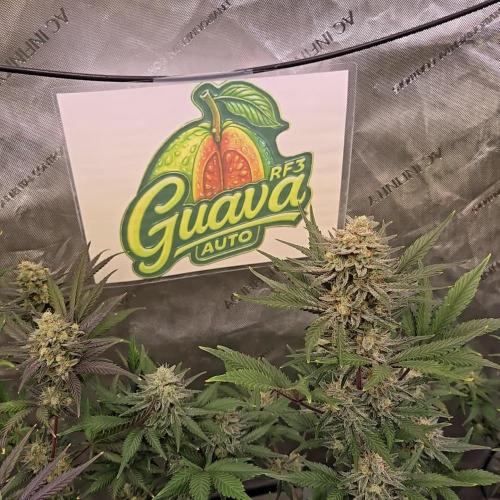
Finishing up from the looks of the trichomes and the breeders recommended time (+/- 56 days) they will be coming down soon! Still supplementing 2 hrs of UVB mid day, stopped nutrients and began flushing with flawless finish. They are looking so delicious and smelling very sweet and tropical, its scent radiates everywhere in the house from the basement to the second floor!! Also I recently remembered I never put on the carbon filter back since last grow smfh which is why it smells so strong outside.
Likes
2
Share
@BigGGrows
Follow
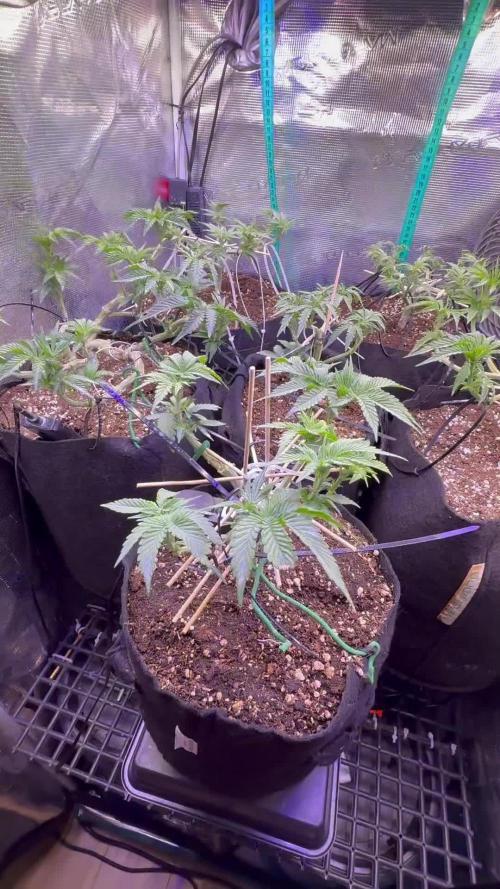
This week has yielded positive results from the FIM And LST. I topped the internodal new branching that grew from the FIM job as well this week and the 2 extra tops are growing in response on each branching. She is now under a 4 bulb vivosun T5 6500K fixture and is responding very well to the light changes. Her stems are begging to give off terpines when rubbed. She smells of tart sweet lemons and diesel fuel haha. I am very happy about this grow and am expecting preflower to begin soon.
Likes
24
Share
Rock hard buds Miicrobialmass for the win and the new led is killer. The knobs like knots grow out of the sides of the buds are something to look at wow !!! Monkey berries is in flushing mode , slurricane won’t be far behind in the next week or 2 I’ll flush
Likes
19
Share
@Budha420
Follow
Well met fellow growers 🌵💚 Day 53: slight lightburn on mutant cos akmost touching light. I would have HST the cola down if my irl fellow grower said if the light doesnt burn my hand it wont burn the cola badly😁 well it has slighty, but def better than potentially losing the whole cola. Other than that, lil bit of nute burn? Atleast i think so, will cut to amaller feedings. I fear that my offbrand light might not pull the watts i would need 😕 Day 54: Started to see lil nute burn and quite dark green tint on leaves so im thinking it might b nitrogen toxicity. Did. 2ml/L flashclean 1.2l for all. Gonna feed just ph water tomorrow snd check runoff, hope everything is well and i havent managed to lock these babies😉 Day 55: so after flashclean i gave girls 3l each ph water at 6.3. #1 came out 2.8ec and ph 5.8 #2 3.8ec and ph 4.6😳 #3(mutant) came out as 6.5ph and ec 1.8. they seem to do well but i gotta take a break from feeds w 1 and 2 Day 56: Despite horrible ec and ph readings on #1 and #2, they are doing just fine by the looks of it😅 either FB breeds the most beastly resistant seeds or my shit needs calibration. Prolly both tbh😂 Buds seem to get bigger and the smell is growing day by day. I already get pretty strong vanilla and pine?? Smell😍 hopefully the flashclean was right move to do! I think there may have been some lockout happening in all of em and thats why my runoff came that high. I hope flashclean got rid of the most overfed nutes🙏
Likes
4
Share
Amazing, she totally resined until her big leaves were covered with ice, something beautiful her scent of vanilla something fruity with sweet indicates that her care was well associated with her so, the most of this girl we can hope for.
Likes
100
Share
Hi everyone 🤗 This week the Orange Sherbert Phenotype # 1 and the Zkittlez Phenotype # 2 were harvested :-) Now the Victory Kush 1 - 3, Zkittlez 1 - 2 and Orange Sherbert 1 are ready to dry. All others except the gelato are rinsing 👍 Orange Sherbert 2 will be harvested next week :-) Until then, I wish everyone a nice weekend, stay healthy and let it grow 🍀🌱👌
Likes
18
Share
@Luca90
Follow
Week four was definitely the week when the plants started to really grow bigger, I started some LST at my way cause even if I check thousands of videos I end it up doing what I thought was better for my plants, I perhaps was a bit late so it wasn’t stretching as I thought it would have, maybe I shouldn’t have wait this long, but again first time learning a lots.. I let the plant grow with LST only in week 4 in week 5 I introduced a scrog I made myself cause I thought that I couldn’t keep doing lst because I started too late
Likes
9
Share
Both are veging good. Will start LST this week if they stretch out a bit more. It appears the AK received a partial FIM when topped. Should be an interesting grow.
Likes
1
Share
Finally got there defoliation end of wk3
Likes
3
Share
Likes
10
Share
Germination is So far so good,both seeds germinated well and got put into the happy frog with some Extreme Gardening Mykos. Giving these ACinfinity nursery bags a go,these ladies are not their forever home. Their forever home will be a 3gal BudTrainer LST bag.
Likes
16
Share
Seedling managing 93F 30%RH, around 20 DLI. Vpd is in the 3's. No I don't recommend. Signum Magnum. "A great sign appeared in the sky a woman clothed with the sun with the moon under her feet and on her head a crown of twelve stars. Sing ye to the Lord a new canticle: because He has done wonderful things. Glory to the Father, and to the Son, and to the Holy Spirit As it was in the beginning, and now, and ever shall be, world without end." The plant nutrient nitrogen exists in forms with both positive and negative charges. Ammonium (NH4+)(immobile in soil)(Cation) has a positive charge, while nitrate (NO3-) (highly mobile in soil)(Anion)has a negative charge. Nitrogen is unique among plant nutrients in that it can exist in both positively charged (ammonium, NH₄⁺) and negatively charged (nitrate, NO₃⁻) forms in the soil. This makes it a special nutrient. In that it is responsible for providing balance for reactionary trade offs when it comes to ph. Because ph itself in the medium will always slowly drift towards acidicity, such is nature. 80% of nitrogen should be nitrate and no more than 20% ammoniacal nitrogen. Ca, mg, and K are the big 3 cations related to soil composition, pH & base saturation. When nitrogen is in the form of ammonium, it can compete with calcium, magnesium, and potassium for absorption sites in the plant root. This competition can lead to a reduction in the uptake of these other essential nutrients. Nitrogen, particularly in its nitrate form (NO3-), can increase soil acidity, which can also affect the availability of calcium, magnesium, and potassium. The form of nitrogen applied (ammonium vs. nitrate) can influence its interactions with other nutrients. Ammonium nitrogen can have a more pronounced negative effect on the uptake of calcium, magnesium, and potassium compared to nitrate nitrogen. Common forms of ammonium nitrogen include ammonium ion (NH4+), urea, and ammonium compounds like ammonium nitrate, ammonium sulfate, and ammonium phosphate. Common forms of nitrate nitrogen include potassium nitrate (KNO3), sodium nitrate (NaNO3), calcium nitrate (Ca(NO3)2), and ammonium nitrate (NH4NO3). Phosphorus is an essential plant nutrient, and its availability in the soil is strongly linked to the presence of oxygen. Plants primarily absorb phosphorus as phosphate (PO4), and oxygen is a key component of this molecule. Furthermore, the availability of phosphorus in the soil can be impacted by factors like soil aeration and temperature, which in turn affect the oxygen supply to the roots. Phosphorus uptake in plants is most critical during the early stages of growth, particularly within the first few weeks of plant development. Young plants actively growing tissues have a high demand for phosphorus. They may absorb up to 75% of their total phosphorus requirements within the first few weeks of vegetative growth, with up to 51% of uptake happening overnight, primarily in the first few hours or early nightfall. ⑨Anaerobic root respiration, or respiration without oxygen, is detrimental to plants because it's less efficient and produces toxic byproducts, leading to reduced energy production, nutrient uptake issues, and ultimately, root damage and plant stress. ⑨Anaerobic respiration, unlike aerobic respiration, doesn't utilize oxygen as the final electron acceptor in the electron transport chain. This results in a significant drop in the amount of energy (ATP) produced, which is necessary for various plant functions, including growth, nutrient uptake, and maintenance of cellular processes. ⑨In the absence of oxygen, plants produce byproducts like ethanol and lactic acid during anaerobic fermentation. These byproducts can be toxic to the roots and inhibit their function, ⑨When oxygen is depleted in a medium, the pH tends to decrease (become more acidic) due to the production of metabolic byproducts. This is particularly relevant in biological systems where aerobic respiration relies on oxygen as the final electron acceptor. ⑨When oxygen is scarce, plants may switch to anaerobic respiration. This process produces carbon dioxide (CO2) as a byproduct. ⑨CO2 dissolves in water to form carbonic acid (H2CO3). This acid lowers the pH of the medium, making it more acidic. ⑨Anaerobic conditions can impair a plant's ability to regulate its internal pH, leading to a drop in cytoplasmic pH and potentially cellular acidosis. ⑨The change in pH can also affect the availability of certain nutrients to the plant, as pH influences the solubility of micronutrients like iron, manganese, zinc, copper, and boron. ⑨The lack of oxygen in the plant medium leads to a decrease in pH due to the production of carbon dioxide during anaerobic respiration and impaired pH regulation within the plant. In plant cells, cellular acidosis, a drop in the internal pH of the cytosol, is a significant stress response, particularly during conditions like flooding or hypoxia. This acidification can be triggered by a decrease in oxygen levels, leading to the production of metabolic byproducts like lactic acid and CO2. The plant's ability to tolerate and recover from these conditions depends on its cellular mechanisms to regulate pH and mitigate the effects of acidosis. When plants are subjected to low oxygen environments, such as those experienced during flooding, anaerobic metabolism, which produces lactic acid and ethanol, becomes the primary source of energy. This can lead to a build-up of these acidic metabolites in the cytosol, causing a drop in pH. OXYGEN Atomic oxygen (single oxygen atom, O) is the lightest form of oxygen, as it has the lowest mass of the oxygen molecules. Oxygen also exists as a diatomic molecule (O2) and an allotrope called ozone (O3), which have higher masses due to the number of oxygen atoms combined. Atomic Oxygen (O): This refers to a single oxygen atom, which is the most fundamental form of oxygen. Molecular Oxygen (O2): This is the common form of oxygen we breathe, consisting of two oxygen atoms bonded together. Ozone (O3): This is an allotrope of oxygen, meaning it's a different form of the same element, consisting of three oxygen atoms bonded together. Since atomic oxygen has the fewest oxygen atoms, it naturally has the lowest mass compared to O2 or O3. Ozone (O3) Lifespan: Ozone has a relatively long lifespan in the stratosphere, particularly at lower altitudes. For example, at 32 km in the middle latitudes during spring, ozone has a lifetime of about 2 months. Oxygen (O) Lifespan: Atomic oxygen, on the other hand, has a much shorter lifespan. At the same altitude, its lifetime is about 4/100ths of a second. Ozone-Oxygen Cycle: The ozone-oxygen cycle involves the rapid exchange between atomic oxygen (O) and ozone (O3). UV radiation can split molecular oxygen (O2) into atomic oxygen (O), which then reacts with O2 to form ozone (O3). Ozone can also be photolyzed by UV radiation, creating atomic oxygen again, which can then react with O3 to reform O2. Dominant Form: The partitioning of odd oxygen (Ox) between ozone and atomic oxygen favors ozone in the lower stratosphere. This means that a much larger proportion of odd oxygen exists as ozone than as atomic oxygen, especially in the lower stratosphere. Recombination: Atomic oxygen has a high energy and reactivity. When it encounters another oxygen atom, they can combine to form O2. This process releases energy, contributing to the heating of the atmosphere. Ozone Formation: Atomic oxygen can also react with molecular oxygen (O2) to form ozone (O3). Ozone plays a significant role in absorbing harmful UV radiation. Other Reactions: Atomic oxygen can react with various other molecules in the atmosphere, like nitrogen (N2), water (H2O), and carbon dioxide (CO2), forming different compounds. UV light below 240nm (peak 185nm) creates ozone (O₃) through a process called photolysis, where UV light breaks down dioxygen molecules (O₂) into single atomic oxygen atoms (O). These single oxygen atoms then react with other oxygen molecules to form ozone (O₃). Specifically, UV-C light with wavelengths shorter than 240 nm can cause this photolysis. UV light with wavelengths between 240-280 nm, (peak 254 nm) breaks down ozone (O₃) into dioxygen molecules (O₂) and atomic oxygen atoms (O). 280nm does not have the energy potential to break apart the stable bond of (O₂) into enough (O) to make (O₃) At ground level, atomic oxygen (single oxygen atoms) has a very short lifespan. This is because it's highly reactive and quickly combines with other molecules to form stable diatomic oxygen (O2) or other compounds. While the exact timeframe varies depending on the specific circumstances, its lifespan is typically measured in nanoseconds or picoseconds.
Likes
60
Share
@m0use
Follow
This week has a fun surprise, Of the two seedlings I operated on as they where growing sideways in the medium one of them survived. It is quite small and is is going to be playing catch up all grow so may move it outdoors in the summer and just clone the shit out of it if I like the way the other plants go. Also if it bounces back fast I could try and incorporate it into the SCROG. but I kinda have my mind set on just three plants. Also starting a lot of my hot pepper in this tent with the Honey Mints, hopefully they will pop up in the next week or so and get good sized before they need to be transplanted outside in 8-10 weeks. Their seeds always take so long. Other then that plants are looking good and healthy. The bigger one has a bit of leave warping, nothing to worrying as its not progressed or gotten worse, likely from me giving it a bit to much water trying to flush out the high EC from before. Other then that nothing else to report, thinking of doing an early top on them to mainline all 3 of them. Big shoutout to Medic Grow for sponsoring the lighting in my tent, They have provided me with 2x Mini Sun 2's in the 240w configuration, They use the v1 growing spectrum that is a all purpose seed to harvest spectrum so their is no hassle of switching it mid grow. If you interested in learning more about Medic Grow products please visit the web link below. https://medicgrow.com/ https://growdiaries.com/grower/MedicGrowLED
Likes
10
Share
@paetel
Follow
Flipped her to 12/12 on monday. As you can see I still have minor issues with lightning and feeding, but overall I am not that concerned. Still in the process of getting used to the equipment and enviromental control.
Likes
44
Share
@RakonGrow
Follow
Note : + jegliches Zubehör wird in der GermniationsWoche aufgelistet . Zeitraffer Videos folgen immer nachträglich. + videos werden so geschnitten das nur ein geschlossenes Zelt erscheint , ergo Fehlen paar reale Minuten (ca 1 Std) . ++ nur probleme mit der Zeitrafferkamera . Sorry für die Schrägen und halben Aufnahmen . Vielleicht schaff ich beim nächsten Grow da abhilfe zu leisten. Day 50: Wachstumstillstand bei 68cm . Day 51: + Höhe : 68cm + 2 Liter Flaschenwasser + + Dünger für Blühte + + + Canna Terrar Flores (Achtung wirkt wie PH-) + + + Canna Boost + + + Cannazym + + + Greenhouse Feeding BioEnhancer als PH+ Day 52: Kleine Entlaubung . Test MAX Licht : Main-Cola PPFD 1000 (16h) , sekundär Colas PPFD 750 (16h). Das wird mächtige Mangelerscheinungen geben . LED und Cal-Mag Probleme sind ja ein Standard Problem :)) Schauen wir mal was passiert bei so einer Autoflower. Day 53: + Höhe : 68cm + 1.5 Liter Flaschenwasser + + Dünger für Blühte + + + Canna Terrar Flores (Achtung wirkt wie PH-) + + + Canna Boost + + + Cannazym + + + Canna PH+ + + PH 5.81 Wegen Wetter Test verschiebung um ein paar Tage . Es wird hier einfach zu heiss im Zelt. Day 54: Weltuntergangsstimmung für meine Zoe . Dank des Super Wetters hab ich hier 77%-80% Luftfeuchtigkeit (draussen ist es noch höher ) und es wird auch noch warm . Ergo, schon gestern hat meine Pflanze extreme Probleme mit der Wurzeltemperatur bekommen und hat die Blätter hängen lassen . Ich hab das Licht runtergeschraubt und Abluft extrem erhöht. Ventilation direkt in die Pflanze sonst gibts Schimmel . Aber hilft halt nicht wirklich . Luftentfeuchter läuft auf Dauerschaltung und produziert dann auch noch Wärme, die ich überhaupt nicht gebrauchen kann bei den Temperaturen draussen lol. Ein Teufelskreis :(((((( Day 55: + 1.75 Liter Flaschenwasser + + Dünger für Blühte + + + Canna Terrar Flores (Achtung wirkt wie PH-) + + + Canna Boost + + + Cannazym + + + Canna PH+ + + PH 5.88 Draussen sind 31 Grad , ich hab den ganzen Growroom + Vorraum (meine Wohnung ) über Nacht runtergekühlt so weit es ging (23°C und 22°C). Das Licht noch weiter reduziert dafür näher an die Planze gemacht. Das ist wirklich das mindeste was noch geht. Liegt ca bei PPFD 600 an der Spitze . Wenigstens ist hier die Luftfeuchtigkeit im Rahmen , zwar immer noch zuviel (67% im Zelt) aber besser so als das hier die Hitze in die Höhe schießt . Nach 12h Licht (19:00 Uhr) wird dann wieder aufgedreht und die letzen Stunden mit mehr intensität nachgeholt was nachzuholen geht , denn dann gehen hier erst wieder die Temperaturen runter . Day 56: Läuft wie gestern ab 19:00 wurde das Licht aufgedreht und DLI nachgeholt .
Likes
2
Share
Rikos olores frutales y florales Falto parte de. La. Vegeta fue. Largan1mes1/2 deje que fuéra asi son regulares deje que se. Expresara sexo para asegurarme de los rasgos femininos, solo se. Expreso pre flora 1 macho considerado hembra resto 90 se. Mantuvieron femeninas, primer canopy ny a. Mejorar la. Tecnica Receta propia de super suelo