


Likes
Comments
Share


@KannaGrowing
Follow
Esta semana, aumentamos a tope la potencia de los balastros, 660w.
Realizo la segunda y última poda baja en toda la sala, así nos aseguramos de que las plantas concentran los nutrientes en la parte alta, que es donde reciben más luz, además de facilitarnos el riego y el control de las mismas.
En los riegos alternados entre abono y agua cada tres días, eliminamos Bio Vega.
También realizo un segundo tratamiento foliar de Propolix, justo antes de que se apaguen las luminarias.

Likes
13
Share


@Herbz_Unkraut
Follow
Defoiled alot of leaves underneath and some of the leaves that put shade on budsites
Also defoiled for reducing RH and increasing airflow

Likes
19
Share


@Naujas
Follow
the girl looks good :) I have already removed the yellow "autumn" leaves:) she received food with 1500ppm, the weather is not very good, I am afraid that it will start to rot :( there will be an update :) in 2-3 weeks ;) good luck growing


Likes
8
Share

@n1mbu5
Follow
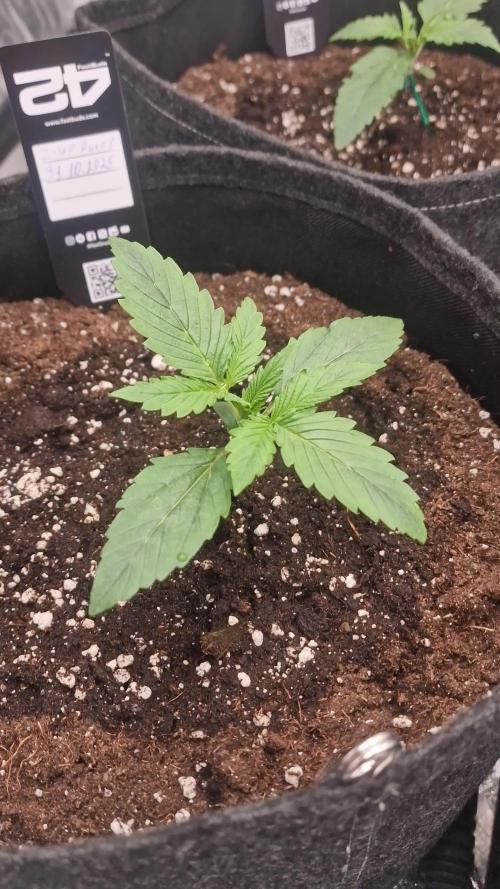
Ok guys here they are, just over 1 week of life
Fed them and watered today 09.11 400ml per plant
PPM - 397
EC - 0.7
Ph 6
Likes
16
Share

@Bncgrower
Follow
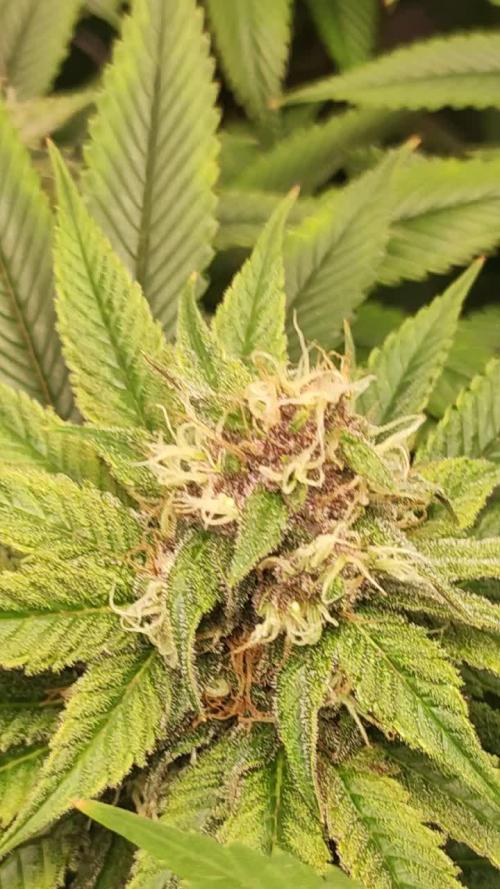
Following the plan, we've reached the end of week 12. Apparently, everything is fine with this girl and all the others, nothing to worry about. This girl in particular already has a very pleasant smell, excellent bud structure, and beautiful color. Looking forward to the next few weeks! ✌️🌱🌿🍁
Happy growing, everyone!

Likes
12
Share


@Preston22
Follow
Still looking Good .. Buds Looking good
Added some big bloom in last week… got some yellow fan leaves on it
Sticking with 13-14 weeks before harvest time
Likes
Comments
Share

@dinosdarko
Follow
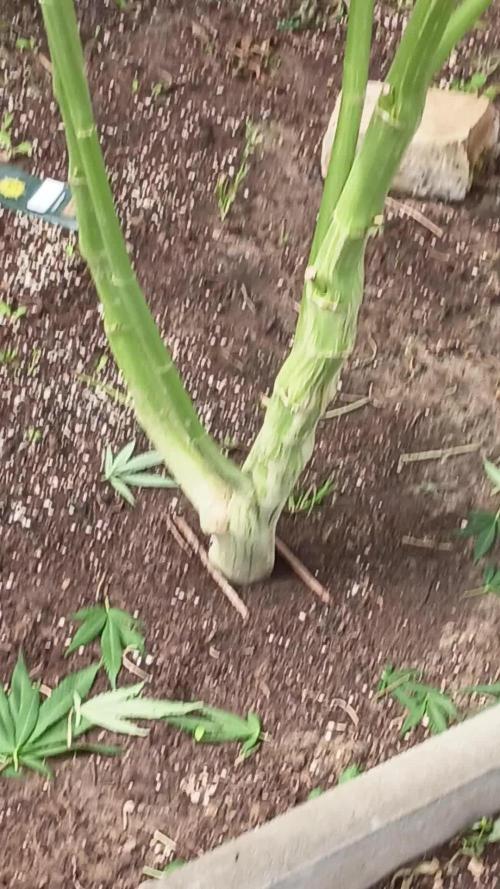
🌿 Gewächshaus-Monster - Update Papaya Frosting (Barney's Farm) 🌿Überblick & Wachstum:Wir sind offiziell am Ende der 3. Blütewoche angekommen und meine Papaya Frosting von Barney's Farm mutiert zu einem absoluten Baum! Der hormonelle Wachstumsschub (Stretch) ist glücklicherweise schnell vorbei, was auch Zeit wurde – die Dame hat eine gewaltige Show abgeliefert und steht aktuell bei einer beeindruckenden Höhe von 2,40 Metern. Gebogen.Training & Struktur: Ich habe sehr viel Arbeit in die Selektion und das Training in der frühen Phase gesteckt. Ich habe die Pflanze auf 5 Hauptbeine selektiert (Main-Lining) und die Haupttriebe kontinuierlich von links nach rechts gezogen. Das Ergebnis? Ein absolut verrückter Kronendurchmesser von knapp 3 Metern von allen Seiten! Der gewaltige Hauptstamm verholzt extrem stark und misst an der Basis bereits stolze knapp 7 cm im Durchmesser. Um diese enorme Masse an Pflanzenspitzen abzufangen, nutze ich ein Doppel-Netz-Setup. Das erste Scrog-Netz sitzt bei 1,40 m und das zweite, obere Netz ist fest bei 2,50 m montiert. Aktuell haben die höchsten Spitzen noch genau 10 cm Platz, bis sie das zweite Netz erreichen. Da der Stretch durch ist, wird sie in den nächsten Tagen perfekt in das obere Netz einrasten. Das wird ihr genau die physikalische Stabilität geben, die sie für die schwere Blütenproduktion in den nächsten Wochen braucht. Der Abstand zwischen den Knotenpunkten (Internodien) beträgt ca. 2,5 cm super kompakt und gesund.Entlaubung & Umgebung:Diese Woche steht eine radikale Pflegeeinheit auf dem Programm. Bei einem Durchmesser von 3 Metern bildet sich verdammt schnell ein undurchdringlicher Dschungel. Ich habe ein gründliches Lollipopping durchgeführt und das untere Drittel der Pflanze komplett freigeputzt. Alle schattigen, winzigen Blütenansätze und großen Fächerblätter unten sind weg. So wird 100 % der Energie aus dem dicken Stamm direkt in die oberen Hauptbuds geleitet. Außerdem verbessert es die Luftzirkulation am Boden massiv, wie man auf den Bildern am freigelegten Stamm gut sehen kann.Zur Umgebung: Mein Gewächshaus ist 4 m breit, 8 m lang, 3 m hoch und steht auf einem tiefen Fundament. Ich habe das große Glück, alle großen Fenster (1,70 m x 1,20 m) und die große Haupttür rund um die Uhr (24/7) komplett offen lassen zu können, da das Gewächshaus in einem gesicherten Garten steht. Zusammen mit einem durchgehenden, 3 cm breiten Luftschlitz im Dach funktioniert der Kamineffekt perfekt, um Feuchtigkeit sofort abzuführen und Kondenswasser zu verhindern.Bewässerung & Düngung:Dieses Monster hat einen gewaltigen Stoffwechsel und bekommt alle 4 bis 5 Tage Durst. Ich gieße immer erst dann, wenn die oberen 2–3 cm der Erde trocken sind, damit das organische Bodenleben in den tieferen Wurzelzonen aktiv und glücklich bleibt.Klares Wasser hinterher: Direkt im Anschluss gieße ich massiv 40 bis 50 Liter normales Leitungswasser nach. Das spült die Nährstoffe tief ins Erdreich, wo das riesige Wurzelsystem sie perfekt aufnehmen kann. Die Pflanze liebt diesen Rhythmus und zeigt keinerlei Mängel oder Überdüngungszeichen. Die ersten wunderschönen weißen Härchen (Stigmen) ploppen überall auf und stapeln sich dicht an dicht. Da es sich um die extrem harzreiche Papaya Frosting handelt, zeigen sich jetzt schon die ersten glitzernden Trichome an den jungen Blüten. Auf in Woche 4 für das echte Anschwellen der Buds und den berühmten Cali-Frost! 🚀


Likes
10
Share


@Eauderay
Follow
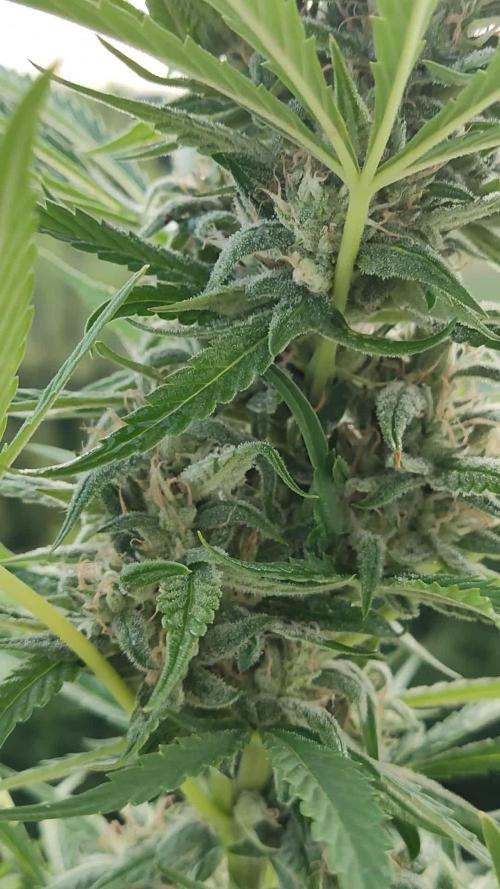
Who's that girl?
Me think she is a crazy cookie.
Leaves coated with trichomes and overall looking screams cookie, she is very vigorous and healthy, she liked the worm castings and bat guano from Guanokalong, good stuff.
No need to pH
I like how her top leaves looks like kind of dragon wings.
Small buds but they are coated!
Smells like lemony and strong sweet skunk so far.

Likes
3
Share

@PhinolaGreen
Follow
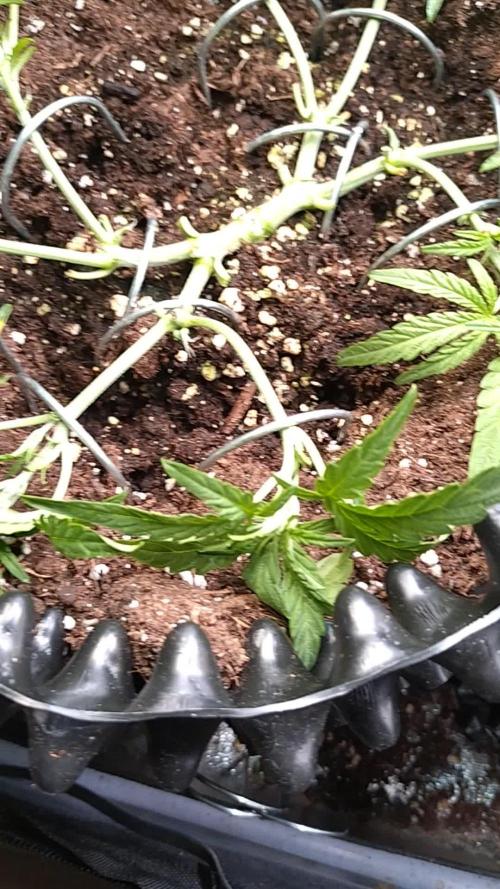
5. Woche
Befinde mich mit ihr auf der Zielgeraden was das Mainlining angeht, im nächsten Schritt kommt nur noch LST. Sie wurde jetzt 3x getoppt und sieht soweit gut aus, sie hat sich gut von den Strapazen erholt würde ich sagen 😊
Likes
45
Share


@masterofsmeagol
Follow
5/28 It poured yesterday so i dodnt bring the girls outside. Seedlings are transplanted into gallon pots. Once the fill that they'll go in final homes. I brought the plants out on this overcast day to harden them off. They're under the cover of the barn though placed by the open door. I've been putting in some work. Once this rain stops I have a couple things to do on the cage then I'll put the bags in the spots I have mapped out and mix my soil and fill the bags. The next day I typically transplant and add the first layer of supports. I have more pictures but not enough time to download them.
5/29 wow this site sucks. I have already done and saved this shit but its not here. Good thing I copy and pasted from grow with Jane. Only thing that sucks is I can't upload videos. It's not working here anyway so.... Watered and used about 3 gaterade bottles total. I may have messed up and watered the event horizon to much. They seem to be getting rootbound. Plants are doing well though with the transition. They are still hardening off. Tomorrow I plan to position and fill the bags with soil and if able I'll transplant them in the next few days. I want to make sure they're hardened off. Low tonight is 49 but it's 50s after that so I should be good. I'm hoping this video will load. Very stressful to do this shit over and over.
5/30 Plants have spent all day in tje Cafe and are coming in for the night. I finished mixing soil and filling the grow bags. They are ready for transplant. Weather is looking good so if plants respond well to this mild weather they will be transplanted with first set of supports added either tomm or the next day. Depends on plants response today (so far they're doing great) on whether I transplant tomorrow or the day after. I am sore as hell. Pictures are having trouble uploading and I'm not even gonna try to upload the video I took.
5/31 Plants have been taking a few days of full sun and they're doing fine. I'm planning on transplanting this afternoon. I had to water today. I weighed the pots and some were in tje 1200's grams which is dry. I'll update as I work. I have some errands to run then I'm putting the girls in their final homes.
EDIT: WIND WAS RIDICULOUS! I TRANSPLANTED 3 OF THE HEALTJY GMO'S. WHEN I GOT BACK PLANTS WERE RIGHT SIDEWAYS FROM THE WIND. I WENT WITH INTUITION AND TRANSPLANTED 3 GMO'S. OTHER BAGS ARE READY. THE REST OF THE PLANTS WILL GO OUT TOMORROW MORNING. THE SMALL SUPPORTS I HAD DIDNT DO SHIT. I HAD TO ADD TOMATO CAGES AND TOE THE STALK TO THE TOMATO CAGE. SUCKS I COULDNT GET THEM ALL IN BUT BETTER SAFE THAN SORRY. TRANSPLANTS WENT REAL SMOOTH. KNOCK ON WOOD. I TJ8NK THE OTHERS WILL TOO. THEY'RE READY FOR A NEW
6/1 Finished transplanting everything. Easiest transplant I've had so far. 4 gmo 1 toasted toffy 1 sherb pie and 2 event horizon. Everything is in 20 gal smart pots. One gmo is in a 30 gal smart pot. The medium is 1/3 of each roots organic 707, fox farm happy frog and fox farm ocean forest. Used mykos when transplanting. Wind gusts were coming from everywhere direction so I couldn't put a tarp up to block it. I bought "grow cages" which are kind of like tomato cages. The wind is so strong it blows the plants right against the cage. Oh well. I hope it works out. I'll check on them a little later and see how they're doing.
6/2 It was 45 degrees this morning. Nice out now. Plants are doing good. A couple gmos are drooping but it was cold. One gmo looked as good as ever! Sherb pie and toasted toffy are totally unaffected. In this new area plants get a lot of direct sun. Slight tacking on the gmos in the front. The event horizons really needed that transplant. Grow cages seem to be working out well.
6/3 I Watered the garden this morning as its been 75-80 out. I only used a gallon of water for the 8 clones. I'm not sure if I watered enough when I transplanted or not. Some plants have some burns from the intense direct sunlight. Plants could've used a bit more hardening but they'll be fine. A few of them seem great and have no real signs of stress dispute 25mph wind gusts and 15 mph constant wind and this hot sun. I should go check on my plants again this evening but I figure they'll be alright until morning. I've had an incredibly busy day and they were fine at noontime. I'm going to consult my other diaries and see what I did watering volume wise. I've for some videos but they take FOREVER to upload.
EDIT: Looked at last year's diary and it was rainy as fuck and I took way more time hardening the plants. I've had more going on in life which has effected that. Went over at 3pm and gave the plants 3 more gallons of water. Bags were light and soil was dry af. Granted I added soil after it settled but still. I watered one gallon this morning so I figured 3 more gallons would make it a half gallon a plant. Planning to increase to a gallon each if they do OK. Its supposed to thunder storm tomorrow so hipfully we will get some rain. I removed one leaf that was bleached but there are a few others. The weather is beautiful but we've gotten zero rain. In hindsight perhaps I should've given the plants an extra gallon at least.

Likes
5
Share


@Ninjabuds
Follow
Gas tax x obama runtz there is not alot to update this week. They have not grown very much the past week. They got extra dark last time when I watered and gave 2ml per gal of grow big. They are still the smallest 2 plants in the tent. They both have started making their 1st set of leaves with 5 point although the other leaves have not started to get larger yet. I don't think they have rooted solid quite yet.
Happy late turkey day grow diaries world!!!! It's now day 24 from seed for all the seedlings I have going. The past few days the plants have really started to take off. There roots have really started to dig in. Every other water I am still giving 2ml per gal of fox farm grow big. I keep having to tell myself not to add any more nutes other than that. I don't want to fry my plants but I also want they to start jumping. I'm quite excited for the coming week, I think the next 7 days or so is when the plant really starts to transform and look more like a pot plant than just some random little green thing.
A few days ago I decided to move the plants from under my 55w cheep amazon light to under my spider farmer 100w newer version light with the good leds in it. The plants will hopefully be ready to up pot them here soon and get them in the large tent.
Sometimes when growing multiple different strains it can be really hard to balance giving to much or to little light. You don't want the faster growing plants to get to stretched out waiting on the slower plants to catch up
I spend Thanksgiving day morning transplanting the plants into 2gal pots. I am useing spme promix potting soil it's my 1st time tring this soil. It is actually doing really well the roots were all white and nice looking. I think next time I'm going to add some worm casting, kelp, granular mycos, and a little bit extra perlite. I just didn't have the money with christmas coming to splurge for all the extra stuff. I got rid of 2 plants 1 of the bubble og and 1 skunk apple runtz. There is only room for 10 pots in the 2x4 tent. I will peob only bring 8 of them to flower, always good to have back ups. Yesterday I also stuck the plants back under the 500w medicgrow mini sun 2 in my 2x4 tent. They did great under it the 2nd half the day I was happy they didn't get stressed. I had put them under that light a little early about 10 days ago or so. I am expecting in a week these plants will ge going crazy with growth
Likes
14
Share

@Enki_Weed
Follow
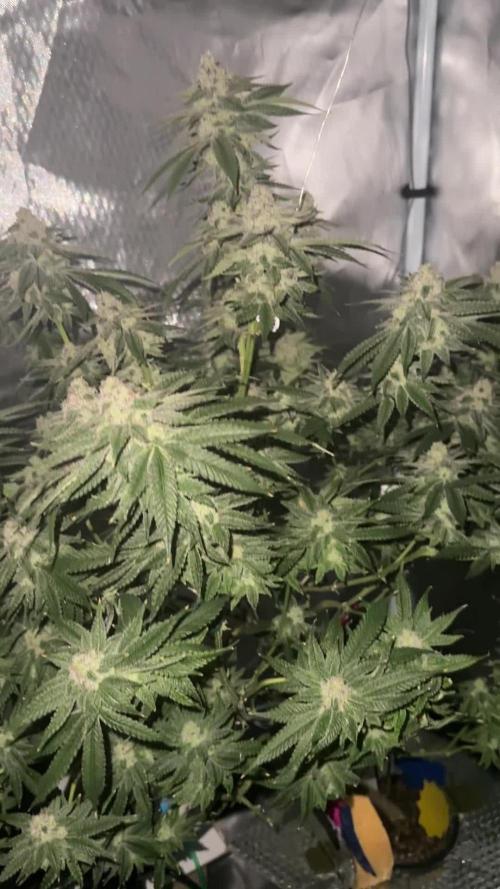
Woche 7 Blüte Update:
Heute stand der Wasserwechsel an, und die Pflanze hat frische Nährstoffe erhalten. Es geht ihr bestens! Die Buds entwickeln sich prächtig, zeigen immer mehr Farben und legen an Größe zu. Die Wurzeln sind strahlend weiß – ein perfektes Zeichen für Gesundheit.
Aktuelle Werte:
* pH: 6.2
* EC: 1.8 mS/cm
* Temp: 20°C
* ORP: 320 mV
* Dünger: Hesi wie in Plan 😉
Hey Leute! Ich hab einen kostenlosen DWC-Nährstoffrechner gebaut — 13 Marken, vollständige Wochenpläne, pH/EC/Temp-Warnsystem, Grow Diary und mehr. 100% lokal, kein Login, kein Cloud. Einfach öffnen und loslegen 👉 https://danielenki420.github.io/dwc-grower-edition/
ENGLISCH:
🌱 I built a free DWC nutrient calculator for the community — no login, no cloud, works offline
Hey growers! 👋
I want to share something I've been working on for a while — **DWC Grower Edition**, a free browser-based nutrient calculator built specifically for Deep Water Culture.
I got tired of switching between brand websites, PDF schedules and Excel sheets every grow. So I built one tool that handles it all — locally in your browser, no account needed, no data sent anywhere.
---
### 💧 What it does:
** 13 nutrient brands supported:**
Hesi · Canna Aqua · Plagron Hydro · GHE Flora Series · Advanced Nutrients · Biobizz · Aptus · House & Garden · Atami B'cuzz · Mills · Athena · Remo · Cyco
**📚 Full Nutrient Library** — complete weekly schedules for every brand, with automatic ml dosing based on your tank volume
**⚠️ pH / EC / Temp / ORP warning system** — enter your sensor readings and get instant recommendations
**💧 EC Refill Calculator** — tells you exactly how much nutrient to add when EC drops
**⏳ Harvest countdown + water change reminder** — never lose track of your schedule
**📝 Grow Diary** — saved locally in your browser, no cloud
**🤖 Gemini AI Assistant** — ask grow questions in your language (needs your own API key)
**🌍 6 languages** — DE 🇩🇪 · EN 🇬🇧 · IT 🇮🇹 · FR 🇫🇷 · ES 🇪🇸 · PT 🇵🇹
**📱 Mobile & tablet optimized** — works great on your phone in the grow room
---
### 🔒 Privacy first:
Everything runs 100% locally. No login, no account, no data sent anywhere. Your grow data stays on your device — period.
---
### 🆓 Free & Open Source (MIT):
👉 **https://danielenki420.github.io/dwc-grower-edition/**
If you find bugs or want a feature — GitHub is open for issues and PRs. Built this for the community, feedback is always welcome! 🙏
---
*Shoutout to **Canna Community Germany** 🇩🇪 — grow strong!* 🌿

Likes
4
Share


@losgrowershermanos
Follow
Cultivo de 2 Super Lemon Haze com Fertilizante Flowermind em vasos de 17 litros. Compostos de 70% Carolina Soil, 30% Hummus de minhoca
Likes
116
Share


@Tropicannibis_Todd
Follow
💩Holy Crap Growmies , we are outdoors and in the Ground and there Doing Great💩
👉It's been another full week 63 days from seed and she's doing great , very nice Growth, considering shes been up against the wind and rain 👈
So due to horrific weather as of late , I've had to deal with some slight bud rot 👈 removed it , and hopfully we are good to go 👊
I GOT MULTIPLE DIARIES ON THE GO 😱 please check them out 😎
👉THANKS FOR TAKING THE TIME TO GO OVER MY DIARIES 👈
👉NutriNPK NUTRIENTS USED FOR FEEDING 👈rain water to be used entire growth👈
👉www.nutrinpk.com right now get 10% off using SPRING2022 as the coupon code👈


Likes
12
Share


@cookingwithninja
Follow
day 49 just pure water phed down.
it is day 51, morning before lights on, I might chop today. I use a zero water filter pitcher got off walmart. My humidifier is only a sonic wave. If you use regular tap water it will get gunky in a sonic humidifier. If you have a heat humidifier that boils the water the mist should be clean. These are the 2 types of water humidifiers. Researching best water filters this "zero water" also comes with a free ppm meter! yay! Other water pitcher brands; the water still has ppm. So water misted will still have ppm contamination. You can easily used distilled water only, and reverse osmosis. I just fill a 4gal office water jug with the pitcher and fill my humidifier when needed. I do not use a humidifier in my entire grow up to this point when I chop, I need the perfect rh or this whole effort can fail. growing up to this point only requires 20% effort, chopping now for the 2 weeks dry is this 80% of crucial determination, succeed. A lot of tasks are required today for a clean chop. I feel confident, observed my cross seeds with pink paradise and one with a slightly open caylex looks dark enough for successful germination. I figured 8-16 seeds may be created, 3-4 buds were potentially pollinated. Many growers don't understand when creating genetics with female/female there is a slight chance of herm. You lose 50% of your genetic function. Just water last 2 days, no humic no folvic, 1st time entire grow ha!
There is a lot of cleaning to do, remove the trees, clean the entire tent and environment with bleach water, hacksaw.
I am very proud of my grow. I have sampled 3 of the strains, dr. thunder legit made my lips numb but it could have just been the terps removing my skin cells from the sticky filter, no lie. This is my best grow to date. I did this for you, and to document hype or not under the best conditions I could give my plants, full max potential, although I wish I had more lights, I am not looking for industrial lol, this is how I grow. Learn a lot on youtube and podcasts there is many good content and I may dab into it. You can have a room full of growers and you have 1 seed in your hand, they will all tell you that their way is correct ;) and the best way. Oreo is stinky AF, Bridal is just amazing glad its massive, just not into sativa but the test seemed slight sativa with majority indica, pink untested, dr, thunder just a lip numming plant aha, its very nice, all 4 amazing appeal like advertised, and excited for next run. Either crosses from this or other copycat genetics.
I will give you beautiful glamout shots today, the sizes of the plants, My guesstimate bridal 1lb, thunder 1lb, pink, 0.4lb, bridal 0.5, I am ambitious off 640w lm301h, and 4x 20w blurples daisy chained.
day 51 4 chopped see you in a few weeks :D

Likes
19
Share


@EeyoreTheHomie
Follow
This strain was a pain in the ass honestly. I will never grow bagseeds again, when real genetics are so cheap.
This plant hermmed so I have a metric fuckton of seeds that I have no idea what to do with.
But for a first grow, this plant was really good at letting me know when I was doing something wrong. My other runs suffered the same treatment, but their strong genetics didn't mind as much. But this plant, this plant bitched and moaned about everything. Its leaves faded like 2 weeks early. It had all these weird mutations. When she was a babe (Weeks 1-4), I literally thought that she died from how she didn't grow much at all. Every other plant I've popped since, has been a dream compared to this one. But now I know how to diagnose all these things. I feel like I got 10 grows worth of wisdom in one. So for that, I am thankful.
RIP Big Bertha. You may be gone but, with the amount of seeds you've given me, your lineage will never die.