


Likes
Comments
Share


@Synkery
Follow
Esta semana ha hubo un notario cambio en las pequeñas! Se recuperaron muy bien, han empezado a comer bien y pegaron estirón! A partir de la proxima semana empezaran a comer mas i a acavar de crecer!


Likes
77
Share


@KingSalomonsWeed
Follow
11.01. day 105 Blüte 63 . Chop.
Schwere Arme voller Knospen.
Definitiv.
Mit dem Gewicht bin ich schonmal zufrieden.
Eine Woche trocknen, dann gibt's den Ernte-Bericht. Mit smoke Review.
Zur Ernte selbst: Yep, alles in Ordnung. Überraschend war sie gar nicht crispy. Na klar ein paar Blätter, aber der Rest und vor allem die Knospen waren aber schön saftig.
Harzig nicht sehr klebend, denn diese Trichome sind so hart, das sie abbrechen.
Ob das gut ist? Ja.
Begründung: da ist weniger Wasser, mehr Harz dein. Nur frisches Harz klebt. Schaut euch nen Baum an. Altes Harz kann Mann heraus schlagen, fast so hart wie Glas. Bei frischen kleben die Finger.
Macht's trotzdem, das riecht super.
Aber nicht an den Klamotten abwischen. Die sind sonst ruiniert.
Zum Geruch: Äh überraschenderweise ziemlich zurückhaltend, aber ich habe auch keine der Knospen geöffnet.
Wahrscheinlich wird der Geruch von diesen Trichomen, die sehr eng beieinander sitzen eingeschlossen.
Meine Tendenz liegt ohne Rauchbericht bei 9 Punkten. Pflanze gut, Buds gut,
Jetzt noch Geschmack...
12.01. Oh, das hatte ich vergessen zu erwähnen. Dieser Grow lief unter verschärften Bedingungen. Stealth mit wenig Frischluft. Sie hat eine Invasion von Spinnmilben abgewehrt, durch ne andere Pflanze übertragen.
Later: ich habe ne Knospe geknackt. Erst dran gerieben. Es roch nach Heu. Ungläubig und etwas Enttäuscht knackte ich ne Knospe.
Puff, wie in einer Wolke aus Duft.
Oh, das Riecht aber stark, und gut.
Das habe ich nicht erwartet nach dem äußeren Geruch.
Definitiv keine Geruchs Stealth Sorte.
Eher HALLO NACHBARN
MEIN NAME IST CANDY RAIN.
OH😳
So heftig?
Ja.
Der Geruch ist schwerlich zu beschreiben.
Ungefähr so: erdig mentholig mit keine Ahnung gelato Haschisch Aromen?
Nicht unangenehm aber überraschend stark und ausgeprägt.
Das habe ich so nicht erwartet.
Aber wer lesen kann, es folgt ein original Auszug
Wenn Du Cannabis mit köstlich fruchtigen Düften und Aromen sowie einem ordentlichen THC-Kick magst, hast Du mit Candy Rain einen neuen Favoriten gefunden.
So ist es.
13.11. Was ich total gut finde, Es machen die ja Grad mehrere. Alle die Toll geworden sind sehen sich sehr ähnlich. Wie eineiige Zwillinge.
Und von denen sieht meine Pflanze am härtesten rann genommen aus.
( Mann könnte auch sagen beschissen gepflegt sieht sie aus, aber das stimmt nicht. Die wollte einfach Krass sein. )
Ne Chance aufs gewinnen habe ich nur wenn die anderen Knospen nicht beim (harte Schale) knacken plötzlich in einer ziemlich heftigen Duft Wolke hängen.
Wie ne Nebelgranate bei aktuellen shootern ( Games ).
( Kurz überleg ) ne eher wie ne flashbang. Puff, Alles riecht.
Und ich habe noch nicht getestet.
Das sind nur Impressionen, von ihr als Grower.
( Nein Leute ihr merkt es vielleicht, ich bin von diesem "Puff" schwer beeindruckt. Hatte ich noch nie. Ist heftig gewesen. Das Gegenteil von Dezent. Ich höre jetzt auf zu schreiben, warte auf das trocknen und melde mich dann mit Photos und nem Rauchbericht zurück)
17.01.
Pre smoke Impressionen.
1. Nochmal machen, ansetzen
2. Nix machen beim smoken.
3. Ich bin so Fett das ich gerade ein Schlachtschiff im Hafen nicht finden würde.
4. 😍👍🤗😀😄😃😀
5. Der Geschmack ist jetzt schon vollmundig zitronig würzig lecker.
6.Ein Recht starker ( Nene, doch ), und das ist mir ganz wichtig "Angenehmer Turn".
Voller Enthusiasmus machst du Dinge.
Im Sitzen.
Kein couch lock, eher so entspannend.
Rauchst du mehr, oder größer werden die Augen immer kleiner.
Dein Atem wird ruhiger.
Wie eine Sanfte Brise kommt die Müdigkeit.
Atmest du sie ein, begrüßt du sie sogar,
Kommt ein süßer Schlaf.
Aber Sanft fragt er. ..
Einmal schütteln wie ein Hund, bumm bist du wach, und merkst, Oh doch couch Lock.
Ähem aber nur bei großen .
Bei normalem Konsum einfach nur Nett.
Indica lastig und interessant.
7. Langer angenehmer Turn.
8. Jetzt bekomme ich Hunger.
9. Nicht online zocken. Gar nichts. Bei Shootern geht das aim fail. Bei Strategie Spielen macht Mann plötzlich soo doofe Fehler. Selbst bei Wow ( World of warships ) vergisst Mann plötzlich das vor einem nen Gegner ist. Nen SCHXXXX DICKES SCHLACHTSCHIFF.
Übersehen auf einmal.
..... Nen Schlachtschiff.... Vergessen.
Kurz darauf schaute ich auf mein versinkendes Schiff....
10. Ich hoffe der Rauchbericht ist in Ordnung. Das sind meine Impressionen von CANDY RAIN.
Macht Spaß
18.01. Im Trocknungszelt : noch nicht ganz trocken, aber süß am Riechen 😍..

Likes
18
Share


@Barcelona_Farmers710
Follow
Aplicamos recientemente jabón potásico por problemas con trips... estamos controlando todo a tiempo, en 3 semanas ya pasaremos al armario grande para continuar dándole crescimiento para las nenas farmers!🍁


Likes
6
Share

@BossberryFarms
Follow
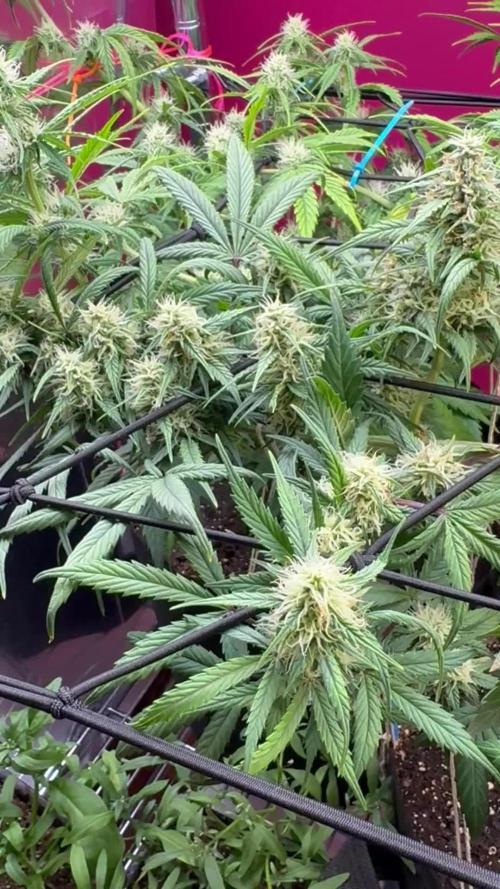
Welcome to Week 8! All seems to be going well. Two of the Apple Betty plants have fan leaves that are yellowing, but I think it’s because they are getting close to harvest time (about 2 weeks out).
I’m trying to maintain a temp of 75-80F and 60% humidity.

Likes
19
Share


@bobtheblob
Follow
It was sometimes hard to understand her, and I feel like I failed a nutrition plan several times.
Likes
13
Share


@Aedaone
Follow
The temperatures, humidity, and watering volume(if measured) in grow conditions are all averaged for the week. The pH is soil pH. Any watering done by me is well water which is 7.6 pH and 50° F. Any listed nutrients are ml/gallon of soil.
Day 1 we had thunderstorms and rain in the morning followed by sunshine.
Day 2 we had rain in the morning followed by sunshine. That might we had severe thunderstorms and the threat of hail. We missed the hail but had heavy wind and rain.
Day 3 we had rain in the morning followed by rain and thunderstorms intermittently into the night.
Day 4 we had rain in the morning then mostly cloudy until the late afternoon.
Day 5 we had sunshine and clear skies until the afternoon. Around 4:00 pm a severe thunderstorm hit. It produced strong winds, heavy rain, and grape sized hail. Fortunately the hail lasted only a few minutes and only damages some leaves.
Day 7 we had rain and thunderstorms through the previous night and into the morning. We had sunshine, clear skies, and temperatures in the upper 70's. That was followed by severe thunderstorms, rain, and a touch of hail from 4p.m. to 6p.m.
The rain hammered this girl this week. It didn't seem to slow her down any. This week was a success

Likes
1
Share


@Bwright_315
Follow
Wow what a difference a week makes. The one I topic thriving a d growing with no issues.
The one that was last week losing all it fan leave seem to be making a great recovery and looking better the ever

Likes
16
Share


@AestheticGenetics
Follow
4/15/25 This plant is blowing my freaking mind. Long stacked colas. Even the lower buds are plumping up like golf balls. This is an exceptional plant so far.
Shes starting to show the classic "sherbert" purple that ive noticed shows up with anything that has sunset sherbert in the lineage. Some of the leaves are starting to fade slightly and the purple is coming in.
The rs11 that this seed came from, produced the most from a single plant out of all plants ive grown and trained and kept that small. She yielded 3.5 ounces or a 1/4lb of top nugs from a plant that was only about 18 inches tall and vegged for 6 weeks before flip.
Once i start to clear out all of the fan leaves later on in flower, its just going to be buds running the length of the stems
4/18/25
I really believe this may be a keeper. She is absolutely stunning. Just everything is perfect. She has super long stacking of buds up and down the stems.
Im actually super stoked to see how she finishes up.
One of the craziest parts is that shes in a plastic 2 or 3 gallon pot and this plant is going to yield insane.


Likes
28
Share


@TheHighentist
Follow
WEEK 6 and i am as impatient as i could be.
This week should be the moment of truth, when it comes to thickness of the buds!
👽👉14/11 Waterday*
I upped the BioBloom and TopMax for PK and less BioGrow for nitrogen.
They are FROSTY as ever! Very satisfied
BioHeaven 4
BioGrow 2
BioBloom 4
TopMax 4
Rootjuice 1
👽👉 15/11
One of the ladies is very hungry and showing signs of needing PK
👽👉 16/11
Atm because the outside climate has a big influence on my indoor climate, lower temperatures at night have been occuring.
Battling the temps by having dehumidifier running with heat
👽👉 17/11 Waterday*
They got same feed as last time, but giving a bit more volume now
👽👉 18/11 Christmas coming early, frosty times
👽👉 19/11 I had some buds that got too heavy and fell over, Fixed with some natural thread to hold them up
👽👉 20/11 Close to getting another SCROG to hold them up, but i think its time for harvest soon
Likes
3
Share


@Krautbauern
Follow
Send them into Flower at Day 36
Used Scrog net on Day 38 + 1.5l water fertilized with top-Max, BioBloom, BioGrow for every plant.
One Runtz got a little LST
Ladies looking great 💚
Likes
Comments
Share
@JamesRenato
Follow
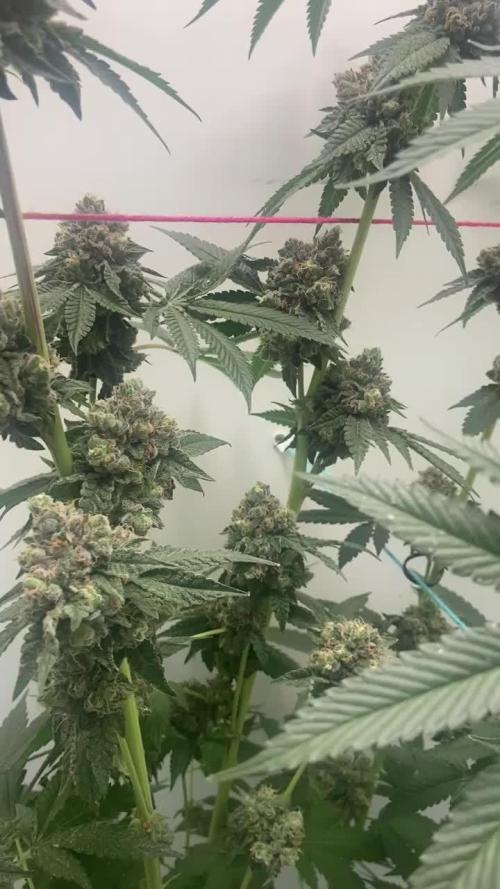
Já faz 11 dias desde a ultima atualização, tinha me programado para colher dias atras porem, mudei de ideia ao ver que os buds estão ganhando mais volume. Nos últimos dias falhei na rega e a ela acabou passando sede por um dia, logo senti a diminuição do cheiro, provavelmente esse estresse volatilizou alguns terpenos. Eu já estava regando no modo flush mas, por conta do ocorrido decidi retornar com alguns suplementos (Cal-Mag, Silica e alguns Carboidratos), com a intenção de estimular a produções de novos óleos. Estarei observando os tricomas e quando os primeiros estiverem mudando a coloração, ai sim vou colher.

Likes
2
Share

@420DeepGrow
Follow
📆 Semana 5
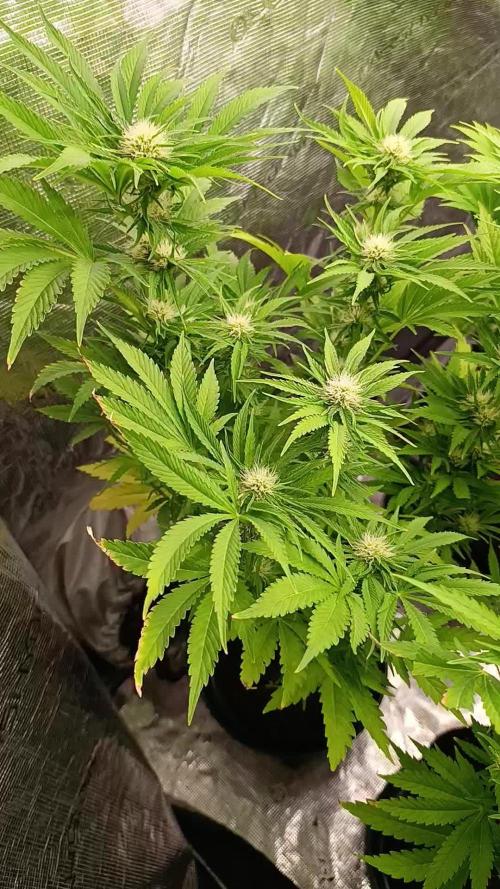
La estructura se mantiene firme y ya se intuye el potencial de las puntas: los cogollos apuntan a ser grandes, con abundante emisión de pistilos y un apilado de cálices cada vez más marcado. La densidad comienza a sentirse al tacto y la resina gana presencia día tras día.
La asimilación continúa estable, hojas activas y sin excesos, acompañando una demanda que ya se orienta claramente al engorde. El aroma se intensifica y confirma que la fase de carga está en marcha.
Semana de proyección y consolidación del volumen floral.
Seguimos creciendo fuerte 💪!
Likes
3
Share

@eldruida_lamota
Follow
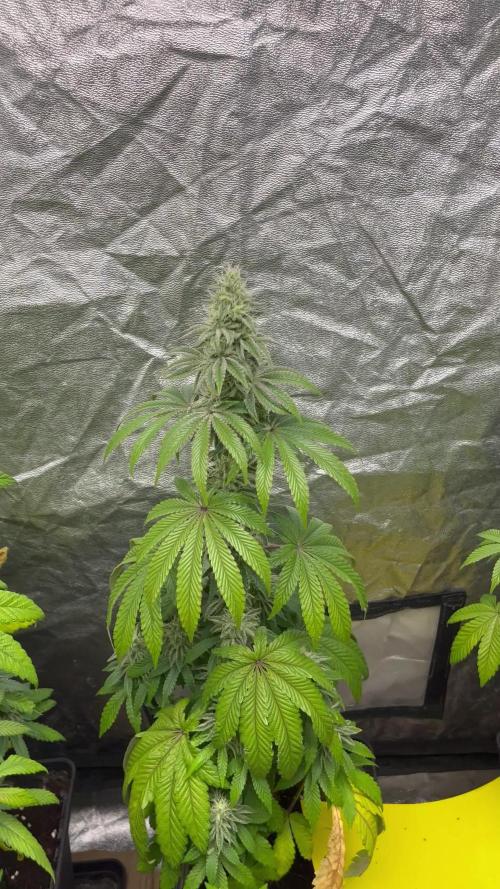
Que pasa familia, vamos con la sexta semana de floración de estas Barcelona Puff feminizadas de Seedstockers.
Vamos al lío ,se trasplantaron en macetas de 7 litros definitivamente.
El ph se controla en 6.0 , la temperatura la tenemos entre 25/21 grados y la humedad ronda el 50%.
El ciclo de floración puse 12h de luz, el foco está al 100% de potencia.
De momento van creciendo a buen ritmo y tienen un buen color, la flor ya empezó a formarse y a tricomar, por el momento bien.
Comentar de nuevo el estrés hídrico a sido superado de momento todo bien.
Agradecer a Agrobeta por el envío del kit gold series para la temporada 🙏.
- os dejo por aquí un CÓDIGO: Eldruida
Descuento para la tienda de MARS HYDRO.
https://www.mars-hydro.com
Hasta aquí todo, Buenos humos 💨💨💨


Likes
21
Share


@WEEDOOR
Follow
My girl is almost ready for flushing, darknees period and harvest.
The flowers look fantastic, frusty and full of tricoms.
After the flushing I'm gonna put her in an 2 day of darknes and then harvest.
In the final 2 week's I turned on my uva light at 20% power and total of 6 wats. For the first two days, the light work for between 1-3 hours and after that for 6 hours a day.


Likes
27
Share


@Lplategrows420
Follow
Chopped today will updates weights and everything else after a week of hanging will trim and weigh then glad to make it to the end looking forward to the next grow. Super happy with this way more then I was expecting from this grow