


Likes
Comments
Share


@LittleBigTrees
Follow
Lots of bud sites with nice buds forming , some trichomes are now on the plant , it's eating the feed really fast and looking healthy

Processing
Likes
70
Share


@CBD_Sweden
Follow
2017-09-11. Kl 12.00. Week 3 starts. I have cleaned the whole room for the new week and gave the girls water and nutes. Added videos and pics. Girl is 11 cm high.
---------------------------------------------------------------------------------------------------------
2017-09-12. Kl 10.00. New pics and video.
--------------------------------------------------------
2017-09-13. Kl 22.00. Added new video.
----------------------------------------------------
2017-09-15. KL 10.00. New pics and video. The girl is 14 cm high.
---------------------------------------------------------------------------
2017-09-16. Kl 10.00. The girl is starting to grow little better now and i hope she is picking up the pace. Added new videos.

Likes
3
Share


@MicroHidroGrow
Follow
Día 18. Estoy en la 3ra semana de crecimiento. Apliqué HST en las dos ramas altas para poder igualar la altura con las otras dos. Por el momento viene todo en marcha. Solamente hubo un poco de stress con hojas un poco arrugadas por exceso de nutrientes. Así que hoy rebajé la solución con un poco de agua. En 3 o 4 semanas debería estar en condiciones de cortar los esquejes que voy a necesitar para el sistema completo. Inicialmente voy a usar un módulo que ya tenía armado que hice con un cajón plástico. Ese es para 4 esquejes y la madre. Pero es muy chico para el espacio que tengo. Así que inicialmente usaré este y luego armaré uno para 9 o 7 plantas. Veremos cuan cómodo queda con 5 plantas por ahora, porque quizá prefiero hacer 7 plantas cómodas y no meter 9 y después no poder manejar el espacio. La idea es que la madre vaya al medio y los esquejes alrededor.
Día 21. Rocíe la planta con tierra de diatomeas como preventivo. Sigo aplicando HST para lograr que las ramas bajas tomen protagonismo,y ya que van a ser los esquejes que use. De todos modos estoy viendo en el crecimiento que la genetica no está bien estabilizada. Los bancos de semillas argentinos, hasta ahora han sido decepción en cada siembra que hice, por lo cual no me sorprendería que esta también lo sea. Estoy analizando la idea de pasar a floración la planta así cómo está en el indoor grande y arrancar con una genética europea que tengo guardada para la próxima. Porque correr riesgos innecesarios me costaría mucho tiempo. Por el momento mantengo la solución, ya que en crecimiento la suelo hacer durar 10 o 15 días. Principalmente cuando la planta tiene menos de 4 semanas. Esta semana que arranca voy a definir que hago con esta genética. De paso subo un video con la configuración casi terminada del indoor. Pero cuando esté funcionando se va a entender mejor.
Likes
93
Share


@DrJones
Follow
It’s been another good week for this stinking lady.
She’s doing good! I do think I gave her too much cal mag though so I stopped giving her any this week.
I’m gonna let her fatten up a little more. I’ll start checking trichomes next week and when she’s ready she can start her final week on a pH’d mix of just water and flawless finish.
That’s all for now,
Have a great week growers

Likes
17
Share


@MasterKush714
Follow
THE BIG UPDATE GANG!!!!!!! ✨✨✨😎👌🌱🥦🌳
So starting the 5th week of veg, the girls are looking really really great, im already moving alot of
the smaller babies out of there which i was growing to help out mama dukes for her garden, gotta
help where we can, so anyways now i have more room, im going to be going to DC for 6 or 7 days
but i have the scheduling set, will be minimal updates as im away but ill try to keep posting and yea
hope all is well with everyone, again as always any and all advice is always greatly appreciated, FYI:
i did start some LST on the plants but i decided to wait a bit longer and use garden wire instead of
steel wire, again all advice is appreciated thanks guys!!!!!!!!!!


Processing
Likes
27
Share


@Stigghiola
Follow
Questa settimana sta andando bene i fiori stanno diventando più grandi, sono tutti pieni di resina ma sono comunque ancora piccolini, speriamo che ingrossino ancora 🤞🏻
Aggiornamento 17 Novembre:
Oggi ho aggiunto una nuova luce di supporto appositamente per illuminare i fiori che sono più indietro rispetto agli altri. La lascerò accesa h24 per vedere se può cambiare qualcosa, nel frattempo alcuni fiori sembra che stiano iniziando ad ingrossare e ad unirsi.

Likes
6
Share

@CalGonJim
Follow
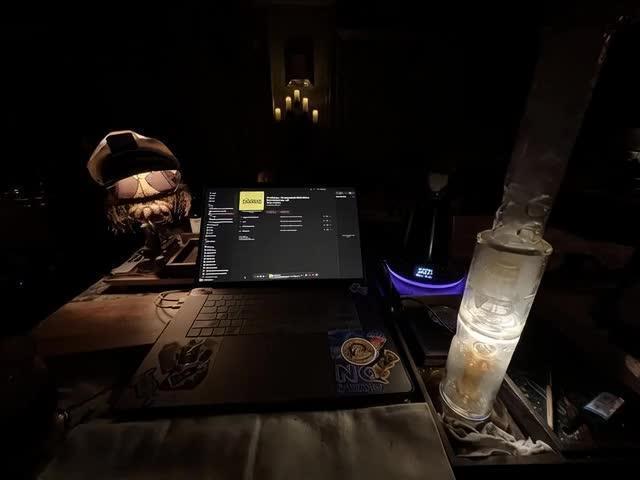
1/19 1am MONDAY...TOO STONED TO TYPE..WHAT THE HELL IS THIS THEN..HEY SHUT UP....WAIT...IS THAT ME?😂
1/19 5 AM.🚨 I GOT THE HOLY TRIANGLE OF WEED THE WHOLE FUUCK'N TRAILER PARK IS HERE!!!!! Finally got black tea Tangie in the ground so Julian bubbles and Ricky are all growing with Montel and ice t.
1/20 1:20PM VEGING PERFECT AT 30 WATTS!!!
1/21 10:11 AM. The whole fucking park is here. Julian sprouted!!! Bubbles and Ricky are doing great. I’m gonna top them and then I’m gonna start them over from clones so they grow roughly the same time as Julian and I’ll keep the Ricky and the bubbles others as mother plants and I’ll just keep them going.
1/21 10:15 AM vegging 12 inches 30 W Samsung LED Mars Hydro light perfect
121 1:10 PM I moved black tea Tangie into the germination station. The 2 gallon fits in here just fine. This will be fine for germination.. She’s sprouted only after about 40 hours so she’s really strong.
1/21, 2:54 PM. I made a my own Star Wars movie. Special effects are incredible. It’s very removing made my own Obi-Wan.A CalGonJim Production 🎥🍿
1/21 11:56PM Stoned Genie bong arrived today. my 2nd from them. Nice, this one has an ice catcher. got here in 2 days. 👍
1/23 4:40AM Samsung LED's on AC Infinity humidity domes are too powerful for the dome BUT these things could power an entire grow in a smaller tent..... more fun designing things
1/23 5:51AM I got a video game recruiting idea for ice, Its called Duck Hunt.....goddamn auto correct, but you get the idea😈


Likes
19
Share


@Mzsnoop2001
Follow
Está semana se siente bastante el aroma de whithe widow y blue moby, mientras que moby Dick sano y viene en viaje entrando en flora. Me quedé sin medidor de ph y sufren un desvalance de ph, más que nada ww pero ya lo voy a solucionar! Muchas Gracias por ver! Acepto críticas y concejos.


Likes
22
Share


@Slobasian
Follow
Love every plant each one is growing differently stacking different even the visual difference of one strain growin two different ways combined smells of diesel, pez candy and lemons

Processing
Likes
97
Share


@DudeGrowsWeed
Follow
Hello everybody!
Here we are a week later and I’m starting to see some nice improvements and developments. This week I fed all plants pretty heavily with Recharge and Dolomite Lime (and a little Cal Mag). The plants seemed to like it, the color is really coming back to a nice shade of green instead of the pale yellow’ish green. The FastBuds Blackberry is a beautiful shade of purple. I’m going back to my normal nutrient routine for one more week then I'll flush for a week before cutting her down.
The 2 Blackberry's I cut down last week were kind of scrawny, but I did smoke one of the main cola buds and it was tastier than I expected, very fruity. It also got me HIGH AF!! I'm looking forward to how this last one finishes up.
One negative is I seem to have inherited some bugs from my wife. She asked me to put one of her outdoor plants in the room so it would survive the winter, well it looks like that plant was infested with bugs. The little f’ers had a feast on some of the leaves. My wife gave me the OK to toss the plant, so with the plant removed it should be fairly easy to irradiate any remaining bugs with some sticky paper.
I’d like to say thank you to all who answered my question regarding recommend reading on cannabis. I’m selecting the answer for the Grow Bible by Greg Green because I was actually unaware of that one. I’m familiar with the Cervantes and Rosenthal versions but not Greg Greens. I’ll be ordering that book after I receive and finish “True Living Organics” by The Rev (should be here tomorrow).
This week I have a new question for my GD friends…. CO2? I have not been using CO2 but EVERY book I read recommends using it, I’m not prepared to go out and buy a CO2 tank, regulator, etc… at this time. Has anyone ever used one of those CO2 bags? Or do you have any DIY CO2 solutions you can recommend?
I’m looking forward to your answers on CO2.
I’ll leave you this week with another interesting excerpt from “Marijuana Cultivation Reconsidered: The Science and Techniques For Huge Indoor Yields” by Read Spear:
“I prefer to use high-pressure sodium lamps. With the exception of LED's, HPS lamps are the most efficient source of light you can buy, both in terms of light output and light spectrum. Having read nearly every book on the subject of growing pot, I feel that their authors tend to overemphasize the importance of light spectrum. You do not need to alternate between metal halides (for growth) and sodiums (for flowering). That is an oversimplification of the plant's light requirements. You may do this if you like--it certainly won't hurt--but I firmly believe that the gains are just not great enough to justify the cost of the extra MH lamp.”
-Read Spear
Likes
6
Share


@DrShotzUK
Follow
Banana purple punch - 420 fast buds
Week 6 had some issues with heat stress but seems to be pulling threw ok
Smells banging
DRSHOTZUK
Likes
20
Share


@eldruida_lamota
Follow
Que pasa familia, traemos nuevo diario, en primer lugar dar las gracias a Nara hydro que sin ellos esto no es posible.
Os enseño la primera semana de esta farm cheese de genofarm, una semilla con más de 3 años de conservación, tuvo un germinado en 48 horas sin problemas aparentes.
La introducimos a 0,5 cms en medio del sustrato, una maceta pequeña unas semanas mientras Coje fuerza.
Las vamos a crecer esta vez bajo un led TS-600 de la marca Mars hydro.
.
no olvidéis que comprando con el código an420 en mars-hydro.com obtendréis un pequeño descuento en cualquiera de sus productos.
.
Nos vemos la semana que viene con más familia 💪


Likes
3
Share
@Only_Dankzz_Terps420
Follow
🌿 ONLY_DANKZZ4200 🌿
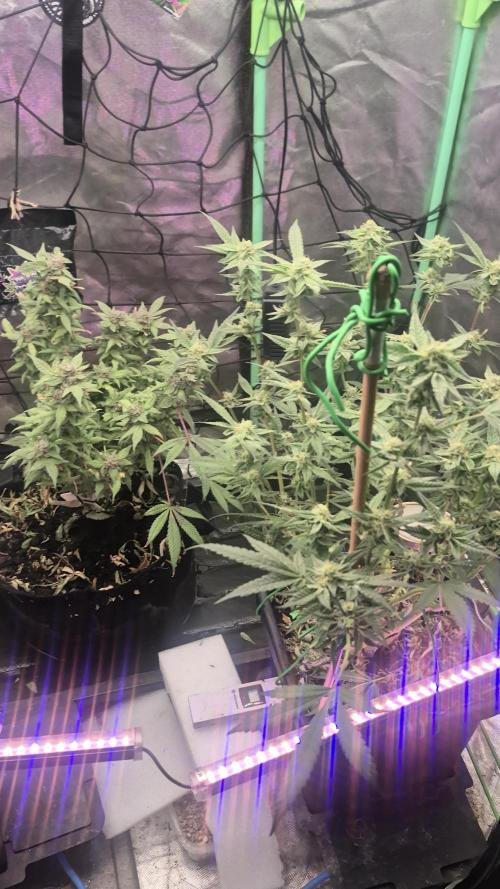
Welcome to the channel! Here you'll find cannabis grow diaries, strain reviews, cultivation tips, harvest updates, genetics spotlights, harvests, and everything related to the cannabis growing lifestyle. Follow along as we document the journey from seed to harvest and share our passion for quality cannabis cultivation.
🔥 Indoor Growing
🌱 Grow Diaries
✂️ Plant Training & Techniques
Nutrient Guides & Grow Tips
🏆 Harvest Updates & Smoke Reports
💨 Strain Reviews & Genetics
📸 Instagram: @only_dankzz4200
🌱 Grow Diary: @spunkyterps4200
🎟️ Support the Channel with These Promo Codes:
DEBO
SPUNKY
SPUNKY4200
DKREW
⚠️ DISCLAIMER – 18+ ONLY ⚠️
This channel is intended for viewers 18 years of age or older. All content is provided for educational, informational, documentary, and entertainment purposes only.
Viewers are responsible for understanding and complying with all local laws and regulations regarding cannabis in their jurisdiction. This channel does not encourage or promote illegal activity, substance abuse, or unsafe practices.
By viewing this content, you confirm that you are 18 years of age or older.
🌿 Stay Lifted • Stay Learning • Stay Growing 🌿
#OnlyDankzz4200 #SpunkyTerps4200 #CannabisCommunity #GrowDiary #HomeGrow #IndoorGrowing #CannabisCultivation #420Life #GrowersNetwork 💚🔥🌱💨https://youtube.com/@th3_dankzz420dk?si=HSioyHRv-cGwh5LX

Likes
20
Share

@Diips
Follow
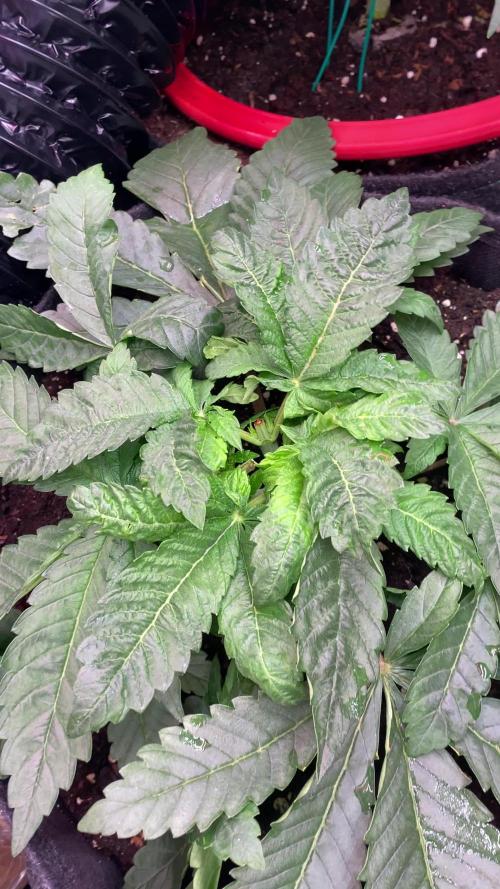
shes really something to be seen! thickness overall is wild! but her shortness also shows haha, but damn! cant wait to see her i flower, i can feel the strength through her thick stem! also topped her, but shes real good at hiding, but time will get her ;) loving life 💚🌞

Likes
11
Share
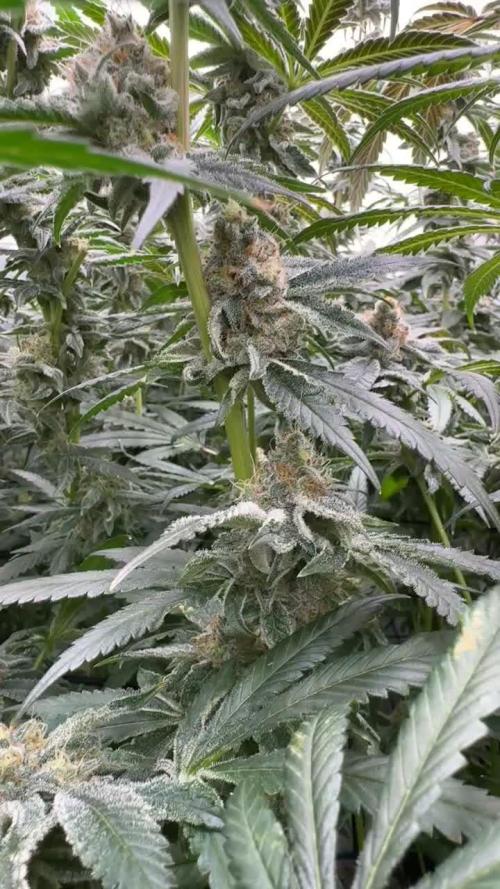

@HerrnBubatz88
Follow
Will comment on the upcomming days im a Little Busy, stay tuned..
30.11:
Fade starting to Kick in on the BBC Seems she’s ripening already, probably will be a little faster than the other ones. The rest ist still stacking beautifully. Got a little wind/RH burn on the tents corners but still better than Mold. Temp 26-28 C Rh current 50-58% expecting week 7 to stack further and start to ripen out on the both Lobs, the chemD will take longer overall bud got a very very Oldschool structure and smell.


