


Likes
Comments
Share


@I_Identify_As_A_Dan
Follow
Week 9 for GMO 8 by atlasseed
The indoor smaller plant is really starting to bulk up on the flower size for sure seems like maybe it has another week maybe 2 before being done. While the other plant is now outdoors because i ran out of room indoors & the bud on the outdoor one looks completely different likely because of the 40+ degrees sun outdoors ATM but doesn't have any burn leaves so that's great. Actually looking forward to seeing how she smokes... maybe she gets ran again in a few weeks? 😎

Likes
16
Share


@eldruida_lamota
Follow
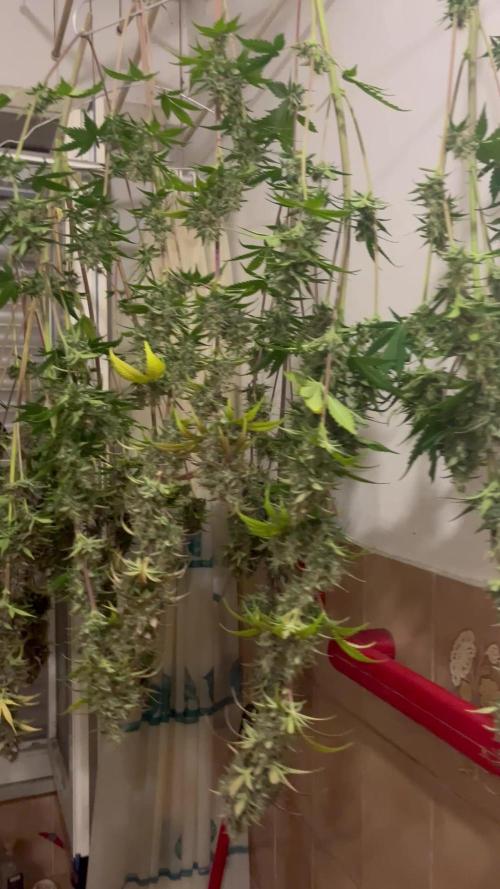
Venga familia que ya viene la cosecha de esta Panty Punch de Seedstockers, que ganas que tenia ya de darles machetazo.
No veas que pinta que tienen estas plantas.
Las flores aparte se ven bien resinosas, y son bien prietas, aparte son súper aromáticas huelen mucho.
(COLOQUEN UN BUEN FILTRO PARA EL OLOR).
a sido una genética con la que disfruté mucho cultivarla, la genética es perfecta para SOG y es bien vigorosa, es muy fácil cultivarla y muy resistente merece la pena si eres cultivador principiante.
Hasta aquí es todo, espero que lo disfrutéis, buenos humos 💨💨.

Likes
9
Share

@Ziocannabis
Follow
Raccolto 3 piante su 6 totali
3 banana Purple punch auto della FastBuds credo superino in totale i 250 grammi

Likes
21
Share


@Mr_Motalovah
Follow
Hello Growers and Tokers! 👋 👩🌾 🧑🌾.🔥💨
Info and pictures were taken at day 12 of flower.
Nice progress this week. There's plenty of new growth.
She hasn't grown upwards as much as the other ladies, only about 5 cm this week.
BUT she's got a darker green color, stronger smell than all the others.
It's smell is unique and very strong. Not sweet, VERY pungent, it's a slap in the face kind of smell.
Her bud formation is also more advanced than all the other girls.
That's something I need to watch out for because she's an early finisher. Supposedly finishes in 40 - 45 days.
Feeding 1,5L each, every other day. Will be increasing as they ask for more.
How do they ask for more?
When feeding if the soil is drier than normal I give a 150-200ml increment of water.
I do that until they stop feeding so much then i just maintain that amount.
I start reducing if it takes longer to dry.
That works good for me. The old finger in the dirt trick. 👍
Nothing like knowing exactly what your ladies need first hand.
That's it for now. Stay tuned for next week's update.
If you like what you see check out the other diaries.
Take care and stay safe!
One love! ✌️🏽


Likes
7
Share


@Mr_BFL
Follow
Moby dick
Problems with the strong light presses him to the ground. The internodes are very short, which gives me a lot of trouble.
----
Super Lemon Haze - Visually everything is OK
----
Y griega
Visually everything is OK, but I see an overdose of something that causes dullness, too green color and fragility


Processing
Likes
51
Share


@growdoctordc
Follow
Flowers emerged this week. Under the microscope we see trichomes just beginning to develop as dots on the leaves
Likes
8
Share

@GREENPHOENIX6262
Follow
02/15 (M) - Prepping her to flip into flower within the next week or two - Weaved her under net for better light coverage - Running 8 drip emitters with a 5 gallon res - 45 sec feed every 8hrs.
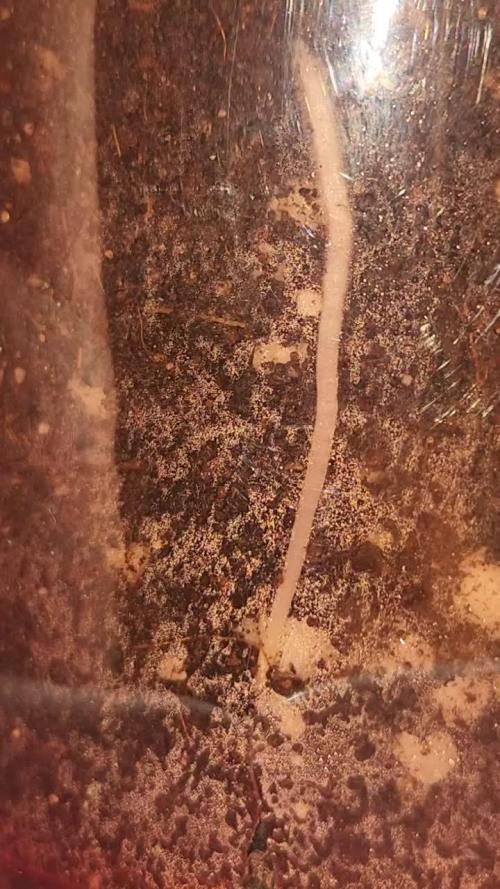
02/15 (C) - Thus far all 15 are still kicking but they did take a hit - starter roots for all 15 have begun - I will update with pics within the next 2 weeks - Running high temps and high humidity during lights on.
02/18 (M) - Mom is doing great - No deficiencies - Flipped her into flower today - running 8 line feed with 5 gallon res - clean water feeds for the first 2 weeks.
02/18 (C) - The babies to a bit of a hit they are looking a bit funky but they are rooting - some of the clones are growing their own babies - I will let them rock as to seeing they are rooting and showing new growth.
02/19 (C) - 4 out of the 15 have developed very strong roots - the rest have smaller roots coming in - will continue to run high humidity and monitor accordingly.

Processing
Likes
21
Share


@LittleBigTrees
Follow
I harvested just under an ounce from each of the two plants grown in 4ltr pots.
Likes
148
Share


@love_2_grow
Follow
D50.
The start of the fourth week of flower, and all is well in the tent.
------------------------------
D51.
I noticed a few necrotic spots on a couple of leaves. I suspect that it's a Calcium deficiency. I ordered some Biobizz Cal-Mag, hoping to stop the problem from spreading when it gets here in a couple of days.
I also calibrated my Hygrometer since I've noticed lately that it seemed a bit off. Sure enough, it was off by 7%.
------------------------------
D54.
There's not much to report as she is just doing her thing without any help from me. The necrotic spots haven't spread even though I haven't added any cal-mag. What I see, though, is senescence starting, but according to RQS, Purplematic can finish in as little as eight weeks.
I haven't checked her trichomes yet but will once I get back, as I'm going out of town for a week, and she will be left to her own devices.
------------------------------

Likes
47
Share


@Ultraviolet
Follow
Gave her a cocktail to help with stress. Added 1st net for lateral support, not so much now, but for later. Blue light is absorbed by photoreceptor proteins called phototropins, which trigger a hormonal response that causes cells on the shaded side to elongate, making the plant bend toward the light. Try and fill this side a little. She is quite big already, just needs to find her stride again after the undue torture.
The mind is constantly working and producing, just like a factory. It's not just a passive recipient of information but an active producer of ideas, attitudes, and beliefs. The "ingredients" in this factory are the information you consume, such as books, conversations, and the media you engage with. The "products" are your thoughts, beliefs, and actions. The quality of the ingredients directly influences the quality of the output.
5 apex stems with 20-30 mini cola, let them develop a little, with the apical dominance shattered, all those 20-30 will all compete with each other as soon as that stretch is initiated. Key to a good stretch is making sure the plant is cycling efficiently, with large ATP conversions occurring lights out.
For now, keeping light intensity high. A plant will slow its vertical growth in very high light intensities, leading to a more compact form with thicker stems and leaves. This response is a protective mechanism against light stress, which can damage the photosynthetic apparatus and lead to symptoms like leaf scorching, yellowing, and brittleness. Instead of growing taller, the plant invests its energy into creating a more robust, stress-tolerant structure.
Providing plants with necessary antioxidants helps protect the photosynthetic apparatus by scavenging reactive oxygen species (ROS) that cause damage from excess light.
UV light exposure can impact the xanthophyll cycle by either enhancing its photoprotective role or causing damage, depending on the intensity and type of UV radiation. UV exposure can trigger the synthesis of more xanthophyll cycle pigments to increase the plant's capacity to dissipate excess energy, but it can also cause direct damage, particularly to Photosystem II, and may lead to a decrease in the de-epoxidation state (DEPS ratio) which indicates a reduced capacity to dissipate excess energy.
Plants can respond to UV stress by increasing the synthesis of xanthophyll cycle pigments, such as violaxanthin and zeaxanthin, to improve their photoprotective capacity. UV-induced changes in xanthophyll cycle pigments can be linked to a plant's overall tolerance to high radiation stress. The xanthophyll cycle helps protect against photoinhibition, which is especially important when the plant is exposed to high levels of both UV and visible light. High doses of UV radiation can directly damage photosynthetic components, including the proteins, lipids, and pigments in the thylakoid membranes. Exposure to UV radiation can have a mixed effect on the de-epoxidation state (DEPS ratio) of the xanthophyll cycle pigments. In some cases, UV can inhibit the conversion of violaxanthin to zeaxanthin, resulting in a lower DEPS ratio and a reduced capacity for energy dissipation. However, the total pool of xanthophyll cycle pigments may increase, and this enhanced pool size could provide a greater potential for photoprotection despite a lower DEPS ratio.
The xanthophyll cycle works alongside other mechanisms, such as the accumulation of flavonoids (UV screens), to protect the plant from UV-induced damage.
Blue light repairs 100% UV-induced damage in plants through a process called photoreactivation, which uses a light-dependent enzyme called photolyase. This enzyme uses energy from blue and UV-A light to directly reverse the damaging pyrimidine dimers in the DNA caused by UV-B radiation, a key mechanism for maintaining the plant's genetic integrity.
After carbon, light, water, temperature, and nutrients, the limiting factor of a plant's growth is often its own internal factors or the amount of a key ingredient. Chlorophyll concentration is one such factor, as the amount of this pigment limits how much light can be captured for photosynthesis. Other factors include chloroplast number, respiration rate, and the concentration of carbon dioxide in the atmosphere, as plants are often in a CO2-deficient condition.
60x60x18=64800seconds x 700 = 45,360,000moles. 45DLI
Exposure to 165 µW/cm² of ultraviolet-B (UV-B) light for 3600 seconds = 1 hour, a extremely high, acute dose triggering stress responses and protective mechanisms.
.
The plant's photoreceptor protein, UVR8, senses the UV-B radiation. This triggers a signaling cascade that activates specific genes to protect the plant from damage. In response to the UV-B signal, the plant ramps up the biosynthesis of protective compounds like flavonoids, phenolic acids, and anthocyanins. These compounds absorb UV radiation and accumulate in the epidermal layers of leaves to shield inner photosynthetic tissues. The plant may increase leaf thickness or deposit more cuticular wax, creating a physical barrier to the radiation. The plant will produce more enzymatic and non-enzymatic antioxidants to neutralize the reactive oxygen species (ROS) produced by the UV-B radiation. The plant activates enzymes, including photolyases, to repair DNA damage caused by the UV-B. These repair mechanisms are critical for preventing permanent genetic mutations.
While protective measures are activated, a high dose delivered over a short period can cause stress that overwhelms the plant's defenses.
Photosynthesis is highly sensitive to UV-B. A high dose can inactivate Photosystem II (PSII), damage thylakoid membranes within the chloroplasts, and reduce chlorophyll content, which lowers the plant's overall photosynthetic capacity. Despite repair mechanisms, high UV-B doses can inflict persistent damage on the plant's DNA. The overproduction of reactive oxygen species can cause oxidative stress, leading to the oxidation of lipids and proteins and disrupting cellular function.
I am playing in the enchanted forest. A shift in perspective is what changes perception over time. By deliberately considering a situation from another point of view (perspective), you can challenge your initial, knee-jerk interpretation (perception). This is a valuable skill in both personal and professional life for fostering empathy, improving problem-solving, and making more informed decisions.
Move the mind off perception into perspective.
Thank you.
Processing
Likes
1
Share


@SmylinPupil
Follow
I figured I’d rock a decent update now what I don’t have anymore plants on the go. These were neglected from the start, although they seem to be making some pretty sweet buds. Tricombs are increasing, and starting to get cloudy. This is going to be my first sativa harvest so hopefully it turns out ok. I went a bit hard on the nutes the other day, I may have to give them a flush. The leaves are starting to curl and get brown. I’ll see how it looks in a few days. That’s it for this week, now get out there and enjoy the last of summer.
Cheers.
Likes
295
Share


@Ju_Bps
Follow
To start I would like, give big thanks to Royal Queen Seeds ❤️❤️ and @James , ❤️❤️ to try their products one more time #RQSLOVER,
also to @marshydrococo2 and Mars Hydro for the FC 3000 and the fan filter kit ❤️❤️
And another thanks for the GD community, for likes, comments, follows.
This 2nd F1 strain run was great, Easy and beautiful, very similar with Epsilon 💚
Flower/herbal smeel 👨🌾🌲🌲
⚖️ Wet yield 262g
Likes
8
Share


@PlantParenthoodGenetics
Follow
Beautiful week of growth, caught up with the progress photos compared to last year at this time 💪🏽🙏🏽 We’ve started to blast past the pepper plants now, it only took 2 weeks! Since we’re into the beginning of flower we’ll be adding in the Advanced Nutrients this week to boost flavor and bud formation. Got the hay laid down as you can see and the medium to heavy rains this week are making my job of hand watering this whole garden way easier. Did some defoliation on the lower fan leaves and any early low bud formations that looked like they might not amount to much in the end. So excited to keep sharing photos of how they all progress! The best part is yet to come. Thanks to everyone learning from this diary and most of all to 42 Fast Buds for this dope sponsorship! 🚀
Processing
Likes
18
Share

@eldruida_lamota
Follow
Que pasa familia, estamos de vuelta para actualizaros la 4 semana de floración, las flores van cogiendo forma , en esta variedad las flores Se ponen como pelotas de tenis.
Todo va bien , ph controlado , humedad no aumenta por encima de 50%. Y asimilan genial todo el alimento aportado.
Hemos hecho defoliación para dejar acceso a mas luz a la altura media de la planta.


Likes
17
Share


@Nicogreen
Follow
Så fedt at have bestilt og så lige op til en konkurrence det jo perfekt 👌 💪 😇 🇩🇰 💚 Hope the Best grower win. Best regarts Nicogreen 💚


Likes
20
Share

@Bncgrower
Follow
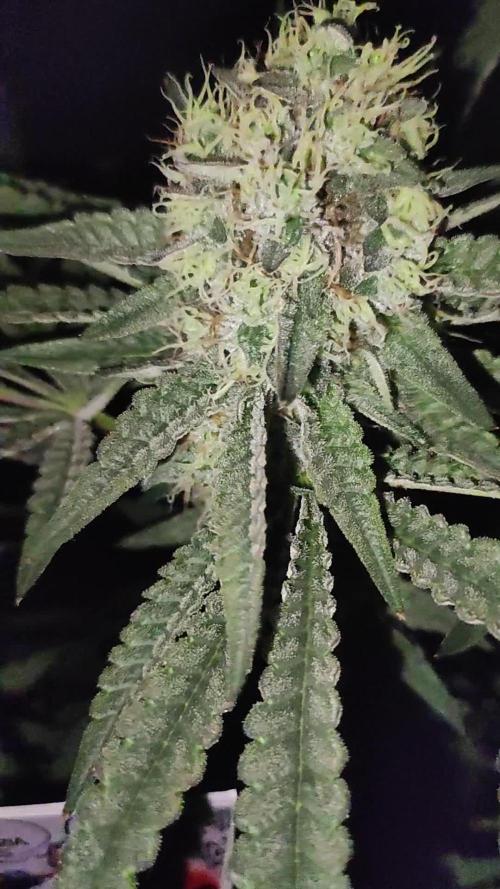
Final stretch, next week it's time to flush them. The smell is really strong when I open the bedroom door, I believe in an extremely satisfactory result.. ❄️💪🌲
***The photo of the trichomes ended up getting mixed up, so I'll post photos of all the plants.
Likes
17
Share


@OrganicBuds030
Follow
Man sieht wie es langsam in die letzten beiden Wochen geht. Melonade Runtz Pheno#1 hat rötliche Stängel bekommen. Ich weiß nicht ob es die Genetik oder eventuell ein Mangel ist. Sie zeigt sonst keine Mangelerscheinungen und die anderen Strains im Zelt auch nicht. Die Wahrscheinlichkeit dass es also genetisch bedingt ist besteht somit also auf jeden Fall. Außerdem habe ich beide Lampen auf 100% laufen und dann ist es so, dass wenn die Stängel intensivem direktem Licht ausgesetzt sind, können sie sich violett, rot oder rosa färben. Die Farbveränderung durch intensives Licht ist ein natürlicher Abwehrmechanismus der Pflanze, da sie dadurch besser vor UV-Strahlung geschützt ist. Sieht sehr schön aus 😁 Beide Phenos trinken schon etwas weniger, was darauf hindeutet dass sie sich langsam dem Ende der Blütephase nähern. Riechen tun beide immer stärker, man riecht beim Pheno#1 immer mehr die Lemon Z x Lemon Tree raus. Sehr erfrischend.

Likes
37
Share


@420DeepGrow
Follow
La segunda semana fue bien, a las plantas que estiraban más les causé Low Stress para mantener una altura igualada.
De las 3 variedades que tengo, es la que antes ha mostrado las preflores.
Un error vuelvo a repetir ha sido no tener medidor de EC-PH y otro ha sido el haberme excedido con los s riegos.
Conecto pronto el CO2 a 630ppm par ver si así logro obtener un buen estiramiento esta semana.
📅 Día 15: 🔹 Cambio de lugar al haber quitado algún macho de otra variedad.
📅 Día 16: 🔹 Riego según la tabla de nutrientes. Conecto CO2 a 700ppm.
📅 Día 17 : 🔹 Low Stress para que dé más luz a las ramas bajas y tengan más espacio para desarrollar. No quito hojas ya que creo que les quitas los paneles que las alimenta. El riego de ayer las sentó muy bien y están bebiendo el agua rápido por fin.
📅 Día 18:🔹 Descanso, puntualizar que he activado el CO2 a 730ppm y decir que se han bebido todo el agua, mañana toca riego.
📅 Día 19: 🔹Riego según la tabla de nutrientes. La EC me dio 2000 y el pH 6.3