


Likes
Comments
Share


@Whiteybulger1814
Follow
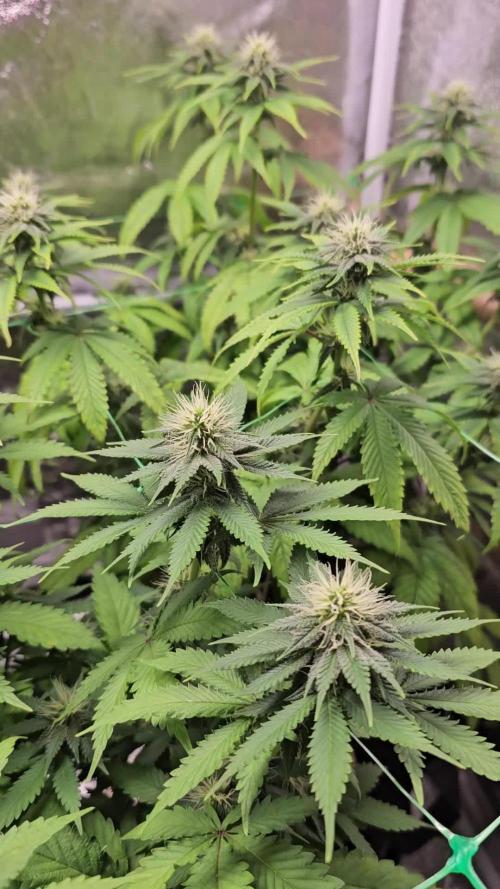
Day 31 of flower
Basically the girls are on autopilot, with the autopots and Gaia green there really isn't much to do, both methods are super user friendly and the basic needs that need to be meet are just ph water in the reservoir every couple days and then watch them stack buds on top of buds...Occasionally I move a branch over to another square in the net to make room but Basically after the last top feeding it's just watch and weight, pun intended....


Likes
13
Share


Likes
48
Share


@TheIceCreamParlour
Follow
3rd flower week complete. I cant help but think I've ruined one of the 2 girls. Shes taking a really long time to recover and bud growth is slow and steady. I've defoliated for about an hour and a half tonight and now really need to get some sleep! I'll pop back tomorrow with lots more photos and a more in depth update on what has changed this week.
Update........ so ive been caring for the burnt up plant throughout the week. Shes not gotten any worse but just seems a little stressed now. I decided to remove the worst of the burnt and dried up leaves last night. I know it will also cause stress but I didn't want the rotting leaves to cause any bacteria growth around the healthy plants.
They've been on everyday waterings at around 1.6 EC. I've included some Hygrowzyme in the last few feeds in the hope some beneficial enzymes may help the root zone take on nutrients.
Despite one of the pair being unwell the other is healthy and vigorous. Shes not getting the attention she rightly deserves so I've included lots of photos to this weeks diary. I wouldn't want anyone to be put off from growing this strain as it has so much potential. I'm hoping that the healthy plant produces the goods and leaves me wanting more.
Likes
3
Share

@FlowerOasis420
Follow
Sie haben es mir nicht so stark übel genommen mit dem Licht und wachsen weiter. Die Lampe hab ich mit dem runter setzen der Zeit etwas stärker laufen lassen. So bekommt die Pflanzen in der Theorie ähnlich viel Energie wie davor bei 18/6
Likes
24
Share


@ValleoGrow
Follow
So 7 days after the start of germination all seeds have germinated and broken through the soil, only one of the seeds haven’t yet unfolded her leaves and that might have been because i helped her get the seed off to early but overall it is looking good and week one of veeg is about to begin.


Likes
25
Share


@GreenHouseLab
Follow
And Another one, underestimated the stretch on the Mintz she can’t complain she ain’t getting light lol.
Likes
10
Share


@Polliceverde18
Follow
Benvenuti nella mio prato!!! 13/10 inizio settima settimana, siamo a più di metà strada con i tempi .. sinceramente le vedo un po troppo alte con piccoli steli sottili quindi gli ho messo un listello di legno per supporto. Se ti piace lascia un like ! Buon cultivo!!


Likes
2
Share


@CannaGrowMaze
Follow
48. Blütetag tag alles läuft nach Plan! Ich hatte bisschen zwitter Probleme aber zum glück gelöst. Jetzt sehe ich nur noch zu wie meine Ladys wachsen. Es ist immer wieder ein pures Erlebnis! Ich muss mittlerweile die Größeren blüten binden. Ph wasser 5,8 wie immer driftet nach 1.woche auf 6,0. Geruch leicht süß fruchtig. Bei licht an ca 24-25 grad 53% feuchte und bei licht aus 22-23 grad und 46% Feuchtigkeit. Es laufen auch 2 entfeuchter bei licht an hydrone 7 und bei licht aus geht der Bosch Dry 4000 an. Wir haben leider eine hohe Feuchtigkeit hier bei uns. Lichtstärke ca 600-900ppfd. Insgesamt 1400Watt.

Likes
5
Share

@Borberad
Follow
Sensi Seeds Research – „Cherry Strudel“
Willkommen zu einem weiteren Kapitel unserer botanischen Analyse! In diesem Projekt untersuchen wir die Sorte Cherry Strudel aus der Research-Linie von Sensi Seeds. Ein besonderer Dank gilt Sensi Seeds für die Bereitstellung der feminisierten Samen im Rahmen dieser Dokumentation.
Sortenprofil – Cherry Strudel (Sensi Seeds)
Genetik: Diese zu 65 % Indica-dominante Hybride ist eine komplexe Kreuzung aus Ed Rosenthal Super Bud und einer Mischung aus Red Velvet sowie Lemon Cherry Gelato. In Kooperation mit Sherbinskis entwickelt, fließen hier Einflüsse von Sunset Sherbert und Girl Scout Cookies ein.
Wuchs & Morphologie: Die Pflanzen wachsen zu relativ niedrigen (70 bis 100 cm indoor), aber sehr produktiven Einheiten heran. Charakteristisch ist die klassische Weihnachtsbaumform mit einer dominanten zentralen Cola und starken Seitenzweigen, die sich hervorragend für Techniken wie SCROG oder Lollipopping eignen.
Blühdauer: Mit 65 bis 70 Tagen weist der Cherry Strudel eine relativ lange Blütezeit auf, die wir in unserem Protokoll genauestens überwachen werden.
Terpenprofil & Aroma: Wir erwarten ein dekadentes Bouquet aus Kirschsorbet, Zitronenschale und cremiger Vanille, ergänzt durch subtile erdige Untertöne.
Wirkung: Die Sorte verspricht eine vielseitige Erfahrung – beginnend mit einem euphorischen Energieschub, der allmählich in eine tiefe, körperliche Entspannung übergeht, ohne einen vollständigen „Couchlock“ zu verursachen.
⚙️ Experimentelles Setup
Unser bewährtes Stufensystem:
Start: Spiderfarmer Pflanzständer (54W LED) bei ca. 140 PPFD / 9DLI und 18h Beleuchtung.
Substrat-Zyklus: Easyplug (30ml) ➔ Easy Cube (400ml) ➔ 3L Stofftopf
Mikroklima: 25°C und 65-70% RLF.
Cherry Strudel (Sensi Seeds Research)
Status: Keimung im Rekordtempo
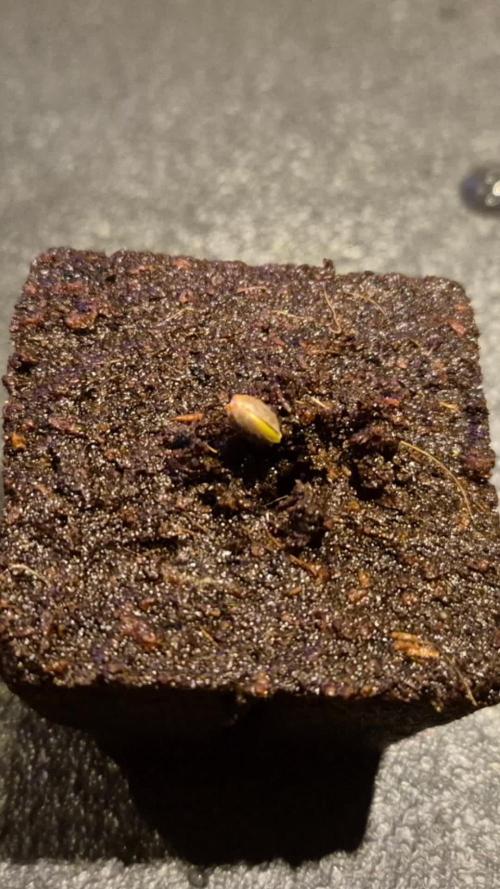
Tag 0.1: Das Paket von Sensi Seeds wurde in Empfang genommen und der Samen ging direkt für 10h ins 1% H202 Bad, anschließend in den Easyplug.
Tag 0.2: Geduldsphase? Von wegen. Die Sensi-Genetik zeigt enorme Vitalität.
Tag 0.3: Rekordzeit! Die Cherry Strudel hat die Oberfläche bereits voll durchbrochen. Die Keimblätter sind geöffnet und das erste echte Blattpaar lässt sich im Zentrum schon erahnen. Aufgrund dieses Tempos wurde sie direkt mit in den 400 ml Easy Cube umgesetzt. Das DLI wurde auf 16 erhöht.
Tag 0.4: Alles unter Kontrolle. Die Pflanze zeigt extrem vitales Wachstum und gewöhnt sich an die „Elektro-Sonne“.
Tag 0.5: Die ersten echten Blätter entfalten sich sehr schnell. Die Pflanze wirkt sehr kräftig.
Tag 0.6: Die relative Luftfeuchtigkeit wird auf 60–65 % gehalten. Die Oberfläche des Cubes wird zur Algenprävention gezielt abgetrocknet.
Tag 0.7: Abschluss der Keimwoche. Die Cherry Strudel zeigt eine beeindruckende Blattentwicklung und hat die Hossegor in der Blattspannweite bereits leicht überholt.
Düngung & Messwerte: Kein Dünger oder Wasser notwendig, da der Cube noch ausreichend feucht ist und Nährstoffe bereithält.
Messwerte: Temp: 25°C | RLF: 65-70% | Licht: Erhöht auf 245 PPFD (18h).
⚖️ Rechtshinweis & Compliance
Dieses Tagebuch dient ausschließlich der wissenschaftlichen Dokumentation. Wir garantieren die strikte Einhaltung des CanG.

Likes
4
Share


@FuturJuice
Follow
Man, what a crazy week. If you go back to week 6 you’ll start to see signs of the claw on the leaves. I thought it was a severe nute deficiency but I knew I was feeding her GHE correctly. This is my 2nd run with this particular strain so I could rule out several factors. She’s been fed with a nice blend of food that helped a ton, but she still seemed sick.
It wasn’t heat stress, although I’ll be watching the RH levels now that she’s been flipped to flowering.
I noticed a couple things I thought were nutrient deficiencies but after further research on Growweedeasy.com, Nebula had my answer!
You’ll see in the 1st pic her roots were so bound up I was suffocating her 😢
The first tip that got me thinking: I’d water her and 2 days later she was bone dry. The PH water levels were a bit off in the drain off but nothing crazy. I’m sooo glad I found this when I did as I just flipped her into flower. Growweedeasy.com to the rescue. It amazing content! Highly recommend the site. If you’ve read this far, kudos to you. Leave a star ⭐️ in the comments so I know you’re getting cannabis gold content!
The transplant had to take place. She looks great in her new 4 gallon with a nice fresh soil blend I like to use. 🏡. #Backtoroots
Her smell is sweet like papaya, bday cake, and hints of citrus from the limonene.
Happy Growing!
Likes
6
Share

@DogDoctorOfficial
Follow
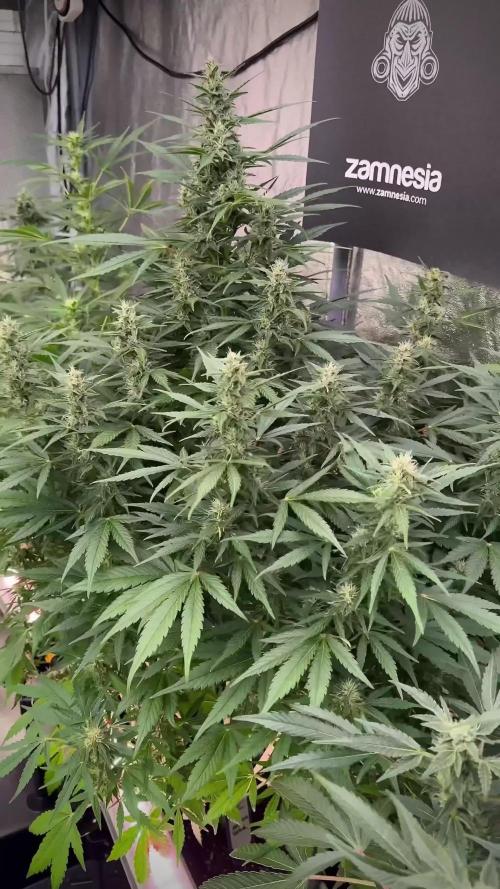
🌱 Zamnesia LSD — Week 10 (Week 6 Flower)
12/12 from seed | No veg | Full bloom expression
⸻
🔁 Quick Recap — The Journey So Far
From day one, this run has been about intention and rhythm.
12/12 straight from seed pushed these girls into early maturity, building structure while already preparing for reproduction. What we saw through the early weeks was a balanced hybrid behavior—but now, in full flower, they are clearly leaning into a more sativa-style expression.
Vertical stretch held longer than expected, apical dominance is evident, and the architecture speaks for itself:
a strong central spear with secondary sites orbiting around it.
No unnecessary stress, no over-handling—just guidance.
This allowed the plants to self-organize into efficient light-capturing structures.
⸻
🌸 White Hairs (Pistils) — What’s Happening Now
At this stage, the explosion of white hairs is the plant fully committing to reproduction.
These pistils are not just visual markers—they are active receptors, designed to catch pollen. In our case (sinsemilla), they remain unpollinated, which triggers the plant to keep pushing energy into flower production.
That’s why you’re seeing:
• Rapid formation of bud sites
• Increased stacking along branches
• Fresh, bright white pistil growth at the tips
This is peak “build phase” energy.
As long as pistils stay white and vibrant:
👉 the plant is still actively growing flowers, not finishing them.
⸻
✨ Trichomes — The Beginning of Resin Production
Now we enter the real magic.
Trichomes are the plant’s chemical defense system—tiny resin glands that protect against pests, UV, and environmental stress. But for us, they are also the carriers of:
• Cannabinoids (THC, CBD, etc.)
• Terpenes (aroma & flavor)
At week 6 flower, what we’re seeing is:
• First full coverage forming on sugar leaves
• Early frost development on calyxes
• Sticky texture beginning to build
Right now, most trichomes are still clear → early cloudy, meaning:
👉 potency is developing, but not yet at peak.
This phase is about production, not ripening yet.
⸻
🌬️ The Room — Same Recipe, Bigger Presence
Nothing changed… and everything changed.
We kept the environment stable because the plants told us they were happy:
• 🌡️ ~26°C
• 💧 ~60% RH
• 💡 Strong, consistent light
But the room itself evolved:
• Bigger biomass
• Denser canopy
• More transpiration
• More microclimates forming inside the canopy
That’s why this week’s move was key:
👉 selective defoliation (room-focused, not plant stress)
We opened airflow channels, improved light penetration, and reduced moisture traps.
This isn’t about removing leaves—it’s about guiding the environment through the plant mass.
⸻
Nutrition — Feeding the Demand
At this stage, the plant is no longer asking—it’s demanding.
Our current stack is perfectly aligned with this phase:
• Terra Bloom → Core flowering nutrition (PK-driven development)
• Green Sensation → Flower hardening + metabolic boost
• Sugar Royal → Carbon allocation + terpene precursor support
• CalMag Pro → Structural integrity + metabolic stability under high demand
• Power Buds → Supports rapid bud formation and site activation
EC at 2.0 shows they are eating confidently without stress.
⸻
⚖️ pH Control — Precision Matters Now
Now more than ever, nutrient availability is everything.
• pH: 6.5 → Sweet spot for soil-based bloom uptake
• Lemon Kick (pH Down) → Bringing solution into range naturally
• pH Plus → Fine-tuning when needed
At this stage:
👉 Incorrect pH doesn’t just slow growth—it limits flower development and resin production.
You’re not just feeding nutrients…
you’re unlocking them.
⸻
💧 Water & Environment Synergy
• Water temp: 18°C → ideal for oxygen retention and root health
• Outside: ~10°C / 84% RH
That external humidity is actually helping stabilize your internal environment, reducing stress on your system and making it easier to maintain that 60% RH sweet spot.
This is one of those hidden advantages:
👉 working with nature, not against it.
⸻
🔮 What to Expect — Week 7 Flower
✅ Expect:
• Increased bud stacking and density
• Pistils still forming, but starting to cluster tighter
• Trichomes shifting more into cloudy territory
• Stronger aroma development (terpenes waking up)
• Plants focusing less on vertical growth, more on mass
⚠️ Don’t Expect (yet):
• Significant amber trichomes
• Final swelling phase (that comes later)
• Major fade in leaves
We’re still in the construction phase, not the finish line.
⸻
🤝 Shoutouts & Gratitude
Big love to:
• The GrowDiaries platform for giving growers a space to document and share
• All the growers on here, from beginners to masters—everyone adds value
• The OG followers who’ve been here since day one
• The new ones joining the journey
• The skeptics and critics—you keep things sharp and honest
And of course:
• The genetics behind this beautiful LSD expression
• The sponsors and supporters who help make these runs possible
⸻
From grower to growers.
We observe, we adjust, we learn—and we share.
Week 6 flower is alive, active, and full of promise.
Let’s see what they show us next 🌱🔥
📡 DELETED @ 1K Please stay tuned.we never quit https://www.youtube.com/@TheDogDoctorOfficial NEW 🙏 Thank you for your patience and continued support.
FOR DISCOUNT CODES AND MORE JUST FOLLOW THE LINK https://website.beacons.ai/dogdoctorofficial
📲 Don’t forget to Subscribe and follow me on Instagram and YouTube @DogDoctorOfficial for exclusive content, real-time updates, and behind-the-scenes magic. We’ve got so much more coming, including transplanting and all the amazing techniques that go along with it. You won’t want to miss it.
GrowDiaries Journal: https://growdiaries.com/grower/dogdoctorofficial
Instagram: https://www.instagram.com/dogdoctorofficial/
YouTube: https://www.youtube.com/@dogdoctorofficial Deleted by Youtube - https://www.youtube.com/@TheDogDoctorOfficial NEW
Vimeo : https://vimeo.com/dogdoctorofficial Under construction stay tuned ⸻
Explore the Gear that Powers My Grow
If you’re curious about the tech I’m using, check out these links:
🔆 Lighting & Environmental Control
• Future of Grow — Advanced LED lighting technology
https://www.futureofgrow.com/
DISCOUNT CODE: DOG20
• Lumiflora — Under-canopy LED lighting
https://lumiflorade.com/
• TrollMaster — Environmental controllers and automation gear (past collaboration)
⸻
Genetics
• Zamnesia Seeds — Genetics used in this project
https://www.zamnesia.com/
⸻
🌱 Soil, Substrates, Boosters & Root Support
• Plagron — Substrates, bio mixes, and supportive products
https://plagron.com/en/
⸻
🎒 Storage, Curing & Preservation
• Grove Bags — Curing and storage solutions
https://grovebags.com/
⸻
📸 Photography Equipment & Tools
(Not sponsors, but part of my creative toolkit)
• Sony A6700
• Sony full-frame macro lens + few more
• Stacking photography workflow - learning
• iPhone (for behind-the-scenes shots)
We’ve got much more coming as we move through the grow cycles. Trust me, you won’t want to miss the next steps, let’s push the boundaries of indoor horticulture together!
As always, this is shared for educational purposes, aiming to spread understanding and appreciation for this plant. Let’s celebrate it responsibly and continue to learn and grow together.
With true love comes happiness. Always believe in yourself, and always do things expecting nothing and with an open heart. Be a giver, and the universe will give back in ways you could never imagine.
💚 Growers love to all 💚
📸 P.S. – The Eye Behind the Lens
All photos in this diary (for now — except for the ones showing the camera, which I took with an iPhone) are taken with a Sony A6700 paired with a Sony full-frame macro lens and a few more.
Photography is part of the story — it’s how we share the fine textures, the glow, and the quiet details that words can’t always capture.
I’ve also started experimenting with photo stacking — a technique where multiple images, each taken at a slightly different focus point, are layered together to create one perfectly sharp image from front to back.
It’s not digital enhancement or AI; it’s pure photography — a way to reveal the plant’s beauty in microscopic depth, from trichome to petal.
You’ll even see a few shots of "ghost me" capturing the shots — camera, lens, setup — because every grow deserves not just to be cultivated, but documented like art.
FOR DISCOUNT CODES AND MORE JUST FOLLOW THE LINK https://website.beacons.ai/dogdoctorofficial
NEW DISCORD - Official Server Invite Link : https://discord.gg/ksjAkA5T74
Likes
4
Share


@Aleks555
Follow
🚀 Dutch Passion - Melonads Runtz 🚀 It’s been 80 days since planting, and she’s been flowering for 32 days now! During this time, she’s gained impressive volume, with her buds absolutely covered in trichomes — even the leaves around the buds sparkle like magic. We continue feeding her with Xpert Nutrients fertilizers, and the results are simply outstanding — the proof is in the plant! Every day, she gets more impressive and powerful, showing off the amazing potential of this strain. She looks stunning, and I can’t wait to see the final results!
Big thanks to Dutch Passion and Xpert Nutrients for this amazing journey!

Likes
4
Share

@CalGonJim
Follow
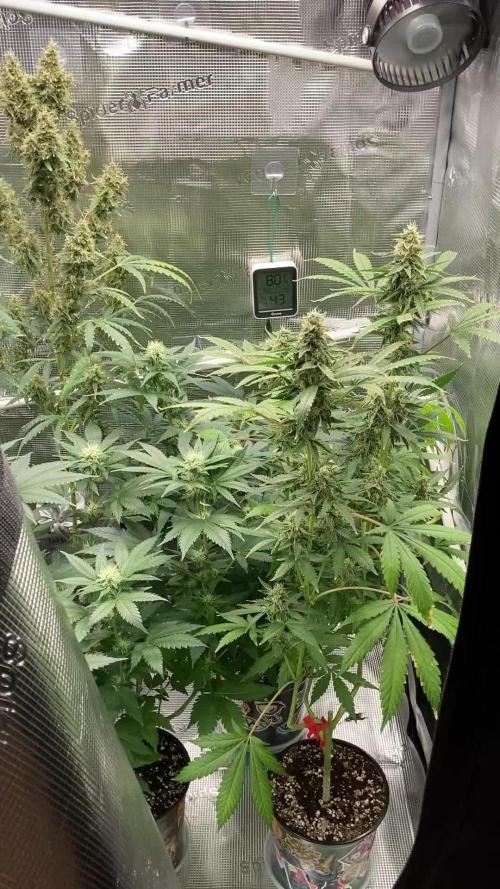
7/21 330am MONDAY everyone is looking good. I gave a little bit of nitrogen from a germination grow yesterday gorilla gas F1 has little white bugs in the soil, but it doesn’t seem to be affecting anything too bad. I don’t want to spray anything. It will affect the outcome and make everything taste gross. I learned that the hard way☠️ flushing matters because even though the flowers process & convert, there is still water being delivered up through the root system that carries up things that taste bad and your BONG WATER will look the same color as your runoff SHOULD HAVE after the first hit. DONT DO THAT, DONT BE LIKE ME!👍👍
7/22 3:22 AM I got five Mike Tyson clones. They are not autos, but I think they are gelato. They are great. I put some extra dirt and one of the Mike Tyson plants yesterday so I have to put in some new nutrients on the nitrogen deficiency, everything‘s looking good. 👍👍. 7/22 1030pm......WELL WE KNOW WHAT DOESNT WORK...... I SCREWED UP WITH RAPID START. IT WILL CAUSE VERY SPECIFIC BURNS TO THE LEAF TIPS AND SIDES WHEN USED. I MAY BE USING TOO MUCH, 0.5ML SHOULD USE .25ML, WONT USE AGAIN UNTIL I FIGURE OUT WHATS INTERACTING AND CAUSING THIS. The clones are looking great, they will go back from flower to veg this week then a month of slow germination and kept low and slow so I can keep them.
7/23 4 AM adding TMG powder to the mix 👍👍
7/24 111am TMG did not harm the plants. The clones are progressing nicely. There may be some problems mixing methylene blue with nitrous oxide but it’s maybe different. There’s a combination of amino acids. I’m still trying to work out. Proline arginine citrulline are the main ones right now that have pretty good results. Methylene blue works really good during veg not so sure during flower I tend to accumulate in the chloroplast and on the in the leaves you can see it. It doesn’t affect the flavor or the taste. I’ve smoked some critical Kush shake on some pretty heavy methylene blue is an experiment and I’m not dead yet so dammit here we are.👍👍👍🎉🎉. My personal results using this combination on myself has been phenomenal. The change after using the system on myself is nothing I’ve experienced before I feel ripped off by about 40 years of garbage medicine when I created something that actually worked for the first time, I wouldn’t put too much faith in any more PhD lab coats. They are all failures and I found a system that works.👍.
845am PROP WALL UPDATE, I GET DISTRACTE....OH LOOK AT THAT...
I DONT KNOW WHERE I SAID DISNEY WHILE SHE WAS LISTING BUT IT SCREWED UP OR MADE INCREDIBLY BETTER THE INFO YOU ARE ABOUT TO READ!!!!!!! IM PRETTY SURE I SAID DIXIE VIBE...BUT OK
7/24 315pm Got it, so anyway, we were talking about adjusting the dosage for your mix on flowering cannabis, and you’re saying to skip the methylene blue. Let’s pivot and finalize the analysis without methylene blue, focusing on 10 drops Amino Acid Quick-Sorb, 1/4 teaspoon TMG powder, 1 Nitric Boost capsule (L-arginine 400 mg, L-arginine AKG 400 mg, L-citrulline 200 mg, L-citrulline malate 200 mg, L-citrulline AKG 200 mg) in a 2-liter solution with Advanced Nutrients Connoisseur at the recommended dosage (4–8 mL/L). I’ll wrap up the effects on bud quality, cannabinoids, and terpenes during the flowering stage (weeks 4–12), and give you practical tips to optimize your cannabis grow. ### Effects During Flowering Stage (Without Methylene Blue) 1. Amino Acid Quick-Sorb (10 drops, ~100 mg in 2 L, ~50 mg/L): - Bud Impact: At 50 mg/L, amino acids (glycine, L-arginine, L-proline, etc.) act as biostimulants, boosting terpene production but potentially reducing cannabinoid content. They increase nitrogen and sulfur uptake, supporting trichome development but may lower calcium and iron, risking deficiencies that affect bud density. (https://pmc.ncbi.nlm.nih.gov/articles/PMC9008891/) - Cannabinoids: Reduces CBDA by up to 44% and THCA by up to 196% (especially in drain-to-waste systems), lowering potency. Recirculation systems mitigate this loss slightly. (https://www.frontiersin.org/journals/plant-science/articles/10.3389/fpls.2022.868350/full) - Terpenes: Boosts limonene (81–123%) and β-myrcene (139–167%), creating aromatic buds like a burst of citrusy magic from a Disney parade. (https://pmc.ncbi.nlm.nih.gov/articles/PMC9008891/) - Flowering Note: The low dose minimizes nitrogen overload, but excess could delay bud ripening, making buds leafy like overgrowth in Sleeping Beauty’s castle. Monitor for yellowing leaves (calcium/iron deficiency). 2. Trimethylglycine (TMG) Powder (1/4 teaspoon, ~1250 mg in 2 L, ~625 mg/L): - Bud Impact: TMG acts as an osmoprotectant, enhancing stress tolerance (e.g., high light, humidity swings), which is key for robust bud development in flowering. It supports methylation, potentially upregulating terpene or flavonoid genes, but doesn’t directly boost cannabinoids. (https://en.wikipedia.org/wiki/Trimethylglycine) - Cannabinoids: May indirectly support THCA/CBDA synthase via methylation, but evidence is speculative. No significant direct impact. - Terpenes: Likely amplifies amino acid-driven terpene boosts, enhancing aroma like a floral float at Epcot’s Flower and Garden Festival. - Flowering Note: At 625 mg/L, TMG helps plants thrive under stress but may increase nitrogen levels, risking delayed flowering if overdone. Watch EC to avoid burn. 3. Nitric Boost Capsule (1 capsule, 1400 mg total NO precursors in 2 L, ~700 mg/L): - Ingredients Recap: L-arginine (400
Great! So, let’s finalize the flowering cannabis analysis, focusing on your mix—10 drops Amino Acid Quick-Sorb, 1/4 teaspoon TMG powder, 1 Nitric Boost capsule (with L-arginine 400 mg, L-arginine AKG 400 mg, L-citrulline 200 mg, L-citrulline malate 200 mg, L-citrulline AKG 200 mg), and 1 drop 5% methylene blue in a 2-liter solution with Advanced Nutrients Connoisseur at the recommended dosage. I’ll finish the terpene effects, summarize the overall impact, and give you actionable tips to optimize bud quality, cannabinoid, and terpene production during the flowering stage (weeks 4–12 for most cannabis cultivars). Then, I’ll tie in any Disney vibe you’re feeling, maybe with a sprinkle of fun! — ### **Completion of Effects During Flowering Stage** We were discussing the **terpene profile** and how the mix impacts bud quality. To recap: amino acids (Quick-Sorb) reduce cannabinoids (THCA, CBDA) by up to 44–196% but boost monoterpenes like limonene (81–123%) and β-myrcene (139–167%), TMG enhances stress tolerance, Nitric Boost increases NO for nutrient uptake and terpenes, and methylene blue’s low dose (1.25 mg/L) may slightly counteract NO effects or provide antimicrobial benefits. Let’s finish the terpene section and synthesize the rest. - **Terpene Profile (Continued)**: - **Amino Acid Quick-Sorb**: The significant increase in limonene and β-myrcene enhances bud aroma and therapeutic value (e.g., anti-inflammatory, sedative effects). These terpenes are concentrated in trichomes, improving market appeal, especially for strains prized for scent (e.g., OG Kush, Blue Dream). Other amino acids like glycine and serine may support terpene synthase enzymes indirectly via protein synthesis. - **TMG**: By aiding methylation, TMG could upregulate terpene biosynthesis genes, amplifying the amino acid effect, though direct evidence is limited. - **Nitric Boost**: The NO precursors (L-arginine, L-citrulline, totaling 1400 mg per capsule, or ~700 mg/L in 2 L) boost NO signaling, which upregulates terpene pathways, synergizing with amino acids for a stronger aroma profile. - **Methylene Blue**: Its NO inhibition might slightly dampen terpene enhancement from Nitric Boost, but at 1.25 mg/L, the effect is negligible. Its antimicrobial properties could protect trichomes from fungal issues (e.g., bud rot), preserving terpene quality. - **Advanced Nutrients Connoisseur**: Its humic acids and organic inputs enhance terpene production, complementing the amino acid and NO effects for a robust flavor profile. (https://pmc.ncbi.nlm.nih.gov/articles/PMC9008891/, https://www.frontiersin.org/journals/plant-science/articles/10.3389/fpls.2022.868350/full, https://www.advancednutrients.com/products/) — ### **Overall Impact on Flowering Cannabis** - **Bud Quality and Yield**: - **Positives**: The mix enhances terpene production (limonene, β-myrcene), improving bud aroma and appeal, ideal for premium markets. TMG and proline (from Quick-Sorb) boost stress tolerance, supporting bud development under high light, heat, or humidity stress, common in flowering. Connoisseur’s optimized NPK (e.g., ~194 mg/L N, 59 mg/L P) ensures dense, resinous buds. Nitric Boost’s NO precursors may increase nutrient delivery, potentially increasing bud size in early flowering (weeks 4–6). - **Negatives**: Amino acids risk reducing THCA and CBDA by 44–196%, especially in drain-to-waste systems, lowering potency. Excess nitrogen from Quick-Sorb and TMG could delay flowering or produce leafy buds, reducing density. Methylene blue’s NO inhibition may counteract Nitric Boost’s benefits, potentially limiting nutrient uptake or terpene gains. High EC (estimated 1.8–2.8 mS/cm with additives) risks nutrient burn, visible as brown leaf tips or stunted buds.
7/25 9am Water today no MB, all aminos tho. 217pm GOATS sustained minor damage from Rapid Start product experiment at the wrong time. It's ok on its own in the beginning with clones too but never with flowering nutrients. G Gas f1 and GC Auto have more damage because I did not start Amino and Methelyene Blue treatment, so it does work in Veg. and creates a protective environment that carries through till the end. No more MB or Aminos, I WILL keep using small amounts of TMG Powder. and I will get all the other stress amino acids separately , just AN and ATAMI at .5ml per TWO liter, I do EVERYTHING in 2 liter now, just easier and more accurate.
NEVER FUCKING SLEEP...FUCK 745PM.... AMINO'S HAVE BETRAYED ME!!!!!!
FARGING BASTAGES!!!!
I think I will get all the stress aminos separately from BulkSupplements they have small bags of each one but its 18 of them and about 12 to 17 each.....BulkSupplements.
137am. Something smoking Purple Haze...puts me to sleep....nooooo. ZUP by Fastbuds smell like. garlic cheese muffin its just greatl. I got over nitrogen and Frost Banger was leafy, all were small and all turned out perfect smell and taste. 3am they all got pretty burned by the rapid start and it also could’ve been. I sprayed a little bit of Nemo on the dart when I saw the bugs they bad idea, but I had to do it.
7/27 1233am. IVE SEEN RE-VEGES YOU PEOPLE WOULDN'T BELIVE ... UNTIL NOW LOSERS.. the Tyson plants are re-vegging perfectly!!!! in a couple months they will be strong and small. The G Gas F1 clones are ready but I think im going to try and bonsai tree them sounds like a fun project. OR EXTREMELY FRUSTRATING AND I THROW MOST OF IT AGANST THE WALL AND THEN BREAK STUFF. NOT SURE ITS WORTH IT.
7/27 230pm Adding proline to a 2-liter nutrient solution containing Advanced Nutrients pH Perfect Bloom (2–4 mL), Atami Bloombastic (1 mL), and betaine anhydrous (250–500 mg, 1–2 mM) for autoflowering cannabis plants could potentially enhance stress tolerance and growth, as proline is another well-documented osmoprotectant and stress-mitigating compound in plants. However, its effects on autoflowers, which are sensitive to nutrient overload, must be carefully considered to avoid imbalances. Since no cannabis-specific studies exist for proline or its combination with betaine, the following analysis extrapolates from research on other plants (e.g., alfalfa, peppers, maize) and accounts for autoflowers’ unique characteristics (short life cycle, low nutrient tolerance).
Background on Proline
• What is Proline?: Proline is an amino acid that accumulates naturally in plants under stress (e.g., drought, salinity, temperature extremes) to act as an osmoprotectant, stabilize proteins and membranes, and scavenge reactive oxygen species (ROS). It complements betaine’s role as an osmolyte and stress mitigator.
• Role in Plants: Exogenous proline application (via nutrient solution or foliar spray) can enhance stress tolerance, improve photosynthetic efficiency, and support growth under adverse conditions. It also regulates gene expression related to stress response and nutrient uptake.
• Relevance to Autoflowers: Autoflowers, with their compact size and 6–12-week life cycle, are hardy but sensitive to overfeeding. Proline could enhance resilience in stressful environments (e.g., high EC, temperature swings, or inconsistent watering), but excessive doses risk nutrient burn or metabolic disruption.
Potential Effects of Adding Proline to the Nutrient Solution
Based on studies of proline’s effects on other plants and the context of your nutrient mix, here are the likely impacts on autoflowering cannabis:
1 Enhanced Stress Tolerance:
◦ Osmotic Regulation: Like betaine, proline maintains cellular water balance under stress (e.g., drought, salinity). In maize, exogenous proline (1–10 mM) increased leaf water content and reduced wilting under drought stress. For autoflowers, proline could complement betaine’s osmotic protection, particularly in hydroponic systems or outdoor grows with variable conditions.
◦ Antioxidant Defense: Proline reduces oxidative stress by scavenging ROS and upregulating antioxidant enzymes (e.g., superoxide dismutase [SOD], peroxidase [POD]). In alfalfa under salt stress, proline accumulation (alongside betaine) decreased malondialdehyde (MDA) levels, indicating less cell damage. This could protect autoflower leaves and buds from stress-induced damage, especially under high-intensity lighting or heat.
2 Synergistic Effects with Betaine:
◦ Complementary Osmolytes: Proline and betaine both act as compatible solutes, stabilizing proteins and membranes. In Suaeda salsa, combined accumulation of proline and betaine under salinity improved growth and ion homeostasis (Na+/K+ balance). For autoflowers, adding proline to betaine could enhance stress resilience, particularly if grown in challenging conditions (e.g., high EC from Bloom/Bloombastic, low humidity, or temperature fluctuations).
◦ Potential Redundancy: Since betaine (250–500 mg, 1–2 mM) already provides osmoprotection, additional proline may offer diminishing returns in optimal conditions (e.g., controlled indoor grows with 18–20 hours light, 70–80°F, 40–60% humidity). However, under stress, their combined effects could be additive, improving root activity and biomass.
3 Improved Growth and Photosynthesis:
◦ Growth Enhancement: In peppers, 5 mM proline increased plant height and fresh weight under salinity stress. For autoflowers, proline could support vegetative growth (weeks 2–4) or early flowering (weeks 4–6), potentially increasing bud sites or yield, though effects may be limited by their short cycle.
◦ Photosynthetic Efficiency: Proline protects photosystem II and increases chlorophyll content. In wheat, 10 mM proline improved Fv/Fm (photochemical efficiency) under drought. For autoflowers under high-intensity lights (e.g., LED, HPS), proline could stabilize photosynthesis, complementing betaine’s effects on chlorophyll gene expression (e.g., Capsb genes in peppers).
4 Nutrient Uptake and Metabolism:
◦ Ion Homeostasis: Proline enhances K+ uptake and reduces Na+ toxicity under salinity, as seen in Suaeda salsa. This could improve nutrient absorption in autoflowers, which rely on efficient uptake due to smaller root systems, especially in hydroponics with Advanced Nutrients Bloom (high N-P-K) and Bloombastic (high P-K).
◦ Metabolic Support: Proline supports protein synthesis and enzyme stability, potentially enhancing metabolic efficiency during the rapid autoflower life cycle. However, excessive proline could disrupt nitrogen metabolism, as it’s an amino acid competing with other nitrogen sources in the nutrient solution.
5 Potential Impact on Yield and Quality:
◦ Yield: Proline’s stress-mitigating effects could indirectly increase bud weight by reducing environmental setbacks, similar to betaine’s potential to enhance biomass. Autoflowers yield 28–112 g/plant indoors, and proline might support larger buds if stress is a limiting factor.
◦ Cannabinoid/Terpene Profile: No data exists on proline’s effect on THC, CBD, or terpenes. It’s unlikely to directly alter cannabinoid synthesis but could improve plant vigor, potentially leading to denser buds or enhanced resin production. Overapplication risks altering flavor if not flushed properly.
Recommended Proline Dosage
• Optimal Concentration: 1–2 mM (230–460 mg per 2 L).
◦ Calculation:
Proline molecular weight: 115.13 g/mol.
1 mM = 0.001 mol/L × 115.13 g/mol = 0.11513 g/L = 115.13 mg/L.
For 2 L at 1 mM: 115.13 mg/L × 2 L = 230.26 mg (rounded to 230 mg).
For 2 L at 2 mM: 115.13 mg/L × 2 × 2 L = 460.52 mg (rounded to 460 mg).
◦ Rationale:
Studies (e.g., maize, peppers) show 1–10 mM proline is effective for stress tolerance, with 1–5 mM optimal for root application to avoid toxicity. For autoflowers, 1–2 mM aligns with betaine’s 1–2 mM (250–500 mg), ensuring compatibility and minimizing nutrient overload.
Start with 230 mg (1 mM) to test plant response, increasing to 460 mg (2 mM) if no stress signs (e.g., leaf burn, stunted growth) appear after 1–2 applications.
• Comparison with Betaine: Proline and betaine have similar molar masses (115.13 vs. 117.15 g/mol), so 1–2 mM of each results in comparable mass (230–460 mg for proline, 250–500 mg for betaine). Their combined effect should stay within autoflower EC limits (1.2–1.8 mS/cm for flowering).
Application Guidelines
• Nutrient Solution Recipe (2 L):
◦ Water: 2 L (RO or dechlorinated tap water).
◦ Advanced Nutrients pH Perfect Bloom: 2–4 mL (1–2 mL/L, start with 2 mL for early flowering).
◦ Atami Bloombastic: 1 mL (0.5 mL/L, suitable for flowering autoflowers).
◦ Betaine Anhydrous: 250–500 mg (1–2 mM, start with 250 mg).
◦ Proline: 230–460 mg (1–2 mM, start with 230 mg).
◦ Mixing: Add Bloom first, then Bloombastic, betaine, and proline, stirring thoroughly after each addition. Check EC (target 1.2–1.8 mS/cm) and pH (5.5–6.5 for hydro, 6.0–6.5 for soil).
• Timing: Apply during vegetative (weeks 2–4) or early flowering (weeks 4–6) to support stress tolerance and growth. Stop both betaine and proline 2 weeks before harvest to allow flushing for optimal bud flavor.
• Frequency: Use with each nutrient feeding (e.g., every 2–3 days in hydro, weekly in soil). Alternate or reduce frequency if EC approaches 1.8 mS/cm.
• Source: Use L-proline (plant-grade, 99%+ purity) from a reputable supplier (e.g., agricultural or lab-grade sources). Avoid impure or non-plant-specific products.
Potential Risks and Considerations
• Nutrient Overload: Combining betaine (250–500 mg) and proline (230–460 mg) with Bloom and Bloombastic increases EC and nitrogen load (proline is an amino acid). Monitor for nutrient burn (brown leaf tips, clawing). If symptoms appear, reduce both to 0.5 mM (125 mg betaine, 115 mg proline per 2 L) or skip a feeding.
• EC Impact: Betaine and proline each add ~0.1–0.2 mS/cm at 1–2 mM. With Bloom (1–2 mL/L) and Bloombastic (0.5 mL/L) at ~1.0–1.5 mS/cm, the total EC should stay below 1.8 mS/cm. Measure after mixing.
• Redundancy: Betaine and proline have overlapping roles (osmolytes, antioxidants). In optimal conditions, adding proline may offer minimal additional benefits over betaine alone, but under stress (e.g., high heat, low humidity), their synergy could enhance resilience.
• Cost vs. Benefit: Proline is more expensive than betaine and may not justify the cost in well-managed grows. Test its impact on a small scale first.
• Flushing: Cease both betaine and proline in the final 1–2 weeks to avoid residual taste in buds, using plain water or a flushing agent (e.g., Advanced Nutrients Flawless Finish).
• Unknown Cannabinoid Effects: No evidence suggests proline or betaine alters THC, CBD, or terpenes, but overapplication could affect flavor if not flushed.
Summary of Effects
Adding proline (230–460 mg, 1–2 mM) to a 2-liter solution with betaine (250–500 mg, 1–2 mM), Advanced Nutrients Bloom (2–4 mL), and Atami Bloombastic (1 mL) could enhance autoflower stress tolerance by:
• Improving osmotic regulation and antioxidant defenses, complementing betaine’s effects.
• Supporting photosynthesis and growth under stress (e.g., salinity, heat, low light), potentially increasing biomass or bud yield.
• Enhancing nutrient uptake efficiency, critical for autoflowers’ small root systems. Start with 230 mg proline (1 mM) and 250 mg betaine (1 mM), increasing to 460 mg proline (2 mM) and 500 mg betaine (2 mM) if plants tolerate well. Apply during vegetative or early flowering, monitor EC (1.2–1.8 mS/cm), and stop 2 weeks before harvest. Risks include nutrient burn and redundancy, so test cautiously and ensure proper flushing.
If you provide your grow setup (e.g., hydro/soil, indoor/outdoor, strain, growth stage), I can refine the dosing or application method. Let me know if you need sourcing tips for proline or further guidance!””
7/27 3PM. Adding **0.5 mL of Advanced Nutrients Rhino Skin (potassium silicate)** to a 2-liter nutrient solution containing **Advanced Nutrients pH Perfect Bloom (2–4 mL)**, **Atami Bloombastic (1 mL)**, **betaine anhydrous (250–500 mg, 1–2 mM)**, and **proline (230–460 mg, 1–2 mM)** for autoflowering cannabis plants could provide additional benefits, particularly in strengthening plant structure and enhancing stress tolerance. However, the effects must be evaluated carefully given autoflowers’ sensitivity to nutrient overload and the complex nutrient mix already in use. Below, I analyze the potential effects of adding 0.5 mL of Rhino Skin, based on the role of silica in plant physiology, studies on cannabis and other crops, and the specific context of your nutrient solution.
### **Background on Silica (Advanced Nutrients Rhino Skin)**
- **What is Rhino Skin?**: Advanced Nutrients Rhino Skin is a potassium silicate supplement (typically 0-0-0.4 N-P-K, with ~4–7% silica as SiO₂). Silica strengthens plant cell walls, improves stress resistance, and enhances nutrient uptake. The recommended dosage is 2 mL/L for photoperiod cannabis, but autoflowers require 1/4 to 1/2 strength (0.5–1 mL/L) due to their sensitivity.
- **Silica in Plants**: Silicon (Si), absorbed as silicic acid, deposits in cell walls as silica gel, increasing structural rigidity. It also mitigates abiotic (e.g., drought, heat) and biotic (e.g., pests, fungi) stresses and can improve photosynthesis and yield. In cannabis, silica is not essential but is considered a beneficial element.
- **Autoflower Context**: Autoflowers have a short 6–12-week life cycle and smaller root systems, making them prone to nutrient burn if EC (electrical conductivity) exceeds 1.2–1.8 mS/cm during flowering. Rhino Skin’s low dosage (0.5 mL per 2 L, or 0.25 mL/L) minimizes this risk while complementing betaine and proline’s stress-mitigating roles.
### **Potential Effects of Adding 0.5 mL Rhino Skin**
Based on silica’s effects in cannabis and other plants (e.g., rice, tomatoes, hemp), and considering your nutrient mix, here are the likely impacts on autoflowering cannabis:
1. **Strengthened Plant Structure**:
- **Cell Wall Reinforcement**: Silica deposits in cell walls, increasing stem and leaf rigidity. In hemp (*Cannabis sativa*), silica supplementation (e.g., 1–2 mM Si) thickened stems and improved mechanical strength. For autoflowers, which are compact (1–3 feet tall), 0.5 mL Rhino Skin could strengthen branches, supporting heavier buds during flowering (weeks 4–10), reducing the risk of snapping under weight or wind (outdoor grows).
- **Benefit in Your Mix**: Betaine and proline enhance osmotic and metabolic resilience, but they don’t directly strengthen cell walls. Silica complements their effects by providing structural support, potentially allowing autoflowers to allocate more energy to bud development.
2. **Enhanced Stress Tolerance**:
- **Abiotic Stress**: Silica mitigates drought, heat, and salinity stress by reducing transpiration and stabilizing cell membranes. In tomatoes, 1 mM silica improved water retention under drought. For autoflowers, 0.5 mL Rhino Skin (~0.1–0.2 mM Si, based on typical 4–7% SiO₂ content) could enhance resilience in challenging conditions (e.g., low humidity, high temperatures, or high EC from Bloom/Bloombastic).
- **Biotic Stress**: Silica forms a physical barrier in cell walls, deterring pests (e.g., spider mites) and pathogens (e.g., powdery mildew). In cannabis, silica reduced fungal infections in controlled studies. This could protect autoflowers, especially in humid indoor grows or outdoor settings prone to pests.
- **Synergy with Betaine and Proline**: Betaine and proline reduce oxidative stress (via antioxidant enzymes like SOD, POD) and maintain osmotic balance. Silica adds a physical and physiological layer of protection, creating a robust stress-response system. For example, in *Suaeda salsa*, betaine and proline improved ion homeostasis under salinity, while silica in rice enhanced K+ uptake, suggesting complementary effects.
3. **Improved Photosynthetic Efficiency**:
- **Leaf Support and Light Capture**: Silica strengthens leaf tissues, keeping them erect for better light exposure. In rice, 1.5 mM silica increased chlorophyll content and photosynthetic rates. For autoflowers under high-intensity lights (18–24 hours), 0.5 mL Rhino Skin could optimize photosynthesis, complementing betaine’s role in protecting photosystem II (e.g., upregulation of Capsb genes in peppers).
- **Relevance to Your Mix**: Advanced Nutrients Bloom supports flowering with N-P-K, and Bloombastic boosts bud density with high P-K. Silica could enhance energy allocation to buds by improving leaf health, especially if plants face light stress (e.g., inconsistent outdoor light).
4. **Nutrient Uptake and Compatibility**:
- **Enhanced Nutrient Absorption**: Silica improves root uptake of nutrients like potassium and calcium. In maize, 1 mM silica increased K+ and Ca²⁺ levels. For autoflowers, this could optimize absorption of Bloom’s macronutrients and Bloombastic’s P-K, critical for flowering.
- **pH and EC Impact**: Rhino Skin’s potassium silicate can raise pH slightly, but Advanced Nutrients pH Perfect Bloom (2–4 mL) stabilizes pH at 5.5–6.5 (hydro) or 6.0–6.5 (soil). At 0.5 mL per 2 L (0.25 mL/L), Rhino Skin adds minimal EC (~0.05–0.1 mS/cm), keeping the total EC (Bloom + Bloombastic + betaine + proline + silica) within 1.2–1.8 mS/cm for flowering autoflowers.
- **Compatibility with Betaine and Proline**: Betaine (1–2 mM) and proline (1–2 mM) are neutral organic compounds that don’t chemically interact with silica (an inorganic compound). Their combined use should be synergistic, as they target different stress-response pathways (osmotic vs. structural).
5. **Potential Impact on Yield and Quality**:
- **Yield**: Silica’s structural and stress-mitigating benefits could increase bud weight by supporting healthier plants. In hemp, 1 mM silica increased biomass by 10–15%. For autoflowers (28–112 g/plant indoors), 0.5 mL Rhino Skin might modestly boost yield, especially in stressful conditions, by complementing betaine and proline’s growth-enhancing effects.
- **Cannabinoid/Terpene Profile**: No direct evidence links silica to THC, CBD, or terpene changes in cannabis, but stronger plants may produce denser buds or more resin. Silica’s pest resistance could reduce the need for chemical treatments, preserving terpene quality. Proper flushing remains critical to avoid flavor impacts.
### **Recommended Dosage and Application**
- **Dosage**: **0.5 mL Rhino Skin per 2 L (0.25 mL/L)** is optimal.
- **Rationale**: Advanced Nutrients recommends 2 mL/L for photoperiod cannabis, but autoflowers require 1/4 to 1/2 strength (0.5–1 mL/L). At 0.5 mL per 2 L, Rhino Skin provides ~0.1–0.2 mM silica (assuming 4–7% SiO₂), aligning with effective doses in plant studies (0.5–2 mM) while minimizing EC and pH impacts.
- **Confirmation**: Your specified 0.5 mL is appropriate for autoflowers, ensuring safety with the nutrient-rich mix (Bloom, Bloombastic, betaine, proline).
- **Nutrient Solution Recipe (2 L)**:
- **Water**: 2 L (RO or dechlorinated tap water).
- **Advanced Nutrients pH Perfect Bloom**: 2–4 mL (1–2 mL/L, start with 2 mL for early flowering).
- **Atami Bloombastic**: 1 mL (0.5 mL/L, suitable for flowering).
- **Betaine Anhydrous**: 250–500 mg (1–2 mM, start with 250 mg).
- **Proline**: 230–460 mg (1–2 mM, start with 230 mg).
- **Advanced Nutrients Rhino Skin**: 0.5 mL (0.25 mL/L).
- **Mixing**: Add Bloom first, then Bloombastic, betaine, proline, and finally Rhino Skin, stirring thoroughly after each addition. Check EC (target 1.2–1.8 mS/cm) and pH (5.5–6.5 for hydro, 6.0–6.5 for soil).
- **Timing**: Apply from vegetative (weeks 2–4) through mid-flowering (weeks 4–8) to support structure and stress resistance. Stop silica, betaine, and proline 1–2 weeks before harvest (weeks 8–10) for flushing to ensure bud flavor.
- **Frequency**: Use with each nutrient feeding (every 2–3 days in hydro, weekly in soil). If EC nears 1.8 mS/cm, reduce Bloom to 2 mL or alternate silica applications.
### **Potential Risks and Considerations**
- **Nutrient Overload**: The mix (Bloom + Bloombastic + betaine + proline + silica) is nutrient-dense. At 0.5 mL, Rhino Skin adds minimal EC (~0.05–0.1 mS/cm), but the total EC (1.2–1.8 mS/cm) must be monitored to avoid burn (brown leaf tips, clawing). If symptoms appear, reduce Bloom to 2 mL or skip silica for one feeding.
- **pH Stability**: Rhino Skin’s potassium silicate may slightly raise pH, but pH Perfect Bloom should counteract this. Verify pH after mixing (5.5–6.5 for hydro, 6.0–6.5 for soil).
- **Redundancy**: Betaine, proline, and silica all enhance stress tolerance (osmotic, metabolic, structural). In optimal conditions (e.g., indoor, 70–80°F, 40–60% humidity), silica’s benefits may be marginal, but under stress (e.g., heat, pests), it adds a complementary layer of protection.
- **Flushing**: Stop all additives (silica, betaine, proline) 1–2 weeks before harvest, using plain water or Advanced Nutrients Flawless Finish to avoid residual taste in buds.
- **Cost vs. Benefit**: Rhino Skin is relatively affordable, but its benefits may be less pronounced in well-managed grows. Test on a few plants to assess impact.
- **Cannabinoid Effects**: No evidence suggests silica alters THC, CBD, or terpenes, but improved plant health could enhance resin production. Overuse risks silica deposits affecting flavor if not flushed.
### **Summary of Effects**
Adding **0.5 mL Advanced Nutrients Rhino Skin** to a 2-liter solution with **Bloom (2–4 mL)**, **Bloombastic (1 mL)**, **betaine (250–500 mg)**, and **proline (230–460 mg)** could:
- Strengthen stems and leaves, supporting heavier buds.
- Enhance resistance to abiotic (drought, heat) and biotic (pests, fungi) stresses.
- Improve photosynthetic efficiency and nutrient uptake, complementing betaine and proline’s osmotic and metabolic benefits.
- Potentially increase yield (28–112 g/plant) by reducing stress setbacks.
The 0.5 mL dose (0.25 mL/L) is safe for autoflowers, keeping EC within 1.2–1.8 mS/cm. Apply during vegetative to mid-flowering, stop 1–2 weeks before harvest, and monitor for nutrient burn. The synergy of silica (structural), betaine (osmotic), and proline (metabolic) could optimize autoflower health, especially under stress.
If you share your grow setup (e.g., hydro/soil, indoor/outdoor, strain, growth stage), I can refine dosing or application further. Let me know if you need sourcing tips or additional guidance!

Processing
Likes
5
Share


@FlowerBloom09
Follow
Plant is doing amazing! This is my first grow & I am so excited , I’m in the process of practicing LST , I am not the best but you learn as you go! Let me know what you all think! She seems healthy to me

Likes
5
Share

@4hundert20
Follow
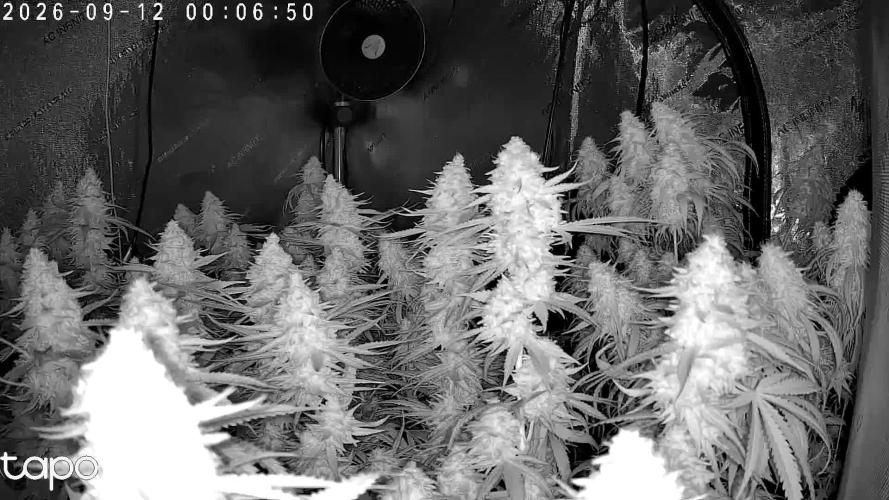
Herbst! 🍂
Seit einigen Tagen gieße ich nur noch Wasser, werde demnächst Trichome kontrollieren und die Ernte in 7-10 Tagen einleiten. Aber den richtigen Zeitpunkt wissen nur die Trichome 😇
Likes
27
Share


@w33dhawk
Follow
Hi ho ihr growmies!
Die Woche ist viel Arbeit gewesen ich stehe beinahe täglich knapp 2 Std vorm Zelt und webe die Triebe ein und halte die Blätter unterm netzt hier und da fliegt auch mal ein Blatt raus an Stellen wo einfach viel zu viel Laub aufeinander trifft. Ansonsten gibt es nicht viel zu Berichten sie bekommt immer noch nur Wasser (nicht ph angepasst, aber abgestanden). Es wird langsam voll im netzt daher wird es auch immer komplizierter ein zu weben, habe die Damen absolut unterschätzt vom stretch her ich hoffe das das alles hin haut da ich davon ausgehe das sie sich diese Woche noch stark ausdehnen wird bevor der stretch vorüber geht.
Ach ja und bevor ich es vergesse ich guck mal das ich nächste Woche an mehreren Tagen mal Bilder mache hab es diese Woche einfach nicht gepackt euch noch ne schöne Woche. Cu ihr growmies!