





Likes
24
Share


@Canaryweed_tf
Follow
Hola, que tal? Ya tenemos aquí la cuarta semana de floración de esta maravillosa Purple Kush de nuestros socios de Kannabiaseeds. Ya tenemos la cuarta semana de flora y la planta esta floreciendo muy bien esperemos que siga así. ahora le empezaremos a echar un fertilizante casero con bastante azúcar para que engorde bien esas flores 😍

Likes
8
Share


@Skinnytalls420
Follow
Day 17-12/05/22 all looking good now giving biobizz grow and there flying!!!!
Day 20-15/05/22 all looking good!!!!

Likes
24
Share


@ThatoneAKguy
Follow
The week was great. The roots took to the 1/4 nutes and I’m expecting beast mode soon. Stems are ok, stalks are good until you’ve gotten trunks. This ebb and flow NFT system is the way to go for me. I red something a while back about “kiss” keep it stupid simple. This setup does that and triples anything in souls I’ve ever done. My only new issue is that my humidity is quite a bit higher so I see myself investing in dehumidifiers down the road.

Likes
31
Share


@Bread_n_Buds
Follow
Look this beauty, look the foliage. I’m in love. She grew up in a flash: not even nine weeks old and we are beautifully mature, very fast and very very interesting, we love her. Our AUTO TEST #1, a strain that we had the honor of testing well in advance, is a true beauty. Long and united flowers, resilient at the right point especially on the flowers, very beautiful, it gave us a final foliage, there is a very, very interesting shade of color on the leaves.
I make you laugh, I was sure it was a new release, I read the description I was definitely sure it was that one, but no, I'm an idiot, you never stop learning and this stupendousness has yet to come out. fire.
I took in rivers of water, the first week a liter and a half a day, the second I flushed the toilet at about 50 liters at a time until the water went very white. PH 6 during flush.
Try all the autoflowering daughters of #gelato41 (My fav Guava), highly recommended, visit the GHSC website and choose, you can never go wrong, classics, autos, photoperiods, all scary stuff.
I also took low light photos as fashion goes, if I even weigh the stakes I end up winning some contests :)
>>> Try one of the fantastic new strain GHSC
https://shop.greenhouseseeds.nl/
>>> Music of the week Radio Nula from Slovenia
https://radionula.com/
Music details >>> Many people make fun of me and say that making the plants listen to music is useless...I play it while I listen to it and my ganja and I have the same vibes. In this case provided by Radio Nula in the form of a song but if you search there are frequencies that seem to stimulate growth.
"I can see the light"
>>> https://marshydro.eu

Processing
Likes
20
Share


@LockDownGrow
Follow
So I had absolutely no ill effect on the plants at at all moving from the green buzz veg feed too the house & garden soil a&b feeds,
I did not even given them a water only inbetween the two,
I also went straight in with 50% the recommended dose stated on the house & Gardens bottles this switched happened the day before week 5 none showed any signed of defects or deficiency intact they exploded into life over night and then every day after that, I have been using the green buzz fast buds as a folar spry appied too the leaves of the early flower formation after lights out,
They seemed too love that too and I also kept the note roots going in,
I also started too apply C-RESULT at the fullbl dose stated on the bottle,
The plants live this stuff if you have not tried it do it,
I am not sponcered by c-result I was given this by my local grow store,
It brings all the nutrients straight too the roots it states,
All I know is this stuff triggers the plants too suck the pots dry in 24 hours,
So make sure you have your feed bucket fully in order before adding this stuff as a mistake here could cost you,
But get it right and in 24 hours these little autos doubled in size,
It states too used week one of flower only and smells like a sewer lol
I have today day one of week 6
Started too add house & garden
Bud XL at half strength too increase next week and also I added there top shooter at 1ml per liter of water as 7 as I plan too removed all chemicals exactly as of day 1 of week 7 leaving me week 9 clean, I am training all the shooting tips too my scrog netting the best I can due too very limited space in the grow space,
And am praying for some of the promised purple leaves on the fast buds Web site,
I has on lemon pie this round that is 2 weeks behind the rest due too non germination but I am wondering if a staggered planting each plant exactly one week behind each other would give me a little more canapé space and the treat of harvesting a plant every week,
Using the skyline 1000 only
I did not too any of these autos
2 x strawberry cheese cake
2 x lemon pie
4 x fyah
Sounds like a plan too me,
Thanks for reading
Processing
Likes
7
Share


@DrewbieDoobieNoobie
Follow
Week six of flower, the 1/2 way point, I might have been a little heavy handed on the bloom nuites this week back to back heavy feedings has given me some burn edges on one of the plants. The pots are still heavy from this weeks feeding. I put them on drain trays to help dry them out a little faster as I do not want root rot or PM, They are starting to stack up and bulk up so Ime gonna just water this week and check the run off to see where the PPM is I bet its high, so I will chime in in a few days and tell you what's up. I have spoken.


Likes
5
Share


@Ninjabuds
Follow
Last week, my pound cake auto plant totally exploded with growth! It's insane how much it's changed. I swear it grew several inches overnight. The leaves are this gorgeous shade of green, and the whole thing looks super healthy and happy. I'm seriously so proud of my little plant baby.
Likes
11
Share


@momothehobo
Follow
Day 78,79 - Just sat and admired her
Day 80 - Gave her last dose of water
Day 81,82,83 - Just sat around waiting for her to dry out so I can chop'er down
Day 84 - CHOP CHOP
Other Thoughts:
Her last dose of water was actually a flush, with 5 Gallons of water. I wanted to see more amber trichomes but I ran outta time, the next run is ready to transplant up

Likes
12
Share


@Staffedition
Follow
Привет друзья. Моей растихе сегодня 119 дней
20.10 перевёл свет в режим 12/12
Начал применять LST технику на 19 дне и продалжаю применять её через день, а 18 августа добавил ДЕФОЛИЗАЦИЮ
С 20.08 ДЕФОЛИЗАЦИЮ делаю каждые 3,4 дня
С 20.08 LST технику делаю каждые 4.6 дней
На сегодняшний день влажность 54%
5.09.2023 заметил высокий Ph 7.9
С 48 дня Ph не ниже 5.8
На сегодняшний день Ph 6.0
Начал кормить с 60 дня Canna Terra Vega
PPM 870
Всем мира и добра!
Не забудь поставить лайк❤️, если понравилась как прошла неделя
И читайте наш TELEGRAM: https://t.me/smail_seeds
#Smail_Seeds 😀
Likes
6
Share

@CalGonJim
Follow
2/2 12am Hotel is looking great, got a great feeling about this.
2/3 1:31M BILLY MAY'S VERSION OF STRANGERS IN THE NIGHT....THE GREATEST SONG FOR STONER EARS...SO MOVING.
2/3 12:01 PM I have all three of the trailer Park boys going in one tent. I cut Ricky down way way down and I’ll cut bubbles back a little bit. I want them all to flower at the same time and the Ricky plant has been growing since September so I can cut quite a bit off. She’ll be just fine. It’s kind of funny looking so they’re kind of trailer trash looking. It’s all perfect what I lack in ability. I’m making up for in showmanship so if I screw up, it’s on purpose. It’s part of the show you wouldn’t understand.🎥
2/6 12:22AM CBG'S ARE ALL FAILS...BAD SEEDS? NOT ONE TURNED OUT GOOD. SO CBG SEEDS ARE ALL GARBAGE AND IN THE FUCKING TRASH NOW.
AND I GOT LOTS OF DEVISTATING FINANCIAL NEWS SO I WILL BE SUICIDING OUT THIS MOTH SO FUCK YOU YOU THOSE WHO CAUSED THIS
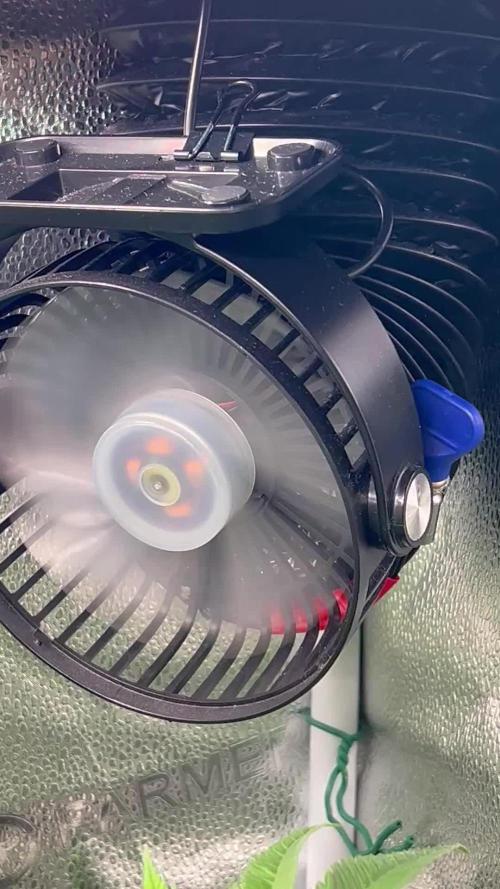
2/8 11:47 AM still working on the plants though I added an AC Infiniti small boost fan cause I had one when my USB fan failed. It looks like a pretty solid set up. 2/8 2:51 PM KEIF Tray is full


Processing
Likes
18
Share


@desijones
Follow
These ladies are really stretching this week. I should see the stretch slow down in the next couple of days. Looks like bud production is just starting. I reduced the amount of nitrogen in my feed and will continue over the next few weeks.


Likes
6
Share


@Luv2Grow
Follow
Day 44 - It the first couple days of week 7 and she seems to be doing well so far. She’s budding up nicely and still can’t really tell what she’s smelling like due to having 2 other plants in there flowering so hard to tell which is which.
Day 45 - Nothing major to update today, thought she’d be ready for water and nutes but soil is still a bit wet so gonna hold off another day or two.
Day 46 - Looking like she’s finally stopped her major stretching period so looking forward to her starting to put on some weight. Giving her one more day then will give her a feeding of nutes.
Day 47 - All is good and gave her 2 gallons of water and nutes today. She’s already really starting to beef up quite a bit.
Day 48 - Another day and no major update with her. She, like the others, are pretty much taking are of herself. She did fatten up quite a bit after a feeding yesterday and still trying to figure out her smell.
Day 49 - The end of another week and she’s starting to fill in and out in some good weight. Other than that, she’s good on water for a bit and just waiting on her to tell me what she needs/wants.

Likes
20
Share


@TiRobotProds
Follow
La semaine 4 de floraison annonce la production de résine, les plantes gonfle de plus en plus mais n'a pas atteint le pic florale, je continue le Méga pk jusqu'à la 6ème semaines tout en faisant attention de ne pas brûler les racines. Pk bloom bastic de la 6ème a 8ème . Flawless Finish (phase finale) 8ème à 9ème. Eau déminéralisée jusqu'à semaine 11.
-04/09 dernière défoliation enlever les têtes popcorn maintenant l'énergie sera mieux distribuer GROWERS clique et abonnés vous pas mal de connaissances a partager avec vous n'hésitez pas.
LoveUnityAndPeace

Likes
14
Share


@Haoss
Follow
new life is born
I will do my best to make this beautiful girl grow up big, healthy and beautiful.
Together we will see what kind of girl she will grow up to be


Likes
30
Share


@ChitownCannaChica
Follow
Going to let her sit in darkness for a day or two and giving it one good flush with some cold water. She is about 15% amber. Sorry these pic suck— I broke my iPhone 8 which takes way better pictures than the new 13 pro. Go figure! So these are a touch grainy.
The smells coming off this plant are amazing and unique—- like a soapy candy funk. I never grew anything quite like it. I have 3 more seeds and I am going to have to pop them for sure.
Not too happy with how this plant grew ultra short without any stretch at all, but I only grew one out. Buds are nice and dense so it has a lot of potential.
Chopping in a few!


