


Likes
Comments
Share


@MadeInGermany
Follow
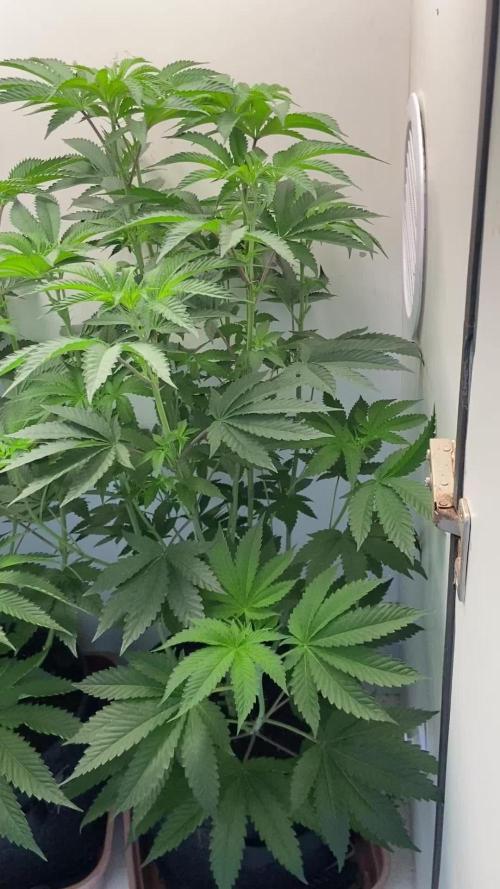
Flowering day 13
since time change
to 12/12
Hey guys :-)
The ladies are developing really well 😊.
Was poured 2 times with 1.2 l each (groundwater see description at the bottom)
It was started with the bloom fertilizer.
Everything was made clean.
Fresh osmosis water is applied and the plants are sprayed and checked.
Stay healthy 💚🙏🏻
👇🏼👇🏼👇🏼👇🏼👇🏼👇🏼👇🏼👇🏼👇🏼👇🏼👇🏼👇🏼
You can buy this Nutrients at :
https://greenbuzzliquids.com/en/shop/
With the discount code: Made_in_Germany you get a discount of 15% on all products from an order value of 100 euros.
👇🏼👇🏼👇🏼👇🏼👇🏼👇🏼👇🏼👇🏼👇🏼👇🏼👇🏼👇🏼
You can buy this strain at :
https://www.thegratefulseeds.com/shop/feminized-seeds/limited-edition/blue-javaz/
Water 💧 💧💧
Osmosis water mixed with normal water (24 hours stale that the chlorine evaporates) to 0.2 EC. Add Cal / Mag to 0.4 Ec Ph with Organic Ph - to 5.8 - 6.4
MadeInGermany

Likes
19
Share

@therealgrowmie
Follow
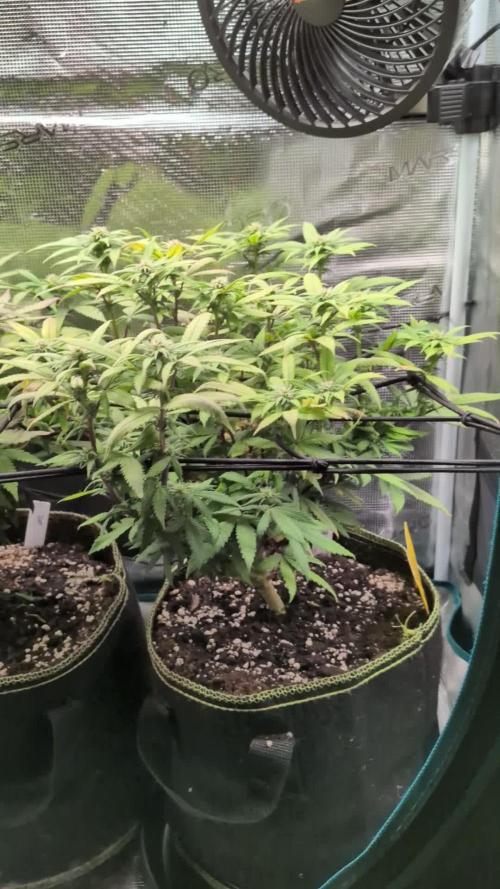
Tiny bud sites are forming all over the place now, and I’m really excited to see how the flowers will stack up over the next couple of weeks. The plants are still looking a bit limey, so the colour isn’t quite where I’d like it to be yet — but they’re clearly moving in the right direction and putting energy into the right places.
My approach from here is to stay patient and not overreact: keep the environment stable, continue with mild, consistent feeding, monitor the new growth closely, and avoid making too many changes at once.
At this stage, I think a calm and steady hand makes more sense than chasing perfection. If the fresh growth improves and the bud sites keep developing, I’ll be happy.
Stats so far:
💧 Watering: Every third day
🌡️ Temp: 26–28°C
💦 Humidity: 65% RH
📈 VPD: ~1.18 kPa
💡 Light: ~700 PPFD

Likes
5
Share


@Bongcity710
Follow
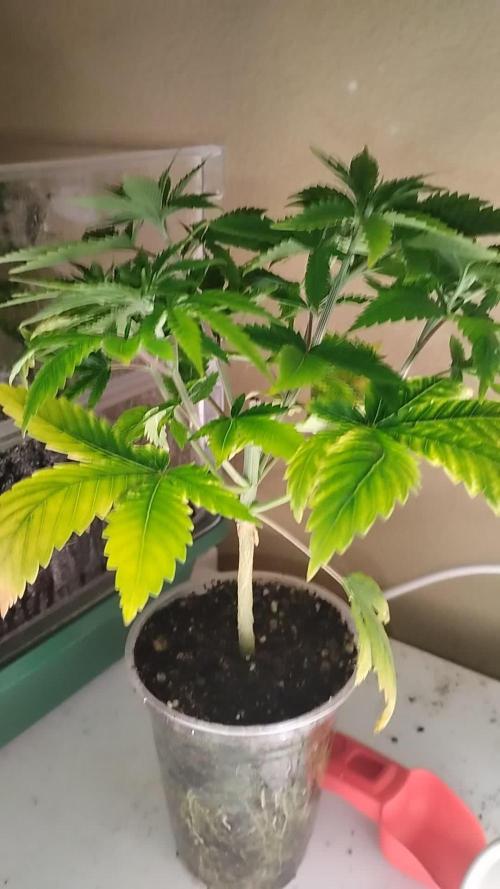
Weather has been quite dull this week but this girl is pushing strong into flower fed twice this week with 3ml bio bloom 3ml topmax and 5ml algamic per litre and was happy until weekend arrived now showing small signs of nute burn on tips of some fans will most likely feed for one last week and flush with water till finish! Am still so impressed with these genetics this plant has truely been through hell snapped at 4 weeks and accidentally topped during preflower and Is still producing nicely very proud Of progress and looking forward to the end results! Truely awesome to see what can be done in the back garden ;)



Likes
8
Share


@Nutrient_gro
Follow
Really wish she got huge like my gorilla cookies. Buds are so nice. 🔥

Processing
Likes
Comments
Share


@Hampoop35
Follow
This week it seems like they are starting to flower or getting ready to. Day 42 and they are smelling great. I’m super excited to see the difference in plant A and plant B. The runt seems to be bouncing back. After I did some LST it really started to take off.


Likes
Comments
Share

@Momentum
Follow
Wir sind voll im Stretch, haben den Dünger langsam über die vorige Woche gesteigert und sind jetzt beim normalen Düngeschema.


Likes
12
Share


@420DeepGrow
Follow
Gracias al equipo de Sweet Seeds y XpertNutrients sin ellos esto no sería posible.
🍁💐 Permanent Jealousy XXL Auto:
Autofloreciente de tamaño extragrande que nace de la unión de dos genéticas excepcionales: Permanent Marker, ganadora de múltiples premios, y nuestra exquisita Jealousy Z XL Auto (SWS108). El resultado es una planta de gran tamaño, vigorosa y productiva, con cogollos densos cargados de resina, ideal para extracciones. El perfil terpénico de Permanent Jealousy XL Auto es complejo y cautivador, con matices cítricos, mentolados y amaderados. Prepárate para una experiencia sensorial única con un efecto equilibrado que te proporcionará euforia tranquila, felicidad y creatividad.
📆 Semana 1
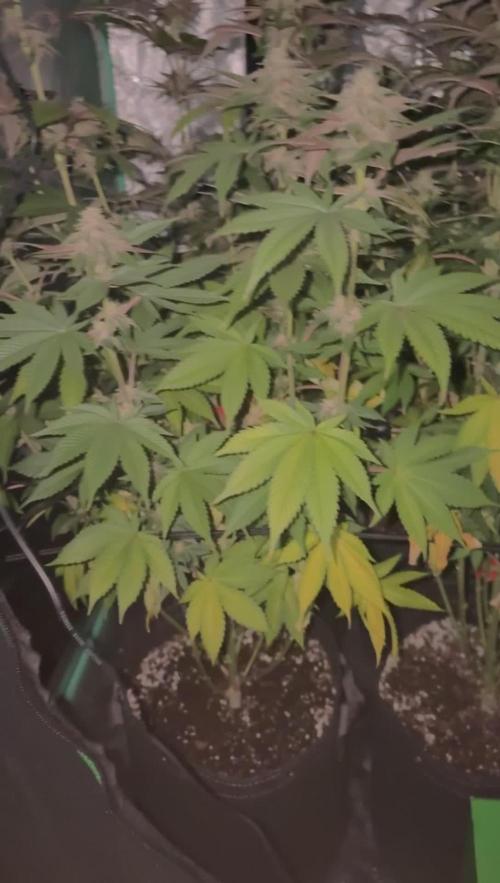
Esta semana ha sido un poco difícil para su desarrollo debido a las condiciones climáticas. No ha acompañado mucho el tiempo y, aunque las temperaturas no han sido las ideales, he intentado mantenerla lo más estable posible. A pesar de esto, la planta muestra signos de adaptación y aunque el crecimiento no ha sido tan rápido como esperaba, confío en que mejorará cuando las condiciones se estabilicen.
Estaré atento/a a su progreso en las próximas semanas, espero que la cosa se ponga mejor pronto☀️🙏.



Likes
5
Share


@Momgrowsthechronic
Follow
So welcome to the final update prior to harvest and it’s covering Weeks 8 & 9 of the Lemon Pie Autoflowering grow. I fertilized one final time early in Week 8 at 5 mls per gallon and have been flushing with PH’d, air bubbled water ever since. They have begun to yellow out a bit and I have been defoliating as needed. All four of these lovely ladies will be chopped over Week 10 which is within the window of 65-75 days as recommended by Fast Buds. Check in next time for the final pictures, harvest info and smoke report. Coming soon…
Likes
Comments
Share
@JamesRenato
Follow
Agora sim o período de luz está em 12/12. Liguei o adicional de luz que alcança mais no espectro, o tom de vermelho, comecei entrar com ácido húmico, e uma proporção de NPK para suprir as necessidades da floração (BioBloom e TopMax). Com a mudança da luz, previsivelmente a planta começou a crescer bastante em altura, porém ainda não apresentou sinais de pré flora, o que é normal. Com certeza na próxima atualização veremos alguns pistilos.

Likes
4
Share


@Big0zGrower420
Follow
Got a couple more days until day 56 (week 8) but just wanted to add a few things from this week. The flush is coming along nicely and getting some really nice colors to come out, Really excited for the finish.
Just uploaded the day 56 pictures, shes looking beautiful!

Likes
5
Share


@Laplantadelpie
Follow
todo lindo,todo verde🥦
•1g de enhancer x litro de agua
aplicación al riego
Likes
19
Share


@HisHope
Follow
5/7
Week 3!
This is our first CBD Crack grown in coco and she is showing wonderful color, form, and size for only 14 days up.
Very happy with this so far even if the delay does present some issues.
She just so pretty!
5/9
She is just exploding, a full inch of height and girth in one day.
No hairs yet, increasing nuets tomorrow 20%.
5/10
Nuets increased
Raised her base up to get better light, think she has fully acclimated by now.
5/11
She has grown another node and another inch in one day!
The reward for what we did yesterday, she wanted more light and nuets.
Will leave things as they are for now.
5/12
Just call her "Inch a Day" a that is her growth rate.
Training her today, Pony Tailing LST
First hairs visible so folding in a light dose of Bloom
5/13
10 inches wow
First cycle of pony tailing was productive though she still tacked on over an inch in 24 hrs.
Secondary growth tips grew a lot during the process and expect tonight to be even more productive.
Node spacing is about one inch so perfect now
Processing
Likes
3
Share


@Greenzfingerz
Follow
Everythings ok lettin em do their thing. 4 weeks from switch but technically 3rd week of flower. Just a waiting game hoping for swell soon.more updates on photos to follow


