


Likes
Comments
Share


@Rabidreject
Follow
Thursday
this week has been good so far, I pulled each plant out yesterday and tidied everything up. I got rid of all the tiny lateral branches that didn’t make the cut and I got Rid of everything that was below about half way down the plant. Obviously the lateral branches that grew to the same height as the canopy are staying it’s just all the non starter stuff below.
I annoyingly had my in take fan die on me. We’ll sort of, it just keeps tripping the fuse on my electric so I assume it’s from when I had my res flood onto the floor - I forgot it was there on the floor because it was hidden behind the res

Likes
77
Share


@KingSalomonsWeed
Follow
11.01. day 105 Blüte 63 . Chop.
Schwere Arme voller Knospen.
Definitiv.
Mit dem Gewicht bin ich schonmal zufrieden.
Eine Woche trocknen, dann gibt's den Ernte-Bericht. Mit smoke Review.
Zur Ernte selbst: Yep, alles in Ordnung. Überraschend war sie gar nicht crispy. Na klar ein paar Blätter, aber der Rest und vor allem die Knospen waren aber schön saftig.
Harzig nicht sehr klebend, denn diese Trichome sind so hart, das sie abbrechen.
Ob das gut ist? Ja.
Begründung: da ist weniger Wasser, mehr Harz dein. Nur frisches Harz klebt. Schaut euch nen Baum an. Altes Harz kann Mann heraus schlagen, fast so hart wie Glas. Bei frischen kleben die Finger.
Macht's trotzdem, das riecht super.
Aber nicht an den Klamotten abwischen. Die sind sonst ruiniert.
Zum Geruch: Äh überraschenderweise ziemlich zurückhaltend, aber ich habe auch keine der Knospen geöffnet.
Wahrscheinlich wird der Geruch von diesen Trichomen, die sehr eng beieinander sitzen eingeschlossen.
Meine Tendenz liegt ohne Rauchbericht bei 9 Punkten. Pflanze gut, Buds gut,
Jetzt noch Geschmack...
12.01. Oh, das hatte ich vergessen zu erwähnen. Dieser Grow lief unter verschärften Bedingungen. Stealth mit wenig Frischluft. Sie hat eine Invasion von Spinnmilben abgewehrt, durch ne andere Pflanze übertragen.
Later: ich habe ne Knospe geknackt. Erst dran gerieben. Es roch nach Heu. Ungläubig und etwas Enttäuscht knackte ich ne Knospe.
Puff, wie in einer Wolke aus Duft.
Oh, das Riecht aber stark, und gut.
Das habe ich nicht erwartet nach dem äußeren Geruch.
Definitiv keine Geruchs Stealth Sorte.
Eher HALLO NACHBARN
MEIN NAME IST CANDY RAIN.
OH😳
So heftig?
Ja.
Der Geruch ist schwerlich zu beschreiben.
Ungefähr so: erdig mentholig mit keine Ahnung gelato Haschisch Aromen?
Nicht unangenehm aber überraschend stark und ausgeprägt.
Das habe ich so nicht erwartet.
Aber wer lesen kann, es folgt ein original Auszug
Wenn Du Cannabis mit köstlich fruchtigen Düften und Aromen sowie einem ordentlichen THC-Kick magst, hast Du mit Candy Rain einen neuen Favoriten gefunden.
So ist es.
13.11. Was ich total gut finde, Es machen die ja Grad mehrere. Alle die Toll geworden sind sehen sich sehr ähnlich. Wie eineiige Zwillinge.
Und von denen sieht meine Pflanze am härtesten rann genommen aus.
( Mann könnte auch sagen beschissen gepflegt sieht sie aus, aber das stimmt nicht. Die wollte einfach Krass sein. )
Ne Chance aufs gewinnen habe ich nur wenn die anderen Knospen nicht beim (harte Schale) knacken plötzlich in einer ziemlich heftigen Duft Wolke hängen.
Wie ne Nebelgranate bei aktuellen shootern ( Games ).
( Kurz überleg ) ne eher wie ne flashbang. Puff, Alles riecht.
Und ich habe noch nicht getestet.
Das sind nur Impressionen, von ihr als Grower.
( Nein Leute ihr merkt es vielleicht, ich bin von diesem "Puff" schwer beeindruckt. Hatte ich noch nie. Ist heftig gewesen. Das Gegenteil von Dezent. Ich höre jetzt auf zu schreiben, warte auf das trocknen und melde mich dann mit Photos und nem Rauchbericht zurück)
17.01.
Pre smoke Impressionen.
1. Nochmal machen, ansetzen
2. Nix machen beim smoken.
3. Ich bin so Fett das ich gerade ein Schlachtschiff im Hafen nicht finden würde.
4. 😍👍🤗😀😄😃😀
5. Der Geschmack ist jetzt schon vollmundig zitronig würzig lecker.
6.Ein Recht starker ( Nene, doch ), und das ist mir ganz wichtig "Angenehmer Turn".
Voller Enthusiasmus machst du Dinge.
Im Sitzen.
Kein couch lock, eher so entspannend.
Rauchst du mehr, oder größer werden die Augen immer kleiner.
Dein Atem wird ruhiger.
Wie eine Sanfte Brise kommt die Müdigkeit.
Atmest du sie ein, begrüßt du sie sogar,
Kommt ein süßer Schlaf.
Aber Sanft fragt er. ..
Einmal schütteln wie ein Hund, bumm bist du wach, und merkst, Oh doch couch Lock.
Ähem aber nur bei großen .
Bei normalem Konsum einfach nur Nett.
Indica lastig und interessant.
7. Langer angenehmer Turn.
8. Jetzt bekomme ich Hunger.
9. Nicht online zocken. Gar nichts. Bei Shootern geht das aim fail. Bei Strategie Spielen macht Mann plötzlich soo doofe Fehler. Selbst bei Wow ( World of warships ) vergisst Mann plötzlich das vor einem nen Gegner ist. Nen SCHXXXX DICKES SCHLACHTSCHIFF.
Übersehen auf einmal.
..... Nen Schlachtschiff.... Vergessen.
Kurz darauf schaute ich auf mein versinkendes Schiff....
10. Ich hoffe der Rauchbericht ist in Ordnung. Das sind meine Impressionen von CANDY RAIN.
Macht Spaß
18.01. Im Trocknungszelt : noch nicht ganz trocken, aber süß am Riechen 😍..

Likes
37
Share


@Regenwurm
Follow
Es gibt nichts außergewöhnliches zu berichten! Man merkt das es langsam Richtung Harvest Day geht , da einige Blätter hell grün werden..... da es nur noch 2-2,5 Wochen sind, werde ich nichts dagegen unternehmen, da dies relativ normal ist. Tricome noch durchsichtig, vereinzelt 10% trüb. Düngemenge ist auf max. Menge nach Düngeplan eingestellt . Pflanzen entwickeln sich perfekt, man kann jetzt schön beobachten wie sich die Buds langsam verfärben. Schwankung pH Wert in dieser Woche = 5,7-5,85.... ec erhöht auf max nach düngeplan Hesi jedoch mit Regenwasser 1,35..... Temperaturen zwischen 18 und 24,5... Geruch sehr stark.

Likes
70
Share


@Roberts
Follow
Big Fat Wedding Cake is growing great under the Spider Farmer G5000/UVR40 lights, in the Athena blended line nutrition. She got lollipopped today, and a defoliation. She is also showing her first pistils. Thank you Spider Farmer, Athena, and DutchFem Seeds. 🤜🏻🤛🏻🌱🌱🌱
Thank you grow diaries community for the 👇likes👇, follows, comments, and subscriptions on my YouTube channel👇. ❄️🌱🍻
Happy Growing 🌱🌱🌱
https://youtube.com/channel/UCAhN7yRzWLpcaRHhMIQ7X4g
Spider Farmer Official Website Links:
US&Worldwide: https://www.spider-farmer.com
CA: https://spiderfarmer.ca
UK: https://spiderfarmer.co.uk
EU: https://spiderfarmer.eu
AU: https://spiderfarmer.com.au
G5000 Light Amazon Link:
amzn.to/4643esa
UVR 40:
https://www.amazon.com/dp/B0BR7SGTHS
Discount code: saveurcash (Stackable)

Likes
8
Share


@Dmon013
Follow
ฉันยังคงรักษาความชื้นและความแห้งของกระถาง เพื่อการเจริญดอกที่สวยงามฉันจำเป็นนต้องใช้เหล่าจุลินทรีย์ขแงฉ

Likes
6
Share


Likes
24
Share


@pandrticka
Follow
Week 6 of flowering. The differences between the two plants are becoming more pronounced. One is growing beautifully, while the other shows signs of overwatering and various anomalies. Many leaves have one leaflet that is shorter than the rest. The buds are airy and leafy. But I love them both just the same. 😎



Likes
15
Share


@Dico29
Follow
week 6, i removed all the Internodes on the 5.5(I will mark the photos which is which) and lst on the 3 gallon pot(now four main colas).
Temperature is the current temp outside, I do it by day just cause.
There was a big storm and my plants loved it surprisingly, so tomorrow I’m going to drench the 3 gallon,which is dry again, in water to see if any more surge in growth happens.
3 gallon shows heavy prefñower I guess with pistils and the 5 gallon is alright

Likes
14
Share


@BoNz4i
Follow
16.05.
- PL - 1.5 Liter water, 0,5ml calmag, 1.0ml Grow, 3,0ml Bio Bloom, 1,0ml Top Max, 4,0ml Acti Vera (ml/l).
- G14 - 1.5 Liter water, 0,5 calmag, 1,0 Grow, 3,0 Bio Bloom, 1,0 Top Max, 4,0 Acti Vera (ml/l).
- Defoliation
18.05.
- PL - 1.5 Liter water, 0,7ml calmag, 1.0ml Grow, 3,0ml Bio Bloom, 1,0ml Top Max, 4,0ml Acti Vera (ml/l).
- G14 - 1.5 Liter water, 0,7 calmag, 1,0 Grow, 3,0 Bio Bloom, 1,0 Top Max, 4,0 Acti Vera (ml/l).
- BPP - Pre Flowering First Sign
19.05.
- BPP - 500 ml water + 1ml/l Alga-Mic + 1ml/l Acti-Vera + Spray leafs
20.05.
- PL - 1.5 Liter water, No Calmag, 1.0ml Grow, 3,0ml Bio Bloom, 1,0ml Top Max, 4,0ml Acti-Vera (ml/l), 3,0ml Alga-Mic.
21.05
- G14 - 1.5 Liter water, 0,5ml CalMag, 1.0ml Grow, 3,0ml Bio Bloom, 1,0ml Top Max, 4,0ml Acti-Vera (ml/l), 3,0ml Alga-Mic + 0,25ml Atami Bloombastic
- A lot of defoliation


Processing
Likes
5
Share


Likes
4
Share


@DatGuyGrows
Follow
Soil level is a bit low after the transplant so getting ready to add some in. Took domes off and did first Nute feed on day 12. Using a FloraTrio mix with a touch of Cali-Magic and epsom salt


Likes
19
Share


@Nofeckingclue79
Follow
Not a lot to say apart from both plants going a ok and humidity is where I want it now so hopefully I will be having a decent first crop of biscotti weed too smoke for my medicinal purposes i.e glaucoma he he ha ha, counting the days I can smoke my first grow🤞🙏😄💯
Likes
10
Share


@Jozef_Balcerek
Follow
Ostatnie dni. 2 może 3 i będziemy ścinać. temperatura 23-22C , wilgotność 40%. Podlewane tylko wodą. Zdecydowanie mniej pija, zszedłem do 0.6l.



Likes
33
Share


@Se7en616
Follow
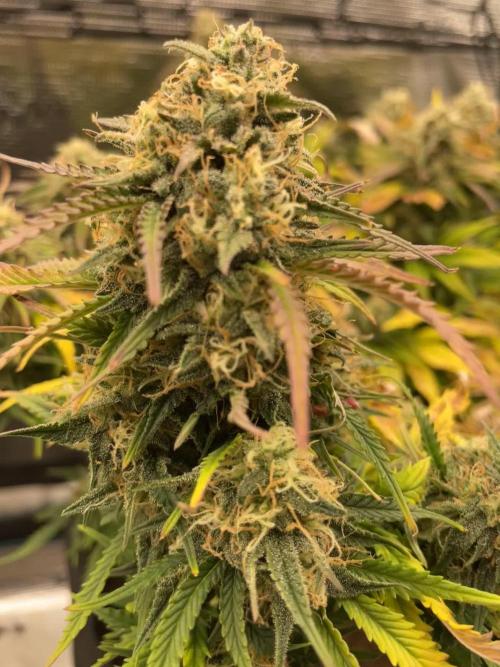
Fattening up every day now and sugar producing very fast! Smells absolutely BEAUTIFUL!! Not very strong atm but very sweet and fruity, definitely a strain I think I’ll enjoy and grow more of! Looking very beautiful also and I love the structure, would definitely recommend so far! Has been very easy to grow and put up with a lot of stress from me 🤣
Amazing!!


Likes
21
Share


@Big0zGrower420
Follow
Hey everyone, hope everything is going well for you all. Plants have been doing good since the last time posted, all three are working on their flowers. One CBD is purple, other is going to be green. Got the humidifier out of there for more space which has made things a lot easier. Need to supplement some P&K for the Colorado cookies, showing a little deficiencies. Other than that see you all next week.

