


Likes
Comments
Share


@iiTzToasty
Follow
Pretty fast growing strain. Responds to training well. Spent about half the time training the other half flowering. Can’t wait till this is ready!

Likes
2
Share


@LittleBigTrees
Follow
Feeding max recomended strength H&G soil A&B and they are loving it. Buds are swelling now and trichomes are more visable .
This plant is growing fast .

Likes
2
Share


@Dagnele
Follow
Date: June 29, 2025
Stage: Flowering
Growth: Plants have stopped vertical growth. The tallest one is now 75 cm, the shortest 63 cm. Buds are swelling and flowering is progressing well.
Health: All plants are in excellent condition. Lower leaves have started to yellow due to the flowering stage and have been removed.
Smell: Very intense aroma, noticeable even from a distance.
Watering: Almost daily due to high temperatures – approx. 7 litres total for the four plants.
Feeding: Alternating between ATA Terra Max (5ml/L) and plain water.
Sunlight & Weather: Another very hot and sunny week. Max temperatures around 35°C.
Notes: A small praying mantis was spotted on one of the plants.

Likes
15
Share

@Highsenberg82
Follow
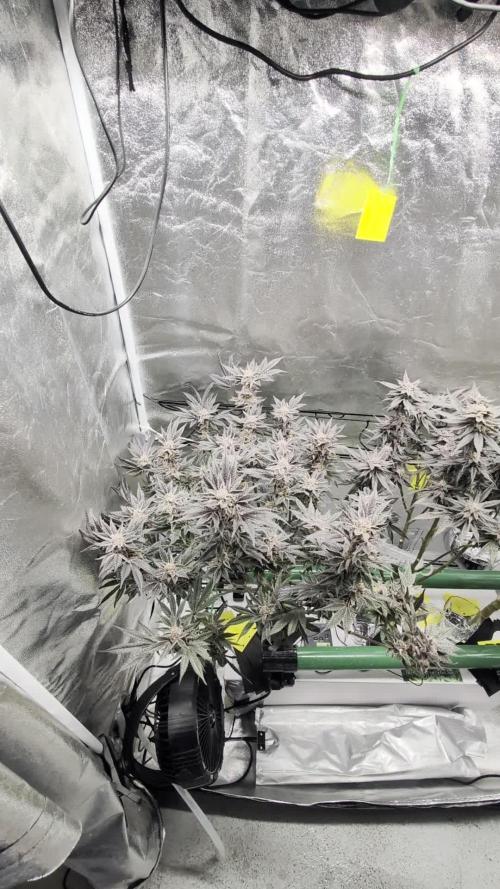
(Maybe) final week. Trichomes ckeck looks like there's still some time. Nice color so far. Cherry Gar-see-ya is pretty dark now.
For the last 4 days just Flawless Finish and Cleanse.
03/25/2026
It looks like the grape balls are taking the longest of all of them. I should probably remove some leaves so the buds lower down get a bit more light. Also new white stamps on sour fraise buds. Another week until hanging them?
03/27/2026
Sour Fraise and Cherry Gar-see-ya will go to drying the next 24h. Grape Balls of Fire e needs another week.

Likes
143
Share


@Tropicannibis_Todd
Follow
👉Well my friends , as I've said this is the third time e I've grown this beautiful plant , she's a keeper for sure 👈
The smoke is kinda dank, but then sweet and earthy , and maybe a little dirty 😜 Shes Extremely potent facts , super strong 💪
Would definitely recommend 👌
Soil by Promix
Nutrients by Cronks
Lights by MarsHydro & Vivosun
🙃
Thanks to all my growmies out there for stopping by its much appreciated 👈
👉Happy Growing👈

Likes
20
Share

@Doofy
Follow
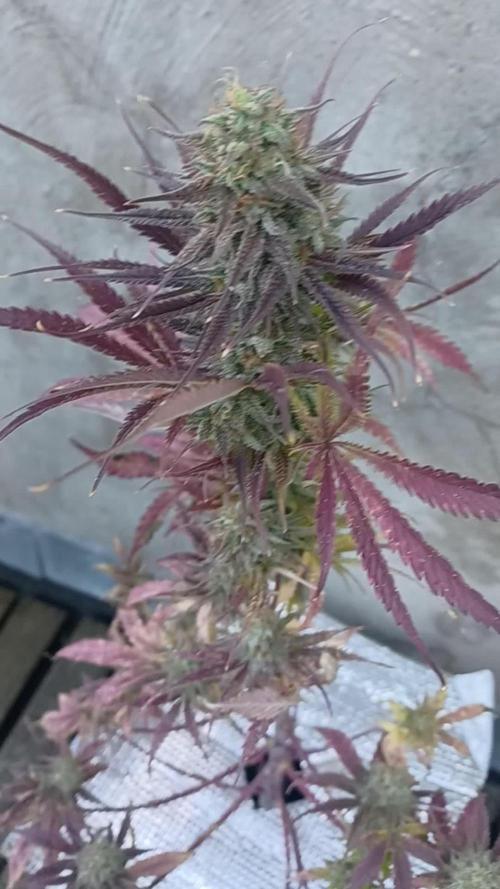
3 lamps, looks big and good!! 👍👍
Reinstalled the tent, lamps, plants, mills 👍
Such a cool plant! Cool red! 🤩😍 big nice plant!!
I love this gurl! She's doin so well! She gained nicely this week! Com'on!! 🙏

Likes
12
Share

@Relentless-Pressure
Follow
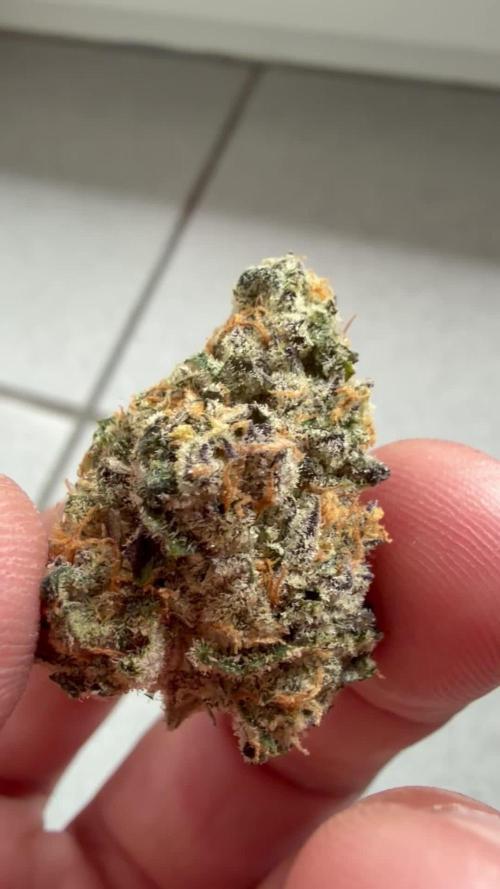
Buds von Pheno #1 (Tribute•D•Cut) mein absoluter Favorit wenns um die reinen Blüten geht haptik terps appeal 1a !
Folgen in kürze,in ein paar Tagen wenn sie ca 20 Tage curen konnte,werde ich ein paar meiner Favorit Buds von dem cut hochladen!


Likes
21
Share


@Backtotheroots2222
Follow
Hello, now the second week has begun.. the little helpers are slowly coming out of their holes and the first roots are already taking out of the small 1 liter pot and already two root ends have dried up again, which is not so desirable with AF genetics. every cell and every day counts to achieve good results in the end... This week there is another drop of alpha boost and that's it for additives. The soil is saturated with nutrients that are released now and then, it should fully supply this little AF throughout its cycle. vll at the end a dollop of molasses. Time will tell. let's give her another week, then there's something to look at... temp fits again at night it is also OK around 12- 15°... today and tomorrow even up to 30° during the day... So it can only get better. Although she put everything away with engraving.. great genetics that don't buckle right away if one or two days the conditions don't fit... It's growing! PS i add a little bit off Humus to the top layer..the helper seeds stretch a bit to much
Likes
5
Share

@LittleBigTrees
Follow
Still feeding, just letting them do their thing in their small pots. They are doing really well and showing no issues.
Likes
5
Share


@gerrypom
Follow
i bought 2 seeds with the same method, one is now growing the other one have to still open...
Likes
4
Share


@Ninjabuds
Follow
Fastbuds is really starting to make me a fan of autos man there plants grow so fast and so large in such a short amount of time it’s almost unreal. I fell a little behind on the nutrients that’s why the leaves are a little light but it’s coming back around. I have not grown a lot of autos but it seems they require larger amounts of nutrients than photo plants normally do
Likes
4
Share

@Canna055
Follow
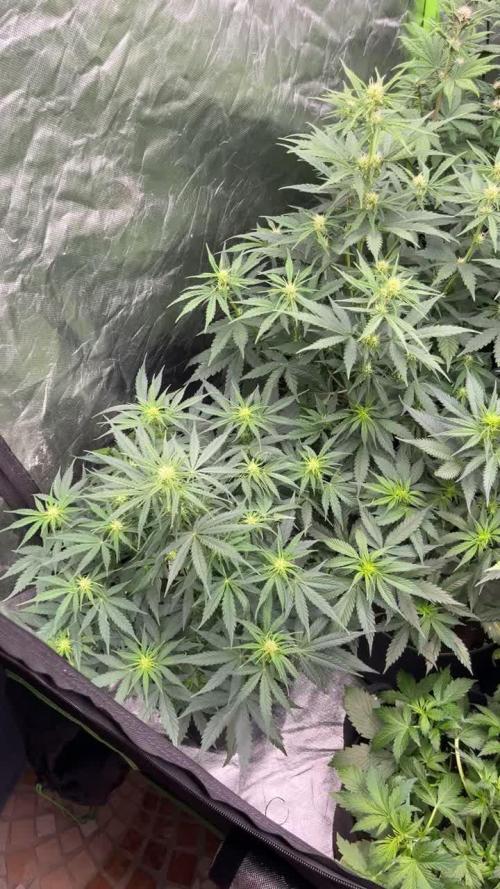
Die Ladys wachsen gut
ich bin sehr zufrieden mit Livingsoil bisher geb ich nur Wasser
Es sind natürlich zu viele Pflanzen für das Zelt aber ich wollte einmal die Grenzen austesten mit 9 wäre es um Welten besser 😆

Likes
10
Share

@OnlyBuds
Follow
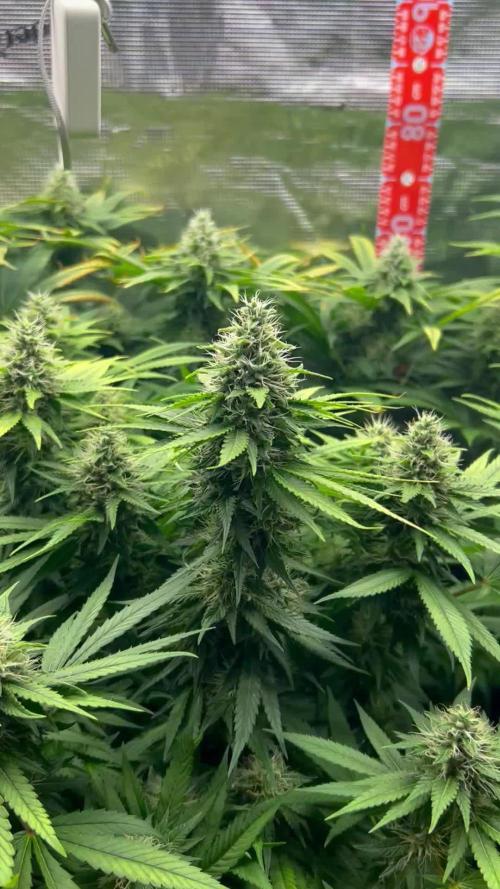
Week 7 – Lemon OG in full swing 🍋🔥
We’ve entered week 7 and things are moving strong!
Buds are stacking up nicely and getting chunkier by the day. Pistils are bright and reaching, trichomes are beginning to pop – this run smells like success already.
There’s one girl in the back-middle acting a bit dramatic – some light potassium-related signs showing up. Could be linked to CalMag interactions, but nothing alarming. Keeping an eye on her, but overall everyone looks green and thriving. I’m seeing a healthy nitrogen fade on some leaves – exactly what I want at this stage.
Lights are cranked to full power (480W total) and the girls are taking it like champs. Not a single sign of stress – just hungry green machines turning photons into fat nuggets. Climate’s locked in nicely too.
Feeding highlights this week:
• 💧 15 L water
• 🌸 70 ml Biobizz Bloom
• 🌼 20 ml Topmax
• 30 ml CalMag
• 2.5 g Epsom salt
• 💩 15 ml GuanoKalong Liquid
• ❌ No molasses this time
Can’t wait to see how they frost up in the next days.
The lemon is loud, the growth is proud, and the buds… oh man, they’re plumping hard. This is going to be a juicy harvest 🍋💪
Stay tuned, fam.
– OnlyBuds 🌿
Keep it green. Keep it growing.

Likes
1
Share

@SirNutalot
Follow
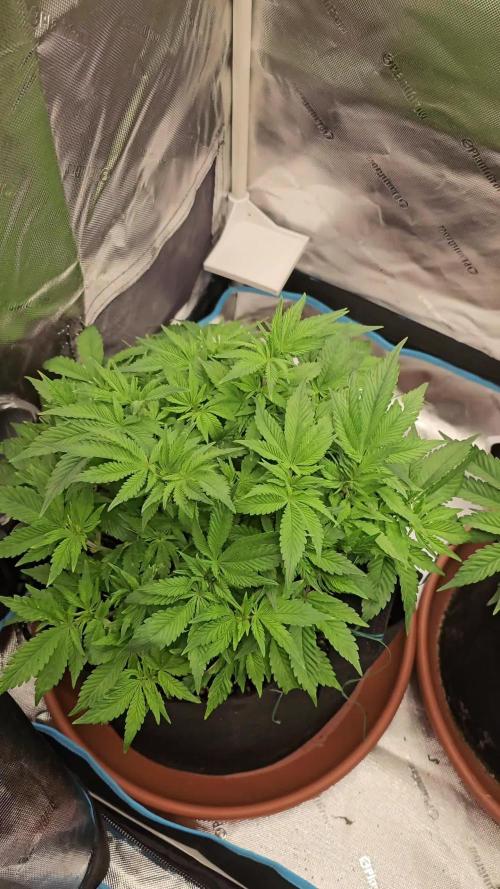
First day in flower and they looking good but there some burnt leaves from to much fertiliser is my diagnosis

Likes
4
Share


@eldruida_lamota
Follow
Que hay familia, vamos con la quinta semana de crecimiento de estas Runtz de Zamnesia.
Se germinaron las 5 semillas de Runtz y en 48 horas 100% ratio , 7 días en tierra.
Por supuesto vamos a utilizar la tierra de plagron lightmix que siempre utilizo, controlando siempre el Ph, que ahora mismo lo dejamos en 6.
Seleccioné de las 5 plantas, 3 , que creo que son los mejores ejemplares que por el momento están creciendo bien y tener tienen un buen color, se ven bien sanas.
Aplique Tetra 9 vía foliar, todo normal hasta ahora.
Vamos viendo cómo progresan. Hasta aquí todo, buenos humos 💨💨💨.
Likes
30
Share


@SooSan
Follow
12/12 + 28 jours
Mon 1er Schwazzing !!!
Photos et vidéos avant et après la defoliation
1️⃣
🏠 90x60x90
☀️ FC-E 4800 => puissance a 70%
🍁
1x Black Bomb / Philosopher Seed
2x Amnesia Lemon / PEV Seeds
1x Blueberry / PEV Seeds
1x Blueberry / 00 Seeds
1x Wappa / Paradise Seed
1x Dark Phoenix / Green House Seed
1x Quick Sherbet / Exotic Seeds
1x Mango Cream / Exotic Seeds
1x Banana Frosting / Sensi Seed
1x Hindu Kush / Sensi Seed
4x Fast Mix / Sweet Seed
📎 https://growdiaries.com/diaries/122084-grow-journal-by-soosan
📎https://growdiaries.com/diaries/124052-grow-journal-by-soosan
2️⃣
🏠 30x60x50
☀️TS1000 => puissance a 80%
🍁 4x Quick Sherbet - Exotic Seed
📎 https://growdiaries.com/diaries/122080-grow-journal-by-soosan
Sponsorisé par Mars Hydro

Likes
30
Share


@Hawkbo
Follow
Day 42, everything is chuggin along pretty healthy. Definitely some seeds in most of them which bugs me. The whole tent reeks tho which is nice. Some of the citradellics look like they are gettin pretty close so I'll start keeping an eye on them. I had to take the pics again and was strugglin so they arent my best. I have to go thru them still so I got the video up and tmm or as soon as possible I'll get the still shots up✌️
These 2 might have taken the lead as the best ones. This strain is a frost monster both phenos look good but #3 is swelling up much more than 1 or 2. I'm not sure of 2 has any seeds but 3 looks like it does. 3 smells weird as hell like those taco bell sauce packets the spicy one and it was confirmed by myself another human and another human so I'm not just a psycho I dont think
Likes
4
Share

@JNSGenetics
Follow
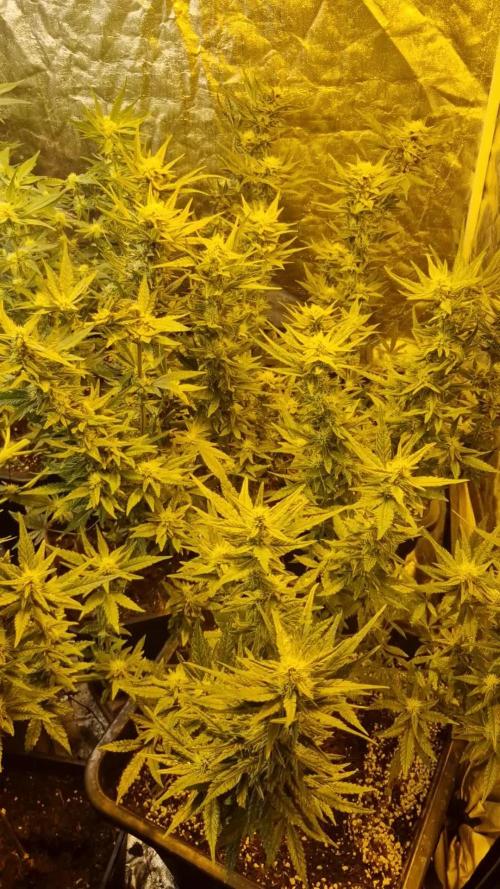
They are starting to flower nicely.
Orange sherbert is still behind but its ganing momentum.
Bubba kush og the autoflower are well ahead in flower.
The clones are doing fine.

Likes
6
Share


@agustinnnv
Follow
Una planta criada en excelente condiciones desde el comienzo hasta el final de su ciclo. Nunca demostró carencias ni excesos y tuvo un buen armazón para el momento de empezar a cogollar. Aún así, no salió mucha cantidad pero no tengo ningún tipo de queja respecto a la calidad. Cogollos bañados en tricomas y con un pegue increíble. Excelente genética.

Likes
8
Share


@Inceptionist
Follow
Mystery Made 2 already stopped showing male traits. I only plugged 3 or 4 there in total. Melonade Runtz on the other hand still is developing but I have the feeling that it is slowly getting better.
All in all they look amazing and are growing very nicely. The trichomes are also developing great!

