


Likes
Comments
Share


@ChameleonsCannabis
Follow
Hung for 8 days. 75f 50-65%rh. The smell off the blueberry literally smells like if somebody blew a blueberry flavored vape in my face. I dry trimmed it and it was smelling ripe let me just say. Put it in jars and had to get rh down was floating up to about 70 but every time I opened that jar the smell got better and better. Round nugs like golf balls I smashed mine while they were wet still a little bit out of excitement and checking for dry but this bud is awesome and was strong enough to survive me so.. hope thst says enough

Likes
5
Share

@GoodTimesOrganics
Follow
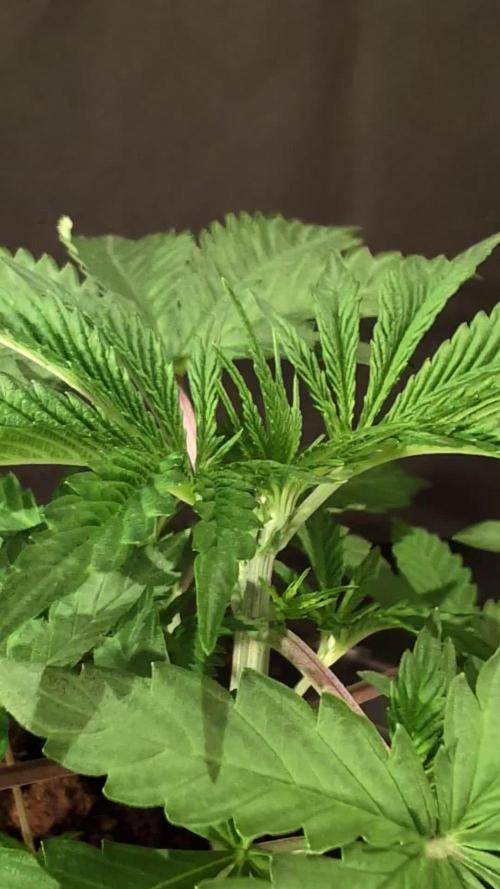
Hi liebe Community und Willkommen zurück im Sensi Seeds Wettbewerb! 💚
Nach der dritten Wachstumswoche entwickelt sich ein kleine gesunder Jungpflanze!
Die ersten Ansätze der Seitentriebe schießen nun in die Höhe.
Die Höhe liegt bei 14cm und das Wachstum nimmt nun an Fahrt auf.
Ich denke in dieser Woche wird die Pflanze einmal getoppt, damit sich die Seitentriebe schön entwickeln können.
Die Bedingungen im Growschrank sind für die Wachstumsphase top!
—————
🌡️ Temp: 26
🌚 Temp: 18°C bis 19°C
💧 RH: 64%
🌬️ VPD: 1,1 kPa
☀️ ppfd: 330 mpm
—————

Likes
10
Share


@SolitudeCorners
Follow
Last week of flowering (72days from the light switch) Gonna cut soon when the dirt is dry. A quite late harvest. Many buds denser more, and stem can’t longer resist.
This season so satisfy. Thank for all mentor and comment. You all are my inspiration for grows.
Feeding 💦🌱
23/1 Water 13.5L+Flawless 20ml ppm80 ph6.2
MDR 3L 2Lx5
Runoff
MDR 1400 /1155
Zkittle 1600/1300/1150
Pineapp 900/600
Purp 1300 /1200
Sapp 2000/1100
Dozdos 1100/1000
25/1 10.42 6L ppm9 ph6 1L per pot
3L+Flawless6ml ppm116 ph5.9 1.5/1.5 Purp, Zkittle
4.5L+ Flawless7ml ppm119 ph6 1.5/3 Sapp,MDR
Runoff
Purp 1300
Zkittle 1500/1200
Dozdos 1400
Sapp1300
Pineapp850
MDR950
27/1 runoff
Pineapp 500
Purp 900
MDR 600
Zkittle 400
Sapp 300
Dozdos 400

Processing
Likes
84
Share


@Beans
Follow
Earlier this week our very own sidelibe reporter Lyetah Nutherwon was able to catch up with the clone 1Leaf aka The 1, and discuss the plants recent success. We will now take you there live, to the transcript of that interview
L..N.:"So 1 Leaf, what has been the key to your recent success?"
1: "I think the biggest keys have been taking advantage of light and nutrients while also making sure i stay well hydrated."
L.N.: "How has all the success changed your life and is it hard not to let it go to your head?"
1: "Nah it doesnt go to my head cuz Im pretty much topped all the way around. I believe its important to stay in touch with your roots and remember where you came from. What makes you who you are. I had a rough dome life growing up and like to stay in touch with that part of me and use it as motivation.
L.N. "motivation for what? What would you like to change?"
1: "I don't want young clones growing up feeling the way I felt. Indica, Sativa, Hybrid....we're all the same genus. Indoor plants...outdoor plants....we all need to come together. We dont have to agree about everything just respect one another regardless of what color our leaves are, the spectrum we prefer, whether or not we are foliated or defoliated, nutrient burned or nutrient deficient."
L.N. "That sounds down right reasonable 1 Leaf. You should probably be ruler of the universe. What about all the strainists and haters? If plants want something to blindly hate then why not just hate seedling molesters? Just cuz an indica or a sativa wronged you doesnt mean they all will. There's good and bad phenotypes of all strains....but there aren't any good seedling molesters. So let's all just hate them instead.
L.N.: "That might be the most logical thing I've ever heard. That's fantastic. So how do u want to finish your career?"
1: "My ultimate goal is to get into flower and become a legendary bud and resin producer. That's my dream. Then once I'm done with the flower game, I want to be rolled up into a big ol' hooter, light me up and pass my ass around the world so everybody can get lit together and stop being dicks to each other. Then I want somebody to make Beans a big ass sandwich."👍
End
Wow....powerful stuff right there. I'd like to put that in my pipe and smoke it. That concludes this weeks edition of Legend of the 1Leaf Wonder. Tune in next week and find out what kind of sandwiches Beans prefers.

Likes
52
Share


@Ultraviolet
Follow
You don't become confident by shouting affirmations in the mirror, but by having a stack of undeniable proof that you are who you say you are, outwork your self-doubt.
Nitrogen fixation is a chemical process by which molecular nitrogen (N2), which has a strong triple covalent bond, is converted into ammonia (NH3) or related nitrogenous compounds, typically in soil or aquatic systems but also in industry. The nitrogen in air is molecular dinitrogen, a relatively nonreactive molecule that is metabolically useless to all but a few microorganisms. Biological nitrogen fixation or diazotrophy is an important microbe-mediated process that converts dinitrogen (N2) gas to ammonia (NH3) using the nitrogenase protein complex (Nif).[2][3]
Nitrogen fixation is essential to life because fixed inorganic nitrogen compounds are required for the biosynthesis of all nitrogen-containing organic compounds, such as amino acids and proteins, nucleoside triphosphates and nucleic acids. As part of the nitrogen cycle, it is essential for agriculture and the manufacture of fertilizer. It is also, indirectly, relevant to the manufacture of all nitrogen chemical compounds, which include some explosives, pharmaceuticals, and dyes.
Nitrogen fixation is carried out naturally in soil by microorganisms termed diazotrophs that include bacteria, such as Azotobacter, and archaea. Some nitrogen-fixing bacteria have symbiotic relationships with plant groups, especially legumes.[4] Looser non-symbiotic relationships between diazotrophs and plants are often referred to as associative, as seen in nitrogen fixation on rice roots. Nitrogen fixation occurs between some termites and fungi.[5] It occurs naturally in the air by means of NOx production by lightning.[6][7]
All biological reactions involving the process of nitrogen fixation are catalyzed by enzymes called nitrogenases.[8] These enzymes contain iron, often with a second metal, usually molybdenum but sometimes vanadium.
Green clover (Fixation)
White clover (Fixation)
Red Clover. (Fixation)
Yellow Clover. (Fixation, deeper roots)
Sweet Thai Basil. (Terpenes)
Italian Basil. (Terpenes)
Chamomile.(Oil production)
Borage.(Pest attraction taste)
Lavender.(Pest attraction smell)
Marigold(Pest attraction visual)
Mycorrhizae are beneficial associations between mycorrhizal fungi and a plant’s root system. Mycorrhizal fungi spores germinate in the soil, creating filaments (hyphae) that penetrate the root cells, thus establishing a symbiotic relationship. This collaboration leads to the development of both intra-radical and extra-radical networks of filaments, enabling efficient exploration of the soil for enhanced access to nutrients and water. Consequently, these vital resources are transferred to the plant, resulting in numerous benefits for crop cultivation.
Various mycorrhizal products are available in diverse formulations (powder, granular, and liquid), concentrations, and qualities. Ongoing advancements in products, technologies, and research are reshaping our understanding of mycorrhizae. Despite these positive developments, certain misconceptions persist. In the following discussion, we aim to clarify the truths and dispel the myths surrounding mycorrhizae products.
MYTH #1
A HIGHER NUMBER OF MYCORRHIZAE SPECIES MEANS BETTER RESULTS.
Contrary to common belief, having a higher number of mycorrhizae species in a product does not translate to better results; in fact, it often yields the opposite outcome. A plant can sustain only one association with a particular mycorrhizal fungi species. Introducing multiple species creates competition among them, which is not advantageous for the plant. The initial colonizer does not ensure the highest success; instead, it gains precedence. It is recommended to select a product with a concentrated presence of a single mycorrhizae species known for its effective performance, rather than opting for a product with multiple species at lower concentrations.
MYTH #2
ECTOMYCORRHIZAE ARE EFFECTIVE FOR CANNABIS PLANTS.
Although ectomycorrhizae can colonize five to ten percent of plant species, cannabis is not among them. Ectomycorrhizae do not penetrate the root cells; instead, they develop around the roots and on the exterior. For cannabis plants, it is essential to seek out endomycorrhizae. Endomycorrhizae are capable of colonizing 70% to 90% of plant species, including cannabis. Unlike ectomycorrhizae, endomycorrhizae penetrate the root cells, forming structures like arbuscules for the exchange of nutrients and water with the plant.
MYTH #3
WHOLE INOCULANT (PROPAGULES) PERFORM BETTER THAN ONLY VIABLE SPORES.
The propagule count specified on most mycorrhizae products indicates the presence of spores (viable and unviable), hyphae, and root fragments. However, it is crucial to note that only viable spores, those with the capacity to germinate, can successfully colonize a plant’s root system. Spores are to mycorrhizal fungi what seeds are to cannabis plants—a fundamental component enabling fungi reproduction. Consequently, even if a mycorrhizal product boasts millions of propagules, its effectiveness hinges on the presence of viable spores. Without viable spores, the product will not contribute to plant development. Therefore, the genuine value of a mycorrhizal inoculant lies in the quantity of viable spores it contains, as only viable spores can efficiently initiate symbiosis.
MYTH #4
ALL METHODS OF APPLICATION YIELD IDENTICAL RESULTS.
To establish the symbiosis, mycorrhizal fungi spores must be close to the plant roots. The optimal recommendation is to directly apply mycorrhizal inoculant to the roots, either in powder, granular or slurry form. This method ensures maximum proximity between the spores and the roots, facilitating a rapid establishment of symbiosis. Particularly with crops like cannabis, which have a short growing cycle, employing this technique is the most effective way to obtain optimal benefits. Alternatively, techniques such as blending the inoculant with the soil are effective, but there may be a delay in the establishment of symbiosis. This is because the roots need to grow and come into contact with the dispersed spores throughout the growing media.
MYTH #5
MYCORRHIZAE CAN ONLY BE GROWN ON LIVING PLANTS.
While the predominant method for commercially producing mycorrhizae involves growing them on the root systems of living plants (in vivo production), it is not the exclusive nor the optimal technique. In fact, this production approach has notable drawbacks that the “root organ culture” method just does not have (in vitro production). In vitro production occurs in meticulously controlled, aseptic laboratory conditions, allowing for the consistent generation of products that are viable, highly concentrated, species-specific, and free from pathogens. Achieving such precision and quality is impossible when relying on the cultivation of mycorrhizal fungi on plants exposed to external conditions.
In conclusion, it is crucial to take all these factors into consideration when choosing the appropriate product for your crop to fully harness the wide array of benefits provided by a high-quality mycorrhizal product.
STRONGER PLANT – Stress resistance.
FASTER GROWTH – Improve plant structure and shorter veg time.
INCREASE YIELD – Overall more biomass.
IMPROVED QUALITY – Increase cannabinoids and terpenes content.



Likes
36
Share


@valiotoro
Follow
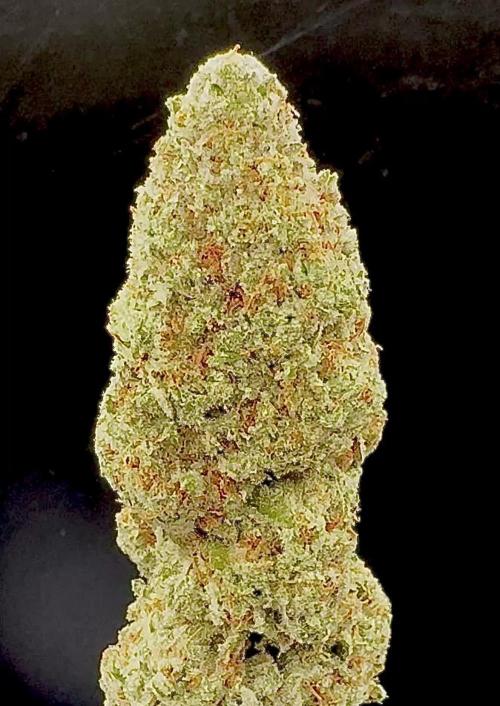
Super frosty & rock hard buds💥
Delicious terps🤤
Perfect buds leaf ratio

Likes
1
Share


Likes
3
Share


Likes
25
Share


@JonnyKush
Follow
wow! friends my tent 100cm x 100cm x 200cm is completely full! it is my first experience with photoperiod and I was not very prepared for it! They look great with a nice green color. I hope for the best and will continue to work hard! like and leave tips!

Likes
12
Share


@Ashbash
Follow
This one has become the biggest of the 4 I have going at the moment. Possibly from the critical mass genetics, but idk lol. On the Biobizz grow now. Responding well to lst IMO, seeing a few tops now.

Likes
4
Share


@KCChiefers
Follow
Day 71 Update: Watered both plants with almost a gallon until runoff. Water was just plain pH balanced water. Plant #1 has 5 days left on flush and Plant #2 has 11 days left on flush. Although with my tent filling up, I will probably harvest Plant #1 tomorrow as I don't think 4 days of being in there will make a difference in the end product.
Day 72 Update: Harvested Plant #1 today. Plant #2 has 10 days left on flush.
Day 74 Update: Watered plant with 3/4gal of pH balanced water until runoff. Plant #2 has 8 days left on flush. Also, added another stake to help support a heavier branch.
Day 76 Update: Placed buds from Plant #1 in jars to start curing...maybe a little bit too long drying, but if that's the case I'll toss a boveda pack in. Plant #1's yield was 57.2g or 2oz 1.2g. Plant #2 will be harvested sometime next week and I will update the harvest page as soon as buds are dried and weighed.


Processing
Likes
2
Share


@The_Chef_420
Follow
Haven't seen too much calyx formation yet, just a lot of stretching. Waiting on the purple too🧐 I've been pruning out lower branches and leaves hanging close to the ground to help keep air flowing and humidity down, especially near her stalk.
Likes
13
Share


@Lfuego22
Follow
First week from clone. Started at day 5. Good week. Worked on the discoloration and growth this week
Likes
5
Share

@blablamesh
Follow
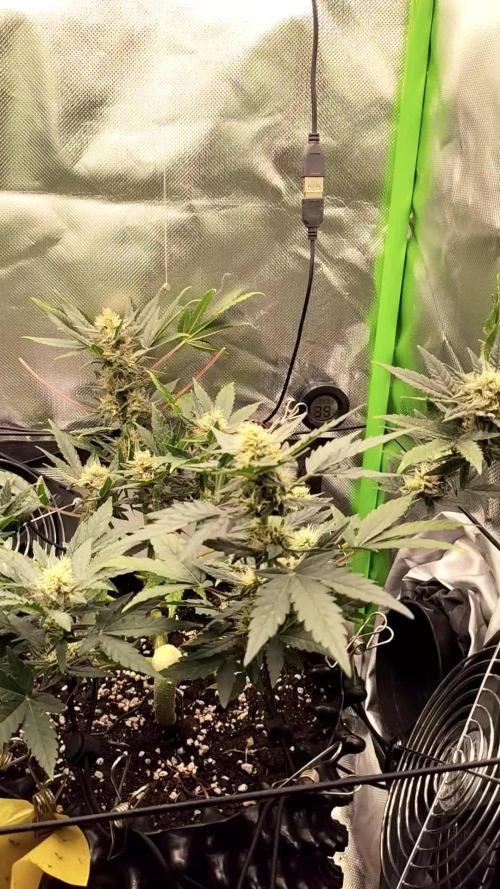
I did some lollipopping, that's it. It hell outside, so the temperatures inside are also very hot. But the plant will survive:)
Likes
12
Share


@w33dhawk
Follow
Glaub ich hab ein bißchen mit dem düngeplan übertrieben wie man bei dem Video sehen kann bei den Sapphire scout bei den beiden zkittles die vorne stehen auf der rechten Seite sind es die jiffies die sich nicht richtig aufgelöst haben aber die hintere sieht gut aus. Mir ist gestern durch ein Gespräch mit nem Kollegen aufgefallen das ich den spreader von der Lampe schon vor 2 Wochen hätte drauf werfen können ich Trott hab das völlig verplant hab den gestern Abend schnell mal drauf gesetzt besser spät als nie

Processing
Likes
34
Share


@Organijuana
Follow
Feeding nutes based on chart, water in (sameday) ..... clean compost brewer and brew new batch (sameday) ..... use compost tea once wk (nextday, water in lil) and discard and clean for next week.... defoliation a lil daily..... HENCE ... becoming more of a chore or should I say we have a great relationship right now. A coexistence, a sudden need for one another. They are my sheep and I am there shephard! Now lets harvest some cotton!


Processing
Likes
15
Share


@DUBDOLLASIGN100
Follow
30 deep and every single one is standing tall and at attention, I'll be transferring these girls into a 3 gallon pots at there 4 week period, I'm only watering these once a week and there doing great.
Likes
15
Share


@Dirty_rich
Follow
Empiezan a formarse los cogollos.
Nueva oleada de resina, por lo tanto aumentaron también los aromas ya se persigue un olor claro, dulce, como a lavanda.
Flores rojizas siguen apareciendo en toda la planta pero con tonos muy bajos, casi invisible a simple vista.
Muy buen aroma (intensidad media)
Apliqué por última ocasión preventivo de plagas, con tierra de Diatomeas.
